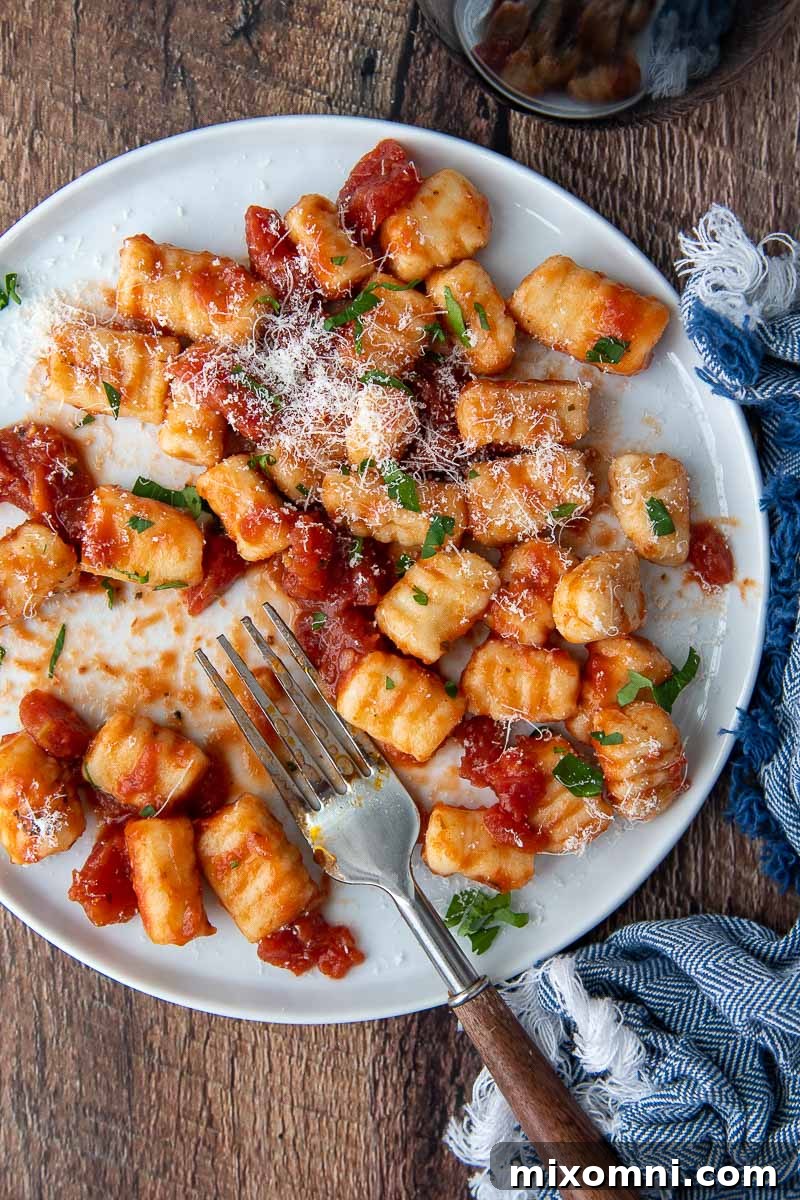
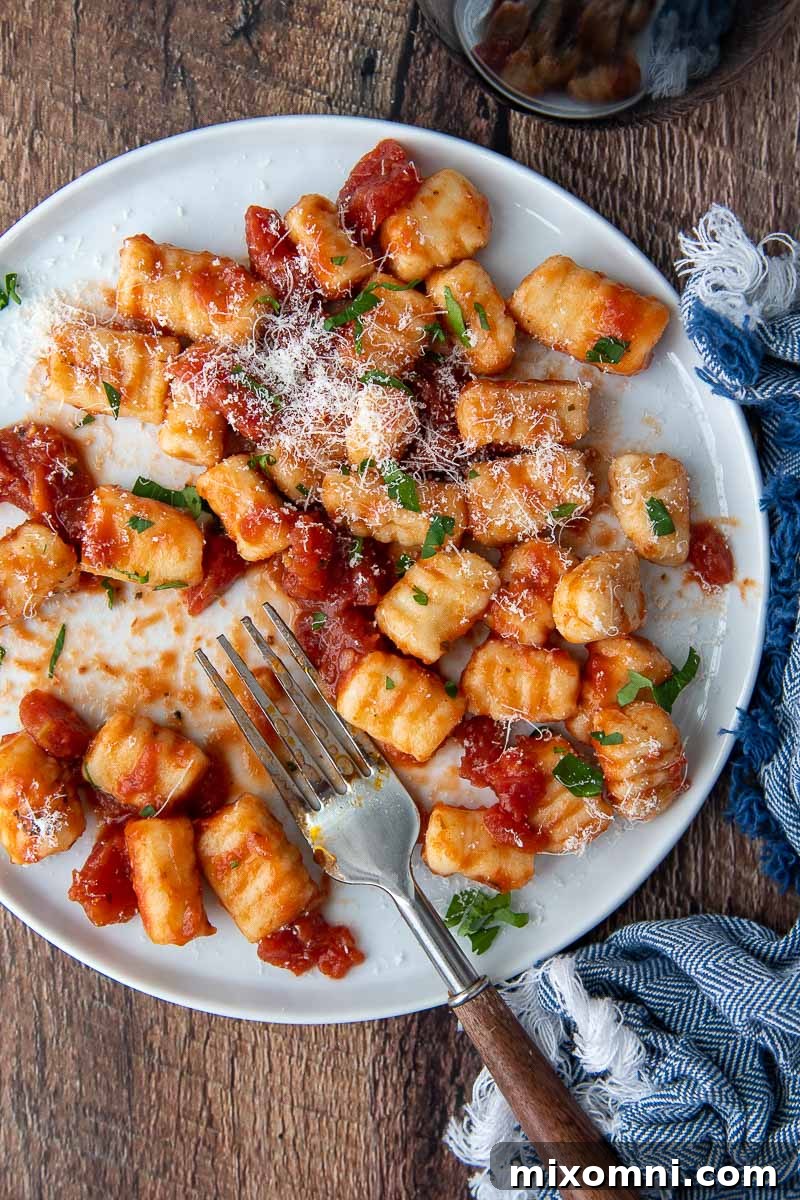
Imagine sinking your teeth into tender, pillowy gnocchi, handcrafted in your kitchen in under 30 minutes. This isn’t just any gnocchi; it’s a labor of love, perfected for those who cherish authentic Italian flavors but require a gluten-free diet. Crafted with just a handful of simple ingredients—rich whole milk ricotta cheese, a premium gluten-free flour blend, a touch of olive oil, an egg, and a sprinkle of Parmesan—this ricotta gnocchi recipe is a revelation. Its inherent simplicity makes it an incredibly fast and effortless meal, perfect for a busy weeknight yet impressive enough for guests. Simply toss with your favorite sauce and savor every delicious bite!
Mastering Gluten-Free Gnocchi: A Well-Tested Family Recipe
Growing up in a first-generation Italian household instilled a profound appreciation for fresh, homemade pasta. Store-bought options were simply not on the table. My Italian Gramma and mother meticulously crafted fresh pasta for every occasion, from our most humble family dinners to elaborate holiday feasts. The aroma of simmering sauces and freshly cut dough filled our home, creating cherished memories around the dinner table.
Over the years, as dietary needs evolved, many of these treasured Italian recipes have been lovingly adapted into gluten-free versions that are just as magnificent as their traditional counterparts. Think of our homemade gluten-free lasagna that defies mushiness, hearty baked ziti, and my Gramma’s beloved focaccia, now perfectly gluten-free. Crafting gluten-free versions of these classics has been a labor of love, ensuring that no one misses out on the rich tapestry of Italian culinary tradition.
While my Gramma, sadly, was never able to sample this particular gluten-free gnocchi recipe, both my mother and I give it our enthusiastic stamp of approval. We enjoy it with immense gusto, partly because, unlike Gramma’s traditional potato gnocchi, this version eliminates the time-consuming steps of peeling, boiling, and mashing potatoes. The simplification of the process makes homemade gnocchi more accessible and enjoyable for modern cooks.
Initially, I attempted to simply swap gluten-free flour into our family’s classic potato gnocchi recipe. Believe me, I tried countless times, only to be met with disappointing results! Through extensive recipe testing and experimentation, I discovered a significant challenge: gluten-free potato gnocchi often tasted predominantly like mashed potatoes, lacking the delicate, ethereal texture characteristic of true gnocchi. I believe this is largely due to the composition of many gluten-free flour blends, which frequently rely heavily on rice flours, leading to an imbalance in starches and a denser, less appealing texture.
This realization led me to pivot towards a ricotta cheese-based gnocchi. By using a foundation of high-quality gluten-free flour, combined with creamy ricotta, a hint of olive oil, an egg for binding, and a touch of Parmesan cheese for flavor, I achieved a remarkable improvement in both taste and texture. The ricotta adds an incredible lightness and richness that potato-based gnocchi often struggle to achieve in a gluten-free format. Furthermore, the inherent variability in the moisture content of potatoes often makes consistency difficult to achieve. Ricotta, on the other hand, offers a much more stable and forgiving base, ensuring perfect results every time.
An incredible added benefit of using ricotta in this gnocchi recipe is the dramatic reduction in prep time. All the ingredients effortlessly come together in a single bowl, making the entire process incredibly fast and straightforward. You simply mix, roll, and cut! This streamlined approach means that homemade, authentic-tasting gnocchi can now be on your dinner table in less than 30 minutes, transforming what was once considered an ambitious culinary project into an easy weeknight reality. It’s truly a game-changer for gluten-free pasta lovers.
“Made this tonight for my son with celiac. He loved it as did the rest of the family. Definitely a keeper. Thanks for a great recipe!”
—Chris
Essential Ingredients for Perfect Ricotta Gnocchi
Crafting delicious gluten-free ricotta gnocchi begins with understanding the role each ingredient plays. While the list is short, the quality and type of each component are crucial for achieving that coveted tender, pillowy texture and authentic Italian flavor.
- Whole Milk Ricotta Cheese: This is the star of our gnocchi! I highly recommend using whole milk ricotta over part-skim. The higher fat content in whole milk ricotta contributes significantly to the tenderness and rich flavor of the gnocchi, preventing them from becoming rubbery or dry. Always drain your ricotta thoroughly to remove excess moisture, which can impact the dough’s consistency.
- Large Egg: The egg acts as a vital binding agent, holding the ingredients together and adding structure to the dough. It also contributes to the gnocchi’s light and airy texture. Without it, the gnocchi would likely fall apart during cooking.
- High-Quality Olive Oil: Just a touch of olive oil is essential. It helps to coat the gluten-free starches, effectively eliminating any potential gritty or grainy texture that can sometimes be associated with GF flours. It also adds a subtle richness and helps with the pliability of the dough.
- Finely Grated Parmesan Cheese: Beyond adding a delightful salty and umami flavor, Parmesan cheese also assists in binding the dough. Freshly grated Parmesan will always yield the best flavor compared to pre-grated varieties.
- Gluten-Free Flour Blend: This is arguably the most critical ingredient for gluten-free success. Not all gluten-free flours are created equal, and their performance can vary drastically due to differing starch compositions. This gnocchi recipe was rigorously tested with a variety of blends, and specific recommendations, along with detailed notes on results, are provided in the dedicated gluten-free flour section below. Choosing the right blend is key to achieving the perfect texture.
Let’s Craft This Culinary Delight Together!
Making homemade gnocchi might sound intimidating, but I promise you, with these step-by-step instructions and visual guides, you’ll be rolling out tender, delicious pasta in no time. (For precise ingredient quantities and full recipe details, please scroll down to the comprehensive recipe card below.)
Whipping Up the Effortless Dough
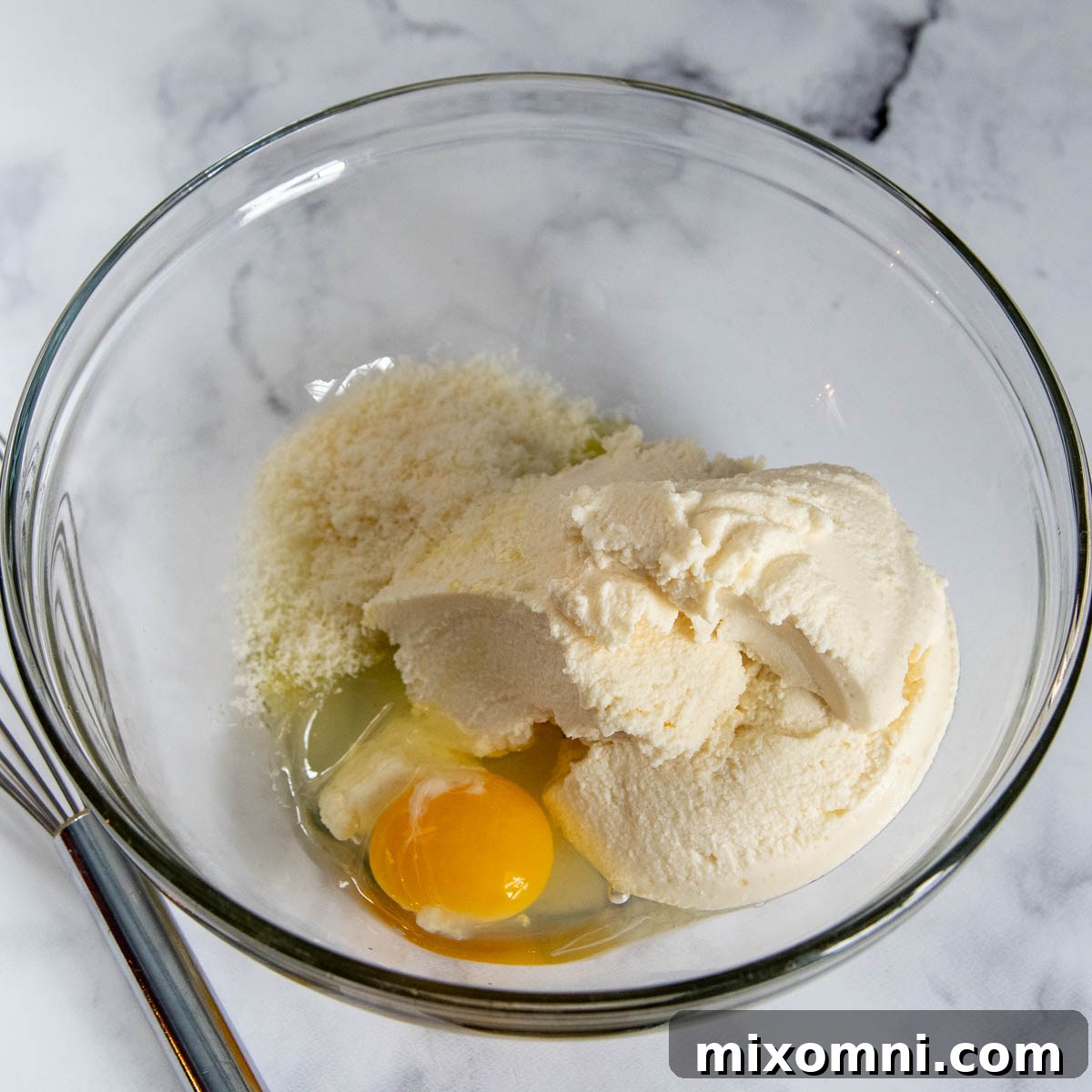
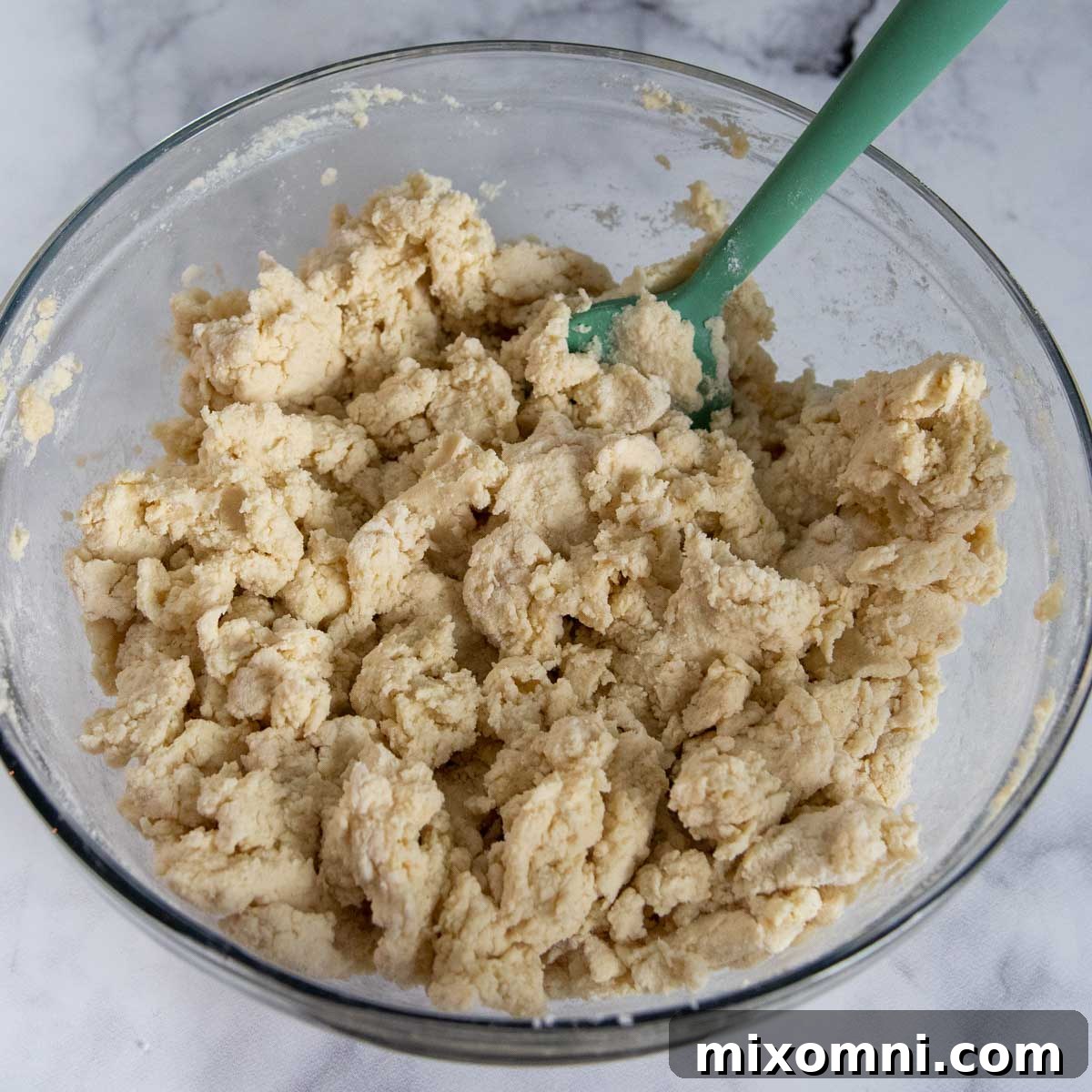
Begin by combining the wet ingredients: whisk together the rich ricotta cheese, the egg, the splash of olive oil, and the finely grated Parmesan in a spacious mixing bowl until thoroughly blended. Next, gradually incorporate your chosen gluten-free flour, stirring consistently until all ingredients are well-mixed and the dough begins to come together. The ideal consistency for your gnocchi dough should be soft, pliable, and just slightly sticky to the touch. If you find the dough too stiff or crumbly, a tiny dash of warm water can help bring it to the right consistency. Conversely, if it feels too loose or excessively sticky, add gluten-free flour one tablespoon at a time until it reaches the desired texture. Be careful not to overmix, as this can lead to a tougher gnocchi.
Initiating the Shaping Process
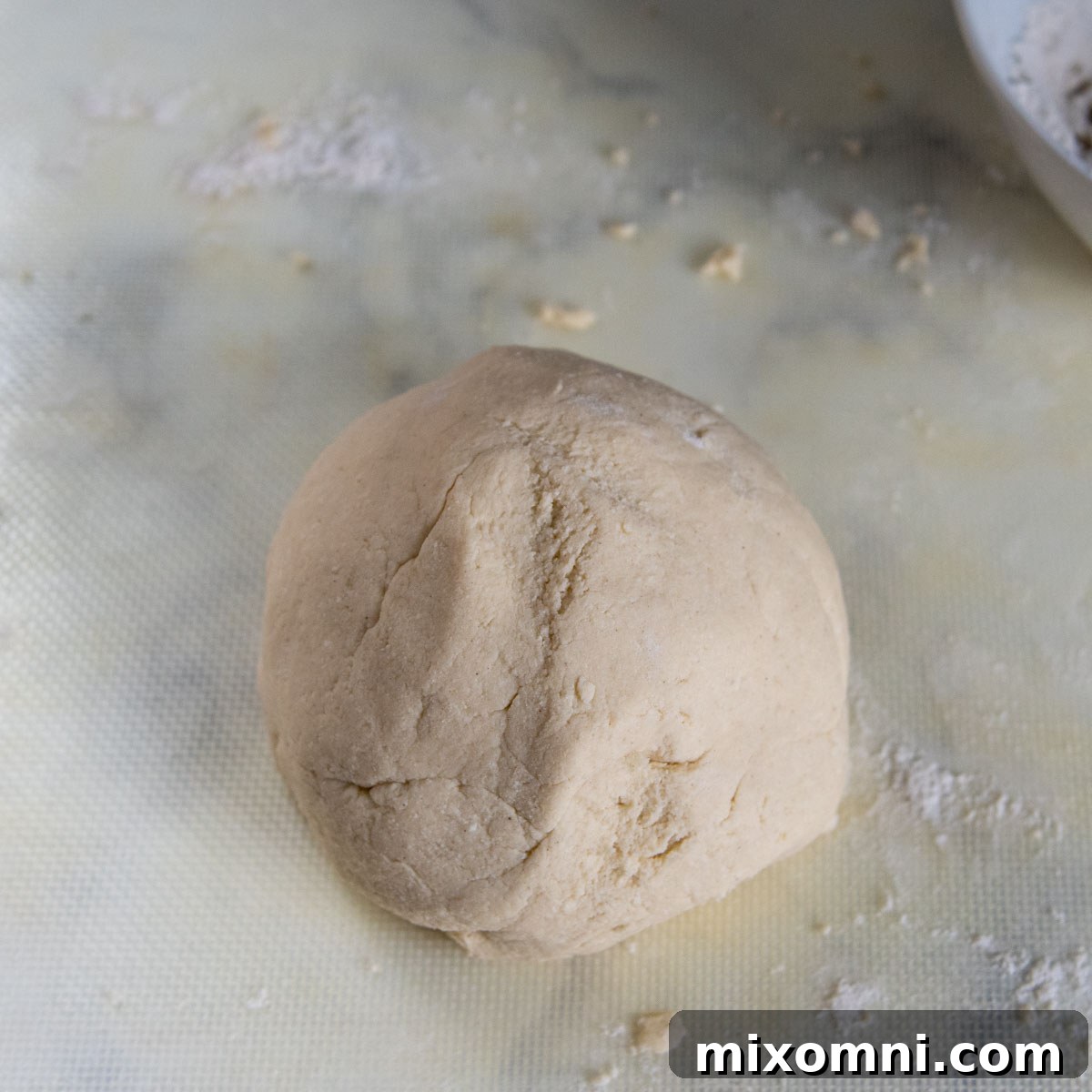
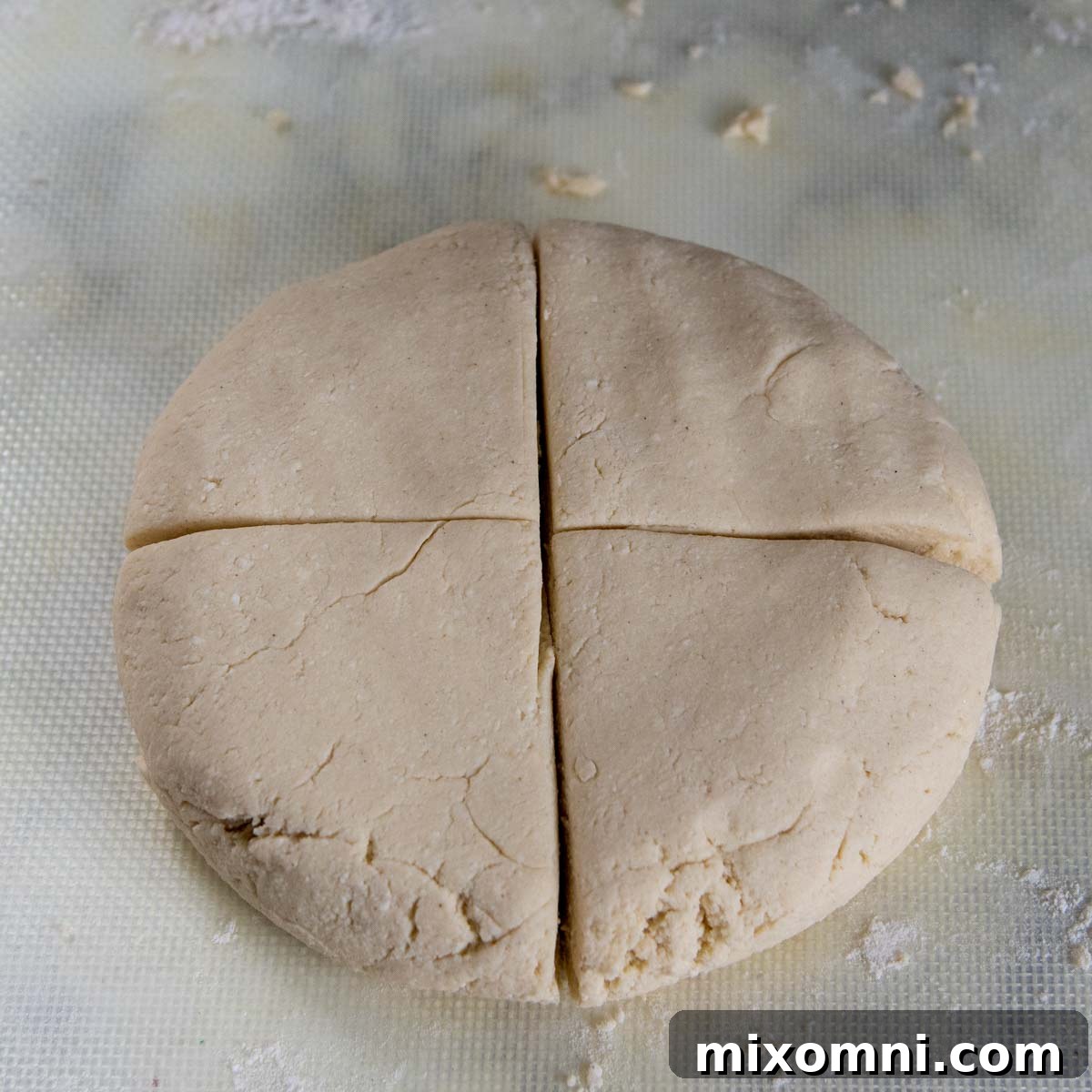
Once your dough has reached the perfect consistency, gently turn it out onto a lightly floured work surface. Knead the dough just until it forms a smooth, cohesive ball. To make the shaping process more manageable and efficient, I prefer to work with the dough in smaller sections. Flatten the entire ball into a thick disc, then cut it crosswise to yield four relatively equal pieces. This allows for easier handling and consistent rolling of the gnocchi ropes.
The Art of Rolling and Slicing
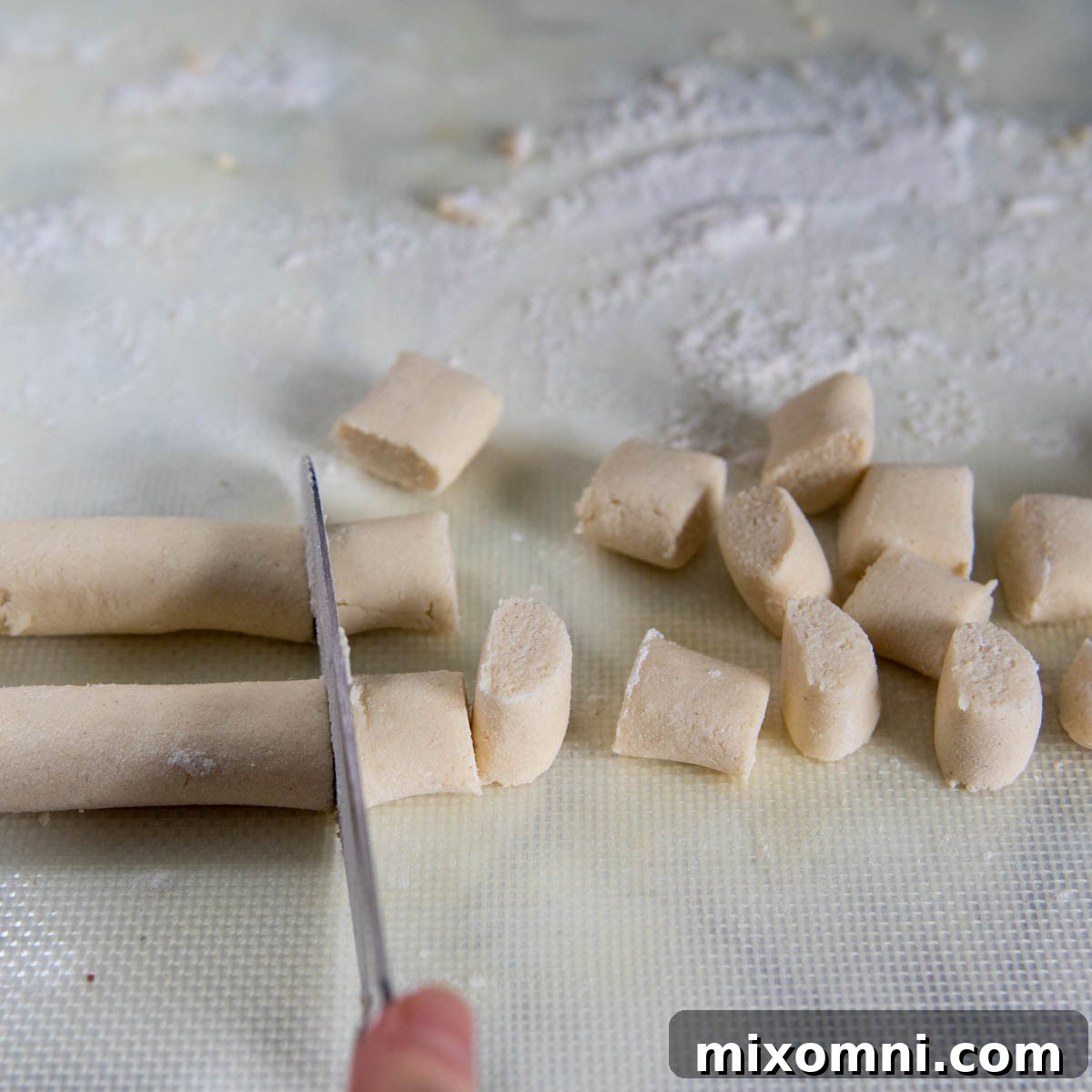
As a proud advocate for efficiency in the kitchen, I always look for ways to streamline the cooking process. Instead of rolling one rope at a time, I find it much quicker to work with two sections simultaneously. Take two of your dough pieces and gently roll each one into a long, uniform rope, aiming for about ½ to ¾ inch in thickness. Then, using a lightly floured sharp knife, slice both ropes at the same time into ½-inch pieces. This method significantly speeds up the gnocchi production.
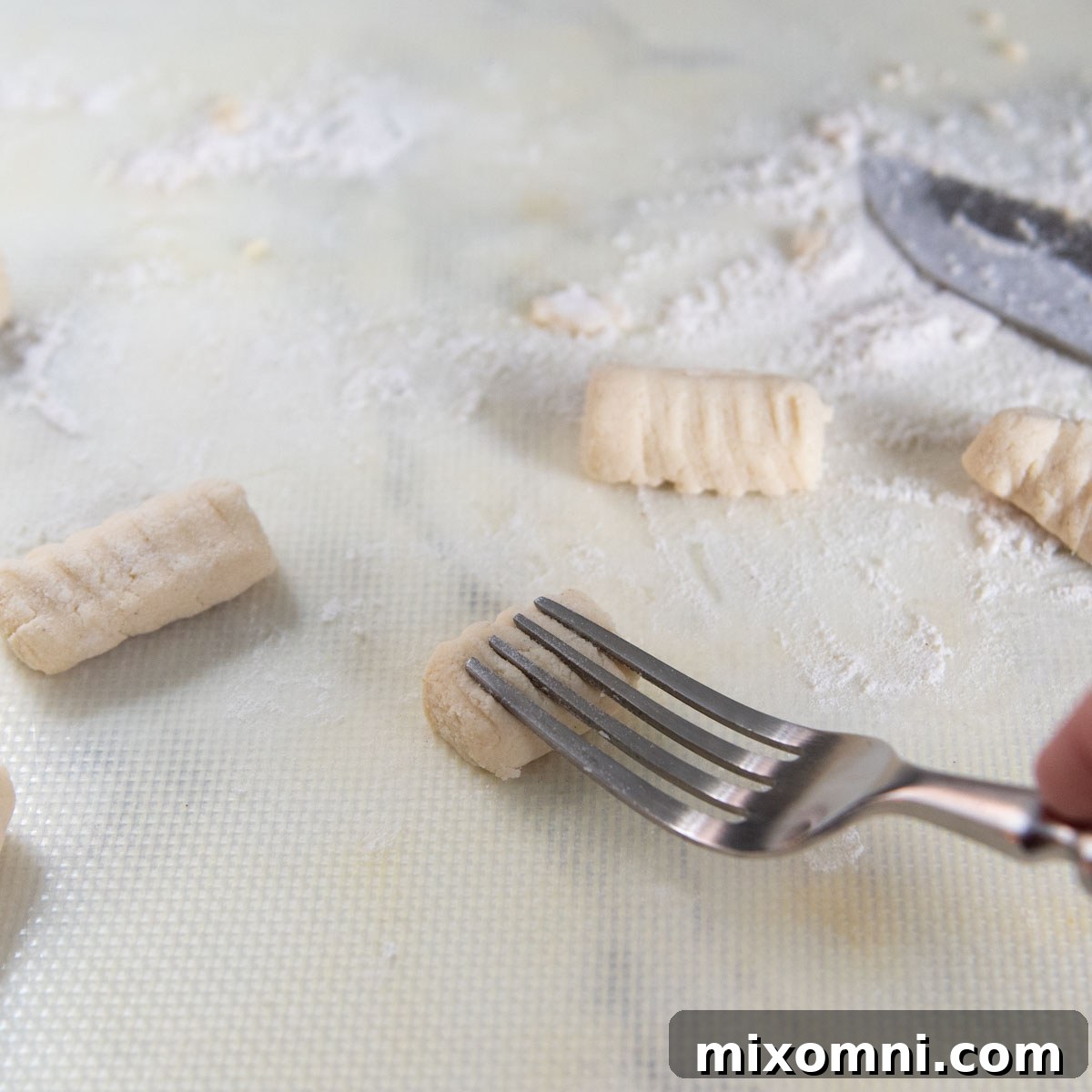
Now, for a touch of classic gnocchi aesthetics: if you’re feeling a bit fancy and have a moment, you can create the signature ridges on each gnocchi piece. Simply press the tines of a fork gently across one side of each gnocchi or roll them down a traditional gnocchi board. These ridges aren’t strictly necessary for taste, but they serve a wonderful purpose: they help the sauce cling beautifully to each dumpling, ensuring every bite is bursting with flavor. My Gramma, in her pragmatic wisdom, never bothered with this extra step, and I often follow suit when time is of the essence. However, if you desire that truly authentic, ridge-filled homemade gnocchi appearance, a fork or gnocchi board will do the trick.
Expert Tips for Cooking and Storing Your Gnocchi
Achieving perfectly cooked, tender gnocchi requires a few key techniques, especially when working with gluten-free varieties. Here’s everything you need to know for outstanding results:
Boiling Your Gnocchi to Perfection
- No Salt in Boiling Water for GF Pasta: Unlike traditional pasta, I generally advise against adding salt to the boiling water when cooking gluten-free pasta, including gnocchi. Gluten-free flours, particularly rice-based ones, tend to absorb salt more readily, which can lead to an overly salty dish. It’s better to season your sauce generously and allow the gnocchi to absorb flavor from there.
- The “Float and Cook Longer” Rule: For traditional gnocchi, the rule of thumb is to remove them from the boiling water as soon as they float to the surface. However, for gluten-free gnocchi, it’s crucial to extend this cooking time. After they float, allow them to continue boiling for an additional 30-45 seconds. This extra time ensures they are fully cooked through, preventing a grainy or unpleasant texture that can result from undercooking. Properly cooked GF gnocchi should be tender and light.
- Batch Cooking: Always cook gnocchi in small batches. Overcrowding the pot will lower the water temperature too quickly, leading to gnocchi that stick together or cook unevenly.
Freezing and Storing Homemade Gnocchi
One of the beauties of making gnocchi from scratch is the ability to prepare a larger batch and freeze some for later, making future meals even faster. After cutting your gnocchi:
- Flash Freeze: Spread the freshly cut gnocchi in a single layer on baking sheets, ensuring they don’t touch each other. Place the baking sheets in the freezer until the gnocchi are completely solid. This flash-freezing step prevents them from clumping together.
- Transfer for Long-Term Storage: Once solid, transfer the frozen gnocchi to an airtight ziplock freezer bag or container. They can be stored in the freezer for up to 3 months.
- Cooking Frozen Gnocchi: When you’re ready to cook frozen gnocchi, there’s no need to thaw them first. Simply add them directly to boiling water. However, remember the rule about batch cooking; add slightly fewer dumplings to the water than you would with freshly made gnocchi. Adding too much frozen pasta at once will drastically reduce the water temperature, prolonging the cooking time and potentially leading to mushy gnocchi.
Cooking Gnocchi Directly in Sauce (The “One-Pan” Method)
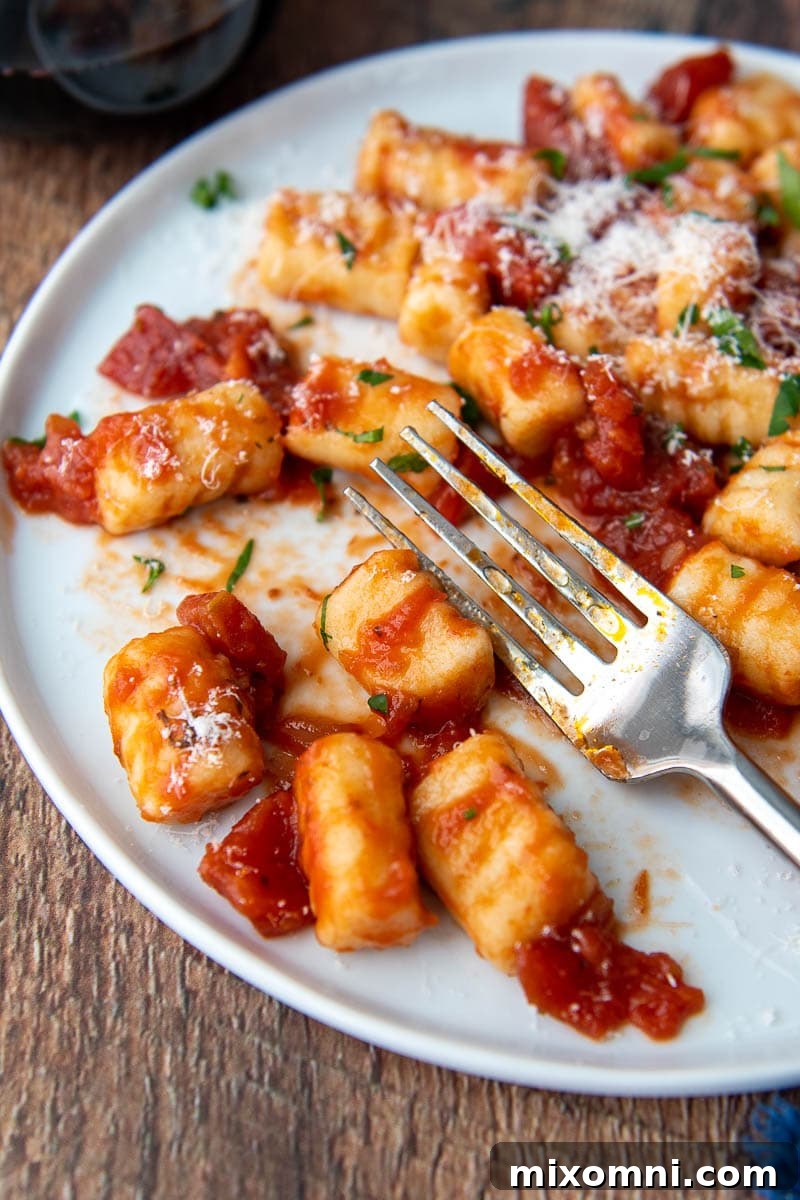
For an even quicker preparation, you have the option to cook the gnocchi directly in your sauce rather than boiling them in water separately. This method can infuse the gnocchi with incredible flavor. However, I’ve found this technique yields the best results specifically when using Cup4Cup gluten-free flour for your gnocchi dough. When I attempted this “one-pan” method with gnocchi made from other gluten-free flour blends, they unfortunately tended to break down and become mushy in the sauce. The unique blend of starches in Cup4Cup helps the gnocchi maintain its integrity, offering a wonderfully tender and flavorful result directly in your favorite marinara, pesto, or cream sauce.
Choosing the Best Gluten-Free Flour for Gnocchi Success
The choice of gluten-free flour is perhaps the single most critical factor in the success of this gnocchi recipe. Unlike traditional wheat flour, gluten-free blends vary widely in their composition—each using a different combination of starches and binders. This diversity means that not all gluten-free flours are created equal, and their performance in delicate recipes like gnocchi can differ significantly. When I developed and thoroughly tested this homemade gnocchi recipe, my goal was to ensure consistent, delicious results, regardless of the flour used. Unfortunately, I quickly learned this wasn’t the case, necessitating careful selection.
My Rigorous Gluten-Free Flour Testing Results:
- King Arthur Measure-for-Measure Gluten Free Flour: This blend did form a dough that came together and rolled out reasonably well. However, after boiling, the gnocchi had a distinct doughy and grainy texture, coupled with an unpleasant aftertaste. When I attempted to cook gnocchi made with this flour directly in a sauce, it broke down considerably, becoming mushy and failing to hold its shape.
- Bob’s Red Mill 1-to-1 Gluten Free Flour: The results with Bob’s Red Mill 1-to-1 blend were quite similar to those of King Arthur. While the dough held its shape during preparation and initial boiling, the final product had a noticeable “ricey” and grainy taste that was far from enjoyable, detracting from the authentic gnocchi experience.
- Cup4Cup Gluten Free Flour (Our Clear Winner!): From the moment I started working with Cup4Cup, it stood out. The dough consistently came together beautifully and was a pleasure to roll. In my initial test, I added a bit too much flour, which resulted in a slightly gelatinous bite, though the flavor was excellent. For the second attempt, I carefully added just enough additional flour—approximately 1 tablespoon—until the dough was no longer sticky to the touch. This precise adjustment yielded a dramatically improved texture that was wonderfully tender and light, with absolutely no hint of that tell-tale “gluten-free” taste. Furthermore, gnocchi made with Cup4Cup performed exceptionally well whether boiled in water or cooked directly in a sauce, maintaining its shape and delicious texture.
Due to its superior performance, Cup4Cup gluten-free flour has become my go-to for a range of other beloved GF Italian recipes. It’s the secret behind my perfectly pliable gluten-free crespelle for manicotti and the key to the authentic texture of my homemade gluten-free fresh pasta noodles. Trust me, investing in this flour blend will elevate your gluten-free Italian cooking to new heights!
Don’t Forget to Pin This Recipe!
Let’s connect on Pinterest! I’m always sharing delicious, family-friendly recipes!
Frequently Asked Questions (FAQ) About Gluten-Free Gnocchi
- Can I make this recipe dairy-free? While this recipe relies heavily on ricotta and Parmesan for texture and flavor, some readers have reported success with dairy-free ricotta alternatives and vegan Parmesan. However, results may vary significantly, and the texture might not be identical to the original.
- What kind of sauce pairs best with ricotta gnocchi? Ricotta gnocchi is incredibly versatile! It pairs beautifully with simple tomato-based sauces like marinara, fresh pesto, brown butter and sage sauce, or even creamy Alfredo. Its delicate flavor also stands up well to a rich Bolognese or a light lemon-butter sauce with fresh herbs.
- My gnocchi came out too dense/gummy. What went wrong? This is often due to too much flour, overmixing the dough, or undercooking. Ensure you add just enough flour for the dough to be soft and slightly sticky. Knead minimally. For gluten-free gnocchi, remember to cook them an extra 30-45 seconds after they float to ensure they are thoroughly cooked.
- Can I use self-rising gluten-free flour? No, I do not recommend using self-rising gluten-free flour. The leavening agents in self-rising flour are not suitable for gnocchi and can lead to an undesirable texture. Stick to an all-purpose gluten-free flour blend as recommended.
- How do I know when the gnocchi is fully cooked? Beyond the floating, the best test is to taste one! It should be tender all the way through, not grainy or chalky in the center. The extra 30-45 seconds of boiling after floating is key for gluten-free versions.
Did you try this recipe? I absolutely love hearing from you and seeing your culinary creations! Please leave a star rating and comment below the recipe card. Your feedback helps others discover and enjoy our recipes, and I truly appreciate it. You can always expect a response from me! -Melissa
Soft, Tender Gluten-Free Gnocchi with Ricotta

Melissa Erdelac
6
20 minutes
10 minutes
30 minutes
Pin
Rate
Remove Ads
Ingredients
1x
2x
-
15 ounce whole milk ricotta -
1 egg -
1 tablespoon olive oil -
¼ cup finely grated parmesan cheese -
2 cups (308 g) all purpose gluten-free flour, (Cup 4 Cup highly recommended)
Equipment
-
Cup4Cup Gluten Free Flour
-
Rolling Mat
-
Skimmer Spoon
Instructions
-
In a large mixing bowl, whisk together the whole milk ricotta, egg, olive oil, and finely grated parmesan cheese until well combined. Gradually stir in 2 cups of the gluten-free flour until a cohesive dough forms.15 ounce whole milk ricotta, 1 egg, 1 tablespoon olive oil, ¼ cup finely grated parmesan cheese, 2 cups all purpose gluten-free flour
-
Turn the dough out onto a lightly floured surface or a silicone rolling mat. Gently knead the dough until it forms a smooth ball. If needed, sprinkle an additional 1-4 tablespoons of flour, a little at a time, until the dough is no longer sticky to your hands, but still very soft.
-
Flatten the dough ball into a thick disc and cut it into 4 equal sections. Take two sections and roll them into long ropes, each about 1 inch thick.
-
Lightly flour a sharp knife blade and cut both ropes simultaneously into ½-inch pieces. If you desire traditional ridges, gently press the tines of a fork into each piece. Transfer the cut gnocchi to a baking sheet and repeat with the remaining two dough sections.
-
If cooking immediately, place the baking sheets with gnocchi in the refrigerator while you bring a large pot of water to a rolling boil. For freezing, transfer the baking sheets directly to the freezer until the gnocchi are solid, then move them to an airtight ziplock bag for storage.
-
Boil the gnocchi in small batches, approximately 1/8 of the recipe at a time. Add the gnocchi to the boiling water, give a gentle stir to prevent sticking, and cook until they float to the top. IMPORTANT TIP: For gluten-free gnocchi, continue boiling for an additional 30-45 seconds after they float to ensure they are fully cooked through and prevent a grainy texture.
-
Using a slotted spoon or a skimmer, carefully lift the cooked gnocchi out of the water and transfer them to a large colander. Repeat this process with the remaining gnocchi. Serve immediately, tossed with your preferred sauce, or proceed to the “cook in sauce” method if desired.
Notes
Yield Information
Most store-bought gnocchi are sold in one-pound packages, which many recipes call for. This homemade recipe yields approximately 2 pounds of fresh, tender gnocchi. This means you can enjoy half for dinner tonight and easily freeze the other half for a quick, delicious meal later!
Important Preparation and Cooking Tips:
- Gluten-Free Flour Choice is Key: Cup4Cup Gluten Free Flour is highly recommended for this recipe as it consistently delivers the best taste and tender texture. When incorporating flour, be mindful not to add too much; excess flour can result in a slightly gelatinous or tough texture. Aim to add just enough flour (typically 1-2 tablespoons more than the initial amount) until the dough is no longer excessively sticky to handle.
- Freezing Instructions: To freeze your homemade gnocchi, arrange the freshly cut pieces in a single layer on baking sheets, ensuring they do not touch. Place the baking sheets in the freezer until the gnocchi are completely solid. Once frozen, transfer them to an airtight ziplock freezer bag or container. They can be stored for up to 3 months. When cooking from frozen, add fewer gnocchi to the boiling water per batch than you would with fresh gnocchi. Overcrowding the pot with frozen pasta will significantly drop the water temperature, leading to longer cooking times and potentially mushy results.
- Cooking Fresh Gnocchi Directly in Sauce: Yes, this can be a fantastic and flavorful method! However, this technique works optimally if you’ve used Cup4Cup gluten-free flour to make your ricotta gnocchi. Other gluten-free flour blends may break down and become mushy when cooked directly in a sauce, failing to maintain their delicate structure.
Adapted from Food 52
Carbohydrates: 31g,
Protein: 15g,
Fat: 15g,
Saturated Fat: 7g,
Trans Fat: 1g,
Cholesterol: 67mg,
Sodium: 134mg,
Potassium: 90mg,
Fiber: 4g,
Sugar: 2g,
Vitamin A: 391IU,
Calcium: 224mg,
Iron: 2mg
Did you make this recipe?Please leave a star rating and review below. It helps others when searching for recipes and I LOVE feedback!