
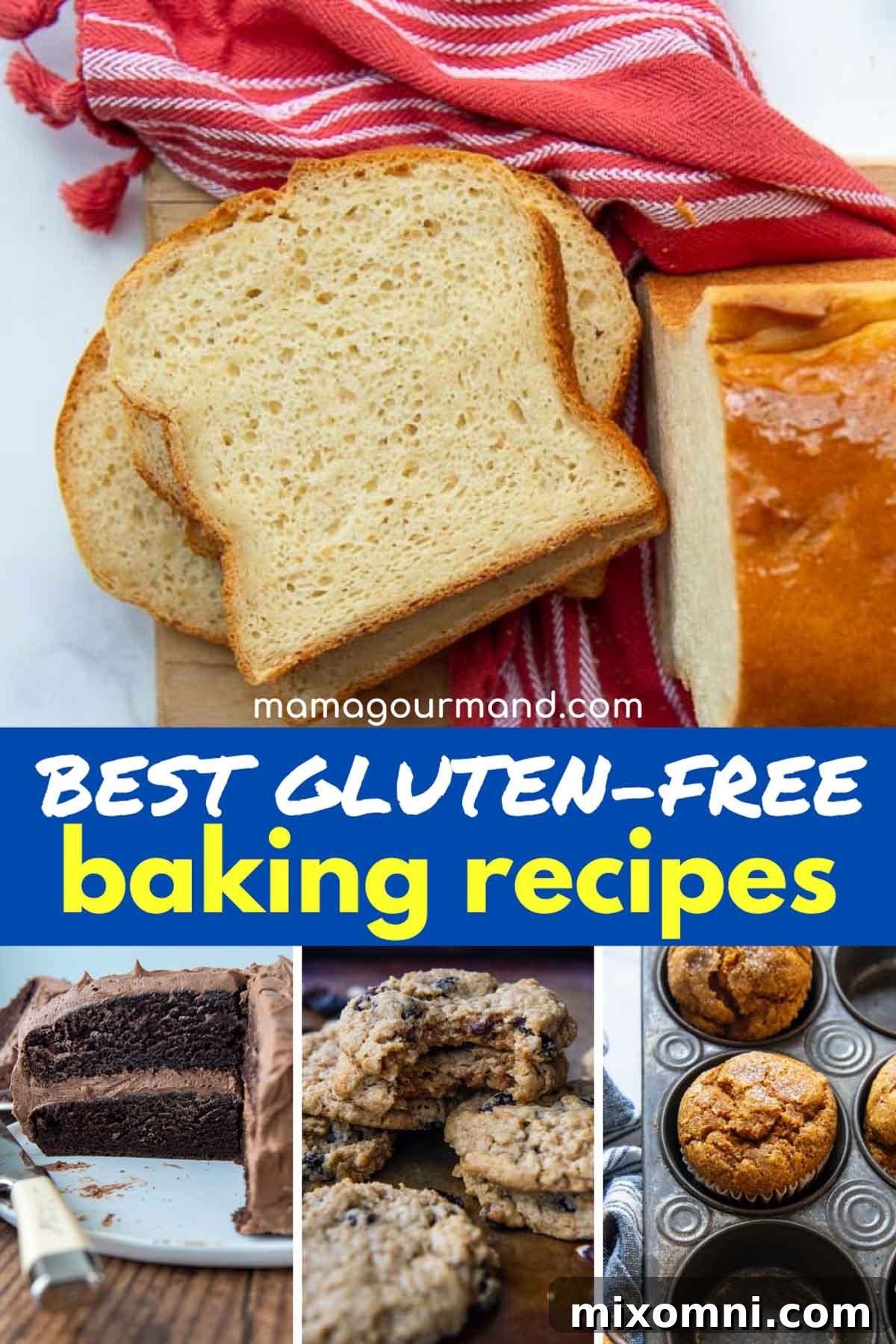
Tired of disappointing gluten-free baking results? For over 15 years, I’ve dedicated myself to researching and perfecting gluten-free recipes. Along this journey, I’ve uncovered straightforward tips and clever tricks that not only prevent baking frustrations but also help you achieve the taste and texture of beloved baked goods, just as you remember them. Prepare to unlock the secrets to crafting exceptional gluten-free breads, cookies, muffins, cakes, and much more with my top five incredibly simple yet transformative tips. Say goodbye to dense, crumbly, or gummy bakes and hello to truly delicious, soft, and satisfying gluten-free treats.
Mastering Gluten-Free Baking: Avoiding the Biggest Mistakes
Whether you’re new to the world of gluten-free cooking or have been managing celiac disease or a gluten allergy for years, there’s always something new to discover in the culinary realm. My personal journey spans decades of gluten-free baking and cooking, culminating in the publication of a gluten-free cookbook and the development of hundreds of successful recipes. Yet, it remains a continuous, exciting evolution!
The widespread popularity and accessibility of gluten-free flour blends have been a tremendous advantage for many. However, this convenience often leads to a common misconception and, unfortunately, numerous baking disappointments. Many novice gluten-free bakers believe that a simple one-to-one swap of gluten-free flour for traditional wheat flour will solve all their problems. If you’re reading this, you’ve likely experienced the frustration of this approach firsthand, probably nodding along and silently exclaiming, “Amen!”
Gluten-free flour blends are typically composed of various naturally gluten-free starches (like rice flour, tapioca starch, potato starch) combined with binding agents such as xanthan gum. The xanthan gum is intended to provide some of the elasticity, chewiness, and structural integrity that gluten offers in traditional baking. This leads to the biggest pitfall for new gluten-free bakers: assuming that the gluten-free flour blend alone is a magic bullet.
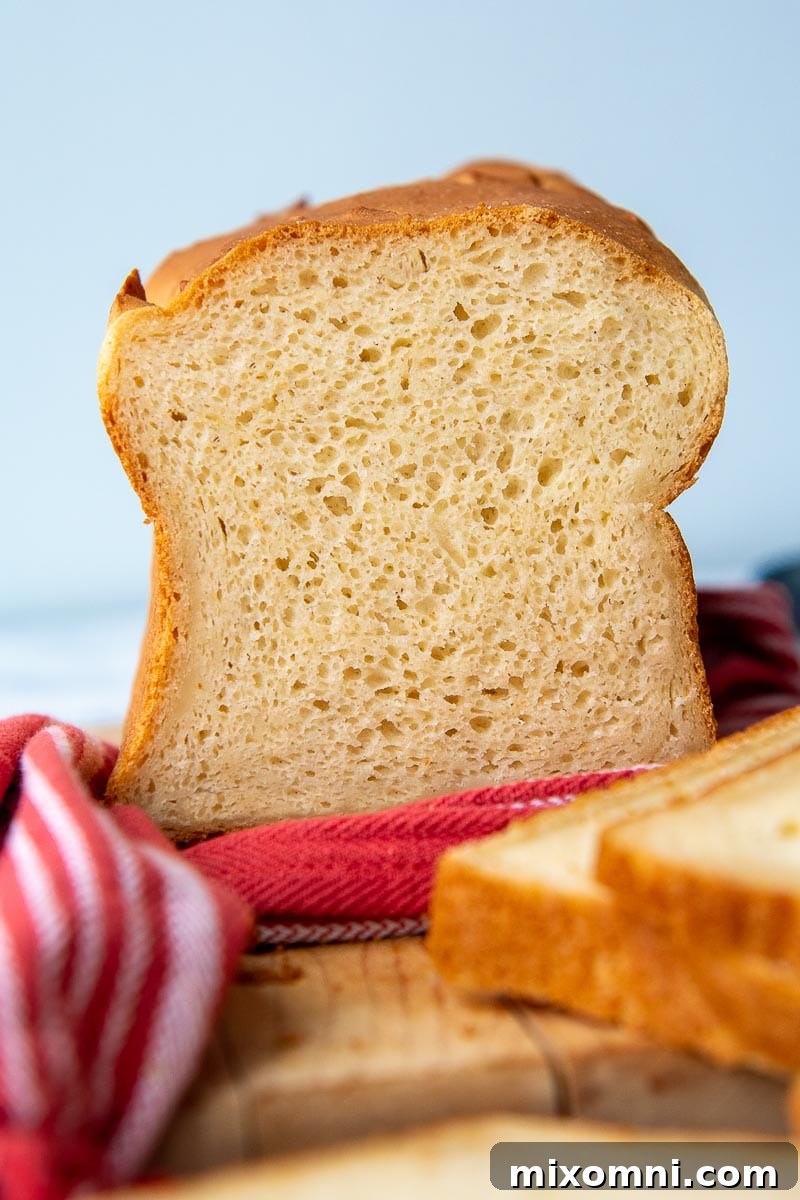
While these blends will get you *most* of the way there for many recipes, they often fall short of delivering truly exceptional results. If your goal is to transform your baked goods from merely “acceptable GF alternatives” into truly glorious creations—like soft and squishy gluten-free bread that doesn’t crumble, a flaky, tender gluten-free pie crust, or pillowy, fluffy gluten-free rolls—you’ll need a few additional, simple tricks up your sleeve. These aren’t complicated culinary techniques; I promise they are easy to implement and will elevate your baking to a “tears-of-joy” level of deliciousness.
Below, I’ll reveal my straightforward secrets for consistent success. These include easy adjustments that will make your favorite gluten-free bread recipes incredibly soft and fluffy, ensure easy gluten-free desserts are never gummy, and guarantee your cookies are perfectly tender and chewy. These simple tips are perfect for even the most novice baker, providing a reliable path to consistent and fail-proof results.
Essential Gluten-Free Baking Tips for Flawless Results
Achieving success with gluten-free baking often involves a few counter-intuitive adjustments compared to traditional baking methods. This is precisely where many common baking mishaps occur. By embracing the simple, yet powerful tips outlined below, you can effectively avoid dense, gummy textures, gritty mouthfeels, and issues with inadequate rise and structural collapse.
While these fundamental techniques are incredibly versatile, remember that every recipe has its unique requirements. However, they serve as an excellent general guide to help you become more attuned to the nuances of gluten-free ingredients and what truly makes a recipe successful. I find these strategies particularly invaluable when I embark on the exciting challenge of converting a traditional, gluten-containing recipe into a superior gluten-free version.
1. Don’t Be Afraid to Overmix Gluten-Free Batters
This tip directly challenges one of the most fundamental “rules” of traditional baking. In conventional baking, overmixing typically leads to dense, rubbery baked goods because it overdevelops the gluten network. However, with gluten-free recipes, especially for cakes and breads, the opposite effect is true and highly beneficial.
Mixing gluten-free batters for a longer duration serves to properly aerate the various starch fibers within the flour blend. This extended mixing time helps the ingredients fully emulsify and integrate, preventing pockets of unhydrated starches that can lead to a gummy texture. The increased aeration and improved starch hydration contribute significantly to a better rise, a lighter and more open crumb structure, and aesthetically pleasing results like beautifully domed tops on your muffins or cakes. It essentially provides extra insurance against gumminess and ensures a more cohesive and pleasant texture.
2. Prioritize Resting Your Gluten-Free Batters and Doughs
Unlike wheat flour, gluten-free flours and starches do not absorb liquids and fats as readily or efficiently. This difference is a key factor in achieving optimal texture and preventing a gritty mouthfeel. Allowing your gluten-free batter or dough to rest provides crucial time for the starches to fully hydrate, soften, and meld with the liquid ingredients.
To implement this tip, simply cover your bowl with plastic wrap and let the batter or dough sit for a minimum of 15 to 30 minutes before proceeding with baking. For doughs that require shaping, such as gluten-free cookies, biscuits, or scones, I often refrigerate the dough during this resting period. Chilling makes the dough firmer and much easier to handle, reducing stickiness. For muffins and quick breads, I typically portion the batter into the muffin tins or loaf pan and let it rest while the oven preheats, ensuring the starches have ample time to hydrate before hitting the heat.
3. Don’t Rush It: Extend Gluten-Free Baking Time
Traditional tests for doneness, such as inserting a toothpick until it comes out clean or checking for a spring-back when gently touched, can be surprisingly unreliable indicators for gluten-free baked goods. This is primarily because gluten-free starches do not absorb and release moisture in the same way as wheat flour.
Many gluten-free recipes can appear perfectly baked on the outside—golden brown and firm to the touch—while still being undercooked and moist in the center. To ensure thorough cooking and proper moisture evaporation, I always err on the side of slightly overbaking. A slightly longer bake time helps prevent a gummy texture and ensures a fully cooked interior.
For a more accurate assessment, especially with denser items like breads and cakes, bypass the toothpick test. Instead, use a long, thin cake tester, inserting it deeper into the center than you would a standard toothpick. The most reliable method, however, is an instant-read thermometer; the internal temperature should register around 200ºF (93ºC) for most baked goods. As long as your items aren’t burning, a few extra minutes in the oven will only improve their texture, eliminating any residual grittiness or gumminess. A gentle way to ensure complete cooking is to turn off the oven at the end of the specified baking time and allow the baked goods to remain inside for an additional few minutes while the oven cools down.
4. Incorporate Additional Starches for Enhanced Texture
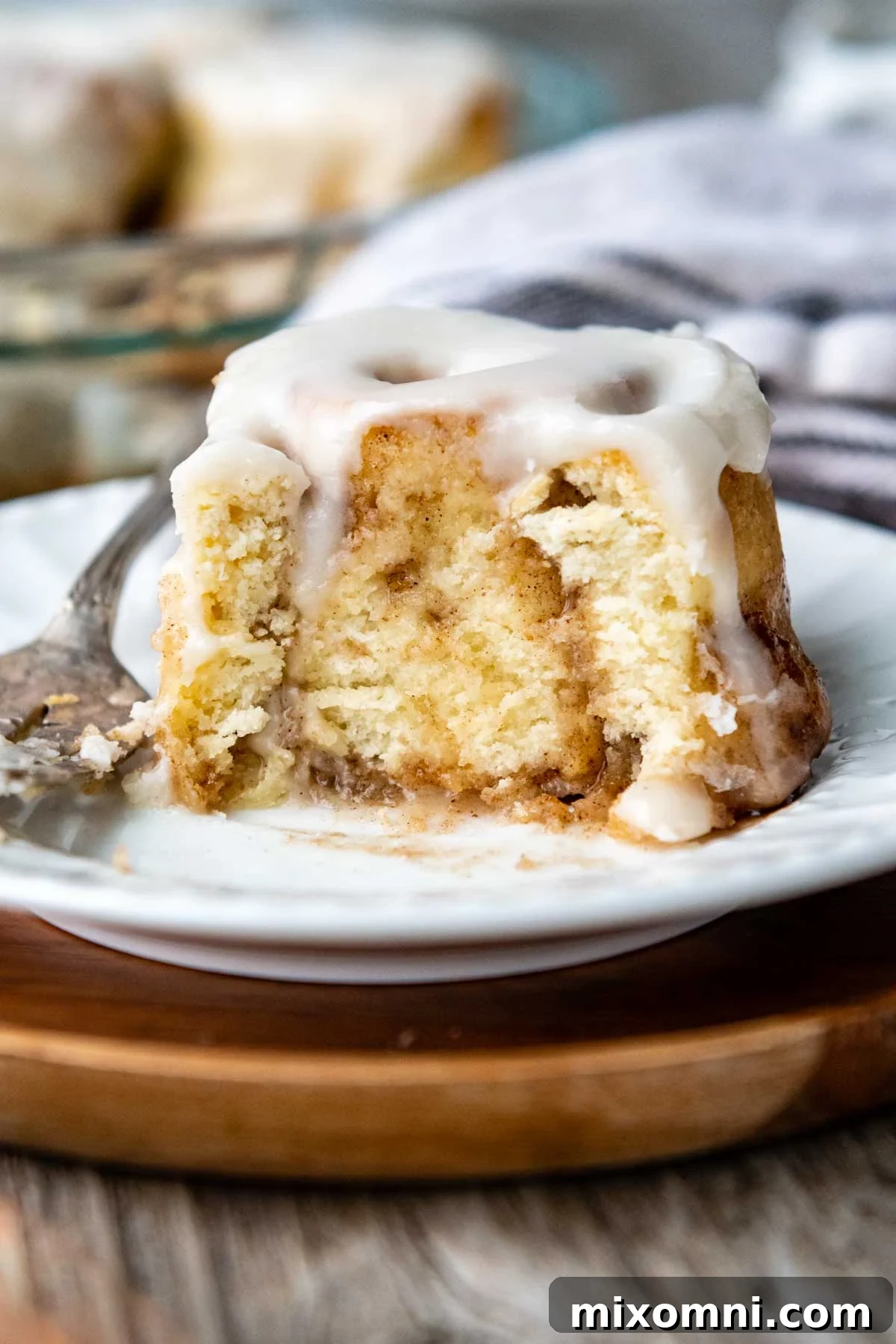
As I often say, mastering gluten-free baking is an ongoing scientific exploration. There are times when even after applying all my usual tricks, I still don’t achieve the perfect texture. This was precisely the challenge I faced when developing my copycat Cinnabon gluten-free cinnamon rolls, where I initially encountered a frustratingly dry and crumbly dough.
I needed a dough that was firm enough to shape into those iconic swirls, but simply adding more gluten-free flour would inevitably lead to dry, crumbly rolls after baking. The breakthrough came when I experimented with replacing a portion of the all-purpose gluten-free flour blend with a specific, highly effective starch: potato starch. Potato starch is excellent at absorbing moisture, which keeps the dough supple and workable for shaping, while simultaneously contributing a wonderful lightness and fluffy texture to the final product. This has since become one of my favorite hacks, especially for doughs that require significant handling and shaping!
Beyond potato starch, other starches like tapioca starch (for chewiness and crisp crusts), cornstarch (for tenderness and thickening), and arrowroot powder (similar to cornstarch, but works well in acidic recipes) can be strategically incorporated to fine-tune the texture of your gluten-free creations. Understanding the unique properties of each starch allows for precise control over the final crumb, chew, and overall mouthfeel.
5. Bolster Elasticity and Structure with Psyllium Husk
A little known fact about my baking philosophy is my aversion to unnecessary complications. When a recipe involves too many extra steps, obscure ingredients, or fussy preparation, I tend to lose interest quickly. However, my perspective completely shifted once I delved deeper into the incredible benefits of psyllium husk in gluten-free baking—I was utterly convinced!
Essentially, psyllium husk acts as a powerful hydrophilic fiber, meaning it absorbs and holds moisture exceptionally well. This property directly aids in moisture retention, significantly improves the elasticity of gluten-free doughs (mimicking gluten’s stretchiness), and ultimately results in a softer, more airy, and pliable crumb. I personally prefer using powdered psyllium husk because it can be easily incorporated with the dry ingredients, demanding minimal additional effort.
It’s important to note, however, that not all psyllium husk is created equal. While the effectiveness of psyllium in terms of taste and texture isn’t usually affected by its color, some darker varieties can impart an unsettling purplish hue to your baked goods. To avoid this unexpected visual effect, I stick to specific brands that ensure my gluten-free creations remain light in color and, well, entirely normal-looking.
This particular organic psyllium husk powder is my go-to choice, though its availability can sometimes be inconsistent. More recently, I’ve discovered another brand of psyllium that appears to be just as light in color and performs equally well, making it a reliable alternative!
Selecting the Best Gluten-Free Flour Blends for Success
One of the great advantages for gluten-free bakers today is the widespread availability of all-purpose gluten-free flour blends in most local grocery stores. However, a crucial point to understand is that these blends are absolutely not created equal. The quality and performance can vary dramatically from one brand to another.
Inferior quality gluten-free flours often result in a gritty texture and lead to baked goods that are flat, dense, or simply lack the desired appeal. Furthermore, there’s a significant inconsistency among brands because each blend is formulated with varying ratios of different starches. You’ll find combinations of brown rice flour, white rice flour, tapioca starch, potato flour, sorghum flour, and many others. This lack of a standardized composition means you cannot expect a consistent taste, texture, or overall quality across all brands.
To help navigate this complex landscape, I’ve created a comprehensive guide detailing my best gluten-free flour recommendations. In this guide, I share my extensive baking experiments and the blind taste-testing results, where participants rigorously judged various flour blends based on taste, texture, and appearance. Through this rigorous testing, Cup4Cup gluten-free flour emerged as the undisputed winner for a wide array of baked goods, including breads, cookies, cakes, and biscuits, consistently delivering superior results.
However, it’s important to note that Cup4Cup does contain milk powder. If you follow both a dairy-free and gluten-free diet, I highly recommend opting for King Arthur Measure-for-Measure. This blend offers excellent performance without dairy. Regardless of which gluten-free flour you choose, always make it a habit to carefully read the ingredient label to double-check for any potential allergens relevant to your dietary needs.
Troubleshooting Common Gluten-Free Baking Mishaps
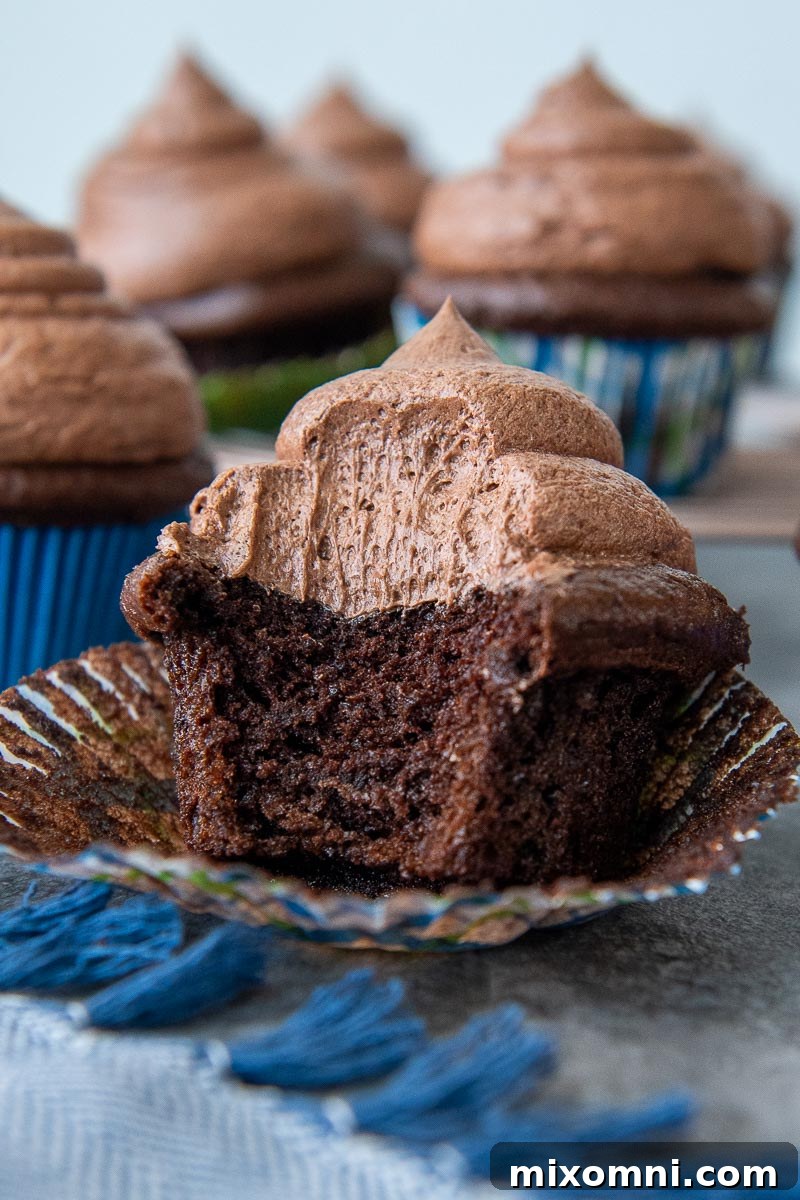
Let’s be honest: we’ve all been there. I understand how incredibly frustrating it is to invest your precious time, money, and high hopes into a recipe, only for it to result in a baking disaster that brings on tears of disappointment. The good news is that many common gluten-free baking woes have straightforward solutions. Below, I’ve outlined the most frequent mishaps and provided actionable advice on how to fix them and prevent them from happening again.
Gluten-Free Breads or Cakes Sinking in the Middle
A sinking center in your gluten-free bread or cake is usually an indicator of a problem related to leavening, insufficient baking time, or fluctuating oven temperature. Ultimately, it signifies that the center of your baked good is undercooked. Gluten-free baking demands a longer bake time than traditional baking because the moisture within the batter doesn’t evaporate as quickly. If you’re ever uncertain about doneness, a safe strategy is to turn off your oven and simply allow the item to remain inside with the door closed for an additional few minutes. This allows for gentle, residual cooking and further moisture evaporation without risking burning the exterior.
Alternatively, if too much leavening agent (baking powder or soda) was used, or if the oven temperature was too high, the baked good might rise too quickly and dramatically, only to collapse and sink as it cools. This can also occur if there are frequent disruptions in oven temperature, such as repeatedly opening and closing the oven door during baking. To counteract these issues, try reducing your oven temperature slightly and extending the baking time. This promotes a more gradual and gentle rise, allowing sufficient time for moisture to evaporate and for the structure to fully set.
Achieving a Dense or Gummy Crumb Texture
A dense or gummy texture is almost always a direct result of excessive moisture that didn’t have enough time to properly evaporate during baking. Since gluten-free starches don’t absorb liquids as efficiently as wheat flour, recipes with a high liquid content are particularly prone to becoming gummy. The starches remain overly hydrated, leading to a heavy, unpleasant consistency.
One effective solution is to experiment with replacing some of the liquid (like milk or water) with thicker, more structured ingredients such as plain yogurt or sour cream. These ingredients help maintain moisture while simultaneously contributing to a stronger structure and a lighter, fluffier texture. You can also cautiously try reducing the overall amount of liquid in the recipe, ensuring that the amount of dry ingredients remains consistent to maintain the proper ratio.
Additionally, reducing the oven temperature and extending the baking time can significantly help. This allows the internal moisture to slowly cook off without over-browning the exterior. Once the baking time is complete, turn off the oven and let your baked good sit inside for a few extra minutes to ensure it’s thoroughly done. For a definitive check, use a long cake tester, inserting it deep into the center to confirm no wet batter remains.
Combatting a Dry and Crumbly Texture
Gluten-free doughs inherently present a challenge when it comes to shaping because they lack the natural elasticity provided by gluten. When faced with a dough that feels too soft or sticky, a common instinct for many bakers is to simply add more flour. The logic seems sound: more flour will stiffen the dough, making it “look like” traditional wheat dough and easier to handle.
While adding extra flour might make the dough more manageable in the short term, the unfortunate reality is that after baking, your creation will likely turn out excessively dry and crumbly—to the point where it becomes unpalatable. So, what’s the real fix?
Instead of increasing the total amount of flour, I recommend employing two of my favorite tricks mentioned earlier. First, try replacing a portion of the all-purpose gluten-free flour with a more forgiving and moisture-absorbing starch, such as potato starch or tapioca starch. These starches can improve dough texture without drying out the final product. Second, incorporate an additional binding agent like psyllium husk powder. Psyllium husk helps absorb and retain moisture, enhances elasticity, and improves overall structure without the need for additional flour, directly addressing the core issues of dryness and crumbliness.
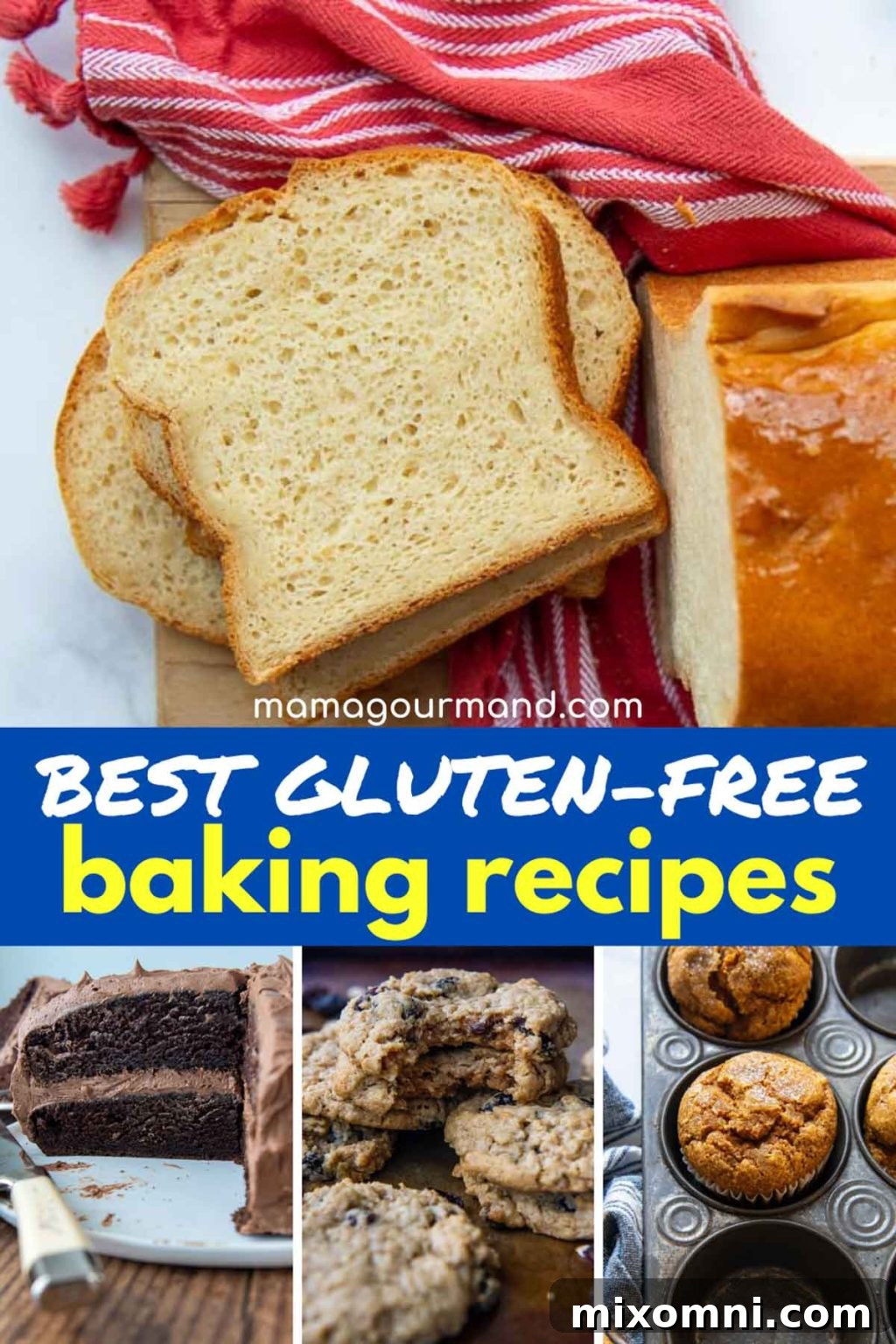
Love these ideas? SAVE THESE GLUTEN-FREE BAKING TIPS TO YOUR PINTEREST BOARD!
Let’s be friends on Pinterest! I’m always sharing great recipes!
This post contains affiliate links. My opinions are always my own. If you purchase a product through an affiliate link, I make a small commission – at no cost to you. Read full disclosure policy here.