
Crave the ultimate comfort food that’s both hearty and wholesome? Dive into a bowl of this unbelievably thick and creamy gluten-free potato soup! This isn’t just any potato soup; it’s a meticulously crafted recipe designed to deliver rich flavor and a luxurious texture without a trace of flour. Whether you pile it high with classic baked potato toppings or simply enjoy it with a sprinkle of crispy bacon, prepare to watch your family eagerly ask for seconds.
In the realm of comforting meals, potato soup holds a special place, warming bellies and souls with every spoonful. But for those navigating a gluten-free lifestyle, finding a truly satisfying version can be a challenge. Many traditional recipes rely on flour-based roux to achieve that coveted thick consistency. Our recipe, however, celebrates naturally gluten-free ingredients and clever techniques to create a soup that’s not only safe for gluten sensitivities but also boasts an unparalleled velvety smoothness that will impress even the most discerning palates.

The Ultimate Gluten-Free Potato Soup: Rich, Creamy & Loaded with Flavor
Many home cooks might assume that all potato soups are inherently gluten-free. Unfortunately, this isn’t always the case. Traditional potato soup recipes frequently call for a roux—a mixture of butter and wheat flour—to build a thick, creamy base. This classic French technique, while effective for thickening, instantly makes a soup off-limits for anyone following a gluten-free diet.
But fear not! Our recipe ingeniously sidesteps this common pitfall by focusing on naturally gluten-free ingredients and smart cooking methods that deliver an incredibly rich, thick, and satisfying consistency. You won’t miss the flour one bit, as the natural starches of the right potatoes, combined with a simple cornstarch slurry and a touch of evaporated milk, create a truly decadent experience. This approach ensures a delicious soup that is safe and enjoyable for everyone, regardless of dietary restrictions.
The Secret to Unrivaled Creaminess Without Flour
Achieving a perfectly thick and creamy potato soup without relying on flour is simpler than you might think, provided you use the correct ingredients and techniques. The cornerstone of this recipe is the choice of potatoes. While varieties like Yukon Gold or red potatoes are delicious, they tend to hold their shape more, which isn’t ideal for naturally thickening a soup. Instead, we champion the use of Russet or Idaho potatoes. These starchy spuds are culinary workhorses that break down beautifully when cooked, releasing their starches into the broth and creating a naturally robust body for your soup.
To give our soup an extra boost of luxurious thickness, we incorporate a cornstarch slurry. This powerful thickening agent is a fantastic gluten-free alternative to flour, ensuring your soup reaches that desired rich consistency without any grittiness. Similar techniques are employed in popular recipes like a quick 20-minute gluten-free broccoli cheddar soup and our family’s highly acclaimed famously creamy gluten-free corn chowder. The key is to stir in this cornstarch-water mixture after the vegetables and potatoes have had ample time to cook and soften in the flavorful broth, allowing it to work its magic as the soup gently simmers.
But the secret weapon doesn’t stop there. For an unparalleled velvety taste and texture in this homemade potato soup, we turn to evaporated milk instead of standard heavy cream, whole milk, or half-and-half. Evaporated milk, which has much of its water content removed, offers a concentrated creaminess that imparts a rich, silky mouthfeel. Its thicker consistency and slightly caramelized flavor deepen the overall profile of the soup, creating an indulgent experience that’s both comforting and gourmet. This simple swap makes a remarkable difference, elevating the soup from good to absolutely outstanding.
A Family Favorite for All Dietary Needs
Cooking for a family with diverse dietary needs can often feel like a juggling act. That’s why having versatile, from-scratch recipes like this gluten-free potato soup in your culinary arsenal is invaluable. It’s a testament to how delicious and inclusive meals can be when prepared with thoughtful attention to ingredients. This one hearty bowl of comfort truly pleases everyone at the table, ensuring that no one feels left out. These simple yet effective adjustments consistently result in what we believe is, hands-down, the best gluten-free potato soup you’ll ever taste, making it a staple in any mixed-diet household.
“I made this for family today and they LOVED it! It makes a nice, creamy, comfort food style meal! I think next go round, I’m going to sneak some cauliflower in!”
—Cynthia
Essential Ingredients for the Perfect Bowl
Crafting an exceptional gluten-free potato soup begins with selecting the right ingredients. Each component plays a vital role in building the layered flavors and achieving that signature thick, creamy texture. Here’s a closer look at what makes this recipe truly special:
- Bacon: More than just a topping, crispy bacon is integral to the soup’s flavor foundation. The rendered bacon drippings infuse the base with a savory, smoky depth that elevates the entire dish. These flavorful fats are then used to sauté the vegetables, locking in incredible taste from the very start. For a delightful vegetarian potato soup, simply omit the bacon and use an extra tablespoon of butter or olive oil to sauté your aromatics, ensuring a rich base without the meat.
- Russet Potatoes: While a variety of potatoes can be used in soup, Russet potatoes are the undisputed champion for achieving a naturally thick and creamy consistency without flour. Their high starch content means they break down beautifully during simmering, releasing starches that effortlessly thicken the broth. Unlike waxy potatoes, which tend to hold their shape, Russets create a soft, fluffy texture that melts into the soup, contributing significantly to its body and comforting mouthfeel.
- Aromatic Vegetables: A classic mirepoix of yellow onion, carrots, and celery forms the aromatic backbone of this soup. Sautéing these vegetables until tender creates a sweet and savory base that adds essential depth and complexity. Minced garlic, added at the end of the sautéing process, introduces a pungent warmth that ties all the flavors together, making each spoonful incredibly satisfying and well-rounded.
- Broth: The choice of broth significantly impacts the final flavor. Always opt for a certified gluten-free vegetable broth for a vegetarian or vegan option, or a gluten-free chicken broth for a richer, more savory profile. Ensure you read labels carefully, as not all broths are created equal when it comes to gluten-free certification. The broth forms the liquid foundation, infusing the potatoes and vegetables with flavor as they cook.
- Evaporated Milk: This is truly the “secret ingredient” for an incredibly creamy soup without heavy cream or excessive dairy. Because much of its water content has been removed, evaporated milk is thicker and more concentrated than regular milk. It lends a luxurious, velvety taste and texture that feels indulgent yet remains lighter than heavy cream. For those needing a dairy-free modification, excellent substitutes are readily available and detailed in the recipe card below, ensuring everyone can enjoy this luscious soup.
- Optional Toppings: What’s a loaded baked potato soup without an array of delectable toppings? These essential garnishes transform a simple bowl into a culinary masterpiece. Think sharp cheddar cheese, vibrant green onions or chives for a fresh bite, a dollop of cool sour cream for tang, and the reserved crispy bacon bits for a salty crunch. These additions aren’t just for aesthetics; they add layers of flavor and texture that truly complete the “loaded” experience.
Crafting Your Creamy Gluten-Free Potato Soup: A Step-by-Step Guide
Ready to transform simple ingredients into a bowl of pure comfort? Follow these step-by-step instructions, complete with detailed explanations and expert tips. For precise ingredient amounts and the full recipe, please refer to the comprehensive recipe card located further down the page.
1. Building a Flavorful Foundation
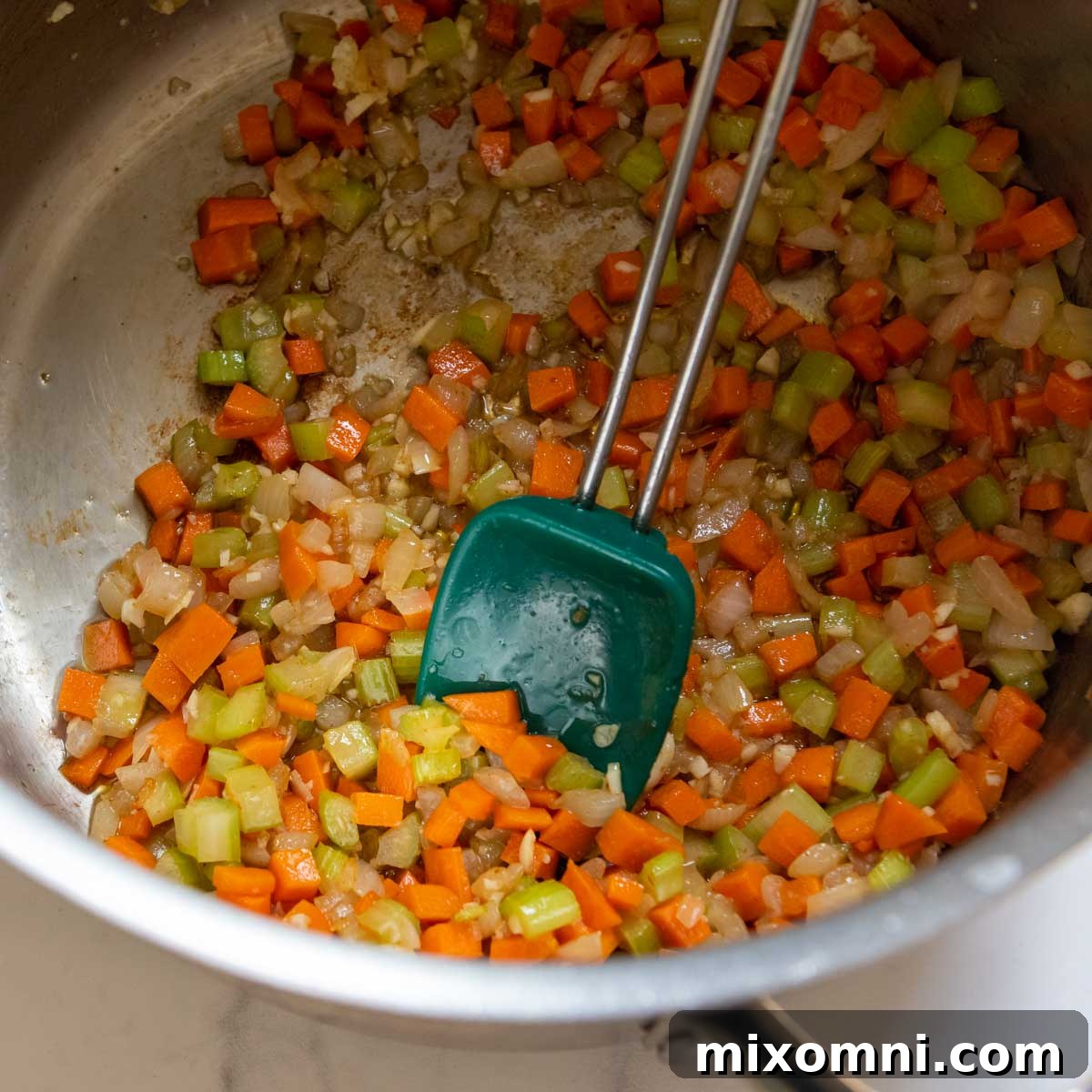
The journey to an incredible soup starts with a robust flavor base. Begin by frying your chopped bacon pieces in a large, heavy-bottomed pot or Dutch oven over medium heat. Stir frequently to ensure even crisping. Once the bacon is beautifully crisp and golden, use a slotted spoon to carefully transfer it to a plate lined with paper towels. This allows excess grease to drain, leaving you with perfectly crunchy bacon bits for garnish. Crucially, leave all those delicious, rendered bacon drippings right in the pot – this is where much of your soup’s initial flavor will come from! Next, add your prepared vegetables (diced onion, celery, and carrots) to the pot and sauté them gently in the bacon fat until they soften, becoming fragrant and slightly translucent. This step builds a foundational layer of savory goodness for the entire soup.
2. Simmering Towards Perfection
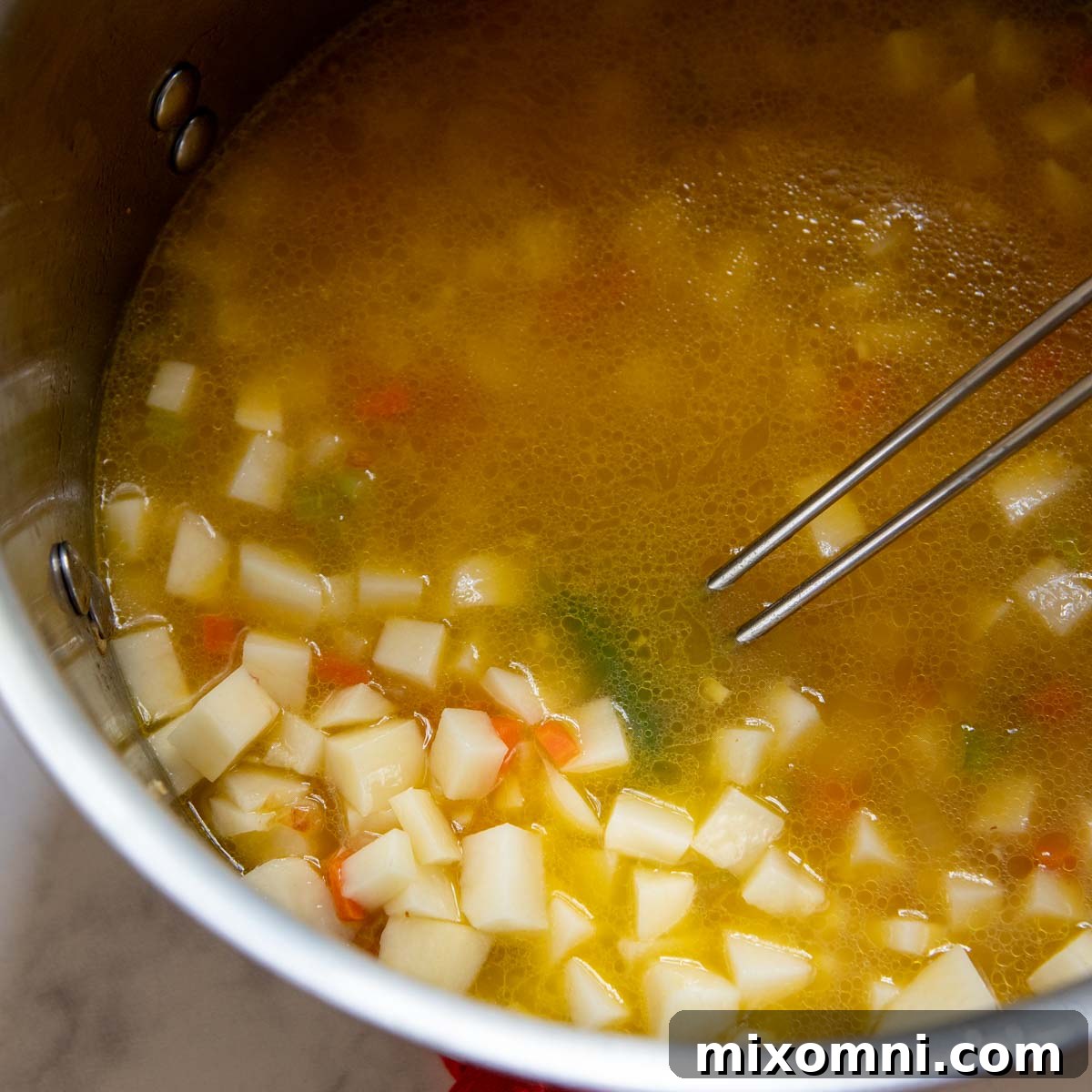
With your aromatic vegetables softened, the most labor-intensive part is already behind you. Now, it’s time to introduce the stars of the show and build the liquid component. Stir in your gluten-free broth, the diced Russet potatoes, onion powder, salt, and pepper. Give everything a good stir to combine all the ingredients thoroughly. Increase the heat to medium-high and bring the mixture to a rolling boil. Once boiling, reduce the heat to a gentle simmer. Partially cover the pot, leaving a small vent for some steam to escape. This slight opening prevents the soup from becoming too thin or diluting the concentrated flavors as it cooks. Continue to simmer for approximately 10-15 minutes, or until the potatoes are incredibly tender and easily pierced with a fork. This prolonged, gentle cooking allows the Russet potatoes to soften and begin to release their starches, naturally thickening the soup.
3. Achieving Velvety Smoothness
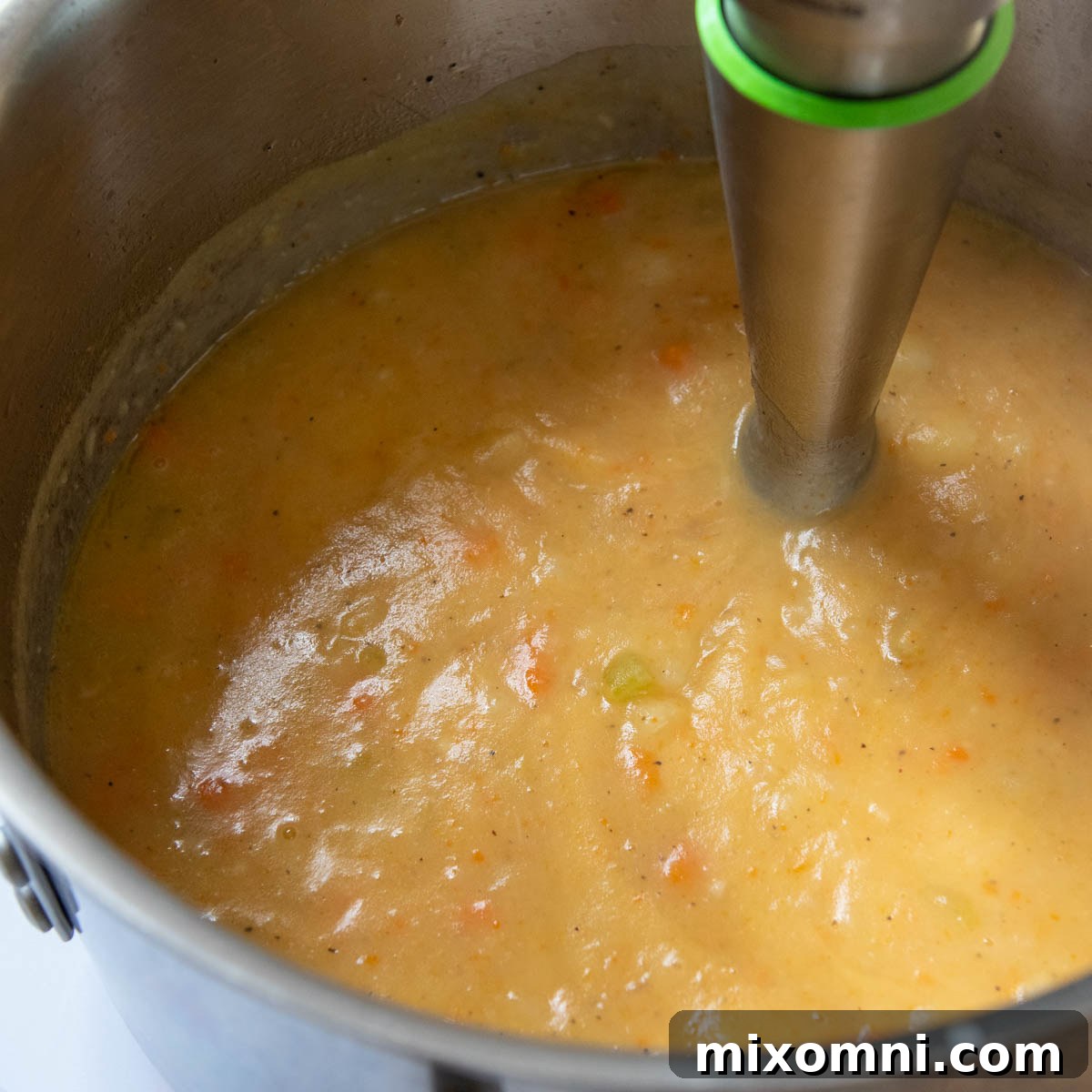
This is where the magic happens and your soup transforms into a luxuriously creamy masterpiece. To achieve the perfect texture, use an immersion blender directly in the pot to blend about half of the soup. This technique creates a wonderful balance, leaving some potato chunks for substance while pureeing the rest into a smooth, thick base. If you don’t have an immersion blender, simply transfer about 2-3 cups of the soup to a standard blender and process until completely smooth, then return it to the pot. Alternatively, for a slightly chunkier texture, you can use a potato masher to break down the cooked potatoes directly in the pot. Once partially blended, mix two tablespoons of cornstarch with two tablespoons of cold water to create a smooth slurry, then stir this into the soup. Cook over medium heat, stirring continuously for 1-2 minutes, until the soup visibly thickens. Finally, stir in the evaporated milk, allowing it to gently heat through and infuse its velvety richness. Your thick and creamy gluten-free potato soup is now ready! For the full “loaded baked potato soup” experience, serve immediately with your reserved crispy bacon, generous amounts of shredded cheddar cheese, a dollop of sour cream, and a scattering of fresh chives or green onions.

Elevate Your Soup Experience: Delicious Topping Ideas
There’s something truly special about transforming a comforting bowl of potato soup into a personalized culinary adventure. If you’re hankering for that quintessential gluten-free baked potato soup experience or planning to serve this as part of an interactive “loaded soup bar,” this recipe provides the perfect, velvety canvas. Our family adores this soup not only for its incredible taste but also for its versatility, offering endless possibilities for creative and delicious toppings that elevate it to next-level dinner status.
Beyond the basics, consider a wider array of options to truly make your soup pop. For a fresh and wholesome addition, steamed broccoli florets add color, texture, and a boost of nutrients. You can never go wrong with more cheese – experiment with different varieties like smoked gouda, Monterey Jack, or even a spicy pepper jack for an extra kick. If you’re making the dairy-free option, a sprinkle of nutritional yeast can mimic that cheesy flavor beautifully. For a satisfying crunch, crushed gluten-free crackers are a must; we particularly enjoy Simple Mills Almond Flour Crackers and Trader Joe’s Savory Squares Vegan Cheese crackers. Other fantastic additions include caramelized onions, roasted garlic, a sprinkle of cayenne pepper for heat, a drizzle of high-quality olive oil, or even a few dollops of vibrant pesto. Get creative and enjoy customizing your perfect bowl!

Frequently Asked Questions & Expert Tips
To ensure your gluten-free potato soup experience is nothing short of perfect, here are answers to some common questions and a few extra tips:
Can I make this soup vegetarian or vegan?
Absolutely! This recipe is highly adaptable. For a vegetarian version, simply omit the bacon and use 1-2 tablespoons of plant-based butter or olive oil to sauté the vegetables. Ensure you use gluten-free vegetable broth. For a completely vegan soup, in addition to the vegetarian modifications, replace the evaporated milk with a high-quality dairy-free milk alternative, such as unsweetened almond milk, oat milk, or cashew milk. Full details on these substitutions are provided in the Notes section of the recipe card.
How do I store and reheat leftovers? Can I freeze this soup?
Leftover potato soup can be stored in an airtight container in the refrigerator for up to 5 days. To reheat, gently warm the soup in a saucepan over low to medium heat, stirring occasionally. If the soup appears too thick after refrigeration, add a splash of milk (dairy or non-dairy) or a bit of broth to reach your desired consistency. Freezing potato soup is generally not recommended. The high starch content of the potatoes can cause them to break down during the freezing and thawing process, resulting in a grainy or unappealing texture, and the creamy consistency might be compromised. While the taste will likely still be good, the texture might be off. If you must freeze it, and find the texture unsatisfactory after thawing, an immersion blender can help to re-puree it back to a smoother creaminess.
What if my soup isn’t thick enough?
If you find your soup isn’t as thick as you’d like, you can easily adjust it. Create another small cornstarch slurry by whisking 1 tablespoon of cornstarch with 1 tablespoon of cold water. Stir this mixture into the simmering soup and cook for another 1-2 minutes, stirring constantly, until it reaches your desired thickness. Remember, the consistency will also thicken slightly as it cools.
Can I use different types of potatoes?
While Russet potatoes are highly recommended for their starchiness and ability to naturally thicken the soup, you can experiment with other varieties. If using waxy potatoes like Yukon Gold or red potatoes, be aware that they will retain more of their shape and won’t contribute as much to the soup’s thickness. You might need to use a bit more cornstarch slurry or blend a larger portion of the soup to achieve a similar creamy texture. Mixing half Russet and half Yukon Gold can offer a good balance of creaminess and some potato chunks.
What are some excellent serving suggestions?
This gluten-free potato soup is incredibly versatile. It’s fantastic as a stand-alone meal, especially with all the “loaded” toppings. For a more complete dinner, consider pairing it with a fresh green salad, a crusty gluten-free bread for dipping, or a simple grilled cheese sandwich made with gluten-free bread. It also makes a wonderful starter course for a heartier meal.
Save this recipe to your Pinterest board!
Let’s be friends on Pinterest! I’m always sharing great recipes!
Did you make this recipe? I love hearing from you! Leave a star rating and comment below the recipe card. It helps others when searching for recipes and I appreciate feedback from our community. You will always hear back from me! -Melissa

Thick, Creamy Gluten-Free Potato Soup (Russet Potatoes)

Melissa Erdelac
6
10 mins
30 mins
40 mins
Pin
Rate
Remove Ads
Ingredients
- 6 slices bacon, chopped
- 2 tablespoons butter
- 1 small yellow onion, diced
- 2 celery, diced
- 2 carrots, diced
- 3 cloves garlic, minced
- 2½ pounds russet potatoes, peeled and diced in ¼” cubes
- 4 cups gluten-free chicken or vegetable broth
- 1¼ teaspoon salt
- ½ teaspoon onion powder
- ¼ teaspoon pepper
- 2 tablespoons cornstarch
- 12 ounce can evaporated milk
- Optional toppings: grated cheese, chives, sour cream, bacon
Equipment
-
Immersion Blender
-
Saucepan
-
Santoku Knife
Instructions
-
Add the chopped bacon to a large saucepan. Heat over medium heat, stirring frequently, until the bacon is crisp, about 7-10 minutes. Use a slotted spoon to remove the bacon to a paper-towel lined plate. Carefully tilt the pot, and you should have about 2 tablespoons grease left. Discard any extra.6 slices bacon
-
To the bacon grease add the butter to melt. Add the onions, celery, and carrots. Sauté for 5 minutes, stirring occasionally, until soft. Add the garlic and cook for 30 seconds longer.2 tablespoons butter, 1 small yellow onion, 2 celery, 2 carrots, 3 cloves garlic
-
Stir in the broth, potatoes, salt, onion powder, and pepper. Cover and increase heat to medium-high and bring to a boil.2½ pounds russet potatoes, 4 cups gluten-free chicken or vegetable broth, 1¼ teaspoon salt, ½ teaspoon onion powder, ¼ teaspoon pepper
-
Partially remove cover, reduce heat to a simmer, and cook for 10-15 minutes, or until the potatoes are very tender.
-
Use an immersion blender to blend about half the soup. Alternatively, transfer about 2-3 cups to a blender and process until smooth. Add back to the pot.
-
Mix together the cornstarch with 2 tablespoons water. Stir into the soup, heat over medium heat, cooking and stirring for about 1-2 minutes, or until the soup has thickened. Stir in evaporated milk.2 tablespoons cornstarch, 12 ounce can evaporated milk
-
Serve with reserved cooked bacon and optional toppings, such as cheese, chives, or sour cream.
Notes
Dairy-Free Option
To make dairy-free potato soup, the butter and milk will have to be replaced with non-dairy substitutes. Use a vegan, plant-based butter or olive oil in place of the butter. For the evaporated milk, replace with a dairy-free milk of choice, such as almond milk, oat milk, or cashew milk.
Vegan / Vegetarian Option
Omit the bacon and replace the drippings with 2 tablespoons plant-based butter or olive oil. Replace the evaporated milk with any preferred dairy-free option. Instead of chicken broth, use vegetable broth. Always read labels carefully to ensure all ingredients are safe for a gluten-free and vegan/vegetarian diet.
Freezing / Storing
Store leftover soup, refrigerated, in an airtight container for up to 5 days. To reheat, transfer to a saucepan and rewarm over gentle heat. If the soup is too thick upon reheating, add a splash of milk or broth.
Freezing potato soup isn’t recommended because the potatoes will break down, become grainy, and lose their creamy consistency. While the taste will be fine after thawing, the texture will be off. To “save” the soup from an unappealing texture if frozen, use an immersion blender to puree it back to smooth creaminess after thawing and reheating.
Calories: 405kcal
,
Carbohydrates: 49g
,
Protein: 11g
,
Fat: 19g
,
Saturated Fat: 9g
,
Polyunsaturated Fat: 2g
,
Monounsaturated Fat: 7g
,
Trans Fat: 0.3g
,
Cholesterol: 46mg
,
Sodium: 1388mg
,
Potassium: 1109mg
,
Fiber: 3g
,
Sugar: 10g
,
Vitamin A: 4058IU
,
Vitamin C: 15mg
,
Calcium: 191mg
,
Iron: 2mg
Did you make this recipe?
Please leave a star rating and review below. It helps others when searching for recipes and I LOVE feedback!