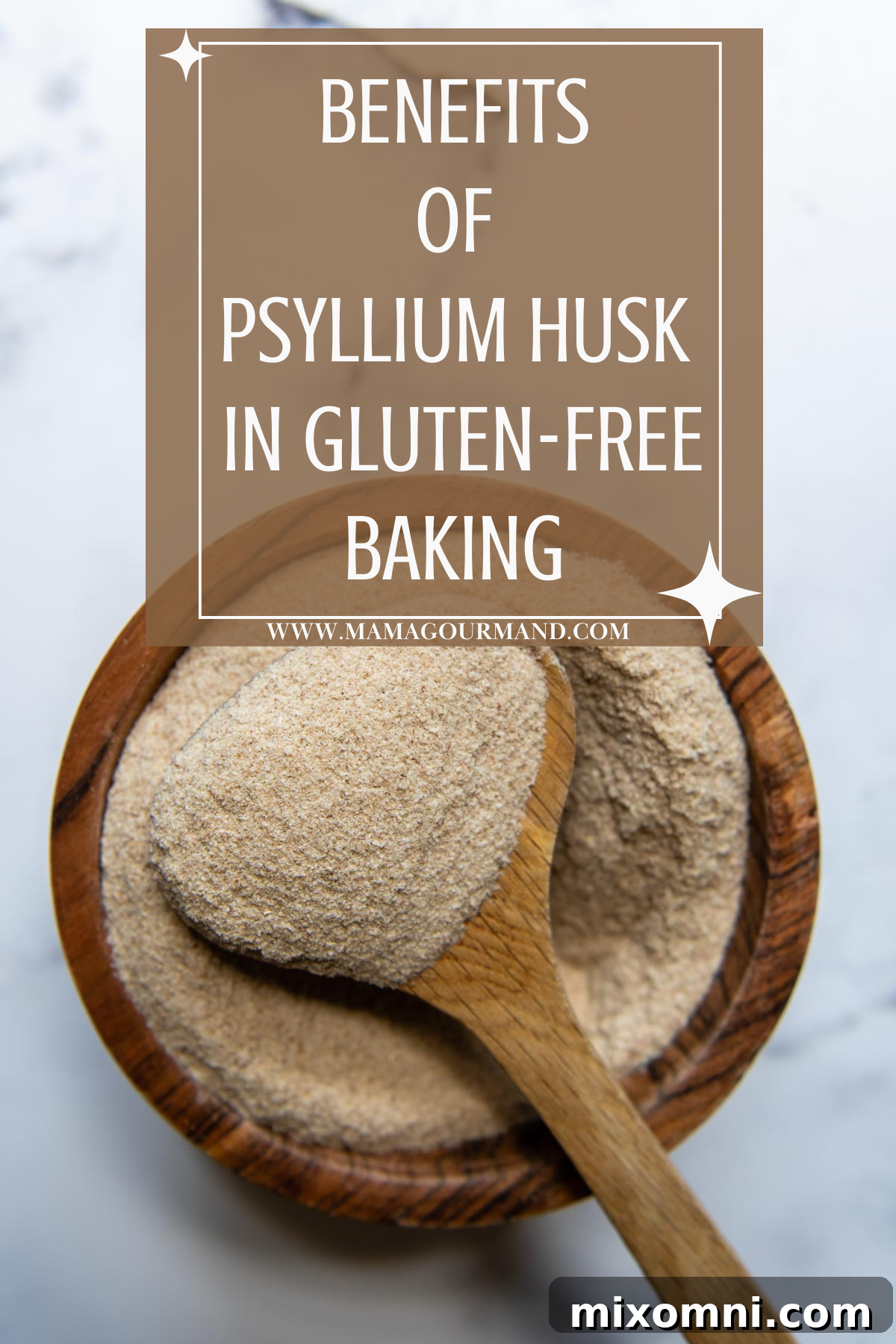
Unlock the secret to perfect gluten-free baking: psyllium husk powder! This comprehensive guide reveals why psyllium husk is revered as the ultimate binder in the gluten-free world, offering indispensable tips for selection, usage, and expert hacks to transform your baking. Prepare to create gluten-free breads, pastries, and more with an unparalleled texture that truly rivals traditional wheat-based goods.
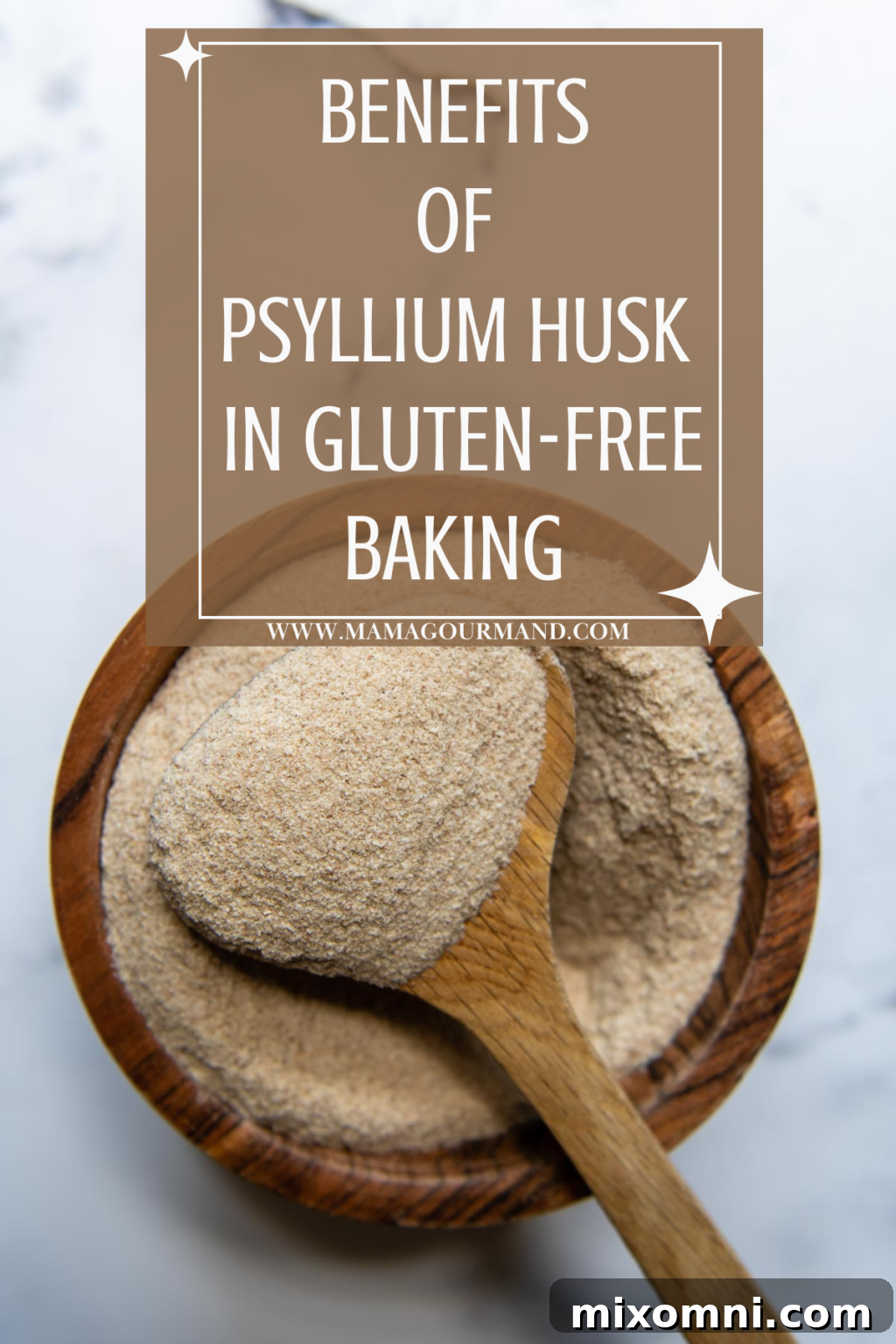
For many years, the quest for gluten-free baked goods that taste as delicious, if not better, than their gluten-containing counterparts has been a culinary passion. This pursuit often involves integrating crucial gluten-free baking tips and selecting the best gluten-free flour blends, which can be an absolute game-changer. However, through extensive recipe testing and experimentation, one ingredient consistently stands out as imperative for achieving truly exceptional results: psyllium husk powder.
Psyllium husk powder dramatically enhances elasticity and structure in gluten-free doughs, leading to remarkably soft, moist, and pliable baked goods. While it imparts no discernible flavor, its powerful binding capabilities significantly improve the texture of my best gluten-free bread recipes, moving them from merely acceptable to truly extraordinary.
What is Psyllium Husk?
Psyllium husk, scientifically known as ispaghula, originates from the seeds of the Plantago ovata plant. It is the outer protective coating, or husk, of these tiny seeds. Revered for its remarkable ability to absorb liquids, psyllium husk is primarily composed of soluble fiber, which forms a viscous gel when hydrated. This unique property makes it a versatile ingredient, commonly used as a dietary fiber supplement for digestive health, and commercially as a natural food thickener and binder in various products like ice cream and other frozen delights.
It is precisely this incredible water-absorbing and gel-forming capacity that makes psyllium husk an invaluable asset in gluten-free baking. In the absence of gluten, which typically provides structure and elasticity, psyllium steps in to bridge this gap, offering a natural and effective solution for creating perfectly textured gluten-free breads and baked goods.
Table of Contents
- Why Use Psyllium Husk in GF Baking?
- Is Psyllium Husk Gluten-Free?
- Tips When Buying Psyllium
- Best Practices for Using Psyllium Husk
- Substitutes For Psyllium
- GF Breads with Psyllium Husk
Why Psyllium Husk is Essential for Gluten-Free Baking
In traditional wheat flour recipes, gluten plays a crucial role. It forms an elastic network that traps gases, allowing dough to rise and creating a soft, chewy texture upon baking. Gluten-free baking, particularly for breads, requires an ingredient that can effectively mimic this elasticity and bind starches together. While many gluten-free flour blends contain xanthan gum to assist with this, relying solely on it often leads to subpar results – baked goods that are dense, crumbly, or lacking in the desired chewiness.
This is where psyllium husk powder truly shines. Integrating psyllium husk into gluten-free recipes elevates baked goods from merely “okay” to a sensational, “I can’t believe this is gluten-free!” experience. Its unique properties provide multiple benefits that are critical for successful gluten-free baking:
Mimics Gluten and Enhances Elasticity
The primary challenge in gluten-free baking is the absence of gluten, the protein responsible for the elasticity and structure of traditional dough. Psyllium husk, when hydrated, forms a gel-like substance that acts as a powerful binder. This creates a flexible network within the dough, remarkably similar to how gluten behaves. This enhanced elasticity is vital for forming shapes, such as with gluten-free cinnamon rolls, dinner rolls, or bagels, making the dough significantly easier to handle and preventing it from cracking or falling apart.
Improves Dough Handling
Gluten-free doughs are notoriously sticky and often too thin or crumbly to shape effectively. Traditional solutions often involve adding more flour, which inevitably leads to dry, dense, and unappetizing results. Psyllium husk provides an extra boost of binding agent, making the dough soft, pliable, and workable without the need to reduce liquid content or increase dry ingredients. This means you can enjoy excellent taste, texture, and a dough that’s a joy to shape and bake.
Aids in Proofing and Rising
In wheat breads, yeast produces gases that are trapped by the elastic gluten network, causing the dough to rise. Without gluten, gluten-free breads struggle to trap these gases and achieve a good rise. Psyllium husk interacts with gluten-free flour starches to create a stable, flexible structure. This structure is strong enough to trap gas and steam during the proofing and baking processes, allowing the bread to rise effectively and maintain its shape. Crucially, it also helps the bread retain this structure as it cools, preventing the common problem of gluten-free loaves collapsing after coming out of the oven.
Enhances Moisture Retention
While psyllium doesn’t directly *add* moisture, its exceptional water-binding capacity is key to retaining moisture in baked goods. By effectively binding liquids, it prevents the need for adding excessive flour, which is a common culprit for dry and crumbly gluten-free products. This high viscosity ensures that moisture is locked into the crumb, resulting in a significantly softer, fresher texture that lasts longer.
Achieves a Soft, Chewy Crumb
The synergistic effect of psyllium’s binding capabilities, structural support during rising, and superior moisture retention culminates in a crumb structure that closely mimics traditional wheat flour breads. The result is a pliable, soft, and satisfyingly chewy bread that is a delight to eat. This perfect crumb helps erase any preconceived notions about dense or dry gluten-free baking.
Pro Tip: For the most exquisite crumb structure, gluten-free breads baked with psyllium husk are best enjoyed at room temperature or slightly warmed. Chilled or cold bread may exhibit a firmer, less pleasing texture.
Adds Nutritional Value
Beyond its incredible baking properties, psyllium husk is also a rich source of dietary fiber. Incorporating it into your gluten-free baking not only improves texture but also boosts the fiber content of your baked goods, contributing to digestive health. It’s a win-win for both taste and well-being.
Is Psyllium Husk Gluten-Free?
Absolutely, psyllium husk is naturally 100% gluten-free. It is derived from the seeds of the Plantago ovata plant and is not a grain. Unlike wheat, barley, or rye, it contains no gluten proteins. Like other common gluten-free binding agents such as xanthan gum or guar gum, psyllium husk is a safe and effective ingredient for those following a gluten-free diet, allowing them to enjoy a wider variety of baked goods without concern.
Tips When Buying Psyllium Husk for Baking
Before incorporating psyllium husk into your gluten-free baking, it’s essential to understand the different forms available and their implications for your recipes. The market primarily offers whole psyllium husks and psyllium husk powder, with distinctions in color and texture that are important to note.
Whole Husk vs. Psyllium Husk Powder
Whole psyllium husks are the natural, unprocessed outer coatings of the seeds. They have a coarser texture and absorb liquids more slowly. Because they contain more fiber, they weigh slightly more by volume compared to the powdered form. You might notice them as small flakes in your baked goods, which can be an aesthetic preference.
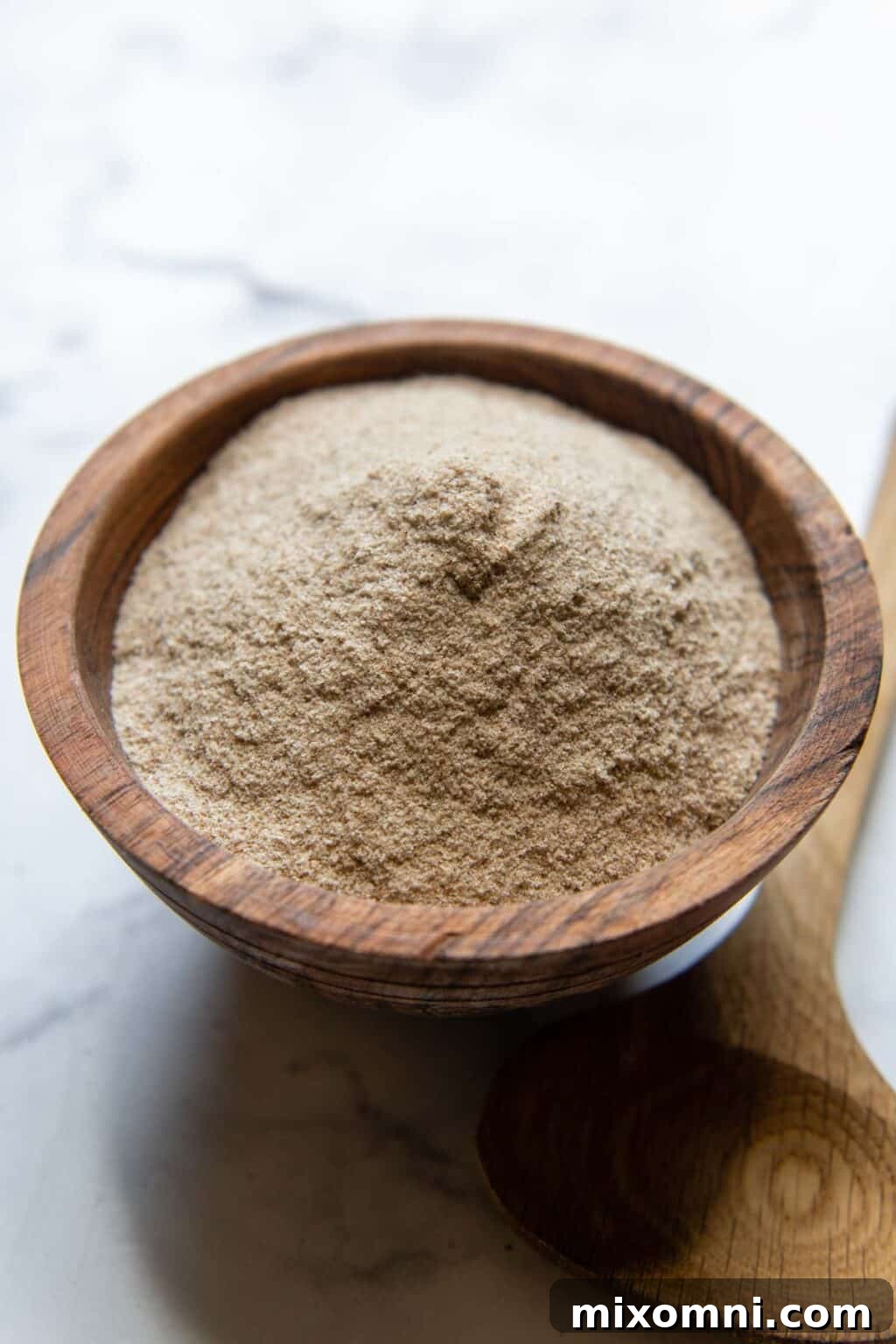
Psyllium husk powder is simply whole husks that have been finely ground. This finer consistency allows it to absorb liquids much more rapidly and integrate more smoothly into doughs, leading to a more uniform texture in the final product. Due to its reduced bulk and increased density after grinding, psyllium husk powder is approximately 85% lighter by weight than whole husks for the same volume. Therefore, if a recipe specifically calls for 10 grams of whole psyllium husk, you should use approximately 8.5 grams of psyllium husk powder to achieve comparable results.
Blonde Psyllium vs. Natural Psyllium
Psyllium husk also comes in various shades, ranging from a natural, darker hue to a lighter, “blonde” variety. In its natural, darker state, psyllium can impart a noticeable, almost purplish or grayish tint to baked goods, which might not be desirable for all recipes, especially white breads or lighter pastries. For this reason, we highly recommend using blonde or blanched psyllium husk powder.
Unfortunately, products are not always clearly labeled as “blonde” or “blanched.” Look for products that specifically state “blonde psyllium husk” or have a very pale, almost white appearance. Here are examples of psyllium husk powder and whole husk that are generally reliable options for achieving the desired aesthetic in baking. You can typically find high-quality blonde psyllium husk powder online at retailers like Amazon or Vitacost, and in the health food aisle of many local grocery stores.
Storage Tips
Psyllium husk, both whole and powdered, has an excellent shelf life when stored properly. Keep it in an airtight container in a cool, dry, dark place, such as a pantry. This prevents moisture absorption and maintains its potency. While it can last for several years, it’s always best to check the expiration date on the package for optimal freshness and effectiveness in baking.
Best Practices for Using Psyllium Husk
To maximize the benefits of psyllium husk in your gluten-free baking, consider these best practices:
- Hydration is Key: Many recipes will instruct you to mix psyllium husk powder with a portion of the recipe’s liquid (water, milk, etc.) and let it sit for a few minutes. This allows it to form a gel before being added to the dry ingredients, ensuring even distribution and activation of its binding properties. Follow recipe instructions carefully regarding this step.
- Measure Accurately: Precision is paramount when working with psyllium husk. Too little, and you won’t get the desired binding and elasticity; too much, and your baked goods can become overly gummy or dense. Always use a digital kitchen scale for the most accurate measurements, especially when converting between whole husks and powder.
- Don’t Overuse: While psyllium is fantastic, more isn’t always better. Excessive amounts can lead to a gummy texture and an unpleasant mouthfeel. Stick to the amounts specified in well-tested gluten-free recipes.
- Adjusting Liquids: Psyllium husk is incredibly absorbent. Some recipes might require slightly more liquid than you’re used to, to account for the psyllium’s gelling action. Pay attention to the dough consistency and adjust liquid minimally if the dough seems too dry.
Substitutes For Psyllium Husk
If you’re searching for psyllium husk powder substitutes for bread or other gluten-free baking needs, it’s important to understand that there isn’t a direct, universally comparable replacement that offers the exact same unique combination of elasticity, structure, and moisture retention. Psyllium’s gelling properties are quite distinct.
While some readers have experimented with swapping an equal amount of ground flaxseed or modified tapioca starch, the results are often quite different. Ground flaxseed (or flax meal) and chia seeds can act as binders by forming a gel when mixed with liquid, offering some structural support and moisture. However, they typically don’t provide the same level of elasticity or chewy crumb that psyllium delivers, often resulting in denser or slightly tougher baked goods. Similarly, while modified tapioca starch can improve texture, it doesn’t quite replicate the unique binding qualities of psyllium.
Other common gluten-free binders like xanthan gum or guar gum work beautifully in specific gluten-free desserts, such as cookies, cakes, pies, and brownies, where a tender crumb is desired over significant elasticity. However, for gluten-free breads, rolls, and other yeasted goods that require substantial structure and stretch, nothing truly mimics the remarkable binding and texture-improving capabilities of psyllium husk.
Fortunately, psyllium husk is widely available, relatively affordable, and boasts a long shelf life. Since only small amounts are needed to make a dramatic difference, it’s a worthwhile investment for any serious gluten-free baker looking to impress even the toughest critics with perfectly textured breads.
Gluten-Free Breads and Baked Goods Enhanced with Psyllium Husk
Psyllium husk powder doesn’t just improve the texture of standard gluten-free bread recipes; it’s also a secret weapon for creating authentic textures in items like gluten-free pizza crust! While it can technically be omitted from many recipes without affecting taste, its inclusion profoundly elevates the texture, helping to avoid dry, crumbly, or dense baked goods. Explore these fantastic recipes where psyllium husk plays a starring role in delivering truly exceptional gluten-free results:
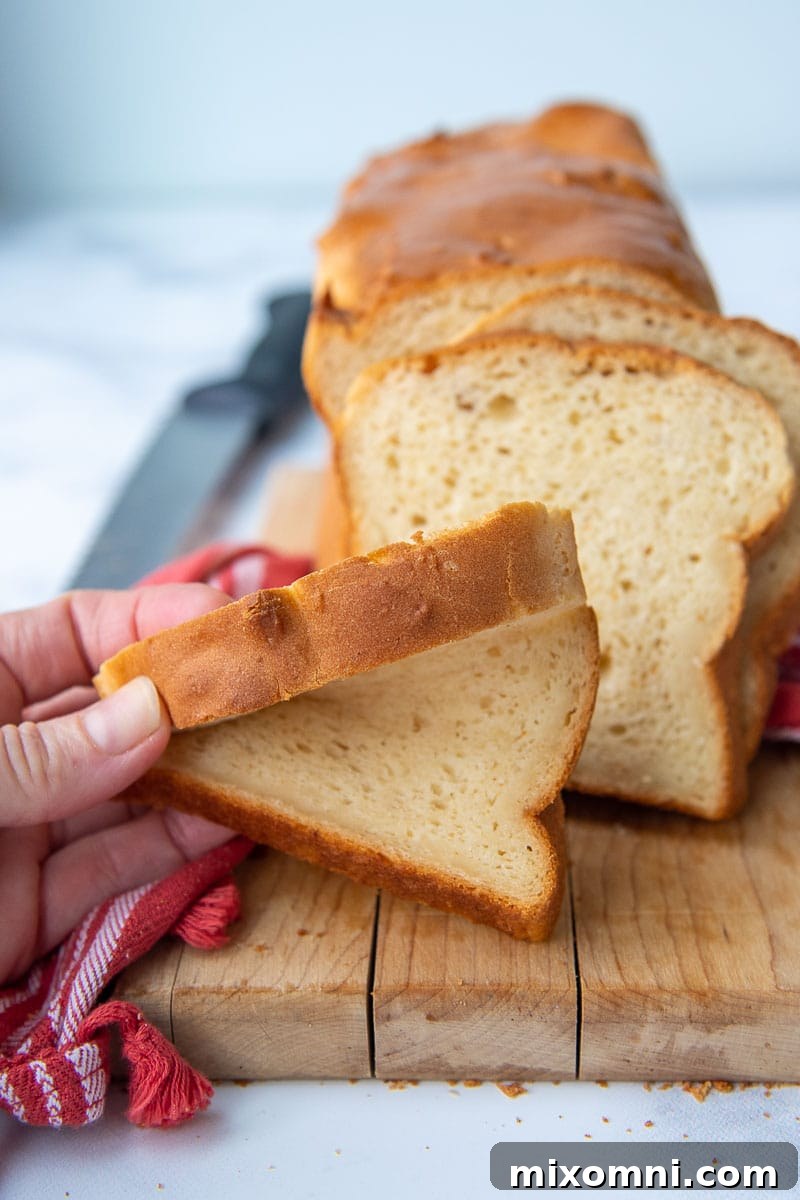
1. Legit Squishy-Soft Gluten-Free Bread Recipe
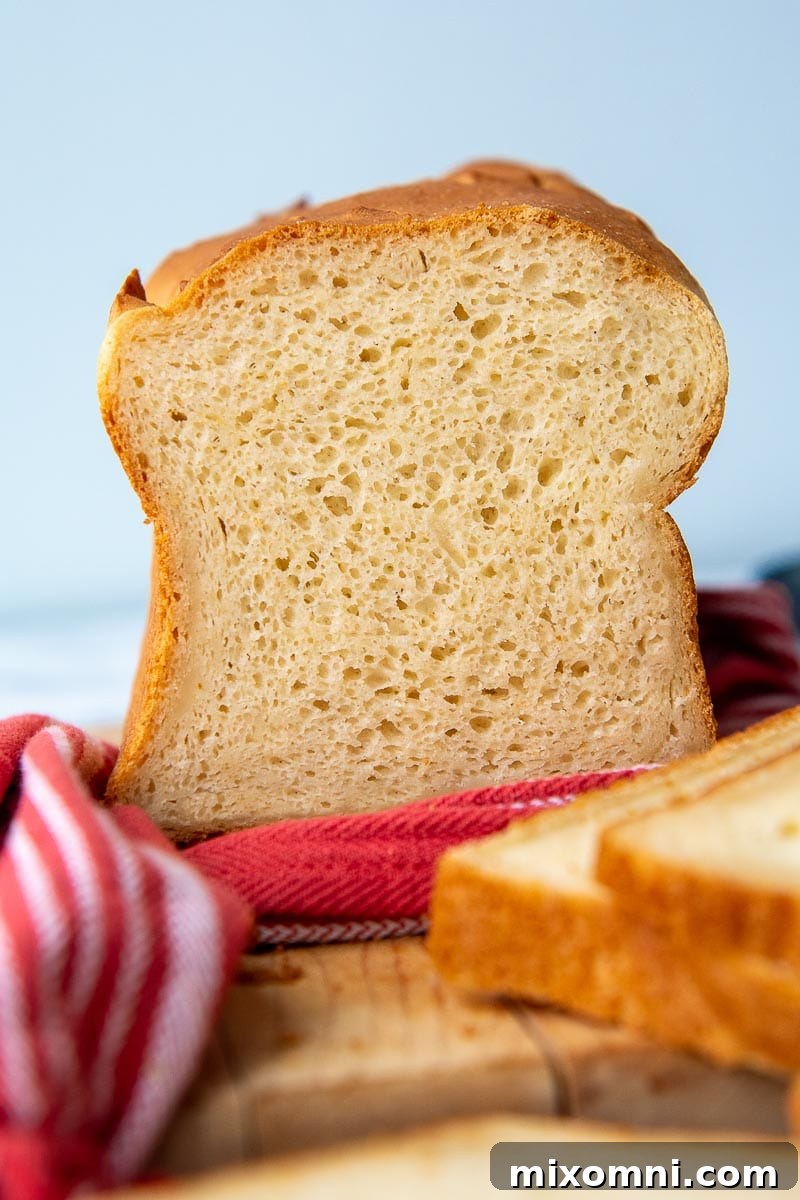
Get The Recipe
2. Softest Gluten-Free Hamburger Buns (Not Crumbly)
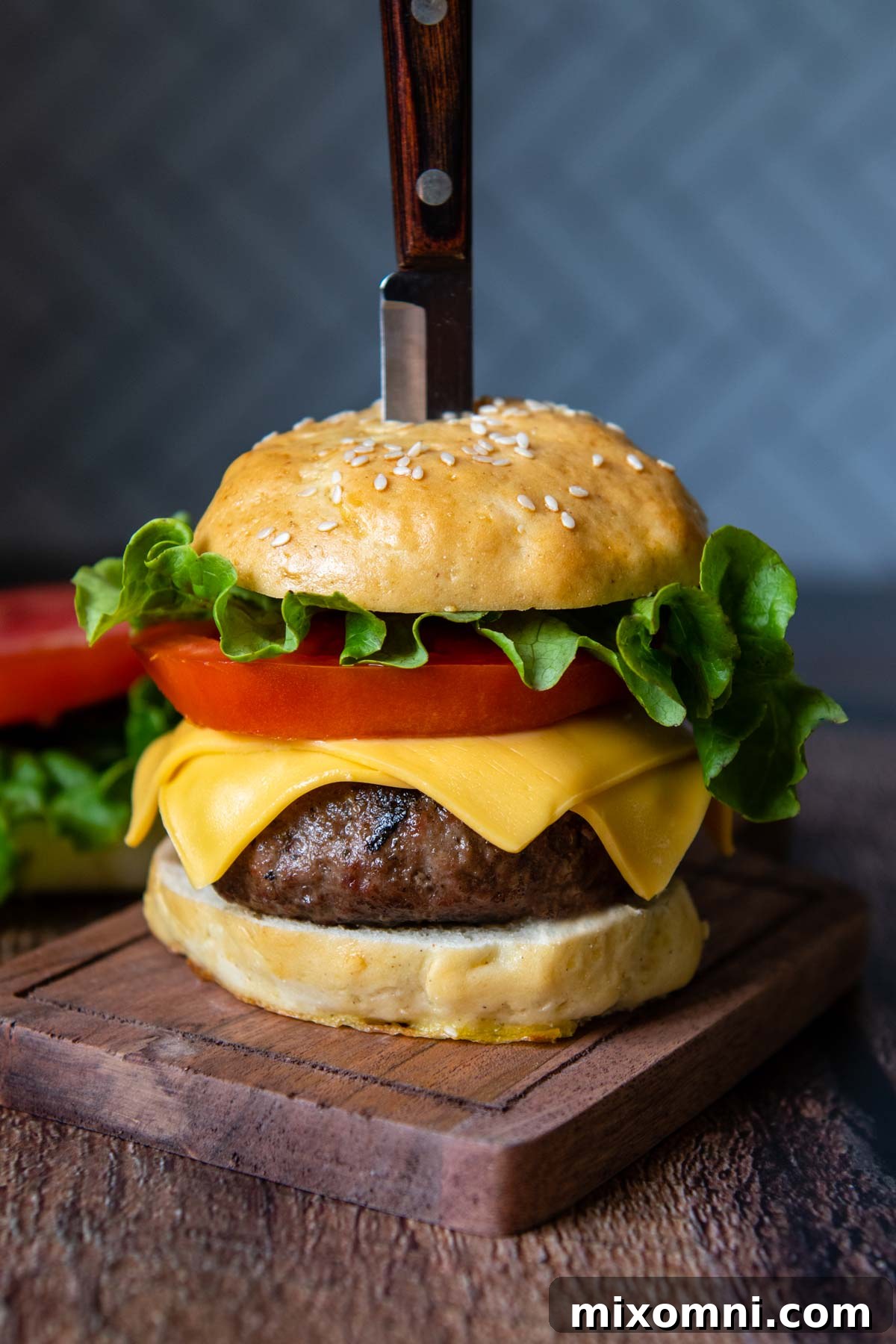
Get The Recipe
3. Softest Gluten-Free Breadsticks (Impossibly Easy)
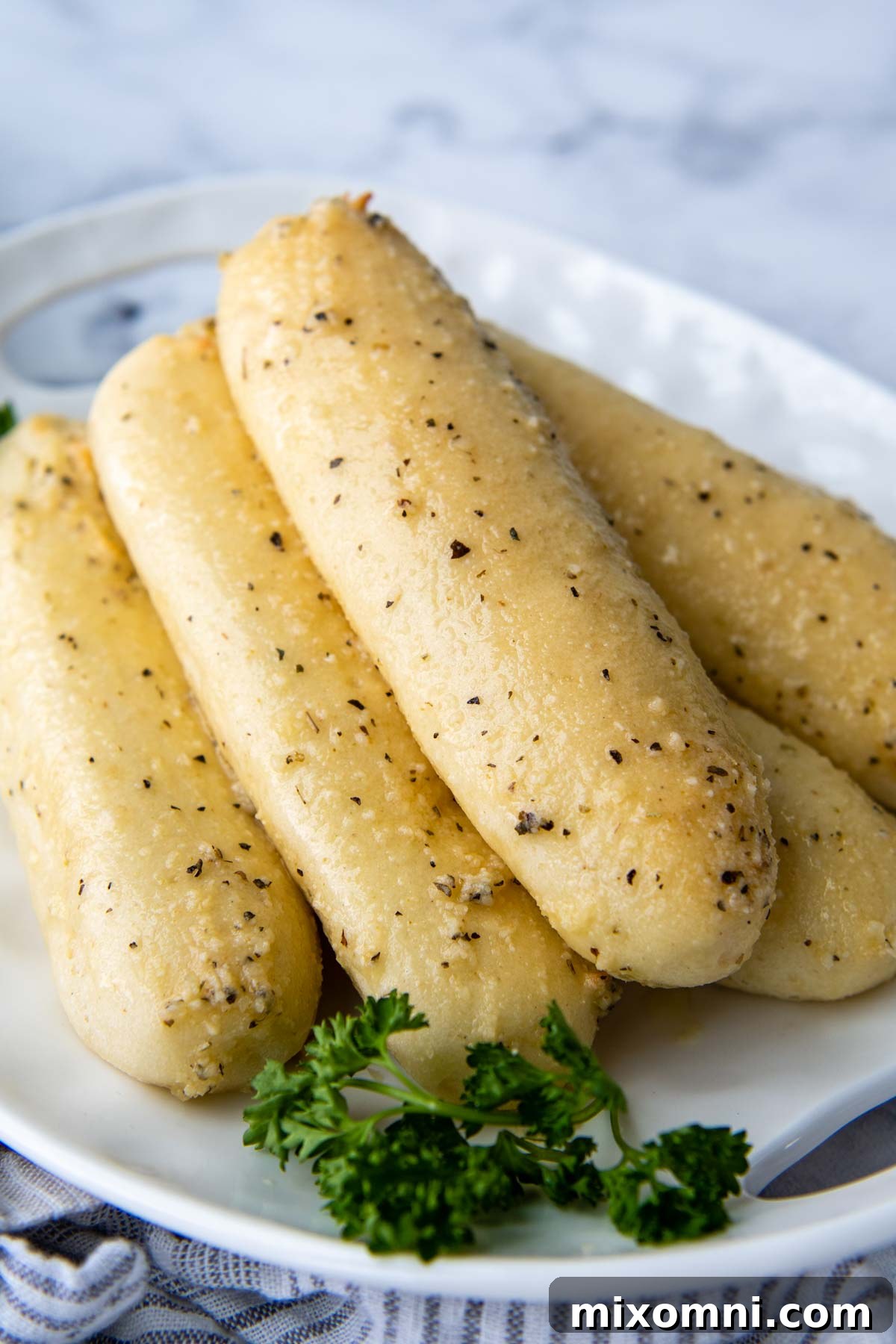
Get The Recipe
4. Squishy Soft Gluten-Free Rolls Recipe (1 Hour)
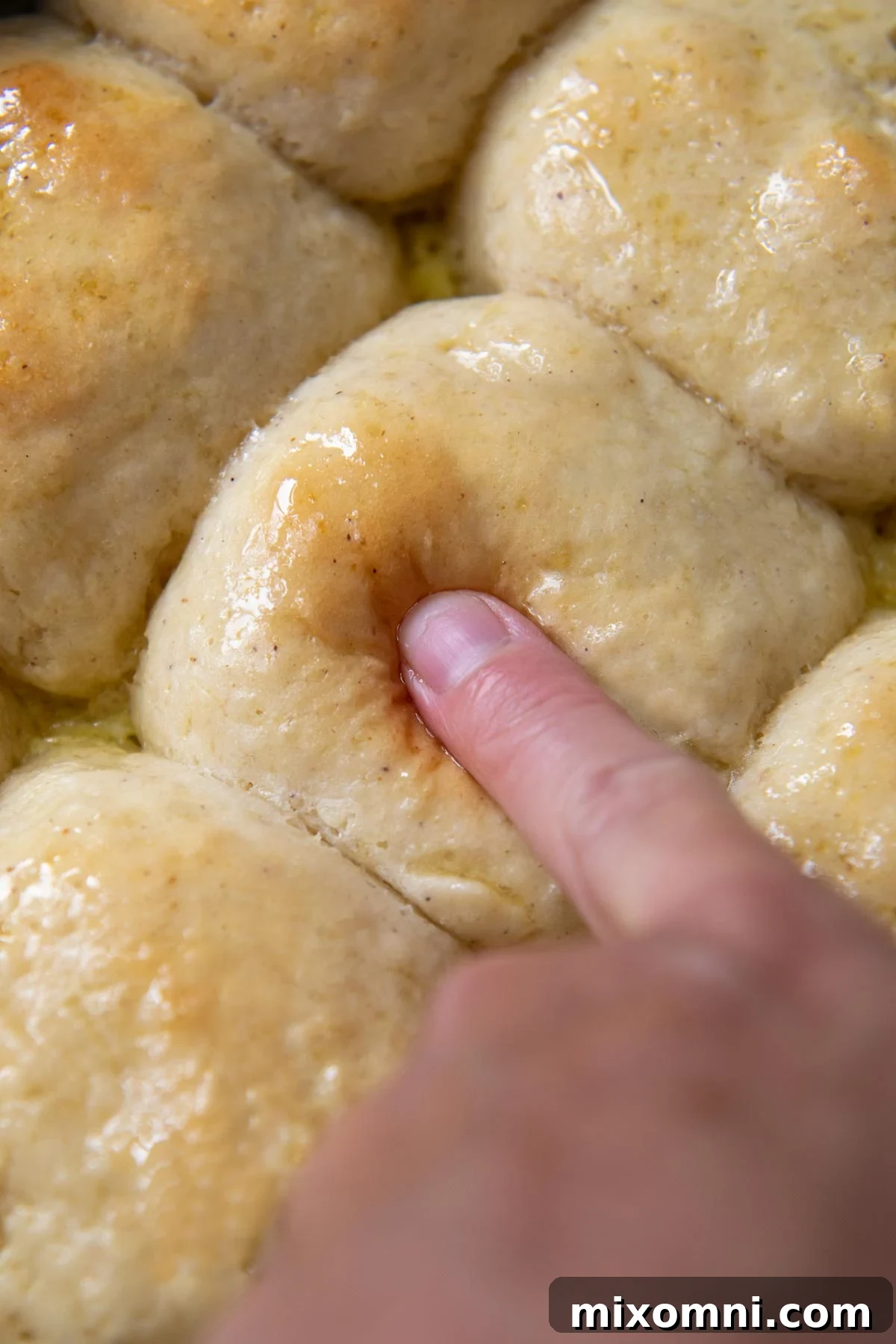
Get The Recipe
5. Squishy, Soft Gluten-Free Hot Dog Buns
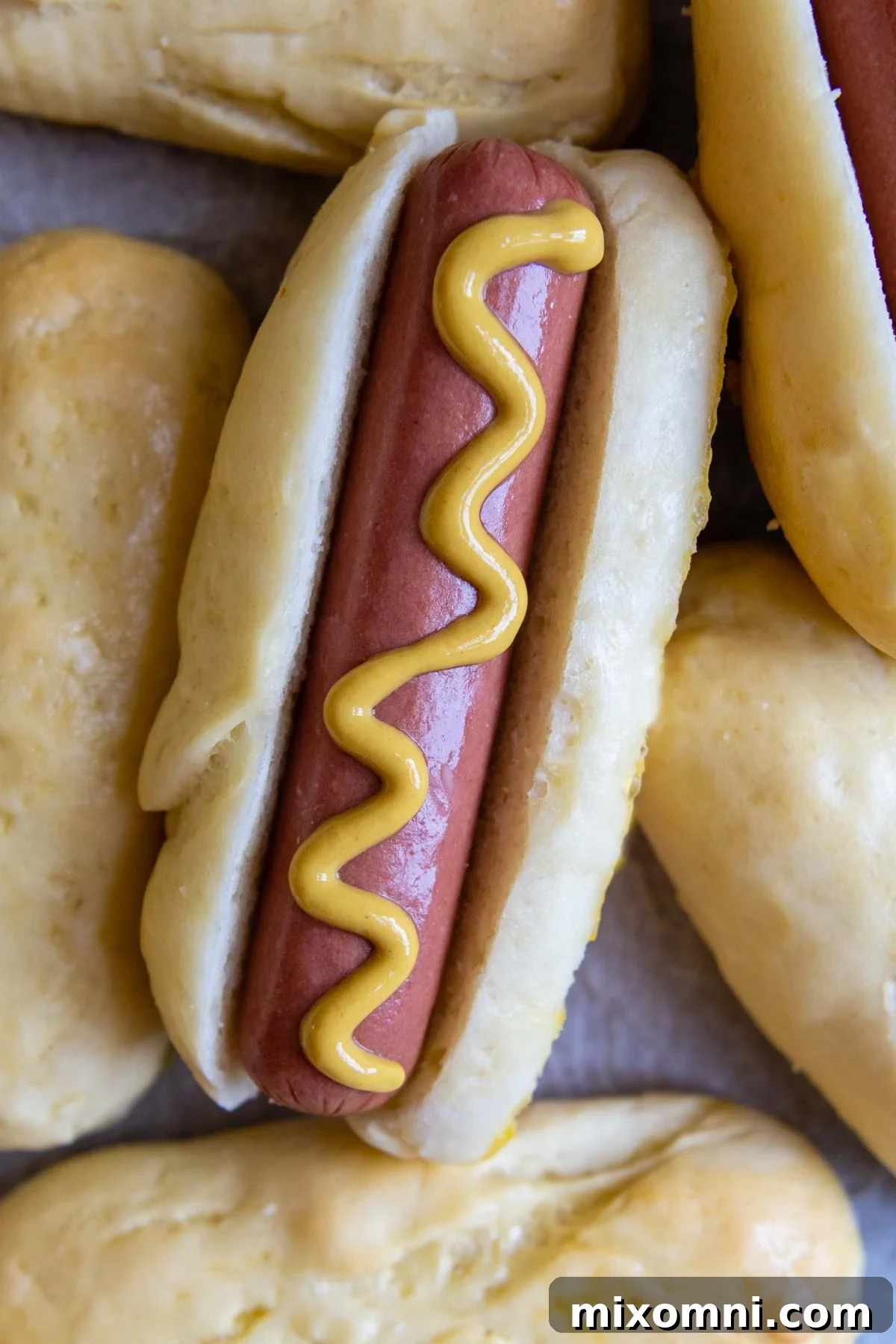
Get The Recipe
6. Thick, Crispy Almond Flour Pizza Crust (30 Mins)
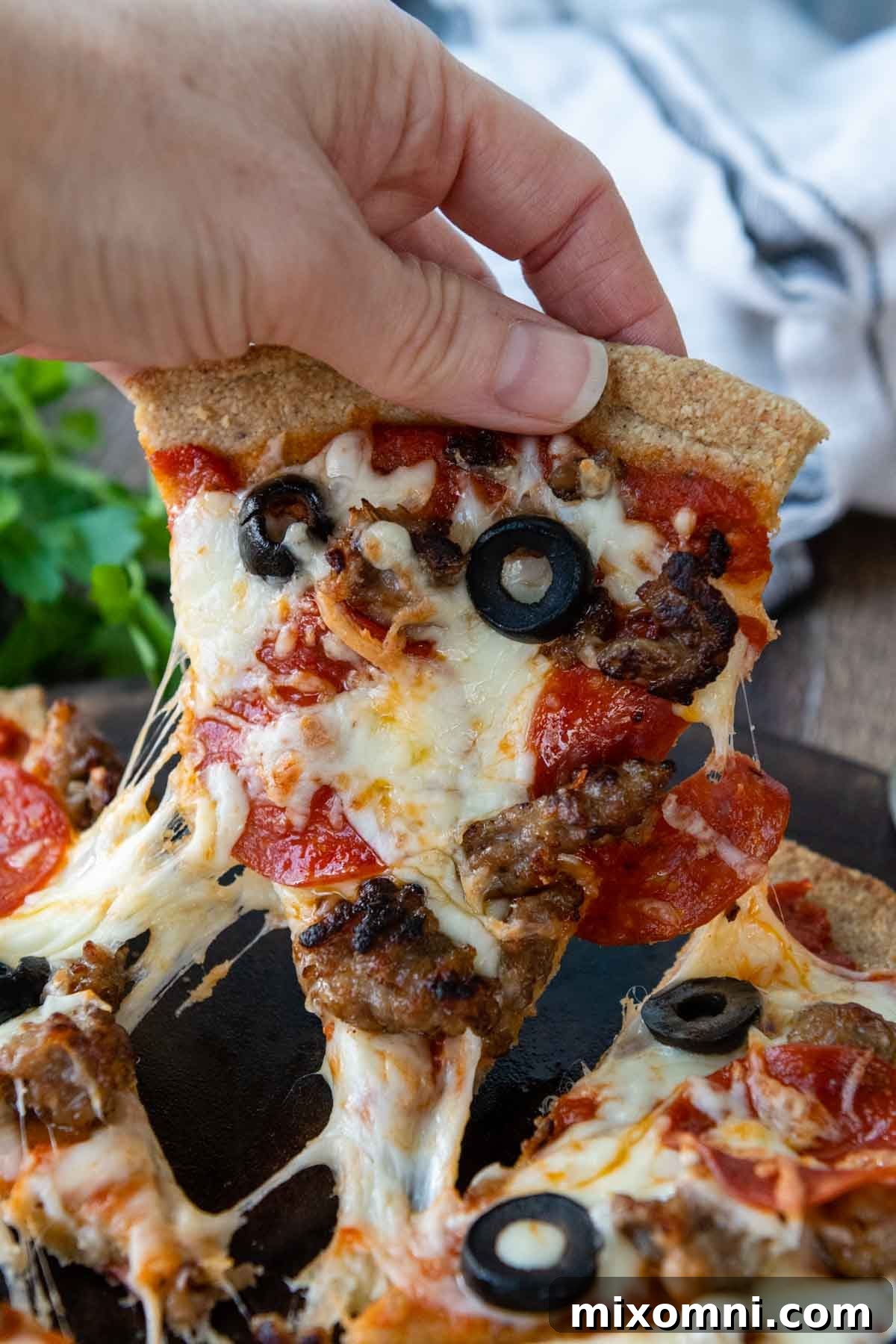
Get The Recipe
7. Simple, Fluffy Gluten-Free Flatbread (Extra Easy)
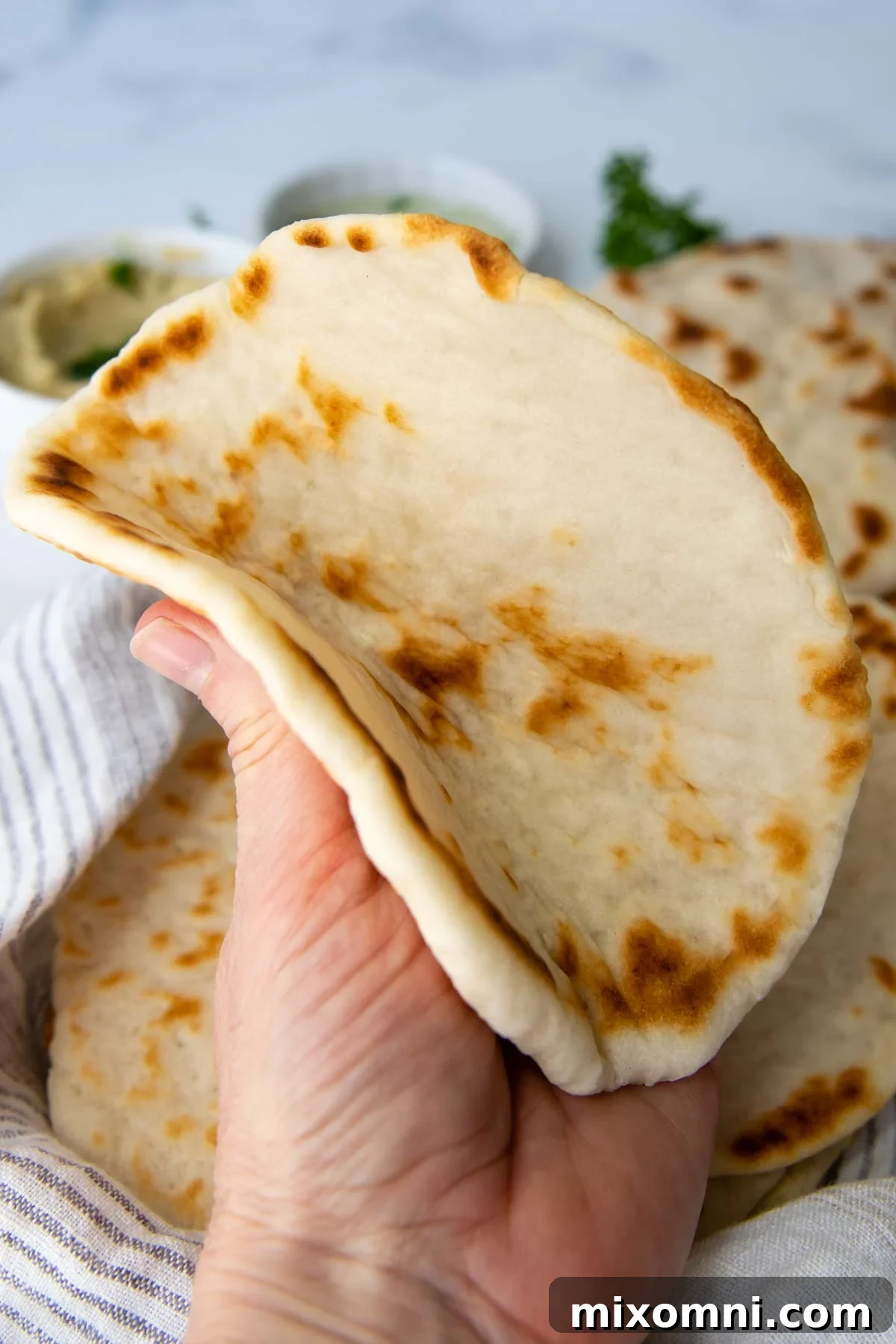
Get The Recipe
8. Fluffiest Oat Flour Bread (5 Minute Recipe)
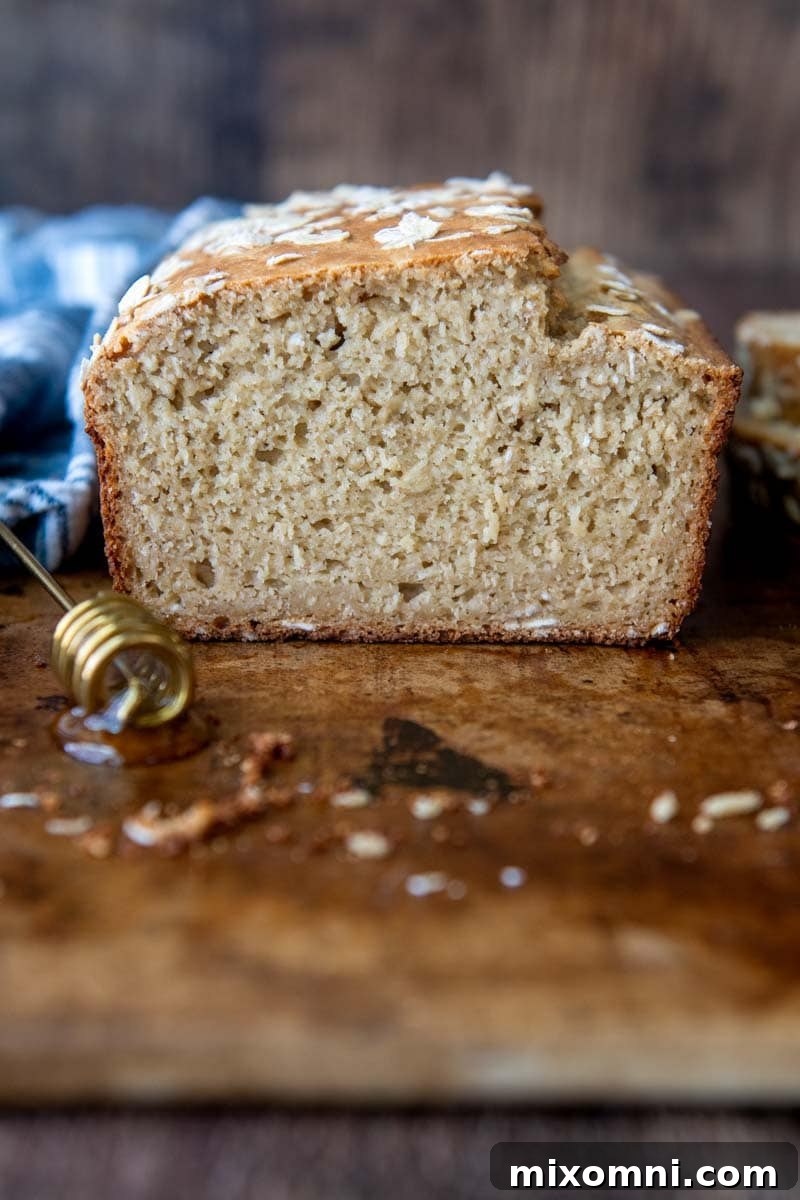
Get The Recipe
9. Soft, Authentic Gluten-Free Tortillas (30 Mins)
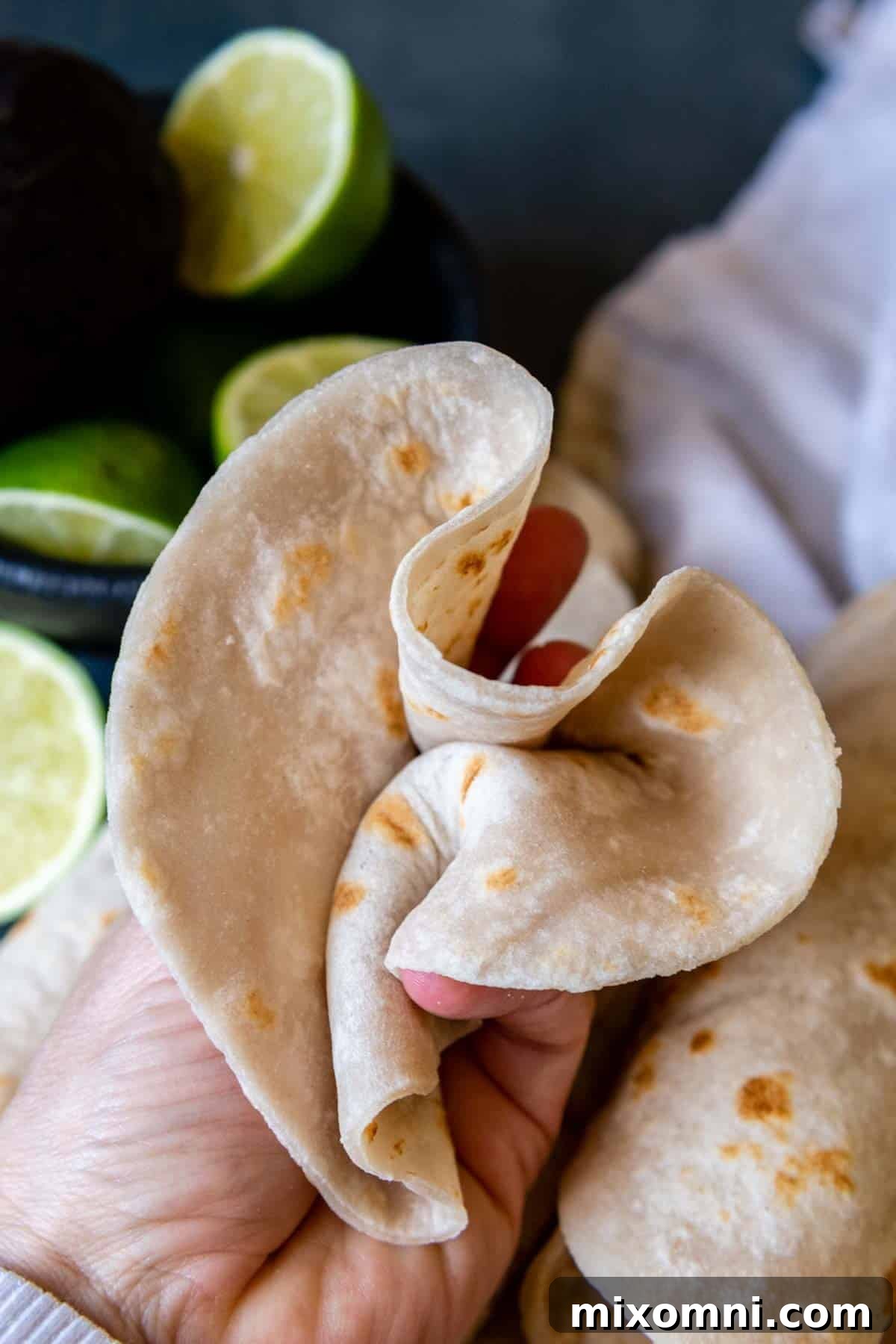
Get The Recipe
10. Fluffy Oat Flour Drop Biscuits (No Flour, Gluten-Free)
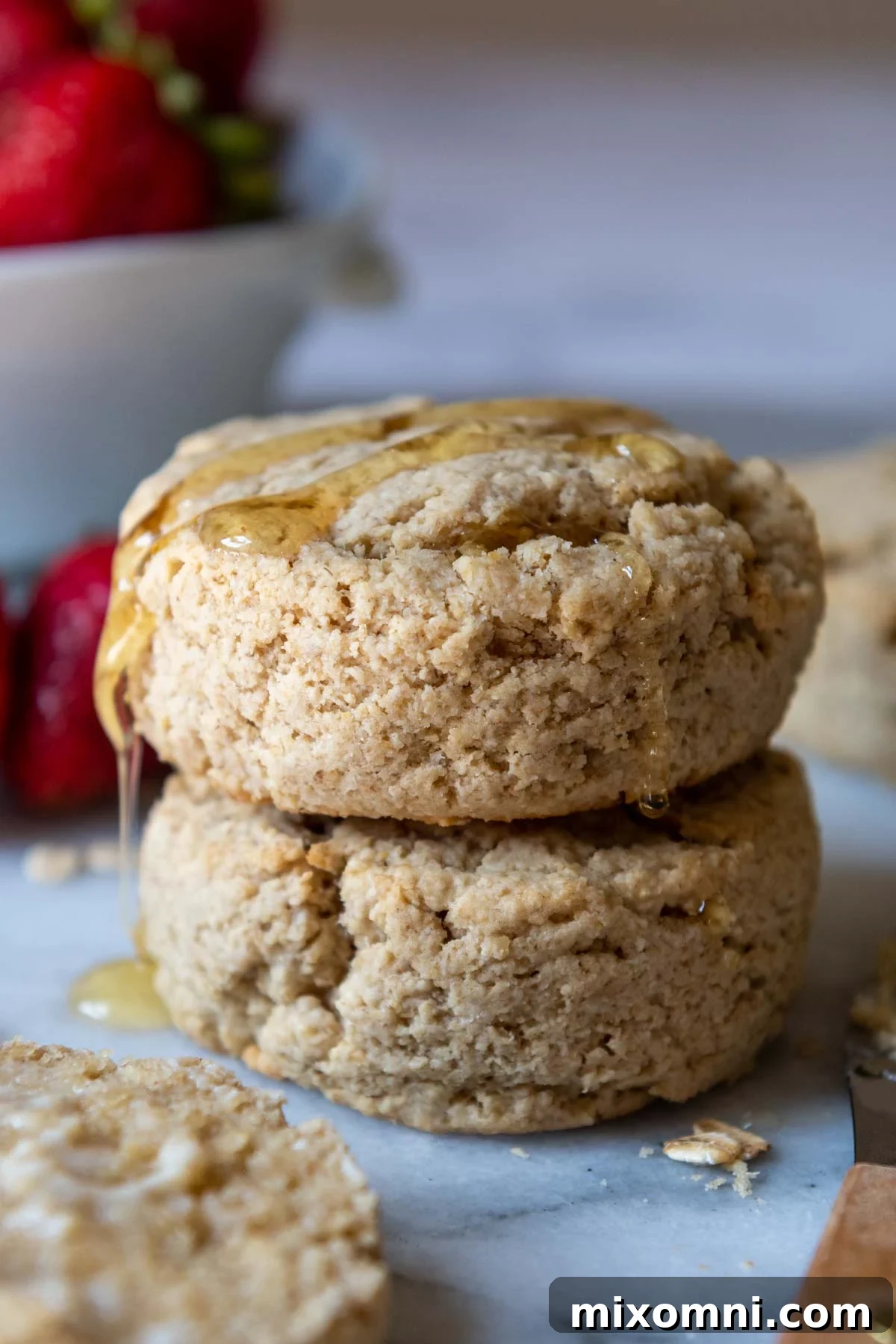
Get The Recipe
11. Doughy Soft, Chewy Gluten-Free Bagels Recipe
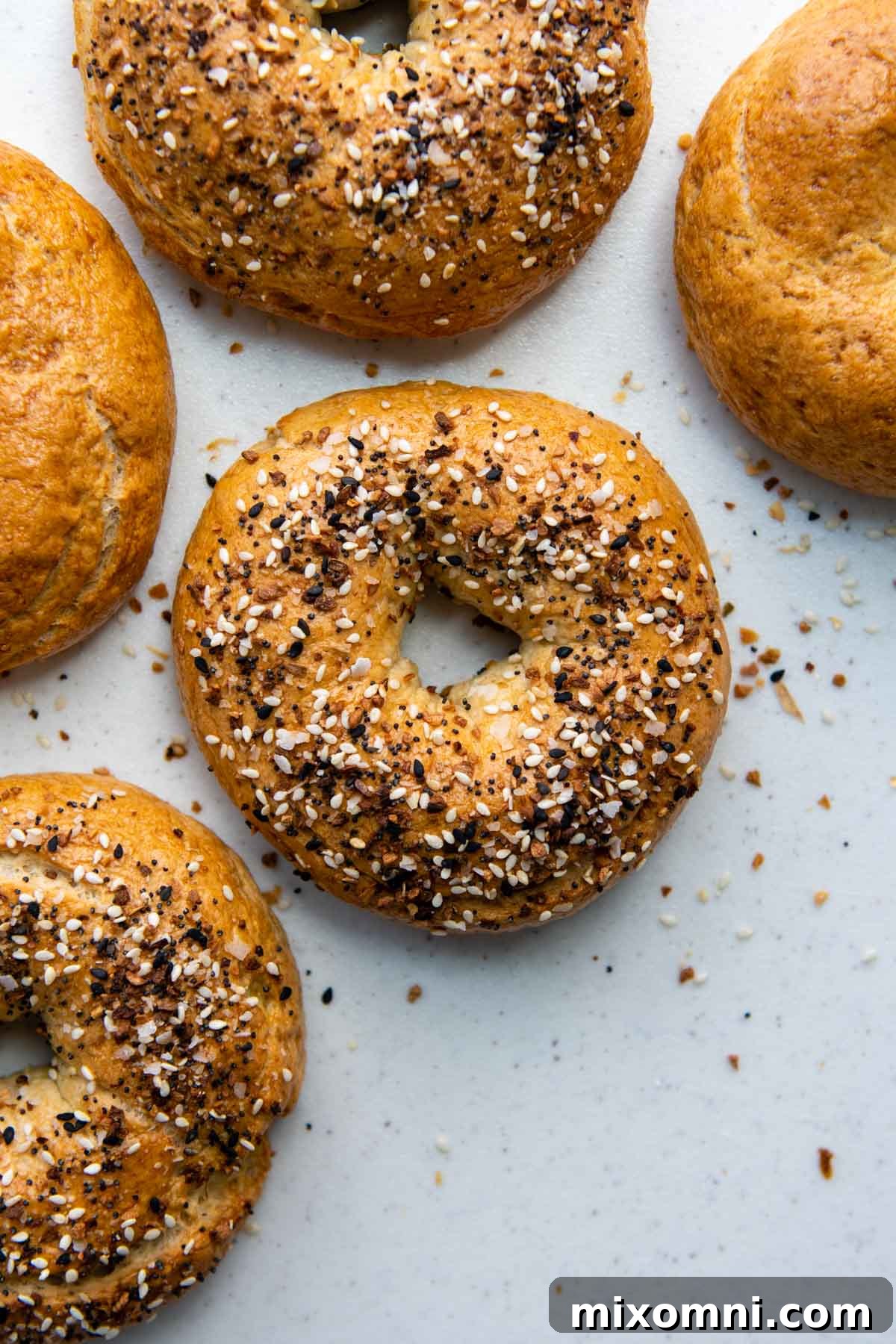
Get The Recipe
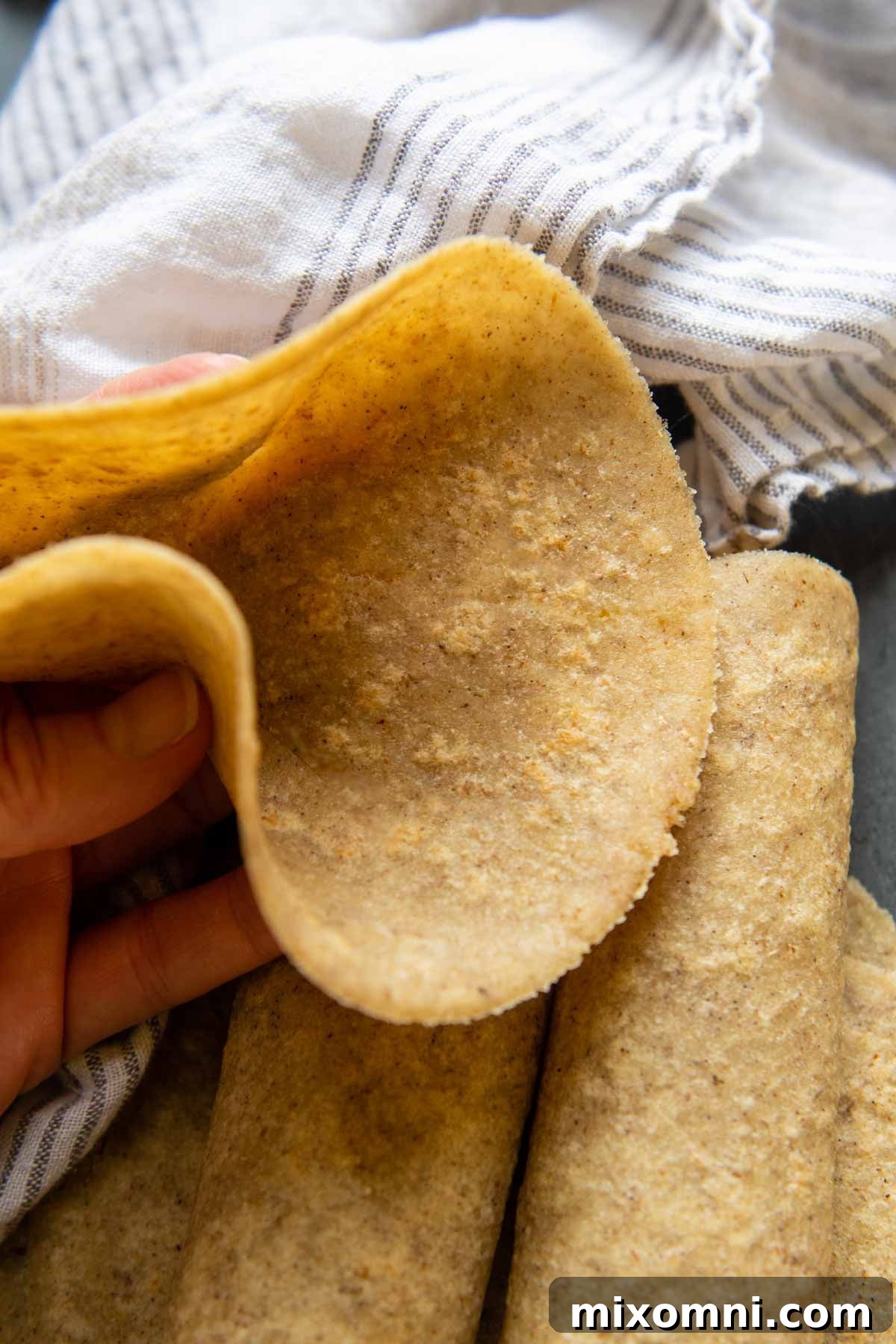
12. Soft, Flexible Almond Flour Tortillas (Easy Recipe)
Get The Recipe
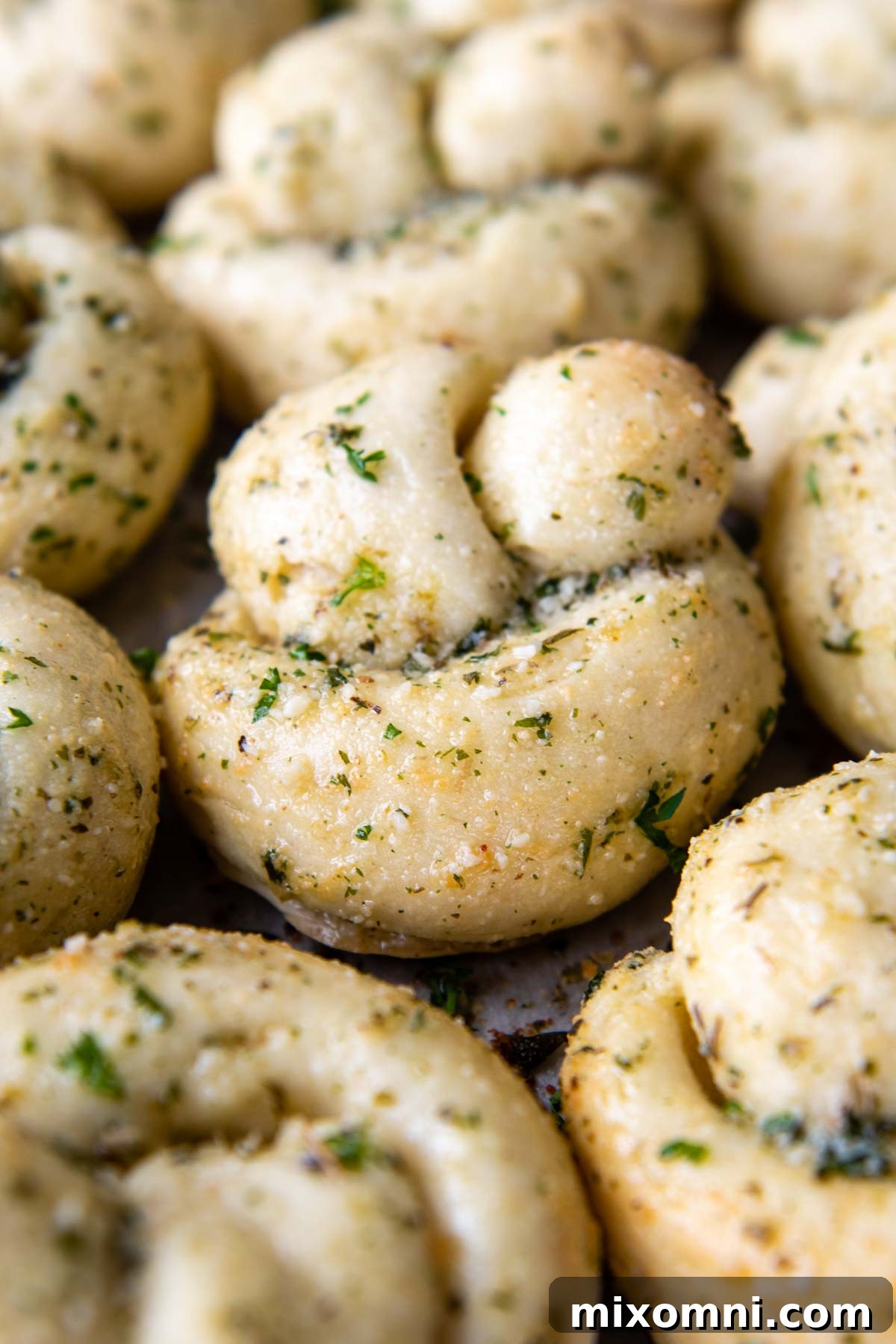
13. Soft Gluten-Free Garlic Knots (Under 1 Hour)
Get The Recipe
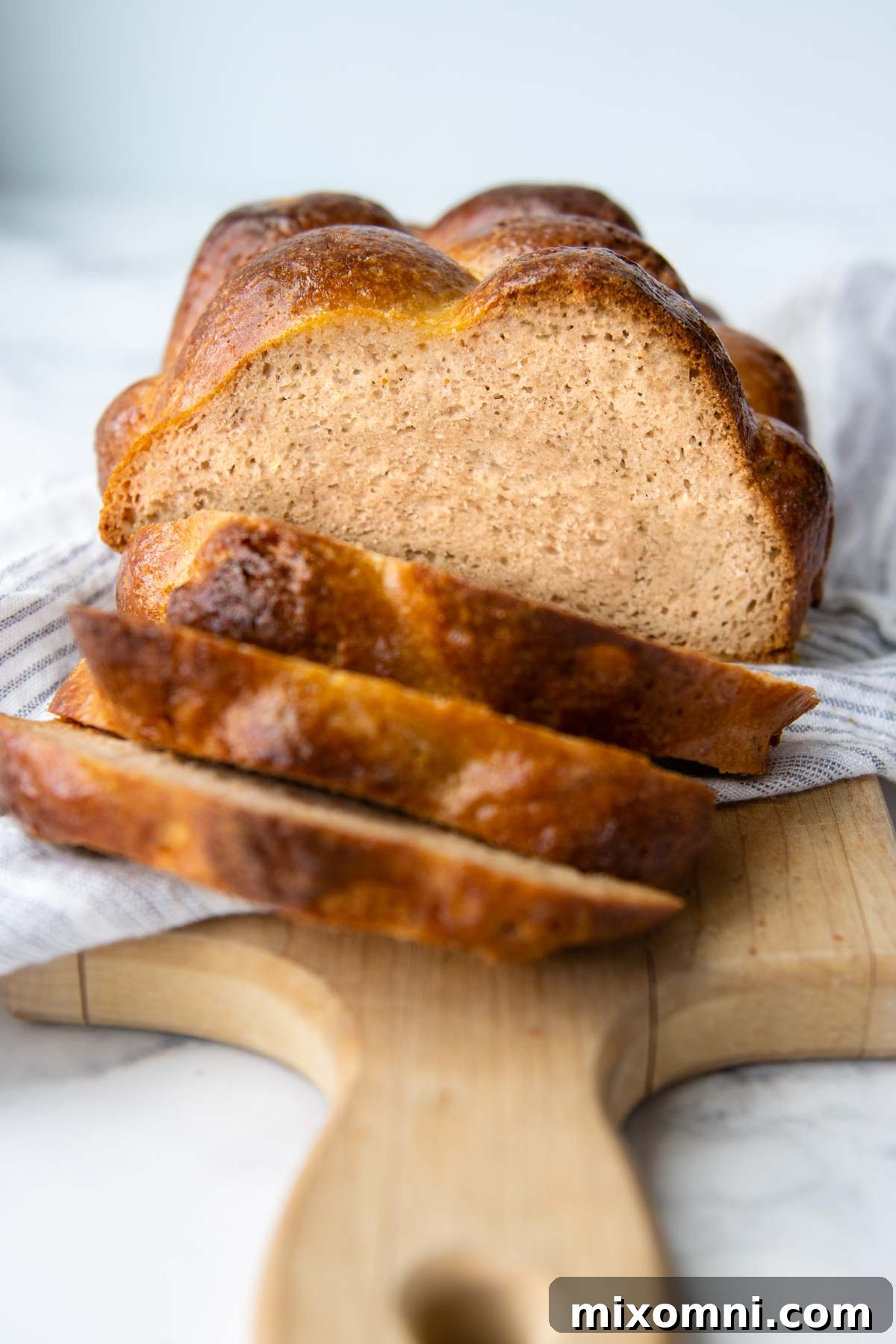
14. Gluten-Free Challah Bread: A Beginner’s Guide
Get The Recipe
Save this recipe to your Pinterest board!
Let’s be friends on Pinterest! I’m always sharing great recipes!