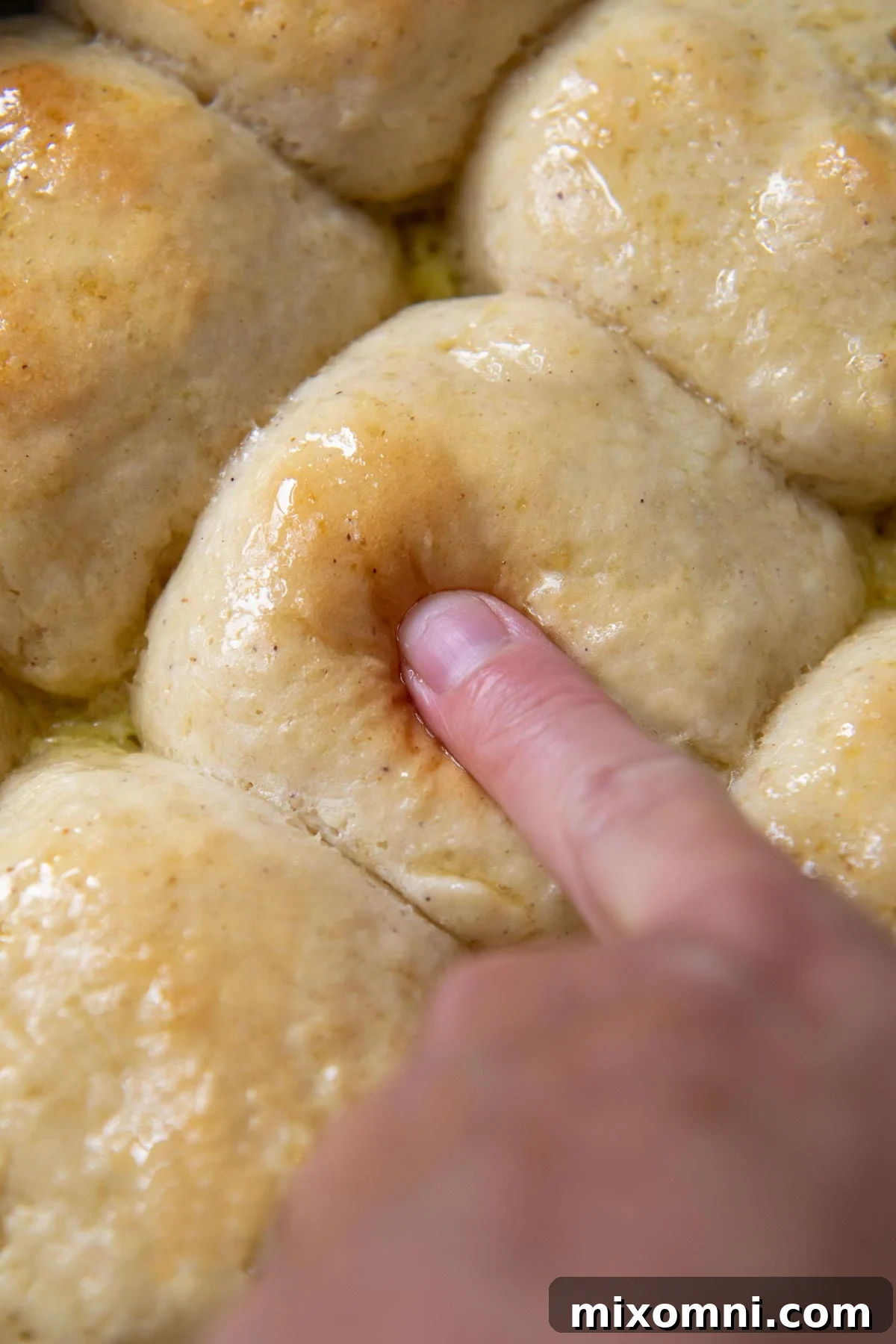
Are you searching for the holy grail of gluten-free baking? Look no further for the ultimate gluten-free rolls recipe that promises to revolutionize your dinner table. These aren’t just any rolls; they are extraordinarily fluffy, irresistibly airy, and wonderfully soft dinner rolls that boast a superior texture, rivaling their gluten-containing counterparts. What’s more, they are surprisingly easy to make and can be ready to serve in just one hour! Prepare to discover the secret trick to crafting the best gluten-free yeast rolls you’ve ever tasted, designed to delight everyone at your table, whether they’re gluten-free or not.
Unlocking the Secret to the Best Gluten-Free Dinner Rolls
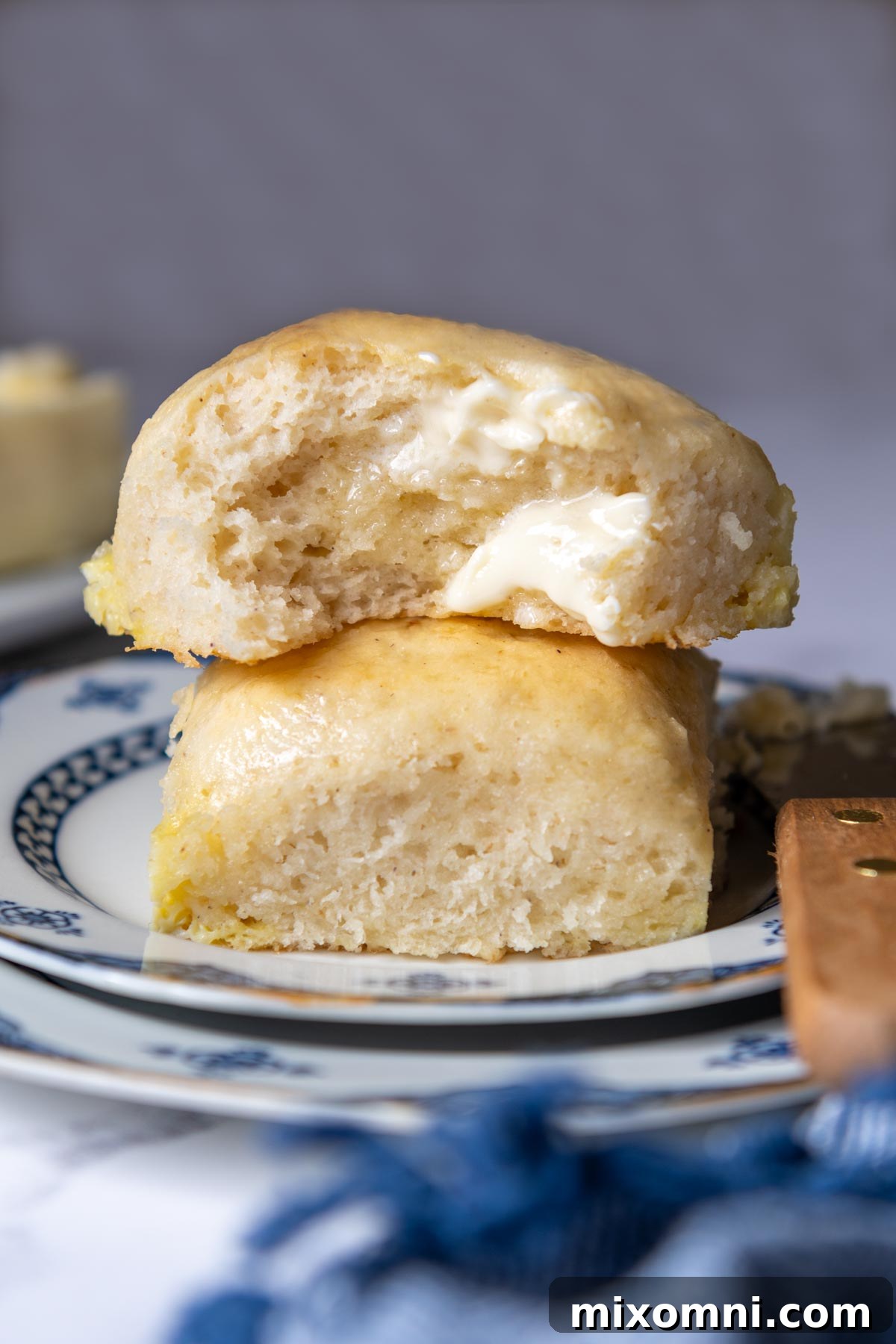
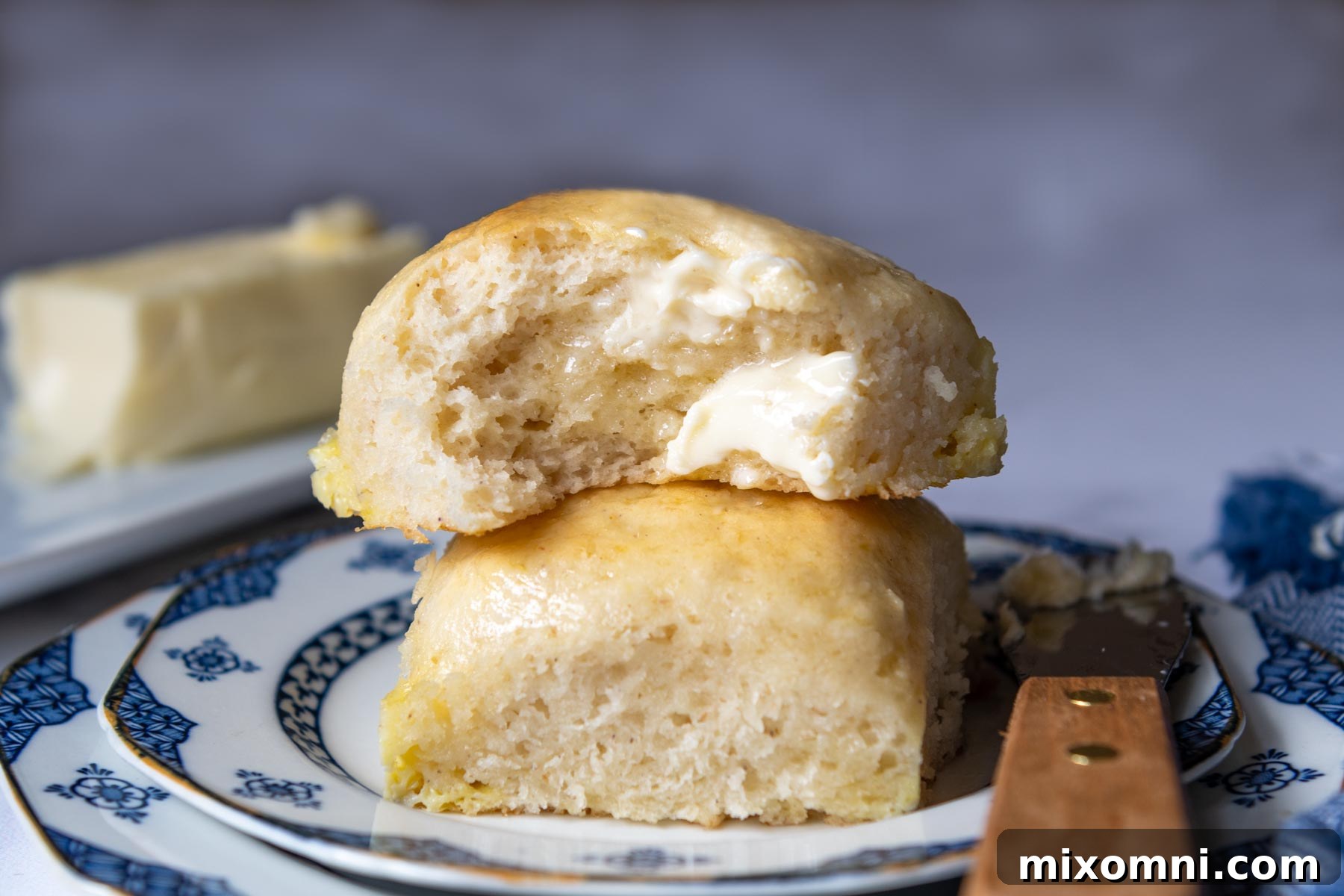
Crafting these soft, tender gluten-free rolls has secured a permanent spot in my gluten-free bread Hall of Fame, right alongside our highly acclaimed copycat Olive Garden gluten-free breadsticks. The moment I tasted these buttery, golden pillows, I was met with delectable oohs and ahhs. But it wasn’t just me; my non-gluten-free family members couldn’t stop raving about them either! This recipe truly bridges the gap, proving that gluten-free doesn’t mean compromising on taste or texture.
These easy gluten-free yeast rolls set an unprecedented standard for taste and texture, echoing the success of our 5-Star viral gluten-free bread recipe. To achieve this level of perfection, this recipe had to meet several stringent criteria:
- Effortless Preparation: No complicated steps! The dough comes together in a single bowl, requires just one short rise, and then bakes to golden perfection.
- Accessible Ingredients: We prioritize simple, readily available ingredients that you likely already have stocked in your pantry.
- Remarkably Quick: Who wants to spend all day making yeast rolls? This recipe ensures you can enjoy freshly baked, warm rolls in approximately one hour from start to finish.
- Unrivaled Taste & Texture: Most importantly, these rolls had to taste BETTER than any other gluten-free roll recipe available. And we confidently believe they do. Seriously.
These homemade gluten-free rolls have not only won me over but have garnered hundreds of glowing reviews and heartfelt testimonials across our website and Pinterest. They stand as one of my proudest achievements in creating gluten-free bread recipes that even fool the toughest critics. The joy of bringing truly delicious, inclusive baking to so many homes is immeasurable. 😎
My daughter was diagnosed with Celiac a year ago, and I have been attempting to make edible gluten-free bread for this entire year. As an experienced baker, it has been humbling to see (and taste…blech) the abject failures I have created during this time. Then I discovered this recipe, and EUREKA!!! Everyone at the table raved–even the gluten eaters! We couldn’t believe how spongy and delicious these rolls were! The texture was just like regular bread, and for the first time, there was no gritty aftermath. Just wonderful, comforting bread.
—Kate
These were absolutely amazing. My little family loved them and they were super easy to make. I have tried tons of different recipes from lots of the other popular gluten free websites and these were by far the softest and fluffiest rolls I’ve made.
—Lisa
Essential Ingredients for Perfect Gluten-Free Rolls
The success of these exceptionally soft and fluffy gluten-free rolls lies in a carefully selected blend of ingredients, each playing a vital role. Understanding these components will help you achieve the best results:
- Gluten-Free All-Purpose Flour Blend: The foundation of any great gluten-free bread. Using a high-quality, reliable gluten-free flour blend is paramount and can truly make or break the texture and flavor of your dinner rolls. After extensive testing, Cup4Cup gluten-free flour is our top recommendation, featured prominently in my GF cookbook and trusted for all my baking endeavors. It consistently yields superior results.
- Potato Starch (not flour): This is one of the secret ingredients for achieving an incredibly soft and fluffy texture. Instead of relying on additional gluten-free flour to build structure, which can sometimes lead to a tougher crumb, we incorporate potato starch. It helps pre-saturate some of the flour in the roux, allowing for better liquid absorption and a more tender final product. While best results are achieved with potato starch, tapioca starch or a bit more of your chosen GF flour blend can be substituted if absolutely necessary.
- Psyllium Husk Powder: A true game-changer in gluten-free baking! Psyllium husk powder is essential for maintaining moisture and preventing these rolls from becoming crumbly or dry. More importantly, it mimics the elasticity of gluten, allowing the dough to be shaped and handled more easily, and giving you those delightful pull-apart rolls. We recommend the linked brand because it helps keep the rolls light in color, preventing the dough from turning dark or even purple, which can sometimes happen with other brands – weird, but true!
- Instant (Rapid Rise) Yeast: For efficiency and consistent results, instant yeast is preferred. It doesn’t require pre-mixing with warm liquids to proof, meaning you can incorporate it directly into your dry ingredients, saving valuable time. For avid bakers, buying it in bulk and storing it in your refrigerator is a smart economic and practical choice.
- Butter: Melted butter is incorporated into the dough for rich flavor and moisture. It’s also generously brushed on the rolls both before and after baking, creating that irresistible golden crust and adding another layer of buttery goodness. We typically use unsalted butter, adding a pinch of salt to the melted butter for brushing.
- Milk: Used to enhance the flavor and richness of the rolls, particularly when combined with butter and salt. For those needing dairy-free dinner rolls, a simple substitution of a non-dairy milk alternative, such as almond milk or soy milk, works perfectly without compromising quality.
Let’s Bake These Heavenly Rolls Together!
(Below, you’ll find detailed step-by-step photos and modified instructions to guide you. For the complete recipe, including precise ingredient amounts and nutritional information, please scroll down to the comprehensive recipe card.)
The Magic of a Roux (Tangzhong Method)
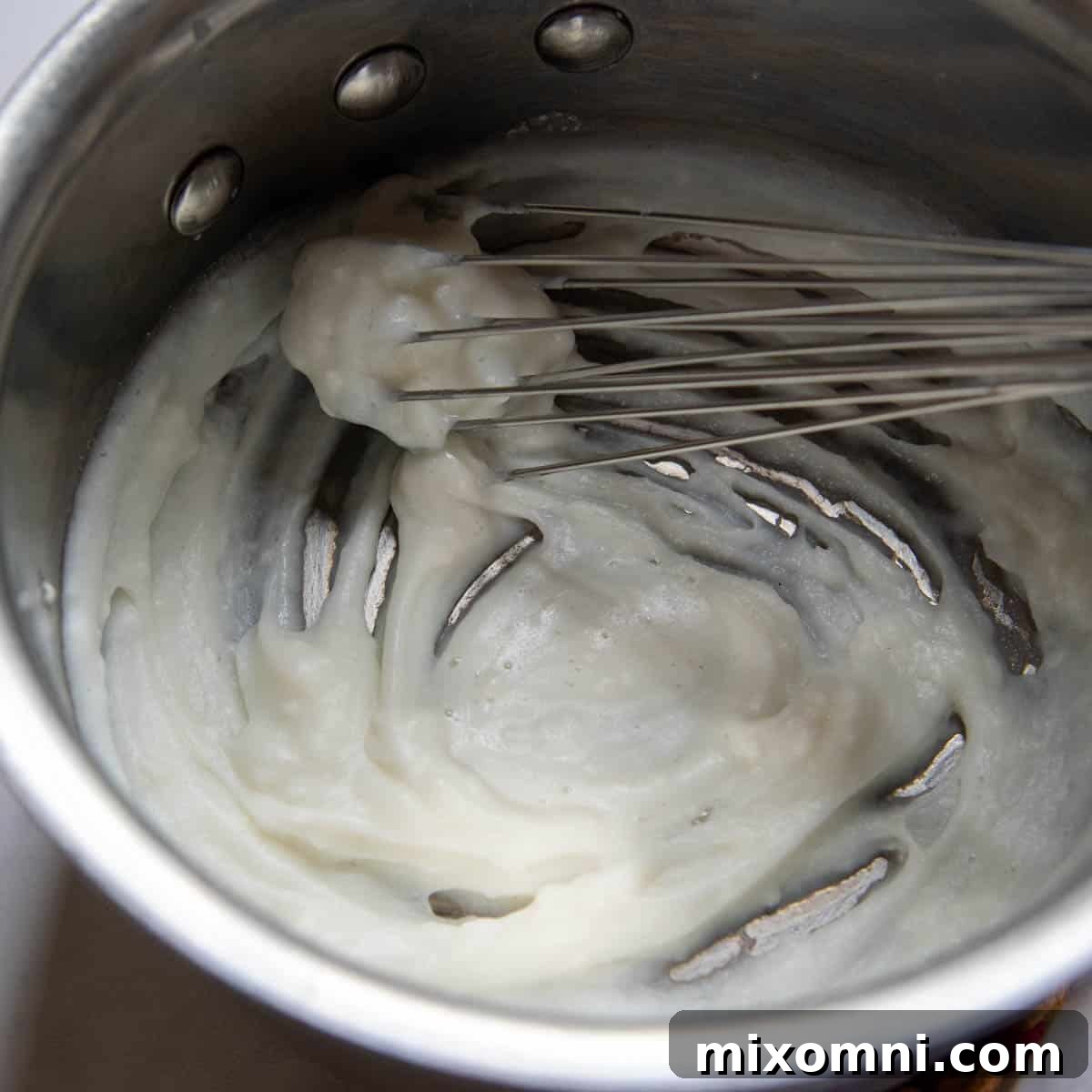
For gluten-free flours, proper liquid absorption can be a challenge, often leading to dense or gummy textures. This is where the magic of a roux, also known as the Tangzhong method, changes everything! The roux pre-saturates a small portion of the flour, allowing it to absorb more liquid than it normally would. This crucial step is the secret to achieving an incredibly soft, airy, and fluffy texture in your gluten-free rolls, effectively preventing them from becoming dense or crumbly.
Despite its fancy name, preparing a roux is surprisingly simple. In a small saucepan, combine 2 tablespoons of gluten-free flour with milk and water. Whisk this mixture constantly over medium heat. Continue stirring until you see a visible trail separation at the bottom of the pan as you whisk. That’s it! This quick process takes barely a minute of your time but makes a world of difference.
Mixing the Dough to Perfection
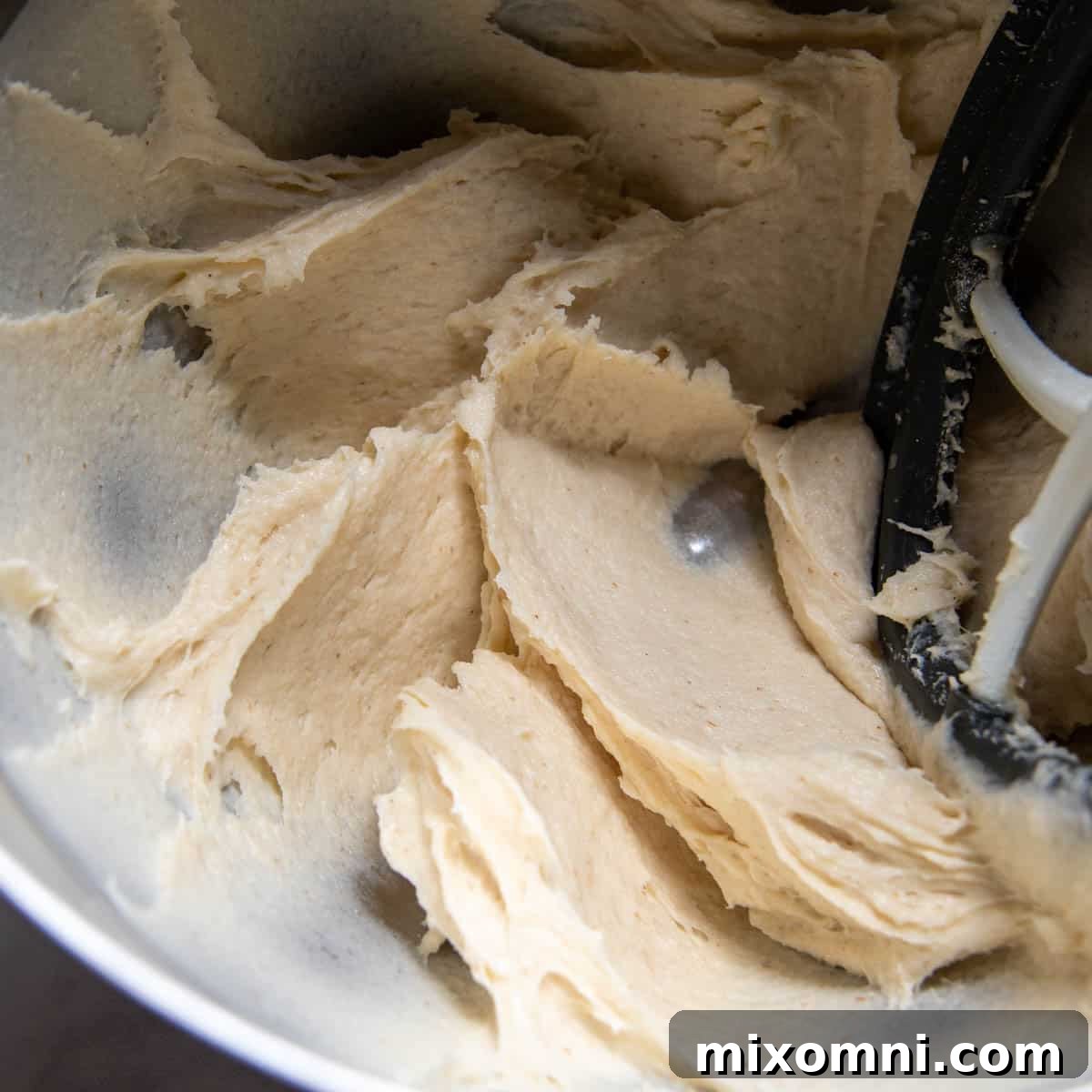
Once your roux is ready and slightly cooled, the rest of the dough comes together effortlessly. Begin by adding all the dry ingredients – the main gluten-free flour blend, potato starch, sugar, psyllium husk powder, instant yeast, baking powder, and salt – into the large mixing bowl of a stand mixer. Use the paddle attachment to combine these ingredients thoroughly on low speed. Next, incorporate the wet ingredients: your slightly cooled roux, warm milk, room temperature egg, and melted butter. Mix on low speed initially until all ingredients are well blended. Then, increase the speed and beat the dough for a full 5 minutes, pausing once or twice to scrape down the sides of the bowl. At this stage, the dough will be wonderfully stiff, yet still distinctly sticky, a perfect consistency for forming our soft rolls.
Effortless Shaping of Gluten-Free Rolls
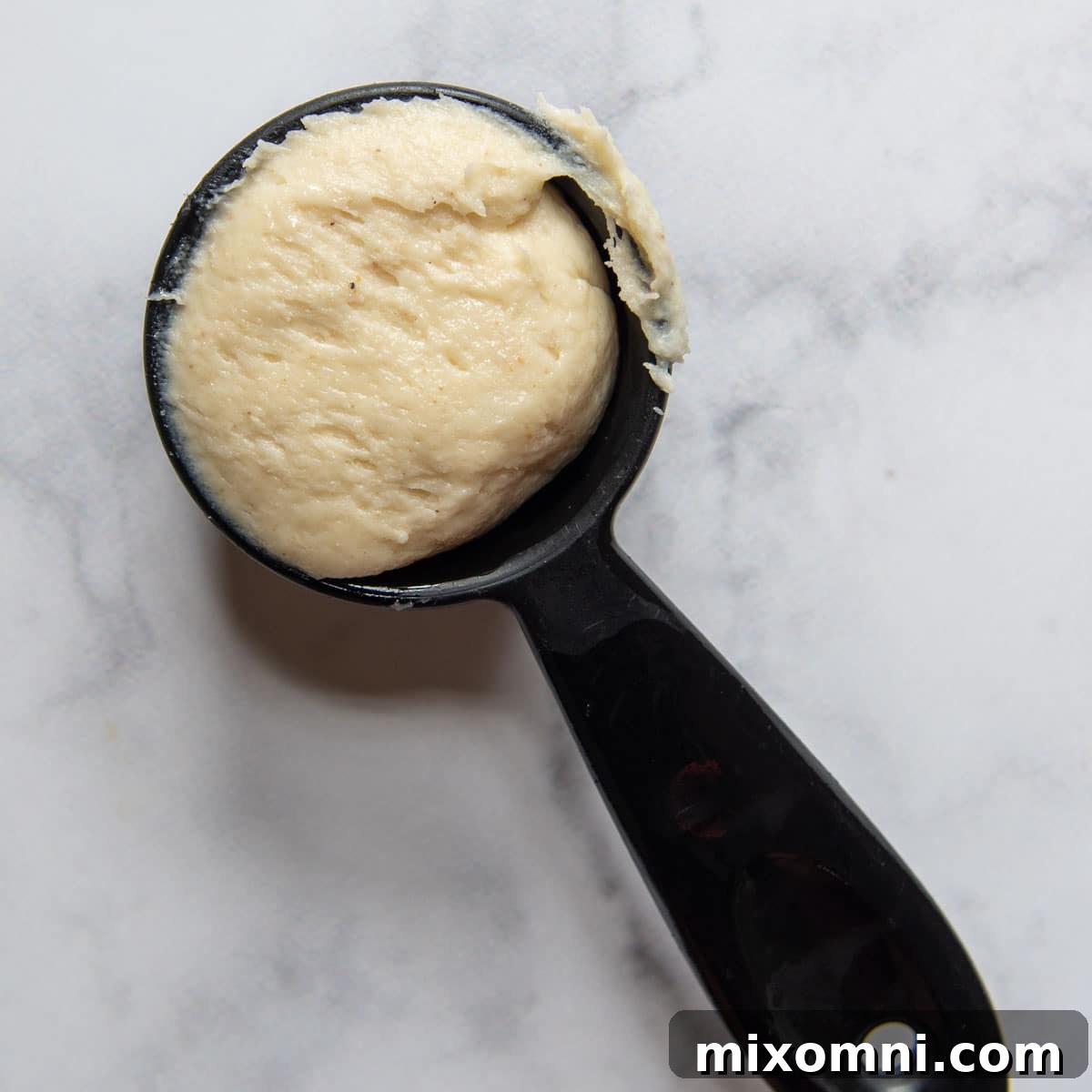
Here’s where rolls made with gluten-free flour often present a unique advantage: they are remarkably easy to shape compared to traditional gluten-based doughs! You don’t need to worry about the elasticity or springiness of gluten. If you prefer precision, you can portion out the dough into approximately 2-ounce pieces using a food scale, with a greased piece of plastic wrap laid over it to prevent sticking. However, for a simpler, quicker method, I highly recommend spraying a 1/4 measuring cup generously with non-stick spray and scooping out slightly less than a full cup. This creates perfectly sized portions without any fuss.
Quick Rise and Bake
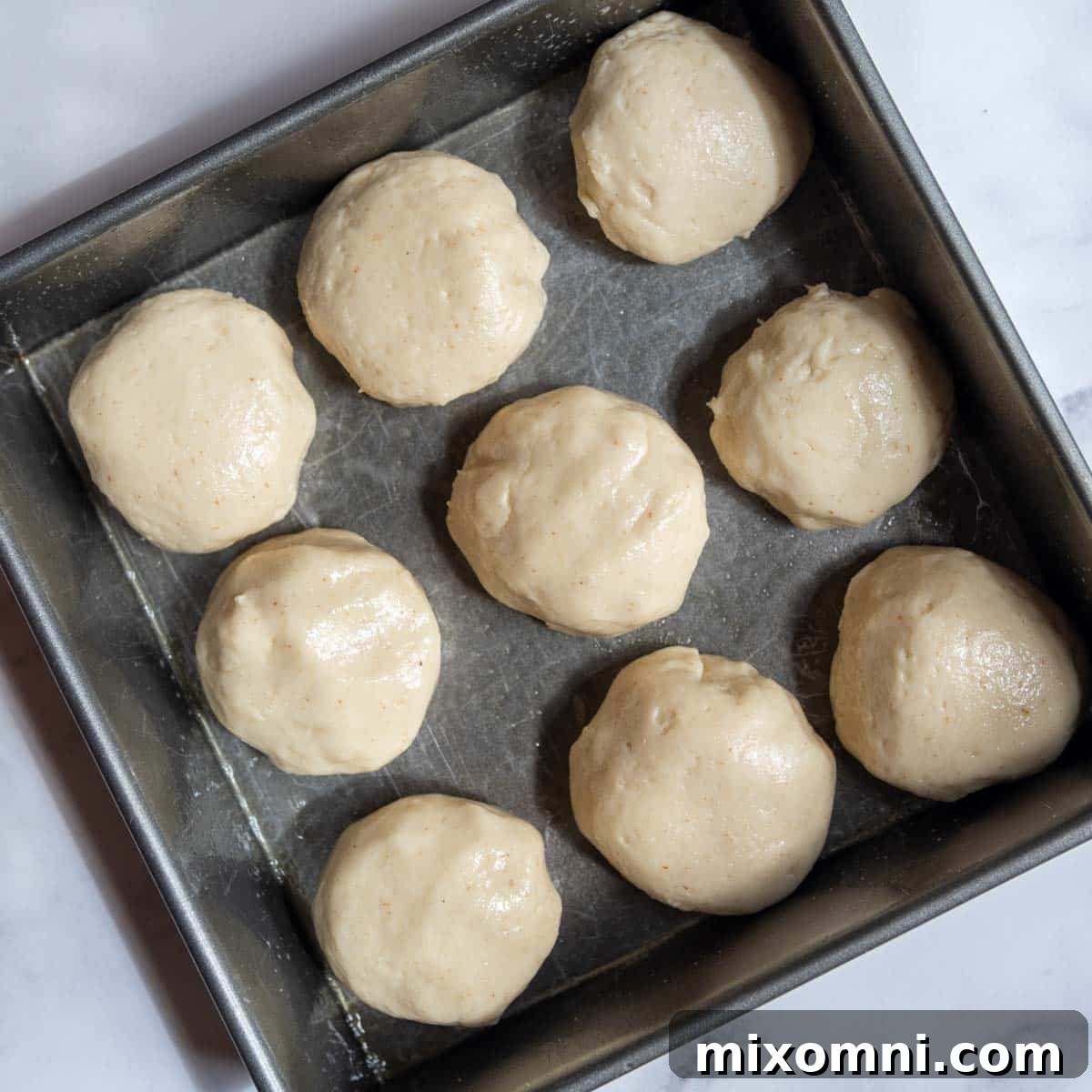
To form each roll, simply scoop the portioned dough into your slightly greased hands. Gently smooth it into a cohesive ball, then place it into your prepared, greased 8×8-inch baking pan. These gluten-free rolls feature a remarkably quick rise, thanks to a clever technique:
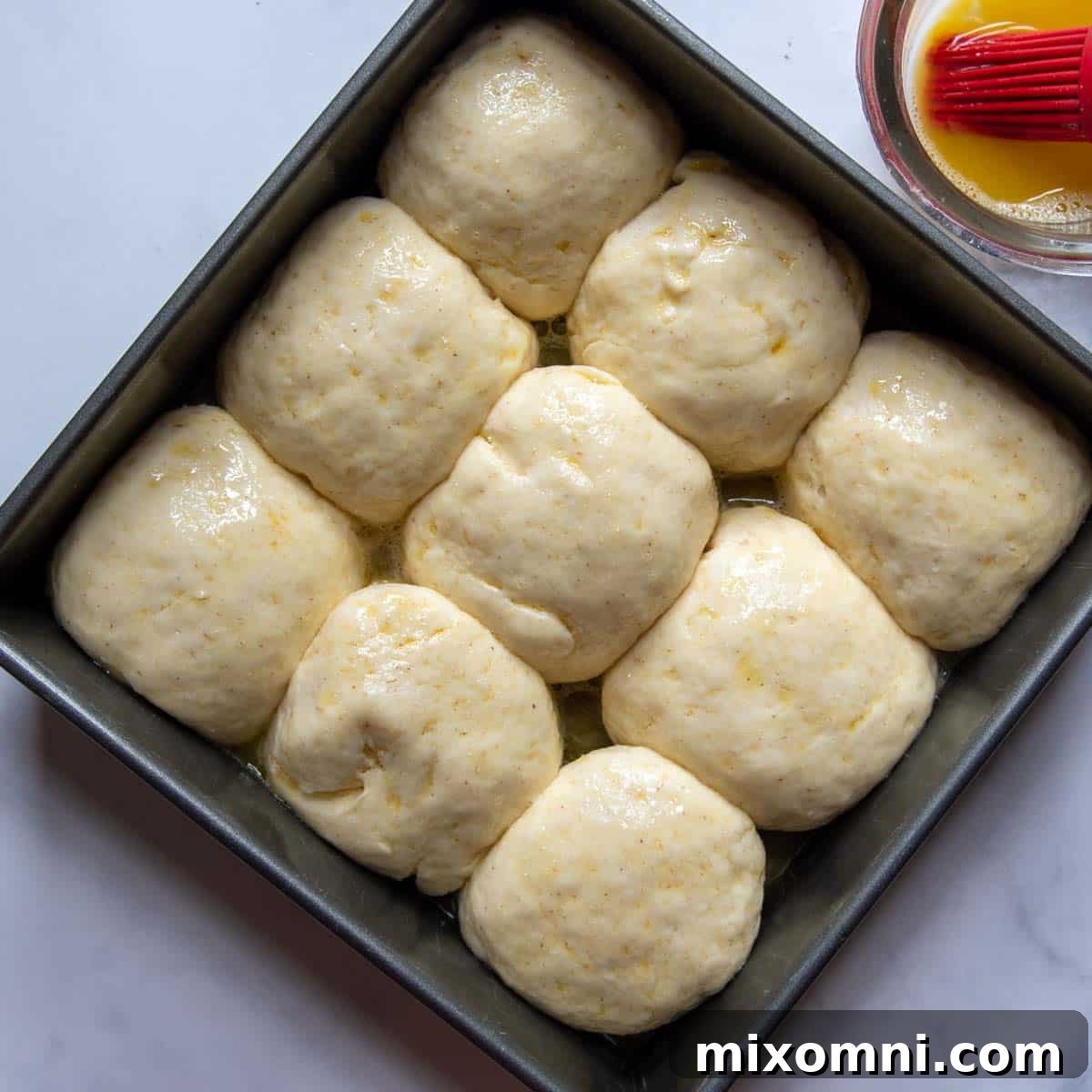
First, the shaped rolls are placed into a slightly warmed (turned off) oven for just 10 minutes. This initial warmth provides an ideal environment for the yeast to get active quickly. After this, remove the pan from the oven and let the rolls continue to rise at room temperature for another 20 minutes while your oven preheats to 350°F. The baking powder included in the recipe also contributes significantly to their beautiful loftiness and light texture during baking, ensuring a soft, airy crumb.
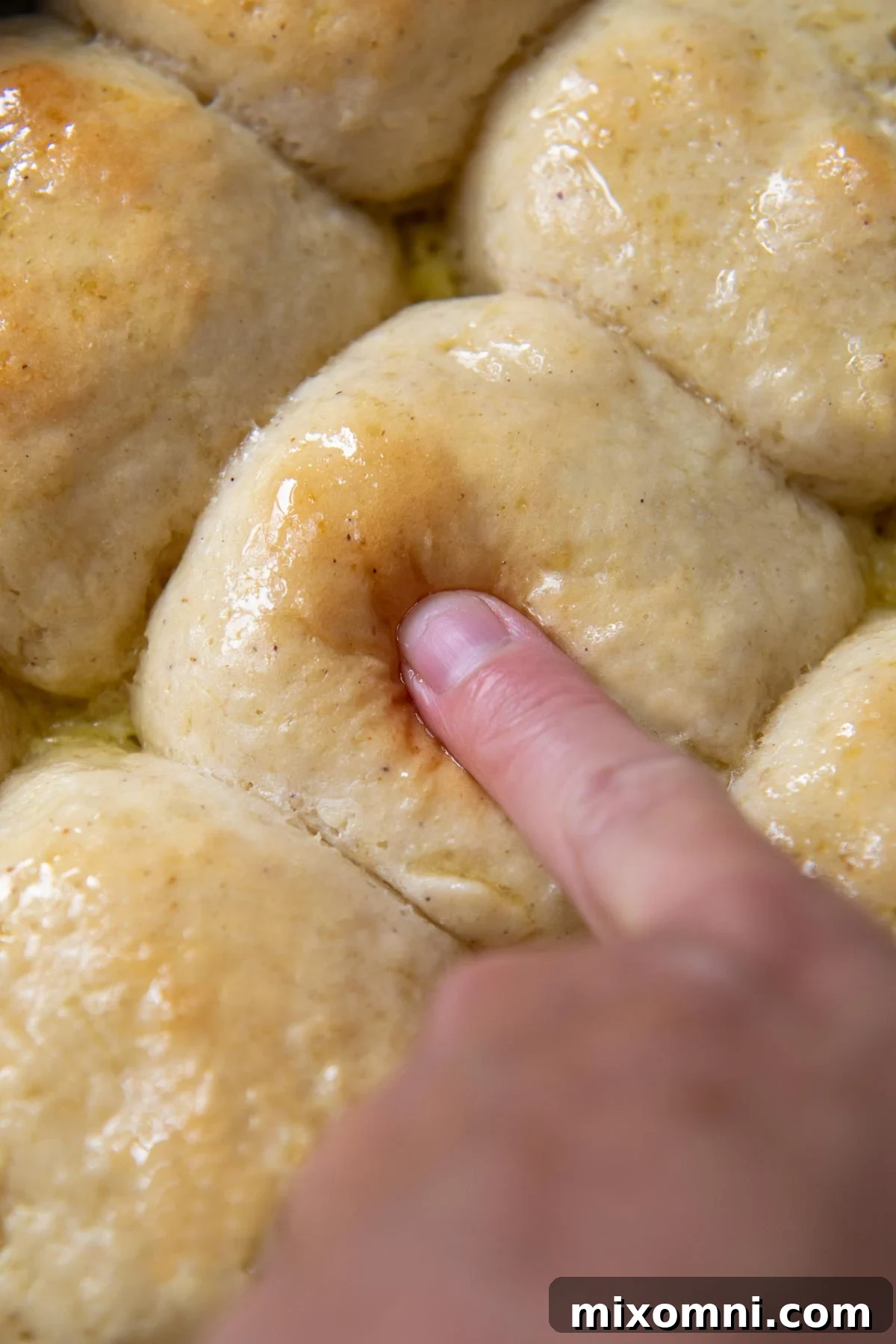
The images below illustrate the rolls before their initial rise and after they’ve beautifully expanded. Before baking, brush them generously with salted melted butter – this gives them that desirable ‘Parker House roll’ vibe and adds incredible flavor. And for the ultimate indulgence, brush them with more melted butter immediately after they come out of the oven. Get ready to enjoy the most seriously heavenly gluten-free rolls you’ve ever experienced!
The Expert Trick to Perfectly Shaping Gluten-Free Yeast Rolls
Achieving the perfect balance in gluten-free rolls can be challenging: you want enough gluten-free flour blend to make the dough manageable and shapeable, yet not so much that it results in a dense or tough, unyielding texture. This recipe masterfully navigates that balance.
To ensure a tender crumb and prevent the rolls from becoming overly firm, we intentionally use less flour than many other gluten-free dinner roll recipes. Our secret to perfectly shaped buns, despite the slightly stickier dough, relies on generous use of nonstick cooking spray and a simple measuring cup. This clever technique is similar to those employed in some of our most popular and beloved recipes, such as our incredibly light gluten-free hamburger buns and these delightful soft gluten-free slider buns.
Here’s how to execute the shaping trick like a pro:
- Liberally spray a 1/4 measuring cup with nonstick cooking spray. Also, spray your hands thoroughly with the cooking spray.
- Scoop out a portion of dough with the greased measuring cup, aiming for slightly less than a full 1/4 cup. This amount typically yields a dough portion weighing approximately 2 ounces, ideal for a standard dinner roll.
- Gently dump the dough from the measuring cup directly into your greased hands.
- With greased hands, carefully roll the dough into a smooth, even ball. The nonstick spray on your hands and the measuring cup prevents the dough from adhering, making shaping surprisingly easy.
Alternatively, if you prefer, you can use a greased silicone baking mat or a piece of parchment paper. Dump the dough onto the greased surface, flatten it gently with your fingers, then gather and pinch the edges upwards to form a ball. Once you have a smooth top, place the roll into your greased baking pan with the pinched ends facing downwards. Either method will result in beautifully formed, soft gluten-free rolls ready for their quick rise.
Choosing the Best Gluten-Free All-Purpose Flour for Rolls
The quality of your gluten-free all-purpose flour blend is arguably the most critical factor in the success of your gluten-free rolls. Through rigorous testing across numerous baking and bread recipes, I’ve identified the best-performing blend. Therefore, when developing this exceptional dinner roll recipe, I instinctively reached for my preferred brand: Cup4Cup.
In terms of taste and texture, Cup4Cup consistently emerges as the clear winner. Rolls made with this blend possess absolutely no “gluten-free” aftertaste; instead, they are soft, delightfully squishy, and have a subtle sweetness that makes them incredibly addictive. It’s important to note that this recipe performs beautifully with both the original Cup4Cup formula and their newer formulation, ensuring consistent, delicious results every time.
While many gluten-free bakers often work with Bob’s Red Mill 1-to-1 GF Flour, I personally find that it can impart an unpleasing aftertaste and tends to produce a denser crumb in yeast-based recipes. However, the beauty of the gluten-free baking community is its diversity! If you’re curious about using another brand of gluten-free flour blend, I encourage you to read through the comments section below. Our community has shared success stories with a variety of brands, so you might find valuable insights and recommendations from fellow bakers who have tried this recipe with different flours. Ultimately, finding a high-quality, reliable blend is key to achieving these perfectly soft and fluffy gluten-free rolls.
Save this Recipe to Your Pinterest Board!
Let’s be friends on Pinterest! I’m always sharing great recipes!
Did you make this recipe? I love hearing from you! Leave a star rating and comment below the recipe card. Your feedback is incredibly valuable, helping others discover and enjoy these recipes. I always make sure to respond! -Melissa
Squishy Soft Gluten-Free Rolls Recipe (1 Hour)

Melissa Erdelac
9
15 minutes
20 minutes
1 hour
5 minutes
Pin
Rate
Remove Ads
Ingredients
Roux
-
2 tablespoons
(18 g)
gluten free all purpose flour,
I recommend Cup4Cup brand -
3 tablespoons
(45 g)
water -
3 tablespoons
(45 g)
milk
Rolls
-
1 ½ cups
(214 g)
gluten free all purpose flour,
Cup4Cup gluten free flour highly recommended – see recipe notes for optional milk powder addition -
3 tablespoons
(31 g)
potato starch -
3 tablespoons
(38 g)
granulated sugar -
1 tablespoon
(11 g)
psyllium husk powder,
(what is psyllium husk?) -
1 packet
(7 g)
(2 ¼ tsp) instant rapid rise yeast,
see recipe notes for active dry yeast -
1 teaspoon
baking powder -
½ teaspoon
salt -
¾ cup
(184 g)
warm milk (110°F),
microwaved for 30-45 seconds -
1
large egg,
room temperature -
2 tablespoons
(28 g)
melted butter,
slightly cooled
Butter for tops
-
2 tablespoons
(28 g)
butter -
¼ teaspoon
salt
Equipment
-
Stand Mixer -
Cup 4 Cup Gluten Free Flour -
8X8 Baking Dish
Instructions
-
Before you start preparing the roux, preheat your oven to 200°F. Once it reaches temperature, immediately turn the oven off. This will create a warm, yet not too hot, environment that serves as an excellent spot for the rolls to begin their initial rise. While the oven warms, generously grease an 8×8-inch baking pan and set it aside.2 tablespoons gluten free all purpose flour,
3 tablespoons water,
3 tablespoons milk -
As your oven is preheating (and then turned off), prepare the roux. In a small saucepan, whisk together the 2 tablespoons of gluten-free flour with the specified amounts of milk and water. Cook this mixture constantly over medium heat, continuing to whisk until you observe a thick trail separation at the bottom of the pan when you drag your whisk through it. This usually takes only about a minute. Once achieved, remove the saucepan from the heat and set the roux aside to cool slightly.
-
In the large mixing bowl of your stand mixer, combine all the dry ingredients for the rolls: the remaining 1 ½ cups of GF flour, potato starch, granulated sugar, psyllium husk powder, instant rapid rise yeast, baking powder, and salt. Use the paddle attachment on low speed to thoroughly combine them.1 ½ cups gluten free all purpose flour,
3 tablespoons potato starch,
3 tablespoons granulated sugar,
1 tablespoon psyllium husk powder,
1 packet (2 ¼ tsp) instant rapid rise yeast,
1 teaspoon baking powder,
½ teaspoon salt -
To the dry ingredients, add the warm milk (approximately 110°F), the room temperature large egg, the slightly cooled melted butter, and your prepared roux. Begin mixing on low speed until all ingredients are thoroughly combined and no dry streaks remain. Then, increase the mixer speed to high and beat the dough vigorously for 5 minutes. During this beating process, stop once or twice to scrape down the sides of the bowl with a spatula, ensuring everything is incorporated evenly. The resulting dough will be notably stiff but should still maintain a sticky consistency – this is perfectly normal and desired for gluten-free rolls.¾ cup warm milk (110°F),
1 large egg,
2 tablespoons melted butter -
To shape the rolls, first generously grease a silicone baking mat or a sheet of parchment paper with cooking spray. Similarly, liberally spray a ¼ measuring cup and your hands with non-stick cooking spray. Scoop out a portion of dough that is slightly less than ¼ cup – this should yield an approximate 2-ounce dough portion, ideal for a single roll. Gently dump the scooped dough into your greased hands and roll it into a smooth, uniform ball. If you prefer the alternative method, dump the dough directly onto the greased baking mat or parchment paper, flatten it slightly with your greased fingers, then gather and pinch the edges up to form a ball. Smooth the top of the roll and place it into your prepared 8×8-inch baking pan, ensuring the pinched ends are facing down. Repeat until all dough is used.
-
Cover the baking pan containing the shaped rolls tightly with plastic wrap. Place the covered pan into the pre-warmed, turned-off oven for an initial rise of 10 minutes. After 10 minutes, remove the pan from the oven and allow the rolls to continue rising at room temperature for an additional 20 minutes. During this time, preheat your oven to 350°F. This two-stage rising process helps achieve maximum fluffiness.
-
While the rolls are completing their rise, prepare the butter topping. Melt the additional 2 tablespoons of butter and stir in the ¼ teaspoon of salt. Once the rolls have finished rising, carefully remove the plastic wrap and gently brush the tops of the rolls with about half of the salted butter mixture. Reserve the remaining butter to brush on after baking.2 tablespoons butter,
¼ teaspoon salt -
Bake the rolls in the preheated 350°F oven for 20-22 minutes. They are ready when their tops are beautifully lightly browned and an internal temperature measured with an instant-read thermometer reaches between 195-200°F. Immediately upon removing the pan from the oven, brush the tops of the hot rolls with the remaining melted butter. Serve them warm for the absolute best taste and texture experience.
Notes
Enhance with Milk Powder (Optional)
This is a recent addition to the recipe and is entirely optional, but it significantly boosts the moisture content of the bread, leading to an even softer crumb. Since Cup4Cup recently removed milk powder from their formulation, I now typically remove 1 ½ tablespoons of the main GF flour quantity and replace it with 1 ½ tablespoons of gluten-free certified milk powder. You can apply this clever trick to any gluten-free flour blend you use, not just Cup4Cup, for an added layer of richness and moisture.
Important Serving Tip for Best Texture
If you are serving rolls that have been frozen, it is crucial to thoroughly defrost them first. If they are even slightly chilled when eaten, they can become crumbly. For the absolute best taste and softest texture, always warm them slightly in the microwave (or oven) before enjoying them again!
Using Active Dry Yeast? No Problem!
If you only have active dry yeast on hand instead of instant rapid rise yeast, you’ll need to activate it first. Simply mix the active dry yeast with the warm milk (110°F) and let it sit for about 5 minutes until it becomes foamy. This indicates the yeast is active. Once activated, proceed by adding this mixture to your dry ingredients as instructed.
Dairy-Free Modification
For those needing dairy-free dinner rolls, suitable substitutions for both milk and butter are straightforward. Replace cow’s milk with your preferred non-dairy milk, such as almond milk or soy milk. For the butter, use a high-quality plant-based vegan butter alternative.
A quick note on salt: Since many dairy-free butter alternatives contain more salt than unsalted dairy butter, it’s advisable to cut the amount of salt in both the dough and the butter used for brushing in half. This prevents the rolls from becoming overly salty.
Expert Baking Tips to Remember
- Room Temperature Eggs: If you forget to bring your eggs to room temperature, a quick trick is to place the whole egg (still in its shell) in a bowl of hot tap water for about 5 minutes.
- Doubling the Recipe: To make a double batch, simply double all the ingredient quantities. For baking, arrange the larger quantity of dough balls in a 9×13-inch baking pan for rising and baking.
- Temperature Control: An instant-read thermometer is an invaluable tool in yeast baking. Use it to accurately measure the warm milk temperature to ensure proper yeast activation. It’s also incredibly helpful for taking the guesswork out of knowing when your rolls are perfectly baked; the interior should register between 195-200°F when they are ready to be pulled from the oven.
Serving, Storing, and Freezing Tips
These rolls are best enjoyed fresh and warm. While they may be wrapped tightly and left at room temperature for up to 24 hours, they will begin to lose their optimal taste and signature soft texture quickly.
For longer storage, freezing is recommended. Ensure the rolls have completely cooled (at least 2 hours) before wrapping them tightly in plastic wrap and then placing them in a freezer-safe bag or container. When you’re ready to enjoy them, pull them from the freezer and allow them to defrost at room temperature.
Calories:
169
kcal
,
Carbohydrates:
25
g
,
Protein:
4
g
,
Fat:
7
g
,
Saturated Fat:
4
g
,
Polyunsaturated Fat:
0.4
g
,
Monounsaturated Fat:
2
g
,
Trans Fat:
0.2
g
,
Cholesterol:
34
mg
,
Sodium:
253
mg
,
Potassium:
126
mg
,
Fiber:
3
g
,
Sugar:
6
g
,
Vitamin A:
225
IU
,
Vitamin C:
0.1
mg
,
Calcium:
71
mg
,
Iron:
1
mg
Did you make this recipe?
Please leave a star rating and review below. It helps others when searching for recipes and I LOVE feedback!