
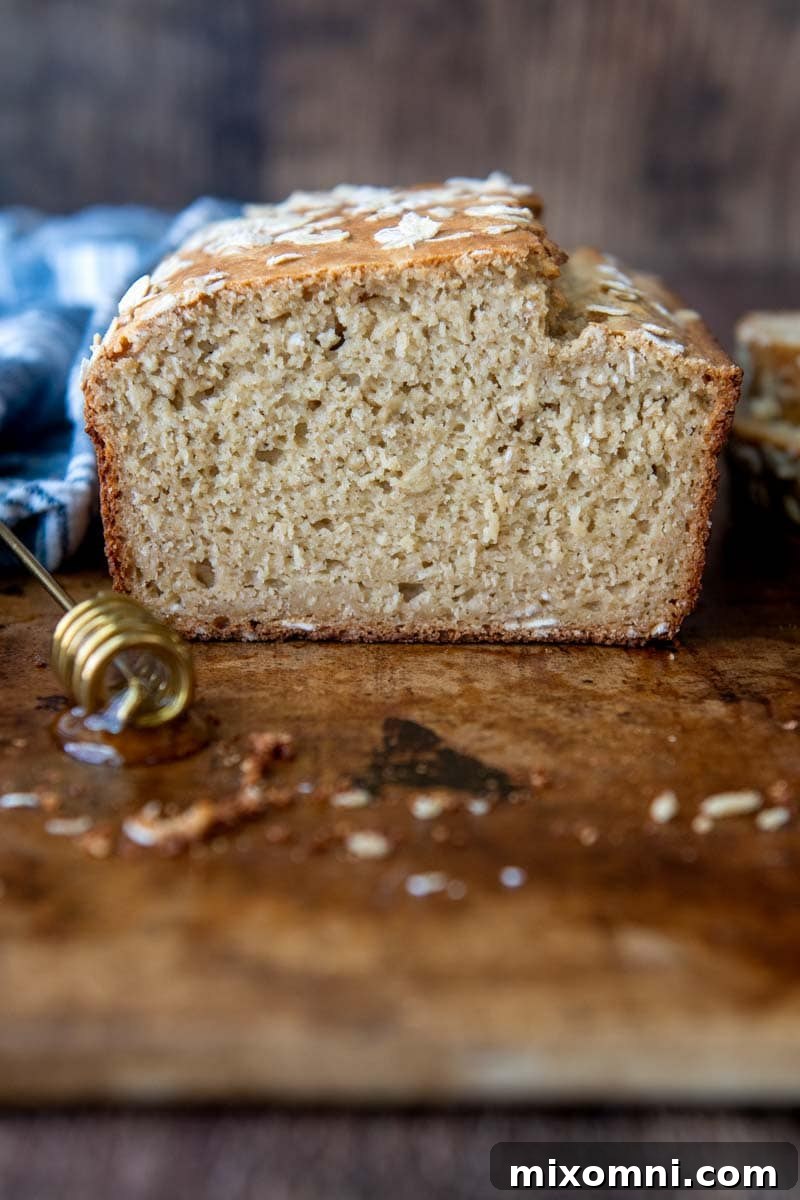
Effortless Oat Flour Bread: Your Guide to a Perfect Gluten-Free Loaf
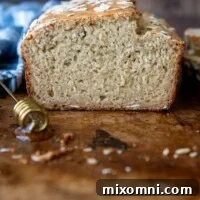
Discover the ultimate **Oat Flour Bread recipe** that delivers a truly delicious, homemade, and naturally gluten-free loaf with astonishing ease. Made with 100% wholesome oats, this revolutionary recipe requires no traditional flour, no yeast, and absolutely no kneading. Say goodbye to complex bread-making processes and hello to a soft, flavorful, old-fashioned oatmeal bread taste, all achieved in a fraction of the time with just a blender!
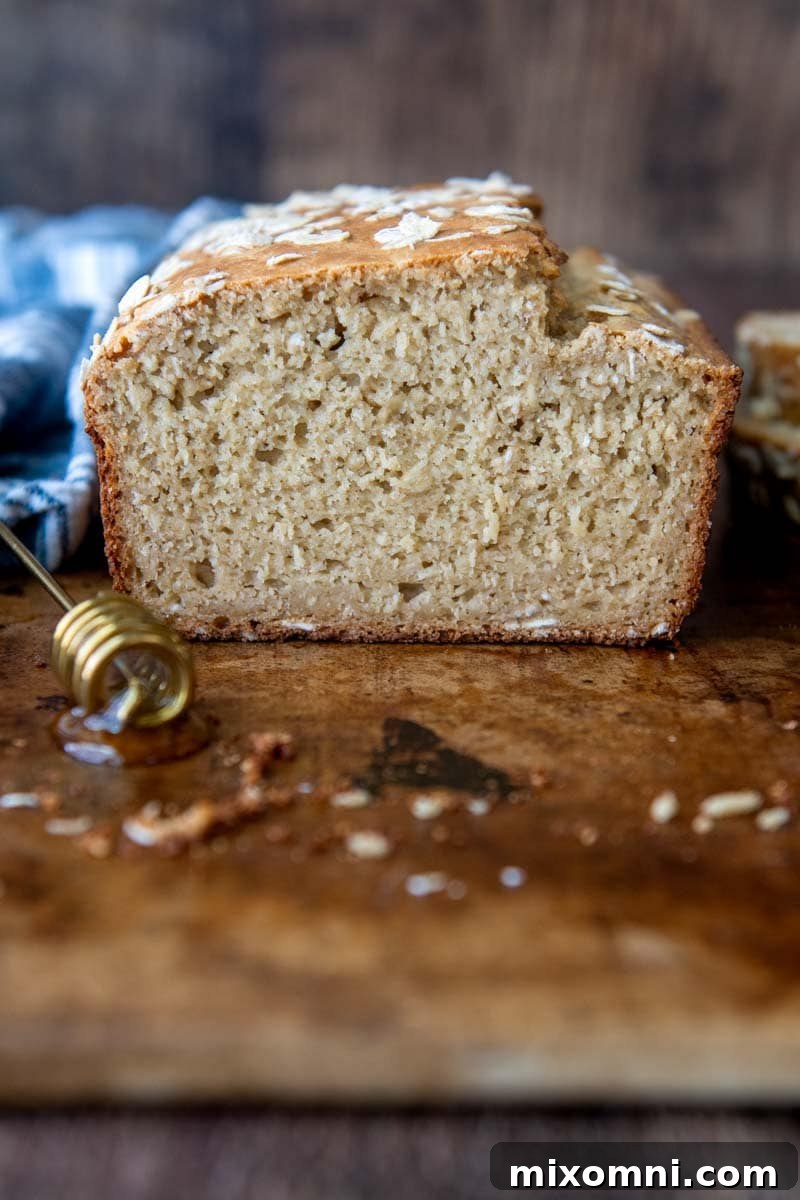
Gluten-Free Oat Bread: Wholesome, Flourless, and 100% Oats!
If you’re already a fan of the simplicity and delightful results of baking with pure oat flour, as seen in popular treats like oat flour cookies, then prepare to fall in love with this savory oat flour bread. This incredibly easy, flourless bread recipe is not only naturally gluten-free but also completely yeast-free, making it accessible and enjoyable for even the most sensitive diets.
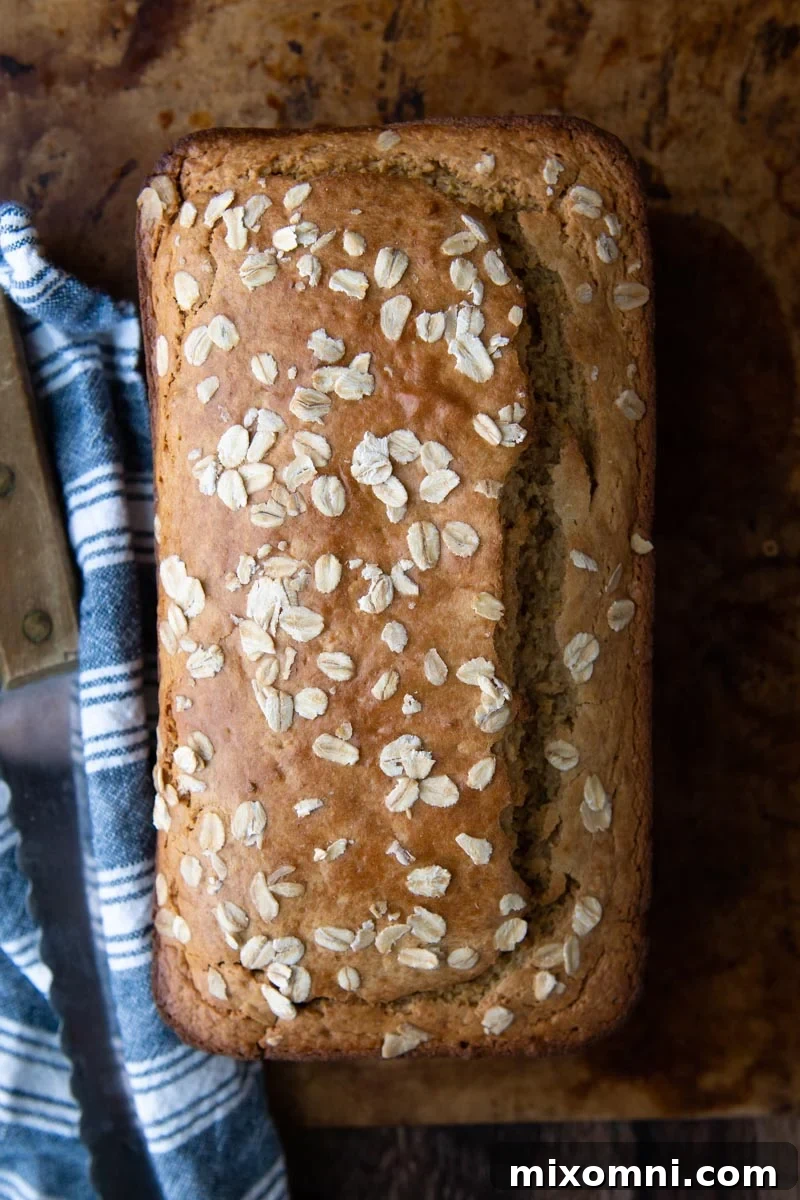
The flavor profile of this oat bread beautifully mirrors traditional oatmeal bread, offering a subtle sweetness from honey, a wonderfully soft crumb, and a delicate, nutty undertone that makes every bite a pleasure. What truly sets this recipe apart is its remarkable speed and simplicity. Forget the need for a bulky bread machine, lengthy rising times, or strenuous kneading. This method streamlines the entire process, making homemade bread a realistic and rewarding endeavor for even baking novices!
The magic happens in your blender or food processor. Simply combine all the ingredients, blend until smooth, pour the batter into a loaf pan, and bake. In under an hour, you’ll be pulling a warm, aromatic loaf of homemade gluten-free bread from your oven, made exclusively from wholesome oats. This bread is not just delicious; it’s also incredibly versatile.
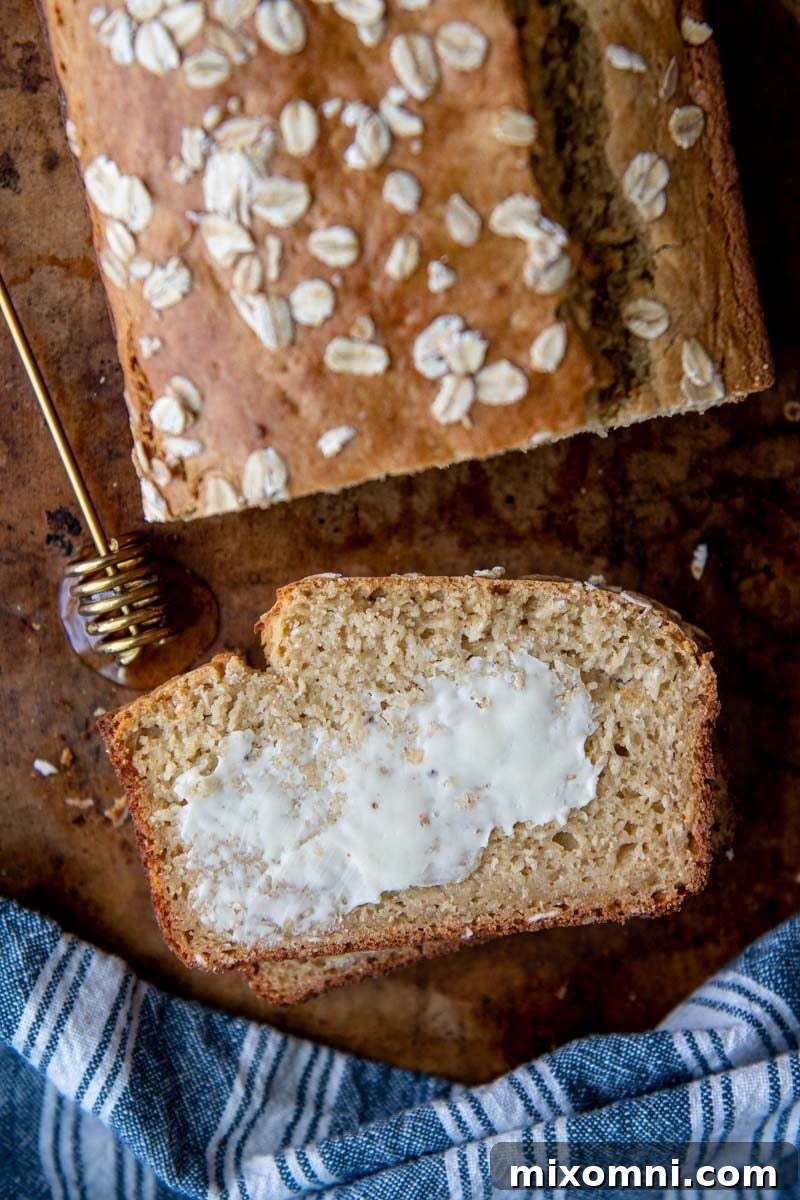
Imagine starting your day with a hearty slice, generously slathered with peanut butter and topped with fresh banana slices for a wholesome breakfast. It’s equally perfect for crafting satisfying sandwiches, melting into a gooey grilled cheese, or serving as an inviting accompaniment to any dinner spread. And if you’re craving something on the sweeter side, consider exploring these easy homemade muffins with oat flour for another delightful oat-based treat!
This bread is AMAZING!! It rose beautifully and looked artisan quality. I made it in my narrow gluten free metal tins which helped the bread rise nicely. I am so pleased with the ease of making this bread, and the Vitamix made the process a breeze. Thank you for sharing this true gem of a recipe!
—Ashley
Thank you so much! Have tried to eliminate wheat but oat flour bread is so expensive now. I had no problems at all with this recipe and even my husband loved the taste. Again, thanks!
—Jude
Essential Ingredients for Your Perfect Oat Flour Loaf
One of the many benefits of this oat bread recipe is its reliance on readily available and affordable ingredients. You likely already have many of them in your pantry and refrigerator, making spontaneous baking sessions entirely possible. We’ll delve into each key component, offering insights and potential substitutions to ensure your baking success.
- Oats: The Foundation of Flavor and Texture. For a truly gluten-free bread, selecting certified gluten-free oats is paramount. Regular oats can be cross-contaminated with wheat during processing. The beauty of this recipe is that these whole oats are quickly transformed into homemade oat flour in about a minute using your blender, saving you money on pre-ground flour while ensuring maximum freshness and flavor.
- Psyllium Husk Powder: The Gluten-Free Binder. This ingredient is a recent, yet vital, addition to the recipe. Psyllium husk powder acts as an incredible binder in gluten-free baking, mimicking the elasticity that gluten provides in traditional wheat flour. It’s what makes this oat bread robust and sliceable enough for sandwiches. While the bread can technically be made without it, we highly recommend incorporating this affordable ingredient to significantly enhance the texture, providing a more stable and less crumbly loaf. Learn more about the role of psyllium in GF baking.
- Plain Yogurt: For Moisture and Structure. Plain yogurt contributes essential moisture and a subtle tang to the bread, aiding in its soft crumb. If you’re aiming for a dairy-free recipe, unsweetened applesauce makes an excellent substitute. Be sure to check the recipe card for specific baking notes and adjustments when using this alternative, as it may affect baking time due to different moisture content.
- Eggs: The Essential Emulsifier. Eggs play a crucial role in binding the ingredients, providing structure, and helping the bread rise. Many readers inquire about an egg-free version. While we haven’t personally tested it extensively, other bakers have reported success using an egg replacer. However, it’s worth noting that using an egg replacer may result in a slightly looser crumb.
- Oil: For Tenderness and Richness. We typically use canola oil for its neutral flavor, but the choice of oil can often be a personal preference among home bakers. Feel free to use whatever oil you prefer or have on hand—whether it’s olive oil, vegetable oil, or melted coconut oil. The recipe is quite forgiving in this regard, and any neutral-flavored oil will work beautifully to keep the bread moist and tender.
- Milk or Non-Dairy Substitute: The Liquid Component. Both dairy milk and various non-dairy alternatives (like almond milk, soy milk, or oat milk) work perfectly in this recipe. Choose based on your dietary preferences.
- Honey: A Touch of Sweetness. Similar to oil, the choice of sweetener offers flexibility. Honey provides a lovely natural sweetness and moisture. Pure maple syrup is a fantastic alternative if you prefer, or you can adjust the amount of sweetener, or even omit it entirely, depending on your taste and dietary needs.
Step-by-Step Guide: Crafting Your Perfect Oat Flour Bread
Creating your own gluten-free oat flour bread from scratch is surprisingly simple and incredibly rewarding. Follow these easy steps, and you’ll have a warm, fragrant loaf ready to enjoy in no time!
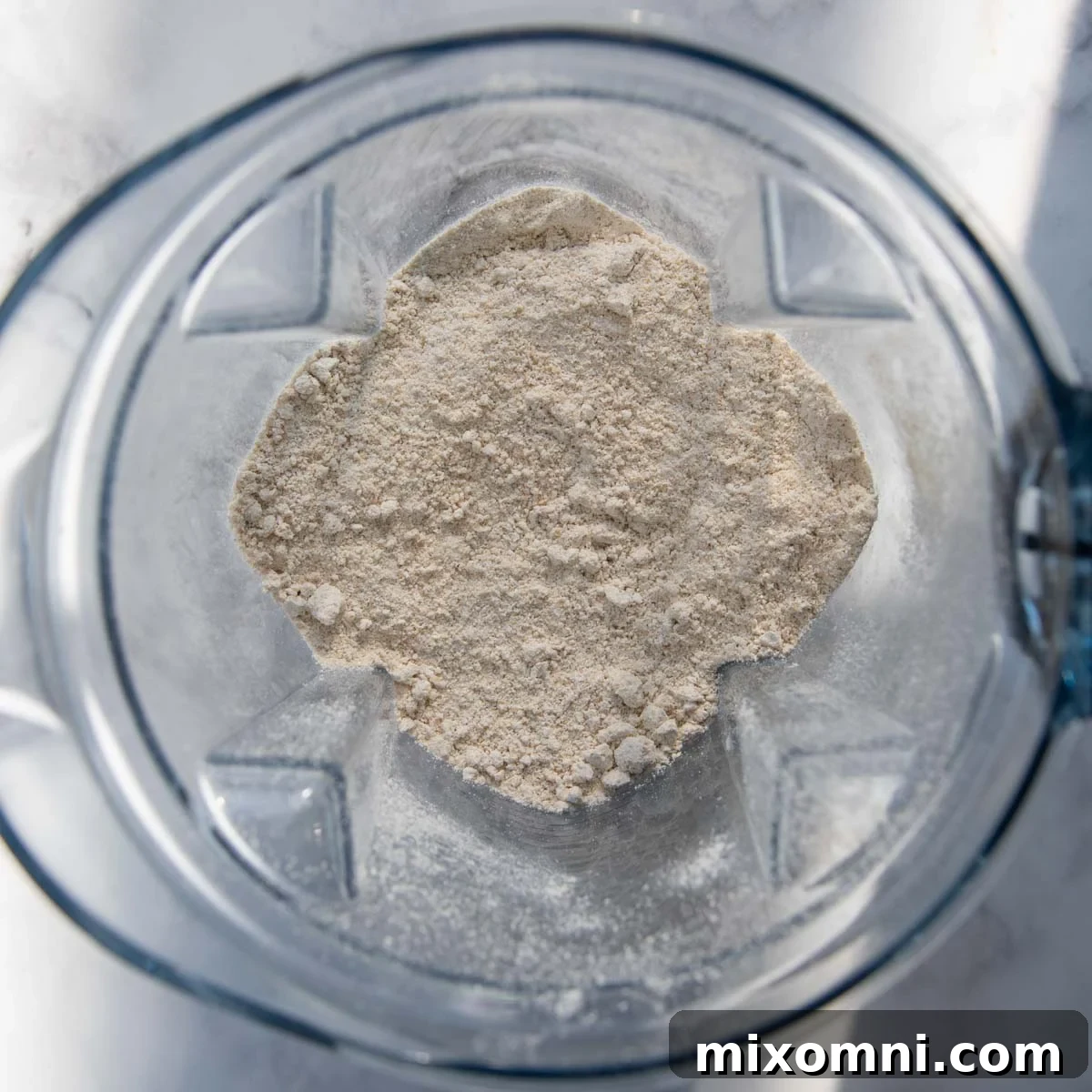
Step 1: Create Your 1-Minute Oat Flour
Begin by placing 2 ½ cups of certified gluten-free whole rolled oats into your high-power blender or a food processor. Process the oats until they transform into a fine, powdery flour. This typically takes about 30 seconds to 1 minute, depending on your appliance. Making your own oat flour is a fantastic way to save money and ensure maximum freshness. However, if you prefer, you can certainly use 2 ½ cups of pre-made oat flour – no judgment here!
Step 2: Combine and Blend All Ingredients
Once your fresh oat flour is ready, simply add all the remaining ingredients—psyllium husk powder, baking powder, baking soda, salt, plain yogurt, milk, eggs, oil, and honey—to the blender or food processor. Blend thoroughly until everything is well combined and the batter is smooth. Don’t be alarmed by the consistency; the batter will be quite thin and runny at this stage. This is completely normal for oat flour bread, as the oats will absorb the liquid during baking.
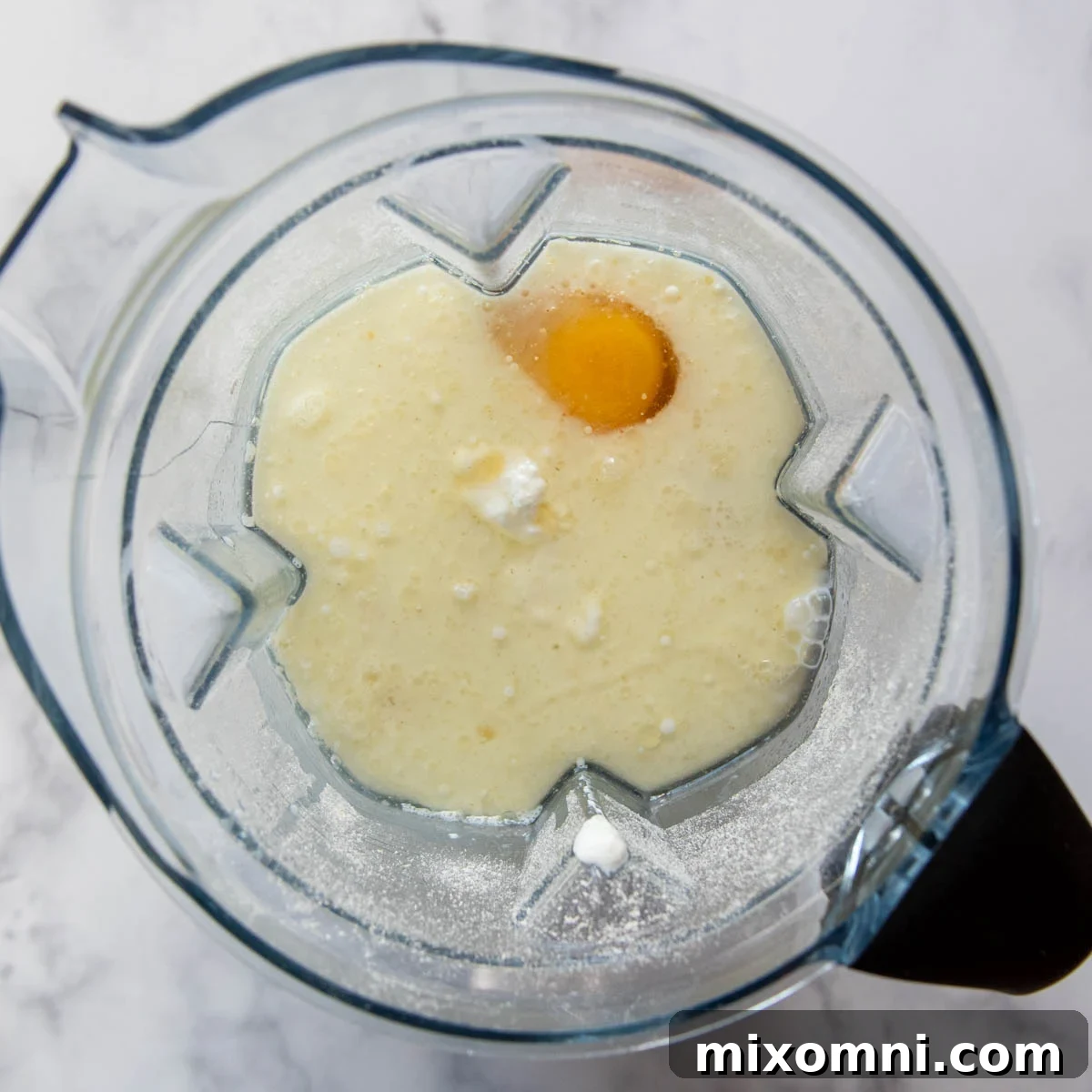
Step 3: The Oatmeal Magic – Adding Whole Oats
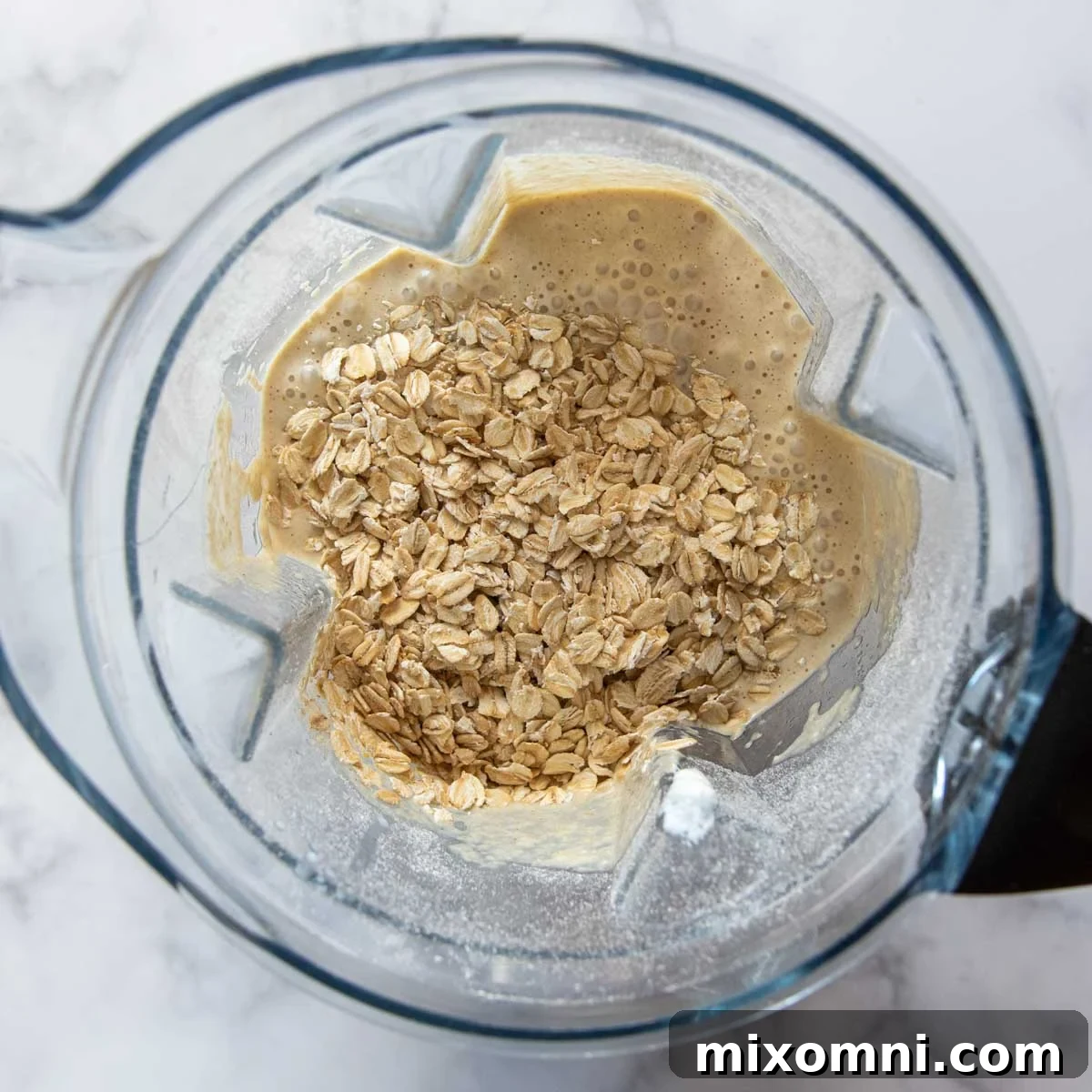
Now for a little secret to enhance the bread’s structure and texture: add the remaining 1 cup of whole rolled oats to the blender. Pulse the mixture just 2-3 times. The goal here isn’t to grind them into a fine flour, but rather to break them up slightly and incorporate them into the batter. These coarser oat pieces will contribute to the bread’s delightful texture and help build its internal structure, making for a more satisfying loaf.
Step 4: Pour, Bake, and Patiently Cool
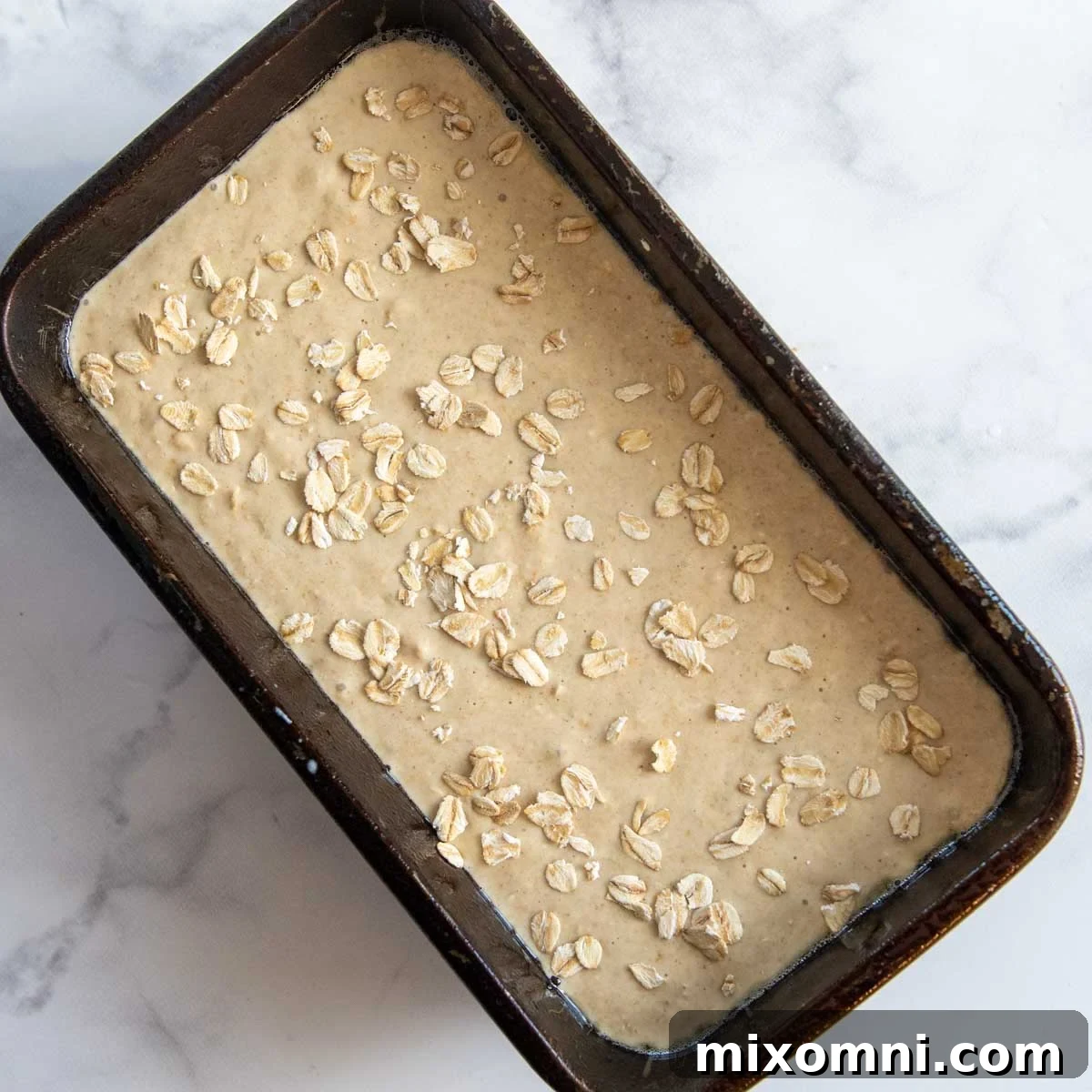
Liberally grease an 8×4 inch loaf pan and then pour the thin batter into it. As mentioned, the batter will still appear quite thin, but trust in the remarkable absorbent power of oats! During baking, they will soak up all the liquid, creating a perfectly formed loaf. Bake for 50-55 minutes. For optimal slicing and texture, it is crucial to allow the bread to cool completely before cutting into it. If your willpower fails and you simply can’t wait, you’ll still enjoy a delicious warm slice, but be warned that it may be more prone to crumbling. The choice is yours!
Frequently Asked Questions About Oat Flour Bread
What if I don’t have a blender or food processor?
While a blender makes this recipe incredibly quick and easy, it is still possible to make this delightful bread without one. The key difference is that you will need to purchase pre-made oat flour, as you won’t be able to grind your own whole oats. Here’s how you can adapt the recipe:
- In a large mixing bowl, thoroughly whisk together all the dry ingredients: oat flour, psyllium husk powder, baking powder, baking soda, and salt. Ensure they are evenly distributed.
- In a separate bowl, whisk together all the liquid ingredients: plain yogurt, eggs, milk (or non-dairy alternative), and honey until smooth.
- Pour the liquid ingredients into the bowl with the dry ingredients. Mix well with a spoon or spatula until just combined. Be careful not to overmix.
- Finally, gently stir in the remaining 1 cup of whole rolled oats.
- Pour the batter into your greased loaf pan and bake as directed in the recipe card.
This method will still yield a delicious loaf, though the texture might vary slightly from the blender method.
How do I know when the oat flour bread is perfectly baked?
Determining the doneness of oat flour bread is crucial for achieving the best texture. If the bread is undercooked, it will be noticeably doughy in the center and will likely fall apart when you try to slice it. This recipe is particularly moist, meaning the oats need ample time in the oven to fully absorb the liquid and set properly, even if the crust appears golden and done.
For the most accurate assessment, we highly recommend using an instant-read thermometer. Insert the thermometer into the center of the loaf; the bread is perfectly done when it reaches an internal temperature of 200°F (93°C). If you don’t have a thermometer, you can use the trusty wooden skewer test. Insert a long wooden skewer into the center of the loaf. It should come out clean, with no wet batter clinging to it. If there’s wet dough, continue baking for a few more minutes and test again.
Loved This Recipe? Pin It for Later!
Let’s connect on Pinterest! I’m always sharing delicious recipes!
Did you make this recipe? We love hearing from you! Please leave a star rating and comment below the recipe card. Your feedback helps other home bakers find and enjoy our recipes, and we always appreciate hearing about your culinary successes! -Melissa
4.56 stars (331 ratings)
Fluffiest Oat Flour Bread (5 Minute Recipe)

Melissa Erdelac
Yield: 12 servings
Prep Time: 5 mins
Cook Time: 50 mins
Total Time: 55 mins
This Oat Flour Bread recipe requires no flour, yeast, or kneading, making it an incredibly simple way to create delicious homemade gluten-free bread using 100% oats! Enjoy the classic taste of old-fashioned oatmeal bread with minimal effort and just a blender!
Pin Recipe
Rate This Recipe
Remove Ads
Ingredients
- 2 ½ cups (235 g) oat flour (same as 2 ½ cups quick oats blended into flour)
- 1 tablespoon psyllium husk powder (optional but greatly enhances texture – what is psyllium husk?)
- 2 teaspoons baking powder
- ½ teaspoon baking soda
- ½ teaspoon salt
- ¾ cup (184 g) plain yogurt (see recipe notes for dairy-free substitution)
- ¾ cup (184 g) milk (or non-dairy milk)
- 2 large eggs
- ¼ cup (55 g) canola oil (or any preferred neutral oil)
- ¼ cup (85 g) honey
- 1 cup (104 g) old fashioned rolled oats (use certified gluten-free oats)
Equipment
- High-Powered Blender (e.g., Vitamix) or Food Processor
- 8×4 Inch Loaf Pan
Instructions
- Preheat your oven to 350ºF (175ºC). Liberally grease an 8×4 inch loaf pan using non-stick cooking spray or butter. Set aside.
- Make the oat flour: Place 2 ½ cups of certified gluten-free rolled oats in a high-powered blender or food processor. Blend until the oats are transformed into a fine, powdery flour, which usually takes about 30 seconds to 1 minute.
- To the freshly made oat flour, add the psyllium husk powder, baking powder, baking soda, salt, plain yogurt, milk, eggs, oil, and honey. Blend all ingredients well, pausing halfway through to scrape down the sides of the blender/food processor to ensure everything is fully incorporated. The batter will be quite thin at this stage, which is normal.
- Add the remaining 1 cup of whole old-fashioned rolled oats to the blender. Pulse 2-3 times, just until the oats are slightly broken up and combined with the batter, but not finely ground. This adds a delightful texture to the finished bread.
- Pour the thin batter into your prepared loaf pan. If you wish, sprinkle a few extra whole oats on top of the batter before baking for a decorative touch.
- Bake for 50-55 minutes. To ensure even baking and prevent over-browning, rotate the pan halfway through the baking time and loosely tent a piece of foil over the top if the crust starts to get too dark. For perfectly baked bread, insert an instant-read thermometer into the center of the loaf; it should read 200ºF (93ºC). If you don’t have a thermometer, a long wooden skewer inserted into the center should come out clean, without any wet dough attached.
- Once baked, allow the bread to cool in the pan for 10 minutes before carefully removing it to a wire rack. Let it cool completely on the wire rack. For the best slicing results and to prevent crumbling, ensure the bread has cooled for at least 30 minutes, or ideally, completely, before cutting.
Notes
Psyllium husk powder
Psyllium husk powder is a fantastic recent addition to this recipe, primarily for its incredible binding properties. Without the psyllium powder, the bread will still be delicious, but it tends to have a more fragile, crumbly texture that isn’t ideal for slicing into sandwiches. We highly recommend investing in this affordable ingredient, as it significantly improves the bread’s structure and can also be used in other soft, white gluten-free bread recipes to enhance their texture.
Dairy-Free Adaptations
This recipe can be easily adapted for a dairy-free diet. We have successfully tested replacing the plain yogurt with unsweetened applesauce. The resulting bread had a slightly less cohesive crumb, but overall, the outcome was very favorable.
To make it dairy-free, use ¾ cup of unsweetened applesauce in place of the yogurt, and use ¾ cup of your preferred non-dairy milk (such as almond, oat, or soy milk). Since applesauce adds more moisture than yogurt, you may find that the bread needs to bake for a few additional minutes.
Making Without a Food Processor / Blender
If you don’t own a food processor or a high-speed blender, you will need to purchase pre-made oat flour for this recipe. Here’s how to proceed:
- In a large bowl, whisk together the dry ingredients: oat flour, psyllium husk powder, baking powder, baking soda, and salt until thoroughly combined.
- In a separate bowl, whisk together the liquid ingredients: plain yogurt (or applesauce), eggs, milk (or non-dairy milk), and honey until smooth.
- Add the liquid mixture to the dry ingredients, mixing well with a spatula until just combined.
- Stir in the remaining 1 cup of whole rolled oats.
- Pour the batter into your greased loaf pan and bake according to the instructions.
Storing and Freezing Your Oat Flour Bread
For the best possible slicing and texture, always allow the bread to cool completely before cutting. Once cooled, store the oat flour bread in an airtight container at room temperature for up to 3 days to maintain its freshness and softness.
To freeze the bread, first slice the completely cooled loaf. Arrange the slices in a single layer on a baking sheet and freeze until firm. Once frozen, transfer the slices to a ziplock freezer bag, removing as much air as possible before sealing. Frozen oat flour bread can be stored for up to 3 months. When ready to enjoy, simply thaw individual slices at room temperature or toast them directly from frozen for a quick treat.
Nutrition Information (per serving, estimated)
Calories: 216kcal,
Carbohydrates: 29g,
Protein: 7g,
Fat: 9g,
Saturated Fat: 1g,
Trans Fat: 1g,
Cholesterol: 30mg,
Sodium: 172mg,
Potassium: 244mg,
Fiber: 2g,
Sugar: 8g,
Vitamin A: 84IU,
Vitamin C: 1mg,
Calcium: 88mg,
Iron: 2mg
Did you make this recipe?
Please leave a star rating and review below. Your feedback helps others discover and enjoy our recipes!
This post contains affiliate links. My opinions are always my own. If you purchase a product through an affiliate link, I make a small commission – at no cost to you. Read full disclosure policy here.