If you’re navigating the world of dietary restrictions, finding reliable information about your favorite drinks is essential. Look no further! This is your ultimate resource for everything you need to know about gluten-free alcohol. We’ve meticulously compiled clear, concise answers and a definitive GF liquor list to guide you. Whether you have celiac disease, a gluten sensitivity, or simply follow a gluten-free lifestyle, this guide will help you identify which brands of gluten-free vodka, gin, tequila, whiskey, rum, and other spirits are safe to enjoy. Discover comprehensive insights and trustworthy recommendations right here!
Table of Contents:
- Is Alcohol Gluten-Free? Understanding the Basics
- Key Ingredients and Additives to Watch For
- A Comprehensive Gluten-Free Alcohol List by Spirit Type
- Gluten-Free Vodkas: Safe Choices for Your Cocktails
- Gluten-Free Gin: Classic and Contemporary Options
- Gluten-Free Tequila: Pure Agave Selections
- Gluten-Free Rum: Sweet Sips from Sugarcane
- Gluten-Free Whiskey, Scotch, and Bourbon: Navigating Grain-Based Spirits
- Gluten-Free Liqueurs: Sweet & Flavorful Options
- Gluten-Free Alcoholic Canned Drinks: Convenience and Safety
Is Alcohol Gluten-Free? Understanding the Basics
When you adopt a gluten-free diet, the initial focus is often on food. However, questions quickly arise about beverages, particularly alcoholic ones. Many wonder: is liquor gluten-free? The answer, while generally “yes,” comes with important nuances, especially for individuals with celiac disease or severe gluten sensitivity.
The key to understanding why most liquors are considered safe lies in the distillation process. Spirits like vodka, gin, whiskey, and rum often begin with a fermented “mash” containing gluten-rich grains such as wheat, barley, or rye. However, distillation, which involves heating and condensing the liquid, effectively separates the alcohol from heavier components, including gluten proteins. This rigorous process purifies the spirit, rendering it safe for consumption by most individuals on a gluten-free diet, as supported by organizations like the Celiac Disease Foundation.
Despite this, some highly sensitive individuals may still experience adverse reactions. This can be due to factors like minute trace amounts of gluten (even below the generally accepted 20 parts per million (ppm) threshold), or more commonly, due to additives or flavorings introduced after distillation. For absolute certainty, or if you have extreme sensitivity, choosing spirits made from naturally gluten-free bases like potatoes, corn, grapes, or sugarcane is advisable.
You might notice that many distilled spirits don’t bear a “gluten-free” label, even if they are safe. In the United States, the Alcohol and Tobacco Tax and Trade Bureau (TTB) has specific labeling regulations. Products made from gluten-containing grains cannot be labeled “gluten-free” if distillation is the sole method of gluten removal. Instead, they might carry a statement like “processed to remove gluten.” Only spirits produced entirely from naturally gluten-free ingredients (such as rum from sugarcane or tequila from agave) can be certified and labeled as “gluten-free.” This distinction is crucial for informed choices.
This guide will illuminate the best gluten-free alcohol brands and address common questions, such as “is vodka gluten-free?” Beyond this, be sure to explore our complete gluten-free beer list to broaden your beverage options and enjoy your favorite drinks safely!

Key Ingredients and Additives to Watch For
Identifying truly gluten-free alcohol brands can be more complex than checking food labels, as ingredient lists are often less detailed on alcoholic beverages. This makes understanding potential hidden gluten sources even more critical.
While the distillation process effectively removes gluten from many grain-based spirits, the risk often arises from what happens after distillation. Many manufacturers add flavorings, colorings, or other additives to their products to enhance taste or appearance. These post-distillation ingredients are where hidden gluten can lurk. Flavored spirits, in particular, warrant extra caution, as their flavorings might contain gluten derivatives or be derived from gluten-containing sources.
Even if a liquor begins with a wheat, barley, or malt mash, the distillation process is designed to remove gluten. However, always exercise caution with brands that incorporate post-distillation ingredients for flavorings, especially any variety of flavored liquor!
To ensure safety, especially for those with celiac disease or high sensitivity, always:
- Check Manufacturer Websites: The most reliable source of information. Many brands provide detailed allergy statements or lists of their gluten-free products.
- Look for “Certified Gluten-Free” Labels: This label indicates that the product is made from naturally gluten-free ingredients from start to finish.
- Be Wary of “Natural Flavorings”: This ambiguous term can sometimes conceal gluten-containing components.
- Avoid Cross-Contamination: At home and in bars, ensure mixers, garnishes, shakers, and glassware haven’t come into contact with gluten-containing items.
A Comprehensive Gluten-Free Alcohol List by Spirit Type
While the majority of distilled spirits are generally safe, understanding the specifics of each type can enhance your confidence and enjoyment. Below, we’ve broken down popular categories of liquor, outlining their production methods, common gluten concerns, and a curated list of trusted gluten-free liquor brands. We also include suggestions for delicious gluten-free cocktails perfect for any occasion. If there’s any additional information you’d like to see, please share your thoughts in the comments!
Gluten-Free Vodkas: Safe Choices for Your Cocktails
A frequently asked question for those avoiding gluten is: “Is vodka gluten-free?” The confusion stems from vodka’s traditional production, which often starts with a mash derived from gluten-containing grains like wheat, barley, or rye. However, as beyondceliac.org confirms, the extensive distillation process (often 3 to 10 times) purifies the vodka, effectively removing gluten proteins and making it safe for most individuals.
Despite this, some individuals with extreme gluten sensitivity prefer to err on the side of caution. For them, vodkas made from naturally gluten-free bases like potatoes, corn, grapes, or sugar beets offer complete peace of mind. Additionally, exercise caution with flavored vodkas, as flavorings are typically added after distillation and may contain hidden gluten ingredients.
Gluten-Free Vodka Brands
Whether you prefer your vodka neat, in a classic martini, or mixed into refreshing cocktails like a vodka lemonade or a blueberry Moscow mule, these widely available brands are generally considered safe. Keep in mind the general caution for grain-based spirits if you are highly sensitive.
While many of these brands originate from grain bases, they are widely accepted as gluten-free due to the thorough distillation process, which removes gluten traces. Consume according to your personal sensitivity level, with extra caution if you are highly reactive.
- Tito’s Handmade Vodka: Known for being corn-based and explicitly labeled gluten-free.
- Smirnoff: Primarily corn-based, making it naturally gluten-free.
- Absolut: Wheat-based, but distillation makes it safe for most.
- Stolichnaya: Grain-based, widely consumed by GF individuals.
- Three Olives: Grain-based, but considered GF after distillation.
- Burnett’s: Grain-based vodka, common choice for GF cocktails.
- Ketel One: Wheat-based, but distillation ensures gluten removal.
- Svedka: Wheat-based, generally safe due to distillation.
- New Amsterdam: Grain-based, frequently enjoyed in GF drinks.
- Chopin Vodka: Offers potato-based varieties, naturally gluten-free.
- Ciroc: Grape-based, naturally gluten-free and a popular premium choice.
Gluten-Free Gin: Classic and Contemporary Options
Gin, with its distinctive botanical profile, typically begins its life as a neutral spirit distilled from grains such as wheat or barley. Its characteristic pine-like flavor comes from juniper berries and other botanicals infused during or after distillation. Like vodka, the question of “Is gin gluten-free?” arises due to its grain origins.
However, the robust distillation process used in gin production efficiently removes the gluten proteins, rendering most traditional gins safe for those on a gluten-free diet. Many experts and individuals with celiac disease safely enjoy gin in their favorite gluten-free cocktails.
For individuals with heightened sensitivity or those who prefer spirits made entirely without gluten-containing ingredients, there are excellent alternatives. Some manufacturers craft gin from naturally gluten-free bases like potatoes or grapes. Brands such as G’Vine gin, Beattie’s Gin, and Cold River Gin are notable examples of potato-based gins, offering a worry-free option.
Gluten-Free Gin Brands
Whether you’re crafting a refreshing gin and tonic (tonic water is typically gluten-free!), a sophisticated martini, or an innovative drink like a gin basil smash, you have many excellent gluten-free gin options. These widely distributed brands are generally considered safe due to distillation, even if their base is grain-derived. If you find yourself highly reactive to grain-based spirits, consider the potato-based gins mentioned previously.
- Tanqueray: A classic grain-based gin, safe for most due to distillation.
- Bombay Dry: Renowned for its balanced flavor, grain-based.
- Bombay Sapphire: Known for its vapor infusion, wheat-based and safe.
- Hendrick’s: Famous for cucumber and rose notes, grain-based.
- Beefeater: Another iconic London Dry Gin, grain-based.
- Gordon’s: Widely available and grain-based, distillation-safe.
- Aviation American Gin: A popular, smoother American style gin, grain-based.
- Seagram’s Gin: Affordable and versatile, grain-based.
- Gin Mare: Mediterranean-inspired, grain-based.
- The Botanist Islay Dry Gin: Features 22 Islay botanicals, grain-based.
- Plymouth Gin: A distinct style of gin, grain-based.
Gluten-Free Tequila: Pure Agave Selections
Determining if tequila is gluten-free is generally less complicated than with other spirits, thanks to its traditional production method. Authentic tequila is made exclusively from the blue agave plant. Therefore, any bottle explicitly labeled “100% agave” is inherently gluten-free and safe to enjoy on a gluten-free diet.
However, you need to be cautious of “mixto” tequilas. These are permitted to contain only 51% agave, with the remaining 49% consisting of other sugars (like cane sugar or corn syrup), flavorings, or thickeners. While not all mixtos are unsafe, the presence of these additional ingredients can make it difficult to ascertain their gluten-free status if the additives are not specified. Mixto bottles will be labeled simply “tequila” but will noticeably lack the “100% agave” designation.
Fortunately, many popular mixto brands, such as Jose Cuervo Gold, Jose Cuervo Silver, Sauza Gold, and Sauza Silver, have been confirmed by their manufacturers to be gluten-free, ensuring broader safe options.
Gluten-Free Tequila Brands
Whether you prefer the crispness of a Blanco, the smoothness of a Reposado, the complexity of an Añejo, or the clarity of a Cristalino, there’s a world of gluten-free tequila brands awaiting. High-quality 100% agave tequilas are delightful served simply on the rocks, in a classic Paloma, a vibrant limeade margarita, or a refreshing skinny margarita!
- Jose Cuervo Gold and Silver: Popular mixtos confirmed GF.
- Patrón: All varieties are 100% agave and naturally gluten-free.
- Casamigos: Ultra-premium, 100% agave.
- Don Julio: All varieties (Blanco, Reposado, Añejo, 70, 1942) are 100% agave.
- Sauza: Offers 100% agave options and GF mixtos.
- Espolòn: Highly regarded 100% agave tequila.
- 1800 Tequila: Offers a range of 100% agave expressions.
- Ocho: Single estate, vintage-designated 100% agave.
- El Jimador: Affordable and 100% agave.
- Hornitos: Known for its smooth flavor, 100% agave.
- Cabo Wabo: Samy Hagar’s 100% agave tequila.
- Casa Noble: Organic and 100% agave.
- Gran Centenario: A premium 100% agave tequila.
- Olmeca Altos: Crafted for bartenders, 100% agave.
- Herradura: A historic brand, 100% agave.
Gluten-Free Rum: Sweet Sips from Sugarcane
For those particularly concerned about spirits originating from grain bases, rum offers a straightforward and naturally safe option. Rum is exclusively made from sugarcane byproducts, such as molasses or sugarcane juice. This means that pure rum is inherently gluten-free and a perfectly safe choice for anyone on a gluten-free diet.
As with other liquors, the primary caution with rum lies with flavored or spiced varieties, and any colorings added after the distillation process. These additives could potentially contain gluten or be processed in facilities with gluten cross-contamination risks. To be completely safe, always verify with the manufacturer for specific flavored rums. For a delicious twist on a classic, be sure to try this mojito made with dark rum, also known as a “dirty mojito”!
Gluten-Free Rum Brands
Pure, unflavored rums are the safest and most reliable gluten-free options, as they contain no post-distillation flavorings or additives. Spiced rums, also known as gold or dark rums, often derive their rich flavor from natural herbs, spices, and the aging process in oak barrels, which are generally gluten-free, but always good to double check the specific brand.
- Captain Morgan: Offers various rums, their original spiced rum is considered GF.
- Bacardi Gold or Superior: Classic light and dark rums, naturally gluten-free.
- Sailor Jerry: A popular spiced rum, widely considered GF.
- Mount Gay Rum: From Barbados, known for its quality, naturally GF.
- Goslings Black Seal Rum: Essential for Dark ‘n’ Stormy, naturally GF.
- Diplomático: Premium Venezuelan rum, naturally GF.
- Bumbu Rum: Artisan rum from Barbados, naturally GF.
- Appleton Estate: Jamaican rum, naturally GF.
- Havana Club: Cuban rum, naturally GF (where legally available).
- Plantation Rum: Diverse range of rums, naturally GF.
- Myers’s Original Dark Rum: A classic dark rum, naturally GF.
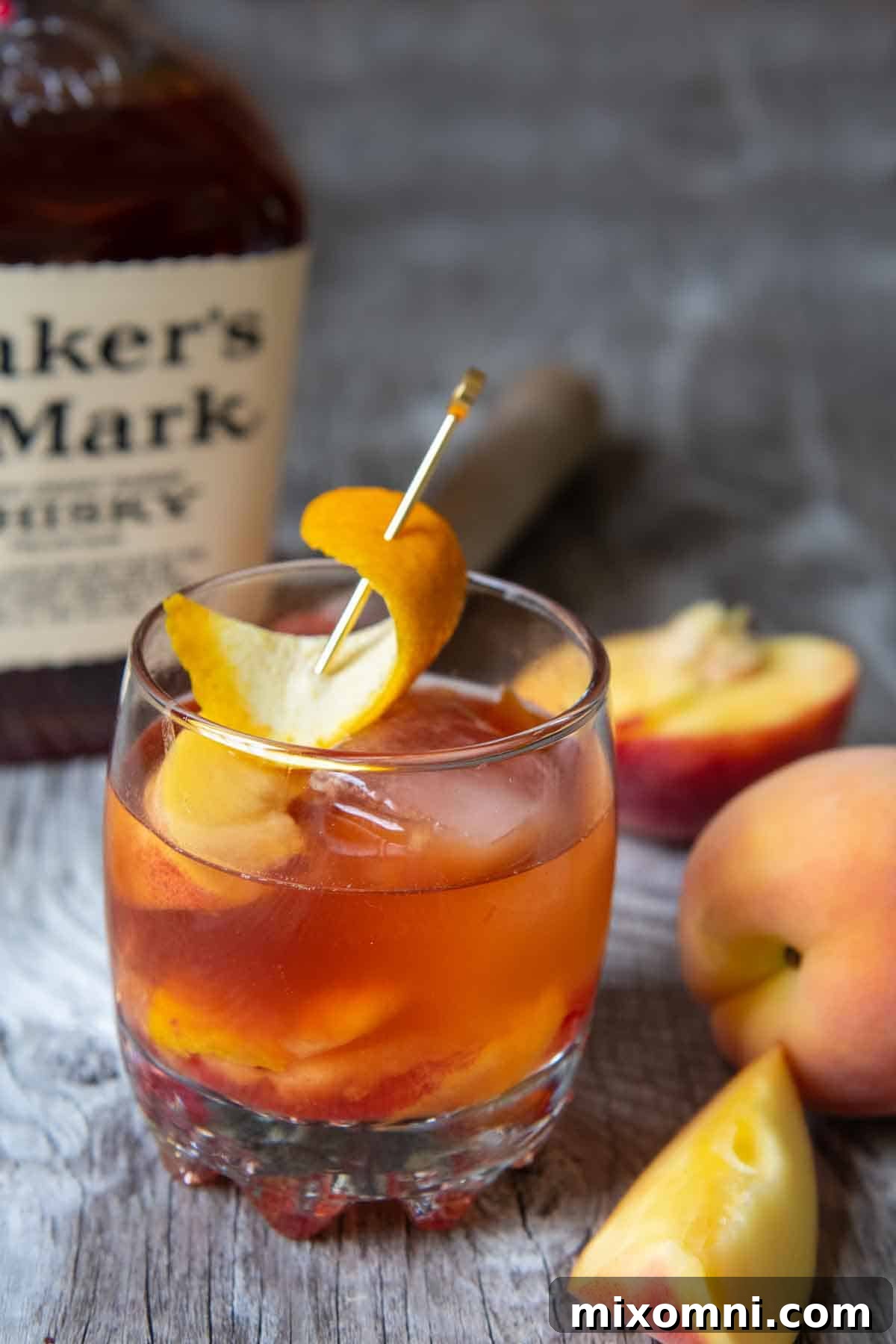
Gluten-Free Whiskey, Scotch, and Bourbon: Navigating Grain-Based Spirits
Whiskey, bourbon, and Scotch are renowned for their complex flavors, which originate from fermented grains. These spirits typically begin with a mash made from gluten-containing grains like corn, barley, rye, and wheat, followed by aging in wooden barrels. Bourbon, exclusively produced in the United States, must use at least 51% corn. Scotch whisky, hailing from Scotland, often utilizes malted barley as its primary grain. Other whiskies use various combinations of these grains.
Given their grain origins, the common query is: “Is whiskey gluten-free?” The answer, similar to vodka and gin, relies on the distillation process. The Celiac Disease Foundation and other experts generally conclude that whiskey, scotch, and bourbon are safe for most individuals with celiac disease due to the distillation process effectively removing gluten proteins. However, because they originate from gluten-containing grains, some highly sensitive individuals may still experience reactions. Therefore, consume these spirits with caution, especially when first trying a new brand.
Gluten-Free Whisky Brands
As with many items on this list of gluten-free liquors, the primary caution with whiskey, bourbon, and Scotch pertains to manufacturers who might add flavorings, colorings, or even reintroduce a small amount of mash back into the product post-distillation. Always choose pure, unflavored varieties for the safest option.
While discussing whisky, it’s worth noting the controversy surrounding Fireball Cinnamon Whisky. Although the company states it’s gluten-free due to distillation, highly sensitive individuals have reported reactions, potentially because of the flavorings added after distillation. It’s best to avoid Fireball if you have celiac disease or high sensitivity.
To craft a delectable gluten-free cocktail, select a trusted whiskey, bourbon, or Scotch from the list below and try a classic Manhattan, a warming Hot Toddy, or this delightful peach old fashioned!
- Crown Royal: Canadian Whisky, known for its smoothness.
- Jack Daniel’s: Tennessee Whiskey, charcoal-mellowed.
- Jameson Irish Whiskey: Triple-distilled for smoothness.
- Jim Beam: Popular Kentucky Straight Bourbon.
- Glenfiddich: Renowned Single Malt Scotch Whisky.
- Evan Williams: Kentucky Straight Bourbon Whiskey.
- Seagram’s 7 Crown: Blended American Whiskey.
- Dewar’s: Famous Blended Scotch Whisky.
- J&B Scotch: A popular blended Scotch.
- Johnnie Walker: Iconic Scotch Whisky brand (all colors).
- Southern Comfort: Spirit flavored with whiskey and fruit/spice.
- Knob Creek: Small Batch Kentucky Straight Bourbon.
- Wild Turkey: Bold and spicy Kentucky Straight Bourbon.
- Maker’s Mark: Wheated Kentucky Straight Bourbon.
- Bulleit Bourbon: High-rye content Kentucky Straight Bourbon.
- Elijah Craig: Small Batch Kentucky Straight Bourbon.
- Four Roses: Kentucky Straight Bourbon Whiskey, known for its distinct recipes.
- Basil Hayden’s: A lighter, smooth Kentucky Straight Bourbon.
Gluten-Free Liqueurs: Sweet & Flavorful Options
Liqueurs, often sweet and flavorful, also typically begin with a base spirit (like those mentioned above) which is then infused with sweeteners, fruits, herbs, or spices. This process creates lower-alcohol beverages perfect for aperitifs, post-dinner digestifs, or as key ingredients in sophisticated cocktails, such as an espresso martini or a vibrant blackberry martini. The primary concern with liqueurs is, again, the additives and flavorings, so checking specific brands is always prudent.
- Frangelico: Hazelnut liqueur, generally considered GF.
- Limoncello: Italian lemon liqueur, naturally GF (fruit and alcohol base).
- Amaretto: Almond-flavored liqueur, generally GF.
- Grand Marnier: Orange-flavored cognac liqueur, naturally GF (cognac base).
- Cointreau: Orange liqueur, naturally GF.
- Kahlúa: Coffee liqueur, widely confirmed GF.
- Crème de Menthe: Mint liqueur, generally GF.
- Disaronno Originale: Amaretto-style liqueur, confirmed GF.
- Aperol: Italian bitter aperitif, widely considered GF.
- Campari: Italian bitter aperitif, widely considered GF.
- Chambord: Black raspberry liqueur, generally GF.
- Crème de Cacao: Chocolate liqueur, generally GF.
- Galliano: Herbal liqueur, generally GF.
- Goldschläger: Cinnamon schnapps with gold flakes, generally GF.
- Ouzo: Anise-flavored liqueur, typically GF.
- Sambuca: Anise-flavored liqueur, typically GF.
- St. Germain Elderflower Liqueur: Made from elderflower blossoms, generally GF.
Is Baileys Gluten-Free?
Baileys Irish Cream uses a whiskey base, with cream and flavorings added after distillation. While the whiskey base is distilled to remove gluten, and the cream and flavorings are gluten-free, the base spirit does originate from gluten-containing grains. Therefore, Baileys is generally considered safe for a gluten-free diet for most individuals. However, if you are highly sensitive, it’s always best to consume with caution or opt for alternatives with naturally gluten-free bases.
Is RumChata Gluten-Free?
RumChata, a cream liqueur made with Caribbean rum, dairy cream, cinnamon, and vanilla, is explicitly labeled as gluten-free by its manufacturer. This makes it a reliable choice for those seeking a delicious and safe gluten-free cream liqueur.
Is Brandy or Cognac Gluten-Free?
Yes, brandy and cognac are naturally gluten-free. Brandy is a spirit distilled from wine or fermented fruit mash, meaning its base ingredients (grapes or other fruits) are naturally free of gluten. Cognac is a specific type of brandy, made exclusively from grapes in the Cognac region of France. As with other spirits, the main point of caution would be with flavored brandies, where additional ingredients might be introduced. Always cross-reference with the manufacturer for any specific flavored varieties.
Popular gluten-free brandy and cognac brands include Old Admiral, Hennessy, Rémy Martin, and Courvoisier. Pick your favorite and mix up a batch of refreshing rosé sangria!
Gluten-Free Alcoholic Canned Drinks: Convenience and Safety
The market for convenient, ready-to-drink alcoholic beverages has exploded, offering fantastic news for those on a gluten-free diet! There’s a wide array of gluten-free alcoholic drinks in a can to choose from, including popular seltzers, ciders, and pre-mixed cocktails.
Many gluten-free hard ciders and various gluten-free beer alternatives are available, providing excellent choices for every palate. Below are some of the most popular and widely distributed brands of canned alcoholic beverages that are confirmed gluten-free, offering both convenience and peace of mind:
- White Claw Hard Seltzer: Made with seltzer water, gluten-free alcohol base, and fruit flavors.
- High Noon Hard Seltzer: Made with real vodka and real fruit juice, naturally gluten-free.
- Mighty Swell Spiked Seltzer: Made with a clean, fruit-flavored alcohol base.
- Truly Hard Seltzer: Brewed with fruit flavors and a gluten-free alcohol base.
- Bud Light Seltzer: Made with a gluten-free alcohol base (check regional availability, e.g., not available in Canada).
- Coors Hard Seltzer: Utilizes a gluten-free alcohol base.
- Bacardi Rum Punch: Ready-to-drink rum cocktails, typically gluten-free (verify flavors).
- Fresca Mixed: Mixed drinks with a tequila or vodka base, confirmed gluten-free.
- Ketel One Botanical Vodka Spritz: Made with Ketel One Botanical Vodka, naturally gluten-free.
Save this gluten-free alcohol list to your Pinterest board!
Let’s be friends on Pinterest! We’re always sharing great recipes and lifestyle tips!