
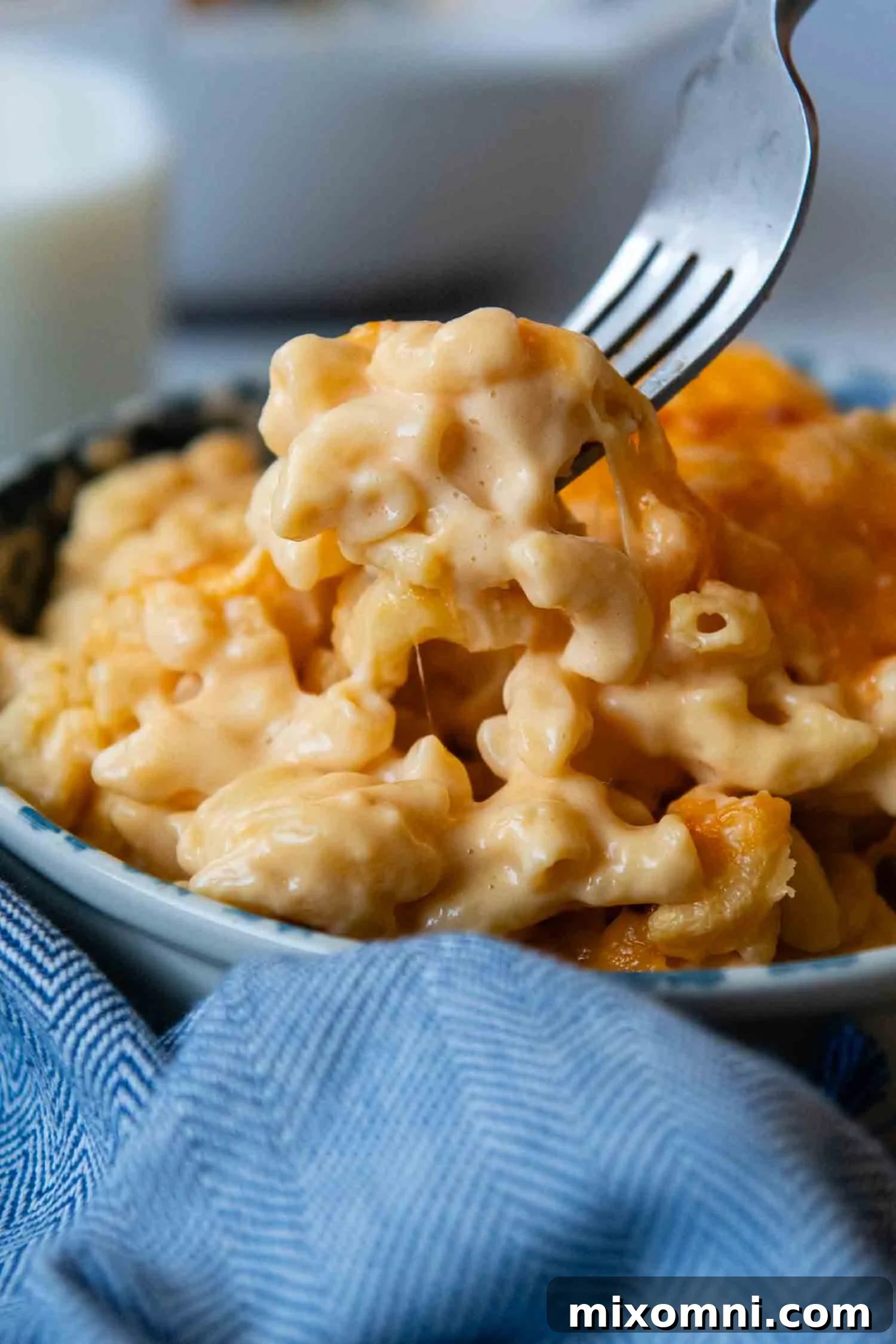
Imagine sinking your teeth into a bowl of perfectly tender macaroni, coated in a rich, velvety cheese sauce that’s utterly smooth, never clumpy, and bursts with flavor. For those navigating the world of gluten-free cooking, this can often feel like an elusive dream. The common pitfalls – mushy pasta, grainy sauce, or a flavor profile that just doesn’t hit the mark – can make creating an epic gluten-free mac and cheese feel like an uphill battle. But what if there was a secret, a magical recipe that transforms these challenges into a culinary triumph? Get ready, because I’m about to share the ultimate guide to crafting the creamiest, most satisfying baked gluten-free mac and cheese you’ve ever tasted. This homemade recipe leverages smart ingredient choices like cream cheese and evaporated milk for unparalleled smoothness, combines cheeses for a deep cheddar experience, and incorporates simple, yet crucial, techniques to ensure your gluten-free pasta remains perfectly al dente, never mushy. It’s time to elevate this beloved comfort food to its absolute best, without compromise.
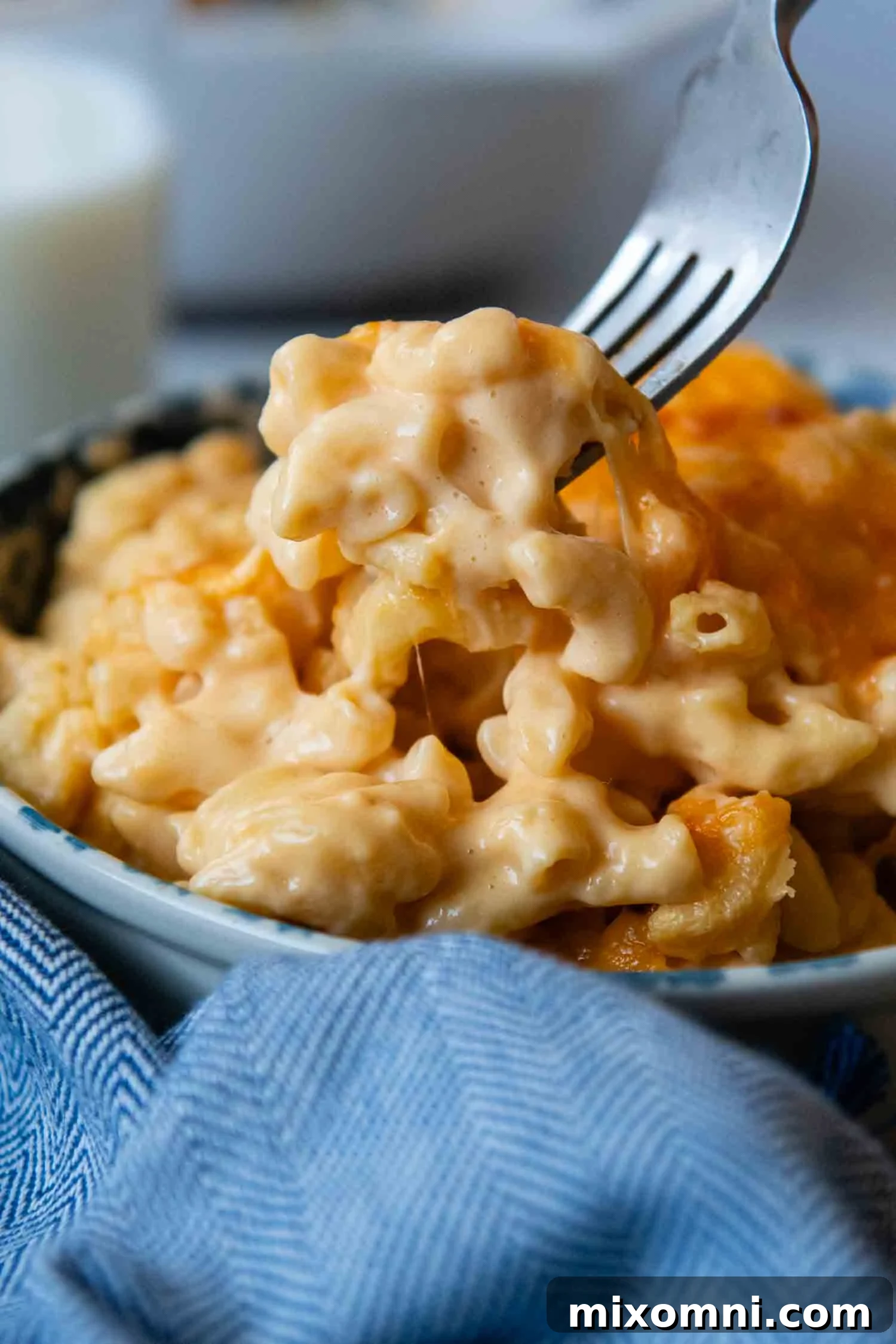
Mastering the Art of Gluten-Free Mac and Cheese
As enthusiasts of classic comfort food, we should never have to forgo the simple joy of a gloriously cheesy, creamy macaroni and cheese casserole. In the gluten-free world, this dish holds a special place, right alongside staples like soft gluten-free bread. It’s a dish that evokes warmth, nostalgia, and pure satisfaction – and it’s something we absolutely deserve to enjoy without compromise.
If your past attempts at gluten-free macaroni and cheese involved merely swapping out traditional pasta in an old recipe, you might have been left with a disappointing, subpar experience. I understand the frustration of gummy pasta or a broken sauce. But it doesn’t have to be complicated. Through extensive testing and a passion for perfect comfort food, I’ve developed a foolproof recipe that guarantees an exceptional result every time. My family’s enthusiastic cheers of “Are we having the world’s best mac and cheese again?! YES!” when I served this recipe during development speaks volumes. It’s truly restaurant-quality, reminiscent of the best homemade versions, and that’s not a claim I make lightly.
The foundation of this incredible dish begins with an extra smooth, irresistibly cheesy sauce. We achieve this next-level creaminess by incorporating two powerhouse ingredients: evaporated milk and a touch of cream cheese. Evaporated milk, with its higher milk protein content, creates a naturally smooth and stable sauce that resists curdling and reheats beautifully. Cream cheese further boosts this ultra-creamy texture and acts as a stabilizer, ensuring the sauce remains luscious even after baking. This dynamic duo sets our gluten-free mac and cheese apart.
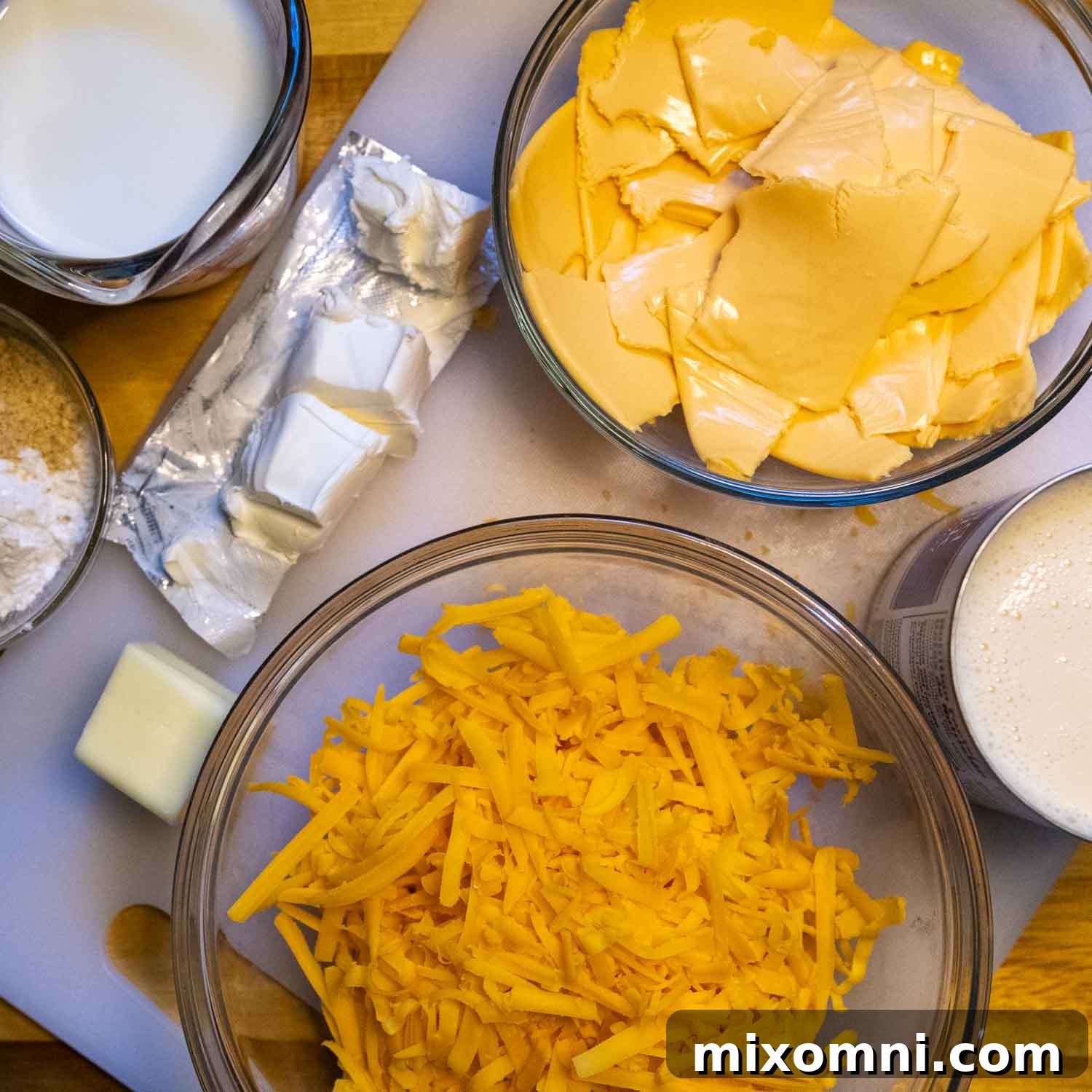
Next, we build layers of rich cheese flavor. Using American cheese is a clever trick borrowed from top chefs; it melts seamlessly into the sauce, preventing any hint of graininess often associated with certain cheese blends. For that quintessential sharp, robust cheddar taste, we then fold in freshly grated extra sharp cheddar cheese. The key here is “freshly grated” – pre-shredded cheeses often contain anti-caking agents that can hinder smooth melting and lead to a less desirable texture. The combination of these cheeses ensures a complex, deeply satisfying cheddar profile with an impeccably smooth finish.
Finally, we address the most common challenge in gluten-free mac and cheese: the pasta. Gluten-free pasta can be notoriously finicky, prone to becoming mushy or falling apart. Our solution is simple yet effective: boil the gluten-free pasta a little shy of al dente, meaning it should still have a slight bite. Immediately after draining, rinse the pasta thoroughly with cold water. This crucial step halts the cooking process, preventing the pasta from overcooking and breaking down further when baked. By following these simple tips, you’ll achieve perfectly tender gluten-free macaroni that holds its shape, even after being enveloped in our rich sauce and baked to bubbly perfection. Prepare to dive into the most epic homemade gluten-free mac and cheese casserole, where every bite is a symphony of flavor and texture.
Essential Ingredients for Gluten-Free Mac and Cheese Excellence
Crafting the perfect gluten-free mac and cheese involves selecting the right ingredients that complement the unique properties of gluten-free cooking. Here’s a closer look at the stars of our recipe and why they’re chosen:
- Gluten-Free Pasta: This is arguably the most critical component. The market offers a vast array of gluten-free pasta options, and their performance can vary dramatically. After extensive trials, I’ve found a clear winner. My absolute, hands-down favorite brand, one where you genuinely can’t tell it’s gluten-free, is Rummo gluten-free pasta. Its sturdy structure is a game-changer for preventing mushiness. A commendable runner-up, widely available in most grocery stores, is Barilla gluten-free pasta. For this recipe, both elbow macaroni and rotini shapes work beautifully, offering plenty of nooks and crannies to capture the creamy sauce. The right pasta choice is fundamental to achieving a delightful texture.
- Gluten-Free Flour: Essential for building the roux, which thickens our luxurious cheese sauce. The good news is that for this purpose, the specific brand of all-purpose gluten-free flour blend doesn’t typically matter as much as for baking. Any reliable all-purpose GF flour blend will do the trick to create a smooth, consistent roux.
- Evaporated Milk: This ingredient is a true secret weapon in our quest for ultra-creamy, stable mac and cheese. Evaporated milk is cow’s milk from which about 60% of the water has been removed, resulting in a richer, slightly caramelized flavor and a higher concentration of milk proteins. This composition makes the sauce exceptionally smoother, creamier, and significantly less prone to curdling or breaking down, even under heat. An added benefit I’ve discovered is that casseroles made with evaporated milk reheat far better, maintaining their creamy texture and preventing separation.
- Cream Cheese: You only need a small amount, but its impact is profound. Cream cheese further enhances the luxurious creaminess of the sauce and acts as an additional stabilizer. It helps create a silky-smooth emulsion that ensures the sauce remains cohesive and velvety throughout the baking process and even during reheating, preventing any undesirable separation.
- Cheeses: A carefully selected combination is key for both texture and flavor. One non-negotiable cheese is American cheese. This is a brilliant trick I employ in many of my gluten-free cheese sauces because American cheese melts incredibly smoothly and helps emulsify the other cheeses, guaranteeing a sauce with absolutely no graininess. For intense flavor, extra sharp cheddar is a must. Its robust, tangy profile cuts through the richness and provides that deep, classic mac and cheese taste. And remember this golden rule: always use freshly grated cheddar, not pre-shredded. Pre-shredded cheeses are coated with cellulose or starches to prevent clumping, which can lead to a slightly grainy, less smooth sauce. Taking the extra minute to grate your own cheese makes a world of difference.
Crafting Your Creamy Gluten-Free Mac and Cheese: A Step-by-Step Guide
(The following provides detailed step-by-step instructions with essential tips. For precise ingredient quantities and a printable recipe card, please scroll to the bottom of this article.)
Step 1: The Preppy Prep Time for a Seamless Cook
Making a cheese sauce moves surprisingly quickly, so having all your ingredients prepped and ready is crucial for a smooth process. Begin by preheating your oven to 350ºF (175ºC) and greasing a 2-quart baking dish. As your water comes to a boil for the pasta, combine your dry seasonings in a small bowl: gluten-free flour, salt, dry mustard, onion powder, and garlic powder. Take the time to freshly grate your cheddar cheese, cube the cream cheese to help it melt evenly, measure your milk, and tear the American cheese slices into smaller pieces. This organized approach ensures you can transition effortlessly between steps, creating a stress-free cooking experience.
Step 2: Crafting the Easy, Cheesy Sauce
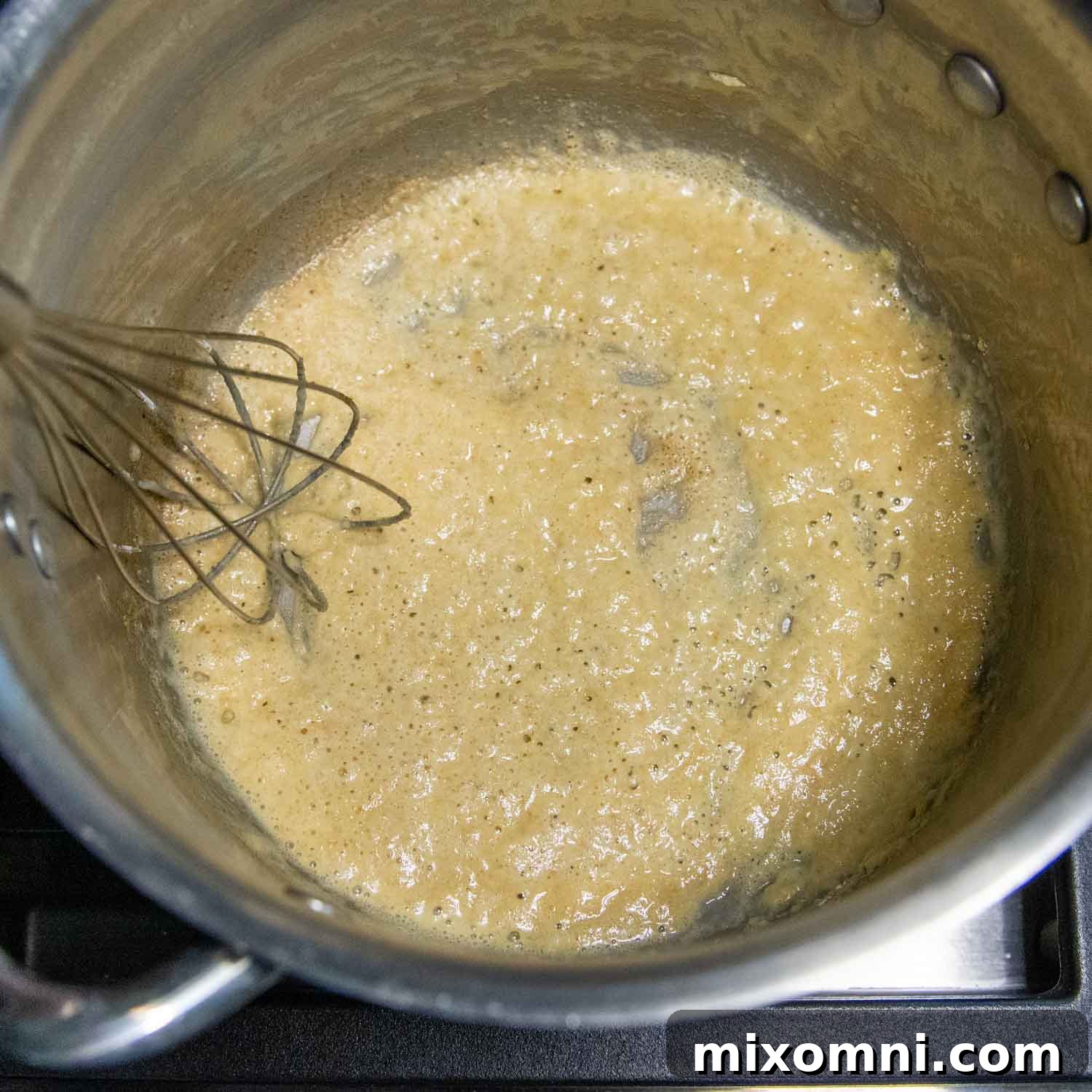
Select a large enough saucepan that will comfortably accommodate all the cooked pasta later. Melt the butter over medium heat. Once melted, add your pre-mixed gluten-free flour and seasoning blend, whisking constantly for about 30 seconds to create a roux. This step cooks out the raw flour taste and forms the base for our thick sauce. Slowly, and while continuously whisking, pour in the evaporated milk and regular milk. Continue to whisk as the mixture comes to a gentle simmer and begins to thicken slightly. This constant whisking prevents lumps and ensures a smooth, uniform sauce base.
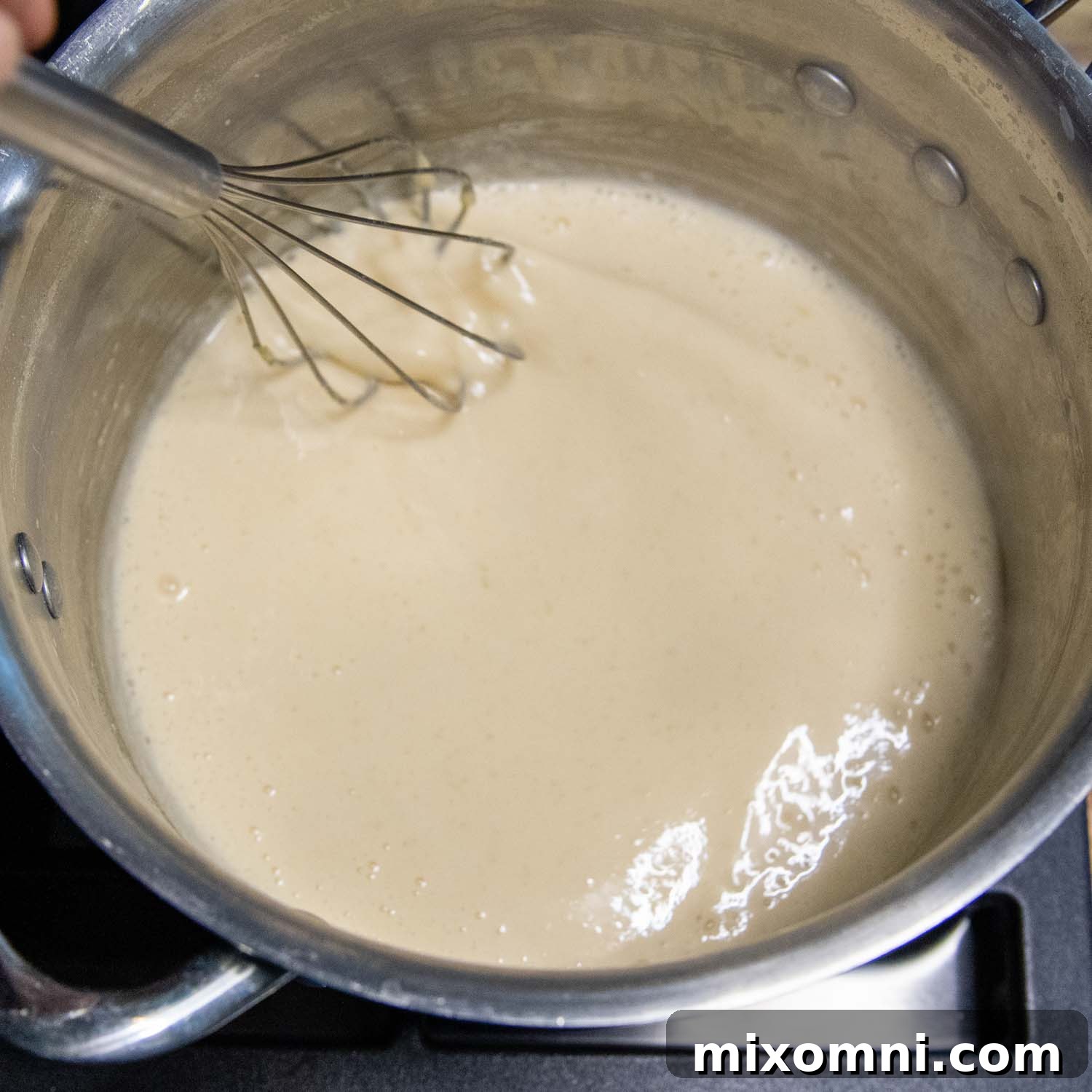
Step 3: Bringing it All Together – Pasta and Cheese Fusion
Once your sauce has slightly thickened, reduce the heat to low. Whisk in the cubed cream cheese until it’s fully melted and incorporated, adding to the sauce’s silky texture. Now, begin adding the American cheese and freshly grated sharp cheddar cheese, a handful at a time, whisking until each addition is completely melted and smooth before adding more. Remember to reserve about 1/2 cup of grated cheddar for the topping. As soon as all the cheese is beautifully melted and the sauce is perfectly smooth, remove the pan from the heat. Stir in the pre-cooked and cold-rinsed gluten-free pasta, ensuring every piece is generously coated in the rich, cheesy sauce. Transfer this irresistible mixture into your greased baking dish, top with the reserved cheese, or choose from one of our delicious gluten-free topping ideas below. Bake for 25-30 minutes, uncovered, or until the casserole is bubbly, golden, and utterly irresistible. Prepare for a truly delightful experience as you dig into the world’s best gluten-free mac and cheese!
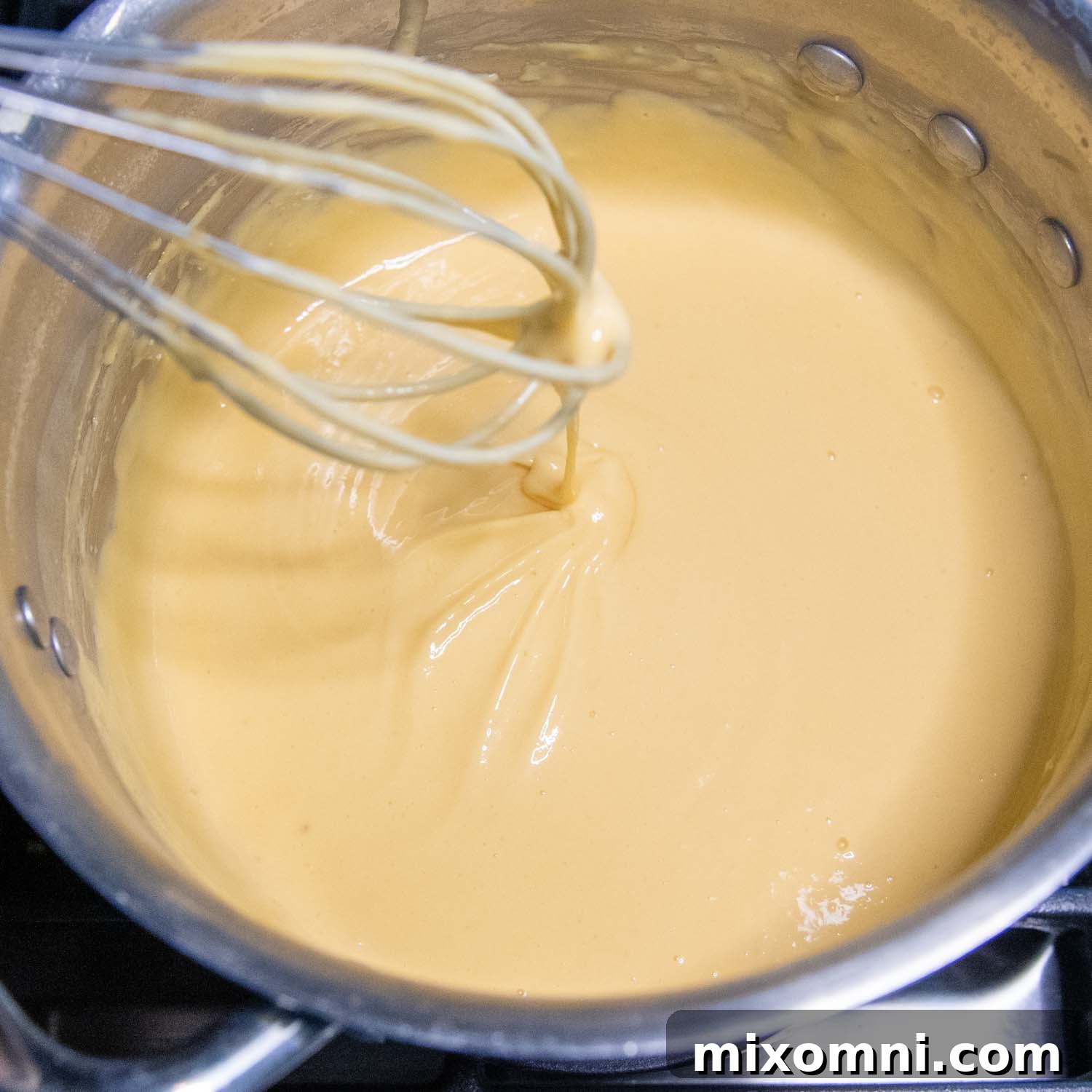
Choosing the Best Gluten-Free Pasta for Mac and Cheese
As emphasized earlier, your choice of gluten-free pasta can make or break your mac and cheese. The goal is to achieve tender pasta that holds its shape, rather than disintegrating into a starchy mess. That’s why I advocate so strongly for Rummo gluten-free pasta. Its superior structure and resilience make it exceptionally suited for baked dishes, where pasta often continues to cook in the sauce. If preventing a mushy baked gluten-free mac and cheese is your priority, Rummo is worth seeking out. While it might not be commonly found in all local grocery stores, it’s readily available online through retailers like Amazon or Vitacost, often in bulk, which is a great way to stock up on this pantry essential. You can explore more reasons why this GF pasta consistently outperforms others.
If you prefer to pick up your pasta at a local grocery store, Barilla gluten-free pasta is my top recommendation. It performs quite well and is widely accessible. However, not all brands are created equal. I’ve found that Ronzoni gluten-free pasta tends to break down too easily, becoming soft and mushy. Banza, while a popular chickpea-based option, can impart a distinct flavor that may not be desirable for a classic mac and cheese profile. Other brands can be acceptable, but they often require careful monitoring and must be significantly undercooked to prevent them from falling apart once combined with the sauce and baked. Stick to Rummo or Barilla for the most reliable results.
Regarding pasta shapes, traditional elbow macaroni is a classic for mac and cheese, and it works wonderfully here. I’ve also successfully tested this recipe with fusilli (rotini), which provides fantastic texture and allows the sauce to cling beautifully to its spirals. Penne would also be an excellent choice, offering a similar robust structure suitable for this hearty dish.
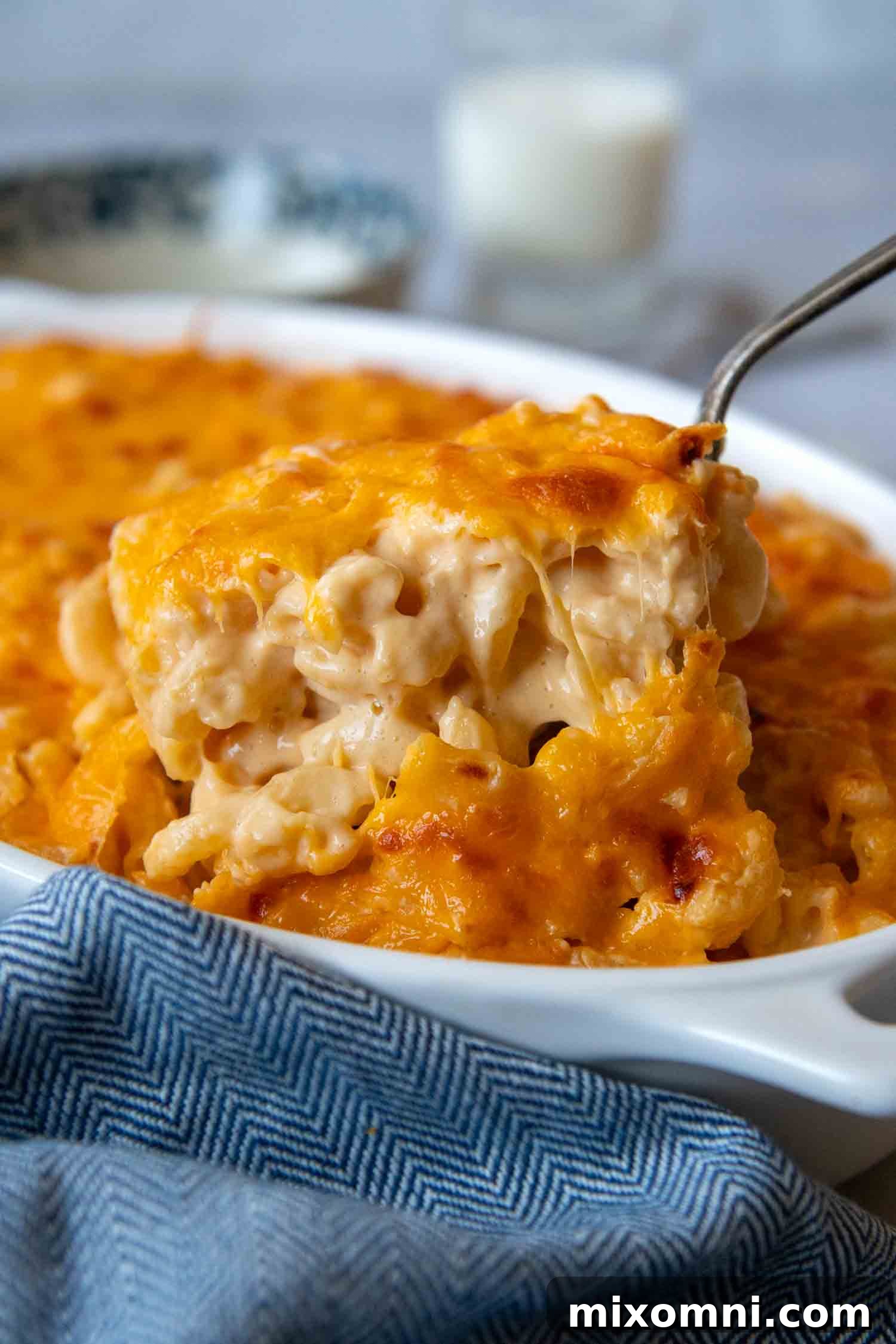
Can I make this on the stovetop instead of baking it? Absolutely! While baking adds a wonderful crisp topping and deeper flavor integration, this mac and cheese is equally phenomenal prepared on the stovetop. After you’ve stirred the cooked pasta into the cheese sauce, simply serve it immediately. The velvety sauce and perfectly cooked pasta are utterly delicious either way, offering a quicker alternative for those times you need instant comfort.
Elevate Your Mac and Cheese: Delicious Topping Ideas
One of the primary reasons I adore baking homemade mac and cheese is the opportunity to add a fantastic topping. That contrast between the smooth, creamy, cheesy pasta and a layer of crispy, savory goodness on top is simply irresistible. Here are some of my favorite gluten-free topping ideas to take your mac and cheese to the next level:
- Gluten-Free Fried Onions: These add a wonderful savory crunch and depth of flavor.
- Sliced Tomatoes: A fresh and slightly acidic contrast that brightens the rich dish.
- Freshly Grated Cheese: Beyond extra sharp cheddar, consider a different cheese like spicy pepper jack for a kick, or salty, umami-rich parmesan.
- Crumbled Potato Chips (Gluten-Free): For a salty, satisfying crunch that’s incredibly easy.
- Cooked and Chopped Bacon or Ham: Adds a smoky, savory, and meaty element.
- Sliced Hot Dogs: A kid-friendly addition that makes it a complete meal.
- Gluten-Free Breadcrumbs or Panko: Toss with a little melted butter and bake for a classic crispy topping.
- Crushed Pork Rinds: For a low-carb, incredibly savory, and crunchy option.
- Crumbled Gluten-Free Crackers: A simple way to add texture and a hint of saltiness.
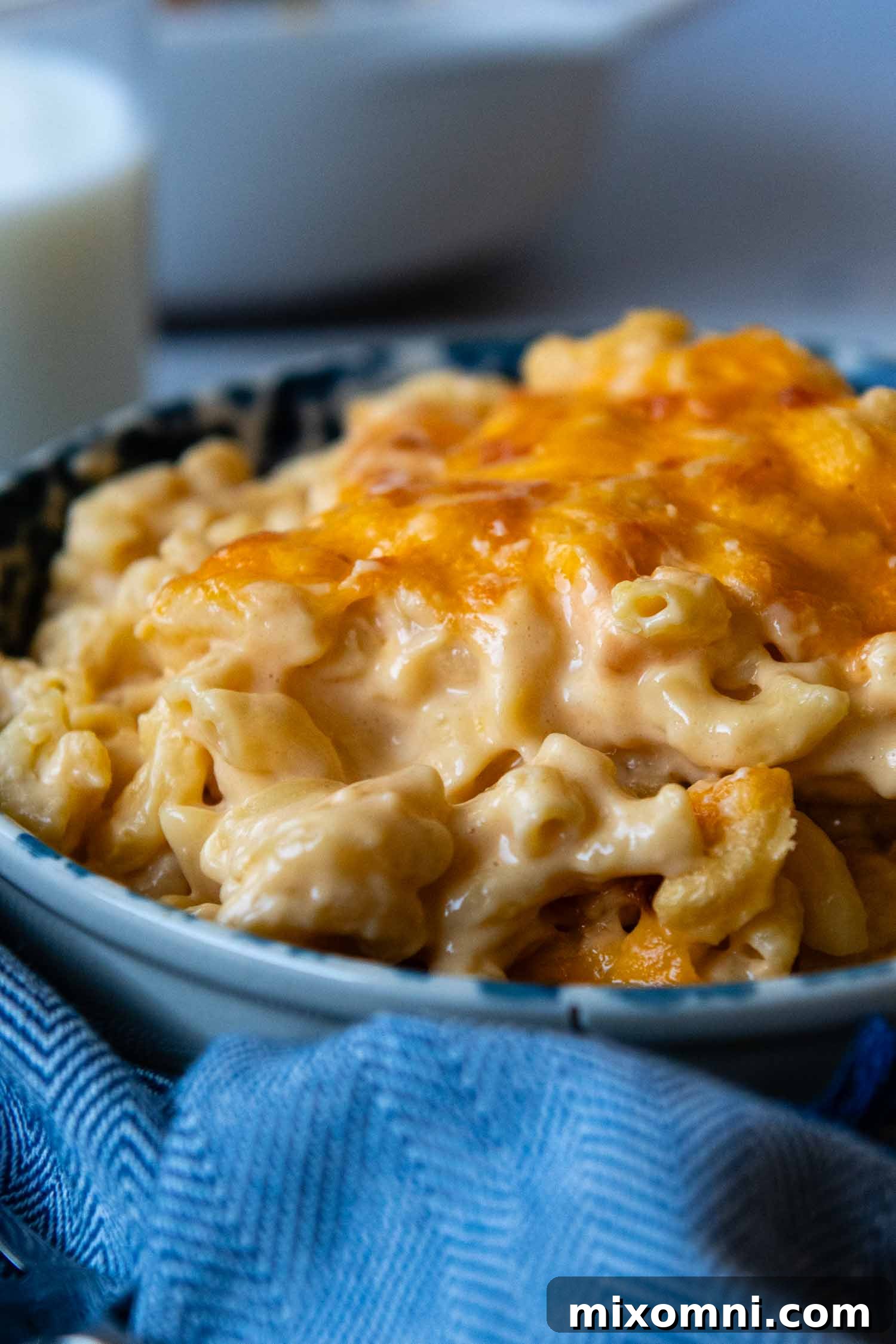
Don’t Forget to Pin This Recipe!
Let’s be friends on Pinterest! I’m always sharing great recipes and culinary inspiration!
Did you whip up this delicious recipe? I absolutely love hearing from you! Your feedback helps others discover amazing recipes and is truly appreciated by our community. Please consider leaving a star rating and comment below. I promise you’ll always hear back from me! -Melissa
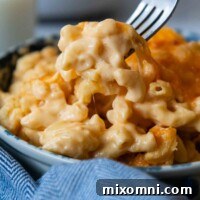
Creamiest Gluten-Free Mac and Cheese (Not Mushy!)

Melissa Erdelac
6
20 mins
30 mins
50 mins
What’s the secret to making the creamiest gluten-free mac and cheese with perfectly tender pasta in a smooth, velvety sauce that isn’t clumpy or grainy? This homemade baked macaroni and cheese recipe uses cream cheese and evaporated milk for a next-level smooth sauce, a combo of cheese for a rich cheddar taste, and simple tips so the gluten-free pasta doesn’t break down or become mushy. Let’s make the most epic comfort food even better.
Pin
Ingredients
- 12 ounce gluten-free elbow pasta
- 3 tablespoons gluten-free all purpose flour
- 1 teaspoon salt
- ½ teaspoon onion powder
- ½ teaspoon garlic powder
- 1 teaspoon dry mustard, or 1 tablespoon of dijon mustard
- 2 tablespoons butter
- 12 ounces canned evaporated milk
- ¾ cup milk, whole or 2%
- 2 ounces cream cheese, softened and cubed
- 6 ounces American cheese, 8 slices, ripped into pieces
- 2 cups freshly grated extra sharp cheddar cheese, divided
Equipment
-
Cheese Grater
-
Large Saucepan
-
Whisk
Instructions
-
Preheat the oven to 350ºF (175ºC). Grease a 2-quart baking dish and set aside.
-
Bring a large pot of unsalted water to a boil. Boil the gluten-free pasta for 1-2 minutes less than al dente (check package directions and aim for slightly firm). Drain and rinse thoroughly with cold water to stop the cooking process. This prevents the pasta from becoming mushy later.
-
While the pasta is boiling, prep your other ingredients. In a small bowl combine gluten-free flour, salt, dry mustard (if using dry), onion powder, and garlic powder. If using dijon mustard, add it with the cheeses later. Grate the cheddar cheese, cube the cream cheese, measure milk, and tear the American cheese into pieces.
-
In a larger saucepan (one big enough to eventually hold the pasta), melt the butter over medium heat. Add the flour/seasoning mixture, whisking to combine. Whisk constantly for about 30 seconds to create a roux. Slowly pour in the evaporated milk and regular milk, whisking constantly. Continue to whisk until it comes to a simmer and thickens slightly.
-
Lower the heat to low and whisk in the cream cheese until fully combined. Once smooth, add the American cheese and then the grated extra sharp cheddar cheese in handfuls, whisking until each addition is fully melted before adding more. Reserve about 1/2 cup of grated cheddar for the topping. Once all cheese is melted and the sauce is smooth, remove from heat.
-
Stir the cooked and cooled gluten-free pasta into the cheese sauce until well coated. Pour the mixture into the prepared baking dish and top with the remaining reserved cheese. Bake for 25-30 minutes, uncovered, or until bubbly and golden brown on top. Serve immediately and enjoy!
Notes
Reheating Leftovers
Scoop out serving-size portions and microwave at 50% power until almost heated through, stirring occasionally. Finish at full power. Since the sauce is stabilized with the cream cheese and evaporated milk, I don’t find it needs milk added when reheating. However, if you’d like to thin or smooth out the sauce, add a splash of milk as you reheat.
Calories: 611kcal
Carbohydrates: 54g
Protein: 25g
Fat: 33g
Saturated Fat: 19g
Polyunsaturated Fat: 1g
Monounsaturated Fat: 8g
Trans Fat: 0.5g
Cholesterol: 99mg
Sodium: 1275mg
Potassium: 317mg
Fiber: 1g
Sugar: 9g
Vitamin A: 1008IU
Vitamin C: 1mg
Calcium: 767mg
Iron: 1mg