
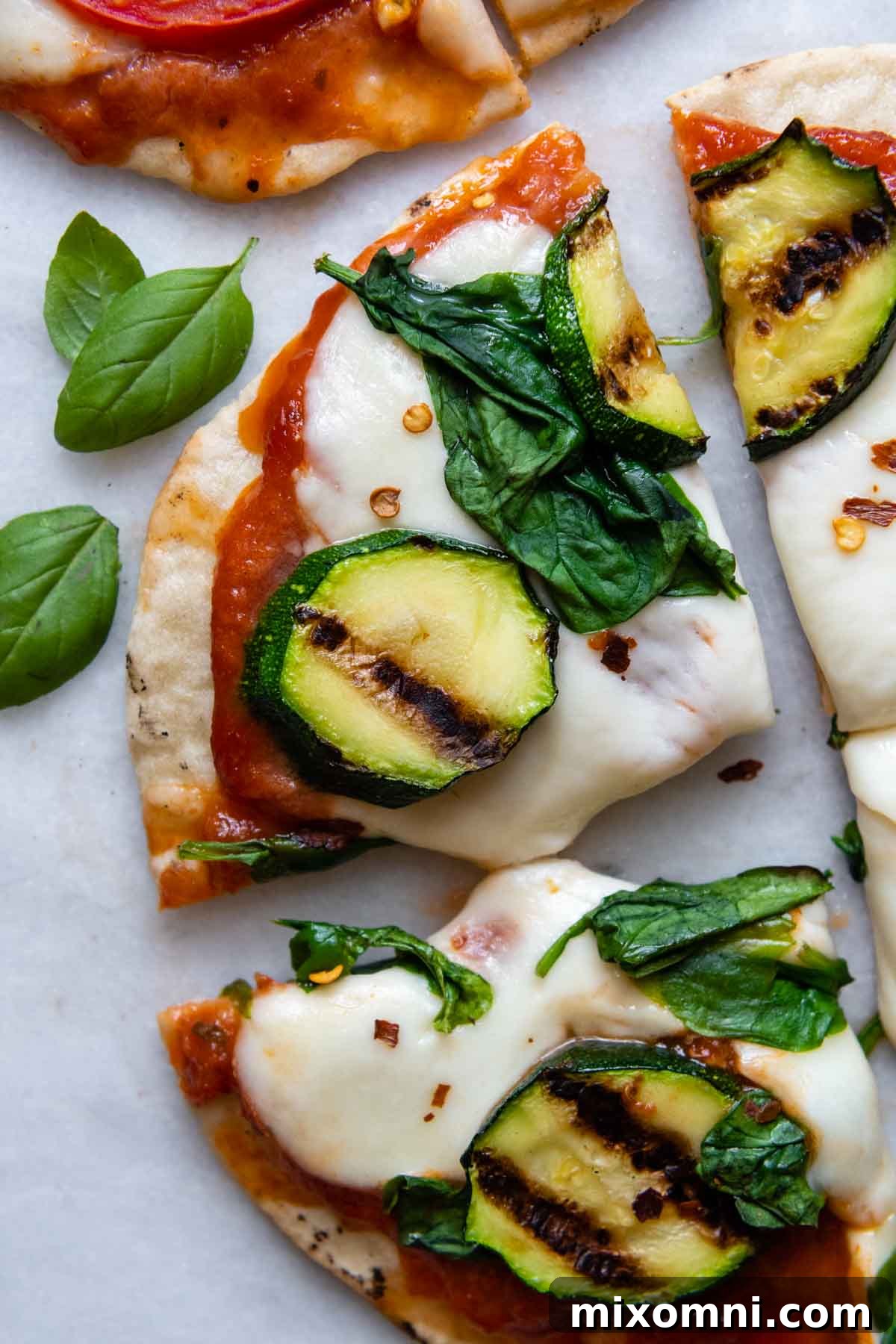
Dreaming of a delicious grilled pizza with luscious melted cheese, that irresistible smoky char, and a perfectly crisp yet tender crust? You no longer have to miss out on this quick, satisfying dinner, even if you're gluten-free! As an experienced gluten-free cook and baker, I've dedicated countless hours to perfecting the art of making gluten-free pizza on the grill. This guide provides all my expert tips for crafting a soft, fluffy GF crust, selecting the ideal toppings, and achieving flawlessly grilled results every single time.
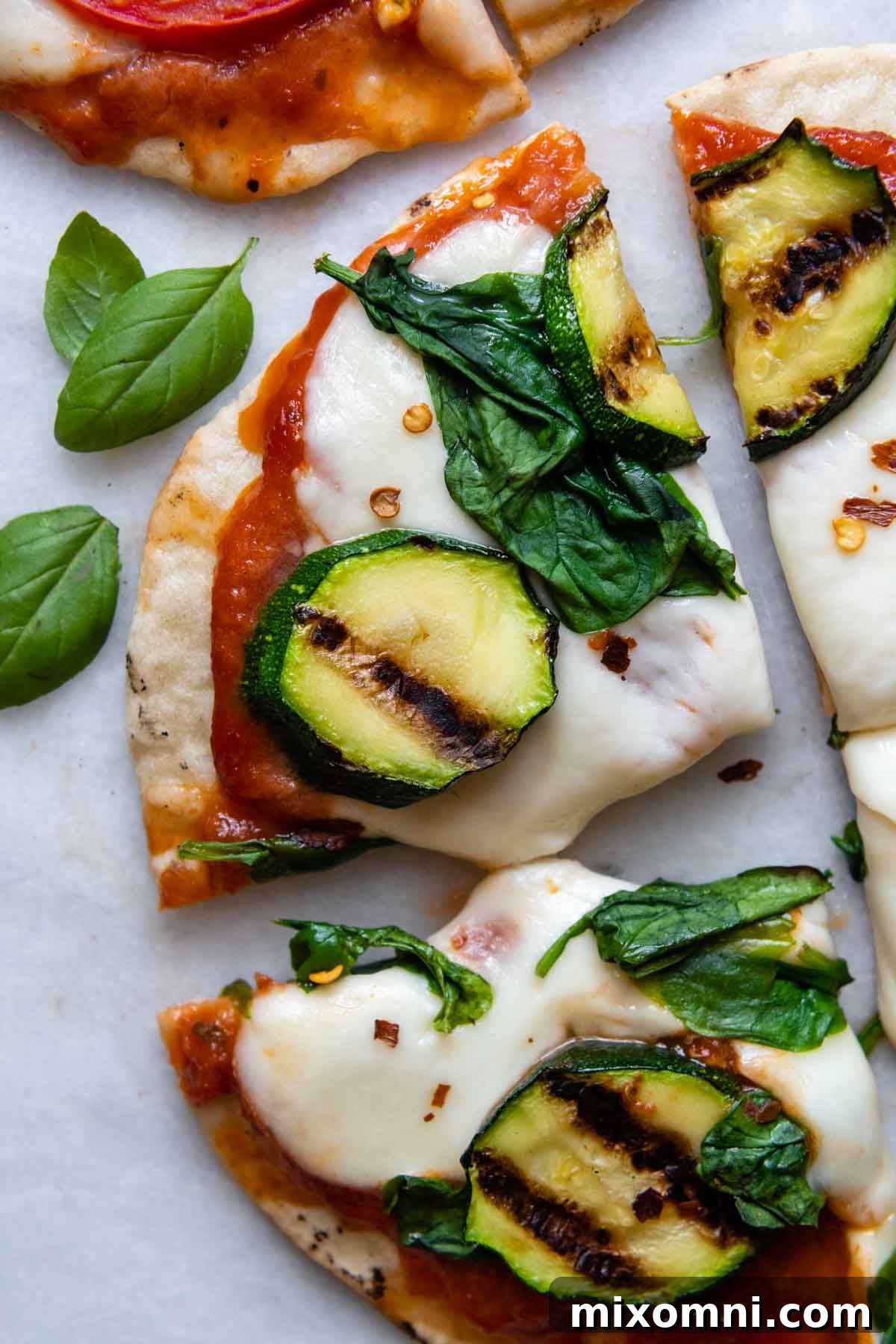
Mastering Gluten-Free Grilled Pizza: A Culinary Journey
Transitioning to a gluten-free diet often means saying goodbye to beloved comfort foods, or settling for disappointing substitutes like dry sandwich bread and bland, cardboard-like pizza crusts. However, it doesn't have to be a permanent farewell. Through years of experimentation, I've successfully developed recipes for soft, tender gluten-free bread and remarkably crisp yet fluffy gluten-free pizza dough. These innovations have allowed many cherished dishes to make a triumphant return, thanks to the incorporation of my favorite, easy GF recipe tips.
Creating truly delicious grilled gluten-free pizzas became a top priority in my quest for more effortless and exciting dinner ideas. My obsession began after developing these incredible one-bowl gluten-free flatbreads, which cook in mere minutes on the stovetop. The versatility of these flatbreads immediately sparked an idea: why not transform them into the ultimate grilled gluten-free pizza? And thus, this exceptional recipe was born!
This grilled pizza recipe is perfect for a speedy weeknight dinner, especially when you want to avoid heating up your kitchen with the oven. It's also fantastic for entertaining guests at a pizza night where everyone can customize their own toppings. I often keep a batch of these flatbreads pre-made and frozen. After a quick thaw, they are ready to be topped and grilled in less than 10 minutes, making gourmet pizza an achievable weeknight treat!
In this comprehensive guide, you'll uncover all the secrets to consistently making perfect grilled pizzas. We'll cover optimal heating temperatures, precise cooking times, the best gluten-free pizza toppings, and explore various crust options and grilling techniques. Everything you need for an unforgettable grilled pizza experience is right here, ensuring mouth-watering results every time.
Essential Ingredients for Your Gluten-Free Pizza Journey
Our flatbread dough is thoughtfully crafted to be dairy-free, meaning those following a dairy-free or vegan diet can easily adapt these pizzas. Simply swap out traditional cheese for non-dairy alternatives and load up on your favorite veggie toppings for a equally delightful meal.
Crafting the Perfect Gluten-Free Pizza Crust: Key Ingredients
- Gluten-Free Flour Blend: For the softest and most pliable texture, I highly recommend Cup4Cup gluten-free flour blend. It consistently yields superior results. However, please note that this blend does contain milk powder. If you require a dairy-free or vegan option, King Arthur Measure-for-Measure is a suitable alternative, but it will necessitate slight adaptations to the recipe. I'll detail these specific adjustments in the recipe notes below.
- Potato Starch (not flour): To achieve an exceptional softness and structure in the dough without relying on additional gluten-free flours, I incorporate potato starch. This ingredient is particularly effective in gluten-free baked goods that require shaping. While potato starch offers the best results, tapioca starch can be used as a substitute if needed.
- Psyllium Husk Powder: This is a truly essential binding agent for any gluten-free dough that needs to be shaped and handled. Psyllium husk powder plays a vital role in mimicking the elasticity and crumb structure found in traditional wheat-based baked goods. For a dough that maintains a pristine white color rather than developing a purplish hue, I strongly recommend using the linked brand.
- Active Dry Yeast: To activate the yeast, simply combine it with warm water (around 110°F) and a touch of sugar. This process helps the yeast become active and bubbly, ensuring a good rise. If you opt for instant yeast, you can skip this activation step and add it directly with the dry ingredients.
- Baking Powder: Working in conjunction with the yeast, baking powder provides an additional lift and loftiness as the flatbread cooks on the stovetop. This combination of leavening agents is key to achieving a wonderfully airy texture in gluten-free breads and flatbreads.
Selecting Your Grilled Pizza Toppings: The Essentials
- Cheese: Mozzarella is undoubtedly the champion for its incredible melting properties and classic gooey, stringy slices. However, don't limit yourself! A wide array of cheeses can be used to experiment with different flavor profiles, including fresh mozzarella, dollops of creamy ricotta, sharp cheddar, mild havarti, pungent parmesan, and smoky gouda. While some excel in melting, others bring unique and complex flavors to your pizza.
- Sauce: A good quality marinara or your preferred gluten-free pizza sauce makes an excellent base. For a lighter touch, you could also brush the crust with a generous amount of olive oil, then sprinkle it with salt, freshly ground black pepper, and finely minced garlic for a fragrant, simple white pizza base.
- Toppings: The world of pizza toppings is your oyster, as long as they are gluten-free! However, there are crucial tips for success, especially when preparing toppings for grilled pizza. For all the essential guidance on selecting and preparing toppings, be sure to refer to the "Things To Know About Toppings" section further down in this article.
Let's Create Together: Your Step-by-Step Guide to Gluten-Free Grilled Pizza!
(Below, you'll find step-by-step photos and modified instructions. For the complete recipe, including precise ingredient amounts, please scroll down to the dedicated recipe card.)
Easy Gluten-Free Flatbread Pizza Dough
The beauty of this recipe is its flexibility. You can prepare the flatbreads immediately before assembling and grilling your pizzas, or you can make a larger batch, allow them to cool completely, securely wrap them, and store them for future use. This makes meal prep a breeze!
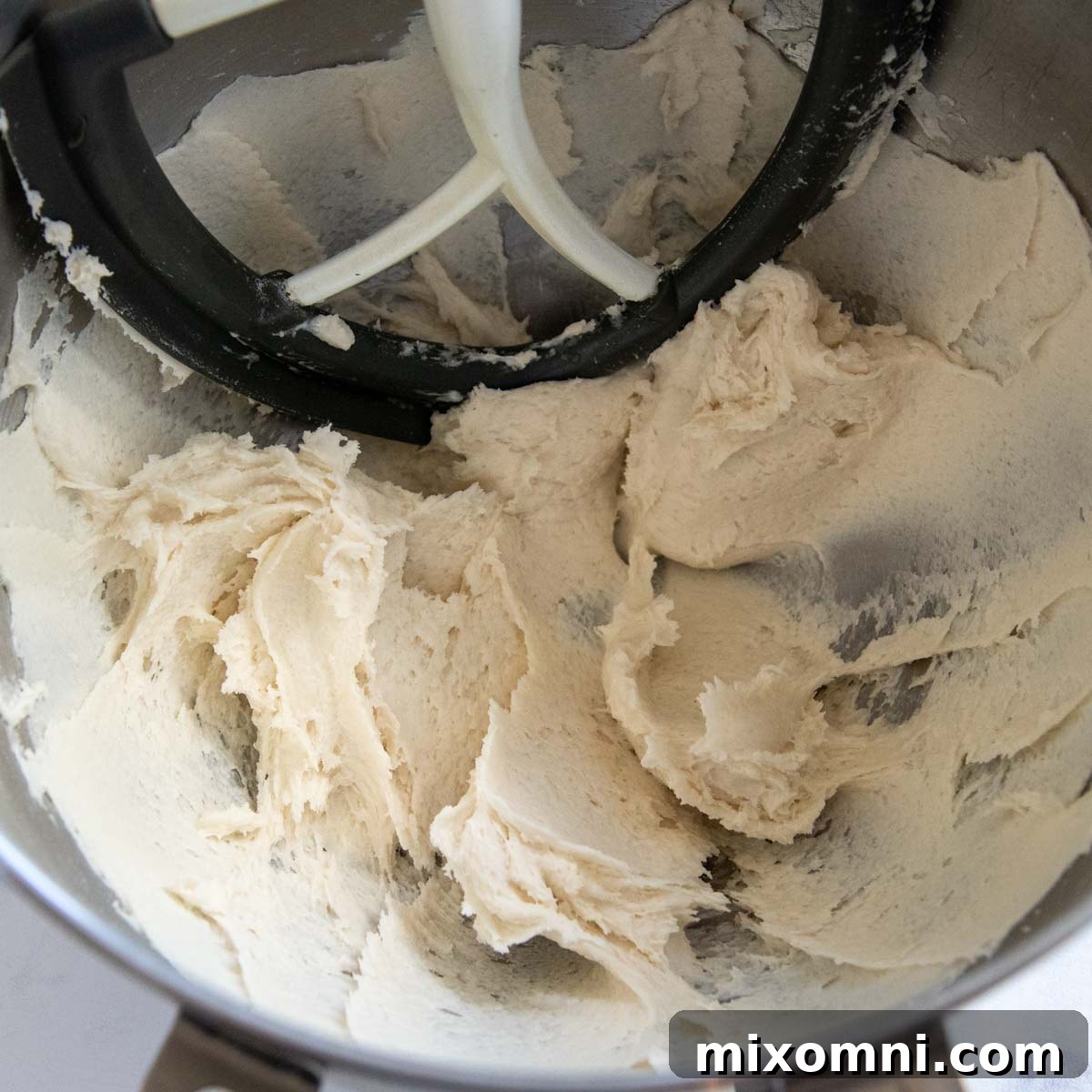
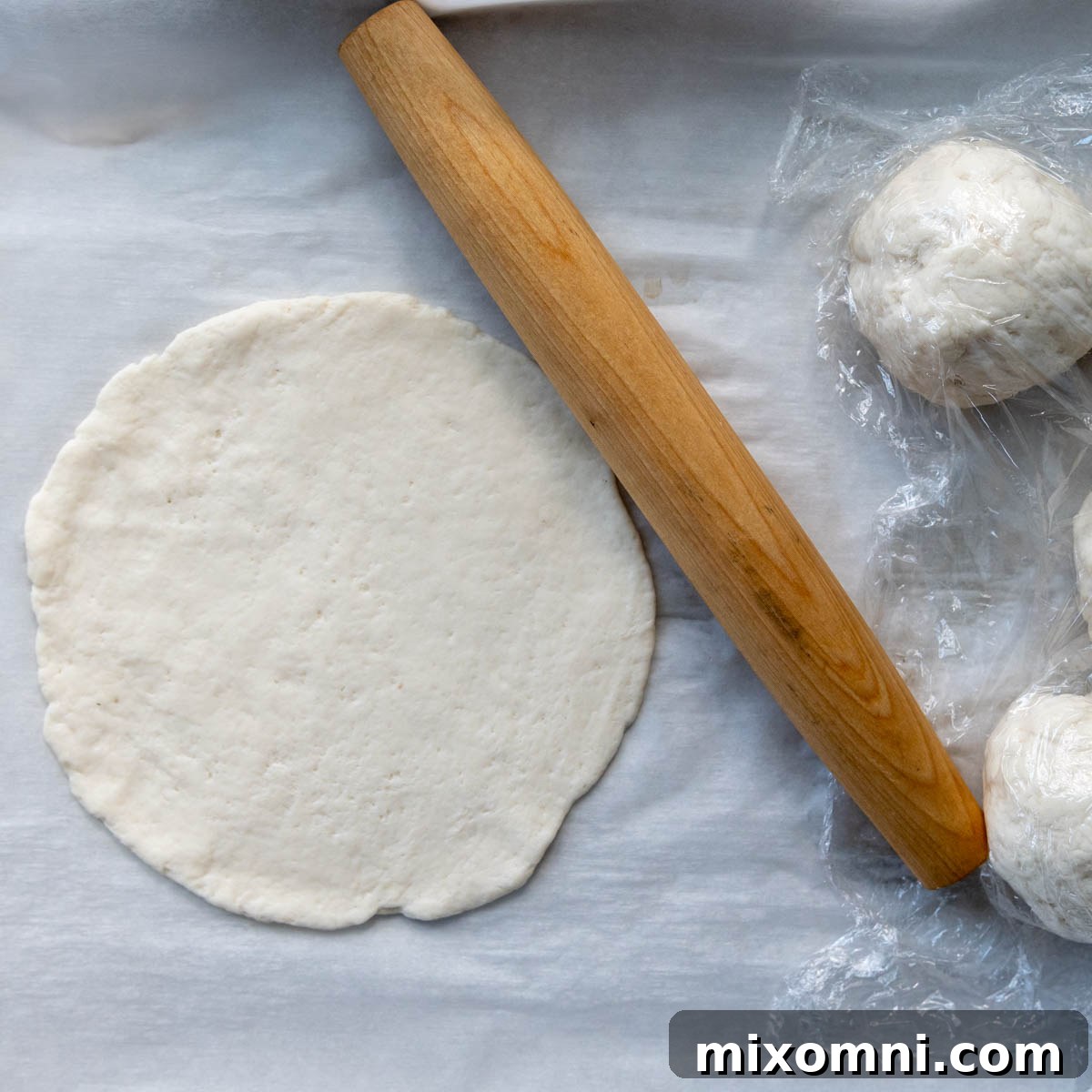
The dough itself is incredibly straightforward to make. Simply combine all the ingredients until a thick, cohesive dough forms. Cover the bowl and let it rise for approximately 45 minutes in a warm place. Once risen, divide the dough into five equal-sized balls and roll each into a 6-inch circle.
To pre-cook the flatbreads before grilling, heat a dry nonstick skillet over medium heat. Cook each flatbread for about 4 minutes in total, flipping halfway through to ensure even cooking and a slight puffiness. Transfer the cooked flatbreads to a cooling rack as you complete the batch, then proceed to assemble your pizzas and preheat the grill.
Assembling and Grilling Your Pizzas
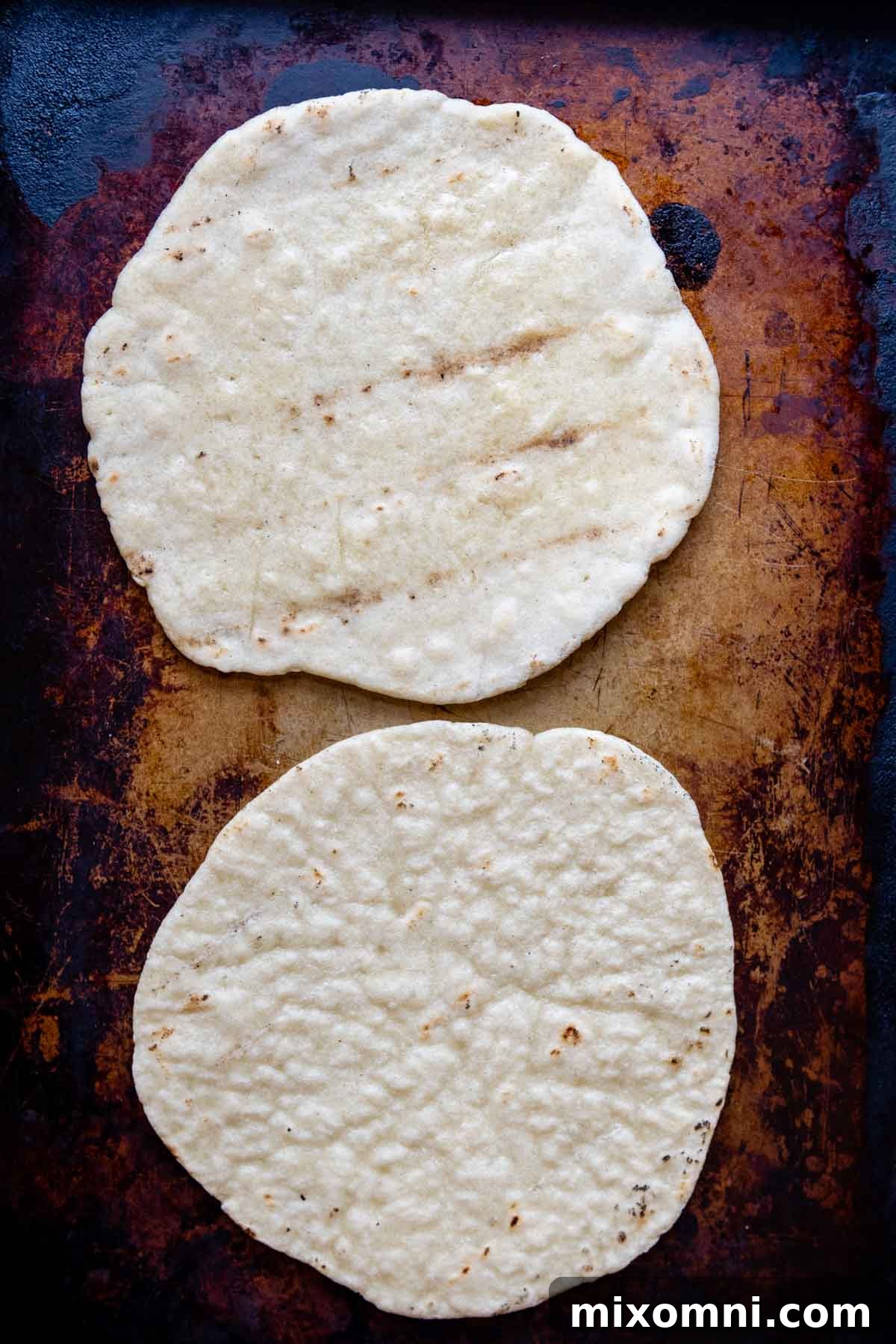
Now, it's time for the exciting part – grilling! Begin by preheating your gas or charcoal grill to a medium-low heat setting. Once the grill is hot, carefully place the pre-cooked flatbread crusts directly onto the grill grates. Cook one side only for about 90 seconds. This crucial step will impart a beautiful, subtle char and enhance the smoky flavor of the crust.
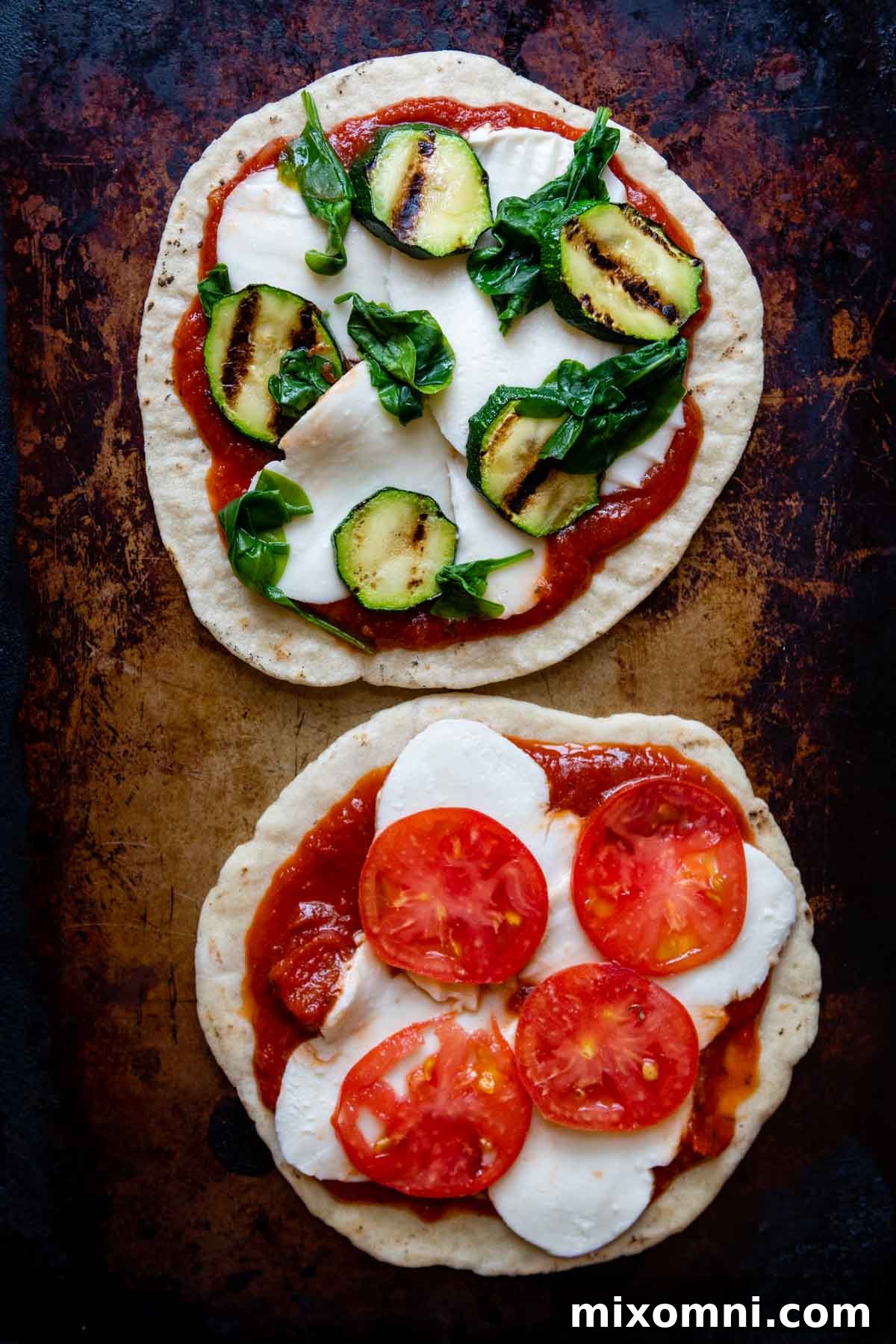
After the initial char, remove the crusts from the grill and transfer them to a baking sheet or a pizza peel for assembly. Ensure that the side with the grill marks is facing up, as this is where you will generously add your chosen toppings.
The Perfect Finish: Melting and Serving
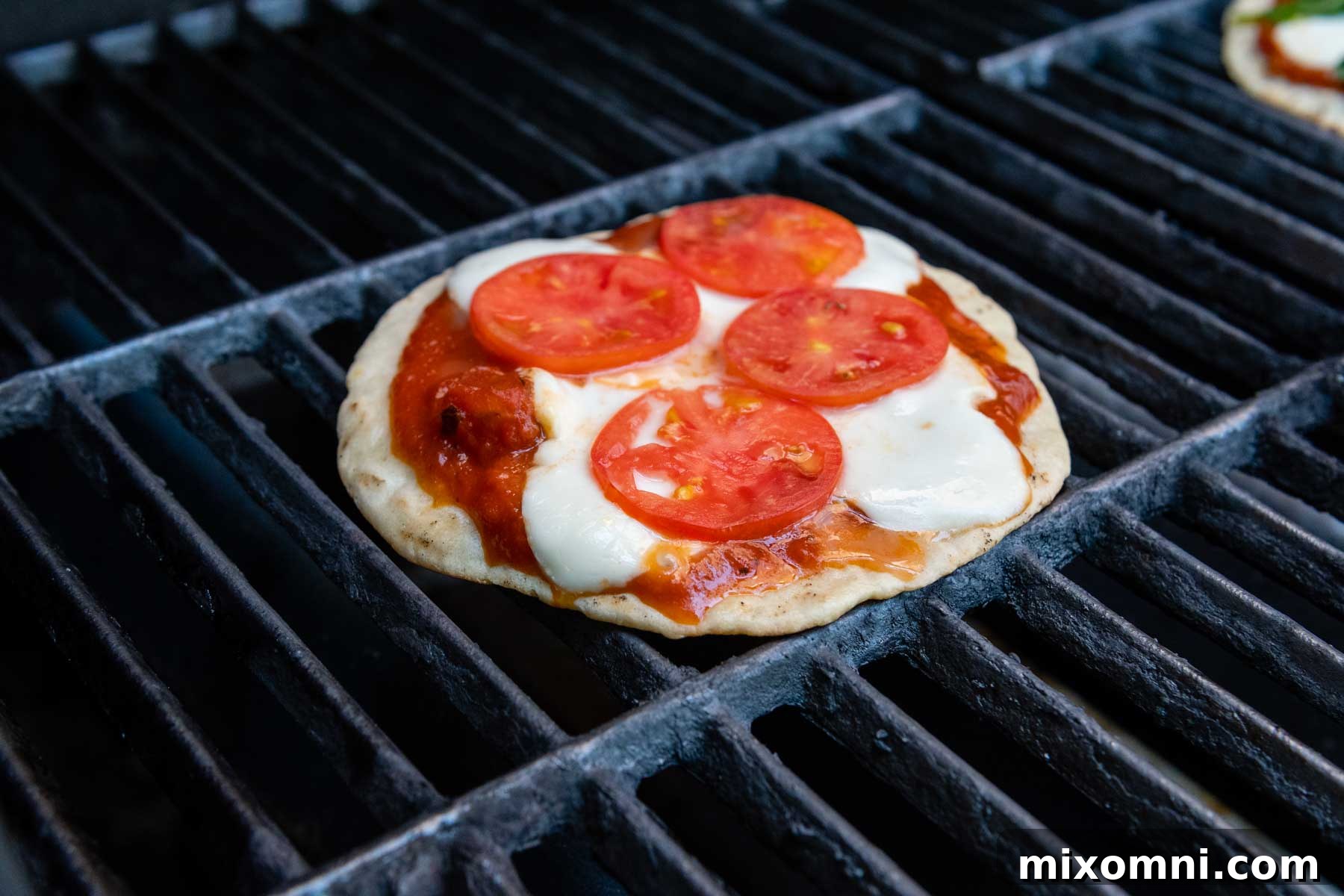
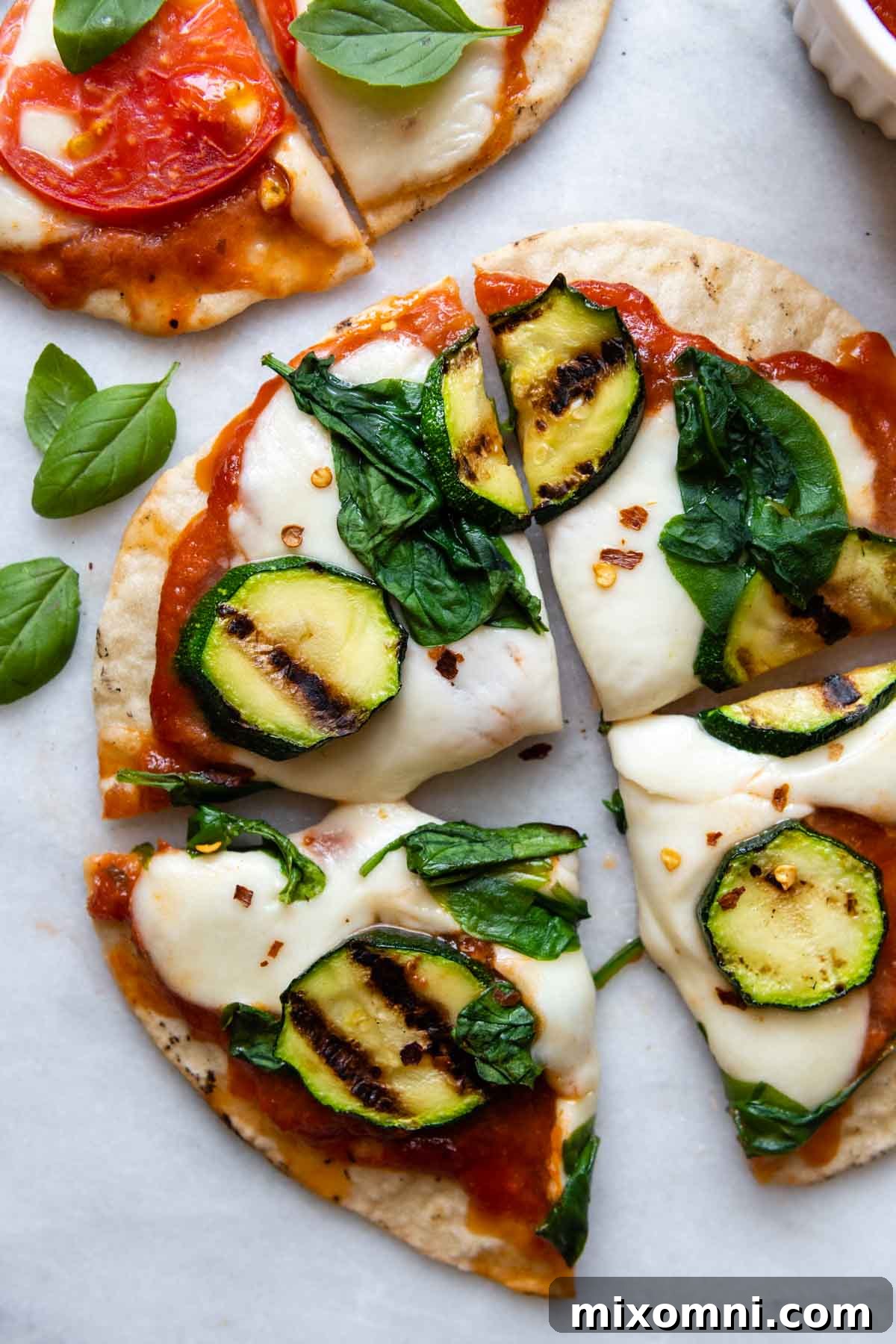
Once assembled with your favorite sauce, cheese, and toppings, return the pizzas to the grill, placing them directly back on the grates. Close the grill lid and cook for another 2-3 minutes. Keep a close eye on them to prevent burning the bottom. The cheese should be perfectly melted and bubbly. If, after 2-3 minutes, the cheese hasn't quite reached gooey perfection, simply turn off the grill and allow the residual heat to finish the melting process. Using a long spatula or pizza peel, carefully remove your masterpieces from the grill and serve immediately to enjoy their incredible flavor!
Exploring More Cooking Options for Your Gluten-Free Pizza
While the stovetop method for pre-cooking the flatbreads offers excellent control, there are other fantastic ways to achieve a delicious grilled gluten-free pizza. Here are a couple of alternative cooking methods to consider:
Cooking the Dough Directly on the Grill: During my recipe testing, I did experiment with cooking the raw dough directly on the grill. While it is certainly achievable, I found that the stovetop method provided more consistent temperature control and results for the initial crust cooking. However, if you're keen on an entirely grilled experience, follow these steps: Roll out your crusts as directed in the main recipe, then transfer them to a parchment-lined baking sheet. Spray a sheet of heavy-duty aluminum foil with a nonstick cooking spray and place it on your preheated grill. Carefully transfer the rolled flatbreads onto the foil and cook, undisturbed, for 90 seconds. Flip them over and cook for an additional 90 seconds. Next, remove the foil and place one side of the flatbread directly onto the grates for another 90 seconds to achieve that signature char. Transfer the crusts back to your baking sheet for topping, and then grill again as instructed in the main recipe.
Utilizing a Pizza Stone for Even Cooking: If you're concerned about scorching your pizzas directly on the grill grates, a pizza stone is an excellent alternative! The stone creates a protective barrier, allowing for a more even bake similar to a pizza oven. When using a pizza stone, you will need a slightly higher grill temperature. Place your pizza stone on a *cold* grill before preheating. Then, gradually preheat your grill to a medium-high temperature. Allowing the stone to heat up with the grill is crucial to prevent dangerous thermal shock and breakage.
Once the stone is thoroughly heated, carefully slide your assembled pizza (you won't need to grill one side first with this method) directly onto the hot stone. Close the grill lid and cook for approximately 5 minutes, or until the cheese is beautifully melted and the crust achieves a desirable golden brown underneath.
Essential Knowledge for Perfect Pizza Toppings
The most critical aspect to remember when choosing and preparing toppings for grilled pizzas is the very short cooking time involved. Because of this, it's imperative that all meats are fully precooked before they go onto your pizza. Similarly, vegetables that typically require a longer cooking duration to become tender – such as mushrooms, onions, thinly sliced potatoes, eggplant, and broccoli florets – should be roasted or grilled ahead of time. This ensures they are perfectly cooked and flavorful when your pizza is ready.
If you plan to add fresh tomatoes, consider charring or roasting cherry tomatoes beforehand to intensify their flavor and soften them slightly. For larger tomatoes, thinly slice them and gently blot them with paper towels to absorb any excess moisture. This simple step prevents the release of too much water during grilling, which can lead to a soggy pizza crust.
For vibrant fresh herbs like oregano or basil leaves, it's best to add them *after* the pizza has been removed from the grill. The residual heat will gently warm them, preserving their fresh aroma and preventing them from wilting or burning during the cooking process.
Save This Recipe for Later!
Let’s be friends on Pinterest! I’m always sharing great recipes!
Did you make this recipe? I love hearing from you! Leave a star rating and comment below the recipe card. Your feedback helps others discover great recipes and I always appreciate hearing from our community. You will always hear back from me! -Melissa
Gluten-Free Grilled Pizza (Easy Tips, Best Results)
 Melissa Erdelac
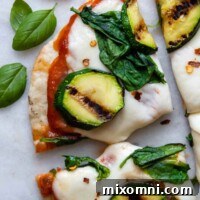
Tired of missing out grilled pizza with gooey cheese, smoky flavor, and a golden, slightly charred crust? It's time to enjoy this delicious, quick dinner again with an effortless gluten-free grilled pizza recipe! As an experienced gluten-free cook and baker, I have perfected the process of making gluten-free pizza on the grill with easy tips for making a soft, fluffy GF crust, which toppings work best, and how to achieve perfectly grilled results every time!
Pin
Rate
Remove Ads
Ingredients
Gluten-Free Pizza Dough
- ¾ cup warm water, heated to 110℉
- 1 teaspoon active dry yeast
- 1 teaspoon granulated sugar
- 1 ⅓ cup gluten free all purpose flour (I recommend Cup4Cup GF flour, see recipe notes for other flours)
- 3 tablespoons potato starch
- 2 teaspoons psyllium husk powder
- ¾ teaspoon baking powder
- ½ teaspoon salt
- 1 tablespoon olive oil, and more for shaping and rolling
Toppings
- pizza sauce or olive oil
- 2-3 cups freshly grated mozzarella cheese, or sliced buffalo mozzarella
- toppings (see recipe notes for best results)
Equipment
- Stand Mixer
- Cup 4 Cup Gluten Free Flour
- Pizza Peel
Instructions
Gluten-Free Pizza Dough
- Begin by preparing the flatbread crust. This can be done immediately before assembling and grilling your pizzas, or you can make a batch ahead of time. Once cooked, cool them completely, wrap them securely, and store at room temperature for one day, or freeze for up to two months.
- Start by preheating your oven to 150ºF (65°C). Once it reaches temperature, turn the oven off. This creates an ideal warm environment for the dough to rise.
- In a small bowl, combine the warm water, active dry yeast, and granulated sugar. Whisk these ingredients together and set the bowl aside for 5 minutes. The mixture should become frothy on top, indicating the yeast is active.
- In a large bowl of a stand mixer fitted with a paddle attachment, combine the gluten-free all-purpose flour, potato starch, psyllium husk powder, salt, and baking powder. Mix these dry ingredients on low speed to combine thoroughly.
- Add the activated yeast/water mixture and the olive oil to the dry ingredients. Mix on medium speed for 3 minutes until a thick, cohesive dough forms. If you do not have a stand mixer, use a sturdy wooden spoon to combine the ingredients well.
- Scrape the dough into the center of the bowl. Cover the bowl tightly with plastic wrap and place it in your warm oven. Leave the oven door slightly ajar for 5-10 minutes, then close it. Allow the dough to rise for 45 minutes.
- When you are ready to shape the dough, pour a little extra olive oil into a small dish to lightly grease your fingers, preventing the dough from sticking. Lay a large sheet of parchment paper on your clean workspace. Use your slightly greased fingers to divide the risen dough into five equal-sized balls. Cover these balls with plastic wrap and let them rest for 10 minutes. Meanwhile, heat a dry nonstick skillet over medium heat.
- Move the dough balls to one side, keeping them covered. On the parchment paper, spread a very thin, light sheen of olive oil. Place one dough ball in the middle and flatten it into a thick disc. Use a rolling pin to shape it into a 6½-inch circle, rotating the dough a quarter turn as you roll to maintain a round shape.
- Using a spatula, carefully lift the rolled flatbread and transfer it to the hot skillet. Cook, undisturbed, for 1½ – 2 minutes per side. It is important to cook both sides for approximately the same duration; otherwise, the flatbreads may become dense rather than fluffy. As one flatbread cooks, begin rolling out the next one.
- Transfer the cooked flatbreads to a cooling rack. Continue cooking the remaining flatbreads before you assemble the pizzas and begin warming up your grill.
Assembling and Grilling Pizzas
- When you are ready to grill, preheat your gas or charcoal grill to a medium-low heat. Once the grill is heated, place the pre-cooked crusts directly onto the grill grate. Cook one side only for 90 seconds to achieve a slight char.
- Move the pre-charred crusts to a baking sheet or a pizza peel for assembly. Ensure that the side with the grill marks is facing up, as this is the side where you will add your toppings.
- Spread a thin layer of your chosen pizza sauce or olive oil onto each crust. Sprinkle generously with your preferred toppings (refer to recipe notes for best results), and then top with your selected cheese. Return the assembled pizzas to the grill, placing them directly on the grate. Close the lid and cook for 2-3 minutes, checking after 2 minutes to prevent the bottom from burning. If the crust becomes too scorched before the cheese is fully melted, turn off the grill and allow the residual heat to finish melting the cheese. Use a long spatula or pizza peel to carefully remove the pizzas and serve them immediately.
Notes
Gluten-Free Flour
I use and recommend Cup4Cup gluten-free flour for the softest texture; other brands may yield different results. If you are using King Arthur Measure-for-Measure flour, please make these adjustments:
- Measure 1 ⅓ cup of King Arthur flour, then remove 2 tablespoons. Replace these 2 tablespoons with 2 tablespoons of cornstarch.
- Use a little more olive oil when rolling out the dough. This adds a touch more fat and moisture, which benefits this particular flour blend.
- Adjust cooking times. I found the best results when cooking for 1 minute per side, rather than the 1½-2 minutes suggested for Cup4Cup.
Note About Toppings
Due to the short cook time on the grill, all meats should be precooked. Additionally, vegetables that typically require longer cooking times, such as mushrooms, onions, thinly-sliced potatoes, eggplant, and broccoli, should be roasted or grilled ahead of time to ensure they are tender and flavorful.
Using a Pizza Stone
For those who prefer using a pizza stone, place the stone on a cold grill, then preheat the grill to medium-high heat. It is crucial for the stone to heat gradually with the grill to prevent dangerous breakage. Slide your assembled, cooked crust with toppings (no need for initial one-sided grilling) directly onto the heated stone. Close the grill and cook for 5 minutes, or until the cheese is melted and the crust begins to brown underneath.
Calories: 297kcal, Carbohydrates: 31g, Protein: 14g, Fat: 14g, Saturated Fat: 6g, Polyunsaturated Fat: 1g, Monounsaturated Fat: 5g, Cholesterol: 35mg, Sodium: 519mg, Potassium: 149mg, Fiber: 5g, Sugar: 3g, Vitamin A: 303IU, Vitamin C: 0.2mg, Calcium: 278mg, Iron: 2mg