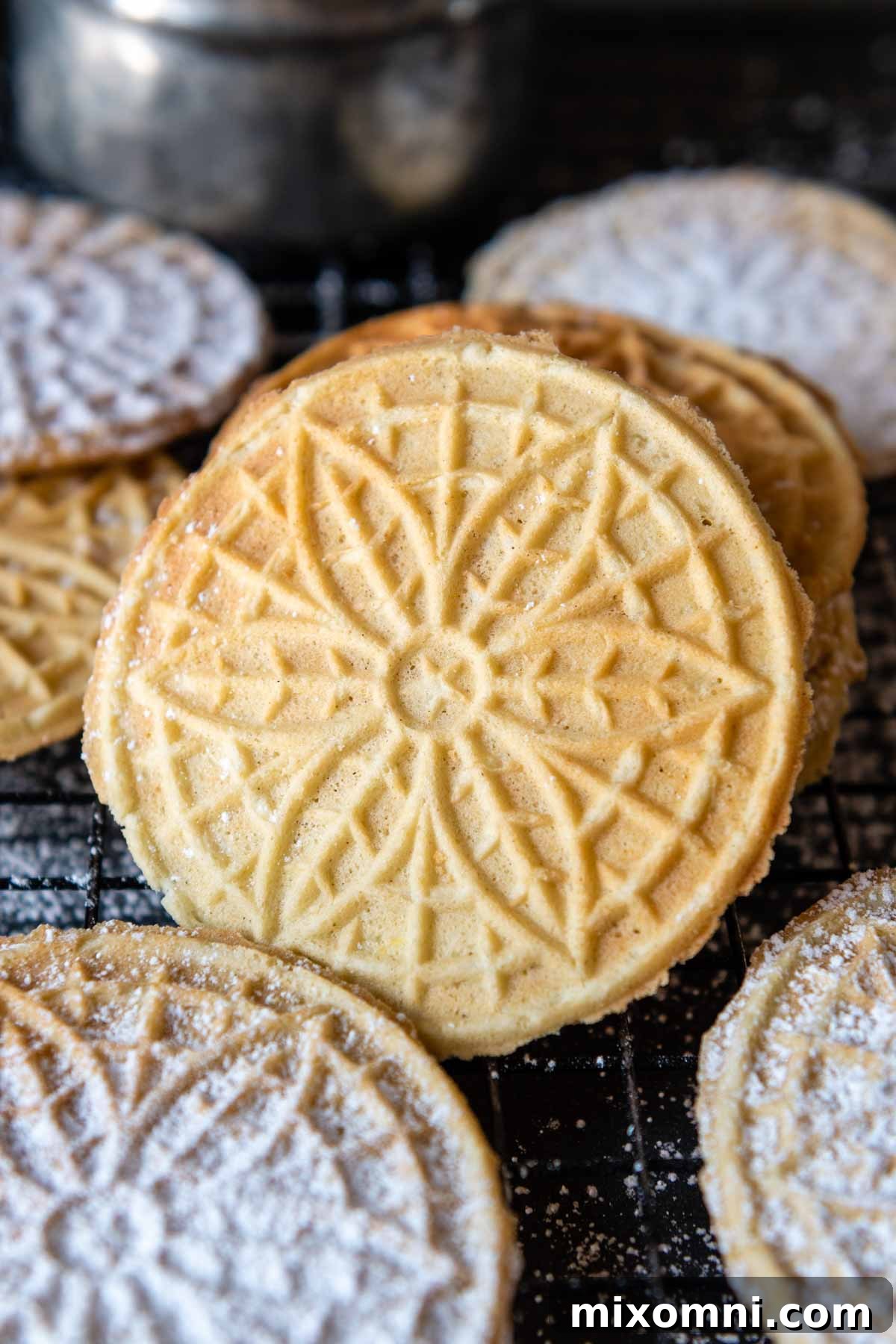
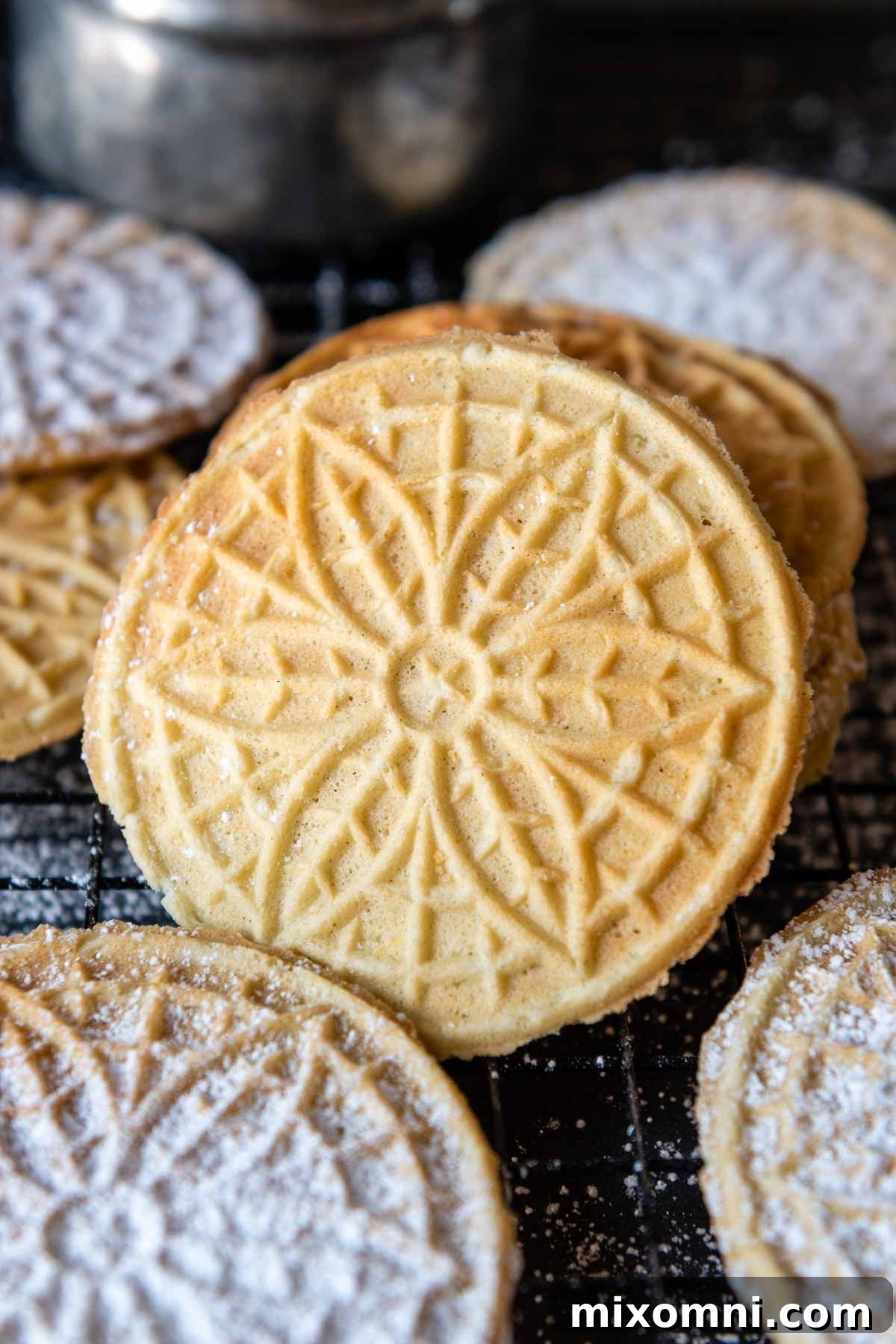
Unlock the secret to crafting the most exquisite gluten-free pizzelles and delight in perfectly crisp, genuinely authentic Italian cookies in mere minutes! This comprehensive guide reveals expert insights, innovative flavor variations, and creative applications for these delicate treats, along with an effortlessly achievable dairy-free adaptation. Reclaim the joy of savoring classic Italian desserts, as these gluten-free pizzelles stand proudly alongside beloved recipes like my cherished gluten-free tiramisu, marking a heartfelt return to cherished culinary traditions.
Authentic Italian Gluten-Free Pizzelles: A Timeless Tradition Reimagined
For many families, including my own, the holiday season wouldn’t be complete without the delightful sight and taste of light, crisp, homemade pizzelles, generously dusted with powdered sugar. This exceptional gluten-free pizzelle recipe ensures that this cherished tradition not only endures but flourishes, offering a taste so remarkably authentic that no one will ever suspect they’re gluten-free.
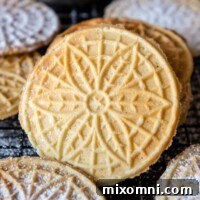
Pizzelles, the oldest known cookie, trace their origins back to the Abruzzo region of Italy. Traditionally made on a specialized iron, they boast beautiful, intricate patterns that are as much a feast for the eyes as they are for the palate. My first-generation Italian mother has always upheld the tradition of making pizzelles, not merely as a nod to our rich heritage, but because they provide the perfect, delicate finish to any rich Italian meal. Now, with her time-honored recipe masterfully adapted into an easy gluten-free dessert, these iconic cookies can take their rightful place among other beloved Italian holiday favorites, allowing everyone to partake in their delicate charm.
These exquisite pizzelles are a sublime addition to any gluten-free Christmas cookie collection, pairing beautifully with rich Italian almond paste cookies or even tender, buttery gluten-free shortbread. Their delicate crunch and subtle sweetness also make them an ideal accompaniment for afternoon tea or any elegant gathering. Imagine dunking one of these airy, crisp wonders into a steaming mug of tea or coffee – pure bliss! Beyond their classic cookie form, this versatile pizzelle recipe can be imaginatively transformed into gluten-free cannoli shells, delightful cookie sandwiches, homemade ice cream waffle cones, or elegant dessert bowls. In the sections that follow, I will delve into selecting the optimal gluten-free flour, exploring diverse flavor profiles, and sharing a wealth of expert tips to ensure your pizzelle-making experience is nothing short of perfect.
“I absolutely adore making pizzelle cookies, and with my husband’s celiac disease, finding a good gluten-free recipe felt impossible. This one is truly amazing! I opted for the lemon variation since he’s not a fan of anise, and it was a huge hit. This recipe is definitely a keeper! Thank you for sharing.”
—Jerri
Mastering the Ingredients: What You Need for Perfect Pizzelles
The beauty of the basic pizzelle recipe lies in its simplicity, utilizing readily available and affordable ingredients. Before you begin, a crucial piece of equipment is a pizzelle maker or press. If I were to purchase mine again, I would opt for a model that creates one or two larger pizzelles at a time, rather than several smaller ones, as this often makes the cooking process more efficient. Understanding the role of each ingredient is key to achieving that signature delicate crunch and rich flavor.
Below, you’ll find a breakdown of the core ingredients and their functions, along with viable substitutions for a dairy-free version. For an array of exciting flavor possibilities, be sure to jump ahead to the recipe variations section.
- Eggs: Eggs are vital for structure and binding in pizzelles, contributing to their delicate texture. While I haven’t personally tested this recipe with egg substitutes, some vegan recipes successfully use alternatives like Just Egg. For best results and the classic pizzelle experience, I recommend using large eggs.
- Butter: Many traditional Italian recipes often call for butter, which imparts a rich, beloved flavor that oil simply can’t replicate. I experimented with oil in an attempt to thin the batter, but found the taste notably less vibrant. For those seeking a dairy-free option without compromising on flavor, I highly recommend using high-quality vegan butter sticks. Alternatively, coconut oil can be used, though it will subtly infuse the pizzelles with a mild coconut flavor. Ensure any melted butter or oil is cooled before incorporating it into the egg mixture to prevent cooking the eggs prematurely.
- Granulated Sugar: Beyond sweetness, sugar plays a critical role in the crispness and golden-brown color of pizzelles. It caramelizes beautifully on the pizzelle iron, contributing to that irresistible crunch.
- Gluten-Free Flour Blend: This is arguably the most critical ingredient for gluten-free pizzelles, as the choice of brand significantly impacts batter consistency and final texture. My top recommendations are King Arthur Measure-for-Measure or Bob’s Red Mill 1-to-1 GF flour. While I typically favor Cup4Cup gluten-free flour for many of my baking endeavors, it tends to create a batter that is far too thick for pizzelles, making it difficult to spread evenly on the iron. Look for blends designed for “measure-for-measure” or “1-to-1” substitution, and check for balanced starch content.
- Baking Powder: This leavening agent is essential for creating the light, airy, and wonderfully crisp texture that defines a perfect pizzelle. It reacts with moisture and heat to produce tiny air bubbles, resulting in a delicate crumb.
- Extract: The choice of extract profoundly influences the traditional flavor profile of your pizzelles. I tested both vanilla and anise extract extensively. While vanilla offers a universally loved sweet aroma, I found that anise extract provides a more profound, distinct, and authentic Italian flavor depth, characteristic of many classic pizzelles. You can also explore lemon, orange, or other extracts for different flavor experiences.
A Crucial Insight: The Importance of Gluten-Free Flour Choice
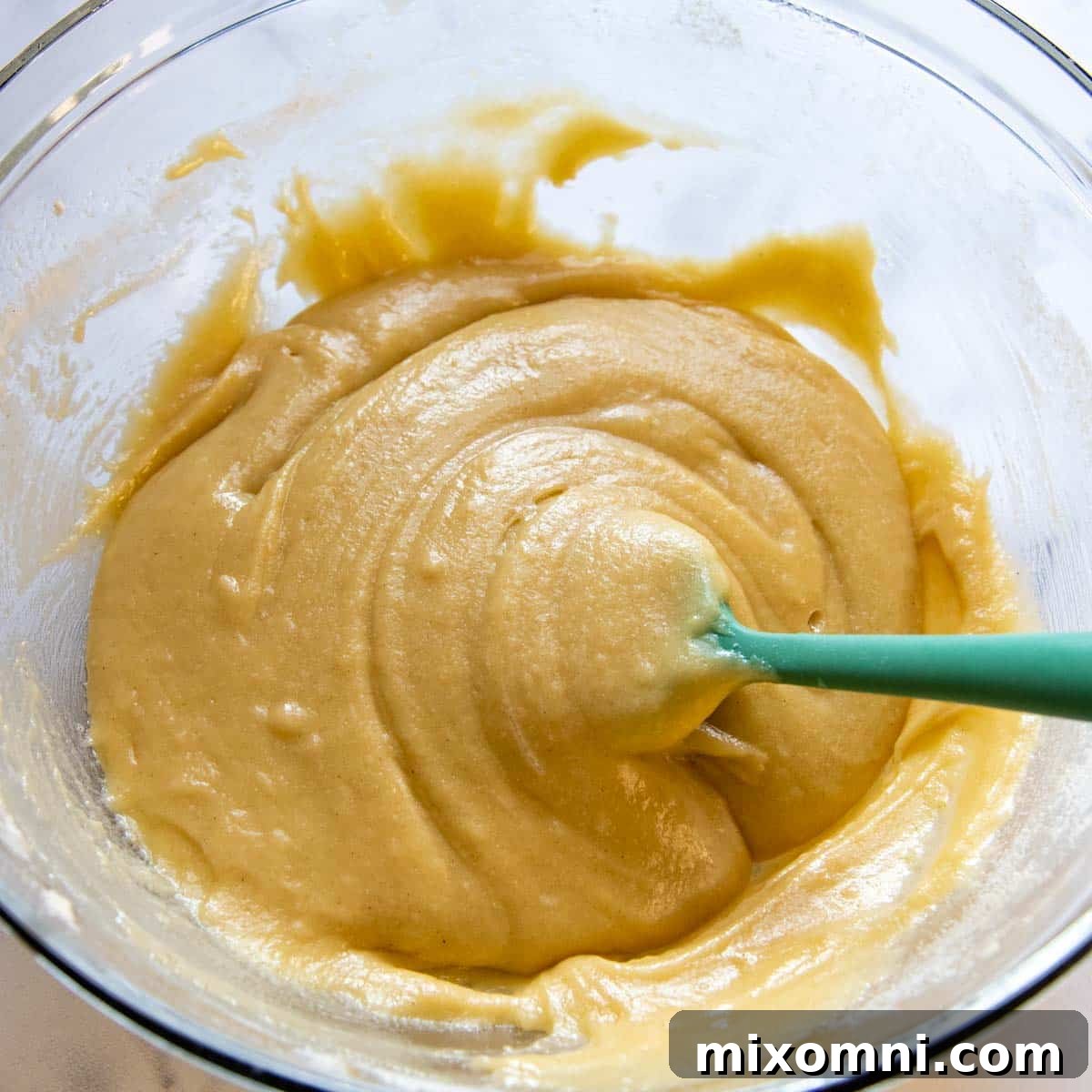
When developing this recipe, the selection of gluten-free flour blend proved to be a critical factor, making a measurable difference in the batter’s consistency and the ultimate success of the pizzelles. Ideal pizzelle batter should resemble a thick pancake batter or a very thin, pourable dough – a consistency that allows it to spread quickly and evenly across the hot iron.
My usual go-to, Cup4Cup gluten-free flour, which I frequently recommend for many baking applications, produced a batter that was far too thick, more akin to a dense dough. This made it incredibly challenging and frustrating to quickly and uniformly distribute on the pizzelle maker, leading to unevenly cooked or misshapen cookies.
Consequently, I experimented with various other gluten-free flour blends (all containing xanthan gum, which is important for elasticity in GF baking) that have a lower cornstarch content. Through this process, King Arthur Measure-for-Measure gluten-free flour emerged as the clear winner, consistently yielding the perfect, pourable consistency required for beautiful pizzelles. Bob’s Red Mill 1-to-1 baking flour is another excellent alternative, although I personally lean towards the taste profile of King Arthur. Regardless of your chosen brand, always inspect the ingredient list to ensure it’s a balanced blend with appropriate starch levels, and ideally, less cornstarch if you’ve encountered issues with overly thick batters in the past.
Let’s Create Delicious Pizzelles *Together*!
(Below, you’ll find step-by-step photos and detailed instructions to guide you. For the complete recipe, including precise ingredient amounts, please scroll down to the full recipe card at the end of this article.)
Step 1: Prepare the Batter with Precision
The pizzelle batter comes together remarkably quickly, so your first crucial step is to preheat your pizzelle maker. Most modern pizzelle irons feature a naturally non-stick surface, eliminating the need for greasing. In a large mixing bowl, begin by whisking together the eggs with the granulated sugar until the mixture is light, well combined, and slightly pale. This aeration is important for the final texture. Next, gently whisk in the cooled melted butter (or dairy-free alternative) and your chosen extract (anise or vanilla). This careful order ensures a smooth, lump-free batter. Finally, gradually fold in the dry ingredients – your carefully selected gluten-free flour blend and baking powder – until just combined. Overmixing can develop toughness, so stop as soon as a uniform batter forms. The consistency should be like a thick pancake batter, ready to be cooked.
Step 2: Cook and Shape Your Crispy Pizzelles
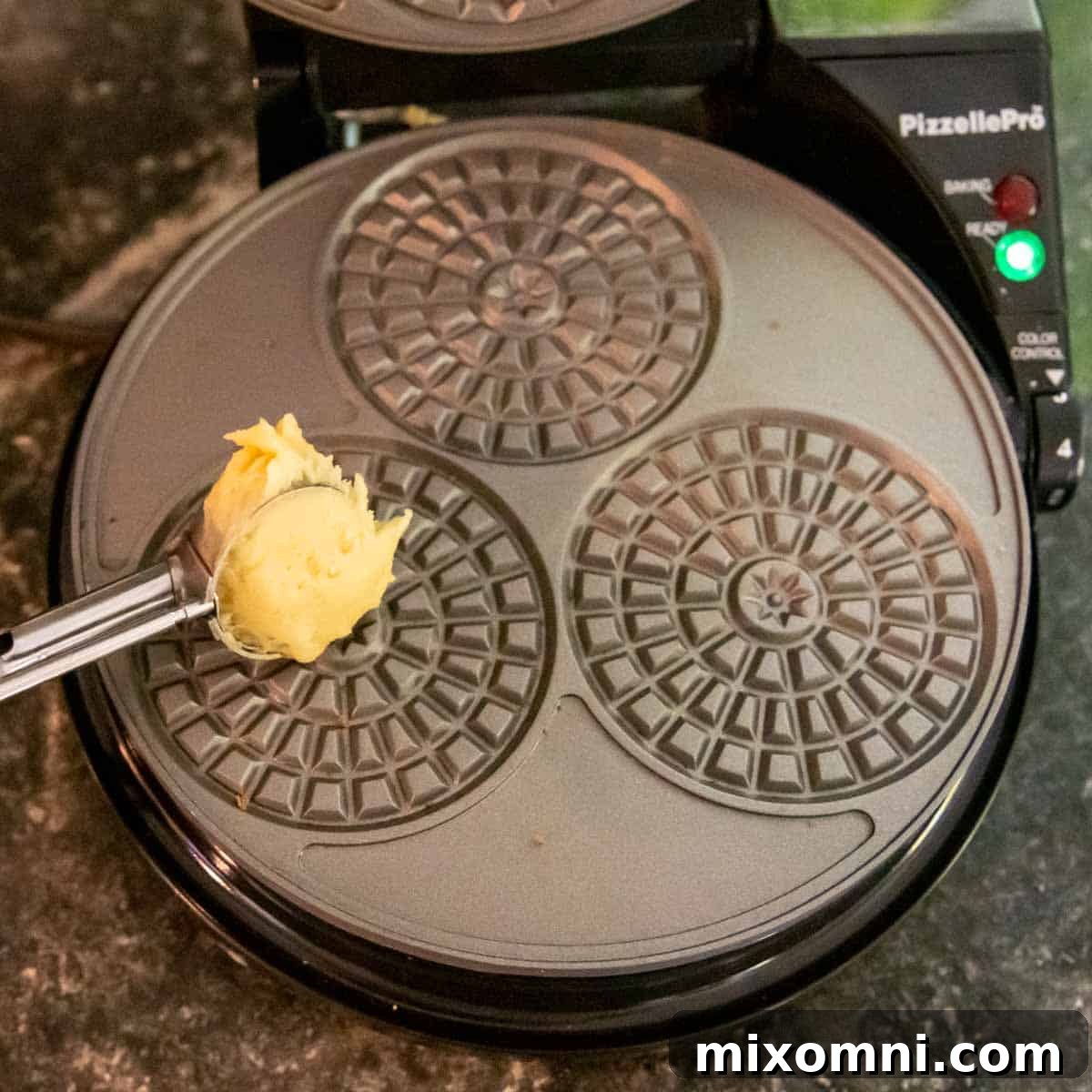
For the first few pizzelles, you might need to experiment slightly to find the ideal amount of batter for your specific iron. A good starting point is about 1.5 to 2 teaspoons of batter, placed directly in the center of each design on the iron. Close the lid firmly and allow the pizzelle maker to work its magic. To ensure quick and even distribution of batter, especially if your iron makes multiple pizzelles, I highly recommend using a small or medium cookie scoop, depending on the size of your maker’s molds.
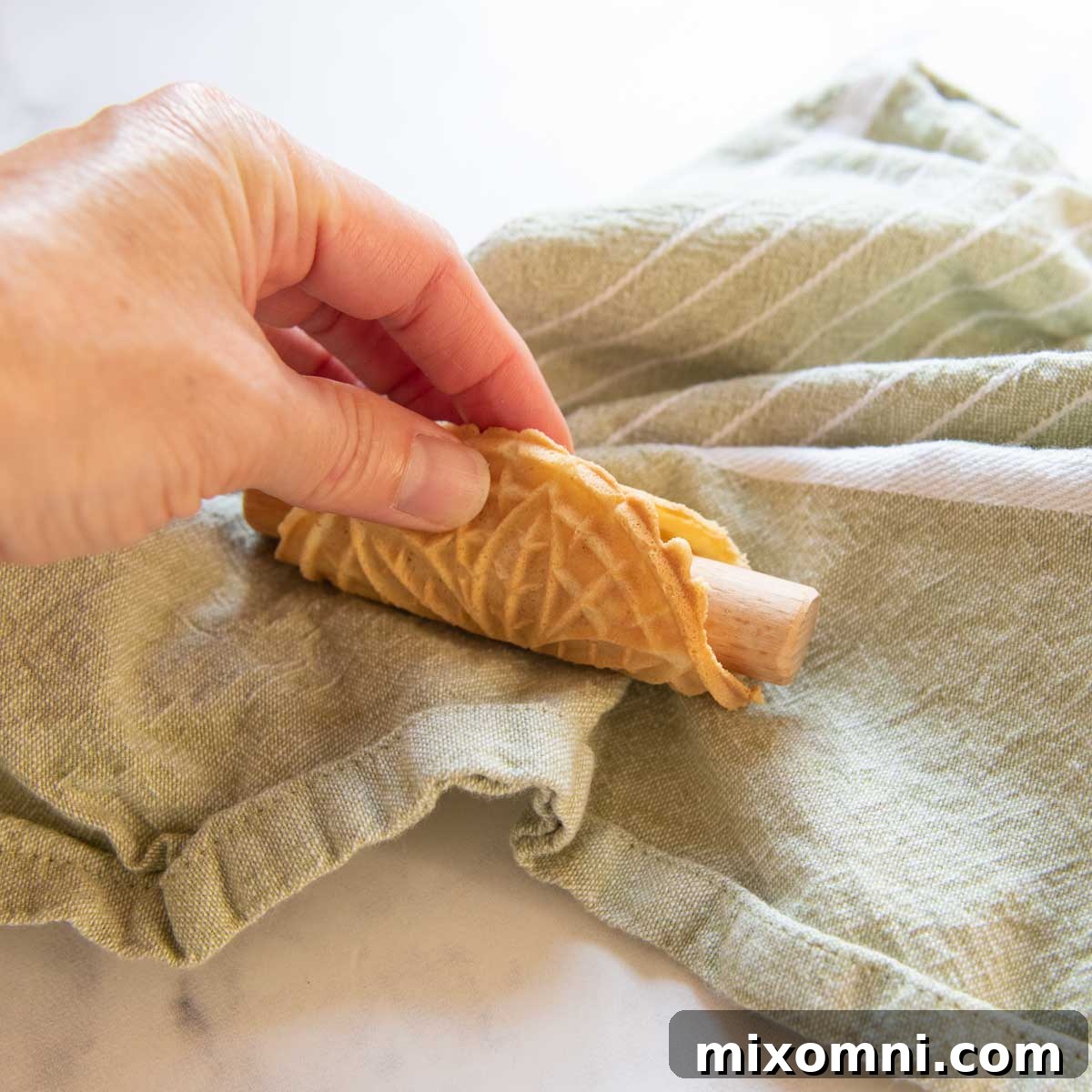
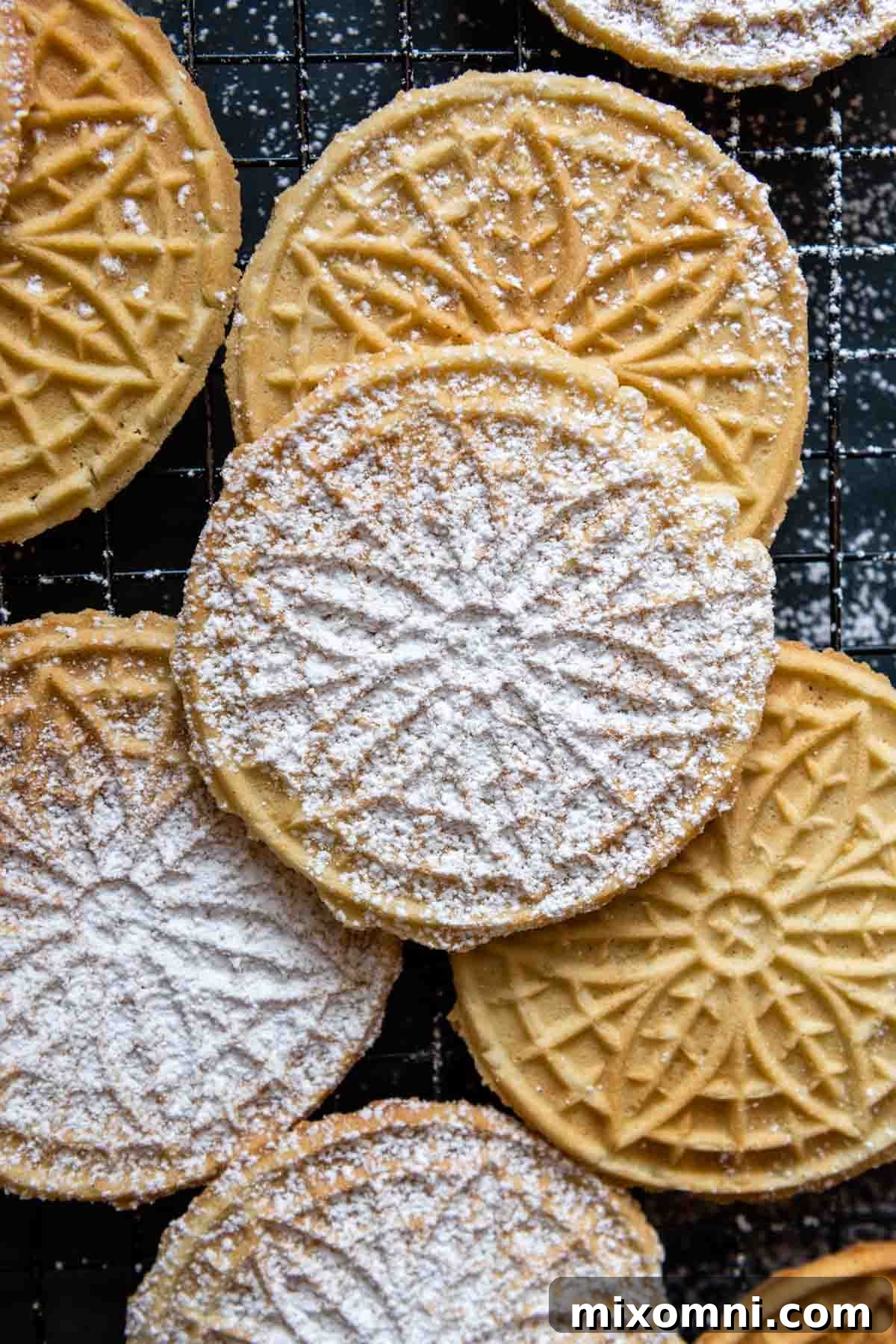
Once your pizzelle maker indicates the cookies are perfectly cooked – usually when the steam subsides and they turn a beautiful golden brown – carefully transfer them to a wire rack to cool. If you plan to shape your pizzelles into cones, bowls, or cannoli, this must be done immediately while they are still hot and pliable. Working quickly is essential, and you may find it helpful to use a kitchen towel or gloves to protect your fingers from the heat. Allow them to cool completely on the rack to achieve maximum crispness. Just before serving, give your beautiful pizzelles a generous dusting of confectioner’s sugar for that classic finish.
Beyond the Cookie: Creative Ways to Enjoy Gluten-Free Pizzelles
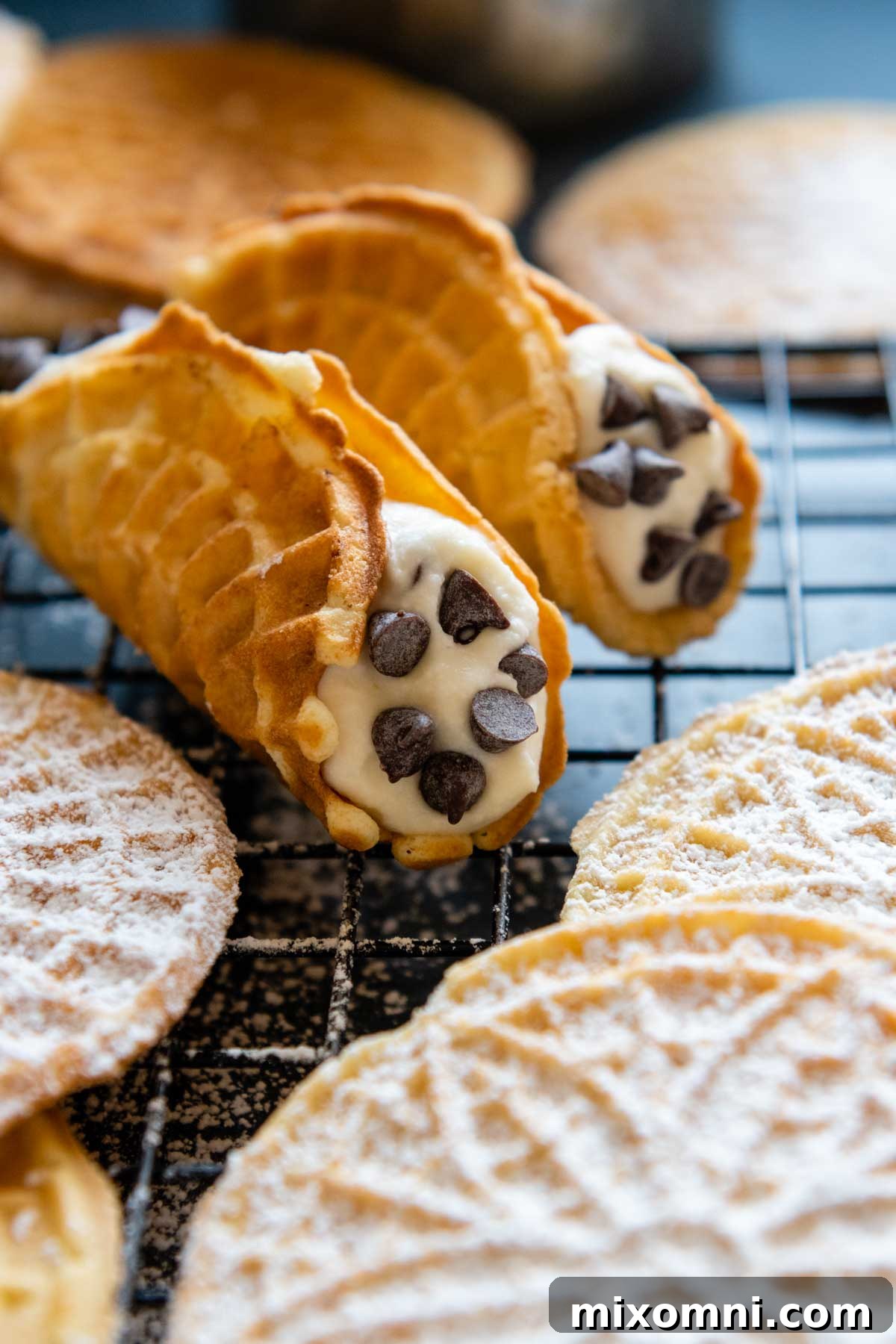
While a simple, light, and crispy pizzelle dusted with powdered sugar is delightful on its own, this versatile recipe offers a multitude of exciting possibilities for creative desserts. I particularly enjoy transforming them into “mock” gluten-free cannoli shells, and the detailed filling and shaping method are conveniently included in the recipe card below.
- Gluten-Free Cannoli: As soon as the pizzelle comes off the hot iron, immediately shape it around a cannoli mold, a wooden spoon handle, or even a piece of aluminum foil scrunched into a tube. Hold for a few seconds until it sets, then cool. Once cooled, fill with a traditional ricotta-based cannoli cream (recipe provided in the notes) or your favorite sweet filling.
- Elegant Cookie Sandwiches: Elevate your pizzelles by using them as delicate “bread” for sweet sandwiches. Fill them with a scoop of your favorite ice cream, a dollop of creamy frosting, fluffy whipped cream, a rich spread like Nutella, or even the delicious gluten-free cannoli filling. These are perfect for parties or a special treat.
- Homemade Waffle Cones: Craving an ice cream cone? While the pizzelle is still warm and pliable, quickly shape it around a waffle cone mold or a cone-shaped piece of aluminum foil. Let it cool completely to harden into a crispy cone, then fill with scoops of ice cream, fruit, or a sweet cream horn filling.
- Edible Dessert Bowls or “Tacos”: Create unique edible vessels by shaping warm pizzelles over a small bowl mold, a tube, or simply by gently folding them into a “taco” shape over a wooden dowel. Once cooled and firm, fill these charming bowls or tacos with fresh berries, a medley of ice cream and sauces, whipped cream, or a combination of your favorite dessert components.
- Decadent Chocolate Dipped Pizzelles: For a touch of sophistication, dip half of a cooled pizzelle into melted dark or white chocolate. For the best results and a beautiful sheen, consider learning the art of tempering chocolate. Immediately after dipping, sprinkle with festive nonpareils, chopped nuts, or edible glitter for an extra flourish. These make stunning gifts or holiday treats.
Optimal Storage Methods for Lasting Freshness
One of the many appealing qualities of pizzelles is their excellent shelf life and ease of storage. With proper care, these delicate cookies can remain wonderfully crisp and delicious for several weeks, if not months! My mother, a true authority on preserving homemade treats, always stored her pizzelles in airtight cookie tins, carefully layering them between sheets of waxed paper. This method consistently kept them fresh and flavorful at room temperature, long after the Christmas festivities had concluded.
While gluten-free pizzelles maintain their crispness exceptionally well, they do have a slightly shorter optimal shelf-life compared to their traditional counterparts. Unfilled gluten-free pizzelles can be stored in an airtight container at room temperature for up to 2 weeks. For longer preservation, they freeze beautifully for up to 2 months. Simply thaw them at room temperature when ready to enjoy. It is generally not recommended to refrigerate unfilled pizzelles, as the humidity in a refrigerator can cause them to soften. However, if your pizzelles are filled (such as with cannoli cream or frosting), refrigeration becomes necessary to preserve the filling, and they should be consumed within a few days.
Should your pizzelles lose some of their signature crispness after storage, there’s an easy fix! Simply arrange them in a single layer on a baking sheet and bake in a preheated 300ºF (150ºC) oven for 3-5 minutes, or until they regain their desired crisp texture. Keep a close eye on them to prevent over-browning.
Essential Pro Tips for Pizzelle Perfection
- Invest in a Pizzelle Iron: This is non-negotiable for authentic pizzelles. A standard waffle maker will not produce the delicate, thin, and beautifully patterned cookies that define pizzelles. A dedicated pizzelle iron is an essential tool for success.
- Gluten-Free Flour Matters Immensely: As highlighted earlier, the specific gluten-free flour blend you choose is paramount. Stick to recommended brands like King Arthur Measure-for-Measure or Bob’s Red Mill 1-to-1 gluten-free flour for the correct batter consistency and best results.
- Adjust Batter Consistency: If your batter appears too thick during the cooking process (perhaps due to slight variations in flour or humidity), you can carefully thin it out by whisking in a very small dash of water or milk (dairy or non-dairy). Add only a teaspoon at a time until the desired thick pancake batter consistency is achieved.
- Handle Edges After Cooling: Don’t fret about breaking off any rough edges while the pizzelles are hot. They are delicate when warm. Once completely cooled, any excess edges will snap off cleanly and easily with a gentle touch.
- Efficient Batter Distribution: Resist the urge to spread the batter with a spoon. Instead, simply plop the measured amount of batter directly into the center of each design on the pizzelle iron. The pressure of closing the iron will automatically spread the batter evenly to the edges, creating a perfect circle.
- Use a Cookie Scoop for Uniformity: To ensure consistent size and even cooking, I highly recommend using a small or medium cookie scoop to portion your batter. The size of the scoop will depend on the dimensions of your pizzelle maker’s molds.
- Achieving Optimal Crispness: If your pizzelles turn out soft or chewy rather than crisp, it’s a clear indication that they haven’t cooked long enough on the iron. When in doubt, it’s better to slightly overcook them for an extra 10-15 seconds rather than undercook. They will crisp up further as they cool.
- Cool Completely for Crispness: Always transfer cooked pizzelles to a wire rack immediately after removing them from the iron. Allowing them to cool completely in a single layer ensures air circulation and helps them develop that signature crisp texture. Stacking them while warm will trap moisture and make them soft.
Don’t Forget to Pin This Recipe!
Let’s connect on Pinterest! I’m always sharing fantastic recipes you’ll love!
Have you tried this incredible recipe? Your feedback is invaluable! Kindly leave a star rating and comment below the recipe card. Your reviews help fellow bakers discover and enjoy these recipes, and I truly appreciate hearing from our community. I always make sure to respond! -Melissa
Gluten-Free Pizzelle Recipe (Crisp Italian Cookies)

Melissa Erdelac
30
cookies
5 mins
25 mins
30 mins
Master this easy gluten-free pizzelle recipe to enjoy incredibly crisp, authentic Italian pizzelles in minutes! Discover expert tips, delightful flavorings, and creative uses for these delicate treats, along with a simple dairy-free modification.
Pin
Rate
Remove Ads
Ingredients
- 3 large eggs
- ¾ cup (150 g) granulated sugar
- ½ cup (113 g) butter, melted and cooled
- 1 tablespoon anise or vanilla extract
- 1 ¾ cup (249 g) gluten-free all-purpose flour blend (King Arthur Measure-for-Measure highly recommended)
- 2 teaspoons baking powder
- Powdered sugar, for dusting
Equipment
-
Pizzelle Iron
-
Cannoli Mold (optional, for shaping)
-
Medium Cookie Scoop
Instructions
- Since the batter comes together quickly, first preheat your pizzelle maker. The surface should be naturally non-stick, so there is no need to grease the iron.
- In a large bowl, whisk together the eggs with granulated sugar until well combined and the mixture starts to pale. Whisk in the cooled melted butter and extract. Gently stir in the gluten-free all-purpose flour blend and baking powder until just combined to form a smooth batter.
- For the first couple of pizzelles, you may need to experiment to find the exact amount of batter needed for your iron. Spoon a small amount of batter (approximately 1.5 to 2 teaspoons) in the middle of each section of the iron, then close securely.
- Once the maker indicates the pizzelles are done (typically golden brown and crisp), transfer them to a wire rack to cool. If you plan on shaping the pizzelles for cannoli or cones, do this immediately while they are still warm and pliable. Use a kitchen towel to protect your fingers and wrap around a mold. Dust the cooled cookies with confectioner’s sugar before serving. Store unfilled pizzelles in an airtight container at room temperature.
Notes
(Nutrition facts calculated without cannoli filling)
Dairy-Free Modification
For a dairy-free recipe, you may replace the butter with oil. However, as a word of warning, I found the flavor really lacking when using oil. Therefore, for an optimal dairy-free recipe, I highly recommend using melted vegan butter sticks. Alternatively, ½ cup melted coconut oil can be used, which will impart a very subtle coconut flavor to the pizzelle cookie.
Flavoring Options
- Orange: Add 1 tablespoon orange zest with ¼ teaspoon orange or vanilla extract.
- Spiced: Incorporate ½ teaspoon ground cinnamon, ½ teaspoon ground cardamom with 1 tablespoon vanilla extract.
- Lemon: Use 2 teaspoons lemon zest with ½ teaspoon lemon extract.
- Coconut: Replace butter with ½ cup coconut oil, and add 1 teaspoon vanilla extract along with ½ teaspoon coconut extract.
Cannoli Shaping and Filling
If you plan on shaping the pizzelles into cannoli shells, it is crucial to shape them immediately after removing them from the hot iron. Use a kitchen towel to protect your fingers as you wrap the warm pizzelle around a cannoli mold. (Refer to images in the recipe post for visual guidance).
Cannoli Filling Recipe:
- ½ cup heavy cream
- ½ cup powdered sugar
- ½ teaspoon vanilla extract
- 15 oz low-moisture ricotta cheese
- ½ teaspoon orange zest
- (Optional: Mini chocolate chips)
Using a stand mixer fitted with the whisk attachment or an electric hand mixer, whip the heavy cream, powdered sugar, and vanilla extract until thick and stiff peaks form. Gently fold in the ricotta cheese, orange zest, and any optional chocolate chips. Transfer the filling into a large Ziploc bag or a pastry bag. Snip off one corner for about a 1-inch opening. Pipe the filling into one side of the pizzelle shell, then turn and fill the other side. Alternatively, you can spread the filling between two pizzelle cookies to create delightful cookie sandwiches. Store filled pizzelles in an airtight container in the refrigerator and consume within 2-3 days.
Calories:
77 kcal
,
Carbohydrates:
10 g
,
Protein:
1 g
,
Fat:
4 g
,
Saturated Fat:
2 g
,
Polyunsaturated Fat:
0.2 g
,
Monounsaturated Fat:
1 g
,
Trans Fat:
0.1 g
,
Cholesterol:
25 mg
,
Sodium:
31 mg
,
Potassium:
35 mg
,
Fiber:
1 g
,
Sugar:
5 g
,
Vitamin A:
118 IU
,
Calcium:
20 mg
,
Iron:
0.4 mg
Did you make this recipe?
Please leave a star rating and review below. Your feedback helps others discover recipes and is always cherished!