
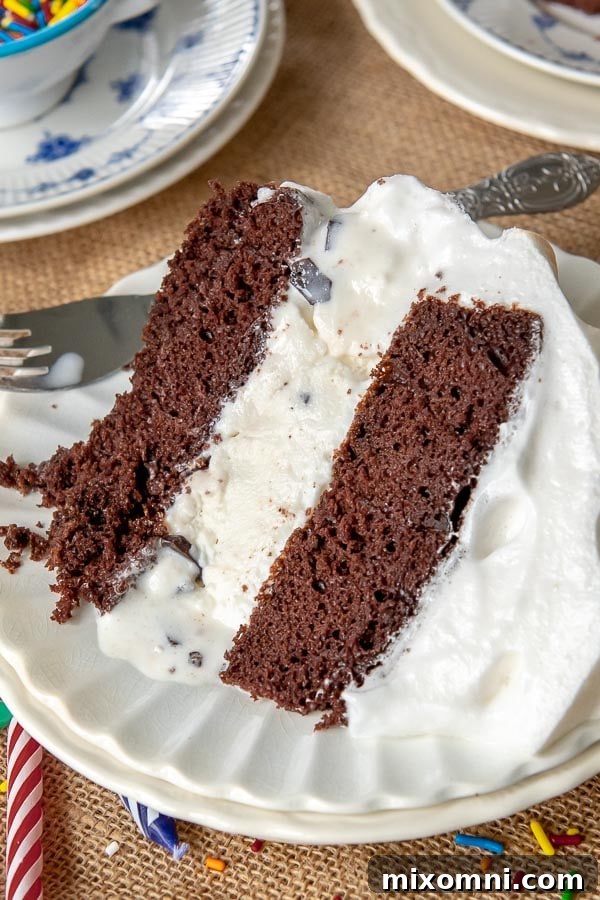
Prepare to enchant your guests with the ultimate showstopper: a homemade Baked Alaska! This iconic dessert combines layers of rich cake, luscious ice cream, and a cloud of perfectly toasted meringue, offering an extraordinary contrast of hot and cold that is simply unforgettable. Whether you choose to achieve that golden finish in the oven or opt for the dramatic flair of a tableside flambé, this guide will walk you through every **step-by-step** detail, ensuring your creation is both impressive and surprisingly **easy**. Get ready to master a classic dessert that promises a true “wow factor” at any gathering.
Unveiling the Magic: What is Baked Alaska?
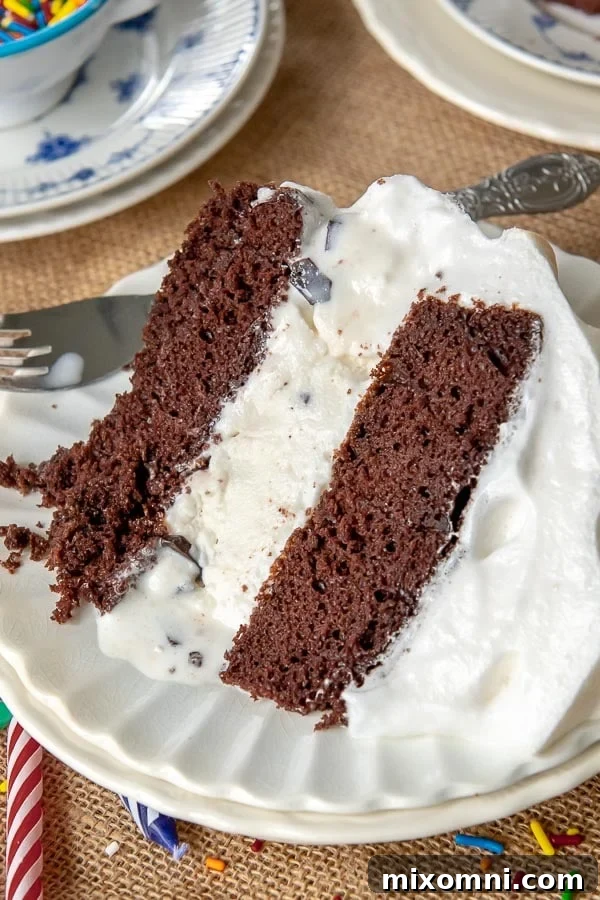
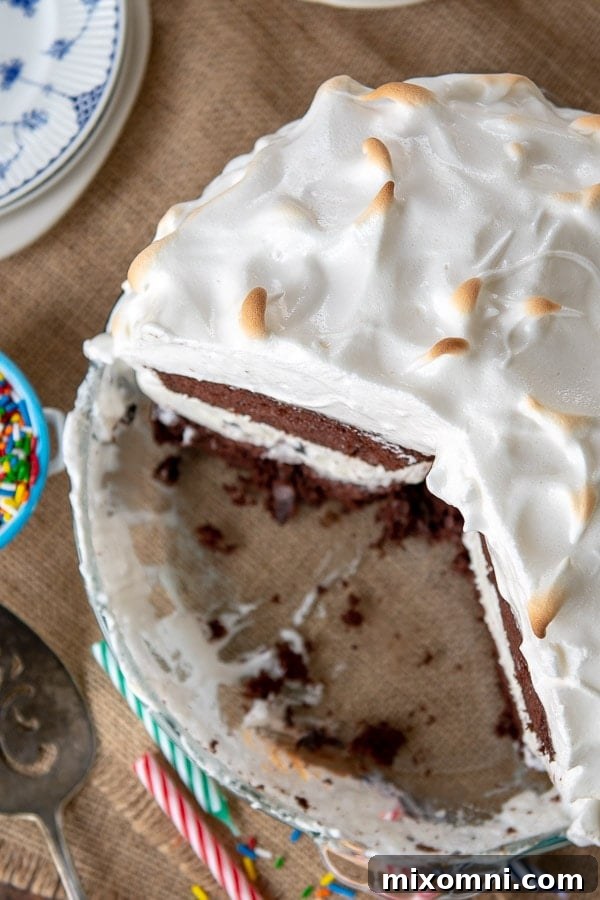
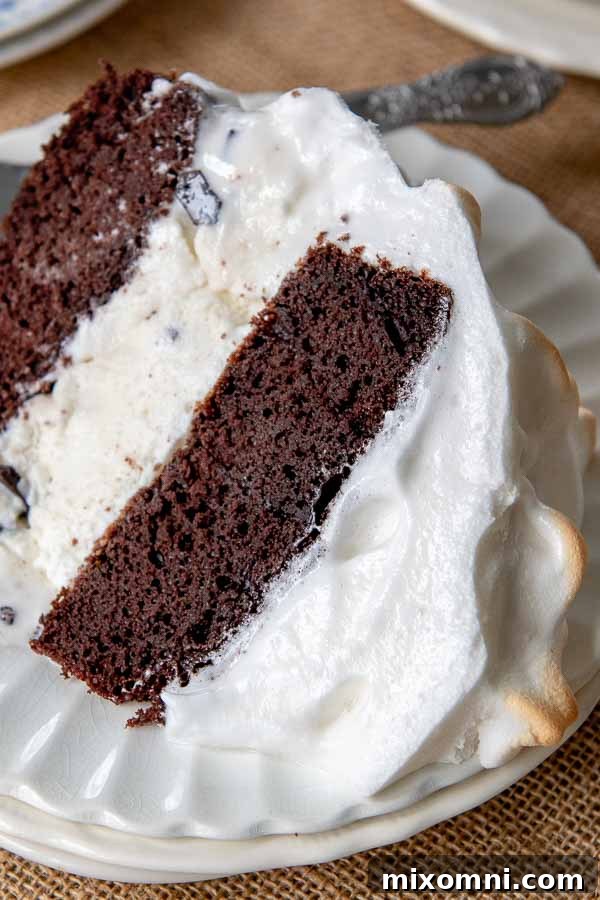
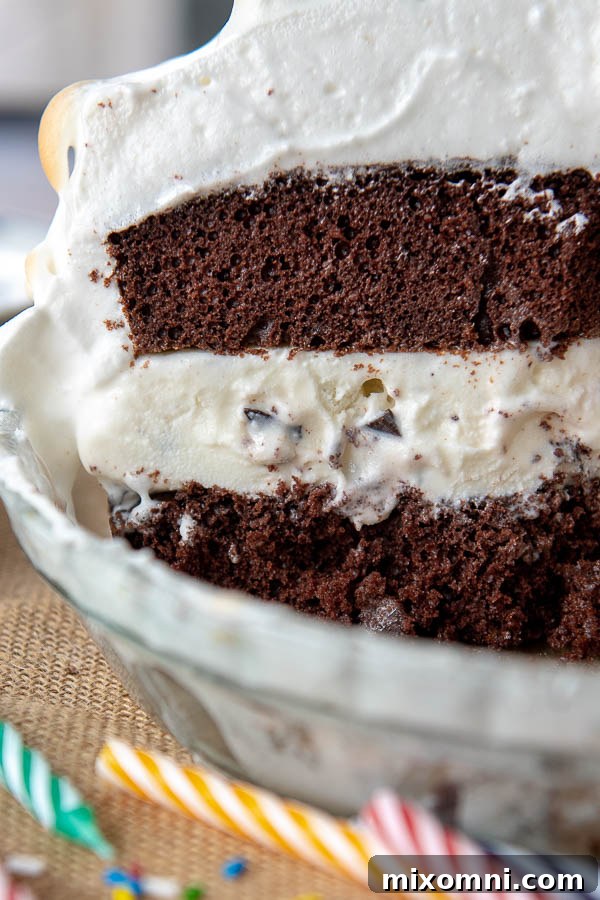
Baked Alaska is a truly captivating dessert, a culinary marvel composed of three distinct layers: a tender cake base, a generous core of frozen ice cream, and an airy topping of billowy meringue. The meringue, crafted from whipped egg whites and sugar, forms a protective shield that, when subjected to intense heat, transforms into a glorious golden-brown shell, encapsulating the icy heart within. The final flourish can be achieved by either briefly baking the entire dessert in a very hot oven until the meringue is beautifully toasted or by a more theatrical flambé, where alcohol is drizzled over the meringue and ignited, creating a stunning display of flames.
This dessert isn’t just a treat for the taste buds; it’s a testament to culinary ingenuity and an impressive spectacle. The name “Baked Alaska” itself sparks curiosity, hinting at a fascinating origin story that dates back to the late 19th century. In 1867, Charles Ranhofer, the esteemed chef at Delmonico’s Restaurant in New York City, created this unique confection. He did so to commemorate the United States’ acquisition of Alaska from Russia, a monumental event that added a vast, icy territory to the nation. Initially, the dessert was playfully christened the “Alaska-Florida” cake, a whimsical nod to the stark temperature contrast between the frozen ice cream and the flaming meringue – cold like Alaska, hot like Florida. Its increasing popularity among diners quickly led to its more enduring and evocative name, “Baked Alaska,” forever cementing its place in dessert history as a symbol of both culinary innovation and patriotic celebration.
The Science Behind the Spectacle: How Does Baked Alaska Not Melt?
The enduring mystery and sheer magic of Baked Alaska lie in its ability to defy convention: how does the ice cream remain perfectly frozen even as the meringue coating is exposed to intense heat? The answer is a fascinating principle of thermal insulation, brilliantly harnessed by the humble meringue.
The scientific explanation for this phenomenon was first elucidated around the turn of the 18th century by Sir Benjamin Thompson, also known as Count Rumford. He observed that air is a remarkably poor conductor of heat. When egg whites are vigorously whipped, tiny air bubbles are incorporated into the mixture, creating a stable foam. This foam, the meringue, is essentially a matrix of protein walls surrounding countless pockets of air. These air pockets act as an incredibly effective insulating layer. They trap cold air from the ice cream and prevent hot air from the oven (or flames) from reaching it quickly.
Therefore, when the meringue-covered dessert is placed in a scorching oven, the heat rapidly cooks and caramelizes the exterior of the meringue, forming a crisp, golden crust. However, the trapped air within the meringue acts as a barrier, slowing down the transfer of heat to the delicate ice cream beneath. The cake base also contributes to this insulating effect, adding an extra layer between the external heat and the frozen core. This combination of factors ensures that by the time the meringue is perfectly toasted and browned, the ice cream inside remains delightfully firm and cold, ready to deliver that incredible hot-and-cold sensation with every bite.
Crafting Your Culinary Masterpiece: A Detailed Guide to Baked Alaska
Embarking on the journey to create a Baked Alaska is a rewarding experience. It requires a bit of planning and patience, especially for the freezing steps, but the result is undeniably worth every moment. Let’s gather our ingredients and prepare to assemble this show-stopping dessert.
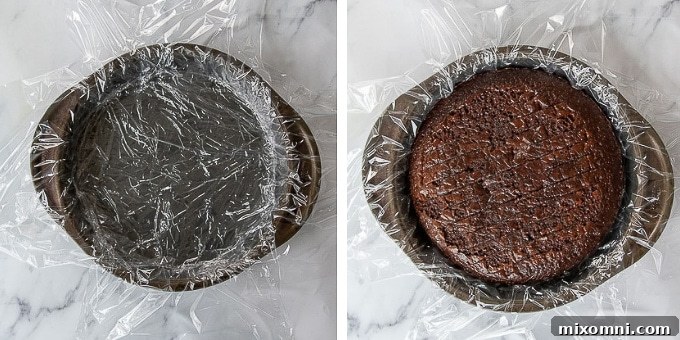
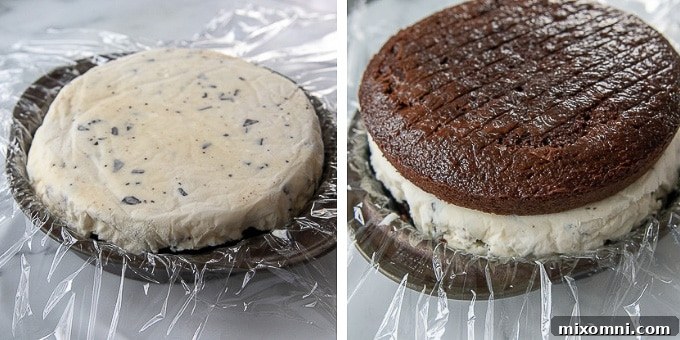
Assembling the Cake and Ice Cream Core
- Prepare the Cake Layers: Begin by preparing your two 9-inch cake layers according to your chosen recipe. Once baked, allow them to cool completely on a wire rack. It’s crucial for the cakes to be entirely cool to prevent them from melting the ice cream later. Wrap the cooled layers tightly in plastic wrap and either freeze them briefly or set them aside until you’re ready to assemble.
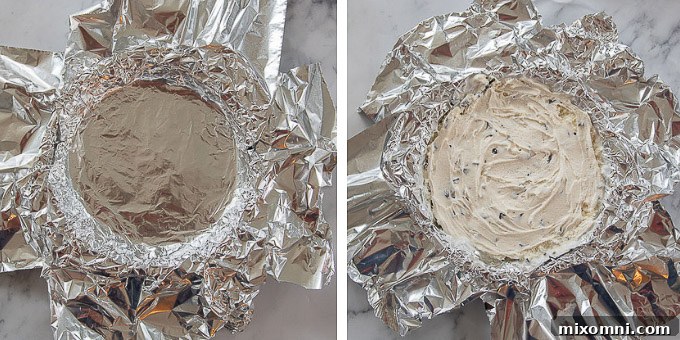
- Form the Ice Cream Layer: Take one 9-inch cake pan and line it meticulously with two long sheets of heavy-duty aluminum foil, criss-crossing them and pressing firmly against the bottom and sides to create a snug fit. Soften 1.5 quarts of your favorite ice cream (any flavor works beautifully!) for about 30 minutes until it’s pliable but not fully melted. Spread this softened ice cream evenly into the foil-lined pan. Press the top of the ice cream layer down with a piece of plastic wrap to remove any air pockets and create a smooth surface. Freeze this ice cream layer until it is very solid, ideally for at least 6 hours or even overnight. This step is critical for stability.
- Begin Cake Assembly: For assembly, retrieve another clean 9-inch cake pan. Line it with two long pieces of plastic wrap, again criss-crossing them, ensuring the sides overhang generously. This overhang will be crucial for covering the cake later. Carefully remove your first cooled cake layer from its plastic wrap and place it right-side up at the bottom of the plastic-lined cake pan, forming the base of your Baked Alaska.
- Add the Frozen Ice Cream: Take your now solid ice cream layer from the freezer. Gently peel away the plastic wrap from its top surface. Carefully lift the entire ice cream layer out of its foil lining and invert it directly on top of the first cake layer. Slowly and gently peel away the foil, revealing a perfectly formed disc of frozen ice cream.
- Complete the Cake Core: Unwrap your second cooled cake layer and place it on top of the ice cream layer, also right-side up. This completes the cake and ice cream sandwich. Use the generous overhang of plastic wrap from the pan to completely cover the assembled cake structure. Return the entire cake, still in its plastic-lined pan, to the freezer. It needs to remain deeply frozen while you prepare the meringue.
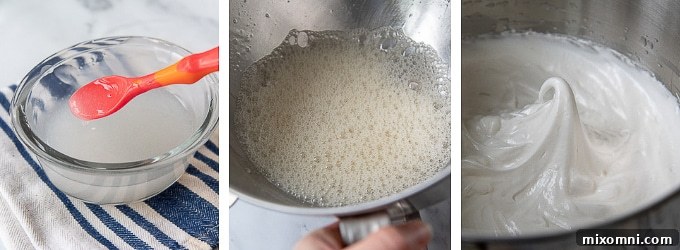
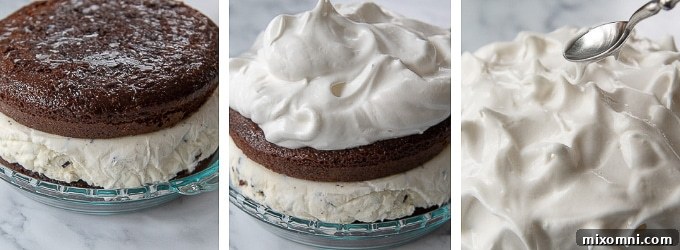
Preparing the Meringue and Final Assembly
- Prepare Cornstarch Slurry: In a small, heatproof bowl, combine ½ cup of water with 2 teaspoons of cornstarch. Microwave this mixture for 45-60 seconds, stirring once in the middle, until it thickens into a clear slurry. This cornstarch mixture helps stabilize the meringue, making it more robust and less prone to weeping. Set it aside to cool slightly.
- Whip Egg Whites: Ensure you have 6 large egg whites at room temperature and that your mixing bowl and beaters are impeccably clean and grease-free (even a tiny speck of yolk or grease can prevent the whites from whipping properly). In a large bowl, using an electric mixer, beat the egg whites with ½ teaspoon of cream of tartar until they become frothy and opaque.
- Form Soft Peaks: Gradually add ¾ cup of granulated sugar to the egg whites, about 2 tablespoons at a time, continuing to beat. The sugar should dissolve into the whites as you whip. Continue beating until soft peaks form – when you lift the beaters, the peaks should hold their shape but gently curl over at the top, typically after 1-2 minutes of gradual sugar addition.
- Achieve Stiff, Glossy Peaks: Once soft peaks are achieved, slowly incorporate the prepared cornstarch mixture into the meringue. Increase the mixer speed to high and continue beating until the peaks are stiff, straight, and beautifully glossy. When you lift the beaters, the meringue should hold its shape firmly without collapsing.
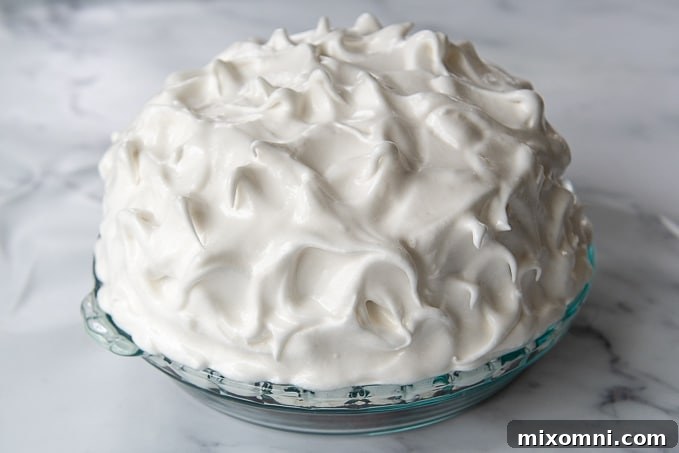
- Cover the Cake: Carefully remove the frozen cake and ice cream structure from its pan, peeling away the plastic wrap. Transfer the entire cake onto a serving dish or a pie plate. Spoon the prepared meringue generously over the entire cake, ensuring it completely covers the top and sides, sealing all the way down to the pie dish to prevent any gaps. This tight seal is crucial for effective insulation.
- Create Decorative Peaks: Using the back of a spoon or a small offset spatula, create elegant, weeping peaks and swirls all over the meringue surface. These peaks will brown beautifully and add visual interest. Once decorated, return the meringue-covered cake to the freezer until you are ready to serve. This can be done hours or even a day in advance.
- The Grand Finale (Bake or Flambé): When it’s time to serve, preheat your oven to a very high temperature, typically 500ºF (260ºC). Place the frozen Baked Alaska into the hot oven for only 3-4 minutes, or until the meringue peaks turn a lovely golden brown. Alternatively, for a truly dramatic presentation, you can flambé the Baked Alaska according to the directions provided in the recipe notes below. Slice and serve immediately to enjoy the delightful contrast!
Mastering the Slice: Best Way to Cut Baked Alaska and Ice Cream Cake
Cutting a frozen dessert like Baked Alaska or any ice cream cake can be a challenge, but with the right technique, you can achieve perfect, clean slices every time. For a comprehensive guide, you can refer to dedicated resources on how to cut ice cream cake. However, the core principle remains consistent: heat is your best friend.
First, ensure you have a sharp knife, ideally a chef’s knife or a long slicing knife, that is up to the task. The trick is to warm the blade thoroughly. Run very hot tap water over the entire blade of your knife for about 15-20 seconds. The heat from the water will warm the metal, allowing it to glide effortlessly through the frozen layers.
Immediately after warming, quickly wipe the blade dry with a clean dishcloth. This prevents water from freezing onto your cake. Then, make a swift, decisive slice through the cake. For each subsequent slice, repeat the process: re-warm the knife under hot water, wipe it dry, and then cut. This method ensures that the blade remains warm enough to create smooth, clean cuts without tearing the cake or squishing the ice cream. Allow your Baked Alaska to sit out at room temperature for about 15-20 minutes before attempting to slice, which will slightly soften the ice cream core and make cutting even easier without compromising its frozen state.
Expert Tips and Tricks for a Flawless Baked Alaska
Achieving a perfect Baked Alaska is easier than you think with a few insider tips:
- The Ultimate Make-Ahead Dessert: Baked Alaska is truly the perfect dessert for planning ahead. Do not attempt to make and serve this on the same day. It requires significant freezing time for the ice cream layers to become very solid and for the assembled cake to firm up before the final meringue application and flash-baking. You can assemble the entire cake and cover it with meringue days in advance, keeping it tightly wrapped in the freezer until just before serving.
- Ensure a Rock-Solid Core: The single most crucial tip for a successful Baked Alaska is to ensure your ice cream center is absolutely solid before you start layering it with the cake. If the ice cream is too soft or melts during assembly, you’ll end up with a runny, messy cake. Plan for at least 6 hours, or preferably overnight, of freezing for the ice cream layer. Patience here truly pays off.
- Meringue Mastery: A successful, stable meringue relies on three non-negotiable elements:
- Yolk-Free Egg Whites: Even a tiny speck of egg yolk can prevent egg whites from whipping into stiff peaks. Separate your eggs carefully.
- Room Temperature Whites: Egg whites at room temperature whip up faster and achieve greater volume than cold whites. Separate your eggs when they are cold (as they separate more easily), then cover the whites and let them sit on the counter for 30 minutes to an hour to reach room temperature before whipping.
- Gradual Sugar Addition: Don’t dump all the sugar in at once. Add it slowly, a tablespoon or two at a time, allowing it to dissolve into the frothy egg whites. This creates a stable meringue that holds its shape and sheen.
- Consider Your Equipment: For the best meringue, use a stand mixer with a whisk attachment. Make sure your bowl and whisk are spotless and completely free of any grease residue. Wiping them down with a little lemon juice or vinegar before starting can help ensure success.
- Flambéing Safely: If you opt for the dramatic flambé, use a high-proof alcohol like rum, brandy, or Grand Marnier. Warm the alcohol slightly (do not boil!) in a small saucepan, then carefully pour it over the meringue just before serving. Ignite it with a long match or kitchen torch. Always ensure there’s adequate ventilation, keep flammable objects away, and have a fire extinguisher nearby. Serve immediately after the flames subside.
- Endless Flavor Combinations: The beauty of Baked Alaska is its versatility. Feel free to experiment with any combination of cake and ice cream flavors. Imagine a fluffy banana cake paired with a rich toffee ice cream, a classic chocolate cake with an indulgent Oreo ice cream, or a delicate white cake with a vibrant strawberry sorbet or ice cream. For those with dietary considerations, this recipe is easily adaptable to a gluten-free ice cream cake by simply using gluten-free cake layers. The possibilities for customization are truly boundless!
Save this Recipe to Your Pinterest Board!
Let’s be friends on Pinterest! I’m always sharing great recipes!
Did you make this recipe? We love hearing from you! Leave a star rating and comment below. Your feedback helps others discover amazing recipes and is greatly appreciated by our community. You will always hear back from me! -Melissa
Baked Alaska

Melissa Erdelac
Step-by-step instructions for an easy Baked Alaska recipe with cake, ice cream, and meringue, finished either by oven-toasting or dramatic flambé style.
Pin Recipe
Rate This Recipe
Remove Ads
Ingredients
- 1 recipe for 2-layer cake, baked and cooled
- 1.5 quart ice cream (any flavor), softened for 30 minutes
- 6 egg whites, room temperature (recommended brand)
- ½ cup water
- 2 teaspoons cornstarch (recommended brand)
- ½ teaspoon (pinch) cream of tartar (recommended brand)
- ¾ cup (200 g) sugar (recommended brand)
Instructions
-
Make layer cake according to recipe in two 9″ cake pans. Remove cakes from pans and cool completely on wire rack. Wrap layers with plastic wrap and either freeze or set aside until ready to assemble cake.
-
In one 9″ cake pan, place 2 long sheets of foil, criss-crossed and pressed solidly against bottom and sides. Evenly spread the softened ice cream in the foil-lined cake pan. Press top of ice cream with plastic wrap and freeze until firm, at least 6 hours or overnight.
-
To assemble cake, place 2 long sheets of plastic wrap criss-crossed and pressed solidly against bottom and sides of the other cake pan. Remove cake layers and ice cream layer from freezer. Unwrap the first cake layer and place in the plastic-lined cake pan right side up.
-
Remove plastic wrap from top of ice cream. Lift the ice cream layer out of the pan and invert on top of first cake layer, gently peeling away foil. Unwrap second cake layer and place on top of ice cream layer, right side up. Lift up the excess hanging plastic wrap to cover the cake. Place the assembled cake back in the freezer until ready for the meringue.
-
If you plan on finishing making the cake that day, separate eggs and set out whites to come to room temperature.
Meringue:
-
Combine water with cornstarch in a small heatproof bowl. Microwave for 45-60 seconds, stirring once, until thickened. Set aside.
-
In a large bowl beat egg whites with cream of tartar until frothy. Gradually beat in sugar, about 2 tablespoons at a time, until soft peaks form, about 1-2 minutes. Add cornstarch mixture and beat until peaks are stiff and glossy.
-
Lift frozen cake / ice cream structure from cake pan and transport to a pie dish, removing plastic. Spoon meringue on top of cake and spread down the sides, sealing down to the pie dish so there are no gaps. Use the back of a spoon to make weeping peaks. Return cake to the freezer until ready to serve.
-
When ready to serve preheat oven to 500ºF. Bake for 3-4 minutes or until meringue has golden peaks all over. Alternatively flambé according to directions in recipe notes.
-
Serve immediately or place back in freezer uncovered until ready to serve. Let sit out for 30 minutes before serving or in the refrigerator for an hour.
Notes
To slice the cake easily, let it set out for at least 30 minutes before serving. Run very hot water to heat the knife in between slices, drying off with a towel before each slice.
Calories: 238kcal, Carbohydrates: 33g, Protein: 4g, Fat: 9g, Saturated Fat: 6g, Cholesterol: 39mg, Sodium: 90mg, Potassium: 194mg, Sugar: 31g, Vitamin A: 375IU, Vitamin C: 0.5mg, Calcium: 114mg, Iron: 0.1mg
Did you make this recipe?
Please leave a star rating and review below. It helps others when searching for recipes and I LOVE feedback!