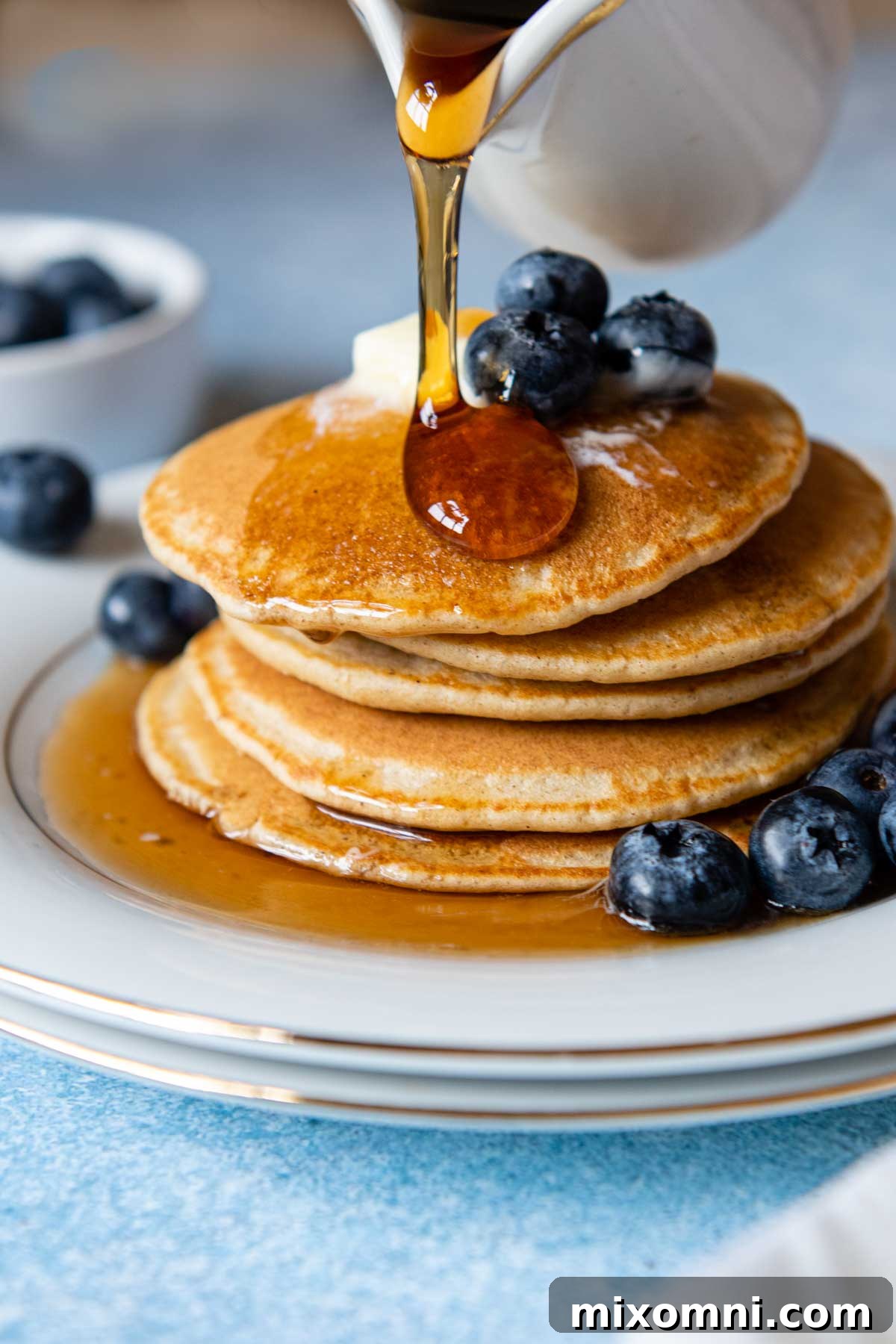
Unlock the secret to a truly delightful breakfast with our incredible Oat Flour Pancakes! If you’re searching for easy, wholesome, and incredibly fluffy gluten-free breakfast ideas, your quest ends here. These pancakes boast the classic taste and tender, airy texture of traditional pancakes, but are crafted with simple, naturally gluten-free ingredients. What’s more, this versatile oat flour pancake recipe is wonderfully adaptable to various dietary needs, making it perfect for gluten-free, dairy-free, and vegan lifestyles. The magic lies in one simple yet crucial trick for achieving that irresistible fluffy texture: allowing the batter to rest briefly. This step transforms the humble oat flour into a tender, pillowy pancake experience that will become a staple in your morning routine.
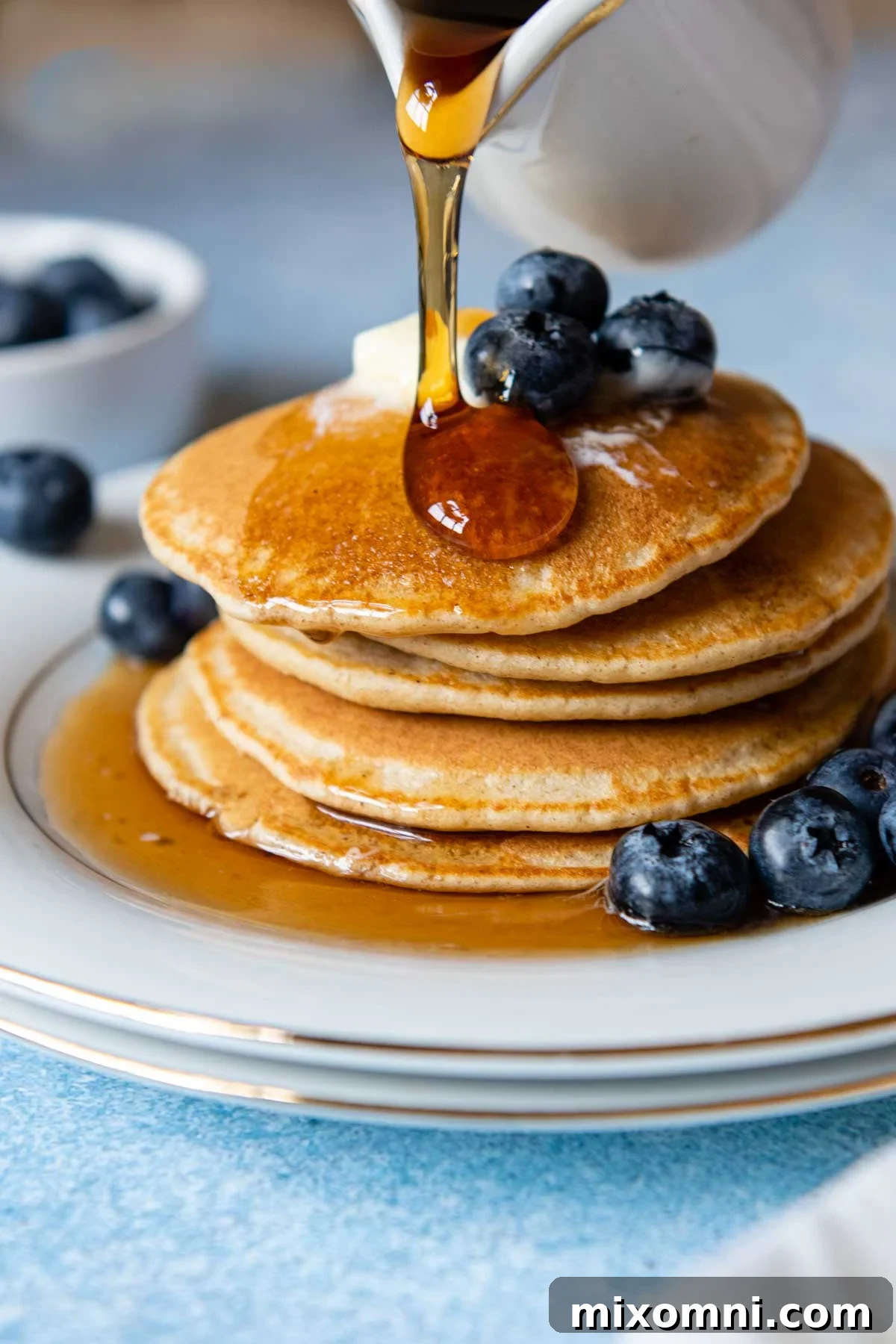
Why Choose Oat Flour Pancakes for Your Breakfast?
When planning breakfast for my family, finding recipes that naturally accommodate various dietary needs is a game-changer. That’s why these oat flour pancakes quickly became a household favorite. They offer a wonderfully soft and tender texture, coupled with a subtly sweet flavor that everyone adores. Unlike many gluten-free alternatives that rely on expensive and complex flour blends, oat flour provides a straightforward and cost-effective solution.
Oat flour pancakes are not just delicious; they come with a host of benefits that make them an excellent choice for a nutritious start to your day. Oats are celebrated for being a fantastic source of soluble fiber, which aids digestion, helps regulate blood sugar, and keeps you feeling fuller for longer. This means these pancakes offer sustained energy, avoiding the typical sugar crash often associated with traditional pancake breakfasts. Furthermore, oats are packed with essential vitamins and minerals, including manganese, phosphorus, magnesium, copper, iron, and zinc, contributing to overall well-being.
The beauty of cooking with oat flour is its inherent gluten-free nature (when certified GF). This eliminates the need for specialized gluten-free flour mixes, which can sometimes result in a gritty texture or require additional binders. Oat flour lends itself beautifully to baking, creating a naturally moist and tender crumb that is simply irresistible. Whether you’re an experienced gluten-free baker or just starting, this recipe simplifies healthy eating without compromising on taste or texture. Just like our popular oat flour bread or other easy gluten-free oat flour recipes, these pancakes provide a tasty, nutritious, and more affordable alternative.
Homemade vs. Store-Bought Oat Flour: Your Options
When preparing oat flour pancakes, you have two convenient options for your main ingredient, oat flour, allowing you to choose what best fits your kitchen setup and time constraints. Both methods yield excellent results, providing the foundation for light and fluffy pancakes.
- Make Your Own Oat Flour: If you own a high-powered blender, such as a Vitamix, making your own oat flour is surprisingly simple and often more economical. You’ll need certified gluten-free rolled oats. Simply place the oats into your blender and process until they transform into a fine, powdery flour. This typically takes just a minute or two. Once you have your homemade oat flour, you can proceed with the rest of the recipe by adding the remaining ingredients directly to the blender, blending them together, allowing the batter to rest, and then cooking. This method offers the freshest possible oat flour and ensures you know exactly what goes into your meal.
- Use Pre-Made Oat Flour: For ultimate convenience, pre-made certified gluten-free oat flour is readily available in most grocery stores and online. This option saves you a step and is perfect for busy mornings. If you choose pre-made oat flour, all the ingredients can be combined effortlessly in a single bowl. Just whisk together the dry ingredients, then stir in the wet ingredients until just combined.
Regardless of which method you choose for sourcing your oat flour, these pancakes are incredibly versatile and can be easily adapted to various dietary preferences, including dairy-free or vegan options. We’ll delve into more easy tips, including ingredient substitutions, creative mix-in ideas, and the best ways to store, freeze, and reheat your delicious oat flour pancakes, ensuring you can enjoy them anytime!
Essential Ingredients and Clever Substitutions
One of the many joys of this oat flour pancake recipe is its reliance on readily available ingredients. Unlike flourless oatmeal pancakes that might require specific fruit, these pancakes don’t demand any special trips to the store. Most items you’ll need are likely already stocked in your pantry, making them a perfect spontaneous breakfast choice whenever a craving strikes!
- Oat Flour: As discussed, ensure you use certified gluten-free oat flour for gluten-free pancakes. If making your own, always use rolled oats (also known as old-fashioned oats) rather than quick oats. Quick oats are processed differently and will not yield a 1-to-1 conversion when ground into flour; specifically, 2 cups of quick oats will not equal 2 cups of oat flour. Rolled oats provide the best consistency and volume for making your own flour.
- Sweetener: This recipe offers flexibility for sweetness. You can use honey, pure maple syrup (our favorite for that classic pancake flavor), coconut sugar, or brown sugar. For those monitoring sugar intake, the sweetener can be eliminated entirely for a sugar-free pancake option, which pairs beautifully with fruit toppings.
- Milk: Feel free to use any preferred dairy milk you have on hand. For a dairy-free alternative, excellent choices include almond milk, soy milk, oat milk, or coconut milk (from a carton, not canned). Each non-dairy milk offers a slightly different flavor profile and consistency, but all will work well.
- Eggs: Eggs are crucial for binding the ingredients and adding richness and structure to the pancakes. However, this recipe can easily be made egg-free. You can replace each large egg with half of a mashed medium-sized banana (this will impart a subtle banana flavor), 1/4 cup of unsweetened applesauce (a neutral-flavored option that adds moisture), or a commercial egg replacer (such as Neat Egg, Ener-G, or Bob’s Red Mill, prepared according to package directions). For more detailed guidance, refer to our dairy-free and vegan modifications section.
- Butter / Oil: Melted butter adds a rich, traditional flavor to these pancakes. However, for a dairy-free option or a different flavor, an equal amount of any preferred oil works perfectly. Consider melted coconut oil (which can add a subtle tropical note and helps with crisp edges), canola oil, avocado oil, or grapeseed oil. Ensure the melted butter or oil is cooled slightly before adding it to the batter to prevent cooking the eggs prematurely.
- Baking Powder: This leavening agent is essential for creating those desired fluffy pancakes. It reacts with the liquid in the batter to produce carbon dioxide bubbles, lifting the pancakes as they cook.
- Cinnamon and Salt: Ground cinnamon adds a warm, comforting flavor that complements the oats beautifully. Salt, though used in a small amount, is vital for balancing the flavors and enhancing the sweetness of the pancakes.
- Vanilla Extract: A splash of vanilla extract elevates the overall flavor profile, adding a fragrant and inviting aroma to your pancakes.
Crafting the Perfect Oat Flour Pancakes: A Step-by-Step Guide
Achieving perfectly fluffy and tender oat flour pancakes is straightforward with this recipe. The key is in the preparation steps, especially the crucial resting period for the batter. Follow these instructions closely for the best results. (Detailed ingredient amounts can be found in the comprehensive recipe card below.)
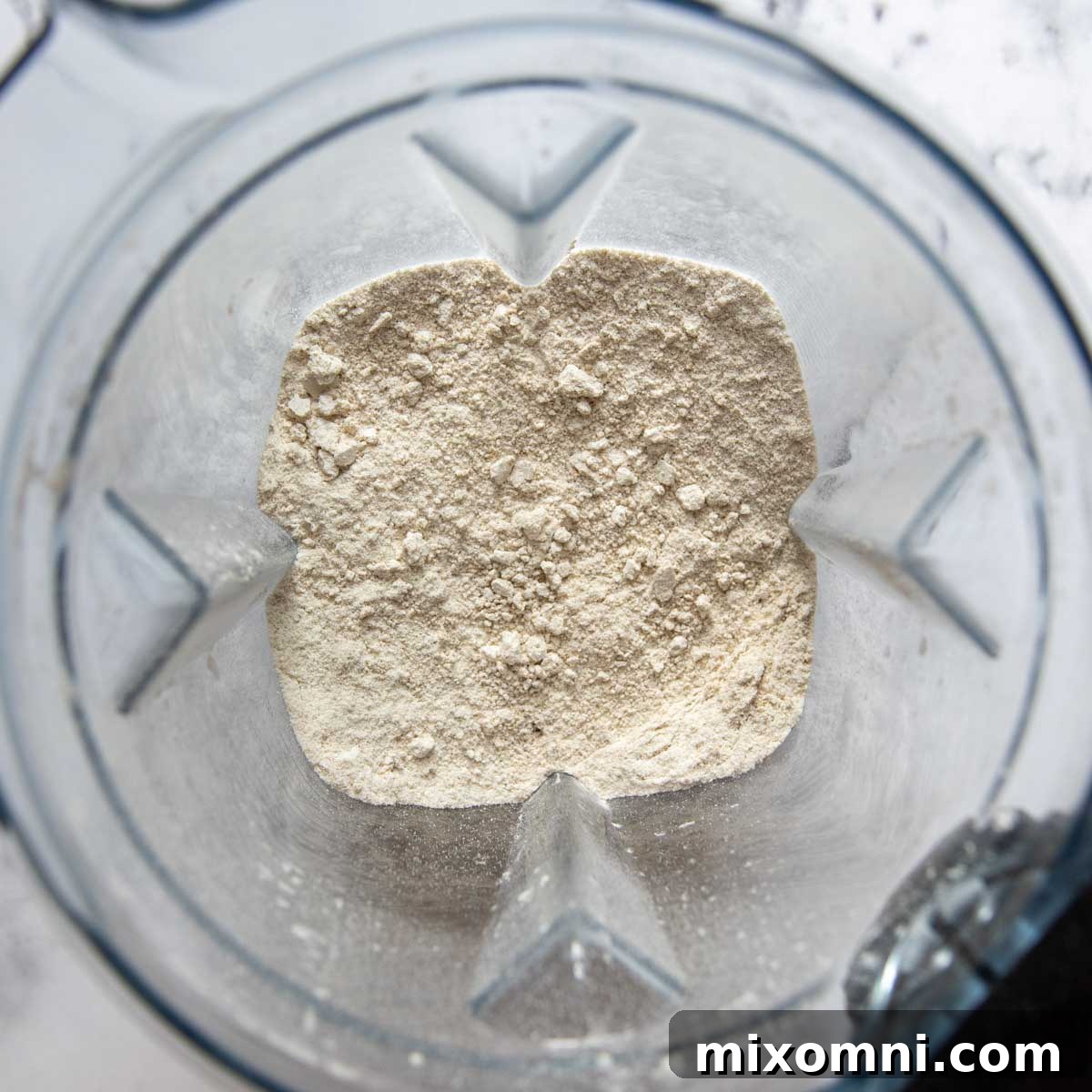
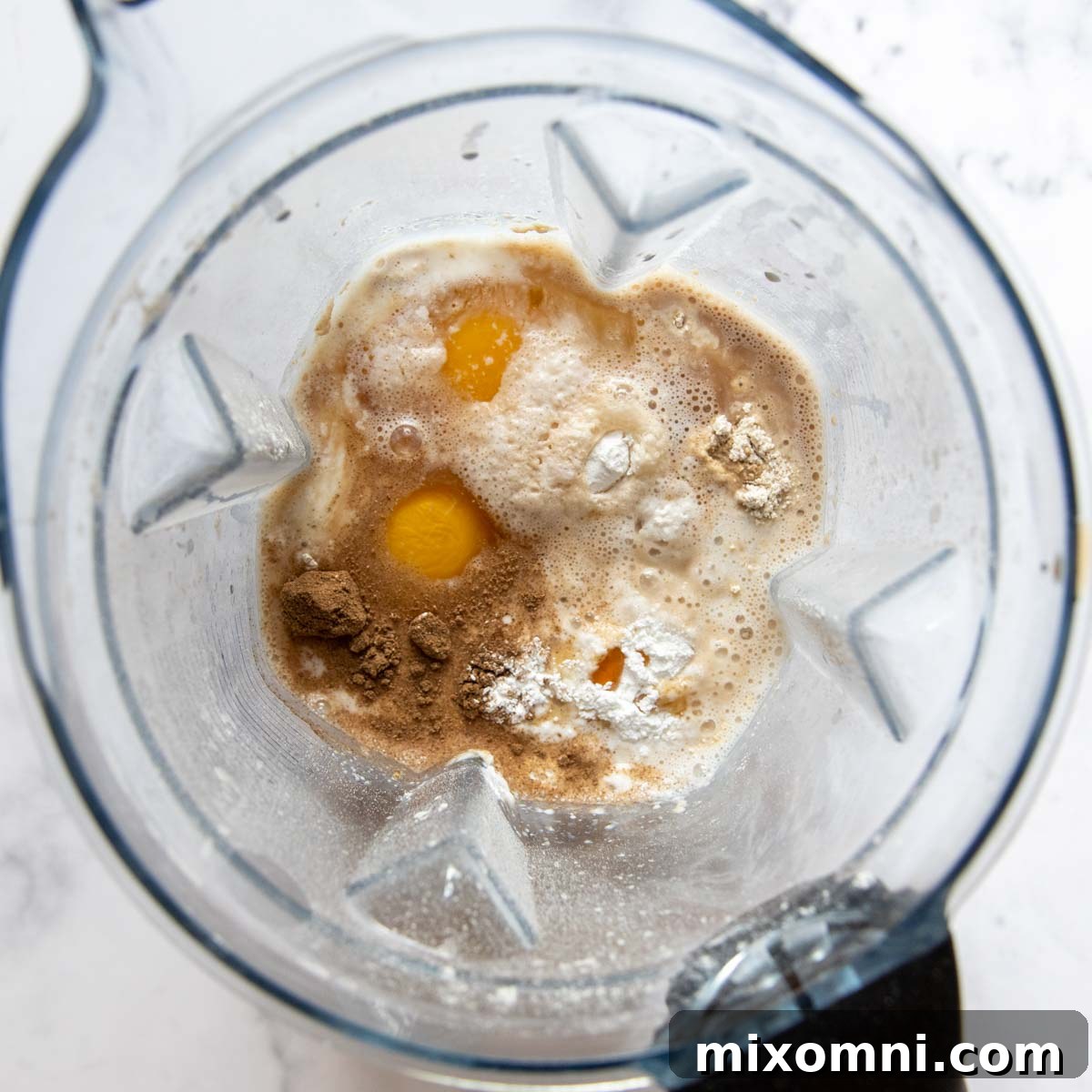
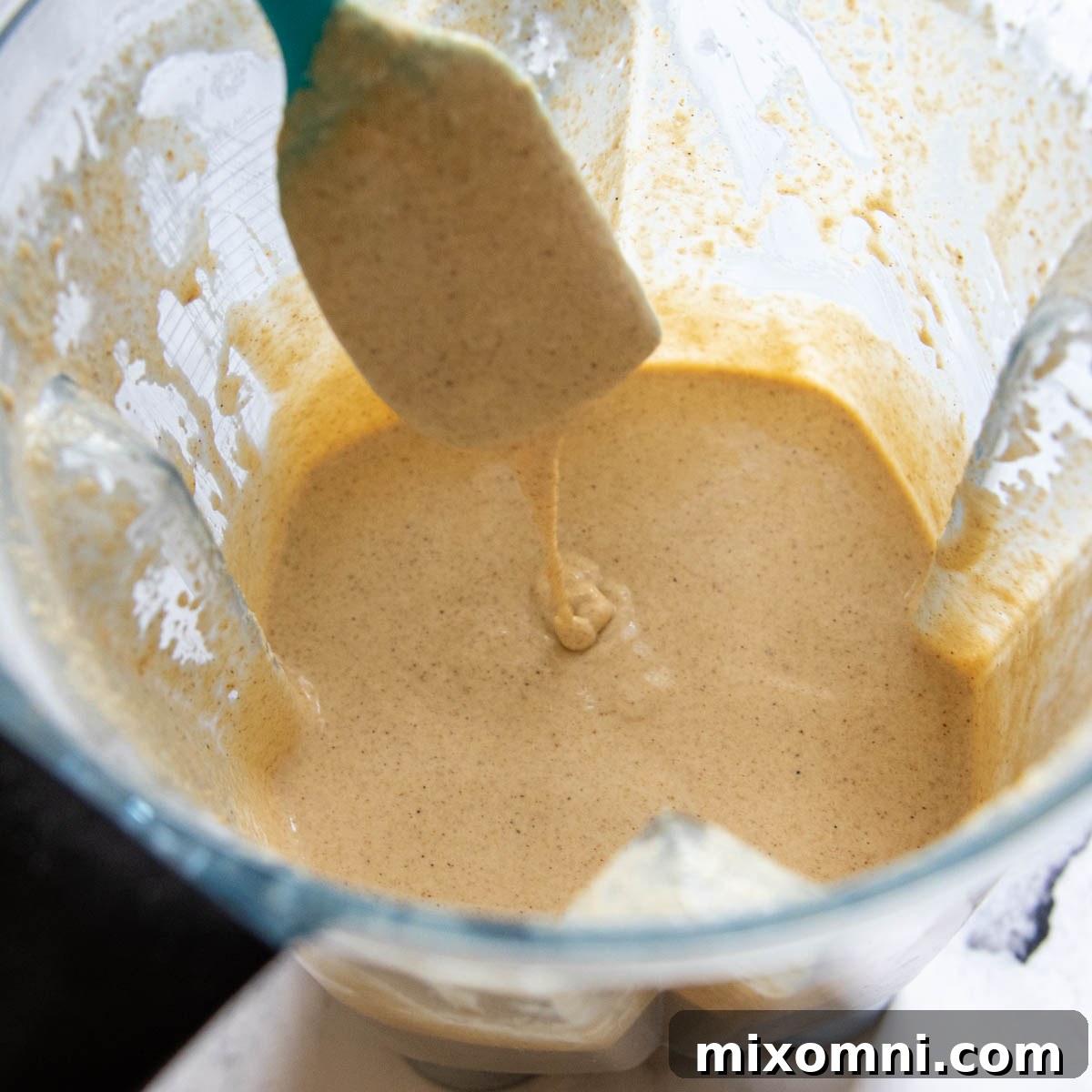
- Prepare the Oat Flour: If you’re not using pre-made oat flour, start by making your own. Place 2 cups of certified gluten-free rolled oats in a high-powered blender (like a Vitamix) and process until it becomes a uniformly fine, fluffy powder. This ensures a smooth batter and tender pancakes.
- Combine Dry Ingredients:
- Blender Method: To the oat flour in the blender, add the baking powder, ground cinnamon, and salt. Pulse a few times to combine.
- Bowl Method: In a large mixing bowl, whisk together the pre-made oat flour, baking powder, ground cinnamon, and salt until thoroughly combined.
- Incorporate Wet Ingredients:
- Blender Method: Add the milk (or non-dairy milk), large eggs (or egg substitute), cooled melted butter (or oil), pure maple syrup (or other sweetener), and vanilla extract to the blender. Blend on a low to medium speed until all ingredients are just combined and the batter is smooth. Avoid over-blending. Scrape down the sides of the blender with a spatula if necessary.
- Bowl Method: Create a well in the center of your dry ingredients. Add the milk, eggs, cooled melted butter or oil, maple syrup, and vanilla extract. Whisk gently from the center outwards, gradually incorporating the dry ingredients into the wet until a smooth batter forms. Again, be careful not to overmix; a few small lumps are perfectly fine.
- Rest the Batter (Crucial Step!): At this stage, your batter will likely appear quite thin. This is completely normal for oat flour. The most important step for achieving truly fluffy pancakes is to let the batter rest at room temperature for at least 20 minutes. This resting time allows the oat flour to properly hydrate and absorb the liquid, causing the batter to thicken considerably. This hydration is key to preventing thin, dense pancakes and instead yields light, airy, and tender results.
- Cook the Pancakes: While the batter rests, heat a nonstick griddle or a large nonstick skillet over medium heat. To test if it’s hot enough, sprinkle a few drops of water; they should sizzle and evaporate immediately. Lightly grease the hot griddle with a small amount of oil, coconut oil, or butter. Pour about 1/4 cup of batter per pancake onto the griddle, leaving some space between each. Cook for approximately 2-3 minutes on the first side, or until you see bubbles forming on the surface and the edges look set and golden brown. Gently flip the pancakes with a spatula and cook for another 1-2 minutes on the second side, until golden brown and cooked through. Repeat with the remaining batter, greasing the griddle as needed. This recipe typically yields about 20 medium-sized pancakes.
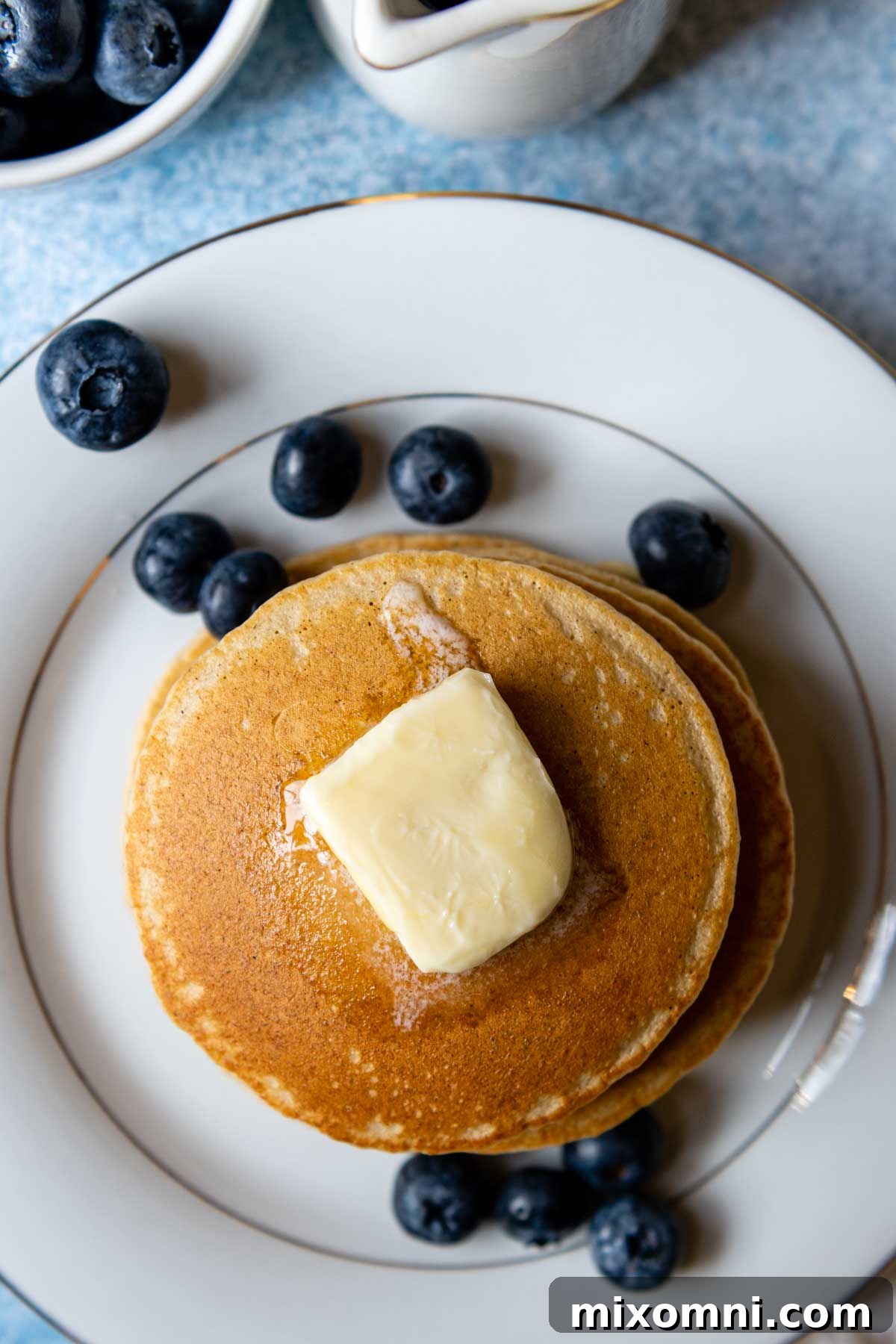
The Magic Behind Resting Your Pancake Batter
The 20-minute resting period for your oat flour pancake batter isn’t just a suggestion; it’s a vital step that significantly impacts the final texture of your pancakes. Here’s why this seemingly simple step is so crucial, especially when working with gluten-free oat flour:
When you first mix your oat flour batter, it will be noticeably thin. This is because oat flour, unlike wheat flour, takes a little longer to absorb liquids. The resting time allows the oat particles to fully hydrate and swell, essentially thickening the batter naturally. If you were to cook the pancakes immediately after mixing, you’d likely end up with thinner, denser pancakes that lack the characteristic fluffiness we all desire. As the oats absorb the liquid, the batter transforms from a watery consistency to a noticeably thicker, more viscous mixture, which is ideal for producing those light and airy pancakes.
Think of it as allowing the gluten-free structure to develop. While oats don’t contain gluten, their starch components still need time to absorb moisture and create a cohesive batter. This process traps the carbon dioxide bubbles produced by the baking powder more effectively, resulting in a pancake that rises beautifully and holds its shape during cooking. So, be patient and resist the urge to rush this step – it’s your secret weapon for the best, fluffiest oat flour pancakes every time!
Can I Make Waffles with this Recipe?
Absolutely! This versatile oat flour pancake recipe can easily be transformed into delicious waffles with just a couple of simple adaptations. The core ingredients and method remain largely the same, but for crispy waffles, you’ll want to slightly adjust the fat content. Typically, waffle recipes call for a bit more butter or coconut oil to achieve that desirable golden-brown crispness on the outside while maintaining a tender interior. For specific quantities and detailed instructions on how to convert this recipe into a fantastic waffle batter, you can follow our dedicated oat flour waffles recipe, which has been optimized for waffle irons.
Dairy-Free and Vegan Modifications
Making these oat flour pancakes suitable for dairy-free or vegan diets is incredibly easy, requiring only a few straightforward substitutions. These modifications ensure that everyone can enjoy a stack of warm, fluffy pancakes without compromising on taste or texture.
- For Dairy-Free Pancakes: Simply replace any dairy milk with your favorite non-dairy option. Excellent choices include unsweetened almond milk, soy milk, oat milk, or cashew milk. For the fat component, substitute melted butter with an equal amount of melted coconut oil, avocado oil, or any neutral-flavored vegetable oil.
- For Vegan Pancakes (Egg-Free & Dairy-Free):
- Milk: As with dairy-free, use a non-dairy milk.
- Fat: Use melted coconut oil or another plant-based oil instead of butter.
- Eggs: To replace the eggs, you have several effective options:
- Mashed Banana: Use half of a mashed medium-sized ripe banana per egg. This adds a subtle sweetness and flavor, along with binding properties.
- Unsweetened Applesauce: Use 1/4 cup of unsweetened applesauce per egg. This is a great neutral-tasting option that adds moisture without altering the flavor significantly. The texture might be a little more delicate than with eggs, but the taste remains excellent.
- Commercial Egg Replacer: Opt for a trusted egg-free replacer like Neat Egg, Ener-G, or Bob’s Red Mill Egg Replacer. Prepare it according to the package instructions to substitute for the eggs in the recipe. These often provide the most neutral flavor and consistent binding.
With these simple swaps, you can confidently prepare a stack of delicious oat flour pancakes that cater to dairy-free and vegan dietary needs, ensuring everyone gets to enjoy this delightful breakfast.
Irresistible Mix-Ins and Toppings for Your Pancakes
While these oat flour pancakes are delicious on their own, the right mix-ins and toppings can elevate them to an extraordinary breakfast experience. Get creative and customize your stack to suit your mood or seasonal ingredients!
For toppings, a drizzle of classic gluten-free syrup or pure maple syrup is always a winner. You might also enjoy a tangy blueberry syrup or a lighter sugar-free syrup option. Beyond syrups, consider:
- Fresh Fruit: Sliced bananas, fresh berries (strawberries, raspberries, blackberries), peach slices, or a medley of seasonal fruits.
- Whipped Cream or Coconut Whipped Cream: A dollop adds a luxurious touch.
- Nut Butters: A generous spread of peanut butter, almond butter, or cashew butter for added protein and richness.
- Yogurt: A scoop of Greek yogurt or a plant-based yogurt for a creamy, tangy contrast.
- Fruit Compotes: Homemade berry compote or apple cinnamon compote for a burst of flavor.
- Chopped Nuts: Toasted pecans, walnuts, or almonds for crunch.
- Savory Options: For a unique twist, consider a fried egg and a sprinkle of chives if you enjoy sweet and savory combinations.
Any of your favorite pancake mix-ins will work beautifully within the batter. You can either gently fold them into the prepared batter just before cooking or sprinkle them directly onto the pancakes after pouring them on the griddle, just before flipping. Some popular and delicious mix-in ideas include:
- Fresh or Frozen Blueberries: A timeless favorite that bursts with flavor when heated.
- Chopped Bananas: Adds natural sweetness and a soft texture.
- Chocolate Chips: Mini chocolate chips or regular-sized ones, for a delightful treat.
- Granola: For an extra layer of crunch and hearty texture.
- Shredded Coconut: Adds a tropical sweetness and a lovely chewiness.
- Spices: A pinch of nutmeg, cardamom, or pumpkin pie spice for seasonal flavor.
- Lemon Zest: For a bright, fresh, and zesty note.
Don’t be afraid to experiment and discover your own favorite combinations!
Storing, Freezing, and Reheating for Convenience
One of the fantastic advantages of these oat flour pancakes is how well they store, making them an ideal choice for meal prepping and quick, grab-and-go breakfasts throughout the week. You can easily make a large batch and enjoy them fresh or reheat them later.
Before storing or wrapping, it is crucial to ensure that the pancakes have cooled completely to room temperature. Stacking warm pancakes can trap moisture, leading to sogginess and potentially freezer burn if frozen.
- Storing in the Refrigerator: Once completely cool, stack 2-3 pancakes together and wrap them tightly in plastic wrap or aluminum foil. Alternatively, place them in an airtight container with parchment paper between layers to prevent sticking. Store in the refrigerator for up to 5-7 days.
- Freezing for Longer Storage: For longer preservation, these pancakes freeze beautifully for up to 3 months. To prevent them from sticking together, lay the cooled pancakes in a single layer on a baking sheet and freeze for about 30 minutes until solid. Then, transfer the partially frozen pancakes to a freezer-safe ziplock bag or an airtight container, placing parchment paper between layers. This flash-freezing technique allows you to easily grab just one or two pancakes at a time without them clumping together.
- Reheating Instructions:
- Microwave: For a quick reheat, place 1-3 pancakes on a microwave-safe plate. Heat on 50% power for 30-60 seconds (if frozen, you may need a minute or two to thaw) until slightly warmed, then finish heating on full power for another 15-30 seconds until hot.
- Toaster or Toaster Oven: For a slightly crispier edge, place a single pancake in a toaster on a light setting or in a toaster oven at 300°F (150°C) for a few minutes until warmed through. This method works especially well for frozen pancakes too.
- Oven: If reheating a larger batch, preheat your oven to 350°F (175°C). Arrange pancakes in a single layer on a baking sheet and heat for about 5-10 minutes, or until thoroughly warmed.
Serve your reheated oat flour pancakes with your desired toppings for a quick, delicious, and satisfying breakfast anytime!
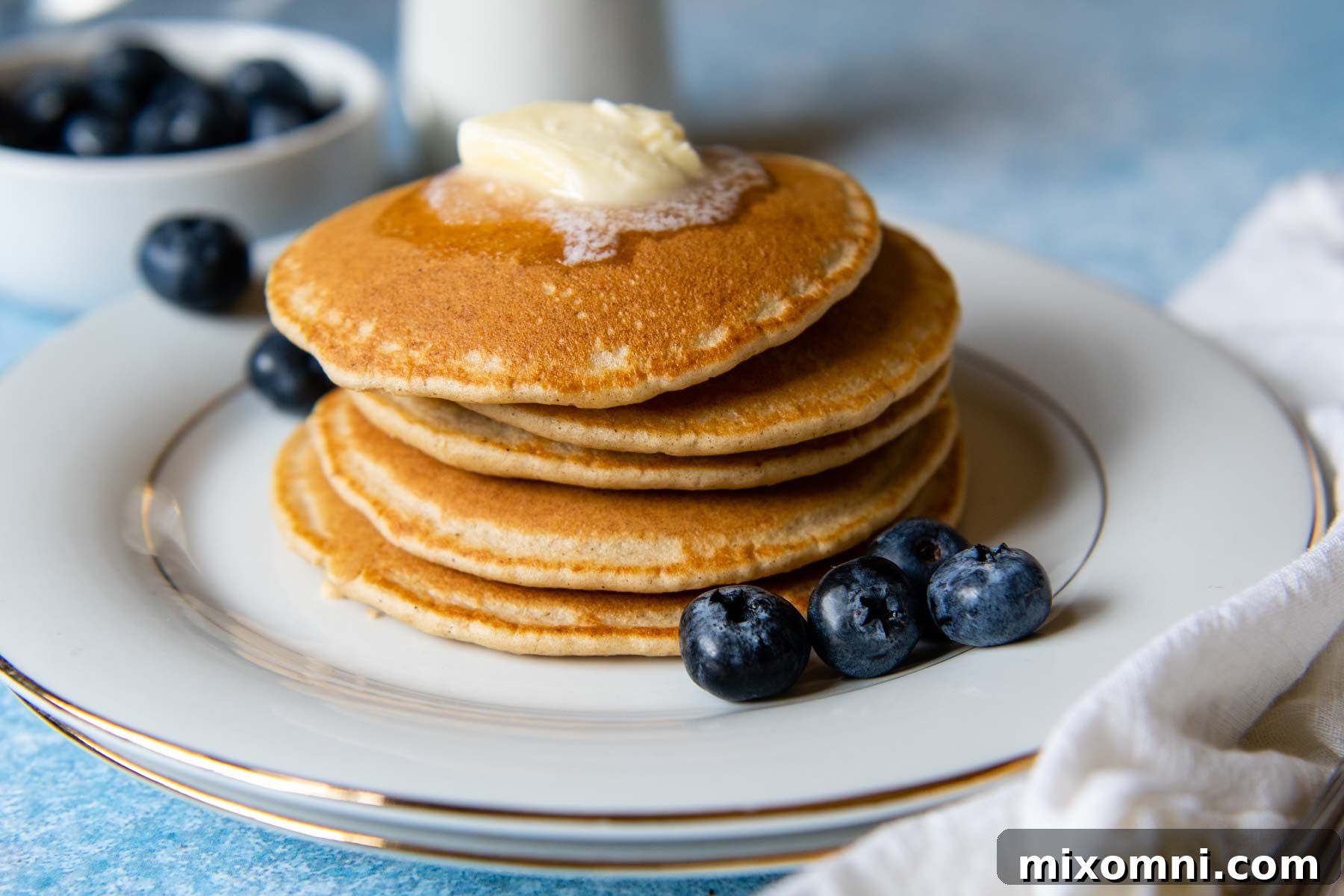
Don’t Forget to Pin It!
Save this incredibly delicious and easy recipe for Oat Flour Pancakes to your Pinterest board! It’s the perfect way to keep this gluten-free breakfast gem handy whenever you need a quick, healthy, and satisfying meal. Happy cooking!
Let’s connect on Pinterest! I’m always sharing fantastic recipes and cooking tips!
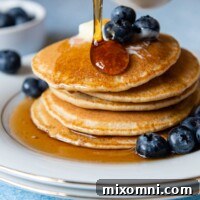
How to Make Oat Flour Pancakes (Easy Trick, Best Results)

Melissa Erdelac
20
pancakes
5 minutes
10 minutes
35 minutes
Pin
Rate
Remove Ads
Ingredients
- 2 cups gluten-free oat flour, same as 2 cups rolled oats blended into flour
- 2 teaspoons baking powder
- ½ teaspoon ground cinnamon
- ¼ teaspoon salt
- 1 cup milk or non-dairy milk
- 2 large eggs, see recipe notes for egg-free
- 4 tablespoons melted butter or coconut oil, cooled
- 2 tablespoons pure maple syrup, (or honey, coconut sugar, or brown sugar)
- 2 teaspoons vanilla extract
Equipment
-
Vitamix
-
Gluten Free Rolled Oats
-
Griddle
Instructions
-
If you are not using pre-made oat flour, begin by making the oat flour. Place 2 cups rolled oats in a high-powered blender, such as a Vitamix, and process until it becomes a fluffy, fine powder.
-
Blender – To the oat flour, add the baking powder, cinnamon, and salt.
Bowl – Whisk together the oat flour, baking powder, cinnamon and salt.
2 cups gluten-free oat flour,
2 teaspoons baking powder,
½ teaspoon ground cinnamon,
¼ teaspoon salt -
Blender – Add the milk, eggs, cooled melted butter, maple syrup (or substitute), and vanilla. Blend to combine, scrapping down the blender, if necessary, until well combined.
Bowl – Add the remaining ingredients and stir to combine.
1 cup milk or non-dairy milk,
2 large eggs,
4 tablespoons melted butter or coconut oil,
2 tablespoons pure maple syrup,
2 teaspoons vanilla extract -
The batter will be very thin at this point. Let the batter rest at room temperature for 20 minutes. This allows time for the oats to hydrate and absorb the liquid. The batter will thicken upon sitting.
-
Heat a nonstick griddle or large nonstick pan over medium heat. When hot, grease with oil, coconut oil, or butter, and pour the batter on the griddle. Cook about 2-3 minutes per side. (Makes about 20 pancakes.)
-
DID YOU MAKE THIS RECIPE?? DON’T FORGET TO LEAVE FEEDBACK AND/OR CLICK A STAR RATING ON THE RECIPE CARD!
Notes
Dairy-Free / Vegan Modification
To make dairy-free, egg-free or vegan pancakes you have options. First, replace the milk with your favorite non-dairy option, such as coconut milk, almond milk, or oat milk. In place of the butter use melted coconut oil.
To make oat flour pancakes without eggs, replace them with a mashed banana or 1/4 cup unsweetened applesauce to replace some of the moisture to the batter. The texture may be a little more delicate, but it does not affect the taste.
Another option would be to use an egg-free replacer, such as Neat Egg, Ener-G, or Bob’s Red Mill.
Recipe adapted from Oat Flour Waffles
Carbohydrates: 10g,
Protein: 3g,
Fat: 4g,
Saturated Fat: 2g,
Polyunsaturated Fat: 1g,
Monounsaturated Fat: 1g,
Trans Fat: 0.1g,
Cholesterol: 24mg,
Sodium: 61mg,
Potassium: 115mg,
Fiber: 1g,
Sugar: 2g,
Vitamin A: 114IU,
Vitamin C: 0.002mg,
Calcium: 45mg,
Iron: 1mg
Did you make this recipe?
Please leave a star rating and review below. It helps others when searching for recipes and I LOVE feedback!