
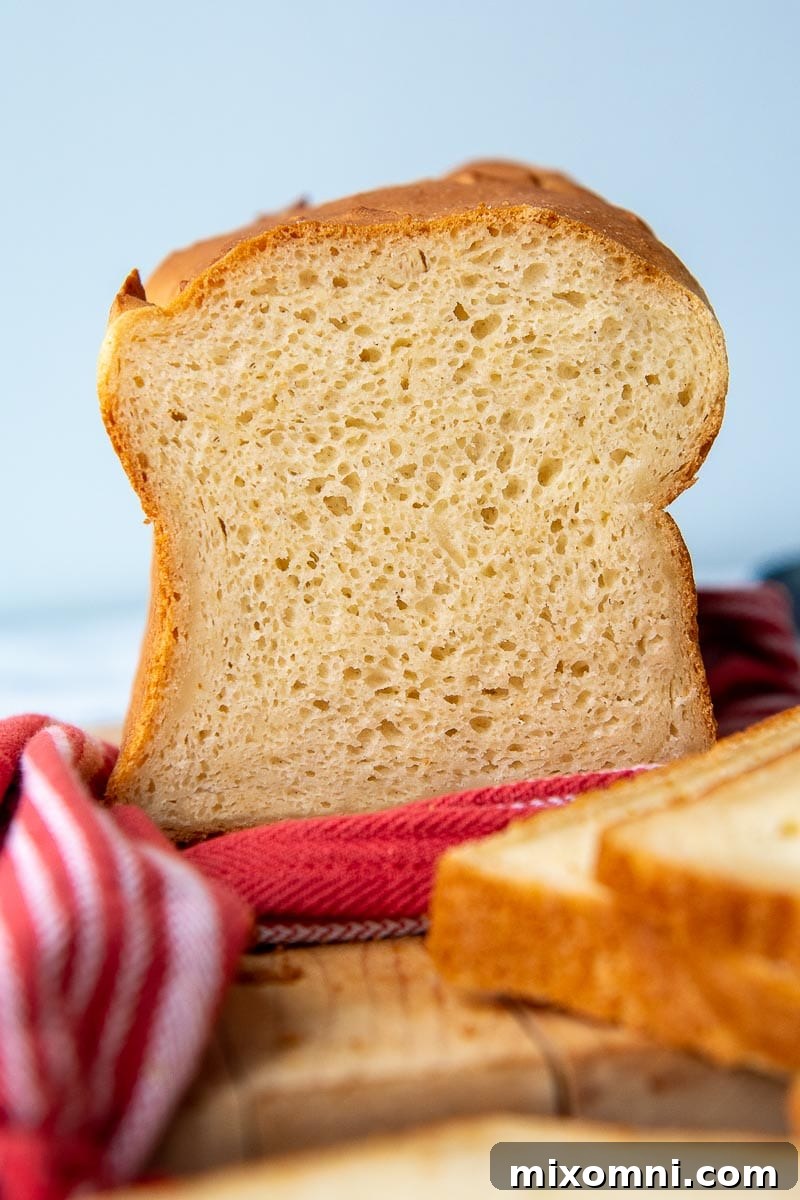
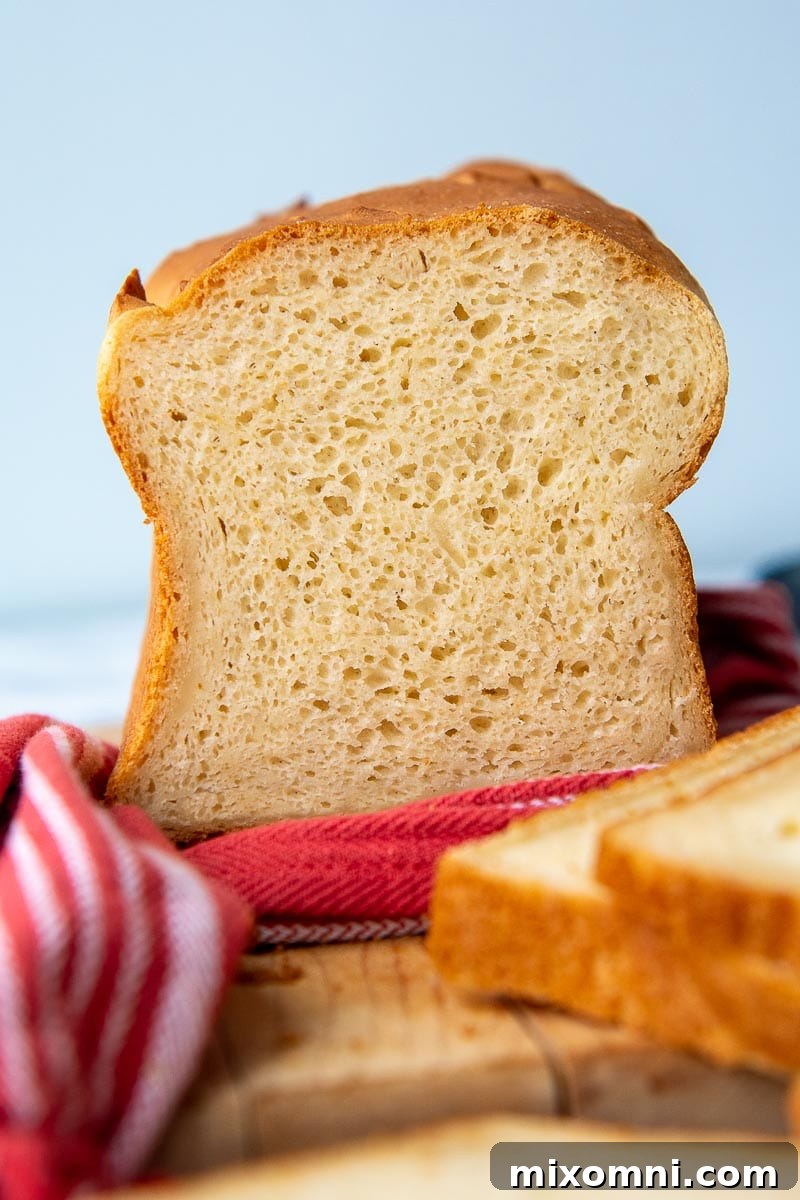
Finally, the search for the perfect slice of gluten-free bread ends here! Discover how to effortlessly create the most irresistibly soft, squishy homemade gluten-free sandwich bread from scratch. This groundbreaking recipe utilizes genuinely simple ingredients, requires just a quick “dump and mix” method, a single rise, and consistently delivers a loaf that will forever change your perception of gluten-free baking. Don’t just take my word for it; hundreds of glowing 5-star reviews attest to its success. Better yet, bake this easy loaf today and experience the magic for yourself!
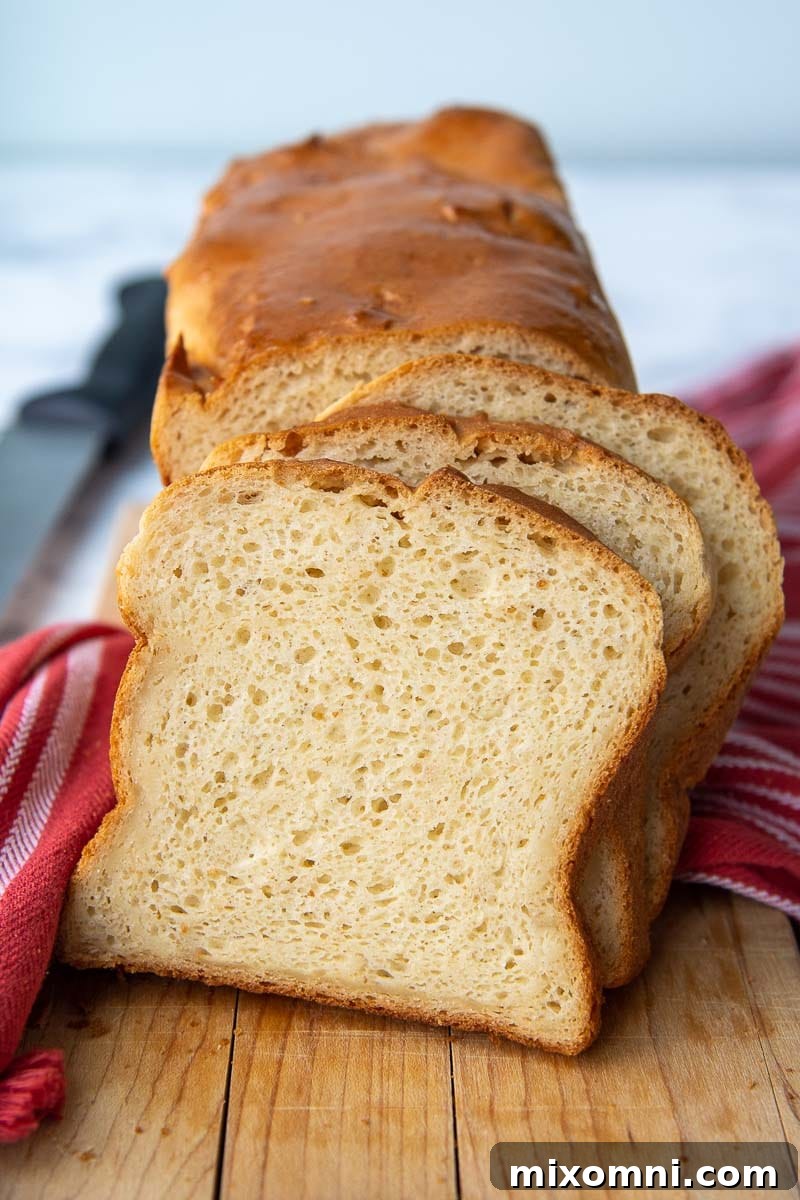
Why This Is the Best Gluten-Free Bread You’ll Ever Make (Seriously!)
My journey to a truly satisfying gluten-free bread recipe has spanned years, filled with countless trials and errors. For too long, every homemade attempt resulted in frustratingly dense, crumbly, or overly complicated loaves that simply weren’t worth the effort. I often resigned myself to buying expensive, often subpar store-bought gluten-free bread, prioritizing convenience over quality.
However, the overwhelming demand from my readers for a truly exceptional gluten-free bread fueled my dedication. Similar to perfecting my squishy-soft gluten-free dinner rolls and tender, fluffy gluten-free biscuits, this bread underwent extensive testing. I’m thrilled to finally present a recipe that not only meets but surpasses all my essential criteria for gluten-free excellence:
- Unbelievably Easy to Make: Forget complex steps and endless waiting. This recipe comes together in one bowl, requires just a single, short rise, and then bakes to golden perfection.
- Simple, Accessible Ingredients: You won’t need to hunt for obscure specialty items. This recipe uses ingredients you likely already have in your pantry or can easily find at any grocery store.
- Quick and Effortless Process: Who wants to spend an entire day baking a single loaf of bread? This recipe is designed for maximum flavor with minimal fuss, fitting easily into your busy schedule.
- Superior Taste and Texture: This is the most critical factor. This bread tastes demonstrably BETTER than any other gluten-free bread currently available, store-bought or homemade. It’s soft, moist, and has a delightful chew that rivals traditional wheat bread. Read the enthusiastic comments below for proof!
I would never endorse a recipe that didn’t unequivocally meet all these crucial standards. I understand the frustration of wasting precious time and expensive gluten-free ingredients on disappointing results. This recipe is designed to be a game-changer, saving you from that all-too-common vortex of GF baking letdowns.
My sincere hope is that this recipe fulfills all your gluten-free bread dreams, just as it has for me! Take a moment to see how this magical bread recipe has positively impacted members of our community, and I trust you’ll be inspired to explore the rest of our highly-reviewed gluten-free bread collection!
Delicious, easy bread! I have been gluten-free for over 15 years and have tried countless bread recipes. This by far is the easiest AND best tasting 👍🏼
—FancyMom
I never comment on things like this, but oh my god….I’ve tried so many gluten-free recipes and none fitted me properly. But this one? AMAZING!
—Ana
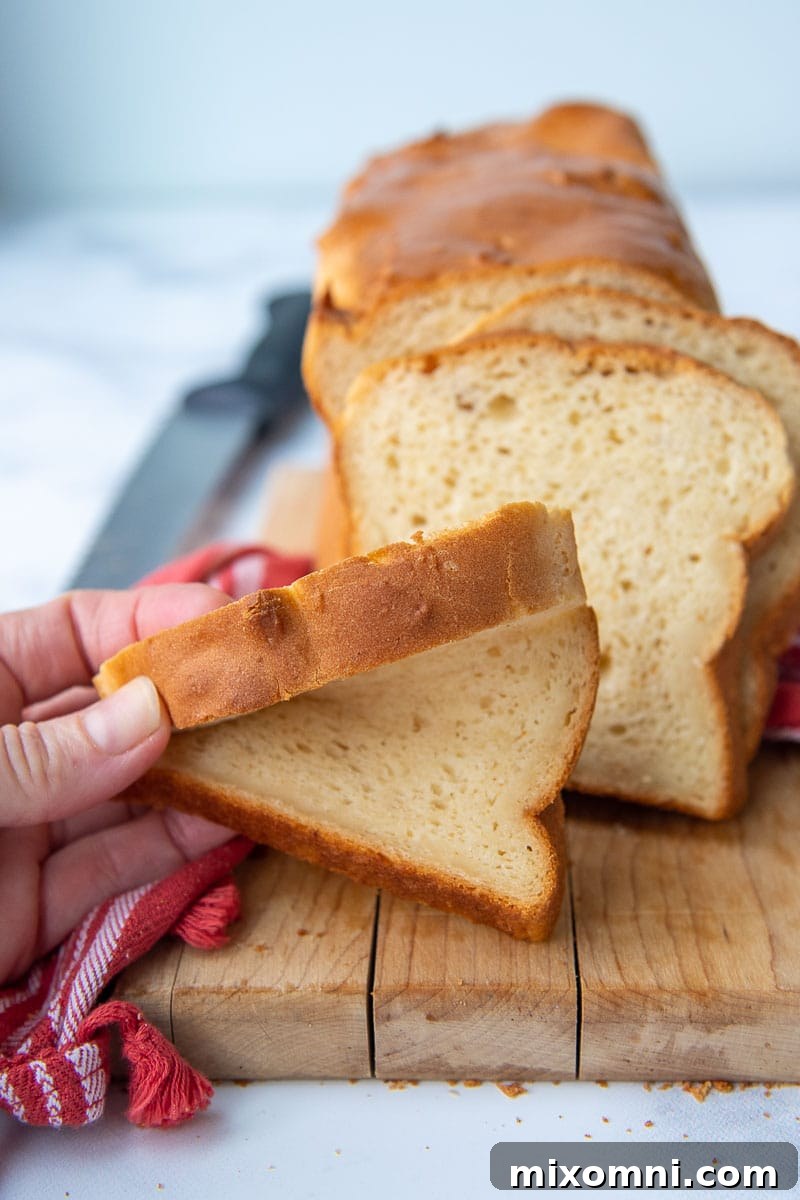
Essential Ingredients for Your Perfect Gluten-Free Loaf
Since sandwich bread is a daily essential, its ingredients should be simple, affordable, and readily available. This recipe also offers fantastic versatility; it’s perfect for crafting a classic, moist gluten-free stuffing, or I often use leftover slices to make homemade gluten-free bread crumbs (which can be frozen for future recipes).
- Gluten-Free Flour Blend: The quality of your bread hinges significantly on your choice of gluten-free flour. I wholeheartedly recommend Cup4Cup GF flour for its consistent, excellent results. While I’ve tested this recipe with various flours to ensure adaptability, some blends clearly outperform others. For detailed insights and alternative recommendations, please refer to our dedicated section on GF flour blends below.
- Psyllium Husk Powder (Optional but Recommended): I’ve prepared this bread multiple times, both with and without psyllium husk powder. While it doesn’t noticeably alter the taste, it significantly enhances moisture retention and acts as a binder, preventing the bread from becoming crumbly – a common issue in gluten-free baking. Interested in learning more? Discover why psyllium is a game-changer in gluten-free baking. It’s an affordable ingredient that makes a huge difference in texture.
- Honey: While granulated sugar can be substituted, I prefer honey for the extra moisture and subtle sweetness it imparts. Some readers have successfully reduced the amount of sugar, and that adjustment is perfectly fine.
- Oil: Feel free to use your preferred neutral-flavored oil. I typically opt for canola oil, but vegetable oil or melted coconut oil also work wonderfully. If you’re not making dairy-free bread, an equal amount of melted butter can also be used for a richer flavor.
- Milk Powder (Optional Addition): This is a newer, optional enhancement to the recipe, specifically included to boost moisture. Given that Cup4Cup recently removed milk powder from their formulation, I now remove 2 tablespoons of the gluten-free flour and replace it with 2 tablespoons of a gluten-free certified milk powder. This simple substitution works fabulously to maintain that ideal moist texture.
- Instant Rapid Rise Yeast: Essential for a good rise. Ensure your water is at the correct temperature (around 110°F or 43°C) to activate the yeast effectively.
- Baking Powder & Salt: Baking powder provides an extra lift, while salt balances the flavors and enhances the overall taste profile of the bread.
- Warm Water & Room Temperature Eggs: Using warm water is crucial for activating the yeast, and room temperature eggs integrate more smoothly into the batter, contributing to a more uniform and airy crumb.
Watch the Recipe: Visual Guide to Gluten-Free Bread Perfection
Let’s Bake This Together!
(Below, you’ll find step-by-step photos and detailed instructions. For the complete recipe, including precise ingredient amounts, please scroll down to the recipe card.)
Step 1: Combine Dry, Then Wet – It’s That Simple!
For the absolute best results, I highly recommend using a stand mixer equipped with a paddle attachment. Begin by adding all your dry ingredients – the gluten-free flour blend, instant yeast, optional psyllium husk, salt, and baking powder – to the mixing bowl. Mix them briefly on low speed until they are thoroughly combined. Once the dry ingredients are uniform, pour in the wet ingredients: room temperature eggs, oil, honey, and warm water.
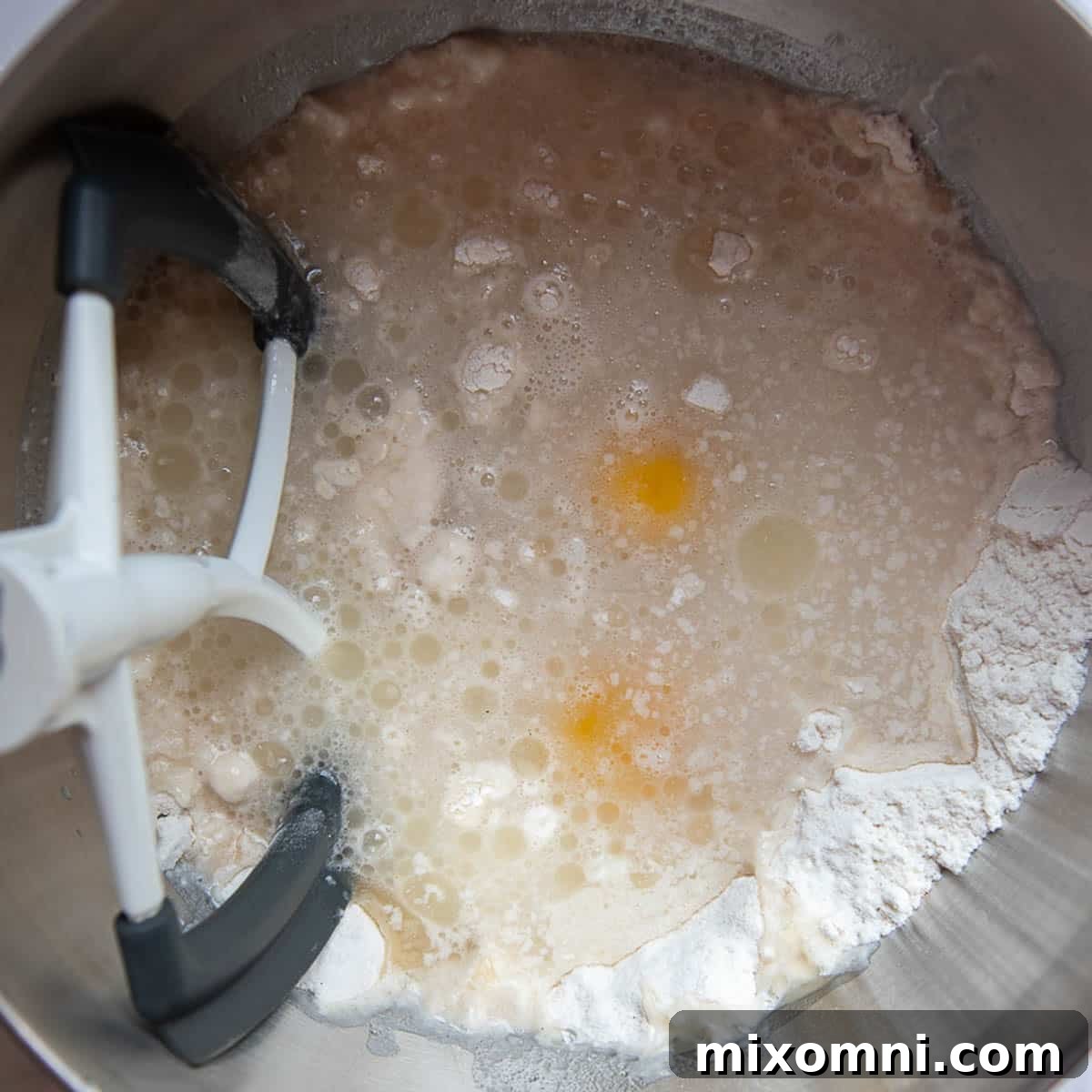
Step 2: Time to Beat the Dough for Optimal Texture
Once all ingredients are in the bowl, mix everything together on a low speed until just combined, about one minute. Then, increase the speed to medium and beat the dough vigorously for a full 5 minutes. This crucial beating time allows the starches in the gluten-free flour to fully hydrate and relax, ensuring your finished bread is wonderfully soft and smooth, rather than gritty. When you’re done, your dough will have a slightly loose, almost pourable consistency. Don’t worry, you’re absolutely on the right track!
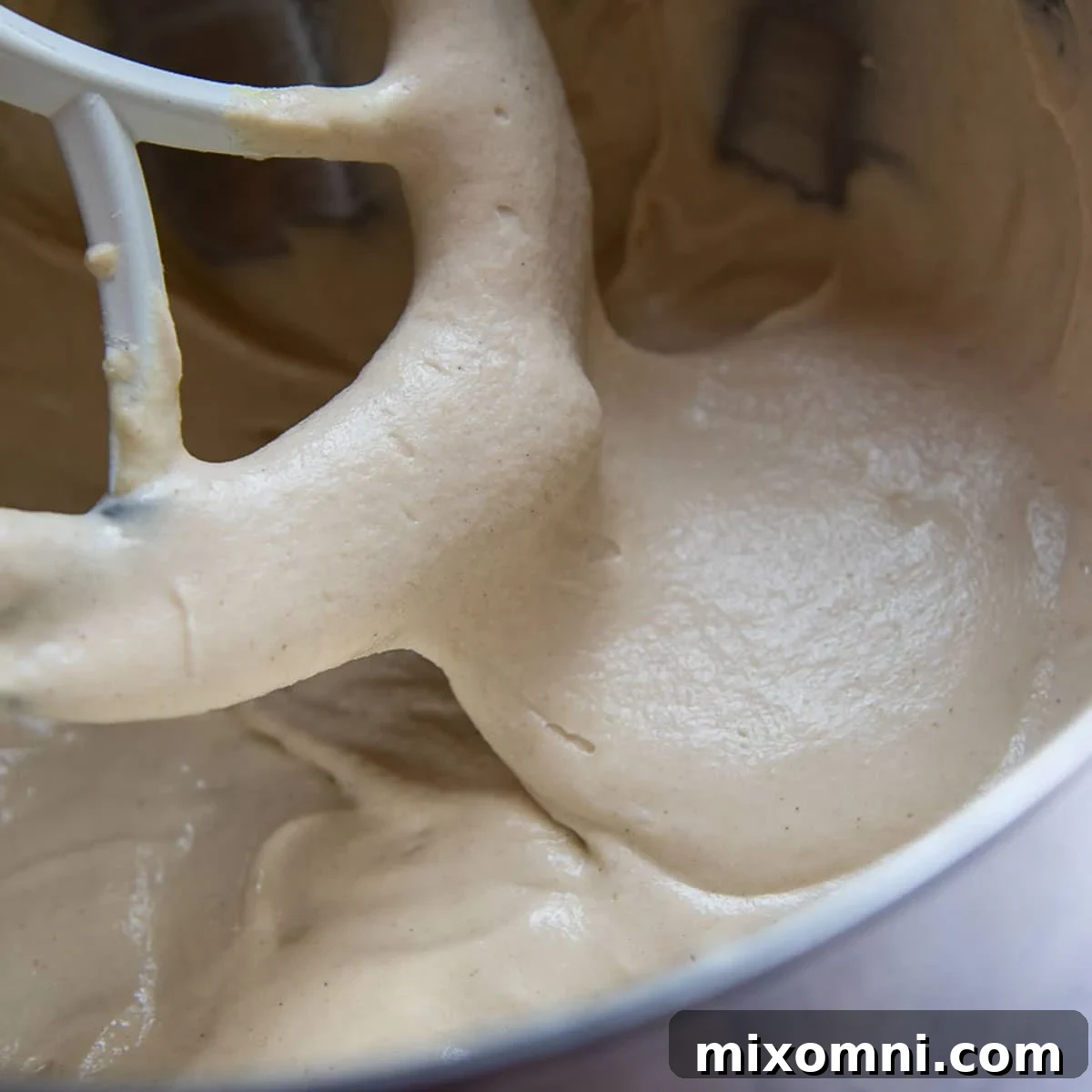
Step 3: The Critical Rise – Getting the Height Just Right
Carefully scrape the prepared dough into a greased bread pan. For achieving a beautifully tall, uniform sandwich-style loaf without the risk of overflowing, I highly recommend using a small Pullman loaf pan (no dinky slices here!). Spray one side of a large piece of plastic wrap with nonstick cooking spray and gently lay it, greased-side down, over the top of the pan. Place the pan in a warm, draft-free location while your oven preheats to 350ºF. Allow the bread to rise until it reaches approximately two-thirds of the way to the top of the pan, typically around 30-40 minutes. It’s important not to let it over-rise, as it will continue to expand in the oven.
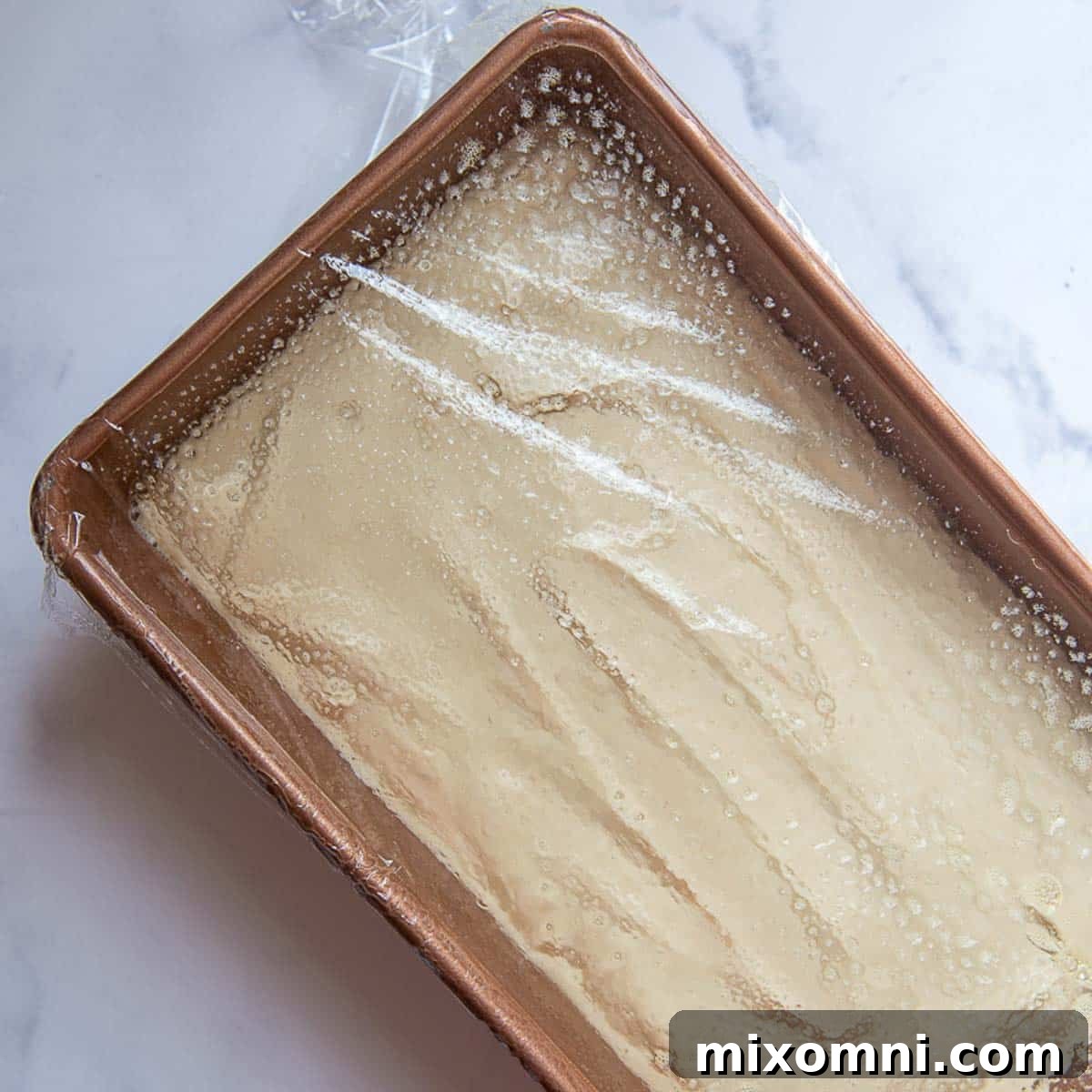
Step 4: Baking to Perfection & Essential Cooling Tips
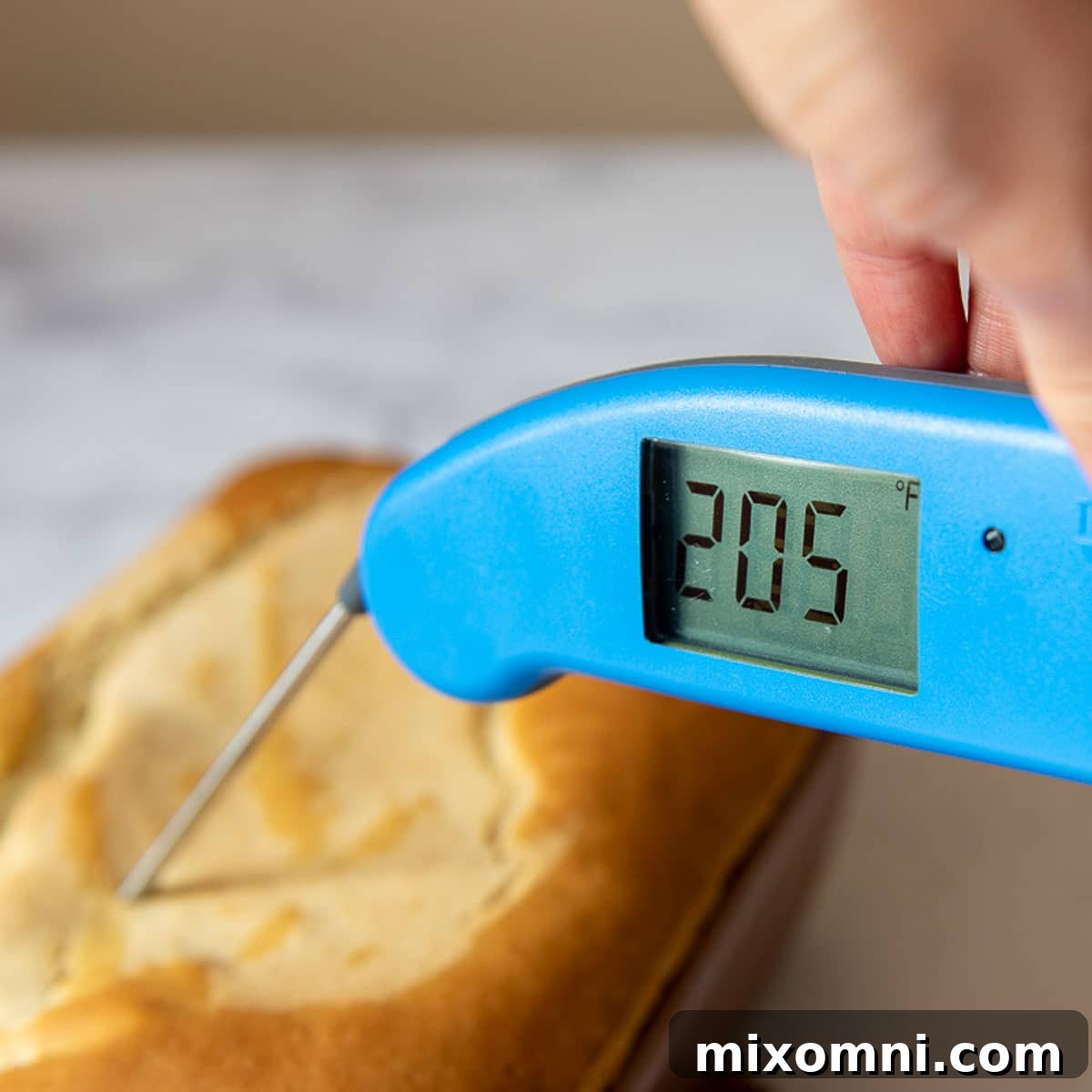
Once risen, gently remove the plastic wrap. Bake the bread on the middle rack of your preheated oven for 40-50 minutes. To prevent over-browning, loosely tent a piece of foil over the bread for the last 20 minutes of baking. The most reliable way to ensure your gluten-free bread is thoroughly cooked is to check its internal temperature, which should reach 205ºF (96°C).
I cannot stress enough the importance of using an instant-read thermometer (the linked one is my favorite!). Gluten-free breads often “look done” on the outside long before they are cooked through internally. An underbaked GF loaf will be dense and gummy. After baking, allow the loaf to cool in the pan for 5 minutes before carefully transferring it to a wire cooling rack. If you’ve used the recommended Pullman loaf pan, your loaf will be quite tall. To prevent it from sinking in the middle as it cools, you may even want to lay it on its side. Now, patiently allow the bread to cool completely for at least 2 hours before slicing. Voila! You now have the most legitimately soft and squishy sandwich bread you’ve ever experienced!
The Foundation of Success: Choosing the Right Gluten-Free Flour Blend
Once this recipe was perfected, it underwent rigorous testing with three distinct gluten-free flour blends to guarantee consistent, outstanding results across different brands. The choice of flour is paramount in gluten-free baking, as different blends contain varying starches and ratios that dramatically impact the final texture and flavor of your bread.
Drawing insights from extensive gluten-free flour research, I quickly eliminated Bob’s Red Mill 1-to-1 GF Flour from contention due to its consistently disappointing performance in various baking applications.
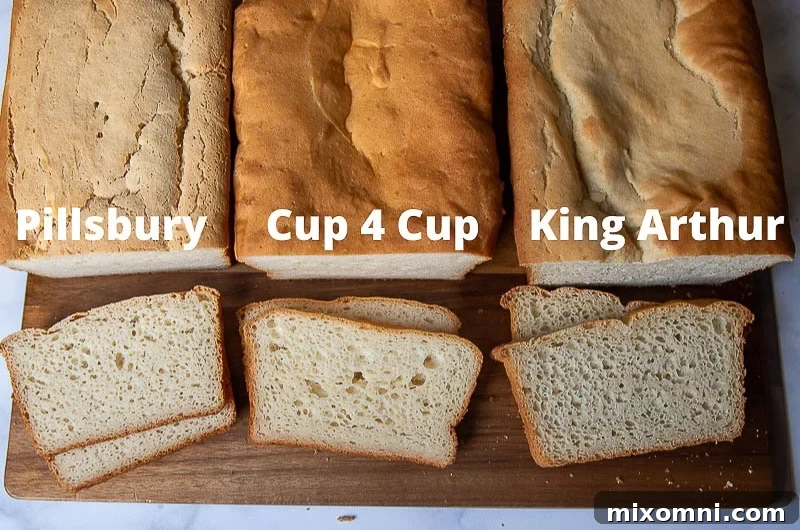
I then thoroughly tested with **Cup4Cup Gluten-Free Flour**, which consistently ranks as a top-performing blend, alongside King Arthur Measure-for-Measure, and Pillsbury gluten-free flour, the latter being included due to numerous reader inquiries about its suitability.
From a purely ease-of-use and baking standpoint, both Cup4Cup and King Arthur Measure-for-Measure performed admirably. Pillsbury, however, yielded a somewhat solid, almost rigid structure – which, unfortunately, was not a desirable outcome for soft sandwich bread. Cup4Cup produced the softest, most pliable loaf, with King Arthur offering a texture that fell pleasingly in between.
When it came to taste, Cup4Cup was the undisputed champion. The bread made with Cup4Cup had absolutely no discernible “gluten-free” taste; it was simply delicious, reminiscent of traditional white bread. It was wonderfully soft, remarkably squishy, and perfectly balanced with a subtle sweetness.
King Arthur Measure-For-Measure provided a favorable texture, but its flavor profile seemed a bit subdued compared to Cup4Cup. Additionally, King Arthur’s blend tends to absorb moisture at a slightly different rate. However, to ensure this recipe remains accessible to users of various flour blends, I’ve included some recommended adjustments within the recipe notes below for King Arthur, which yield excellent results.
Regrettably, the bread baked with Pillsbury GF flour was entirely inedible, tasting like dry cardboard and going straight into the trash. While Pillsbury GF flour might work for certain other recipes, it unequivocally did not perform well with this particular bread recipe.
If you have questions about using a different gluten-free flour blend not mentioned here, I strongly encourage you to peruse the comments section below. Many readers have shared their experiences and success stories with various other brands!
Important Notes on Serving and Storage for Ultimate Enjoyment
One of the remarkable qualities of this particular gluten-free bread is that it doesn’t generally require toasting or a buttered griddle to taste delicious – a common necessity for many other GF breads. This recipe yields a loaf that is exceptionally soft and fluffy even at room temperature, truly setting it apart.
However, please take note: if you are retrieving slices from the freezer and intend to serve them at room temperature, it is crucial to allow the bread to defrost thoroughly first. If served even slightly chilled, the texture can become more crumbly and less appealing. For optimal texture and flavor, fully defrosted or toasted from frozen is recommended.
Frequently Asked Questions About Baking Gluten-Free Bread
Do I Need a Stand Mixer for This Recipe?
The short answer is yes and no. While it’s definitely possible to make this sandwich bread using a hand mixer, a stand mixer with a paddle attachment makes the process considerably easier and more efficient. Given the relatively large amount of flour and the consistency of gluten-free dough, a hand mixer would be quite taxing on both the appliance and yourself, potentially leading to inconsistent results.
If investing in a stand mixer isn’t feasible right now (though I am absolutely obsessed with mine for all my baking needs!), a gluten-free bread machine presents a more budget-friendly and equally easy alternative. Many modern bread machines have a dedicated gluten-free setting that simplifies the entire process.
Can I Make This Recipe Dairy-Free?
Absolutely! This recipe is naturally dairy-free if you use a plant-based oil (like canola or coconut oil) instead of butter. If you’re adding optional milk powder, ensure it’s a gluten-free certified milk powder that is also dairy-free.
How Do I Know if My Yeast is Active?
Before mixing, ensure your warm water is around 110°F (43°C). You can test your yeast by dissolving it in a small amount of this warm water with a pinch of sugar. If it’s active, it will become foamy and bubbly within 5-10 minutes. If it doesn’t, your yeast might be old, or your water might be too hot or too cold, and you should start with fresh yeast.
What if My Gluten-Free Bread Sinks in the Middle?
Sinking in the middle is a common issue with gluten-free bread and usually indicates one of two things: either the bread was over-proofed (rose too much before baking) or it was underbaked. Follow the rising instructions carefully to ensure the dough only rises two-thirds of the way up the pan. Crucially, always use an instant-read thermometer to confirm the internal temperature reaches 205°F (96°C) before removing it from the oven to ensure it’s fully cooked through.
Save This Recipe to Your Pinterest Board!
Let’s be friends on Pinterest! I’m always sharing great recipes!
Did you make this recipe? I love hearing from you! Leave a star rating and comment below the recipe card. Your feedback helps others searching for recipes, and I always appreciate hearing from our community. You will always hear back from me! -Melissa
Legit Squishy-Soft Gluten-Free Bread Recipe

Melissa Erdelac
Learn how to make the best squishy soft gluten-free bread easily from scratch! This homemade sandwich bread is made using simple ingredients, requires just a dump and mix, one rise, and, honestly, will be the end-all for GF bread searches. If my word isn’t good enough, read the hundreds of 5-star reviews below, or better yet, make this easy loaf today and let me know what you think!
Pin
Rate
Remove Ads
Ingredients
- 3 cups (438 g) gluten-free all-purpose flour, Cup4Cup gluten-free flour highly recommended – see recipe notes for optional milk powder addition and alternative flour notes
- 1 (9 g) packet (2 ¼ tsp) instant rapid rise yeast
- 1 tablespoon (11 g) psyllium husk powder (optional), helps with bread moisture & structure (what is psyllium husk?)
- 1 teaspoon baking powder
- 1 teaspoon salt
- 1 ½ cups (338 g) warm water (110°F), see recipe note if using alternative flour
- 2 large eggs, room temperature
- ¼ cup (85 g) honey
- ¼ cup (55 g) vegetable oil or coconut oil
Equipment
-
Stand Mixer
-
Cup4Cup Gluten-Free Flour
-
9X4 Loaf Pan
Instructions
-
Using a stand mixer with paddle attachment, mix together gluten-free flour, yeast, optional psyllium husk powder, baking powder, and salt on low speed until combined.3 cups gluten-free all-purpose flour, 1 packet (2 ¼ tsp) instant rapid rise yeast, 1 tablespoon psyllium husk powder (optional), 1 teaspoon baking powder, 1 teaspoon salt
-
Add warm water, eggs, honey, and vegetable oil. Mix on low speed to let the dough come together, about 1 minute.1 ½ cups warm water (110°F), 2 large eggs, ¼ cup honey, ¼ cup vegetable oil or coconut oil
-
Increase speed to medium and beat for 5 minutes, scraping down paddle and bowl halfway through. The batter will be stiff, but sticky.
-
Grease a 9X4 baking pan (recommended). Pour into the pan and smooth top evenly with a spatula. Spray a large piece of plastic wrap with nonstick cooking spray. Lay the plastic, greased side down, over the pan.
-
Set in a warm, draft-free place to rise until the bread reaches two-thirds to the top of the pan (do not let it go over this point because it rises more in the oven). This should take about 30 minutes. Meanwhile preheat oven to 350°F (175°C).
-
Remove plastic and bake bread on middle rack for 40-50 minutes, tenting a piece of foil loosely over the bread halfway through. The internal temperature of the bread should read 205°F (96°C).
-
Allow the loaf to cool for 5 minutes in the pan and then remove to a cooling rack. Allow bread to cool completely, at least 2 hours, before slicing. For best results, serve the bread at room temperature, toasted, or grilled. Chilled, cold bread has an adverse effect on texture.
Notes
Adding Milk Powder
This is a new addition to the recipe and is completely optional, but it significantly enhances the bread’s moisture. Recently, Cup4Cup removed milk powder from their formulation. To compensate, I now remove 2 tablespoons of the GF flour and replace it with 2 tablespoons of gluten-free certified milk powder. This modification can be applied to any GF flour blend, not just Cup4Cup, for improved moisture.
Alternative Gluten-Free Flour Adaptations
KA Measure-For-Measure – I find this flour blend to be slightly less flavorful and moist. To improve results, consider adding an additional ¼ tsp of salt and incorporating milk powder using the method explained above. I also recommend reducing the water slightly to 1 ¼ cups + 2 tbsp (305 g) to help build structure and prevent the bread from sinking during cooling.
King Arthur Gluten-Free Bread Flour – I recently tried this blend and was very pleased with the results! It offers a great taste and a lovely soft texture. My only recommendation would be to cut back on the psyllium husk powder by half or even eliminate it entirely, as this blend already contains similar binders.
Psyllium Husk Powder Benefits
I’ve made this bread many times, both with and without psyllium husk powder. While it doesn’t impact the flavor, it is invaluable for maintaining moisture, preventing a crumbly texture, and making the bread even softer and more pliable.
Psyllium husk powder is quite affordable, has a long shelf life, and profoundly improves the texture of gluten-free breads by enhancing their moisture absorption and binding properties.
I recommend using the psyllium listed in the ingredients because its lighter color won’t affect the bread’s appearance. Some psyllium powders are darker and can give gluten-free baked goods a grayish or purplish hue.
How to Make in a Bread Machine
Although I haven’t personally tested this recipe in a bread machine, several readers have reported excellent results! You will need a bread machine with a gluten-free setting. First, add all the wet ingredients to the bottom of the bread baking pan. Then, layer the dry ingredients on top. Select the “gluten-free” setting on your bread machine and start the cycle.
Freezing / Storing Gluten-Free Bread
Gluten-free bread typically has a shorter shelf life than traditional wheat bread. Refrigerating it will dry it out quickly and is not recommended. While it can be wrapped tightly and left at room temperature for a day or two, it will rapidly lose its optimal taste and texture.
For the best results, slice and freeze the bread only after it has completely cooled (allow at least 3 hours). You can then pull out individual slices from the freezer as needed to defrost or toast directly from frozen.
As noted earlier, this recipe is unique because the bread is exceptionally soft and fluffy even at room temperature, without requiring toasting.
However, a crucial reminder: if you’re taking bread from the freezer and plan to serve it at room temperature, ensure it is thoroughly defrosted first. Even slight chilling can negatively impact its texture, making it more crumbly.
Calories: 147kcal
,
Carbohydrates: 24g
,
Protein: 3g
,
Fat: 5g
,
Saturated Fat: 3g
,
Cholesterol: 23mg
,
Sodium: 177mg
,
Potassium: 41mg
,
Fiber: 3g
,
Sugar: 6g
,
Vitamin A: 34IU
,
Calcium: 34mg
,
Iron: 1mg
Did you make this recipe?
Please leave a star rating and review below. It helps others when searching for recipes and I LOVE feedback!