
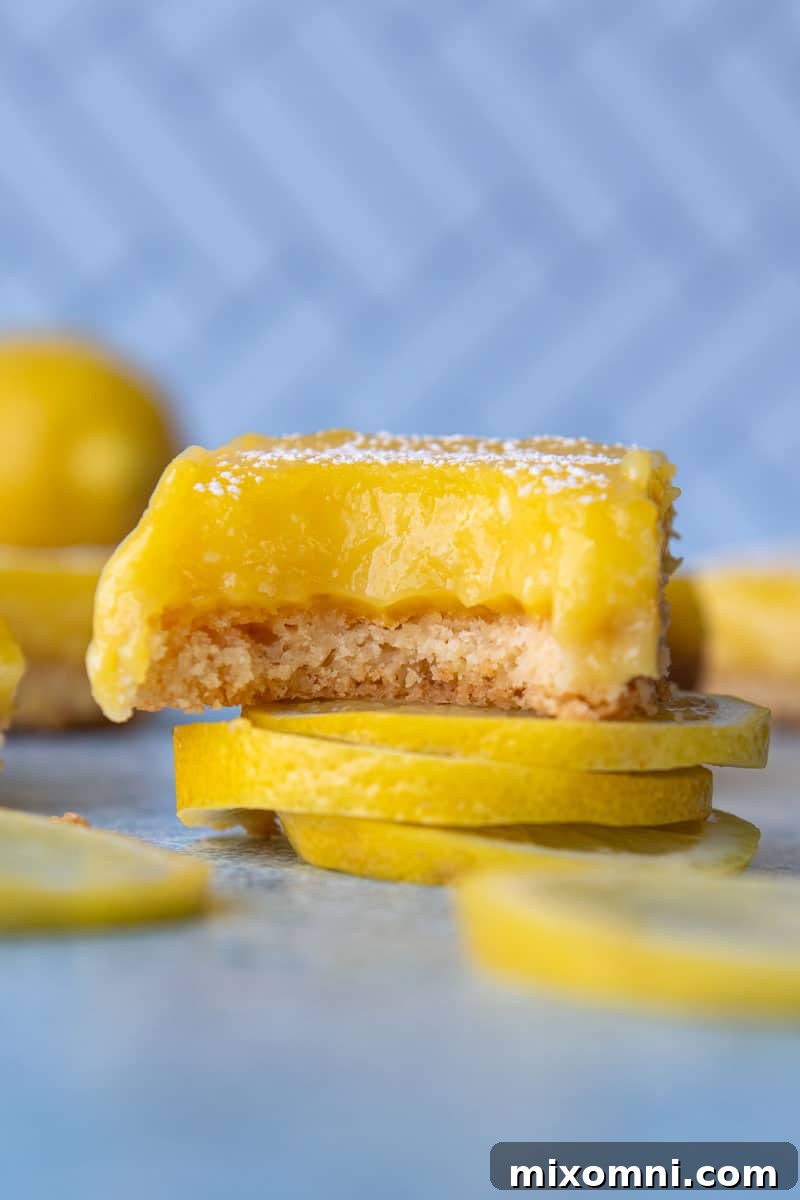
Embark on a delightful baking journey to create the ultimate homemade lemon squares, featuring a tender, flaky crust that defies gluten-free expectations. This meticulously crafted gluten-free lemon bars recipe employs a smart, no-fail method, guaranteeing a perfectly set, vibrantly tangy lemon custard atop a crisp, buttery base. The harmonious blend of sweet and tart citrus crowning a classic shortbread crust can be effortlessly prepared using a food processor or stand mixer, making gourmet gluten-free baking accessible to everyone.
Mastering Gluten-Free Lemon Bars: A Recipe for Success
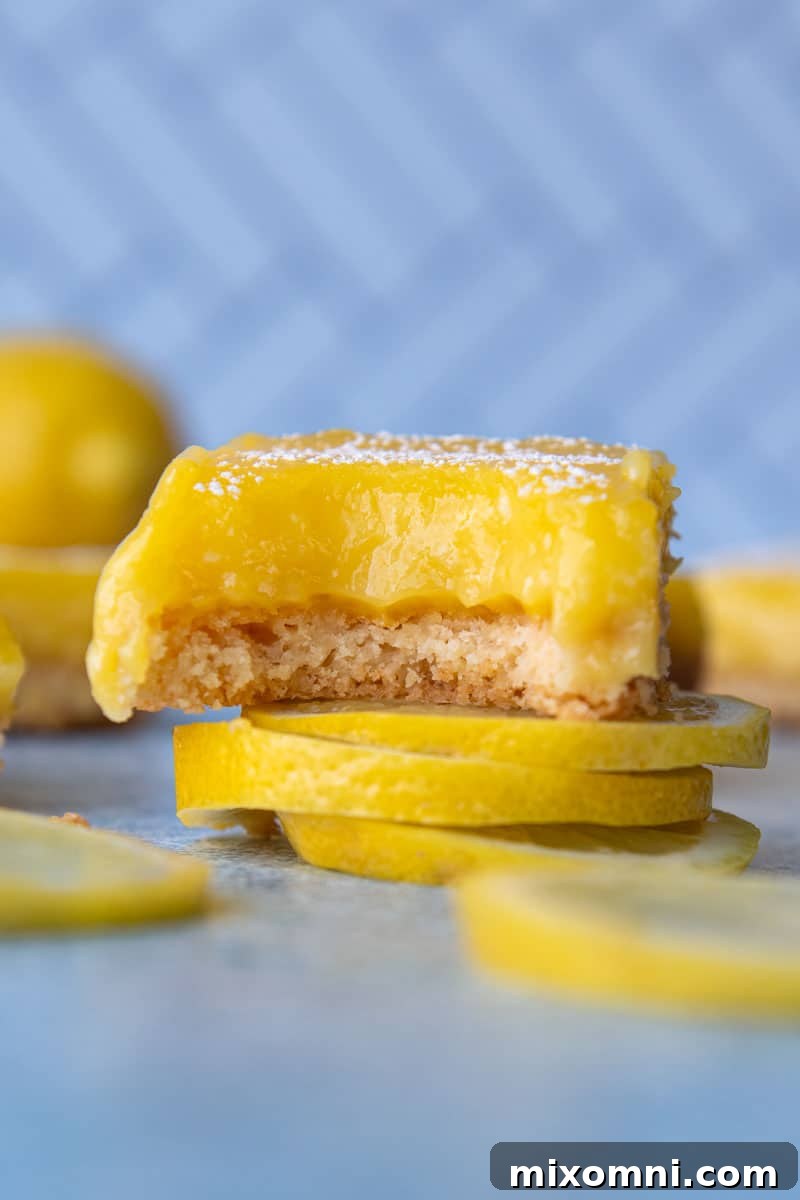
Rediscover the joy of classic lemon bars, potentially even surpassing the nostalgic treats from childhood. This particular gluten-free lemon bars recipe introduces a clever technique that results in a lemon topping that is exquisitely soft and slightly gooey, yet firm enough to hold its shape for clean, elegant squares perfect for serving. Achieving this delicate balance in gluten-free baking requires a nuanced approach, and this recipe delivers just that.
Through extensive testing, it became clear that simply baking the lemon topping along with the crust would not yield optimal results for gluten-free creations. Gluten-free baked goods typically require a slightly longer baking duration due to the differing absorption rates of fat and moisture into starches. To circumvent the common issues of an overbaked crust or an undercooked filling, a two-stage baking process was developed. The creamy lemon custard first undergoes an initial thickening on the stovetop, initiating the cooking process and stabilizing the filling. Concurrently, the gluten-free shortbread crust is partially baked before the filling is added. This ensures both layers achieve their ideal textures—a delightful contrast of soft, gooey lemon against a crisp, flaky crust, perfectly embodying the essence of exceptional homemade lemon squares.
When crafting the flavor profile for any lemon dessert, whether it’s a homemade gluten-free lemon bundt cake or a fresh lemon blueberry sheet cake, the key lies in balancing vibrant, tangy citrus with just the right amount of sweetness. For these gluten-free dessert bars, the juice and zest of four fresh lemons are utilized, ensuring an intense and authentic lemon flavor that truly shines through.
To further guarantee a crust that is both solid and beautifully flaky, another crucial baking tip is employed: gradually blending the butter into the dry ingredients. This can be done efficiently in a food processor or a stand mixer. This method ensures that the fat is thoroughly incorporated with the gluten-free flour, resulting in a shortbread that is crisp, tender, and far from dry or crumbly. This attention to detail in the crust’s preparation is paramount to the overall success and enjoyment of these lemon bars.
Continue reading to uncover the step-by-step guide to making this easy gluten-free lemon bar recipe. We’ll cover essential ingredient notes, potential substitutions, a dairy-free adaptation, and even instructions for making gluten-free lemon squares with a fantastic almond flour crust alternative.
Essential Ingredients for Your Perfect Lemon Bars
For the luscious, creamy lemon filling, aim to use approximately four fresh lemons for both their juice and zest. The quality of your lemons makes a significant difference, so always opt for fresh over concentrated lemon juice to avoid any unwanted bitterness. While this recipe has not been tested with sugar substitutes, a dairy-free butter alternative, such as Earth Balance, is a viable option for those with dietary restrictions.
- Gluten-Free Flour Blend: I highly recommend using Cup4Cup Gluten Free Flour. Its unique blend, which includes cornstarch, is particularly effective at eliminating any potential grittiness often associated with gluten-free baking. When making simple crusts or homemade gluten-free shortbread cookies, a high-quality, reliable gluten-free all-purpose flour is indispensable due to the minimal number of ingredients involved. This ensures a consistent and superior texture.
- Unsalted Butter: Butter plays a dual role in this recipe. In the crust, it provides that desirable crisp texture and rich flavor. In the custard, it combines with the egg yolks to impart an unparalleled richness and silky smoothness. Using unsalted butter allows for precise control over the overall saltiness of the dessert.
- Eggs: You will need three whole large eggs, plus an additional three egg yolks. This specific ratio ensures a generously thick layer of lemon filling that is both flavorful and structurally sound, aiding in its perfect set. Eggs are crucial for binding and emulsifying the custard.
- Lemons: As mentioned, only freshly squeezed lemon juice should be used for the best, brightest, and most authentic lemon flavor. Concentrated lemon juice often lacks the nuanced aroma and can be overly bitter or artificial tasting. Similar to vibrant fresh gluten-free lemon poppy seed muffins, both the juice and zest are vital to maximize the complex citrus notes.
- Cream of Tartar: This often-overlooked ingredient is a secret weapon in lemon squares. It serves two primary functions: enhancing the natural tanginess of the lemon by reacting with the acid, and more importantly, stabilizing the eggs in the custard. This stabilization contributes significantly to the filling’s structure, preventing it from becoming too runny or overly firm.
Crafting Your Gluten-Free Lemon Bars: A Step-by-Step Guide
(The following section provides step-by-step photos and detailed instructions. For the complete recipe, including precise ingredient amounts and nutritional information, please refer to the comprehensive recipe card located further down the page.)
To create these effortlessly delicious lemon bars, begin by preparing the crust. Allowing the crust to partially cool before topping it with the fresh lemon filling is a crucial step. The lemon custard, as a testament to our foolproof method, first thickens beautifully on the stovetop before it finishes baking in the oven, ensuring a perfectly set and delicious result every single time.
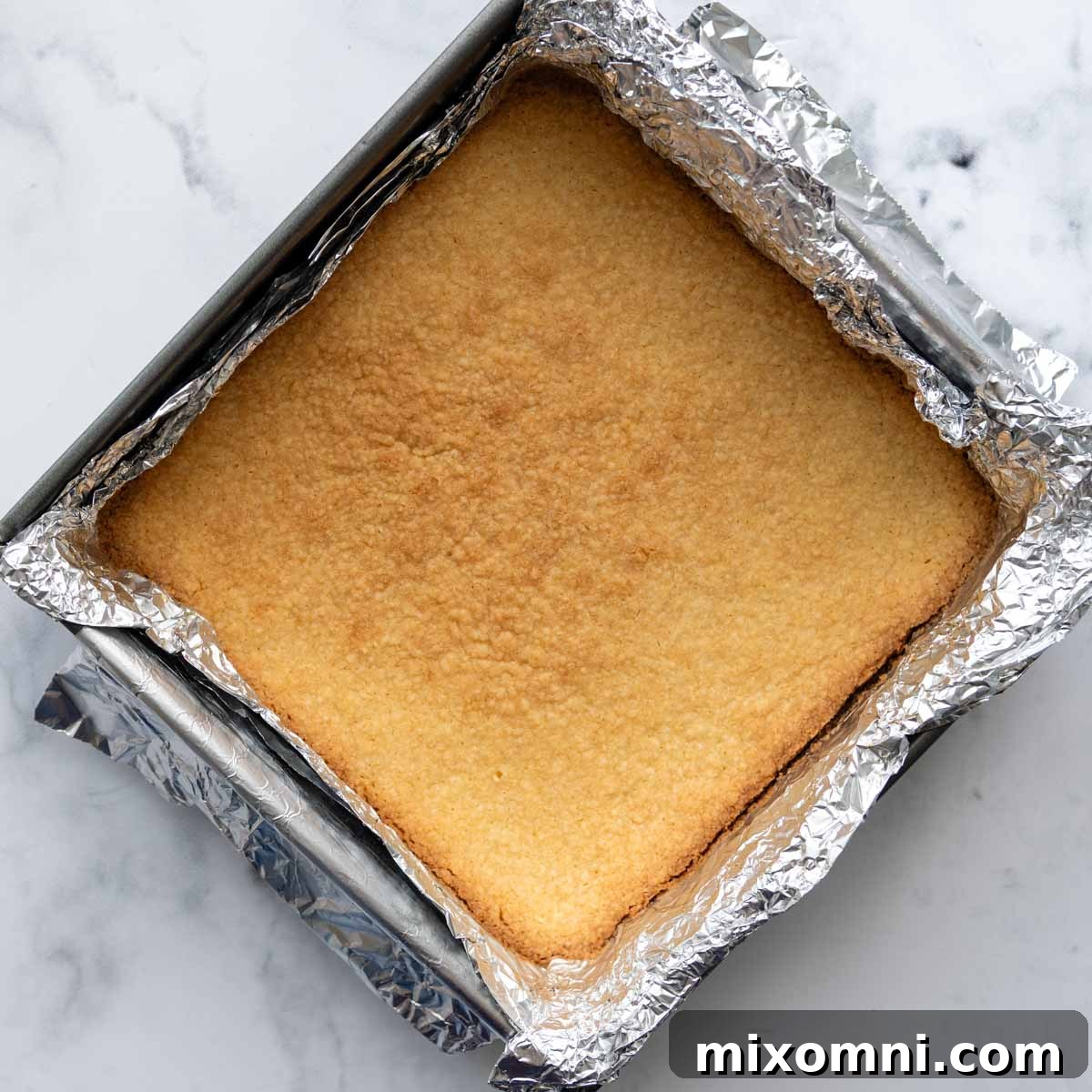
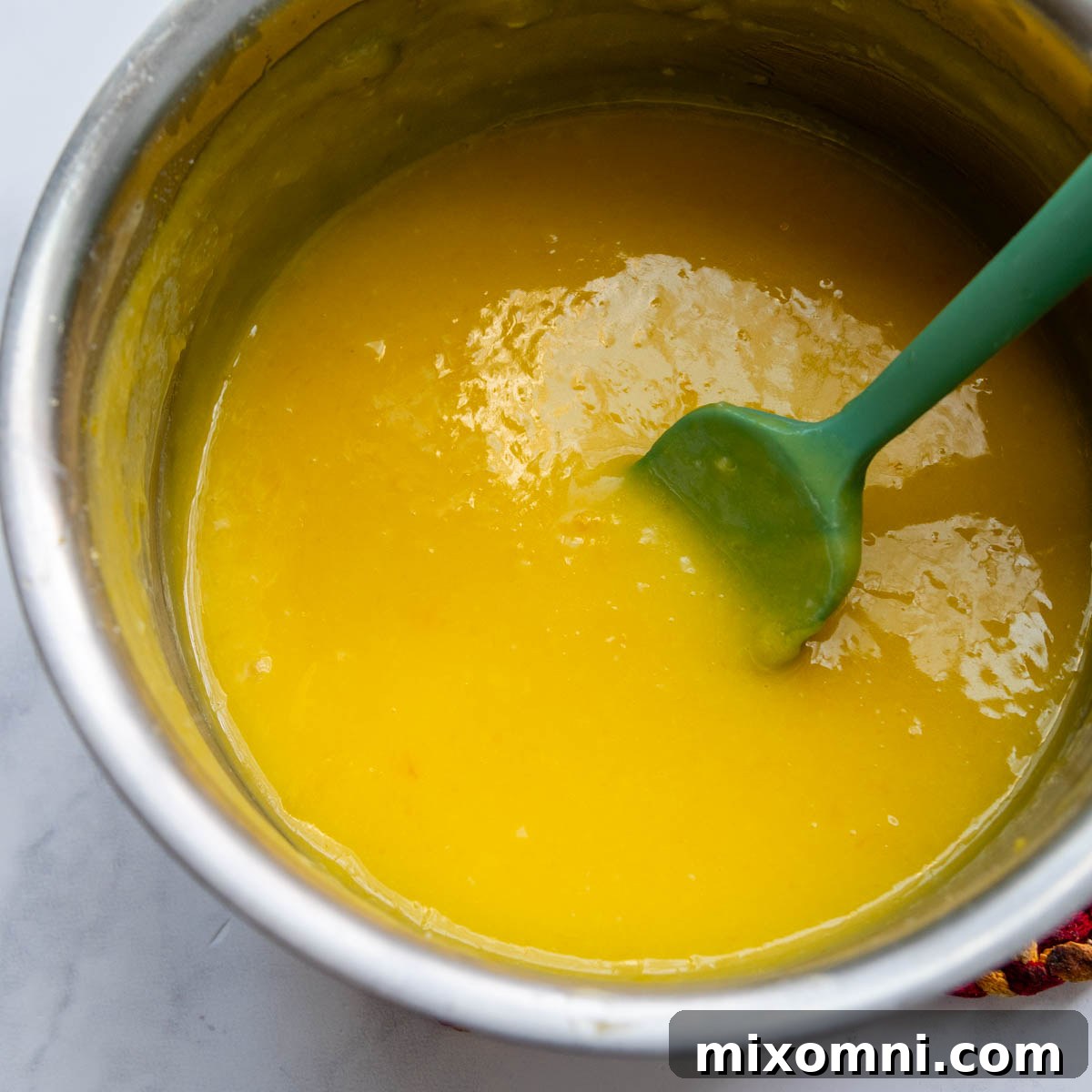
(Reminder: This is a visual and descriptive tutorial. For precise measurements and a condensed format, please refer to the detailed recipe card at the conclusion of this article.)
- Prepare the Crust: For the finest shortbread crust, utilize either a stand mixer equipped with a paddle attachment or a food processor. This equipment is key to thoroughly incorporating the butter, preventing a dry and crumbly texture. In the large bowl of your mixer or food processor, combine the gluten-free flour, granulated sugar, and salt on low speed until just mixed.
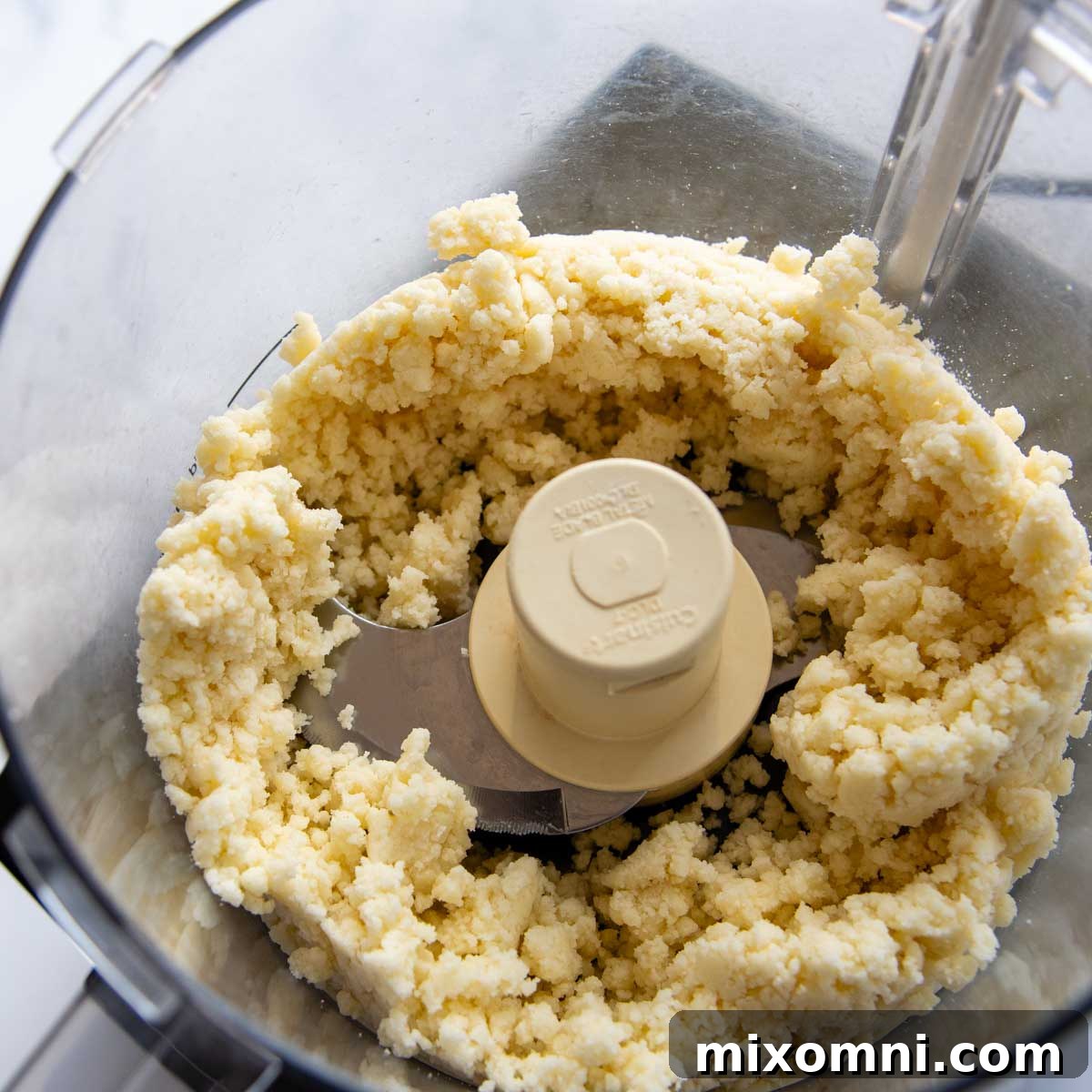
- Incorporate Butter: Gradually add the softened unsalted butter, one tablespoon at a time, ensuring each piece is fully blended before adding the next. Continue mixing until the dough begins to pull away from the sides of the bowl and forms a cohesive mass with no dry pockets remaining.
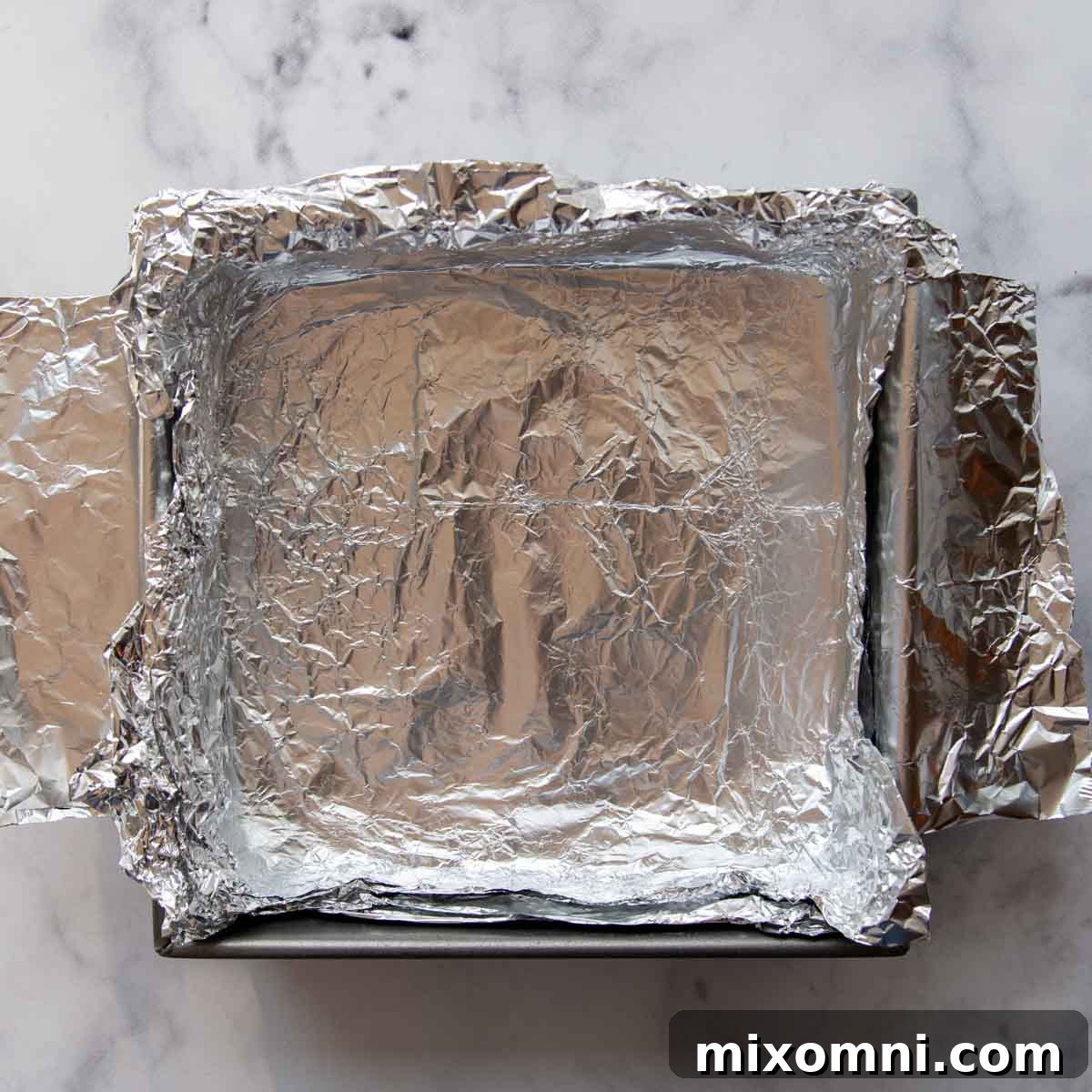
- Line and Press: Prepare an 8×8 inch baking pan by lining it with a large sheet of aluminum foil. Press the foil firmly into the bottom and up the sides, leaving a generous overhang. This “foil sling” will allow for easy lifting and removal of the bars after baking. Press the prepared gluten-free shortbread dough firmly and evenly into the lined pan.
- Pre-bake the Crust: Bake the crust in a preheated 350ºF (175ºC) oven for 20-25 minutes, or until it achieves a delicate, light golden brown color. Remove the pan from the oven and allow the crust to cool slightly while you prepare the lemon filling, keeping the oven on.
- Prepare the Lemon Filling: In a medium saucepan, thoroughly whisk together the dry ingredients for the filling: granulated sugar, gluten-free flour, cream of tartar, and salt. Then, add the whole eggs, additional egg yolks, fresh lemon zest, and freshly squeezed lemon juice. Whisk vigorously until all ingredients are well combined and smooth.
- Thicken on the Stovetop: Place the saucepan over medium-low heat and cook, whisking constantly, until the mixture visibly thickens and reaches a temperature of 160ºF (71ºC). This process typically takes about 5-7 minutes. An instant-read thermometer is invaluable for quickly checking the temperature and ensuring perfect consistency.
- Finish the Filling: Remove the thickened lemon filling from the heat and stir in the cold butter until it is completely melted and incorporated, adding a final touch of richness. Pour the hot lemon filling evenly over the partially baked crust in the prepared pan.
- Final Bake and Chill: Return the pan to the oven for an additional 10-12 minutes, or until the edges of the filling are slightly raised and the center barely jiggles when the pan is gently shaken. Avoid over-baking. Once baked, allow the bars to cool completely to room temperature on a wire rack. Then, chill them in the refrigerator for at least 2 hours to ensure they are fully set. Once chilled, use the foil overhangs to lift the bars out of the pan, dust generously with powdered sugar, and slice with a sharp, clean knife to serve.
Exploring an Almond Flour Crust Alternative
For those seeking a grain-free option or a different textural experience, replacing the traditional gluten-free shortbread crust with an almond flour-based crust is an excellent choice. You might consider adapting recipes for an almond flour pie crust or even a pecan crust to create a unique base for your lemon bars.
For optimal results when using an almond flour or nut-based crust, it is advisable to use a 9×9 inch pan instead of an 8×8 inch pan. This slight increase in pan size helps maintain a more balanced proportion of crust to filling, which can be particularly important with a less dense crust. Additionally, when using these alternative crusts, line the pan with a large piece of parchment paper instead of foil. Parchment paper provides a smoother surface and often makes it easier to lift out the squares once the filling has cooled and set.
Ensure the alternative crust is baked completely according to its specific recipe instructions before pouring the lemon curd filling over it. The flour typically used in the lemon filling can be replaced with an equivalent amount of cornstarch or arrowroot starch to achieve the desired thickening, ensuring your grain-free lemon bars are just as delightful. While an almond flour or nut crust may not be as structurally firm as a traditional shortbread crust, it offers a wonderfully rich flavor and a delicious way to enjoy a grain-free dessert with all the classic taste of lemon bars!
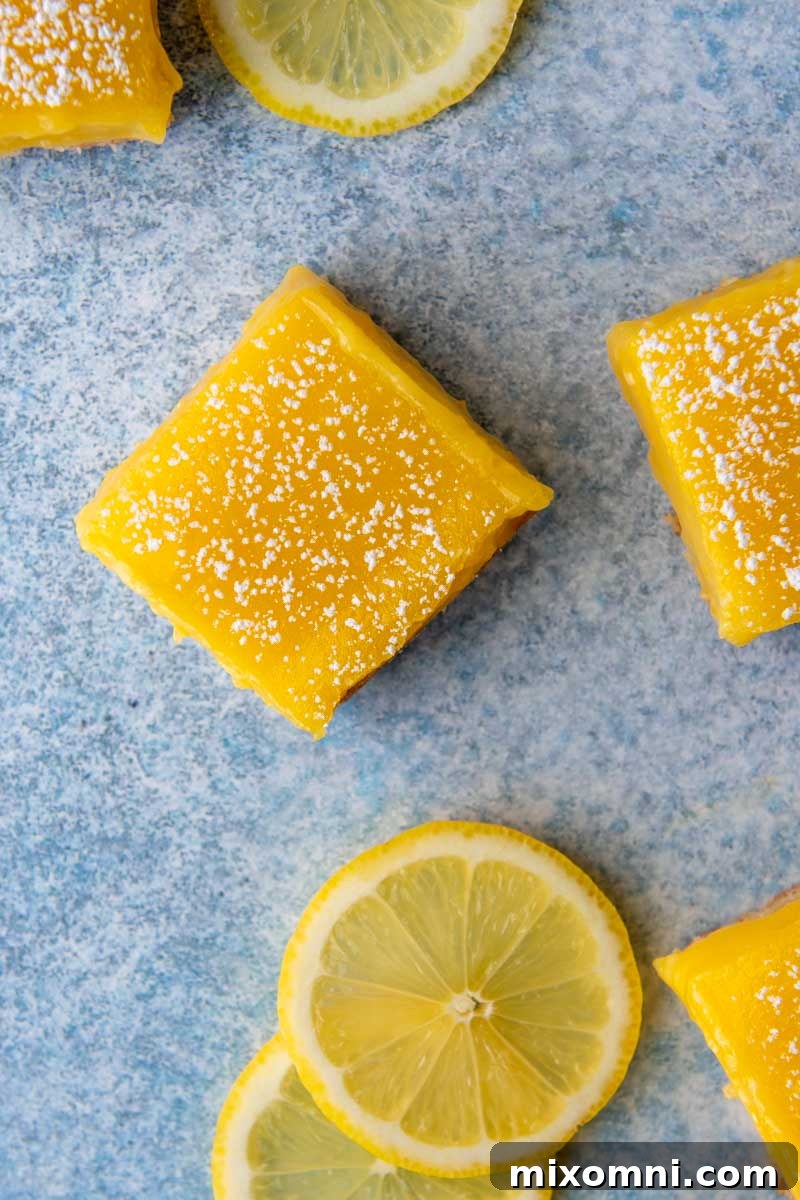
Substituting Limes for Lemons: A Zesty Twist
If you’re in the mood for a vibrant variation, transform these delightful lemon bars into refreshing gluten-free lime bars. Simply replace the fresh lemon juice and zest with equal amounts of freshly squeezed lime juice and zest. As with lemons, using fresh limes is paramount for achieving the brightest, most authentic lime flavor, far superior to bottled concentrates.
Knowing When Your Lemon Bars Are Perfectly Baked
One of the key advantages of this recipe’s unique two-stage approach—where the custard filling begins cooking on the stovetop—is that it significantly shortens the final baking time in the oven and simplifies the guesswork involved in determining doneness. This ensures a consistent result, eliminating the common issue of an overbaked crust or an unset filling.
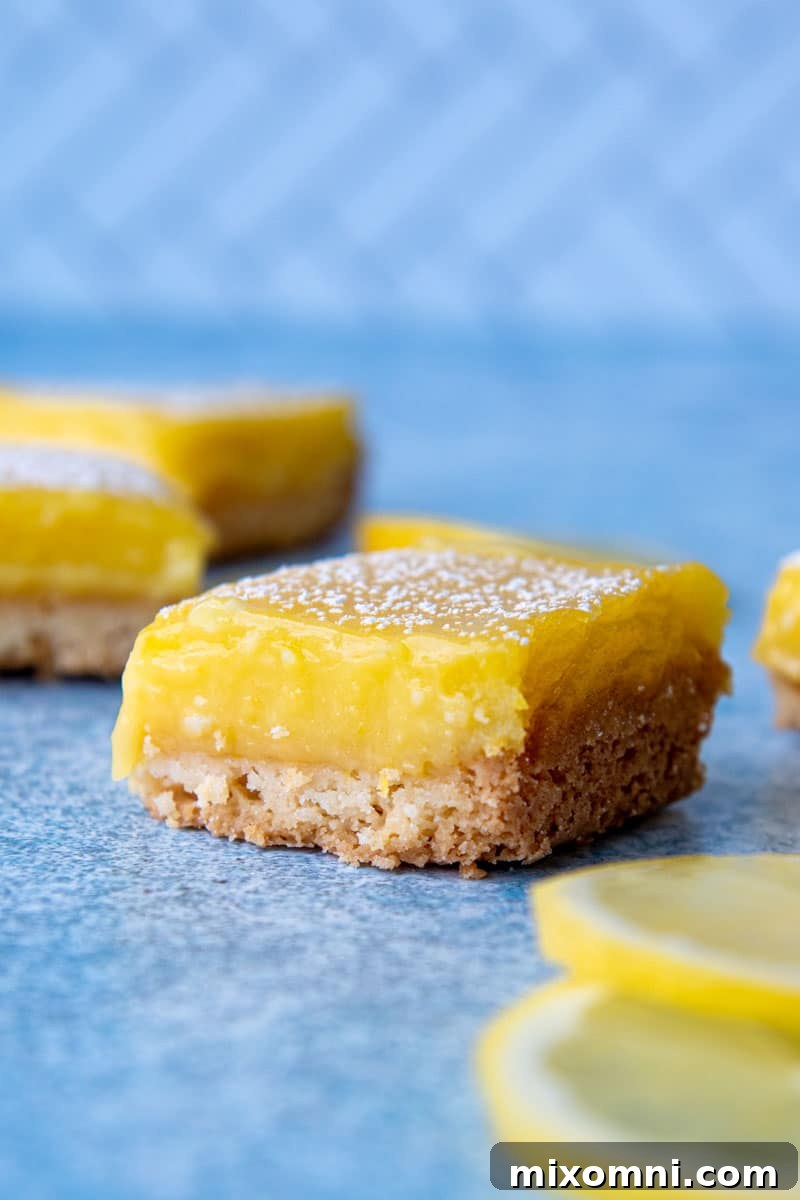
When your lemon bars are ready, the edges of the filling should appear slightly raised and set. The very center, however, will still exhibit a slight jiggle when the pan is gently moved. This is precisely what you’re looking for – it indicates a creamy, perfectly cooked custard that will firm up beautifully upon cooling, without becoming rubbery or dry. It should not slosh around like liquid, but rather have a subtle, jelly-like movement.
For the absolute best texture and ease of cutting, it is crucial to allow the bars to cool completely to room temperature on a wire rack first. Following this, chill them in the refrigerator for a minimum of two hours. This chilling period is essential for the filling to fully set, ensuring clean, sharp slices and a delightful eating experience.
Storing and Serving Tips for Flawless Lemon Bars
Once your delectable lemon bars have cooled completely to room temperature, they require a vital chilling period of at least two hours in the refrigerator. This step is non-negotiable for the filling to achieve its final, perfect set, allowing for clean cuts and a stable texture. After serving, any leftover bars should be stored in an airtight container in the refrigerator. This not only preserves their freshness but also maintains their structural integrity.
It’s worth noting that upon sitting, especially overnight, any powdered sugar dusted on top tends to be absorbed into the filling. For the most appealing presentation, consider giving your bars another light dusting of powdered sugar just before serving any leftovers. This adds a fresh, beautiful finish that truly elevates the visual appeal of these sunny treats.
When it comes to slicing the bars, the luscious, gooey filling can sometimes cause the knife to stick, leading to less-than-perfect cuts. To achieve beautifully clean and precise slices, a simple trick works wonders: run a sharp knife under hot water between each cut. Then, carefully wipe the blade clean with a dry dish towel. This warm, clean blade glides through the filling smoothly, preventing sticking and ensuring every bar looks as good as it tastes.
Save This Irresistible Recipe to Your Pinterest Board!
Let’s be friends on Pinterest! I’m always sharing fantastic recipes!
Did you try this amazing recipe? I truly love hearing from you! Please consider leaving a star rating and a comment below the recipe card. Your feedback is incredibly valuable; it helps other home bakers find and enjoy these recipes, and I always appreciate hearing about your experiences. You can always expect a response from me! -Melissa

Fresh Gluten-Free Lemon Bars with Shortbread

Melissa Erdelac
16 servings
15 mins
40 mins
55 mins
Pin Recipe
Ingredients
Gluten-Free Shortbread Crust
- 1 ⅓ cup (181.33 g) gluten free all purpose flour, I use and recommend Cup4Cup
- ⅓ cup (66.67 g) granulated sugar
- ¼ teaspoon (0.25 teaspoon) salt
- 8 tablespoons (8 tablespoons) unsalted butter, softened and cut into 8 pieces
Lemon Filling
- 1 cup (200 g) granulated sugar
- 2 tablespoons (2 tablespoons) gluten free all purpose flour, I use and recommend Cup4Cup
- 2 teaspoons (2 teaspoons) cream of tartar
- ¼ teaspoon (0.25 teaspoon) salt
- 3 (3) large eggs + 3 egg yolks
- 2 teaspoons (2 teaspoons) grated lemon zest
- ⅔ cup (162.67 g) fresh lemon juice, about 4 lemons
- 4 tablespoons (4 tablespoons) unsalted butter, cut in 4 pieces
- powdered sugar, for serving
Equipment
-
Citrus Juicer
-
Zester
-
Food Processor
Instructions
-
Preheat the oven to 350ºF (175ºC). Line an 8×8 inch pan with a large piece of foil, pressing it firmly to the bottom and sides, ensuring enough overhang to easily lift the bars out after baking. Set aside.
-
For the crust, use a food processor or a stand mixer fitted with a paddle attachment. On low speed, combine the 1 ⅓ cup gluten-free all-purpose flour, ⅓ cup granulated sugar, and ¼ teaspoon salt.
-
Add the 8 tablespoons softened unsalted butter to the dry ingredients, one tablespoon at a time, blending completely between each addition. Continue mixing until the dough pulls away from the sides of the bowl and comes together without any dry crumbs.
-
Pour the dough into the prepared baking pan, pressing it firmly into an even layer. Bake for 20-25 minutes, rotating halfway through, until it is lightly golden brown. Remove from the oven, but leave the oven on while you prepare the filling.
-
For the filling, in a medium saucepan, whisk together 1 cup granulated sugar, 2 tablespoons gluten-free all-purpose flour, 2 teaspoons cream of tartar, and ¼ teaspoon salt. Add the 3 large eggs + 3 egg yolks, 2 teaspoons grated lemon zest, and ⅔ cup fresh lemon juice. Whisk thoroughly to combine all ingredients.
-
Cook the mixture over medium-low heat, stirring constantly, until it thickens and reaches a temperature of 160ºF (71ºC), which usually takes about 5-7 minutes. (Use an instant-read thermometer for a quick and accurate check.)
-
Remove the saucepan from the heat and stir in the 4 tablespoons unsalted butter until it is fully melted and incorporated. Pour the hot filling evenly over the baked crust.
-
Return the pan to the oven for 10-12 minutes, or until the edges of the filling are slightly raised and the center barely jiggles when the pan is gently shaken. Cool the bars completely to room temperature, then chill in the pan for at least 2 hours. Lift the bars out of the pan using the foil handles, cut into squares, dust the tops with powdered sugar, and serve. Store any leftovers in an airtight container in the refrigerator.
Notes
How to tell when lemon bars are done baking
The bars should have raised edges and a set middle. The center will still have a slight jiggle when the pan is gently shaken, but it should not slosh like liquid.
For best results, cool the bars completely on a wire rack and then chill for at least 2 hours before cutting and serving.
Storing
Store cut lemon bars in an airtight container in the refrigerator. The powdered sugar may absorb into the filling over time, so you might want to dust them again just before serving leftovers.
Crust recipe adapted from The How Can it Be Gluten Free Cookbook and filling adapted from Cook’s Illustrated.
Calories:
199
kcal
,
Carbohydrates:
26
g
,
Protein:
3
g
,
Fat:
10
g
,
Saturated Fat:
6
g
,
Trans Fat:
1
g
,
Cholesterol:
74
mg
,
Sodium:
168
mg
,
Potassium:
95
mg
,
Fiber:
1
g
,
Sugar:
17
g
,
Vitamin A:
337
IU
,
Vitamin C:
4
mg
,
Calcium:
19
mg
,
Iron:
1
mg
Did you make this recipe?
Please leave a star rating and review below. It helps others when searching for recipes and I LOVE feedback!
This post contains affiliate links. My opinions are always my own. If you purchase a product through an affiliate link, I make a small commission – at no cost to you. Read full disclosure policy here.