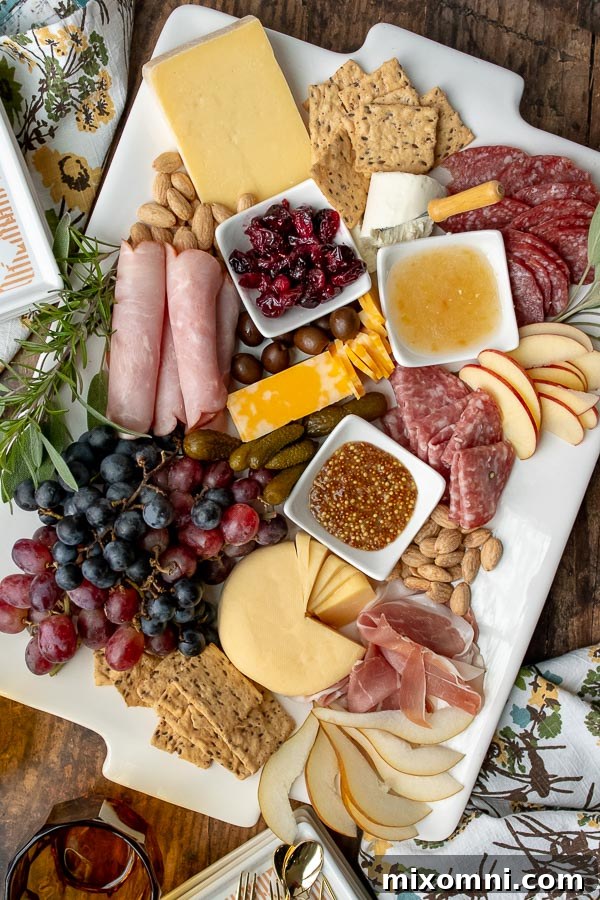
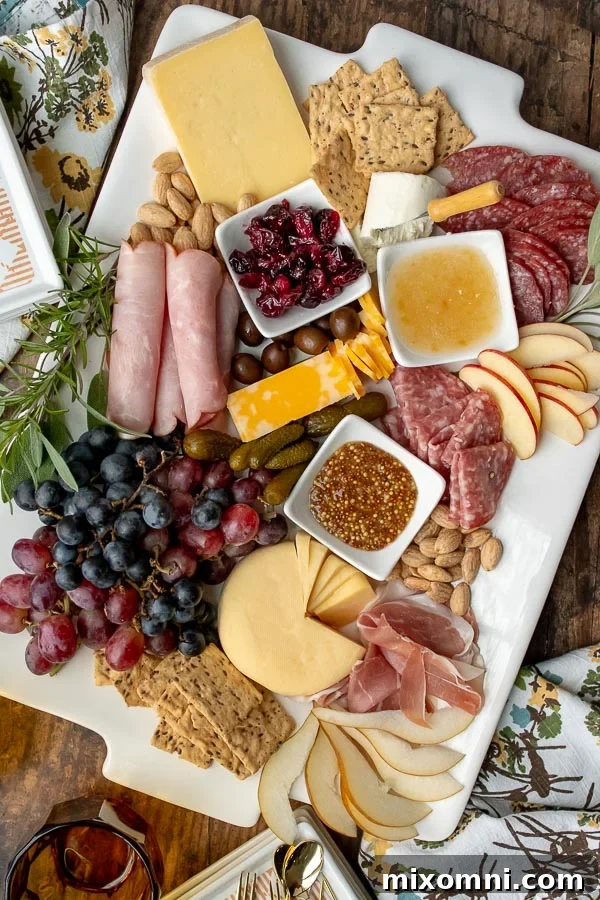
Delight your guests and elevate any gathering with a stunning charcuterie board. This comprehensive guide provides **creative charcuterie board ideas** and expert tips to help you arrange an exquisite spread of meats, cheeses, and all the perfect accompaniments. Whether you’re a seasoned host or new to the art of platter building, learn to craft a **beautiful, easy charcuterie platter** that’s guaranteed to impress and perfect for entertaining.
What is a Charcuterie Board?
Before diving into the delicious details, let’s clarify what we’re talking about. The term “charcuterie” (pronounced shahr-koo-tuh-REE) originates from France, where a charcutier is a pork butcher specializing in preparing cured, smoked, and cooked meats. Historically, charcuterie was about preserving meats like salami, ham, bacon, sausages, and pâtés for extended periods, enhancing their flavor in the process.
In modern culinary culture, a charcuterie board has evolved into a sophisticated art form. It refers to an artfully arranged platter featuring a variety of cured meats, often accompanied by an assortment of cheeses, crackers, fruits, nuts, olives, and delectable spreads. It’s more than just a meat and cheese tray; it’s a sensory experience, a visual feast, and a culinary journey designed for sharing and savoring.
These versatile platters are ideal for entertaining, allowing guests to graze and mingle freely. They make a fantastic addition to wine tasting parties, casual get-togethers, holiday celebrations, or even game day gatherings, offering something delicious for every palate.
Essential Ingredients for Your Ultimate Charcuterie Board
Crafting a memorable charcuterie board starts with selecting the right ingredients. The key is to offer a variety of flavors, textures, and colors to create an engaging and satisfying experience. Consider the size of your gathering and your budget when choosing items, as specialty meats and cheeses can be pricey.
Meats: The Foundation of Your Charcuterie
Aim for 3-4 different types of cured meats to offer a range of flavors and textures. From robust and spicy to mild and delicate, each adds a unique character to your board. Look for:
- Hard Salami: A classic choice, often featuring garlic and peppercorns.
- Prosciutto: Thinly sliced, delicate, and salty; a true Italian delicacy.
- Smoked Ham: Offers a smoky, savory counterpoint.
- Dry-Cured Chorizo: Spicy and flavorful, perfect for those who enjoy a kick.
- Genoa Salami: Known for its rich, garlicky flavor and soft texture.
- Capicola: A spicy Italian pork shoulder, often marbled and tender.
- Mortadella: A large Italian sausage, similar to bologna but with distinct specks of fat and sometimes pistachios.
- Summer Sausage: A tangy, often smoky, semi-dry sausage that’s a crowd-pleaser.
Cheeses: A Symphony of Flavors and Textures
Select at least three different cheeses to provide variety. Think about contrasting textures (soft, semi-soft, hard) and distinct flavor profiles (mild, sharp, creamy, pungent). Here are some suggestions:
- Creamy & Soft Cheeses: These spreadable cheeses offer a delightful contrast to crunchy crackers and firm meats.
- Brie: Buttery and mild with an edible rind.
- Goat Cheese (Chèvre): Tangy and fresh, often available in various flavors.
- Camembert: Similar to Brie but typically richer and more pungent.
- Burrata: A delicate fresh mozzarella shell filled with creamy curds.
- Delice de Bourgogne: A rich, triple-cream cheese with a decadent texture.
- Hard Cheeses: Firm and aged, these cheeses often have nutty or salty notes and are perfect for slicing or breaking into shards.
- Pecorino Romano: A sharp, salty sheep’s milk cheese.
- Grana Padano: A hard, granular cheese with a nutty, savory flavor.
- Manchego: A firm, buttery sheep’s milk cheese from Spain.
- Semi-Soft Cheeses: These versatile cheeses offer a pleasant chewiness and a range of flavors.
- Butterkase: A buttery, mild German cheese.
- Cheddar: A universally loved cheese, ranging from mild to extra sharp.
- Gouda: Sweet and nutty, becoming caramel-like with age.
- Emmental: A Swiss cheese with a distinctive nutty, fruity flavor.
- Edam: A semi-hard Dutch cheese with a mild, nutty taste.
- Mozzarella: Fresh mozzarella balls add a soft, milky element.
- Provolone: A firm, mild Italian cheese, often sliced.
- Strong & Salty Cheeses: For those who appreciate bold flavors.
- Blue Cheese: Pungent and complex, a delightful pairing with sweet elements.
- Feta: Salty and crumbly, perfect with fresh vegetables or olives.
Accompaniments: The Supporting Cast
These elements bring balance, texture, and visual appeal to your board, complementing the meats and cheeses beautifully.
- Crackers & Breads: Offer a variety of textures and flavors.
- Assorted Crackers: Plain, seeded, or herb-infused varieties.
- Gluten-Free Options: Simple Mills almond flour crackers or Mary’s Gone Crackers seed crackers are excellent choices.
- Crusty Bread or Baguette slices: A classic accompaniment.
- Olives & Pickles: Provide a briny, tangy counterpoint.
- Mixed Olives: Kalamata, Castelvetrano, or a blend.
- Gherkin Pickles: Small, tart, and crunchy.
- Sweet Red Cherry Peppers: Add a pop of color and mild sweetness.
- Jams, Spreads & Honey: Essential for balancing rich flavors and adding sweetness.
- Fruity Jams: Fig, apricot, or berry jams pair wonderfully with cheeses.
- Mustards: Stone ground or spicy mustards (like a Hot Sweet Mustard recipe) are perfect with cured meats.
- Honey or Fresh Honeycomb: A decadent drizzle for cheeses, especially blue or goat cheese.
- Nuts & Dried Fruits: Add crunch, sweetness, and chewiness.
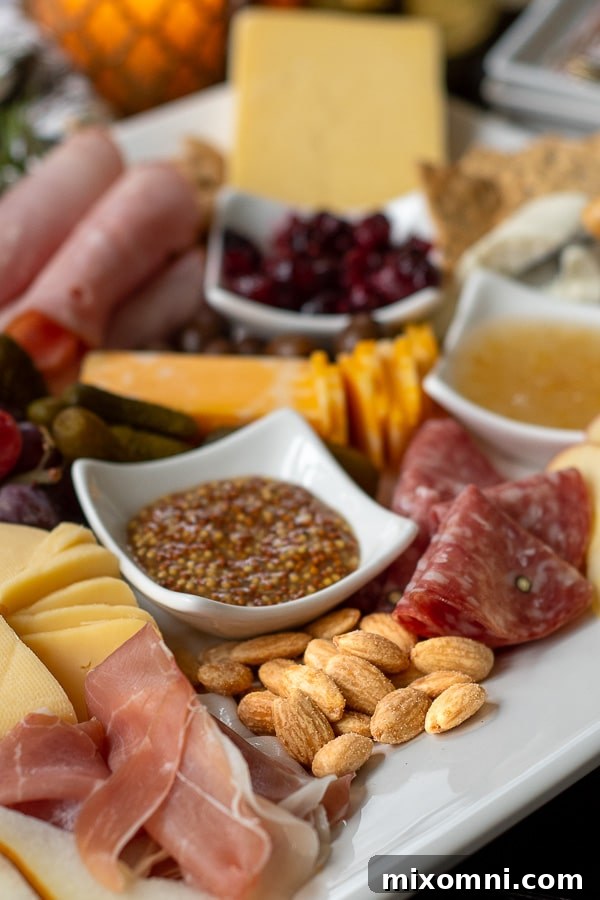
- Nuts: Flavored almonds, pistachios, Marcona almonds, walnuts, or even homemade candied pecans.
- Dried Fruits: Apricots, figs, cranberries, or cherries.
- Fresh Fruits & Vegetables (Crudités): Introduce freshness, color, and natural sweetness.
- Sliced Apples & Pears: Offer crispness and a hint of sweetness.
- Grapes & Berries: Beautiful, refreshing, and easy to eat.
- Cucumbers & Cherry Tomatoes: Crisp, cool, and hydrating.
- Sun-Dried Tomatoes: Intense flavor and chewy texture.
Budget-Friendly Charcuterie Board Tips
Creating an impressive charcuterie board doesn’t have to break the bank. With a few smart strategies, you can assemble a lavish spread without overspending:
- Strategic Shopping: Stores like Aldi often carry a fantastic assortment of unique cheeses and cured meats at competitive prices. Keep an eye out for sales on specialty items.
- Utilize the Salad Bar: For smaller gatherings, your grocery store’s salad bar can be a hidden gem. You can pick up smaller quantities of olives, marinated vegetables, or fresh feta without committing to a larger, pricier package.
- Bulk Up with Affordables: Meats and specialty cheeses are usually the most expensive components. To keep costs down, fill out the majority of your platter with more affordable items like a generous selection of fruits, a variety of crackers, nuts, jams, honey, and fresh vegetables.
- Dips and Hummus: If you’re feeding a large crowd, incorporate dips like hummus, a creamy spinach artichoke dip, or baked ricotta. These are relatively inexpensive fillers that are delicious and satisfying.
- Visit Your Local Deli: Instead of pre-packaged meats, buy sliced-to-order quality meats from your local deli. You can purchase the exact amount you need, reducing waste and often getting fresher options.
- Pair Smartly: Combine one or two higher-end, gourmet cheeses with more common, budget-friendly varieties like cheddar, mozzarella, or provolone. Guests will appreciate the variety, and the overall cost will be lower.
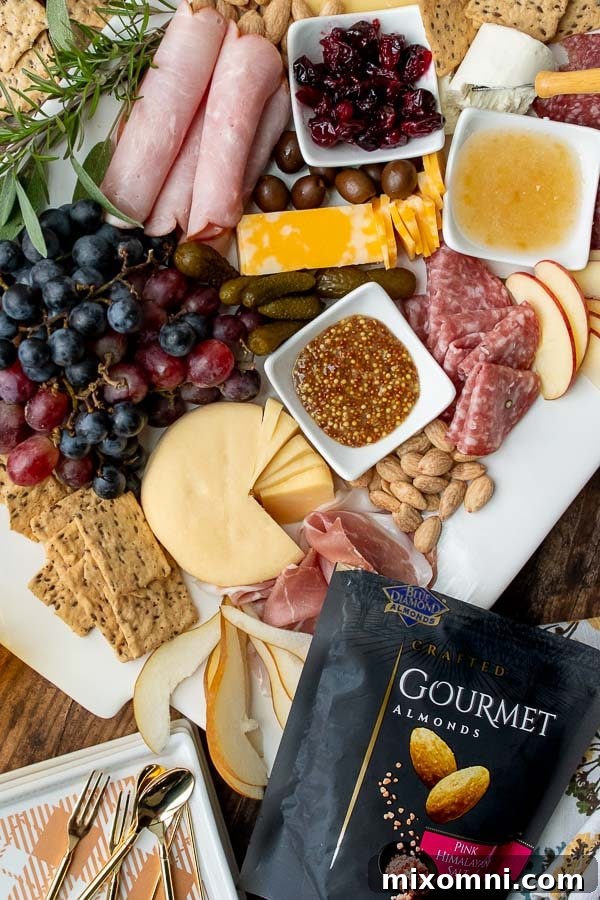
How to Build the Best Charcuterie Board: A Step-by-Step Guide
Assembling a visually appealing and delicious charcuterie board is easier than you think. Follow these steps to create a show-stopping appetizer that will impress your guests:
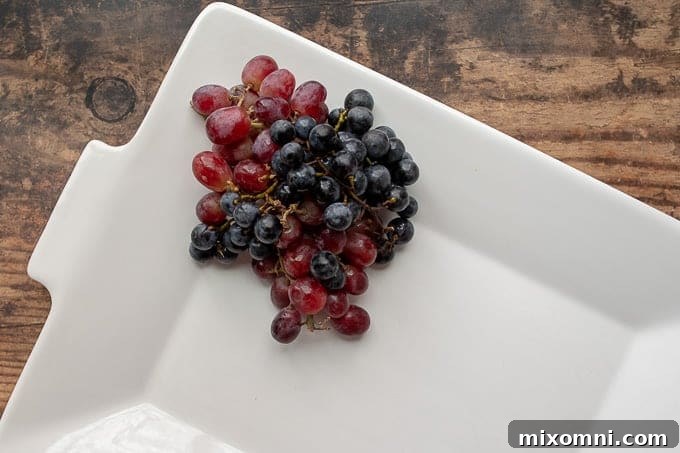
1. Choose Your Platter and Establish Height: Start with a suitable serving vessel – a large wooden board, slate platter, or decorative tray works perfectly. Opt for a size that will look bountiful when filled, rather than too sparse. To add visual interest and dimension, begin by placing items that create height. This could be a small bowl filled with crackers, a pile of grapes, or a small jar of breadsticks. This centerpiece provides a focal point and structure for your arrangement.
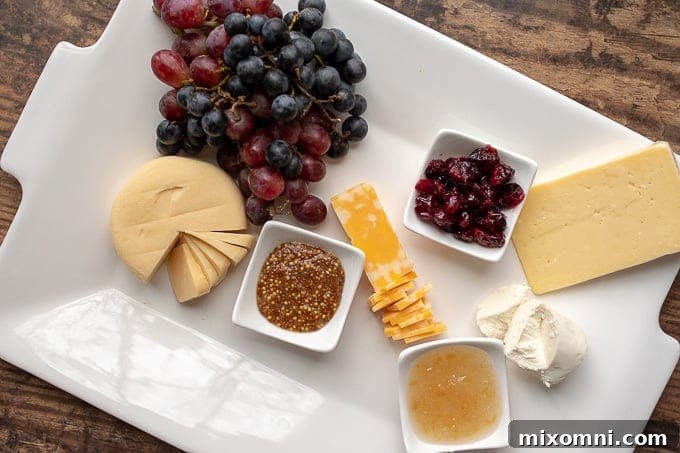
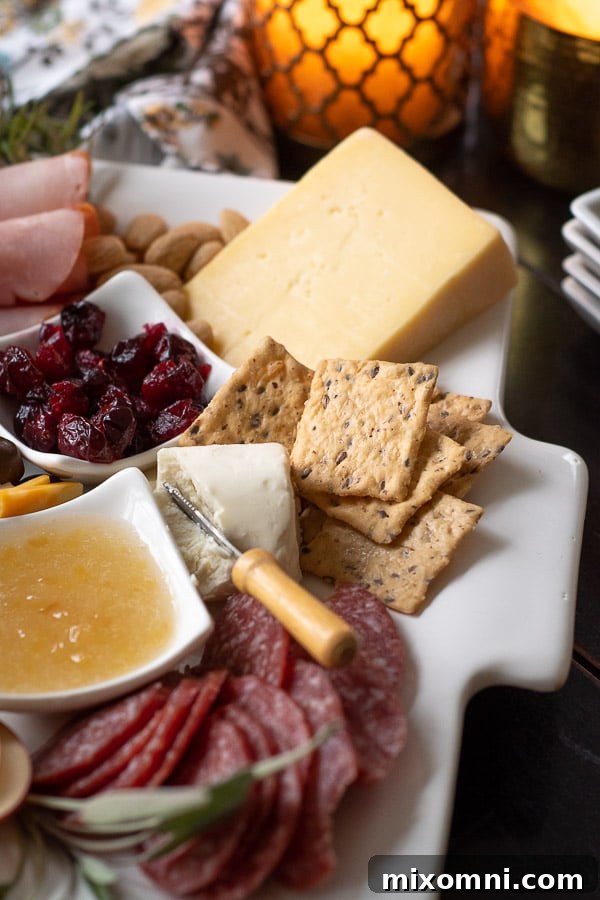
2. Place Cheeses and Small Dishes: Next, strategically place your selected cheeses around your height element. Arrange them with enough space for guests to easily cut or scoop. Integrate small bowls of jams, honey, mustards, or other spreads near the cheeses they complement best. Remember to take your cheeses out of the refrigerator about 15-20 minutes before serving to allow them to reach optimal flavor and texture.
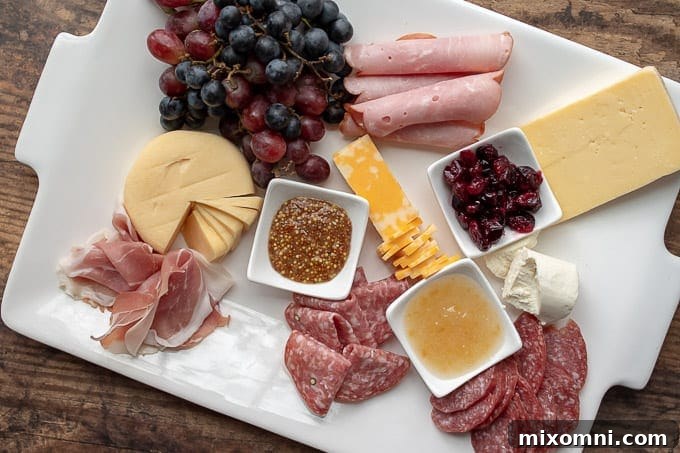
3. Arrange the Cured Meats: Now, it’s time for the stars of the show – the meats! Get creative with their presentation. Fold slices into elegant rolls, create small triangles, arrange them in a wavy pattern, or loosely bunch them to add texture and visual appeal. Spread them throughout the board, ensuring they are easily accessible.
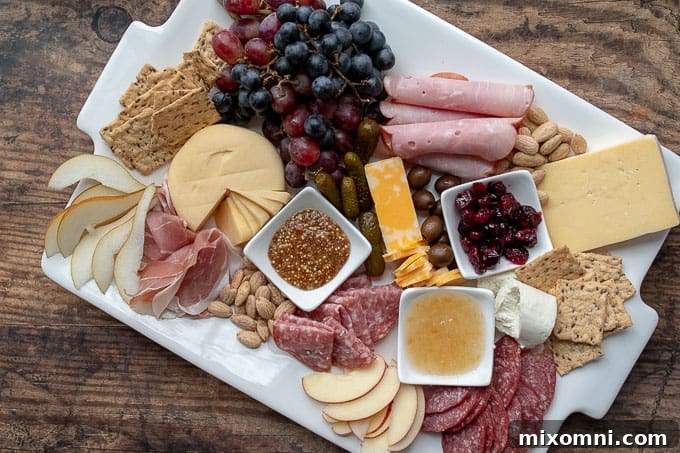
4. Fill Gaps with Small Bites: This is where the board truly comes to life! Fill in all the remaining nooks and crannies with your chosen accompaniments. Artfully arrange crackers, nuts, sliced fresh fruit (like apples or pears), dried fruits, olives, gherkin pickles, and any crudités such as cucumber slices or cherry tomatoes. The goal is to make the board look abundant and inviting, leaving minimal empty space.
5. Garnish and Add Utensils: Complete your masterpiece by adding serving utensils to each cheese and spread. For a final flourish, garnish the board with fresh greenery like sprigs of rosemary, thyme, or basil from your garden. Edible flowers, a sprinkle of capers, or decorative trinkets (seasonal items like small ornaments for holidays or themed candy for parties) can add a personal touch and extra color.
Expert Tips and Creative Ideas for Your Charcuterie Board
- Thoughtful Pairings: Always consider how flavors will interact. If you’re including spicy meats or cheeses, balance them with sweet components like fresh honeycomb, juicy fruits, or sweet jams. Conversely, creamy cheeses benefit from the acidity of pickles or tart berries.
- Variety is Key: Cater to diverse palates by including a mix of familiar and adventurous items. A classic salami will appeal to everyone, while offerings like mortadella or capicola might introduce guests to new favorites.
- Quantity Guideline: For an appetizer, plan for approximately 2 ounces of meat and 2 ounces of cheese per guest. Adjust slightly if the board is the main attraction or if guests will be enjoying other dishes.
- Prepare Ahead: Most of your charcuterie board can be assembled a few hours in advance. Once arranged, cover it tightly with plastic wrap and refrigerate. However, for best freshness and appearance, slice delicate fruits like apples and pears just before serving to prevent browning.
- Cheese Temperature: For optimal flavor and texture, allow cheeses to sit at room temperature for about 15-30 minutes before serving. This softens them slightly and enhances their aromatic qualities.
- Seasonal Touch: Incorporate seasonal fruits, vegetables, and garnishes. In summer, think fresh berries and peaches. In fall, apples, figs, and pumpkin seeds. This keeps your board fresh and timely.
- Themed Boards: Take your charcuterie to the next level with a theme! Consider a “Mediterranean board” with hummus, pita, olives, and feta, or a “Brunch board” with mini pastries, fruits, and smoked salmon.
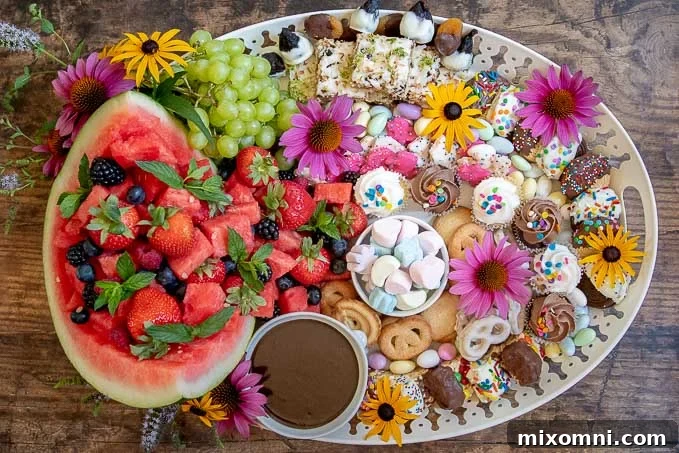
While charcuterie boards are traditionally savory, the concept extends beautifully to sweet treats! A **dessert board** offers a fun and creative way to serve an array of sweets for any party, holiday gathering, or celebration. Explore a world of ideas, themes, and styling tips for creating the ultimate dessert charcuterie board.
Save These Charcuterie Board Ideas for Later!
Let’s be friends on Pinterest! Discover more great recipes and entertaining tips!
How to Make a Charcuterie Board
Learn how to make a charcuterie board and discover creative, easy ideas for putting together meats, cheeses, and all the touches to make it perfect!

Author: Melissa Erdelac
Yield: 12 servings | Prep Time: 15 mins | Cook Time: 0 mins | Total Time: 15 mins
Ingredients
- 3-4 types of cured meats (see notes)
- 3-4 types of gourmet cheeses (see notes)
- 3-4 small bites (crackers, nuts, olives, etc. – see notes)
- 2-3 small bowls of jams or spreads
Equipment
- Dip Bowls
- Cheese Knives
- Serving Platter
Instructions
-

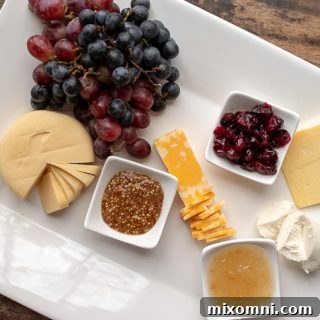
Start with a large platter. Pile up a mound of grapes or fill a glass with crackers to add height to make it more visually appealing – a centerpiece of sorts to create around.
-
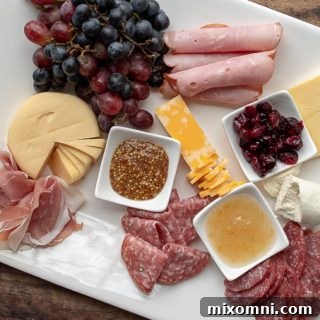
Add the cheeses and small dishes of spreads to the tray. Disperse the spreads or place them next to a cheese to accompany it. Setting the cheeses out first also helps serve the cheese optimally, with the chill taken off.
-
Add the meats to the tray. Play with the shapes of the meats – slices, rolls, triangles, or loose bunches.
-
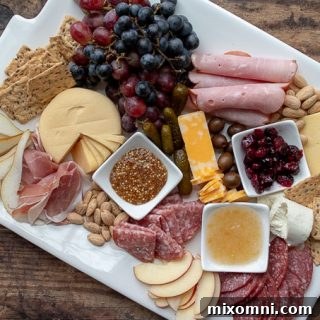
Fill in all the nooks and crannies with small snacks, like almonds, sliced fruit, crackers, olives, gherkin pickles, or dried fruit.
-
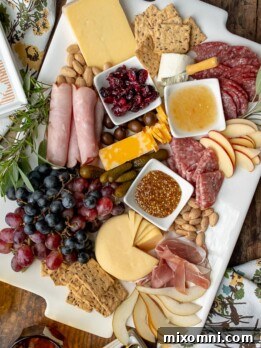
Finish off by placing serving utensils in the cheeses and garnish with greenery.
Notes
- Cured Meats: Hard salami, prosciutto, smoked ham, dry-cured chorizo, Genoa salami, capicola, mortadella, summer sausage.
- Gourmet Cheeses: Choose at least three flavors and textures. Creamy (brie, goat cheese, camembert, burrata, Delice de Bourgogne); Hard (Pecorino Romano, Grana Padano, Manchego); Semi-Soft (Butterkase, cheddar, gouda, Emmental, Edam).
- Small Bites: Crackers, olives, gherkin pickles, sweet red cherry peppers, nuts, dried fruits, sliced apples, sliced pears, fresh honeycomb.
Additional Tips and Ideas for Making a Charcuterie Board
- Consider your pairings. If you are including spicy meats or cheeses, have something sweet to go with it, such as fresh honeycomb, fruits, or jams.
- Include items that will appeal to a variety of tastes and preferences. Salami will be a familiar meat, while mortadella or capicola might be something people haven’t tried before.
- When considering how much to buy, use 2 ounces per guest as a guideline. Buy 2 ounces of meat and 2 ounces of cheese per person for a small plate.
- The entire platter recipe can be prepared ahead of time, wrapped and refrigerated until ready to serve. However, save slicing fruits right before serving.
- Cheese is best served not ice cold, so allow about 15 minutes for it to sit out before serving.
- To keep your charcuterie board affordable, pair specialty cheeses with more common ones. It will fill out the platter, and guests enjoy it all!
Nutrition Information (per serving)
Calories: 269kcal, Carbohydrates: 13g, Protein: 10g, Fat: 20g, Saturated Fat: 7g, Cholesterol: 27mg, Sodium: 458mg, Potassium: 156mg, Fiber: 2g, Sugar: 1g, Vitamin A: 189IU, Calcium: 169mg, Iron: 1mg
This post may contain affiliate links, meaning if you purchase a product through a link, I may receive a small commission at no extra cost to you. Read the full Privacy Policy here.