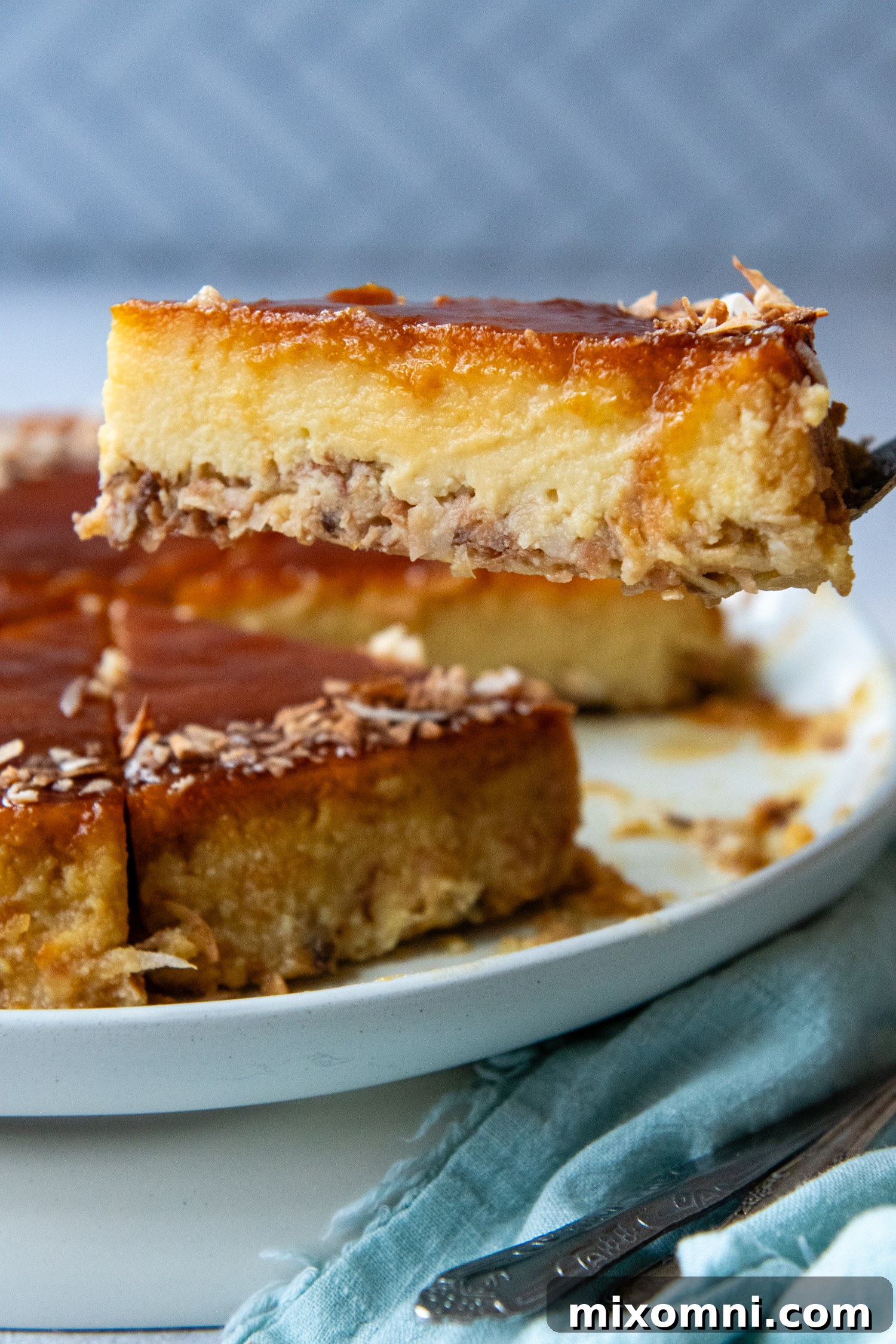
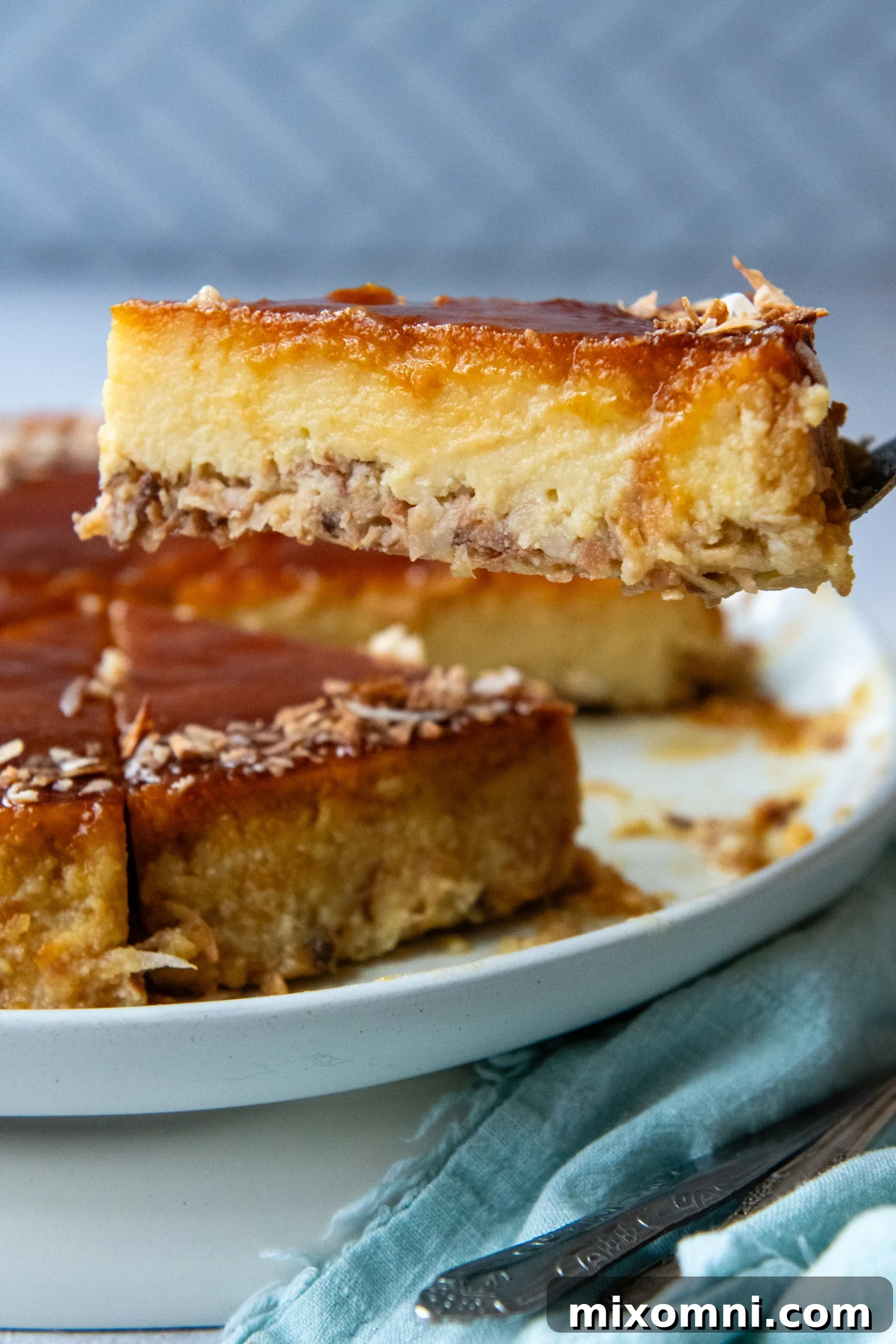
This exquisite coconut flan recipe offers a luxurious and elevated interpretation of the beloved classic, Flan de Coco. Prepare to be enchanted by layers of rich, golden caramel, a spectacularly velvety coconut custard, and a delightful, slightly chewy toasted coconut crust that forms at the bottom. Crafted with simple, readily available ingredients, this naturally gluten-free dessert promises an easy preparation process, culminating in an impressive treat perfect for any occasion.
Indulge in the Tropical Bliss of Coconut Custard Flan – A Perfect Flan de Coco
Discovering this naturally gluten-free coconut flan recipe was a true culinary revelation. My inspiration for this delightful dessert stems from a memorable family trip to Belize last summer. Nestled in Central America with close ties to the Caribbean, Belize boasts a vibrant culinary scene – a truly delightful potpourri of flavors and influences.
During our travels, we stumbled upon a quaint dinner cafe where we savored a similar version of flan, exquisitely made with rich coconut milk. Every dessert offered was meticulously crafted from scratch, and the moment this creamy, caramel-laced coconut custard graced our table, we found ourselves ordering a second serving within minutes. It was an unforgettable taste experience that planted the seed for this recipe. (While I sadly couldn’t sample their tres leches, that experience did inspire me to create an authentic gluten-free tres leches cake for my blog!)
What particularly captivated me about the Belizean coconut flan, and what I strived to emulate in this recipe, was its unique toasted coconut crust at the bottom. This innovative addition provides a wonderful textural contrast and a deeper, more aromatic coconut flavor that elevates the entire dish. Despite its impressive appearance, achieving this special crust is surprisingly straightforward. The magic happens as the shredded coconut, mixed directly into the flan batter, naturally rises to the top of the pan during baking. Once the flan is inverted for serving, this layer becomes the perfectly golden, slightly crispy bottom crust.
I experimented extensively, baking the flan with both untoasted and pre-toasted coconut. The results were clear: pre-toasting the coconut imparts a richer, nuttier, and more golden flavor that truly enhances the dessert. While it adds a quick extra step, it’s an effortless task that can be accomplished while you’re preparing the homemade caramel. Moreover, this little “power move” of toasting coconut can add an extra dimension of flavor and texture to many other sweet creations, much like the homemade coconut rice pudding I often serve with a generous topping of toasted coconut.
If the phrases “homemade caramel” or “flan made from scratch” evoke a sense of culinary intimidation, let me reassure you: nothing about crafting this absolutely delicious coconut dessert is inherently difficult. It does, however, require a bit of time – mostly hands-off waiting. The flan bakes for approximately 75 minutes, followed by essential cooling and chilling periods to achieve its perfect set and texture. This extended setting time, however, offers an added bonus: it makes this an ideal gluten-free dessert for entertaining. You can prepare it well in advance, allowing it to chill overnight, ensuring a make-ahead, crowd-pleasing delight that’s ready to impress when your guests arrive!
Essential Tips for Perfect Coconut Flan
To ensure your coconut flan turns out perfectly smooth, creamy, and utterly delicious, pay close attention to these key details:
- Coconut Milk: The type of coconut milk you use makes a significant difference. Always opt for full-fat canned coconut milk. This is typically found in the international or Asian food aisle of your local grocery store. When adding it to the recipe, make sure to include the entire contents of the can, including the thick, solid layer of cream that often separates at the top. It’s crucial not to substitute this with coconut cream (which is much thicker and has a different fat content) or the refrigerated coconut milk beverages often used as dairy alternatives, as these will not yield the correct texture or richness for this flan.
- Shredded Coconut: You have a choice between sweetened or unsweetened shredded coconut or flakes for the crust. The decision primarily comes down to your personal preference for sweetness. If you prefer a less sweet dessert, unsweetened coconut works beautifully, allowing the natural coconut flavor to shine through. For a slightly sweeter crust that complements the caramel and custard, sweetened shredded coconut is an excellent choice. Both will toast up wonderfully to create that desired crisp bottom layer.
- Flan Pan: You don’t need a specialized flan mold, but the size of your baking pan is important as it affects the baking time and the final thickness of the flan. I recommend an 8-inch round cake pan. If you opt for a 9-inch round pan, be aware that your flan will be thinner, and consequently, its baking time will be reduced. Regardless of the size, it is absolutely essential that the pan remains ungreased. This allows the caramel to adhere properly to the bottom and sides, facilitating a clean release later.
Let’s Craft This Tropical Treat Together!
Follow these detailed, step-by-step instructions and accompanying photos to create your masterpiece. For precise ingredient quantities and a full printable recipe card, please refer to the end of this article.
The Art of Hands-Off Caramel
Creating the perfect caramel layer, a crucial component of any great flan, hinges on two essential factors. Firstly, your choice of saucepan is paramount. A heavy-bottomed saucepan with a wider surface area – ideally one with a 7 to 8-inch bottom – is best. This design promotes more even heat distribution across the sugar, preventing hot spots and ensuring a consistent melt.
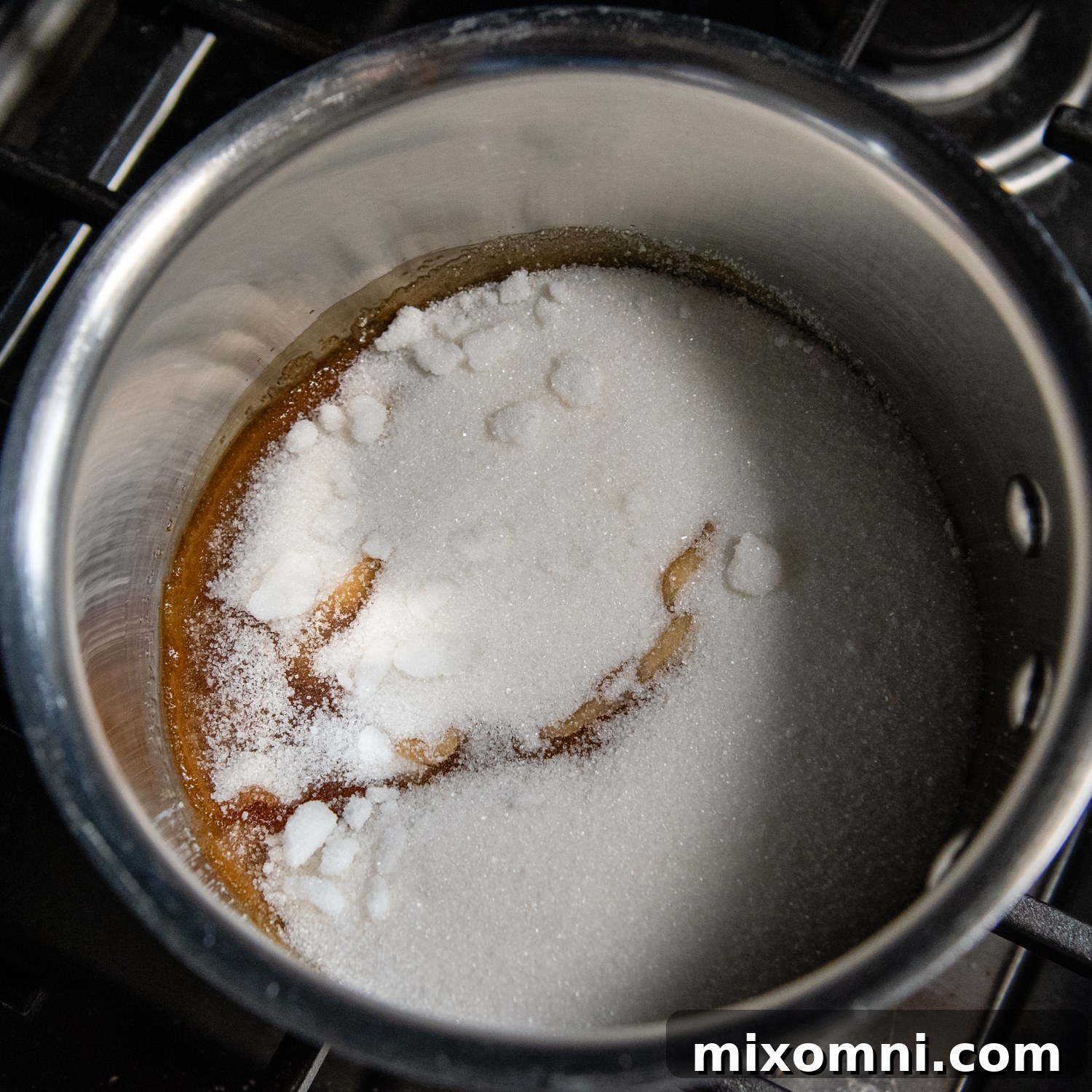
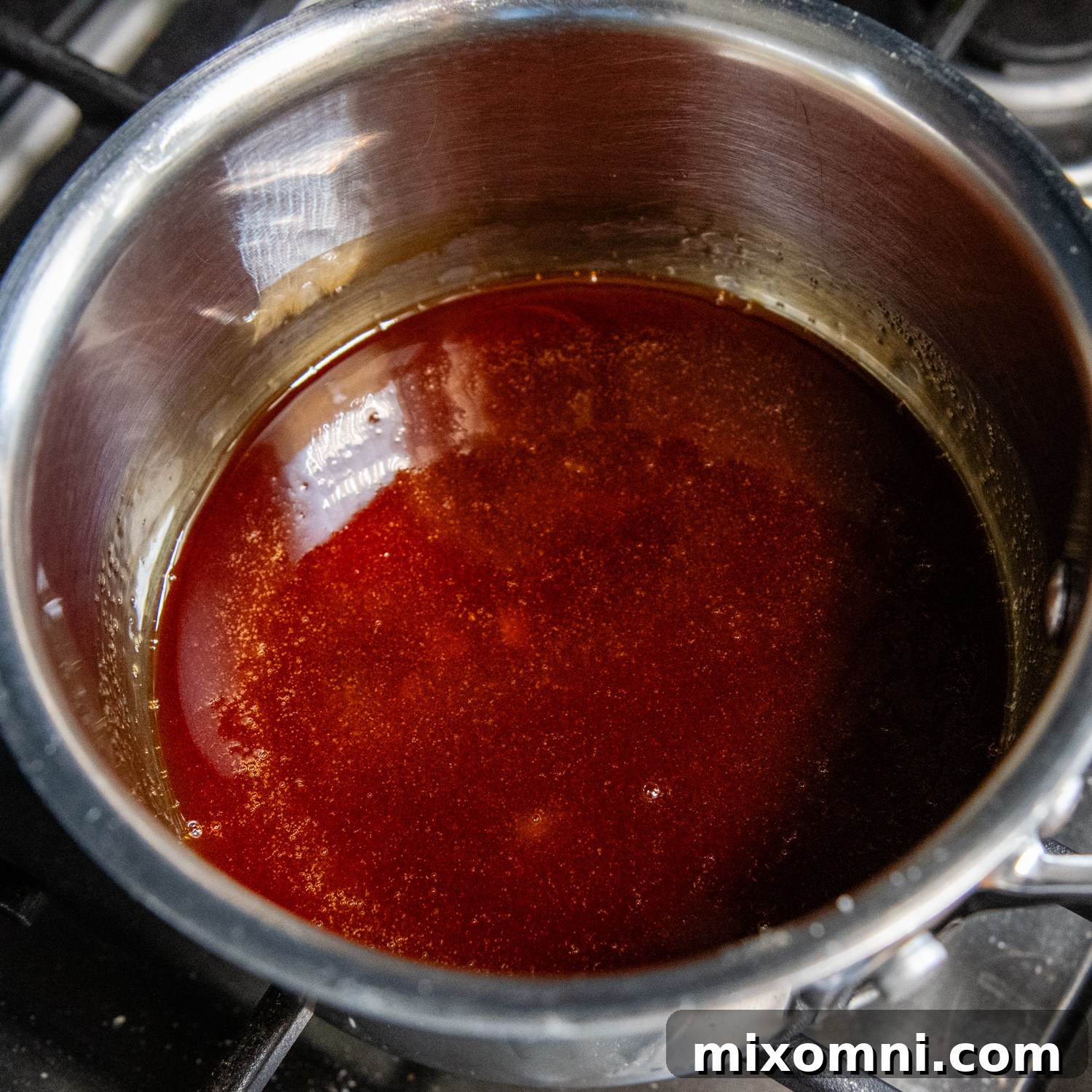
Secondly, and perhaps most importantly: resist the urge to stir! Place your granulated sugar over medium heat and allow it to melt undisturbed. Within approximately 2 minutes, you’ll notice the sugar beginning to liquefy around the edges. At this point, reduce the heat to medium-low and continue cooking. Still no stirring! Continue until the sugar starts to brown. You can gently tilt and swirl the pan occasionally to help distribute any unmelted sugar crystals, but refrain from using a spoon or spatula. Continue cooking gently until the sugar is fully melted and transforms into a rich, dark amber color – this usually takes about 5 minutes more. Immediately turn off the heat, pour the hot caramel into your ungreased flan pan, and set it aside to cool while you prepare the custard. It will harden as it cools.
Creating the Magic Layers of Coconut Flan
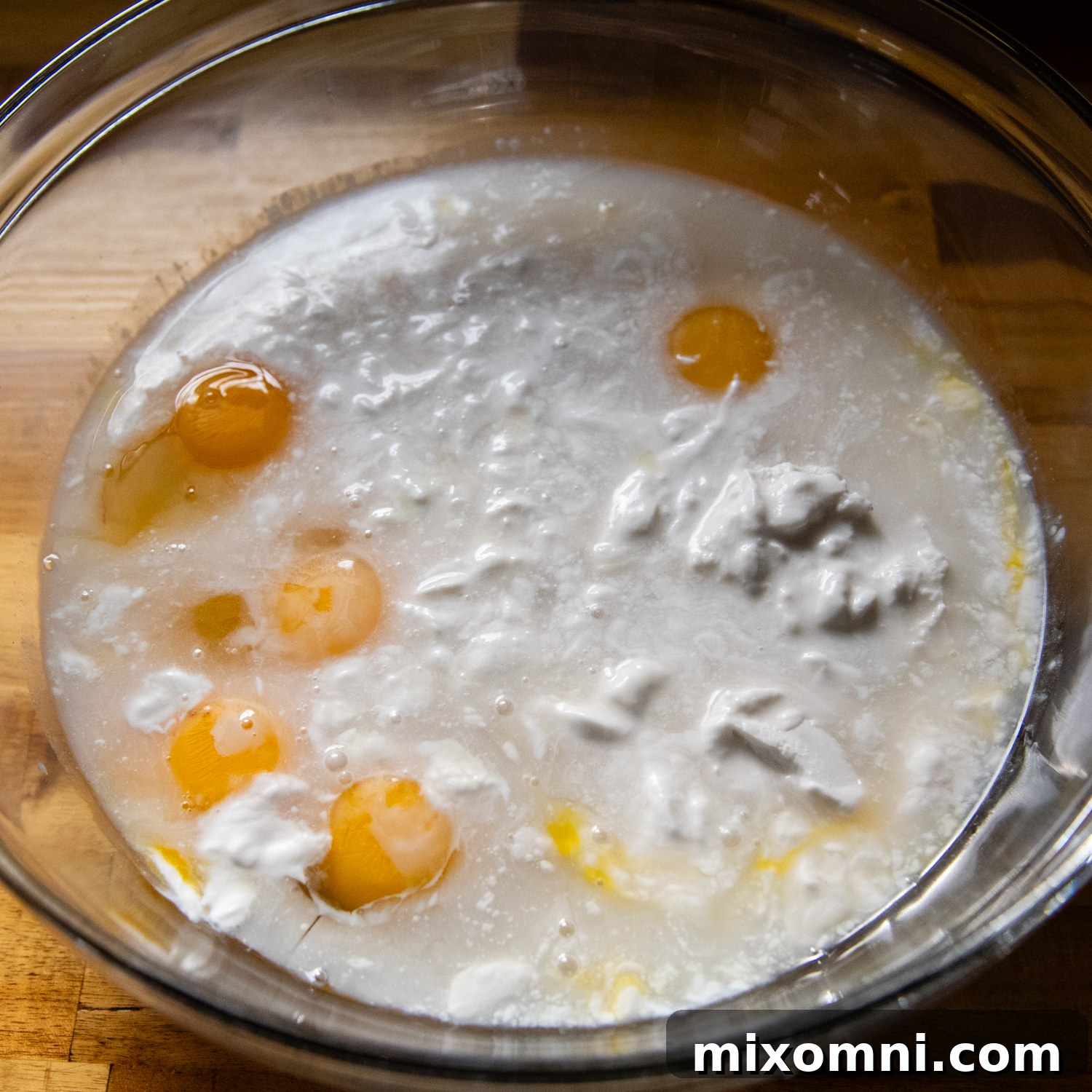
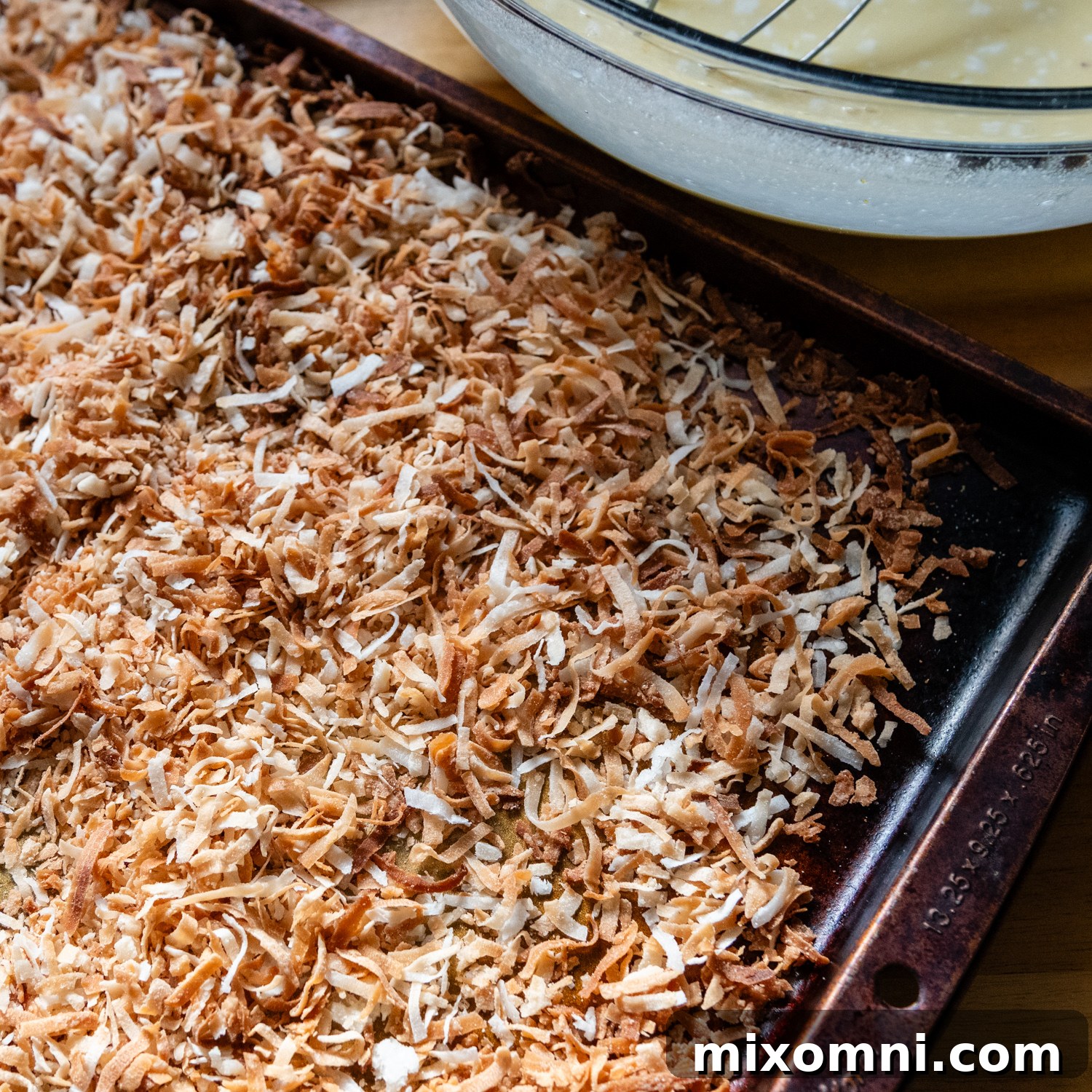
While your shredded coconut is toasting – a quick process that takes approximately 7-10 minutes in a 350℉ oven (remember to stir it every 3-5 minutes for even browning) – you can prepare the simple yet luscious custard base. In a large mixing bowl, whisk together the full-fat canned coconut milk, sweetened condensed milk, whole eggs, and additional egg yolks, along with a pinch of salt. Continue whisking until the mixture is as smooth and homogeneous as possible. The extra egg yolks contribute significantly to the flan’s signature silky, melt-in-your-mouth texture.
Once the toasted coconut has cooled slightly, fold it into the custard mixture. This is where the magic of the crust begins! As the flan bakes, this coconut will naturally rise to the surface of the custard. Later, when you invert the finished flan onto your serving plate, this toasted coconut layer will become a beautifully golden, slightly crunchy crust at the bottom, providing a wonderful contrast to the creamy custard and sweet caramel.
Baked to Perfection with a Water Bath
Since flan is a delicate egg custard, the most effective and gentle way to bake it is in a water bath, also known as a bain-marie. This method provides indirect, even heat, which is crucial for achieving that incredibly smooth, creamy, and unblemished texture that is the hallmark of a perfectly cooked flan. Baking in a water bath prevents the edges from overcooking or curdling before the center is set, resulting in a consistently tender custard.
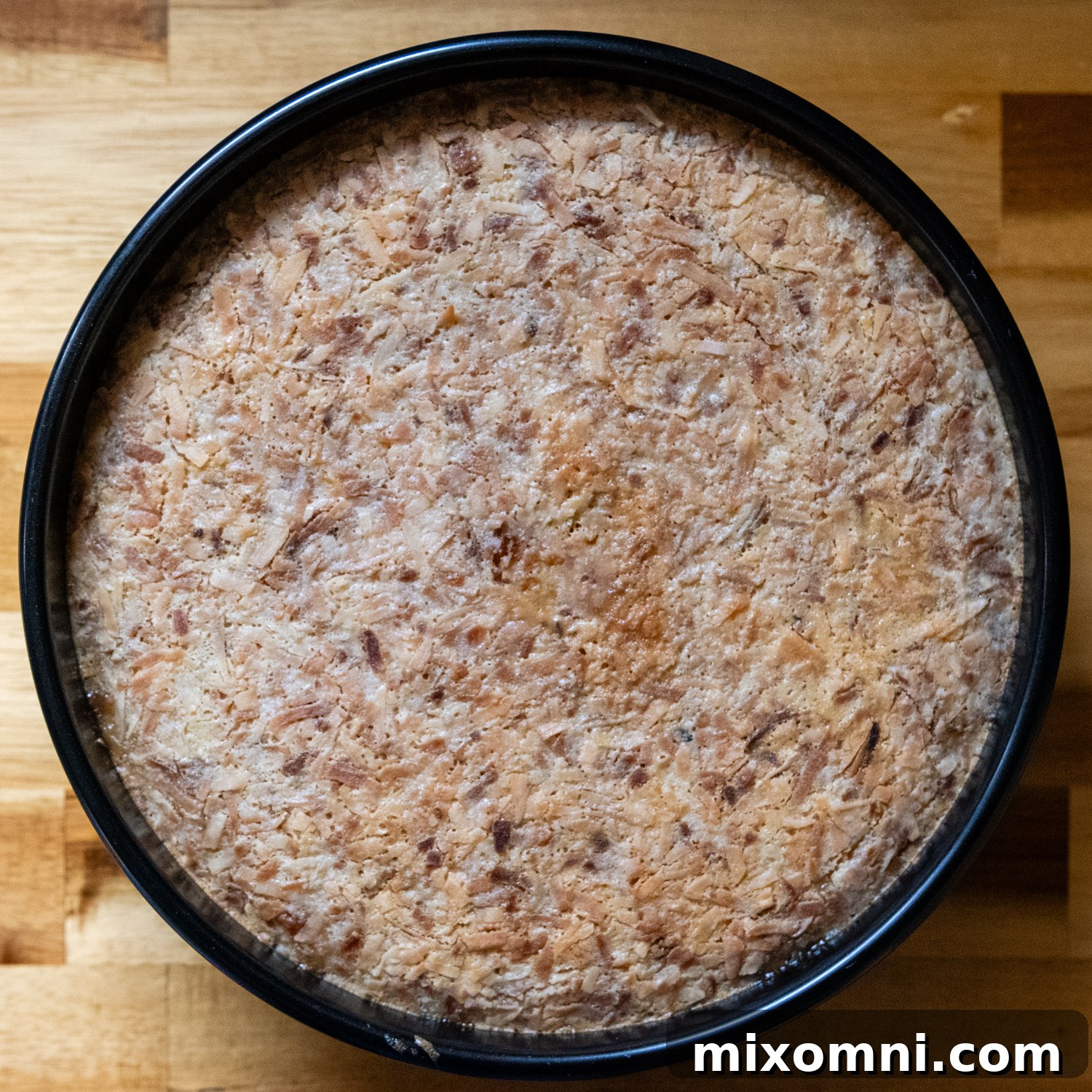
Carefully pour the prepared flan mixture over the hardened caramel in your flan pan. Next, place this flan pan into a larger, oven-safe pan, such as a roasting pan or a 9×13-inch baking pan. Fill the larger pan with freshly boiled water, making sure the water level reaches approximately halfway up the sides of your flan pan. This creates the gentle, humid environment necessary for ideal custard baking. Carefully transfer the entire setup to your preheated oven and bake for 1 hour to 1 hour and 20 minutes. You’ll know it’s done when the edges appear fully set, and the center still has a slight, delicate jiggle, much like a firm jello, but it should not appear wet or sloshy. A knife inserted near the center should come out clean, without liquid custard clinging to it.
Cool and Release (The Fun Part!)
Once your flan is perfectly baked, the next crucial steps involve cooling and chilling. First, allow the flan to cool completely to room temperature for several hours while still in its water bath. Then, carefully remove the flan pan from the larger water bath and transfer it to the refrigerator to chill thoroughly for at least 4 hours, or ideally, overnight. This chilling period is vital for the flan to fully set and develop its exquisite flavor and firm, sliceable texture.
Now, for the grand reveal! To easily release your beautifully set flan, place the chilled flan pan into about 2 inches of warm water for a few minutes. This gentle warmth will slightly soften the hardened caramel layer at the bottom, allowing it to release cleanly from the pan. Next, run a thin knife carefully around the entire edge of the flan pan. Place a larger serving plate upside down over the pan, hold both the plate and the pan tightly together, and with a swift, confident motion, quickly invert them. Voilà! The flan should slide out, revealing its glossy caramel top and the unique toasted coconut crust. Pat yourself on the back – you’ve just created a stunning coconut dessert that is sure to impress everyone who tastes it!
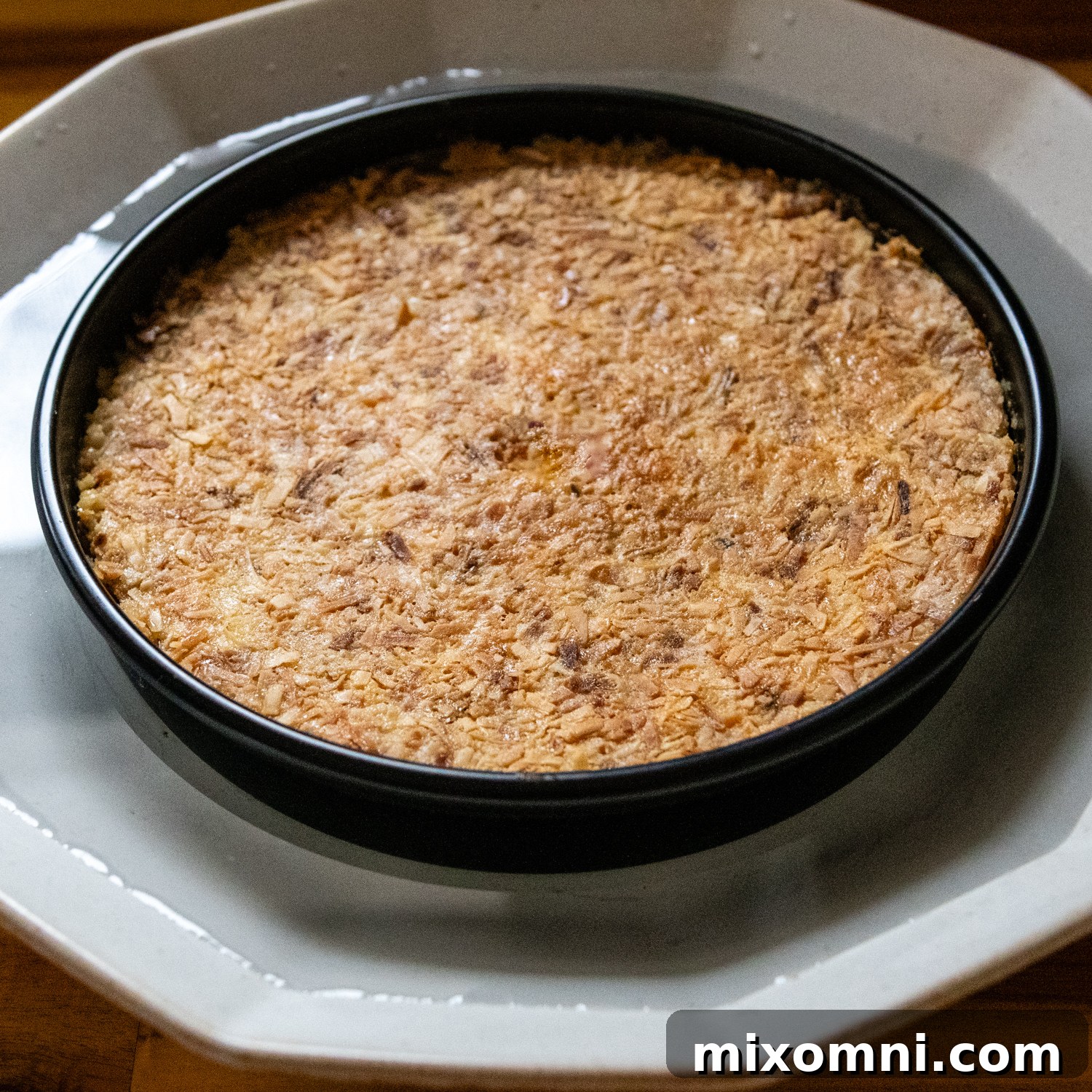
A Note on Serving: For the most beautiful presentation, it’s best to serve the flan within a couple of hours of inverting it onto the serving plate. As the flan sits, the luscious caramel sauce will gradually seep down into the custard, which is delicious, but means that the initially glossy, pooling caramel layer on top will start to diminish. While this doesn’t affect the incredible taste, having that glistening pool of caramel when serving adds to the visual appeal.
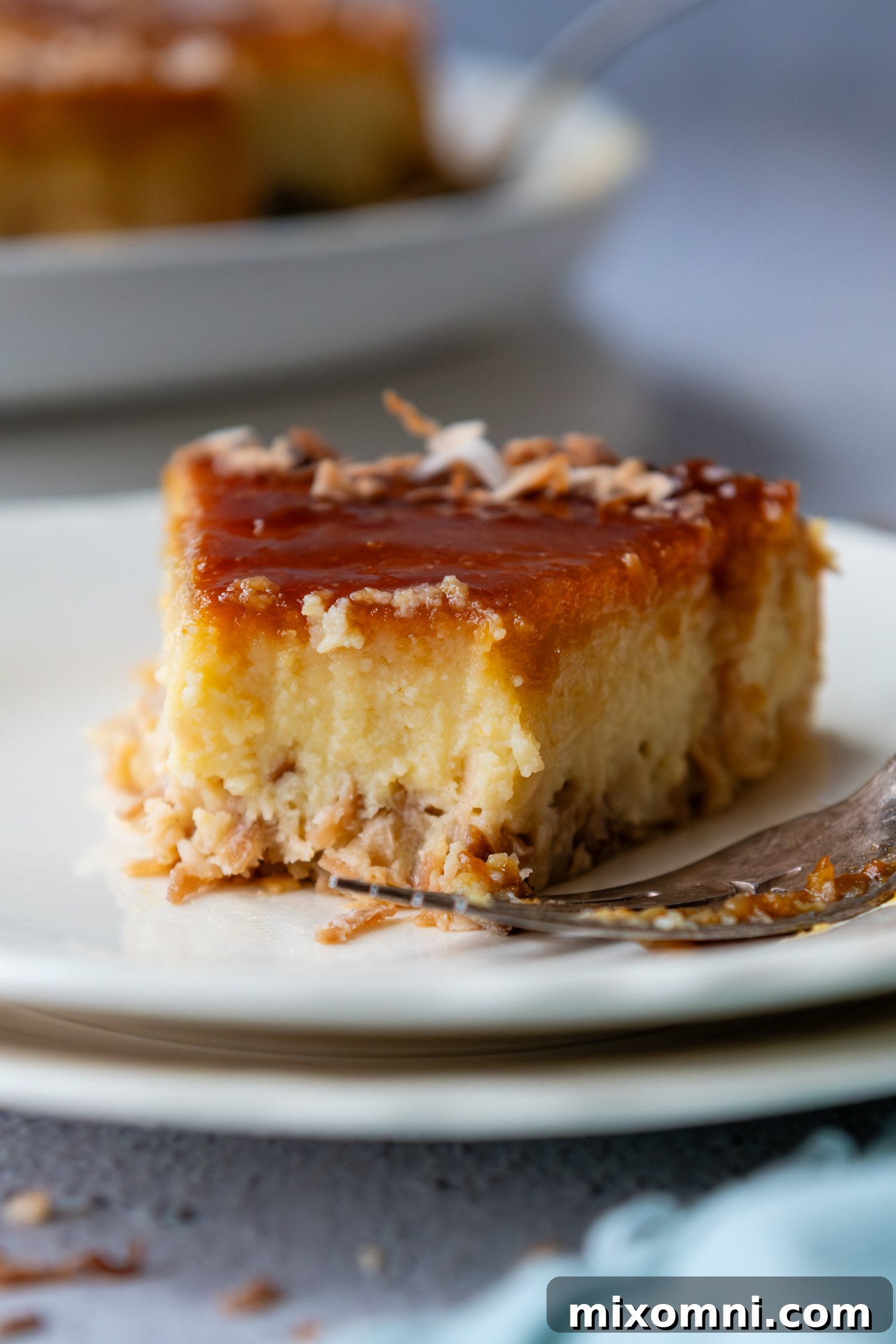
Understanding the Coconut Flan Baking Method
When developing and testing this recipe, I extensively experimented with different baking methods, specifically with and without a water bath. While baking without a water bath certainly shortens the overall cooking time, I consistently found that the resulting flan had a noticeably drier and less creamy texture. The essence of a truly exceptional flan lies in its velvety smoothness, which is best achieved through the gentle, even temperature provided by a water bath. This method ensures that the custard cooks uniformly, preventing the rapid temperature changes that can lead to a rubbery or curdled texture.
Some traditional flan recipes advocate for covering the pan during baking. I tried this approach as well, but found it actually extended the baking time even further (sometimes up to 1 hour and 45 minutes) without offering any significant improvement to the final texture. Furthermore, a unique and cherished aspect of this particular gluten-free coconut flan recipe is its distinctive layer of toasted coconut that floats to the top during baking. I discovered that allowing this coconut layer to be exposed to the air during cooking helps it develop a crisper, more delightful crust. Covering the flan would impede this desirable crisping, making the uncovered water bath method the superior choice for this specific recipe.
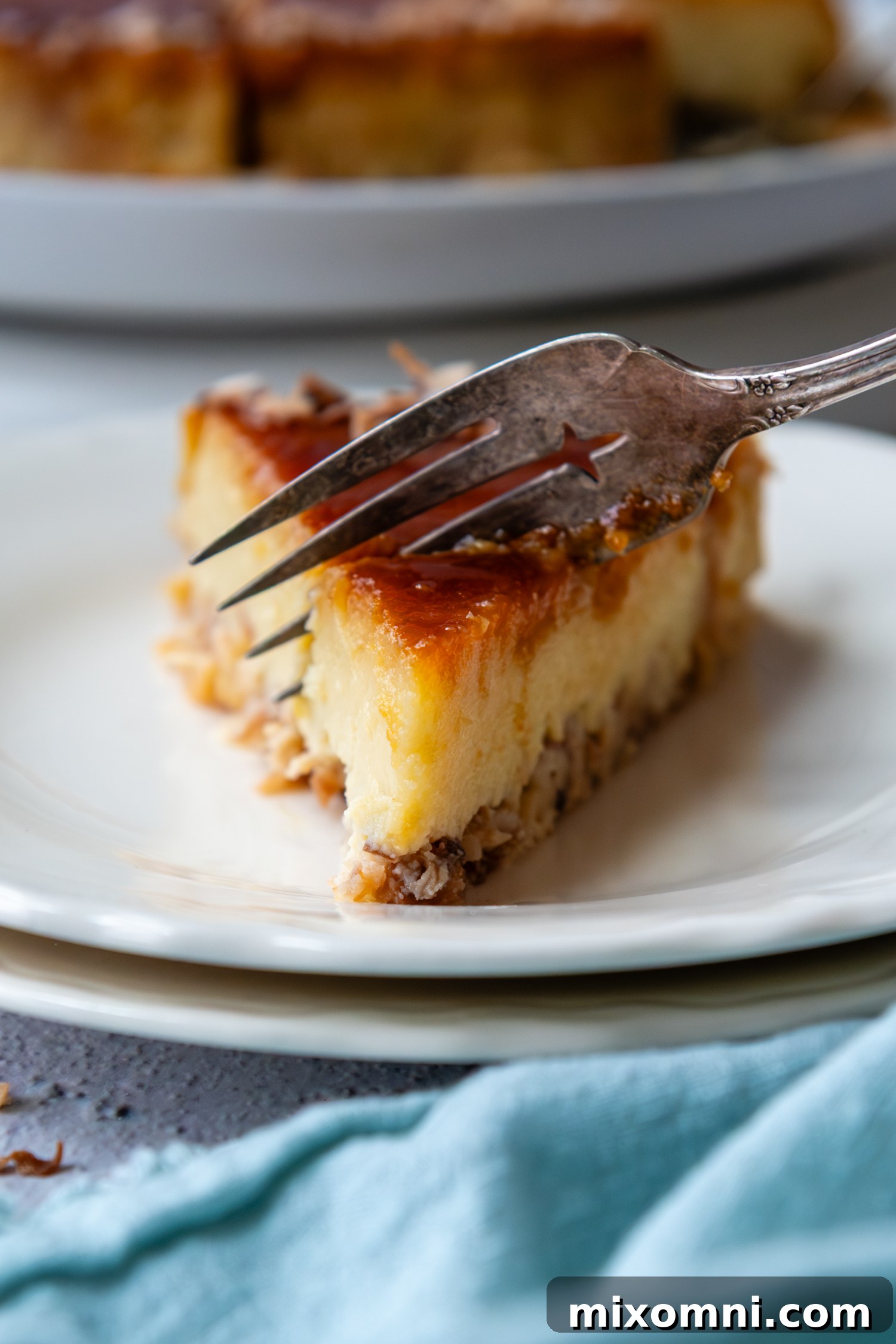
Save this Recipe to Your Pinterest Board!
Let’s be friends on Pinterest! I’m always sharing great recipes!
Did you make this recipe? I love hearing from you! Leave a comment below the recipe card. It helps others when searching for recipes and I appreciate feedback from our community. You will always hear back from me! -Melissa
Easy Coconut Flan with Toasted Coconut Crust
This smooth and creamy coconut flan recipe is an elevated twist on classic Flan de Coco. Bite through layers of caramel, velvety custard, and a bottom toasted coconut crust finish. Just simple ingredients and a quick, easy prep stands in your way of this naturally gluten-free dessert idea!
Recipe Details
- Author: Melissa Erdelac
- Yield: 8 slices
- Prep Time: 25 mins
- Cook Time: 1 hr 15 mins
- Total Time: 5 hrs 40 mins (includes cooling and chilling)
Ingredients
For the Caramel:
- ¾ cup (150 g) granulated sugar
For the Coconut Flan:
- 4 large eggs
- 2 egg yolks
- 13 ounce can coconut milk, full fat, not coconut cream
- 11 ounce can sweetened condensed milk
- ⅛ teaspoon salt
- 1½ cups (95 g) shredded coconut, sweetened or unsweetened
- Additional toasted coconut, optional garnish
Equipment
- 8 inch cake pan (or flan mold)
- Heavy-bottom sauce pan
- Large roasting pan or 9×13-inch baking pan (for water bath)
- Large mixing bowl
- Whisk
Instructions
- Preheat oven to 350℉ (175°C). Have an 8-inch ungreased cake pan or flan mold ready. Begin boiling water for the water bath in a medium saucepan. For the toasted coconut crust, spread 1½ cups shredded coconut evenly on a baking sheet. Add an extra tablespoon of coconut to the baking sheet if you plan to use it for garnish. Bake for 7-10 minutes, stirring every 3-5 minutes, until it turns lightly golden. Set aside to cool.
- Meanwhile, prepare the caramel. Place ¾ cup granulated sugar in a medium, heavy-bottomed saucepan (one with a 7-8-inch bottom is ideal) over medium heat. After about 2 minutes, when the sugar begins to melt, reduce the heat to medium-low. Continue cooking without stirring until it starts to brown, which typically takes another 5 minutes. You can occasionally tilt and swirl the pan to incorporate any unmelted sugar. Continue cooking gently, still without stirring, until the sugar is fully melted and becomes a dark brown, rich caramel color (approximately 5 more minutes). Turn off the heat immediately.
- Quickly pour the hot caramel into the ungreased flan pan. Carefully tilt the pan to ensure the entire bottom is evenly coated with caramel. Set it aside to cool; the caramel will harden as it cools.
- In a large bowl, whisk together the 4 large eggs, 2 egg yolks, 13 ounces full-fat canned coconut milk, 11 ounces sweetened condensed milk, and ⅛ teaspoon salt until the mixture is as smooth as possible. Gently whisk in the toasted coconut (reserving the extra tablespoon for optional garnish). Carefully pour this custard mixture over the hardened caramel in the flan pan.
- Place the flan pan into a larger pan, such as a roasting pan or a 9×13-inch baking pan. Fill the larger pan with the boiling water you prepared earlier, ensuring the water level reaches halfway up the sides of the flan pan. Carefully transfer the setup to the preheated oven. Bake for 1 hour to 1 hour and 20 minutes, or until the edges of the flan are fully set and the center jiggles gently like firm jello, but is not wet or sloshy. A knife inserted near the center should come out clean.
- Remove the flan from the water bath and set it aside at room temperature for a few hours to cool completely. Once cooled, transfer the flan (still in its pan) to the refrigerator to chill thoroughly, ideally for 4 hours or overnight. This chilling process is essential for the flan to firm up and develop its optimal texture and flavor.
- When you are ready to serve (I recommend doing this close to serving time, as the caramel will eventually soak into the flan), place the chilled flan pan into about 2 inches of warm water for a few minutes. This gentle heat will soften the caramel at the bottom, allowing for an easy release. Run a thin knife around the edges of the pan to loosen the flan. Place a large serving plate upside down over the flan pan, hold tightly, and with a quick, confident motion, invert the pan and plate together. The flan should gracefully release onto the plate, revealing its glistening caramel and toasted coconut crust. Garnish with additional toasted coconut if desired.
Notes
Storing: Refrigerate any leftover flan, loosely covered, for up to 2 days. As it is stored, the beautiful top caramel layer will gradually soak into the custard, which is still delicious but changes the appearance. I do not recommend freezing this flan, as it can negatively impact the delicate custard texture.
Nutrition Information (per slice)
- Calories: 434 kcal
- Carbohydrates: 51g
- Protein: 8g
- Fat: 24g
- Saturated Fat: 18g
- Polyunsaturated Fat: 1g
- Monounsaturated Fat: 3g
- Trans Fat: 0.01g
- Cholesterol: 144mg
- Sodium: 171mg
- Potassium: 358mg
- Fiber: 2g
- Sugar: 49g
- Vitamin A: 288 IU
- Vitamin C: 2mg
- Calcium: 139mg
- Iron: 2mg
Did you make this recipe?
Please leave a star rating and review below. It helps others when searching for recipes and I LOVE feedback!