
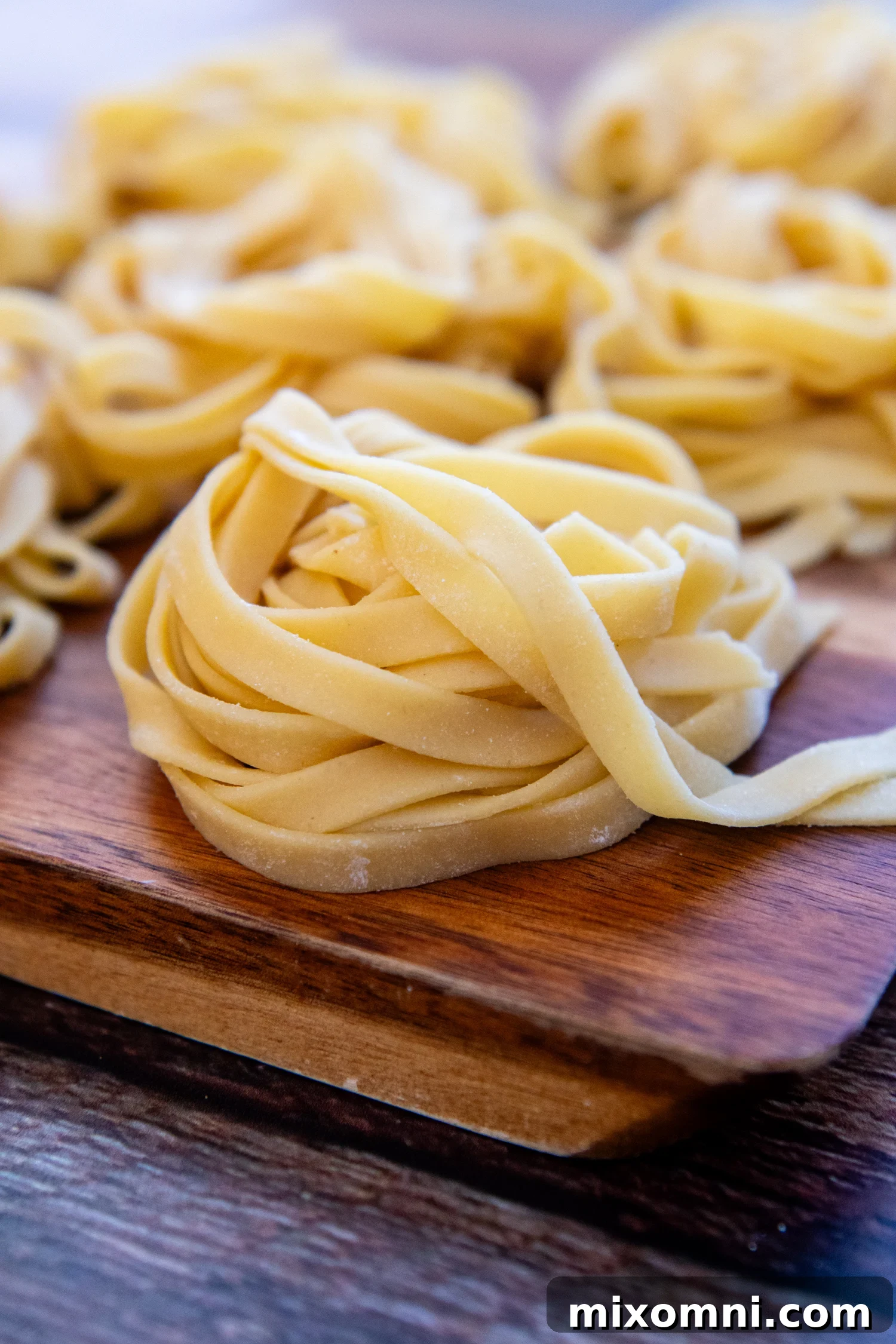
The Ultimate Guide to Easy Homemade Gluten-Free Pasta: Authentic Italian Flavor & Texture
For too long, many have believed that crafting truly easy and authentically delicious homemade gluten-free pasta was an impossible dream. Prepare to have your perceptions delightfully shattered. This comprehensive guide will reveal the secrets to creating pasta noodles so incredibly soft, supple, and tender that they are indistinguishable from the traditional wheat-based varieties my Italian family has cherished for generations. Forget dense, gummy, or crumbly results; with just four foundational ingredients and a simple, step-by-step method, you’ll embark on a culinary journey to enjoy from-scratch pasta, ranging from delicate fettuccine to robust lasagna sheets. This isn’t just a recipe; it’s an invitation to reclaim the joy of fresh, homemade pasta in your gluten-free kitchen.
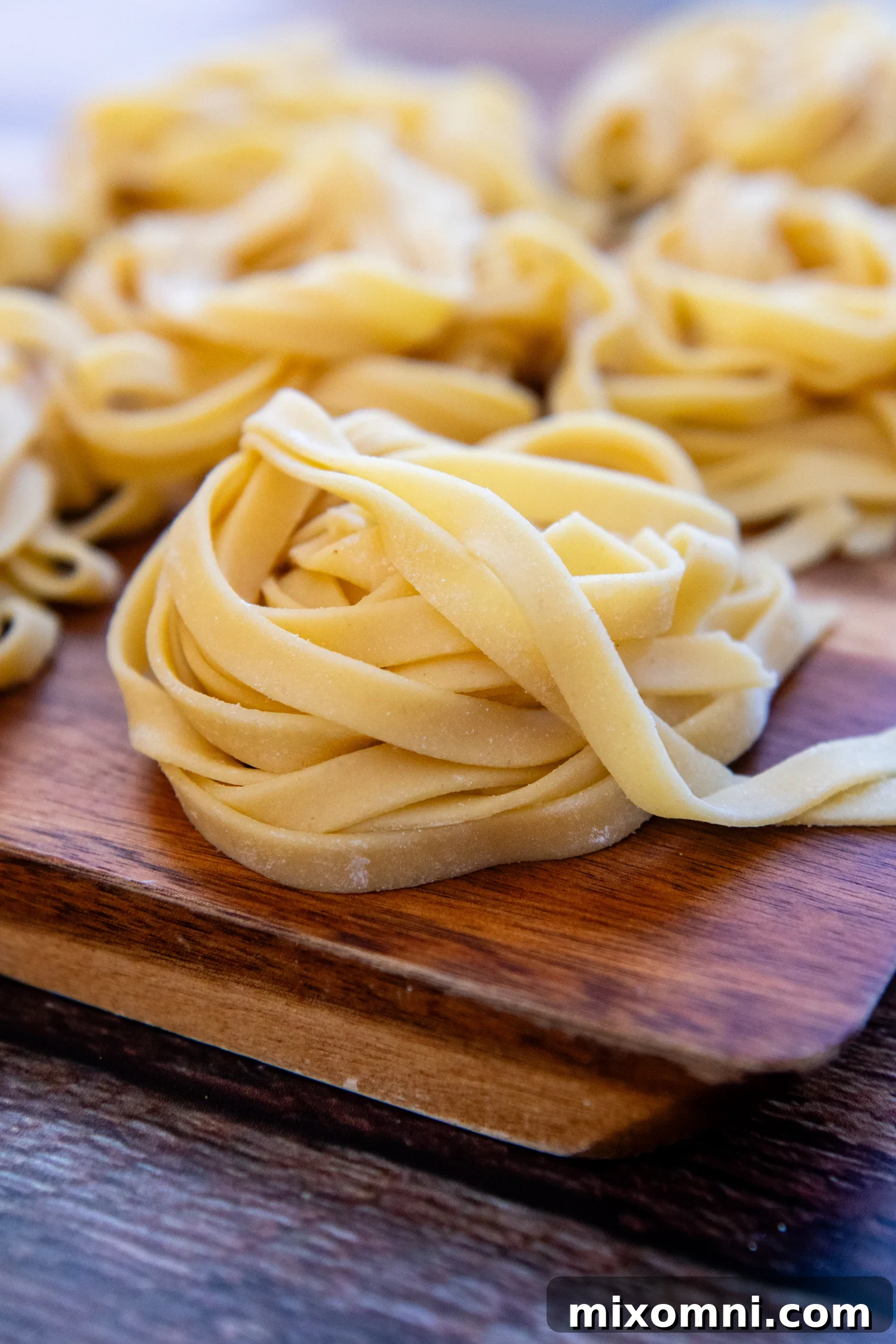
Rediscover the Joy: Authentic Fresh Homemade Gluten-Free Pasta
Making exquisite homemade pasta doesn’t have to be an exclusive experience for those who can consume gluten. In fact, achieving perfect gluten-free noodles requires only a thoughtful tweak to the classic egg pasta recipe my grandmother, mother, and I have perfected over many decades. The core simplicity remains, but a strategic ingredient adjustment transforms the outcome from merely edible to truly sublime.
My Gramma’s traditional recipe was beautifully straightforward: for every large egg used, she’d incorporate approximately 3/4 cup of all-purpose flour. Our large, boisterous family meant a constant demand for substantial pasta quantities, so we often relied on a food processor for mixing, though hand-mixing was equally effective for smaller batches. The real challenge emerged when attempting to convert this cherished recipe to a gluten-free version. Simply swapping out regular flour for a gluten-free all-purpose blend often led to frustrating results: a dough that was stubbornly difficult to handle, prone to tearing, and a finished noodle with an unappealingly dense, chewy, and sometimes gritty texture, far removed from the fresh, tender pasta of my childhood memories.
The quest for a gluten-free pasta that mirrored the quality and pliability of its traditional counterpart necessitated a deeper understanding of dough mechanics. The key insight was the need for increased moisture and richness to compensate for the absence of gluten’s elastic properties, all while maintaining a dough that could gracefully pass through a pasta machine. This led to a breakthrough: partially replacing some of the gluten-free flour with almond flour. Almond flour, rich in healthy fats, inherently adds more moisture and a delicate tenderness to the dough. This not only softens the bite of the cooked pasta but also imparts a subtle, delightful flavor. Furthermore, incorporating a splash of good quality olive oil into the gluten-free and almond flour mixture proved essential. The oil works to coat the starches, effectively eliminating any grittiness and contributing to a silky smooth texture.
The result? A pasta dough that is effortlessly easy to combine, uses readily available simple ingredients, and remains remarkably pliable and simple to roll out through a machine. The success was nothing short of ecstatic – the ability to once again savor homemade, fresh pasta that truly tastes and feels authentic. This perfected recipe is versatile enough to be enjoyed simply with my quick and creamy 5-minute gluten-free Alfredo sauce or to seamlessly substitute boxed pasta in any of my cherished gluten-free pasta dinner recipes. Sharing this recipe, a testament to culinary persistence and a bridge to cherished family traditions, brings me immense joy. Let’s get started on creating your own authentic gluten-free pasta masterpiece.
This is the BEST recipe for GF homemade pasta! So easy and quick to make, we loved it. Thank you!
—Christine
Watch the Gluten-Free Pasta Making Process
Let’s Make This Together! Your Step-by-Step Gluten-Free Pasta Guide
(Below you’ll find detailed step-by-step photos and comprehensive instructions. For precise ingredient measurements and a printable version, please refer to the complete recipe card further down the page.)
Mastering the Two-Minute Gluten-Free Pasta Dough
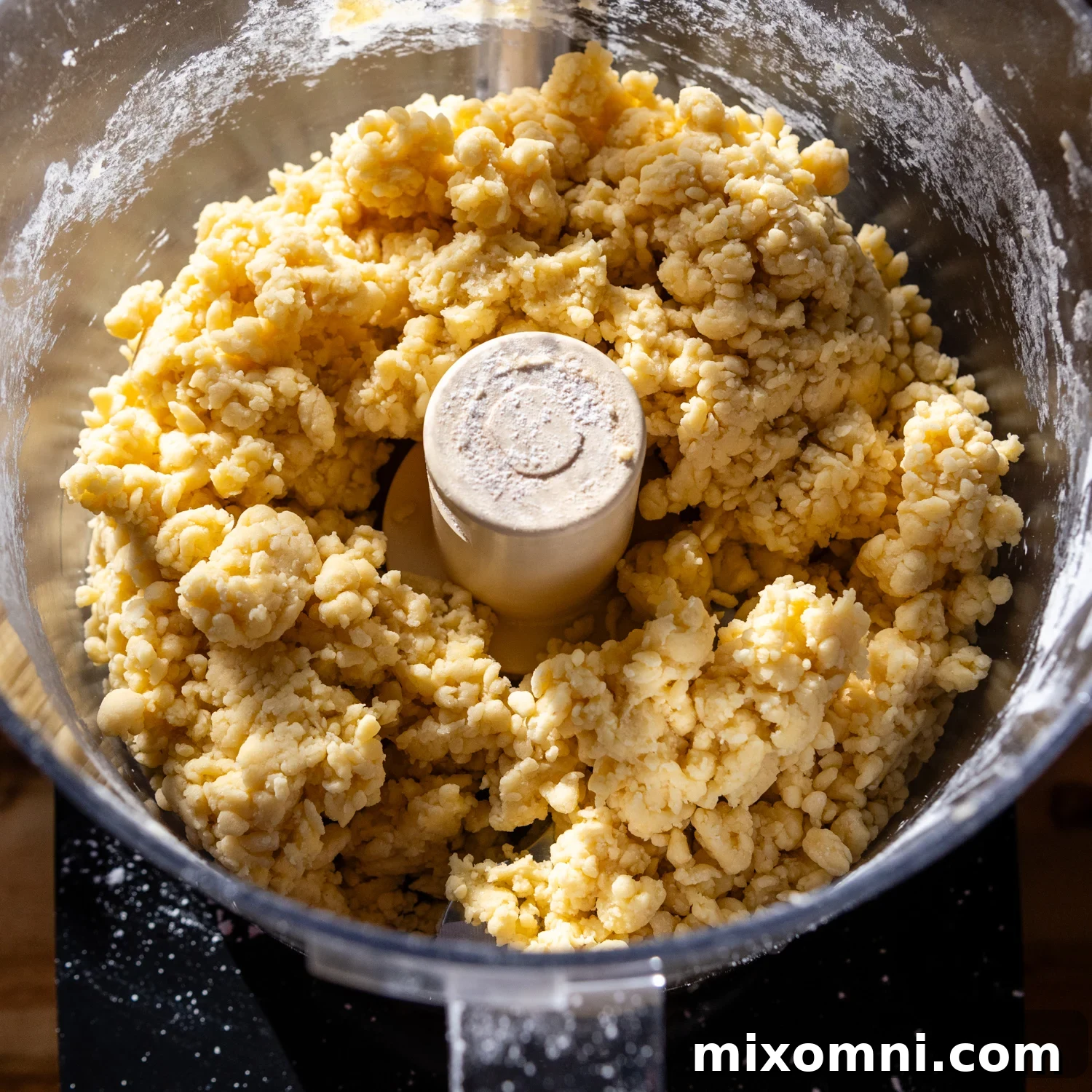
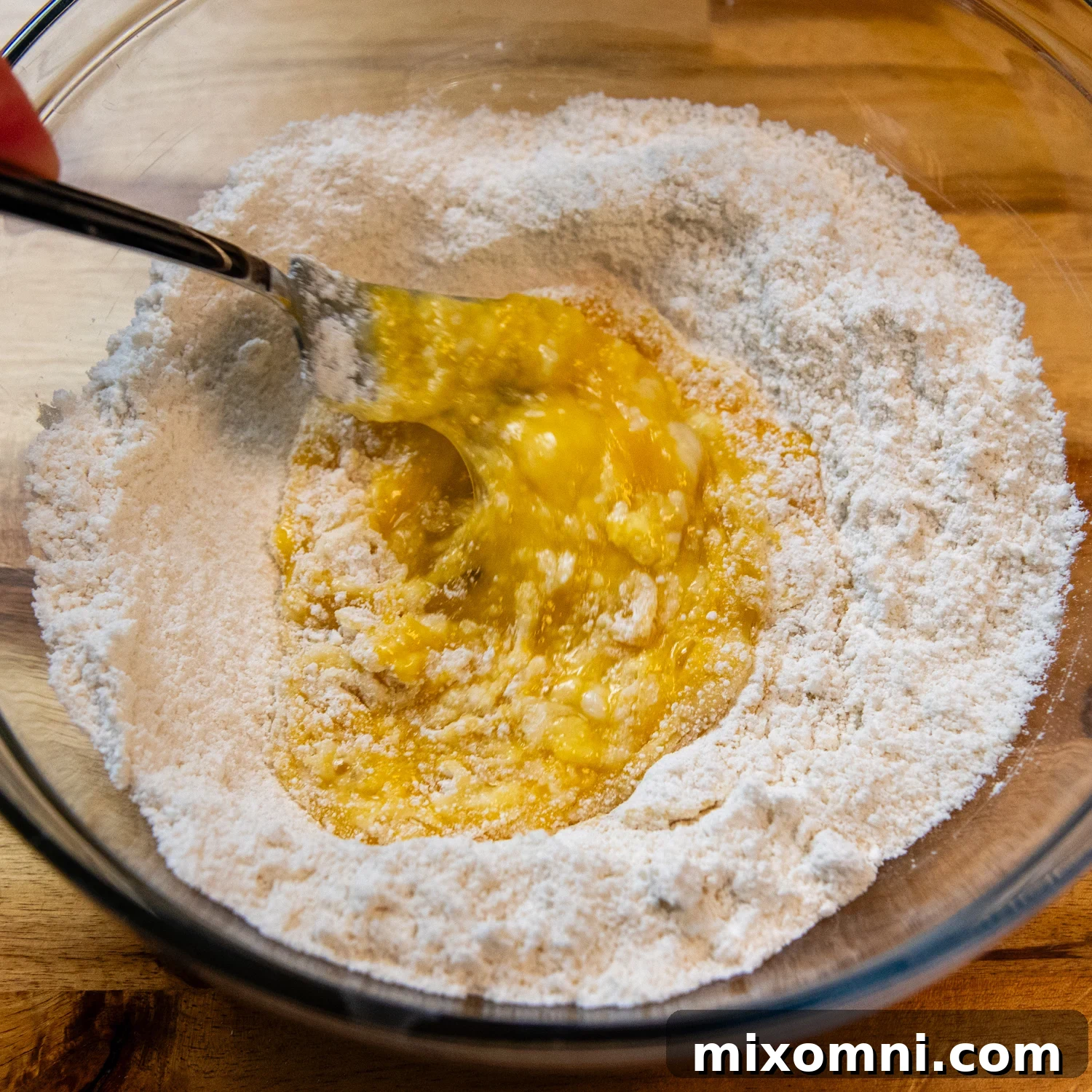
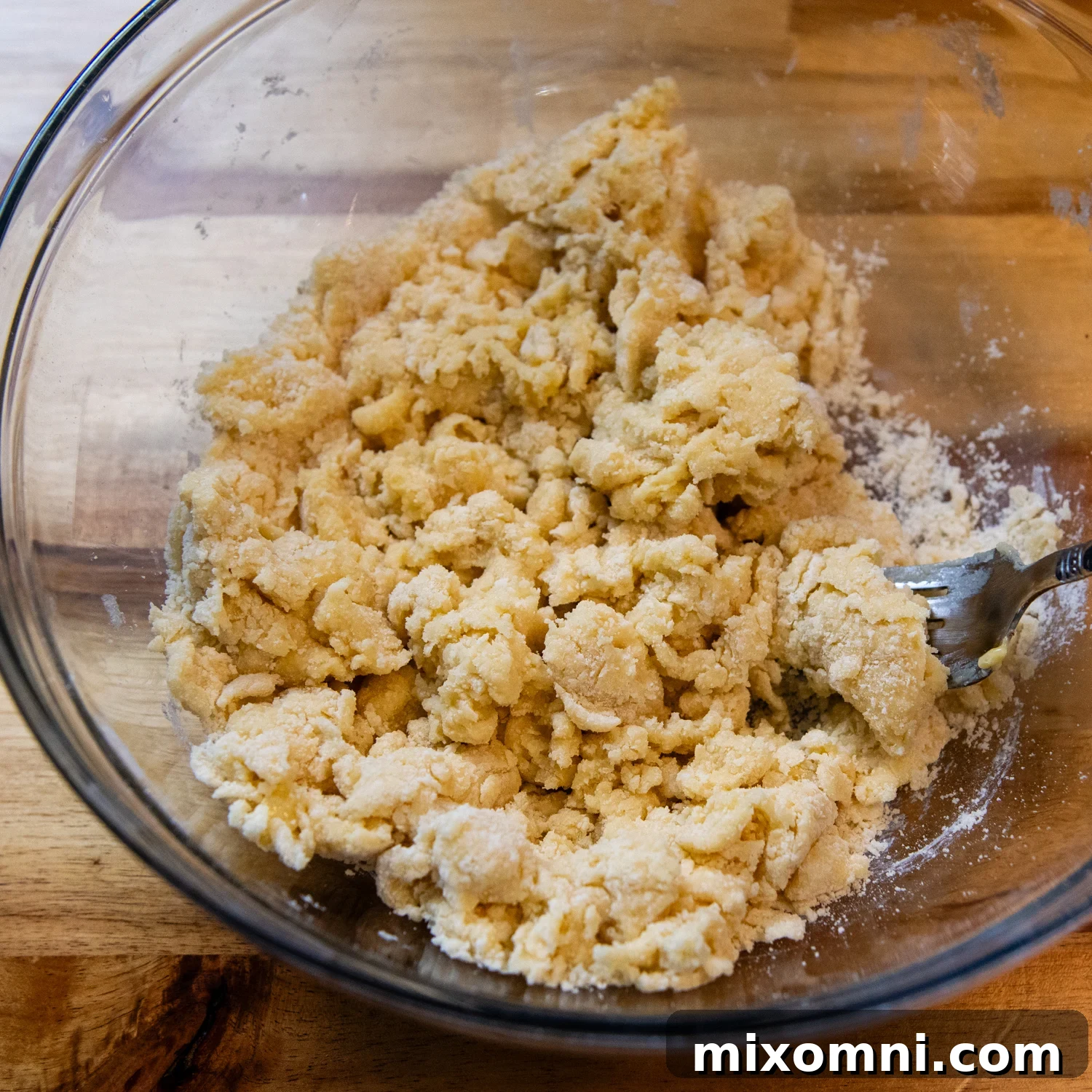
Whether you opt for the convenience of a food processor or the traditional method of mixing by hand, creating this fresh pasta dough is remarkably simple and requires minimal time or effort. For both techniques, the fundamental approach remains the same: begin by thoroughly combining your dry ingredients. This ensures an even distribution of flours and salt. Once the dry mixture is ready, incorporate the eggs and olive oil. The dough will quickly begin to come together, forming soft, discernible clumps that, when pressed, form a cohesive ball. Pay close attention to the texture clues provided in the full recipe below; they are crucial for achieving the perfect dough consistency right from the start.
Divide and Conquer: Why Smaller Dough Sections are Better
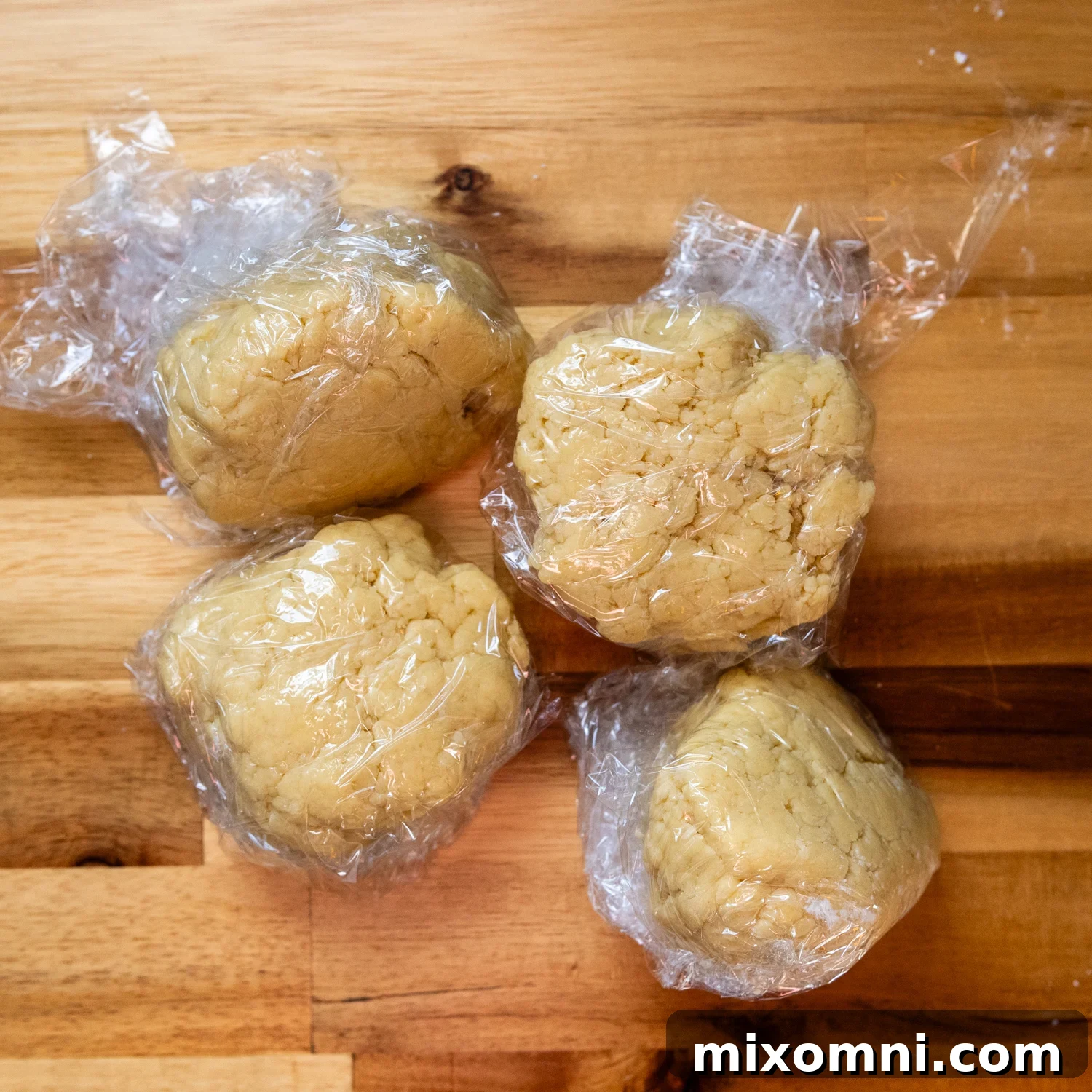
When working with gluten-free dough, I’ve found that managing smaller sections significantly improves the rolling process and overall pliability. After mixing, divide your complete pasta dough into four roughly equal portions. Immediately wrap each section tightly in plastic wrap. This crucial step prevents the dough from drying out, which can quickly lead to cracks and breakage during rolling.
While some traditional pasta recipes advocate for a resting period, for this particular gluten-free formulation, I haven’t observed a significant improvement in texture or workability by adding this extra step. Therefore, feel free to set up your pasta machine and begin rolling right away. However, if your schedule demands it, you can certainly prepare the dough in advance; simply ensure the wrapped dough remains at room temperature for up to a couple of hours before use. This flexibility makes homemade gluten-free pasta even more accessible.
The Fun Begins: Rolling Your Gluten-Free Pasta Sheets
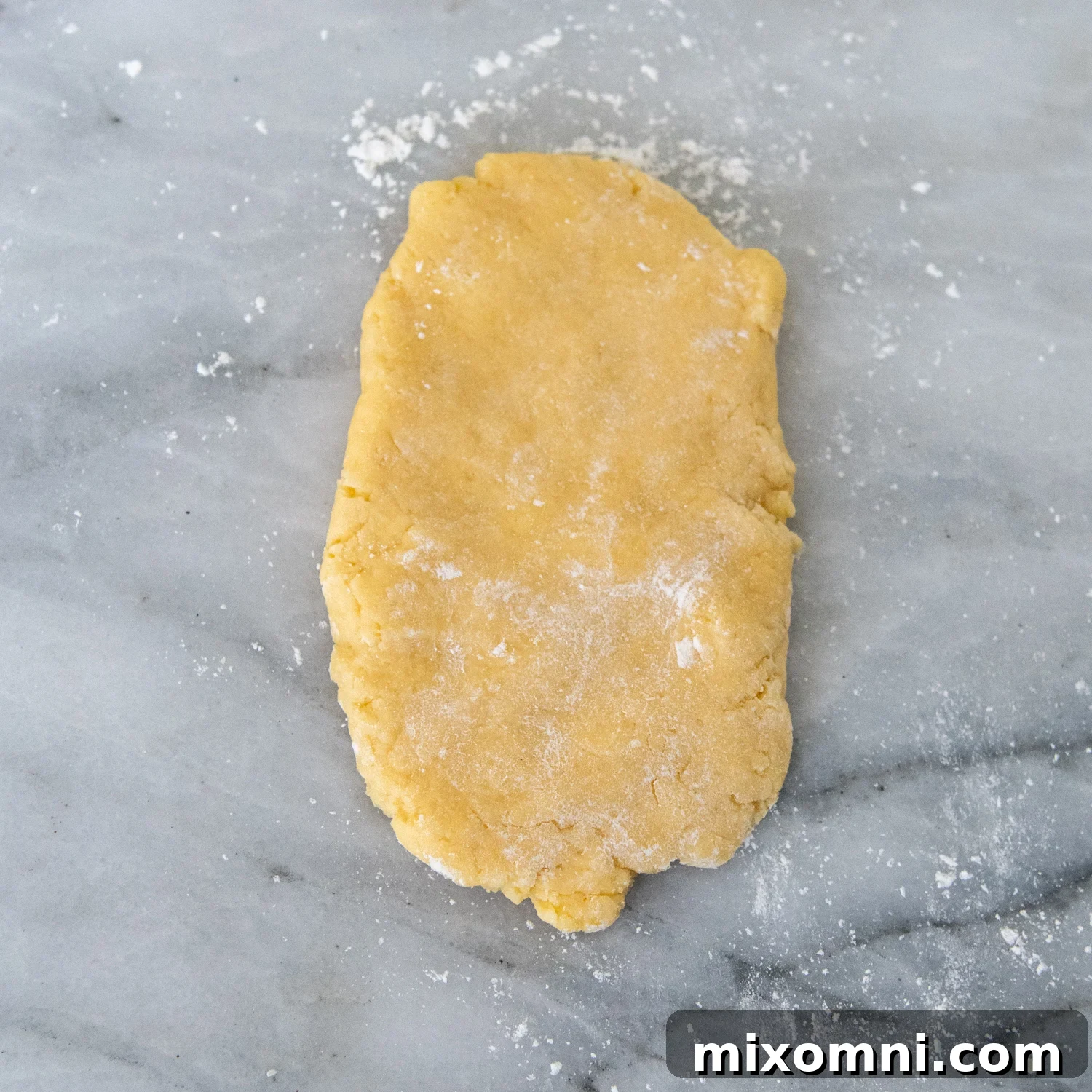
Now for the truly satisfying part – rolling your fresh pasta! Take one of the wrapped dough balls and pull off approximately one-third of that section. On a clean, lightly floured surface, gently pat the dough into a flattened, somewhat oval shape. Ensure it’s thin enough to easily enter the pasta machine. Lightly pat a little more gluten-free flour on both sides of this flattened dough piece.
Feed this flattened dough through your pasta machine on its widest setting (usually setting 1). Don’t be alarmed if the sheet emerges slightly sticky and with somewhat ragged edges initially. This is perfectly normal for gluten-free dough as it lacks the elasticity of wheat flour. If you find the dough particularly difficult to work with at this stage – perhaps it’s tearing excessively or sticking – refer to the texture clues and troubleshooting section further below for immediate adjustments. Patience and slight adjustments are key to mastering the perfect gluten-free pasta.
Smoothing and Refining Your Pasta Sheets
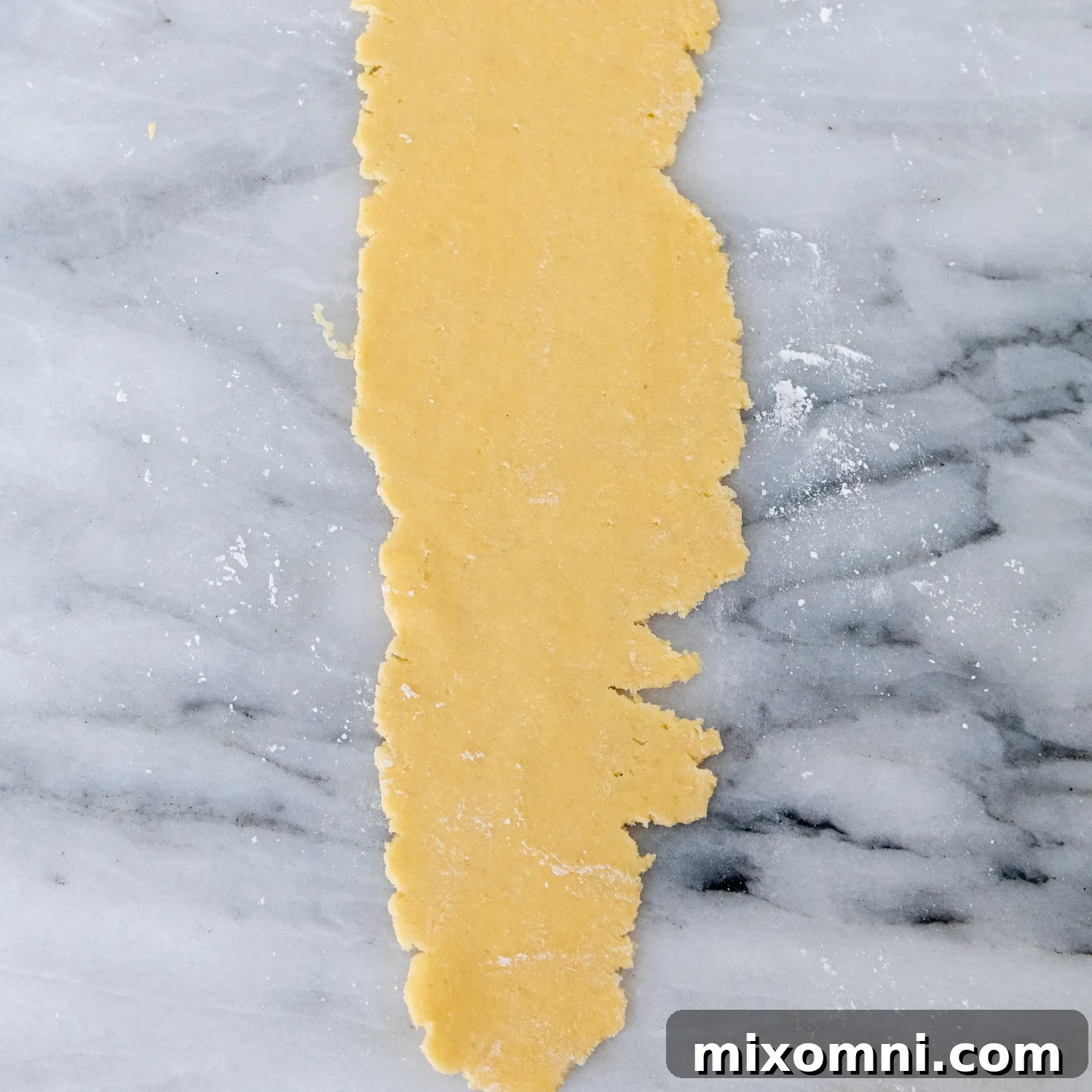
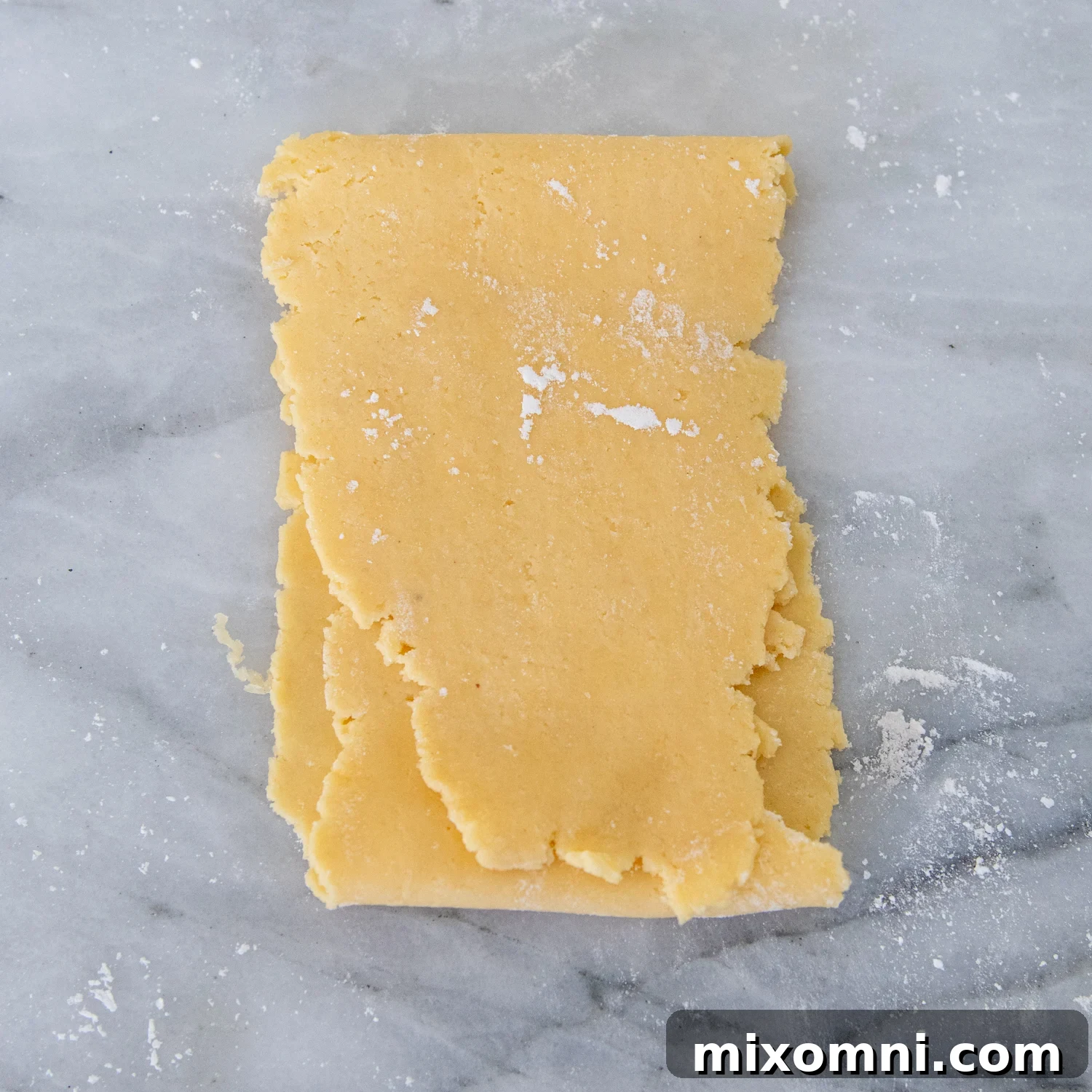
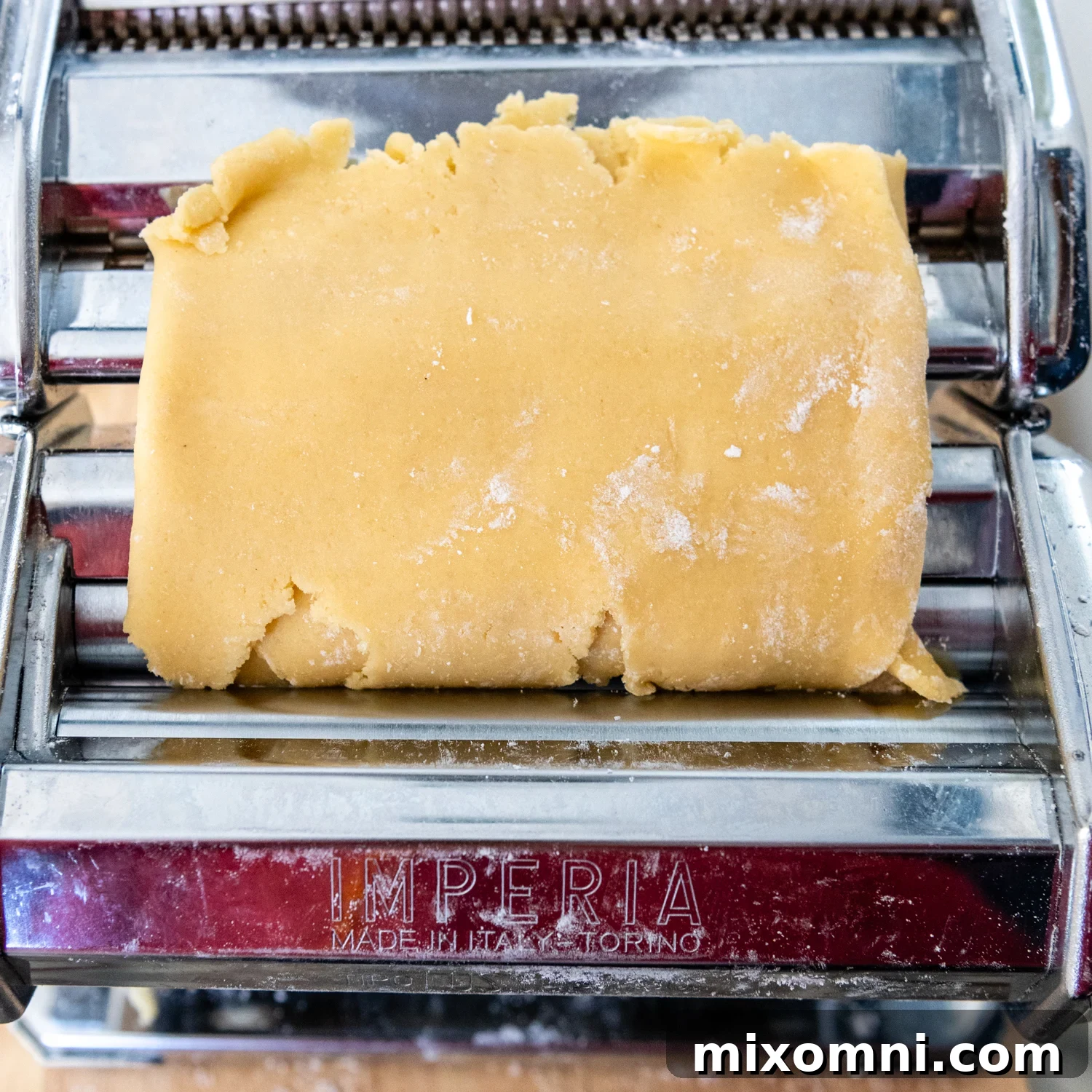
Now it’s time to transform that initial ragged sheet into a beautifully smooth, consistent strip before cutting it into your desired pasta shapes. Take the sheet you just rolled. Gently fold the top edge down to meet the middle, and then fold the bottom edge up to meet the same point, effectively folding the dough into thirds, much like you would a letter. This action helps to build strength and even out the dough.
Once folded, turn the dough 90 degrees so that the longer side is now perpendicular to the rollers. Feed this folded dough through the widest setting of your pasta machine once again. This repetition of folding and rolling is crucial for developing a uniform texture and smooth edges, which is especially beneficial for gluten-free dough that lacks the natural elasticity of traditional pasta.
Repeat for Perfection: Folding and Rolling
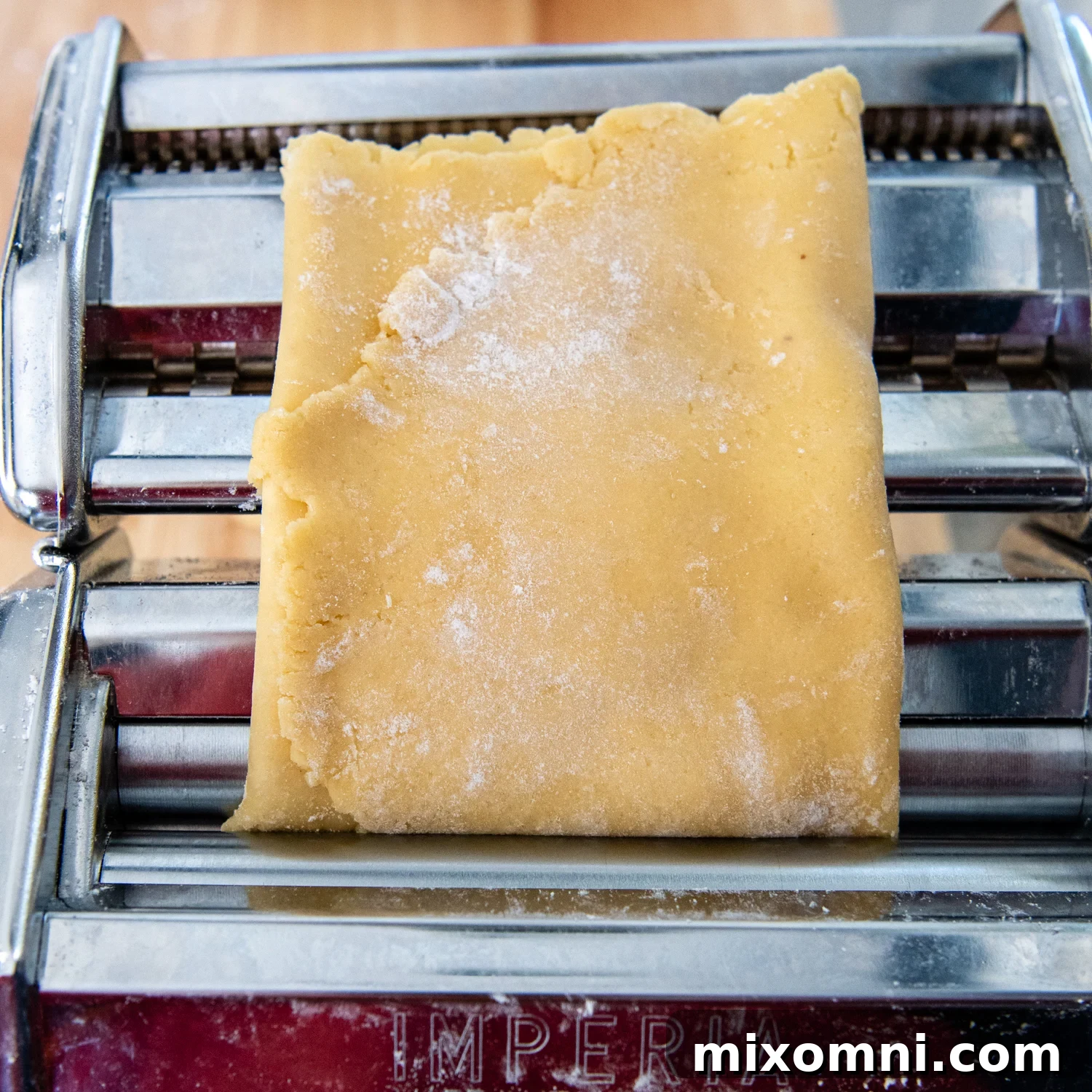
To ensure maximum smoothness and pliability, perform the same folding and rolling process one more time. Fold the sheet into thirds again, turn it 90 degrees, and feed it through the widest setting of the pasta machine. This final pass on the widest setting after folding will result in a beautifully uniform and strong sheet of gluten-free pasta dough, ready for thinning. This methodical approach is what truly distinguishes homemade gluten-free pasta, elevating it to an authentic Italian standard.
Thinning and Cutting Your Gluten-Free Pasta
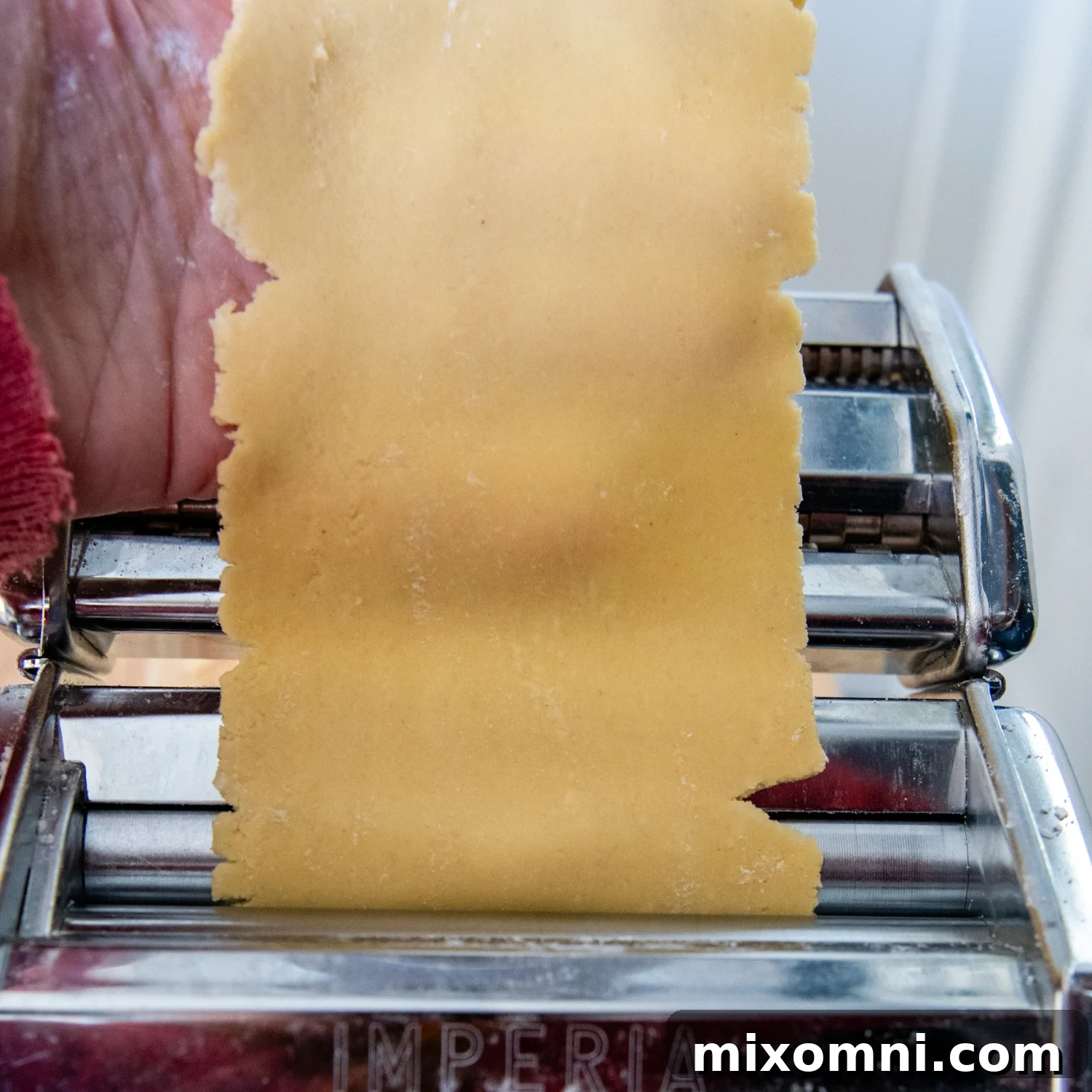
By now, you should have a lovely, smooth sheet of dough with relatively straight edges, ready for its final transformation. It’s time to progressively thin the dough. On most pasta machines, you’ll next run the sheet through setting 2 (typically one or two times) and then setting 3 (usually once). Adjust these settings based on your machine and desired pasta thickness. The goal is a thin yet resilient sheet. If at any point the dough becomes sticky, simply transfer it to your lightly floured work surface and gently pat both sides with a little more gluten-free flour. This keeps the dough manageable.
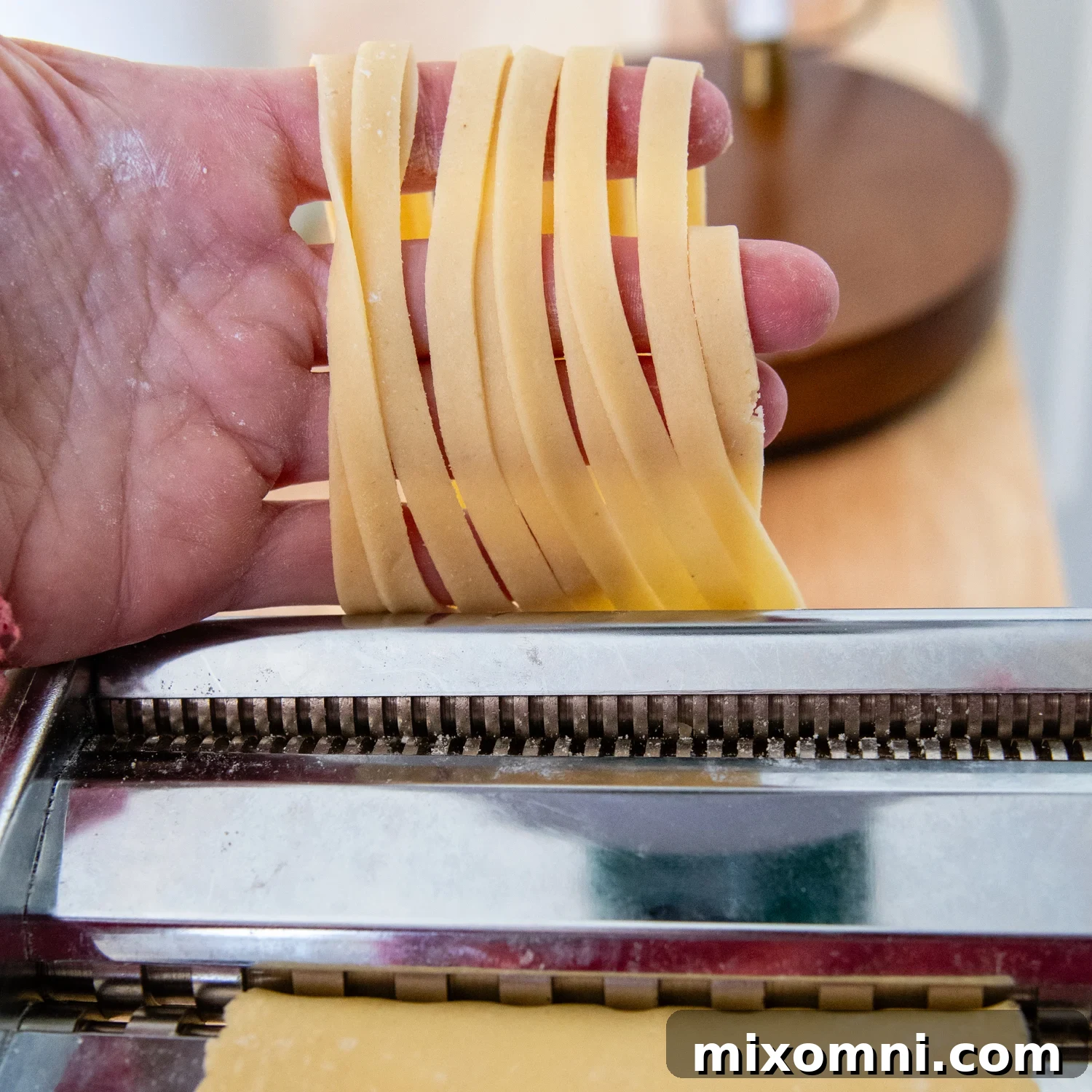
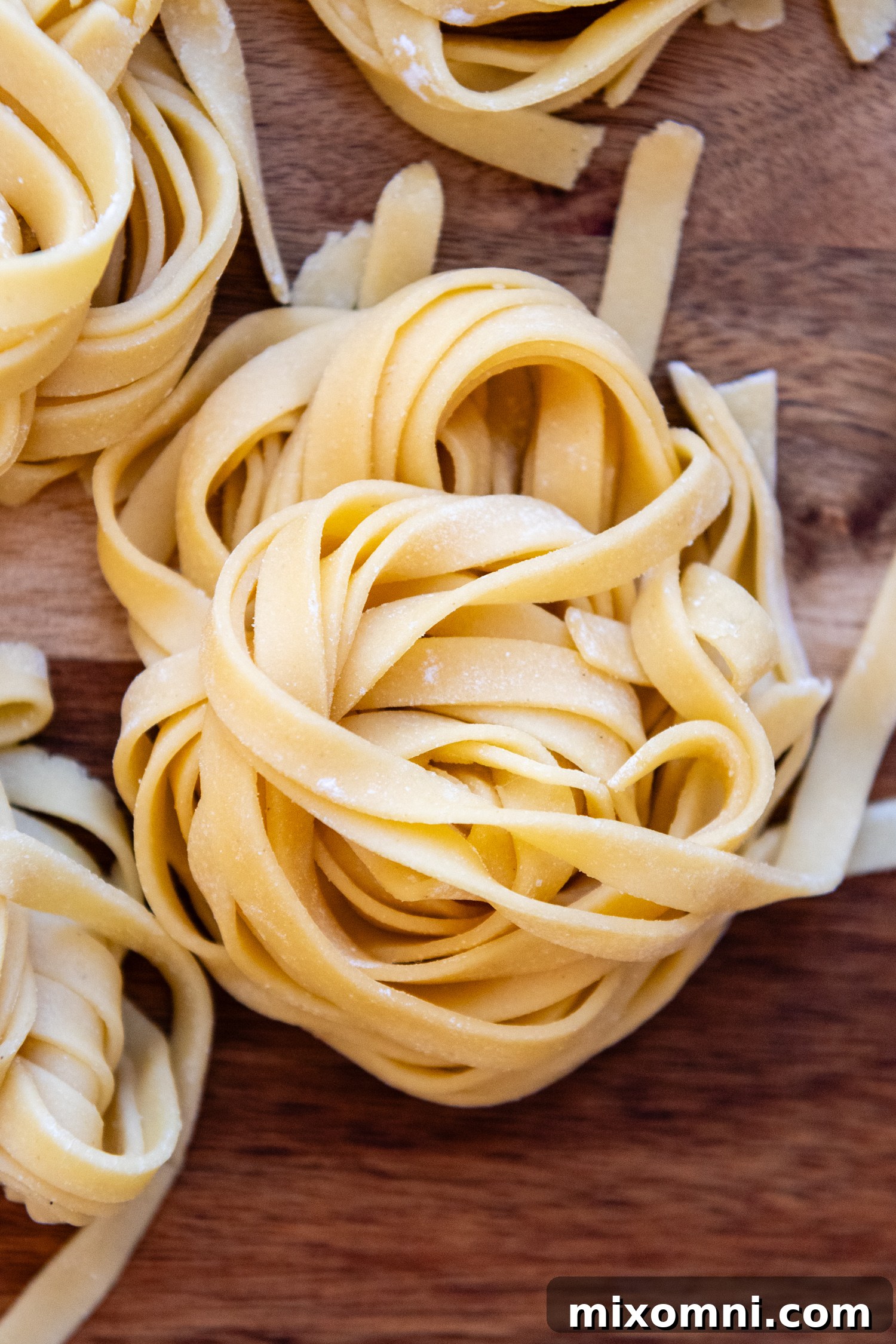
Once you’ve achieved your desired thickness, move the sheet to the pasta cutter attachment on your machine. You can cut it into wide fettuccine noodles, classic spaghetti, or any other shape your machine offers. As each section of pasta is cut, carefully shape it into a loose nest and transfer it to a parchment-lined baking sheet. Alternatively, you can separate the strands and lay them flat on the sheet. Immediately cover the baking sheet with plastic wrap to prevent the fresh pasta from drying out while you continue to roll and cut the remaining dough. This careful handling ensures your gluten-free pasta remains tender and fresh until it’s ready for the pot.
Choosing the Best Gluten-Free Flour for Your Pasta
This section is paramount, as the choice of gluten-free flour makes an absolutely monumental difference in the success and enjoyment of your homemade pasta. After extensive testing, I have a top recommendation:
Top Recommendation: Cup4Cup Gluten-Free Flour
Without a doubt, Cup4Cup gluten-free flour yielded the most superior results. The dough was consistently easy to work with, exhibiting excellent pliability and resilience during the rolling process. More importantly, the cooked pasta boasted an outstanding texture – tender, yet firm, holding its shape beautifully. Furthermore, noodles made with Cup4Cup demonstrated exceptional integrity after freezing and re-cooking, remaining intact and delicious. Its blend of cornstarch, tapioca starch, potato starch, and milk powder contributes to its unique performance, mimicking the properties of wheat flour remarkably well.
Alternative Test: Caputo Gluten-Free Flour
I also rigorously tested the recipe multiple times with Caputo gluten-free flour (Fioreglut). Known for its extra-fine grind, this flour required a significant adjustment to the recipe: I had to incorporate an additional 6-8 tablespoons of flour to achieve a workable dough consistency. While the cooked texture was initially amazing – incredibly light and delicate – I unfortunately found that after freezing and subsequent cooking, the noodles tended to break apart. This was a disheartening discovery, as its initial fresh performance was so promising.
Less Recommended: King Arthur Measure-for-Measure
My experience with King Arthur Measure-for-Measure was, to put it mildly, quite frustrating. The dough consistently broke apart with ease and lacked the necessary pliability to be successfully rolled through the pasta machine. I was so disheartened that I didn’t even bother to roll out all the dough from my test batches. While it’s possible that this flour could be made to work, it would likely require a complete re-formulation of the recipe ratios, making it a much more complex endeavor than the simple adjustments needed for other brands.
If you choose to experiment with another gluten-free flour blend for this recipe, I would be incredibly grateful if you could share your experiences in the comments below, along with any specific adjustments you found necessary. Your feedback helps our entire gluten-free community! ❤️
Sure-Fire Cooking Method: Say Goodbye to Mushy Gluten-Free Noodles!
Achieving perfectly cooked gluten-free pasta requires a slightly different approach than traditional wheat pasta, particularly when it comes to salting the water. My first and most critical tip, which might raise an eyebrow from Gramma, is this: do not salt the pasta water. I’ve consistently found that cooking gluten-free pasta in salted water causes it to absorb an excessive amount of salt, leading to an overwhelmingly salty dish. The inherent flavor of your fresh pasta will come from the dash of salt already incorporated into the dough, and the overall seasoning of your meal should primarily be achieved through a properly seasoned sauce.
Fresh egg noodles, whether gluten-free or not, inherently require a very short cooking time. This holds true whether you are cooking your pasta fresh or from frozen. The process is simple: bring a large pot of unsalted water to a rolling boil. Carefully add your fresh or frozen gluten-free pasta to the boiling water. Wait for the water to return to a full boil – this is your cue to start the timer. For fresh pasta, you’ll typically only need about 2 minutes of cooking time. If you’re cooking frozen pasta, extend this slightly to about 2 minutes and 30 seconds. The goal is an al dente texture that is tender yet still has a slight bite. Overcooking gluten-free pasta is the quickest way to achieve a mushy, undesirable result, so keep a close eye on it!
Beyond Noodles: Crafting Gluten-Free Lasagna Sheets and More
Oh my goodness, creating homemade gluten-free lasagna sheets with this dough is truly a culinary revelation – pure heaven on earth! To make the best from-scratch gluten-free lasagna recipe you’ve ever tasted, you’ll typically need to use half a batch of this pasta dough. The process is straightforward:
- Rolling Lasagna Sheets: Follow the rolling instructions as you would for noodles, but stop thinning the dough after setting 3 on your pasta machine. This thickness is ideal for lasagna sheets, providing structure without being too dense.
- Storage: Once rolled, carefully transfer the sheets to parchment-lined baking sheets. You can stack layers between additional sheets of parchment paper to prevent sticking. If you’re not planning to use them immediately, cover the baking sheets tightly with plastic wrap and refrigerate for up to 24 hours. For longer storage, freeze the covered sheets until solid, then transfer the frozen sheets to an airtight container or freezer bag, separated by parchment. They can be frozen for up to 2 months.
- Assembly: When you’re ready to assemble your lasagna, use the fresh pasta dough directly, or thaw frozen sheets slightly just enough to make them pliable. Use kitchen shears or a knife to cut the dough to fit the dimensions of your baking pan perfectly. This fresh, homemade touch will elevate your lasagna to an entirely new level of deliciousness.
This versatile dough isn’t just for fettuccine and lasagna. Consider using it for other creative pasta endeavors like ravioli, tortellini, or even to make wide pappardelle for a rich ragu. The possibilities are truly endless once you master this fundamental gluten-free pasta recipe.
Save This Easy Gluten-Free Pasta Recipe to Your Pinterest Board!
Let’s be friends on Pinterest! I’m always sharing fantastic recipes and culinary inspiration!
Recipe Card: Authentic, Tender Gluten-Free Pasta (Easy Recipe)
Authentic, Tender Gluten-Free Pasta (Easy Recipe)
Yield: 6 servings
Prep Time: 30 mins
Cook Time: 10 mins
Total Time: 40 mins
If you thought making easy and homemade gluten-free pasta wasn’t possible, think again. These soft, supple, and tender noodles taste identical to the authentic ones my Italian family has been making for generations. Only 4 simple ingredients stand in your way of finally enjoying from-scratch pasta made with this easy step-by-step method. I’ll show you how to make everything from fettuccine to lasagna sheets.
Pin Recipe
Rate This Recipe
Ingredients
- 2 cups (292 g) gluten-free all purpose flour (Cup4Cup gluten-free flour highly recommended – see post for notes on other brands)
- ½ cup + 2 tablespoons (58 g) almond flour
- ¾ teaspoon salt
- 4 large eggs
- 1 tablespoon olive oil
Equipment
- Food Processor (optional, for mixing dough)
- Pasta Machine (hand-crank or electric attachment)
- Cup 4 Cup Gluten Free Flour (for dusting)
Instructions
- Food Processor Method: Place the gluten-free all-purpose flour, almond flour, and salt in a food processor. Process for a few seconds to combine thoroughly. Add the eggs and olive oil. Process until a dough forms and holds together in small clumps. When pressed together, the dough should form a cohesive ball and be very slightly sticky.
- By Hand Method: In a large bowl, whisk together the gluten-free all-purpose flour, almond flour, and salt. Create a well in the center of the dry ingredients. In a separate small bowl, whisk the eggs and olive oil together, then pour into the well. Use a fork to gradually incorporate the dry ingredients into the wet mixture, starting from the center and working outwards. Once the mixture is shaggy, use your hands to gently knead until all dry ingredients are uniformly worked in and the dough forms a soft, slightly sticky ball when pressed.
- Dough Adjustment Note: The exact consistency of the dough can vary depending on egg size and the specific gluten-free flour brand. If the dough appears too wet and excessively sticky, gradually add a little more gluten-free flour (1 tablespoon at a time) until the desired consistency is achieved. Conversely, if the dough is too dry and crumbles rather than clumping, add a very small touch of water (½ teaspoon at a time) and knead until it comes together.
- Divide the prepared dough into 4 equal sections. Wrap each section tightly with plastic wrap to prevent them from drying out.
- Prepare your workspace: Set up your pasta rolling machine. Have a clean surface lightly dusted with gluten-free flour for handling the dough. Line two baking sheets with parchment paper for the finished pasta.
- Take off approximately one-third of a wrapped dough ball (keeping the remaining dough wrapped). On your lightly floured work surface, gently flatten the dough section into a smushed, flat oval. Pat both sides of this flattened dough with a little gluten-free flour.
- Run the flattened dough through the widest setting (setting 1) on your pasta machine. It will emerge as a sheet that may be slightly sticky and have ragged edges.
- To refine the sheet, fold the top and bottom edges inwards, meeting in the middle, like folding a letter into thirds. If needed, pat a little flour on each side. Turn the folded dough 90 degrees so the longer edge is now perpendicular to the rollers, and feed it through the widest setting again.
- Repeat the folding and widest-setting roll one more time: fold the dough into thirds, turn it 90 degrees, and pass it through the widest setting again. This process smooths the dough and makes it more pliable.
- You should now have a smooth pasta sheet with straight edges. Progressively thin the dough by running it through increasingly narrower settings on your pasta machine. For my machine, I typically pass it through setting 2 (one to two times), then setting 3 (one time) before cutting. If the sheet becomes sticky at any point, lightly dust it with gluten-free flour on both sides.
- Once the sheet is thinned to your desired thickness, use the pasta cutter attachment on your machine to cut it into wide fettuccine noodles, spaghetti, or other shapes.
- As each section of pasta is cut, carefully shape it into a loose nest and transfer it to a parchment-lined baking sheet. Alternatively, you can lay the strands out separately on the sheet. NOTE: If you plan on freezing the pasta, I do not recommend shaping it into nests, as they can be harder to separate when cooking from frozen. Immediately cover the baking sheet with plastic wrap to keep the pasta from drying out while you process the remaining dough.
- To Cook Fresh Pasta: Transfer the securely covered baking sheets to the refrigerator for up to 24 hours if not cooking immediately. To cook, bring a large pot of unsalted water to a rolling boil. Add the pasta. Once the water returns to boiling, cook for approximately 2-3 minutes until al dente.
- To Freeze Pasta for Longer Storage: After cutting and placing on parchment-lined baking sheets, transfer the covered sheets directly to the freezer. Once the pasta is completely frozen solid (this prevents sticking), gently transfer the individual noodles or flat sheets into a ziplock freezer bag or airtight container. Lay them flat to prevent breakage. Freeze for up to 2 months. When ready to enjoy, bring unsalted water to a boil. Add the frozen pasta directly to the boiling water and, once it returns to boiling, cook for 2-3 minutes, adding about 30 seconds more than fresh pasta.
- This recipe yields 4 generous dinner-sized portions or 6-8 smaller side portions.
Notes and Expert Tips
Tips on Achieving Perfect Dough Consistency
The success of this gluten-free pasta recipe hinges significantly on the specific brand of gluten-free flour you use and the size of your eggs. Be prepared to make slight adjustments based on these factors to achieve the ideal dough consistency:
- Food Processor Dough Texture: After all ingredients are mixed in a food processor, the dough should be clumpy and broken apart into smaller pieces, not one giant, uniform ball. However, when you press a handful of these clumps together, they should easily form a soft, cohesive ball.
- Slightly Sticky is Key: Whether mixing by hand or machine, the final dough should always feel just slightly sticky to the touch. This indicates adequate moisture. If it’s too dry, it will crack; if too wet, it will be unmanageable.
- Troubleshooting Dry/Cracking Dough: If, while rolling, your dough starts to break apart or feels too dry, it definitely needs more moisture. You can remix the dough with a dash of water in the food processor, or simply wet your hands and knead a small amount of water directly into the dough balls before running them through the machine again.
- Troubleshooting Sticky Dough: If the dough is too sticky to pass smoothly through the pasta machine, gently dust both sides of the dough sheet with a little more gluten-free flour. If this doesn’t resolve the issue, you may need to incorporate a bit more flour into the entire dough batch and remix briefly.
Storing and Make-Ahead Tips
While this recipe is incredibly make-ahead friendly, my personal recommendation, after extensive testing, is to enjoy it fresh or stored in the refrigerator/freezer rather than attempting to dry it. I found that dried gluten-free pasta, once boiled, developed a chewier, less desirable texture compared to the exquisite tenderness of freshly made or frozen-then-cooked pasta.
- Refrigeration: The cut and shaped pasta can be stored on parchment-lined baking sheets, tightly covered with plastic wrap, in the refrigerator for up to 1 day before cooking.
- Freezing for Long-Term Storage: For best results when freezing, avoid shaping the cut pasta into nests. Instead, lay the individual strands or sheets flat on a parchment-lined baking sheet. Once completely frozen solid, transfer the noodles to a ziplock freezer bag or airtight container. For flat sheets, stack them with parchment paper in between. This method makes the noodles much easier to separate when you’re ready to cook them. Freeze for up to 2 months.
Nutrition Information (per serving)
- Calories: 249 kcal
- Carbohydrates: 31 g
- Protein: 10 g
- Fat: 11 g
- Saturated Fat: 2 g
- Polyunsaturated Fat: 1 g
- Monounsaturated Fat: 3 g
- Trans Fat: 0.01 g
- Cholesterol: 109 mg
- Sodium: 332 mg
- Potassium: 41 mg
- Fiber: 5 g
- Sugar: 2 g
- Vitamin A: 158 IU
- Calcium: 63 mg
- Iron: 2 mg
Did you make this incredible gluten-free pasta recipe? I absolutely love hearing about your culinary successes! Please leave a star rating and comment below the recipe card. Your feedback is invaluable, helping others discover and enjoy this recipe within our community. Rest assured, I personally read and respond to every comment! -Melissa