
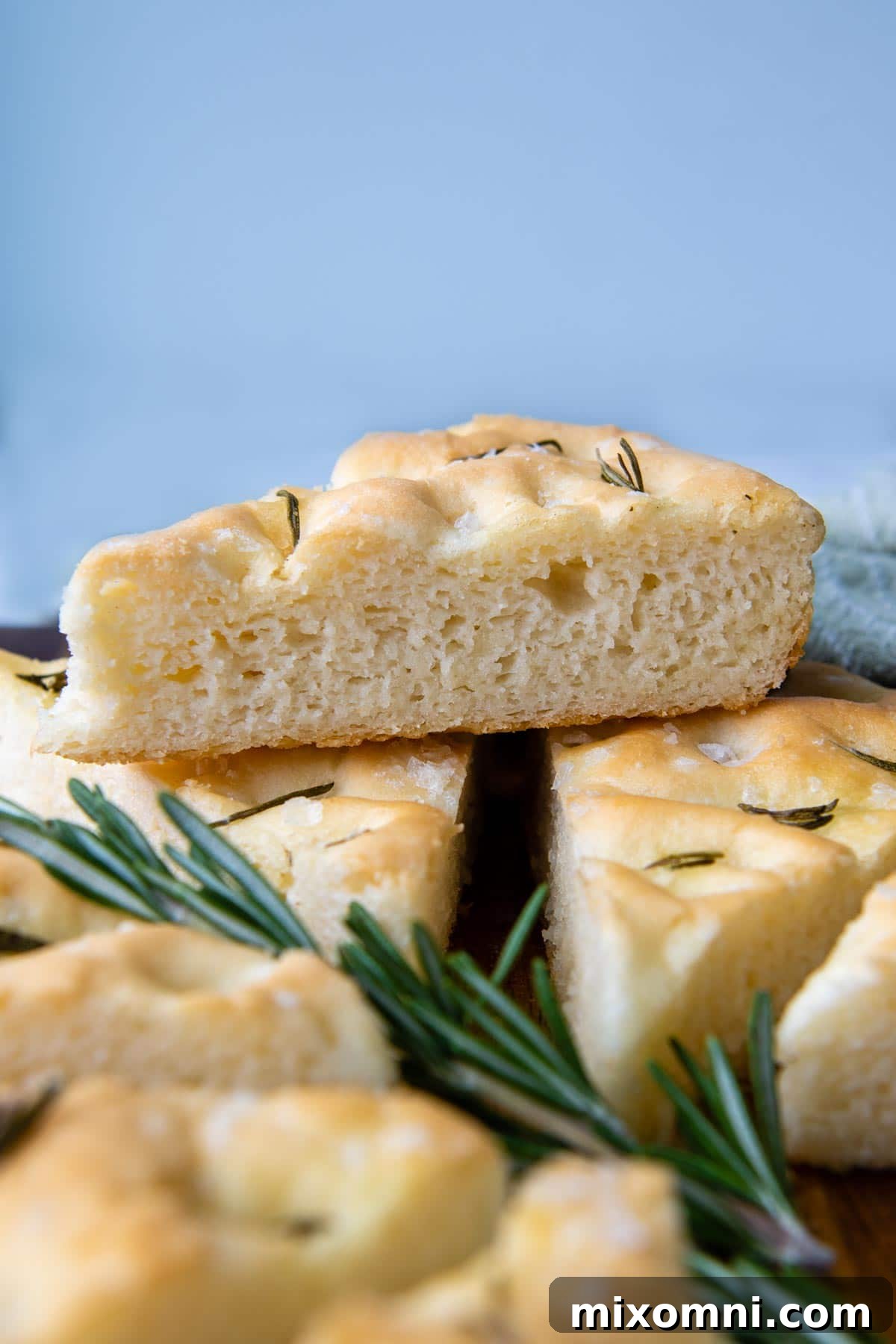
Unlock the secret to baking the most exquisite gluten-free focaccia, a recipe so remarkably simple and delightful, you’ll hardly believe it’s an authentic Italian bread made with such ease. This incredible focaccia has won over countless palates, even those accustomed to traditional gluten-rich varieties, proving that a gluten-free diet doesn’t mean compromising on flavor or texture. Prepare to be amazed by its irresistibly doughy softness, the aromatic burst of salty rosemary, and the sheer joy of creating a culinary masterpiece with minimal effort. Dive into the enthusiastic reviews from home bakers who rave about this recipe’s ability to deliver a truly memorable, authentic Italian bread experience every single time.
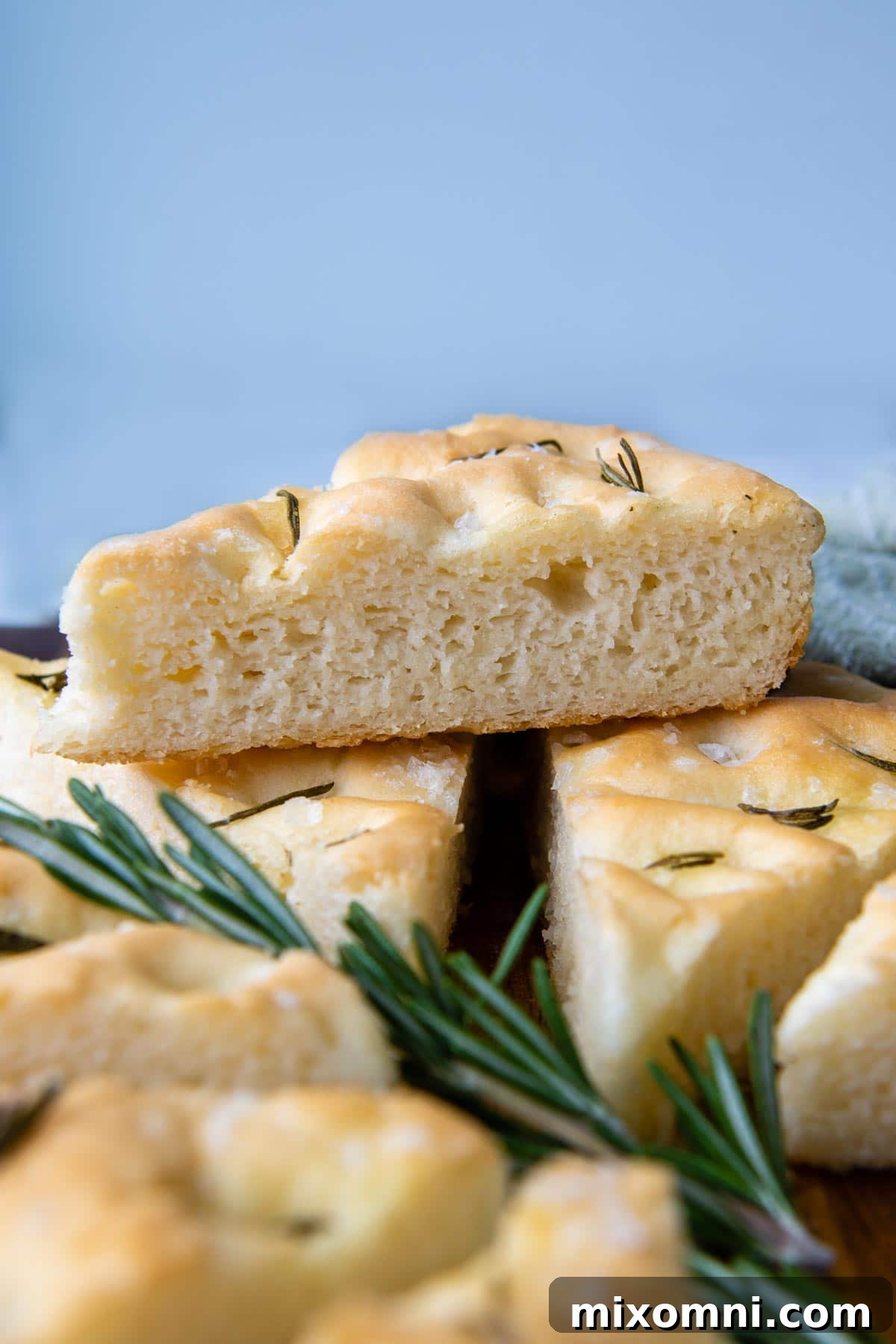
Discover the Ultimate Gluten-Free Focaccia Recipe
If your quest is for not just the best gluten-free focaccia bread, but one that promises simplicity and effortless preparation, then your search ends here. This recipe is a must-save, a game-changer for anyone navigating the world of gluten-free baking. It stands out for its straightforward approach, enabling you to create a truly authentic Italian focaccia that rivals its traditional counterparts in taste and texture.
Originally a beloved feature in my cookbook, “Frugal Gluten-Free Cooking,” this focaccia recipe quickly became a signature offering. Its popularity stems from its incredible ease of execution, utilizing readily available and affordable ingredients. What makes it truly exceptional is its uncanny ability to perfectly replicate the beloved texture and flavor of classic focaccia, making it an indispensable recipe for those who thought they had to give up their favorite Italian bread. The process is remarkably simple: combine the ingredients, spread the dough into a prepared pan, and let it rise briefly while your oven preheats. In under an hour, you can enjoy warm, soft, and utterly delicious gluten-free focaccia, much like enjoying freshly baked breadsticks from your favorite Italian restaurant. Elevate your next Italian meal by pairing this delightful focaccia with other cherished family recipes, such as our ultimate GF lasagna or Gramma’s legendary tender no-breadcrumb meatballs.
This was one of the easiest and tastiest GF breads I have made yet! I used to love focaccia bread before I learned that I had celiac. My family misses their gluten bread but I am happy to say they scarfed this entire loaf down in one sitting, talking about how delicious it was! This bread will be a repeat for me! The texture, density, and moisture levels were all perfect. I did not alter one thing in this recipe and it was perfect as is!
—Christie
Essential Ingredients for Perfect Gluten-Free Focaccia
When crafting recipes for my extensive gluten-free bread collection, my philosophy centers on simplicity and affordability. I prioritize using standard kitchen staples that you likely already have on hand, ensuring that gourmet gluten-free baking is accessible to everyone. This approach not only makes the cooking process easier but also keeps costs down without sacrificing quality or flavor. Should you find yourself with any delightful leftovers, this homemade gluten-free focaccia transforms beautifully. Try toasting it into cubes and adding it to an Italian Panzanella salad for a refreshing twist.
- Gluten-Free Flour: The foundation of any successful gluten-free bread. During extensive testing for this focaccia recipe, I experimented with numerous popular gluten-free all-purpose flour blends, many of which already contain xanthan gum. While various brands offer convenience or competitive pricing, Cup4Cup consistently emerged as the superior choice. Its unique blend provides the ideal balance of taste and texture, closely mimicking traditional wheat flour and yielding an exceptionally soft and airy focaccia.
- Milk: Essential for richness and moisture in the dough. For those seeking a dairy-free or vegan focaccia, a simple substitution with your preferred non-dairy milk alternative (such as almond, soy, or oat milk) works perfectly without compromising the final result. This versatility ensures everyone can enjoy this delicious bread.
- Extra Virgin Olive Oil: A non-negotiable ingredient that is absolutely crucial for authentic Italian focaccia. Its presence in the dough contributes significantly to the bread’s moisture and tender crumb. More importantly, a generous coating of olive oil on both the bottom and top crusts ensures that signature crispy bottom and infuses the bread with its distinctive, robust Italian flavor. Do not skimp on the olive oil!
- Rosemary: The classic, aromatic herb that defines traditional focaccia. For the most vibrant and pungent flavor, fresh rosemary is highly recommended. However, dried rosemary can also be used effectively. If opting for a gluten-free rosemary bread, incorporate about 1/2 teaspoon of dried rosemary directly into the dough and sprinkle additional sprigs or dried flakes on top before baking.
- Yeast: Given this focaccia’s impressively short rise time, active dry yeast is used in conjunction with a touch of baking powder. This combination provides an extra boost, ensuring optimal lift and a light, airy texture while baking. If you have instant yeast on hand, you can bypass the initial activation step and add it directly to the dry ingredients, simplifying the process even further.
- Optional Toppings: Unleash your creativity with additional toppings! Consider a sprinkle of freshly grated Parmesan cheese for a savory kick, a generous dusting of flaky sea salt for bursts of briny flavor, or a grind of fresh pepper for a subtle spice. For even more inspiration, explore the diverse topping ideas listed further below!
Watch the Recipe in Action
Let’s Bake This Delicious Focaccia Together!
(The following section provides step-by-step photos and detailed instructions. For the complete recipe, including precise ingredient measurements, please scroll down to the dedicated recipe card.)
Activate the Yeast for Optimal Rise
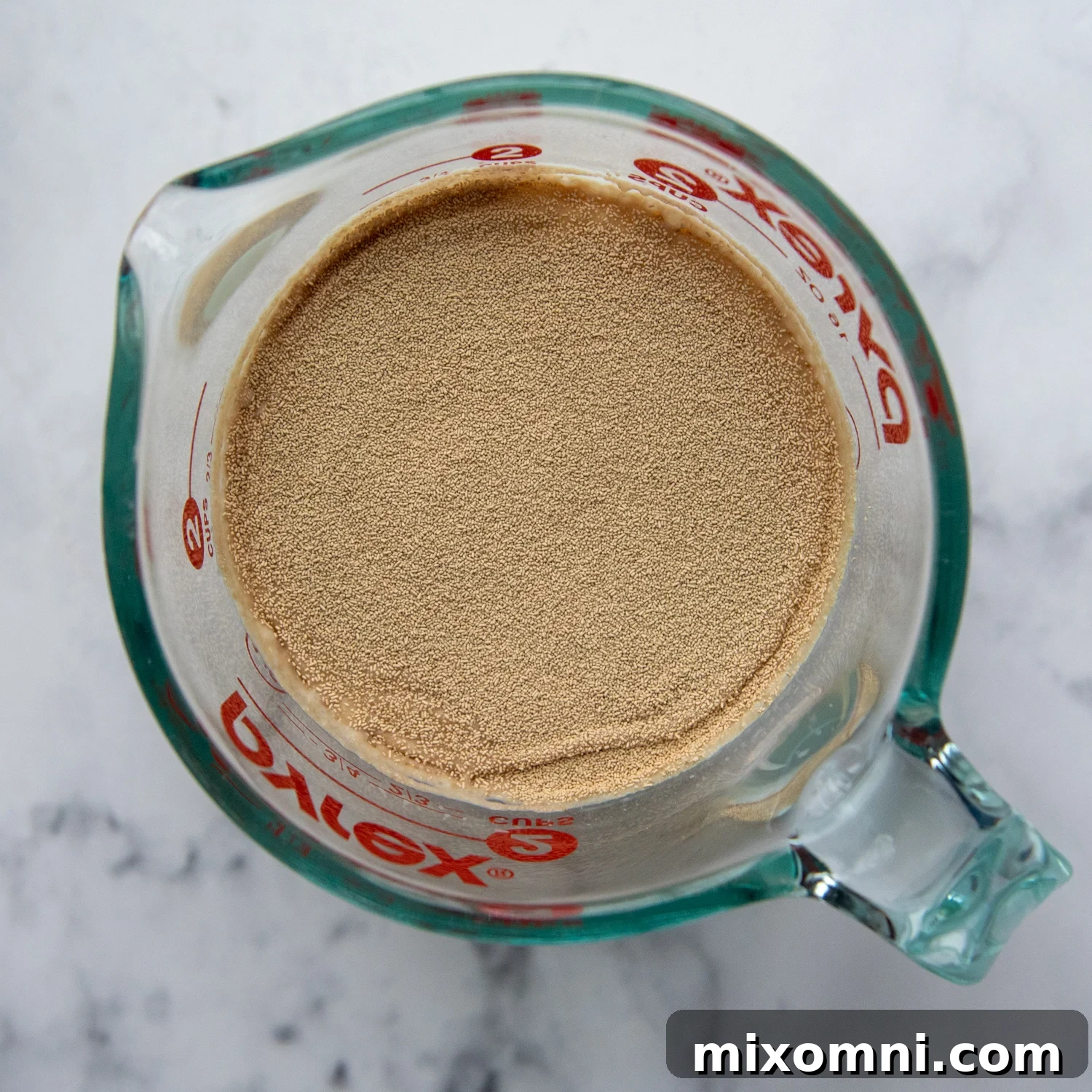
Begin by combining the specified amounts of water and milk in a microwave-safe measuring cup. Heat the mixture for approximately 1 minute, or until it reaches a lukewarm temperature of 110ºF. An instant-read thermometer is your best tool for quickly and accurately checking this temperature, ensuring ideal conditions for yeast activation. Sprinkle the active dry yeast over the liquid and gently stir with a fork. Allow the mixture to sit undisturbed for 5 minutes. During this time, the yeast will activate, becoming foamy and fragrant, indicating it’s ready to work its magic while you prepare the dry ingredients.
Quick Mix for a Perfect Dough
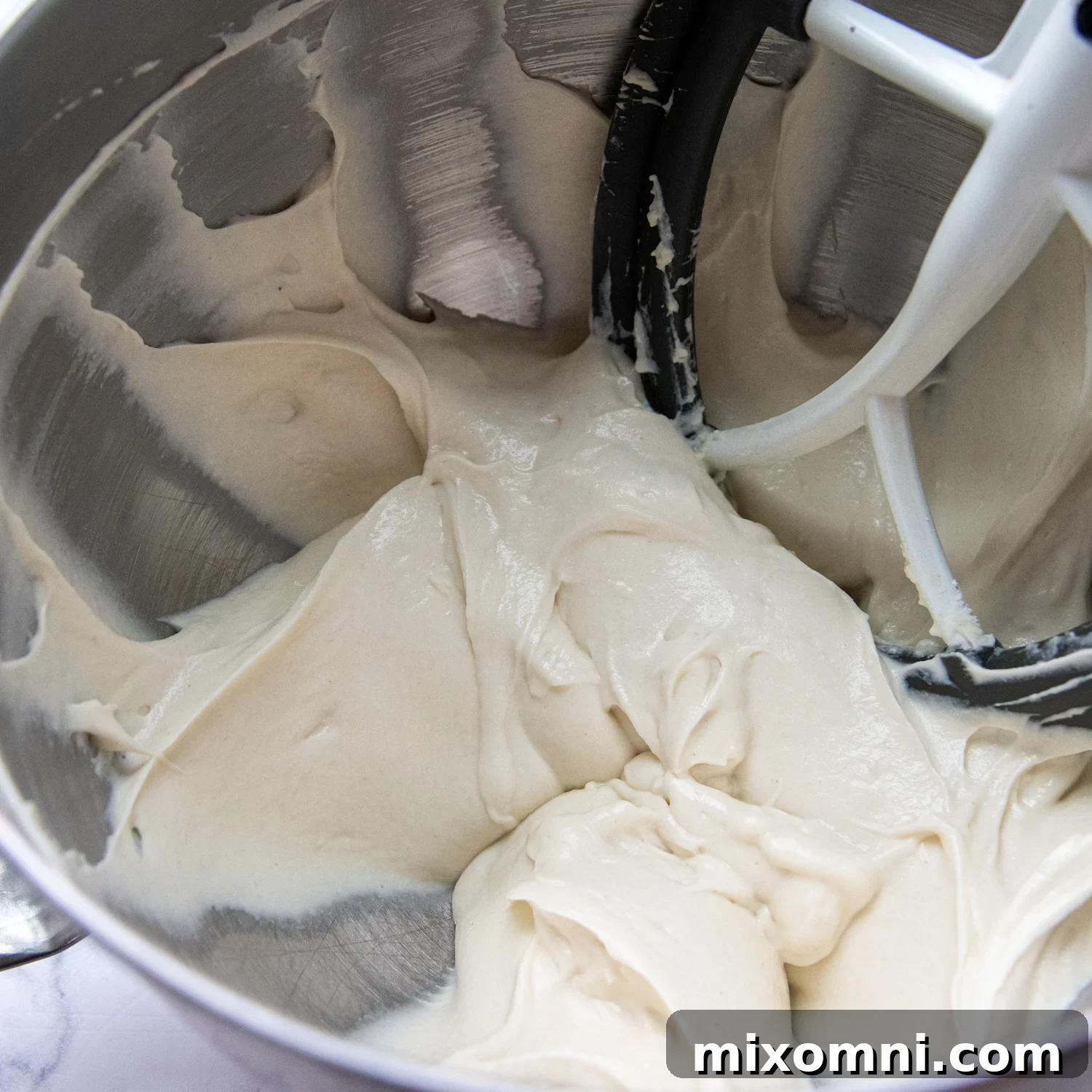
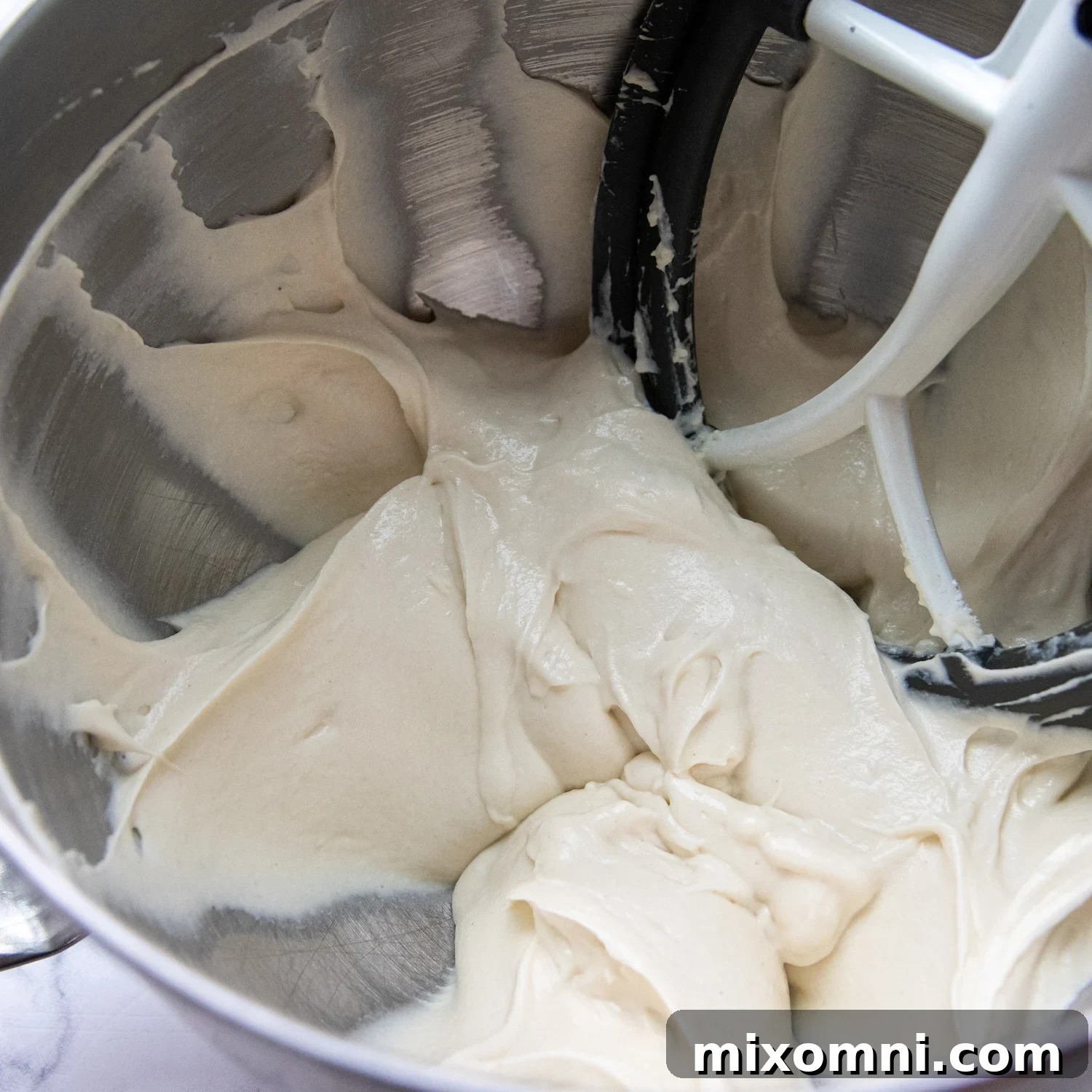
In a large mixing bowl, preferably of a stand mixer fitted with a paddle attachment, combine all your dry ingredients: the gluten-free flour blend, granulated sugar, baking powder, and a portion of the kosher salt. Mix these on low speed just until they are thoroughly combined. Next, pour in the activated yeast-milk mixture and the specified amount of olive oil. Mix the ingredients on low speed for 1 minute to initially combine them. Then, increase the speed to medium-high and continue beating the mixture for a full 6 minutes. This extended mixing time is crucial for gluten-free doughs, as it helps to adequately hydrate and saturate the GF starches, leading to a much better crumb structure and a wonderfully soft texture in the finished focaccia. After mixing, the batter will be noticeably thick, yet still pourable, indicating it has reached the perfect consistency.
The Fun Part: Creating Focaccia Indentations!
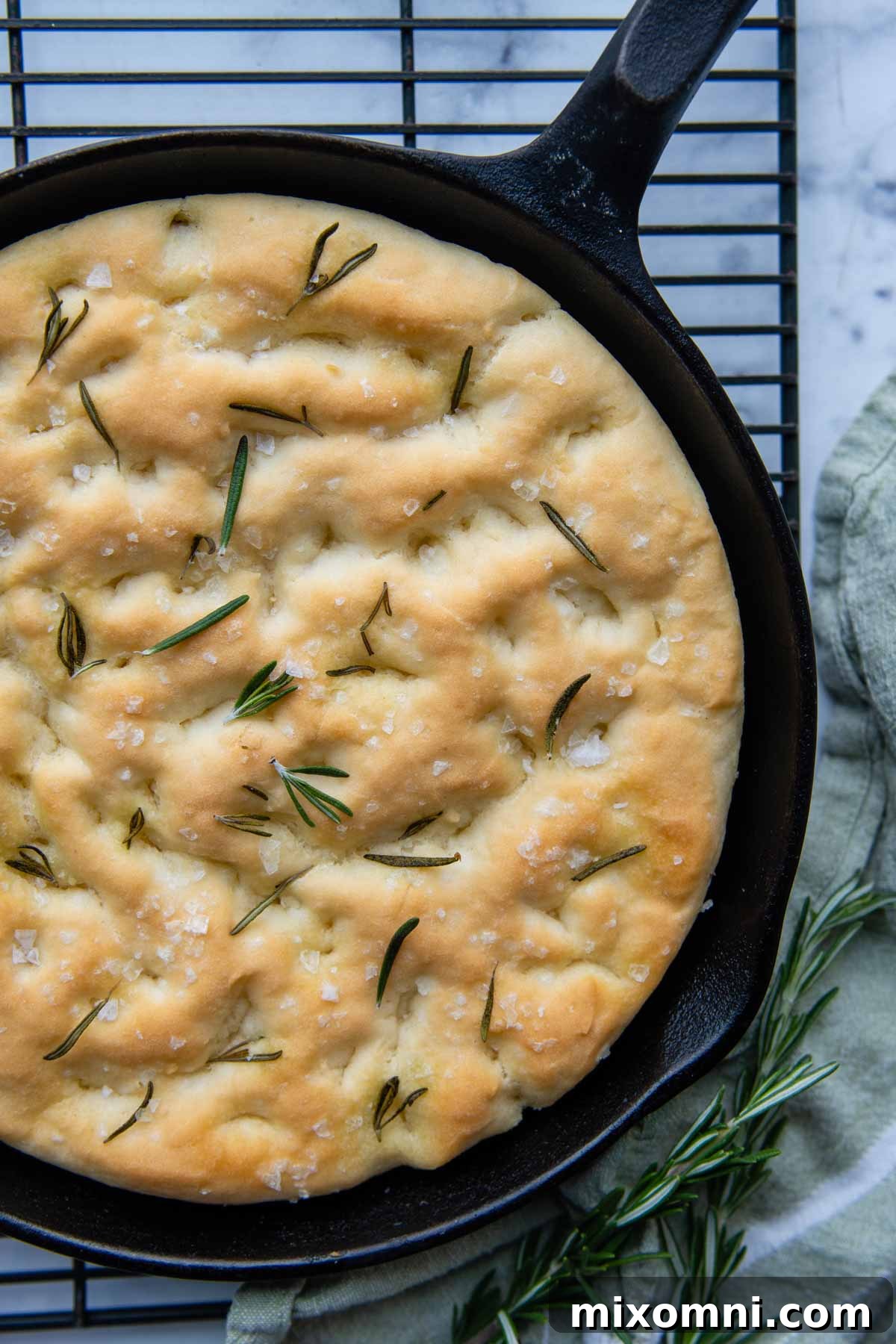
Generously coat the bottom of your chosen baking vessel, either a 10-inch cast iron skillet or a 9-inch cake pan, with olive oil. Ensure the oil is swirled evenly across the bottom and slightly up the sides to prevent sticking and promote a crispy crust. Carefully spread the thick focaccia batter into the prepared pan, smoothing it out evenly with a greased silicone spatula or your fingers. Drizzle more olive oil over the top surface of the dough, then gently spread it with your fingertips. Now for the signature focaccia touch: press your fingers firmly all over the dough to create those iconic indentations. This not only makes for a beautiful presentation but also creates pockets for the olive oil and toppings to gather. Sprinkle the top with the remaining kosher salt (or opt for flaky sea salt, as shown in the picture for extra texture and visual appeal) and fresh rosemary. Set the pan aside, uncovered, to rise for 30 minutes while your oven preheats to 350ºF (175ºC). Bake for approximately 35 minutes, or until the top achieves a beautiful golden-brown hue and the internal temperature reaches 210ºF (99ºC). Immediately upon removing from the oven, sprinkle with optional Parmesan cheese and freshly ground pepper. For an authentic and soul-satisfying Italian dining experience, I highly recommend serving this warm focaccia alongside a comforting bowl of our gluten-free Italian wedding soup.
Choosing the Best Pan for Focaccia Perfection
The choice of baking pan plays a significant role in achieving the perfect focaccia. Ideally, a 10-inch cast iron skillet is recommended. Its superior heat retention and distribution are key to creating a beautifully crispy, golden-brown bottom crust that is a hallmark of truly great focaccia. The depth of the skillet also helps the focaccia rise nicely and develop a thick, satisfying texture. If a cast iron skillet isn’t available, a 9-inch cake pan makes an excellent alternative. While it might not deliver the exact same level of crispness, it will still produce a delicious loaf.
Since gluten-free dough, unlike traditional wheat dough, lacks the robust elasticity for extensive kneading and shaping, a round pan is particularly advantageous. It naturally contains the dough, preventing it from spreading out too much and ensuring a cohesive, well-structured focaccia. This helps maintain the desired thickness and prevents a thin, cracker-like result.
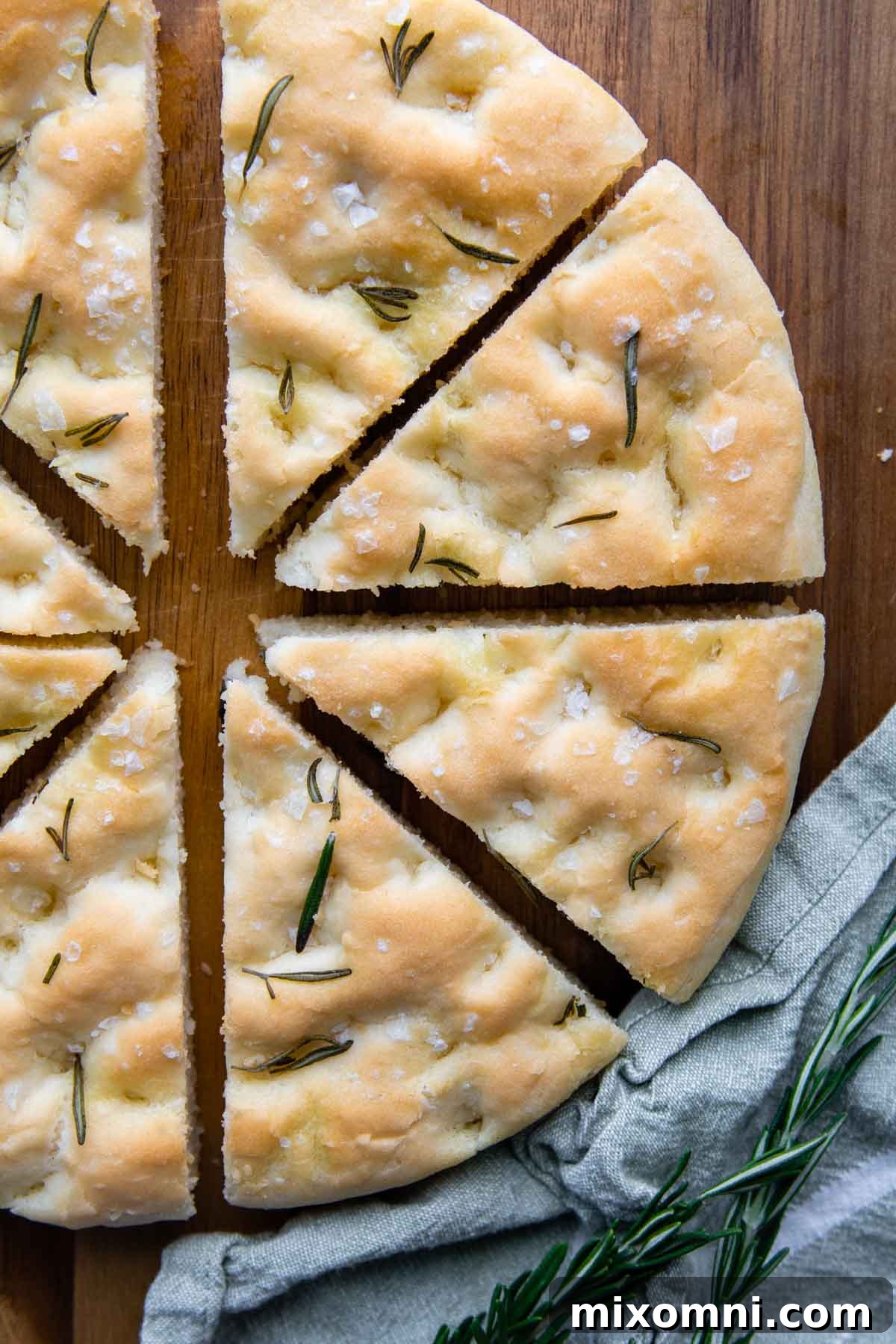
Delightful Focaccia Topping Ideas to Spark Creativity
While rosemary focaccia is a timeless classic, don’t hesitate to unleash your inner culinary artist and experiment with a myriad of creative toppings. Infuse your homemade focaccia with vibrant flavors and colors, transforming it into edible art! Many home bakers love to chop and arrange various toppings before baking, creating stunning visual patterns that are almost too beautiful to eat. The possibilities are truly endless when it comes to customizing your authentic Italian bread.
I’ve personally enjoyed crafting focaccia with an array of delicious additions. Consider the concentrated sweetness of sun-dried tomatoes, the briny tang of various olives, the mellow depth of roasted garlic cloves, or the subtle earthiness of fresh asparagus spears. Caramelized onions add a wonderful savory-sweet note, while a medley of fresh herbs like thyme, oregano, or sage can elevate the aromatic profile. For a heartier focaccia, try incorporating thinly sliced cured meats such as salami or prosciutto. Roasted red peppers offer a smoky sweetness and vibrant color. Be sure to check the comments section below, as our wonderful community of bakers often shares their own unique and delicious topping combinations, offering even more inspiration for your next focaccia creation!
Professional Tips for Focaccia Success
- Embrace Olive Oil: Olive oil is truly your best friend when making authentic focaccia. For that signature rich flavor and crispy exterior, be generous! Liberally grease the bottom of your skillet or pan, ensuring a good coating. Don’t forget to drizzle plenty more over the top of the dough before baking for a truly moist and flavorful crust.
- Utilize Cast Iron: For an unparalleled crispy bottom crust that defines traditional focaccia, a cast-iron skillet is highly recommended. Its excellent heat retention and even distribution are key to achieving that perfect golden-brown, satisfying crunch.
- Timing is Key for Parmesan: If you plan to add Parmesan cheese, have it freshly grated and ready to go. As soon as the focaccia emerges from the oven, sprinkle the Parmesan immediately. The residual heat will melt the cheese, allowing it to adhere perfectly to the warm bread, creating a delicious, savory layer.
- Experiment with Flavors: This versatile gluten-free focaccia dough is a fantastic canvas for a wide array of flavors. Don’t limit yourself to rosemary! Explore different herbs, spices, vegetables, or even cheeses. You can mix these additions directly into the dough or sprinkle them on top before the final rise and baking.
- For Focaccia Sandwiches: If your intention is to use this delicious bread for gluten-free focaccia sandwiches, consider baking the dough in an 11 x 7-inch rectangular pan. Once baked and cooled, you can easily slice it into generous squares, perfect for creating hearty and flavorful sandwiches.
Save This Recipe to Your Pinterest Board!
Let’s be friends on Pinterest! I’m always sharing great recipes!
Did you make this recipe? I love hearing from you! Leave a star rating and comment below the recipe card. It helps others when searching for recipes and I appreciate feedback from our community. You will always hear back from me! -Melissa
Easy Italian Gluten-Free Focaccia (Extra Soft)
 Melissa Erdelac
Pin
Rate
Remove Ads
Ingredients
- ¾ cup (180 g) water
- ¾ cup (184 g) milk or dairy-free milk
- 1 package (7 g) (2¼ tsp) active dry yeast
- 2 ½ cups (320 g) gluten-free all-purpose flour, Cup4Cup brand recommended
- 1 tablespoon (13 g) granulated sugar
- 1 teaspoon baking powder
- 1 ¼ teaspoon kosher salt, divided
- 5-6 tablespoons (69 g) olive oil, divided
- 2 sprigs fresh rosemary, or ½ tsp dried rosemary
- Optional toppings: flaky sea salt, freshly grated parmesan, fresh ground pepper
Equipment
-
Stand Mixer
-
Cup4Cup Gluten Free Flour
-
Cast Iron Skillet
Instructions
- Combine the water and milk in a microwave-safe measuring cup. Heat for 1 minute, or until lukewarm and reaches the temperature of 110ºF. Sprinkle with yeast and stir with a fork. Let sit for 5 minutes.
- Meanwhile, in a large bowl of a stand mixer with paddle attachment, combine the flour, sugar, baking powder, and 1 teaspoon kosher salt on low speed until combined. Add milk / yeast mixture and 3 tablespoons of olive oil.
- Mix on low speed for 1 minute to combine. Increase speed to medium high and beat for 6 minutes. Batter will be thick, yet pourable.
- Generously coat the bottom of a 10” cast iron skillet, or 9” cake pan, with 1-2 tablespoons olive oil. Swirl the oil around the bottom and sides evenly. Spread the focaccia batter into the prepared pan and smooth evenly in the pan with a greased silicone spatula or fingers.
- Drizzle more olive oil on the top and smooth with fingers. Press a finger down firmly all over to make indentations. Sprinkle the top with remaining kosher salt (or flaky sea salt, as pictured) and rosemary. Set aside, uncovered, for 30 minutes, and preheat the oven to 350ºF.
- Bake for 30-35 minutes or until the top is golden brown. The internal temperature should read 210ºF. Remove from the oven and immediately sprinkle with optional parmesan cheese and freshly ground pepper. Cool in pan for 10 minutes, then use a spatula to gently lift out of the pan to slice and serve, or cool completely on a wire rack.
Notes
Dairy-Free / Vegan Adaptation
Since there are no eggs or butter in this recipe, it is quite simple to transform this into a vegan recipe as well! Simply replace the milk with a dairy-free milk alternative. The remaining ingredients are naturally safe for a dairy-free or vegan diet, but always read the ingredient label on your gluten-free flour blend to be sure.
Storing and Freezing
For the absolute best results, enjoy this gluten-free focaccia on the day it is made, when it’s at its freshest and most delicious. Fortunately, with its quick preparation time, you can easily bake it within an hour of serving!
If you wish to prepare the focaccia ahead of time, it is remarkably freezer-friendly. Ensure the bread has cooled completely—this may take several hours—before wrapping it for freezing. For optimal freshness and texture, I recommend freezing the entire loaf before slicing. However, you can also wrap individual slices to pull out and enjoy as needed.
Freeze focaccia for up to three months. Wrap the cooled loaf tightly in plastic wrap, then cover it again with aluminum foil. For individual slices, wrap each slice in plastic wrap and then place them in a freezer-safe ziplock bag. To warm defrosted slices, wrap them in a paper towel and microwave for 15-20 seconds.
To rewarm an entire thawed loaf, place the bread on a baking sheet, cover it loosely with foil, and heat in a 350ºF (175ºC) oven until it’s crispy and hot, which usually takes about 10 minutes.
Nutrition Information (per serving):
Calories: 225kcal, Carbohydrates: 30g, Protein: 5g, Fat: 11g, Saturated Fat: 2g, Polyunsaturated Fat: 1g, Monounsaturated Fat: 7g, Cholesterol: 3mg, Sodium: 374mg, Potassium: 94mg, Fiber: 4g, Sugar: 4g, Vitamin A: 38IU, Vitamin C: 1mg, Calcium: 76mg, Iron: 1mg