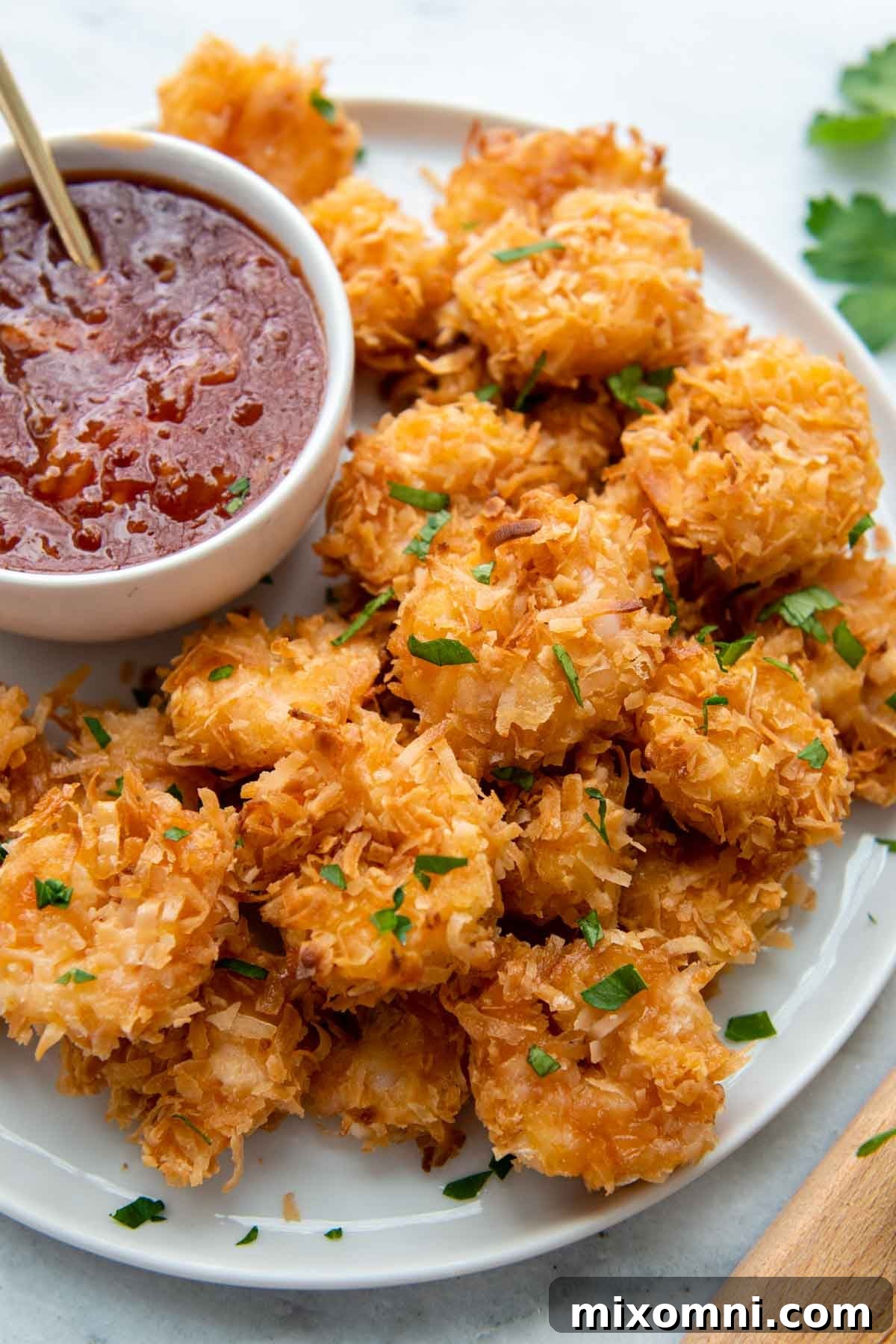
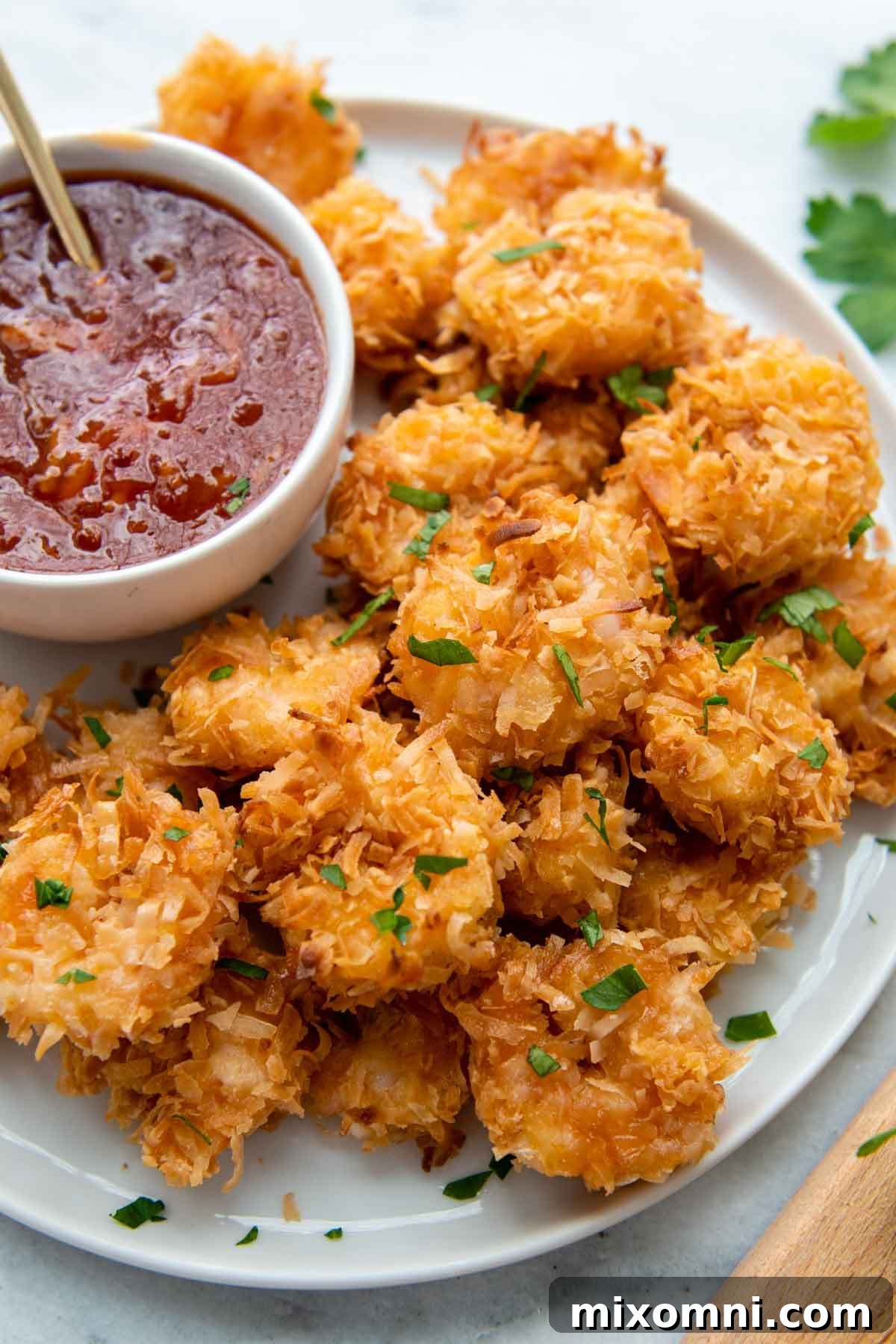
Craving that irresistible restaurant-style coconut shrimp but want a healthier, gluten-free option you can make right at home? Look no further! This easy recipe delivers perfectly crispy, golden-brown gluten-free coconut shrimp that will have everyone reaching for more. Forget the deep fryer – our oven-baked method guarantees a delightfully crunchy coating, though we also provide instructions for air fryer and classic skillet preparation. No matter how you cook them, these succulent shrimp are simply irresistible, especially when dunked into our sweet and spicy homemade dipping sauce.
Effortlessly Delicious: Mastering Gluten-Free Coconut Shrimp at Home
If you’ve been on the hunt for a homemade coconut shrimp recipe that caters to a gluten-free diet without compromising on taste or texture, your search ends here. This recipe is a true game-changer, making it one of our most beloved and easy gluten-free dinner ideas. The magic lies in achieving that coveted crispy “fried” shrimp coating without the hassle and mess of deep frying. All it takes is your trusty oven!
So, what’s the secret to this culinary marvel? It starts with the coconut itself. We lightly toast the shredded coconut in the oven first, which is key to developing that incredible crispy, sweet outer shell. As your kitchen fills with the heavenly aroma of toasting coconut, you’ll prepare the shrimp by shaking them in a simple yet effective gluten-free coating made from cornstarch, paprika, salt, and pepper. There’s no need to fuss with specialty gluten-free flours; these common pantry staples are all you need for a perfectly seasoned breading.
Once the coconut is beautifully golden and fragrant, it’s time for the dipping station. Take your cornstarch-coated shrimp, dip them into whisked egg, and then roll them generously in the toasted coconut. Arrange them on a lightly greased baking sheet, and here’s where the convenience truly shines: they bake to golden perfection in a mere 10-12 minutes. This short cooking time leaves you plenty of opportunity to whip up the accompanying sweet and spicy dipping sauce, ensuring everything is ready to serve at the same time.
The result? Golden, crispy, and utterly delicious gluten-free coconut shrimp, all achieved with a hands-off oven-baked method that yields restaurant-quality results. If you appreciate simple, flavorful, and healthier twists on classic dishes, you might also enjoy our recipe for gluten-free chicken parmesan – it speaks the same dinner prep love language!
While the oven method is a favorite, we understand that sometimes you might prefer alternative cooking styles. That’s why this comprehensive recipe also includes detailed instructions for achieving equally delicious results using an air fryer or the more traditional skillet frying method. Whichever route you choose, prepare for a delightful culinary experience!
Ingredient Spotlight: What You’ll Need for Perfect Coconut Shrimp
Crafting exceptional gluten-free coconut shrimp starts with understanding your ingredients. Each component plays a vital role in achieving that perfect crispy texture and balanced flavor profile.
- Shredded Coconut: While unsweetened coconut flakes are an option, we highly recommend using sweetened shredded coconut. The subtle sweetness provides a delightful contrast to the spicy dipping sauce and imparts a more authentic, rich coconut flavor to the shrimp. Its versatility extends beyond savory dishes, making it perfect for treats like these easy, fluffy gluten-free macaroons.
- Cornstarch: This is the secret weapon for our crispy coating! Used for dredging the shrimp before dipping them in egg, cornstarch creates a thin, stable base that helps the breading adhere firmly to the shrimp during cooking. This ensures a consistent, crunchy crust. If cornstarch isn’t available, gluten-free all-purpose flour, rice flour, or a combination of these can also work effectively. For a low-carb or keto variation, coconut flour can be used as a substitute.
- Seasonings: Our simple seasoning blend includes paprika, salt, and black pepper. Paprika not only adds a wonderful depth of flavor but also contributes to the beautiful golden hue of the cooked shrimp. Feel free to experiment with a dash of garlic powder or onion powder for an extra layer of savory complexity, tailoring the flavor to your preference.
- Shrimp: For this recipe, you will need 1 ½ pounds of large shrimp. Ensure they are peeled and deveined for ease of preparation and consumption. You can choose to leave the tails on for a classic presentation and an easy handle for dipping, or remove them entirely – it’s a matter of personal preference. Medium-sized shrimp are a more budget-friendly option, but keep in mind that smaller shrimp will mean a greater quantity to bread, slightly increasing your prep time. Always blot the shrimp thoroughly dry with paper towels before breading to ensure the coating sticks properly.
- Large Eggs: Two large eggs, whisked, form the essential liquid binder that adheres the cornstarch and coconut layers to the shrimp, creating a robust and crispy crust.
- Oil for Cooking: Whether you’re baking or air frying, a little oil is crucial for achieving that irresistible golden crisp. Nonstick cooking spray works well, but a non-aerosol oil sprayer filled with your preferred oil (like olive, avocado, or coconut oil) offers more control and can yield an even crispier texture.
Let’s Get Cooking: Your Step-by-Step Guide to Crispy Coconut Shrimp
(The following provides detailed step-by-step photos and modified instructions. For precise ingredient amounts and the full recipe card, please scroll further down.)
Preparation for Perfect Results
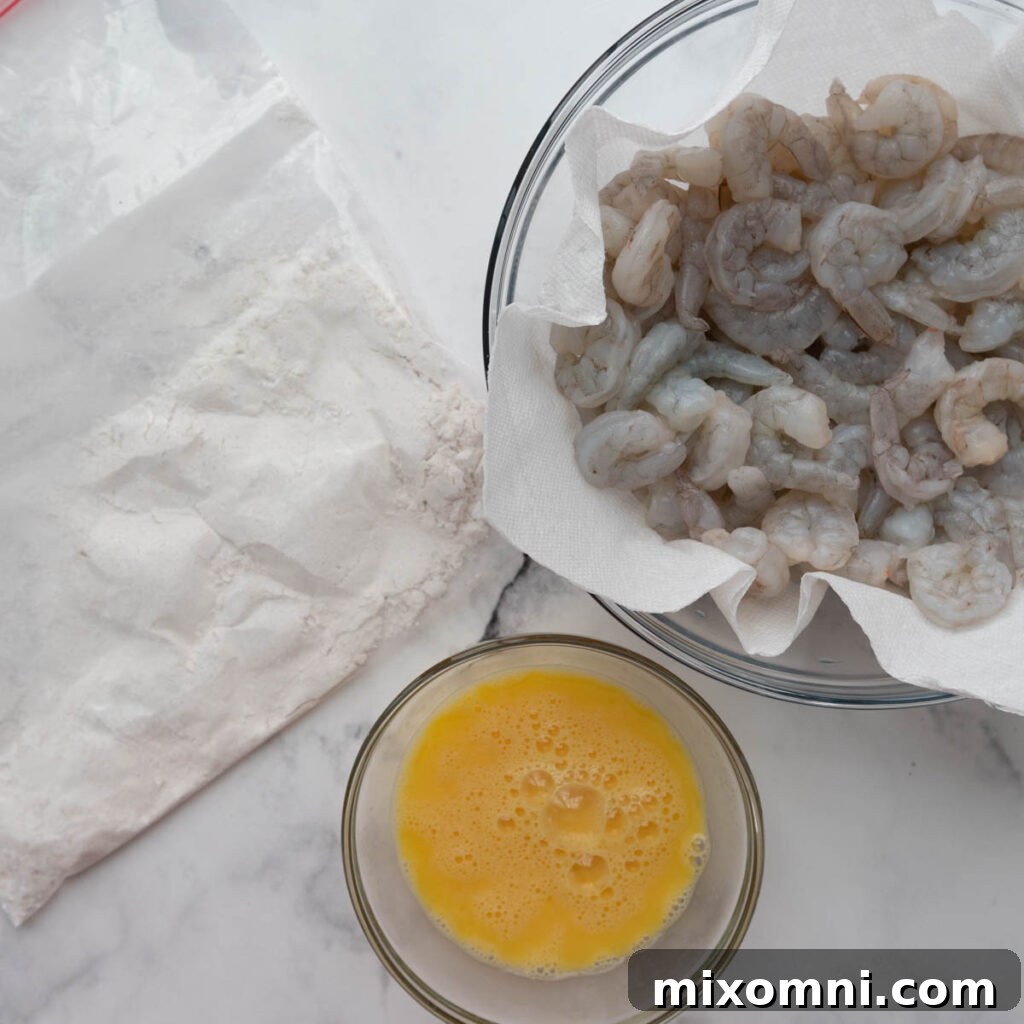
Making delicious gluten-free coconut shrimp is straightforward; the key is thoughtful preparation. Begin by toasting your shredded coconut. Spread it in a single layer on a baking sheet and toast in a preheated 325ºF oven for approximately 15 minutes, stirring gently every 5 minutes to ensure even browning. This crucial step enhances the coconut’s flavor and crispiness. While the coconut is toasting, set up your breading station. First, ensure your shrimp are thoroughly blotted dry with paper towels – this helps the coating adhere better. Next, whisk your eggs in a shallow bowl. In a large resealable bag, combine the cornstarch, paprika, salt, and pepper, then shake well to mix them evenly. This organized approach makes the breading process smooth and efficient.
Dip, Coat, and Bake to Golden Perfection
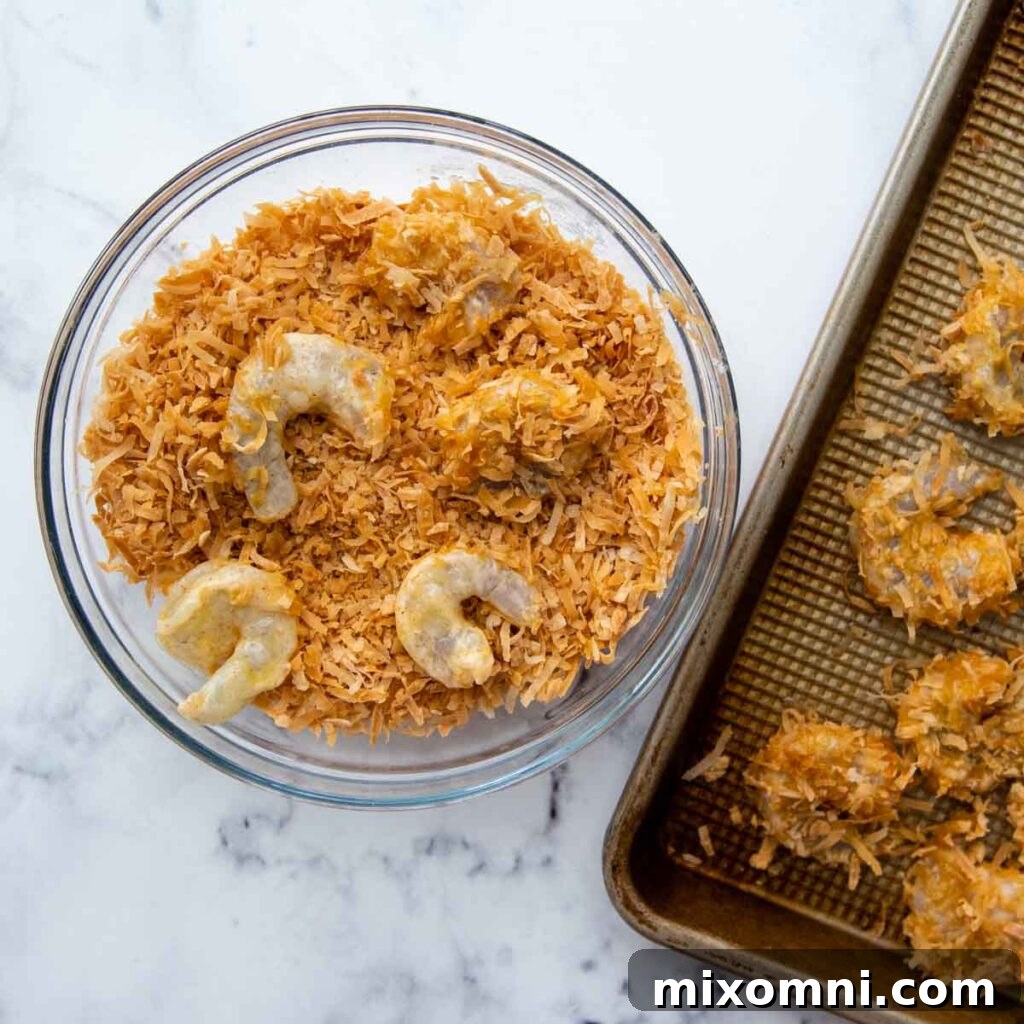
Once your coconut is toasted and your breading station is ready, increase your oven temperature to 425ºF and prepare a baking sheet by generously spraying it with nonstick cooking spray or drizzling it evenly with your preferred oil. Take the dried shrimp and add them to the bag with the cornstarch mixture, shaking gently until each shrimp is lightly coated. Then, remove the shrimp from the bag, taking 3-4 pieces at a time. Dip each shrimp into the whisked egg mixture, allowing any excess to drip off. Immediately roll the egg-coated shrimp in the toasted coconut, pressing gently to ensure a thick, even coating. Transfer the fully coated shrimp to your prepared baking sheet, arranging them in a single layer without overcrowding.
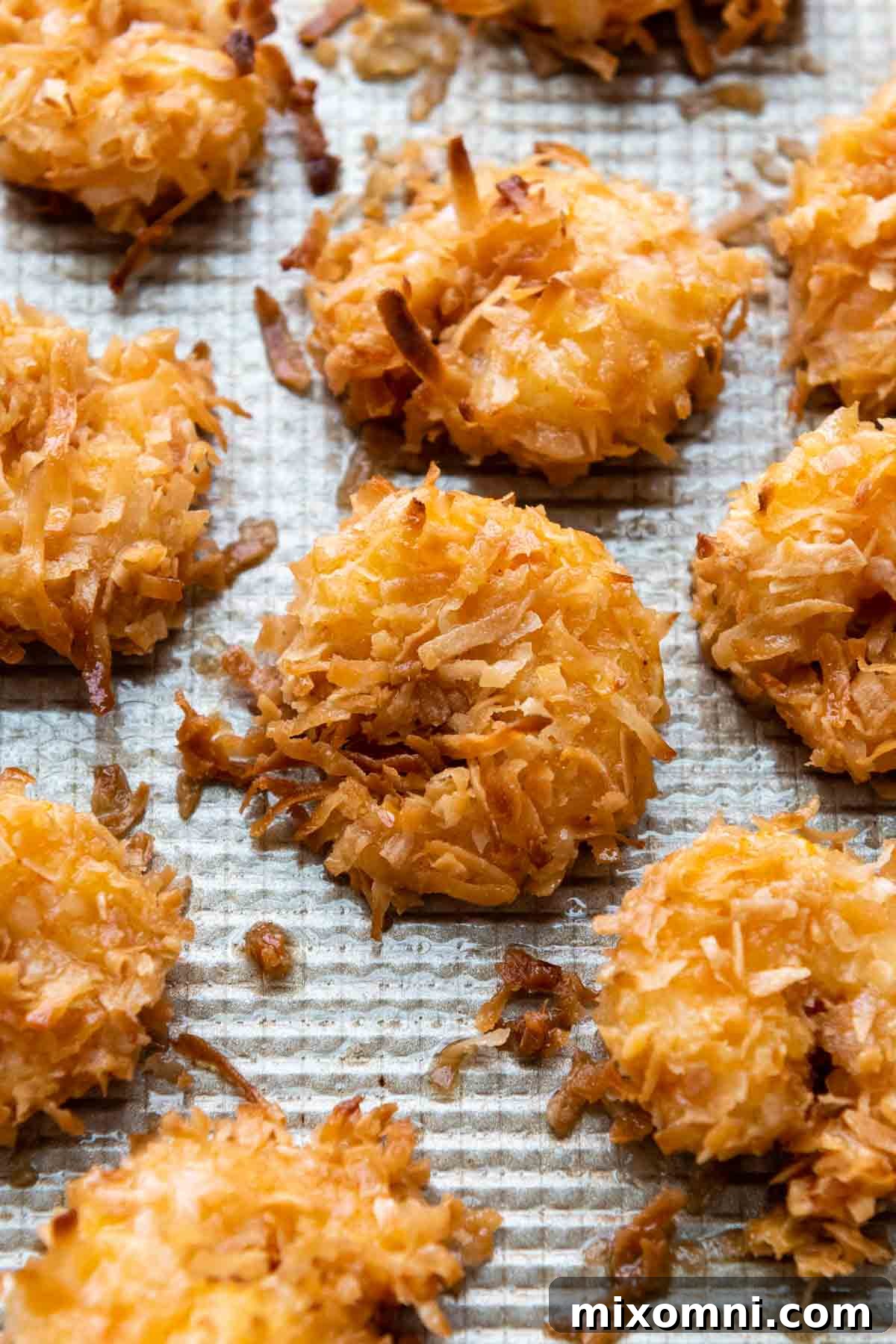
Once all shrimp are breaded and arranged, give the tops a final spritz with more nonstick cooking spray or a light drizzle of oil. This additional oil helps achieve an extra crispy, golden crust during baking. We highly recommend using a non-aerosol oil sprayer filled with your favorite cooking oil for the best results, as it provides a finer, more even mist than aerosol sprays. Bake for just 10-12 minutes. The beauty of this method is that there’s no need to flip the shrimp mid-bake! They emerge from the oven perfectly golden and crispy on all sides. While they bake, you’ll have just enough time to prepare the dipping sauce, ensuring a seamless transition from oven to table.
Crafting the Irresistible Sweet & Spicy Dipping Sauce
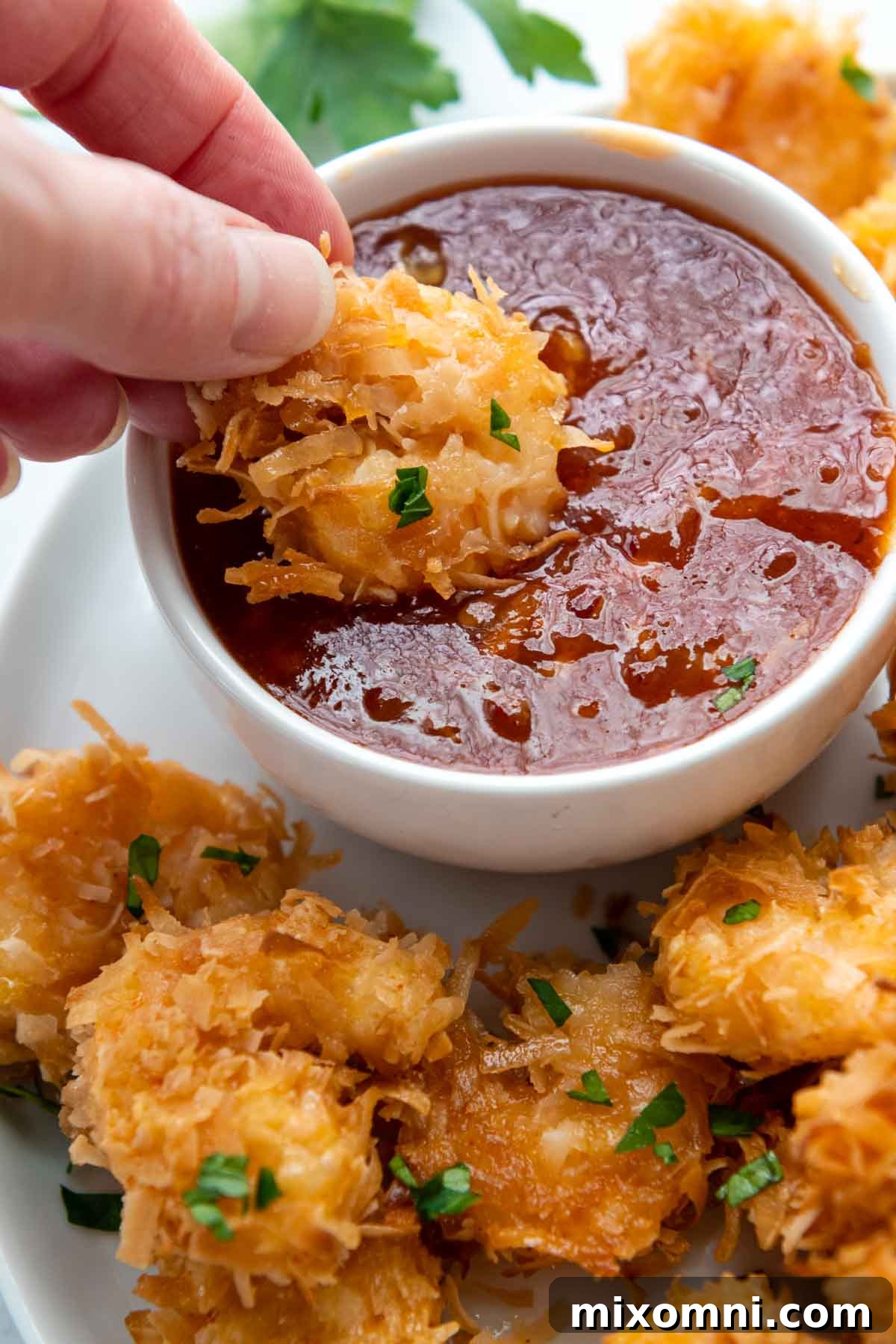
No coconut shrimp experience is complete without the perfect dipping sauce, and our gluten-free version is incredibly simple yet bursting with flavor. This delightful sauce requires just two main ingredients for that ideal sweet and spicy balance that perfectly complements the rich coconut shrimp. For those who prefer a creamier texture, reminiscent of the sauces served at popular seafood restaurants like Red Lobster, you can easily stir in a couple of tablespoons of mayonnaise.
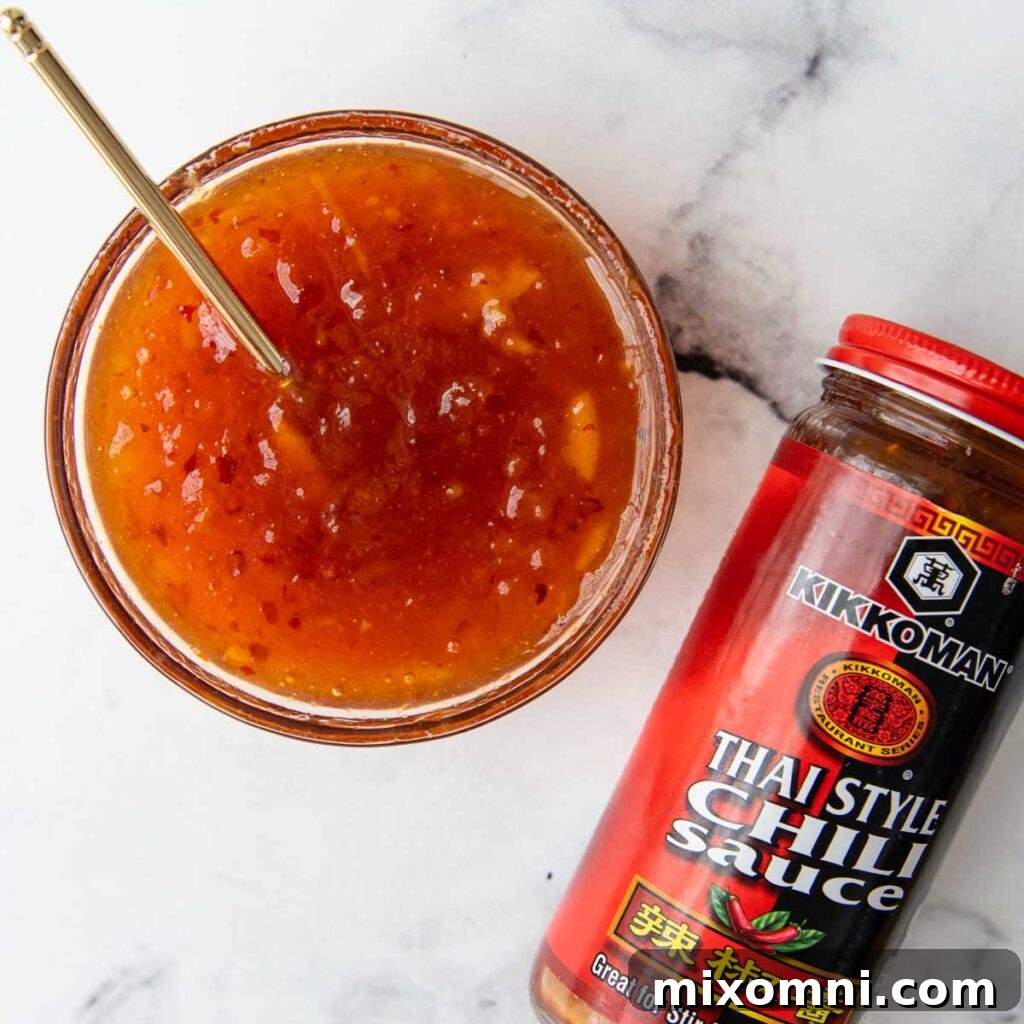
For the sweet foundation of the sauce, you have several delicious options: orange marmalade, peach jam, or apricot jam (or preserves). All three work beautifully and contribute a fruity sweetness that pairs wonderfully with the savory shrimp and spicy kick. Choose your favorite, or what you have on hand!
The fiery element of this sauce comes from sweet Thai chili sauce, known for its delightful combination of heat and tang, often containing visible red chili flakes. When selecting your sweet Thai chili sauce, it is crucial to carefully read the ingredient label to ensure it is certified gluten-free. We highly recommend Kikkoman Thai-Style Chili Sauce, which is clearly labeled as gluten-free. Another excellent and readily available gluten-free option is Thai Kitchen Sweet Red Chili Sauce. Simply combine your chosen sweet base with the chili sauce in a small microwave-safe bowl, heat briefly (15-30 seconds) to soften the jam, and then stir until smooth and perfectly blended. This quick and flavorful sauce is the ideal accompaniment to your crispy coconut shrimp!
Storage, Freezing, and Meal Prep Tips
Preparing a delicious meal like gluten-free coconut shrimp often means having leftovers, or perhaps you want to get ahead with meal prep. Knowing how to properly store and freeze your shrimp ensures they remain delicious and safe to eat later.
Storing Leftovers: If you have any cooked coconut shrimp remaining, allow them to cool completely before transferring them to an airtight container. Properly stored, they will stay fresh in the refrigerator for up to 3 days. When you’re ready to enjoy them again, avoid the microwave! For best results, reheat them using the oven or air fryer methods described under How To Reheat Coconut Shrimp to maintain their crispiness.
Freezing Cooked Coconut Shrimp: Cooked coconut shrimp can also be frozen for longer storage. After baking, let the shrimp cool completely. Then, arrange them in a single layer on a baking sheet and flash freeze them for about 1-2 hours until solid. Once frozen, transfer the shrimp to a ziplock freezer bag or an airtight freezer-safe container, ensuring as much air is removed as possible to prevent freezer burn. They can be stored in the freezer for up to 2 months. Reheat directly from frozen using the oven or air fryer methods, adding a few extra minutes to the cooking time.
Freezing Unbaked Coconut Shrimp for Meal Prep: For a convenient make-ahead dinner or future meal prep, you can freeze the shrimp before baking. Follow all the breading steps as directed in the recipe. Once the shrimp are fully coated, arrange them in a single layer on a parchment-lined baking sheet. Place the baking sheet in the freezer until the shrimp are completely solid, which usually takes 1-2 hours. This flash-freezing step prevents the shrimp from sticking together. Once frozen, transfer the unbaked shrimp to a ziplock freezer bag or airtight container, keeping them in a single layer as much as possible to prevent crushing. They can be frozen for up to 2 months. When you’re ready to cook, simply bake them from frozen, adding an extra 1-2 minutes to the standard baking time to ensure they cook through evenly and achieve maximum crispiness.
Reheating for Optimal Crispiness: Don’t Let Leftovers Go Soggy!
The true test of a good fried dish is how well it reheats. For leftover gluten-free coconut shrimp, preserving that delightful crispiness is paramount. The best methods for reheating are the oven or an air fryer. We strongly advise against using a microwave, as it will inevitably result in a soggy breading and potentially overcooked, rubbery shrimp – a culinary tragedy we want to avoid!
Oven Reheating Method: To reheat in the oven, begin by preheating your oven to 325ºF (160ºC). Lightly spray a baking sheet with nonstick cooking spray or a fine mist of oil. Arrange the leftover coconut shrimp in a single layer on the prepared baking sheet, ensuring they are not touching. Heat for approximately 8 minutes, or until the shrimp are thoroughly heated through and the coating has regained its desired crispness. Keep a close eye on them to prevent overcooking.
Air Fryer Reheating Method: For even faster and often crisper results, the air fryer is an excellent choice. Preheat your air fryer to 375ºF (190ºC). Place the coconut shrimp in a single layer in the air fryer basket, making sure not to overcrowd it, as this can lead to uneven cooking and less crispiness. Air fry for a short duration of 2-3 minutes, or until the shrimp are piping hot and the breading is perfectly crispy. This method is incredibly quick and efficient for bringing your leftovers back to life.
Delectable Serving Ideas to Elevate Your Meal
This easy gluten-free coconut shrimp recipe is incredibly versatile, making it perfect as a crowd-pleasing appetizer or a delightful main course. Here are some yummy serving ideas to round out your meal:
Classic Dinner Pairings: For a simple yet satisfying dinner, serve your crispy coconut shrimp alongside steamed white or brown rice and a side of fresh, vibrant vegetables. Excellent choices include tender steamed broccoli, quick roasted zucchini, crisp green beans, or sweet glazed carrots. These sides provide a balanced meal that’s both healthy and delicious.
Recreating the Restaurant Experience: If you’re aiming to replicate that beloved restaurant-style meal at home, consider pairing your coconut shrimp with some Asian-inspired sides. Gluten-free spring rolls or a simple, savory gluten-free fried rice make fantastic accompaniments. You can find many gluten-free spring roll wrappers and soy sauce alternatives to keep your meal compliant and flavorful. The combination of sweet, spicy, and savory flavors will transport your taste buds.
Casual Comfort: Of course, there’s absolutely nothing wrong with enjoying your coconut shrimp with a side of classic french fries! Whether you opt for your favorite store-bought gluten-free brand or prefer to make a batch of these crispy oven-baked fries, the combination of crunchy shrimp and golden fries is a comfort food dream come true. Don’t forget an extra side of the dipping sauce for both!
Creative Sides: For a lighter meal, serve the shrimp over a bed of mixed greens with a light vinaigrette, or as part of a fresh shrimp taco bar with gluten-free tortillas and your favorite toppings. The possibilities are endless!
Don’t Forget to Pin This Recipe!
Let’s be friends on Pinterest! I’m always sharing great recipes and culinary inspiration!
Did you make this delightful recipe? I genuinely love hearing from you and seeing your culinary creations! Please take a moment to leave a star rating and comment below the recipe card. Your feedback is incredibly valuable, as it helps other home cooks discover and enjoy these recipes. Rest assured, you will always hear back from me! -Melissa
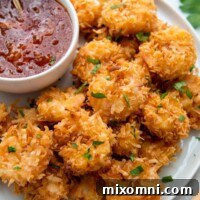
Crispy Gluten-Free Coconut Shrimp (Baked or Air Fryer)
 Melissa Erdelac
Pin
Rate
Remove Ads
Ingredients
- 3 cups sweetened flaked coconut, or unsweetened, if preferred
- 2 large eggs, beaten
- ½ cup cornstarch, see recipe notes for alternatives
- ½ teaspoon paprika
- ½ teaspoon salt
- ¼ teaspoon pepper
- 1½ pounds large shrimp (peeled and deveined), lightly blot dry with paper towels
Gluten Free Dipping Sauce
- ⅓ cup orange marmalade, peach, or apricot jam
- 3 tablespoons sweet Thai chili sauce, Kikkoman or Thai Kitchen brands are GF
Equipment
-
Baking Sheets
-
Non-Aerosol Oil Sprayer
Instructions
-
Preheat the oven to 325ºF (160ºC). Spread the coconut in a single layer on a baking sheet. Toast for 15 minutes, stirring every 5 minutes, until golden brown and fragrant. Cool slightly then transfer from the pan to a bowl.3 cups sweetened flaked coconut
-
While the coconut is toasting, prepare the shrimp. In a small bowl, whisk the eggs until well beaten. In a large resealable bag, add the cornstarch, paprika, salt, and pepper, then shake vigorously to thoroughly combine.2 large eggs, ½ cup cornstarch, ½ teaspoon paprika, ½ teaspoon salt, ¼ teaspoon pepper
-
Increase the oven temperature to 425ºF (220ºC). Prepare a clean baking sheet by generously spraying with nonstick cooking spray or drizzling evenly with any preferred oil, such as olive oil, avocado oil, or coconut oil.
-
Add the shrimp, ensuring they are lightly blotted dry, to the resealable bag with the cornstarch mixture and shake well to evenly coat each shrimp.1½ pounds large shrimp (peeled and deveined)
-
Remove the shrimp from the bag and dip, 3-4 at a time, in the whisked egg mixture. Shake off any excess egg, then roll immediately in the toasted coconut, pressing gently to ensure a thorough and even coating. Transfer the coated shrimp to the prepared baking sheet, arranging them in a single layer.
-
Repeat the breading process with the remaining shrimp. Once all shrimp have been breaded and placed on the baking sheet, lightly spray the tops with more nonstick cooking spray or drizzle with additional oil. Bake for 10-12 minutes, during which you can prepare the gluten-free coconut shrimp dipping sauce. Serve the crispy shrimp immediately with the sauce.
Dipping Sauce
-
Combine the coconut shrimp sauce ingredients (orange marmalade/jam and sweet Thai chili sauce) in a small microwave-safe bowl. Heat for 15-30 seconds to allow the jam to soften, then stir thoroughly until smooth and well combined. Refrigerate any leftover sauce.⅓ cup orange marmalade, peach, or apricot jam, 3 tablespoons sweet Thai chili sauce
Notes
Air Fryer Method
- Prepare the shrimp as directed with the cornstarch and egg coating, then roll in the toasted coconut. Transfer the coated shrimp to an ungreased baking sheet or one lined with parchment paper to prepare for the air fryer.
- Preheat the air fryer to 375ºF (190ºC). Lightly coat the air fryer basket with cooking spray to prevent sticking.
- Place the shrimp in the air fryer basket in a single layer, ensuring they do not touch to allow for even crisping. Cook for 10-12 minutes, flipping the shrimp halfway through to ensure both sides are golden and crispy. Serve immediately.
Fried Method
- Prepare the shrimp as directed with the cornstarch and egg coating, BUT DO NOT TOAST THE COCONUT FIRST. The oil used for frying will naturally make the coconut golden, so this preliminary toasting step is only necessary for baking or air frying. Transfer the coated shrimp to an ungreased baking sheet or one lined with parchment paper to save on cleanup.
- Coat the bottom of a large skillet with a generous layer of oil, approximately ½ inch deep. Heat the pan over medium heat until the oil is hot and shimmering. To avoid overcrowding, cook the shrimp in batches, about 7-8 at a time. Fry for 2-3 minutes per side, or until both sides are a rich golden brown and the shrimp are cooked through.
- As each batch is cooked, use a slotted spoon to transfer the fried shrimp to a paper-towel-lined plate to drain any excess oil. Continue cooking the remaining shrimp in batches. Serve immediately while hot and crispy.
Cornstarch Alternatives
If you don’t have cornstarch on hand, gluten-free all-purpose flour, rice flour, or a combination of these flours would also work effectively for the initial dredge. For a keto or low-carb friendly option, this can be successfully replaced with coconut flour.
Nutrition Facts calculated without dipping sauce. Adding the dipping sauce will contribute approximately 73 calories and 19 grams of carbohydrates per serving.