
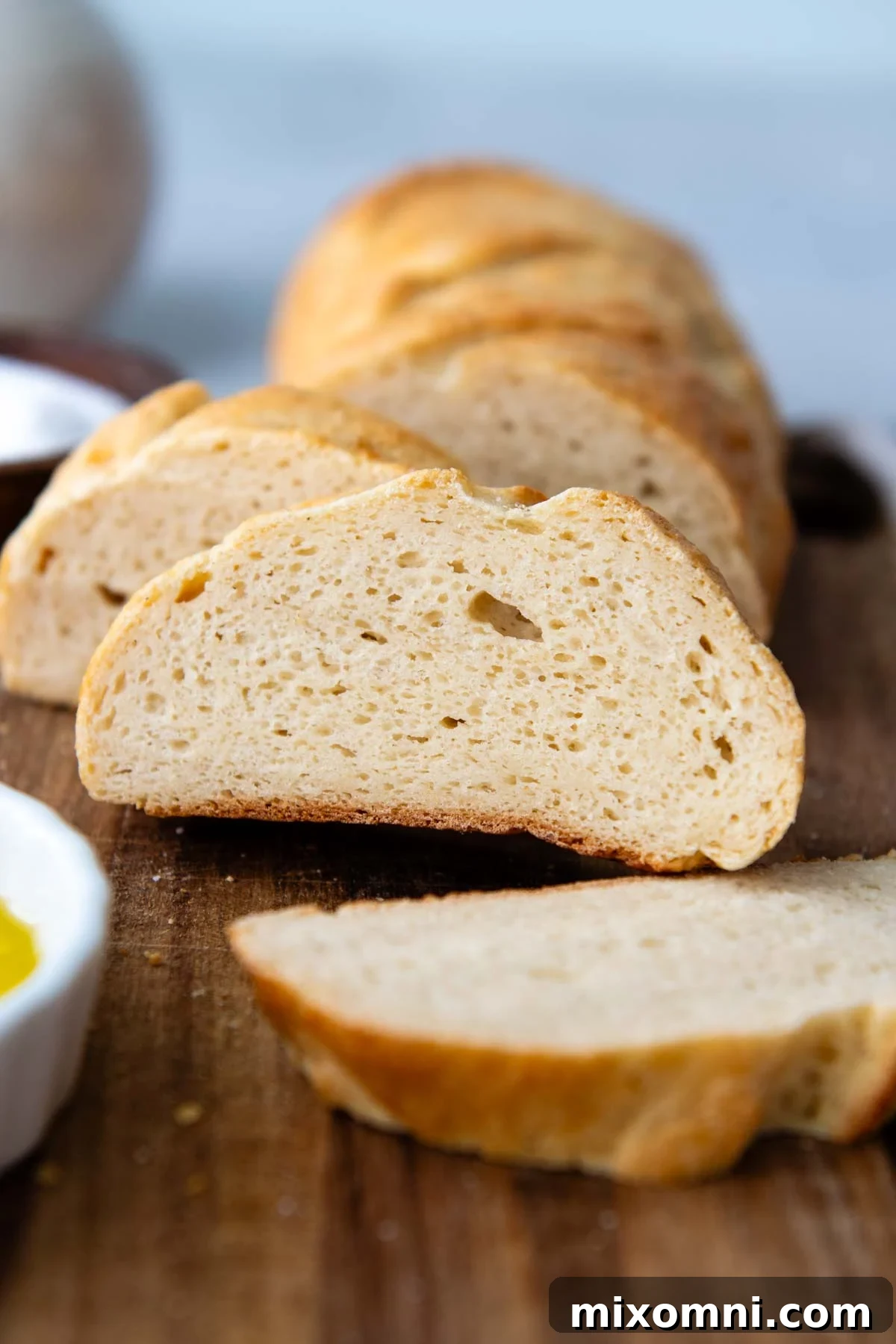
As an experienced baker with years of dedication to mastering the art of gluten-free baking, I’ve developed numerous techniques that consistently yield fabulous results. This easy gluten-free Italian bread recipe is a shining example of that commitment. Prepare to uncover the secret to creating a remarkably soft, airy Italian loaf, all without complex steps or intimidating procedures. With just a few minutes of mixing, a single rise, and simple, fuss-free shaping, you’ll be able to enjoy an artisanal masterpiece that tastes like it came straight from a traditional Italian bakery.
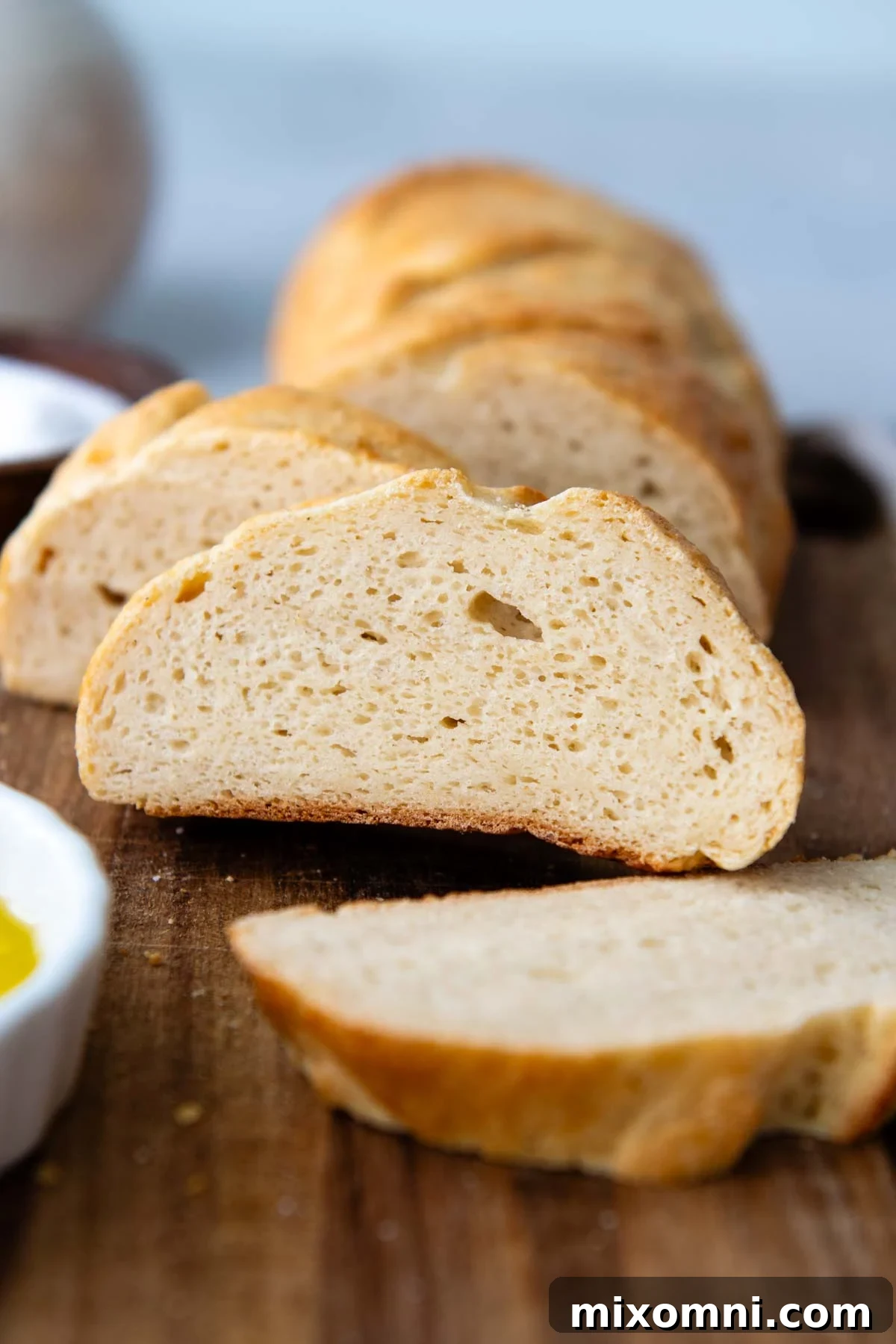
Mastering the Art of Soft Gluten-Free Italian Bread
My culinary journey has long been centered on transforming cherished Italian family recipes into gluten-free versions that earn the coveted approval of both my grandmother and mother. After successfully recreating a thick, soft gluten-free pizza dough – another sorely missed staple – a crusty yet soft and porous gluten-free Italian bread became my next culinary quest. The idea of a fresh, homemade Italian loaf, perfect for dipping in olive oil or making robust sandwiches, was irresistible.
My extensive testing for a high-hydration GF bread dough, initially used for achieving soft, crusty gluten-free baguettes, provided the foundational insights needed for this Italian bread. Artisan breads, by nature, typically require more moisture to develop that desirable open, airy crumb structure. However, this is a delicate balance; too much moisture can quickly lead to an unappetizingly gummy texture, a common pitfall in gluten-free baking.
Through numerous rounds of experimentation, meticulously documented and even shared with the supportive Mamagourmand community for their invaluable feedback, I finally pinpointed the ideal wet-to-dry ingredient ratio that consistently produces stellar gluten-free bread. To adapt this perfected dough into a classic GF Italian version, only minor adjustments in shaping and baking techniques were necessary. The result is a loaf that stands tall, offering generous slices perfect for sandwiches or any of the other delightful Italian bread uses we’ll explore later, including my personal favorite: diving into a bowl of warm spinach and artichoke dip with sour cream!
Furthermore, I aimed for an outer crust that was slightly less crisp and not as deeply colored as its French baguette counterpart. This meant adjusting the initial baking temperature to a slightly lower 400ºF (compared to 450ºF for French bread). Despite this change, the technique of throwing ice cubes onto the oven floor remains crucial. This simple trick generates a steamy environment, essential for developing a chewy, satisfying exterior that contrasts beautifully with the soft interior.
The entire process, from start to finish, allows you to enjoy freshly baked Italian bread in under 90 minutes, with only a small fraction of that time requiring hands-on effort. The ingredients are effortlessly mixed, shaped into a rustic log, and then allowed a brief 40-minute rise. A slightly extended baking time of 35 minutes ensures that the increased moisture, vital for the bread’s texture, properly evaporates, preventing any dense or undercooked areas. This thoughtful approach guarantees a truly delightful gluten-free Italian bread experience.
Essential Ingredients for Your Gluten-Free Italian Loaf
Crafting exceptional gluten-free bread relies on a few key ingredients that are staples in my kitchen, ensuring I’m always ready to whip up a fresh loaf. Each component plays a vital role in achieving the desired soft, airy texture and authentic flavor. Understanding their purpose will help you appreciate the careful balance in this recipe.
The Right Gluten-Free Flour Blend
The foundation of any great gluten-free bread is, of course, the flour. The quality of your gluten-free flour blend can truly make or break the final product. For unparalleled texture and flavor in this Italian bread, I emphatically recommend Cup4Cup gluten-free flour. Its blend of cornstarch, white rice flour, brown rice flour, milk powder, and tapioca starch creates a structure that closely mimics traditional wheat flour, crucial for a light and tender crumb.
Potato Starch: The Secret to Softness
Often overlooked, potato starch (not to be confused with potato flour) is my secret weapon for achieving an incredibly soft gluten-free bread. Instead of relying on additional gluten-free flour, which can sometimes lead to a denser texture, I substitute it with this powerful starch. Potato starch contributes significantly to the bread’s tender crumb, making it feel less “gluten-free” and more like the real deal. While you can substitute with other GF flours, using potato starch will yield the best results for that signature softness.
Psyllium Husk Powder: Gluten’s Best Friend
In gluten-free baking, psyllium husk powder acts as a fantastic binder and stabilizer, effectively mimicking the elasticity and structure that gluten provides in traditional bread. It’s instrumental in maintaining moisture, preventing the bread from becoming dry and crumbly, and allowing the dough to be shaped with greater ease. Its presence ensures your Italian bread will hold together beautifully and achieve a satisfying chew.
Instant Yeast for a Quick Rise
For convenience and efficiency, I prefer using instant rapid rise dry yeast. This type of yeast doesn’t require prior proofing in water, meaning you can simply add it directly with your dry ingredients. If you only have active dry yeast on hand, don’t worry! Just dissolve it in the warm water with a teaspoon of granulated sugar and let it sit for about 5 minutes until foamy before combining with the dry ingredients and remaining liquids.
Eggs: Adding Structure and Shine
While not traditionally found in Italian bread recipes, eggs play a crucial role in gluten-free versions. They bulk up the protein content, which is often lacking in gluten-free flours. This added protein is essential for developing an open and airy crumb structure, preventing a dense result. Additionally, an egg white is brushed onto the exterior before baking, contributing to that beautiful, shiny, and lightly crisp crust that makes Italian bread so appealing.
Apple Cider Vinegar: For an Open Crumb
Achieving that characteristic open, airy crumb in gluten-free bread requires an acidic environment, and apple cider vinegar excels at creating just that. While other vinegars could be substituted, I’ve found that apple cider vinegar consistently delivers the best results for promoting a light and tender interior. It reacts with the baking powder to enhance the leavening process, contributing to a wonderfully light texture.
Baking Powder: The Leavening Booster
To further assist the yeast and achieve an exceptionally light and airy texture—a challenge in many gluten-free breads—I pair baking powder with the instant yeast. This dynamic duo works together to give the dough an extra lift, resulting in a bread that’s remarkably tender and not at all dense. It’s a small addition that makes a significant difference in the final crumb.
Olive Oil: Flavor and Texture Enhancer
A touch of olive oil not only imparts a subtle, authentic Italian flavor to the bread but also incorporates a little fat that coats the starches. This coating helps tenderize the crumb and contributes to a more moist and pleasant mouthfeel, preventing the bread from drying out too quickly.
Crafting Your Artisanal Loaf: A Step-by-Step Guide
Making this gluten-free Italian bread is genuinely straightforward, designed for even novice bakers to achieve artisanal results. Below, you’ll find detailed steps and accompanying photos (for complete ingredient amounts, refer to the recipe card at the bottom of this post).
Seriously Easy Dough. Seriously.
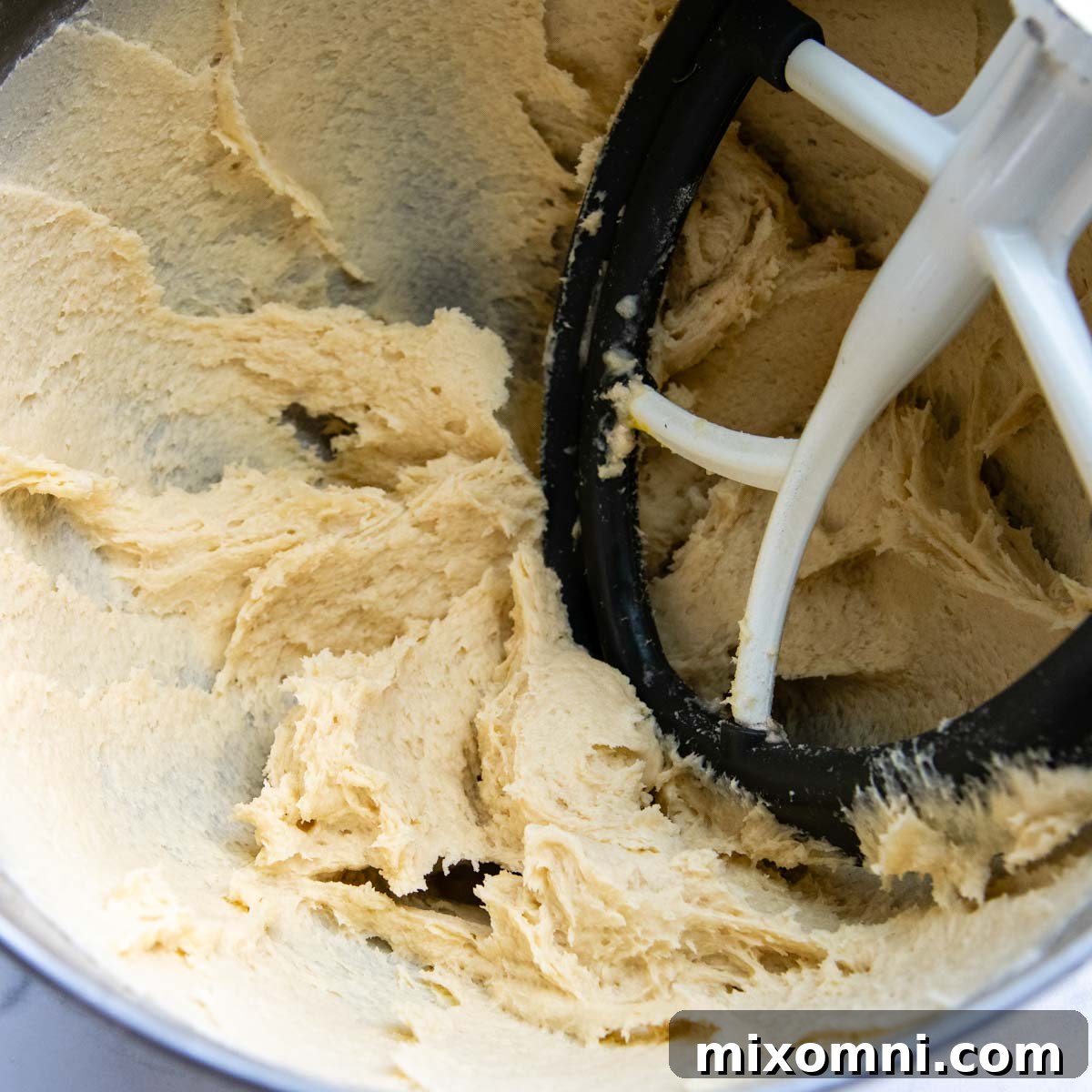
The first step is incredibly simple. In the bowl of your stand mixer, fitted with a paddle attachment, blend all the dry ingredients together on low speed until thoroughly combined. This ensures an even distribution of the flours, starches, and leavening agents. Next, add all the wet ingredients and beat on low speed to just bring everything together. Then, increase the speed slightly and continue mixing for a full 5 minutes. During this time, the batter will transform into a very stiff, yet still sticky dough that clings to the sides of the bowl. See? That was easy, wasn’t it?
Shaping Time.
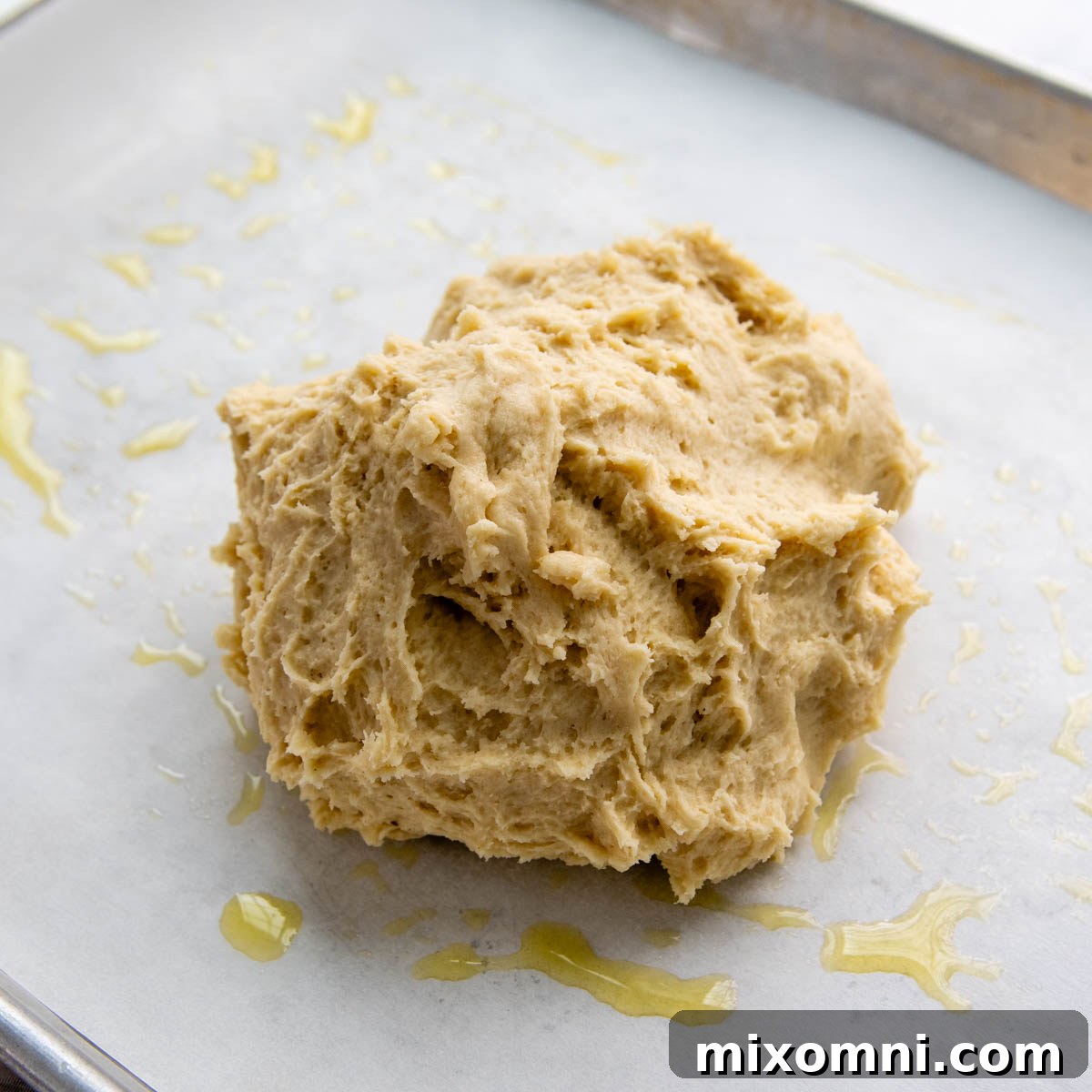
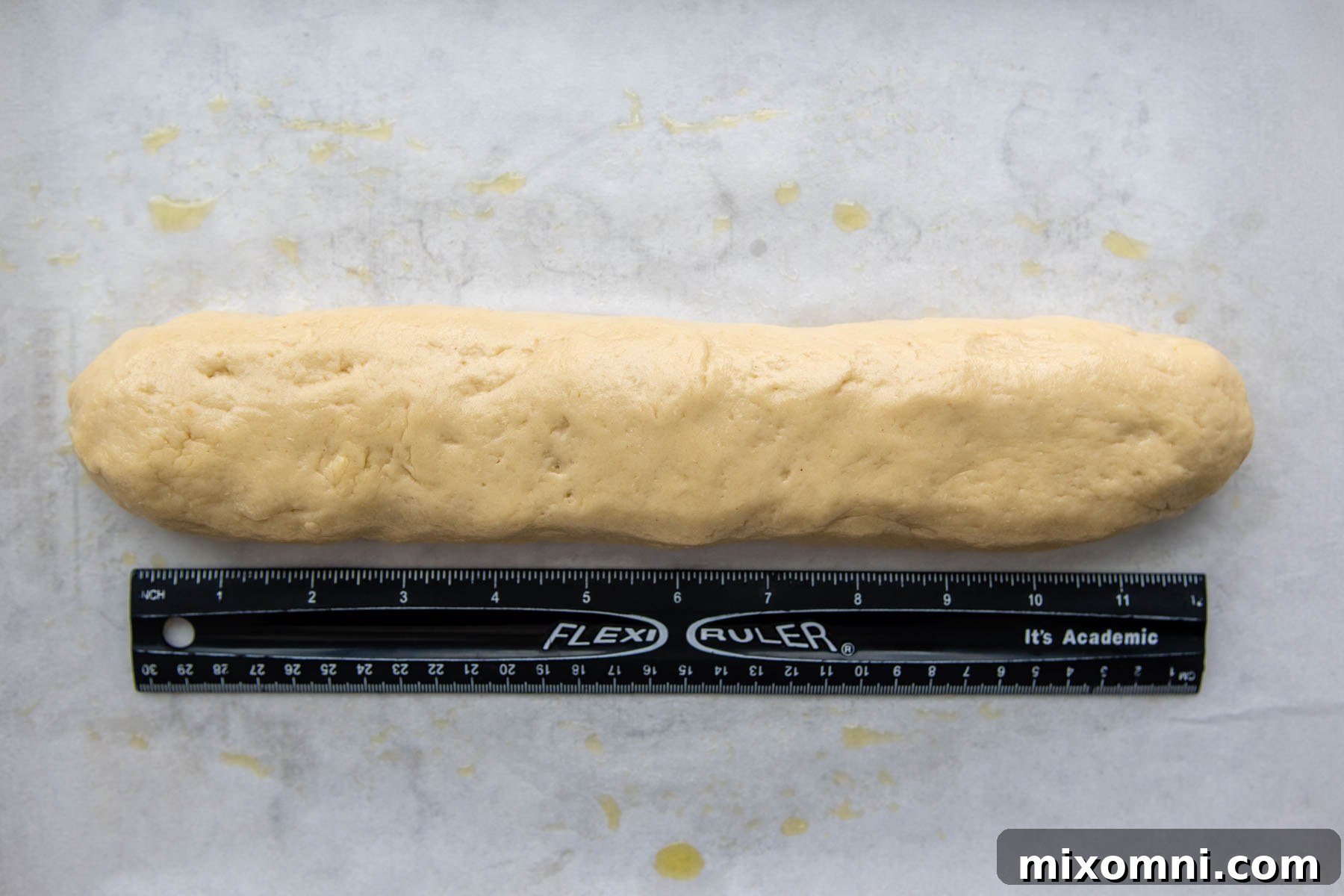
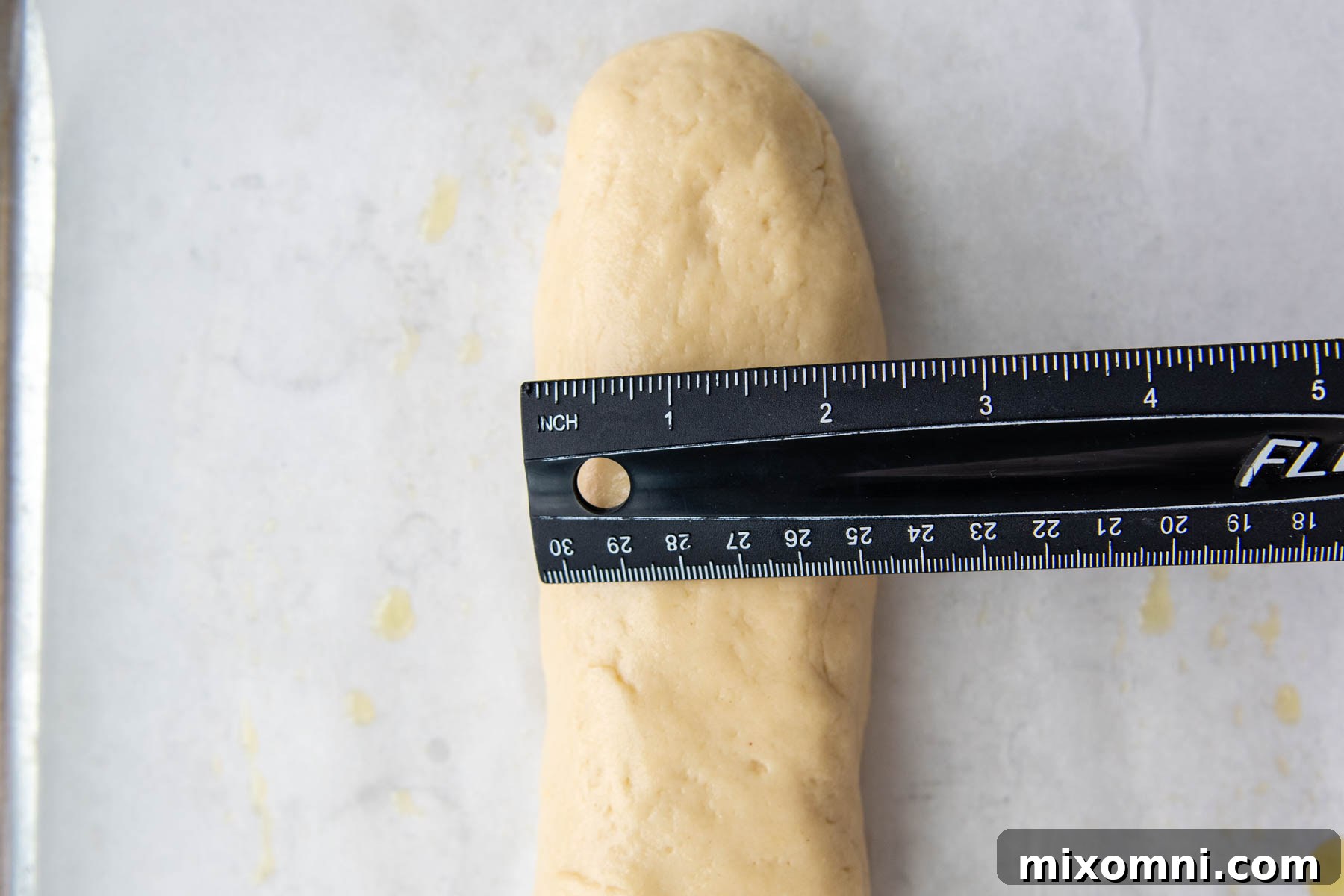
Now for the shaping! Generously grease a piece of parchment paper and line a baking sheet with it. Carefully scoop the dough onto the greased parchment. Since gluten-free dough tends to be a bit sticky, you’ll want to lightly grease your hands (a quick spray with nonstick cooking spray or a dab of olive oil works wonders) before you begin shaping. Form the dough into a smooth log, approximately 12 inches long and 2 ½ inches wide. The smoother you can make it at this stage, the less “dimply” your finished loaf will be after baking, contributing to that professional artisanal look.
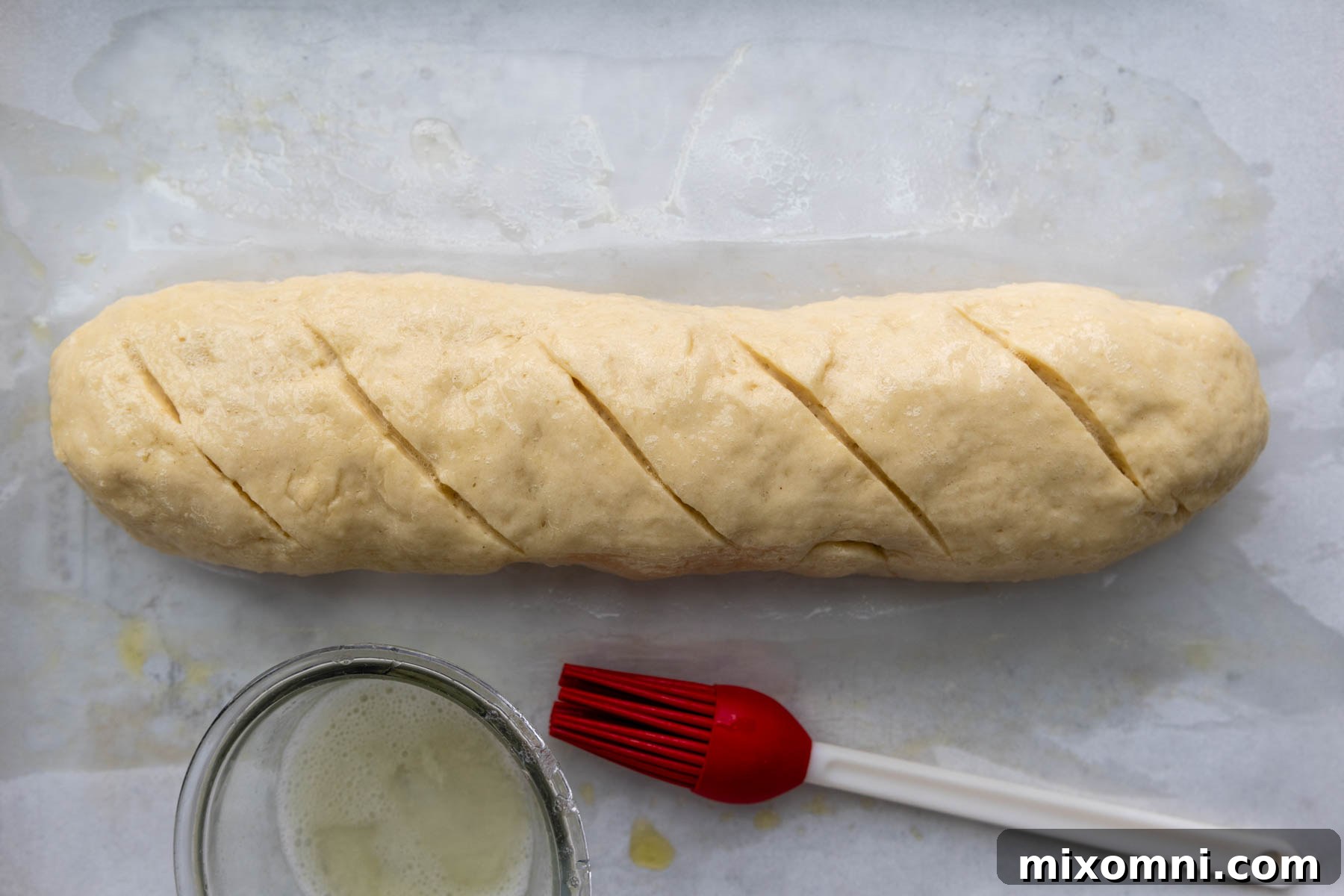
Once shaped, use a sharp knife or a baker’s lame to carefully make 5-6 diagonal slits across the top of the dough. These cuts should be about ¼-inch deep; they help the bread expand beautifully in the oven and create a traditional Italian bread aesthetic.
Finishing Touches and Baking to Perfection.
Gently cover the shaped dough with a piece of greased plastic wrap. This prevents it from drying out during its 40-minute rise in a warm, draft-free spot. While the bread won’t fully double in size (the baking powder will help it rise further in the oven), this initial rest is crucial for flavor and texture development. As it rests, preheat your oven to 400ºF. Once risen, remove the plastic wrap. For that inviting, shiny outer crust, whisk an egg white until frothy and brush it evenly over the top and sides of the loaf.
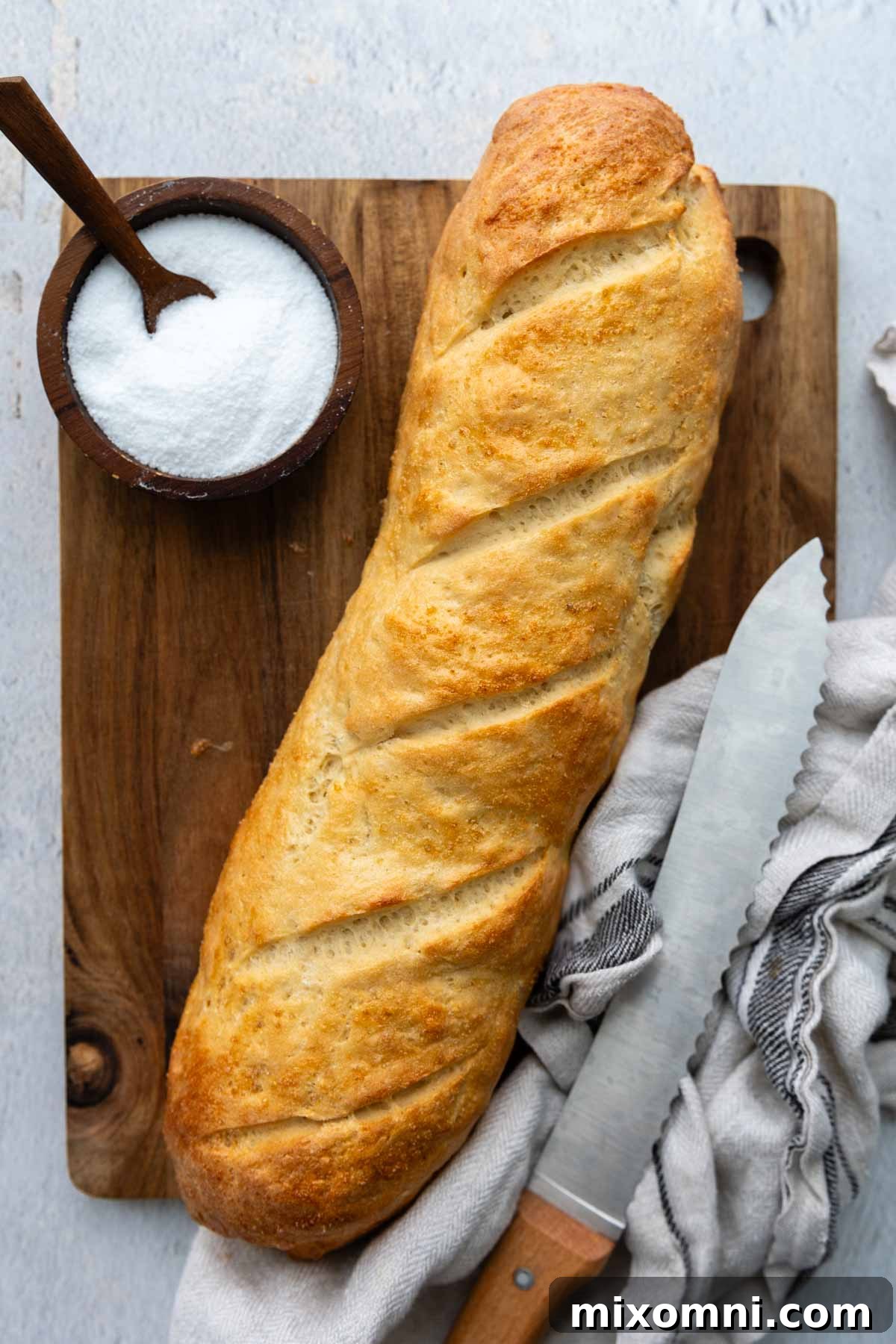
Just before placing the bread in the oven, throw 5-6 ice cubes directly onto the oven floor. This ingenious trick creates a burst of steam, which is absolutely essential for achieving a crisp outer crust. Bake for 15 minutes at 400ºF. After this initial bake, loosely tent a large piece of aluminum foil over the baking sheet to prevent the bread from over-browning. Reduce the oven temperature to 350ºF and continue baking for another 20 minutes. The internal temperature should reach 210ºF for perfect doneness. Buon appetito! 🇮🇹
The Tastiest Ways To Use Your Homemade Italian Bread
While our absolute favorite way to savor this fresh Italian loaf is sliced for hearty sandwiches or, even better, transformed into warm, buttery paninis, its versatility extends far beyond. A homemade loaf is a treasure, especially when you want to turn traditionally hands-off recipes into miraculously gluten-free delights. If you happen to have any leftovers, don’t let them go to waste! You can easily whip up a batch of these zesty seasoned gluten-free croutons for salads or soups.
- **Classic Sandwiches & Paninis:** Slice your loaf thinly for robust sandwiches or grill it into warm, pressed paninis with your favorite fillings.
- **Dipping in Flavored Olive Oil:** A timeless Italian tradition. My go-to combination includes quality olive oil, a sprinkle of kosher salt, freshly ground pepper, fragrant fresh rosemary, sun-dried tomatoes, a splash of balsamic vinegar, and a generous grating of fresh Parmesan cheese.
- **Gluten-Free Garlic Bread:** Transform your loaf into the world’s best homemade gluten-free garlic bread. Perfect alongside pasta dishes or as a standalone snack.
- **Bread Pudding:** Use stale bread to create a comforting, rich gluten-free bread pudding, a sweet treat ideal for dessert or brunch.
- **French Toast or Casserole:** Slice thickly for classic French toast or prepare this make-ahead French toast casserole with a creamy cream cheese filling for a crowd-pleasing breakfast.
- **Soup & Salad Croutons:** Cube and toast leftover bread to make your own crunchy croutons, perfect for adding texture to salads or enriching a bowl of hot soup.
- **Panzanella Salad:** Create a vibrant panzanella salad, a Tuscan bread salad, using toasted garlic bread cubes. It’s a delightful way to enjoy the flavors of summer with your homemade bread.
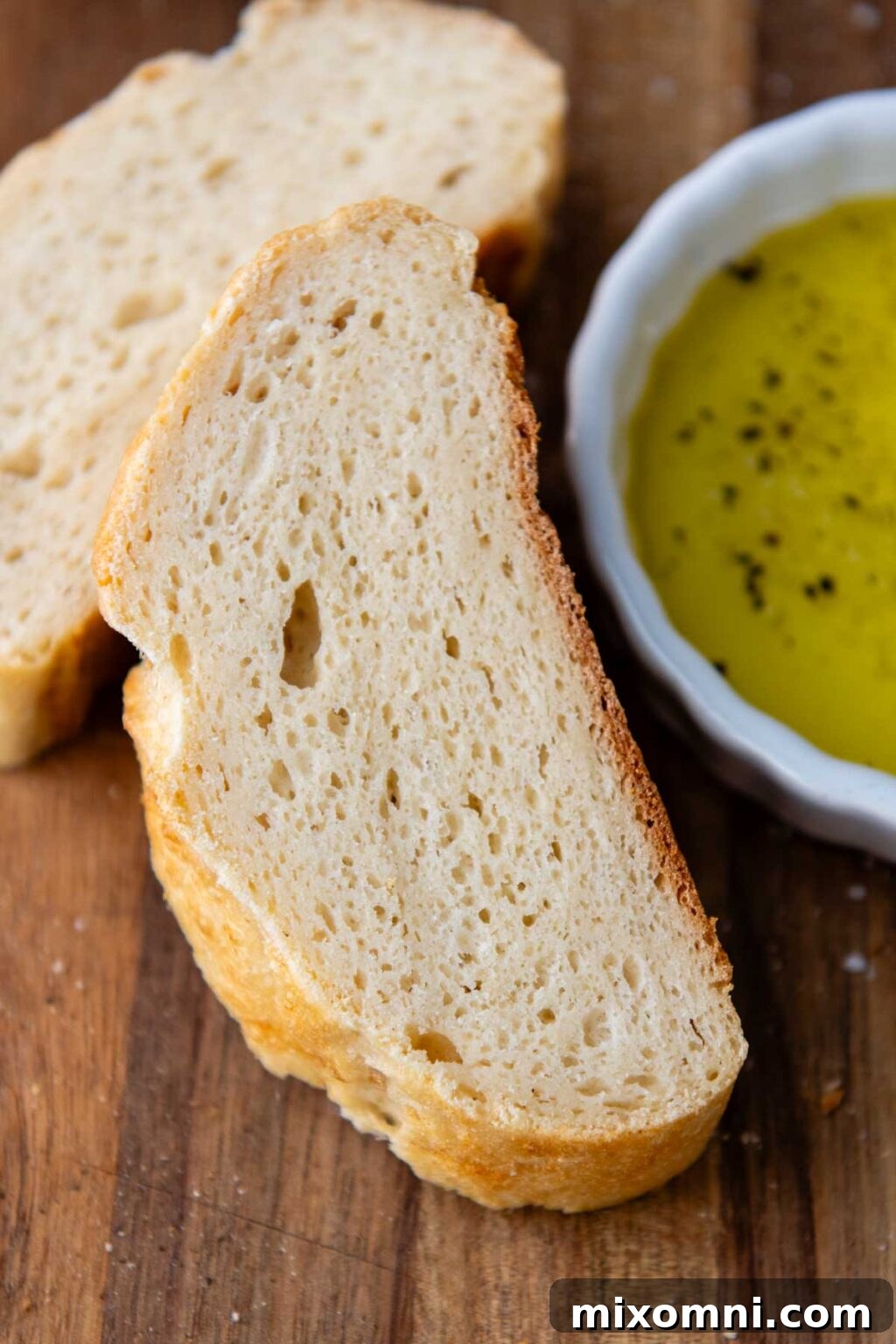
Save This Failproof Recipe to Your Pinterest Board!
Let’s be friends on Pinterest! I’m always sharing great recipes and gluten-free baking tips!
Did you make this recipe? I absolutely love hearing from you! Please leave a star rating and comment below the recipe card. Your feedback helps other home bakers discover and enjoy these recipes, and I truly appreciate hearing about your experiences. You will always hear back from me! -Melissa
Easy, Homemade Gluten-Free Italian Bread (Failproof)

Melissa Erdelac
12
10 mins
35 mins
1 hr 25 mins
As an experienced baker, I’ve perfected many techniques for making gluten-free bread recipes with fabulous, consistent results. This easy gluten-free Italian bread recipe is no exception. Learn the secret to a soft, airy Italian loaf, but without complicated steps. It only takes a few minutes of mixing, one rise, and easy, fuss-free shaping to enjoy an artisanal masterpiece of your dreams!
Pin
Rate
Ingredients
- 1 ½ cup (213 g) gluten free all purpose flour, I highly recommend Cup4Cup gluten-free flour blend
- 3 tablespoons (31 g) potato starch, see recipe notes for substitution
- 2 tablespoons (20 g) psyllium husk powder, helps with bread moisture & structure (what is psyllium husk?)
- 1 (9 g) packet (2 ¼ tsp) instant rapid rise yeast
- 1 teaspoon (5 g) baking powder
- 1 ½ teaspoon (6 g) salt
- ½-¾* cup (180 g) warm water (112°F), *see recipe notes for amount
- 2 large eggs, room temperature
- 1 tablespoon (16 g) apple cider vinegar
- 1 tablespoon (21 g) honey
- 1 tablespoon (15 g) olive oil
- 1 egg white, for brushing on before baking
Equipment
-
Baking Sheets
-
Cup4Cup Gluten Free Flour
-
Stand Mixer
Instructions
-
Using a stand mixer with a paddle attachment, mix together the gluten-free flour, potato starch, yeast, psyllium husk powder, baking powder, and salt on low speed until combined.1 ½ cup gluten free all purpose flour, 3 tablespoons potato starch, 2 tablespoons psyllium husk powder, 1 packet (2 ¼ tsp) instant rapid rise yeast, 1 teaspoon baking powder, 1 ½ teaspoon salt
-
Add the warm water (see recipe note below), eggs, apple cider vinegar, honey, and oil. Mix on low speed for about 1 minute to allow the dough to come together. Increase the speed to medium and beat for 5 minutes (this step is crucial as it helps thicken the batter), scraping down the paddle and the sides of the bowl halfway through. The batter will be thick and stiff, but still slightly sticky.½-¾* cup warm water (112°F), 2 large eggs, 1 tablespoon apple cider vinegar, 1 tablespoon honey, 1 tablespoon olive oil
-
Place a large sheet of parchment paper on a baking sheet and grease it lightly with olive oil. Transfer the dough onto the parchment. Use greased hands (spray with nonstick cooking spray or rub with a little olive oil) to gently knead and shape the dough into a smooth ball.
-
Shape the ball into a smooth log, approximately 12 inches long and 2 ½ inches wide, using your greased hands. (Refer to the images in the recipe post for visual guidance.) Use a sharp knife to slash 5-6 diagonal slits on top, about ¼-inch deep.
-
Cover the shaped bread with a large piece of greased plastic wrap and let it rise in a warm, draft-free place for 40 minutes. The bread will not be fully risen at this stage, but it will rise more significantly during baking thanks to the added baking powder. Meanwhile, preheat your oven to 400℉.
-
When you are ready to bake, carefully remove the plastic wrap. Whisk the egg white in a small bowl until it is frothy. Brush this egg white mixture evenly over the entire exterior of the bread.egg white
-
Throw 5-6 ice cubes onto the bottom of the oven (this generates a steamy environment essential for a crisp outer crust) and immediately place the baking sheet with your bread on the middle rack. Bake for 15 minutes. After 15 minutes, loosely tent a large piece of aluminum foil over the baking sheet (to prevent the bread from over-browning) and reduce the oven temperature to 350℉. Continue baking for an additional 20 minutes. The internal temperature of the bread should reach 210℉ to ensure it is fully cooked.
-
Once baked, transfer the loaf to a wire rack to cool slightly before slicing. Allow it to cool for approximately 30-45 minutes for the best texture.
Notes
*Water Amount
Some readers have occasionally found their batter to be too thin. To ensure your recipe turns out perfectly, I recommend starting with ½ cup of warm water. Gradually add more water, a tablespoon at a time, until the dough reaches the consistency shown in the images within the recipe post. My bread consistently requires the full ¾ cup, but individual results may vary slightly based on flour blend and humidity. The dough should be stiff, yet still manageable by the paddle attachment, and slightly sticky. Remember, it often thickens as it mixes, so allow it to mix for a couple of minutes before deciding if adjustments to the water amount are needed.
I also tested this recipe using Caputo gluten-free flour, which generally required slightly less water—about ½ cup plus 2 tablespoons—to achieve the correct consistency.
Potato Starch Substitution
While potato starch yields the best results for optimal softness and texture, you can substitute it with an equal amount of additional gluten-free all-purpose flour if necessary. Please note that the texture may be slightly less soft.
Storing, Freezing, and Reheating Your Loaf
Gluten-free breads tend to lose moisture more quickly than traditional wheat breads. For the freshest and most delicious experience, I highly recommend serving this bread on the same day it’s made. If you wish to prepare it in advance, ensure the bread has cooled completely after baking. Then, wrap it tightly in plastic wrap, followed by a double layer of aluminum foil, or place it in a ziplock freezer bag. It can be frozen for up to 2 months.
When you’re ready to enjoy your frozen Italian bread again, it’s crucial to bring it to room temperature first. Cold gluten-free bread can develop a drier, firmer texture. For the best taste and softest texture, briefly warm it before serving. You can either wrap a slice in a paper towel and microwave it for a few seconds, or for the whole loaf, wrap it completely in foil and warm it in a 350ºF oven for 10-15 minutes.
Calories: 89kcal
,
Carbohydrates: 16g
,
Protein: 3g
,
Fat: 2g
,
Saturated Fat: 0.4g
,
Polyunsaturated Fat: 0.4g
,
Monounsaturated Fat: 1g
,
Trans Fat: 0.003g
,
Cholesterol: 27mg
,
Sodium: 290mg
,
Potassium: 33mg
,
Fiber: 3g
,
Sugar: 2g
,
Vitamin A: 40IU
,
Vitamin C: 0.1mg
,
Calcium: 36mg
,
Iron: 1mg
Did you make this recipe?
Please leave a star rating and review below. It helps others when searching for recipes and I LOVE feedback!