
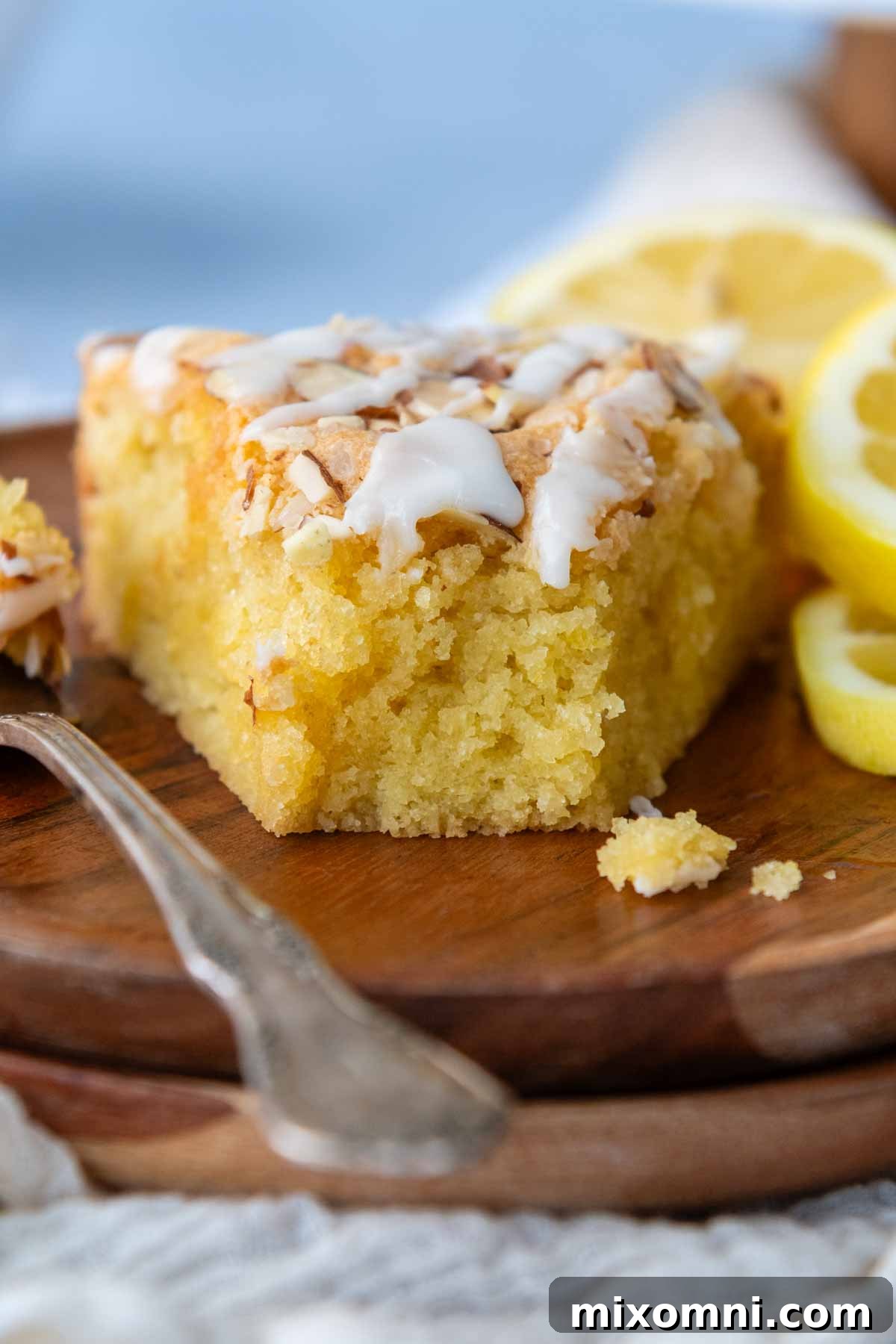
Welcome to the ultimate guide for baking a truly exceptional Moist Almond Flour Lemon Cake! After years of dedicated gluten-free baking and countless hours perfecting almond flour recipes, I’ve discovered simple, yet highly effective techniques to achieve cakes that are consistently light, exquisitely fluffy, and incredibly moist. This delightful lemon cake is a shining example, proving that grain-free and gluten-free baking can be both accessible and utterly delicious. Whether you’re a seasoned baker or just starting your journey, my tried-and-true tricks will empower you to create a show-stopping dessert that appeals to everyone.
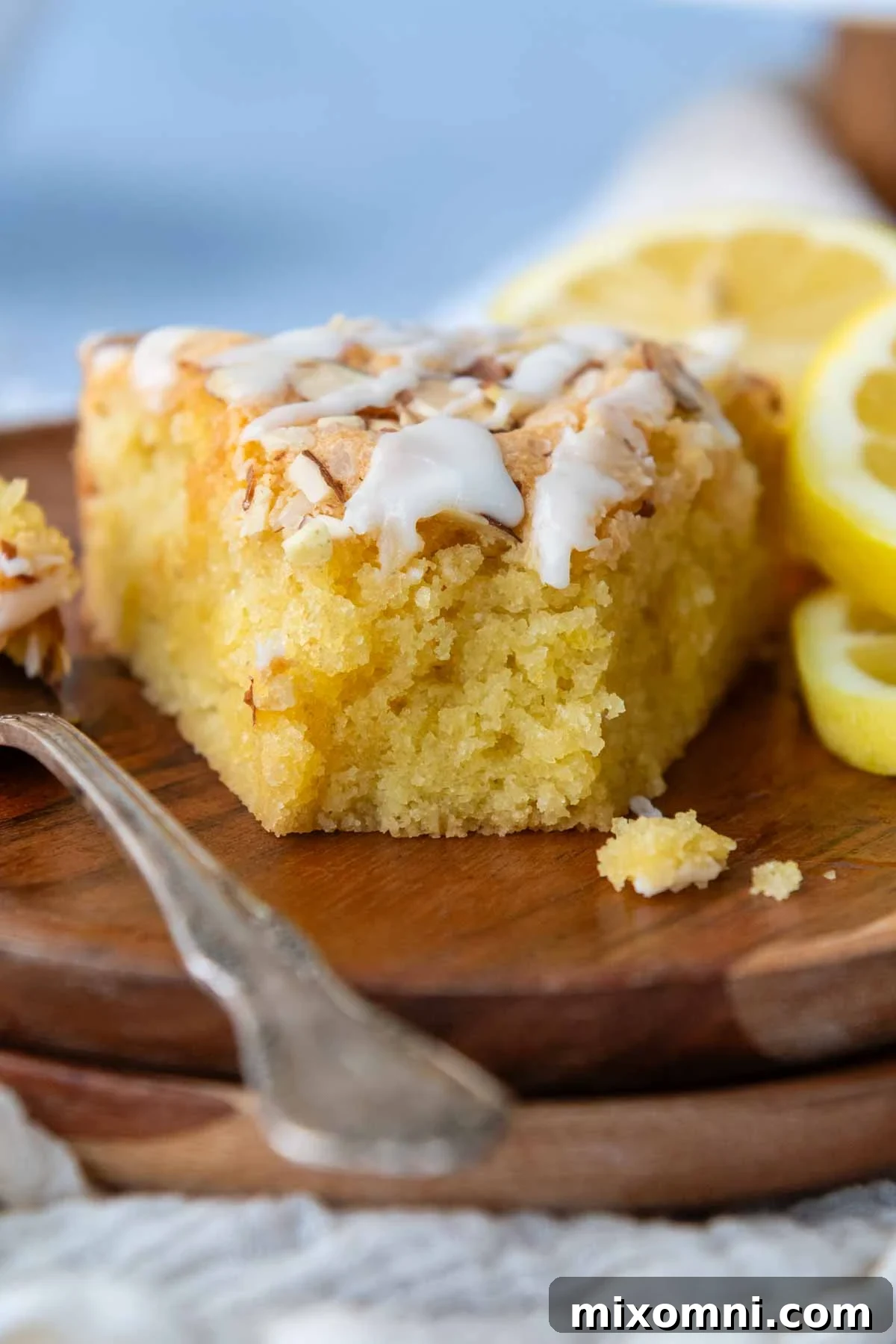
Crafting the Perfect Gluten-Free Almond Flour Lemon Cake
Almond flour has become a beloved staple in many home kitchens, cherished not only for its suitability in various dietary preferences but also for the distinct sweet, nutty flavor and uniquely tender texture it imparts to a wide range of baked goods, from cakes and brownies to cookies, breads, and muffins. Opting for high-quality blanched almond flour means you’re not just enjoying a gluten-free and grain-free dessert; you’re creating a culinary experience that genuinely delights all palates. Its versatility and incredible results are why many of my most popular recipes, such as my almond flour carrot cake and almond flour tortillas, consistently receive glowing reviews for their unexpectedly perfect texture.
When working with almond flour, bakers often encounter common challenges related to its inherent moisture content and density. Unlike traditional wheat flours or even many gluten-free all-purpose blends, almond flour is essentially finely ground blanched almonds. This means it contains a higher fat content and is naturally denser, which can sometimes lead to heavy, dense cakes if not handled correctly. To counteract these tendencies and ensure this lemon cake achieves its signature light and fluffy texture, I employ specific baking strategies that adjust the delicate balance between wet and dry ingredients.
One crucial adjustment involves the amount of added fat. Since ground almonds are naturally rich in oils, a significantly smaller quantity of additional fat, such as butter or oil, is required compared to recipes using other flours. For instance, a moist gluten-free white cake might rely on more oil to coat starches and create tenderness. However, incorporating too much fat into an almond flour cake would result in an overly dense and heavy crumb, losing the desired delicate structure. Our recipe carefully calibrates this, letting the natural richness of the almonds shine without weighing down the cake.
Another fundamental technique for achieving remarkable lightness in almond flour cakes is the separate beating of egg whites and yolks. This method is truly a game-changer. The egg yolks, rich in emulsifiers, are vital for binding the ingredients together, which is especially critical in gluten-free baking where the usual gluten network is absent. Meanwhile, the egg whites, when beaten to stiff peaks, incorporate a significant amount of air into the batter. This aeration builds a delicate, stable structure, preventing the cake from becoming compact or condensing during baking. The result is a cake with an ethereal, open crumb that simply melts in your mouth.
It came out perfect! Moist and fluffy like you named it. Will definitely make it again. Thank you for the recipe!
—Nan
Essential Ingredients for an Exceptional Almond Flour Lemon Cake
The success of any recipe lies in understanding its core ingredients. For this almond flour lemon cake, selecting the right components and knowing how to prepare them is key to achieving that perfect light and moist outcome. Here’s a closer look at the stars of our show:
- Almond Flour: The foundation of our gluten-free cake. For the finest texture and best results, it is imperative to use blanched almond flour. This means the almonds have been skinned before grinding, resulting in a very fine, light-colored flour that produces a smooth, tender crumb. Avoid almond meal, which includes the skins and has a coarser, more rustic texture that can make your cake dense and gritty. Look for finely ground blanched almond flour for that delicate bakery-style finish.
- Lemons: To ensure a vibrant and pronounced citrus flavor that truly sings, this recipe emphasizes using fresh lemon zest over juice in the batter. Lemon zest, derived from the brightly colored outer peel, contains concentrated essential oils that deliver a much more potent and aromatic lemon punch than juice alone. We incorporate 1 full tablespoon of zest and a touch of lemon extract to ensure the lemon flavor isn’t overshadowed by the almond. Save the freshly squeezed juice from your zested lemons; it’s perfect for crafting an exquisite citrus glaze to crown your finished cake.
- Sugar: Our recipe was developed using granulated white sugar, which contributes to both the cake’s sweetness and its tender crumb. While I haven’t tested this specific recipe with sugar-free substitutes or alternative sweeteners like coconut sugar, experimenting with such options may alter the cake’s texture and moisture content significantly. If you venture into these substitutions, please share your results in the comments below the recipe card! It’s crucial to avoid liquid sweeteners such as pure maple syrup or honey, as they introduce additional moisture that can throw off the delicate wet-to-dry ingredient balance in almond flour baking, leading to a heavy or gummy cake.
- Eggs: Eggs are more than just binders in this recipe; they are architects of texture. We use three large eggs, but crucially, the whites and yolks are beaten separately. Separating the eggs allows us to maximize the aerating power of the whites, whipping them into stiff, airy peaks that provide lift and structure. The yolks, beaten with sugar, contribute richness and further bind the batter without relying on gluten. For best results when whipping, ensure your egg whites are at room temperature; they achieve greater volume and stability this way.
- Butter: Melted butter infuses the cake with a rich, complex flavor that complements the lemon and almond beautifully. If you require a dairy-free alternative, you can successfully substitute melted coconut oil or a high-quality vegan butter stick. Ensure either alternative is melted and cooled before incorporating into the batter, just like the butter, to prevent cooking the eggs.
- Cornstarch: This is my secret weapon for achieving an exceptionally light and fluffy crumb in almond flour cakes. Cornstarch acts as a moisture absorber and helps to build a more robust cake structure, preventing the cake from becoming overly dense, which can be a common pitfall with almond flour. You can observe the significant difference in texture when cornstarch is included versus omitted. If cornstarch isn’t available or preferred, you can substitute an equal amount of coconut flour or tapioca starch, both of which are excellent at soaking up excess moisture and promoting a lighter texture. This very trick is also applied in my recipe for tender scones made with almond flour, demonstrating its versatility and effectiveness.
Step-by-Step Guide to Baking Your Almond Flour Lemon Cake
Ready to create this incredible cake? Follow these detailed steps, complete with insights into why each action is important. (For the full ingredient list and precise measurements, please scroll down to the complete recipe card below.)
Separate the Eggs for Unmatched Fluffiness
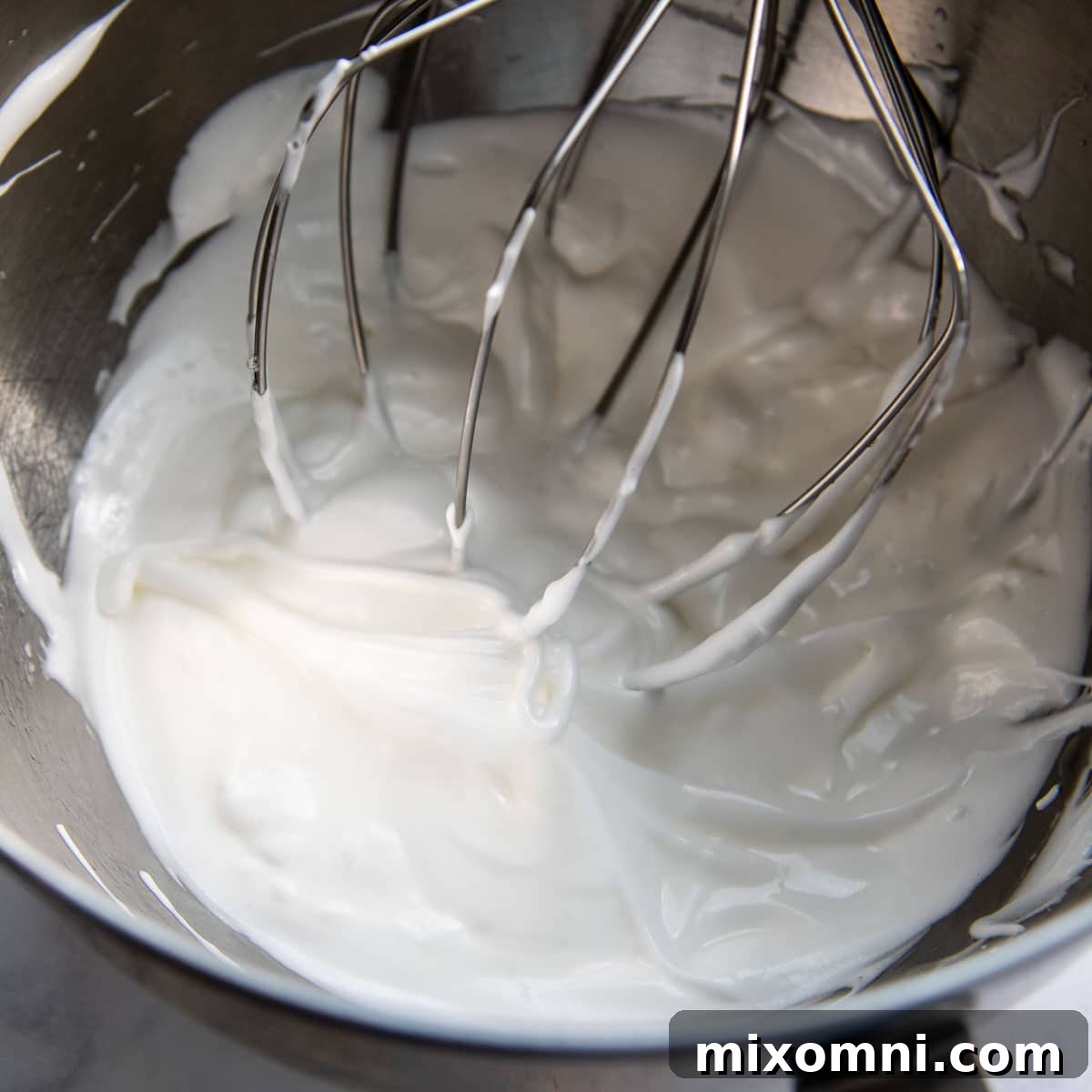
This initial step is absolutely paramount for achieving a truly fluffy almond flour cake. It’s easiest to separate the egg whites from the yolks when the eggs are cold, as the membranes are firmer and less likely to break. Once separated, allow both the whites and yolks to come to room temperature; this is crucial as room-temperature whites will whip up to a much greater volume and stability, forming stiffer, more resilient peaks. Using a stand mixer fitted with a whisk attachment, beat the egg whites on high speed until they become frothy and opaque. Gradually, add ½ cup of granulated sugar, sprinkling it in slowly as the whites continue to beat. Continue beating until the mixture transforms into stiff, glossy peaks. This means when you lift the whisk, the peaks hold their shape firmly and have a beautiful sheen. Carefully set this bowl aside.
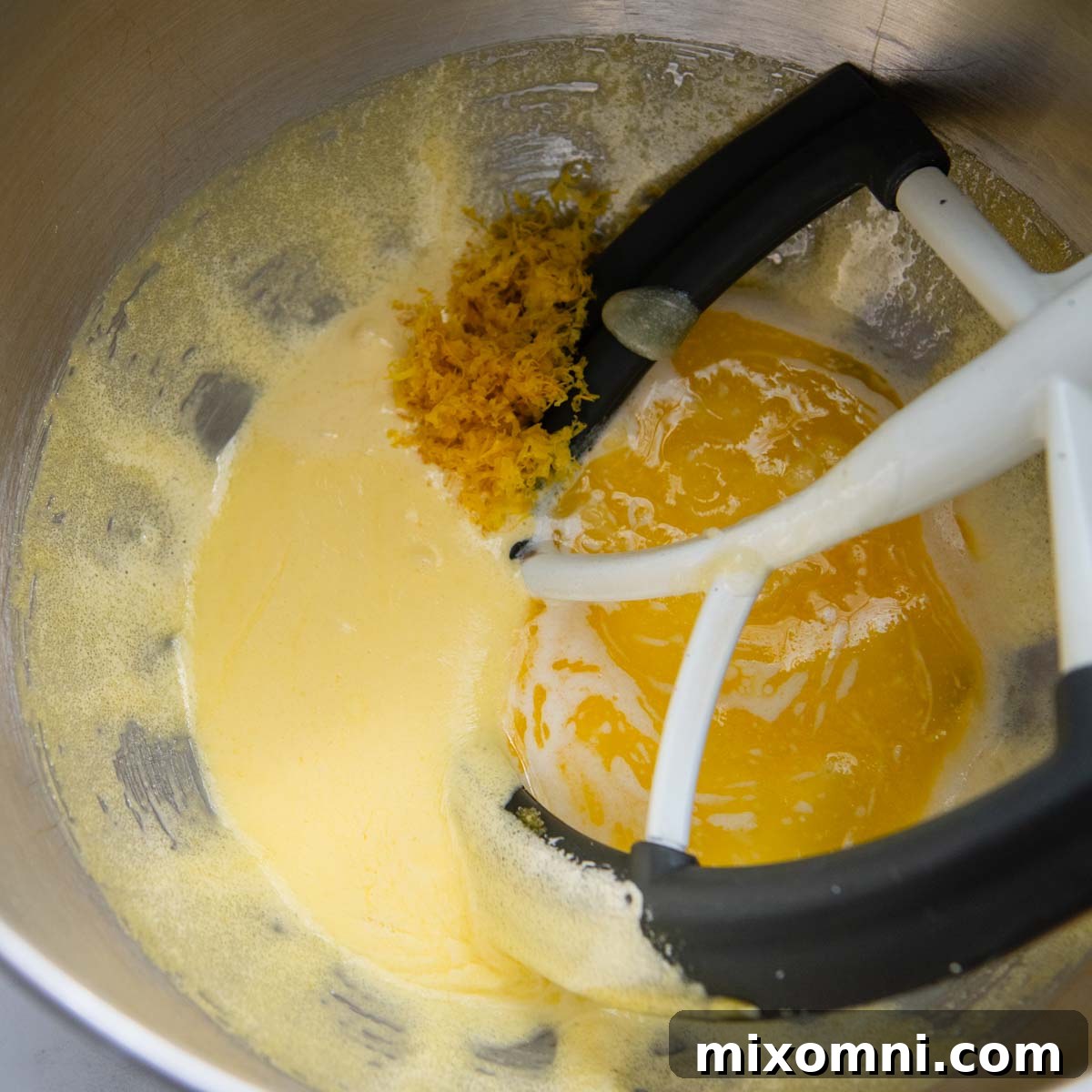
In a separate, clean bowl, combine the egg yolks with the remaining sugar. Beat this mixture until the yolks have visibly doubled in volume and lightened significantly in color, taking on a pale yellow hue. This typically takes about 2 minutes with a stand mixer. Next, thoroughly mix in the melted and cooled butter (or your chosen dairy-free alternative), the vibrant lemon zest, and the lemon extract. Ensure everything is well incorporated for an even distribution of flavor.
Incorporating Almond Flour and the Magic of Folding
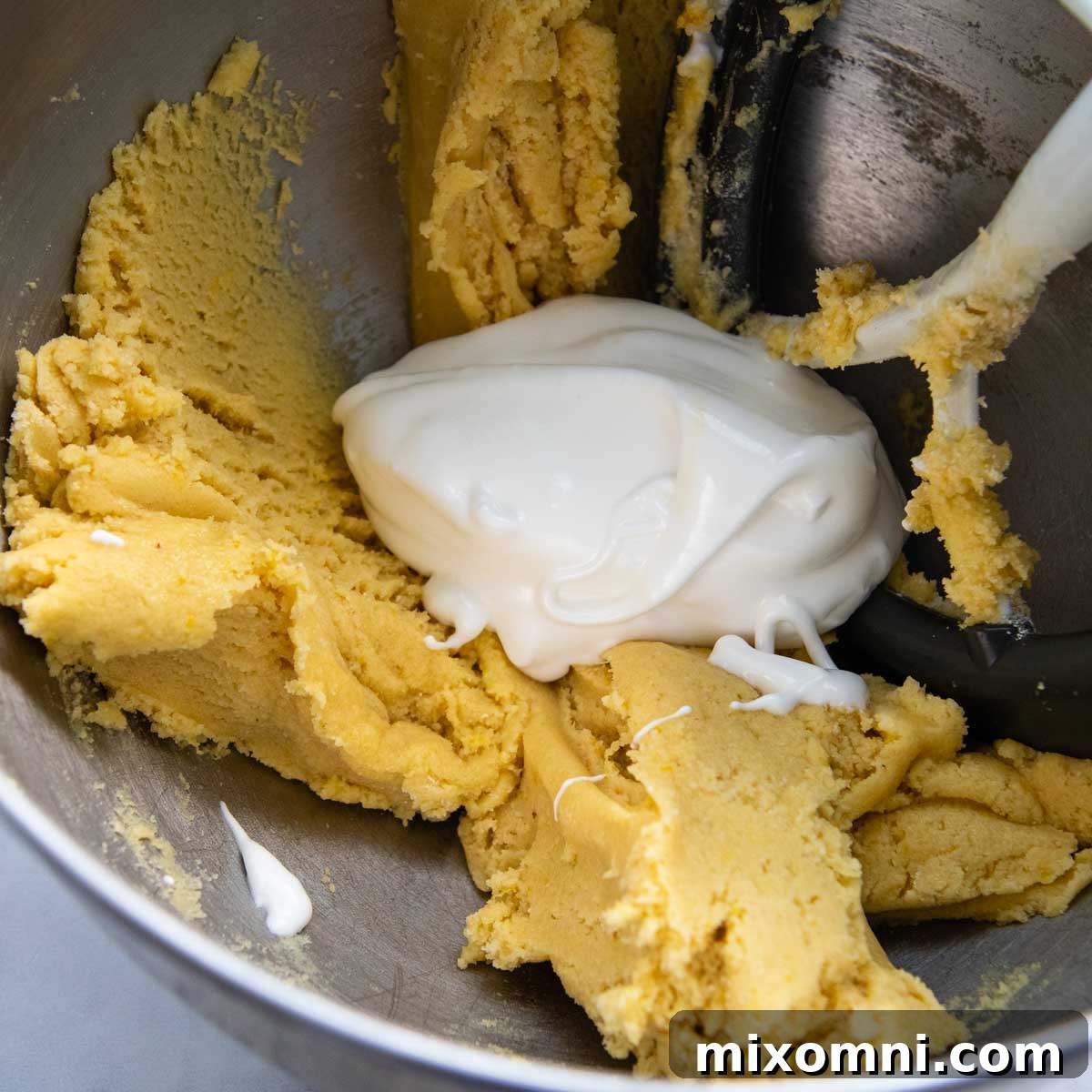
Now, it’s time to bring in the dry ingredients. To the beaten egg yolk mixture, add the blanched almond flour, cornstarch (a key ingredient for our fluffy texture, as discussed below), baking powder, and salt. Mix these ingredients thoroughly until they are just combined. At this stage, the batter will appear extraordinarily thick – so thick, in fact, that you might find yourself questioning the process entirely. Don’t worry; this is perfectly normal and expected for an almond flour batter!
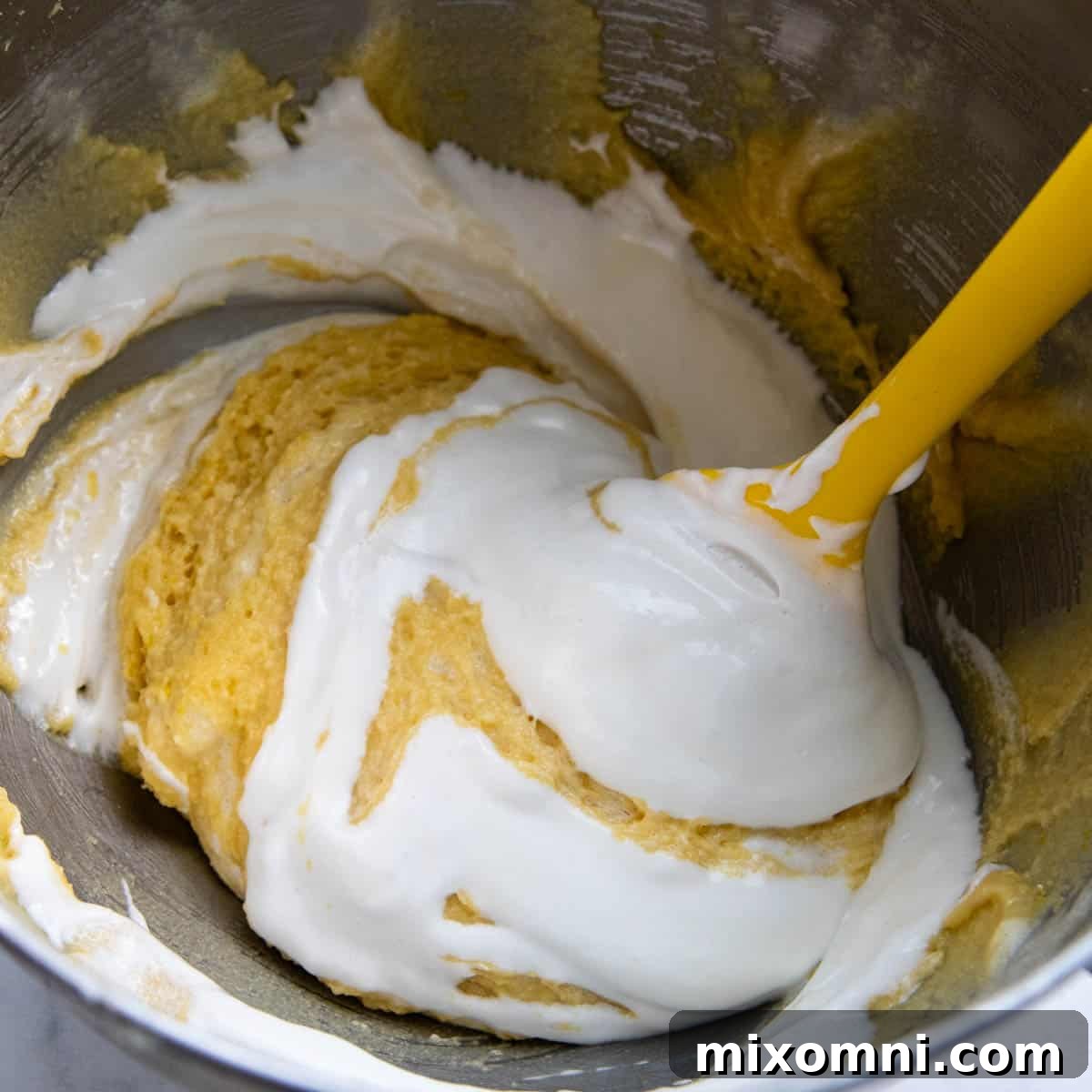
Trust the process. This is where the magic of the whipped egg whites comes in. Begin to gently fold in the reserved beaten egg whites, adding approximately one-third of them at a time. The first addition will help loosen the dense batter considerably. Continue adding the remaining whites in two more increments, using a gentle folding motion (cutting down through the center and folding over, rotating the bowl) rather than vigorous stirring. This technique is crucial for preserving all the precious air you incorporated into the whites, which is responsible for the cake’s lift and delicate crumb. As you fold, you’ll witness the batter transforming into a lighter, more workable consistency. Promise: it will all come together beautifully.
Finishing Touches and Baking to Perfection
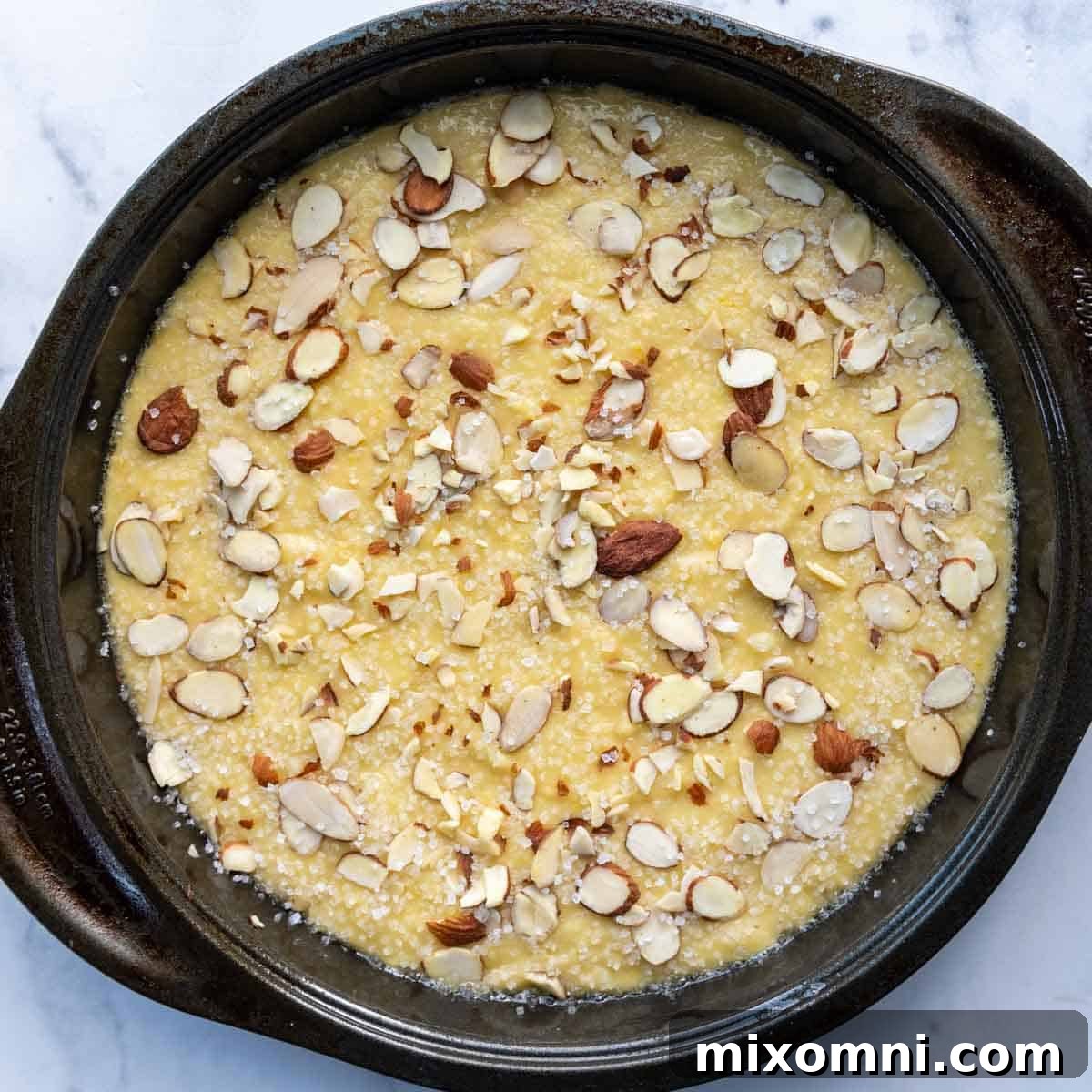
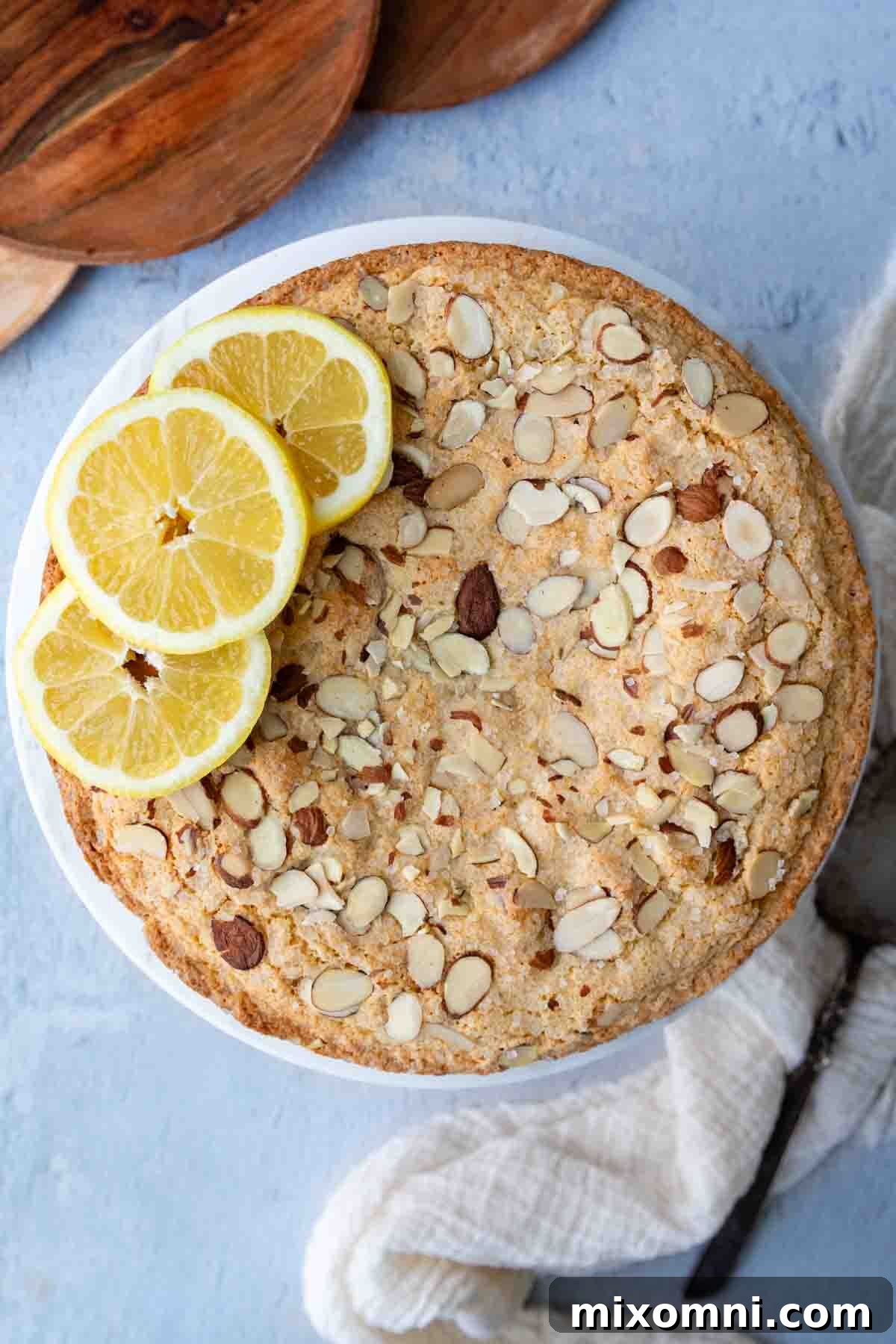
Once the batter is smoothly combined, pour it into your prepared 9-inch cake pan, spreading it evenly with a spatula. While optional, I highly recommend dusting the top with a generous sprinkle of sliced almonds and coarse turbinado sugar before baking. This simple addition creates an absolutely delightful crunchy, sweet crust that provides a wonderful textural contrast to the soft, moist cake beneath. It’s a small step that yields big rewards!
Bake your cake in a preheated oven at 350ºF (175ºC) for approximately 30-34 minutes. It’s important to resist the urge to open the oven door too frequently, as sudden temperature drops can cause the delicate almond flour cake to fall and become dense. Instead, rely on visual cues for most of the baking time. The cake should appear beautifully golden, fully set, and notably risen in the center. Towards the end of the baking time, you can gently test for doneness: when lightly touched in the center, the cake should feel firm and spring back. A wooden skewer or toothpick inserted into the very middle should come out clean, indicating it’s thoroughly baked. If it’s still wet, bake for a few more minutes, checking frequently.
Once baked, allow the cake to cool in the pan on a wire rack for about 10-15 minutes. This resting period helps it set further before attempting to invert. After initial cooling, carefully invert the cake onto a wire rack to release it from the pan. If you used a parchment lining, peel it away gently. To ensure the beautiful almond topping remains face up, place another wire rack on top of the inverted cake and flip it once more. Allow the cake to cool completely before applying any glaze or toppings. This prevents the glaze from melting and ensures it sets beautifully.
Achieving Perfected Almond Cake Texture: The Cornstarch Advantage
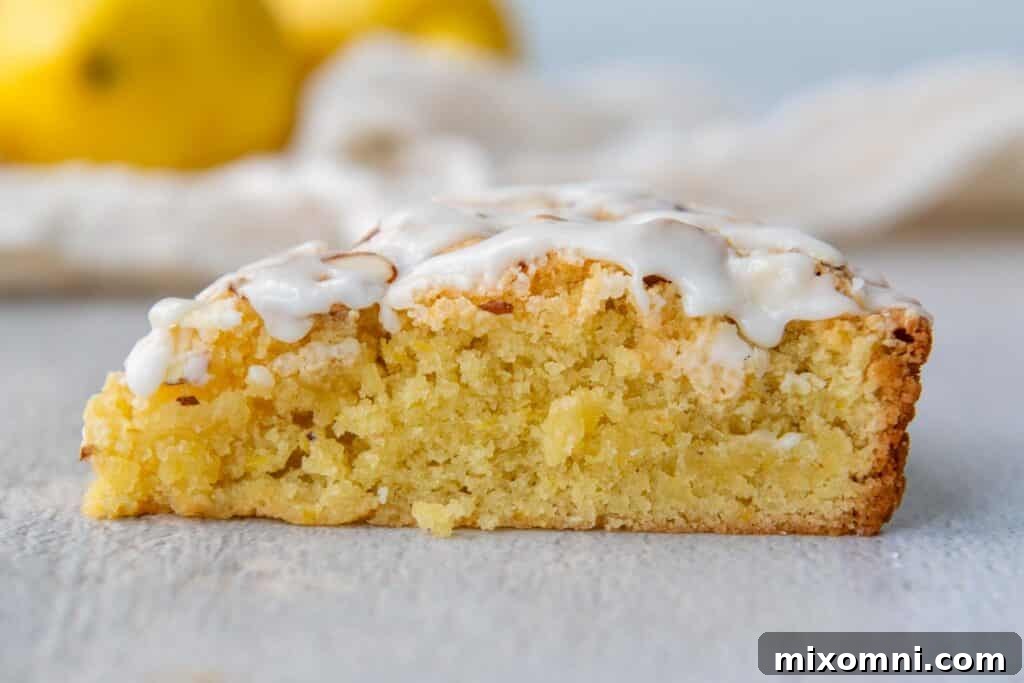
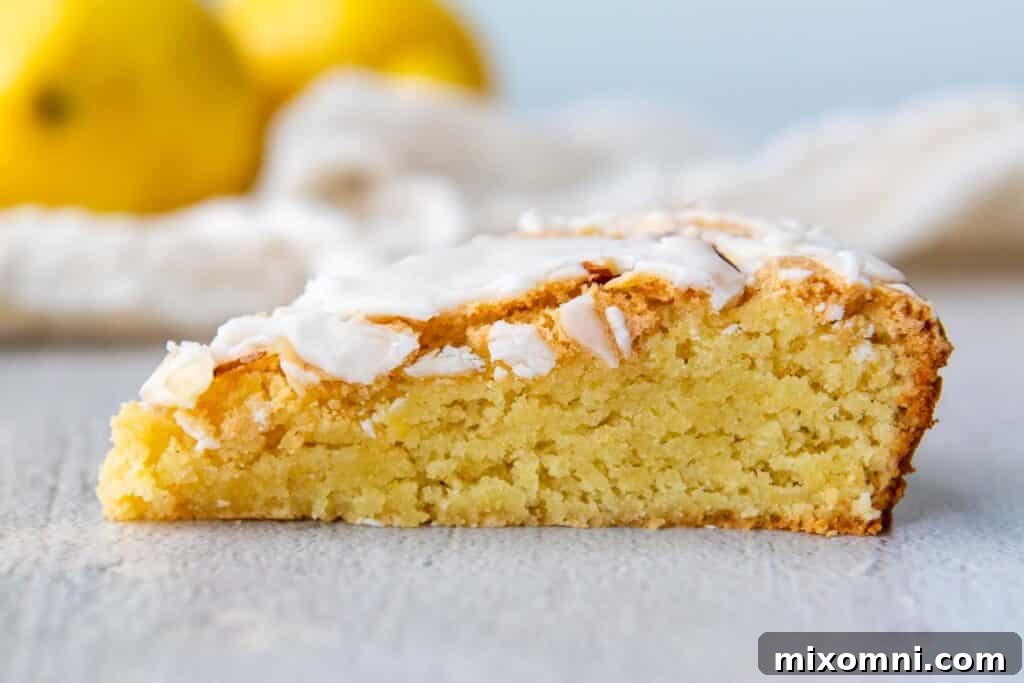
The quest for the perfect light and airy almond flour cake led me through numerous tests and experiments. Initially, I focused on just the almond flour and the technique of separating and folding in egg whites. While these methods certainly yielded good results, I felt the crumb could be even lighter and more delicate.
This pursuit of perfection led to the inclusion of an additional starch, specifically cornstarch, to absorb some of the inherent moisture in almond flour. Cornstarch was a natural choice due to its common availability and its remarkable ability to improve cake structure. When incorporated, it works wonders, creating a noticeably finer, lighter, and more tender crumb. This added starch essentially “softens” the texture, preventing the dense quality often associated with almond flour. If you prefer not to use cornstarch, you have excellent alternatives: an equal amount of coconut flour or tapioca starch can be substituted effectively. Both of these starches also excel at soaking up excess moisture and contribute to a desirable light texture, offering flexibility without compromising the final result.
Optimizing Cake Pan Sizes and Baking Modifications
While this delightful almond lemon cake is designed to be baked as a single, beautiful layer, its recipe is remarkably versatile and can be easily adapted to various pan sizes and desired presentations. During the rigorous recipe testing phase, I primarily utilized a 9-inch round cake pan, and all the gorgeous final images reflect this size. However, for those who envision a slightly taller, more substantial single layer, or perhaps a stunning almond flour lemon layer cake, opting for an 8-inch round pan is an excellent modification.
If you choose to use an 8-inch cake pan, remember that the increased thickness of the batter will require a slightly longer baking time. As a general guideline, add approximately 5 minutes to the stated baking duration. Given almond flour’s natural moisture content, it’s always better to err on the side of slightly over-baking rather than under-baking. The center of the cake should feel completely set and spring back gently when lightly touched, indicating it’s cooked through. Furthermore, reiterate the importance of minimal oven opening: avoid peering into the oven frequently, as rapid temperature fluctuations can cause the cake to collapse. Trust your visual cues through the oven door, and only open to perform the toothpick test in the final stages of baking.
For a more casual yet equally delicious treat, this recipe adapts wonderfully to an 8×8-inch square pan, yielding a fantastic snack cake. Simply bake, cool, and cut into squares. These generous slices are perfect served with a dollop of freshly whipped cream and a scattering of fresh berries – an ideal accompaniment for an afternoon tea, a leisurely brunch, or alongside your morning coffee.
To ensure effortless removal of your delicate cake, especially when adorned with its crunchy almond topping, consider baking it in an 8-inch or 9-inch springform pan. The removable sides make unmolding a breeze, preserving the cake’s pristine appearance. Just be sure to allow the cake to cool completely in the springform pan before releasing the outer ring to prevent any structural mishaps.
Decadent Frosting and Creative Topping Options
The beauty of this moist almond flour lemon cake lies not only in its exquisite flavor and texture but also in its adaptability to various finishes. While the simple, elegant crunch of sliced almonds and coarse turbinado sugar, sprinkled on top before baking, offers a fantastic contrast to the soft lemon crumb, the possibilities for enhancing this cake are truly endless. Let your culinary imagination run wild with these complementary flavors and textures:
For a minimalist yet sophisticated presentation, a simple dusting of powdered sugar creates a delicate, ethereal finish. If you’re aiming for something more indulgent or wish to create a show-stopping dessert, consider doubling the recipe to craft a magnificent layer cake. This provides a canvas for luxurious frostings such as a light and airy whipped cream frosting, a classic and versatile buttercream, or a tangy, rich cream cheese frosting, each adding its unique dimension to the lemon and almond notes.
Do you adore coconut? Integrate it directly into the cake batter for an added layer of tropical flavor and texture. Gently fold in ¾ cup of unsweetened shredded coconut after incorporating the whipped egg whites, ensuring even distribution without deflating the batter. You could also serve slices garnished with toasted coconut flakes and a generous dollop of whipped cream for a truly decadent experience. Fresh berries are another magnificent addition, offering a burst of natural sweetness and vibrant color. After gently folding in the whipped egg whites, lightly stir in one pint of fresh blueberries or raspberries. Their slight tartness beautifully complements the lemon and almond, creating a dessert that’s perfect for any season.
Key Baking Tips To Remember for Success
- Egg Separation and Temperature: Always separate eggs when they are cold, as this makes the process much cleaner and easier. However, allow both the whites and yolks to come to room temperature before beating. Room-temperature egg whites achieve significantly more volume and stability when whipped, which is crucial for a light and airy cake texture.
- Dairy-Free Modification: For those seeking a dairy-free option, readily substitute the melted butter with an equal amount of melted coconut oil or a high-quality non-dairy butter alternative. Ensure the chosen substitute is also melted and cooled before adding it to the batter.
- The Power of Cornstarch: Don’t skip the cornstarch! Adding a small amount to the dry ingredients is a secret trick to absorb excess moisture, which is abundant in almond flour, and to enhance the cake’s structure, resulting in an incredibly fluffy and tender crumb. If cornstarch is not an option, an equal amount of coconut flour or tapioca starch can be used as effective substitutes.
- Layer Cake Adaptation: To transform this single-layer recipe into an impressive two-layer cake, simply double all the ingredients. Bake the batter in two separate 8-inch cake pans. Due to the slightly thicker layers, you will need to add an extra 5 minutes to the standard baking time.
- Pan and Topping Versatility: Explore additional baking pan options and creative ways to customize your cake. You’ll also find alternative toppings and frostings that can elevate your dessert for any occasion.
Save this recipe to your Pinterest board!
Pin Now, Bake Later!
Let’s be friends on Pinterest! I’m always sharing great recipes!
Did you make this recipe? I love hearing from you! Leave a star rating and comment below the recipe card. It helps others when searching for recipes and I appreciate feedback from our community. You will always hear back from me! -Melissa

Moist, Fluffy Almond Flour Lemon Cake (Easy Tips)

Melissa Erdelac
8
15 mins
30 mins
45 mins
Pin
Rate
Remove Ads
Ingredients
- 3 large eggs, separated when cold and then set at room temperature
- 1 cup (200 g) granulated sugar, divided
- ¼ cup (57 g) melted and cooled butter, see recipe notes for dairy-free
- 1 tablespoon lemon zest
- 1 teaspoon lemon extract
- 2 ¼ cups (231 g) blanched almond flour
- ¼ cup (34 g) cornstarch, see recipe notes for substitute
- 1 ½ teaspoon baking powder
- ¼ teaspoon salt
Optional Toppings
- 3 tablespoons (18 g) sliced almonds
- ½ tablespoon coarse turbinado sugar
Lemon Glaze
- 1 cup (120 g) powdered sugar
- 1 ½ tablespoons lemon juice
Equipment
-
Stand Mixer
-
Zester
-
Blanched Almond Flour
Instructions
-
Preheat your oven to 350℉ (175°C). Prepare a 9-inch round cake pan by lining the bottom with a circle of parchment paper or wax paper cut to size. Then, lightly grease the sides of the pan with non-stick cooking spray to ensure easy release. If you desire a thicker cake layer, an 8-inch cake pan can be used, adjusting baking time accordingly.
-
Place the room-temperature egg whites into a meticulously clean, dry mixing bowl. Attach the whisk attachment to your stand mixer and beat the egg whites on high speed until they become frothy and light. Gradually, add ½ cup of the granulated sugar, sprinkling it in a few tablespoons at a time, while continuously beating. Continue to beat until the egg whites form stiff, glossy peaks that hold their shape. Carefully set this bowl aside for later use.
-
In a separate mixing bowl, combine the egg yolks with the remaining granulated sugar. Beat this mixture until the egg yolks have doubled in volume and transformed into a pale yellow color, which typically takes about 2 minutes of beating. Next, thoroughly mix in the melted and cooled butter (or dairy-free substitute), the vibrant lemon zest, and the lemon extract until all ingredients are well incorporated and fragrant.
-
To the prepared egg yolk mixture, add the blanched almond flour, cornstarch (or your chosen substitute), baking powder, and salt. Mix these dry ingredients into the wet mixture until they are just combined. At this point, the batter will appear noticeably very thick—don’t be alarmed, this is the expected consistency for an almond flour batter at this stage.
-
Now, gently incorporate the beaten egg whites into the thick batter. Add one-third of the egg whites first, and use your mixer (on low speed) or a spatula to gently fold it in. This initial portion helps to lighten the dense batter. Repeat this process with another one-third of the egg whites. Finally, add the remaining egg whites and very gently fold them into the mixture using a spatula, being careful not to deflate the precious air you’ve incorporated. The goal is a uniform, airy batter.
-
Pour the lightened batter evenly into your prepared cake pan. If desired, sprinkle the top generously with sliced almonds and coarse turbinado sugar. This adds a beautiful crunch and sweet crust to the finished cake.
-
Bake for 30-34 minutes. It is critical to avoid opening the oven door too frequently during baking, as this can cause the cake to fall. Rely primarily on visual cues: the cake should appear golden brown, risen, and set in the middle. For final confirmation, gently touch the center of the cake—it should feel firm and spring back slightly. A toothpick inserted into the very center should come out completely clean, indicating the cake is thoroughly baked.
-
Once baked, remove the cake from the oven and allow it to cool in its pan on a wire rack for 10-15 minutes. This cooling period helps the cake firm up before unmolding. After initial cooling, carefully invert the cake onto a wire rack to release it from the pan. Place another wire rack on top of the inverted cake and flip it back over, ensuring the beautiful almond topping is face up. Allow the cake to cool completely to room temperature before applying any glaze or additional toppings.
-
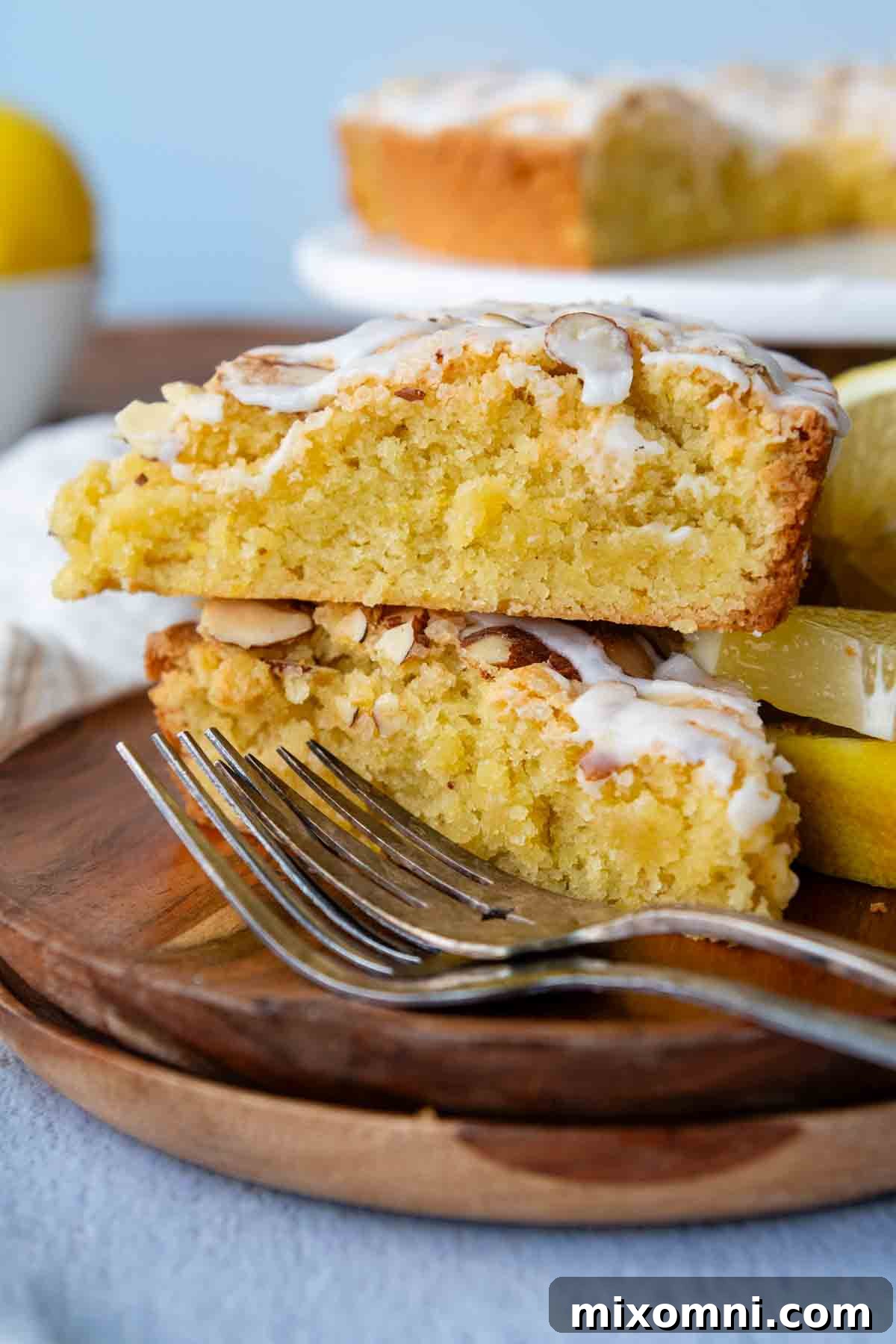
To prepare the lemon glaze, combine the powdered sugar and lemon juice in a small bowl. Whisk until smooth. Adjust the consistency as needed by adding a tiny bit more lemon juice (for a thinner glaze) or more powdered sugar (for a thicker glaze). Once the cake is completely cool, transfer it to a serving platter and generously drizzle the lemon glaze over the top. The glaze will beautifully set and harden as it rests, creating a lovely finish.
Notes
Dairy-Free Modification
Easily replace the melted butter with an equal amount of melted coconut oil or a high-quality vegan butter stick for a dairy-free version.
Cornstarch Substitute
If you prefer not to use cornstarch, you can omit it for a slightly denser, more traditional flourless cake texture. Alternatively, replace it with an equal amount of coconut flour or tapioca starch to maintain a lighter crumb.
Serving / Storing / Freezing
This delicious almond flour lemon cake can be stored at room temperature for up to two days, or refrigerated for up to three days. Note that if stored in the refrigerator, the cake’s texture will become slightly more condensed, resembling a classic flourless cake.
For storing cut slices, gently press a piece of plastic wrap directly onto the cut surfaces of the cake to prevent drying. If you have a cake carrier, it’s an excellent option for airtight storage. For an uncut cake, loosely cover the top with foil. Avoid covering the entire cake tightly with plastic wrap, as it can trap too much moisture and make the cake soggy.
You can freeze flourless almond flour lemon cake for up to 3 months. To freeze individual slices, wrap each slice securely in plastic wrap, then transfer them to a freezer-safe ziplock bag. When ready to enjoy, simply pull out the desired number of slices and let them thaw at room temperature.
If freezing the entire cake, first place it uncovered in the freezer until it is solid. Once frozen, wrap it securely in several layers of plastic wrap, followed by a layer of aluminum foil, to prevent freezer burn and maintain freshness.
Carbohydrates: 53g,
Protein: 10g,
Fat: 25g,
Saturated Fat: 5g,
Polyunsaturated Fat: 1g,
Monounsaturated Fat: 3g,
Trans Fat: 0.2g,
Cholesterol: 77mg,
Sodium: 143mg,
Potassium: 133mg,
Fiber: 4g,
Sugar: 42g,
Vitamin A: 267IU,
Vitamin C: 2mg,
Calcium: 121mg,
Iron: 2mg