
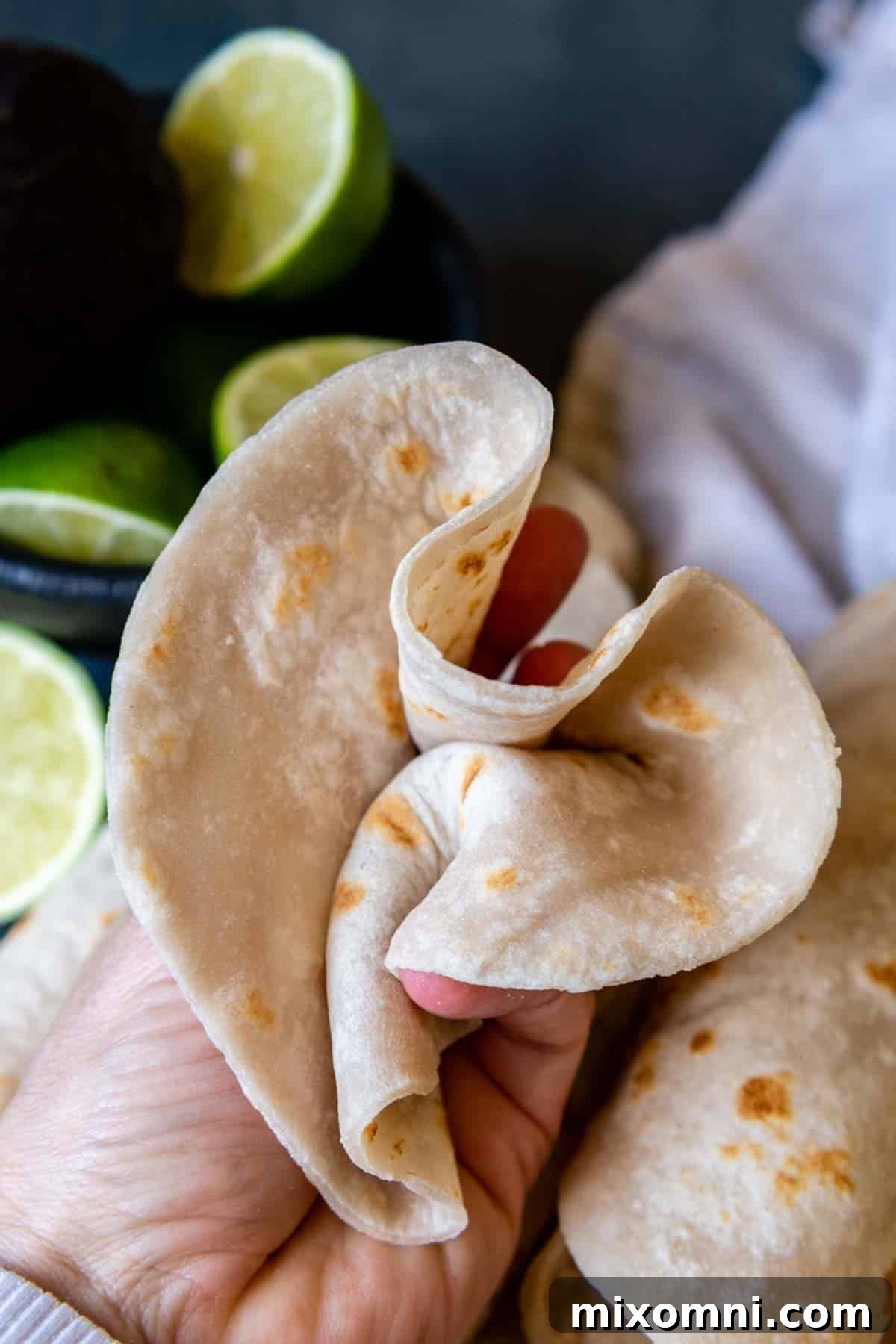
Imagine biting into a soft, pliable tortilla, perfectly warm and fragrant, that’s completely gluten-free. For too long, those with gluten sensitivities have settled for subpar alternatives – often dry, crumbly, or lacking the authentic texture that makes traditional tortillas so irresistible. But the wait is over! This groundbreaking recipe delivers truly **soft and flexible gluten-free tortillas** with an authentic taste and texture that rivals any traditional homemade version. Using just four simple ingredients and taking only 30 minutes from start to finish, this recipe is designed for everyone, from kitchen novices to seasoned bakers. I’m here to guide you through every step to culinary success!
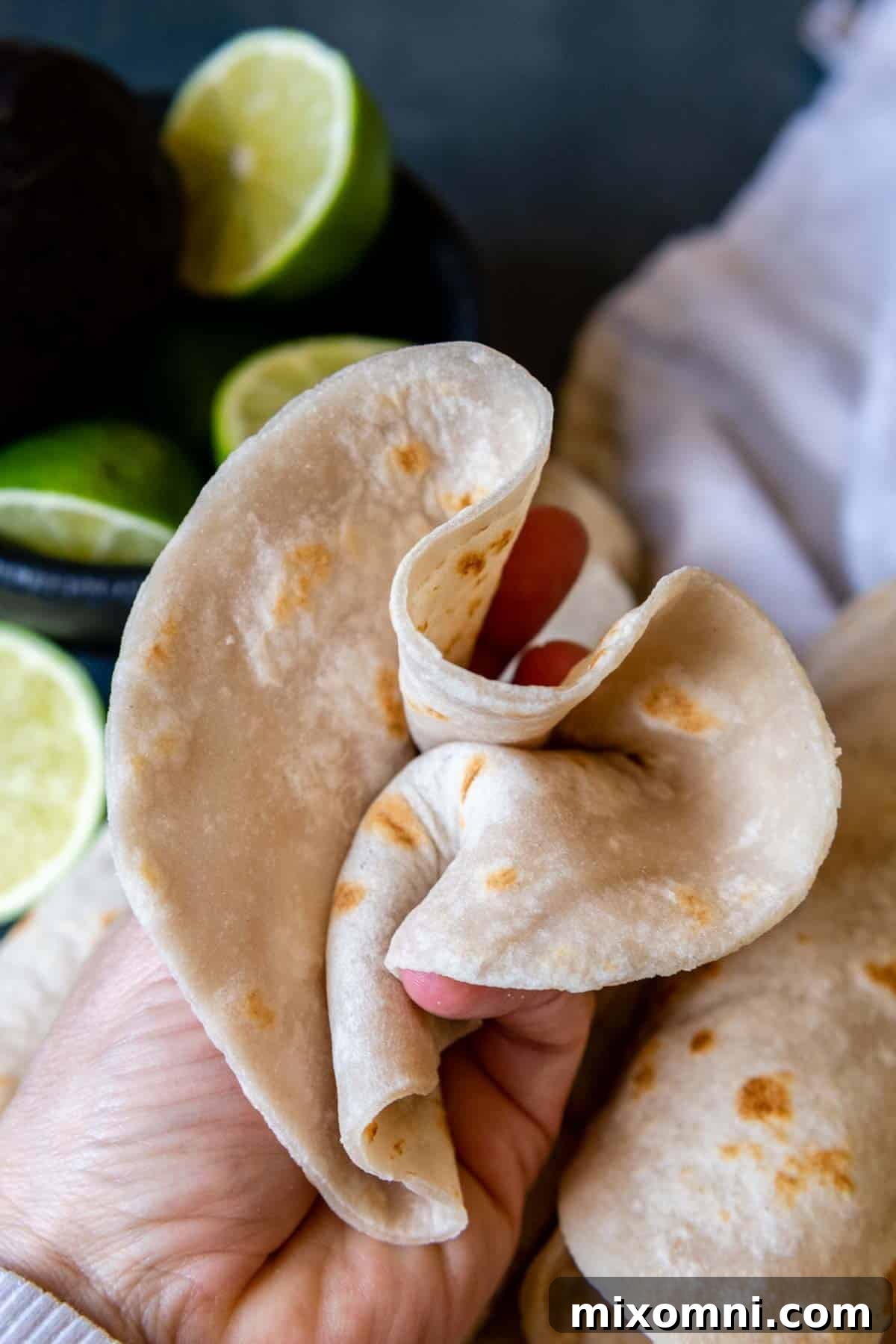
Finally Reclaim Your Love for Gluten-Free Tortillas!
For years, the thought of enjoying a truly satisfying flour tortilla seemed like a distant memory for me and countless others on a gluten-free diet. My experiences with commercially produced gluten-free tortillas were consistently disappointing. Not only were they often exorbitantly priced, but their taste and texture frequently left much to be desired – cardboard-like, prone to cracking, and utterly devoid of the comforting pliability that defines a great tortilla. I’d reluctantly resigned myself to a life without quesadillas, burritos, soft tacos, and versatile sandwich wraps, often resorting to corn tortillas as the only tolerable alternative.
However, my journey into perfecting gluten-free recipes that taste indistinguishable from their traditional counterparts (like my celebrated soft gluten-free flatbread and a squishy GF sandwich bread recipe) ignited a new hope. Surely, we deserved the same delicious experience when it came to tortillas! And I am thrilled to report: we absolutely do! Every time I enjoy one of these freshly made beauties, I can’t help but feel a pang of regret for all the years I spent without them.
So, what’s the magic behind this recipe? How do these **homemade GF flour tortillas** achieve such an authentic taste and a remarkably soft, pliable texture, unlike anything else on the market? The secret lies not just in the simplicity of the four ingredients, but in their precise combination and ratio. This careful balance prevents the common pitfall of gluten-free baking: a dough saturated with too much flour, leading to dry and crumbly results. Instead, our recipe yields a dough that is incredibly easy to handle, wonderfully elastic, and destined for success.
The true star of this recipe, and indeed many of my successful gluten-free creations, is psyllium husk powder. This incredible ingredient acts as a natural binder and elasticity enhancer, mimicking the role of gluten by absorbing liquid and creating a flexible structure that gluten-free flours struggle to achieve on their own. It’s a game-changer for texture, making these tortillas soft, bendable, and less prone to tearing.
Continue reading to uncover just how simple it is to whip up these amazing **gluten-free tortillas**, along with a wealth of expert tips and tricks to ensure your first batch is a resounding success. Get ready for love at first bite – I guarantee it!
“Wow, all I can say is wow!! I have been struggling to find an easy gluten-free flour tortilla recipe that is soft and flexible!! I have ended up with more hard hockey pucks than I care to count!! And then I happened upon Melissa’s phenomenal recipe!! I am seriously blown away!!”
—Ronda
Essential Ingredients for Perfect Gluten-Free Tortillas
This recipe prides itself on a concise list of ingredients, making these **homemade gluten-free wraps** not only simple but also naturally dairy-free and vegan (with attention to your chosen GF flour blend, as noted below). Here, I’ll provide crucial insights into each ingredient, along with workable substitutions to ensure your success.
- All-Purpose Gluten-Free Flour Blend: This is arguably the most critical component for both the flavor and structural integrity of your tortillas. Personally, I enthusiastically recommend Cup4Cup gluten-free flour. Its unique formulation, particularly the cornstarch content, imparts a wonderfully flexible and tender texture. Furthermore, its taste closely mimics traditional wheat flour, without any of the grittiness often associated with other GF blends. For those needing a dairy-free option, please refer to the recommended GF flour section for specific brand considerations and substitutions to maintain the desired dairy-free status.
- Psyllium Husk Powder: If you’re new to this ingredient, don’t be intimidated! It’s an affordable, natural fiber that is a secret weapon in gluten-free baking, delivering superior results in everything from these tortillas to fluffy GF breads. Psyllium husk’s primary role is to absorb a significant amount of moisture, transforming the dough into a pliable, easy-to-handle consistency without the need for excessive amounts of flour, which typically dries out gluten-free dough. When purchasing, opt for a blonde or light-colored brand to avoid a slight purple tint in your finished tortillas; rest assured, this color variation does not affect the taste whatsoever. Its ability to create elasticity is unparalleled in the gluten-free world.
- Baking Powder: A small amount of baking powder is added to give these tortillas a gentle lift, encouraging them to puff up and bubble beautifully, much like traditional flour tortillas. While some recipes call for a larger quantity, I’ve found that a more modest addition results in thinner, more flexible tortillas – exactly what we’re aiming for.
- Warm Water: The temperature of the water is important. Warm water helps to activate the psyllium husk and blend smoothly with the flour, creating a more cohesive and workable dough. It also aids in hydrating the starches in the gluten-free flour blend, contributing to the final soft texture.
- Oil (Canola, Vegetable, or Olive Oil): A touch of oil adds richness, helps with pliability, and prevents the tortillas from becoming too stiff. Any neutral-flavored oil like canola, vegetable, or a light olive oil will work wonderfully. This contributes to the desired soft and tender chew.
Let’s Craft These Soft Tortillas *Together*!
(Below, you’ll find detailed step-by-step photos and simplified instructions to guide you. For the complete recipe, including precise ingredient measurements and a printable format, please scroll down to the recipe card at the end of this post.)
1. Mix and Rest Your Easy Dough
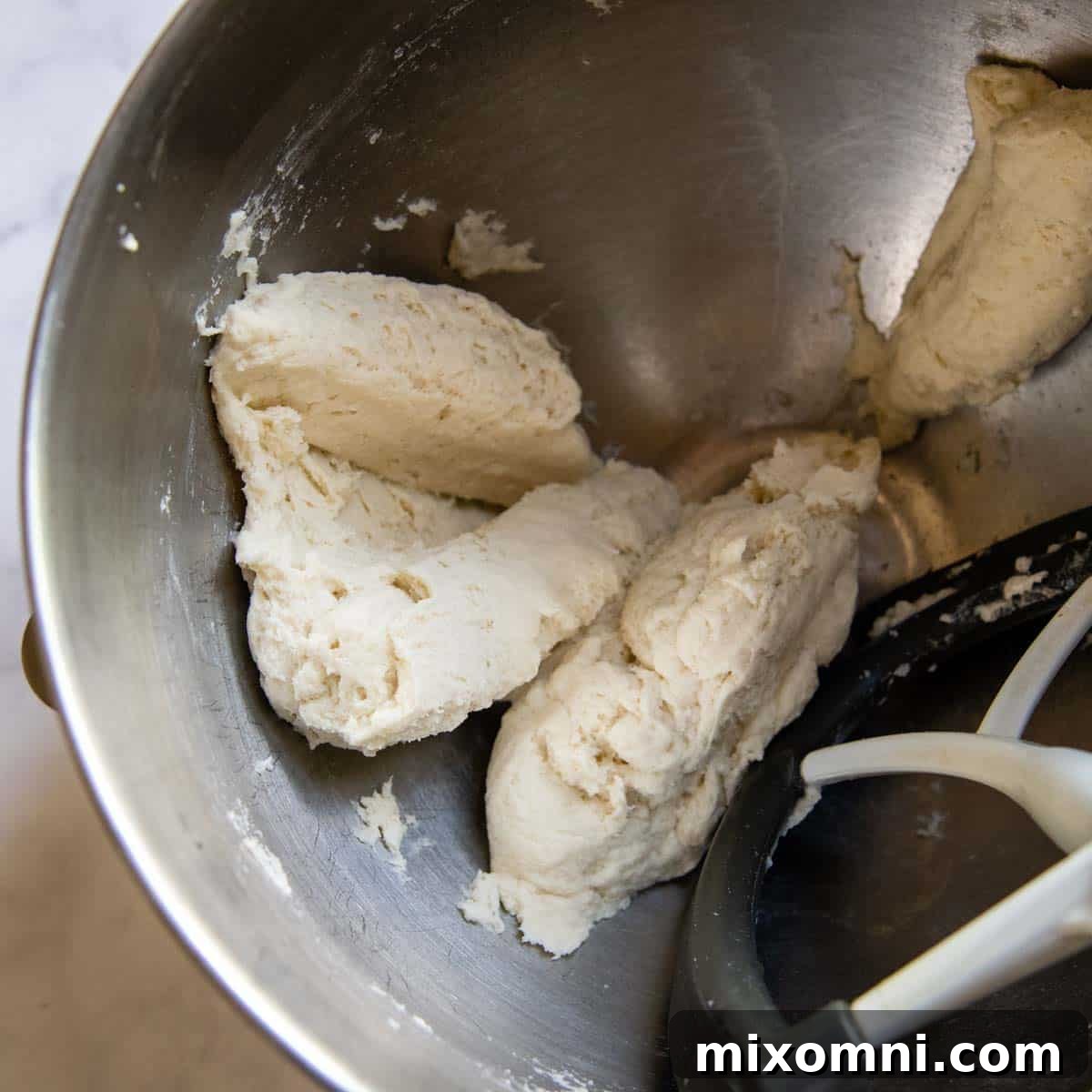
Begin by combining all your dry ingredients – the gluten-free flour blend, psyllium husk powder, salt, and baking powder – in a large mixing bowl. For ultimate ease, I highly recommend using a stand mixer fitted with a paddle attachment. Mix these dry components on low speed until they are thoroughly combined.
Next, gradually add the warm water and oil to the dry mixture while the mixer continues to run on low speed. Continue mixing until a cohesive dough ball forms, typically within about one minute. If you are mixing by hand, you may need to knead the dough briefly with your hands at this stage to ensure all ingredients are well incorporated and the dough comes together smoothly.
Once your dough has formed, shape it into a neat ball. Wrap it tightly in plastic wrap to prevent it from drying out, and let it rest for a crucial 10 minutes. This resting period allows the gluten-free starches to fully hydrate and the psyllium husk to absorb the liquid, making the dough much more pliable and easier to roll.
2. Master the Art of Rolling
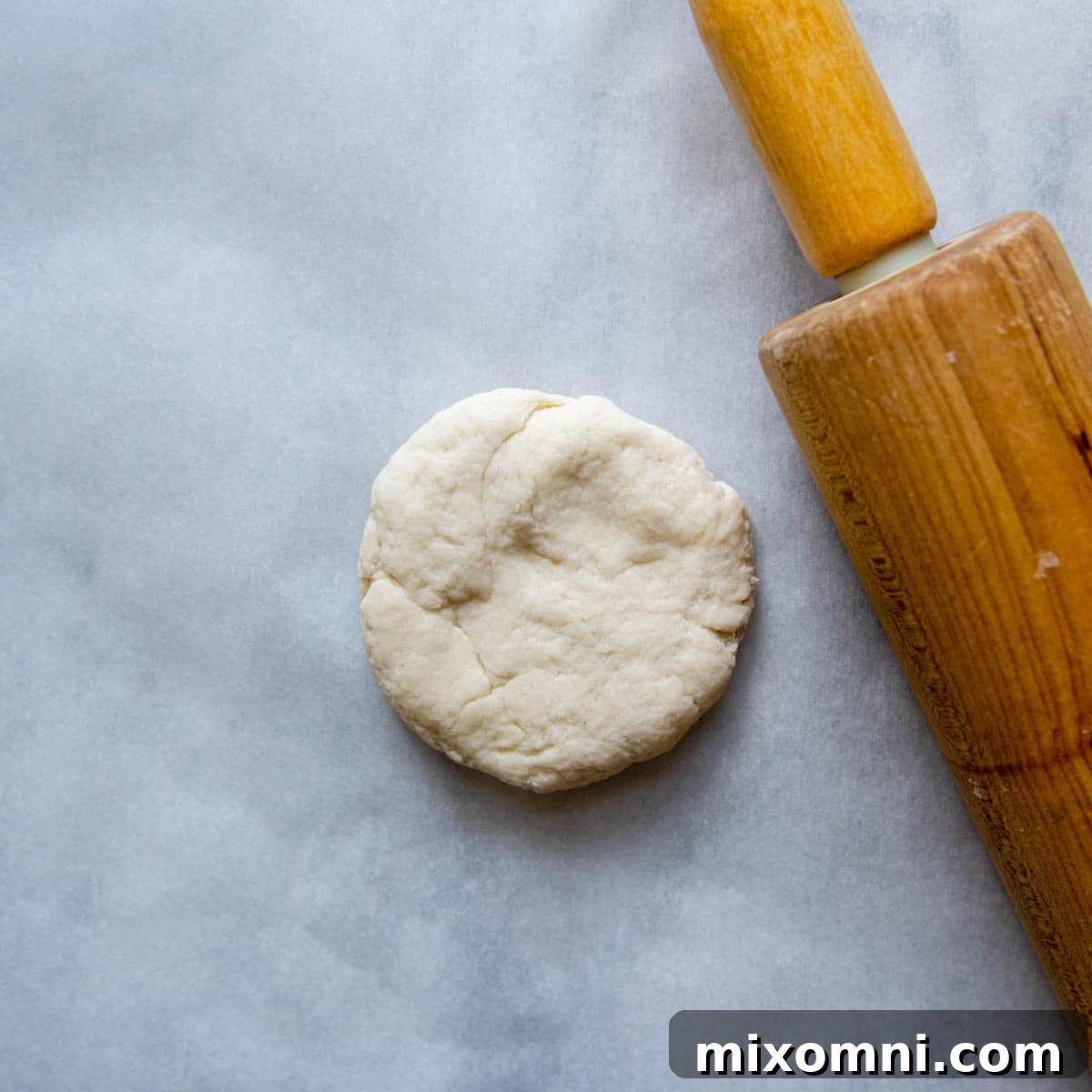
After the dough has rested and become more manageable, divide it into 6 equal sections. For precise, uniformly sized tortillas, you can use a food scale; I found each ball weighed approximately 2.7 ounces. It’s essential to keep the unrolled dough balls covered with plastic wrap to prevent them from drying out as you work on one at a time.
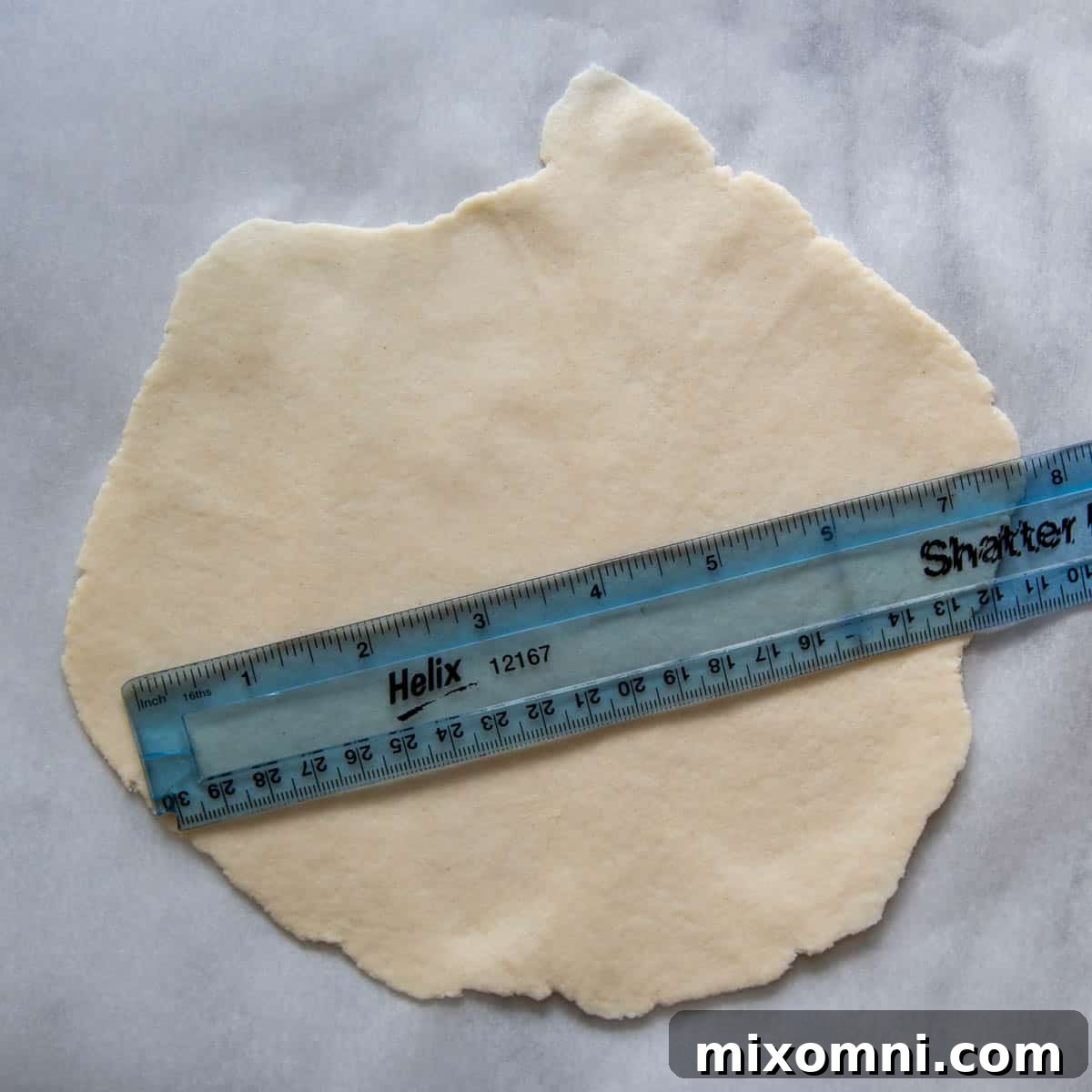
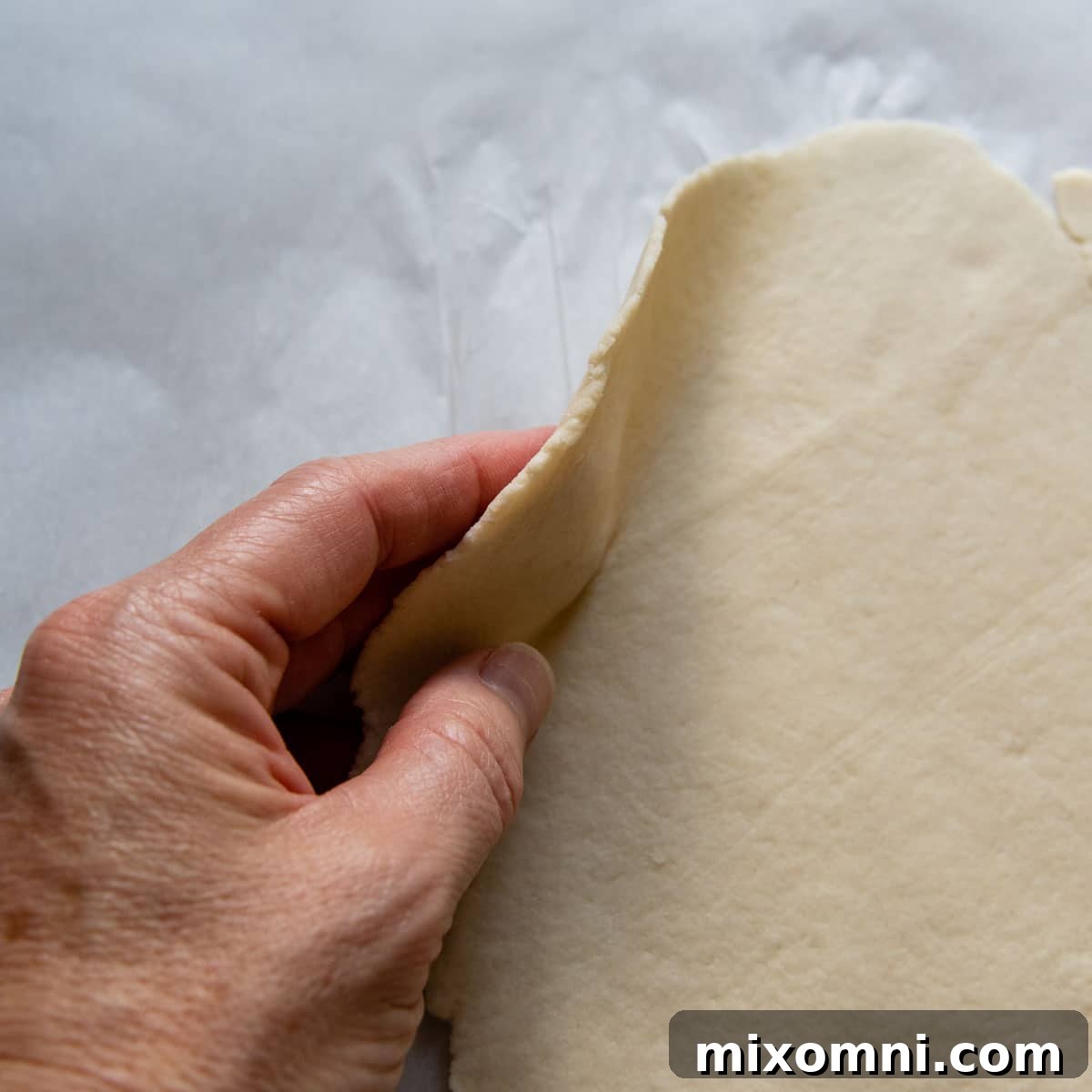
Take one dough ball and gently flatten it into a thick disc on a piece of parchment paper. Using a rolling pin, flatten the disc outwards into a 6 1/2-inch diameter circle. To achieve a perfectly round shape, remember to rotate the dough a quarter turn with each pass of the rolling pin. If you find the dough begins to stick to your rolling pin, simply rub a very small amount of gluten-free flour directly onto the rolling pin (avoid dusting the tortilla itself too much, as this can lead to dryness) and continue rolling.
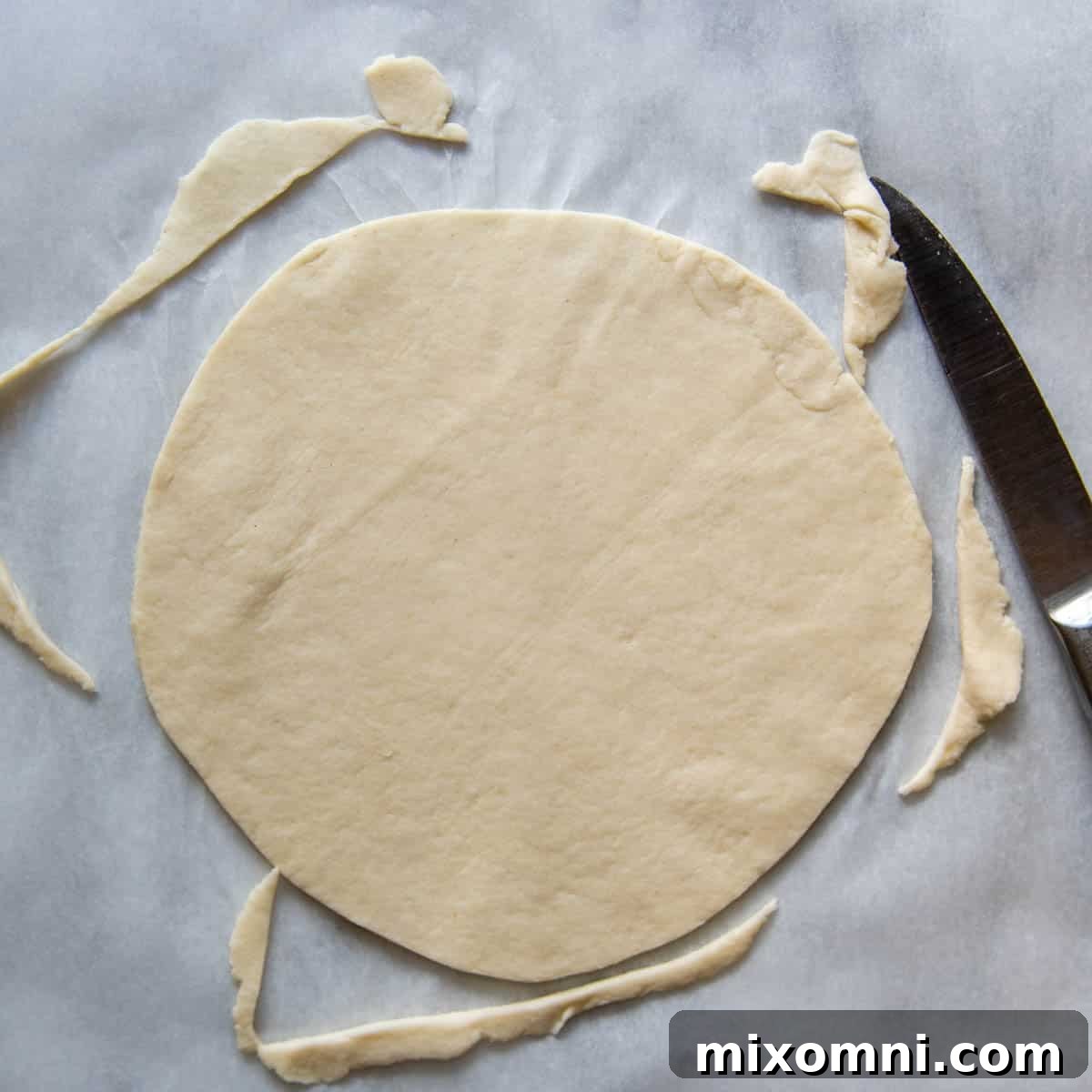
For those who prefer perfectly circular tortillas, use a knife to trim around the edges, shaping it into a neat round. Don’t discard these dough scraps! Gather them, wrap them in plastic wrap, and combine them at the end to form an extra bonus tortilla. Who doesn’t love an extra tortilla?! Stack your rolled, uncooked tortillas between small sheets of wax or parchment paper and keep them covered with plastic wrap while you roll out the remaining dough balls.
3. Cook to Golden Perfection
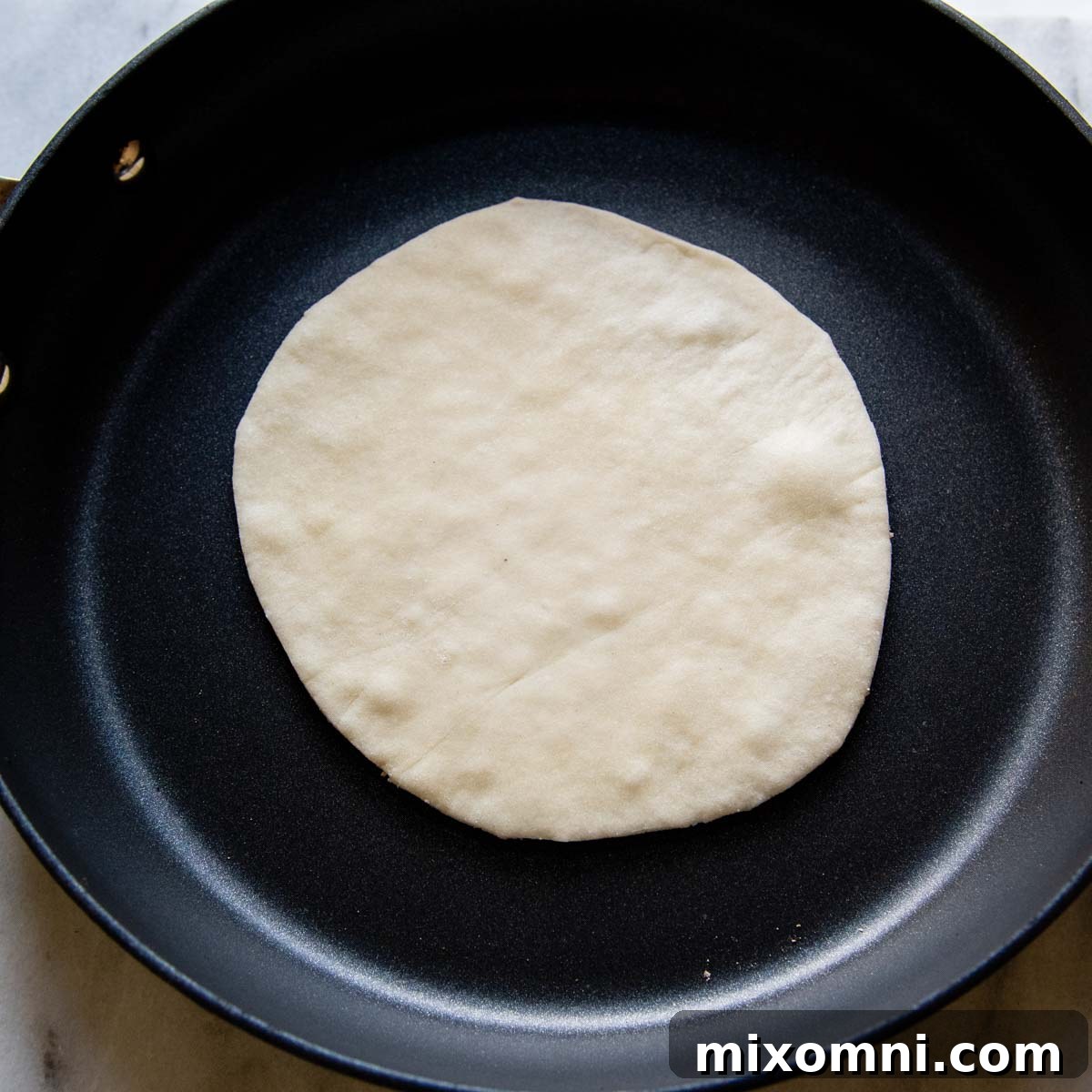
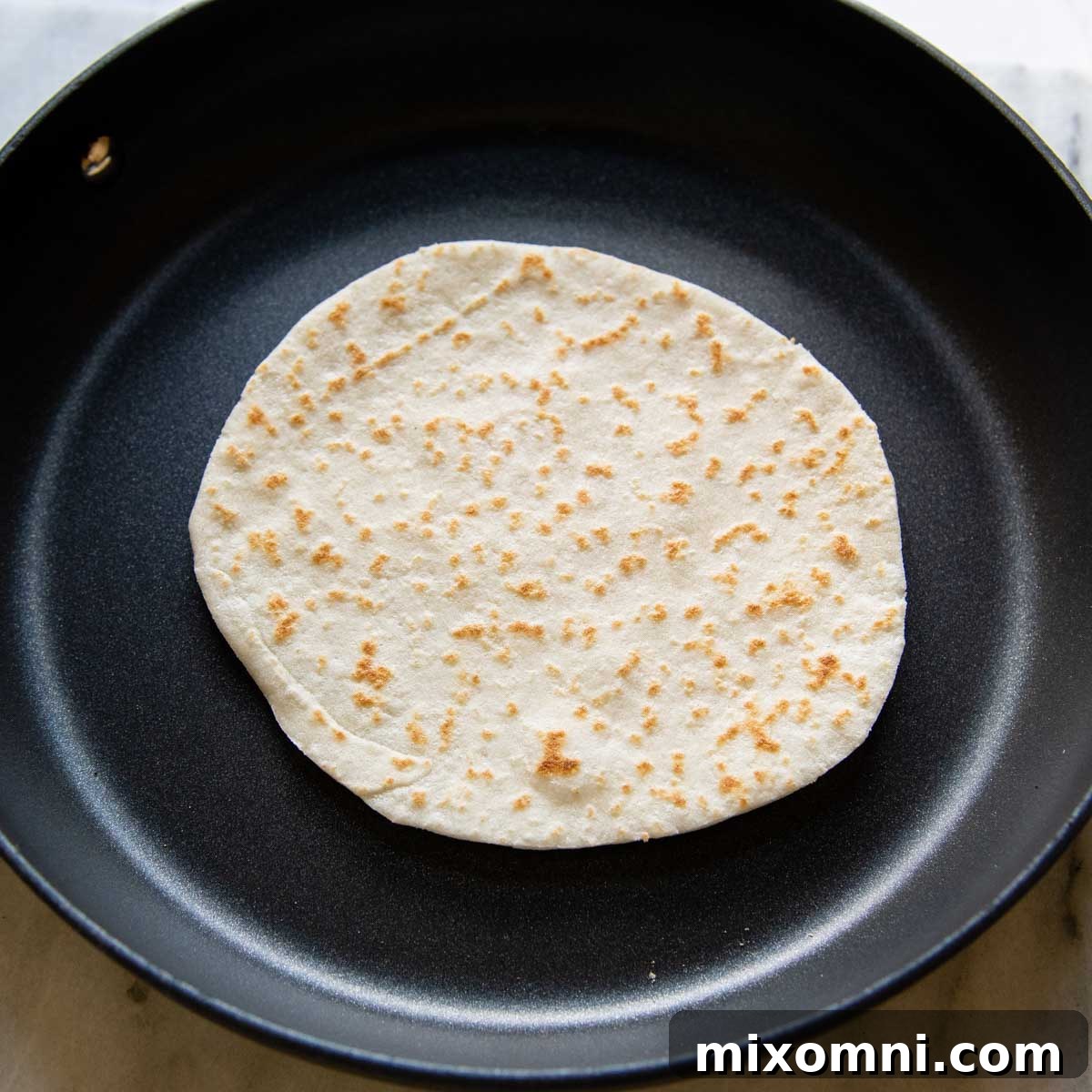
Ensure your nonstick skillet is adequately heated before placing the tortillas. I recommend preheating it over medium-high heat for about 5 minutes. This consistent heat is essential for proper cooking and developing those characteristic brown spots.
Carefully place one rolled tortilla onto the hot, ungreased pan. Cook it undisturbed for approximately 45 seconds, or until you observe lovely light brown spots forming on the underside. Using tongs, gently flip the tortilla over and cook for an additional 15-20 seconds. Precision in cooking time is paramount here: you want just enough time to cook off the moisture and achieve a tender finish, without overcooking them, which will result in stiff, dry tortillas.
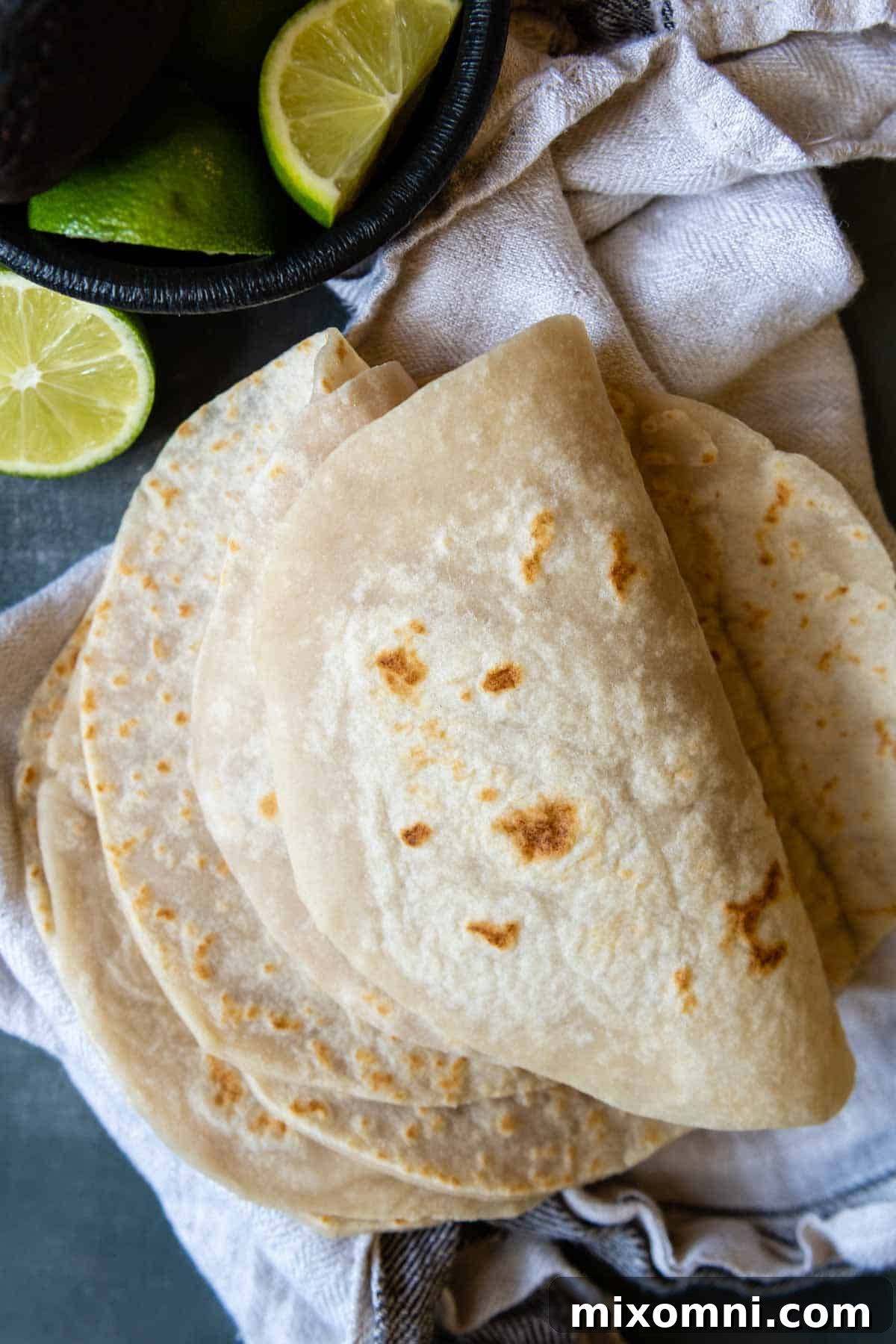
And that’s it! In mere moments, you’ll have warm, exquisitely authentic, and incredibly soft gluten-free tortillas ready to enjoy. Taco night, burritos, or simply a delicious wrap – you’re officially back in business!
Choosing the Right Gluten-Free Flour Blend
The choice of your gluten-free flour blend is paramount to the success of these tortillas. I personally rely on and highly recommend the Cup4Cup gluten-free flour blend for achieving the ultimate softest texture and superior taste. This blend is unique due to its inclusion of cornstarch, which plays a critical role in developing that desirable flexible texture that other blends often lack. If you opt to use a different brand of gluten-free all-purpose flour, you might consider replacing a couple of tablespoons of the specified flour amount with cornstarch to try and mimic the excellent properties of Cup4Cup.
It’s important to understand that in the world of gluten-free baking, the success of a recipe hinges significantly on the specific GF flour blend used. Unfortunately, with the vast array of brands and formulations available, it’s virtually impossible to test every single one with every recipe. Different blends contain varying ratios of starches (like tapioca, potato, corn) and gluten-free flours (rice, sorghum, millet), which can drastically alter the final outcome of your baked goods.
Through extensive testing with many common brands across various recipes, I consistently find Cup4Cup to yield the most reliable and delicious results, which is why I confidently stand by it for this tortilla recipe. However, if you discover another gluten-free flour that performs exceptionally well for these tortillas, please don’t hesitate to share your insights in the comments section below! Your feedback helps our entire community thrive.
Selecting the Best Pan for Cooking Your Tortillas
The right pan can make all the difference in achieving beautifully cooked, evenly browned tortillas. I recommend using a heavy nonstick pan – one that excels at maintaining and evenly distributing heat across its surface. A well-seasoned cast iron skillet is another excellent choice, provided it’s properly cared for to prevent sticking. In either case, it is crucial that the pan is left ungreased when cooking these tortillas. The natural oils in the dough, combined with the nonstick surface or proper seasoning, are sufficient for preventing sticking and ensuring a perfect sear.
Troubleshooting Your Gluten-Free Tortillas
While this recipe is designed for success, gluten-free baking can sometimes present unique challenges. Here are a few common issues and how to troubleshoot them:
- Dough is too sticky: If your dough feels excessively sticky after resting, resist the urge to add too much extra flour. Instead, lightly dust your rolling pin (not the tortilla itself) with a tiny amount of GF flour. If it’s still unmanageable, you can try adding an extra tablespoon of GF flour to the dough and kneading briefly, but be cautious not to make it too dry.
- Dough is too dry or crumbly: This can happen if your flour blend is very absorbent or if your water measurement was slightly off. If the dough is too dry to form a ball or cracks excessively when rolling, add a tiny bit more warm water (start with a teaspoon) and knead until it reaches a pliable consistency. Remember, gluten-free dough benefits from being slightly on the stickier side than traditional dough.
- Tortillas are tearing when rolling: This usually indicates the dough is either too dry or hasn’t rested long enough. Ensure your dough has rested for the full 10 minutes to allow the psyllium husk and starches to fully hydrate. If it still tears, try adding a small amount of warm water (half a teaspoon at a time) and gently knead it in until it’s more elastic.
- Tortillas don’t puff up: While not every tortilla will puff perfectly, some bubbling is a good sign. Ensure your pan is hot enough (medium-high heat, preheated for 5 minutes). Also, avoid overworking the dough, which can lead to a dense texture. The correct cooking time (45 seconds per side) is crucial – flipping too early or too late can affect puffing.
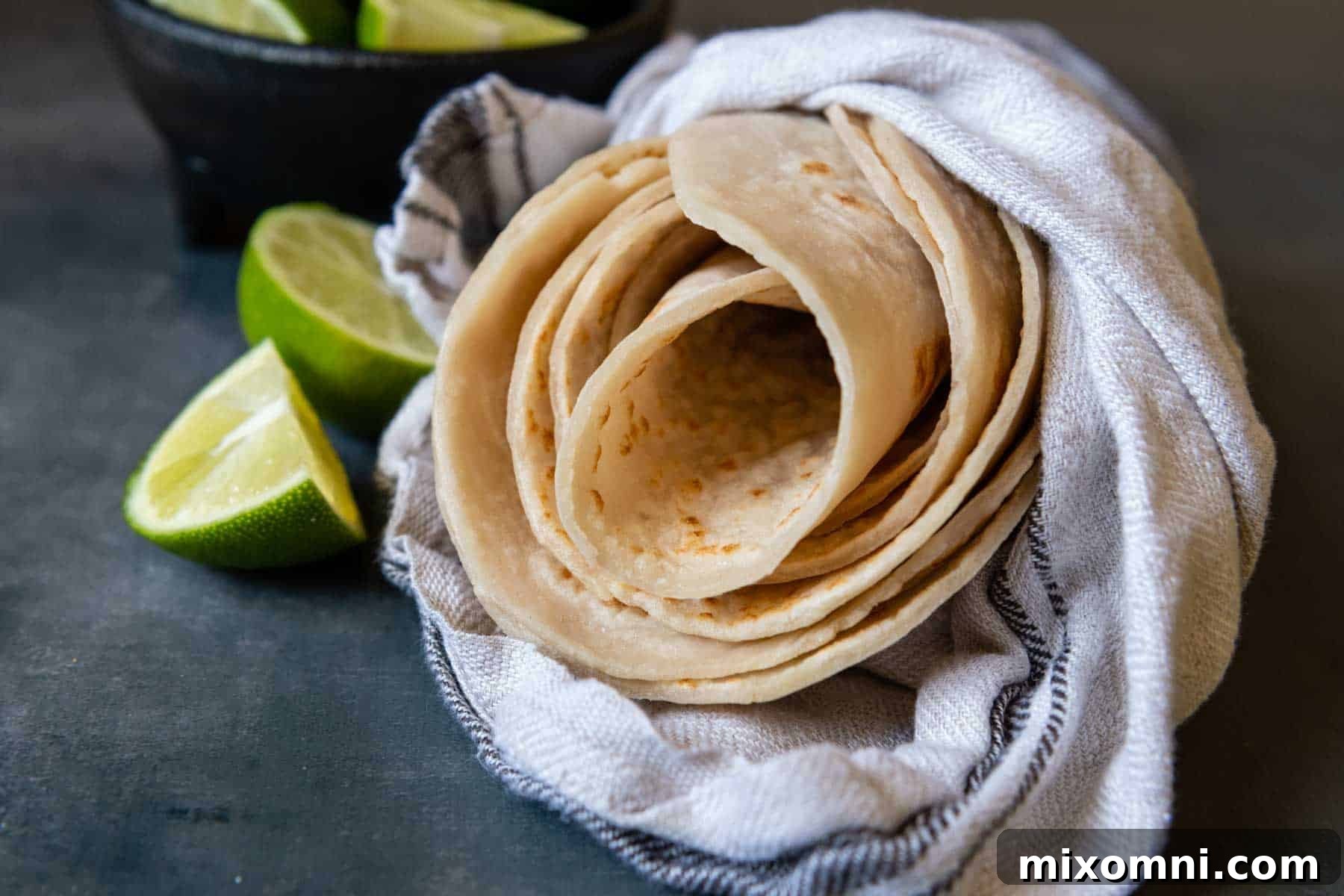
- Tortillas are stiff after cooking: This is a classic sign of overcooking. The quick cooking times (45 seconds then 15-20 seconds) are precise for a reason. Cook only until light brown spots appear. Once cooked, immediately transfer them to a tortilla warmer or wrap them in a clean kitchen towel to trap steam and keep them soft.
Delicious Ways to Enjoy Your Gluten-Free Tortillas
These incredibly versatile gluten-free tortillas open up a world of culinary possibilities! Here are just a few ideas to get you started:
- Classic Tacos: Fill them with your favorite seasoned meats, fish, or vegetarian fillings, topped with salsa, avocado, and fresh cilantro for an unforgettable taco night.
- Hearty Burritos & Wraps: Load them up with rice, beans, grilled chicken or vegetables, cheese, and your favorite sauces for a satisfying meal on the go. Their flexibility makes them perfect for wrapping without cracking.
- Quick Quesadillas: Sprinkle with cheese and any desired fillings (like sautéed onions, peppers, or shredded chicken), fold in half, and cook in a lightly greased skillet until golden and melted.
- Breakfast Burritos: Start your day right with scrambled eggs, cheese, sausage or bacon, and salsa wrapped snugly in a warm tortilla.
- Homemade Chips: Cut them into wedges, lightly brush with oil, sprinkle with salt, and bake or air fry until crispy for healthier homemade tortilla chips.
- Lunchbox Wraps: Fill with deli meat, lettuce, tomato, and a spread for a gluten-free alternative to sandwiches.
- Sweet Treats: Lightly fry a tortilla, sprinkle with cinnamon sugar, and drizzle with honey or chocolate for a simple dessert.
The possibilities are truly endless once you have a reliable, delicious gluten-free tortilla in your repertoire!
Save This Recipe to Your Pinterest Board!
Let’s be friends on Pinterest! I’m always sharing great recipes!
Did you make this recipe? I love hearing from you! Leave a star rating and comment below the recipe card. It helps others when searching for recipes and I appreciate feedback from our community. You will always hear back from me! -Melissa
Soft, Authentic Gluten-Free Tortillas (30 Mins)

Melissa Erdelac
7
15 minutes
15 minutes
30 minutes
Pin
Rate
Remove Ads
Ingredients
-
1 ½
cup
(214
g)
gluten free all purpose flour
,
Cup4Cup brand highly recommended -
2
tablespoons
(22
g)
psyllium husk powder
-
½
teaspoon
salt
-
¼
teaspoon
baking powder
-
¾
cup
(210
g)
+ 2 tablespoons very warm water -
2
tablespoons
(27
g)
oil
,
canola, vegetable, or olive oil
Equipment
-
Tortilla Warmer -
Non-stick Frying Pan -
Cup4Cup Gluten Free Flour
Instructions
-
Use a stand mixer with a paddle attachment (preferred method for ease and consistency) or a large bowl and wooden spoon. On low speed, thoroughly mix together the gluten-free flour, psyllium husk, salt, and baking powder until well combined.1 ½ cup gluten free all purpose flour,
2 tablespoons psyllium husk powder,
½ teaspoon salt,
¼ teaspoon baking powder -
Continue to mix on low speed while gradually adding the very warm water and oil. Mix for about 1 minute, until all ingredients are well combined and the dough begins to form a cohesive ball. If you are not using a stand mixer, you may need to gently knead the dough with your hands at this stage to achieve a uniform mixture.¾ cup + 2 tablespoons very warm water,
2 tablespoons oil -
Shape the dough into a single large ball, cover it securely with plastic wrap, and let it rest at room temperature for 10 minutes. This resting period is vital for hydrating the gluten-free starches and allowing the psyllium husk to absorb moisture, which makes the dough much more pliable and easier to handle.
-
After resting, divide the dough into 6 equal-sized balls. To prevent drying, keep the unrolled dough balls covered with plastic wrap while you work on rolling out each tortilla one at a time.
-
Place one dough ball on a piece of parchment paper and flatten it into a thick disc. Use a rolling pin to flatten the disc into a 6 1/2-inch diameter circle. For a consistent round shape, rotate the dough a quarter turn after each roll. If the dough starts to stick to your rolling pin, lightly rub a small amount of GF flour onto the rolling pin (avoid dusting the tortilla directly too much) and continue rolling. (Refer to the recipe notes section for more detailed rolling tips.)
-
For perfectly round tortillas, use a knife to carefully trim around the edges. Collect any dough scraps and wrap them in plastic wrap; these can be combined later to create an extra bonus tortilla! As you roll each tortilla, stack the uncooked ones between small sheets of wax or parchment paper, keeping them covered with plastic wrap to maintain moisture until you’re ready to cook.
-
Heat an ungreased nonstick skillet (or a well-seasoned cast iron pan) over medium-high heat. Allow the pan to heat for a full 5 minutes before you begin cooking the tortillas to ensure even and optimal heat distribution.
-
Carefully place one tortilla onto the hot pan. Cook undisturbed for approximately 45 seconds, or until you see attractive light brown spots forming on the underside. Using tongs, flip the tortilla over and cook for an additional 15-20 seconds. Adhering to these cook times is crucial for allowing enough moisture to cook off without overcooking, which would make the tortillas stiff and less pliable.
-
If you are serving the tortillas immediately, wrap them in a lint-free kitchen towel or place them in a tortilla warmer to keep them warm and soft. Otherwise, transfer them to a cooling rack to cool completely before storing. To streamline the process, as one tortilla is cooking, you can begin rolling out the next one.
Notes
Expert Tips for Handling, Rolling, and Shaping Gluten-Free Dough
- Achieving Roundness: As you roll, consistently rotate the dough a quarter turn with each pass of the rolling pin. This technique naturally helps to create a more even, round shape. If your tortilla starts to become lopsided, simply tear off a small piece from the thicker side and gently press it into an area where the dough is thinner or needs more substance.
- Preventing Sticking: When you first begin to roll, the gluten-free dough may have a tendency to stick to the rolling pin. The solution is simple: lightly dust a very small amount of gluten-free flour directly onto your rolling pin, rather than the tortilla itself, and continue rolling. This prevents excess flour from drying out the tortilla.
- Parchment Paper Management: If your parchment paper starts to crease or wrinkle excessively, making rolling difficult, simply switch it out for a fresh sheet every couple of tortillas. This ensures a smooth surface for rolling.
- Perfect Circles: While trimming with a knife works well, for perfectly uniform round circles, you can also use a clean dinner plate or a pot lid as a guide. Simply place it over your rolled-out dough and cut around the perimeter. For a visual demonstration, you can refer to the shaping method described in my almond flour tortilla recipe.
Storing and Reheating Your Homemade Tortillas
For optimal storage, ensure your cooked tortillas are completely cooled before stacking them. Place a piece of parchment paper or a paper towel between each tortilla to prevent sticking. Once stacked, transfer them to an airtight container or a heavy-duty ziplock freezer bag.
These fresh tortillas can be stored at room temperature for up to one day, or in the refrigerator for up to 3 days. For longer preservation, they freeze beautifully for up to 3 months. When freezing, stack them with parchment paper in between, then wrap the entire stack securely with plastic wrap before placing it into a freezer bag. This extra layer of protection helps prevent freezer burn.
When you’re ready to enjoy your stored tortillas, reheating them to their original soft texture is easy. Briefly microwave them for about 10 seconds per tortilla, or rewarm them in a dry, hot skillet over medium heat for about 15-20 seconds per side. To ensure they regain that fresh-from-the-pan softness, lightly wrap them in a damp paper towel before microwaving, or lightly spray your skillet with a mist of water before rewarming them. This adds a touch of steam, making them wonderfully pliable again.
Calories:
130
kcal
,
Carbohydrates:
21
g
,
Protein:
3
g
,
Fat:
5
g
,
Saturated Fat:
0.3
g
,
Polyunsaturated Fat:
1
g
,
Monounsaturated Fat:
3
g
,
Trans Fat:
0.02
g
,
Sodium:
166
mg
,
Potassium:
14
mg
,
Fiber:
5
g
,
Sugar:
1
g
,
Calcium:
23
mg
,
Iron:
1
mg
Did you make this recipe?
Please leave a star rating and review below. It helps others when searching for recipes and I LOVE feedback!