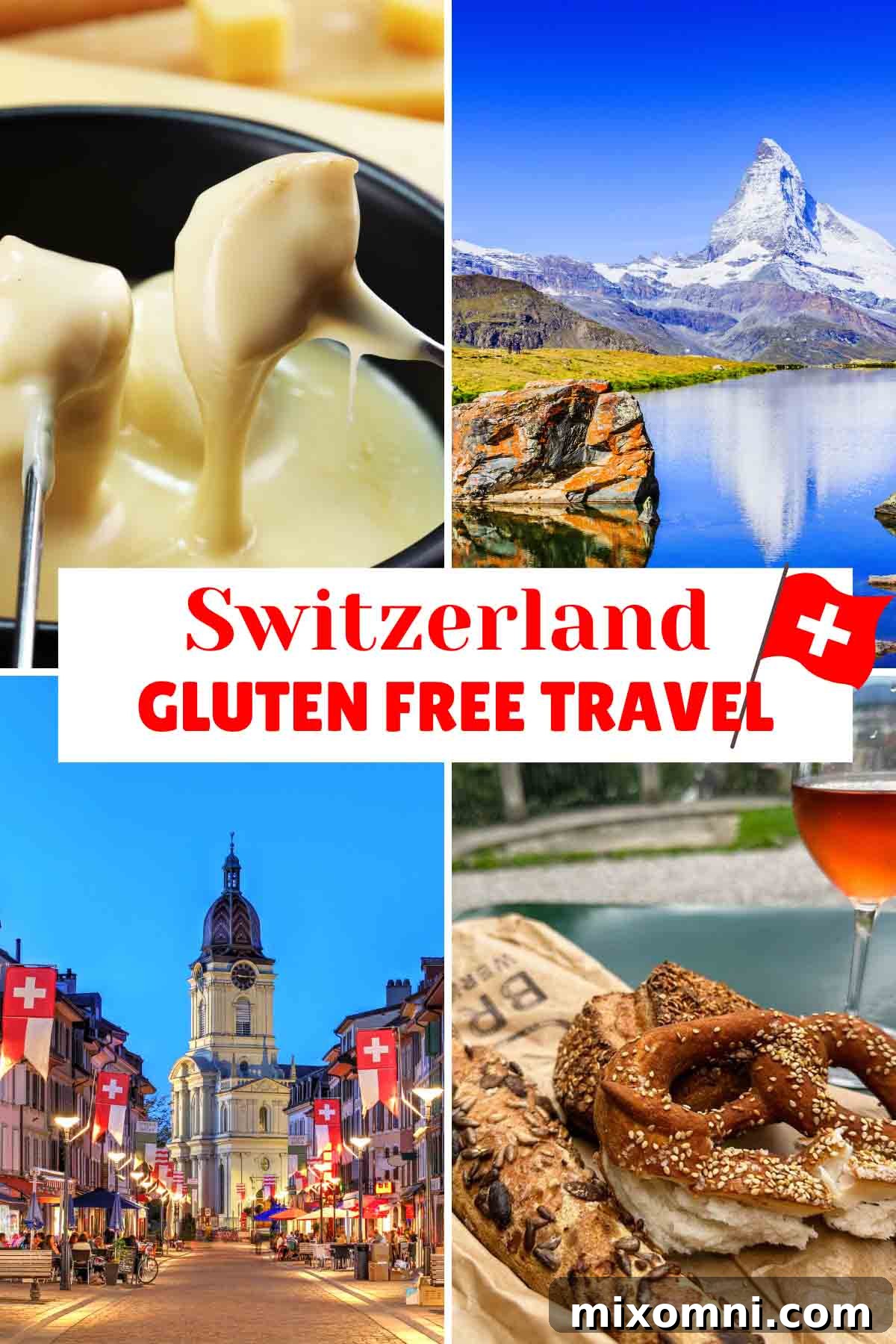
Embarking on a journey to Switzerland when managing celiac disease or a gluten intolerance can feel like navigating a culinary minefield. Before my unforgettable trip, I diligently scoured resources for comprehensive guidance on gluten-free travel in this stunning Alpine nation. To my surprise, detailed and reliable information was sparse. This scarcity inspired me to compile everything I wished I had known – from identifying safe traditional Swiss dishes and confidently ordering at restaurants to decoding grocery store labels, sidestepping hidden gluten, and enjoying lavish, worry-free hotel breakfasts. This guide is designed to empower fellow travelers, ensuring your Swiss adventure is as gastronomically delightful as it is visually breathtaking.
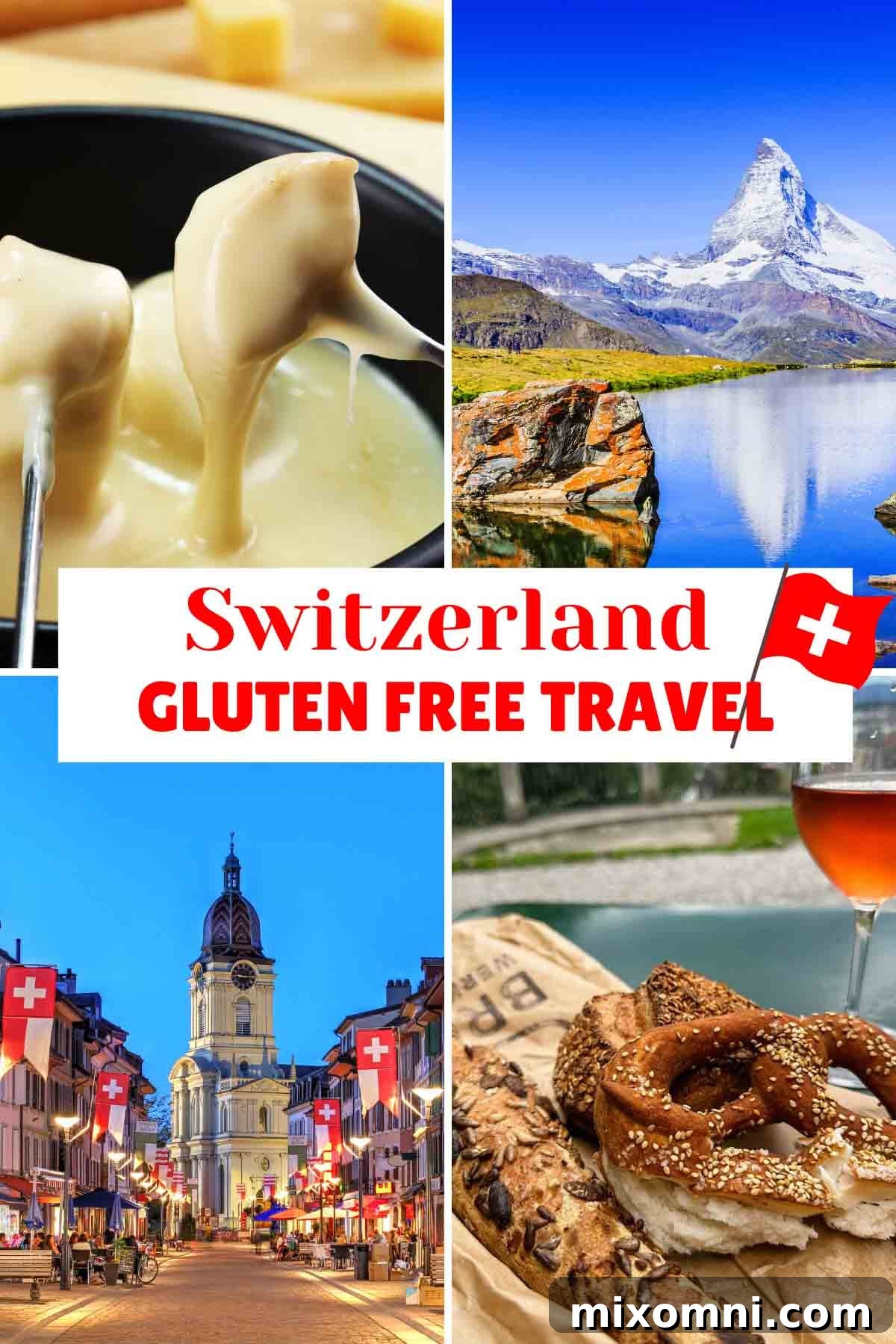
Gluten-Free Travel in Switzerland: A Pleasant Surprise for Celiacs
Traveling to a new country with a food allergy often brings a unique set of anxieties. Before my husband and I embarked on our two-week Swiss adventure, I invested considerable time in proactive research, hoping to arm myself with practical strategies for a successful gluten-free journey. Unfortunately, the insights I found online were surprisingly limited and often outdated. With little more than a short list of naturally gluten-free Swiss foods, I packed my bags, hoping for the best.
What I discovered, however, completely exceeded my expectations. Switzerland proved to be an incredibly accommodating and hassle-free destination for gluten-free travelers. Despite initial concerns about potential language barriers (which, to our delight, were rarely an issue as most people communicated effectively in English), navigating life as a celiac or someone with a gluten allergy was surprisingly easy and, dare I say, even more enjoyable than dining gluten-free in the US! The level of awareness and readiness to adapt for dietary needs was truly impressive, transforming what could have been a stressful experience into a culinary joy.
It is my sincere hope that this comprehensive guide will alleviate your concerns and allow you to fully anticipate a magnificent trip filled with breathtaking landscapes and an abundance of delicious, safe culinary experiences. If you find yourself with a question not addressed within these pages, please do not hesitate to leave a comment below. I am committed to sharing my insights and will do my utmost to provide you with an answer.
Navigating Gluten-Free Hotel Breakfasts in Switzerland
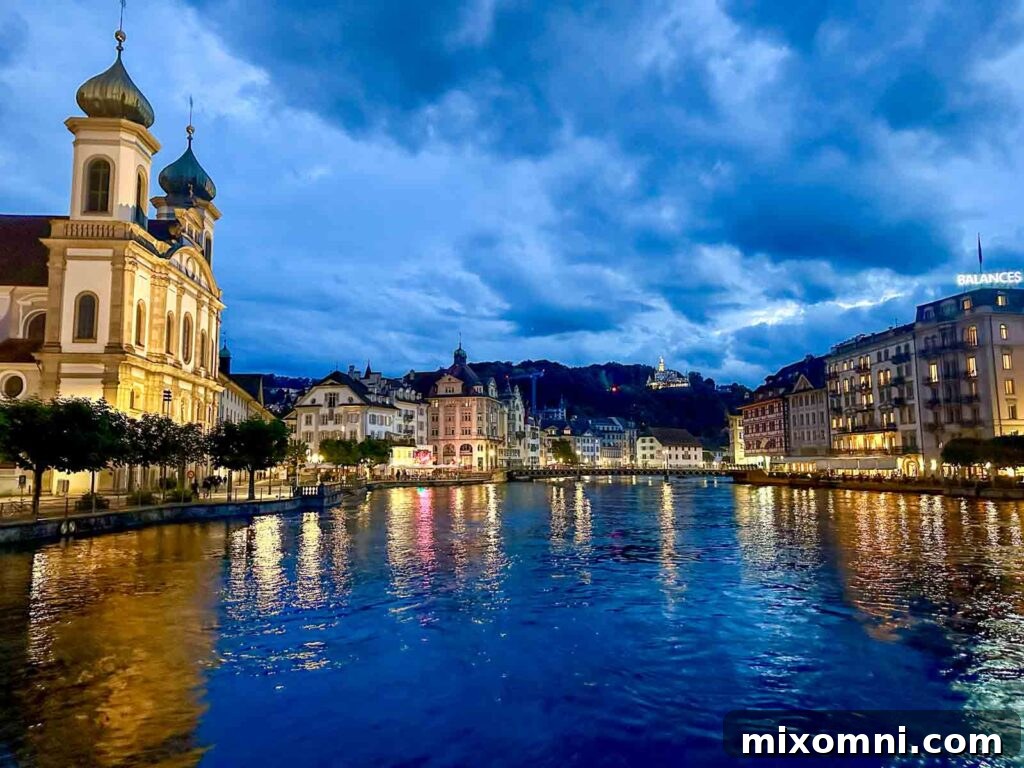
During our trip, we chose to stay exclusively in hotels across various Swiss locations, a decision I wholeheartedly recommend for both their exceptional comfort and the truly spectacular breakfast buffets offered. Our stays included the luxurious Hotel Art Deco Montana in Lucerne (though we didn’t have breakfast here), the charming Hotel Schonegg in Wengen, the welcoming Hotel Eiger in Mürren, and the grand Grand Hotel Kronenof in Pontresina.
When you opt for an included breakfast at a Swiss hotel, you’ll find that the typical buffet spread is a veritable feast, offering a wealth of naturally gluten-free options. You can indulge in an array of fresh, seasonal fruits, an impressive selection of local cheeses, thinly sliced gourmet meats, perfectly prepared eggs (often scrambled or boiled), creamy yogurts, delicate smoked salmon, and savory breakfast sausages or bacon. These staples form a fantastic foundation for a safe and satisfying morning meal.
A ubiquitous item at every breakfast buffet will be muesli, particularly the famous Bircher muesli, Switzerland’s delectable answer to overnight oats. While incredibly tempting, exercise caution: do not simply scoop a serving unless it is explicitly labeled “GF” or “Glutenfrei.” Many traditional muesli mixes contain cereals and grains with wheat, posing a risk for celiacs. The good news, however, is that many hotels proactively offer individually packaged gluten-free muesli right on their buffets. This thoughtful provision allows you to easily create your own safe and delicious breakfast. Simply pour the GF mix into a bowl, stir in some fresh yogurt, and top with the available fresh or dried fruits. Let it sit for about ten minutes to soften while you savor your morning coffee, then enjoy a truly fulfilling start to your day.
The sight of freshly baked breads and exquisite pastries artfully displayed might initially feel like a cruel taunt to gluten-free diners. However, after a couple of days, I uncovered a game-changing tip! Don’t hesitate to politely ask a server for gluten-free bread. What you’ll receive is not a dry, crumbly imitation, but rather individually packaged, wonderfully warm, soft, and delightfully squishy gluten-free rolls. These became my daily morning ritual, happily devoured with rich Nutella or a selection of local fruit jams, transforming a potential breakfast challenge into a genuine pleasure.
Is Half-Board a Good Option for Gluten-Free Travelers in Switzerland?
While booking accommodations in Switzerland, you’ll frequently encounter the option for “half-board,” a term that initially left me quite bewildered. It’s often unclear what exactly it encompasses, whether it represents good value, and crucially, if opting for this additional expense would even guarantee me safe, gluten-free meal choices. Given Switzerland’s reputation as a high-cost destination, particularly for dining out, this was a significant consideration.
After experiencing it firsthand, we found that half-board arrangements generally offer better value than dining out nightly, especially if you wish to indulge in high-quality, multi-course meals. It typically includes breakfast and dinner, served at the hotel’s restaurant. Be prepared, however, for generous portions; half-board meals are often quite substantial, so you might not want to commit to them every single evening. During our travels, the cost was approximately 35 Swiss francs per person, and each guest was able to select an appetizer, a main course, and a dessert from a dedicated menu.
A significant advantage for gluten-free diners was the exceptional knowledge of the hotel staff. Our servers were well-informed about which menu options could be safely prepared for a gluten-free diet. They were also proactive in suggesting modifications, such as omitting sauces that might contain gluten or swapping out a gluten-containing side dish for a safe alternative. Even if the variety of choices wasn’t always as extensive as my husband’s options, I consistently left the table feeling more than satisfied and impressed by the delicious and thoughtfully prepared meals. This made the half-board option a stress-free and enjoyable way to experience fine dining.
Gluten-Free Dining in Swiss Restaurants: A Culinary Revelation
My experience dining out in Switzerland left me absolutely awestruck and wishing the United States would adopt their exemplary approach to catering for celiac customers. While I can’t personally vouch for specific cross-contamination protocols, the general awareness and capability of Swiss restaurants to modify meals for gluten-free diets was outstanding. For finding reliable establishments, the Find Me GF app was an indispensable tool, offering ratings and vital commentary on food safety from fellow diners.
In Lucerne, I savored what might have been the best gluten-free pizza of my life at La Bestia (a reservation is highly recommended, as this place is incredibly popular!). Another highlight was Ammos, where I enjoyed incredibly soft and fresh gluten-free pita bread. Ammos, in particular, offered such an abundance of naturally gluten-free Greek options that I inquired with our server about their specific commitment to catering to our community. He explained that a significant portion of Swiss restaurants rely on tourism, and there’s been a growing imperative to accommodate various food allergies. Consequently, many of their dishes are simply prepared gluten-free by default, meaning they don’t create separate “GF” versions. The same delicious meals are served to everyone, and they are so good that non-GF diners don’t even perceive a difference.
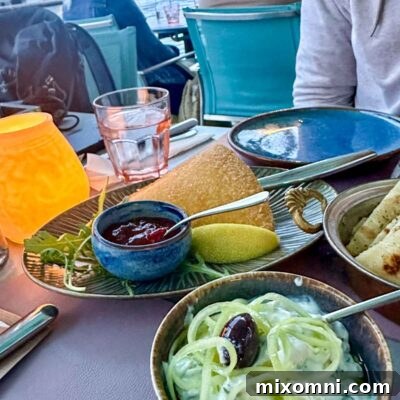
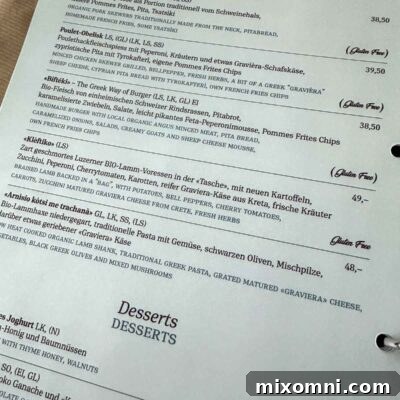
Beyond these specific examples, nearly all restaurant menus we encountered clearly denoted selections suitable for a gluten-free diet, often with specific allergen symbols. For those with high sensitivity, I highly recommend prioritizing restaurants vetted through the Find Me GF app, as the community reviews often highlight establishments with excellent cross-contamination protocols.
Typically, restaurant meals commence with a bread basket, but here again, Switzerland excelled. Every time I requested gluten-free bread, I was not presented with a barely edible substitute (a common disappointment in other countries), but rather with unbelievably spongy, soft, and utterly delicious rolls that made me question if I was dreaming. These were genuine treats, not merely an afterthought.
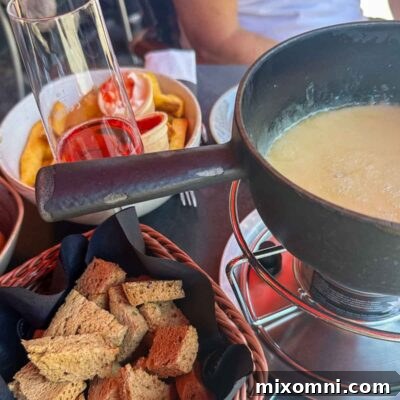
It would almost be sacrilegious to visit Switzerland without experiencing the communal joy of a bubbling pot of gooey Swiss fondue. While many fondues are naturally gluten-free, often thickened with cornflour, it’s crucial not to assume every pot is safe. Always confirm with your server and ensure they verify the preparation method with the kitchen. With a clear confirmation, you can happily dunk your gluten-free bread or boiled potatoes into this iconic dish.
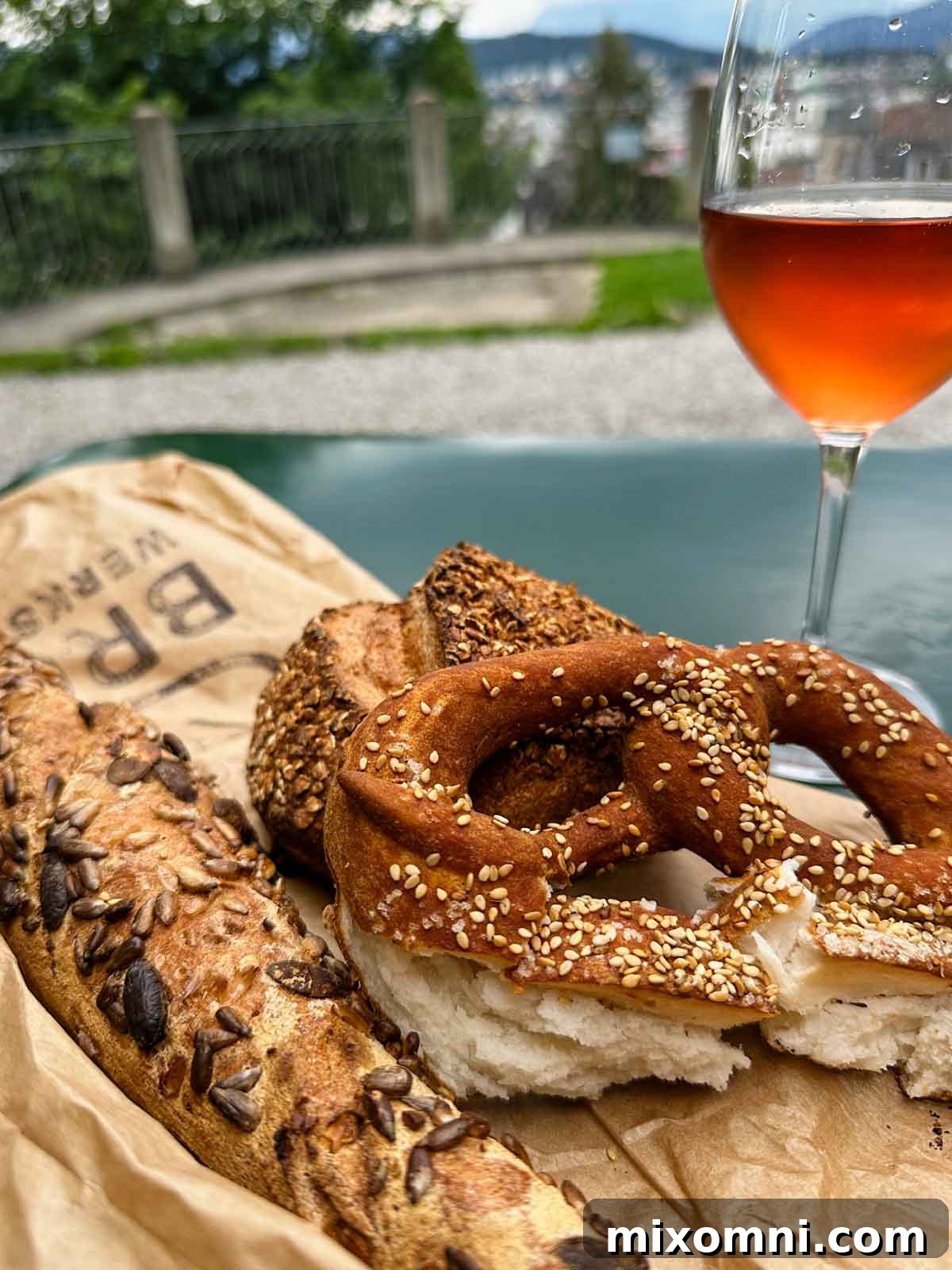
A truly memorable gluten-free bread experience awaited us in Lucerne at a local bakery called Glutenfreie Brotwerkstatt, which had garnered rave reviews on the Find Me Gluten-Free app. Securing their baked goods required a bit of forethought and planning, but it was unequivocally worth the effort. You place an order through their website’s order form in the morning, and then in the afternoon, you visit the “bakery” – which charmingly turned out to be a shelf outside the baker’s home – to collect your order, neatly packaged in a paper bag. At the time of my visit, online card payment wasn’t available, so I brought the exact amount in Swiss Francs to leave. We then took our freshly baked loaf of bread and soft Swiss pretzel to enjoy with glasses of cold rosé at a quaint cafe by the historic Musegg Wall. This unique experience, coupled with the exceptional quality of the bread, made it an extraordinary highlight of our culinary journey.
Grocery Shopping and Food Labels for Celiacs in Switzerland
I confess to a peculiar excitement for grocery stores, especially when exploring them in other countries. I could happily spend hours meandering through the aisles, admiring local produce, marveling at regional delicacies, and gathering culinary souvenirs. Naturally, the added challenge of deciphering safe gluten-free foods makes the experience even more engaging – a puzzle I genuinely enjoy solving.
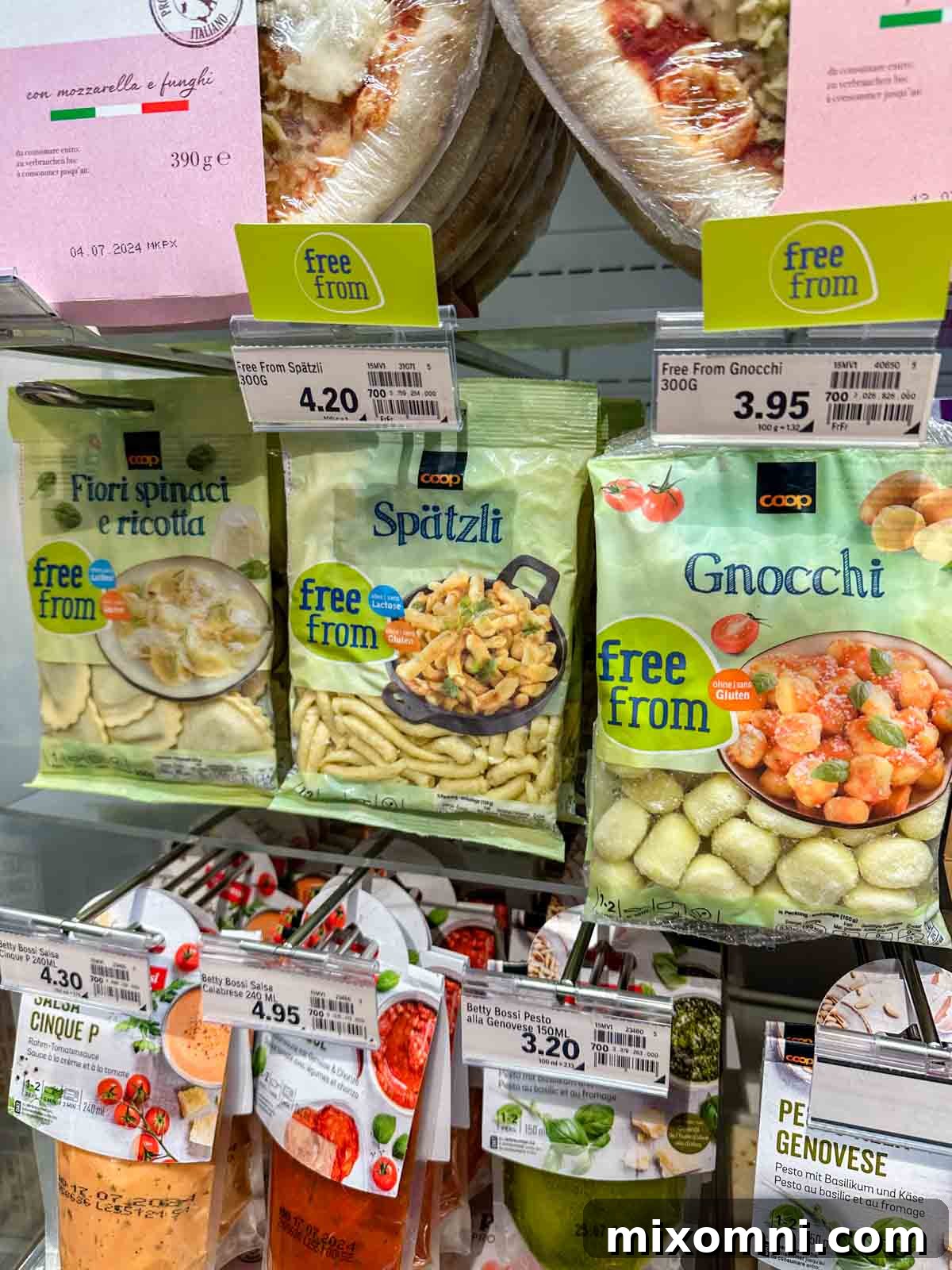
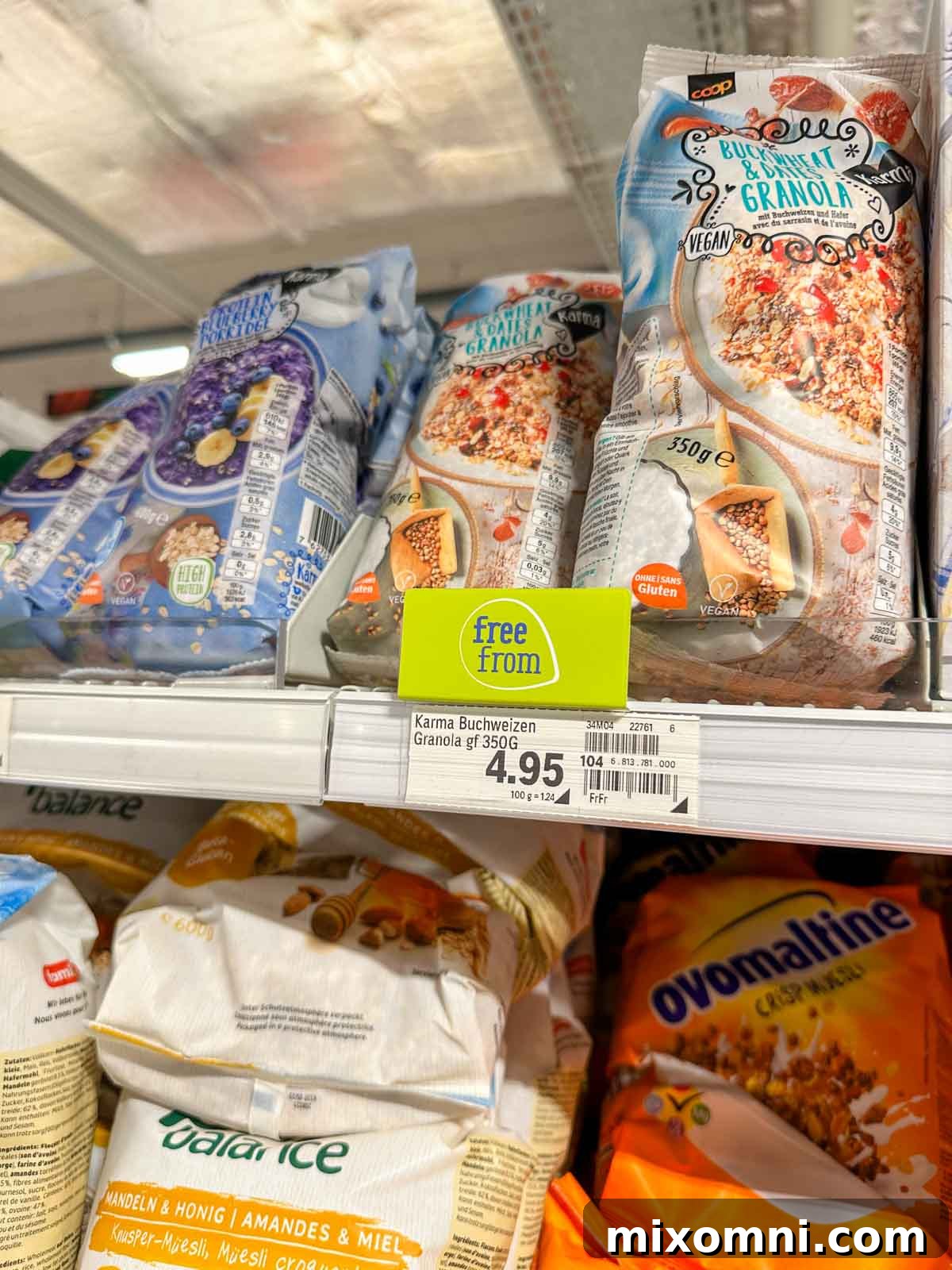
In Switzerland, the process of identifying gluten-free food labels was remarkably straightforward and stress-free. For specialty gluten-free products like cereals, crackers, breads, and cookies, packages prominently display clear “Free From” or “Glutenfrei” labels on the front. Major grocery store chains such as Migros and Coop further simplify the shopping experience by placing clear “Glutenfrei” labels directly on the shelves, making it incredibly easy to quickly locate these items. This thoughtful organization saves considerable time and eliminates guesswork, enhancing the overall convenience for gluten-free shoppers.
Unlike the United States, where gluten-free items are often relegated to a dedicated, often smaller, “health foods” section, in Switzerland, these products are integrated directly alongside their conventional counterparts. This means that if you’re browsing the cereal aisle, you’ll find gluten-free options stocked right next to traditional cereals, but distinguished by their clear labels. This integrated approach, coupled with the sheer abundance of choices, was truly impressive. Since the Schär brand is deeply rooted in Europe, I discovered an astonishing variety of products I had never encountered in the US. Moreover, it seemed almost every food category had a dedicated gluten-free option available, including fresh pastas, pizzas, a diverse range of soups, countless varieties of cookies, and practically every imaginable type of bread. I was genuinely envious of the endless possibilities available to local gluten-free consumers!
Naturally Gluten-Free Swiss Delights and What to Avoid
Prior to my trip, I had hoped to compile an extensive list of traditional, must-try gluten-free Swiss foods. The initial brevity of my findings gave me pause, making me wonder if my two weeks would be primarily about soaking up scenery rather than culinary exploration. I couldn’t have been more mistaken. While the list of *traditionally* gluten-free Swiss dishes might seem concise, I was never left wanting for delicious options. Switzerland’s unique geographical position, bordering culinary powerhouses like France, Italy, Germany, and Austria, means that many restaurants offer a delightful melting pot of ethnic dishes, all while being remarkably adept at accommodating travelers with celiac disease.
Top Gluten-Free Swiss Dishes to Enjoy:
Remember, it’s always prudent to verify with the kitchen that dishes are prepared in a safe manner, minimizing the risk of cross-contamination, and are indeed suitable for a strict gluten-free diet.
- Rösti – This iconic Swiss potato pancake consists of grated potatoes, pan-fried in butter or oil until beautifully crisp and golden. Crucially, traditional Rösti does not use flour or any gluten-containing binders, making it a naturally safe and incredibly satisfying dish. I loved it so much that I returned home and perfected my own homemade rösti recipe.
- Sausages & Cured Meats – Switzerland is a haven for dried and cured meats, which you’ll find available everywhere. These made for our favorite picnic lunches, satisfying hiking fuel, and convenient train snacks. Look for local varieties like Bündnerfleisch (air-dried beef) or various salamis. Always double-check labels or ask about preparation if purchasing from a deli counter.
- Cheese – For gourmet cheese lovers, the possibilities are truly infinite. The Swiss embrace cheese at every meal – breakfast, lunch, and dinner – offering ample opportunities to indulge. Of course, a naturally gluten-free cheese fondue, traditionally thickened with cornflour, is an absolute must-try experience.
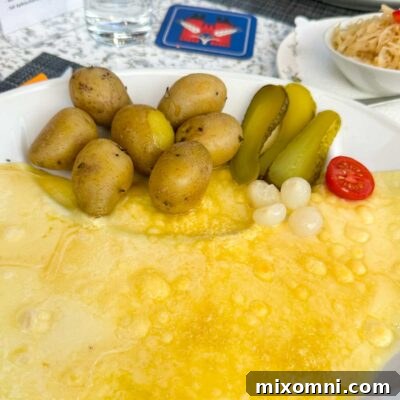
- Raclette – A truly comforting and interactive dish, Raclette features a gooey, stretchy pool of melted cheese (often scraped directly from a wheel) served alongside hot boiled potatoes, cornichons (small pickles), and pickled onions. It’s inherently gluten-free and a wonderfully communal dining experience.
- Basler Brunsli – Also known as “little browns,” these traditional Basel cookies are made with almond flour, chocolate, and spices, resulting in crisp edges and wonderfully chewy centers. They are a delightful naturally gluten-free sweet treat. If you’re inspired to bake them at home, give this easy Swiss cookies recipe a try!
Potential Gluten Traps to Watch Out For:
Navigating unfamiliar ingredients can be challenging. Google Translate, particularly its lens feature for deciphering labels or its translation function for communicating with servers and reading menus, is an invaluable tool for articulating questions and ensuring safety.
- Aromat – This popular traditional Swiss seasoning, a yellow powder, is frequently used to enhance the flavor of many foods, including eggs, rösti, raclette, vegetables, and soups. There appears to be some ambiguity regarding its gluten-free status. The manufacturer, Knorr, explicitly states that Aromat “may contain gluten.” Therefore, highly sensitive individuals with celiac disease should err on the side of caution and avoid it.
- Ovaltine – Ubiquitous in Switzerland, Ovaltine comes in countless forms – chocolate milk powder, candy bars, chocolate spreads, confections, hot chocolate mixes, and cookies. However, what makes it off-limits for gluten-free diets is the inclusion of malt, a gluten-containing ingredient. Switzerland’s evident obsession with Ovaltine means you’ll often find it alongside Nutella at breakfast buffets, potentially leading to confusion about its safety. It is generally NOT safe for celiacs.
- Fondue – While many cheese fondues in Switzerland are naturally gluten-free due to being thickened with cornstarch (cornflour), this quintessential Swiss dish still warrants careful inquiry. It’s crucial to double-check with the kitchen regarding its precise preparation and ingredients before diving in, even if you’re using gluten-free bread or potatoes for dipping.
- Muesli – Another breakfast staple beloved by the Swiss, especially Bircher Muesli, which is offered at virtually every hotel breakfast. While oats are naturally gluten-free, conventional muesli mixes often contain other cereals like wheat or barley, and can be subject to cross-contamination. Always stick with clearly labeled “Glutenfrei” or “GF” muesli. These products not only use certified gluten-free oats but are also often combined with other GF cereals and processed under conditions that verify safety from cross-contamination. I became so enamored with this healthy breakfast that I developed my own spiced gluten-free muesli recipe upon returning home!
Your Questions Answered: More Tips for Gluten-Free Switzerland Travel
While I don’t claim to be the ultimate guru of gluten-free Swiss travel, my primary aim in providing these tips is to offer peace of mind and help fellow travelers mentally prepare for what to expect before their arrival. I vividly recall the frustration of insufficient information during my pre-trip research, which left me simply hoping for the best. My positive experience ultimately motivated me to create this detailed guide, transforming my initial struggles into a valuable resource for others.
I am more than happy to attempt to answer any additional questions you might have that haven’t been addressed within this guide. Please feel free to leave your inquiries in the comment section below. Similarly, if any readers have their own helpful tips, discoveries, or wish to provide further answers and insights to our community, I warmly welcome and encourage your contributions. Shared knowledge is power, especially when navigating the unique challenges of gluten-free travel!