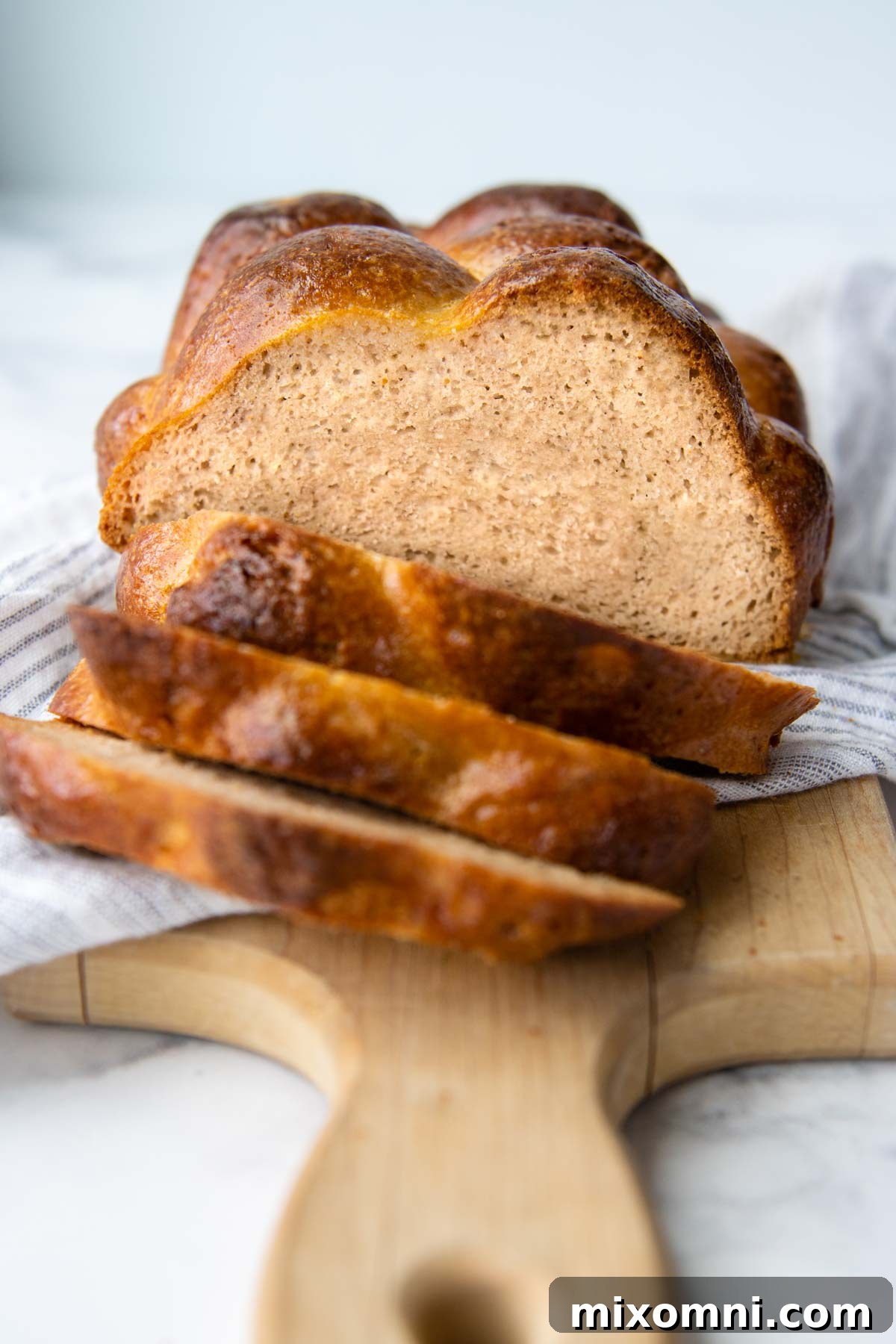
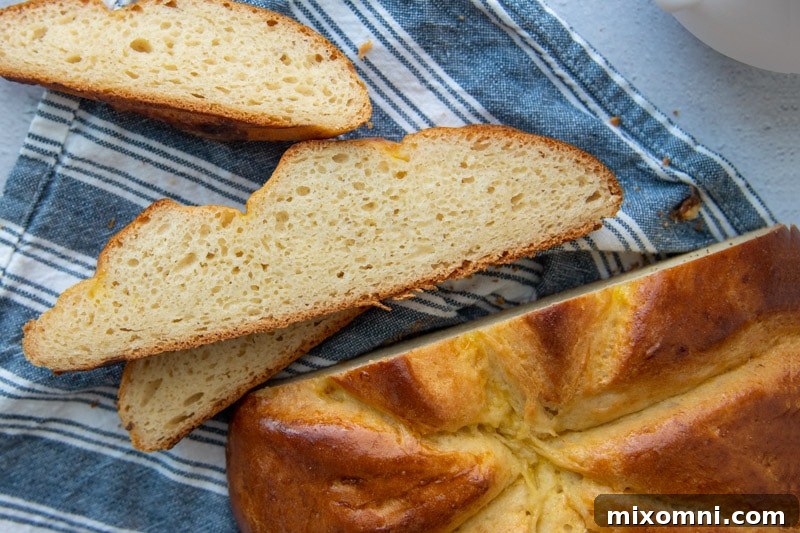
Unlock the secret to baking extraordinary homemade gluten-free challah bread with this easy, foolproof recipe! Imagine a loaf with a perfectly golden, undeniably shiny crust, cradling an incredibly soft, tender, and airy crumb within. This isn’t just any gluten-free bread; it’s a labor of love made effortless, designed to bring the warmth and tradition of challah to your table, whether for holidays, Shabbat, or simply a delightful weekend treat.
Crafted with a thoughtful blend of all-purpose gluten-free flour, essential psyllium husk, reliable instant yeast, and rich eggs, this make-ahead overnight challah transforms complex baking into an accessible joy. Say goodbye to dense, crumbly gluten-free breads and hello to a loaf that will impress even the most discerning palates. Prepare to bake a masterpiece that perfectly complements any festive spread or daily meal.
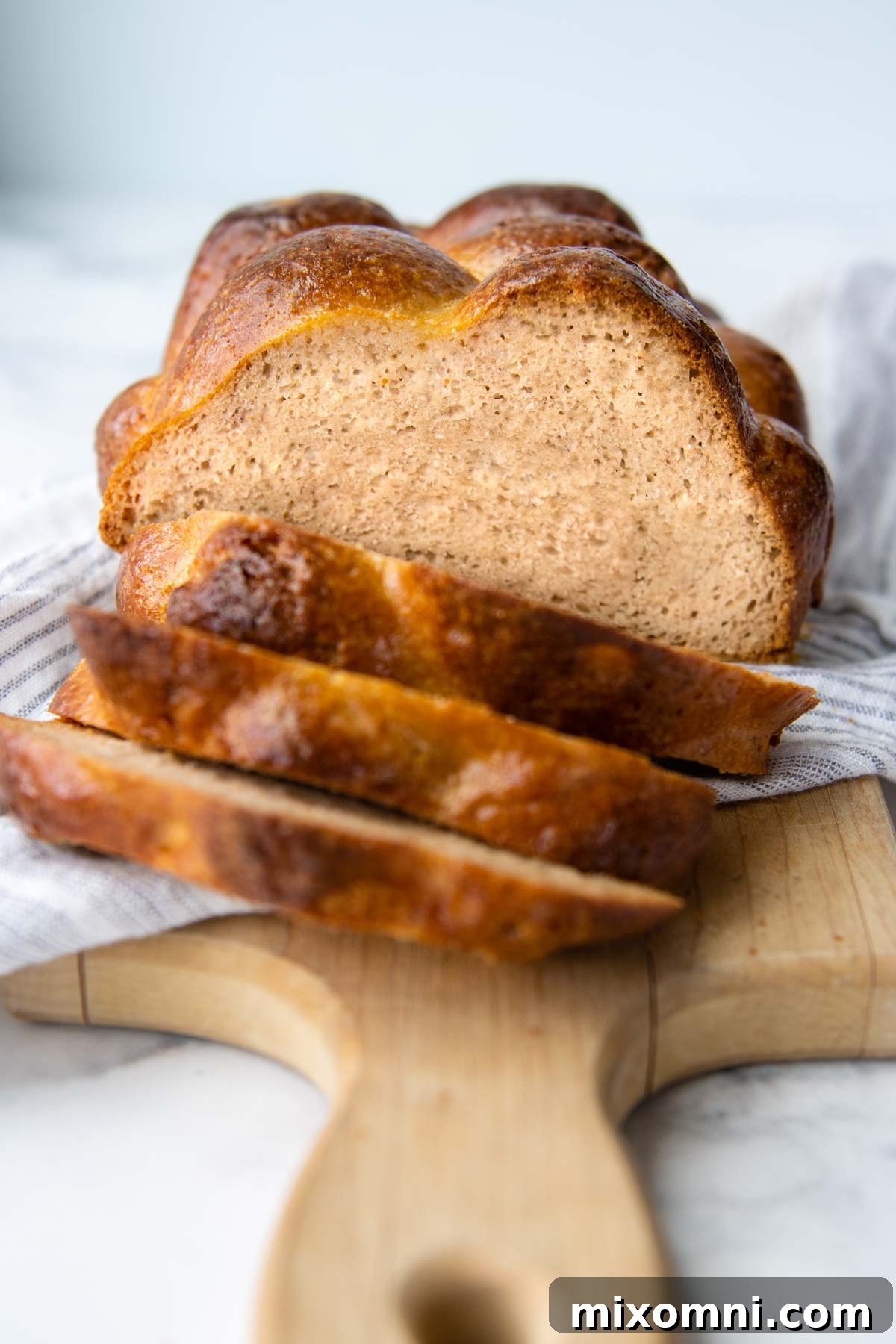
Baking the Best Gluten-Free Challah: An Easy & Flavorful Recipe
For anyone who cherishes the rich, sweet taste of egg-enriched bread, especially those managing a gluten-free diet, this recipe for gluten-free challah is a true game-changer. Traditional challah is renowned for its elaborate braided shape, a symbol steeped in Jewish tradition and meaning. However, achieving that delicate braid with gluten-free flour can often be a frustrating endeavor due to its inherent lack of elasticity. Many gluten-free doughs struggle to hold complex shapes, often resulting in a dense or inconsistent texture.
This easy gluten-free challah bread recipe prioritizes flavor, texture, and simplicity above all else. Just like many of our other popular gluten-free bread recipes, this challah loaf requires absolutely no kneading, yet it miraculously replicates the softest, most tender crumb you could desire. My primary goal in developing this recipe was to capture the sweet, airy taste and luxurious texture—much like our beloved gluten-free dinner rolls—without the stress of intricate shaping. The result is a straightforward process that makes homemade challah accessible to every baker, regardless of experience level.
Simplified Shaping for Perfect Gluten-Free Challah
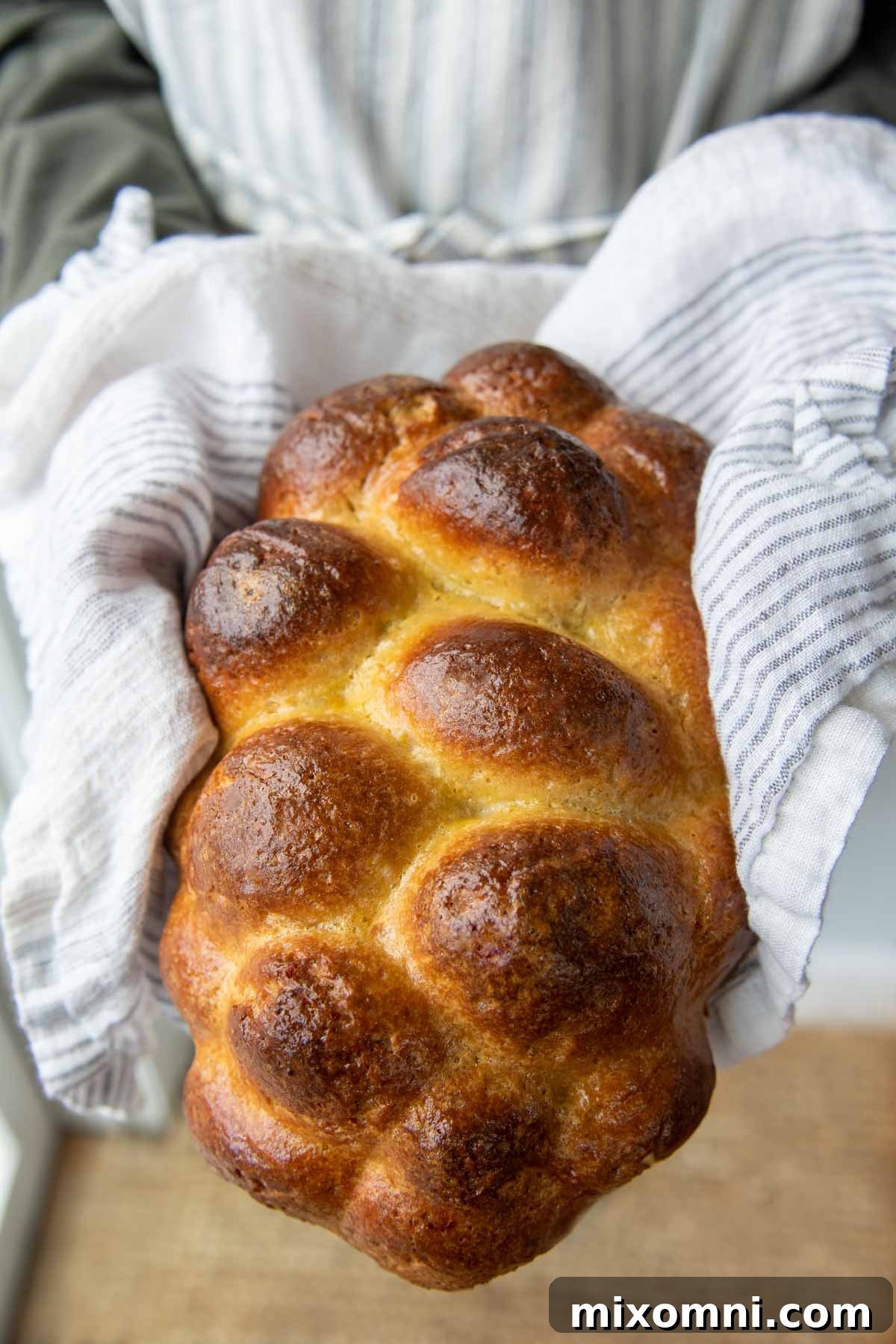
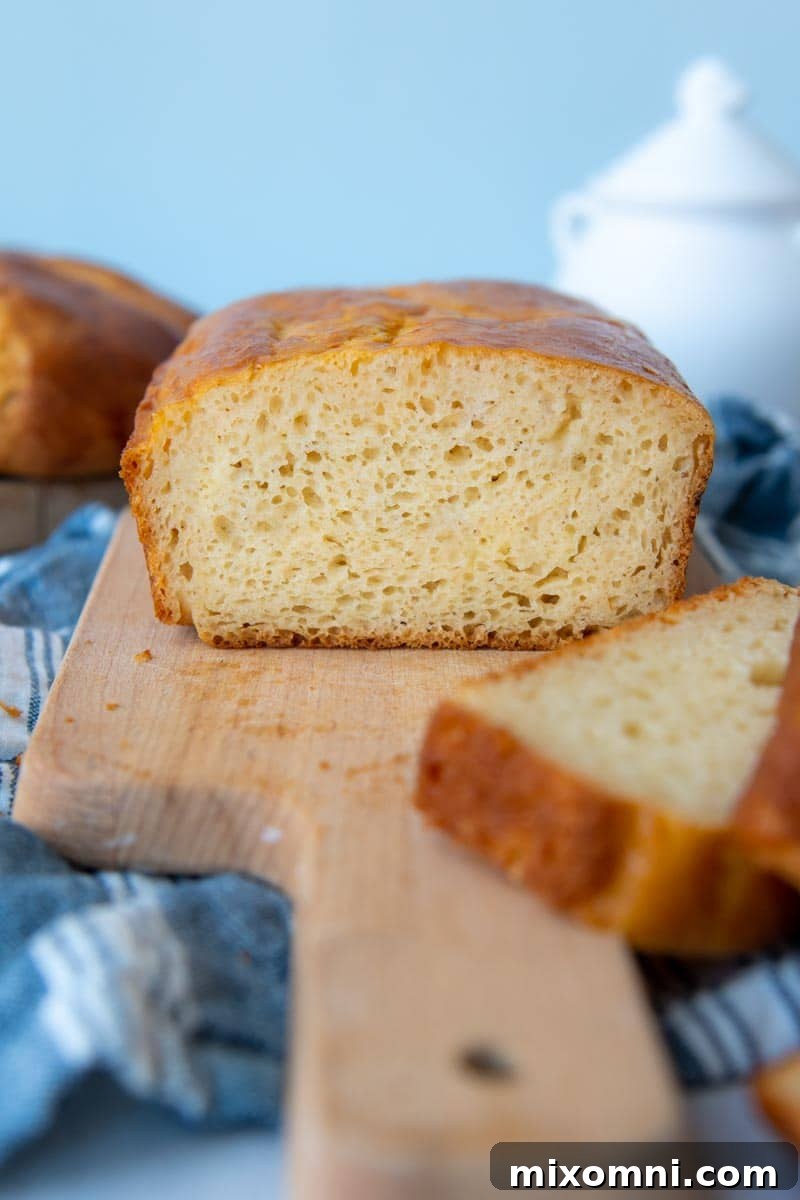
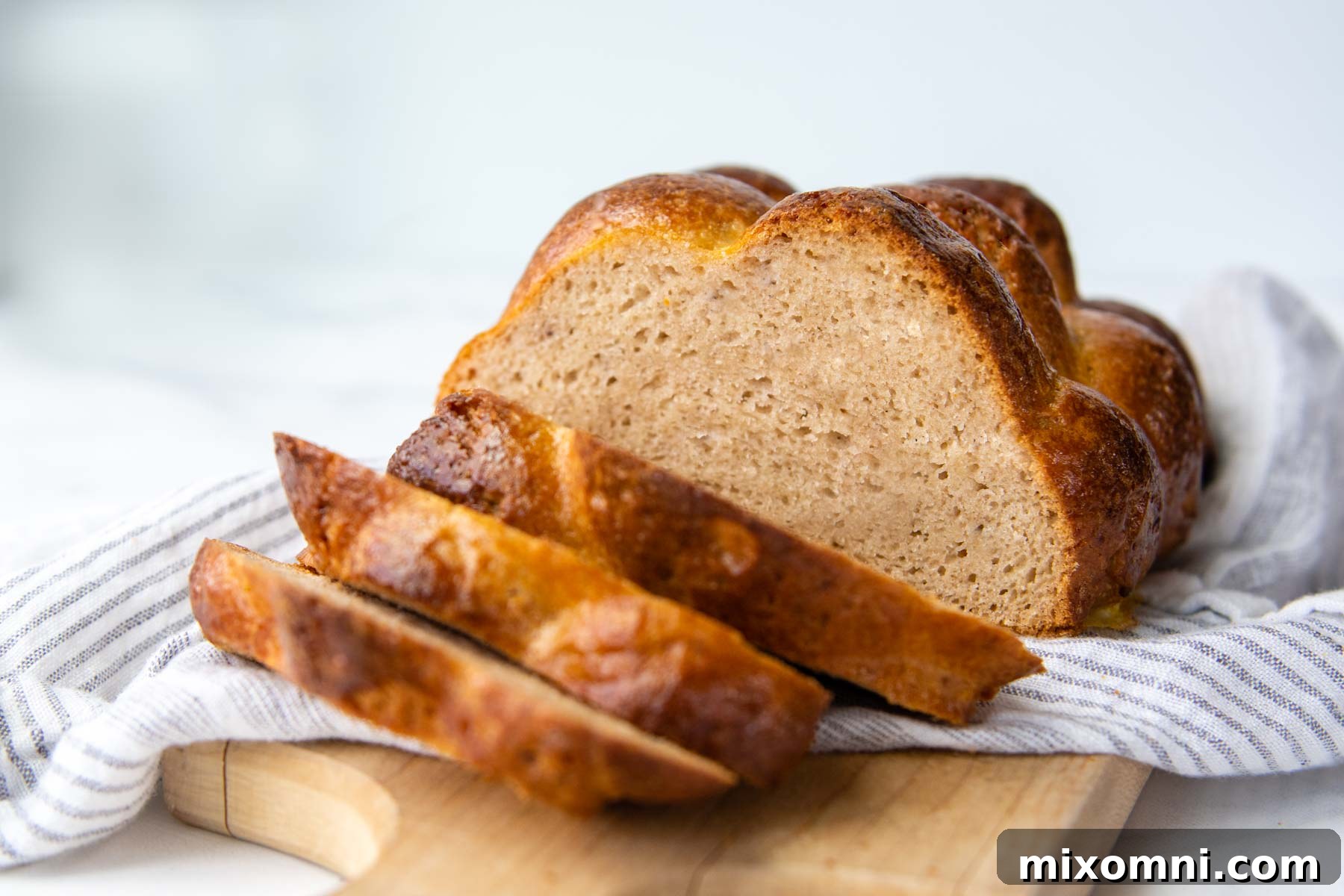
While traditional challah is often braided to represent significant themes in the Torah, this recipe offers several easy alternatives that ensure a beautiful presentation without the challenges of braiding gluten-free dough. You can achieve those signature humps and an impressive appearance using an affordable challah mold. These molds simplify the process dramatically, allowing the dough to rise and bake into the classic challah form with minimal effort. If you prefer to use what you already have on hand, simply divide the dough between two standard 8×4 inch loaf pans. This yields two beautiful, classic-shaped loaves that are perfect for slicing.
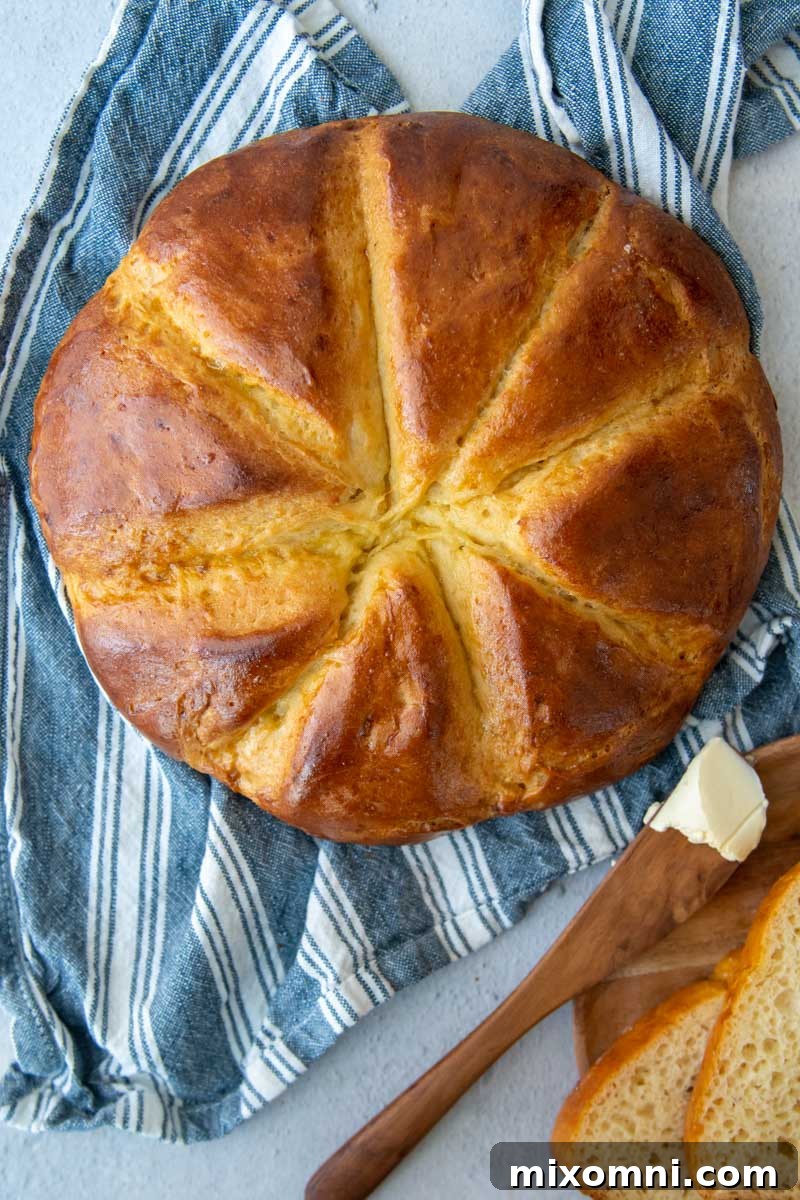
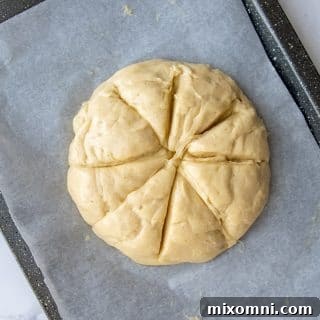
Alternatively, for a stunning presentation without specialized equipment, bake this easy challah recipe on a baking sheet. Shape the dough into a round loaf and, before its second rise, use a greased sharp knife to score a decorative star pattern on top. As the bread bakes, this scoring expands, mimicking the traditional humps and creating a visually appealing crust. With this beginner-friendly guide to homemade gluten-free challah, you don’t need to be an expert baker or extensively versed in gluten-free techniques. Much like our incredibly easy gluten-free focaccia bread, you can achieve impressive, bakery-quality results from your very first attempt!
What is Challah and Its Rich Significance?
Challah is far more than just bread; it’s a beautiful symbol deeply woven into Jewish culture and tradition. Traditionally, challah is a shiny, often braided loaf, similar in taste and texture to a rich brioche or sweet Hawaiian bread. It is specifically baked to celebrate the Jewish holidays and the weekly Shabbat, adding a touch of sweetness and spiritual meaning to these sacred times. While braiding is a common and recognizable feature, challah can also be shaped into round, oblong, or rectangular loaves, each form carrying its own symbolic weight.
The chosen shape of the challah often coincides with the particular Jewish holiday being celebrated. For instance, during Rosh Hashanah, the Jewish New Year, round challah loaves are traditionally baked to symbolize continuity, new beginnings, and the cycle of life. Beyond its shape, the act of braiding the dough itself holds deep symbolism, often representing intertwined arms, which can signify love, truth, peace, and justice. Furthermore, it’s common to sprinkle poppy or sesame seeds on top of the challah before baking. These tiny seeds are said to symbolize the manna that miraculously fell from heaven, sustaining the Israelites during their desert wanderings. Understanding these rich traditions adds a deeper layer of appreciation to every slice of this cherished bread.
Essential Ingredients for Your Gluten-Free Challah
Creating truly delicious gluten-free challah relies on a few key ingredients that work together to mimic the texture and richness of its traditional counterpart. While most ingredients are pantry staples, there’s one specialty item that is absolutely crucial for success: psyllium husk powder. This remarkable ingredient plays a vital role in gluten-free baking, helping to maintain essential moisture, provide structure, and prevent the bread from becoming dry and crumbly. It acts as a binding agent, closely replicating the elasticity that gluten provides in conventional bread recipes. It’s an affordable investment and a game-changer for many gluten-free baked goods, including my soft, white gluten-free bread recipe.
- Gluten-Free All-Purpose Flour: The foundation of our challah. I highly recommend Cup4Cup gluten-free flour because it includes xanthan gum, which is essential for texture in gluten-free baking. Be aware that Cup4Cup contains a small amount of milk powder. For those seeking a dairy-free challah, alternatives like Cup4Cup Wholesome blend or King Arthur Measure-for-Measure gluten-free flour are excellent choices that do not contain dairy.
- Sugar: This recipe calls for granulated sugar, which not only sweetens the bread but also helps to activate the yeast and contributes to that beautiful golden crust. You can adjust the amount to suit your preference, from a generous 1 cup for a distinctly sweet challah to 1/2 cup for a subtle hint of sweetness.
- Instant Yeast (Rapid Rise): This type of yeast is incredibly convenient as it does not require proofing in water beforehand. Its rapid action helps facilitate the slow, overnight rise that is key to developing both the soft texture and enriched flavor of this challah.
- Psyllium Husk Powder: As mentioned, this is a must-have for gluten-free baking. The linked brand is my personal favorite because it bakes without imparting a dark, purplish hue that some darker-colored psyllium husk brands can leave behind. To delve deeper into how psyllium aids in moisture retention and building elasticity in gluten-free breads, refer to our comprehensive guide.
- Baking Powder: This might seem unusual in a yeast bread, but it’s one of my expert gluten-free baking tips. Adding baking powder alongside the yeast provides an extra lift, helping to achieve a lighter, airier texture and a more robust rise, which can be challenging with gluten-free flours alone.
- Warm Water: Crucial for activating the yeast and bringing the dough together. Ensure it’s warm enough to awaken the yeast, but not so hot that it kills it.
- Canola or Vegetable Oil: Adds richness and moisture to the dough, contributing to its tender crumb and keeping the challah fresh for longer.
- Large Eggs + 1 Yolk: Eggs are fundamental to challah, providing flavor, structure, richness, and that characteristic golden color. The extra egg yolk contributes to an even more luxurious, tender texture.
- Egg Wash: A simple mixture of one egg lightly beaten with one tablespoon of water. This is brushed on the challah before baking to create a stunning, glossy, and golden-brown crust.
How to Make Delicious Gluten-Free Challah
This make-ahead challah recipe truly shines with an overnight rise in the refrigerator. This slow, cold fermentation process isn’t just convenient; it’s essential for developing a softer texture and a more profoundly enriched flavor that sets this challah apart. Plan to prepare your dough the day before you intend to bake it to allow ample time for this transformative rise.
(Note: Below is a step-by-step tutorial with visual cues. For more precise instructions, including exact ingredient quantities, please refer to the comprehensive recipe card at the bottom of this page.)
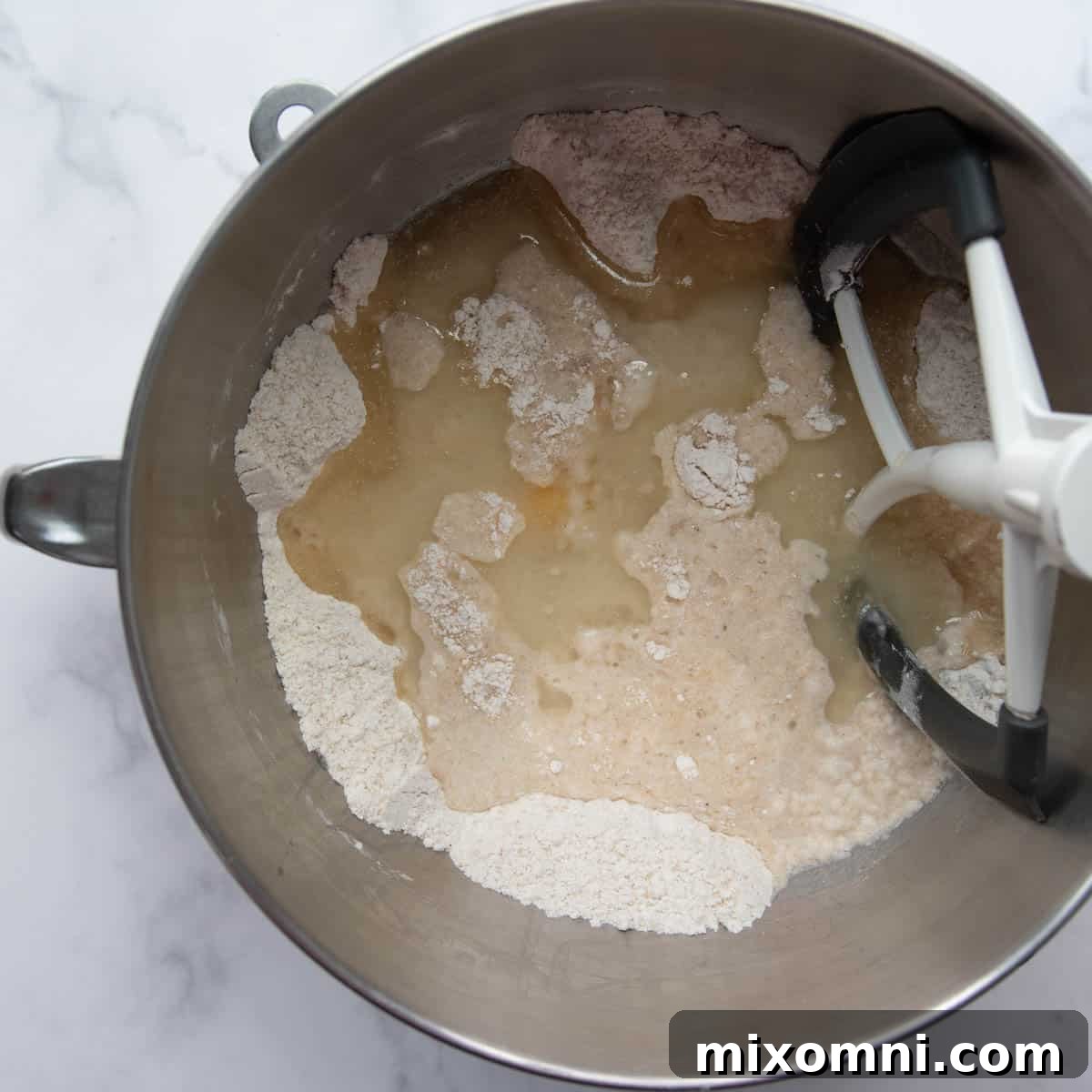
- In the bowl of a stand mixer, combine all the dry ingredients: the gluten-free flour blend, granulated sugar, instant yeast, psyllium husk powder, baking powder, and salt. Attach the paddle beater and mix on low speed until well combined.
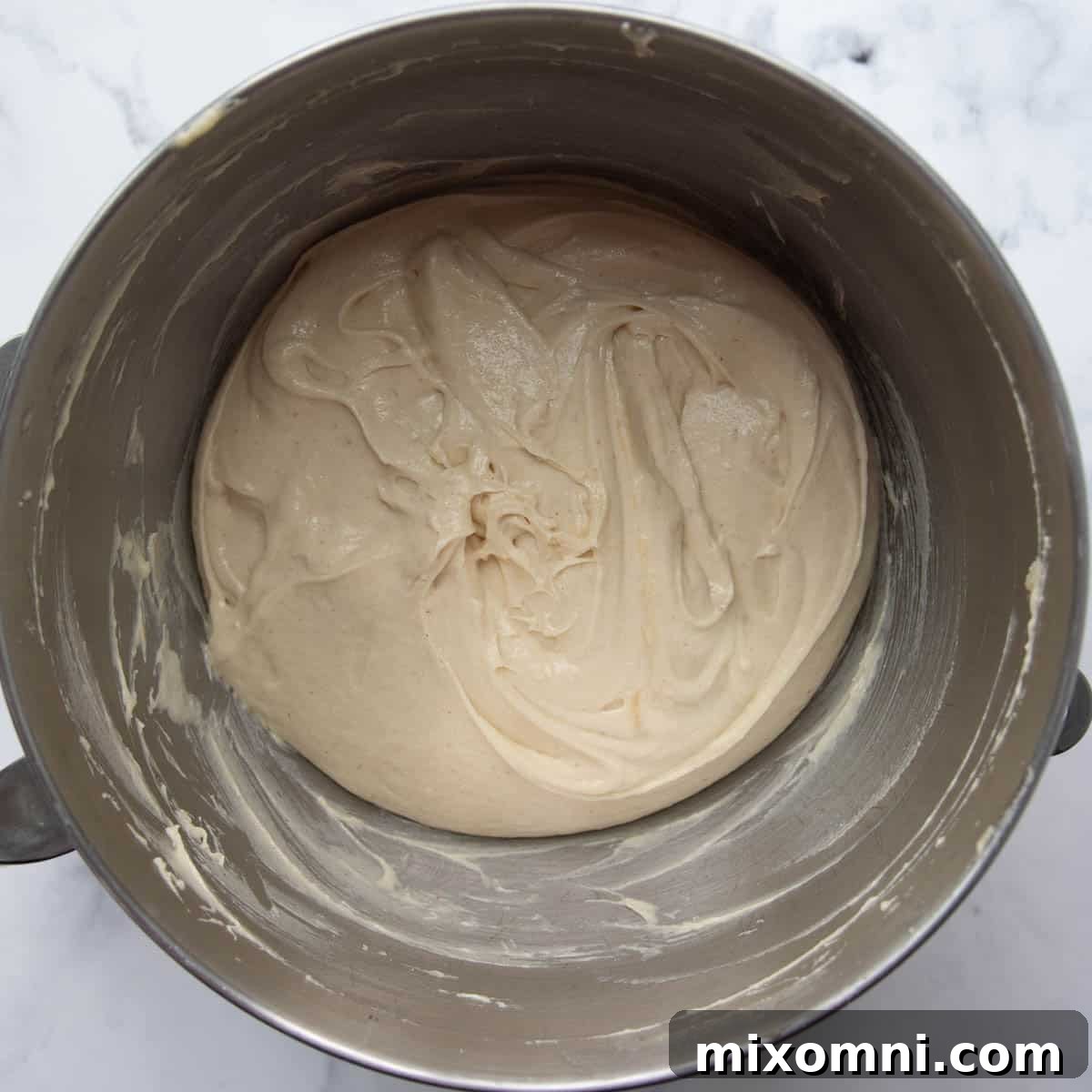
- To this dry mixture, add the warm water, oil, eggs, and extra egg yolk. Mix on low speed until the wet and dry ingredients are just combined. Scrape down the sides of the bowl and the beater with a rubber spatula. Increase the mixer speed to medium-high and beat vigorously for 4 minutes. This mixing helps develop structure in the gluten-free dough.
- After mixing, use a rubber spatula to scrape the dough into a cohesive mass in the center of the bowl. Cover the bowl securely with plastic wrap, ensuring it’s airtight. Refrigerate the dough overnight, or for up to 2 days. This long, cold rise is crucial for flavor and texture.
- When you are ready to bake, prepare your chosen baking vessel. For round-shaped bread, line baking sheets with parchment paper. For traditional loaves, grease two 8×4 inch loaf pans. If you desire the most traditional braided look without the hassle, grease a large challah mold or two smaller molds thoroughly with cooking spray.
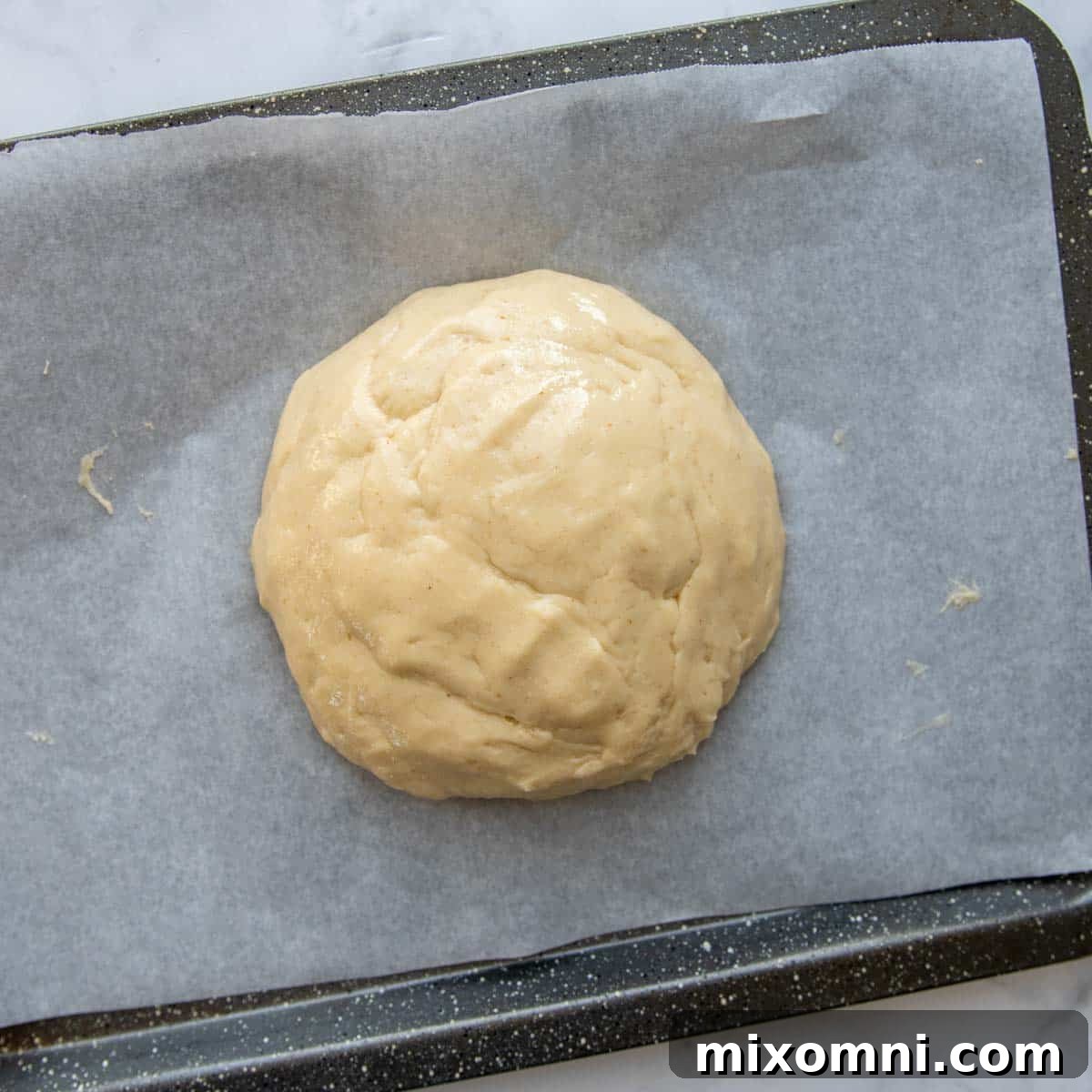
- Divide the dough evenly. If using loaf pans, distribute the dough between them. For baking sheets, shape the dough into two loose balls. If using a mold, fill it about two-thirds full with dough. Lightly spray your hands with cooking spray to prevent sticking, and gently shape the dough into smooth balls (for round loaves) or smooth the tops of the loaves evenly in the pans/molds.
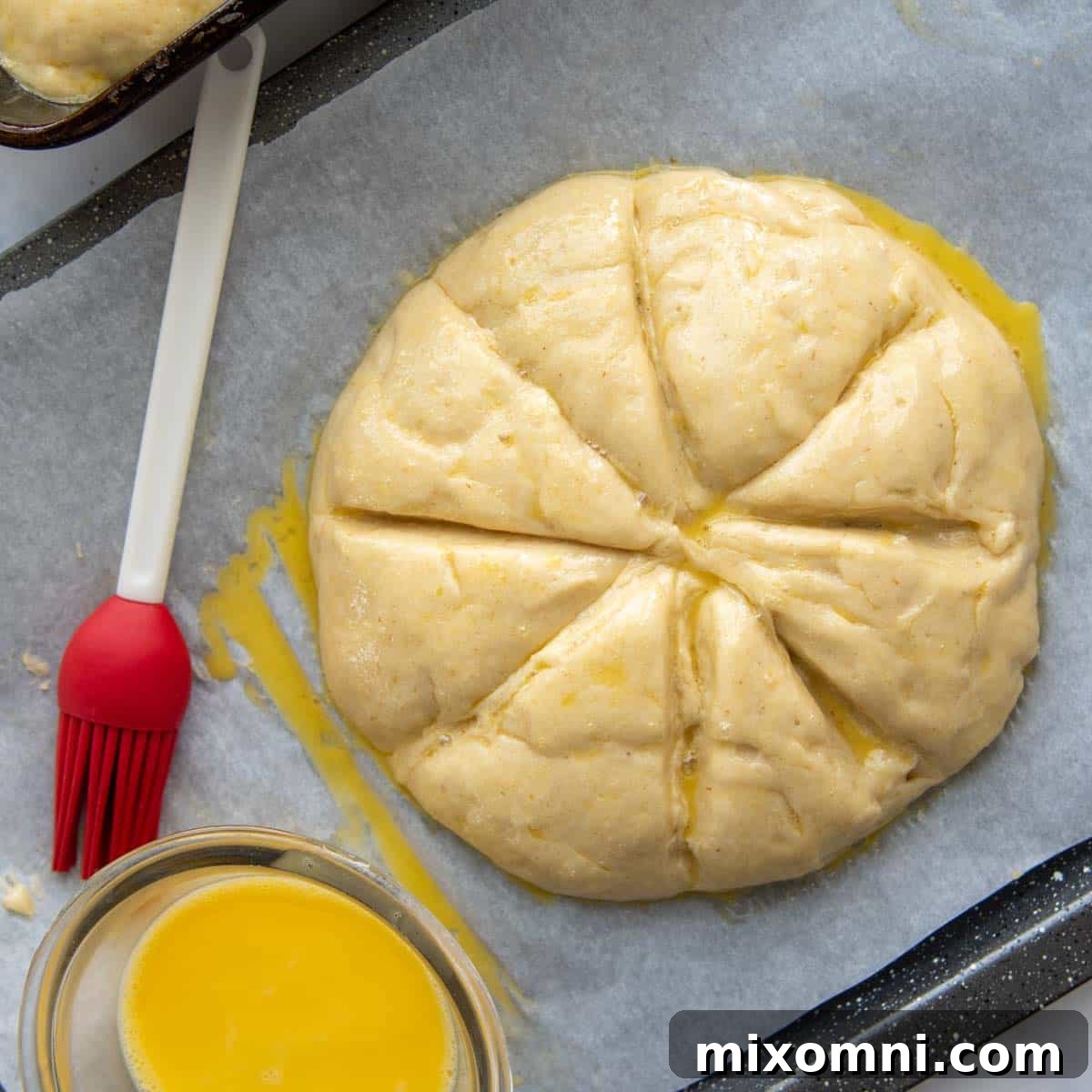
- For round challah loaves baked on a baking sheet, you can add a decorative touch by spraying a sharp knife with cooking spray and carefully cutting a star pattern into the top of each dough ball. This simple technique beautifully mimics the humps of a traditional braided challah without any rolling or complex shaping. You may need to wipe and re-spray your knife blade several times to keep it from sticking.
- Spray two large pieces of plastic wrap with cooking spray and use them to loosely cover the shaped loaves. Place the dough in a warm, draft-free place to rise for 1 hour. This final rise will make the challah light and airy.
- Preheat your oven to 375ºF (190ºC). If you are baking in loaf pans or as round loaves on a baking sheet, use a pastry brush to thoroughly coat the tops of the loaves with the egg wash (1 egg lightly beaten with 1 tbsp water). If you are using challah molds, skip this step for now. Reserve any remaining egg wash for later.
- Carefully place the bread in the hot oven. Immediately reduce the oven temperature to 350ºF (175ºC). Bake for 25 minutes. After this initial baking period, remove the bread from the oven. Rebrush the tops of the loaves (from loaf pans or baking sheets) with the reserved egg wash for an even shinier crust. If you are using molds, carefully overturn them onto a baking sheet lined with parchment paper to release the bread, then brush the top with egg wash.
- Return the bread to the oven. For round loaves or bread pan loaves, bake for an additional 20 minutes. If the top begins to brown too quickly, loosely cover it with aluminum foil for the last 10 minutes to prevent over-browning. For challah baked in molds, return them to the oven for 15 minutes, then remove, rebrush with egg wash, and bake for another 10-15 minutes. Baking times for molds can vary depending on their size, so adjust as needed. The most accurate way to determine doneness is to use an instant-read thermometer. The internal temperature of the bread should reach 200ºF (93ºC).
- Once baked, remove the challah from the oven and allow it to cool in its pan or on the baking sheet for 5 minutes. Then, carefully transfer the loaves to a wire cooling rack to cool completely. For the absolute best texture and flavor, serve the challah on the same day it’s baked. Any leftovers should be frozen to maintain their freshness.
Choosing the Right Gluten-Free Flour
When it comes to gluten-free baking, the choice of flour blend can significantly impact the final result. While I often experiment with various gluten-free flours in my baking recipes, for this challah, I confidently recommend starting with Cup4Cup. My extensive testing across numerous gluten-free bread recipes has consistently shown it to yield excellent results, providing a texture and consistency that closely mimics traditional wheat flour.
However, it’s important to note a key distinction: Cup4Cup flour does contain a small amount of milk powder. This is particularly relevant because traditional challah recipes are typically dairy-free, adhering to kosher dietary laws. If you need to make a dairy-free challah, or if you simply prefer to avoid milk products, consider using alternatives like Cup4Cup Wholesome GF blend or King Arthur Measure-for-Measure gluten-free flour. Both are reliable options that can produce a delicious challah while remaining dairy-free. For a deeper dive into the world of gluten-free flours, including detailed comparisons and allergen information, I encourage you to explore our helpful article on the best gluten-free flour blends.
Ensuring Perfect Doneness: How to Know When Challah is Baked
One of the most common challenges in baking, especially with gluten-free breads, is determining when the loaf is truly done. A golden-brown exterior can often be deceptive, leading to a seemingly perfect crust but an unfortunately undercooked or gummy interior. To eliminate this guesswork and ensure consistently perfect results, I always rely on an indispensable tool: an instant-read thermometer.
When inserted into the thickest part of the challah, the internal temperature should register between 190-200ºF (88-93ºC). This reliable method provides an accurate indicator of doneness, confirming that your bread is cooked through without being dry. I trust this technique for all my baking, from quick breads and yeasted loaves to bagels and breadsticks, guaranteeing a perfectly baked interior every time.
Storing and Freezing Tips for Freshness
Like many homemade gluten-free bread recipes, this challah has a relatively short shelf life when stored at room temperature. For the ultimate texture and flavor, I highly recommend enjoying the bread on the same day it is baked. The freshness and soft crumb are truly unparalleled when consumed shortly after coming out of the oven.
However, if you find yourself with leftovers (which is a wonderful problem to have!), freezing is an excellent way to preserve its quality. You can freeze the challah either whole or pre-sliced, depending on your preferred serving method. Whichever you choose, it is crucial to wrap the bread securely. Use multiple layers of plastic wrap, then an airtight freezer bag or aluminum foil, to prevent freezer burn and the formation of ice crystals. Properly wrapped, your gluten-free challah can be frozen for up to 3 months, ready to be thawed and enjoyed whenever a craving strikes.
Creative Ways to Enjoy Your Gluten-Free Challah
This gluten-free challah recipe yields two generous loaves, typically providing about 24 servings. Given its short shelf life, if you don’t plan to consume both loaves immediately, freezing leftovers is always a smart option. However, challah is incredibly versatile and lends itself beautifully to a variety of delicious dishes beyond simply eating it fresh. Don’t let a single crumb go to waste – transform your leftover challah into these delightful creations:
- Gluten-Free Bread Pudding: The rich, slightly sweet challah makes an exquisite base for a comforting bread pudding, absorbing custards beautifully.
- French Toast: Slice thickly and dip in an egg mixture for the most decadent French toast imaginable, perfect for a special breakfast or brunch.
- Strata or Gluten-Free French Toast Casserole: Use cubed challah for a savory breakfast strata or a sweet French toast casserole, ideal for feeding a crowd.
- Kugel: A classic Jewish noodle or potato casserole, often made with challah for a rich, sweet, and comforting side dish.
- Stuffing or Dressing: Transform stale challah into a flavorful stuffing for your holiday turkey or chicken, offering a unique twist on a classic.
- Croutons: Cut into cubes, toss with olive oil and seasonings, then bake until crispy for homemade croutons to top soups and salads.
- Bread Crumbs: Process dried challah into fine bread crumbs, perfect for coating proteins or topping casseroles.
- Grilled Cheese: Elevate your grilled cheese sandwich with slices of challah for a slightly sweet and wonderfully rich flavor profile.
Challah Baking: Exploring Your Pan Options
One of the beauties of this gluten-free challah recipe is its adaptability, especially when it comes to shaping and baking. You have several excellent pan options, allowing you to choose the method that best suits your preference, available equipment, and desired aesthetic:
- For the Most Traditional Look: If you desire a challah with the classic, undulating, braided appearance without the complexity of braiding gluten-free dough, a large challah mold or two smaller molds are your best bet. These molds provide the perfect shape and are remarkably easy to use.
- For Maximum Ease and Everyday Loaves: To make this recipe as simple as possible, you can bypass special molds altogether. Simply divide the prepared dough between two standard 8×4 inch loaf pans. This method yields beautiful, easily sliceable loaves that are perfect for sandwiches, toast, or any other use.
- For a Decorative Freeform Round: As a versatile alternative, shape the dough into a single large round loaf and place it on a parchment-lined baking sheet. Before the second rise, spray a sharp knife with cooking spray and carefully cut a star pattern into the top of the dough. This simple scoring technique creates a lovely decorative top that mimics the traditional humps as the bread bakes, offering an elegant presentation without requiring any special equipment or intricate shaping skills.
Why an Overnight Dough Rise is a Game-Changer
While many bread recipes call for a quick rise at room temperature, opting for a low and slow rise in the refrigerator, especially overnight, makes an incredible difference in the quality of your challah. This extended cold fermentation period allows the yeast to work slowly, developing a much richer, deeper flavor profile in the dough. The flavors become more complex, nuanced, and truly enhanced, transforming a good bread into an exceptional one.
For gluten-free bread recipes, this overnight rise is even more beneficial. The slower fermentation allows the various components of the gluten-free flour blend and psyllium husk to fully hydrate and interact, resulting in a noticeably softer texture and a more robust, integrated flavor. It’s a simple step that requires patience but yields profoundly rewarding results, making your homemade gluten-free challah incredibly tender, moist, and bursting with deliciousness.
The Magic of an Egg Wash for a Lustrous Crust
One of the most distinguishing characteristics of traditional challah is its beautiful, gleaming crust. This signature golden sheen isn’t achieved by magic, but through the simple yet effective technique of applying an egg wash. Brushing the shaped bread with an egg wash before baking creates an ultra-shiny, golden-brown crust that is both visually appealing and adds a subtle richness to the exterior.
To maximize this stunning effect and achieve an even more lustrous finish, I recommend a dual application method: brush the bread once thoroughly before it goes into the oven, and then again halfway through the baking process. This second coat ensures deep color development and an intensified shine, making your homemade gluten-free challah truly stand out.
Save this recipe for gluten-free challah to your PINTEREST board!
Let’s be friends on Pinterest! I’m always sharing great recipes!
Did you make this recipe? I love hearing from you! Leave a star rating and comment below the recipe card. It helps others when searching for recipes and I appreciate feedback from our community. You will always hear back from me! -Melissa
Gluten-Free Challah Bread: A Beginner’s Guide
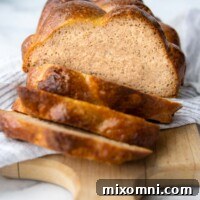
Learn how to bake fresh gluten-free challah bread at home with this easy and effortless recipe! Challah bread is slightly sweet with a golden, shiny crust and soft, tender crumb. This make-ahead overnight challah recipe is made with all-purpose gluten-free flour, psyllium husk, instant yeast, and eggs, and is the perfect addition to your holiday table.
Recipe Details:
- Author: Melissa Erdelac
- Yield: 24 servings (2 loaves)
- Prep Time: 10 minutes
- Cook Time: 40 minutes
- Total Time: 1 day, 1 hour, 50 minutes (includes overnight rise)
Ingredients:
- 3 ¼ cup (473 g) gluten-free all-purpose flour (Cup4Cup recommended, see notes for dairy-free options)
- ¾ cup (150 g) granulated sugar
- 2 tablespoons (22 g) instant (rapid rise) yeast
- 2 tablespoons (22 g) psyllium husk powder (what is psyllium husk?)
- 2 teaspoons baking powder
- 1 teaspoon table salt or kosher salt
- 1 ¼ cup (300 g) warm water
- ½ cup (107 g) canola or vegetable oil
- 2 large eggs + 1 yolk
- Egg wash: 1 egg lightly beaten with 1 tbsp water
Equipment:
- Stand Mixer
- Pastry Brush
- Challah Mold (optional, see pan options)
- Parchment paper or two 8×4 inch loaf pans
Instructions:
- In the bowl of a stand mixer, combine the gluten-free flour, sugar, yeast, psyllium husk powder, baking powder, and salt. Use a paddle beater attachment to blend on low speed until well combined.
- Add the warm water, oil, eggs, and egg yolk to the mixture. Mix on low speed until just combined. Scrape down the bowl and beater. Increase the speed to medium-high and beat for 4 minutes.
- Use a rubber spatula to scrape the dough into the center of the bowl. Cover securely with plastic wrap and refrigerate overnight, or for up to 3 days.
- When ready to bake, prepare your pans: line baking sheets with parchment (for round bread), grease two 8×4 loaf pans (for loaves), or grease a large challah mold or two small molds with cooking spray (for traditional shaped challah).
- Divide the dough between the loaf pans, into two loosely shaped balls on the baking sheets, or fill 2/3 of the mold with dough. Spray your hands with cooking spray, and shape the dough into smooth balls or smooth the top of loaves evenly.
-

For round challah, if you desire a decorative top, spray a sharp knife with cooking spray and cut through in a star pattern. This mimics humps without rolling or shaping. You may need to wipe and re-spray the blade several times.
- Spray two large pieces of plastic wrap with cooking spray, then cover the loaves. Let the dough rise in a warm, draft-free place for 1 hour.
- Preheat the oven to 375ºF (190ºC). Use a pastry brush to thoroughly brush the loaves (if in pans or on sheets) with the egg wash. Reserve remaining egg wash. (Omit this step if using molds for now).
- Place the bread in the hot oven and immediately turn the heat down to 350ºF (175ºC). Bake for 25 minutes. Remove the bread from the oven and rebrush with the egg wash. If using molds, carefully overturn them onto a parchment-lined baking sheet to release, then brush the top with egg wash.
- Return to the oven. For round loaves or bread pan loaves, bake for another 20 minutes. If the top browns too much, loosely cover with foil for the last 10 minutes. The internal temperature should be 200ºF (93ºC). For challah molds, return to the oven for 15 minutes, remove and rebrush with egg wash, then bake again for 10-15 minutes longer. Use a thermometer to confirm 200ºF (93ºC).
- Remove from the oven, cool for 5 minutes in the pan/on the sheet, then transfer to a cooling rack to cool completely. For best results, serve the same day and freeze any leftovers.
Notes:
Gluten-Free Flour Recommendations
I use and recommend Cup4Cup gluten-free flour. However, please note that Cup4Cup contains a small amount of milk powder, while traditional challah recipes are dairy-free. For dairy-free challah, I recommend Cup4Cup Wholesome GF blend or King Arthur Measure-for-Measure gluten-free flour.
Storing Tips
Like other gluten-free breads, this challah has a short shelf life. I recommend enjoying it the same day it is baked and freezing any leftovers.
Challah may be frozen whole or sliced. Either way, wrap the bread securely to prevent ice crystals from forming, and freeze for up to 3 months.
Recipe adapted from Let Them Eat GF Cake.
Nutrition Facts (per serving):
Calories: 137kcal, Carbohydrates: 21g, Protein: 2g, Fat: 6g, Saturated Fat: 4g, Trans Fat: 1g, Cholesterol: 20mg, Sodium: 106mg, Potassium: 45mg, Fiber: 2g, Sugar: 9g, Vitamin A: 30IU, Vitamin C: 1mg, Calcium: 29mg, Iron: 1mg
Did you make this recipe? Please leave a star rating and review below. It helps others when searching for recipes and I LOVE feedback!