
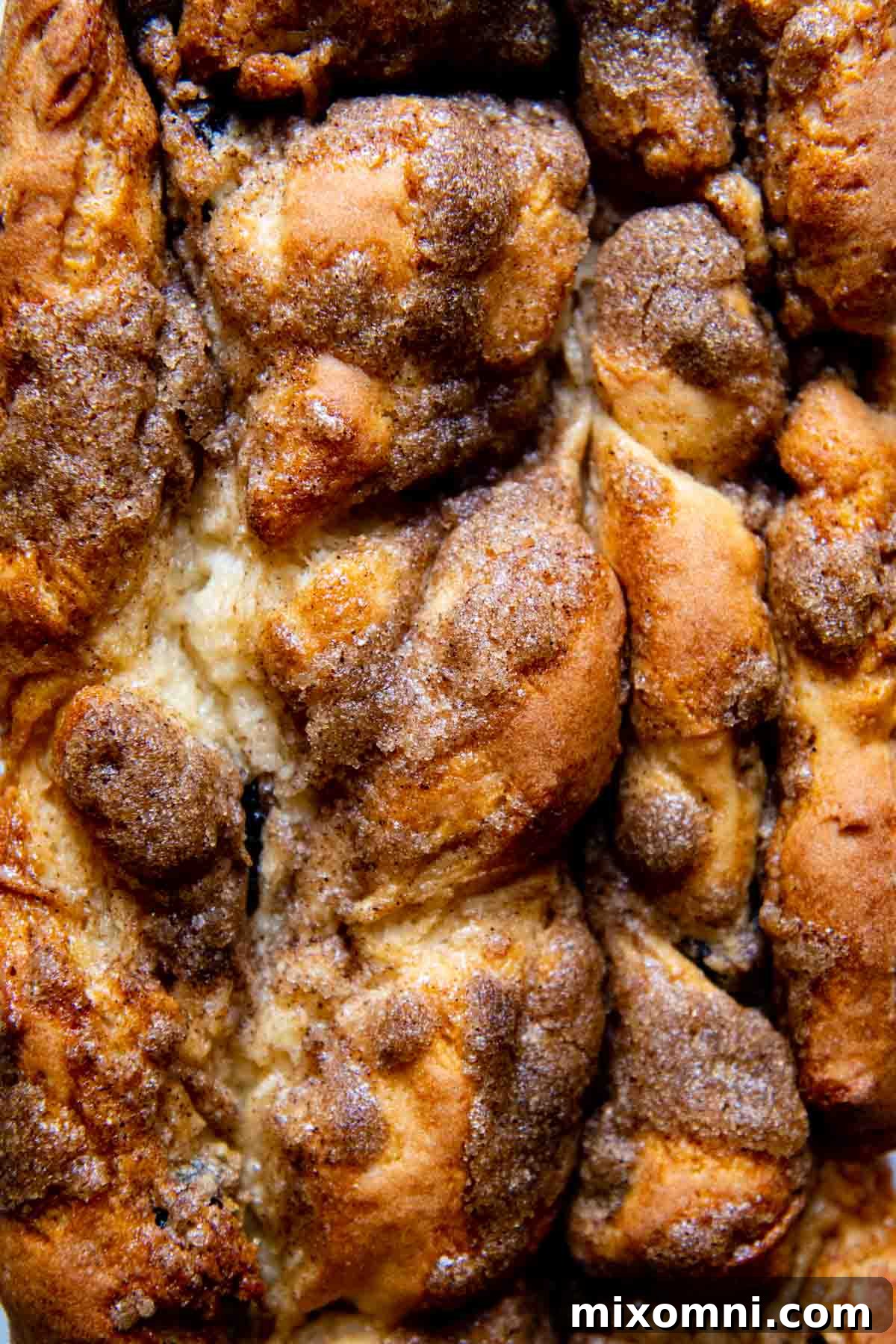
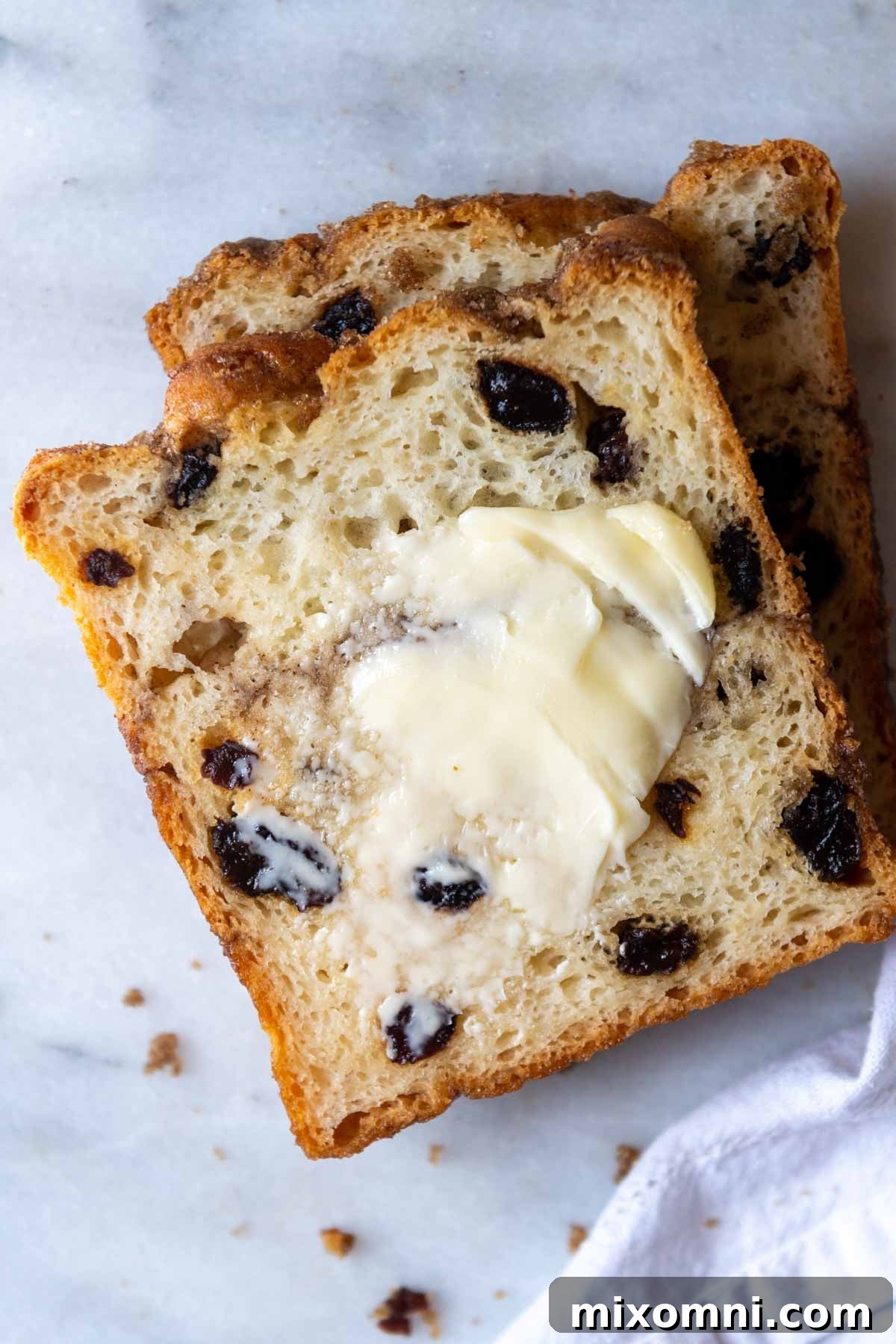
Indulge in the comforting embrace of a soft, buttery slice of homemade gluten-free cinnamon raisin bread, crafted effortlessly in your own kitchen! This exceptional “mix, dump, and bake” recipe eliminates the usual complexities associated with gluten-free baking, making it accessible even for beginners. It all begins with a remarkably tender GF bread dough, generously studded with plump, juicy raisins and elegantly finished with a captivating double swirl of aromatic cinnamon sugar. The result is a loaf that consistently delivers impressive, delicious results, transforming your gluten-free breakfast or snack routine into a truly delightful experience.
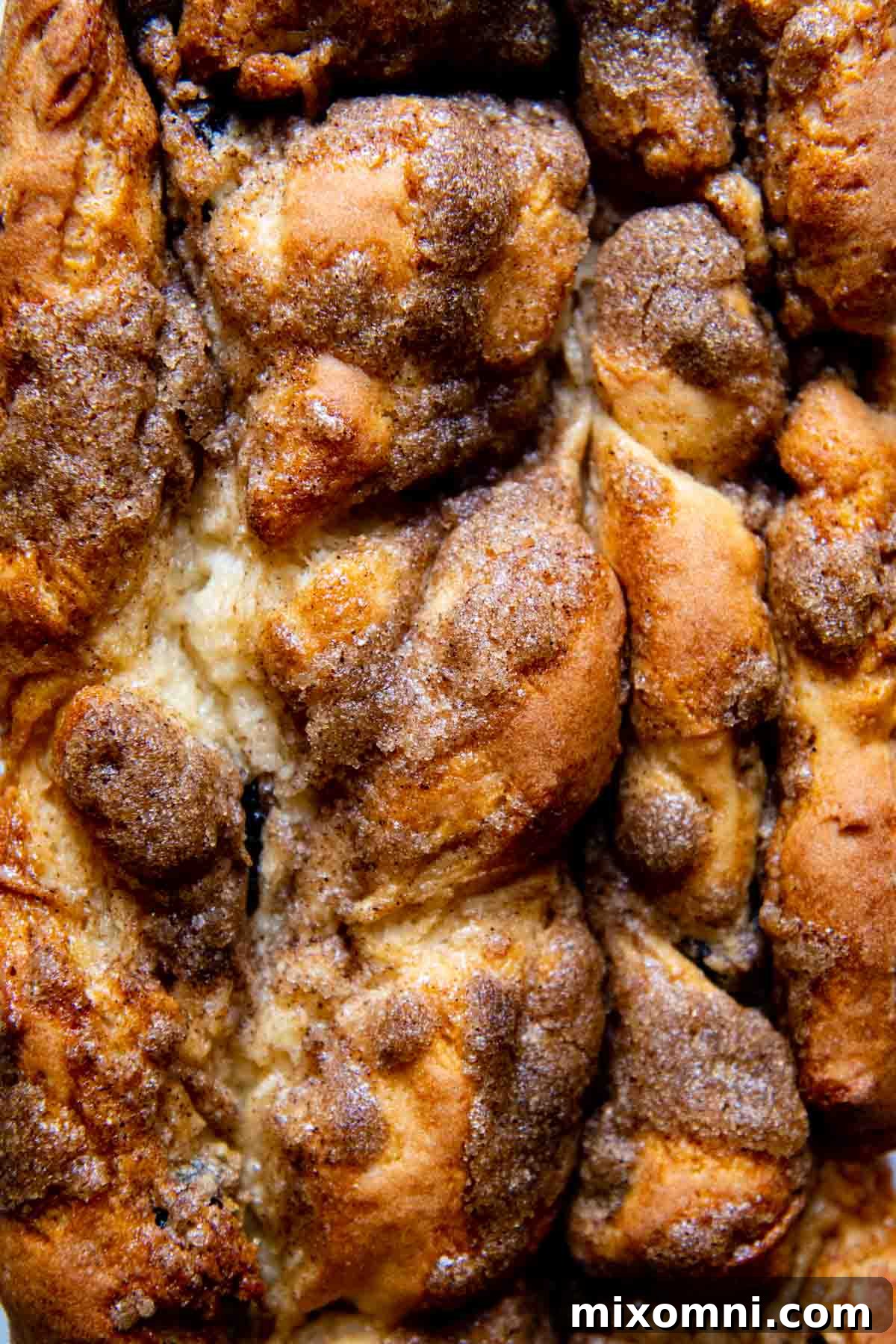
Why This Gluten-Free Cinnamon Raisin Bread Recipe Stands Out
Whether your mornings are too busy for elaborate gluten-free cinnamon rolls or sticky, gooey GF monkey bread, or you’re simply craving a versatile, sliceable breakfast loaf that evokes nostalgic flavors, this gluten-free cinnamon raisin bread is a game-changer. It perfectly addresses numerous desires: a quick morning treat, a comforting snack, or a delightful accompaniment to your afternoon tea. This recipe checks all the boxes for convenience, flavor, and texture.
My primary goal when developing this gluten-free raisin bread recipe was to simplify the baking process without compromising on quality. I aimed to eliminate complex, time-consuming steps such as multiple rises, extensive kneading, or the tricky process of rolling out dough. Yet, I refused to sacrifice the ideal balance of sweetness, the irresistibly soft and fluffy texture, or the authentic, old-fashioned taste that makes classic cinnamon raisin bread so beloved. To achieve this, I leveraged the foundation of one of my most successful and widely praised recipes: the 5-star rated gluten-free bread, renowned for its ease and stellar results.
The dough preparation for this cinnamon raisin bread follows the same straightforward approach as its highly-rated predecessor. You simply combine all the ingredients in a large bowl, mix them, and pour the batter directly into your chosen loaf pan. To amplify that cherished old-fashioned flavor and create an unforgettable experience, the dough is meticulously layered with two generous doses of a fragrant cinnamon-sugar mixture. An entire cup of succulent, juicy raisins is then sprinkled throughout, ensuring every slice bursts with sweet, spiced goodness.
Further down, I’ll walk you through each step of making this delightful GF cinnamon raisin bread, complete with invaluable tips and notes. Discover how to effortlessly adapt the recipe for dairy-free diets, learn the precise indicators for perfectly baked bread, and explore a multitude of creative ways to savor this treat beyond just a slice of toast.
Key Ingredients for Perfect Gluten-Free Cinnamon Raisin Bread
The success of any gluten-free bread recipe hinges significantly on the quality and type of ingredients used. Understanding the role of each component is crucial for achieving that desired soft, fluffy, and flavorful loaf.
- Gluten-Free Flour Blend: This is arguably the most critical ingredient. Unfortunately, not all gluten-free flour blends are created equal, and the wrong choice can drastically impact the texture and taste of your raisin bread. For consistently superior results, I wholeheartedly recommend using Cup4Cup GF flour. Its carefully balanced blend of rice flours, starches, and binders mimics the properties of wheat flour remarkably well, preventing the bread from becoming gritty or dense. For a deeper dive into how various brands compare in terms of taste and texture, refer to my comprehensive guide to gluten-free flour.
- Psyllium Husk Powder: While optional, the inclusion of psyllium husk powder is highly recommended for an enhanced bread quality. I’ve tested this recipe multiple times both with and without it, and while it doesn’t alter the taste, it plays a vital role in maintaining the bread’s moisture content and significantly improves its structure, preventing it from becoming crumbly. Psyllium husk acts as a natural binder, similar to gluten, providing elasticity and chewiness. Be mindful that some brands of psyllium husk powder can impart a darker, sometimes even purplish hue to baked goods, so I suggest using this particular one to ensure your bread maintains its appealing golden color.
- Instant (Rapid Rise) Yeast: My preference for instant yeast stems from its sheer convenience. Unlike active dry yeast, instant yeast doesn’t require prior proofing in warm water. You can simply mix it directly with your dry ingredients, allowing the dough to rise effectively and saving you an extra step and precious time in the baking process.
- Honey: Honey not only contributes to the bread’s delightful sweetness but also plays a crucial role in its moisture retention and tender crumb. Its natural enzymes can also help activate the yeast, contributing to a good rise. While granulated sugar can be substituted, be aware that it may result in a slightly drier texture.
- Oil: This recipe offers flexibility with your choice of oil. Feel free to use any preferred neutral-flavored oil, such as vegetable oil, coconut oil, or canola oil. Alternatively, you can substitute the same amount of melted butter for a richer, more traditional flavor. However, if you are aiming for a gluten-free and dairy-free bread, ensure you stick with oil or a plant-based butter alternative.
- Raisins: Plump, juicy raisins are essential for the classic cinnamon raisin bread experience. We’ll be adding a generous cup to ensure every bite is filled with sweet fruit.
Baking This Delicious Bread: A Step-by-Step Guide
(The following section provides step-by-step photos and modified instructions for clarity. For the complete recipe, including precise ingredient amounts, please scroll down to the detailed recipe card at the end of this article.)
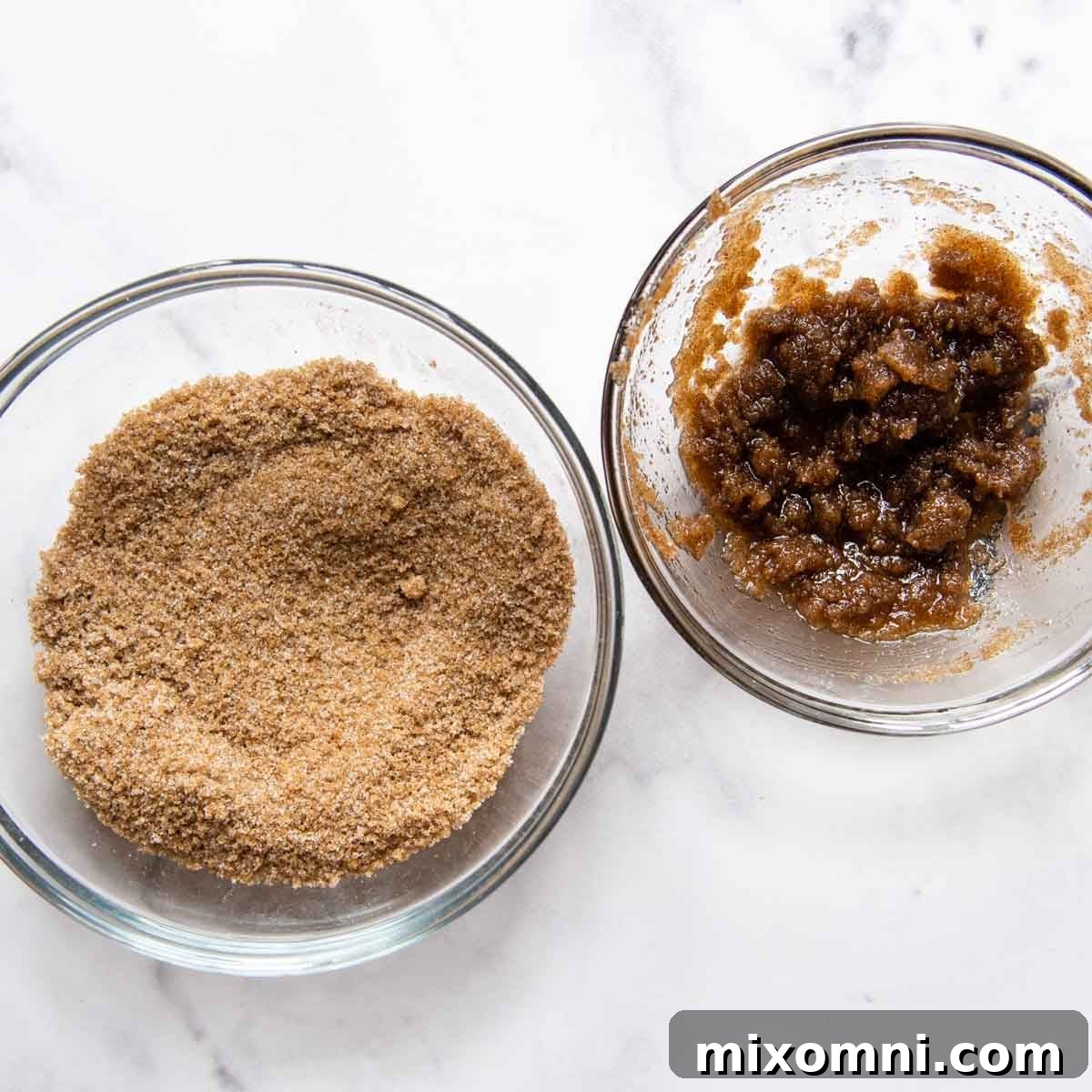
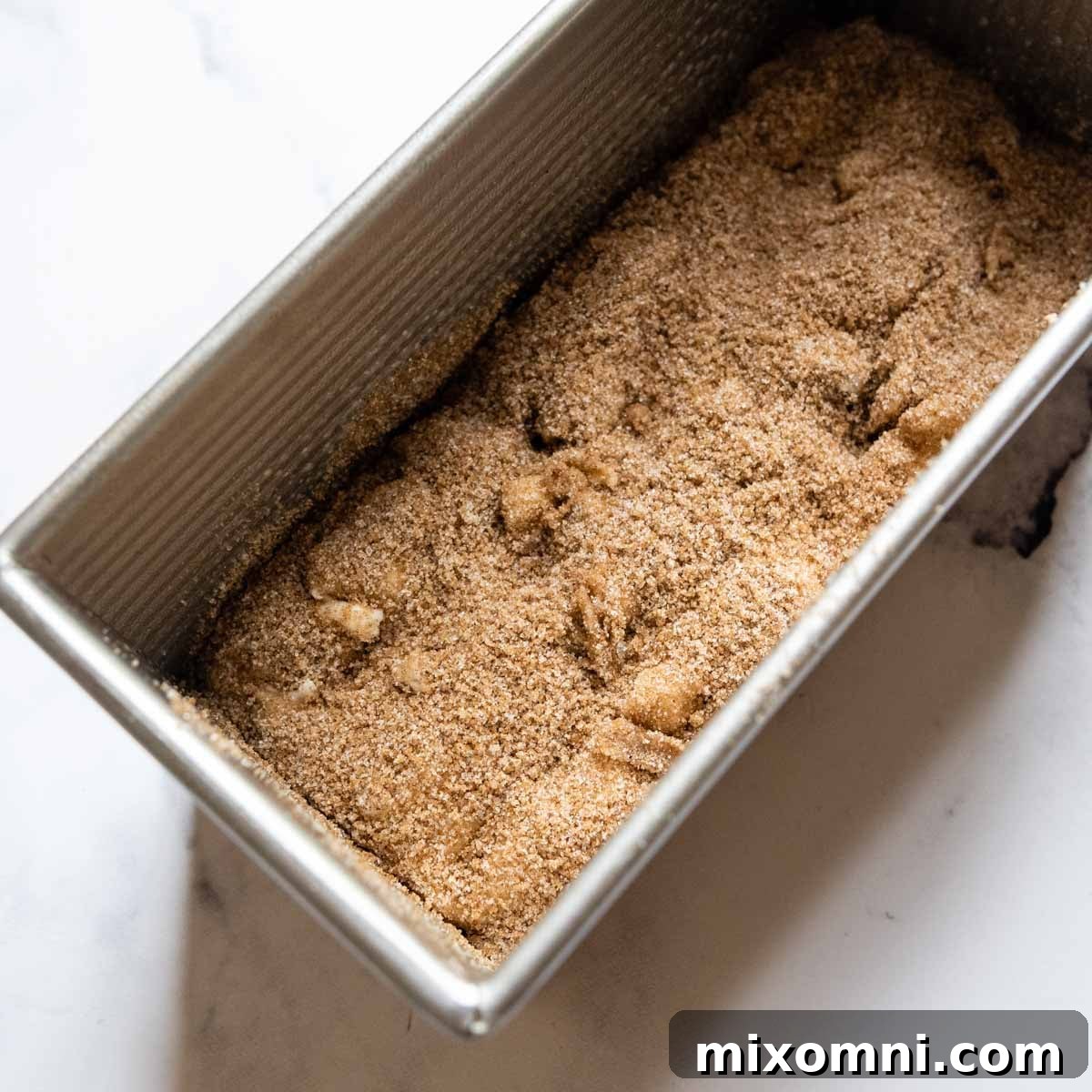
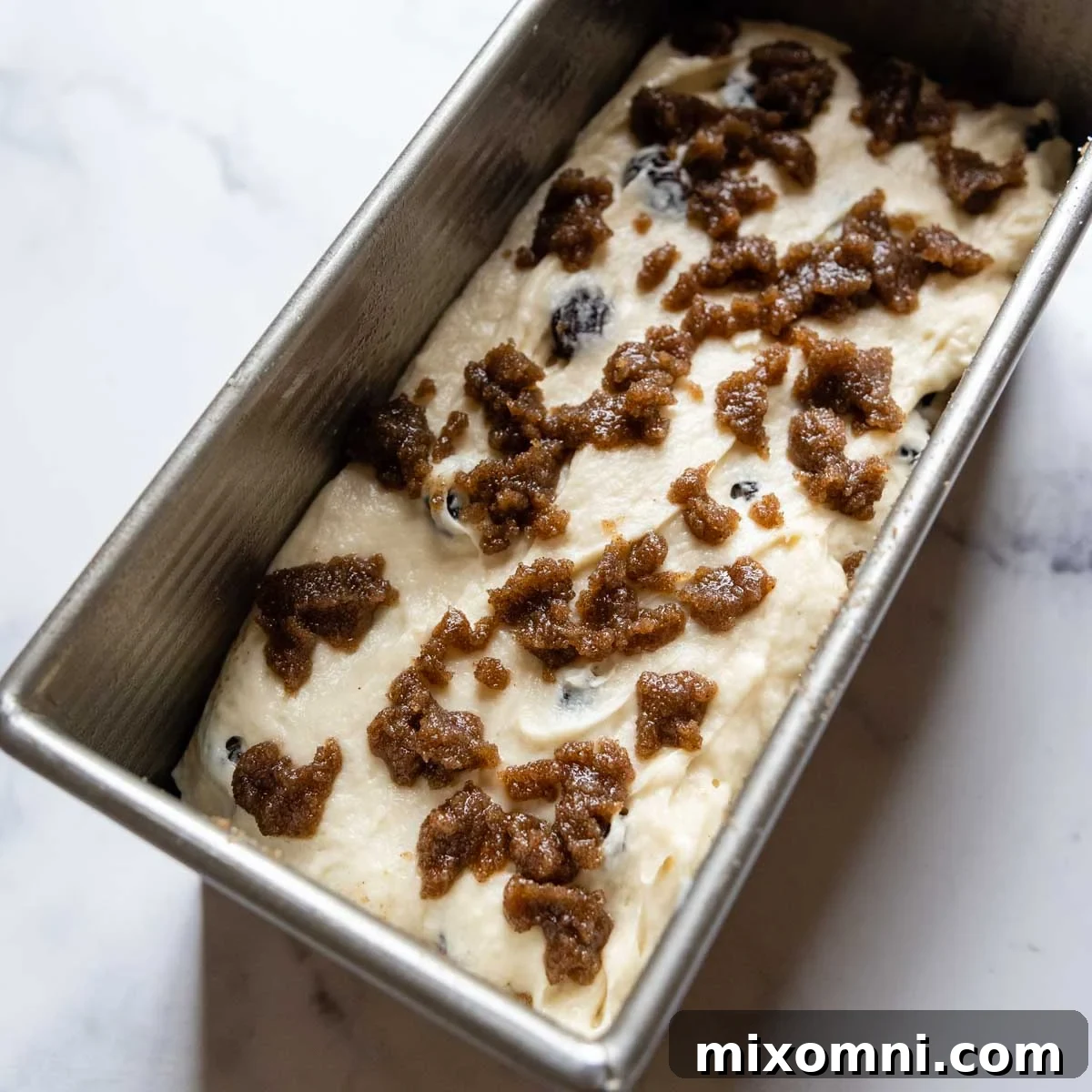
- Prepare the Cinnamon Swirl Mixture: In a small bowl, combine brown sugar, granulated sugar, and ground cinnamon. Stir these ingredients thoroughly until well blended. Transfer about 4 tablespoons of this fragrant mixture to a separate, smaller bowl. Into this smaller portion, stir in the melted butter until fully incorporated. You will now have two cinnamon-sugar mixtures: one dry (for layering inside the bread) and one butter-infused (for the top swirl). Set both aside.
- Combine Dry Ingredients for the Bread: Using a stand mixer fitted with a paddle attachment, combine the gluten-free flour blend, instant rapid rise yeast, psyllium husk powder (if using), baking powder, and salt. Mix on low speed for about 1 minute until all dry ingredients are uniformly combined.
- Add Wet Ingredients and Mix Dough: Gradually add the warm water (ensure it’s around 110°F to activate the yeast without killing it), room temperature eggs, honey, and oil to the dry mixture. Mix on low speed initially, allowing the dough to come together, which typically takes about 1 minute. The batter will be thin, resembling a thick cake batter.
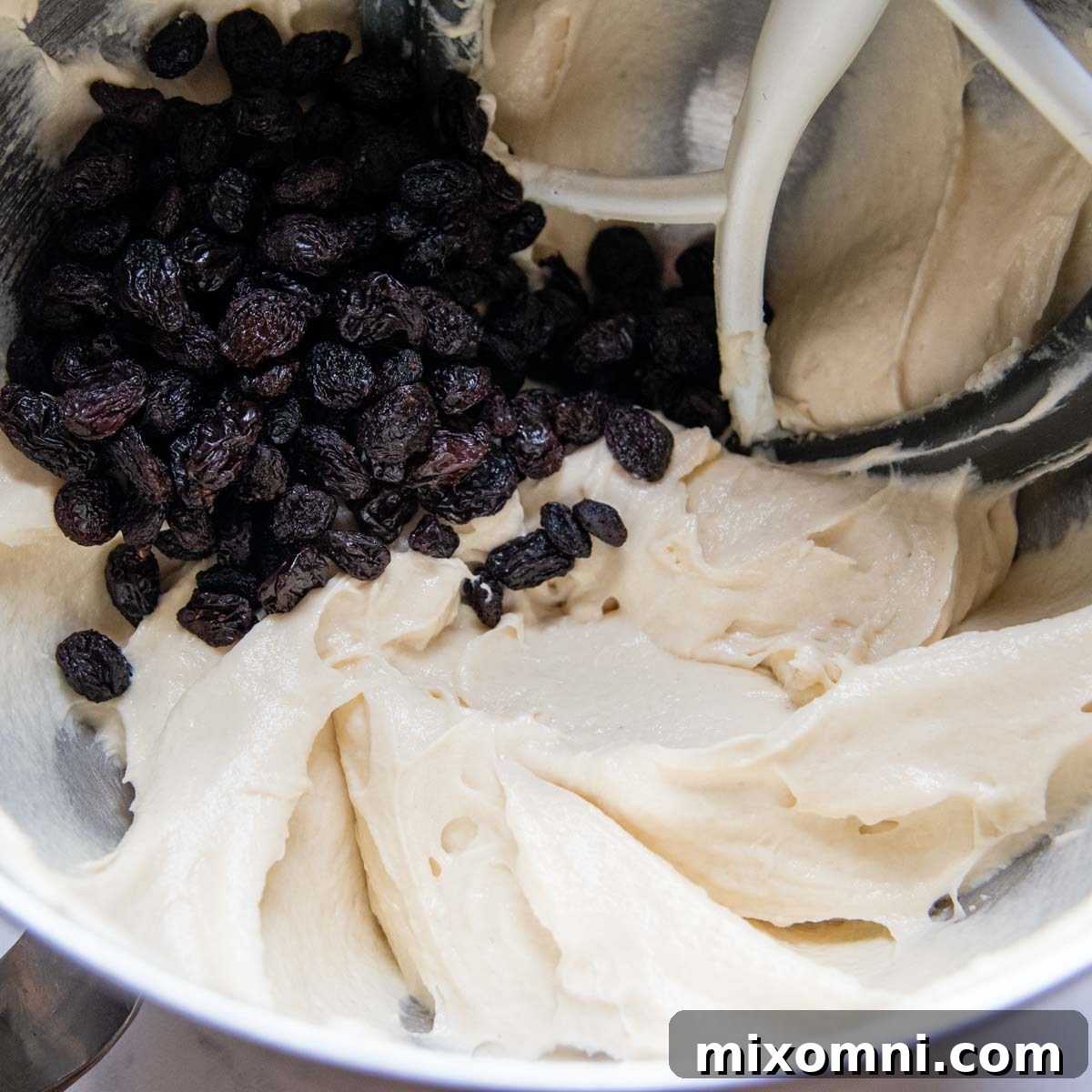
- Beat the Dough and Add Raisins: Increase the mixer speed to medium and beat the dough for a full 5 minutes. Remember to stop halfway through to scrape down the sides of the bowl and the paddle attachment to ensure all ingredients are well incorporated. After beating, the batter will remain thinner than traditional bread dough, but should be smooth. Gently fold in the cup of raisins until they are evenly distributed throughout the batter.
- First Layering and Swirl: Thoroughly grease your chosen loaf pan (see “Recommended Baking Pan” section below for best results). Pour approximately half of the prepared bread batter into the greased pan and spread it evenly to form the first layer. Generously sprinkle the dry cinnamon-sugar mixture (the one without butter) over this layer. Using a butter knife or a thin skewer, gently swirl the cinnamon mixture into the dough. Be careful not to over-swirl; you want distinct ribbons of cinnamon, not a fully mixed batter.
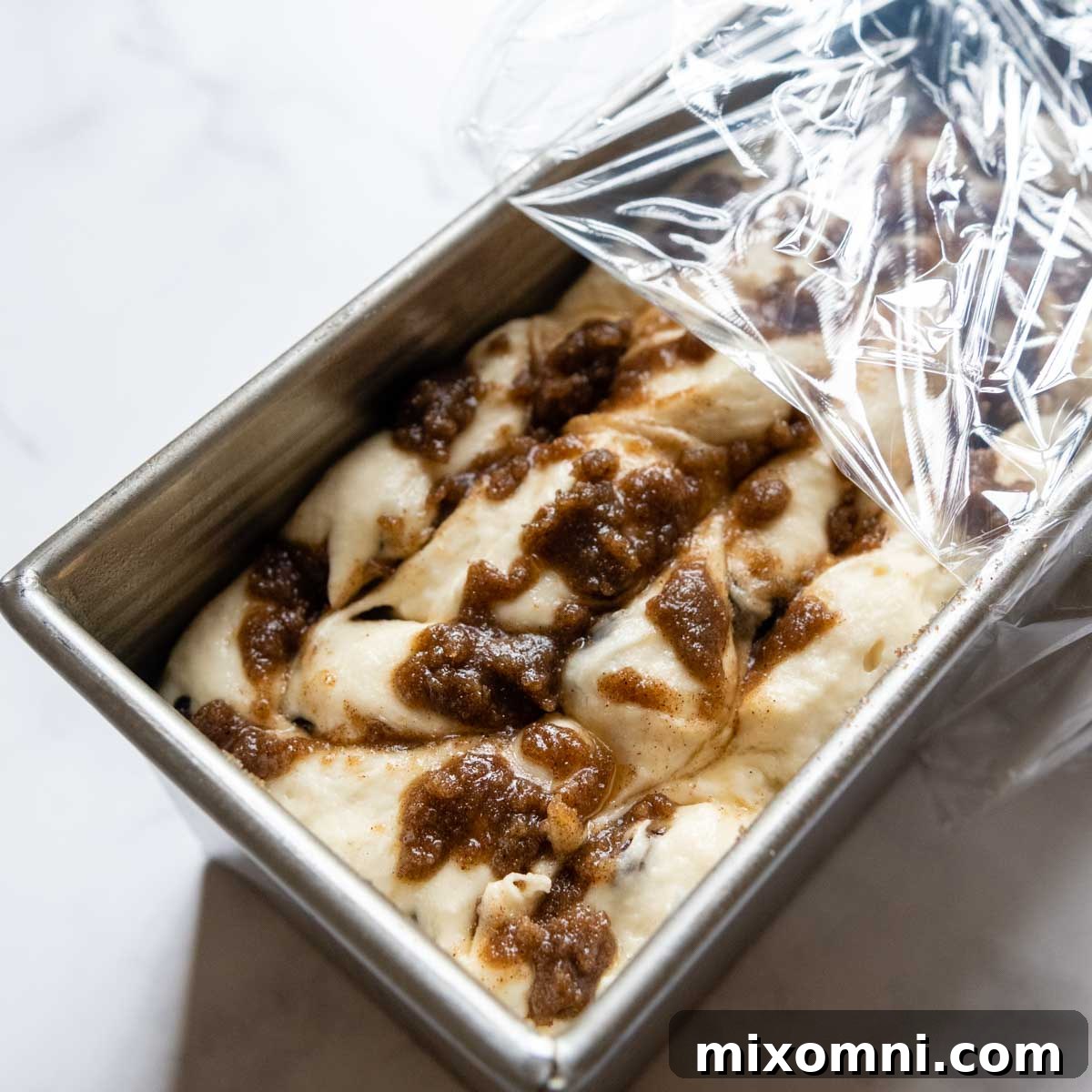
- Second Layering and Final Swirl: Carefully dollop the remaining bread batter over the swirled first layer, gently smoothing it out to cover the cinnamon. Now, sprinkle the butter-infused cinnamon-sugar mixture over the top of this final dough layer. Take your butter knife or skewer and swirl again, this time piercing all the way down to the bottom of the pan. Swirl in one direction first, creating graceful patterns, then repeat in the opposite direction to ensure the cinnamon is well distributed vertically.
- Proof the Dough: Lightly spray a large piece of plastic wrap with nonstick cooking spray. Gently place the plastic wrap, greased-side down, over the loaf pan, creating a loose cover. Place the pan in a warm, draft-free location to rise. The dough should rise until it reaches approximately two-thirds to the top of the pan. This typically takes about 15-20 minutes. Avoid letting it rise beyond this point, as it will undergo additional rising in the oven. While the dough is rising, preheat your oven to 350°F (175°C).
- Bake the Bread: Once the dough has risen appropriately, carefully remove the plastic wrap. Transfer the loaf pan to the middle rack of your preheated oven. Bake for 50-55 minutes. To prevent the top from over-browning too quickly, loosely tent a piece of aluminum foil over the bread halfway through the baking time. The most reliable way to determine doneness is by checking the internal temperature with an instant-read thermometer, which should register between 190-200°F (88-93°C). (For more details, refer to “Ensuring Perfection: How to Tell When Your Gluten-Free Bread is Done” below).
- Cool and Serve: After baking, allow the loaf to cool in the pan for 10 minutes. This helps the bread set and makes it easier to remove. Carefully remove the bread from the pan and transfer it to a wire rack to cool completely. If using a Pullman pan, it’s often beneficial to lay the loaf on its side to cool for even heat distribution. It is crucial to let the bread cool for at least 1 hour before slicing. For the absolute best texture and flavor, serve the bread slightly warm or lightly toasted. Chilled or cold gluten-free bread tends to have an adverse effect on its texture, making it denser. Reheating gently will always restore its wonderful softness.
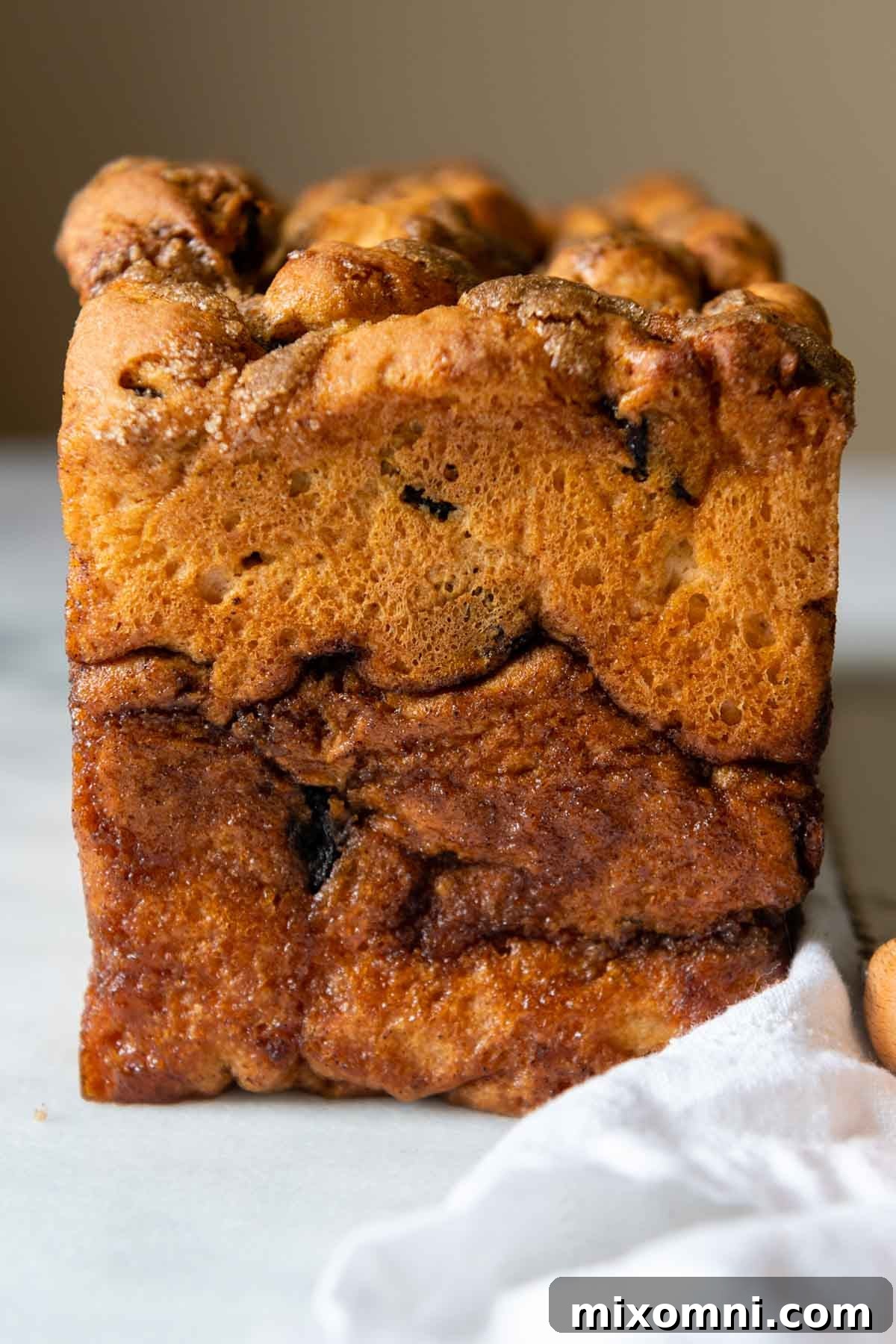
Choosing the Right Loaf Pan for Optimal Results
The type and size of your loaf pan are surprisingly important for the success of this gluten-free bread recipe. This particular recipe yields a substantial amount of dough, and using the correct pan ensures proper rising, even baking, and a beautiful final shape.
For truly superior results, I highly recommend investing in a small Pullman loaf pan, which typically measures 9x4x4-inches. This specific pan size is ideal for several reasons:
- Perfect Volume: It perfectly accommodates the generous amount of dough this recipe produces, preventing overflow while allowing adequate space for a magnificent rise.
- Even Heat Distribution: Pullman pans are designed to conduct heat evenly throughout the baking process. This crucial feature ensures that your entire loaf bakes uniformly, from crust to center, eliminating underbaked spots.
- Authentic Shape: Using a Pullman pan yields a classic, authentic sandwich bread shape with straight sides, making for beautifully uniform slices that are perfect for toast, sandwiches, or any other enjoyment.
If you don’t have a Pullman pan readily available, a standard 9×5-inch loaf pan can also work effectively for this recipe. However, it’s essential to ensure your pan is adequately sized. An 8×4-inch pan, for example, is too small for this volume of dough and may lead to the bread overflowing in your oven, creating a messy situation and an underdeveloped loaf. Always consider the pan’s volume to guarantee the best possible outcome for your gluten-free cinnamon raisin bread.
Ensuring Perfection: How to Tell When Your GF Bread is Done
Baking gluten-free bread presents unique challenges, particularly when it comes to determining doneness. Unlike traditional wheat-based breads, which often give clear visual cues, gluten-free loaves can “look” perfectly baked on the outside while still being undercooked and dense on the inside. This is why I highly recommend using an instant-read thermometer to check the internal temperature, which is the most reliable method.
Pulling the bread from the oven too soon is the most common mistake in gluten-free baking. If the liquids haven’t had sufficient time to evaporate during baking, your bread will turn out gummy and dense instead of achieving that coveted soft and fluffy texture.
For this gluten-free cinnamon raisin bread, the internal temperature should consistently register between 190°F (88°C) and 205°F (96°C). When checking the temperature, do so quickly to help the bread retain as much valuable heat as possible. A high-quality instant-read thermometer, such as a Thermoworks Thermapen, is an invaluable tool for this, providing efficient and accurate readings every time. This small investment will significantly improve your gluten-free baking success, ensuring you achieve perfectly baked, delicious bread without any guesswork.
Do I Have to Plump Raisins First?
A common recommendation in many baking recipes, especially for fruit breads, is to “plump” or hydrate raisins in hot water or juice before incorporating them into the dough. The idea behind this step is to ensure the raisins remain soft and juicy within the final baked good.
During the development and testing of this gluten-free cinnamon raisin bread recipe, I specifically experimented with this step, both hydrating the raisins and adding them directly. Fortunately, I discovered that pre-plumping the raisins made absolutely no discernible difference in the final result. This particular bread dough contains sufficient liquid, and the baking process itself generates enough steam and moisture to naturally plump the raisins to perfection.
Therefore, you can confidently skip this extra step! Save yourself the time and effort, knowing that your raisins will be wonderfully soft and juicy without any additional preparation. It’s one less thing to worry about in an already easy recipe, allowing you to get to that delicious slice of bread even faster.
Variations and Creative Ways to Enjoy Your Cinnamon Raisin Bread
This easy gluten-free cinnamon raisin bread is incredibly versatile and can be enjoyed in many delightful ways. Here are some ideas to spark your culinary imagination:
- Sweet Glaze Finish: For an extra touch of sweetness, whip up a quick glaze frosting. Simply combine ¼ cup of powdered sugar with 1 teaspoon of milk (dairy or non-dairy) and ¼ teaspoon of vanilla extract. Drizzle this delightful glaze over the cooled bread for a beautiful and tasty finish.
- Gluten-Free French Toast: Transform leftover slices into an exquisite breakfast! This bread makes an amazing base for gluten-free French toast or even a decadent French toast casserole. Its soft texture absorbs the custard beautifully.
- Homemade Bread Pudding: Don’t let any stale bread go to waste! Cube the bread and let it slightly dry out, then use it to make a comforting and flavorful easy gluten-free bread pudding. The cinnamon and raisin flavors will add an extra dimension to this classic dessert.
- Fruit Substitutions: While raisins are traditional, feel free to get creative with other dried fruits. Replace the raisins with dried cranberries for a tart twist, or use currants for a slightly different sweet and chewy texture.
- Savory Sandwiches: Think beyond breakfast! This bread has enough structure and flavor to be used for griddled savory sandwiches. Imagine a hot ham and cheese sandwich, where the subtle sweetness of the bread perfectly complements the savory fillings.
- Unexpected Side Dish: Just like its cinnamon roll cousin, cinnamon raisin bread can make an surprisingly amazing side dish for chili or other hearty stews. The sweetness offers a lovely contrast to savory, spicy meals.
Save This Recipe to Your Pinterest Board!
Let’s be friends on Pinterest! I’m always sharing great recipes!
Did you make this recipe? I love hearing from you! Leave a star rating and comment below the recipe card. It helps others when searching for recipes and I appreciate feedback from our community. You will always hear back from me! -Melissa

Easy Gluten-Free Cinnamon Raisin Bread (No Roll or Knead)

Melissa Erdelac
14 slices
10 mins
50 mins
1 hr 20 mins
Enjoy a soft, buttery slice of easy gluten-free cinnamon raisin bread without the effort! This mix, dump and bake recipe starts with the softest GF bread dough, enhanced with plump raisins and a double layer of cinnamon swirl. It’s simple enough for even the most novice gluten-free bakers to pull off with impressive, delicious results!
Pin
Rate
Remove Ads
Ingredients
Cinnamon Swirl
- ¼ cup (59 g) light brown sugar, packed
- ¼ cup (50 g) granulated sugar
- 1 tablespoon ground cinnamon
- 1 tablespoon (14 g) melted butter
GF Bread Dough
- 3 cups (438 g) gluten-free all-purpose flour (Cup4Cup gluten-free flour highly recommended – see notes for DF modification)
- 1 packet (2 ¼ tsp, 9 g) instant rapid rise yeast
- 1 tablespoon (11 g) psyllium husk powder (optional, but highly recommended for moisture & structure – what is psyllium husk?)
- 1 teaspoon baking powder
- 1 teaspoon salt
- 1 ½ cups (360g) warm water (110°F)
- 2 large eggs, room temperature
- ¼ cup (85 g) honey
- ¼ cup (53 g) oil, any preferred (vegetable, canola, coconut)
- 1 cup (170 g) raisins
Equipment
- Stand Mixer
- Cup4Cup Gluten-Free Flour
- 9×4 Loaf Pan (Pullman recommended)
- Instant-Read Thermometer (highly recommended)
Instructions
- In a small bowl, mix together the brown sugar, granulated sugar, and cinnamon. Remove 4 tablespoons of this mixture and transfer to another small bowl.
- Stir the melted butter into the portion that was removed. Set both bowls aside.
- To make the bread dough, use a stand mixer with a paddle attachment. Mix together the gluten-free flour, yeast, psyllium husk powder (if using), baking powder, and salt on low speed until combined.
- Add warm water, eggs, honey, and oil. Mix on low speed for about 1 minute to allow the dough to come together.
- Increase speed to medium and beat for 5 minutes, scraping down the paddle and bowl halfway through. The batter will be thinner, slightly thicker than cake batter. Stir in the raisins.
- Grease a 9×4 loaf pan (Pullman preferred) or a 9×5-inch loaf pan. Pour half the batter into the pan and smooth evenly. Sprinkle the dry sugar mixture (without added butter) over the top. Use a butter knife to gently swirl the mixture in.
- Dollop the remaining batter over the top and gently smooth. Sprinkle the butter-sugar mixture over the top. Use a knife to swirl again, piercing all the way down to the bottom of the pan. Swirl in one direction and then repeat in the opposite direction.
- Spray a large piece of plastic wrap with nonstick cooking spray. Lay the plastic, greased side down, over the pan.
- Set in a warm, draft-free place to rise until the bread reaches two-thirds to the top of the pan (do not let it go over this point because it rises more in the oven). This should take about 15-20 minutes. Meanwhile, preheat the oven to 350°F (175°C).
- Remove plastic and bake bread on the middle rack for 50-55 minutes, tenting a piece of foil loosely over the bread halfway through. The internal temperature of the bread should read 190-200°F (88-93°C).
- Allow the loaf to cool for 10 minutes in the pan and then remove to a cooling rack. If using a 9×4-inch Pullman pan, it’s best to lay the bread on its side to cool. Allow bread to cool at least 1 hour before slicing. For best results, serve the bread slightly warm or toasted. Chilled, cold bread has an adverse effect on texture.
Notes
Dairy-Free Modification
To make this recipe dairy-free, simply replace the butter in the cinnamon swirl with a plant-based, dairy-free butter alternative. Ensure the gluten-free flour blend you choose is also dairy-free.
Psyllium Husk Powder
I’ve thoroughly tested this bread recipe both with and without psyllium husk powder. While it doesn’t significantly alter the taste, its inclusion greatly improves the bread’s moisture retention and structural integrity, making it softer and less crumbly. Psyllium husk powder is an affordable ingredient that lasts a long time and acts as an excellent binder and moisture absorber in gluten-free baking.
I recommend the specific psyllium husk powder linked in the ingredients list because its lighter color will not impart a grayish or purplish tint to your baked goods, which can sometimes happen with darker psyllium powders.
How to Know When Bread Is Done
It is crucial to use an instant-read thermometer when baking gluten-free bread, as visual cues can be misleading. Gluten-free bread often appears done on the outside before it is fully baked internally. If you remove the bread from the oven too soon, the liquids will not have had enough time to evaporate, resulting in a gummy, dense texture instead of a soft and fluffy crumb. The ideal internal temperature for this bread should be between 190°F (88°C) and 200°F (93°C). A quick temperature check with a reliable thermometer will ensure perfect results every time.
Freezing & Storing Gluten-Free Bread
Gluten-free bread typically has a shorter shelf life than traditional bread and can dry out quickly if not stored properly. Refrigerating gluten-free bread is generally not recommended, as it can accelerate drying and negatively impact the texture. You can store the bread tightly wrapped at room temperature for a day or two, but for optimal taste and texture beyond that, freezing is the best method.
For best results, allow the bread to cool completely (at least 3 hours, or overnight) before slicing. Slice the cooled loaf, then wrap individual slices or small portions tightly in plastic wrap, followed by aluminum foil, and place them in a freezer-safe bag or container. This prevents freezer burn. You can pull slices as needed from the freezer to defrost at room temperature, or toast them directly from frozen. I highly recommend gently warming the bread (in a toaster or microwave) before enjoying it again, as this will restore its delightful softness and flavor.
Nutrition Facts (per slice, based on 14 servings):
- Calories: 219kcal
- Carbohydrates: 40g
- Protein: 4g
- Fat: 6g
- Saturated Fat: 1g
- Polyunsaturated Fat: 1g
- Monounsaturated Fat: 3g
- Trans Fat: 0.1g
- Cholesterol: 26mg
- Sodium: 187mg
- Potassium: 135mg
- Fiber: 4g
- Sugar: 13g
- Vitamin A: 61IU
- Vitamin C: 1mg
- Calcium: 46mg
- Iron: 1mg
Did you make this recipe?
Please leave a star rating and review below. It helps others when searching for recipes and I LOVE feedback!