
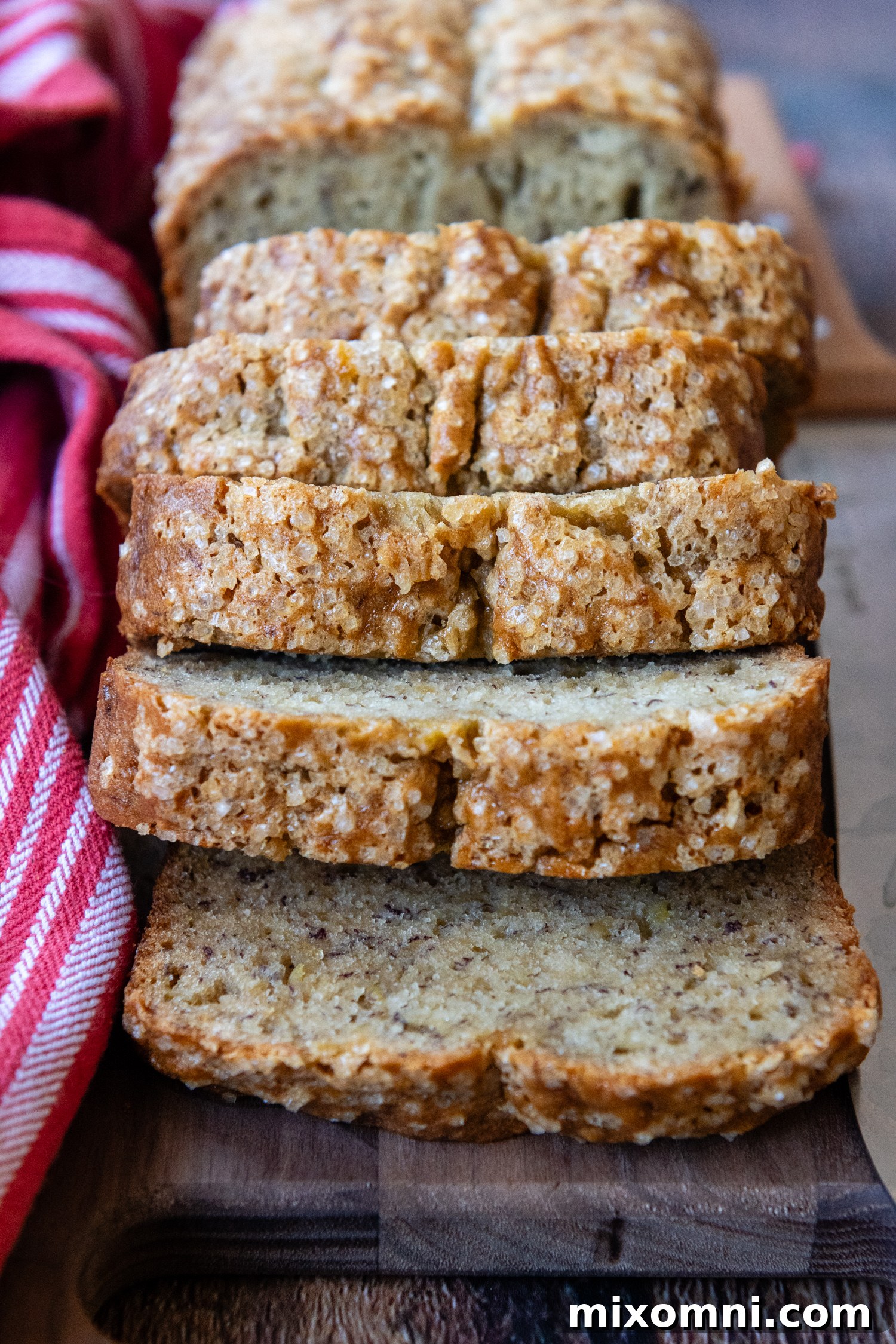
Are you tirelessly searching for the perfect gluten-free banana bread, only to be met with dense, gummy textures, disappointingly sunken middles, or a bland, uninspiring flavor? Your search ends here! This exceptionally easy, one-bowl recipe is engineered to deliver a truly magnificent gluten-free banana loaf every single time. We’ve unlocked the secrets to a perfectly moist, fluffy crumb that defies common gluten-free baking challenges. Not only is it naturally dairy-free, but its simple method makes it accessible for even novice bakers. Get ready to bake a quick bread that’s so good, you’ll forget it’s gluten-free, with endless possibilities for adding your favorite nuts, chocolate chips, or dried fruits.
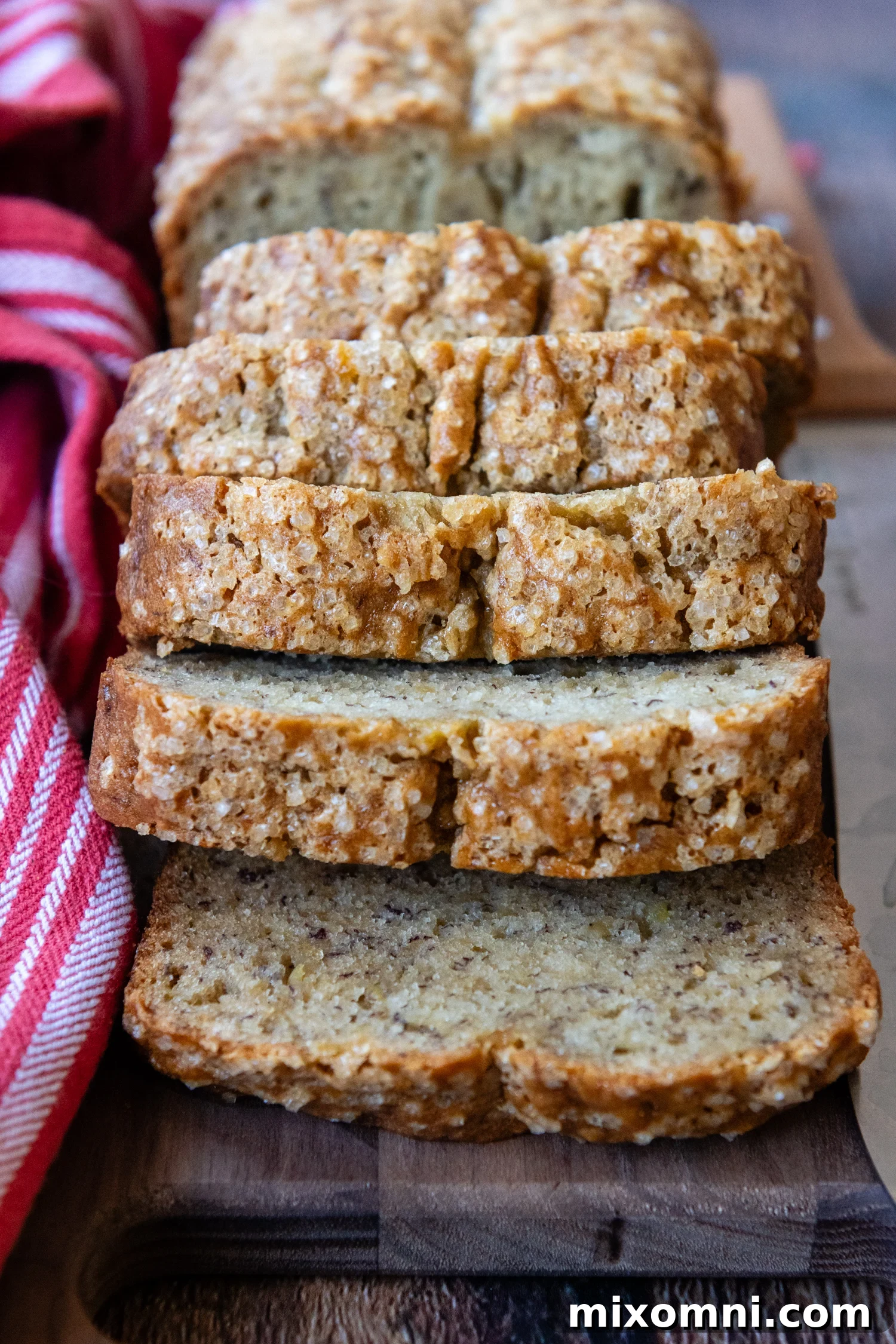
The Ultimate Gluten-Free Banana Loaf: A Recipe That Changes Everything
Many gluten-free banana bread recipes simply miss the mark. It’s a common misconception that you can achieve a superior gluten-free loaf by merely swapping out traditional all-purpose flour for a gluten-free blend in a classic recipe. While this might yield an “okay” or “good-ish” result – a perfectly edible homemade loaf – we’re aiming for something far beyond just edible. We want truly exceptional, melt-in-your-mouth deliciousness, and achieving it is far easier than you might think.
My journey to perfecting this recipe began after successfully transforming a once-struggling gluten-free zucchini bread into a consistent 5-star success. I realized that the same clever gluten-free baking hacks that made that recipe so moist and fluffy could be applied to banana bread. The key isn’t necessarily adding more moisture – overripe bananas and a good quality oil naturally take care of that. Instead, the true challenge lies in striking the ideal balance of dry to wet ingredients and implementing specific techniques that prevent the dreaded gummy crumb or a collapsed middle.
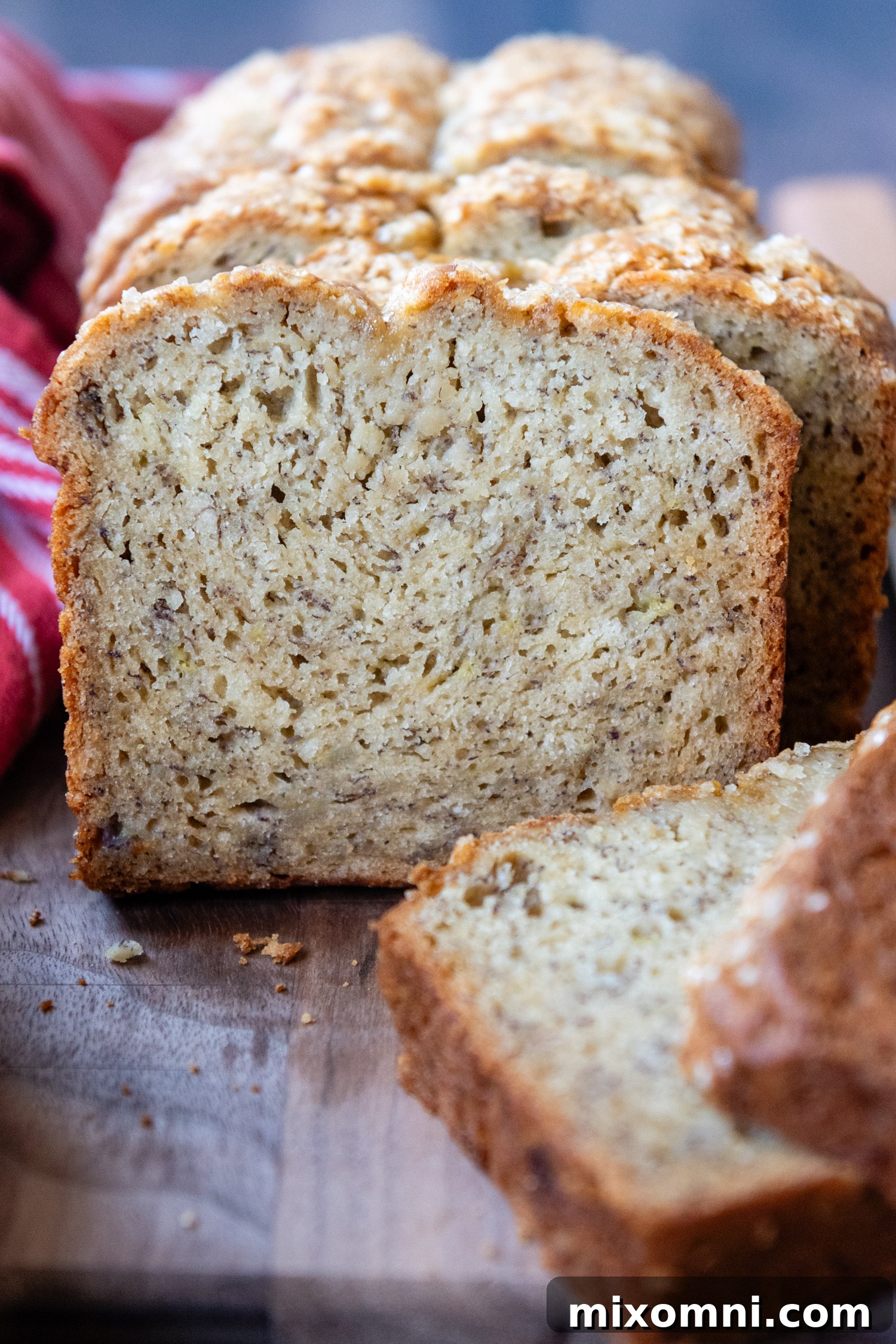
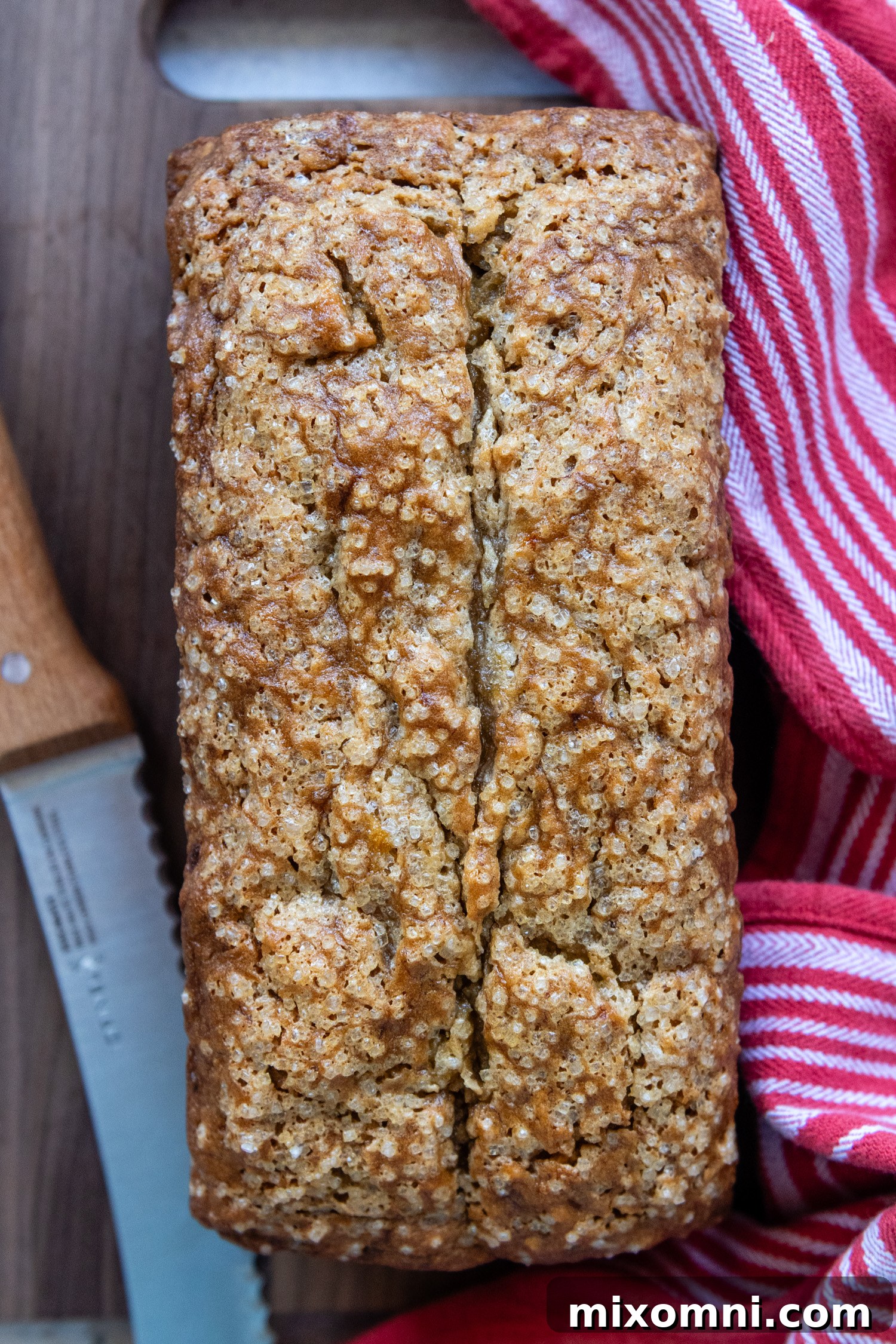
An imbalance in ingredients can quickly derail your efforts. Too much liquid, and you’re left with a dense, unappetizingly gummy texture. Conversely, an excess of flour results in a dry, crumbly loaf that falls apart. The real triumph of this recipe, however, is its ability to bake up with a beautiful, domed top that holds its shape gracefully, resisting the common tendency for gluten-free quick breads to sink or fall once removed from the oven. This crucial trick is borrowed from another beloved recipe, my moist and flavorful gluten-free apple bread: simply allow the batter to rest for 15 minutes before baking it in a slightly lower 325℉ (160°C) oven.
This seemingly small step of extra rest time works wonders. It allows the starches in the gluten-free flour blend ample opportunity to fully hydrate and plump up, which is vital for building a stable and tender crumb structure. The lower oven temperature extends the baking time, promoting a gentle, even rise and allowing sufficient time for excess liquids to slowly evaporate, preventing gumminess. And no, none of these steps are difficult! They are simple, yet transformative, setting this recipe apart from the rest and ensuring a consistently perfect loaf.
Unlock the Secrets to Perfectly Moist Gluten-Free Banana Bread
Many home bakers struggle with common pitfalls when attempting gluten-free banana bread. A dense texture, a sticky or gummy mouthfeel, or a middle that sinks after cooling are all too familiar complaints. This recipe is meticulously crafted to address these issues head-on, leveraging smart gluten-free baking principles that guarantee a light, airy, and moist loaf every single time. Forget the frustrations of failed attempts and embrace a recipe that delivers consistent bakery-quality results right in your own kitchen.
One of the foundational principles of successful gluten-free baking, particularly for quick breads like this, is precision in ingredient measurement. Unlike traditional baking where a little variance might go unnoticed, gluten-free flours absorb liquids differently. This makes exact measurements, especially for a key ingredient like mashed bananas, incredibly important. We’ll delve into the optimal way to measure your bananas to ensure the perfect moisture balance.
Let’s Bake This Perfect Loaf Together!
One of the beauties of this easy quick bread recipe is its simplicity. You can whip it up in just one bowl, requiring no special equipment whatsoever. If you don’t own a potato masher for your bananas, a simple fork will do the trick just as effectively. This recipe is designed to be approachable and enjoyable for bakers of all skill levels, delivering outstanding results with minimal fuss.
(Below, you’ll find step-by-step photos and detailed instructions. For the complete list of ingredients and their exact measurements, please scroll down to the comprehensive recipe card at the end of this article.)
Measuring Your Banana Bread Ingredients the Right Way
Many gluten-free banana bread recipes simply instruct you to add a certain number of bananas, which can be a significant pitfall. The size difference between a small and a large banana can be as much as 50 grams, leading to variations of almost a full cup in mashed banana volume when a recipe calls for two or three. This inconsistency can drastically affect the dry-to-wet ingredient ratio, leading to a less-than-perfect loaf.
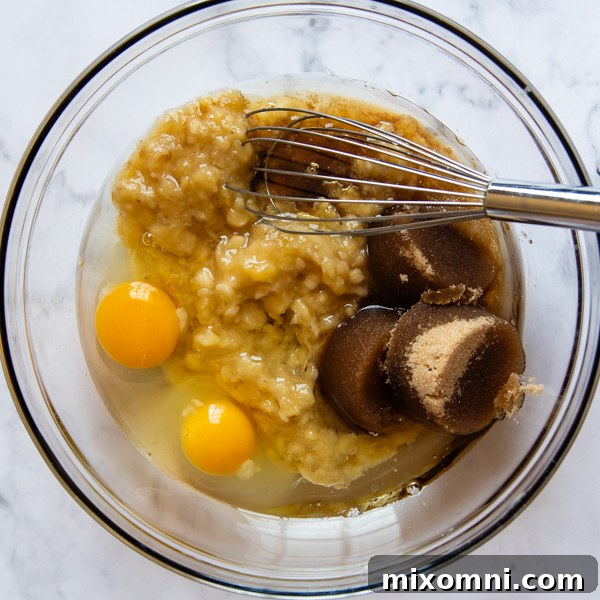
To ensure consistent success, it’s always best to measure your mashed bananas by volume (cups) or, even better, by weight (grams). This precision guarantees you’re starting with the exact amount needed for optimal results. So, begin by mashing your overripe bananas, then carefully measure or weigh them. Once measured, transfer them into a large mixing bowl. Add your eggs, preferred oil, and packed brown sugar. Whisk these wet ingredients together thoroughly until they are well combined and smooth, creating a flavorful base for your bread.
Final Steps & Essential Baking Tips
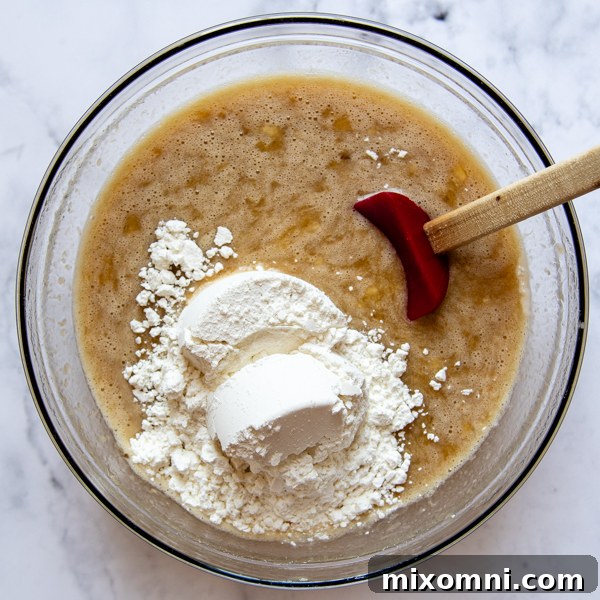
Now, gently stir in your dry ingredients: the gluten-free all-purpose flour, baking powder, baking soda, and salt. Continue mixing until the flour is completely incorporated and no dry pockets remain. Unlike traditional baking, you don’t need to worry about overmixing here, as there’s no gluten to develop and toughen the bread. This step is straightforward and forgiving.
This is also the perfect moment to personalize your banana bread with any desired mix-ins. While I’ve provided some popular ideas and recommended quantities in the recipe card below, don’t hesitate to get creative! Classic chocolate chips are always a fantastic choice, as are chopped nuts like walnuts, almonds, or pecans. Shredded coconut, plump raisins, or even butterscotch chips (always double-check the label for gluten-free certification) can add wonderful layers of flavor and texture. The possibilities are truly endless!
Once your batter is ready, pour it into an 8×4-inch loaf pan. This specific size is crucial for achieving that desirable domed top. A larger pan might result in a flatter loaf. After pouring, spread the batter evenly, and then comes one of the most impactful steps: simply let the batter rest in the pan for 15 minutes. This seemingly simple pause is a game-changer for homemade gluten-free banana bread. During this time, the starches in the gluten-free flour fully absorb the liquid, becoming soft and hydrated. This essential process strengthens the bread’s structure, preventing it from sinking during or after baking, and contributes significantly to a tender, not gummy, crumb.
Finally, transfer your pan to a preheated 325℉ (160°C) oven and bake for a longer duration, typically 55 to 65 minutes. This low, gentle bake is deliberate; it helps to lock in moisture and promotes a slow, even rise. It’s critical to ensure the middle of the loaf is completely set before removing it from the oven. A gentle touch to the center should reveal a firm, not wobbly, texture.
Frequently Asked Questions About Gluten-Free Banana Bread
I’m always happy to help with any baking queries! If your question isn’t covered here, please feel free to drop a comment below. I genuinely enjoy engaging with fellow bakers and offering insights. Seriously, I’m a bit of a baking nerd. 🤓
Can I double this recipe?
Yes, absolutely! This recipe scales beautifully. If you’re measuring by grams, which offers the most precision, remember that weights won’t automatically double with a recipe slider (if one were present), so you’ll need to manually calculate the doubled amounts. Once prepared, simply divide the doubled batter evenly between two 8×4-inch loaf pans and bake as directed.
What’s the best way to store or freeze gluten-free banana bread?
For optimal freshness and to preserve its delicious texture, freezing is truly the best storage method for this gluten-free banana bread. If you don’t plan on enjoying the entire loaf on the day it’s made, I highly recommend allowing it to cool completely, then wrapping it tightly in plastic wrap and aluminum foil before freezing. When ready to enjoy, simply thaw at room temperature. If you prefer to keep it unsliced for a day or so, loosely cover the completely cooled loaf with foil. It will remain wonderfully moist and fresh for the next day’s enjoyment.
I don’t have an 8×4-inch loaf pan. Can I use a different size?
While an 8×4-inch loaf pan is recommended to achieve the ideal volume and a beautifully domed shape, you can use a 9×5-inch pan. However, be aware that a larger pan will result in a flatter top and will likely require a slightly shorter baking time – check for doneness about 10 minutes sooner than indicated in the recipe.
My gluten-free banana bread sank in the middle. Why did this happen?
The most common reason for a sunken middle in gluten-free baking is the use of a different gluten-free flour blend than the one recommended. While many blends offer great taste and texture, they can vary significantly in their starch composition and, critically, their absorption rates. Different blends absorb moisture differently, which can disrupt the delicate balance of the recipe, leading to a collapsed center. For the most reliable results, I highly recommend using the specified gluten-free all-purpose flour blend mentioned in the recipe card.
How Do I Really Know When My Gluten-Free Banana Bread Is Done?
Properly baking gluten-free quick breads is essential to avoid a dense or gummy loaf. It’s always better to slightly overbake a gluten-free bread than to underbake it, as an underbaked loaf is prone to sinking in the middle and developing an undesirable texture. Unlike conventional breads, gluten-free quick breads can often appear perfectly set and golden on top while still being undercooked in the center.
The key is to ensure enough time has passed for all the liquids to properly evaporate, leaving behind a light and fluffy crumb. A simple toothpick test, while helpful for many recipes, might not be sufficient for a deep loaf like this. Instead, for a more accurate assessment, insert a long wooden skewer or a thin knife deep into the very center of the bread. It should come out clean, with no wet batter clinging to it. The middle of the loaf should also feel firm to the touch when gently pressed. If you have a kitchen thermometer, an internal temperature of about 190°F (88°C) is a reliable indicator of doneness.
Save This Irresistible Recipe to Your Pinterest Board!
Let’s be friends on Pinterest! I’m always sharing great recipes and baking tips!
Did you make this recipe? I absolutely love hearing from you! Please leave a star rating and comment below after you’ve tried it. Your feedback helps other bakers in our community find and enjoy delicious recipes, and I genuinely appreciate every message. You will always hear back from me! -Melissa
Moist Gluten-Free Banana Bread (Never Gummy, Never Sunken!)

Melissa Erdelac
Struggling to find the best gluten-free banana bread without a dense, gummy crumb, sunken middle, or lackluster flavor? I’ve been there! This easy, one-bowl recipe uses the best GF baking tricks, but is simple enough for even a newbie to pull off, into a tried and true homemade quick bread. Made with oil for bonus moist crumb, it’s dairy-free, and can be loaded with nuts, chocolate chips, or dried fruits.
Pin Recipe
Ingredients
- 1 ½ cups (363 g) mashed ripe bananas
- 2 large eggs
- ¾ cup (167 g) packed brown sugar
- ½ cup (102 g) oil, any preferred cooking oil
- 2 teaspoons vanilla extract
- 1 ¾ cup (256 g) gluten-free all-purpose flour (Cup4Cup gluten-free flour recommended)
- 1 ½ teaspoon baking powder
- ½ teaspoon baking soda
- ¼ teaspoon salt
- 1 tablespoon (optional) turbinado sugar, for sprinkling on top
Equipment
- 8×4 Loaf Pan
- Large Mixing Bowl
- Cup4Cup Gluten-Free Flour (Recommended)
Instructions
- Preheat your oven to 325ºF (160°C). Lightly grease an 8×4 inch loaf pan. Line the bottom of the pan with a piece of cut-to-size wax paper or parchment paper, then spray the paper as well. Set the prepared pan aside.
- In a large mixing bowl, combine the mashed ripe bananas, large eggs, packed brown sugar, oil, and vanilla extract. Whisk these wet ingredients together thoroughly until they are well combined and smooth.
- Add the gluten-free all-purpose flour, baking powder, baking soda, and salt to the wet ingredients. Stir until all dry ingredients are fully incorporated and no flour pockets remain. Pour the batter into your prepared loaf pan and spread it evenly. If desired, sprinkle the optional turbinado sugar on top for a delightful crunchy crust.
- Allow the batter to rest in the pan for 15 minutes. This crucial resting time allows the gluten-free starches to fully absorb the liquids, resulting in a wonderfully fluffy crumb and preventing the middle from sinking during baking.
- Bake for 55 minutes to 1 hour 5 minutes, or until a long skewer or knife inserted into the middle of the loaf comes out clean. The center should feel firm to the touch, and an internal temperature of approximately 190°F (88°C) indicates it’s fully cooked.
- Let the banana bread cool in the pan for 10 minutes before running a knife around the edges to loosen it. Carefully invert the loaf onto a wire rack to cool completely. Cooling completely is important for the texture to set properly.
Notes
Optional Mix-Ins for Your Gluten-Free Banana Bread:
- Chocolate chips: 1 cup (milk, dark, or semi-sweet)
- Chopped nuts: ½ cup (walnuts, almonds, or pecans work wonderfully)
- Dried cranberries: 1 cup (adds a lovely tartness)
- Shredded coconut: ½ cup (for a tropical twist)
- Butterscotch chips: 1 cup (ensure they are certified gluten-free)
- Creamy peanut butter: ½ cup (swirled into the batter for a peanut butter banana twist)
- Cinnamon: 1 teaspoon (for warm spice notes)
- Nutmeg: ½ teaspoon (complements the banana flavor beautifully)
Nutrition Information (per serving, estimated):
- Calories: 236 kcal
- Carbohydrates: 33g
- Protein: 3g
- Fat: 11g
- Saturated Fat: 1g
- Cholesterol: 27mg
- Sodium: 109mg
- Potassium: 180mg
- Fiber: 3g
- Sugar: 17g
- Vitamin A: 58IU
- Vitamin C: 2mg
- Calcium: 50mg
- Iron: 1mg
(Note: Nutritional values are estimates and may vary based on specific ingredients used.)