
Mastering Homemade Instant Pot Yogurt: Your Ultimate Guide to Creamy Perfection
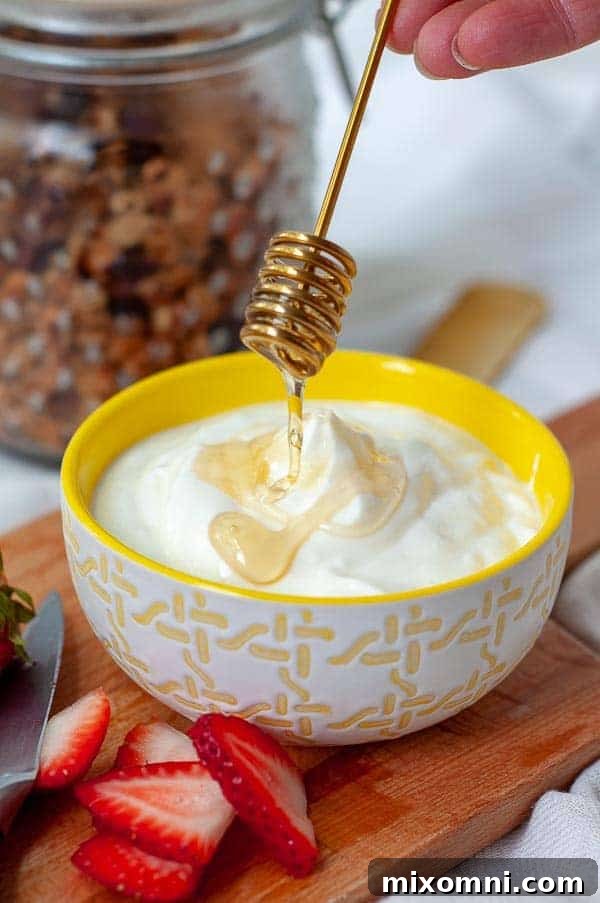
Unlock the secrets to crafting heavenly, ultra-creamy homemade yogurt with your Instant Pot. This comprehensive guide will transform your kitchen into a dairy wonderland, yielding a product so rich and smooth, you’ll swear off store-bought varieties forever. Imagine a bowl of delicate, velvety whipped cream – that’s the unparalleled experience awaiting you with every spoonful of Instant Pot yogurt. It’s not just food; it’s a revelation.

The Game-Changing Magic of Instant Pot Yogurt
For too long, yogurt was merely a canvas for delicious toppings – fresh berries, crunchy homemade chocolate granola clusters, or a swirl of vibrant blueberry maple syrup. It was never the star itself. Then came the Instant Pot, and initially, like many, I overlooked its unassuming “Yogurt” button, convinced that store-bought options fulfilled all my needs.
However, the rising cost of premium organic yogurts, often laden with hidden sugars and unfamiliar ingredients, sparked a curiosity. Could homemade truly be better? My “au naturale” sister, a guru of all things homemade, confirmed it: making yogurt at home wasn’t just possible, it was incredibly simple and undeniably superior.
What I discovered was nothing short of miraculous. This isn’t just easy or economical; it’s genuinely the best yogurt you will ever taste. Period. Forget everything you thought you knew about yogurt. This homemade version boasts an infinitely creamier texture, a far less pungent flavor profile, and an indescribable smoothness that melts in your mouth. It’s akin to indulging in a bowl of pure, decadent whipped cream, but without the guilt or the empty calories.
AMAZING!!❤️ I spent months pouring over yogurt recipes and yesterday I became brave and tried your recipe. I followed the instructions and tips and my two-ingredient yogurt turned out better than the expensive starter I bought a few days ago! Creamy, smooth, and rich like whipped cream with a delicate flavour! I will probably never purchase yogurt for the family again! I wish I hadn’t been so afraid to try it long ago! Thanks for the great tips Melissa❤️!
—Lana
Why Homemade Yogurt Reigns Supreme
- Unbeatable Taste and Texture: Commercial yogurts simply cannot replicate the silky smooth, rich, and delicately flavored profile of homemade Instant Pot yogurt. The control over ingredients and fermentation process allows for a truly gourmet experience.
- Cost-Effective: You’ll be amazed at how much money you save by making your own yogurt. A gallon of milk and a small amount of starter yogurt yield several quarts of delicious, high-quality yogurt, significantly cheaper than premium store-bought brands.
- Ingredient Control: Say goodbye to added sugars, artificial thickeners like pectin or gelatin, and preservatives. With homemade yogurt, you know exactly what goes into your food – just milk and live cultures. This is particularly appealing for those with dietary restrictions or a preference for clean eating.
- Health Benefits: Homemade yogurt is teeming with beneficial probiotics, supporting gut health and digestion. By controlling the fermentation time, you can even adjust the tartness and potentially the probiotic count to your liking.
- Customizable: Whether you prefer a mild, slightly sweet yogurt or a tangier Greek-style, homemade allows for complete customization. You can also experiment with different types of milk (whole, 2%, skim) to achieve your desired fat content and consistency.
Essential Equipment for Instant Pot Yogurt Mastery
Crafting perfect yogurt in your Instant Pot requires minimal specialized tools. Here’s what you’ll need to get started:
1. Instant Pot (Electric Pressure Cooker)
- Most modern Instant Pot models come equipped with a dedicated “Yogurt” function. This feature simplifies the process by automating the heating and incubation temperatures, ensuring optimal conditions for fermentation.
- Even if your Instant Pot model (like the Lux series) lacks a “Yogurt” button, don’t despair! You can still make fantastic homemade yogurt by manually controlling the temperature using the “Sauté” function and a reliable thermometer. We’ll guide you through this alternative method further down.
2. Reliable Thermometer
- Precision is key in yogurt making, especially when heating and cooling the milk to specific temperatures for optimal culture growth. An inexpensive instant-read thermometer is perfectly adequate.
- For those seeking ultimate convenience and speed, a high-end Thermapen, known for its lightning-fast temperature readings (within 2 seconds), is an absolute dream.
3. Straining Tools (for Thicker Yogurt)
- Cheesecloth: Readily available at most grocery stores or online, reusable cheesecloth squares are excellent for straining. Simply line a colander with a layer or two of cheesecloth over a large bowl to collect the whey.
- Strainer/Colander: Any kitchen strainer or colander will work. The key is to suspend the cheesecloth-lined strainer above a bowl to allow the watery whey to drip away.
- Yogurt Strainer (Optional, but Recommended for Regular Makers): For those who plan to make yogurt weekly, investing in a dedicated yogurt strainer is a game-changer. These specialized strainers make the process mess-free and incredibly efficient, eliminating the need for cheesecloth altogether.
The Traditional Boil Method: Step-by-Step for Creamy Yogurt
This classic method involves heating the milk to a high temperature, then cooling it before adding the starter. This step is crucial for denaturing milk proteins, resulting in a thicker, creamier yogurt.
Step 1: Pour and Boil the Milk
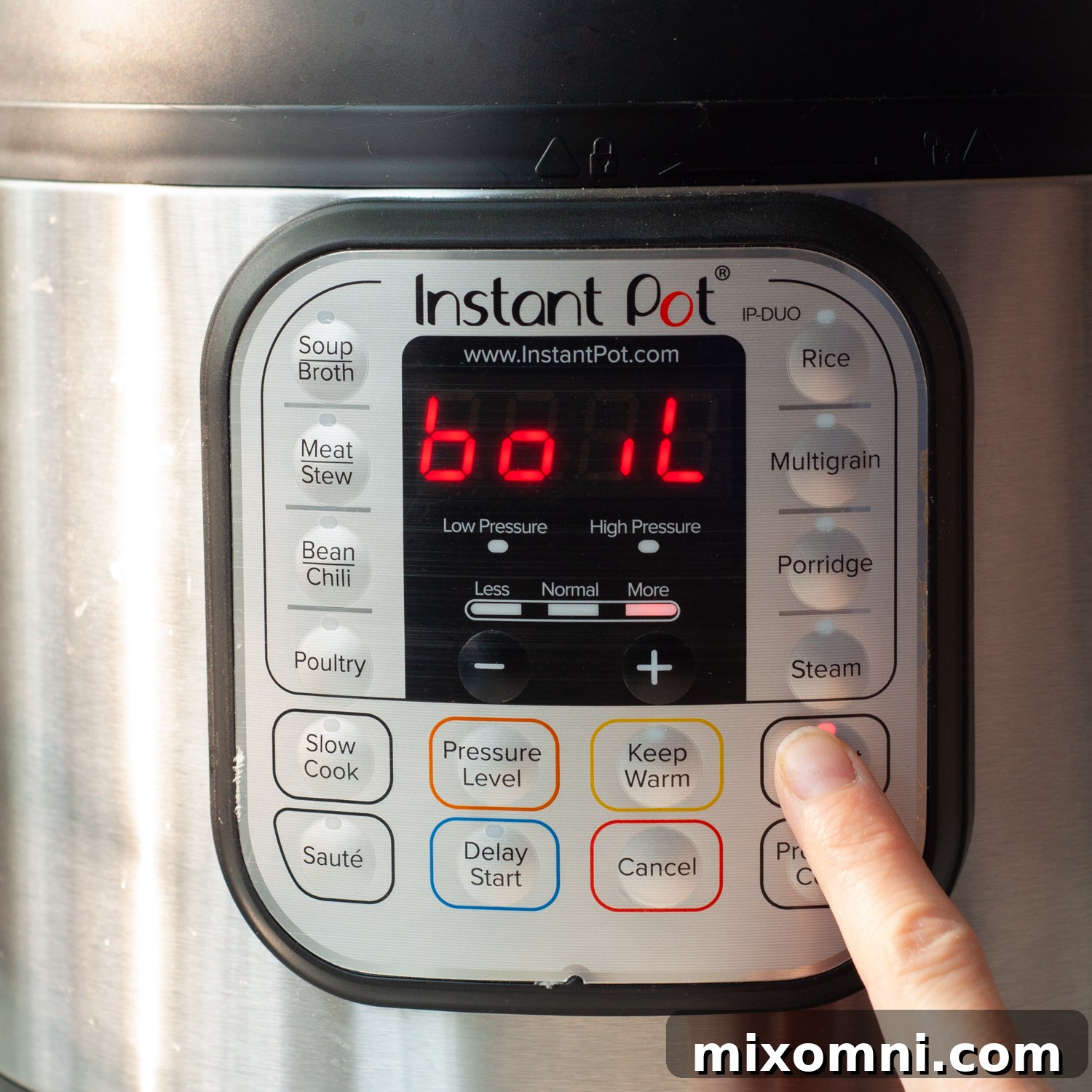
Pour your cold milk (whole, 2%, or skim all work, though skim may require longer straining) directly into the Instant Pot inner pot. Ensure the lid is sealed. Select the “Yogurt” function and press it repeatedly until “Boil” appears on the display. The Instant Pot will then heat the milk, a process that typically takes 30-45 minutes to reach the target temperature. While the Instant Pot will beep when it believes boiling is “done,” it’s essential to verify the temperature with your thermometer. The milk needs to reach 180°F (82°C) to properly denature proteins and eliminate unwanted bacteria. If it hasn’t reached this temperature, press “CANCEL,” then select “SAUTE” (on low or simmer setting). Stir the milk continuously until your thermometer confirms it has reached 180°F (82°C).
Step 2: Cool and Introduce the Starter
Once the milk has reached 180°F (82°C), it’s crucial to cool it down to the optimal temperature for introducing the live cultures. The ideal range is 110-115°F (43-46°C). There are two main methods for cooling:
- Counter Cool: Carefully remove the Instant Pot insert and place it on a heat-safe surface on your counter. Allow it to cool naturally for approximately 45 minutes, stirring occasionally to ensure even cooling. Monitor the temperature with your thermometer.
- Ice Bath: For a faster cool-down, place the Instant Pot insert into a larger bowl filled with ice water. Stir the milk continuously for about 5 minutes, or until the temperature drops to the 110-115°F (43-46°C) range.
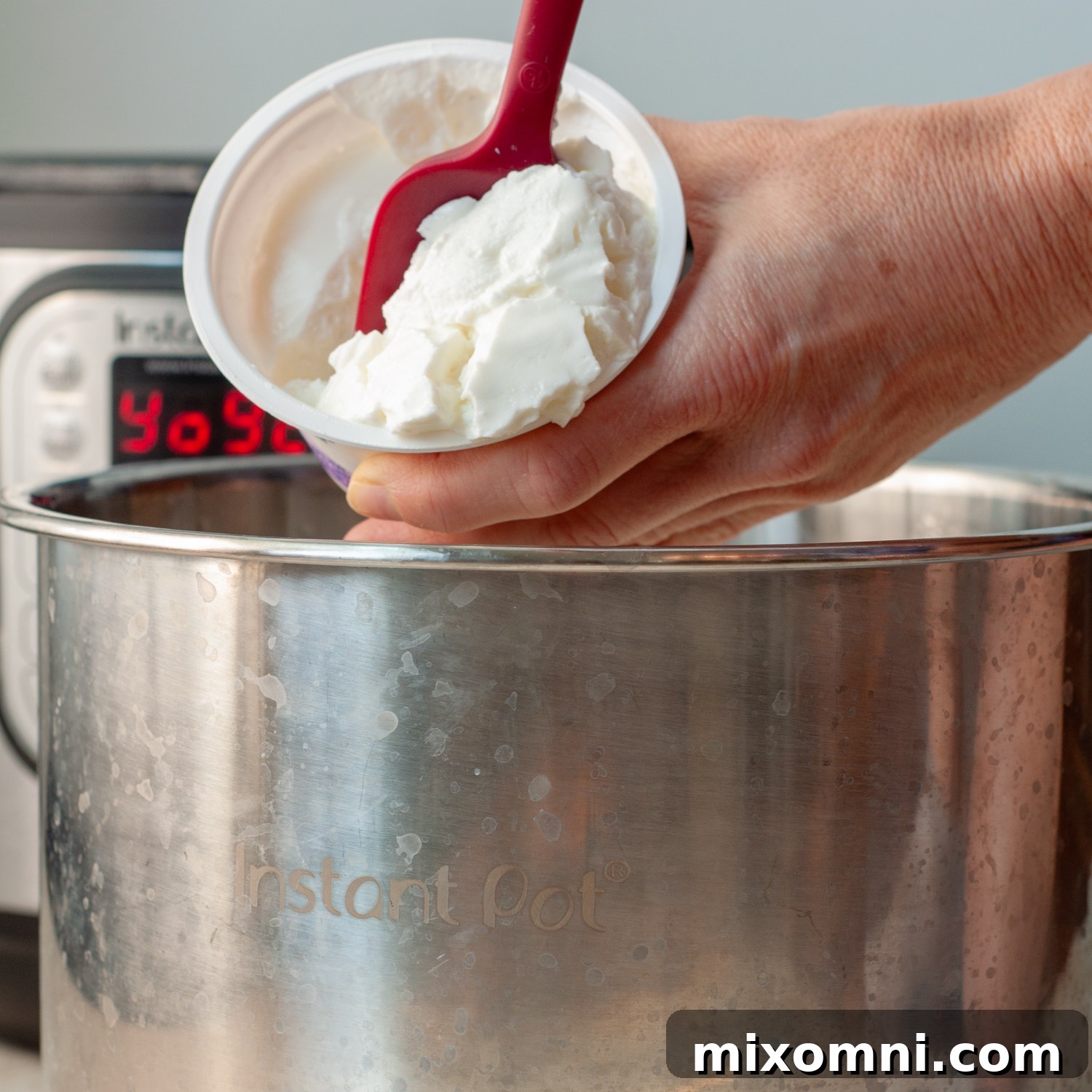
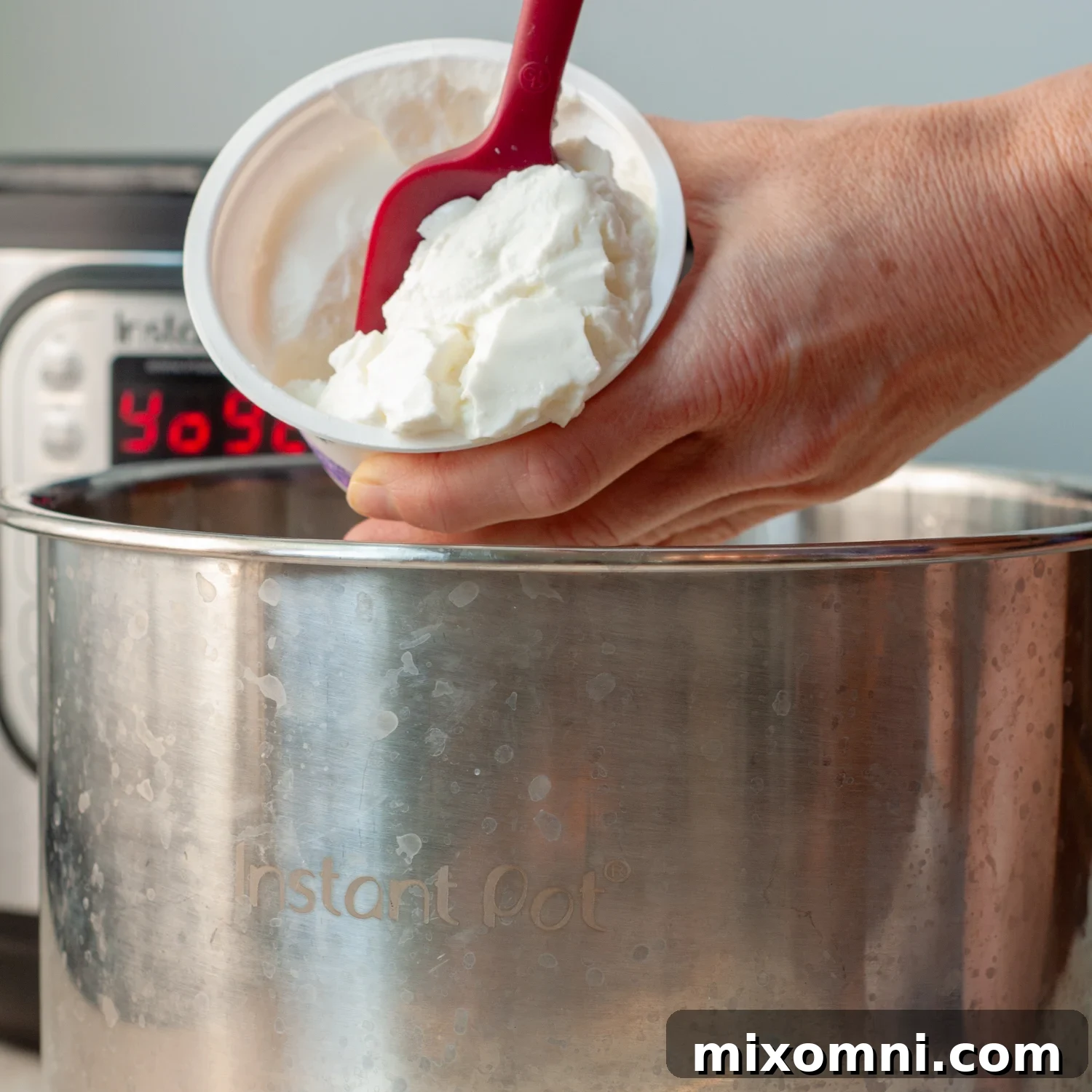
Once the milk is within the desired temperature range, whisk in your yogurt starter. (Remember, “starter” is simply plain yogurt with live and active cultures. See our section below for tips on choosing the best starter.)
Step 3: Incubate for 8 Hours
Return the insert to the Instant Pot. Press the “Yogurt” button again until the display reads “08:00” (or your desired incubation time). The Instant Pot will then begin its fermentation cycle, counting up from 0:00. An 8-hour incubation period typically yields a wonderfully thick and moderately tangy yogurt. You’ll know it’s done when the yogurt appears thick and gelatinous. If it seems too thin, you can continue to process it for an additional 1-3 hours, checking periodically for desired consistency.
Step 4: Strain for Desired Thickness
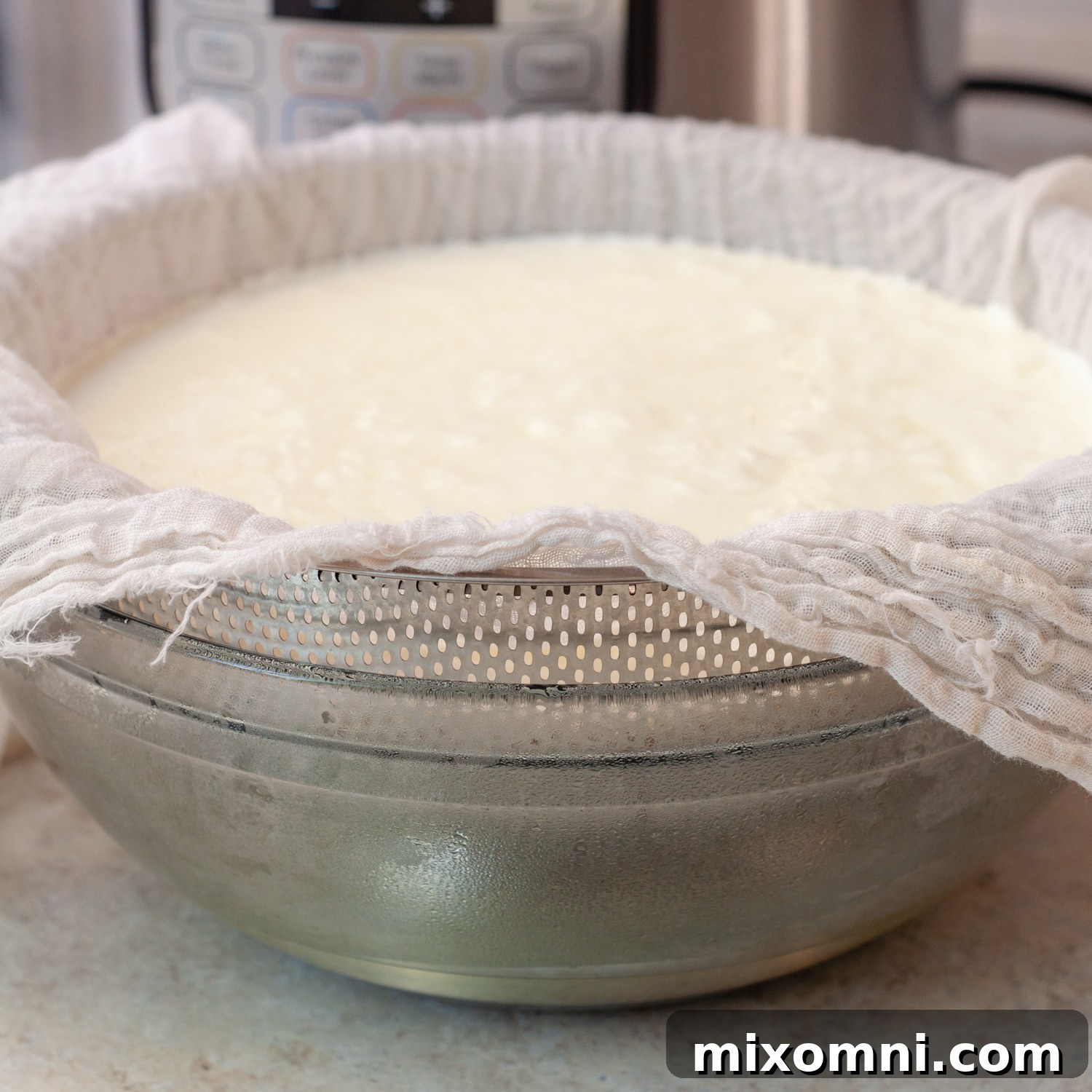
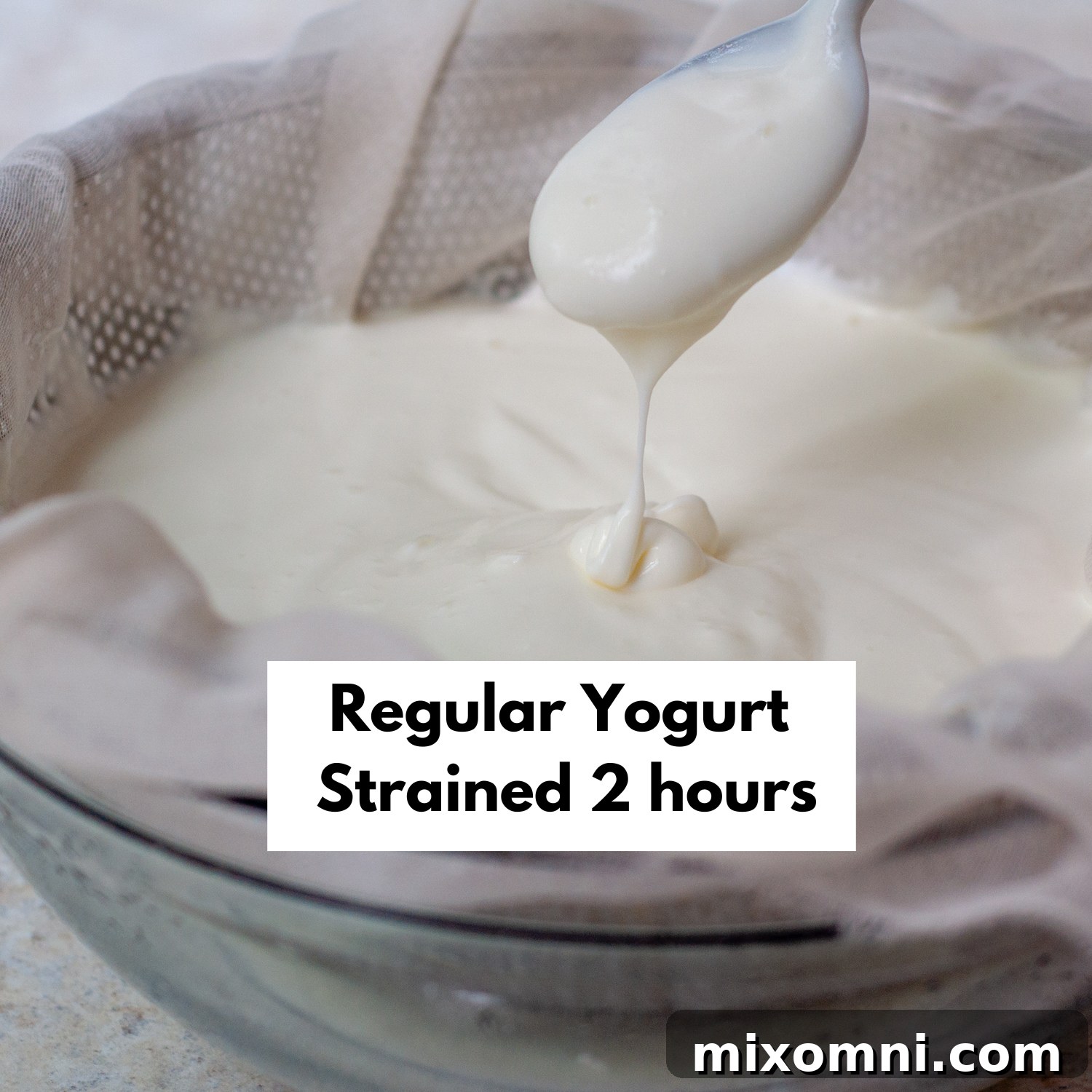
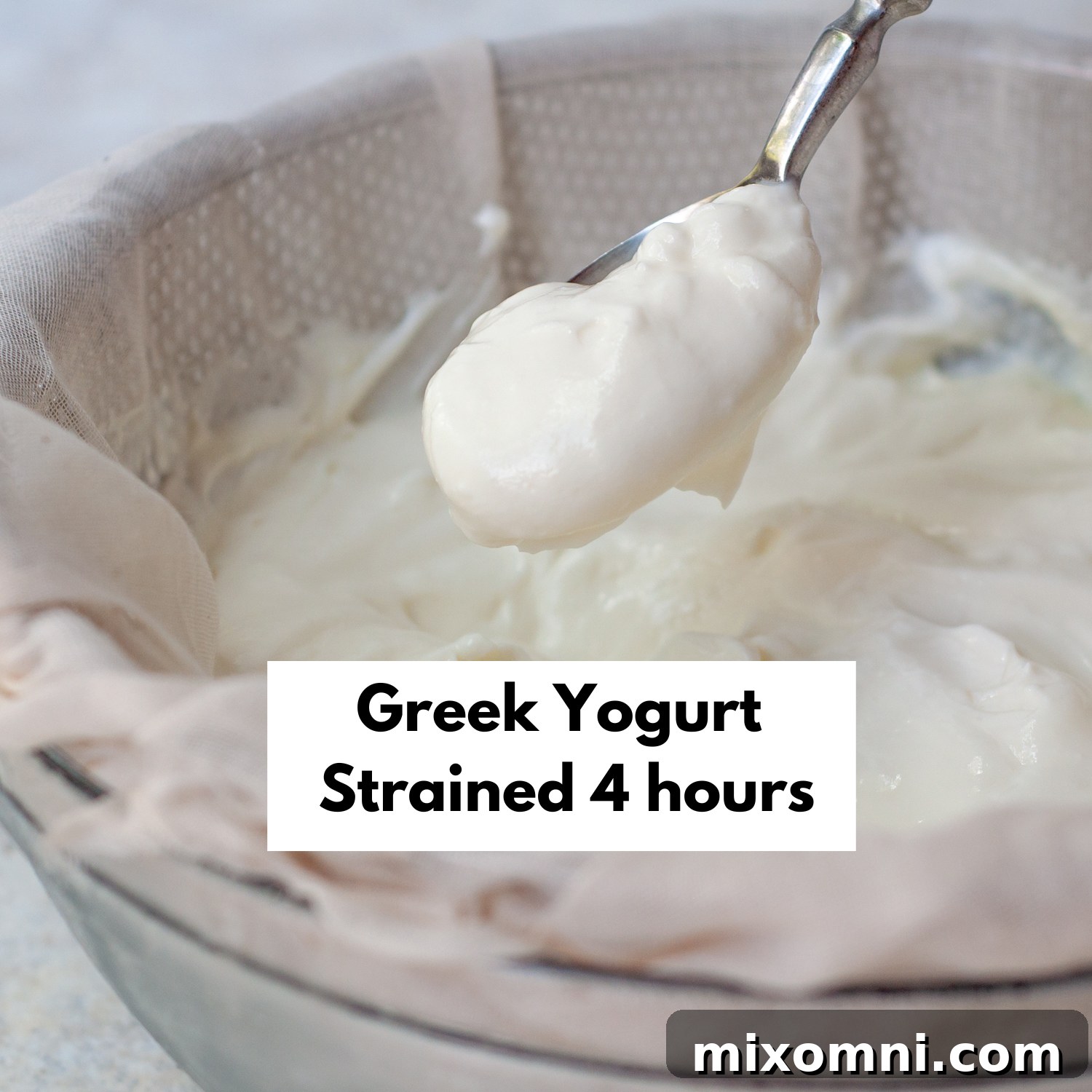
After fermentation, your yogurt will be thick, but still have some whey mixed in. For a thicker, Greek-style yogurt, straining is essential. Line a colander with one or two layers of cheesecloth and set it over a large bowl to collect the whey. Alternatively, use a dedicated yogurt strainer for a no-fuss process. Pour the yogurt into the lined strainer and place it in the refrigerator. Strain for 2-3 hours for a standard, thick yogurt, or 4-5 hours (or even longer) for a rich, dense Greek-style yogurt. The longer you strain, the thicker your yogurt will become.
The “Cold Start” No-Boil Method: Simplicity Redefined
For those seeking the ultimate hands-off approach, the cold start method is a revelation. This technique eliminates the boiling and cooling steps, making yogurt incredibly fast to prepare. However, it relies on a specific type of milk.
Understanding Ultra-Filtered Milk (Fairlife)
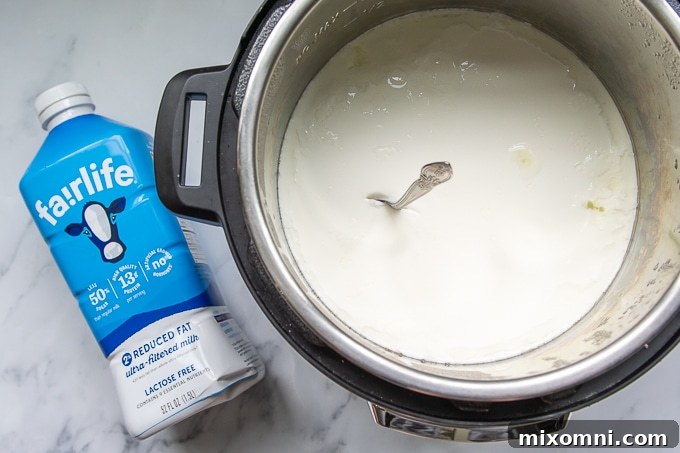
The cold start method requires ultra-filtered milk, such as Fairlife brand. This type of milk undergoes a special filtration process that concentrates protein and calcium while reducing natural sugars (lactose). Crucially, this process also makes the milk inherently thicker and more stable for fermentation, eliminating the need for the traditional boiling step to denature proteins. While many organic milk brands are “ultra-pasteurized” (heated to a very high temperature for a short time), this is different from “ultra-filtered” and will not yield the same results for the cold start method.
The beauty of cold start yogurt extends beyond its ease of preparation: it often requires no straining at all! After incubating for 8-10 hours, the yogurt is remarkably thick, often firm enough for a spoon to stand upright on its own.
Cold Start Instructions:
- Pour cold ultra-filtered milk (like Fairlife) directly into a clean Instant Pot inner pot.
- Whisk in 2 tablespoons of plain yogurt starter until thoroughly combined.
- Secure the lid on the pressure cooker and press the “Yogurt” button until the display reads “8:00” (or your preferred incubation time).
- Allow the yogurt to incubate for the full cooking time.
- Once finished, the yogurt can be enjoyed immediately. For an even thicker consistency, cover the pot with plastic wrap and refrigerate for 4-8 hours, allowing any minimal whey to separate.
- If desired, spoon out any accumulated whey liquid for a denser yogurt. Store the finished yogurt in an airtight container in the refrigerator.
Choosing the Best Yogurt Starter: The Heart of Your Batch
The quality of your yogurt starter is paramount to achieving that perfectly smooth, creamy texture. During my initial experiments, I occasionally encountered a grainy texture, which, while not affecting flavor, was certainly off-putting.
Research revealed that commercial yogurt starters containing additives such as pectin, inulin, cornstarch, or gelatin can often lead to a grainy finished product. These thickeners, while beneficial for commercial production, can interfere with the natural fermentation process in homemade yogurt.
To ensure a consistently smooth, silky yogurt, follow these guidelines for your starter:
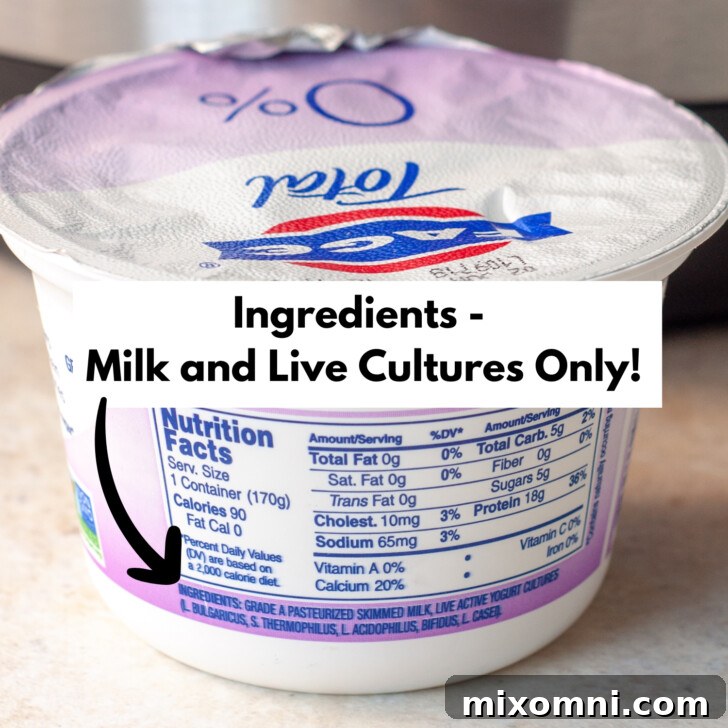
- Scrutinize Labels: When using commercial yogurt as a starter, carefully read the ingredient list. Choose a plain yogurt that contains only milk and live active cultures, with no added thickeners or sugars. Brands like Fage are often a reliable choice, but even some organic brands can contain additives, so always check.
- Cultivate Your Own Starter: The most foolproof method is to use a portion of your own previously made homemade yogurt as a starter for subsequent batches. This ensures you’re using only pure, live cultures.
Pro Tip for Starter Management: As soon as you finish making a batch of homemade yogurt, scoop out 2-3 tablespoons and freeze it immediately in a small airtight container or freezer bag. This guarantees you’ll always have a fresh, potent starter on hand for your next batch, eliminating the need to buy commercial yogurt repeatedly. Freezing effectively preserves the viability of the live bacteria and cultures until you’re ready to ferment again.

Troubleshooting: “Help! My Yogurt Is Runny!” and Other Common Issues
Even seasoned yogurt makers occasionally encounter a batch that doesn’t quite set as expected. While frustrating, most issues are easily preventable or salvageable. Here’s a comprehensive guide to troubleshooting and preventing runny yogurt:
- Starter Vitality is Key: The “oomph” of your live cultures diminishes over time. Always use a recently opened commercial starter or, ideally, a portion of your fresh, previously made homemade yogurt. Freezing your homemade starter immediately after making a batch ensures its potency for future use (it will be runny upon thawing, but that’s normal).
- Adequate Starter Quantity: For every half-gallon of milk, whisk in 2-3 tablespoons of yogurt starter. Too little starter might not provide enough active cultures for proper fermentation, while too much can sometimes inhibit growth and lead to graininess.
- Don’t Forget the Starter! It sounds obvious, but in a rush, it’s surprisingly easy to boil and cool the milk, then proceed to the incubation stage, completely forgetting to add the starter. Always double-check this critical step!
- Avoid Ultra-Pasteurized Milk (for Boil Method): For the traditional boil method, ensure your milk carton is NOT labeled “ultra-pasteurized.” While perfectly safe to drink, this intensive heat treatment can alter milk proteins, preventing them from setting properly into thick yogurt. This often results in a thin, watery consistency. (Note: Ultra-filtered milk, like Fairlife, is an exception for the cold start method).
- Verify Boil Temperature (Boil Method): The Instant Pot’s “boil” function isn’t always perfectly consistent in reaching 180°F (82°C). Always use your thermometer to confirm the milk reaches this temperature. If it’s too low, press “CANCEL” and use the “SAUTE LOW / SIMMER” function, stirring continuously until the correct temperature is achieved.
- Can It Be Salvaged? If your yogurt is runny but smells fine (not sour or off), it might be salvageable. Simply let it continue to cook in the Instant Pot for an additional few hours, checking the consistency every 1.5 hours. You might observe more separated whey, but after straining, you should still end up with a perfectly good batch of yogurt.
- The Unpredictable Nature of Cultures: Occasionally, despite doing everything right, the live cultures can be temperamental and simply fail to activate properly. In such rare instances, it might just be a batch to discard and try again. Don’t let it discourage you!
Customizing and Enjoying Your Homemade Yogurt
One of the greatest joys of homemade Instant Pot yogurt is the endless possibilities for customization and enjoyment. Here are a few ideas:
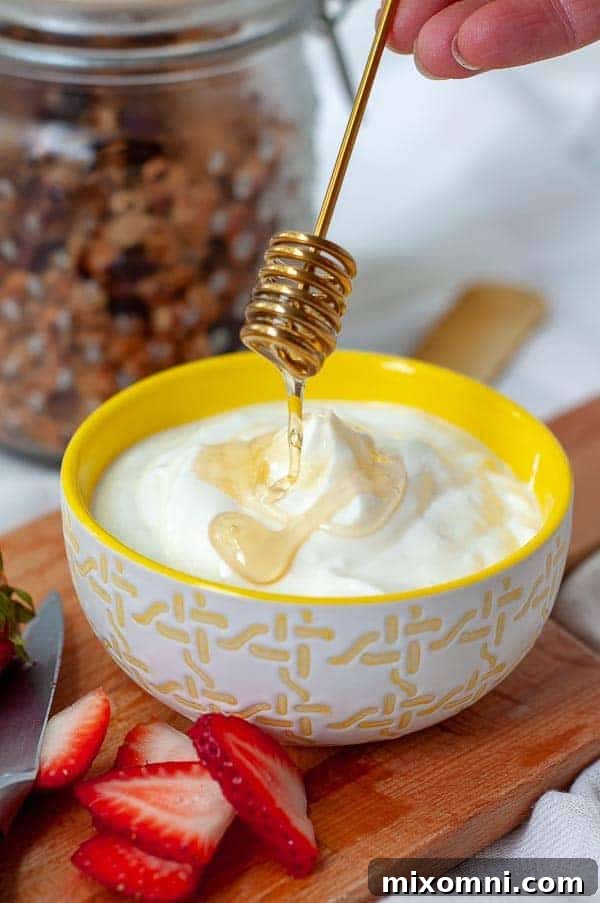
- Sweeten Naturally: Stir in a drizzle of honey, maple syrup, or agave nectar. Fresh fruit purees (berries, peaches, mango) also add natural sweetness and vibrant flavor.
- Fruity Additions: Top with fresh berries, sliced bananas, diced apples, or a medley of your favorite fruits. Frozen fruits can also be added and allowed to thaw in the yogurt.
- Crunchy Toppings: Granola, chopped nuts (almonds, walnuts, pecans), seeds (chia, flax, pumpkin), or shredded coconut provide delightful texture.
- Flavor Enhancers: A dash of vanilla extract, a pinch of cinnamon, nutmeg, or cardamom can elevate the flavor profile. For a unique twist, try adding a spoonful of lemon zest or orange zest.
- Savory Uses: Don’t limit yogurt to sweet dishes! Use plain, unsweetened Greek yogurt as a base for creamy salad dressings, as a healthy substitute for sour cream in tacos or baked potatoes, or in marinades for chicken or lamb.
Storage and Shelf Life
Once your yogurt is strained and customized, transfer it to airtight glass jars or plastic containers. Stored properly in the refrigerator, homemade Instant Pot yogurt will stay fresh and delicious for 10-14 days. Remember to save a couple of tablespoons as a starter for your next batch before you devour it all!
Ready to experience the best yogurt of your life?
Making yogurt in your Instant Pot is not just a cooking process; it’s an incredibly rewarding culinary adventure. With just two simple ingredients and a little patience, you’ll be enjoying spoonfuls of smooth, creamy, and undeniably delicious homemade yogurt. Dive in and discover the magic for yourself!
Save This Recipe to Your Pinterest Board!
Let’s be friends on Pinterest! I’m always sharing great recipes!
Did you make this recipe? I love hearing from you! Leave a star rating and comment below. It helps others when searching for recipes and I appreciate feedback from our community. You will always hear back from me! -Melissa

Rating: 4.56 out of 5 stars (25 ratings)
Easy How To Make Instant Pot Yogurt (So Creamy!)

Melissa Erdelac
Learn how to make Instant Pot yogurt and discover all the tips and tricks behind that magic button. Once you try ultra creamy, smooth homemade yogurt made in an electric pressure cooker, you’ll never go back to store bought. It tastes heavenly and decadent, like eating a bowl of smooth, creamy whipped cream!
Pin Recipe
Rate This Recipe
Remove Ads
Ingredients
- ½ gallon milk, any percentage (ensure carton isn’t labeled ULTRA PASTEURIZED for boil method)
- 2 tablespoons plain yogurt, (refer to notes for best starter selection)
Equipment
- Instant Read Thermometer
- Pressure Cooker (Instant Pot)
- Yogurt Strainer (optional, or cheesecloth and colander)
Instructions
- Pour milk into the Instant Pot and ensure the valve is sealed. Press the “Yogurt” button until it reads “Boil.” This takes approximately 30-45 minutes to bring the milk to 180ºF (82ºC). Once the Instant Pot beeps, always double-check the temperature with a thermometer. If it hasn’t reached 180ºF yet, press “CANCEL,” then turn on “SAUTE” (low/simmer) and stir until the correct temperature is reached.
- Remove the lid and carefully take out the inner pot. Set the insert with milk on the counter to cool to 110-115ºF (43ºC-46ºC), stirring occasionally. This typically takes about 45 minutes. Alternatively, place the insert in an ice bath and stir for approximately 5 minutes until the milk reaches 115ºF.
- Whisk the yogurt starter into the 115ºF milk until fully incorporated. Place the inner pot back into the Instant Pot and press the “Yogurt” button again until the display reads “08:00.” The pot will then count up from 0:00 to 8 hours as it incubates.
- To strain for thicker yogurt, line a colander with one layer of cheesecloth and set it over a bowl to catch the whey. (For weekly yogurt makers, a yogurt strainer is highly recommended.) Pour the yogurt into the lined strainer. Place the entire setup in the refrigerator and strain for 2-3 hours for regular thick yogurt, or 4-5 hours for “Greek” style.
- TIP: If your yogurt becomes thicker than desired from straining too long, simply stir some of the reserved liquid whey or a little extra milk back into the yogurt until it reaches your preferred consistency.
- TIP: To ensure you always have a fresh starter for your next batch, reserve 2 tablespoons of yogurt after straining. Freeze this starter in a small ziplock bag and thaw it overnight in the refrigerator before your next batch.
- Store the finished yogurt in glass jars or other airtight containers. This recipe yields approximately 1 quart (32 ounces) of yogurt, which will last 10-14 days in the refrigerator. Each serving is ½ cup.
Notes
Best Yogurt Starter
To avoid a grainy texture, which can occur when commercial yogurt starters contain additives like pectin, inulin, cornstarch, or gelatin:
- Always read labels carefully when using a commercial yogurt. Opt for plain yogurt with only milk and live active cultures (e.g., Fage).
- Alternatively, use a portion of your own previously made homemade yogurt as a starter.
Tips and Troubleshooting
- Sanitize Your Pot: Before starting, sanitize your Instant Pot inner pot by boiling a kettle of water in it. This eliminates residual food odors and tastes that could affect your yogurt.
- Milk Choices: Whole, 2%, or skim milk can all be used. Skim milk may require slightly longer straining to achieve desired thickness.
- Avoid Ultra-Pasteurized Milk (Boil Method): For the boil method, do not use milk labeled “ULTRA PASTEURIZED,” as it can result in thin, watery yogurt.
- Timing Your Batch: Consider boiling and cooling the milk before bed and letting it incubate overnight, or starting early in the morning for all-day processing. You can also strain overnight in the refrigerator for extra thick yogurt.
- Tangier Yogurt: For a more pronounced tangy flavor, allow the yogurt to incubate for 10 hours or even slightly longer.
- Confirm Doneness: The yogurt is ready when it looks gelatinous and a layer of whey may have separated on top. If it’s still too liquid, continue processing for 1-2 more hours.
- Achieve Ultimate Smoothness: After straining, whisk or gently beat the yogurt for an exceptionally creamy and smooth texture.
- Less is More with Starter: Use only 2-3 tablespoons of yogurt starter for every half-gallon of milk. Excess starter can sometimes hinder the growth of live cultures and contribute to graininess.
- Over-Straining Fix: If you accidentally strain your yogurt too long and it becomes too thick, simply stir back in some of the drained whey, or a splash of fresh milk, coconut milk, half-and-half, or cream for added richness.
- Double the Recipe: This recipe can easily be doubled. For 1 gallon of milk, use 4 tablespoons of yogurt starter. Cooking times remain the same.
Nutrition Information (per ½ cup serving)
Calories: 121kcal, Carbohydrates: 11g, Protein: 7g, Fat: 4g, Saturated Fat: 3g, Cholesterol: 19mg, Sodium: 113mg, Potassium: 338mg, Sugar: 12g, Vitamin A: 240IU, Vitamin C: 0.5mg, Calcium: 290mg, Iron: 0.1mg
Did you make this recipe? Please leave a star rating and review below. It helps others when searching for recipes and I LOVE feedback!