
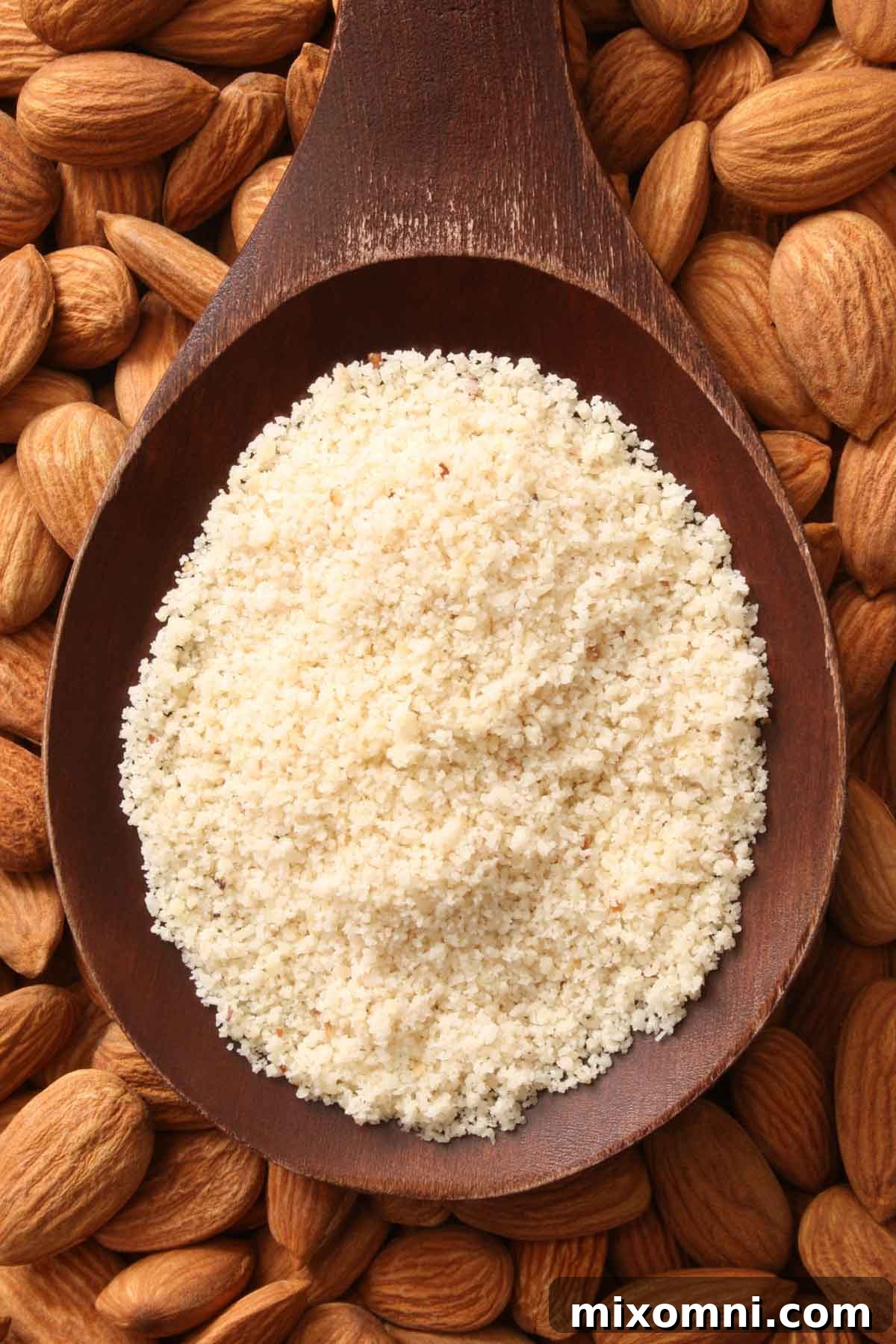
Unlock the secret to crafting perfect, light, and fluffy **homemade almond flour** right in your kitchen! This comprehensive guide provides **everything you need to know** to produce high-quality, affordable almond flour, ideal for all your low-carb, gluten-free, or paleo baking adventures. Discover **expert tips and simple tricks** that will transform you into an almond flour maestro in **under 5 minutes** of active preparation time!
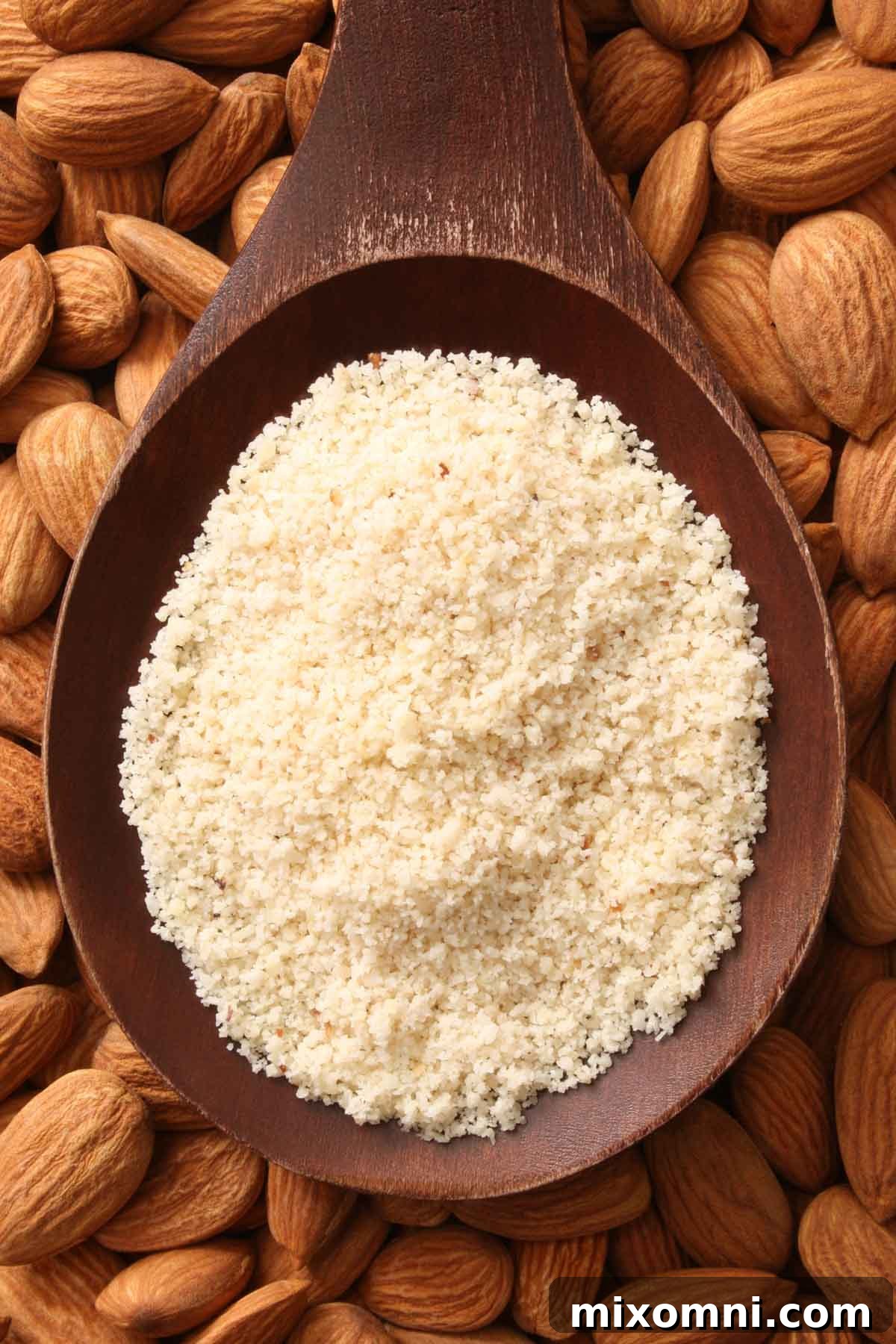
The Undeniable Advantages of Making Your Own Almond Flour
As grocery bills continue to climb, many home cooks are discovering the significant financial benefits of making their own almond flour. It’s not just about saving money; it’s about control over ingredients, freshness, and achieving the perfect texture for your culinary creations. With just one simple ingredient and less than five minutes of effort, the advantages are clear and compelling.
Beyond the cost savings, homemade almond flour offers a wealth of dietary benefits. It’s a fantastic staple for those adhering to low-carb, gluten-free, or grain-free diets, offering a nutritious alternative to traditional wheat flour. Rich in healthy fats, protein, and fiber, it contributes to a more balanced diet and can help manage blood sugar levels. Imagine enjoying delicious gluten-free treats like moist almond flour banana bread, tender muffins, crunchy almond flour biscotti, or soft, chewy almond flour oatmeal cookies – all made with your freshly ground flour!
While almond flour isn’t a direct one-to-one substitute for all-purpose flour in every recipe, especially those not specifically developed for it, there’s a vast world of incredible almond flour recipes waiting to be explored. From sweet desserts to savory main courses, its unique properties lend themselves beautifully to diverse culinary applications.
So, let’s dive into the essential tips, clever tricks, and all the insider knowledge you need to master the art of making homemade almond flour, ensuring light, airy results every time!
Tip 1: Choosing the Best Almonds for Your Flour
The type of almonds you select is paramount to the final texture and quality of your homemade flour. Before you begin, you need to decide if you are aiming for super-fine almond flour or a coarser almond meal.
For achieving a truly fine, powdery **blanched almond flour**—the kind commonly used in delicate baked goods—it is crucial to use whole, unsalted raw almonds with their skins removed. Blanched almonds are simply almonds that have been briefly soaked in hot water to soften their skins, making them easy to peel. This skin removal is vital as almond skins can impart a slightly bitter flavor and result in a speckled, coarser flour. While you *can* use slivered blanched almonds, be aware that they may yield different quantities compared to whole almonds due to their pre-cut form and slightly higher surface area.
Understanding Blanched Almonds
Blanching removes the brownish-red skin, which contains tannins that can affect both the flavor and color of your finished flour. The absence of skin results in a uniformly pale, almost white flour that is highly prized for its neutral flavor and smooth texture, making it perfect for refined pastries like French macarons, light cakes, and airy cookies. If you can’t find pre-blanched almonds, don’t worry! You can easily blanch them at home by boiling them for about a minute, then draining and slipping off the skins. Ensure they are thoroughly dried before proceeding to grind them into flour.
Tip 2: Crafting Versatile Almond Meal
If your recipe calls for a slightly coarser texture, perhaps for a rustic bake or a breading, then **almond meal** is your ideal choice. For almond meal, you will use raw unblanched almonds, meaning the skins are left intact. This is why almond meal often has a darker, speckled appearance and a more pronounced almond flavor.
Applications for Almond Meal
Almond meal offers a more robust texture, which makes it an excellent alternative to traditional bread crumbs. It shines when used for breading meats such as crispy pork cutlets, flaky fish fillets, or succulent gluten-free chicken parmesan. Its hearty nature also makes it superb for adding texture to muffins, quick breads, and certain cookie recipes where a less uniform, more substantial crumb is desired. Consider it for pie crusts, savory crumbles, or even as a binder in meatballs and veggie burgers for a gluten-free boost.
Tip 3: Knowing Your Yield – How Much Flour from How Many Almonds?
Understanding the conversion rate from whole almonds to flour is helpful for planning your baking. As a general rule of thumb, one cup of whole, blanched almonds (not slivered or sliced, which can vary) typically yields approximately 1 ⅓ cups of almond flour, or about 128 grams. However, this measurement is not always exact and can fluctuate slightly depending on factors like the specific almond variety, moisture content, and the efficiency of your grinding equipment. It’s always best to have a little extra on hand to ensure you meet your recipe’s requirements.
Tip 4: The Right Equipment Makes All the Difference
The key to achieving truly light and fine almond flour lies significantly in the equipment you use. While a food processor can certainly grind almonds, a powerful blender is often the superior choice for optimal results.
Through extensive testing, I’ve found that a powerful, high-speed blender, such as a Vitamix, consistently produces much finer, more powdery almond flour compared to a standard food processor. The intense speed and specific blade design of a high-powered blender create a vortex that grinds the almonds more uniformly and efficiently.
Blender vs. Food Processor: A Detailed Comparison
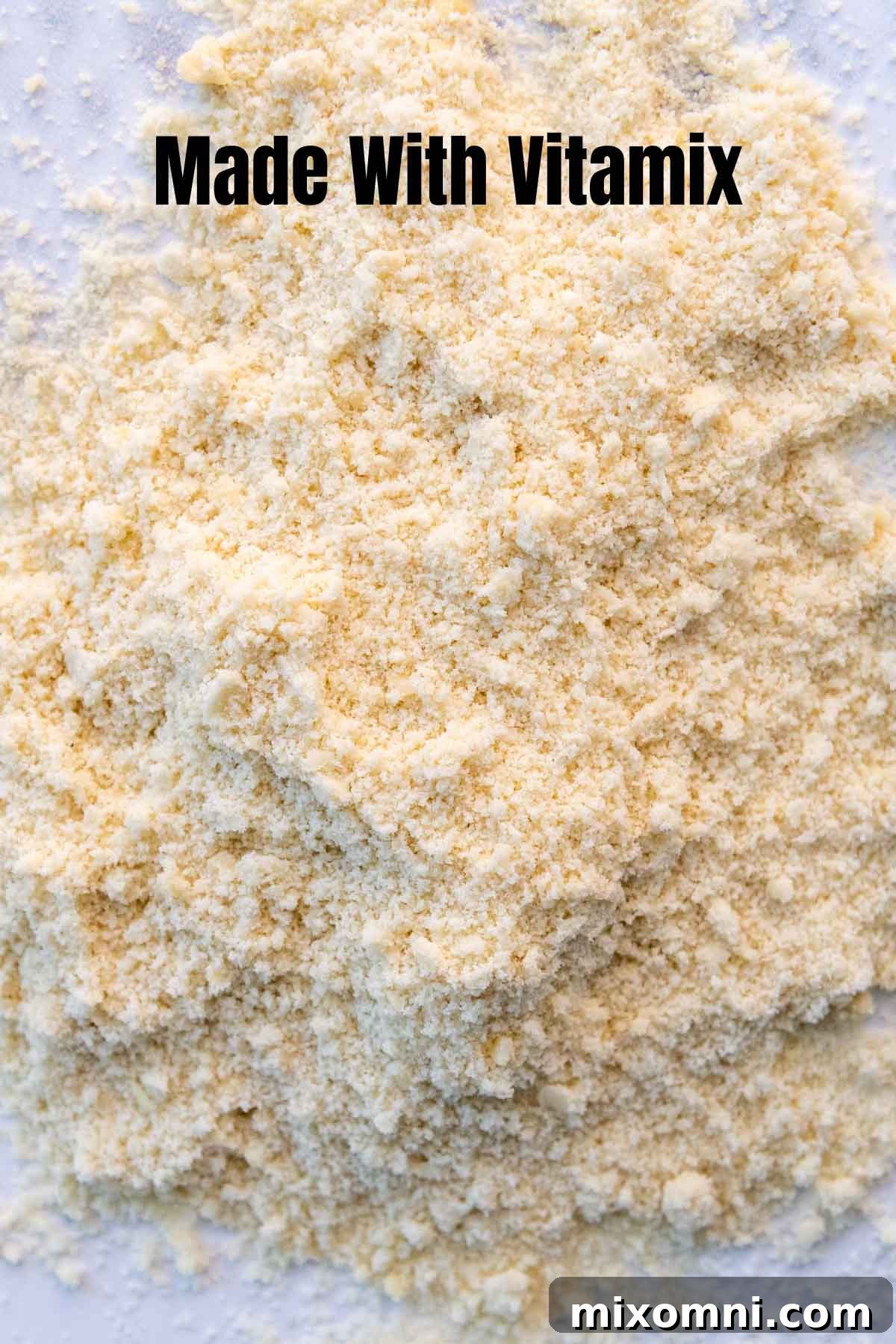
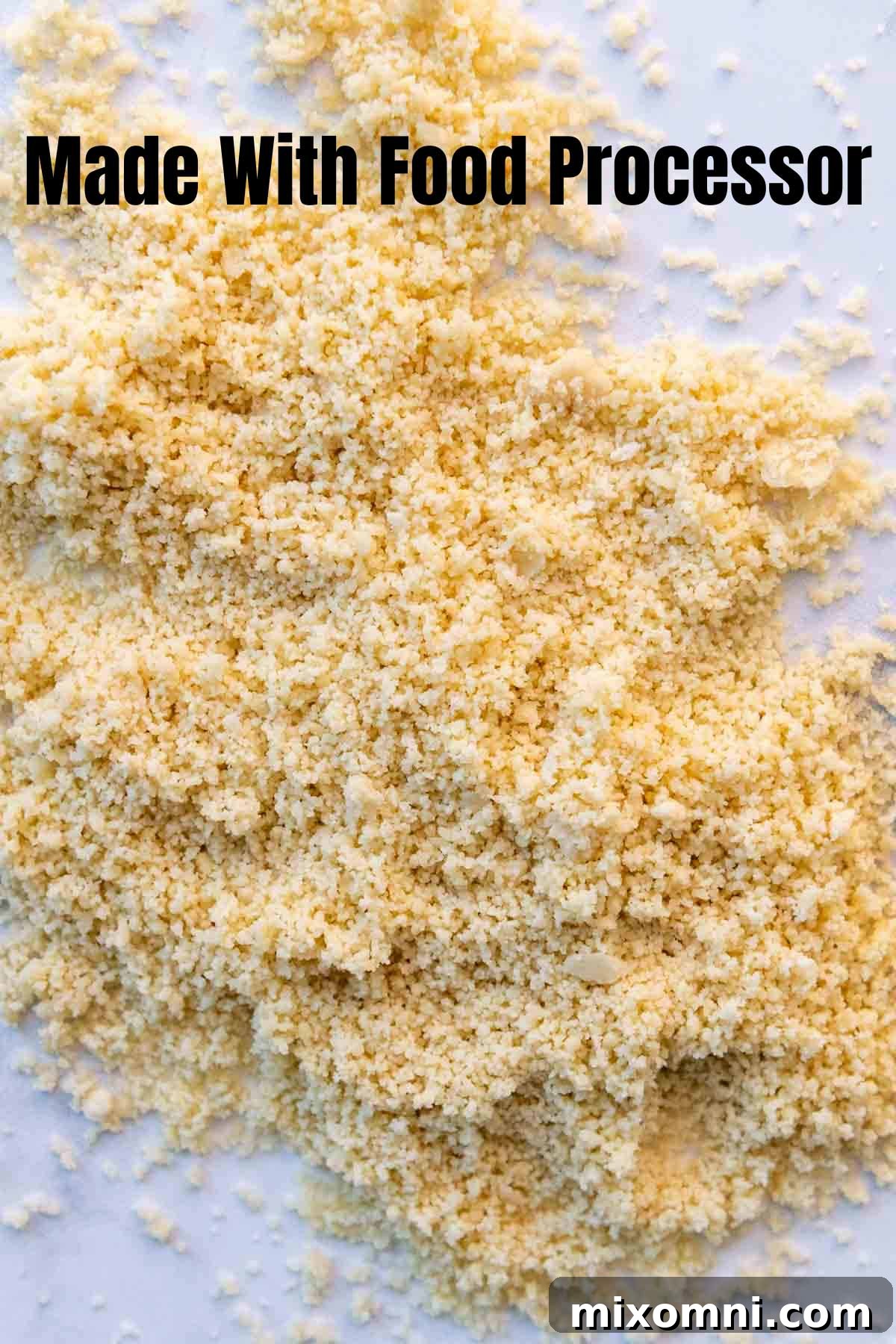
When I tested making almond flour using both my Vitamix blender and my large 14-cup Cuisinart food processor, the difference was striking. The blender yielded a remarkably finer, almost dust-like powdery consistency, which is crucial for delicate baked goods. In contrast, the food processor, despite its size, required a much longer processing time to break down the almonds. This extended grinding generated more heat and, more importantly, started to extract the natural oils from the almonds prematurely. The result was a mixture that became wet, heavy, and noticeably coarser, resembling almond paste rather than flour. For superior, light, and airy almond flour, the high-powered blender is the undisputed champion.
Tip 5: Sifting for Superior, Powdery Flour
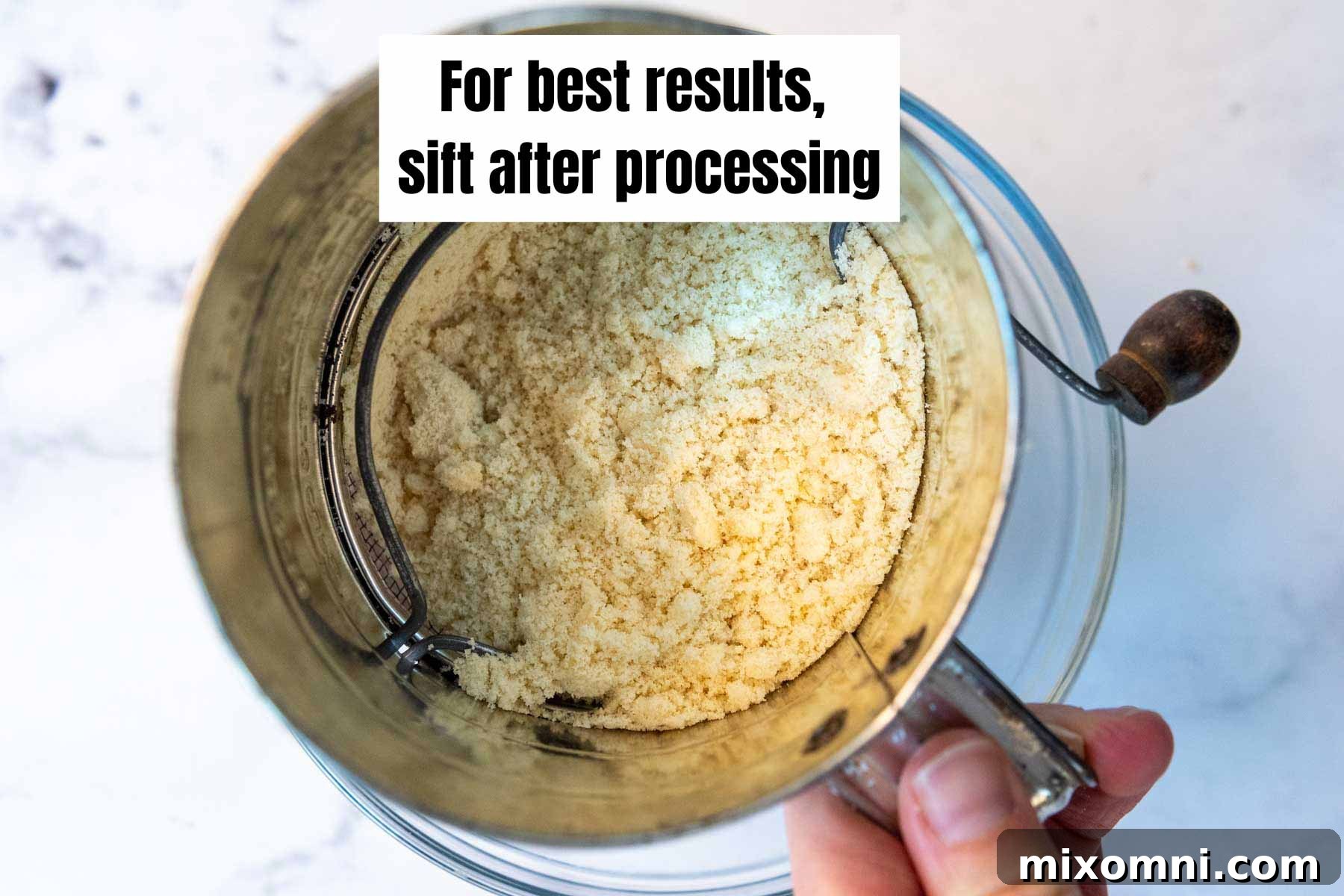
Even with the best equipment, some almonds might escape a thorough grind. This is where sifting becomes your secret weapon for achieving truly “super-fine” almond flour. This step is not just about removing larger pieces; it also aerates the flour, making it lighter and fluffier, which is essential for certain recipes.
To ensure your almond flour is as fine and fluffy as possible, once ground, run it through an inexpensive fine-mesh sifter. This crucial step will filter out any small, unprocessed almond pieces, leaving you with a consistently smooth and uniform flour. The aeration process that occurs during sifting is particularly beneficial for delicate pastries. It guarantees a light texture, making it perfect for notoriously finicky recipes like French macarons, elegant financiers, or a wonderfully airy almond flour cake!
The Science of Sifting
Sifting helps break up any clumps that may have formed during grinding and ensures an even distribution of particles. This evenness is vital in baking because it allows the flour to absorb liquids uniformly, leading to more predictable and consistent results in your final product. For recipes where structure and delicate texture are paramount, never skip the sifting step.
Tip 6: Is Making Almond Flour at Home Truly Worth It? A Cost-Benefit Analysis
The question of whether to make or buy almond flour often comes down to cost and convenience. Let’s break down the economics to see if homemade is truly the more budget-friendly option.
A one-pound bag of whole blanched almonds typically contains about 3 cups. When ground, these 3 cups of whole almonds will yield approximately 4 cups of almond flour. In comparison, a one-pound bag of pre-packaged almond flour usually measures around 4 ¾ cups. So, for every pound of whole almonds you buy, you’re getting a comparable amount of flour once processed.
When it comes to pricing, stores like Aldi, Trader Joe’s, or Costco often sell almond flour for around $6 per pound. However, premium brands such as Bob’s Red Mill or Blue Diamond can be almost double that price, sometimes reaching $10-12 per pound or more. Whole, unsalted blanched almonds, especially when purchased in bulk from health food stores, Costco, or Trader Joe’s, are frequently cheaper than their pre-ground counterparts. By buying whole almonds in bulk, you stand to save a considerable amount of money over time, making the small effort of grinding your own flour a smart financial decision for regular bakers.
Beyond Cost: Other Value Factors
Beyond the direct financial savings, consider the added value of freshness. Freshly ground almond flour often has a more vibrant flavor and aroma, contributing to a superior final product in your baking. You also have complete control over the texture, allowing you to fine-tune it for specific recipes, something that isn’t possible with store-bought options.
Tip 7: Avoiding Wet, Heavy Flour – The Pulsing Technique
One of the most critical aspects of making successful homemade almond flour is preventing it from turning into almond butter. The secret lies in understanding the nature of almonds and how grinding affects them.
Almonds are naturally rich in oils. As they are ground, these oils begin to release. If you blend the nuts continuously for too long, the friction and heat generated will cause excessive oil release, transforming your mixture from light, fluffy flour into a dense, wet, and heavy paste – essentially, a batch of almond butter. While delicious in its own right, almond butter is not what you want for baking applications that require a fine, dry flour.
The indispensable trick for creating a fine, powdery almond flour is to process the nuts in a series of **short, controlled pulses** rather than a continuous blend. Start by pouring your measured cup of almonds into the blender. Then, pulse in 1-second increments, about 25-50 times, stopping frequently to scrape down the sides of the blender container. This intermittent pulsing prevents overheating and allows the oils to remain within the almond particles, ensuring a dry, free-flowing flour. Monitor the consistency closely; as soon as it reaches your desired fineness, stop!
Tip 8: Optimal Storage for Lasting Freshness
Proper storage is essential to maintain the freshness and quality of both store-bought and homemade almond flour. Almonds, like all nuts, contain natural oils that can go rancid when exposed to air, moisture, or heat over extended periods. Implementing the right storage strategy will ensure your flour stays fresh for longer.
- Short-Term Use (1-2 weeks): If you plan to use your almond flour frequently within a week or two, transfer it to an airtight container or a glass jar. Store this container in a cool, dark pantry or cupboard, away from direct sunlight or heat sources.
- Medium-Term Use (1-2 months): For slightly longer storage, placing the airtight container in the refrigerator is ideal. Chilling the flour helps to slow down the oxidation process of its natural oils, extending its freshness for up to 6 months. For best baking results, allow the flour to come to room temperature before incorporating it into your recipes. This prevents condensation and ensures it mixes evenly.
- Long-Term Use (Up to 1 year): Can you freeze almond flour? Absolutely! Freezing is the best method for preserving maximum freshness for up to one year. The cold temperature halts the enzymatic processes that lead to rancidity. Store the almond flour in a freezer-safe, airtight container or heavy-duty freezer bag to prevent freezer burn and absorption of freezer odors. When you’re ready to bake, simply remove the required amount from the freezer and let it sit at room temperature for an hour or two before using it in your baked goods. This gradual thawing helps maintain its texture and prevents moisture issues.
Tip 9: Mastering Almond Flour in Your Recipes
Many home bakers new to almond flour often wonder if they can simply substitute it for all-purpose or other gluten-free flours in their favorite recipes. While it’s an excellent ingredient for low-carb and gluten-free baking, it’s crucial to understand that almond flour has unique properties and cannot typically be substituted in a direct one-to-one ratio.
Almond flour is inherently heavier and contains more moisture and fat than wheat flour or many traditional gluten-free flours. It also lacks gluten, the protein network that gives structure and elasticity to wheat-based baked goods. Due to these differences, the chemical balance and structure of recipes change significantly when almond flour is used. For the best and most consistent results, I generally recommend using recipes specifically developed for almond flour, as they have already accounted for its unique characteristics.
Adapting Recipes with Almond Flour: Key Considerations
However, if you’re feeling adventurous and want to experiment with adapting your own recipes, keep the following essential tips in mind to navigate the nuances of baking with almond flour:
- Increase Flour Quantity: Since almond flour is denser and absorbs liquids differently, you’ll often need to increase the amount used. A good starting point is to increase the flour by about 25%. So, for every 1 cup of wheat flour, try using 1 ¼ cups of almond flour.
- Boost Leavening: To counteract almond flour’s density and lack of gluten, you’ll need extra leavening agents to achieve a light, airy texture. Add an additional ¼ to ½ teaspoon of baking powder, baking soda, or a combination of both, depending on the recipe.
- Reduce Liquid: Because almond flour contributes more moisture and fat to a recipe, you’ll typically need to reduce the liquid content. Consider using an egg yolk instead of a whole egg, or slightly cutting back on other moisture-rich ingredients such as milk, mashed bananas, applesauce, or sour cream. Start by reducing liquid by about 10-20% and adjust as needed.
- Add a Binder (Optional): For some recipes that require more structure, especially those prone to crumbling, you might consider adding a small amount of a binder like xanthan gum (¼ to ½ teaspoon per cup of flour) to mimic the elasticity of gluten.
- Adjust Baking Time and Temperature: Almond flour-based goods tend to brown faster due to their fat content. You might need to lower your oven temperature slightly (e.g., by 25°F or 15°C) and bake for a longer duration, or cover baked goods with foil if they’re browning too quickly.
Click here to see thestep-by-step web story instructions for this recipe!
Frequently Asked Questions About Homemade Almond Flour
Q: Can I use roasted almonds to make almond flour?
A: While delicious for snacking, roasted almonds are not recommended for making almond flour. Roasting changes the almond’s flavor profile, making it much stronger and less neutral, which can overwhelm delicate baked goods. Furthermore, roasted almonds tend to release their oils much faster when ground, making it harder to achieve a fine, dry flour and increasing the likelihood of ending up with almond butter.
Q: What is the main difference between almond flour and almond meal?
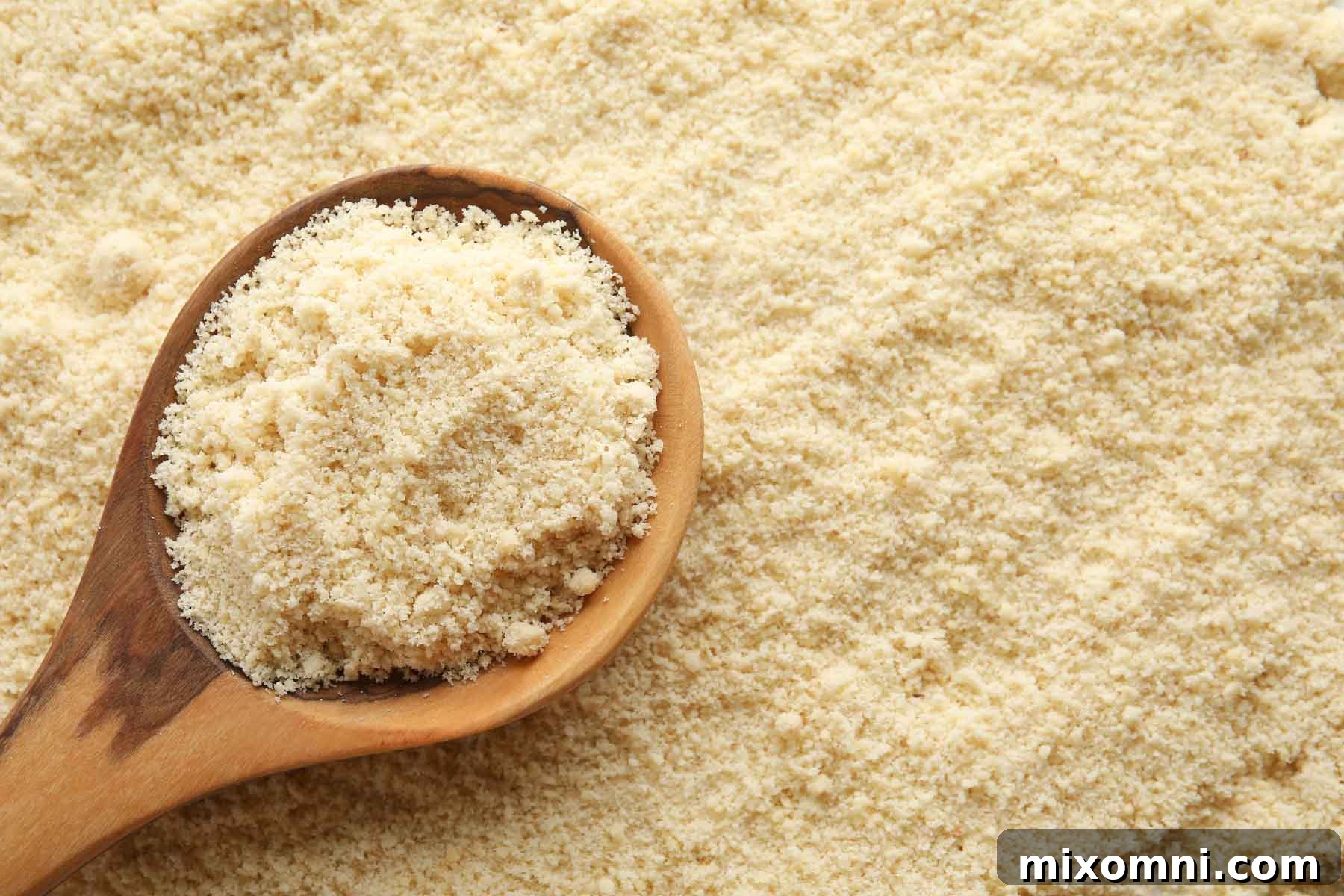
A: The primary difference lies in the almonds used and the resulting texture. Almond flour is made from blanched almonds (skins removed), yielding a very fine, light-colored, powdery texture ideal for delicate baking. Almond meal, on the other hand, is made from raw, unblanched almonds (skins on), resulting in a coarser, speckled texture with a slightly more robust almond flavor, perfect for breading or rustic bakes.
Q: Do I really need a high-powered blender, or can I use a standard one?
A: A high-powered blender is highly recommended for the finest results. Its superior motor and blade design create a more uniform and consistent grind, minimizing the risk of oil extraction. While a standard blender or food processor can be used, you might find the resulting flour to be coarser, and you’ll need to be even more diligent with short pulses and frequent scraping to prevent it from turning into almond butter.
Q: How can I tell if my almond flour has gone bad?
A: Almond flour that has gone rancid will typically develop an off-putting smell, often described as paint-like, bitter, or sour. Its flavor will also be noticeably bitter or unpleasant. The color might also darken slightly. If you notice any of these signs, it’s best to discard it, as rancid oils can negatively impact both the taste and safety of your food.
Embrace the Homemade Advantage: Elevate Your Baking Today!
Making your own almond flour is a simple, cost-effective, and highly rewarding endeavor that empowers you to take control of your baking ingredients. By following these easy tips and understanding the nuances of almond selection, equipment usage, and grinding techniques, you can consistently produce light, fluffy, and delicious almond flour. This homemade staple will open up a world of possibilities for your low-carb, gluten-free, and healthy baking, allowing you to create wholesome and delectable treats with confidence and ease.
So, gather your almonds, fire up your blender, and get ready to experience the superior quality and freshness that only homemade can offer. Happy baking!
SAVE THIS HOW TO MAKE ALMOND FLOUR RECIPE TO YOUR PINTEREST BOARD!
Let’s be friends on Pinterest! I’m always sharing great recipes!
How to Make Fluffy Almond Flour: 9 Easy Tips

Melissa Erdelac
6
5 mins
5 mins
Learn how to make the lightest, fluffy almond flour at home with these easy tips! Here you will find everything you need to know to make affordable homemade almond flour, ideal for all your low-carb or gluten-free baking needs. Discover simple tricks to turn you into an expert in less than 5 minutes!
Pin
Rate
Remove Ads
Ingredients
Equipment
-
Vitamix
-
Sifter
-
Blanched Almonds
Instructions
-
To Make With High-Powered Blender (recommended): Place the almonds in the blender. Pulse 25-50 times in 1-second increments, stopping to scrape down the sides 2-3 times to ensure even grinding and prevent overheating.
-
To Make With Food Processor: Place the almonds in the food processor fitted with a blade. Pulse 50-60 times in 1-second increments, stopping frequently to scrape down the sides 3-4 times. Be extra careful to monitor for oil release, as food processors generate more heat.
-
Tips to Remember: Over-mixing with continuous speed will release moisture and oils, leading to dense, heavy almond flour or even almond butter. Short, controlled pulses are highly recommended for the best results. For super fine almond flour (optimal for delicate baking), run the ground flour through a fine-mesh sifter before storing or using. This process filters out any small unprocessed pieces and aerates the flour. Remember, 1 cup of whole almonds typically yields between 1¼ and 1⅓ cups of almond flour.
Notes
Nutritional value provided for approximately ¼ cup of almond flour.
Best Way To Store
If you plan on using your homemade almond flour within 1-2 weeks, store it in an airtight container or a glass jar in a cool, dark pantry.
For use within 1-2 months, place the airtight container in the refrigerator to extend freshness for up to 6 months. Always allow it to come to room temperature before using for best baking outcomes.
Almond flour can be frozen for up to one year to maintain maximum freshness and prevent rancidity caused by exposure to moisture or air. When ready to use, remove the desired amount from the freezer and let it reach room temperature before adding to your baked goods.
Calories:
123
kcal
,
Carbohydrates:
4
g
,
Protein:
4
g
,
Fat:
11
g
,
Saturated Fat:
1
g
,
Polyunsaturated Fat:
3
g
,
Monounsaturated Fat:
7
g
,
Trans Fat:
0.003
g
,
Sodium:
4
mg
,
Potassium:
137
mg
,
Fiber:
2
g
,
Sugar:
1
g
,
Vitamin A:
1
IU
,
Calcium:
49
mg
,
Iron:
1
mg
Did you make this recipe?
Please leave a star rating and review below. It helps others when searching for recipes and I LOVE feedback!