
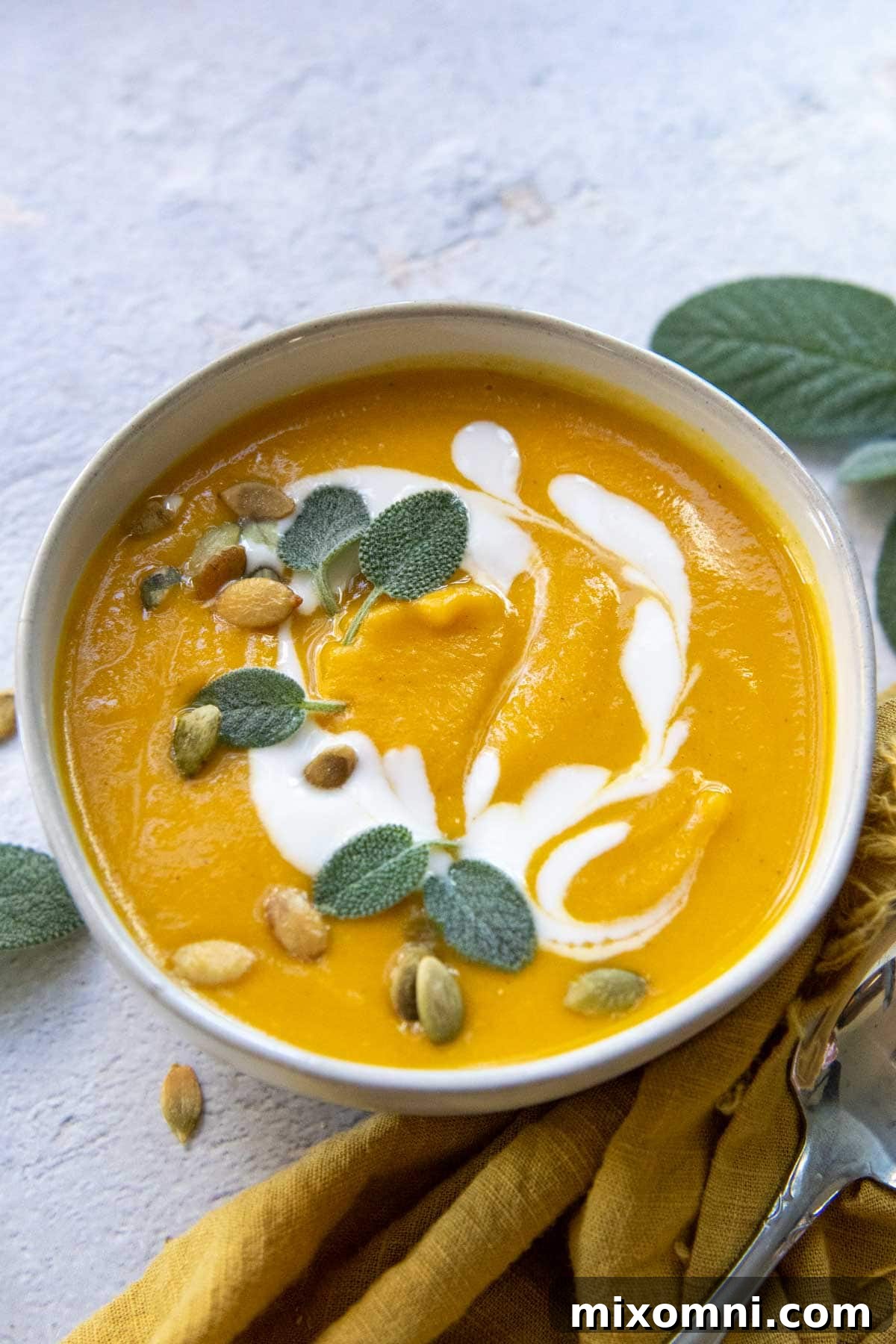
If the seasonal return of Panera Bread’s Autumn Squash Soup fills you with an undeniable joy, then prepare to elevate your fall culinary experience! This meticulously crafted copycat Panera squash soup recipe brings all the beloved flavors right into your kitchen. It’s a delightful blend of subtly sweet apples, creamy coconut milk, and the deep, savory, caramelized notes from perfectly roasted butternut squash, all finished with a hint of warm spices. Many who have savored this creation have declared it the world’s best butternut squash soup. We invite you to try it and discover its magic for yourself!
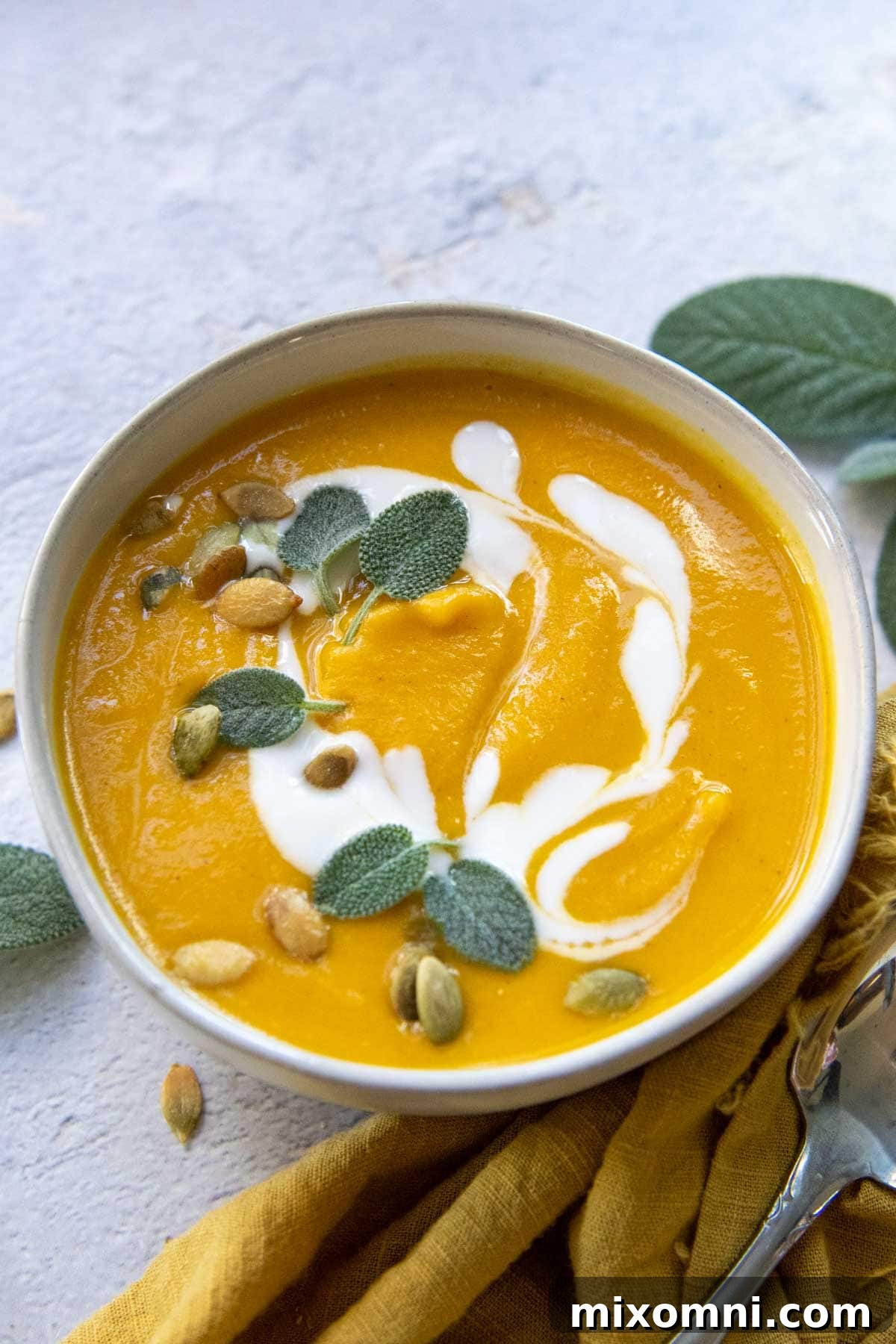
Homemade Panera-Style Butternut Squash Soup: A Fall Delight
As a self-proclaimed connoisseur of butternut squash soup, I’ve had my fair share of bowls from various establishments, always searching for that perfect balance. And without a doubt, Panera’s Autumn Squash Soup has always stood out as the true champion. Its unique blend of sweet and savory, an irresistibly creamy texture, and just the right touch of curry and warming spices make it an autumn icon. This homemade rendition isn’t just a copycat; it’s an homage that captures and even enhances those essential flavors.
The secret to achieving such profound flavor lies in the preparation of the squash itself. Instead of merely boiling, we embrace the art of roasting. As the butternut squash bakes in the oven, its natural sugars caramelize, and moisture evaporates, concentrating its sweet and nutty essence into a deeply rich base. This caramelized depth is what truly sets this soup apart, giving it a complexity that is often missing in other recipes.
Beyond the squash, the soup is thoughtfully blended with fresh apple cider, tender sautéed apples, a medley of aromatic spices, and luscious coconut milk. The apple cider and sautéed apples infuse a bright, fruity sweetness that perfectly complements the squash, enhancing the overall autumn profile. Meanwhile, the coconut milk contributes an unparalleled velvety finish, making each spoonful feel luxurious without the heaviness of traditional cream. This recipe has quickly become a beloved staple in my family’s gluten-free soup collection, and I can confidently say it will become your new go-to butternut squash soup. Guests consistently ask for the recipe after their first taste, proving its widespread appeal.
I made this butternut soup for the third time this week. There is no question that this soup truly warms your soul. It is absolutely delicious. My husband even said it was the best thing I ever made. I did try another recipe a few weeks back, but this one was definitely the winner. I look forward to making it again and again❣️. Thank you for such a great recipe.
—Liliana
Selecting and Preparing the Best Ingredients
Crafting a truly authentic copycat recipe means paying close attention to every ingredient. While Panera’s version typically includes butternut squash, pumpkin puree, carrots, apple juice concentrate, honey, and brown sugar for sweetness, our recipe introduces a few thoughtful adjustments that yield an equally, if not more, exceptional outcome. Our goal is to achieve that familiar, comforting flavor profile with readily available and fresh ingredients.
Since autumn is also peak apple season, we’ve chosen to highlight apples over carrots, embracing their natural sweetness and subtle tartness. Apples are a fantastic partner for savory dishes, lending a unique dimension to soups and even another family favorite, our moist pork and apple meatloaf. This soup is often served alongside a vibrant harvest-style apple pecan salad and crusty grilled cheese sandwiches or warm rolls, creating a complete and satisfying meal.
- Butternut Squash: You’ll need about 4 pounds of butternut squash, which typically translates to two small to medium-sized squashes. For variety, you can also use a combination of butternut, pumpkin, or acorn squash. Look for firm squash with dull skin, free of soft spots or blemishes.
- Apples: One medium apple is peeled, cored, and finely chopped to be sautéed and blended into the soup, adding a natural sweetness and autumnal zest. If you desire a delightful garnish, consider sautéing an additional apple for topping. Crisp, slightly tart varieties like Honeycrisp, Fuji, or Granny Smith work wonderfully.
- Spices: The unique warmth of this soup comes from a carefully balanced blend of aromatic spices: curry powder, ground cinnamon, ground ginger, dried sage, garlic powder, and a touch of cayenne pepper for a subtle kick. These spices are gently toasted to release their full fragrance and flavor.
- Broth: For a vegetarian or vegan soup, vegetable broth is an excellent choice. However, chicken broth can also be used if preferred, ensuring you select a gluten-free variety if dietary restrictions require it.
- Butter / Oil: While butter lends a rich, satisfying depth to the soup, it can easily be swapped for olive oil or coconut oil to make this recipe completely vegan. Both options provide a smooth texture and help sauté the aromatics beautifully.
- Coconut Milk: This is a crucial ingredient for achieving the soup’s signature creamy, luxurious texture. Be sure to use full-fat canned coconut milk, typically found in the international foods aisle of your grocery store, rather than the refrigerated carton coconut milk, which is often thinner and less rich.
- Apple Cider or Juice: Another layer of butternut apple flavor is introduced through apple cider. Fresh, unfiltered apple cider is preferred for its robust flavor, but if it’s not in season, high-quality apple juice can be used as a substitute.
Watch Our Recipe Video
Step-by-Step Guide to Panera Butternut Squash Soup Perfection
Let’s make this delightful soup together, step by step! This guide provides detailed instructions and photos to ensure your homemade Panera-style butternut squash soup turns out perfectly creamy and flavorful. You’ll find the complete ingredient measurements in the full recipe card below.
1. Roasting Butternut Squash for Optimal Flavor
Begin by preheating your oven to 425ºF (220ºC). This high temperature is key for achieving that desirable caramelization. Carefully halve the butternut squash lengthwise and use a spoon to scoop out the seeds and fibrous strands. Lay the squash halves cut-side up on a foil-lined baking sheet for easy cleanup. Melt 1 tablespoon of butter (or olive/coconut oil for vegan) and brush it generously over the cut surfaces of the squash. Season evenly with ½ teaspoon of kosher salt and ⅛ teaspoon of ground black pepper.
Roast for approximately 1 hour to 1 hour 15 minutes, or until the squash is completely fork-tender. The edges should be lightly browned and caramelized. Allow the roasted squash to cool on the baking sheet until it’s comfortable enough to handle. Time-saving tip: If you’re in a hurry, you can peel and cube the squash before roasting. This reduces roasting time, but ensure the cubes are tender before proceeding.

2. Building Flavor with Aromatics and Spices
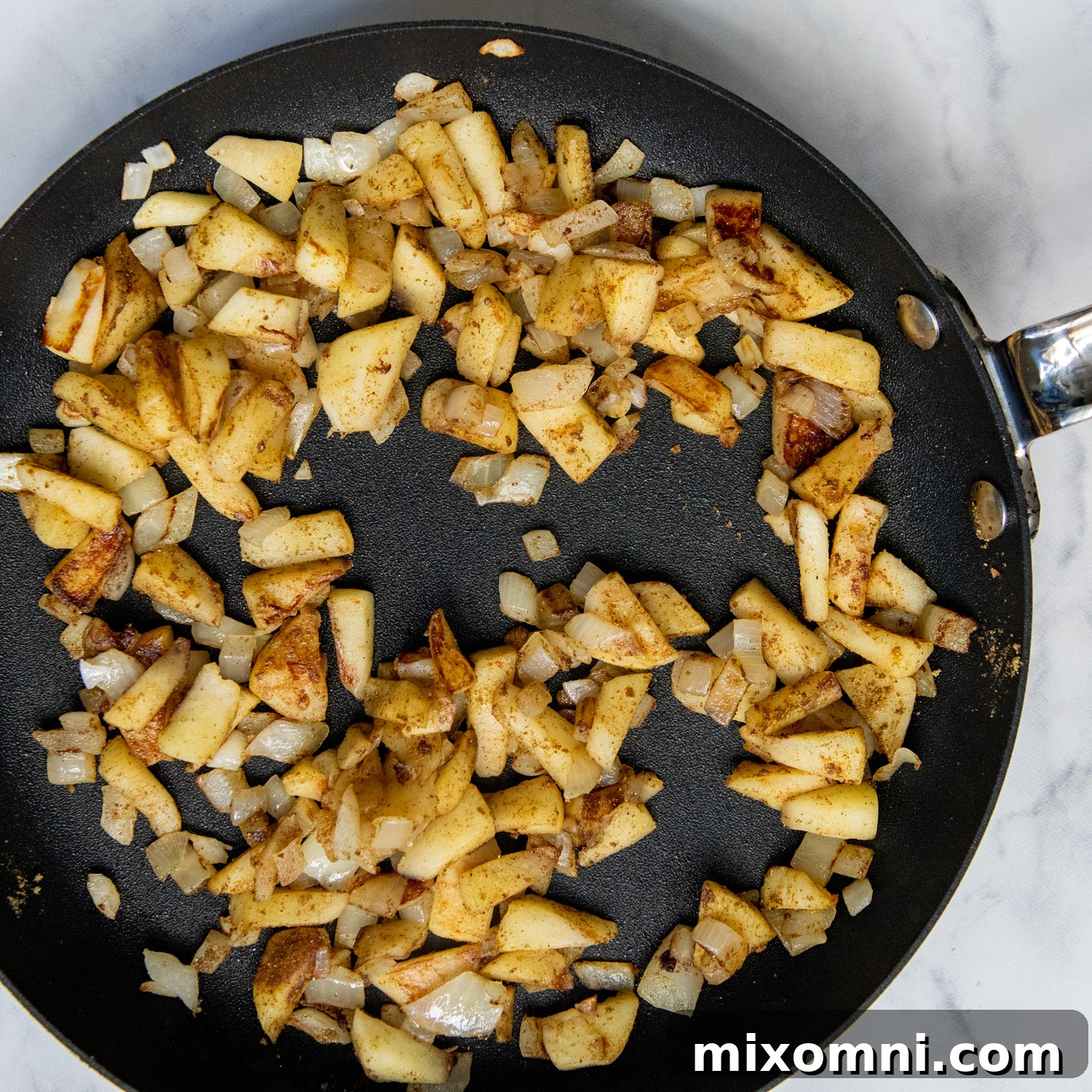
While the squash is roasting, prepare the “flavor boosters” that give this soup its incredible dimension. Many butternut squash soup recipes fall short in complexity, but Panera’s version shines with its nuanced layers of taste. In our copycat, these come from the careful combination of sautéed apples, onions, and a perfectly balanced spice blend.
Melt the remaining 1 tablespoon of butter (or oil) in a nonstick skillet over medium-high heat. Add the chopped apples and onions, and cook, stirring occasionally, for 7-10 minutes until they are softened and lightly golden. Once tender, sprinkle in the dried sage, curry powder, ground cinnamon, ground ginger, garlic powder, and cayenne pepper. Stir continuously for just 1 minute to gently toast the spices, enhancing their aromatic qualities without burning them. Then, remove the skillet from the heat.
3. Blending to Creamy Perfection
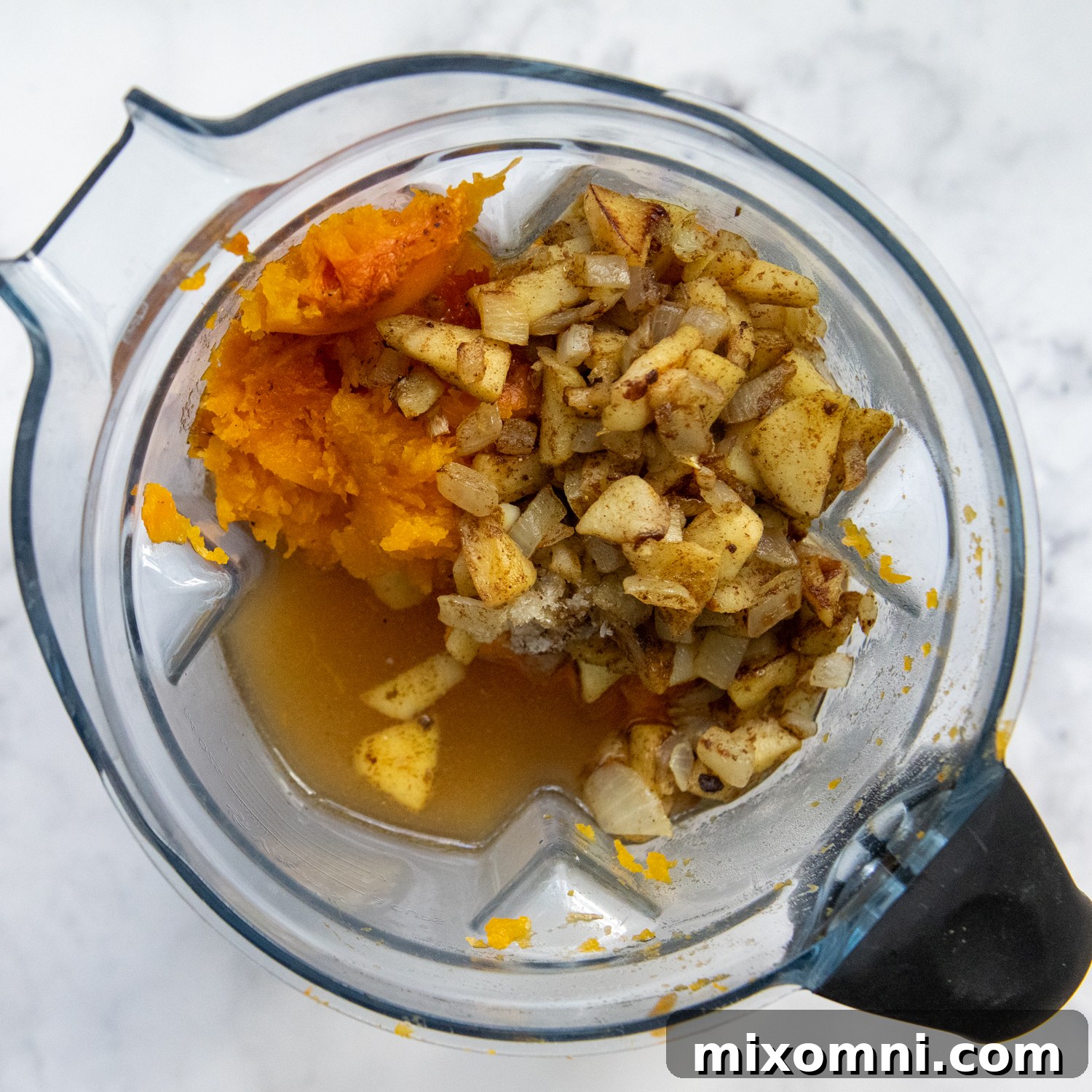
Once the roasted squash has cooled sufficiently, it should be easy to scoop the tender flesh away from the skin. Transfer all the cooked squash flesh to a high-powered blender. Add the sautéed apple and onion mixture, 1 cup of water, and 1 cup of apple cider or juice. For a touch more sweetness and depth, add ½ tablespoon of brown sugar or maple syrup, along with the remaining ¾ teaspoon of kosher salt.
Blend the mixture until it is completely smooth and velvety, with no chunks remaining. Depending on your blender’s power, you may need to pause and scrape down the sides a few times to ensure everything is thoroughly incorporated. The mixture will be quite thick at this stage, which is perfectly normal.
4. Finishing Touches and Heating Through
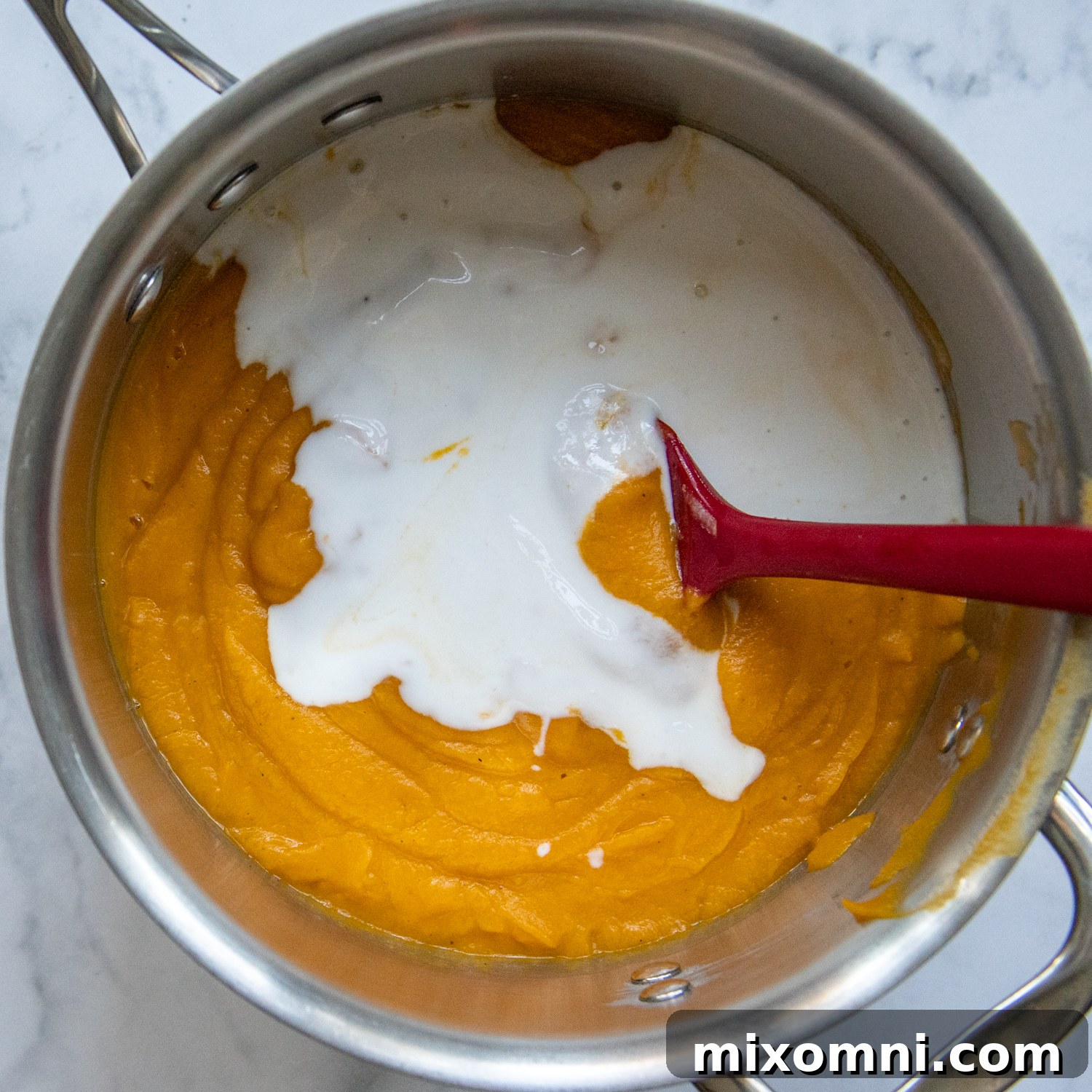
Pour the thick, blended soup mixture into a large saucepan. Now it’s time to achieve the perfect consistency and add the final touch of creaminess. Stir in 1 to 2 cups of vegetable or chicken broth; the amount depends on your preference for soup thickness. Then, gently fold in the ¾ cup of canned unsweetened coconut milk. This is where the soup truly transforms into a rich, luscious creation.
Heat the soup over low to medium heat, stirring occasionally, until it is thoroughly warmed through. Avoid boiling to maintain its smooth texture. Taste and adjust seasonings as needed, adding more salt, pepper, or a pinch more cayenne if you desire. Once it reaches your preferred warmth and consistency, it’s ready to serve. Explore our favorite soup toppings below for an extra special presentation!
Enhance Your Soup with Tasty Toppings
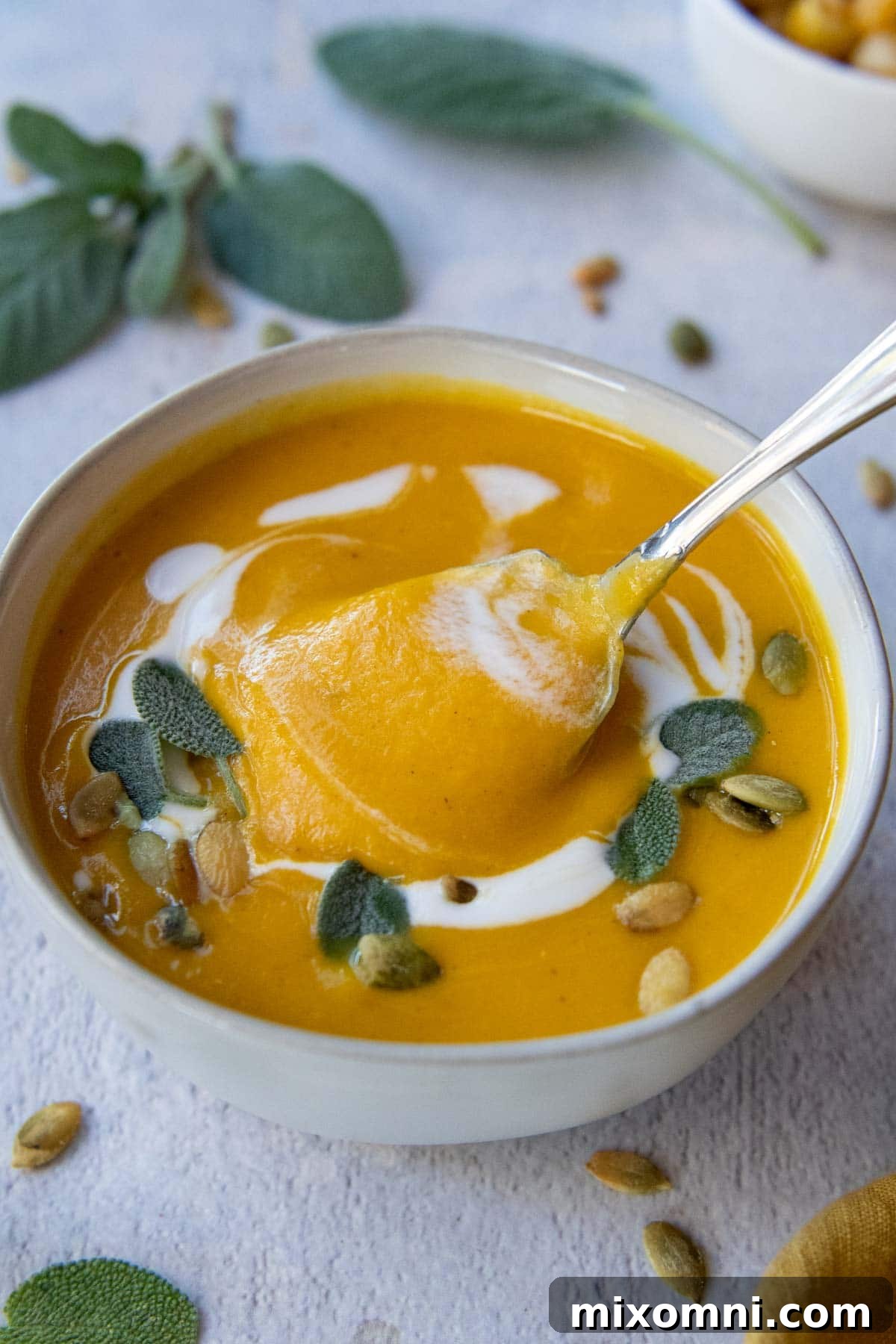
While this butternut squash soup is phenomenal on its own, a thoughtful topping can elevate the experience and add delightful textural contrast. Here are some of our favorite ways to garnish and customize your bowl:
- Sautéed Apples: For an extra burst of fruity sweetness and soft texture, chop up an apple and quickly sauté it in a little butter until golden.
- A Sprinkle of Cinnamon: A light dusting of ground cinnamon beautifully enhances the soup’s inherent warmth and autumnal notes.
- Creamy Dollop: A spoonful of plain yogurt, sour cream, or even vegan cashew cream can add a refreshing tang and extra creaminess.
- Crispy Meats: Crumbled crispy bacon or finely diced prosciutto adds a wonderful salty, savory crunch.
- Nuts and Seeds: Candied pecans, toasted walnuts, or crunchy pepitas (pumpkin seeds) provide a satisfying texture and nutty flavor.
- Cheese: A sprinkle of sharp cheddar, tangy feta, or creamy goat cheese can introduce a lovely savory counterpoint to the soup’s sweetness.
- Fresh Herbs: A few fresh sage leaves or a sprig of thyme can add an aromatic touch and beautiful color.
Frequently Asked Questions About Homemade Butternut Squash Soup
- Can I make this soup vegan?
- Absolutely! This recipe is incredibly adaptable for a vegan diet. Simply replace the butter with an equal amount of olive oil or a plant-based butter alternative. Ensure you use vegetable broth instead of chicken broth, and you’re all set. The coconut milk already provides a rich, dairy-free creaminess.
- How do I store leftovers, and how long do they last?
- Leftover butternut squash soup can be stored in an airtight container in the refrigerator for up to 3-4 days. For longer storage, it freezes beautifully. Pour the cooled soup into freezer-safe containers or bags, leaving some headspace, and freeze for up to 3 months. Thaw overnight in the refrigerator before reheating.
- What’s the best way to reheat the soup?
- Reheat refrigerated soup gently on the stovetop over medium-low heat, stirring occasionally, until warmed through. If the soup has thickened significantly, you can add a splash of broth or water to achieve your desired consistency. For frozen soup, thaw first, then reheat as above.
- Can I use other types of squash?
- Yes, you can! While butternut squash offers a distinct sweetness and smooth texture, you can experiment with other winter squashes. Acorn squash, kabocha squash, or even a sugar pumpkin can be used, either individually or in combination with butternut squash, for slightly different flavor profiles.
- What if I don’t have apple cider?
- No problem! While fresh apple cider provides the best flavor, you can certainly use good quality apple juice as a substitute. Look for unsweetened or low-sugar apple juice to best control the sweetness of your soup.
- Is this soup spicy?
- The recipe calls for just ⅛ teaspoon of cayenne pepper, which provides a very subtle warmth rather than intense heat, mirroring the gentle spice of Panera’s version. If you prefer more heat, feel free to increase the amount of cayenne pepper to taste.
The Ultimate Panera Butternut Squash Soup Recipe

Panera Butternut Squash Soup (World’s Best Copycat!)
By Melissa Erdelac
Yield: 8 servings
Prep Time: 20 mins
Cook Time: 1 hr 30 mins
Total Time: 1 hr 50 mins
If you go crazy for the butternut squash soup at Panera Bread every autumn, then make this copycat Panera squash soup at home! It’s slightly sweetened with apples, coconut milk, and has a savory, caramelized flavor from roasted squash with a tinge of spice. Many tasters have deemed this world’s best soup. See for yourself!
Pin Recipe
Ingredients
- 4 pounds (about 2 small) butternut squash, halved lengthwise and seeds removed
- 1 ¼ teaspoon kosher salt, divided
- ⅛ teaspoon ground black pepper
- 2 tablespoons butter, divided (see recipe notes for vegan alternatives)
- 1 medium apple, peeled, cored, and chopped
- ½ medium onion, chopped
- ½ teaspoon dried sage
- ½ teaspoon curry powder
- ¼ teaspoon ground cinnamon
- ¼ teaspoon ground ginger
- ¼ teaspoon garlic powder
- ⅛ teaspoon cayenne pepper
- 1 cup apple cider, or apple juice
- 1 cup water
- ½ tablespoon brown sugar or maple syrup
- 1-2 cups vegetable or chicken broth (read label for gluten-free)
- ¾ cup canned unsweetened coconut milk (full-fat)
- For topping: (optional) sautéed apples, pepitas, coconut milk, or yogurt
Equipment
- High-powered Blender (e.g., Vitamix)
- Santoku Knife
- Baking Sheets
- Large Saucepan
- Nonstick Skillet
Instructions
- Roast the Squash: Preheat the oven to 425ºF (220ºC). Place the halved squash on a foil-lined baking sheet. Melt 1 tablespoon of butter (or oil) and brush it over the cut sides of the squash. Season with ½ teaspoon of kosher salt and ⅛ teaspoon of pepper. Roast for 1 hour – 1 hour 15 minutes, or until the squash is fork-tender throughout. Set aside to cool enough to handle.
- Sauté Aromatics: While the squash is roasting, melt the remaining 1 tablespoon of butter (or oil) in a nonstick skillet over medium-high heat. Add the chopped apple and onion, and cook, stirring occasionally, for 7-10 minutes, or until softened and lightly browned.
- Toast Spices: Add the dried sage, curry powder, ground cinnamon, ground ginger, garlic powder, and cayenne pepper to the skillet with the apple and onion mixture. Cook and stir for 1 minute to toast the spices, enhancing their fragrance. Remove from heat.
- Blend the Soup Base: When the squash is cool enough, scoop the flesh from its skins and transfer it to a high-powered blender. Add the cooked apples and onions, 1 cup of apple cider, 1 cup of water, ½ tablespoon of brown sugar or maple syrup, and the remaining ¾ teaspoon of kosher salt. Blend until completely smooth and creamy, scraping down the sides as needed to ensure no chunks remain.
- Simmer and Finish: Transfer the blended soup to a large saucepan. Stir in 1-2 cups of vegetable or chicken broth (depending on your desired thickness) and the ¾ cup of canned unsweetened coconut milk. Heat the soup over low to medium heat, stirring occasionally, until it is heated through and simmering gently. Taste and adjust seasoning with more salt, pepper, or spices if necessary. Serve hot and enjoy!
(Optional) Sautéed Apples for Garnish
- Core and chop one apple. Melt 1 tablespoon of butter in a nonstick skillet. Add the apple, cooking and stirring for 7-9 minutes, or until golden and soft. Garnish your finished soup with these sautéed apples and a sprinkle of pepitas for added flavor and texture.
Notes
Vegan Adaptations: To make this soup entirely vegan, simply replace all butter with coconut oil or a high-quality plant-based butter alternative. Ensure you use vegetable broth instead of chicken broth. The recipe already utilizes coconut milk for creaminess, making it easy to adapt!
Nutrition Information (per serving)
| Calories: | 213 kcal |
| Carbohydrates: | 36g |
| Protein: | 3g |
| Fat: | 9g |
| Saturated Fat: | 7g |
| Polyunsaturated Fat: | 1g |
| Monounsaturated Fat: | 1g |
| Trans Fat: | 1g |
| Cholesterol: | 8mg |
| Sodium: | 449mg |
| Potassium: | 929mg |
| Fiber: | 6g |
| Sugar: | 12g |
| Vitamin A: | 24286IU |
| Vitamin C: | 50mg |
| Calcium: | 122mg |
| Iron: | 2mg |
*Nutritional values are approximate and may vary depending on specific ingredients used and preparation methods.
Save this recipe to your Pinterest board!
Let’s be friends on Pinterest! I’m always sharing great recipes!
Did you make this recipe? I love hearing from you! Leave a star rating and comment below the recipe card. It helps others when searching for recipes and I appreciate feedback from our community. You will always hear back from me! -Melissa