
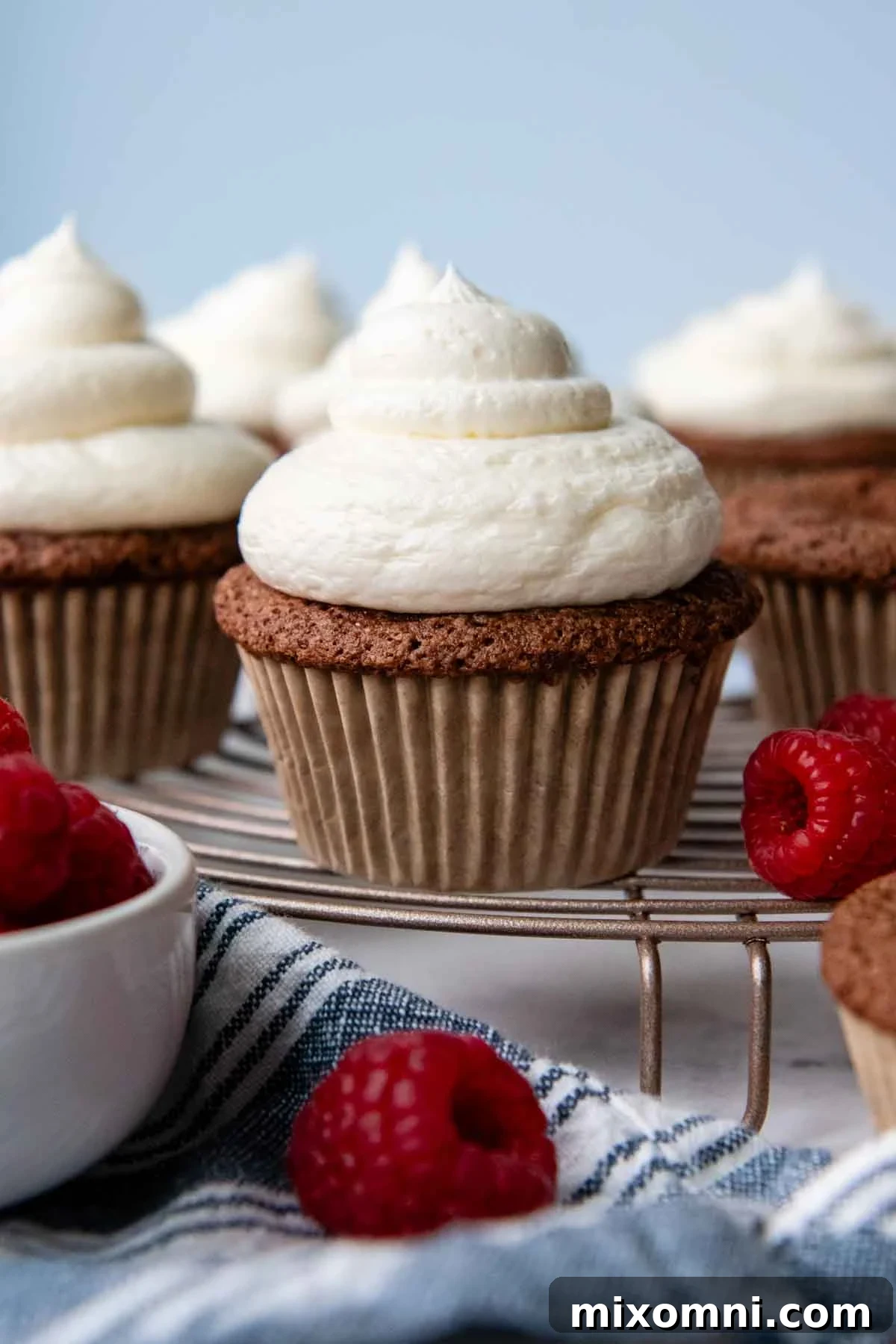
Unlock the secrets to baking irresistibly light and fluffy almond flour cupcakes with this meticulously tested recipe! Say goodbye to dense, crumbly gluten-free treats and embrace cupcakes with a truly rich chocolate flavor and an ethereal texture. Many bakers struggle with almond flour, but our unique approach ensures perfectly risen, moist, and tender results every time. The magic lies in a simple yet powerful technique: separately whipping egg whites to introduce maximum aeration, perfectly counteracting almond flour’s inherent heaviness. Crown these naturally gluten-free delights with a generous swirl of our delectable almond frosting, and prepare for a truly heavenly cupcake experience.
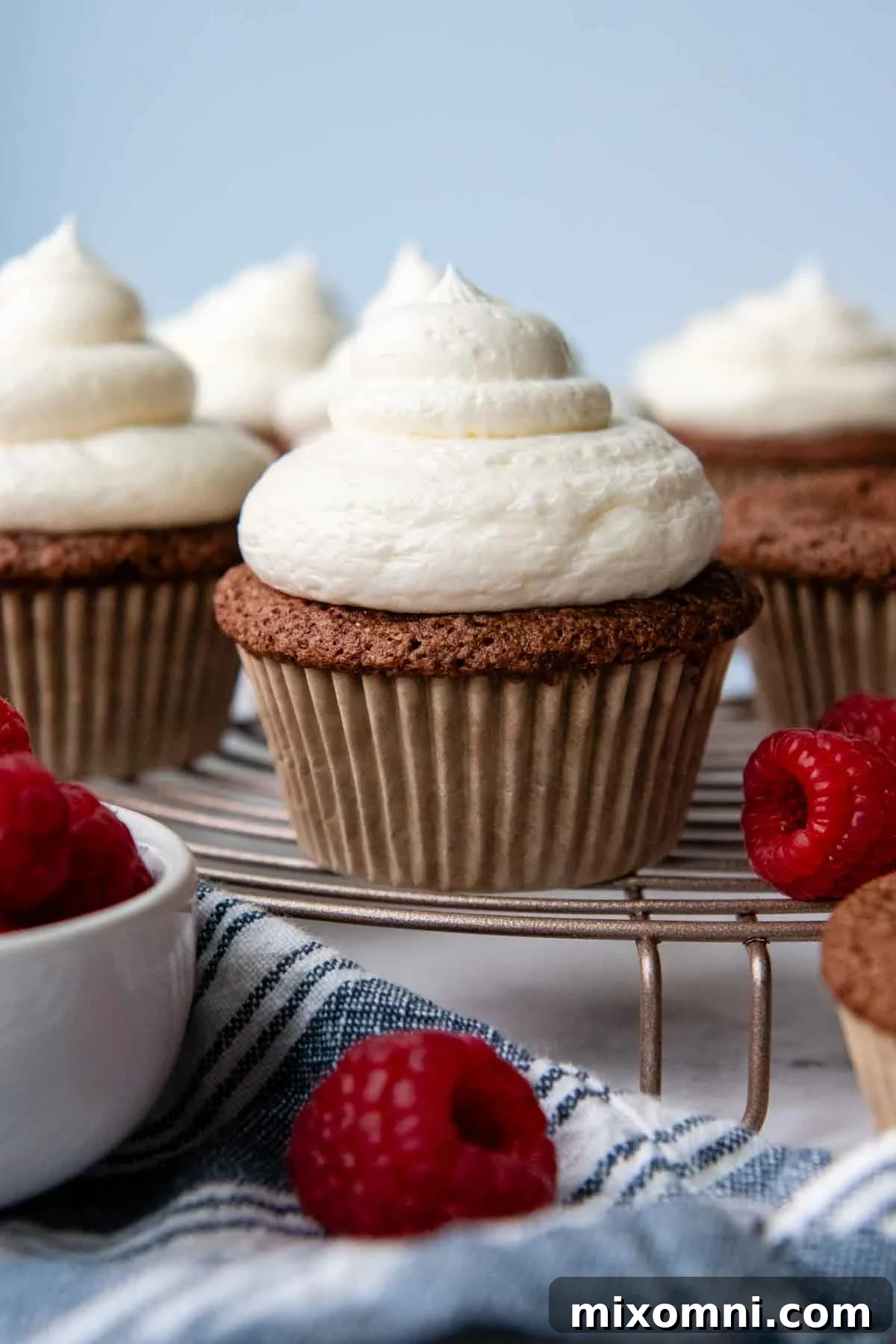
Mastering Fluffy Chocolate Almond Flour Cupcakes: A Gluten-Free Delight
Baking with almond flour presents a unique set of challenges, often leading to desserts that are denser and heavier than their traditional counterparts. However, after extensive experimentation and refinement, we’ve developed an exceptional recipe for easy almond flour cupcakes that defies these common issues. Our journey to creating the ultimate gluten-free chocolate cupcake began by drawing inspiration from other successful almond flour recipes, like our community-favorite almond flour carrot cake, renowned for its remarkably fluffy texture despite using grain-free flour.
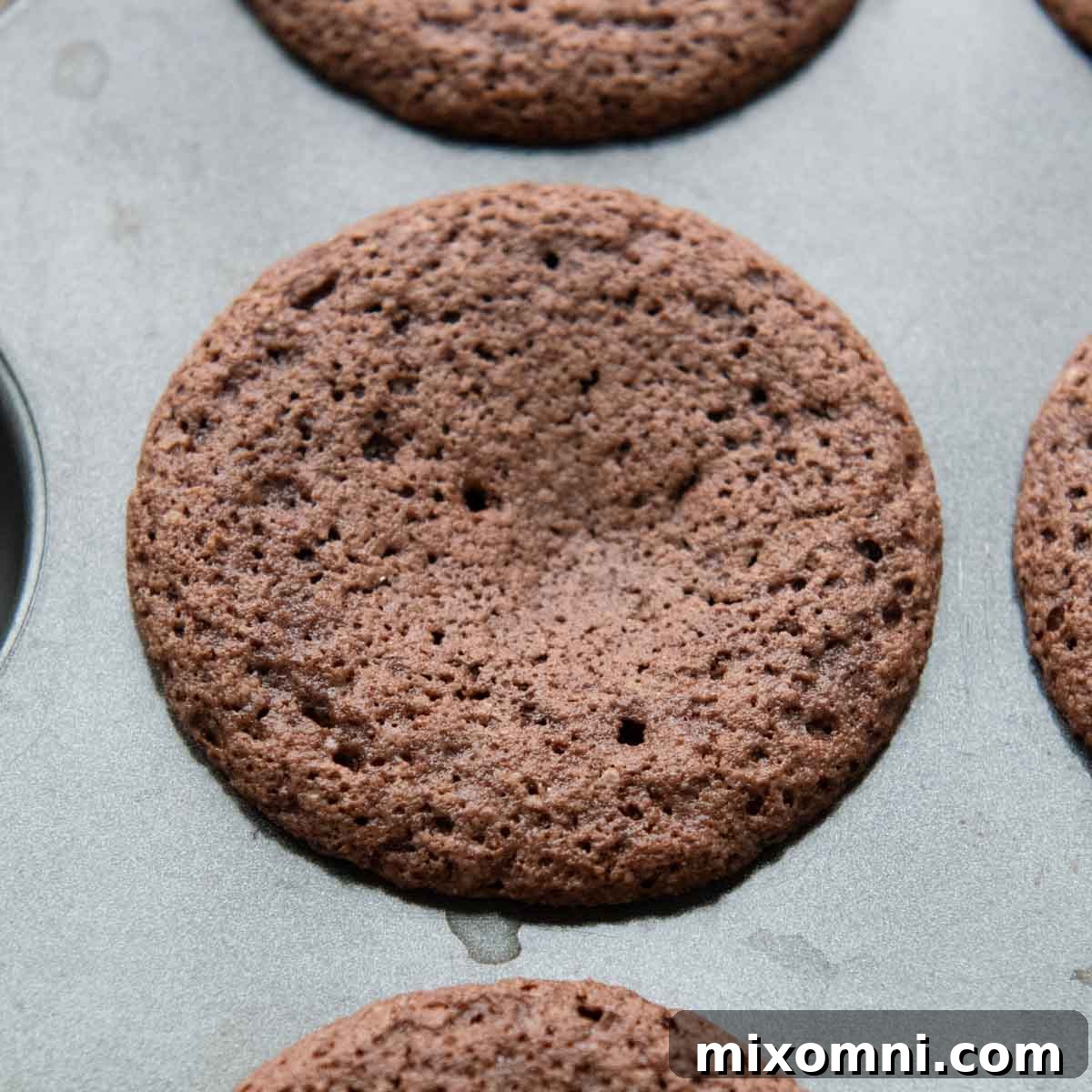
Initially, scaling down ingredients from our carrot cake recipe to yield 12 chocolate cupcakes seemed like a straightforward starting point. However, we quickly discovered that a simple adjustment of quantities wasn’t enough to achieve the ideal structure and consistency. Our early batches of cupcakes would rise impressively in the oven, only to spill over the muffin tin edges and then tragically collapse upon cooling, making them difficult to remove and leaving us with a heavy, unappealing texture. This led us back to the drawing board, prompting a series of experiments focused on oven temperatures and mixing techniques.
Baking Secrets Revealed: Achieving Perfect Rise and Texture
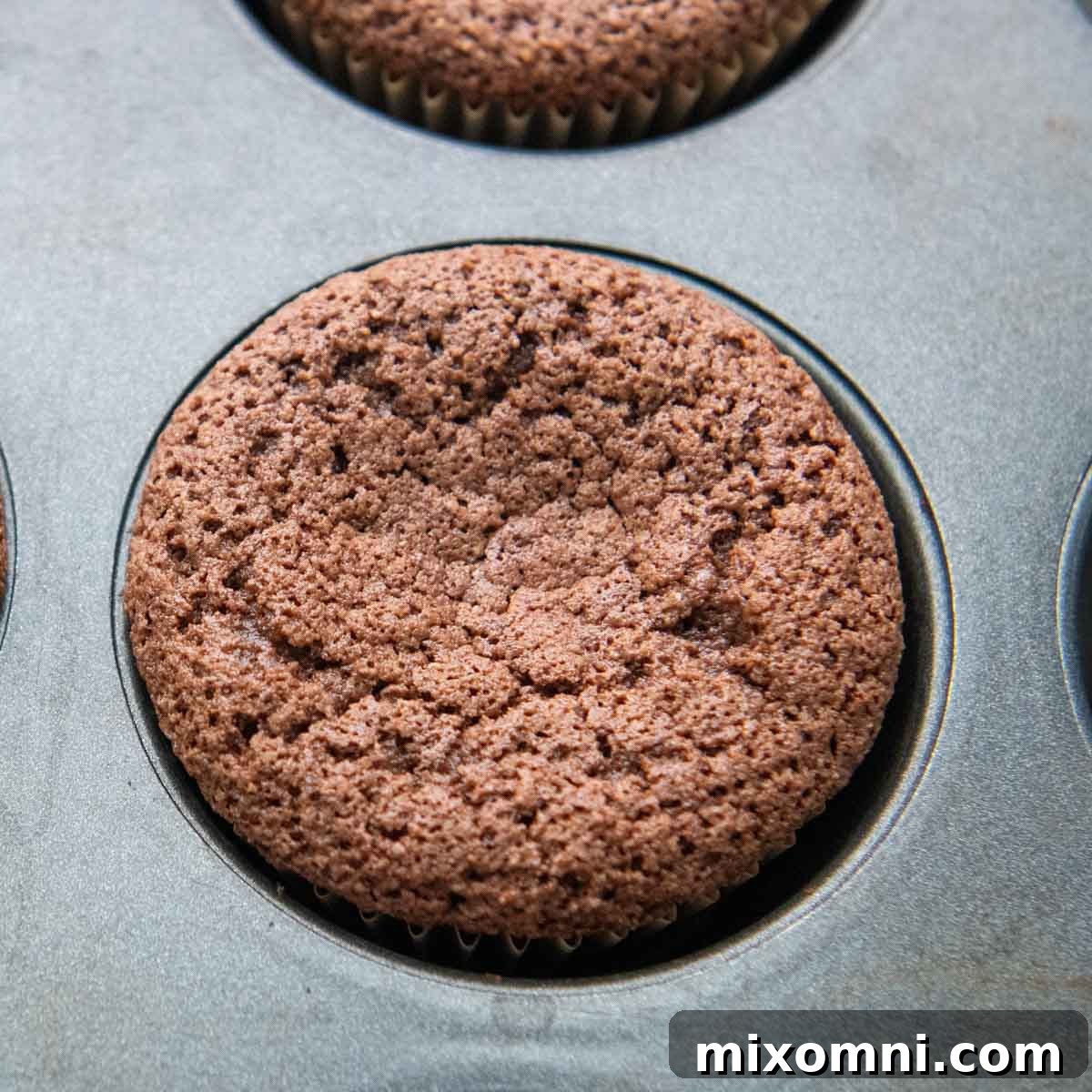
One of the most significant breakthroughs in perfecting these almond flour cupcakes came from a two-stage baking temperature approach, a technique often employed for muffins. Starting the cupcakes at a higher temperature, specifically 400°F, provides an initial burst of heat that encourages a rapid and impressive rise. This initial high heat helps set the structure quickly. After a crucial initial period, the oven temperature is then reduced to a lower setting (325°F) while the cupcakes remain inside. This gentle reduction in heat allows the cupcakes to continue baking through, ensuring that the interior cooks completely and moisture has ample time to evaporate. This extended, gentler baking phase is vital for stabilizing the cupcake’s structure, preventing the dreaded collapse and ensuring a beautifully domed, stable finish. It’s a subtle yet impactful adjustment that makes all the difference in achieving light and airy results.
Beyond temperature control, the true secret to the fluffy texture of these chocolate almond flour cupcakes lies in how the eggs are handled. Separating the egg whites and whipping them with sugar until stiff, glossy peaks form is a game-changer. This technique, borrowed from successful recipes like our almond flour apple cake, infuses the batter with a significant amount of air. Almond flour naturally contains more oils and moisture than traditional wheat flour, which can lead to dense results. The stiffly beaten egg whites act as a natural leavener, creating an aerated crumb that perfectly offsets almond flour’s inherent heaviness. Furthermore, the inclusion of cocoa powder in this particular recipe plays a dual role: it not only provides a rich chocolate flavor but also helps absorb some of that excess moisture, further contributing to a lighter texture. In other almond flour recipes, such as our fluffy almond flour blueberry scones, we might use ingredients like cornstarch to achieve a similar crumb-lightening effect, showcasing the diverse strategies needed for successful grain-free baking.
Essential Ingredients for Your Almond Flour Cupcakes
Crafting these delectable almond flour cupcakes requires a surprisingly short list of just seven core ingredients, most of which are pantry staples. The only specialty item you might need to acquire is almond flour itself, readily available in the health food aisle of most supermarkets, or you can even make it at home. For convenience, buying it in bulk and freezing it is a great option. Let’s delve into why each ingredient is crucial for our recipe:
- Almond Flour: The foundation of our gluten-free recipe. For the lightest, fluffiest texture, we strongly recommend using blanched almond flour. This means the almonds have had their skins removed before being ground, resulting in a finer, paler flour. Avoid almond meal, which includes the skins and yields a denser, coarser product. When measuring, use a light hand: gently fluff the flour in its bag, scoop it into a measuring cup, and then level it off. For precise baking, 184 grams is the ideal weight.
- Unsweetened Cocoa Powder: To achieve that deep, luxurious chocolate flavor we all crave, Dutch-processed cocoa powder is our top choice. Its mellower, less acidic profile enhances the richness without adding bitterness. However, if natural unsweetened cocoa powder is all you have on hand, it can be substituted, though the flavor may be slightly different.
- Granulated Sugar: Our recipe uses granulated sugar to achieve the perfect sweetness and contribute to the cupcakes’ structure. While we haven’t extensively tested this recipe with low-carb sweeteners for keto cupcakes, we believe coconut sugar could be a viable alternative for those seeking a less refined option.
- Large Eggs: Eggs are critical for both structure and moisture. To achieve the airy crumb that sets these cupcakes apart, we separate the whites and yolks. Eggs are often easier to separate when cold, but for optimal volume when whipping, allow both the whites and yolks to come to room temperature before incorporating them into the batter.
- Baking Powder: This leavening agent is indispensable. The generous amount of baking powder used in this recipe helps to mimic the characteristic rise and texture of traditional cupcakes, preventing them from resembling a denser, flourless cake.
- Unsalted Butter: Butter lends an unparalleled richness and flavor to the cupcakes. For those seeking a dairy-free cupcake option, an equal amount of melted and cooled coconut oil can be successfully substituted, ensuring the cupcakes remain moist and tender.
- Vanilla Extract: A classic flavor enhancer that complements the chocolate beautifully.
- Almond Extract: This ingredient adds a wonderful subtle nuttiness that perfectly harmonizes with the almond flour and chocolate. It’s highly recommended for a unique flavor profile.
- Salt: A pinch of salt is essential for balancing and enhancing all the other flavors, making the chocolate taste even more intense.
How to Make Fluffy Almond Flour Cupcakes: A Detailed Guide
Follow these step-by-step instructions carefully to ensure your almond flour cupcakes turn out perfectly light, moist, and delicious. Precision in gluten-free baking is key, so pay attention to details like egg temperature and oven settings.
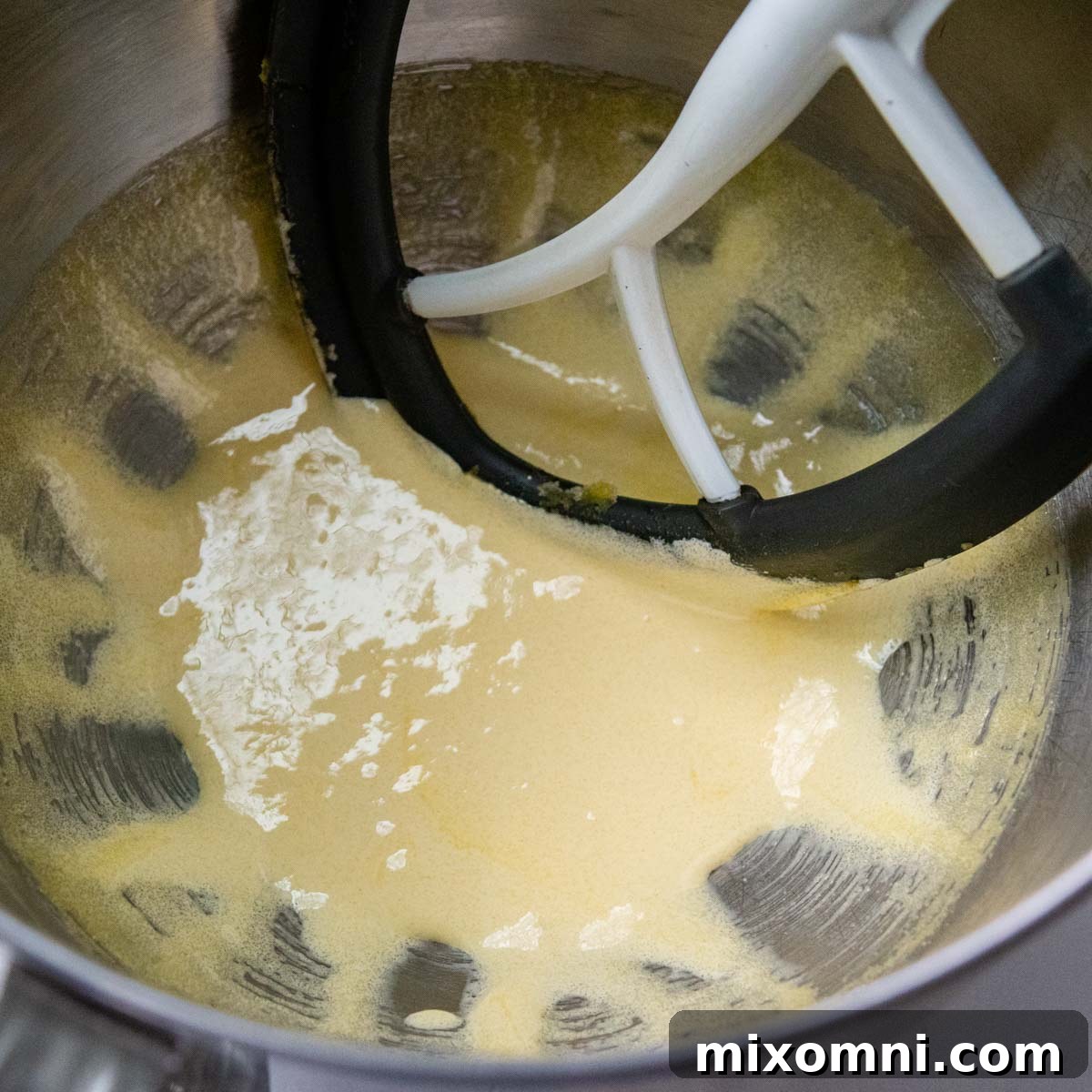
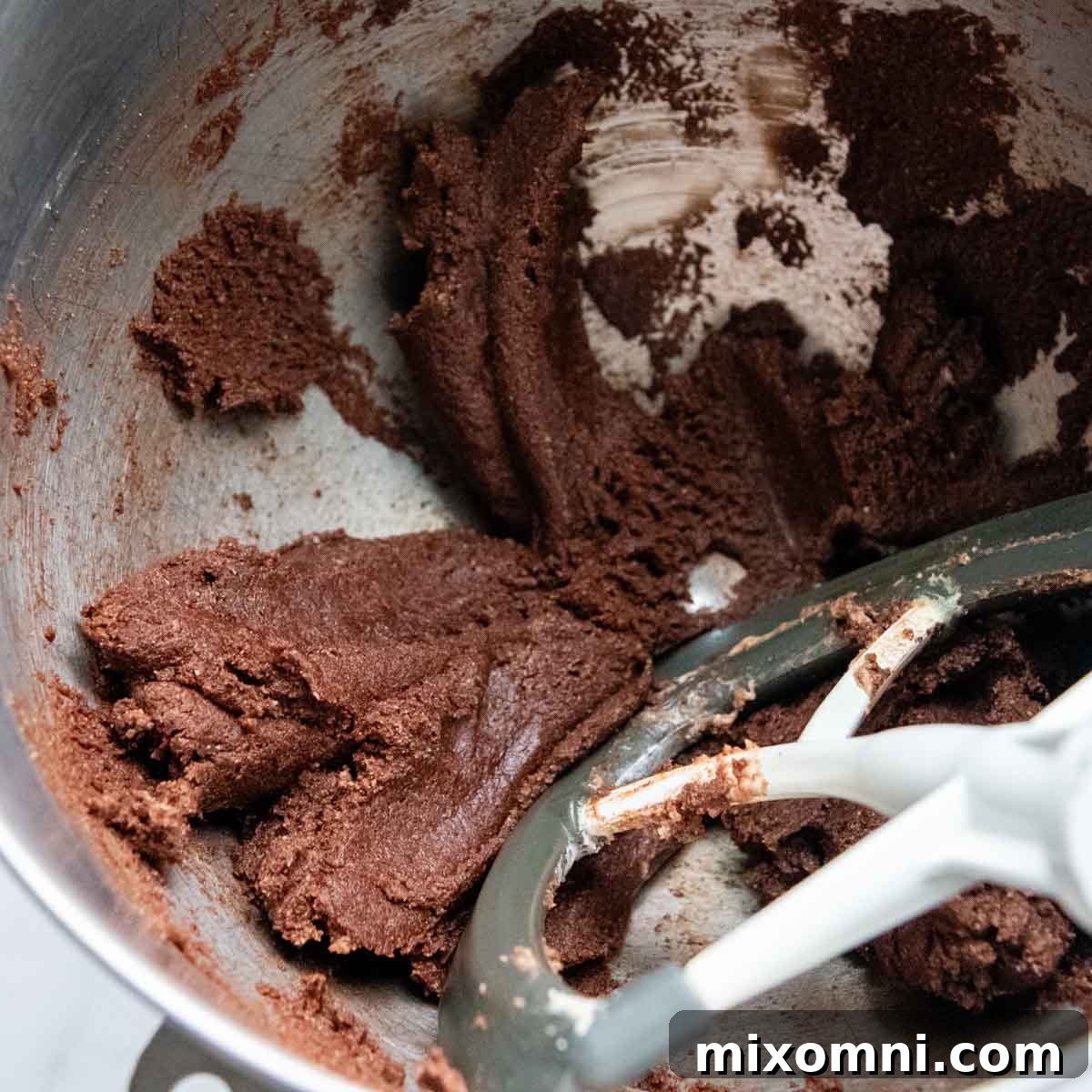
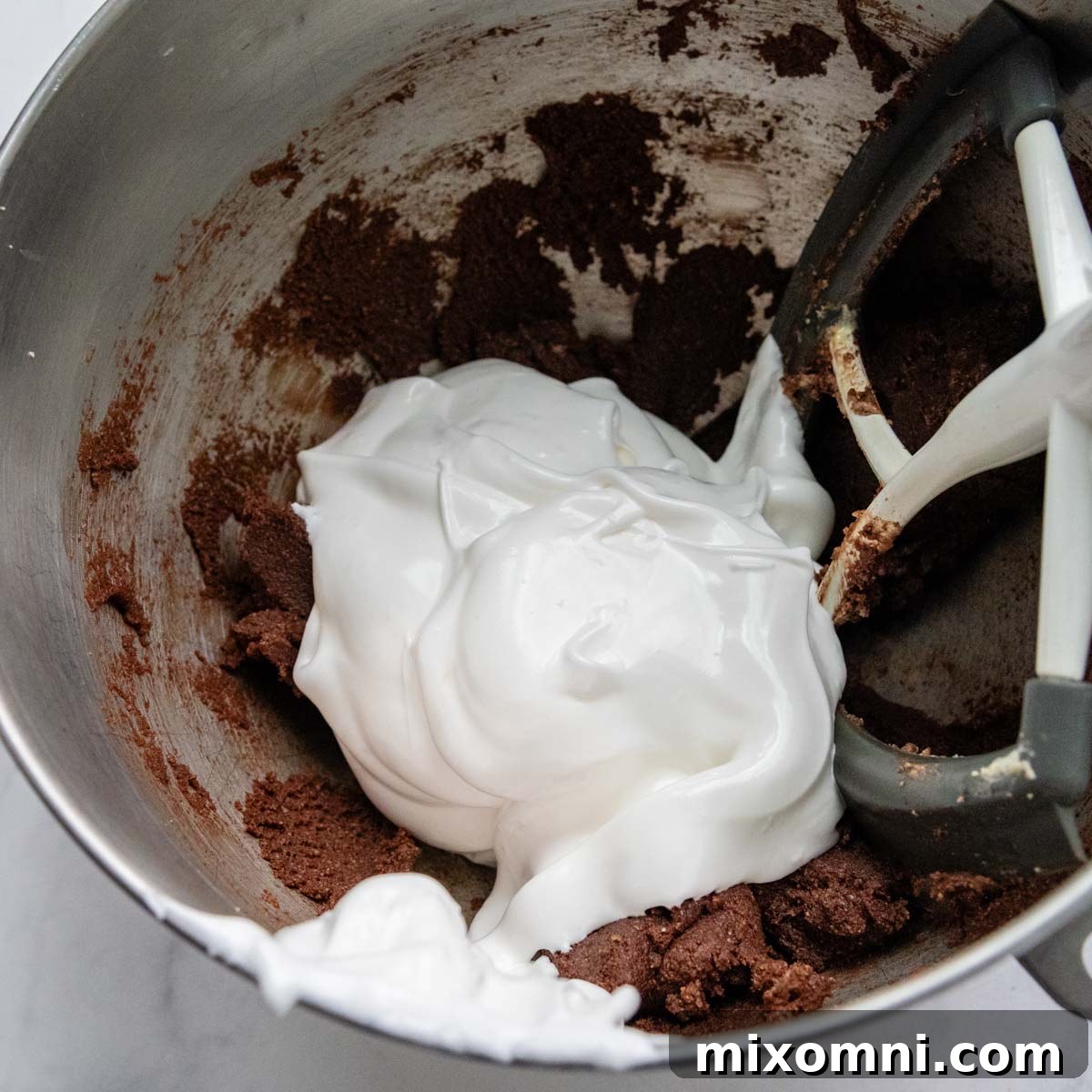
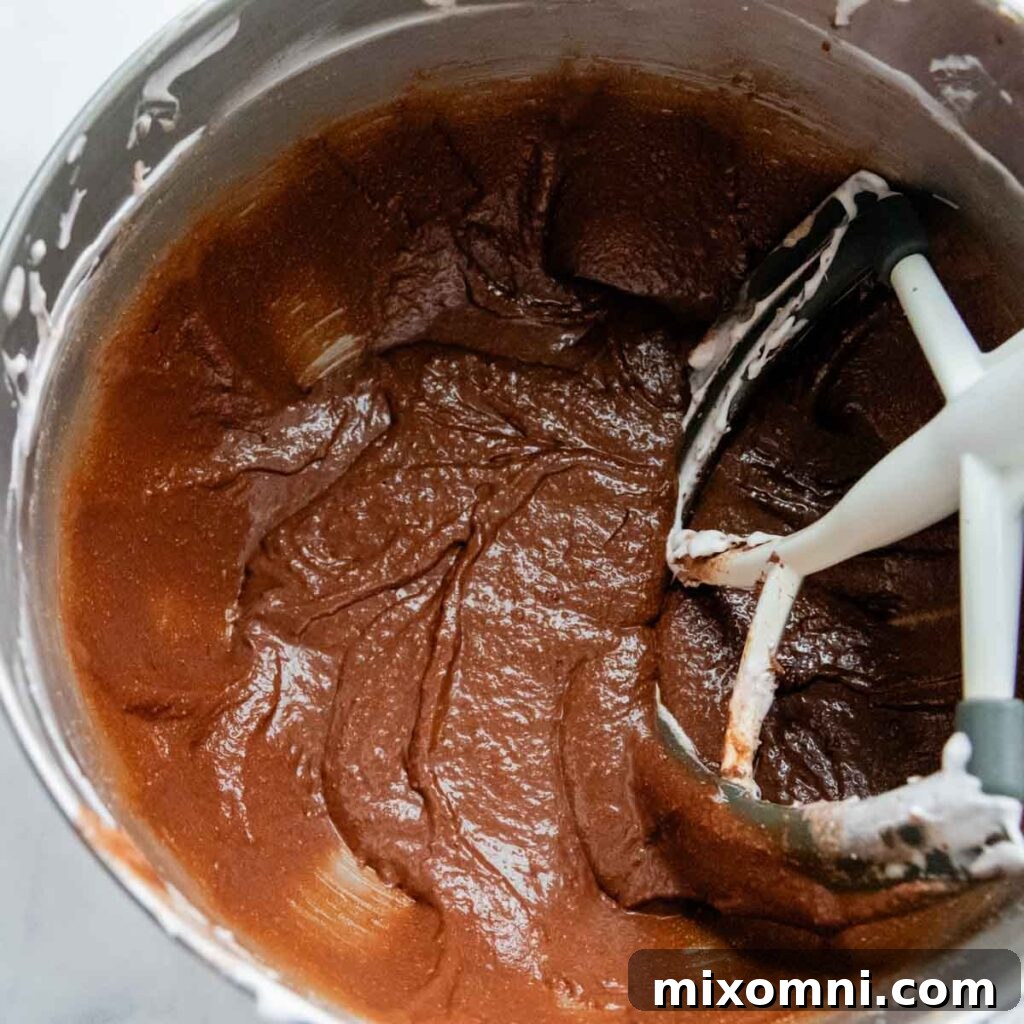
- Prepare Your Oven and Pan: Preheat your oven to 400°F (200°C). It’s crucial to remember that you will not bake at this temperature for the entire duration, so keep an eye on the baking directions. Line a 12-cup muffin pan with paper cupcake liners.
- Whip Egg Whites: In a clean, large mixing bowl, beat the separated egg whites until they become foamy. Gradually add half of the granulated sugar (½ cup) to the egg whites while continuing to beat. Continue whipping until stiff, glossy peaks form. Set this meringue mixture aside.
- Prepare Egg Yolk Mixture: In a separate large mixing bowl, beat the egg yolks with the remaining ½ cup of granulated sugar until the mixture is thick, pale, and has doubled in volume. This typically takes about 2 minutes with a stand mixer. Beat in the cooled melted butter (or coconut oil), vanilla extract, and almond extract until well combined.
- Combine Dry Ingredients: Add the blanched almond flour, unsweetened cocoa powder, baking powder, and salt to the egg yolk mixture. Beat until all ingredients are thoroughly mixed. At this stage, the batter will be quite thick, resembling cookie dough in consistency.
- Fold in Egg Whites: Gently incorporate the stiffly beaten egg whites into the almond flour mixture. Use a paddle attachment on your stand mixer or a handheld mixer on low speed, or even a spatula, to combine the two mixtures until no streaks of egg white remain. Ensure you scrape down the sides and bottom of the bowl at least once to fully incorporate the thicker chocolate mixture with the airy egg whites. This step is critical for a light crumb.
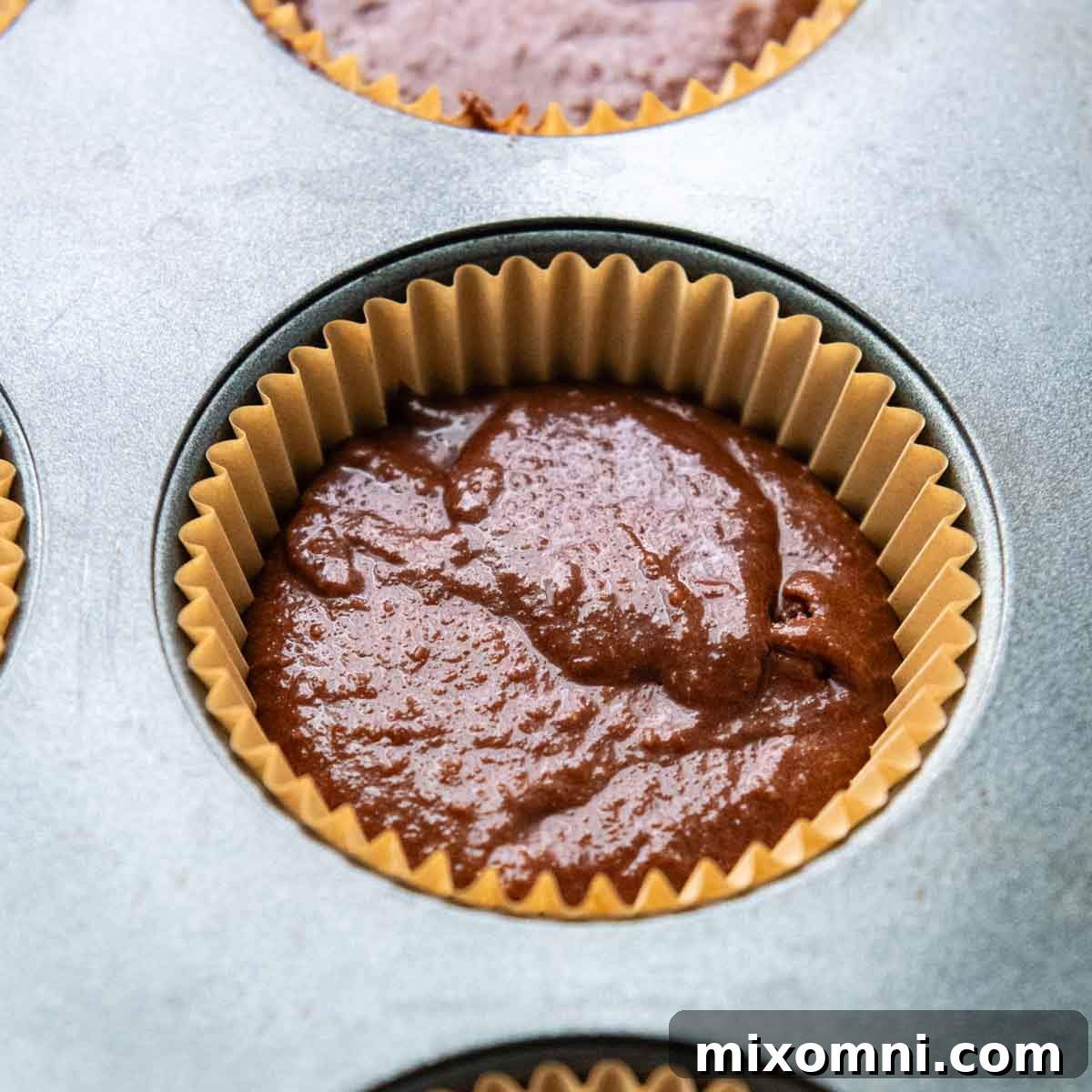
- Portion the Batter: Divide the batter evenly among the 12 prepared cupcake tins. The batter should fill each tin about two-thirds of the way up. Using a large cookie scoop can help you portion the batter quickly and evenly, preventing overfilling, which can lead to spillage.
- Two-Stage Baking: Bake the cupcakes for 5 minutes at the initial 400°F (200°C) temperature. After 5 minutes, without opening the oven door, reduce the oven temperature to 325°F (160°C). Continue to bake for an additional 15-17 minutes, or until a toothpick inserted into the center of a cupcake comes out clean.
Tip for Success: To prevent the cupcakes from falling, try to leave them in the oven undisturbed as much as possible. Avoid opening the door to rotate or check for doneness until near the end of the baking time. The tops may appear slightly “wet” even when fully baked, so rely on the toothpick test. - Cool Completely: Allow the cupcakes to cool in the muffin pan for about 5 minutes. Then, carefully transfer them to a wire rack to cool completely before applying any frosting. Frosting warm cupcakes will cause the frosting to melt.
Perfecting Your Almond Buttercream Frosting
Our almond buttercream frosting is designed to be incredibly light and fluffy, the ideal complement to our rich chocolate cupcakes. The key to this airy texture lies in the mixing process and the choice of liquid. For the absolute fluffiest consistency, use a stand mixer fitted with a paddle attachment and beat the frosting for an extended period. Because this recipe calls for heavy cream, the prolonged mixing time effectively whips the cream, creating a delightful, cloud-like frosting.
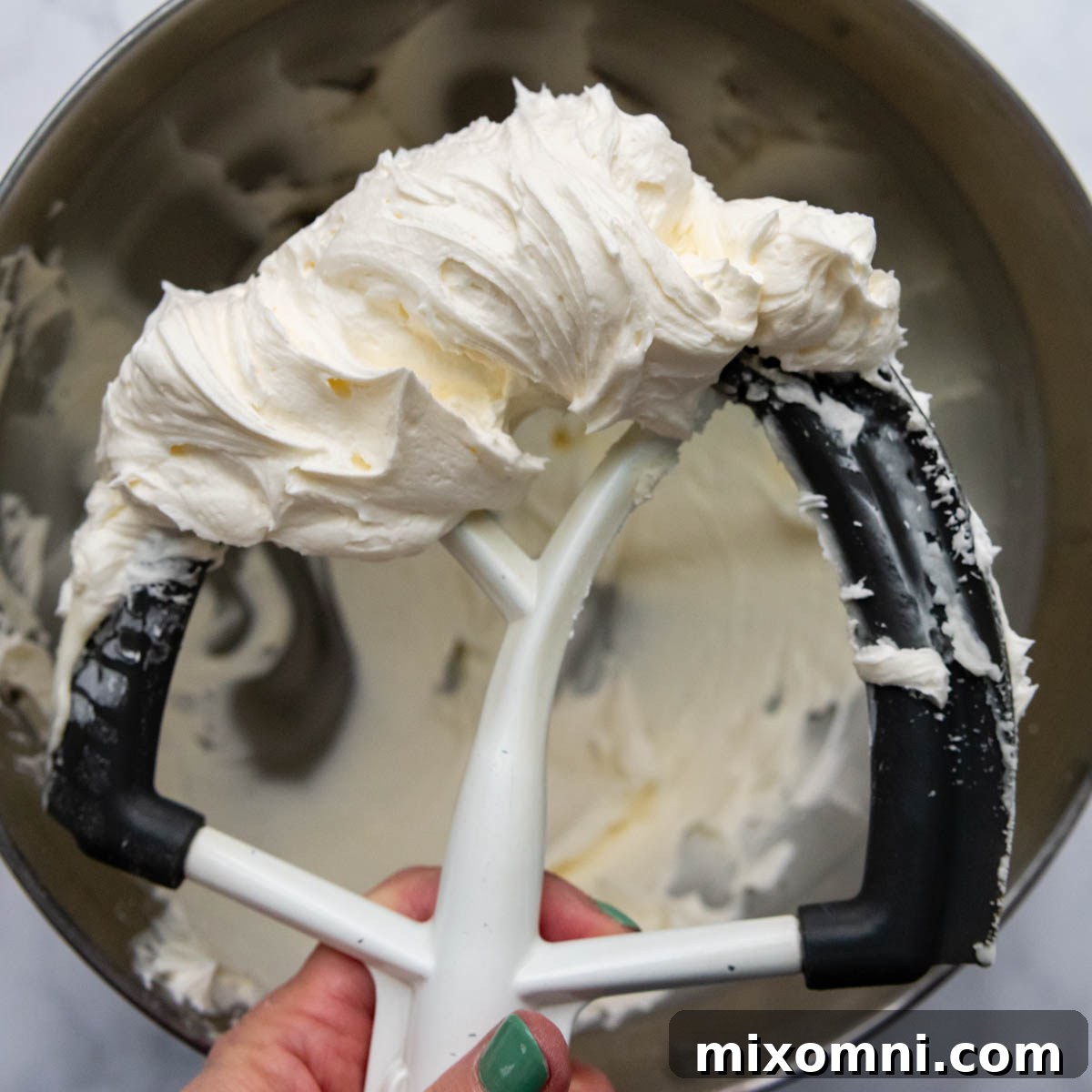
While heavy cream is preferred for its superior whipping qualities, you can substitute other liquids if needed. Milk, canned coconut milk, or unsweetened almond milk can all work, but be aware that these alternatives will result in a more traditional buttercream texture, rather than the ethereal fluffiness achieved with heavy cream.
Using almond extract in the frosting instead of, or in addition to, vanilla extract, imbues it with a subtly nutty, sophisticated flavor that beautifully enhances the almond flour cupcakes. We highly recommend this delightful addition. For an even more pronounced almond essence, you can also replace half of the vanilla extract with almond extract in the cupcake batter itself.
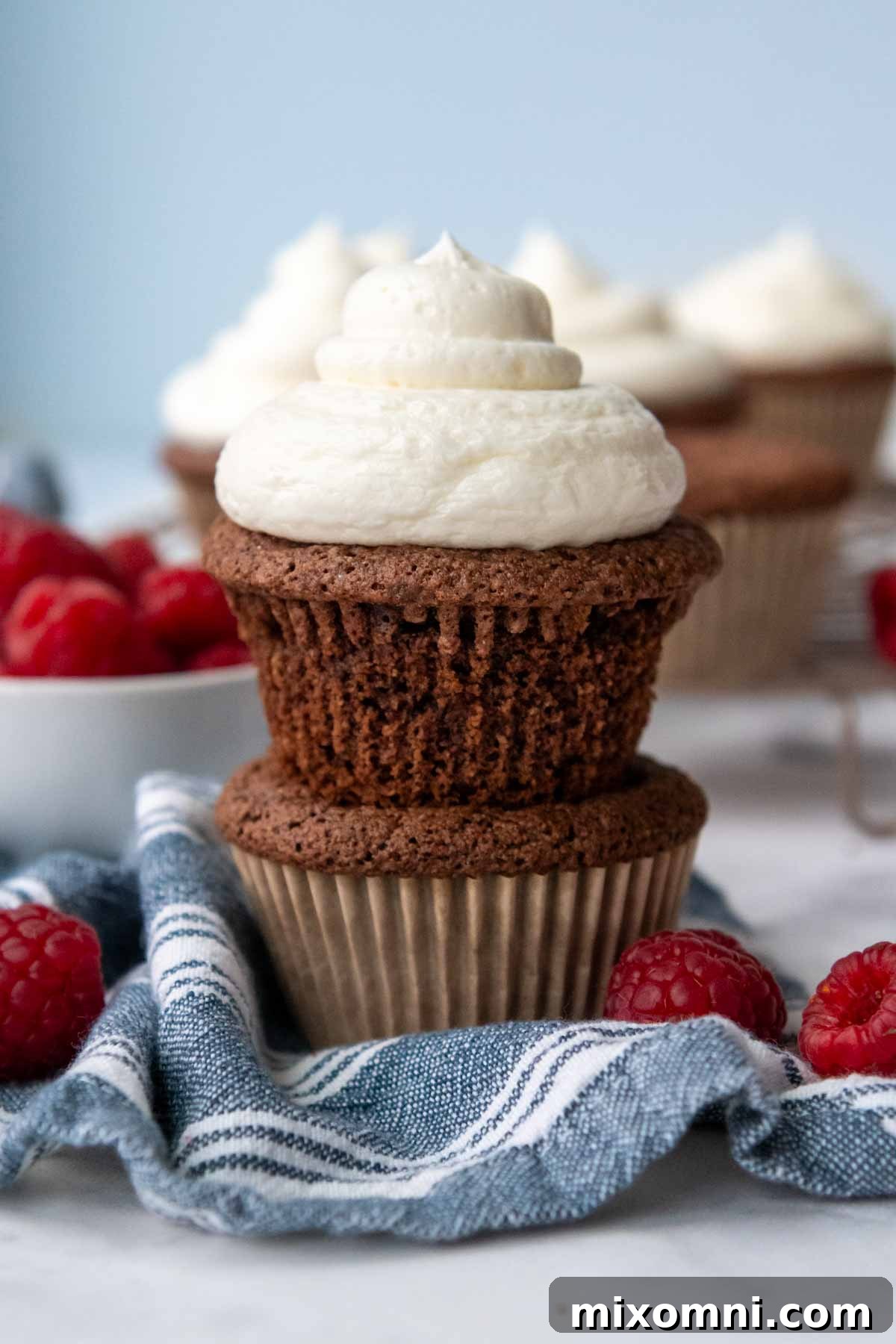
The frosting recipe provided below yields enough to spread a modest layer on 12 cupcakes. If you prefer the lavish, mounded frosting seen in our photos, where the frosting is piled high, you will need to double the frosting recipe. For a professional finish, use a large open pastry tip to pipe on the doubled frosting.
More Frosting Options for Your Gluten-Free Cupcakes
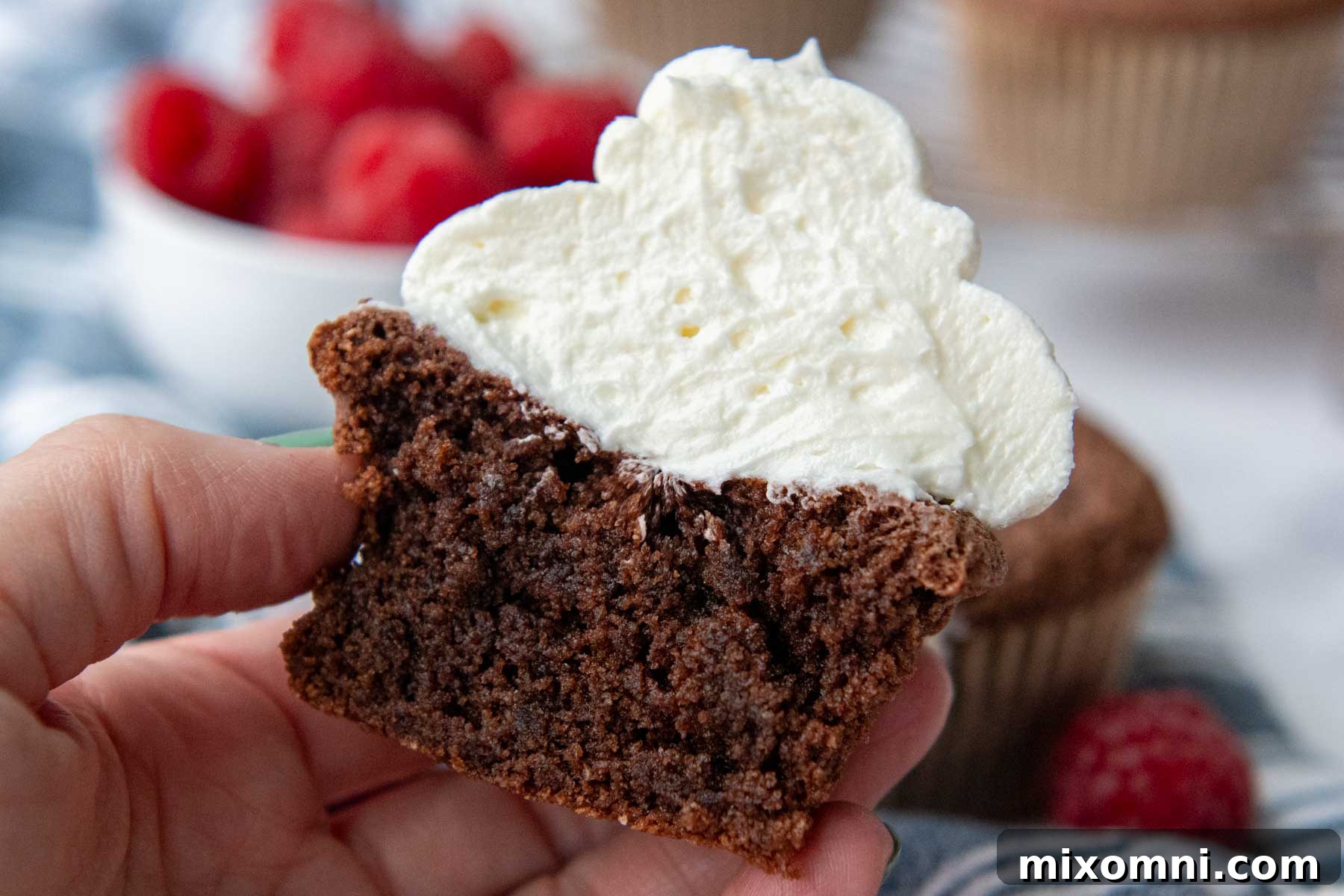
While our almond buttercream is truly divine, these gluten-free chocolate cupcakes are so flavorful that they are fantastic with a variety of toppings. For a simple yet elegant presentation, a light dusting of powdered sugar is often all they need. Alternatively, serve them with a dollop of freshly whipped cream and an assortment of fresh berries like blueberries, raspberries, or sliced strawberries for a burst of freshness and color.
If you’re looking for another classic pairing, a rich and tangy cream cheese frosting would be a delicious choice for these chocolate treats. For the ultimate double chocolate indulgence, consider using our fluffy chocolate buttercream recipe. The full recipe for our chocolate buttercream provides enough to pipe decorative swirls on 12 cupcakes, or you can halve it for a simpler spread.
Can I Substitute Another Flour for Almond Flour?
A common question in gluten-free baking is whether different flours can be swapped interchangeably. When working with almond flour recipes, it’s crucial to understand that almond flour behaves very differently from other flours, including wheat flour, gluten-free all-purpose flour blends, or other alternative flours like coconut flour. Unfortunately, you cannot simply replace almond flour with another type of flour in this recipe, nor can you take a traditional wheat-based recipe and substitute almond flour directly.
Almond flour is considerably heavier than wheat flour and boasts a much higher fat and moisture content due to the natural oils in almonds. These characteristics mean that recipes specifically formulated for almond flour are carefully balanced to account for its unique properties. They typically feature reduced liquid and fat components, and often an increased amount of dry ingredients, to achieve the correct batter consistency and baked texture. Additionally, almond flour often requires a longer baking time to ensure it cooks through and dries out sufficiently. Attempting to substitute other flours without significant adjustments to the entire recipe structure will almost certainly lead to disappointing results, such as dense, gummy, or crumbly baked goods. For consistent success, it is always best to stick with well-tested almond flour recipes that have been specifically developed and balanced for this unique ingredient.
Storing, Serving, and Freezing Your Almond Flour Cupcakes
Proper storage is key to maintaining the freshness and deliciousness of your almond flour chocolate cupcakes. For optimal enjoyment, store unfrosted cupcakes in an airtight container at room temperature for up to 3 days. If your frosting requires refrigeration, ensure the cupcakes are brought back to room temperature for several hours before serving; this allows the flavors to meld and the cake and frosting to reach their ideal texture.
Freezing Unfrosted Cupcakes:
To extend their shelf life, completely cooled unfrosted cupcakes can be frozen. Wrap each individual cupcake securely in plastic wrap to prevent freezer burn. Then, transfer the wrapped cupcakes to a gallon-sized freezer bag or an airtight freezer-safe container. They can be stored in the freezer for up to 3 months. When you’re ready to enjoy them, simply remove the desired number of wrapped cupcakes from the freezer bag and let them thaw at room temperature for approximately 1 hour before frosting and serving.
Freezing Frosted Cupcakes:
You can also freeze frosted cupcakes, though a slightly different method is recommended to protect the frosting. First, place the frosted cupcakes on a baking sheet and put them in the freezer until the frosting has completely solidified, usually about 30 minutes to an hour. Once the frosting is firm, wrap each cupcake securely in plastic wrap. Transfer the individually wrapped, frozen cupcakes to a gallon-sized freezer bag or an airtight container. They will keep well in the freezer for up to 3 months. Thaw them at room temperature for several hours before serving, allowing both the cake and frosting to soften beautifully.
Don’t forget to save this recipe for Fluffy Chocolate Almond Flour Cupcakes to your Pinterest board for easy access! We are always sharing delicious recipes, so connect with us on Pinterest!
Did you make this recipe? We love hearing from our community! Please leave a star rating and comment below. Your feedback helps other bakers and is greatly appreciated! -Melissa
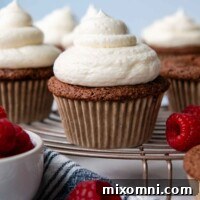
Fluffy Chocolate Almond Flour Cupcakes (Gluten-Free)

Melissa Erdelac
12 Cupcakes
15 mins
20 mins
35 mins
Pin Recipe
Ingredients
For the Cupcakes:
- 3 large eggs, separated and at room temperature (see notes for separating tips)
- 1 cup (200 g) granulated sugar, divided
- ¼ cup (57 g) unsalted butter, melted and cooled, or melted coconut oil for dairy-free
- ¾ teaspoon vanilla extract
- ¾ teaspoon almond extract (or 1 ½ tsp total vanilla extract if preferred)
- 2 cups (184 g) blanched almond flour
- ⅓ cup (34 g) Dutch-processed (preferred) unsweetened cocoa powder
- 1 ½ teaspoon baking powder
- ¼ teaspoon salt
For the Almond Buttercream Frosting:
- ½ cup (113 g) unsalted butter, softened to room temperature
- 2 ½ cups (300 g) powdered sugar
- ¼ cup (60 g) heavy cream (preferred, may substitute milk or canned coconut milk for dairy-free)
- ½ teaspoon almond extract
- ⅛ teaspoon salt
Equipment
- 12-cup Muffin Tins
- Stand Mixer (or handheld electric mixer)
- Large Cookie Scoop (optional, for even portioning)
Instructions
Making the Cupcakes:
- Preheat the oven to 400°F (200°C). Line a 12-cup muffin pan with paper liners. Set aside.
- In a large bowl, using a whisk attachment (or handheld mixer), beat the egg whites until foamy. Gradually add ½ cup of sugar and continue beating until stiff, glossy peaks form. Set aside.
- In a separate large mixing bowl, beat the egg yolks with the remaining ½ cup of sugar until the mixture is thick, pale, and doubled in volume (about 2 minutes). Beat in the cooled melted butter (or coconut oil), vanilla extract, and almond extract.
- Add the almond flour, cocoa powder, baking powder, and salt to the egg yolk mixture. Beat until all ingredients are well mixed. The batter will be very thick, similar to cookie dough.
- Add the beaten egg whites to the almond flour mixture. Use a paddle attachment or handheld mixer on low speed, or a large spatula, to gently combine the two mixtures until no streaks of egg white remain. Be sure to scrape down the bowl, especially to the bottom, to fully incorporate the thicker chocolate mixture.
- Divide the batter evenly among the 12 cupcake tins, filling each about 2/3 full. A large cookie scoop is helpful for quick and even portioning. Do not overfill.
- Bake for 5 minutes at 400°F (200°C). Without opening the oven door, reduce the temperature to 325°F (160°C). Continue to bake for an additional 15-17 minutes, or until a toothpick inserted into the center of a cupcake comes out clean. TIP: Avoid opening the oven door unnecessarily during baking, as this can cause the cupcakes to fall. The tops may still appear slightly “wet” even when fully baked.
- Let the cupcakes cool in the pan for 5 minutes before transferring them to a wire rack to cool completely. Ensure they are fully cooled before frosting.
Making the Almond Buttercream Frosting:
- In a large bowl or stand mixer fitted with a paddle attachment, combine the softened butter, powdered sugar, heavy cream, almond extract, and salt on low speed until just combined.
- Once combined, increase the speed to medium-high and beat for 5 minutes, scraping down the bowl occasionally. For a slightly stiffer frosting, you may add up to ½ cup additional powdered sugar and beat again until smooth. Spread on cooled cupcakes.
Notes
Separating Eggs:
Eggs are often easier to separate when they are cold. After separating, allow both the yolks and whites to come to room temperature before using, as room temperature egg whites whip to a greater volume.
Storing and Freezing:
For best results, store these almond flour chocolate cupcakes at room temperature in an airtight container for up to 3 days. If your frosting requires refrigeration, ensure the cupcakes are set out several hours before serving to reach room temperature for optimal taste and texture.
Freezing Unfrosted Cupcakes: Wrap each completely cooled cupcake securely in plastic wrap. Transfer wrapped cupcakes to a gallon freezer bag and freeze for up to 3 months. When ready to use, remove from freezer bag and thaw wrapped cupcake at room temperature for 1 hour before frosting and serving.
Freezing Frosted Cupcakes: Place frosted cupcakes on a baking sheet and freeze until the frosting solidifies (about 30-60 minutes). Wrap each cupcake securely with plastic wrap and transfer to a gallon freezer bag to freeze for up to 3 months. Thaw at room temperature for several hours before serving.
Nutrition Information (per cupcake)
| Calories: | 409kcal |
| Carbohydrates: | 47g |
| Protein: | 6g |
| Fat: | 24g |
| Saturated Fat: | 10g |
| Polyunsaturated Fat: | 1g |
| Monounsaturated Fat: | 4g |
| Trans Fat: | 0.5g |
| Cholesterol: | 77mg |
| Sodium: | 153mg |
| Potassium: | 112mg |
| Fiber: | 3g |
| Sugar: | 42g |
| Vitamin A: | 487IU |
| Vitamin C: | 0.03mg |
| Calcium: | 77mg |
| Iron: | 1mg |
(Nutritional information is an estimate and may vary based on ingredients and preparation methods.)