
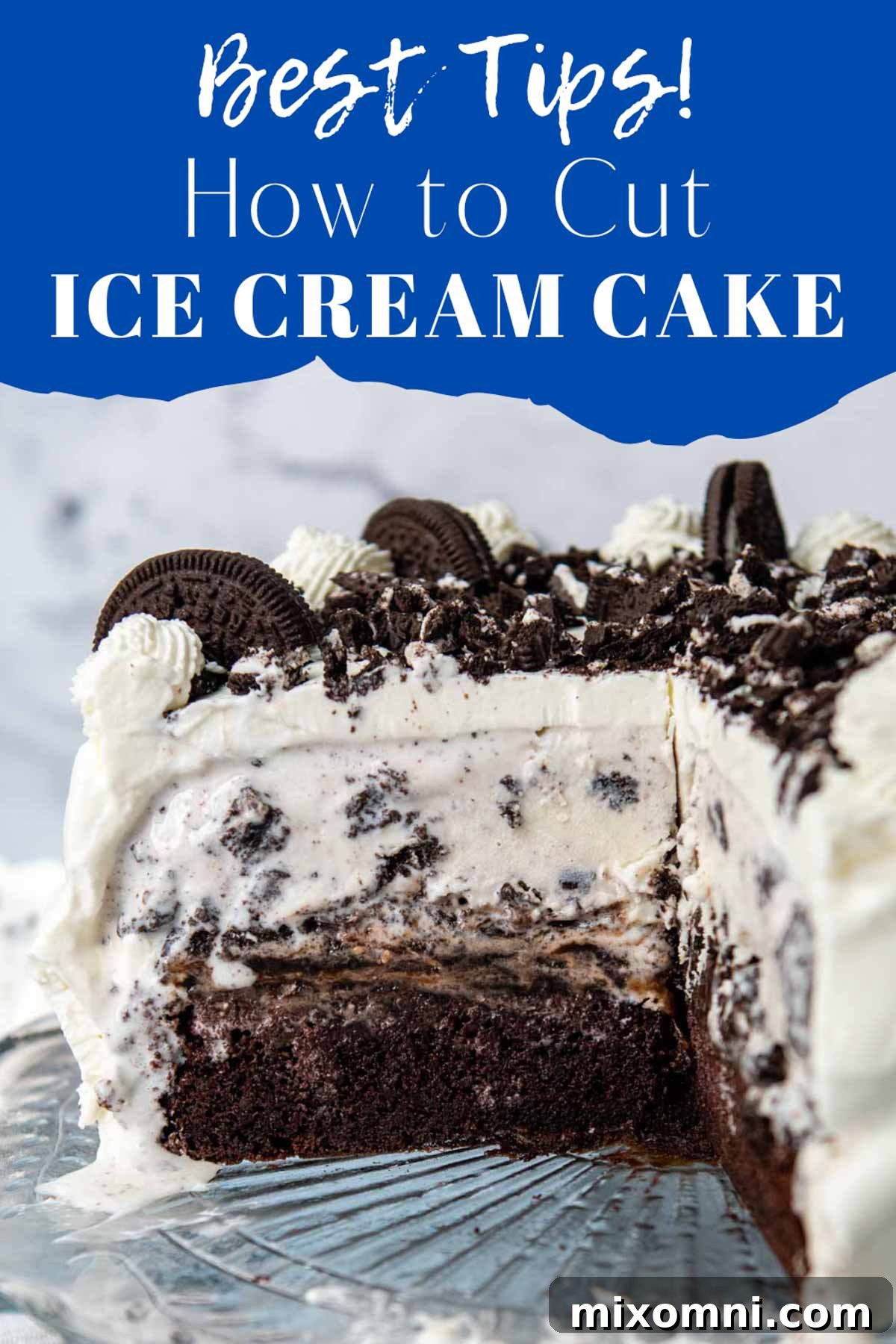
Unlock the secrets to effortlessly slicing and serving your favorite frozen dessert with this comprehensive guide on how to cut ice cream cake with ease. Whether it’s a birthday celebration, a family gathering, or a simple craving, mastering the art of cutting an ice cream cake can transform a potentially messy endeavor into a perfectly presented treat. This guide is packed with expert tips and tricks, addressing common challenges and answering all your questions about preparing and serving ice cream cakes and other frozen delights.
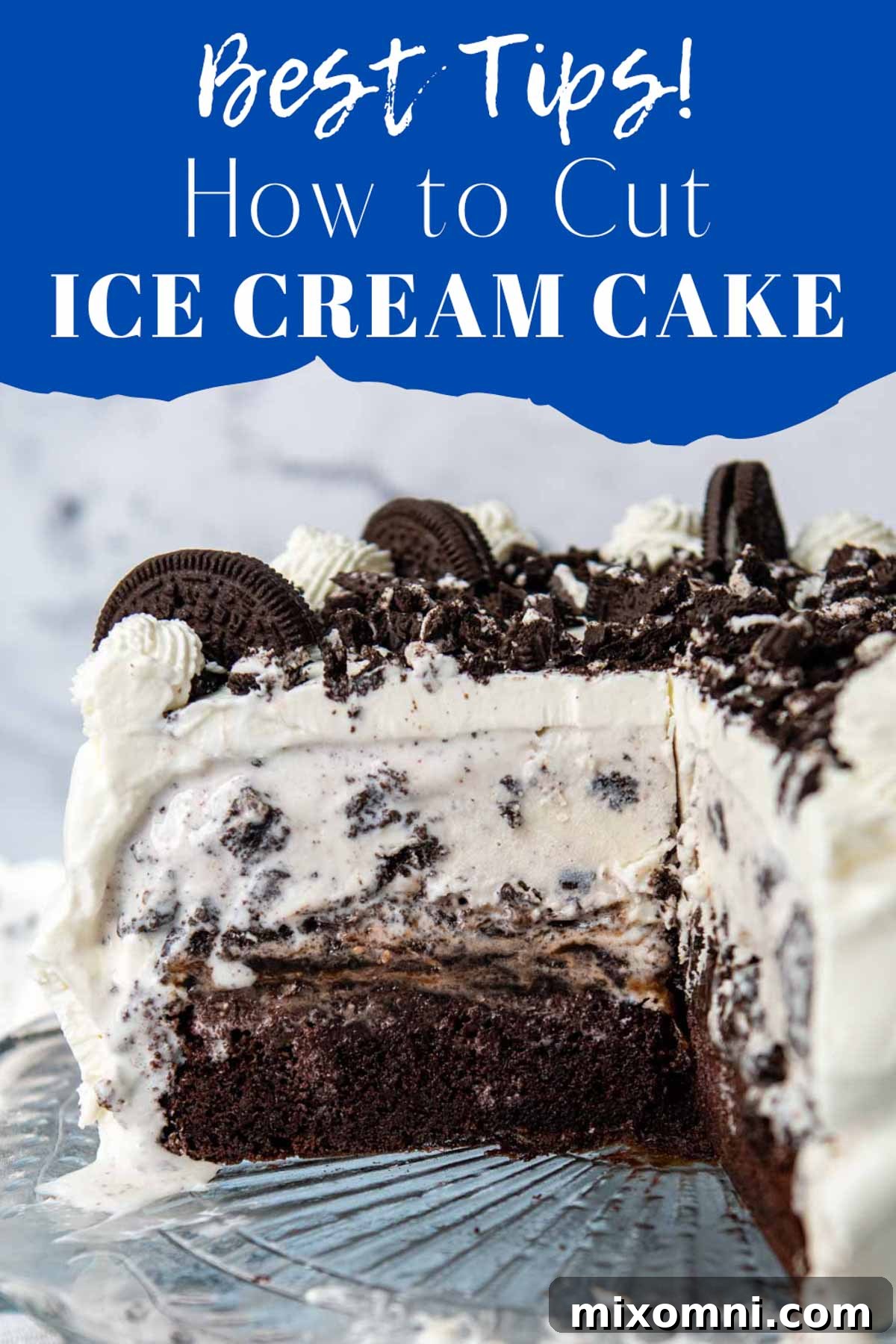
Mastering the Art of Cutting Ice Cream Cake
Ice cream cakes are a delightful fusion of creamy ice cream, soft cake layers, and often indulgent additions like hot fudge, cookie crumbles, or whipped cream. Brands like Dairy Queen and Cold Stone Creamery have popularized them, but homemade versions are equally cherished. Despite their deliciousness, the varying textures and frozen state often make them challenging to slice neatly. This guide will walk you through the optimal techniques to achieve perfect, clean slices every single time, ensuring your dessert looks as good as it tastes.
The methods detailed here are not just for traditional ice cream cakes. You can apply these expert techniques to a variety of frozen desserts, including elegant frozen lemon pies, sophisticated semifreddo, classic Baked Alaska, rich frozen cheesecakes, refreshing frozen fruit salads, and even our personal favorites like gluten-free Oreo ice cream cake and homemade ice cream sandwiches. Prepare to impress your guests with flawlessly cut desserts!
Step One: The Crucial Thaw – Preparing Your Cake for Slicing
One of the biggest culprits behind a frustrating ice cream cake cutting experience is attempting to slice it straight out of the freezer. A rock-solid cake is impossible to cut cleanly and can even bend your knife! The key to effortless slicing lies in allowing the cake to soften slightly before you begin. This crucial step ensures that your knife can glide through the various layers without resistance, resulting in smooth, uniform slices.
Optimal Thawing Methods: Room Temperature vs. Refrigerator
There are two primary methods for thawing an ice cream cake to the perfect consistency:
- Room Temperature Thawing: Let the cake sit on your countertop at room temperature for approximately 15-20 minutes. This method is quick, but it’s important to monitor the cake closely, especially in warmer environments, as the outer layers can melt faster than the core.
- Refrigerator Thawing: For a more controlled and even thaw, transfer the ice cream cake from the freezer to the refrigerator 30-40 minutes before you plan to serve it. This gradual softening ensures that the entire cake reaches a more pliable state without any part becoming overly soft or melty.
EXPERT TIP: We highly recommend thawing your ice cream cake in the refrigerator rather than at room temperature. This method promotes a more even softening throughout the cake. When left at room temperature, the exterior often becomes significantly softer, or even begins to melt, while the interior remains solidly frozen. Refrigeration ensures a consistently pliable texture from edge to center, making for cleaner cuts and a more enjoyable eating experience. The ideal texture is firm enough to hold its shape, but soft enough to yield to a knife with gentle pressure.
Step Two: Selecting the Perfect Knife for the Job
Just as a carpenter wouldn’t use a hammer to cut wood, you shouldn’t use just any knife to slice an ice cream cake. The right tool makes all the difference. For frozen desserts, you need a knife that is robust, sharp, and has a good amount of leverage.
Recommended Knife Types
- Chef’s Knife: Our top recommendation is a heavy, large chef’s knife. Its substantial weight and broad blade allow you to apply downward pressure efficiently, cutting straight through the cake with minimal effort. Look for one with a blade length of at least 8 inches for best results.
- Serrated Knife: A large serrated knife is another excellent choice. The saw-like edge is designed to cut through items with varying textures, making it effective for the different layers found in an ice cream cake. With a serrated knife, use a gentle back-and-forth sawing motion, letting the teeth do the work rather than pressing down forcefully.
- Long Carving Knife: A long, thin carving knife can also be effective, particularly if it’s very sharp. Its length helps ensure a single, clean pass through the cake.
Regardless of your choice, ensure your knife is sharp. A dull knife will tear and mangle the cake, whereas a sharp one will slice cleanly, preserving the integrity of each layer.
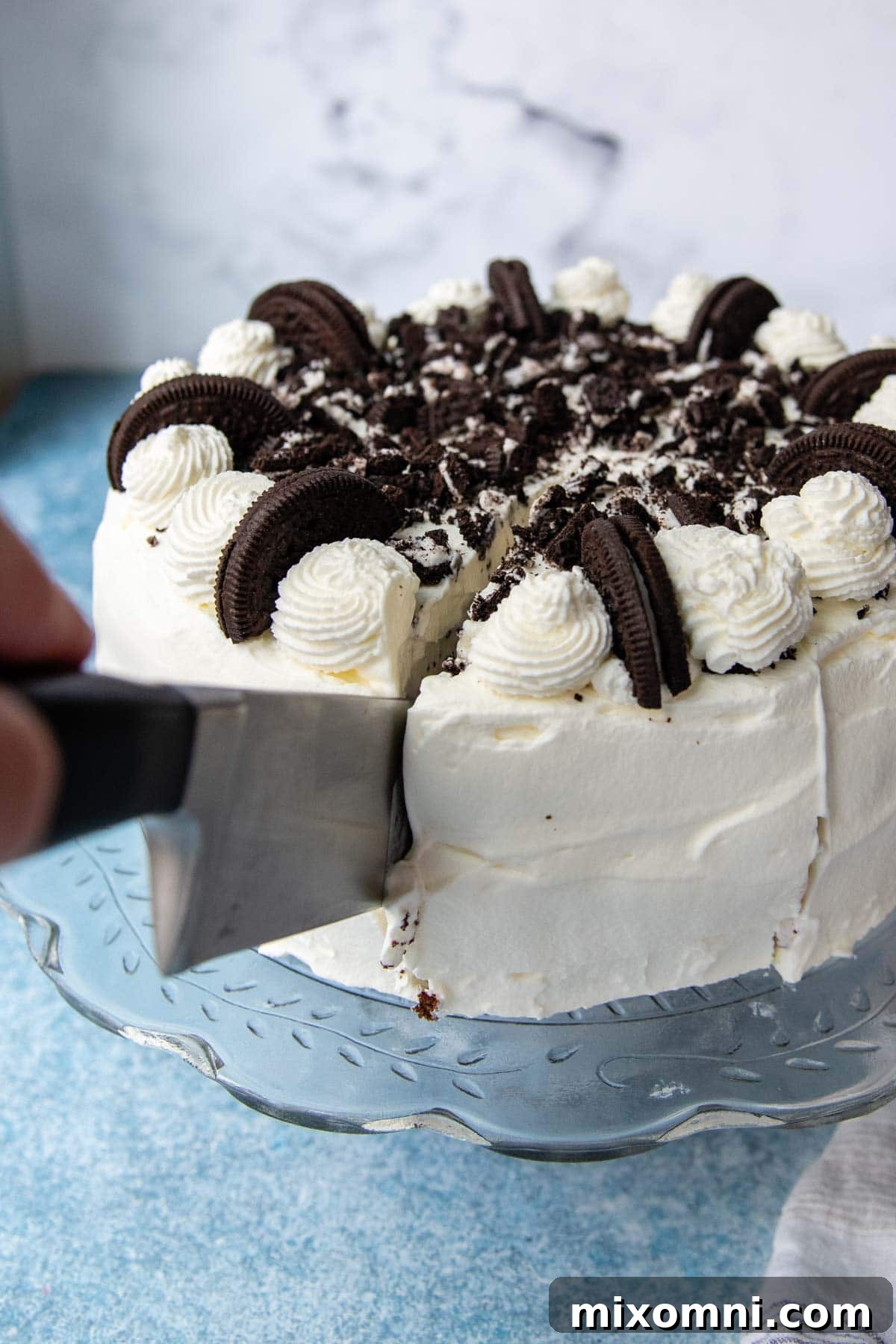
Step Three: The Warm Knife Technique – Your Secret Weapon for Clean Slices
Once your cake is slightly softened and you have your chosen knife, the final, most crucial step is to warm the blade. This simple trick dramatically reduces friction, allowing the knife to glide through the frozen dessert like butter, creating perfectly smooth, crisp edges on every slice.
Two Effective Ways to Warm Your Knife
- Hot Water Glass Method: Fill a tall glass or pitcher with very hot water. Keep a clean towel nearby. Dip the knife blade into the hot water for 15-20 seconds. Carefully remove the knife and immediately wipe it completely dry with the towel. The hot blade will melt a thin layer of ice cream as it cuts, preventing sticking. Slice the cake, then re-dip and wipe the knife clean and dry between each slice. This ensures consistent, clean cuts throughout the entire cake.
- Running Hot Water Method (Recommended): For ultimate convenience and efficiency, position your ice cream cake close to a kitchen sink. Turn on the hot water tap and let it run over the entire blade of your knife for about 10-15 seconds. Ensure the blade is thoroughly heated. Carefully wipe the knife completely dry before making your cut. This method is often faster and maintains a more consistent blade temperature. Repeat the process of warming and wiping the knife between each slice to maintain optimal cutting performance.
EXPERT TIP: Always wipe the knife completely dry after warming it. Any residual water on the blade will immediately freeze upon contact with the cake, causing the knife to stick and creating uneven, jagged slices. A dry, warm blade is essential for a clean cut. Take your time, re-warm and wipe for every single slice, and you’ll be amazed at the results!

Achieving Perfect Slices and Serving with Finesse
Once your cake is properly thawed and your knife is warmed, the actual slicing becomes a breeze. For a chef’s knife, press straight down firmly and evenly through the cake. For a serrated knife, use a gentle sawing motion. Avoid pushing or pulling too aggressively, which can distort the layers. Make your first cut, then rotate the cake to make parallel cuts, creating uniform slices. Use a spatula or cake server, ideally one that has also been briefly warmed, to gently lift and transfer each slice to a plate. For an extra touch of elegance, have your serving plates ready and chilled if possible to prevent immediate melting.
Presentation Matters: Elevating Your Dessert
Serving an ice cream cake is about more than just cutting it. Consider adding complementary toppings like fresh berries, chocolate shavings, a drizzle of warm caramel, or a dollop of fresh whipped cream. These not only enhance the flavor but also add visual appeal. Presenting each slice on a clean plate with a thoughtful garnish elevates the entire dessert experience.
Frequently Asked Questions About Ice Cream Cakes
We’ve gathered and answered some of the most common questions about handling, cutting, and storing ice cream cakes to ensure your success.
Will ice cream cake melt in the fridge?
Yes, an ice cream cake will eventually melt in the refrigerator if left for an extended period. Refrigerators are typically set at temperatures above freezing, which is ideal for thawing but not for long-term storage of frozen desserts. Ice cream cakes should always be stored in the freezer to maintain their solid state. However, the refrigerator is indeed the best environment for softening the cake for 30-40 minutes before cutting, as it allows for a gradual and even thaw, preventing the outer layers from melting excessively while the core remains frozen solid. This controlled softening is key to achieving those perfect slices.
How long to thaw an ice cream cake before serving?
The optimal thawing time depends on the method chosen and the surrounding temperature. If thawing at room temperature, 15-20 minutes is typically sufficient. In a very warm room, you might need slightly less time, around 10-15 minutes. For a more even thaw, transfer the cake from the freezer to the refrigerator for 30-40 minutes. Always check the cake’s consistency before cutting – it should be firm but yield slightly to gentle pressure.
What is the best way to store ice cream cake?
To ensure your ice cream cake remains fresh and free from freezer burn, proper storage is essential. Immediately after serving, wrap any remaining cake securely in several layers of plastic wrap, pressing it firmly against the cake to minimize air exposure. Then, consider adding a layer of aluminum foil for extra protection. When wrapped properly, an ice cream cake can be stored in the freezer for up to two weeks without significant degradation in quality. For longer storage, up to a month, consider placing the wrapped cake inside an airtight freezer-safe container.
EXPERT TIP: For ultimate convenience and to prevent the need for re-thawing the entire cake every time you want a slice, pre-cut your leftovers! Once the cake has softened appropriately from its initial thaw, slice any remaining portions into individual servings. Wrap each individual slice securely in plastic wrap, then place these wrapped slices into a large freezer bag or an airtight container. This allows you to easily grab a single slice whenever a dessert craving strikes, without affecting the rest of the cake.
Can I refreeze a thawed ice cream cake?
While you can refreeze an ice cream cake that has been partially thawed for cutting, it’s generally not recommended for optimal quality. Repeated thawing and refreezing can lead to a less desirable texture, as ice crystals can form and compromise the creaminess of the ice cream. If you must refreeze, ensure it hasn’t completely melted and wrap it meticulously to prevent freezer burn.
How do I get perfectly clean slices every time?
Consistency is key! Always ensure the cake is adequately (but not excessively) thawed, use a sharp and warm knife, and wipe the knife clean and dry between each cut. Avoid rushing the process. These three steps combined will consistently yield professional-looking slices.
What if my ice cream cake is still too hard?
If you’ve attempted to cut and find the cake is still too firm, simply return it to the refrigerator for another 10-15 minutes, or leave it at room temperature for an additional 5-7 minutes. It’s better to slightly under-thaw and adjust than to over-thaw and have a melting mess on your hands. Always aim for a texture that yields with firm but not excessive pressure.
How long can an ice cream cake sit out at room temperature?
An ice cream cake should not sit out at room temperature for more than 15-20 minutes before serving. Beyond this, the ice cream layers will start to melt, compromising the cake’s structure and food safety. Once slices are served, they should be consumed relatively quickly or returned to the freezer if possible.
SAVE THese invaluable tips for cutting ice cream cake TO YOUR PINTEREST BOARD!
Let’s be friends on Pinterest! I’m always sharing great recipes and kitchen hacks!
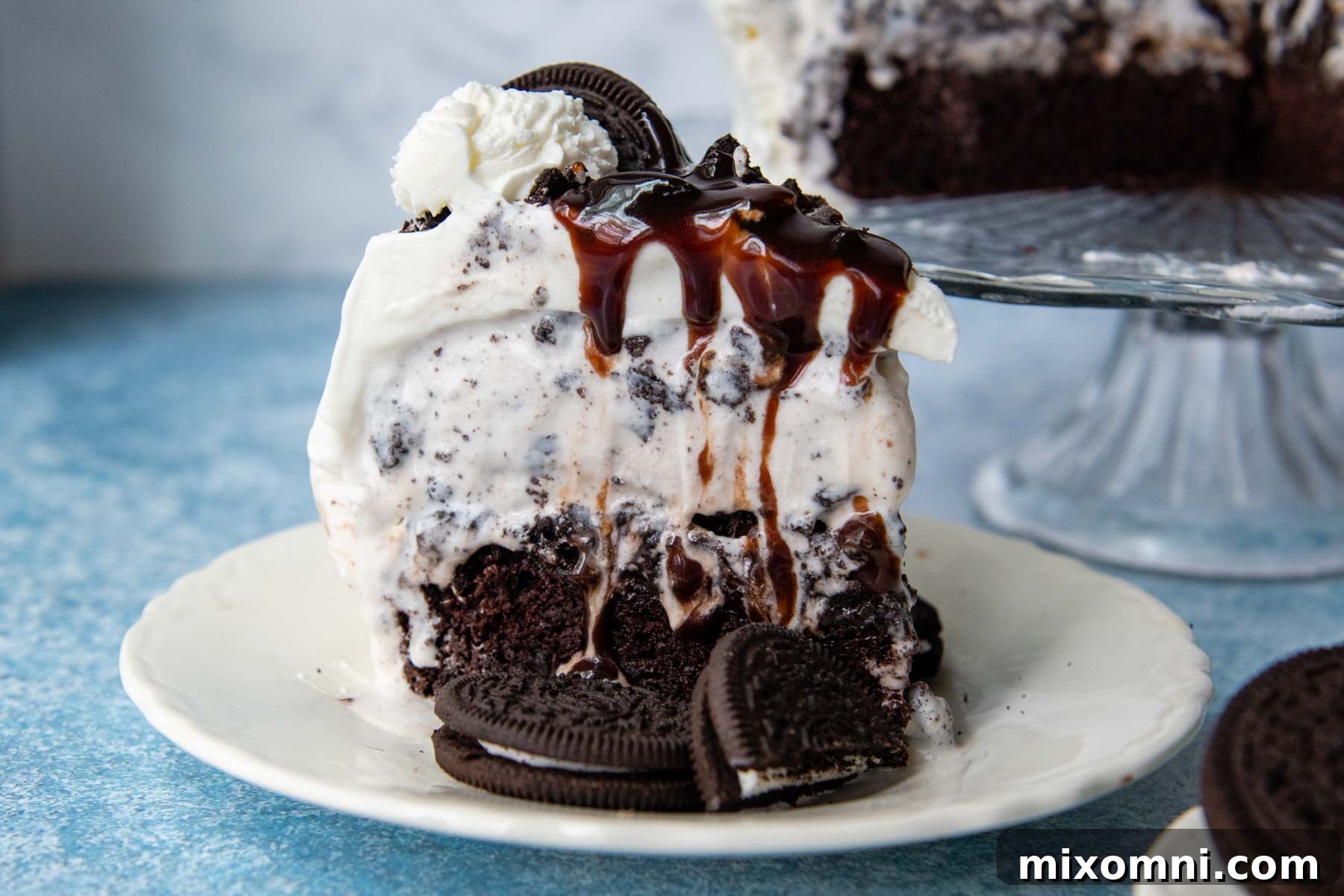
Cutting an ice cream cake no longer needs to be a source of stress. By following these simple yet effective steps – proper thawing, choosing the right sharp knife, and utilizing the warm knife technique – you can achieve perfectly clean, visually appealing slices every single time. Enjoy your delicious frozen desserts with newfound confidence and ease!