
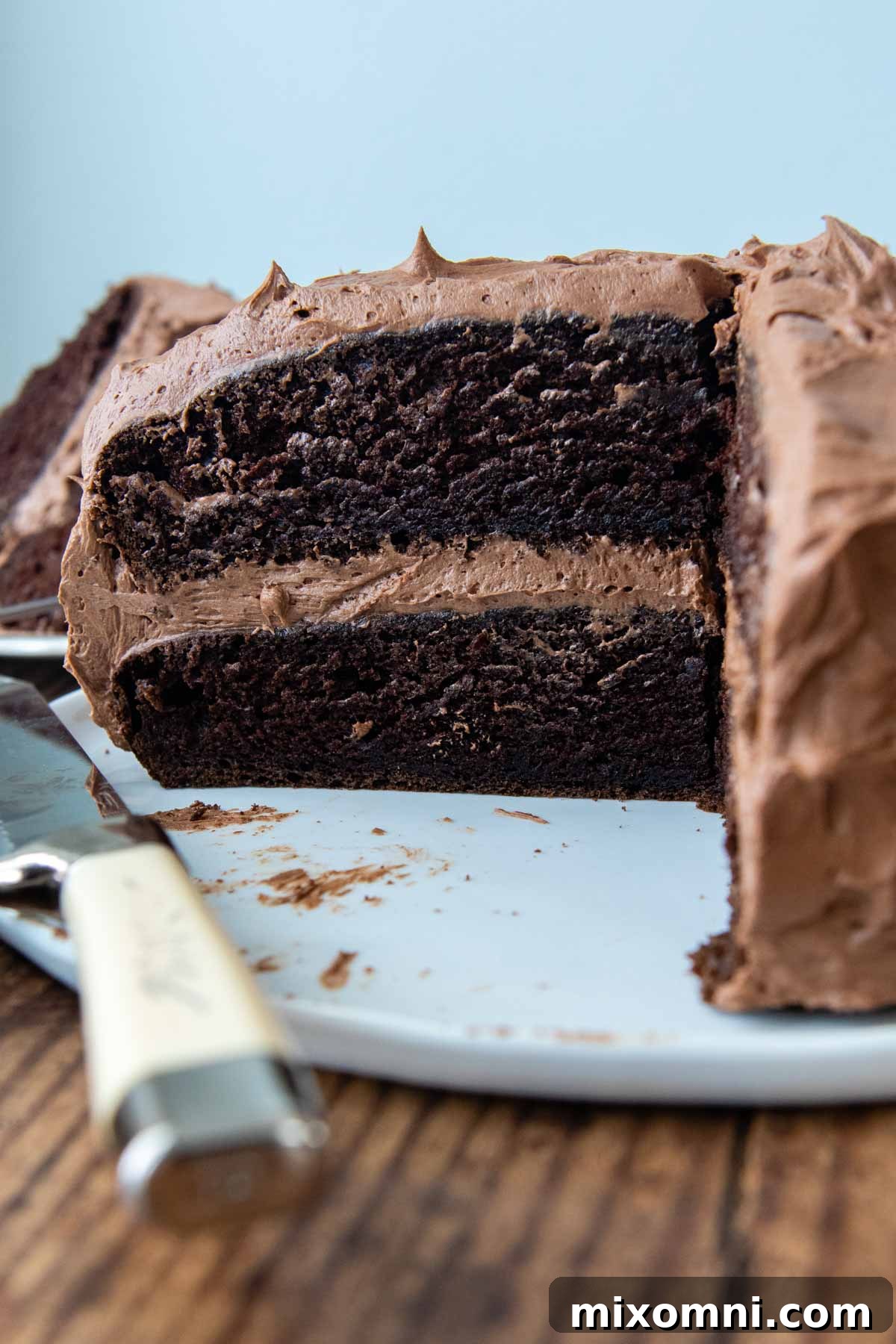
Are you searching for the ultimate gluten-free chocolate cake recipe that promises unparalleled moistness, rich flavor, and a surprisingly light texture? Look no further! This easy-to-follow, no-fail recipe will guide you to bake a dessert so delicious, even the most discerning palates won’t guess it’s gluten-free. Forget dry, crumbly gluten-free cakes; our secret ingredient—boiling water—transforms the batter, saturating starches, aerating the mixture, and ensuring every slice is incredibly fluffy, spongy, and deeply satisfying. This isn’t just a recipe; it’s a revelation, boasting hundreds of 5-star reviews from delighted bakers and eaters alike.
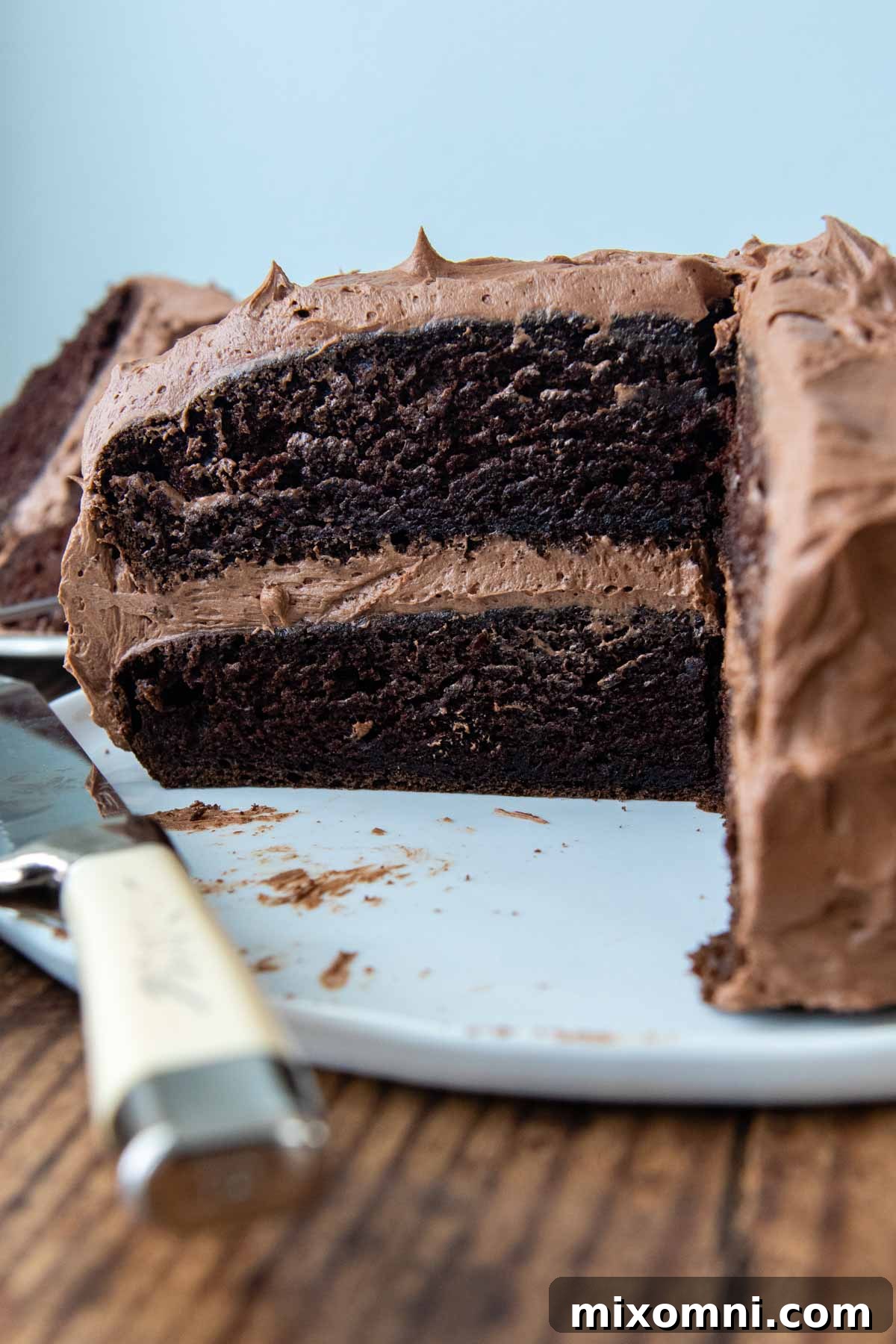
Your New Go-To: The Best Gluten-Free Chocolate Cake Recipe
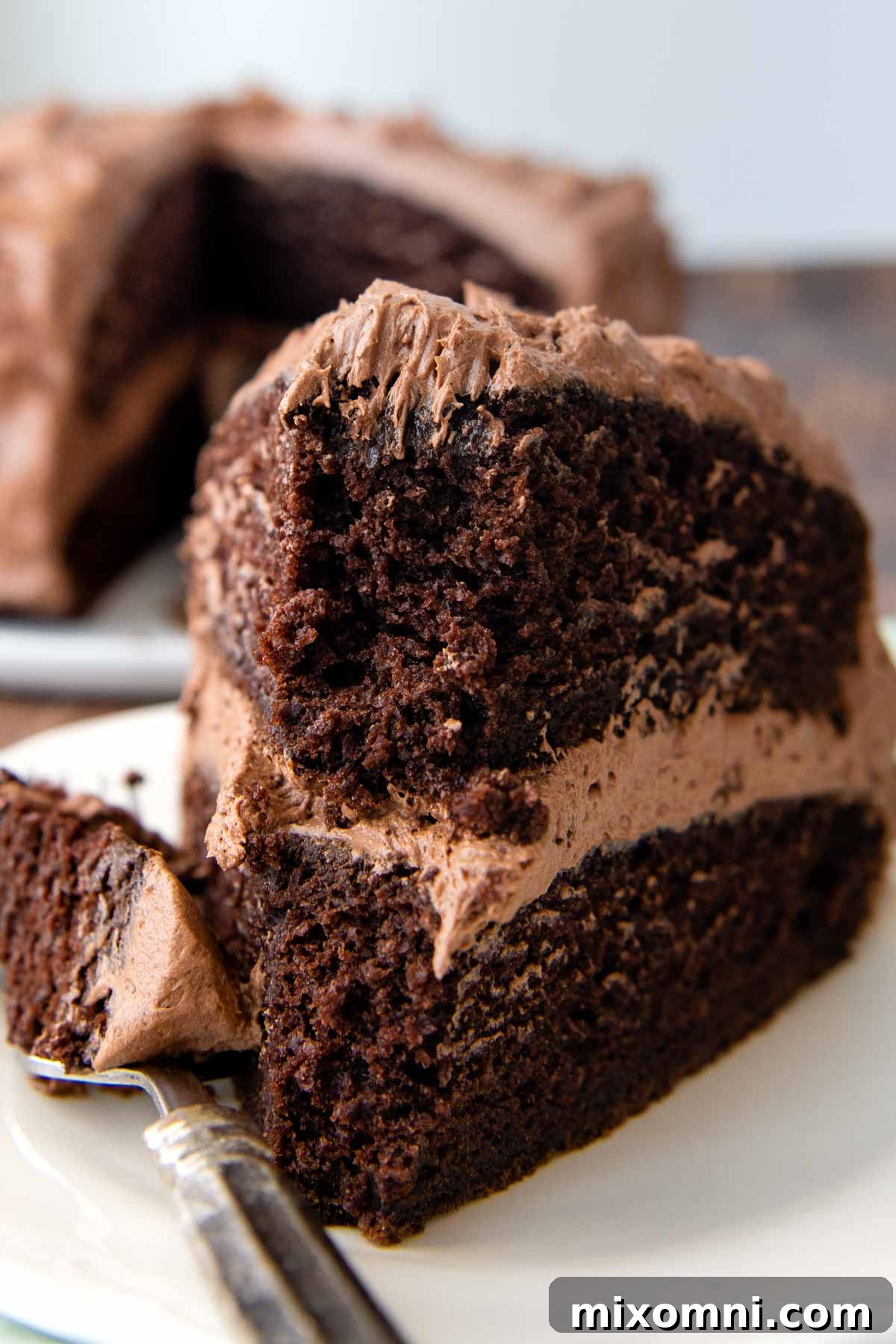
Whether you’re embarking on your first gluten-free baking adventure or you’re a seasoned pro navigating the nuances of alternative flours, having a reliable, show-stopping gluten-free chocolate cake recipe is essential. This particular recipe consistently delivers a tender, moist crumb that often fools even the toughest critics into believing it’s a traditional, scratch-made chocolate cake. It has become our most requested dessert, effortlessly becoming the star of birthday parties, holiday celebrations, and countless family gatherings.
Beyond its standalone perfection, this versatile cake serves as an excellent base for various culinary creations. We’ve used it to craft nostalgic treats like a homemade Ding Dong cake and an epic cookies and cream gluten-free ice cream cake. Its adaptability makes it a true kitchen hero, always turning out fabulous results with minimal fuss. But what truly makes this cocoa powder-based chocolate cake rise above the rest?
What Makes This Gluten-Free Chocolate Cake So Extraordinary?
The magic behind this recipe lies in its simplicity and a few ingenious techniques:
- Accessible Pantry Staples: Unlike some gluten-free recipes that require obscure ingredients, this cake utilizes readily available items. You’ll need a quality gluten-free all-purpose flour blend, unsweetened cocoa powder, eggs, milk (or a dairy-free alternative), vanilla extract, and oil. The use of oil instead of butter is a deliberate choice, not only making it effortlessly adaptable for a dairy-free gluten-free cake but also contributing to its incredibly moist crumb that remains tender for days.
- Unbelievable Ease of Preparation: Baking from scratch often conjures images of complex steps and meticulous measurements. This recipe challenges that notion. It’s almost as easy as using a boxed cake mix, yet yields far superior results. Simply combine all the ingredients, mix, and bake. It’s designed to be foolproof, ensuring success even for novice bakers.
- The Secret Weapon: Boiling Water: This seemingly simple addition is the true game-changer. When hot boiling water is incorporated into the batter, it performs several crucial functions:
- Eliminates Grittiness: Gluten-free flours, especially those high in starches, can sometimes lead to a gritty texture. Boiling water helps to fully hydrate and saturate these starches, resulting in an exceptionally smooth and tender crumb.
- Enhances Chocolate Flavor: The heat from the boiling water “blooms” the cocoa powder, intensifying its chocolate notes and yielding a richer, deeper flavor profile.
- Creates Lightness and Fluffiness: The hot water aerates the batter, jump-starting the chemical reaction of the baking powder and baking soda. This rapid activation creates an abundance of air pockets, contributing to an incredibly light, airy, and fluffy texture—far from the dense, heavy gluten-free cakes you might be used to.
While some recipes might rely on ingredients like sour cream for added moisture, this gluten-free chocolate cake proves that a cup of hot boiling water is all you need to achieve astonishingly moist results. This simple hack makes a world of difference!
Join us as we dive deeper into the process, sharing essential baker’s tips, workable ingredient swaps, and variations for transforming this fantastic recipe into sheet cakes, cupcakes, or even our family’s highly requested gluten-free Black Forest cake. All the details for a truly unforgettable baking experience are here!
“I have the same praise as everyone does, it’s the best chocolate cake I’ve made period!”
— Heather
“We actually like this cake better than our favorite chocolate cake with regular flour. This GF cake is so moist and delicious! Thank you for this wonderful recipe!”
— Rebecca
Decoding the Ingredients: What You Need to Know
Understanding the role of each ingredient is key to mastering this exceptional gluten-free chocolate cake. Here’s a closer look at the components that contribute to its success:
- Gluten-Free Flour Blend: The foundation of any great gluten-free bake. We consistently achieve excellent results with Cup4Cup gluten-free flour blend. Its balanced blend of starches and flours mimics traditional wheat flour remarkably well. However, many readers have successfully used other reputable all-purpose gluten-free flour blends. While results may vary slightly depending on your chosen blend, this recipe is quite forgiving. Always ensure your chosen blend contains xanthan gum, or add it separately if not included.
- Unsweetened Cocoa Powder: For a deep, rich, and intense chocolate flavor, we highly recommend using Dutch-processed cocoa powder. This type of cocoa has been treated with an alkali to reduce its acidity, resulting in a darker color and a smoother, less bitter chocolate taste. Natural unsweetened cocoa powder can also be used, but you might notice a slight difference in color and flavor intensity.
- Milk: This recipe is wonderfully adaptable! Feel free to use any type of regular dairy milk (whole, 2%, skim) or your preferred non-dairy alternative, such as almond milk, soy milk, or oat milk. The fat content of the milk can subtly influence the cake’s richness, but any variety will yield delicious results.
- Vegetable Oil: The choice of oil plays a significant role in the cake’s moistness. Unlike butter, which can make gluten-free cakes crumbly when chilled, oil remains liquid at cooler temperatures, keeping the cake tender and moist even when refrigerated. Canola oil, vegetable oil, or a neutral-flavored coconut oil (melted) are excellent choices.
- Boiling Water: As discussed, this is our “magic” ingredient! It’s what sets this gluten-free cake apart, ensuring it’s incredibly moist, fluffy, and completely free of any gritty texture often associated with gluten-free baking. It also invigorates the cocoa, deepening its chocolatey essence.
- Leavening Agents (Baking Powder & Baking Soda): These work in tandem to give the cake its lift and airy texture. The acidity in the cocoa (if using natural cocoa) and buttermilk (if using, or the combination of milk and baking soda in this recipe) reacts with the baking soda, creating carbon dioxide bubbles that expand during baking, contributing to the cake’s rise. Baking powder provides additional lift, ensuring a light and springy crumb.
- Eggs: Large eggs bind the ingredients together, add moisture, and contribute to the cake’s structure and richness.
- Granulated Sugar & Salt: Sugar not only sweetens the cake but also contributes significantly to its moisture retention and tender texture. Salt balances the flavors and enhances the sweetness of the chocolate.
- Vanilla Extract: A crucial flavor enhancer, vanilla extract complements and deepens the chocolate notes, adding warmth and complexity to the cake.
Let’s Bake This Together!
Baking this gluten-free chocolate cake is a joyful and straightforward process. Follow these detailed steps to achieve perfect results every time. (Below are step-by-step photos and expanded instructions. For the complete ingredient amounts, please scroll down to the full recipe card.)
Easy Peasy Batter (Seriously!)
Creating a homemade gluten-free cake with truly fabulous results doesn’t have to be complicated. Pinky promise!
Step 1: Prepare Pans & Dry Ingredients. Begin by preheating your oven to 350°F (175°C). Prepare two 9-inch round cake pans. Generously spray them with non-stick cooking spray, then line the bottoms with parchment paper circles cut to size. Spray the parchment paper as well. This double layer of protection ensures your cakes release cleanly. Set these prepared pans aside.
In a large mixing bowl, combine all the dry ingredients: your chosen gluten-free all-purpose flour, granulated sugar, unsweetened cocoa powder, baking powder, baking soda, and salt. You can either whisk these together thoroughly by hand to ensure they are well combined and lump-free, or if using a stand mixer, mix them on low speed with the paddle attachment until homogenous.
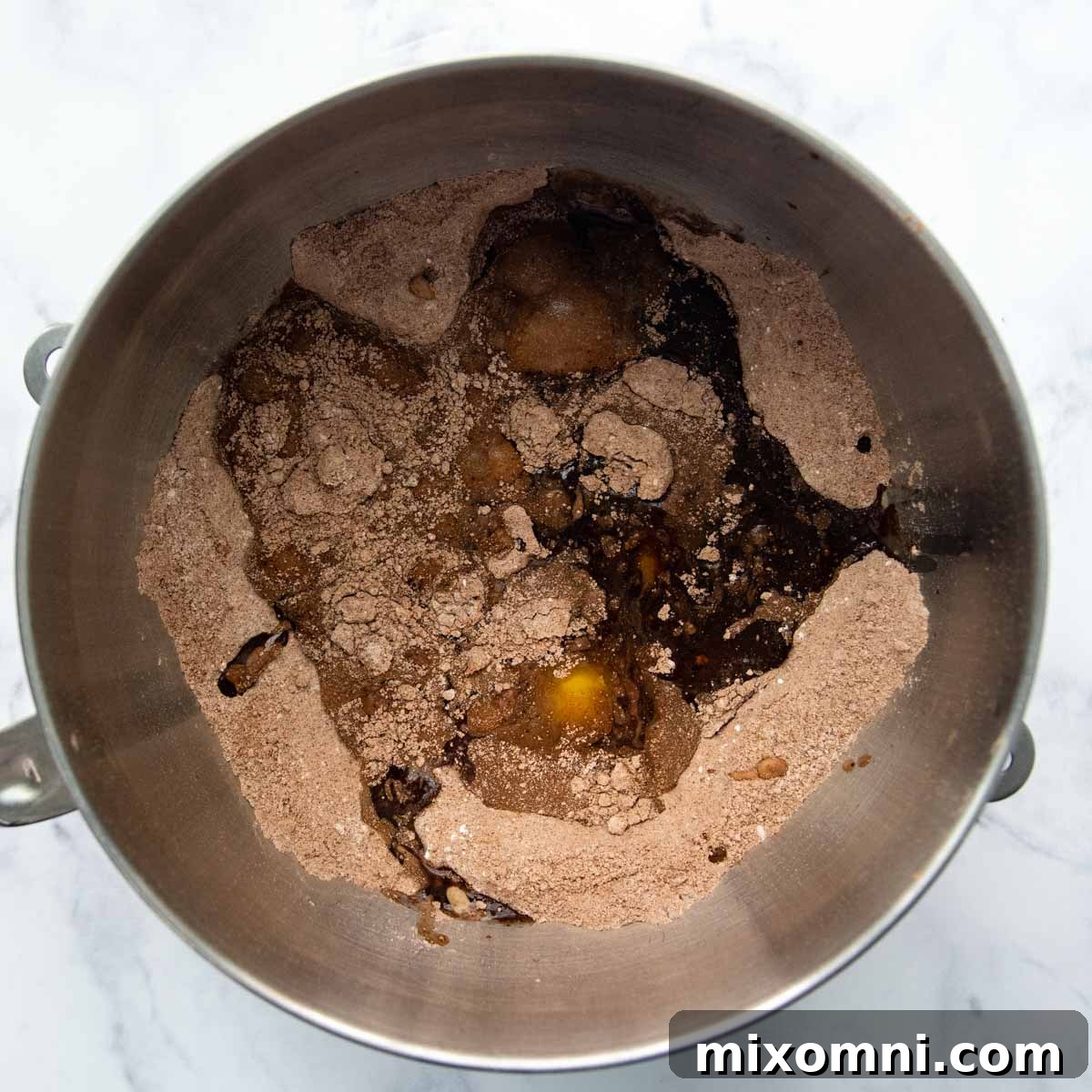
Step 2: Incorporate Wet Ingredients. To the mixed dry ingredients, add the milk (or dairy-free alternative), vegetable oil, large eggs, and vanilla extract. Begin mixing on medium speed. Continue to mix until all ingredients are just well combined and the batter is smooth. Be careful not to overmix at this stage; overmixing can develop certain starches in gluten-free flour, potentially leading to a tougher cake.
“Magic” Ingredient Time!
Now for the truly transformative step!
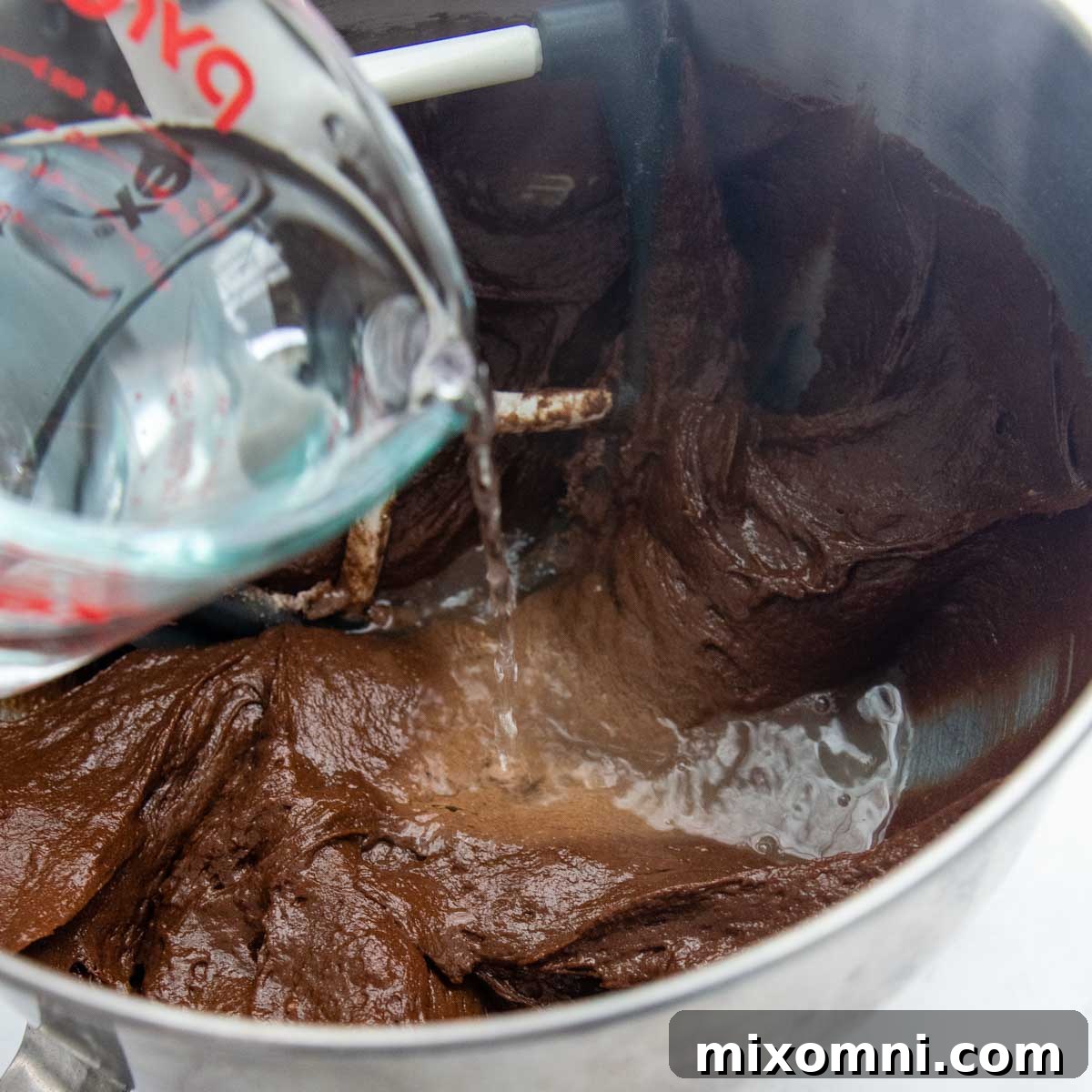
Step 3: Add Boiling Water. With your mixer running on low speed, slowly and carefully pour in the boiling water. The batter will become quite thin, which is exactly what we want. Once all the boiling water is fully incorporated, increase the mixer speed to high and beat for precisely 1 minute. This vigorous mixing after adding hot water is crucial. The boiling water activates the cocoa for a richer, deeper flavor, saturates the gluten-free starches to eliminate any grittiness, and intensely aerates the batter, leading to an extremely moist, light, and tender crumb. Truly, it’s magic!
Step 4: Rest the Batter. A highly recommended baker’s tip: Once the batter is ready, divide it evenly between your two prepared cake pans. Before placing them in the oven, let the cake batter rest in the pans for 10 minutes. This resting period is incredibly beneficial for gluten-free cakes. It allows the flour to fully hydrate, helps set up the cake’s structure, and significantly reduces the chances of the cake sinking in the middle or developing an undesirable “wrinkly” top during baking. If you have the extra time, definitely incorporate this step!
Bake, Cool, Frost, and Enjoy (Immense pleasure guaranteed!)
The final steps to chocolatey perfection.
Step 5: Bake to Perfection. Transfer the pans to your preheated oven and bake for 30-35 minutes. With gluten-free cakes, it’s often better to slightly err on the side of minimal overbaking rather than underbaking. This ensures all excess moisture has evaporated, which helps prevent the cake from sinking in the middle as it cools. The cake tops should be fully set, especially in the center. To check for doneness, insert a toothpick or a cake tester into the center of the cake. It should come out clean or with a few moist crumbs attached, but no wet batter. If you’re unsure, turn off the oven and let the cake sit in the residual heat for another 1-2 minutes before removing it.
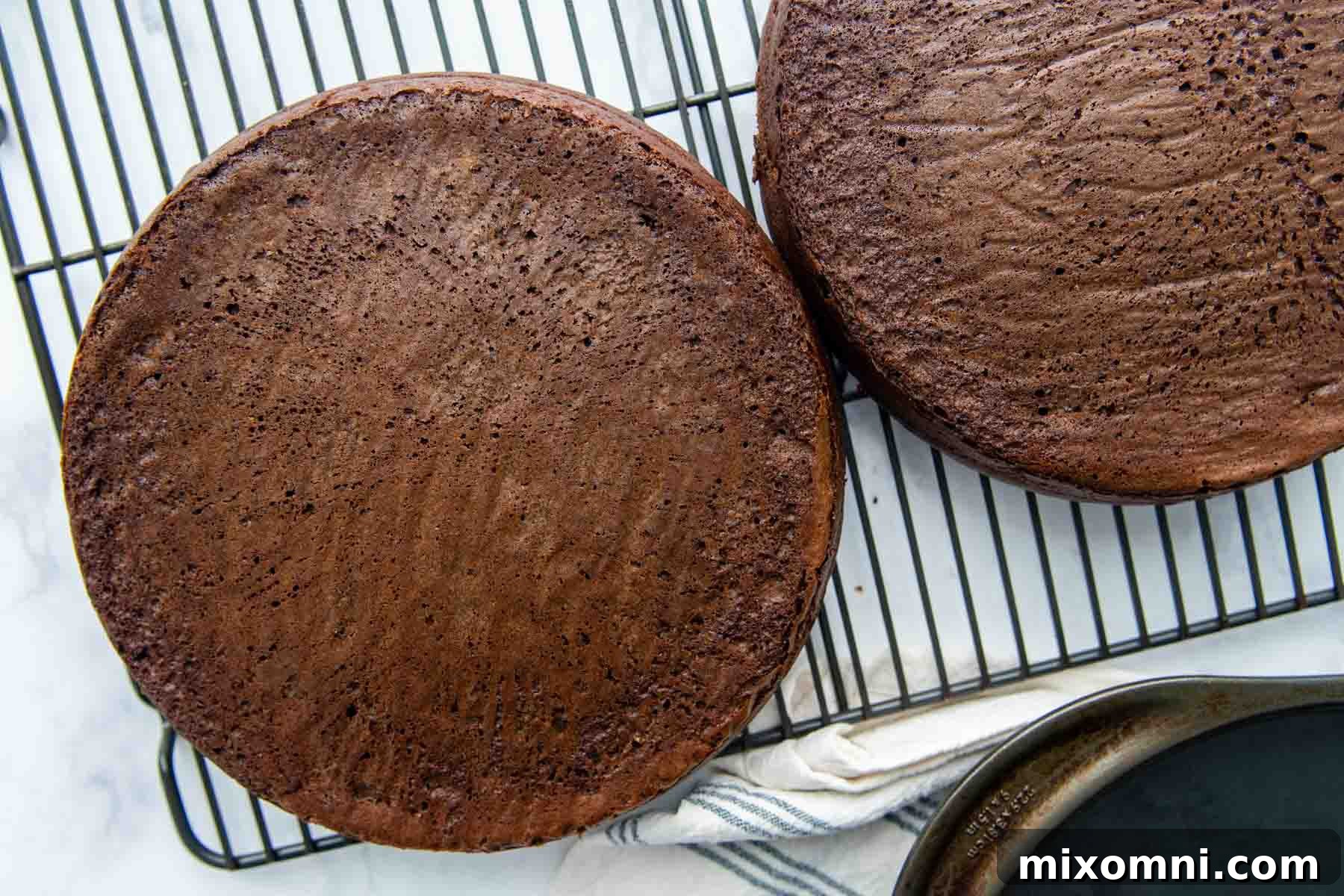
Step 6: Cool Completely. Once baked, remove the cakes from the oven and let them cool in their pans on a wire rack for 10 minutes. This allows the cakes to firm up gently. After 10 minutes, carefully invert the cakes onto the wire rack, remove the pans and parchment paper, and allow them to cool completely. This is a crucial step! Attempting to frost a warm cake will lead to melting frosting and sliding layers. Your kitchen will undoubtedly smell heavenly during this stage – you’re welcome!
The Perfect Partner: Decadent Frosting Ideas!
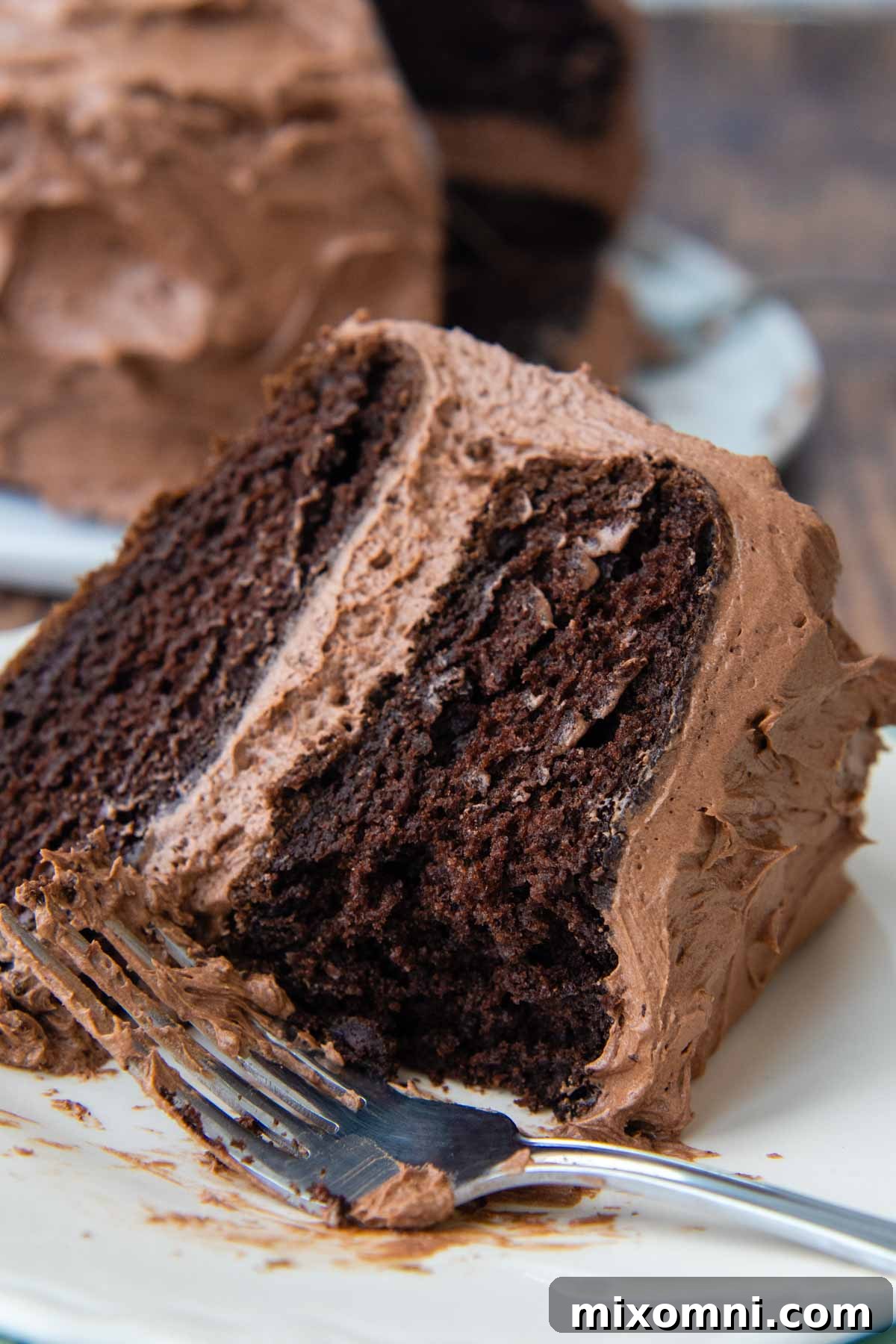
You’ve poured your heart into baking this beautiful gluten-free chocolate cake; now it’s time for the crowning glory – the frosting! This is where you transform a delicious cake into an irresistible masterpiece. Remember, patience is key: ensure your cake layers are completely cooled before applying any frosting, or you’ll face the dreaded sliding layers and a messy cake. 😳
For the ultimate chocolate overload experience, our uber-fluffy chocolate buttercream frosting, featuring a surprising ingredient, is an absolute must-try. If you adore the classic black and white combination, you can’t go wrong with our go-to recipe for the world’s fluffiest vanilla buttercream frosting. Beyond these beloved staples, consider other luscious options like a rich chocolate ganache, a tangy cream cheese frosting, a light and airy whipped cream, or even a unique silky peanut butter glaze for a delightful twist. Choose your favorite, pile it high, and prepare for pure indulgence!
Pro Tips for Achieving a Perfectly Moist Gluten-Free Cake
Baking gluten-free requires a few specific considerations to ensure the best texture and flavor. Here are our top professional tips to help you achieve an impeccably moist and delicious gluten-free chocolate cake every single time:
- Utilize Cake Baking Strips: For beautifully even layers and enhanced moisture, consider using cake baking strips. These strips, soaked in water and wrapped around your cake pans, insulate the sides of the pan, causing the cake to bake more evenly from the edges to the center. This prevents overbaked, dry edges and helps create flat-topped cakes that are much easier to frost and stack.
- Sugar’s Role in Moisture: Sugar is not just for sweetness; it’s a hygroscopic ingredient, meaning it attracts and retains moisture. While it’s tempting to reduce sugar for dietary reasons, be aware that less sugar will result in a drier cake. If you must reduce it, do so minimally, and compensate by ensuring your cake is not overbaked.
- Avoid Overbaking (But Don’t Underbake!): This gluten-free cake recipe is relatively forgiving, but overbaking is the quickest way to dry it out. Always check for doneness using a toothpick or cake tester inserted into the center. It should come out clean or with a few moist crumbs attached, but never with wet batter. If in doubt, it’s better to turn off the oven and let the cake sit in the residual heat for an extra minute or two rather than baking it longer.
- Serve at Room Temperature: To truly appreciate the moistness and flavor of your gluten-free cake, always serve it at room temperature. While some frostings require refrigeration, allow the cake to sit out on the counter for several hours before serving. Gluten-free cakes, in particular, tend to become denser and drier when cold, so letting them come to room temperature allows the fats and starches to soften, restoring their tender texture.
- Measure Gluten-Free Flour Accurately: The most common culprit for dry gluten-free bakes is inaccurate flour measurement. Always spoon your flour into the measuring cup and level it off with a straight edge (the “spoon and level” method). Avoid scooping directly from the bag, as this compacts the flour and can result in using too much. For best results, consider using a kitchen scale for precise measurements.
- Room Temperature Ingredients (Except Boiling Water!): While the boiling water is hot, most other wet ingredients like eggs and milk should be at room temperature. This allows them to emulsify better with the other ingredients, creating a smoother, more uniform batter and a finer crumb in the final cake.
- Don’t Be Afraid to Experiment (Carefully): Once you’ve mastered the basic recipe, feel free to experiment with different flavor combinations or additions. Swirl in some espresso powder for a mocha cake, add chocolate chips for extra indulgence, or fold in finely chopped nuts for texture. Just introduce new ingredients gradually to see how they affect the cake’s consistency.
Can I Use A Different Baking Pan?
Absolutely! This versatile gluten-free chocolate cake batter can be adapted to various pan sizes, making it perfect for any occasion. Here’s how:
- For Gluten-Free Cupcakes: To transform this recipe into individual treats, follow the specific baking directions provided in our easy gluten-free chocolate cupcakes recipe. Generally, you’ll fill cupcake liners about two-thirds full and bake for a shorter duration, typically 18-22 minutes.
- For a 9×13 Inch Sheet Cake: If you prefer a convenient sheet cake over a layered cake, simply pour all the prepared batter into a greased and floured 9×13 inch baking pan. Bake for approximately 45-50 minutes, or until a toothpick inserted into the center comes out clean. Remember to observe the “rest the batter” tip for 10 minutes in the pan before baking for optimal results.
- For a Bundt Cake: This recipe can also be baked in a 10-12 cup Bundt pan. Prepare the pan thoroughly by greasing and flouring it generously to prevent sticking. Pour all the batter into the prepared Bundt pan and bake for about 50-60 minutes, or until a wooden skewer inserted comes out clean. Due to its intricate design, Bundt cakes often require a slightly longer cooling time in the pan (15-20 minutes) before inverting.
Always adjust baking times as needed, as oven temperatures can vary.
Save This Recipe to Your Pinterest Board!
Let’s be friends on Pinterest! I’m always sharing great recipes!
Did you make this recipe? I love hearing from you! Leave a star rating and comment below the recipe card. Your feedback is invaluable to our community and helps others discover delicious recipes. You will always hear back from me! -Melissa
Legit Moist & Easy Gluten-Free Chocolate Cake

Melissa Erdelac
Learn how to bake the best and most moist gluten-free chocolate cake with this easy-to-follow, no-fail recipe. What makes the cake so moist? Boiling water in the cake batter! It helps saturate the starches, aerates the batter, making the cake light, fluffy, and moist instead of gritty. Find out for yourself why this GF cake recipe has earned hundreds of 5-star reviews!
Pin
Rate
Remove Ads
Ingredients
- 2 cups (292 g) all purpose gluten-free flour (I highly recommend Cup4Cup gluten free flour)
- 2 cups (400 g) granulated sugar
- ¾ cup (75 g) unsweetened baking cocoa, Dutch-processed preferred
- 2 teaspoons baking powder
- 1 ½ teaspoons baking soda
- ½ teaspoon salt
- 1 cup (245 g) milk or non-dairy milk
- ½ cup (107 g) oil, any preferred (such as canola or vegetable oil)
- 2 large eggs
- 2 teaspoons vanilla extract
- 1 cup (240 g) boiling water
Equipment
- Two 9-inch Round Cake Pans
- Stand Mixer (or large mixing bowl with hand mixer)
- Cup4Cup Gluten Free Flour (or your preferred GF blend)
Instructions
- Preheat oven to 350º F (175°C). Prepare two 9-inch cake pans by spraying with cooking spray, lining pans with cut-to-size parchment paper on the bottom, and then spraying the parchment. Set aside.
- In a large bowl, add the gluten-free flour, granulated sugar, cocoa powder, baking powder, baking soda, and salt. Whisk vigorously to combine, or using the paddle attachment on your stand mixer, mix on low speed until thoroughly combined and lump-free.
- Add the milk (or non-dairy milk), oil, eggs, and vanilla extract to the dry mixture. Mix on medium speed until the ingredients are well combined and the batter appears smooth. Reduce the mixer speed to low and slowly add the boiling water to the cake batter. Once the water is fully mixed in, increase the speed to high and beat for 1 minute.
- Distribute the cake batter evenly between the two prepared cake pans. (Tip: Letting the cake batter rest in the pans for 10 minutes before baking significantly helps set up the structure of the cake, preventing it from sinking in the middle or developing a “wrinkly” top. If you have the extra time, I highly recommend this step!) Bake for 30-35 minutes, or until a toothpick inserted into the center comes out clean or with a few moist crumbs attached.
- Remove the cakes from the oven and allow them to cool in their pans on a wire rack for 10 minutes. After 10 minutes, carefully invert the cakes onto the wire rack to cool completely before frosting with your choice of fluffy vanilla buttercream or rich chocolate buttercream.
Notes
Dairy-Free Modification
Making this cake dairy-free is incredibly simple. The primary adaptation needed is to replace the dairy milk with your preferred non-dairy milk, such as almond milk, soy milk, or coconut milk. If desired, you can also substitute the vegetable oil with coconut oil for an extra layer of flavor. Always remember to check the labels of your gluten-free flour blend, as some can occasionally contain milk powder. This ensures your cake is truly dairy-free.
Using Different Baking Pans
This versatile batter adapts beautifully to various pan types:
Gluten Free Cupcakes: To convert this recipe into delectable cupcakes, please refer to our Incredible Gluten Free Chocolate Cupcakes recipe for specific baking instructions and timings.
9×13 Sheet Cake: For a convenient single-layer cake, prepare the batter as written and pour it into a greased and floured 9×13 inch baking pan. Allow the batter to rest in the pan for 10 minutes before baking to enhance the cake’s structure and prevent sinking or a wrinkly top. Bake at 350°F (175°C) for 45-50 minutes, or until a toothpick inserted in the middle comes out clean. Cool completely on a wire rack before frosting.
Freezing and Storing Tips
Gluten-free cakes tend to dry out faster than traditional wheat-based cakes. For optimal freshness, if you don’t plan to freeze your cake, assemble and enjoy it within 24 hours of baking.
Freezing Unfrosted Cake Layers: Once your cake layers are completely cooled, wrap each layer securely in multiple layers of plastic wrap. Then, transfer the wrapped layers to a gallon-sized freezer bag or an airtight container. Freeze for up to 3 months. When ready to use, remove the layers from the freezer bag and thaw them, still wrapped, at room temperature for approximately 1 hour.
Freezing Frosted Cake: For a fully assembled and frosted cake, first place the entire cake in the freezer until the frosting is completely solid (this usually takes 1-2 hours). Once firm, wrap the entire cake securely with plastic wrap, followed by a layer of aluminum foil. This double protection helps prevent freezer burn. Freeze for up to 3 months. To thaw, transfer the wrapped cake to the refrigerator overnight. Carefully remove the plastic wrap and foil while still chilled to prevent the frosting from sticking. Continue thawing the cake at room temperature for 5-6 hours before serving to ensure optimal texture and flavor.
Freezing Cake Slices: To enjoy individual portions later, slice any leftover cake into serving-sized pieces. Wrap each piece individually in plastic wrap. Place the wrapped slices in a single layer on a baking sheet and freeze until solid. Once frozen, transfer the slices to a gallon-sized freezer bag or an airtight container. Thaw individual pieces on the counter for about 1 hour, or gently defrost in the microwave at 20% power, being careful to avoid overheating and melting the frosting.
Recipe adapted from Add a Pinch.
Nutrition Information (per serving, estimated):
- Calories: 315 kcal
- Carbohydrates: 52 g
- Protein: 5 g
- Fat: 12 g
- Saturated Fat: 2 g
- Polyunsaturated Fat: 3 g
- Monounsaturated Fat: 7 g
- Trans Fat: 0.04 g
- Cholesterol: 30 mg
- Sodium: 255 mg
- Potassium: 191 mg
- Fiber: 4 g
- Sugar: 35 g
- Vitamin A: 73 IU
- Calcium: 79 mg
- Iron: 2 mg
Did you make this recipe?
Please leave a star rating and review below. It helps others when searching for recipes and I LOVE feedback!