
Sparkling Rose Sangria: Your Essential Summer Cocktail Recipe
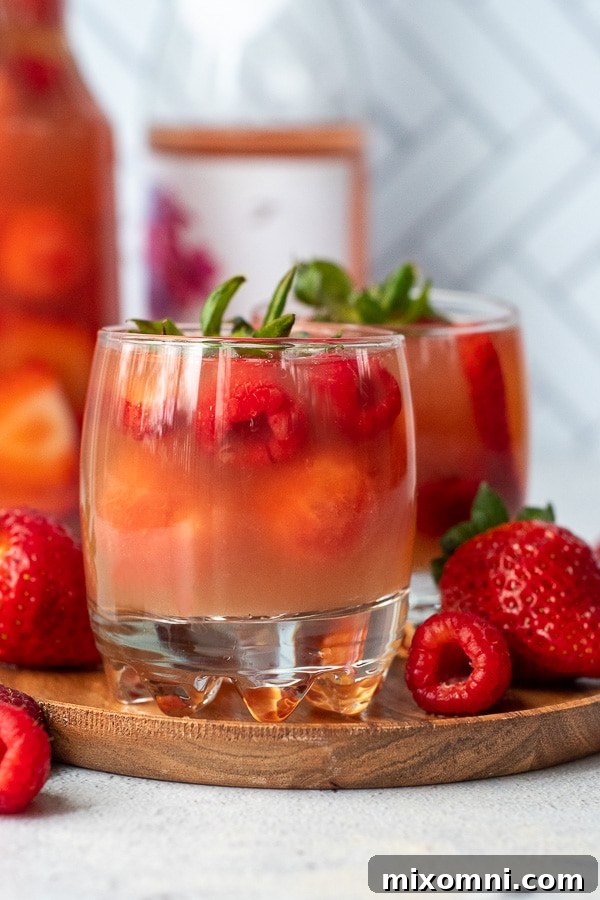
Prepare to elevate your summer sips with this incredibly refreshing and vibrant Sparkling Rose Sangria. This isn’t just a drink; it’s a celebration in a glass, perfect for lazy afternoons, bustling backyard barbecues, or sophisticated evening gatherings. Whether you’re making a single serving with leftover wine or preparing a grand pitcher for a crowd, this easy sangria recipe, brimming with fresh strawberries, succulent watermelon, juicy raspberries, and crisp rosé wine, is guaranteed to be your go-to beverage all season long.
Crafting the Perfect Rose Sangria: Essential Ingredients
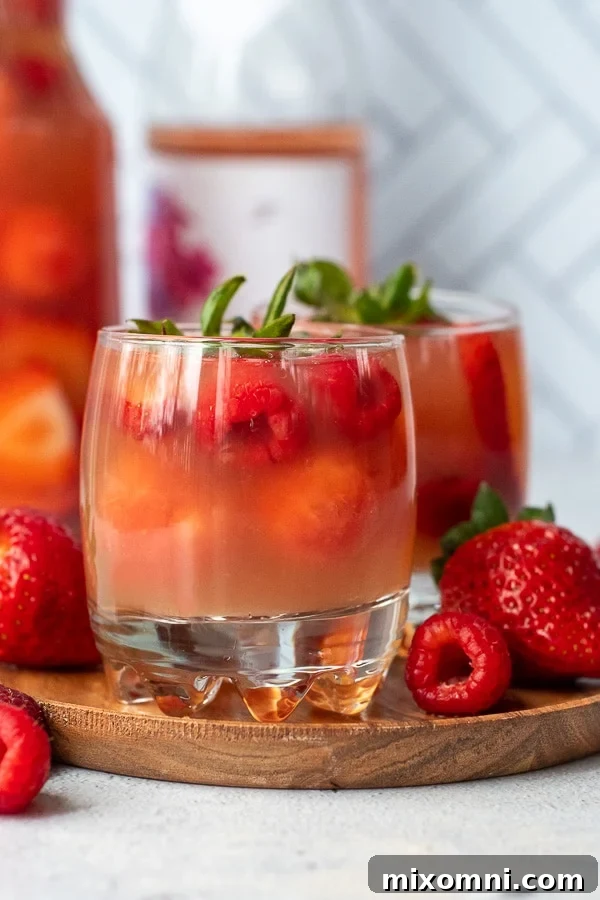
The beauty of sangria lies in its adaptability. While this recipe focuses on a delightful berry and watermelon blend, you can easily customize it to suit your palate or the seasonal bounty available. The combination of rose wine with bright raspberries, sweet strawberries, and hydrating watermelon creates a cocktail that truly embodies the spirit of summer.
Below you’ll find the core ingredients for our vibrant berry sangria. However, remember that creativity is key! We’ll explore various alcohol modifications and fruit substitutions later to inspire your own unique concoctions. And if you’re a devoted fan of rosé wine, be sure to also check out our best rosé spritzer recipe for another light and bubbly option.
- Dry Rosé Wine: The foundation of our sangria. A dry rosé provides a crisp, refreshing base that perfectly complements the fruit. Any dry white wine, such as a Sauvignon Blanc or Pinot Grigio, would also work beautifully if rosé isn’t available.
- Ruby Red Grapefruit Juice: Adds a tangy, slightly bitter counterpoint to the sweetness of the fruit and simple syrup, enhancing the overall complexity of the drink.
- Brandy: A traditional sangria spirit, brandy offers a warm, fruity depth. While we recommend it for an authentic taste, don’t hesitate to experiment with other liquors like vodka, bourbon, or rum for different flavor profiles.
- Simple Syrup: This easy-to-make sweetener ensures a smooth, balanced taste. Simply combine equal parts sugar and water and heat until the sugar dissolves. Let it cool completely before adding to your sangria.
- Triple Sec: An orange-flavored liqueur that contributes a lovely citrus note and a touch of sweetness, rounding out the flavor profile.
- Sparkling Mixer (Soda Water or Lemon-Lime Soda): The key to its “sparkling” designation! Soda water offers a cleaner finish, allowing the fruit and wine flavors to shine. For a sweeter sangria, opt for lemon-lime soda (like Sprite or 7Up) or ginger ale.
- Fresh Fruit: For a quintessential summer sangria, a generous mix of watermelon, strawberries, and raspberries is ideal. However, any fresh or frozen fruit can be used. Peach slices are another highly recommended addition that pair wonderfully with rosé. Consider also blueberries, blackberries, sliced oranges, or even kiwi for different textures and flavors.
How to Prepare an Easy Rose Sangria Pitcher for Any Occasion
This invigorating rosé sangria, bursting with fresh fruit, is an effortless choice whether you’re treating yourself after a long day or impressing a crowd. Its vibrant appearance and delightful taste make it an instant hit for any gathering, from casual backyard parties to more formal summer soirées.
For optimal flavor infusion, we recommend preparing the sangria a few hours in advance to allow the fruit and liquids to meld beautifully. However, when making ahead, exercise a bit of caution:
- Advance Preparation: While you can prepare the base mixture up to a day in advance, be mindful that softer berries like raspberries and strawberries may start to disintegrate if left soaking for too long, potentially making the sangria cloudy. For best results, aim for a chilling time of 2-4 hours.
- The Fizz Factor: The sparkling element should always be added just before serving. If you add soda water or a carbonated soft drink to the pitcher too early, it will lose its effervescence and go flat. Instead, top individual glasses with your chosen fizzy mixer as you serve them. This ensures every sip is perfectly bubbly and refreshing.
- Combine the Base Liquids: In a large pitcher, carefully stir together the dry rosé wine, ruby red grapefruit juice, brandy, simple syrup, and triple sec until well combined. Remember to reserve your soda water or lemon-lime soda for later.
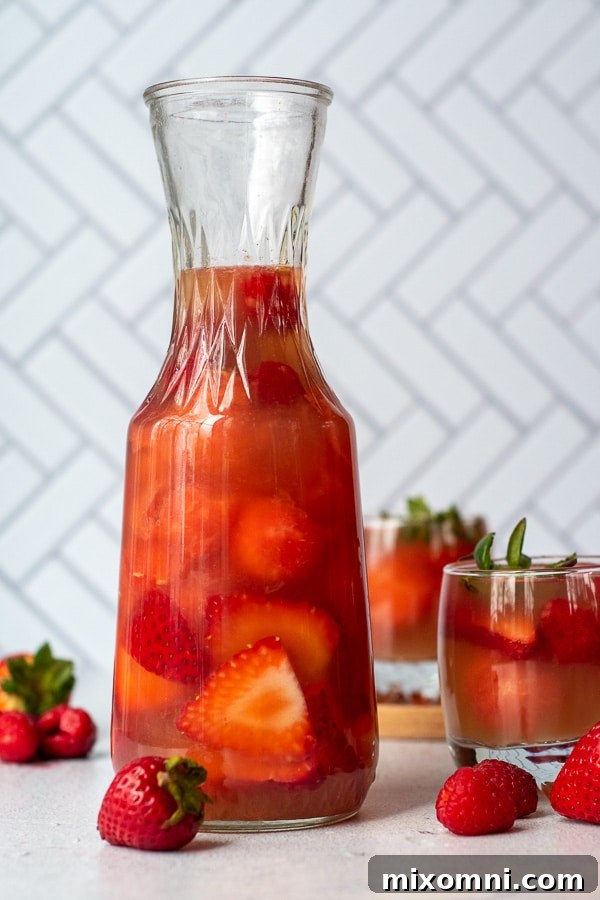
- Add the Fruit: Gently stir in all of your prepared fresh fruit. If you like, set aside a small portion of fruit to use as a vibrant garnish for individual glasses, enhancing their visual appeal.
- Chill for Flavor Infusion: Cover the pitcher tightly and refrigerate for a minimum of two hours. For an even deeper flavor, you can chill it overnight. This allows the fruit to release its juices and the flavors to fully meld together.
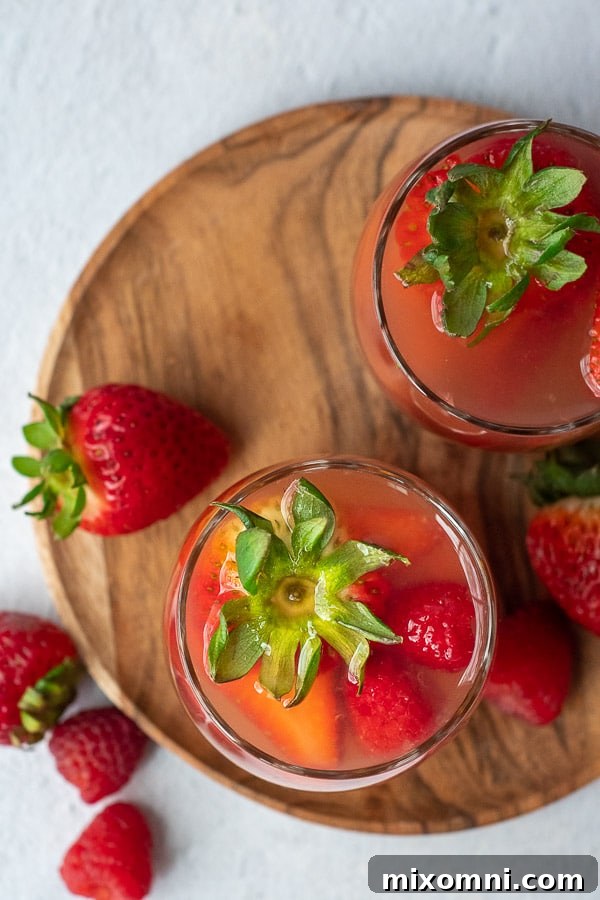
- Serve and Garnish: When ready to serve, pour the chilled sangria mixture into individual glasses. Top each glass with approximately 2 ounces of soda water or lemon-lime soda to add that delightful sparkle. For an extra touch of elegance and flavor, garnish with additional fresh fruit, a sprig of mint, or a slice of citrus. Cheers to an unforgettable summer drink!
Don’t Waste a Drop: Making Sangria By the Glass with Leftover Wine
Ever find yourself with just a half-bottle of wine left, not quite enough for a full pitcher of sangria, but too much to simply discard? Or perhaps you’re craving a single, delightful fruity cocktail without the temptation of an entire pitcher. This method is perfect for utilizing leftover wine that might not be at its prime for drinking on its own or is simply nearing its expiration.
Crafting sangria by the glass is a fantastic way to enjoy a personalized, fresh drink whenever the mood strikes. It’s also an excellent option for those who prefer to experiment with different flavor combinations in smaller batches. This single-serving approach ensures minimal waste and maximum enjoyment.
- Muddle the Fruit: Begin by placing about ½ cup of your desired fruit mixture (raspberries, strawberries, watermelon work perfectly) at the bottom of a sturdy pint glass. Gently muddle the fruit to release its juices and flavors. This step is crucial for imparting a rich fruit essence to your single serving.
- Mix the Liquids: Pour in ½ cup of your leftover rosé wine, 2 ounces of ruby red grapefruit juice, ½ ounce of simple syrup, 1 ounce of brandy (or your preferred liquor), and ½ ounce of triple sec. Stir all the ingredients well to combine them thoroughly.
- Add Sparkle and Enjoy: If desired, add a handful of ice cubes to your glass. Finally, top with 2 ounces of soda water or lemon-lime soda for that effervescent finish. Stir gently one last time and savor your perfectly crafted individual glass of sparkling rosé sangria. Enjoy every refreshing sip!
Choosing the Best Wine for Your Sparkling Sangria
The beauty of sparkling sangria lies in its versatility, especially when it comes to wine selection. You have a wide array of choices, allowing you to tailor the drink to your preference and what you have readily available. The wine doesn’t need to be expensive or of the highest quality; often, a good value bottle works perfectly as its flavors will blend with the fruit and other spirits.
- Dry Rosé: This is the ideal choice for our recipe. Look for rosés from regions like Provence, or domestic dry rosés that offer crisp, bright, and often mineral notes. They provide a refreshing base without overpowering the fruit.
- Sparkling Rosé: For an extra layer of effervescence from the get-go, a sparkling rosé (like a rosé Prosecco or Cava) can be a fantastic addition. If using, you might reduce the amount of added soda water to prevent it from becoming overly fizzy.
- Dry White Wine: If rosé isn’t on hand, a dry white wine like Sauvignon Blanc, Pinot Grigio, or even an unoaked Chardonnay makes an excellent substitute. These wines offer a similar crispness and acidity that complements the fruit flavors.
- Sweeter Wines: Wines such as Moscato, a sweeter rosé, Riesling, or Gewürztraminer can also be used for those who prefer a more indulgent and sweeter sangria. However, be mindful of the sweetness balance. This recipe already incorporates simple syrup, triple sec, and fruit juice, all of which contribute significant sweetness. If you opt for a sweeter wine, you may want to reduce or even entirely omit the simple syrup to prevent the sangria from becoming overly sugary. Always taste and adjust as you go!
Exploring Different Liquors for Your Sangria
While brandy is a classic choice for sangria, offering an authentic, rich depth of flavor, it’s certainly not the only option. Experimenting with different spirits can dramatically alter the character of your sangria, allowing you to create unique variations tailored to your taste or what you have stocked in your liquor cabinet. You can easily make sangria without brandy by substituting it with any of the following liquors in similar proportions:
- Rum: Both light and dark rum can be excellent. Light rum offers a subtle sweetness that blends seamlessly. Dark rum, with its richer, caramel notes, would pair exceptionally well with tropical fruits like pineapple and a crisp white wine, creating a more exotic sangria.
- Vodka: Sangria with vodka is a popular and versatile alternative, especially if you prefer a cleaner, less complex spirit base. Vodka allows the fruit and wine flavors to truly shine.
- Flavored Vodkas: This is where you can get truly creative! Flavored vodkas offer an exciting twist and can enhance specific fruit notes in your sangria. Consider these delicious options:
- Orange or Tangerine: Boosts the citrus notes.
- Raspberry or Strawberry: Intensifies the berry flavors.
- Vanilla or Pear: Adds a unique, subtle sweetness.
- Black Currant, Grapefruit, Apple, Passion Fruit, Peach, Pomegranate, Mango, or White Grape: Each offers a distinct fruit essence that can create a whole new sangria experience. The possibilities are virtually endless!
- Bourbon or Whisky: For a sangria with a bit more warmth and a hint of oak or spice, bourbon or whisky can be an intriguing choice. This might pair well with fruits like apples, pears, or even a touch of cinnamon for a more autumnal sangria.
Making Your Sangria Truly Sparkling
There’s an undeniable allure to a carbonated drink, especially during the warmer months. The effervescence adds a playful lift, making any beverage feel more festive and invigorating. When it comes to sangria, adding a sparkling element transforms it from a delicious fruit wine punch into a truly celebratory cocktail. Here are some of our favorite options for infusing that delightful fizz:
- Soda Water (Club Soda or Seltzer): For a clean, neutral sparkle that lets the flavors of your wine and fruit take center stage, soda water is an excellent choice. It adds effervescence without introducing additional sweetness or flavor.
- Lemon-Lime Soda (Sprite, 7Up): If you prefer a sweeter, more overtly refreshing drink, lemon-lime sodas are perfect. They complement most fruit flavors beautifully and add an extra layer of sugary zest.
- Ginger Ale or Ginger Beer: For a hint of spicy warmth and a different kind of sweetness, ginger ale is a fantastic option. Ginger beer will provide a stronger, more pronounced ginger flavor, perfect for those who enjoy a bit of a kick.
- Prosecco or Cava: For an even more luxurious and celebratory sparkling sangria, consider topping each glass with a splash of chilled Prosecco or Cava instead of soda. These sparkling wines will enhance the wine base and add a sophisticated touch.
Remember, always add your chosen sparkling mixer just before serving each glass to ensure maximum fizz and enjoyment!
Sweeteners for Your Sangria: Customizing to Taste
Achieving the perfect balance of sweetness in your sangria is crucial. While our recipe includes simple syrup, you have several options to sweeten your sangria, allowing you to tailor it precisely to your preference or dietary needs. Here are some popular sweeteners and tips for using them:
- Simple Syrup: Our recommended choice due to its liquid form, which ensures it blends seamlessly into cold drinks without leaving undissolved granules.
- To Make Simple Syrup (Stovetop): Combine equal parts granulated sugar and water in a saucepan. Heat over low heat, stirring continuously, until the sugar completely dissolves. Do not boil. Let it cool completely before adding to your sangria.
- To Make Simple Syrup (Microwave): For a quicker method, combine 1 cup water and 1 cup sugar in a microwave-safe bowl. Microwave, uncovered, on high for 2 minutes, stirring halfway through. Stir again until all sugar is dissolved. Allow the syrup to cool completely.
- Storage: Simple syrup can be stored in an airtight container in the refrigerator for up to 3 months, making it a handy staple for cocktails.
- Granulated Sugar: Can be used directly, but it’s best dissolved in a small amount of warm water or some of the wine/juice before adding to the main mixture to prevent grittiness.
- Agave Syrup: A natural sweetener that dissolves easily. It’s often sweeter than sugar, so start with a smaller amount and taste as you go.
- Honey: Honey’s distinct flavor can add an interesting dimension to your sangria. However, it can clump in cold liquids, so it’s best to convert it into a honey syrup.
- To Make Honey Syrup: Combine 1 cup honey with 1/2 to 1 cup water in a small pot on the stove. Cook over low heat, stirring continually until well combined and the honey is fully dissolved. Cool completely before using.
- Storage: Honey syrup can be stored in an airtight container in the refrigerator for up to 3 months.
- Flavored Simple Syrups: For an extra boost of flavor, consider infusing your simple syrup. A Ginger Simple Syrup, for instance, would add a lovely warmth and spice, particularly if you’re using ginger ale as your fizz. You can also infuse simple syrups with herbs like mint or basil, or other fruits.
Always taste your sangria before adding sweeteners and adjust according to your personal preference. The goal is a harmonious blend where no single flavor overpowers the others.
Save this recipe to your Pinterest board!
Let’s be friends on Pinterest! I’m always sharing great recipes!
Did you make this recipe? I love hearing from you! Leave a star rating and comment below the recipe card. It helps others when searching for recipes and I appreciate feedback from our community. You will always hear back from me! -Melissa

Rose Sangria
Prep Time: 10 mins
Cook Time: 0 mins
Total Time: 2 hrs 10 mins
Make this sparkling Rose Sangria your easy drink of the summer! Sangria rosé can be made by the glass using leftover wine or in a pitcher for a crowd using strawberries, watermelon, raspberries, juice, and rose wine.
Pin
Rate
Remove Ads
Ingredients
Rose Sangria Pitcher
- 1 bottle (750 mL) dry rose wine
- 1 cup ruby red grapefruit juice
- ¾ cup brandy (see recipe notes for other liquor substitutions)
- ½ cup simple syrup
- ¼ cup triple sec
- 1 cup soda water or Sprite, for serving
- 1 pint fresh raspberries
- 2 cups fresh strawberries, sliced
- 2 cups cubed or balled watermelon
Sangria By the Glass
- ½ cup mixture of raspberries, strawberries, and/or cubed watermelon
- ½ cup leftover rose wine
- 2 ounces ruby red grapefruit juice
- 1 ounce brandy (see recipe notes for other liquor substitutions)
- ½ ounce simple syrup
- ½ ounce triple sec
- 2 ounces soda water or Sprite
Equipment
- Cocktail Glasses
- Pitcher
- Measuring Jigger
Instructions
Rose Sangria Pitcher
- In a large pitcher, stir together rosé wine, grapefruit juice, brandy, simple syrup, and triple sec. Do not add soda water or Sprite until ready to serve.
- Gently stir in all the fresh fruit. Alternatively, set some fruit aside to use as a garnish for individual glasses. Cover the pitcher and refrigerate for at least 2 hours, or up to overnight, to allow flavors to meld.
- When serving, pour the chilled sangria mixture into glasses. If serving the entire pitcher at once, stir in the soda water or Sprite into the pitcher. Otherwise, top each individual glass with 2 ounces of soda or Sprite to ensure maximum fizz. Garnish as desired with extra fruit or a sprig of mint.
Leftover Wine Sangria By the Glass
- In a pint glass, muddle the fruit (raspberries, strawberries, and/or cubed watermelon) at the bottom to release their juices.
- Pour in the leftover rosé wine, grapefruit juice, simple syrup, brandy, and triple sec. Stir well to combine.
- Add ice, if desired, then top with soda water or Sprite. Stir again gently and enjoy your single-serving sangria!
Nutrition Facts
Calories: 297kcal, Carbohydrates: 31g, Protein: 1g, Fat: 1g, Saturated Fat: 1g, Sodium: 26mg, Potassium: 81mg, Sugar: 28g, Vitamin C: 11mg, Calcium: 9mg, Iron: 1mg
*Nutritional information is an estimate based on ingredients and preparation method, and may vary.
This post contains affiliate links. My opinions are always my own. If you purchase a product through an affiliate link, I make a small commission – at no cost to you. Read full disclosure policy here.