
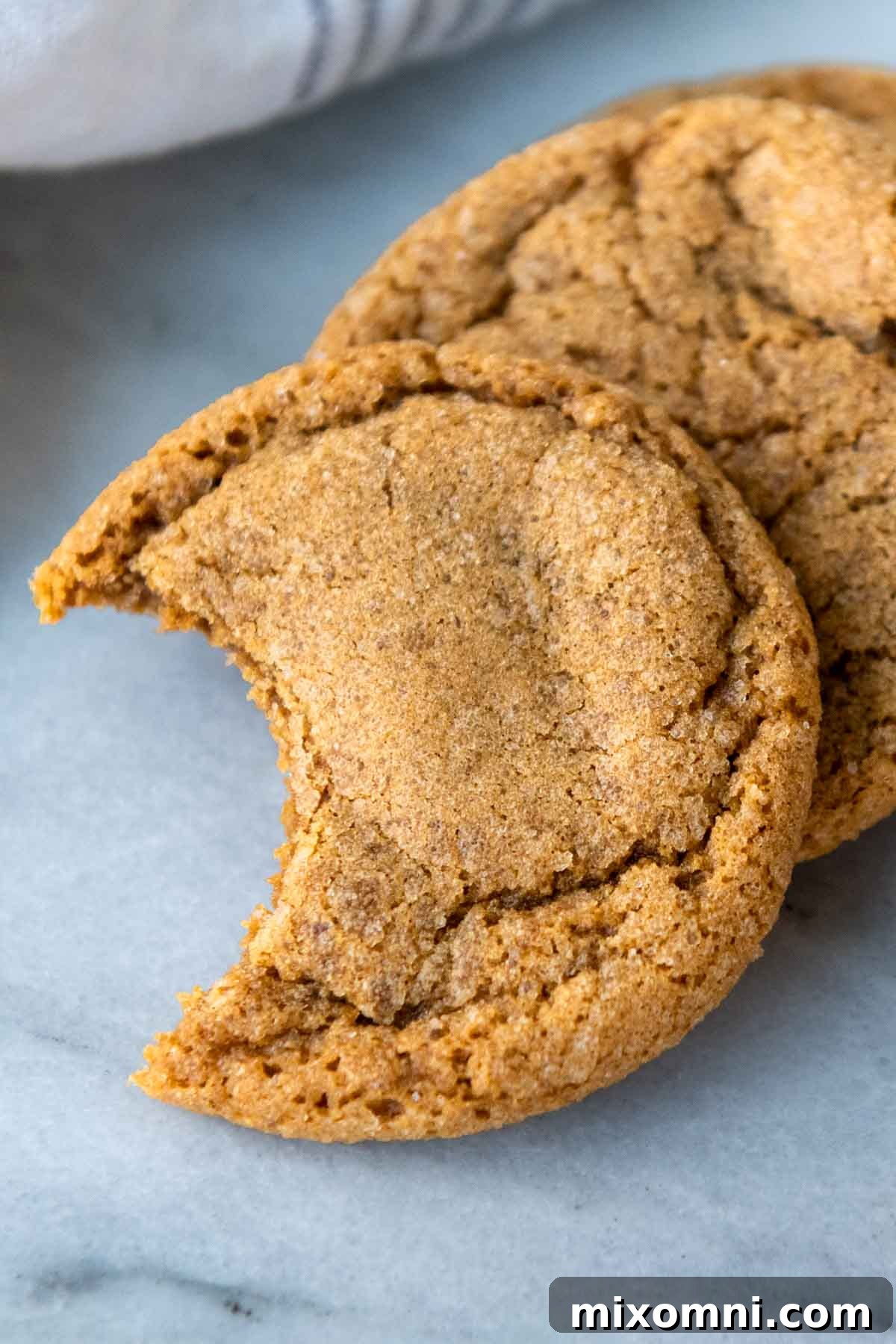
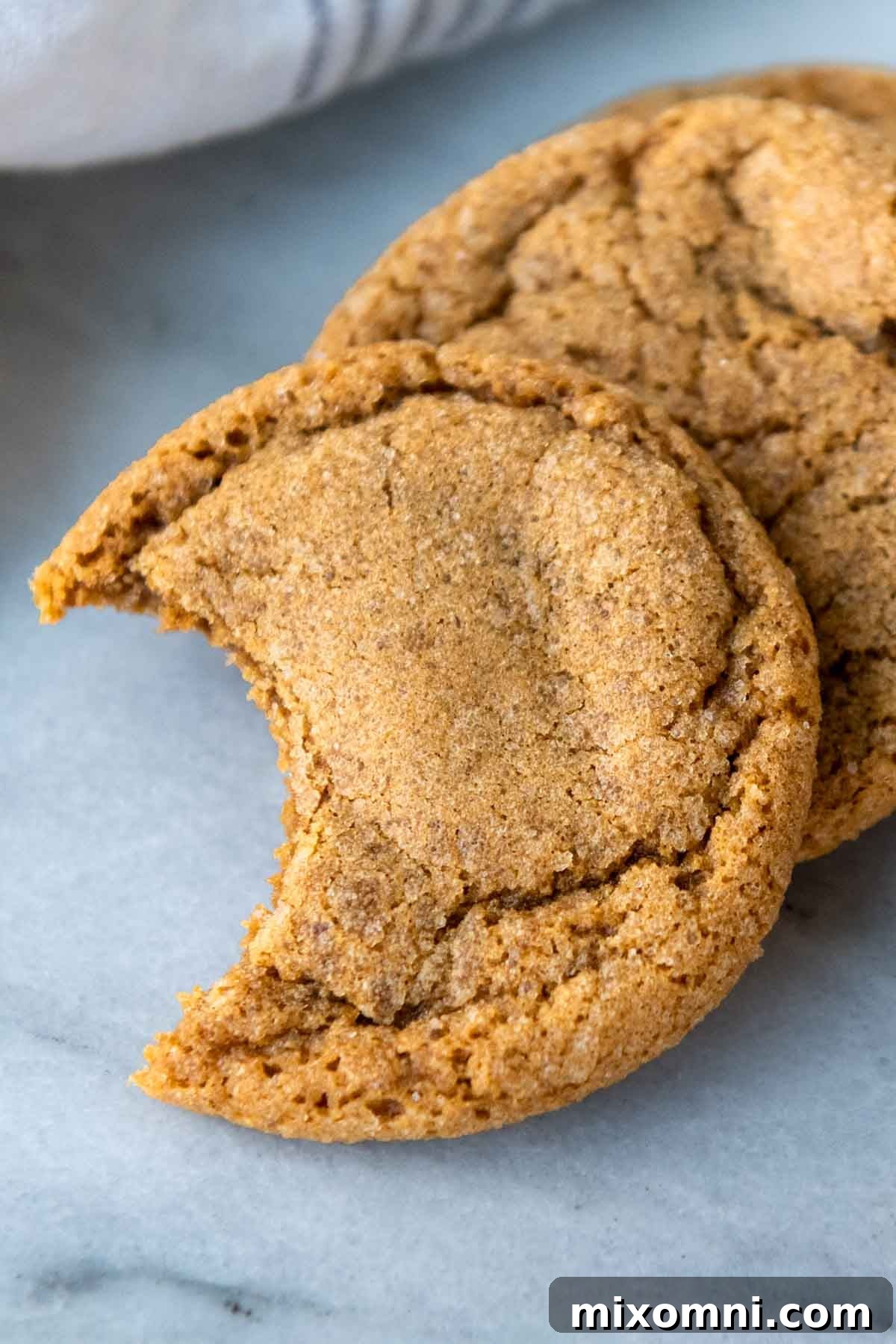
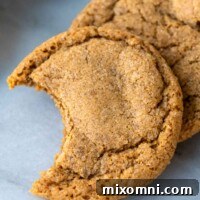
Step into the warmth of nostalgia and rediscover a beloved classic with our ultimate guide to baking the **best gluten-free ginger snaps recipe**! These aren’t just any ginger cookies; they are meticulously tested and perfected to guarantee a batch of thick, wonderfully chewy, and incredibly soft cookies that will delight your senses. Say goodbye to the common frustrations of gluten-free baking – no more cookies that spread excessively thin, no more disappointing gritty textures. We’ll unveil the simple yet revolutionary gluten-free baking tricks that make these GF gingersnaps look, feel, and taste exactly like the comforting, spiced cookies you remember from your childhood. Get ready to bake a timeless dessert that everyone, gluten-sensitive or not, will adore and ask for again and again!
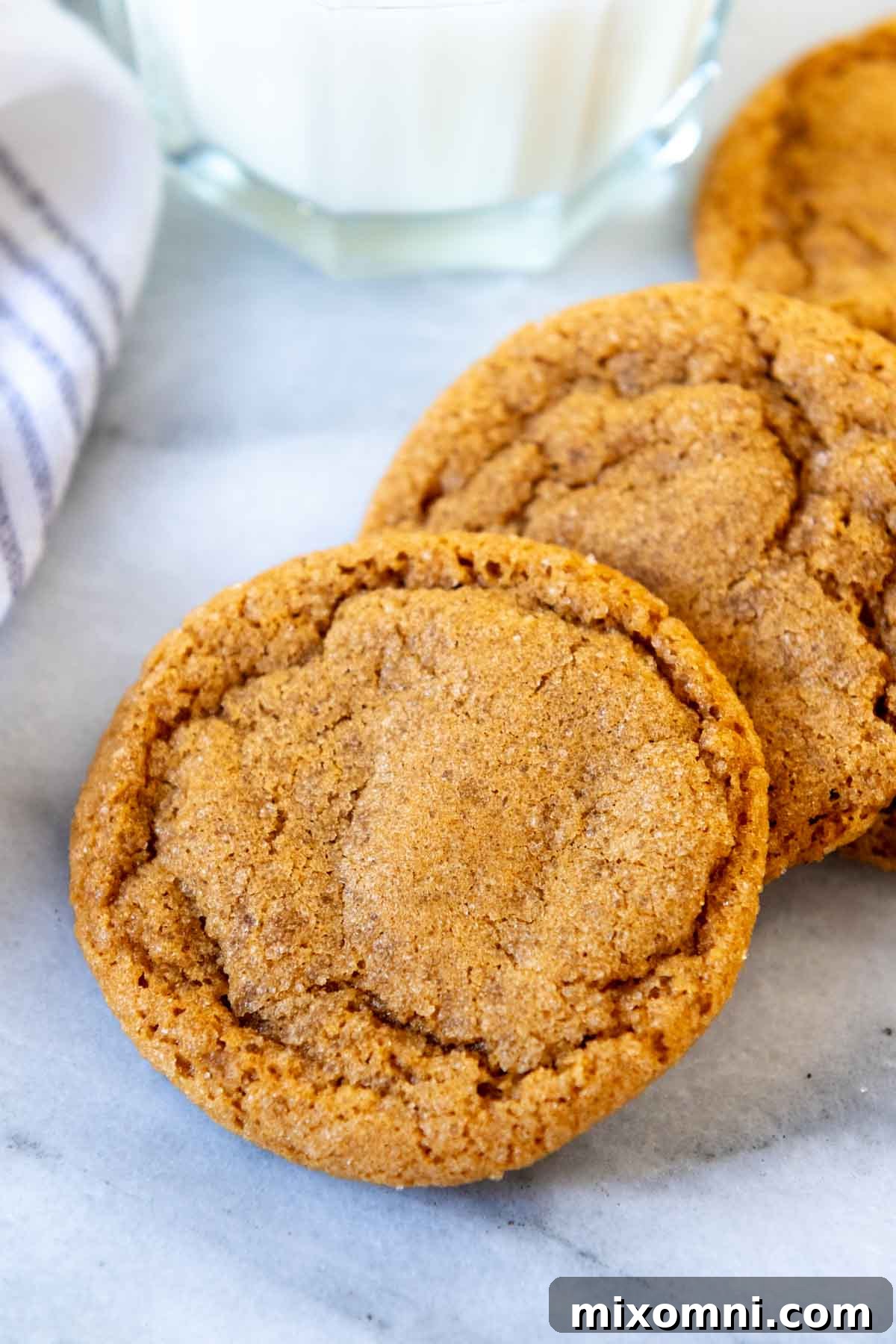
Crafting the Perfect Gluten-Free Ginger Snaps: A Culinary Journey to Perfection
After many years dedicated to gluten-free baking experimentation and perfecting countless recipes, I approached the task of creating the ultimate gluten-free ginger snap with a sense of confidence. Yet, the journey proved to be surprisingly intricate, requiring more testing and tweaking than anticipated. My family, always the eager and appreciative taste-testers, happily devoured the numerous experimental batches. But for me, the baker, the pursuit of that ideal balance of flavor, texture, and classic crinkled appearance in a gluten-free ginger snap felt like chasing a particularly elusive culinary ghost.
My extensive experience had already yielded significant success in transforming many of my favorite gluten-free cookie recipes into versions that were virtually indistinguishable from their gluten-containing originals. This quest for perfection led to the development of several tried-and-true techniques, culminating in my revered homemade GF chocolate chip cookie recipe and many other equally successful creations, each one a testament to the power of thoughtful gluten-free adjustments.
When I initially began testing this ginger snap recipe with gluten-free all-purpose flour, I naturally applied some of these established baking hacks. I experimented with a slightly lower oven temperature, specific methods for shaping the cookie dough, and the crucial step of chilling the dough before baking. While these methods often work wonders for preventing spread and improving texture in other gluten-free cookies, they weren’t quite enough to counteract the unique challenges presented by ginger snaps. The cookies were still spreading more than desired, losing that signature thick, chewy, and soft quality I was determined to achieve.
Determined to solve the spreading enigma and perfect these nostalgic treats, I implemented a few strategic adjustments to the original approach. The first was to switch from my standard 1 ½ tablespoon cookie scoop to a slightly smaller 1 tablespoon cookie scoop, resulting in smaller, more manageable dough balls. Next, and this proved pivotal, I introduced a small amount of baking powder alongside the traditional baking soda – a subtle tweak that significantly impacted the cookie’s rise and texture. Finally, I adjusted the baking temperature to 350ºF (175ºC), a slight increase from the 325ºF (160ºC) I typically recommend for many delicate gluten-free bakes. This precise combination of adjustments wasn’t just an improvement; it was a revelation. The formula was pure magic, yielding cookies that held their shape beautifully, boasted an incredible chewiness, and had that perfect soft texture. Thus, the ultimate gluten-free ginger snap cookies were born!
The Science Behind Perfectly Chewy Gluten-Free Ginger Snaps
Understanding *why* these particular adjustments were necessary for gluten-free ginger snaps is key to mastering this recipe and indeed, many other gluten-free baking endeavors. The secret lies primarily in one signature ingredient: molasses. Molasses is absolutely indispensable for giving ginger snaps their distinctive smoky, deeply spiced flavor and rich, inviting color. However, its thick, syrupy nature introduces a significant amount of additional liquid and sugar into the cookie dough, which can be a double-edged sword for gluten-free flours.
Gluten-free starches, by their very nature, have a harder time absorbing and binding moisture compared to traditional wheat flour. When confronted with the extra liquid from molasses, the dough struggles to build and maintain a strong structure during baking. This often results in excessive spreading, where the cookies flatten out instead of rising and staying thick. This phenomenon is a common hurdle in gluten-free baking, and it’s why specific, targeted strategies are essential to overcome it.
Similar to how we manage moisture and structure in beloved recipes like homemade gluten-free snickerdoodles, chilling the dough for an extended period is a critical, non-negotiable step. This prolonged refrigeration allows the gluten-free flours and starches ample time to fully hydrate and absorb the moisture from the molasses and other liquid ingredients. Proper hydration strengthens the dough structure, making it less prone to spreading. Furthermore, chilling solidifies the butter in the dough, which also helps the cookies maintain their shape in the oven. The result is a significantly reduced spread, contributing to a thicker, chewier final texture while eliminating any potential grittiness often associated with inadequately hydrated gluten-free flours. Think of it as giving the flour blend a crucial chance to ‘drink up’ all the liquid and become cohesive before hitting the heat.
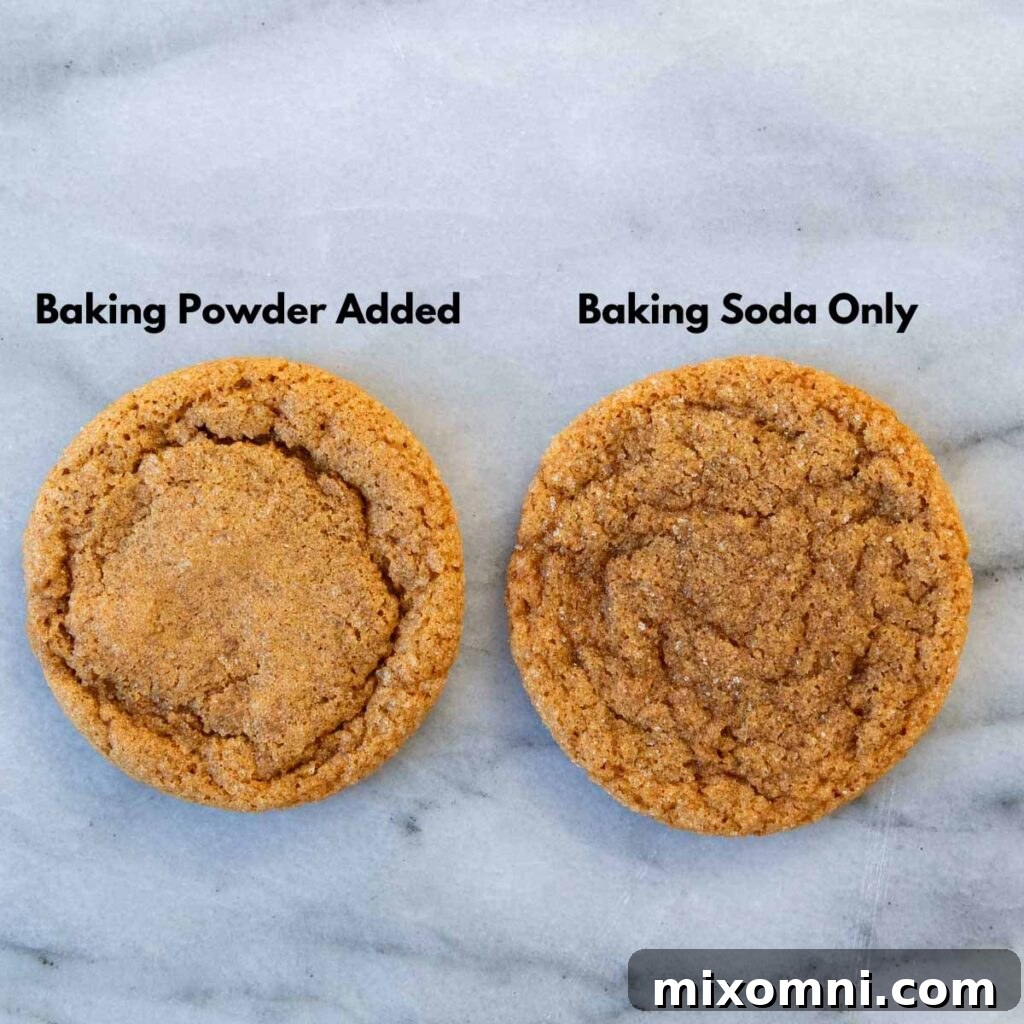
The strategic addition of baking powder, working in tandem with the traditional baking soda, provides an essential extra boost of lift. Baking soda reacts primarily with the acidic components of molasses to create carbon dioxide gas, aiding in initial leavening. Baking powder, often a double-acting leavener, provides a second lift during the baking process when exposed to heat, giving the cookies a more substantial rise and preventing them from becoming too dense or flat. This powerful combination ensures a beautiful domed cookie with that desirable soft interior and classic crinkled top.
Finally, baking at a slightly higher temperature of 350ºF (175ºC), as opposed to the 325ºF (160ºC) often employed for more delicate gluten-free bakes, plays a crucial role in achieving the perfect texture. The initial burst of higher heat helps to set the edges of the cookies more quickly, preventing excessive spreading before the dough has a chance to fully bake and rise. This rapid setting of the exterior allows the leavening agents to work more effectively, resulting in a stronger, more pronounced rise and a wonderfully chewy texture throughout the cookie. These seemingly small adjustments collectively transform a potentially frustrating gluten-free baking experience into a consistently successful one, delivering ginger snaps that are perfectly thick, wonderfully soft, and delightfully chewy every single time, truly living up to the promise of a classic.
Once again, another great recipe! This one will stay in my cookbook for years to come. Even my husband commented on how good they were!
—Ashley
EXCELLENT!! Just as good as my former (wheat flour) recipe.
—Sharon
Your Step-by-Step Guide to Baking Irresistible Gluten-Free Ginger Snaps
Ready to bake these incredible gluten-free ginger snaps? Follow these detailed, easy-to-understand steps, complete with visual guidance, to ensure perfect results every single time. For precise ingredient quantities and a convenient printable version, please refer to the complete recipe card further down the page.
Step 1: Cream the Butter and Sugars for a Fluffy Base
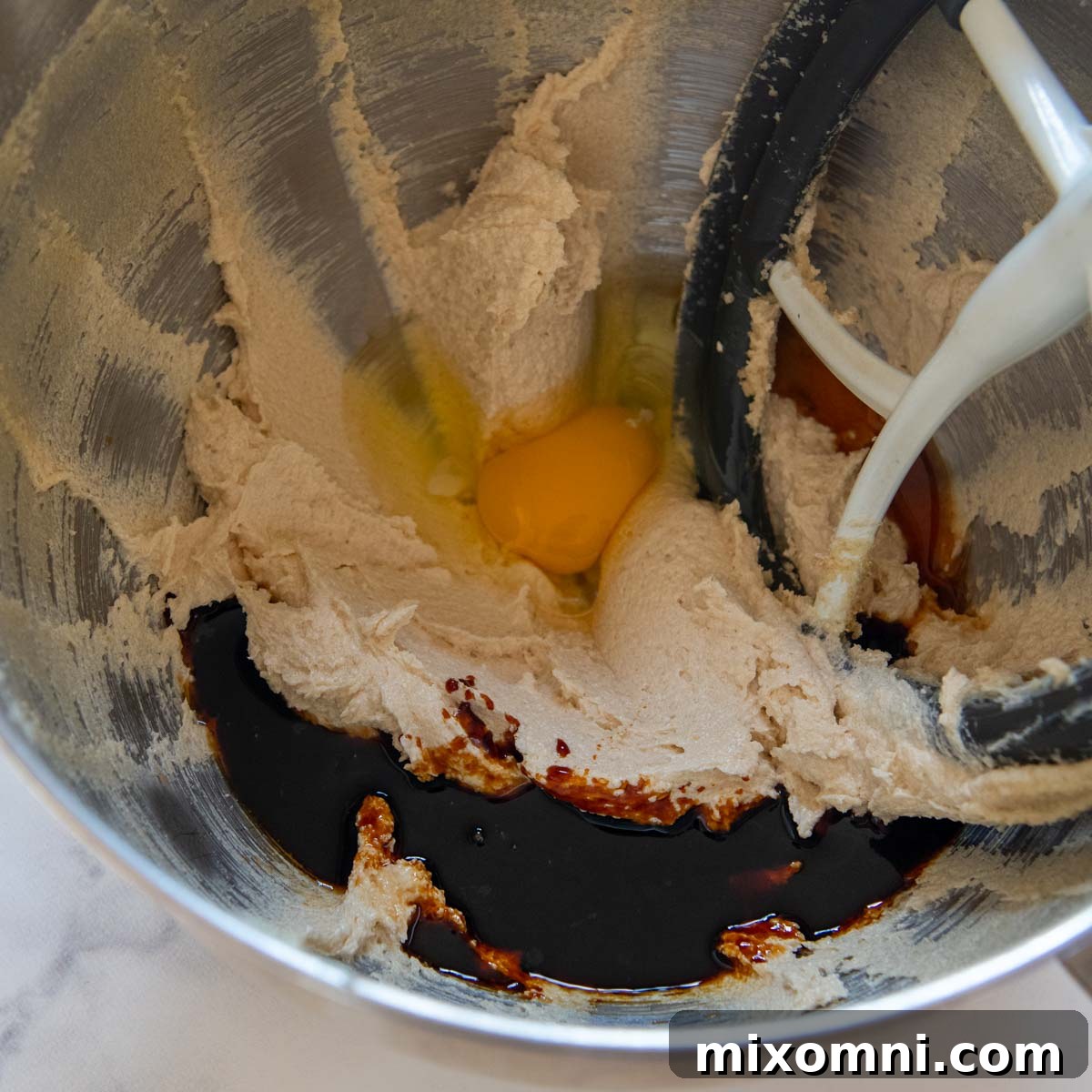
Begin by combining softened room temperature unsalted butter with both brown sugar (packed) and granulated sugar in a large mixing bowl or, for ease, the bowl of a stand mixer fitted with a paddle attachment. Beat these ingredients together on medium-high speed until the mixture becomes very light, fluffy, and noticeably pale. This crucial process, known as creaming, typically takes about 3 minutes and effectively incorporates air into the butter and sugar, which is fundamental for the cookie’s final tender texture. Once perfectly creamed, reduce the mixer speed to low and add the rich molasses, a large room temperature egg, and pure vanilla extract, mixing until just combined and smooth. Be careful not to overmix at this stage; simply incorporate the liquids.
Step 2: Incorporate Dry Ingredients and the Magical Leavening Boost
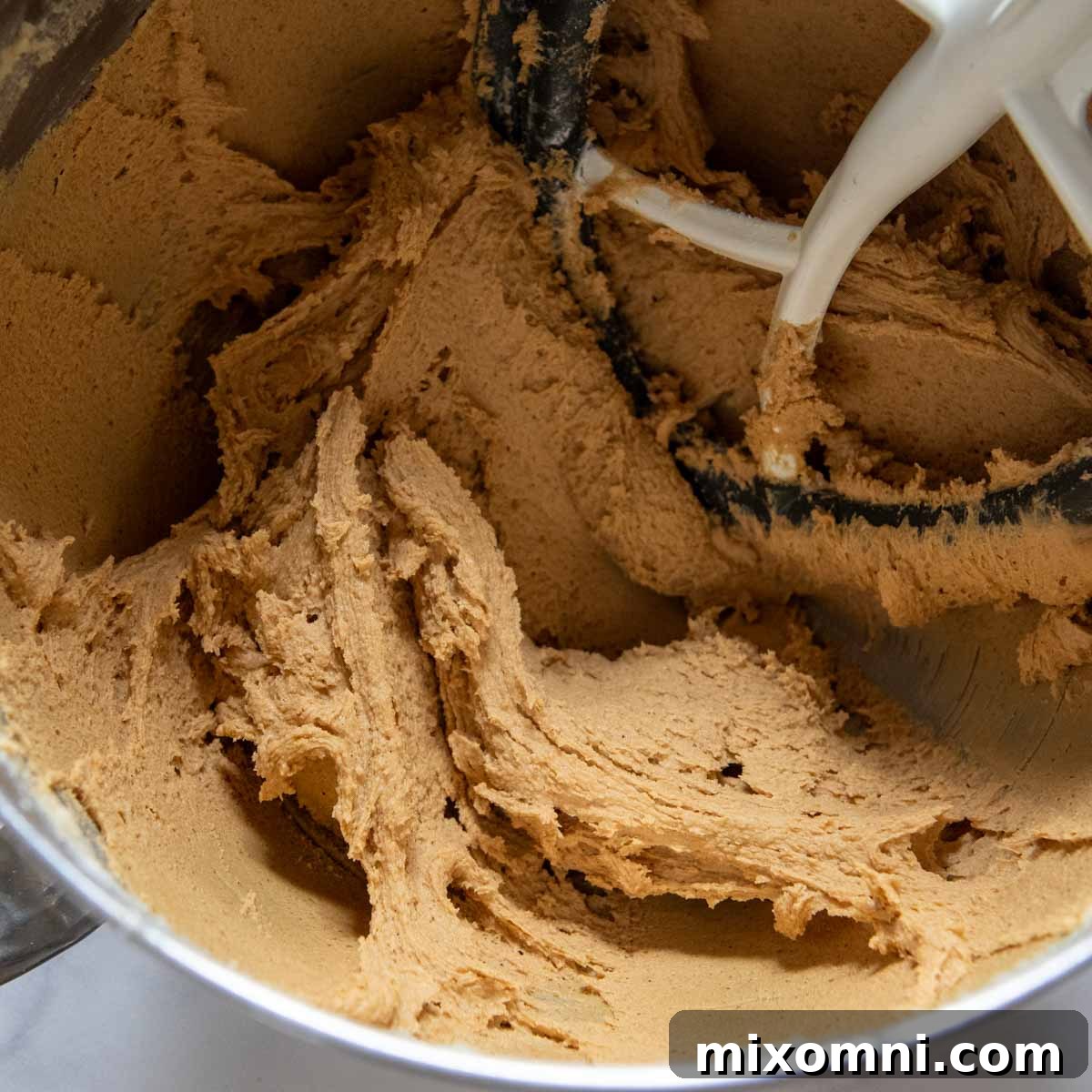
In a separate medium-sized bowl, whisk together all the dry ingredients: the aromatic ground ginger, warm cinnamon, and pungent cloves, along with baking soda, baking powder (our secret weapon for lift!), and salt. Whisk thoroughly to ensure even distribution of the spices and leavening agents. Gradually add this well-mixed dry mixture to the wet ingredients in the stand mixer, mixing on low speed until everything is just combined and no streaks of dry flour remain. It’s important to avoid overmixing at this stage, as it can lead to tougher cookies. Once the dough comes together, cover the bowl tightly with plastic wrap and refrigerate it. This chilling step is absolutely essential for at least 1.5 to 2 hours, or even better, overnight. Proper chilling allows the gluten-free flour to fully hydrate, preventing excessive spreading during baking and eliminating any potential grittiness, resulting in an incredibly smooth and pliable dough. You’ll notice the distinct difference in texture after chilling – the dough will be firmer, less sticky, and much easier to handle.
To further illustrate the effectiveness of our leavening strategy, observe the visual proof below: the image showcases two cookies side-by-side. The cookie baked with the optimal touch of baking powder clearly exhibits a superior lift and a more desirable, plump thickness compared to a cookie baked without this crucial addition. This subtle ingredient significantly enhances the cookie’s structure and overall chewiness, ensuring they achieve that perfect soft-batch texture without spreading too thinly.
Step 3: Scoop, Roll in Sugar, and Bake to Golden Perfection
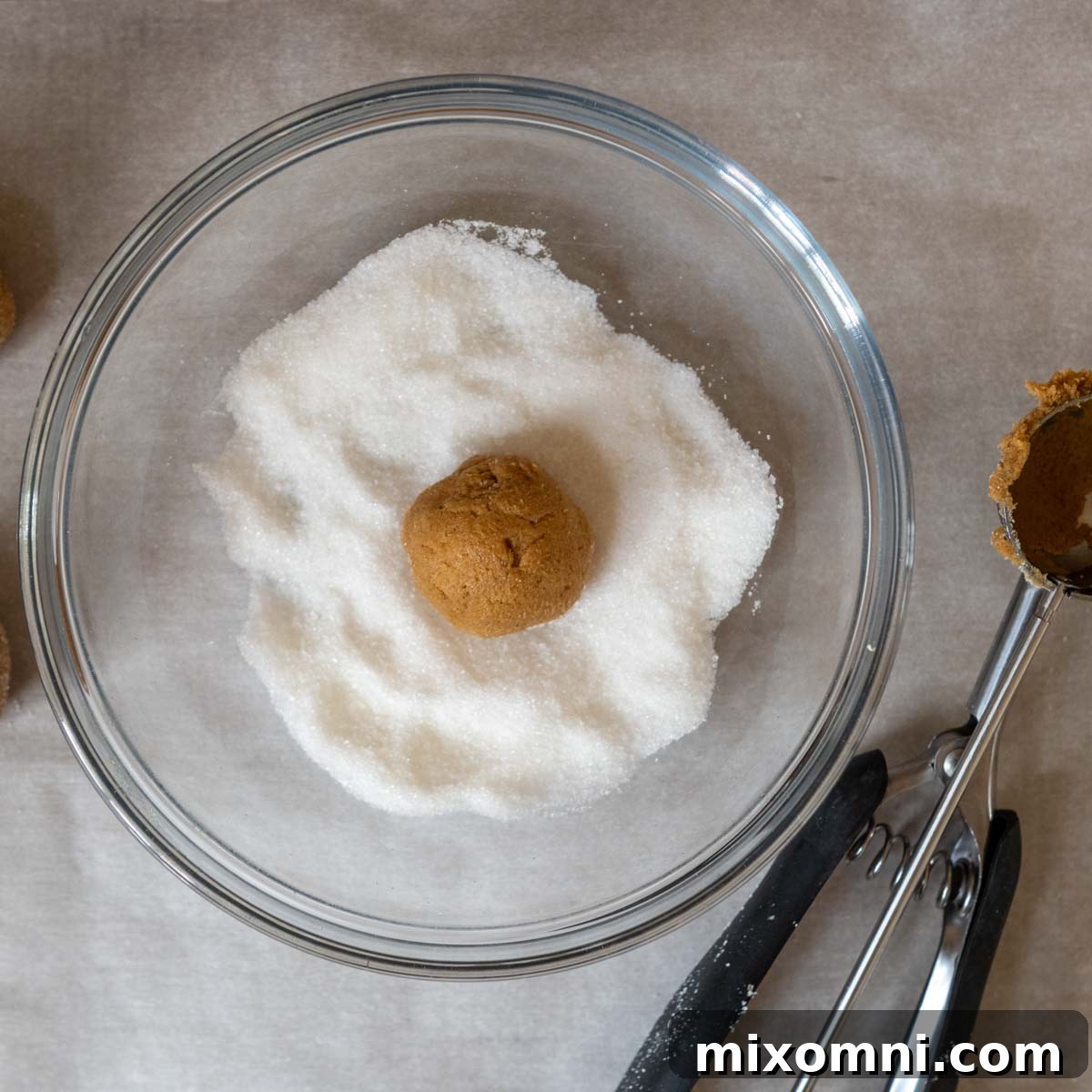
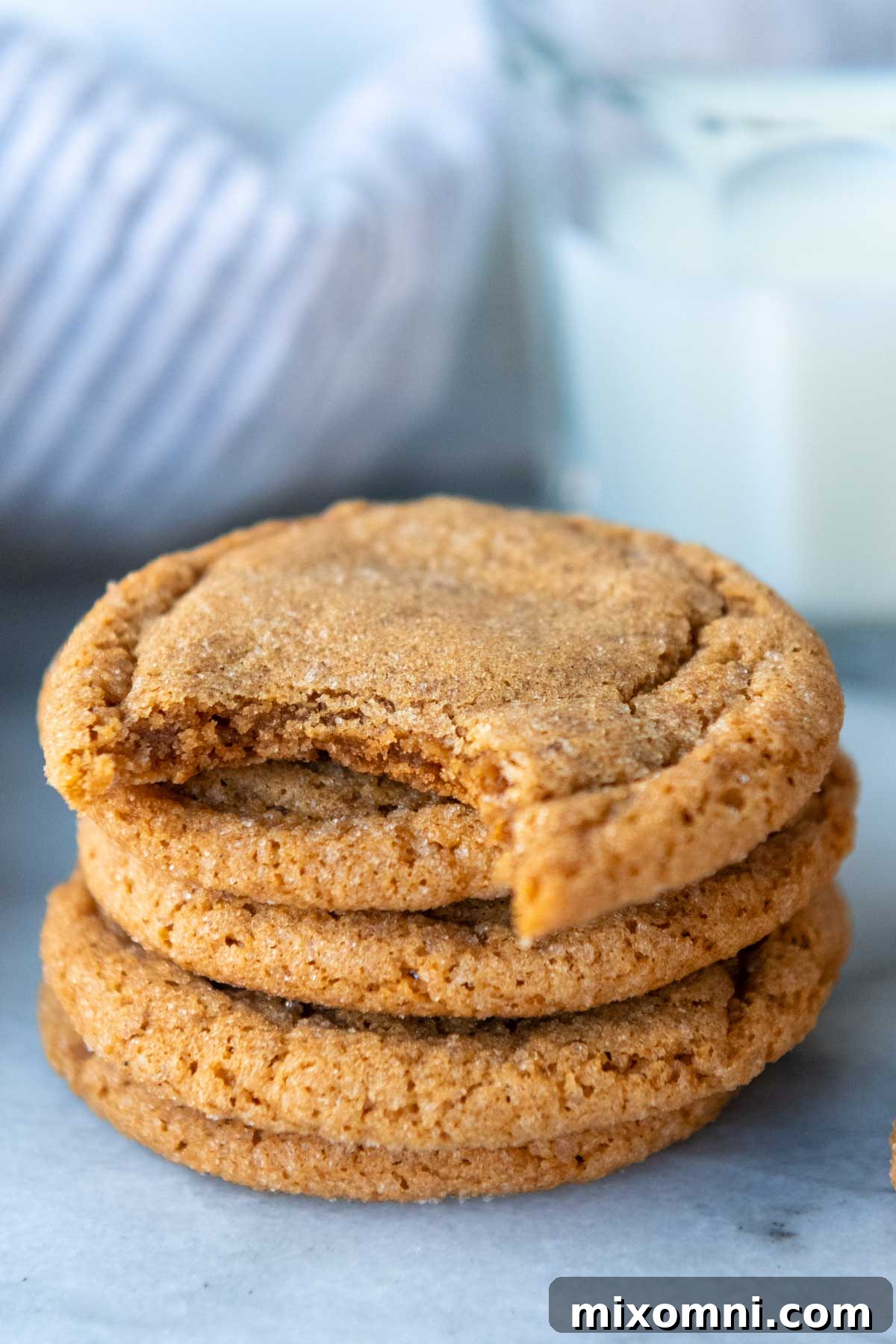
Once your dough is thoroughly chilled and you’re ready to bake, preheat your oven to 350ºF (175ºC) and line your baking sheets with parchment paper or reliable silicone baking mats. If you’re not using parchment or silicone, ensure your baking sheets are ungreased as the butter in the cookies will prevent sticking. Using a small 1-tablespoon cookie scoop, portion out uniform balls of dough. This ensures consistent size and baking. If you don’t have a scoop, you can roll them by hand to about the same 1-tablespoon size. Drop each dough ball into a shallow bowl filled with granulated sugar, rolling it around gently until it’s completely and evenly coated. This sugar coating not only adds a delightful sparkle and a slightly crisp exterior, but also contributes to that characteristic crinkled top. Place the sugar-coated dough balls onto your prepared baking sheets, ensuring they are about 1 ½ to 2 inches apart to allow for proper air circulation and slight, controlled spreading during baking. Bake for 9-10 minutes. The cookies will appear soft and slightly puffy when they first come out of the oven, but they will continue to set and firm up as they cool. For the best chewy texture, avoid overbaking; a slight underbake is preferred. Let them cool on the baking sheet for about 5-10 minutes before carefully transferring them to a wire rack to cool completely. Then, prepare to enjoy these incredibly spiced and perfectly textured gluten-free ginger snaps immensely!
Unlock More Flavor: Creative Variations for Your Gluten-Free Ginger Cookies
While these classic gluten-free ginger snaps are undeniably perfect as is, their versatile and robustly spiced dough makes an excellent base for a myriad of delicious additions and creative transformations. Feel free to unleash your culinary creativity and turn a simple cookie into a variety of unique and impressive treats!
- Baking Chips Galore: Elevate the flavor by stirring in 2 cups of your favorite baking chips into the dough before the crucial chilling step. Semi-sweet chocolate chips offer a universally loved classic pairing, while creamy white chocolate chips provide a delightful contrast to the ginger spice. For those who prefer a richer experience, dark chocolate chunks add an intense, sophisticated depth of flavor.
- Crystallized Ginger Zing: For an extra fiery kick and delightful, chewy texture that intensifies the ginger experience, mix in ½ cup of finely minced crystallized (or candied) ginger into the dough. This not only boosts the spice level but also adds a wonderful textural element that ginger lovers will adore.
- Dried Fruit Medley: Enhance the sweetness and introduce a pleasant, chewy texture by incorporating 1 cup of dried cranberries, currants, juicy raisins, or bright golden raisins. These fruits complement the warm spices of ginger perfectly, adding a subtle tang and natural sweetness.
- Decadent Chocolate Drizzle or Dip: After your ginger snaps have completely cooled on a wire rack, melt some high-quality semi-sweet or white chocolate. You can elegantly drizzle the melted chocolate over the tops of the cookies for a decorative touch, or for a more indulgent treat, dip half of each cookie into the rich, melted chocolate. If the chocolate needs to be slightly thinned for easier drizzling or dipping, add just a tiny touch of neutral oil (like coconut or vegetable oil) and stir until smooth.
- Ginger Cookie Sandwiches: Elevate your humble ginger snaps into an impressive, show-stopping dessert by creating delicious cookie sandwiches. Spread a generous layer of creamy vanilla buttercream frosting, bright and tangy lemon buttercream, or fluffy marshmallow fluff between two perfectly spiced cookies. These indulgent sandwiches are particularly stunning for special occasions or when you want to truly impress your guests.
Essential Tips for Gluten-Free Baking Success
Achieving outstanding and consistently delicious results with gluten-free baking, especially when tackling beloved classics like ginger snaps, requires attention to a few key principles. Beyond the specific steps outlined for this particular recipe, keeping these general tips in mind will significantly contribute to your overall gluten-free baking success and confidence:
- Always Use a High-Quality Gluten-Free All-Purpose Flour Blend: This is perhaps the most crucial tip. Not all gluten-free flours are created equal, and using the wrong one can drastically alter your results. A good quality, ‘cup-for-cup’ or ‘1:1’ style blend (like Cup4Cup, which is specifically recommended and tested for this recipe) typically contains a balanced mix of different flours and starches, often with added xanthan gum. Xanthan gum is vital as it helps mimic the elasticity and binding properties of gluten, providing structure to your baked goods. Avoid using single-flour alternatives (like just almond flour or coconut flour) unless a recipe specifically calls for them, as they behave very differently.
- Measure Accurately, Especially with Flour: Precision is even more critical in gluten-free baking than in traditional baking. The ratios of ingredients are finely balanced. For flour and sugar, if possible, use a kitchen scale for the most accurate measurements. If using measuring cups, always employ the ‘spoon and level’ method: spoon the flour into the measuring cup until it overflows, then level off the excess with a straight edge (like a knife or the back of a spoon). Never scoop directly from the bag, as this compacts the flour and can result in using too much.
- Ensure Room Temperature Ingredients: This applies particularly to butter, eggs, and any dairy products. Room temperature ingredients emulsify more effectively, meaning they blend together smoothly and evenly. When butter is softened, it creams with sugar more efficiently, incorporating more air, which contributes to a lighter, more tender texture in your finished baked goods. Cold ingredients can cause the dough to seize and become lumpy.
- Do Not Overmix the Dough: Once the dry ingredients are added to the wet mixture, mix only until they are just combined and no streaks of dry flour are visible. Overmixing gluten-free dough can develop the starches in a way that leads to a tougher, denser, or even gummy cookie. Gentle mixing is key to a tender crumb.
- Chilling Your Dough is Paramount: As highlighted extensively in this ginger snap recipe, chilling the dough is not an optional step for many gluten-free cookies – it’s a game-changer. It allows the gluten-free flours to fully hydrate, preventing a gritty texture and significantly reducing excessive spreading during baking. Furthermore, chilling solidifies the fats in the dough, which helps the cookies hold their shape better in the oven, leading to a thicker, chewier cookie. Embrace the chill!
- Parchment Paper or Silicone Mats are Your Best Friends: Gluten-free cookies can sometimes be more prone to sticking to baking sheets. To ensure easy removal, consistent baking, and minimal cleanup, always line your baking sheets with parchment paper or high-quality silicone baking mats.
- Know Your Oven’s True Temperature: Oven temperatures can vary significantly from what the dial indicates. If you frequently find your cookies are still spreading too much, baking unevenly, or not achieving the desired texture, consider investing in an inexpensive oven thermometer. This will allow you to know your oven’s true temperature and adjust accordingly, ensuring consistent and accurate baking.
Storage and Freezing Instructions for Your Gluten-Free Ginger Snaps
These absolutely delicious gluten-free ginger snaps are wonderful fresh from the oven, but the good news is they also store and freeze exceptionally well! This means you can enjoy their spiced goodness long after baking, making them perfect for meal prep or unexpected cravings.
Storing Baked Cookies for Optimal Freshness
Once your gluten-free ginger snaps have completely cooled on a wire rack, store them in an airtight container at room temperature. They will retain their delightful flavor and soft, chewy texture for up to 5-7 days. To maintain their characteristic softness and prevent them from drying out, you can optionally place a half-slice of plain bread (gluten-free or regular) in the container with the cookies. The cookies will absorb moisture from the bread, keeping them wonderfully fresh and tender. Remember to replace the bread every couple of days to ensure continued freshness.
To Freeze After Baking for Long-Term Enjoyment
For longer storage, these cookies freeze beautifully without losing their texture or flavor. Once the cookies have cooled completely on a wire rack, wrap 2-3 cookies tightly together in plastic wrap. This step helps to prevent freezer burn and ensures they remain moist. Then, transfer these wrapped cookie groups to a larger freezer-safe ziplock bag or an airtight container. They can be frozen for up to 2 months. To enjoy a frozen treat, simply thaw the desired number of cookies on the counter for about an hour. For an extra treat, you can warm them gently in the microwave for a few seconds to restore that freshly baked feel and aroma.
To Freeze Before Baking (Cookie Dough) for Future Convenience
Preparing cookie dough in advance is a fantastic time-saver and allows for fresh, warm cookies anytime! After you’ve shaped the cookie dough into balls and rolled them in sugar (as per Step 3 of the recipe), place the unbaked dough balls onto a baking sheet, spaced out so they don’t touch. Transfer the entire baking sheet to the freezer. Once the dough balls are frozen solid (this usually takes 1-2 hours), transfer them to a freezer-safe ziplock bag or airtight container. They can be frozen for up to 2 months. When you’re ready for a fresh batch, simply place the frozen dough balls on a prepared baking sheet, spaced about 2 inches apart, and bake according to the recipe instructions. You’ll only need to add an extra 1-2 minutes to the total baking time to account for their frozen state. There’s no need to thaw the dough beforehand!
Frequently Asked Questions About Baking Gluten-Free Ginger Snaps
Here are answers to some common questions and troubleshooting tips to help you master baking these delightful gluten-free ginger snaps:
Can I use a different gluten-free flour blend for this recipe?
While this recipe was specifically developed and rigorously tested using a high-quality cup-for-cup gluten-free all-purpose flour blend (like Cup4Cup), results can vary significantly if you use other brands or homemade blends. Different blends have varying ratios of flours, starches, and gums, all of which affect moisture absorption, dough consistency, and final cookie structure. If you opt for a different blend, you might need to make minor adjustments to the liquid content or be prepared for slight variations in the cookies’ texture. Always ensure your chosen blend contains xanthan gum, or add it separately if your blend does not include it.
Why is chilling the dough so incredibly important for gluten-free ginger snaps?
Chilling the dough is a non-negotiable, crucial step for gluten-free cookies, especially those enriched with molasses. Firstly, it allows the gluten-free flours ample time to fully hydrate and absorb the liquids, which prevents a grainy or gritty texture in the finished cookie. Secondly, chilling solidifies the butter in the dough, which significantly helps the cookies hold their shape better and reduces excessive spreading during baking. This results in a much thicker, chewier cookie with those desired crinkled tops.
Can I make these ginger snaps suitable for a vegan diet?
To adapt this recipe for a vegan diet, you would need to substitute the unsalted butter with a high-quality, solid plant-based butter alternative and replace the large egg with a ‘flax egg’ (typically made by mixing 1 tablespoon of ground flaxseed with 3 tablespoons of water, then letting it sit for 5 minutes to thicken). It’s important to note that these substitutions may subtly alter the texture and flavor of the cookies, and some testing might be required to achieve your desired results.
How can I tell when my gluten-free ginger snaps are perfectly done baking?
Gluten-free cookies often don’t brown as much or as quickly as their traditional counterparts, so visual cues are slightly different. Look for cookies with edges that are lightly golden brown and centers that appear set but still feel slightly soft or puffy when gently pressed. They will continue to set and firm up as they cool on the baking sheet. To ensure maximum chewiness and prevent dryness, it’s generally better to slightly underbake them rather than overbake.
What should I do if my cookies are still spreading too much in the oven?
If you find your gluten-free ginger snaps are spreading excessively despite following the recipe, first double-check your ingredient measurements, paying close attention to the flour and butter amounts. Ensure your butter is softened but not melted or greasy. Most importantly, confirm that your dough is thoroughly chilled for the recommended time (at least 1.5 to 2 hours). Using the specified smaller cookie scoop and ensuring your oven is preheated to the correct 350ºF (175ºC) temperature (an oven thermometer can help verify this) are all critical factors in preventing unwanted spreading.
Don’t Miss Out! Save This Delicious Recipe to Your Pinterest Board!
Let’s be friends on Pinterest! I’m always sharing great recipes, gluten-free baking inspiration, and delicious meal ideas!
Did you whip up a batch of these amazing gluten-free ginger snaps? We’d absolutely love to hear from you! Please leave a star rating and comment below the recipe card. Your valuable feedback helps others discover and enjoy our recipes, and it truly makes a difference to our community. Rest assured, you’ll always hear back from me! -Melissa
5 stars (5 ratings)
Soft Batch, Chewy Gluten-Free Ginger Snaps

By Melissa Erdelac
Yield: 50 cookies
Prep Time: 10 mins
Cook Time: 10 mins
Total Time: 1 hr 50 mins (includes chilling time)
Ingredients
- ¾ cup (170.25 g) (1 ½ sticks) unsalted butter, softened
- ½ cup (110 g) packed brown sugar
- ½ cup (100 g) granulated sugar
- 1 (1) large egg, room temperature
- ¼ cup (84.25 g) molasses
- 1 teaspoon vanilla extract
- 1 teaspoon baking soda
- ¼ teaspoon baking powder
- 2 teaspoons ground ginger
- ¾ teaspoon ground cinnamon
- ½ teaspoon ground cloves
- ¼ teaspoon salt
- 2 ¼ cups (312.5 g) gluten-free all-purpose flour, (recommended: Cup4Cup gluten-free flour)
- ¼ cup granulated sugar, for rolling
Equipment
- Stand Mixer (or electric hand mixer with a large mixing bowl)
- Small Cookie Scoop (1 tablespoon size)
- Baking Sheets
- Parchment Paper or Silicone Baking Mats
- Small shallow bowl (for rolling sugar)
- Wire cooling rack
Instructions
- In a large mixing bowl, or the bowl of a stand mixer fitted with a paddle attachment, cream together room temperature unsalted butter, packed brown sugar, and granulated sugar until light and fluffy, about 3 minutes. Reduce speed to low, then mix in the molasses, large egg, and vanilla extract until well combined and smooth.
- In a separate bowl, whisk together the baking soda, baking powder, ground ginger, ground cinnamon, ground cloves, and salt. Gradually add this dry mixture to the wet ingredients in the mixer, and mix on low speed until the dough is just well combined and no streaks of dry flour remain. Avoid overmixing.
- Cover the bowl tightly with plastic wrap and refrigerate until well chilled, for at least 1 ½ – 2 hours or preferably overnight. This step is crucial for texture and preventing excessive spreading.
- When ready to bake, preheat your oven to 350ºF (175ºC). Line baking sheets with parchment paper or silicone baking mats. If not using a liner, leave baking sheets ungreased.
- Use a small 1-tablespoon cookie scoop to portion out uniform cookie dough balls. Alternatively, roll the dough into balls of approximately 1 tablespoon size using your hands.
- Place the additional ¼ cup granulated sugar in a small shallow bowl. Roll each cookie dough ball thoroughly in the sugar until completely coated. Transfer the sugar-coated dough balls to the prepared baking sheets, ensuring they are about 1 ½ to 2 inches apart.
- Bake for 9-10 minutes. The cookies should have lightly golden edges and set centers, but still appear soft and slightly puffy. For optimal chewiness, avoid overbaking.
- Allow the cookies to cool on the baking sheet for 10 minutes before carefully transferring them to a wire rack to cool completely. Enjoy these perfectly soft and chewy gluten-free ginger snaps!
Notes
To freeze after baking: Cool the cookies completely on a wire rack. Wrap 2-3 cookies tightly in plastic wrap to prevent freezer burn. Transfer these wrapped cookie groups to a freezer-safe ziplock bag or airtight container. Freeze for up to 2 months. To serve, thaw cookies on the counter for about an hour, or warm gently in the microwave for a few seconds.
To freeze before baking (cookie dough): Shape the cookies into balls as directed in the instructions and roll them in sugar. Place the dough balls on a cookie sheet (you can fit many as they won’t spread yet). Transfer the cookie sheets to the freezer. Once the dough is frozen solid (about 1-2 hours), transfer the balls to a freezer-safe ziplock bag. Freeze for up to 2 months. When ready to bake, place frozen dough balls on a prepared cookie sheet, spaced 2 inches apart, and bake according to the recipe instructions, adding 1-2 minutes to the total baking time. No need to thaw!
Nutrition Information (per cookie, based on 50 cookies per batch)
- Calories: 69 kcal
- Carbohydrates: 10g
- Protein: 1g
- Fat: 3g
- Saturated Fat: 2g
- Polyunsaturated Fat: 0.2g
- Monounsaturated Fat: 1g
- Trans Fat: 0.1g
- Cholesterol: 11mg
- Sodium: 37mg
- Potassium: 33mg
- Fiber: 1g
- Sugar: 7g
- Vitamin A: 90 IU
- Vitamin C: 0.002mg
- Calcium: 12mg
- Iron: 0.3mg