
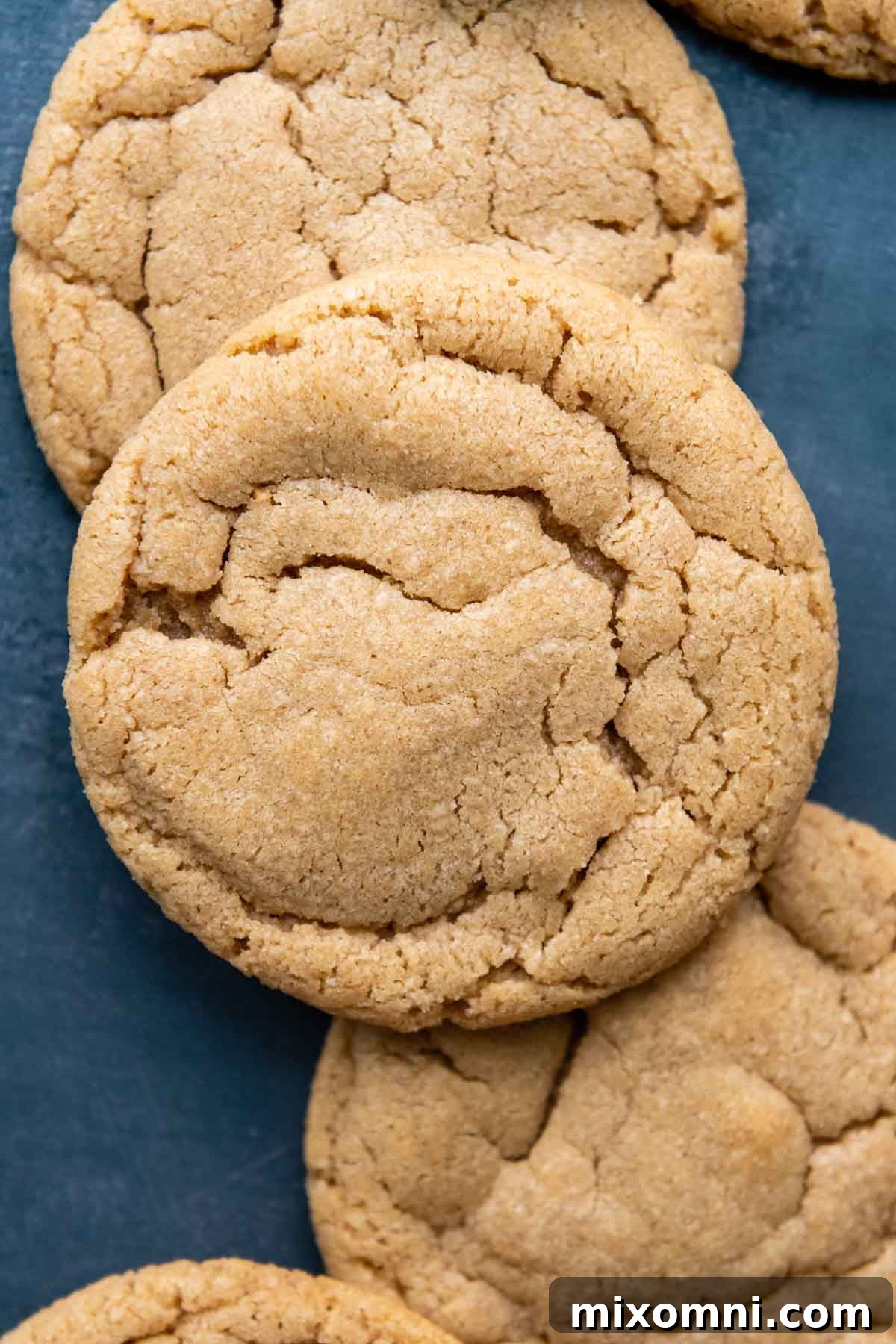
Welcome to the ultimate guide for crafting the most irresistible gluten-free peanut butter cookies! If you’ve been searching for that perfect cookie with a delightful crispy edge and a gloriously gooey, soft, and chewy center, your quest ends here. This recipe demystifies gluten-free baking, showing you how to achieve an old-school, classic taste with ease, using readily available all-purpose gluten-free flour and creamy peanut butter. Prepare to bake a batch that will impress even the most discerning cookie connoisseurs, proving that gluten-free doesn’t mean compromising on flavor or texture!
Crafting the Best Old-School Gluten-Free Peanut Butter Cookies
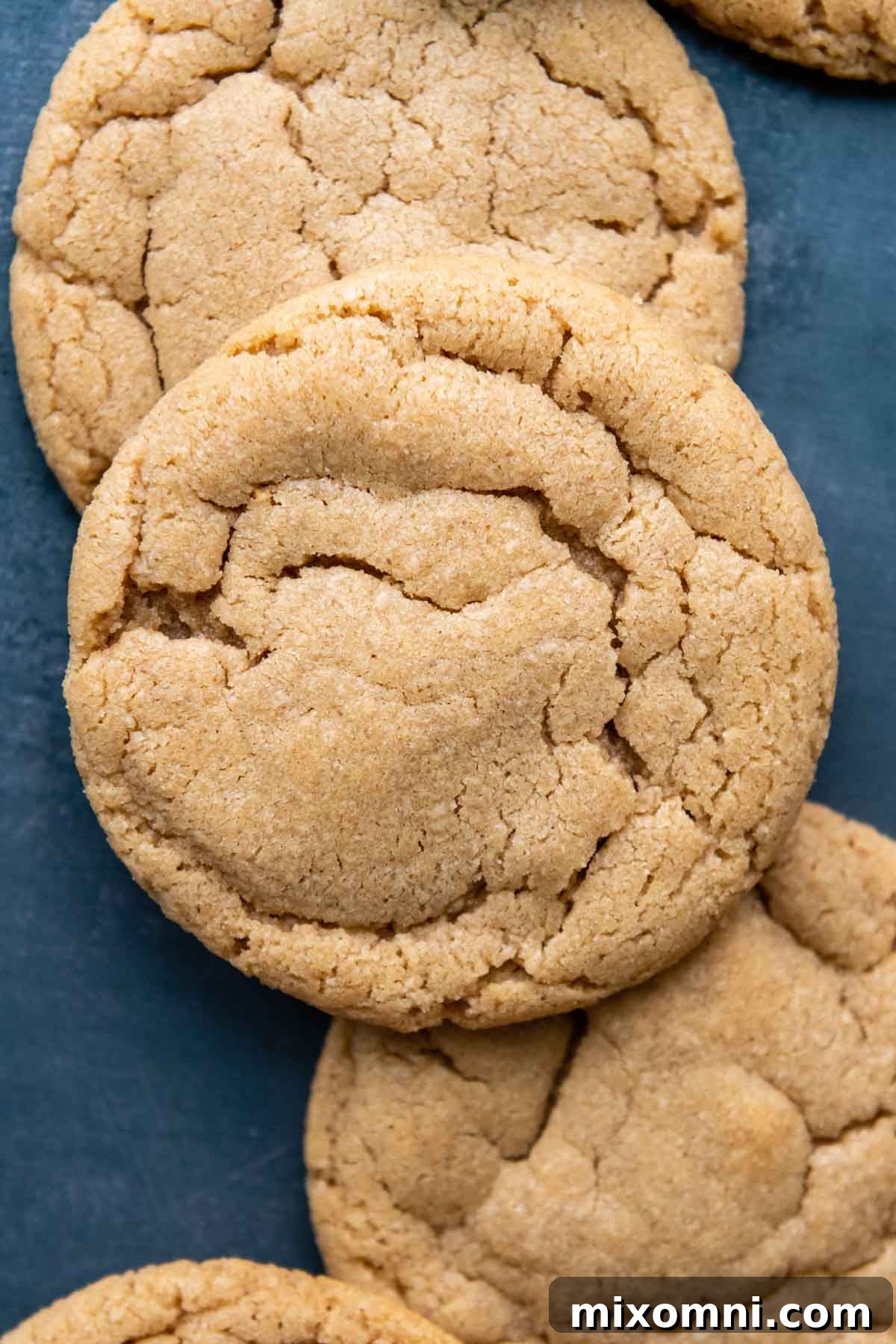
There’s something uniquely comforting about a classic peanut butter cookie. It evokes memories of childhood, school bake sales, and warm, cozy moments. For those navigating a gluten-free diet, finding a recipe that perfectly replicates this nostalgic experience can be a challenge. Many gluten-free versions fall short, often ending up dry, crumbly, or lacking that signature chewy texture. However, with this meticulously developed recipe, you can recreate those cherished traditional peanut butter cookies, complete with a perfectly balanced salty-sweet flavor and an incredibly satisfying soft, chewy core wrapped in crisp edges. Imagine dunking one into a cold glass of milk – pure bliss!
This homemade recipe is designed to be straightforward and accessible, teaching you exactly how to make gluten-free peanut butter cookies that taste identical to their gluten-containing counterparts. Forget specialty ingredients (aside from your preferred gluten-free flour blend); this recipe focuses on simple techniques and common pantry staples. We understand that when a cookie craving strikes, ease and speed are paramount. That’s why this recipe, much like our popular soft-batch homemade gluten-free chocolate chip cookies and cut-out gluten-free sugar cookies, prioritizes efficiency without sacrificing quality.
Unlocking the Secrets to Perfect Gluten-Free Cookie Texture
Achieving a velvety, soft, and non-gritty texture in gluten-free cookies can sometimes feel like a culinary puzzle. Traditional gluten-free flours, if not handled correctly, can lead to dry and crumbly results. But fear not! We’ve cracked the code with a few simple, yet highly effective, gluten-free baking tips that guarantee superior texture every time.
The Magic of Melted Butter
One of the key techniques in this recipe is the use of slightly warm melted butter. While many cookie recipes call for softened butter, melting it plays a crucial role in gluten-free baking. The melted fat more effectively coats the gluten-free starch particles, preventing them from absorbing too much moisture too quickly. This coating action helps to eliminate the common gritty or sandy texture often associated with gluten-free baked goods, resulting in a remarkably smooth and tender dough.
The Importance of Resting the Dough
Patience is a virtue, especially when it comes to gluten-free cookie dough. Allowing the dough to rest in the refrigerator for a period before scooping and baking is a game-changer. This rest time gives the melted butter and peanut butter a chance to fully hydrate and soften the gluten-free starches. This process is essential for developing a truly moist and chewy cookie, enhancing flavor, and further reducing any potential grittiness. Think of it as letting the ingredients truly get to know each other – the longer they mingle, the better the final result!
Optimal Baking Temperature for Softness
While many cookies bake at 350°F, we opt for a slightly lower oven temperature of 325°F for these gluten-free peanut butter cookies. This gentle heat allows the cookies to bake more evenly and slowly, which is vital for achieving that coveted velvety, soft texture without becoming sticky or overly dense. A lower temperature helps to prevent the rapid evaporation of moisture, ensuring your cookies remain wonderfully soft and chewy. It also gives the flavors more time to meld beautifully.
Choosing the Right Gluten-Free Flour Blend
The quality of your gluten-free flour blend can make or break your cookies. A high-quality, all-purpose gluten-free flour blend is paramount for success. Our top recommendation for this recipe, and many other gluten-free baked goods, is Cup4Cup gluten-free flour. Its inclusion of cornstarch contributes significantly to a nice, soft texture and it consistently yields excellent results without any “weird” aftertaste sometimes found in other blends. We are definitely on team “soft cookie” here! While Cup4Cup is highly recommended, many readers have also achieved great results with other reputable brands like King Arthur Measure-for-Measure. Always look for a blend designed for “cup-for-cup” or “1:1” substitution to ensure the most consistent outcome.
By following these simple yet powerful gluten-free baking tips, you’ll be well on your way to creating the best gluten-free peanut butter cookies that boast crispy edges and gloriously soft, chewy centers every single time. Beyond these core techniques, we’ll also delve into ingredient swaps for dairy-free options, practical storage tips, and delightful mix-in ideas to truly elevate your homemade cookie experience.
“Thank you so much for sharing this recipe. It’s the best cookies I’ve ever made & now my brother in law’s favorite.”
—Laura
Ingredient Essentials for Extraordinary Cookies
Every great cookie starts with great ingredients. Here’s a closer look at the components that make these gluten-free peanut butter cookies truly special, along with specific recommendations and considerations:
- Peanut Butter: For that classic, creamy texture and robust flavor, stick to creamy peanut butter brands like Skippy or Jif. These processed varieties are specifically formulated for baking and contribute to the cookie’s structure and moisture. Importantly, both Skippy and Jif are typically certified gluten-free. We strongly advise against using natural peanut butter (the kind that separates) as its oil content and consistency can make the cookies dry, crumbly, and less predictable. This recipe has not been tested with alternative nut butters like almond butter, so for best results, creamy peanut butter is recommended.
- Sugars: A thoughtful combination of granulated sugar and light brown sugar is used to achieve the ideal balance of sweetness, structure, and chewiness. Granulated sugar provides crispness and helps with spreading, while brown sugar adds moisture, depth of flavor, and that characteristic chewy texture we all love in a perfect peanut butter cookie.
- Butter: As mentioned, using slightly warm melted butter is a crucial technique here. It helps to coat the gluten-free starches, effectively preventing a gritty mouthfeel and promoting a tender crumb. For those needing dairy-free gluten-free cookies, you can confidently substitute vegan butter sticks, such as Earth Balance, which perform admirably in similar cookie recipes.
- All-Purpose Gluten-Free Flour: The foundation of our gluten-free success. We enthusiastically recommend Cup4Cup gluten-free flour for its consistent, excellent results, especially in achieving a soft texture without an odd aftertaste. Its unique blend, which often includes cornstarch, is particularly effective. However, if Cup4Cup isn’t available, other reliable “cup-for-cup” or “1:1” gluten-free flour blends, like King Arthur Measure-for-Measure, have also been successfully used by our readers. Remember that different blends can yield slightly varied results, so choose a reputable brand.
Let’s Bake These Delicious Cookies Together!
Ready to get your hands messy? Below, you’ll find detailed step-by-step instructions with accompanying photos to guide you through the process. For precise ingredient amounts and the complete recipe, make sure to scroll down to the dedicated recipe card.
Creating the Easiest Peanut Butter Cookie Dough
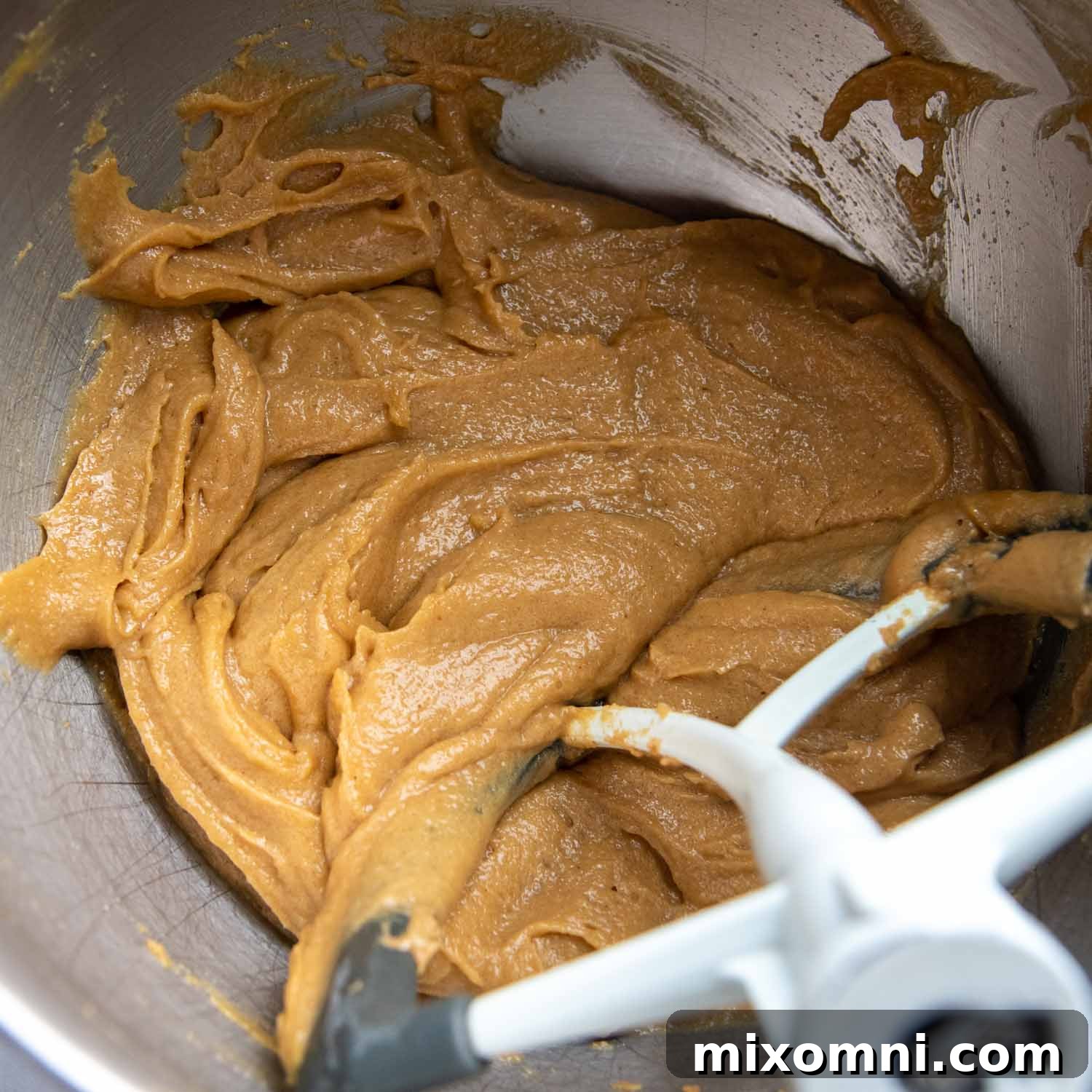
In a large mixing bowl, combine the creamy peanut butter, light brown sugar, granulated sugar, and slightly warm melted butter. Beat these ingredients together until the mixture is smooth and homogeneously blended. Using warm butter helps dissolve the sugars more effectively, leading to a smoother dough. Next, incorporate the egg and vanilla extract, mixing until everything is fully combined and silky smooth. You’re almost there!
Mixing Dry Ingredients and Chilling the Dough
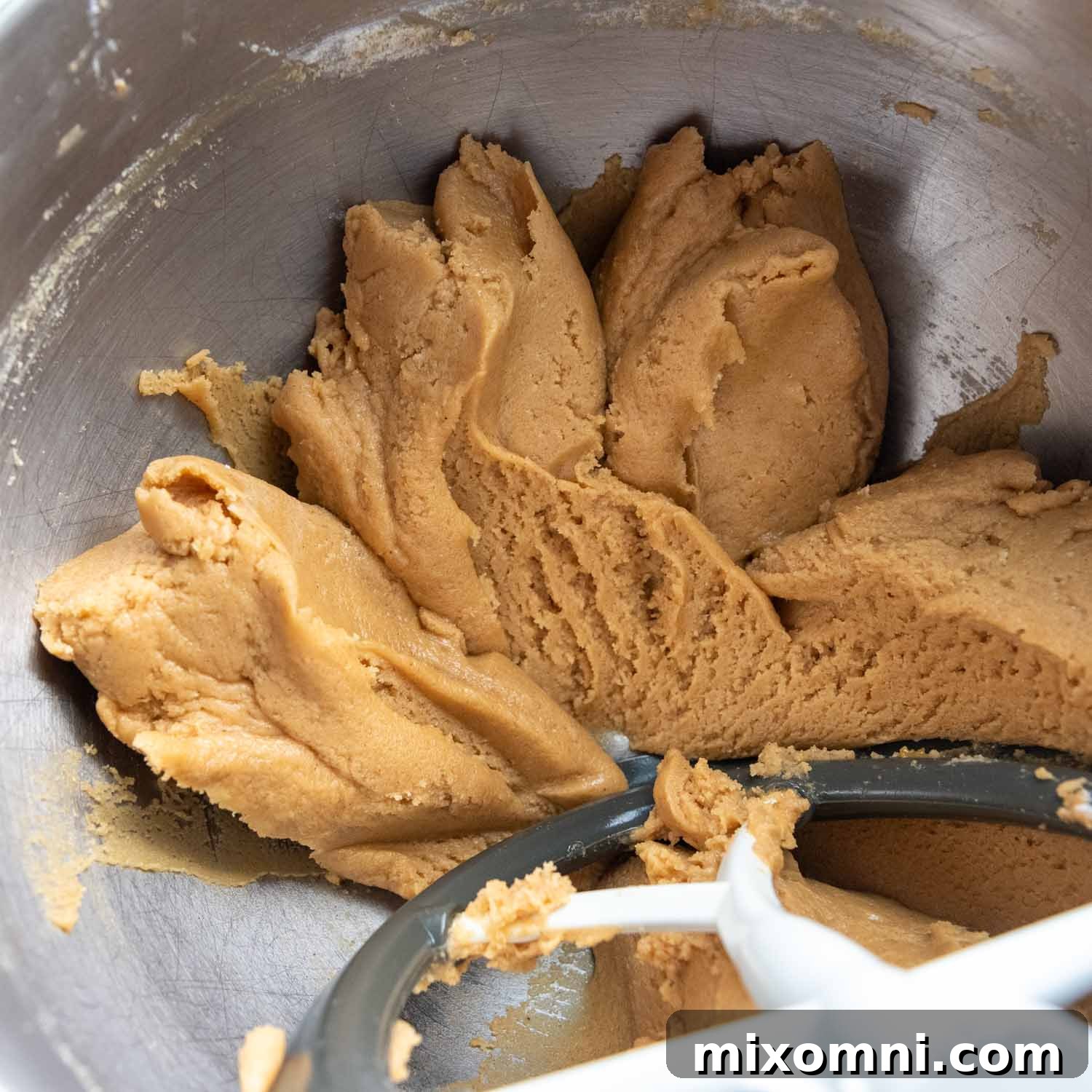
Now, gently blend in the gluten-free flour, baking soda, and salt. Mix on a low speed until no pockets of dry flour remain. The dough will have a beautiful, shiny, and soft consistency. This is where our secret weapon comes in: chilling the dough! Once chilled for at least 30 minutes, the dough will stiffen enough to be easily scooped into uniform balls. This crucial rest time not only makes handling easier but also works wonders in eliminating any residual grittiness, a fantastic bonus in gluten-free baking!
Scoop, Shape, and Bake to Perfection
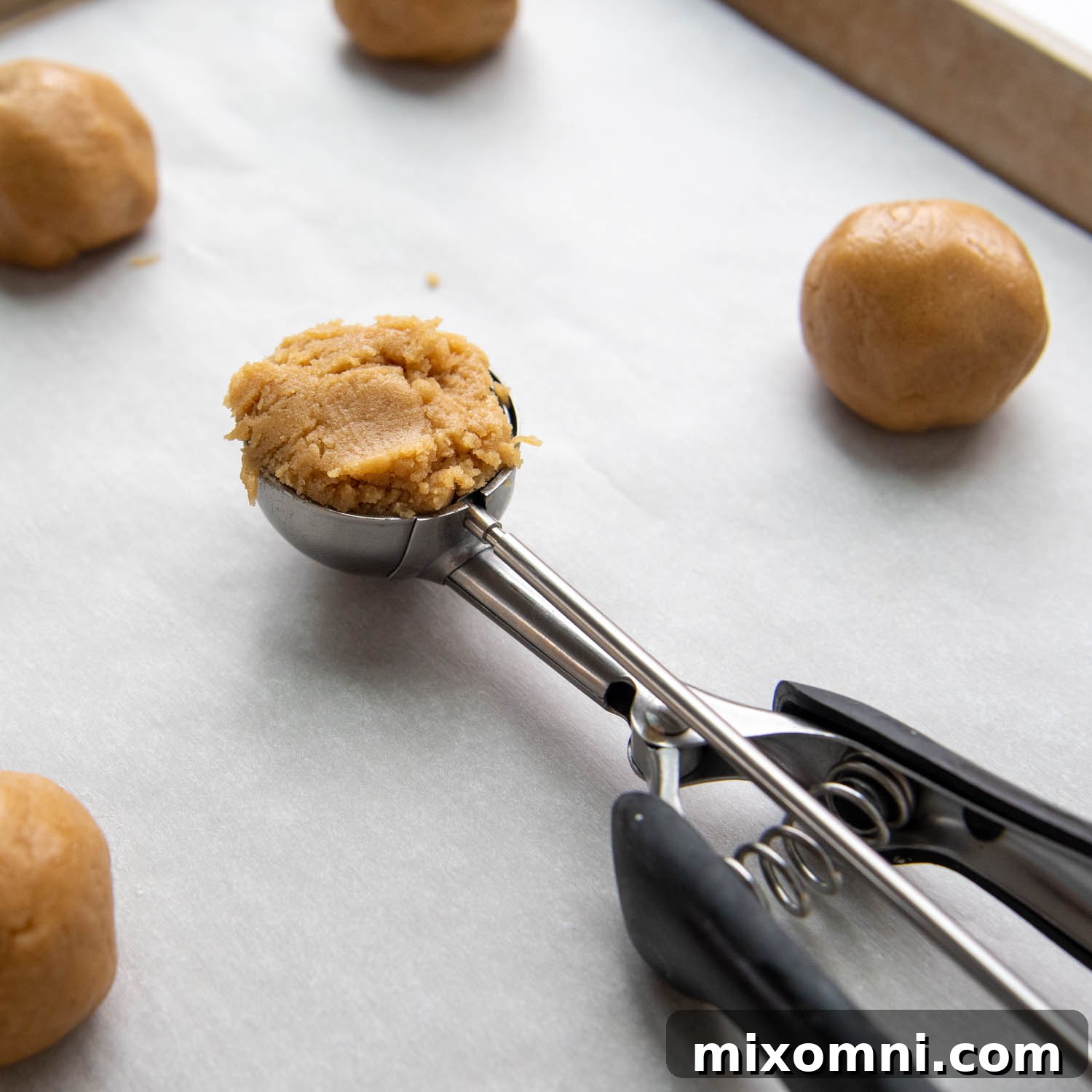
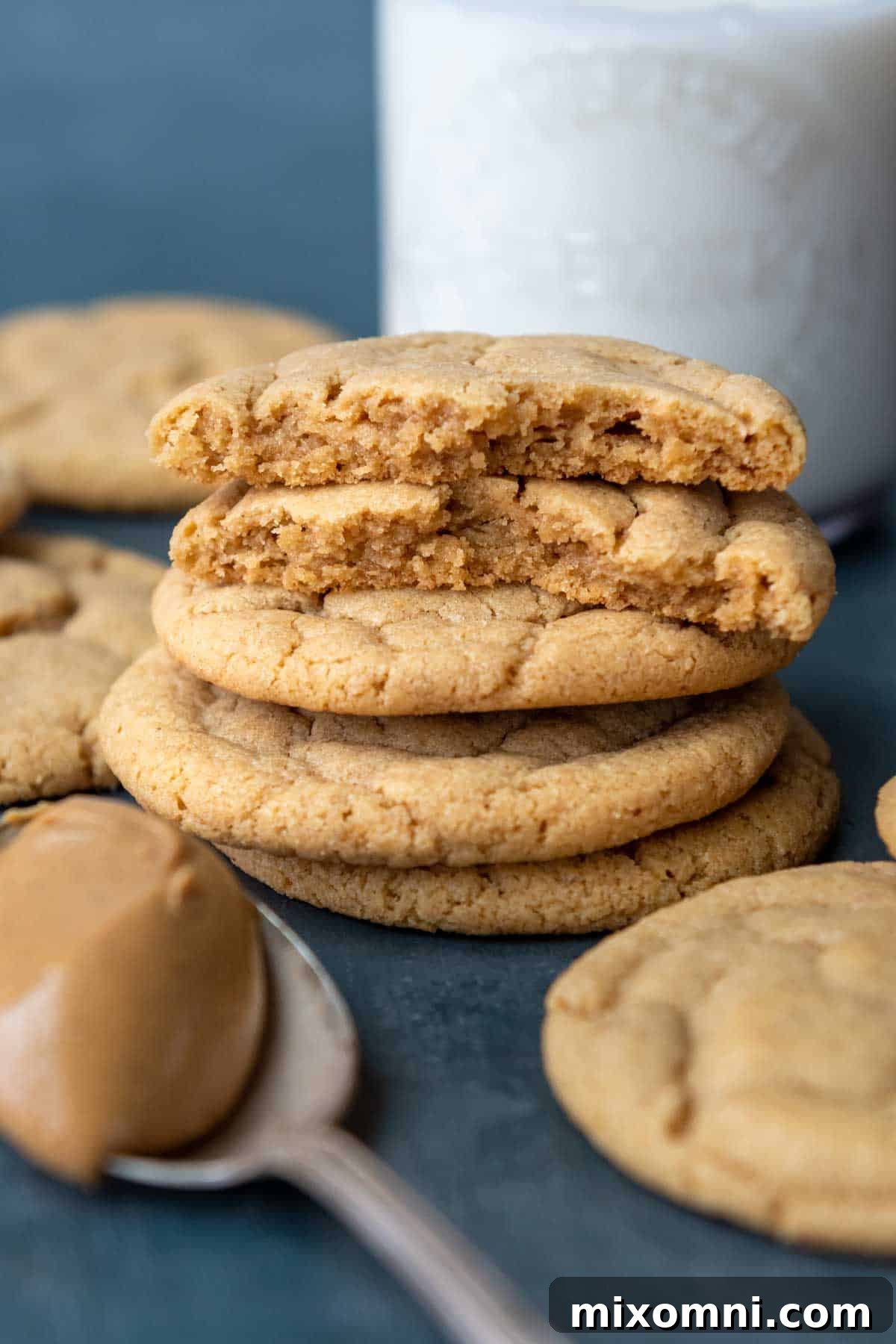
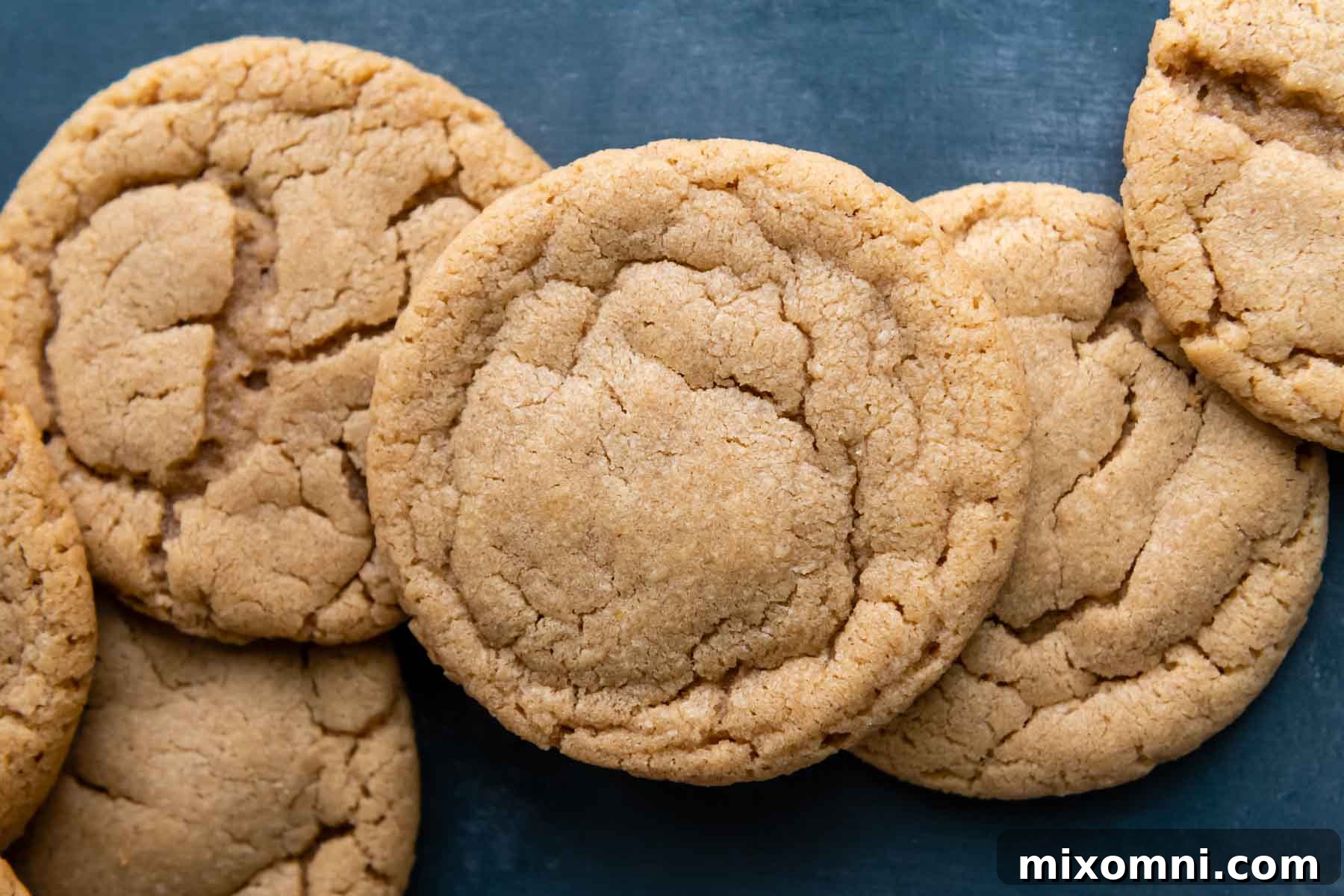
Utilize a medium cookie scoop (approximately 2 tablespoons in size) to portion out uniform dough balls. For those who desire perfectly round cookies, a quick roll between your palms before placing them on the baking sheet will do the trick. Arrange about 9 dough balls per baking pan, ensuring adequate spacing. If perfectly round isn’t your priority, no worries – they’ll taste just as delicious! Bake for 12-14 minutes, or until the bottoms are lightly golden brown and the tops are just set, showing slight cracks. To ensure wonderfully chewy cookies, be vigilant and avoid overbaking. A slightly underbaked center is the key to ultimate softness!
Say Goodbye to Grittiness: Advanced GF Cookie Tips
While modern gluten-free flour blends have made baking more accessible, the challenge of avoiding a gritty or sandy texture in cookies persists for many. Fortunately, this common hurdle is easily overcome by understanding and applying a few specialized gluten-free baking principles. Let’s dive deeper into how you can ensure your cookies are perfectly smooth and tender:
- Optimizing Baking Temperature: Most traditional cookie recipes call for a baking temperature of 350°F. However, for gluten-free cookies, we’ve found that a slightly lower temperature of 325°F works wonders. This reduced heat encourages a slower, more controlled bake, allowing the flavors to meld more deeply and, crucially, giving the starches in the gluten-free flour ample time to soften and fully hydrate. The result is a more uniformly baked cookie with an incredibly chewy texture and absolutely no grittiness.
- The Foundation: Quality Gluten-Free Flour: The choice of your gluten-free flour blend is perhaps the most significant factor in preventing grittiness. Not all GF flours are created equal. For cookie recipes, where a delicate balance of crispness and chewiness is desired, we cannot stress enough the importance of a high-quality, all-purpose blend. Our top recommendation is Cup4Cup GF flour. Its fine texture and specific composition, often including cornstarch, are unparalleled in delivering a smooth, non-gritty result. While other blends can work, Cup4Cup consistently provides the silkiest texture and best overall mouthfeel.
- The Power of Chilling Cookie Dough: This step is often debated, but our continuous experimentation unequivocally shows that chilling the dough is critical for superior gluten-free cookies. A minimum 30-minute rest in the refrigerator allows the liquid ingredients (like melted butter and egg) to fully penetrate and hydrate the gluten-free starches. This process changes the dough’s consistency, making it less sticky and easier to handle, but most importantly, it eliminates any trace of grittiness by giving the starches time to fully absorb moisture and swell. The difference in texture between chilled and unchilled dough is truly remarkable – a softer, chewier cookie with no undesirable sandy texture.
By diligently incorporating these strategies into your gluten-free baking routine, you’ll transform your cookie experience from satisfactory to truly exceptional, creating treats that are indistinguishable from their gluten-containing counterparts in terms of delightful texture and flavor.
Elevate Your Cookie Game: Delicious Mix-ins and Variations!
While these gluten-free peanut butter cookies are absolutely divine on their own, their versatility allows for endless customization. Get creative and transform a classic into your signature treat with these yummy ideas:
Classic Chocolate Chip & More
The most popular variation is, of course, the peanut butter chocolate chip cookie! Simply stir in about ¾ cup of your favorite gluten-free chocolate baking chips (milk, dark, or semi-sweet) into the dough. Remember to always check labels to ensure your chocolate chips are certified gluten-free. Beyond chocolate, consider adding butterscotch chips, white chocolate chips, or a delightful blend of different chip varieties for a unique flavor profile. The salty-sweet combination of peanut butter with these additional flavors is truly irresistible!
Nutty Additions & Dips
For an extra layer of texture and intensified peanut flavor, mix in about ½ cup of finely chopped roasted peanuts directly into the cookie dough. Alternatively, for a beautiful presentation and added crunch, roll your scooped cookie balls in crushed peanuts before baking. Once your cookies have cooled completely, take them to the next level by dipping them in melted chocolate or drizzling chocolate over the tops. This adds a sophisticated touch and an extra burst of decadent flavor.
Embrace Tradition: Peanut Butter Blossoms
For a truly classic, old-fashioned cookie experience, don’t miss out on our easy recipe for gluten-free peanut butter blossoms. These delightful cookies feature a soft peanut butter base crowned with a Hershey’s Kiss right after baking, creating a nostalgic treat that’s perfect for holidays or any special occasion.
Experiment with these additions and variations to find your perfect gluten-free peanut butter cookie! The possibilities are as endless as your imagination.
Never Lose This Recipe: Pin It Now, Bake Later!
Let’s be friends on Pinterest! I’m always sharing great recipes and gluten-free baking inspiration!
Did you make this recipe? We love hearing from you! Leave a star rating and comment below the recipe card. Your feedback helps others discover and enjoy these recipes, and we genuinely appreciate hearing from our community. You will always hear back from me! -Melissa
Extra Soft Gluten-Free Peanut Butter Cookies Recipe

Melissa Erdelac
20
5 mins
35 mins
This recipe for soft-baked gluten-free peanut butter cookies utilizes easy GF baking tips to create crispy edge peanut butter cookies with glorious gooey, soft, chewy centers. The cookies are made with all-purpose gluten-free flour and creamy peanut butter to make an old school, classic treat in a jiffy!
Pin Recipe
Rate Recipe
Remove Ads
Ingredients
- 1 cup creamy peanut butter, not natural
- 8 tablespoons melted butter, slightly warm
- 1 cup light brown sugar, packed
- ¾ cup granulated sugar
- 2 large eggs, room temperature
- 1 teaspoon vanilla extract
- 1 teaspoon baking soda
- ½ teaspoon salt
- 1 ¾ cup gluten-free all-purpose flour, Cup4Cup brand recommended
Equipment
- Medium Cookie Scoop
- Baking Sheets
- Cup4Cup Gluten-Free Flour
Instructions
- Begin by lining baking sheets with parchment paper or silicone baking mats. Alternatively, you may use ungreased cookie sheets.
- In a large bowl, beat together the peanut butter, melted butter, light brown sugar, and granulated sugar until smooth and creamy. Add the eggs and vanilla extract, mixing again until the mixture is fully incorporated and smooth.
Ingredients: creamy peanut butter, melted butter, light brown sugar, granulated sugar, large eggs, vanilla extract
- Blend in the baking soda and salt on low speed. Gradually add the gluten-free flour and mix until no dry flour pockets remain. The dough should appear shiny and soft.
Ingredients: baking soda, salt, gluten-free all-purpose flour
- Cover the bowl with plastic wrap and refrigerate for at least 30 minutes. Meanwhile, preheat your oven to 325ºF.
- Use a medium cookie scoop (equivalent to 2 tablespoons) to portion out large dough balls. For perfectly round cookies, gently roll the balls evenly in your hands before distributing them, placing about 9 per baking pan.
- Bake for 12-14 minutes, rotating the pans halfway through, or until the tops are just set and begin to show slight cracks. It’s crucial not to overbake to ensure chewy cookies. Allow the cookies to cool completely on the baking sheet before carefully transferring them to a wire rack.
Notes
Dairy-Free Modification
While this specific recipe has not been officially tested for dairy-free variations, many readers have achieved excellent results in other gluten-free cookie recipes by substituting vegan butter sticks, such as Earth Balance. Please note that our highly recommended gluten-free flour, Cup4Cup, contains milk powder. For a fully dairy-free option, we suggest using King Arthur Measure-for-Measure gluten-free flour as an alternative.
Storing and Freezing
Once your delicious cookies have fully cooled to room temperature, store them in an airtight container for up to 2 days. Due to the nature of gluten-free baking, these cookies tend to lose moisture more quickly than their gluten-containing counterparts, so we don’t recommend storing them longer than that for optimal freshness.
These versatile cookies can be frozen either baked or unbaked. To freeze unbaked cookie dough, portion out the dough balls onto a baking sheet and freeze until they are solid. Once firm, transfer the unbaked cookies to an airtight freezer-safe container or bag, and they can be stored for up to 3 months.
When you’re ready to bake from frozen, simply place the unbaked dough balls approximately 2 inches apart on ungreased baking sheets and bake for an additional 1-2 minutes beyond the specified baking time.
To freeze baked cookies, ensure they have cooled completely, and any chocolate chips or additions have fully hardened. Wrap the cooled cookies in stacks of 2-3 in plastic wrap, then transfer them to an airtight freezer container. They can be frozen for up to 3 months for a quick treat whenever a craving strikes!
Nutrition Information (Approximate per cookie)
Calories: 230kcal, Carbohydrates: 29g, Protein: 5g, Fat: 12g, Saturated Fat: 4g, Polyunsaturated Fat: 2g, Monounsaturated Fat: 5g, Trans Fat: 0.2g, Cholesterol: 28mg, Sodium: 214mg, Potassium: 95mg, Fiber: 2g, Sugar: 20g, Vitamin A: 164IU, Calcium: 26mg, Iron: 1mg
Did you make this recipe?
Please leave a star rating and review below. Your feedback helps others when searching for recipes and I LOVE hearing from you!