
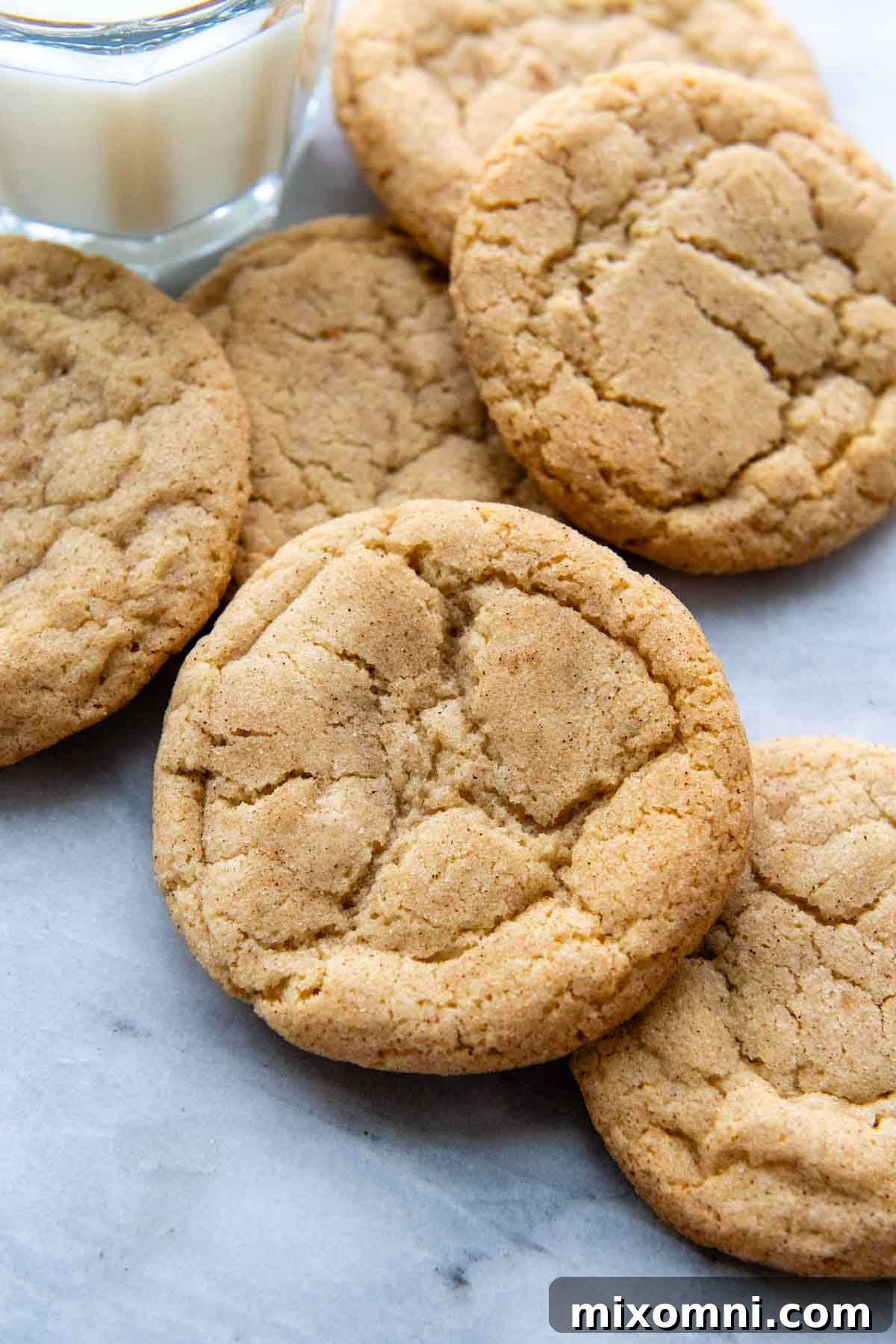
Unlock the secrets to baking the most exquisite **gluten-free snickerdoodles** you’ve ever tasted! This meticulously tested recipe provides all the crucial tips to achieve cookies that are wonderfully soft, delightfully thick, and perfectly chewy, without the common pitfalls of gluten-free baking. Say goodbye to cookies that spread too thin, turn greasy, or have a gritty texture. We’ll guide you through avoiding these classic mishaps, ensuring every batch of your homemade cinnamon-sugar cookies is nothing short of perfection.
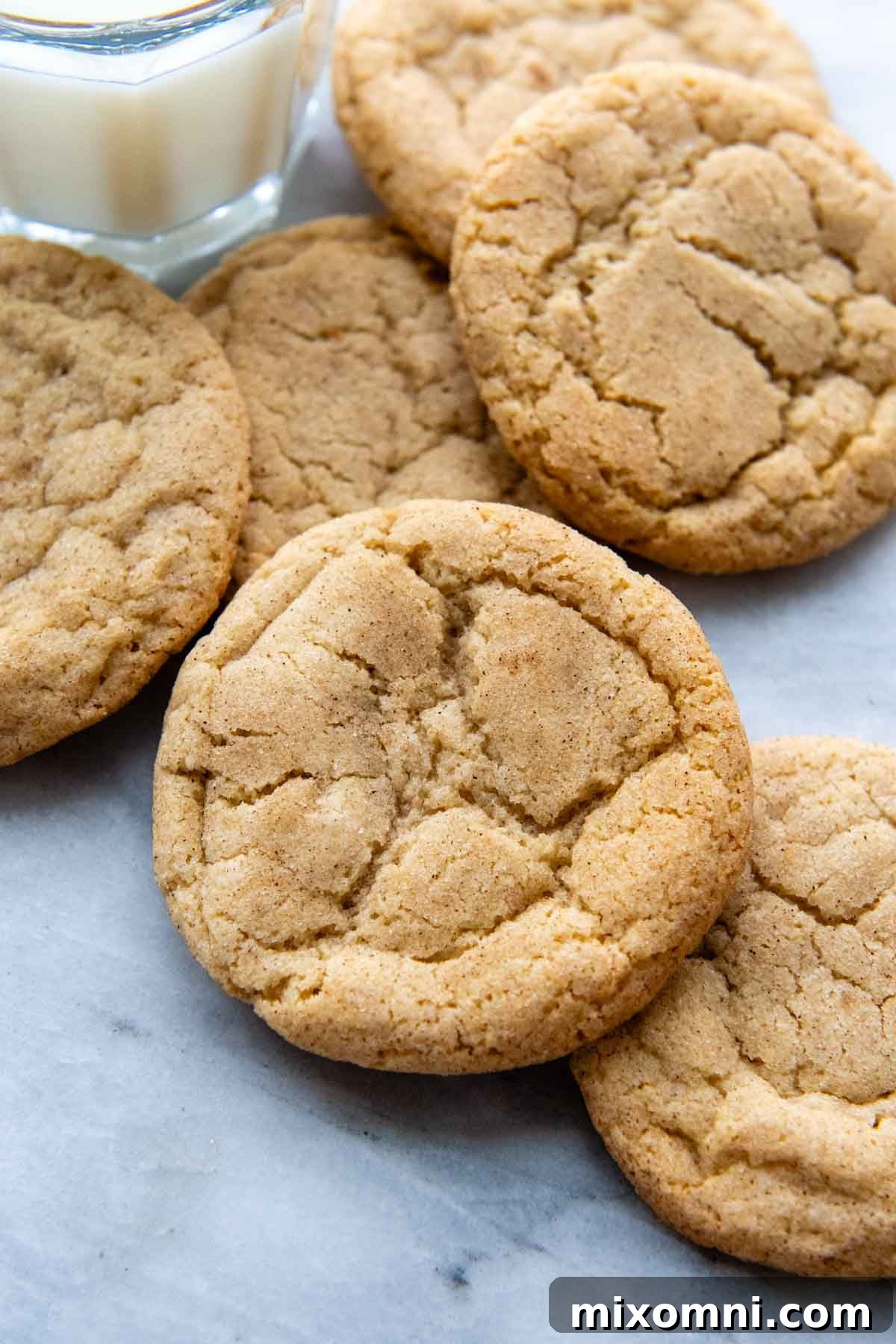
“This recipe is an absolute game-changer! I’ve baked these snickerdoodles multiple times for my grandkids, and they consistently turn out amazing, never spreading thin. Gluten-free baking felt like a different world, but your detailed approach has truly demystified it. Thank you for figuring it out and sharing these fantastic recipes!”
—Jackie
Crafting the Ultimate Gluten-Free Snickerdoodle: Beyond the Basics
After years dedicated to perfecting easy gluten-free cookie recipes, I’ve uncovered some invaluable tricks that elevate homemade cookies from good to extraordinary. Many attempt gluten-free snickerdoodles by simply substituting an all-purpose gluten-free flour blend. While this might yield an edible cookie, it often leads to disappointment. We’re aiming for a cookie that is so irresistibly delicious, no one would guess it’s gluten-free!
The core challenge in gluten-free baking lies in the unique properties of GF flour blends. Unlike wheat flour, which contains gluten to provide structure and elasticity, gluten-free starches struggle to blend homogeneously with fats and moisture. This often results in cookies that overspread, becoming thin, flat, and excessively greasy. It can also leave behind an unpleasant gritty or “ricey” texture.
My extensive research and countless trials revealed a critical step often overlooked in many “top” gluten-free snickerdoodle recipes: dough chilling. Most recipes instruct you to take the dough straight from the mixing bowl to the oven. However, through my experience, particularly when developing these homemade gluten-free chocolate chip cookies, I discovered that chilling cookie dough dramatically improves the final outcome.
The resting period allows the butter sufficient time to thoroughly coat and saturate the gluten-free flour, softening and relaxing the starches. This crucial step not only prevents those dreaded greasy cookies but also eliminates the gritty texture often associated with GF baked goods, especially when you use a high-quality gluten-free flour blend like my preferred choice. This hydration process also helps the flavors meld, resulting in a richer, more complex taste profile.
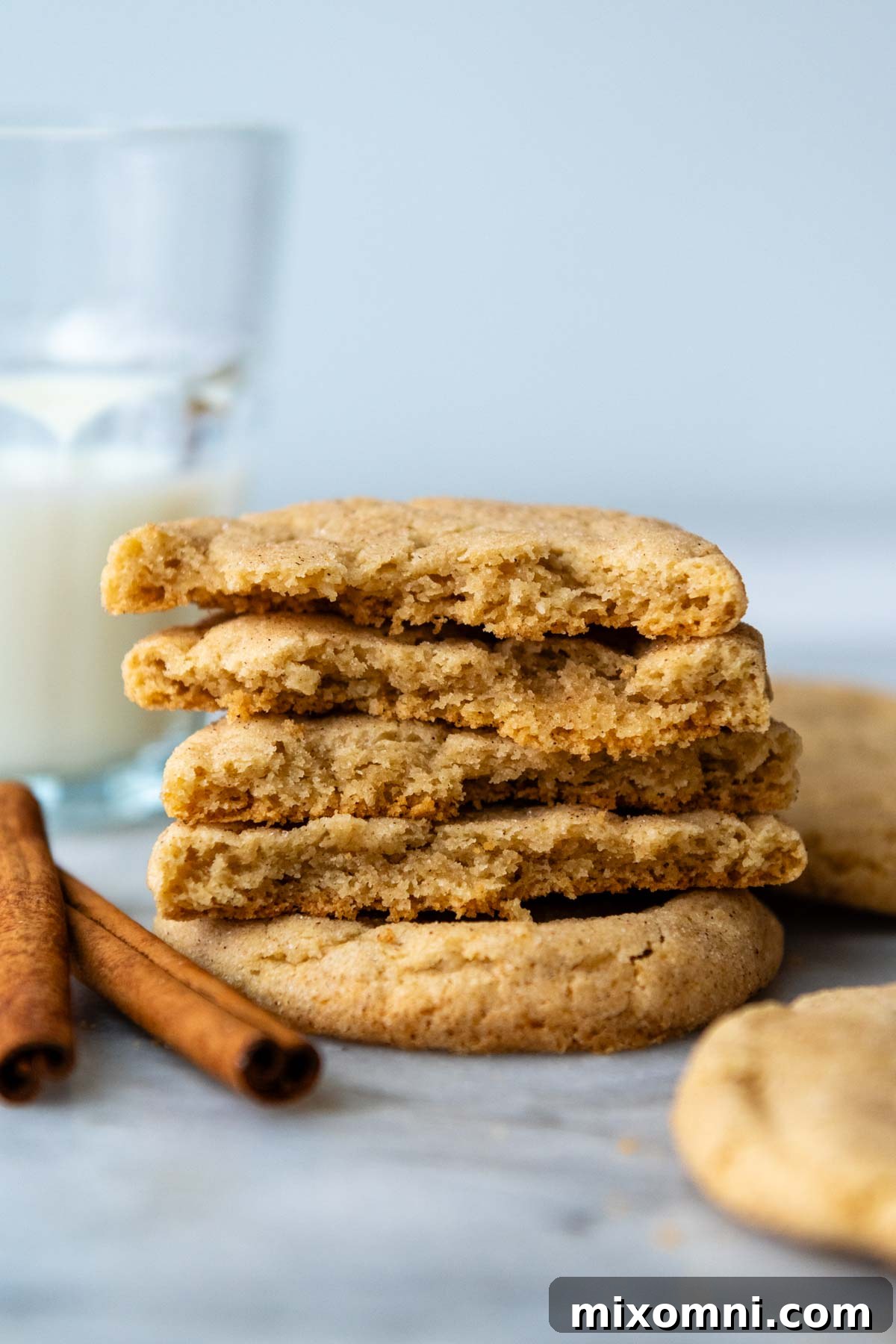
There’s one more effortless yet impactful trick for achieving soft and thick old-fashioned snickerdoodles that stand tall. Traditional snickerdoodles typically rely solely on baking soda for lift and chewiness. However, during the development of my gluten-free gingersnaps recipe, I found that incorporating a small amount of baking powder alongside baking soda creates a slightly thicker cookie that resists excessive spreading, while still maintaining that desirable chewy center and crisp edge.
Understanding Your Ingredients for Perfect GF Snickerdoodles
Creating these delightful gluten-free snickerdoodle cookies requires a few basic, readily available kitchen staples. The only ingredient you might need to specifically purchase for its signature tangy flavor is cream of tartar.
- Gluten-Free Flour Blend: The choice of gluten-free flour is paramount as different brands utilize varying starch blends, each impacting the recipe differently. I highly recommend Cup4Cup gluten-free flour. Its cornstarch content contributes to a lovely chewy finish and effectively mimics the texture of traditional wheat-flour baked goods, making your snickerdoodles indistinguishable from their gluten-filled counterparts. Consistent results are key, so using a reliable blend is essential.
- Unsalted Butter: Ensure your butter is softened to room temperature. This is crucial for proper creaming with the sugars, creating an aerated base that contributes to the cookies’ light and fluffy texture. For those needing dairy-free options, a good quality vegan butter stick, such as Earth Balance, can be substituted without compromising texture or flavor.
- Cream of Tartar: This ingredient plays a dual, indispensable role. Firstly, it imparts the distinctive tangy flavor that defines a snickerdoodle. Secondly, it acts as a leavening agent, working in conjunction with baking soda to provide lift and contribute to the cookie’s signature soft and chewy texture. Don’t skip it!
- Granulated and Light Brown Sugars: The combination of these two sugars is not arbitrary. Granulated sugar provides crispness and helps with spreading, while light brown sugar adds moisture, a subtle caramel note, and promotes a chewier, softer texture. It also aids in building the cookie’s structure, preventing them from becoming brittle.
- Large Eggs: Eggs are vital binders in cookie dough, providing essential moisture and contributing to a soft, rich, and thick cookie. They emulsify the fats and liquids, creating a stable dough. While I haven’t personally experimented with egg-free substitutes for this specific recipe, if you do, please share your results in the comments to help other bakers!
- Vanilla Extract: A high-quality vanilla extract enhances all the other flavors, adding warmth and depth to the cookies. Don’t skimp on this foundational flavor booster.
- Ground Cinnamon: Essential for both the dough and the iconic cinnamon-sugar coating. Use fresh, aromatic cinnamon for the best flavor.
- Baking Soda & Baking Powder: As discussed, baking soda reacts with the acidic cream of tartar to create carbon dioxide, which gives the cookies their characteristic rise and chewy texture. The addition of a touch of baking powder further enhances lift, preventing excessive spreading and ensuring your snickerdoodles are wonderfully thick and pillowy.
- Salt: A pinch of salt balances the sweetness and enhances all the flavors in the cookie, much like it does in savory dishes. Never underestimate its importance in baking!
Watch the Magic Happen: Gluten-Free Snickerdoodle Video Guide
Let’s Bake These Together: A Step-by-Step Guide to Perfection!
(Below you’ll find detailed step-by-step photos and modified instructions designed to guide you through the process. For the complete recipe, including precise ingredient amounts and nutritional information, please scroll down to the comprehensive recipe card.)
Step 1: The Foundation – Easy Peasy Cookie Dough
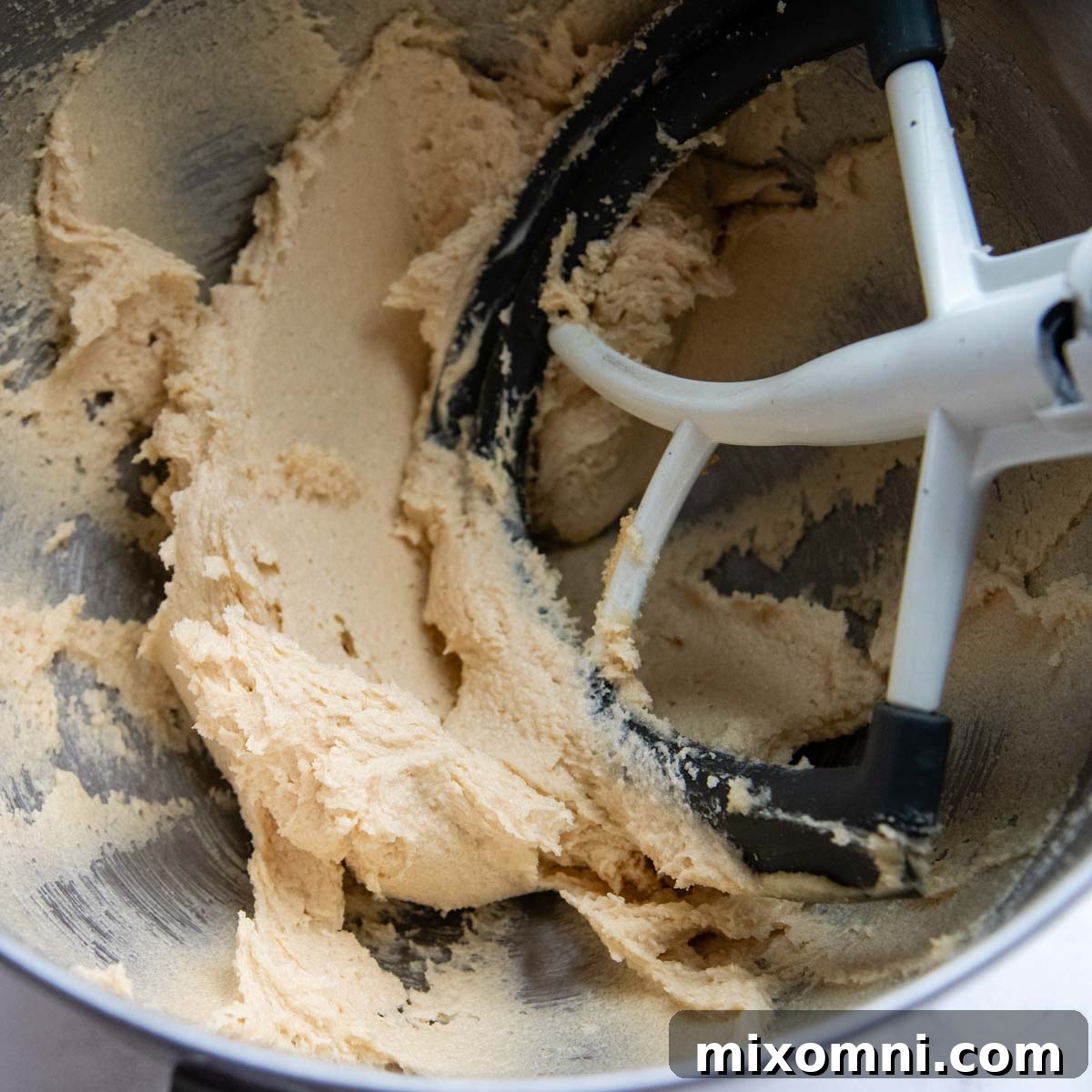
Begin by creaming together your room-temperature unsalted butter, light brown sugar, and granulated sugar in a large mixing bowl or a stand mixer fitted with a paddle attachment. Beat on medium speed for about 3 minutes until the mixture becomes light, fluffy, and noticeably pale in color. This aeration is key to a tender cookie. Once you achieve a texture similar to the image below, gently mix in the eggs one at a time, followed by the vanilla extract, ensuring each is fully incorporated before adding the next.
Step 2: Dry Ingredients and the Crucial Chill
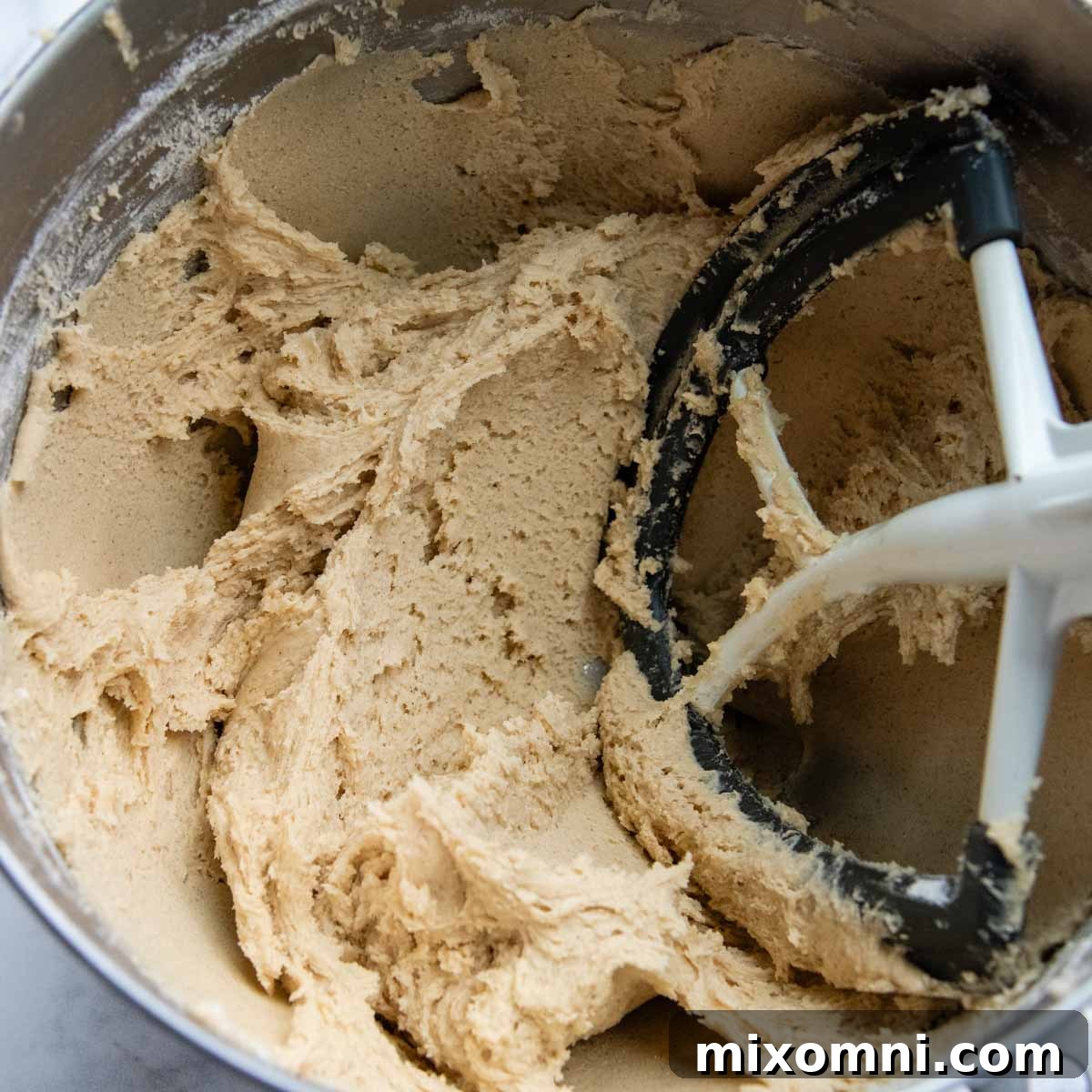
Next, incorporate the cream of tartar, cinnamon, baking soda, baking powder, and salt into your wet ingredients. Mix until just combined. Then, gradually add the gluten-free flour blend, mixing on low speed until the flour is fully incorporated and no dry streaks remain. Be careful not to overmix, as this can develop starches too much. Once combined, cover the bowl tightly with plastic wrap and refrigerate the dough for a minimum of 1 ½ to 2 hours, or even overnight. This chilling period is absolutely vital for preventing spread and developing the best texture and flavor. I don’t recommend chilling longer than overnight, as the dough can become too dry and crumbly.
Step 3: Roll, Coat, and Bake to Golden Perfection
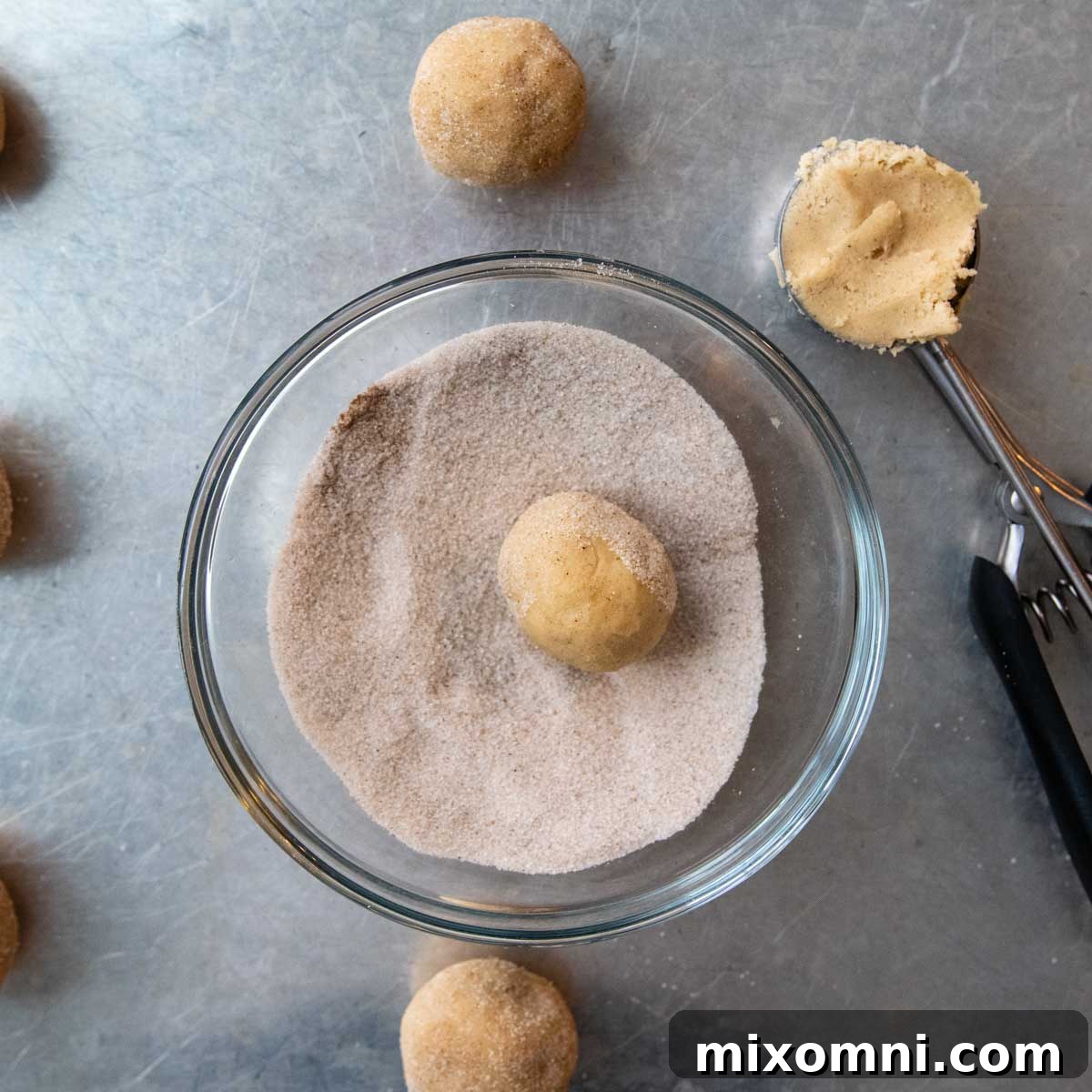
Now for the signature snickerdoodle coating! In a shallow bowl, combine the granulated sugar and ground cinnamon for rolling. Using a medium cookie scoop (about 1 ½ tablespoon size), portion out uniform balls of chilled cookie dough. Roll each ball smoothly between your palms to ensure a consistent shape, then generously roll them in the cinnamon-sugar mixture until fully coated. Arrange the coated dough balls on prepared baking sheets lined with parchment paper, spacing them about 2 inches apart to allow for slight spreading. Bake in a preheated 350℉ (175°C) oven for 12-13 minutes, or until the edges are lightly golden and the centers are still soft. Let the cookies rest on the baking sheets for approximately 10 minutes after baking to allow them to set and firm up before carefully transferring them to a wire rack to cool completely.
Mastering Gluten-Free Baking: Preventing Cookies from Overspreading
Whether you’re a seasoned gluten-free baker or just starting, we’ve all experienced the frustration: perfectly scooped cookie dough, evenly spaced on baking sheets, only to watch in dismay as they melt into a thin, greasy mass in the oven. Gluten-free snickerdoodles, in particular, can be prone to overspreading due to the inherent lack of gluten structure and sometimes a higher fat-to-flour ratio. But fear not, there are two easy, yet highly effective, tricks to conquer this common challenge and ensure your cookies maintain their beautiful shape and delightful texture.
- Embrace the Chill: This is arguably the most critical step. Ensure your cookie dough is thoroughly chilled before baking. Chilling the dough immediately after mixing prevents a gritty texture by allowing the gluten-free flours to properly hydrate and the fats to solidify. This solidifies the butter, which means it takes longer to melt in the oven, giving the cookie structure time to set before excessive spreading occurs. If you don’t plan to bake all the cookies at once, store the unbaked dough balls in the refrigerator (or even freezer) rather than at room temperature until you’re ready to bake. Cold dough is happy dough!
- The Power of Leavening: While baking soda is essential for snickerdoodle’s characteristic chew, adding a small amount of baking powder alongside it provides additional lift. Baking powder contributes to a slightly higher, plumper cookie. This combination ensures your snickerdoodles will still bake with those coveted crispy edges and wonderfully chewy centers, but they will be noticeably thicker and less prone to flattening excessively. It’s a simple addition that makes a huge difference in structure.
Frequently Asked Questions (FAQs) about Gluten-Free Snickerdoodles
Q: Can I use a different gluten-free flour blend?
A: Yes, but results may vary. Different GF flour blends have unique starch compositions. Cup4Cup is recommended for its consistent results and texture similar to wheat flour. If using another blend, ensure it’s an all-purpose GF blend, and be prepared for potential adjustments in liquid or chilling time.
Q: What if I don’t have cream of tartar?
A: Cream of tartar is essential for snickerdoodles, providing both the characteristic tangy flavor and aiding in leavening. While you can technically substitute with lemon juice or white vinegar, the flavor profile will be altered, and the texture might not be as authentic. It’s highly recommended to use cream of tartar for the best snickerdoodle experience.
Q: My cookies are still spreading. What went wrong?
A: Overspreading is usually due to insufficient chilling time or butter that’s too soft. Ensure your butter is at room temperature but not melted before creaming. More importantly, chill your dough for the full recommended time, or even longer if your kitchen is warm. Also, double-check your oven temperature; a too-low oven can cause spreading.
Q: Can I make these cookies dairy-free?
A: Absolutely! Simply substitute the unsalted butter with a high-quality vegan butter stick, such as Earth Balance or Miyoko’s Kitchen. Ensure the vegan butter is also softened to room temperature for proper creaming.
Q: How do I get that perfect chewy center?
A: The combination of brown sugar and the careful balance of baking soda and baking powder contributes to the chewiness. Also, avoid overbaking. The cookies should look slightly underdone in the center when removed from the oven, as they will continue to set on the hot baking sheet.
Creative Variations for Your Gluten-Free Snickerdoodles
While classic snickerdoodles are perfect on their own, don’t hesitate to get creative! Here are a few ideas to customize your batch:
- Spiced Snickerdoodles: Add a pinch of nutmeg, cardamom, or ginger to the cinnamon-sugar coating for an extra layer of warmth and complexity.
- Citrus Zest: Incorporate finely grated lemon or orange zest into the cookie dough for a bright, refreshing twist that complements the tang of the cream of tartar.
- Chocolate Chip Snickerdoodles: Fold in a cup of mini chocolate chips into the dough before chilling for a delightful fusion of two cookie favorites.
- Pumpkin Spice Snickerdoodles: During autumn, add 1-2 teaspoons of pumpkin pie spice to the dough and/or the coating mixture for a seasonal treat.
Don’t Forget to Pin This Recipe for Later!
Let’s be friends on Pinterest! I’m always sharing great recipes and gluten-free baking tips!
Did you bake this delightful recipe? I absolutely love hearing from you and seeing your creations! Please leave a star rating and a comment below the recipe card to share your feedback. Your reviews not only help other bakers discover amazing recipes but also provide invaluable insights to our community. I promise you’ll always hear back from me! -Melissa
Extra Soft Gluten-Free Snickerdoodles (That Don’t Spread!)
 Melissa Erdelac
Pin
Rate
Remove Ads
Ingredients
- 1 cup (226 g) (2 sticks) unsalted butter, softened
- 1 cup (200 g) granulated sugar
- ½ cup (120 g) packed light brown sugar
- 2 large eggs, room temperature
- 2 teaspoons vanilla extract
- 2 teaspoons cream of tartar
- 1 ½ teaspoons ground cinnamon
- 1 teaspoon baking soda
- ¼ teaspoon baking powder
- ½ teaspoon salt
- 3 cups (466 g) gluten free all purpose flour, I use and recommend Cup4Cup gluten-free flour
For Rolling
- ⅓ cup (67 g) granulated sugar, for rolling
- 1 teaspoon ground cinnamon
Equipment
-
Stand Mixer
-
Cup4Cup Gluten Free Flour
-
Medium Cookie Scoop
Instructions
-
In a large mixing bowl, or stand mixer fitted with a paddle attachment, cream together room temperature butter, brown sugar, and sugar until light and fluffy, about 3 minutes. Mix in the eggs and vanilla extract.1 cup (2 sticks) unsalted butter, ½ cup packed light brown sugar, 1 cup granulated sugar, 2 large eggs, 2 teaspoons vanilla extract
-
Add the cream of tartar, cinnamon, baking soda, baking powder, and salt. Mix to combine. Add the gluten-free flour and mix on low speed until well combined.1 teaspoon baking soda, ¼ teaspoon baking powder, 2 teaspoons cream of tartar, 1 ½ teaspoons ground cinnamon, ½ teaspoon salt, 3 cups gluten free all purpose flour
-
Cover the bowl and refrigerate until well chilled, 1 ½ – 2 hours or overnight.
-
Preheat the oven to 350ºF. Line baking sheets with parchment paper or silicone baking mats. If not using parchment paper, leave baking sheets ungreased.
-
When ready to bake use a use a medium cookie scoop portion out 1 ½ tablespoon-size cookie dough balls. Alternatively, roll into balls using your hands.
-
Add the additional sugar and cinnamon to a small bowl. Roll the cookie dough balls in the sugar and transfer to the prepared baking sheets, about 2 inches apart. Bake for 12-13 minutes. Cool on the baking sheet for 10 minutes before transferring to a wire rack.⅓ cup granulated sugar, 1 teaspoon ground cinnamon
Notes and Storage Tips
Storage for Baked Cookies: Store cooled gluten-free snickerdoodles in an airtight container at room temperature for up to 3-4 days to maintain freshness and chewiness. For longer storage, see freezing instructions below.
To freeze after baking: Once your cookies are completely cool, wrap individual cookies or stacks of 2-3 in plastic wrap, then transfer these wrapped groups to a freezer-safe ziplock bag or airtight container. They can be frozen for up to 2 months. To enjoy, simply thaw cookies on the counter for about an hour before serving.
To freeze before baking (Dough): For fresh-baked cookies anytime, portion the dough into balls as instructed, roll them in the cinnamon-sugar mixture, and place them on a parchment-lined baking sheet, spaced closely but not touching. Transfer the baking sheet to the freezer until the dough balls are solid. Once frozen, transfer the solid dough balls to a freezer-safe ziplock bag or airtight container. Freeze for up to 2 months. When you’re ready to bake, place the frozen dough balls on a prepared baking sheet, 2 inches apart, and bake according to the recipe, adding an extra 1-2 minutes to the baking time as needed. No need to thaw!