
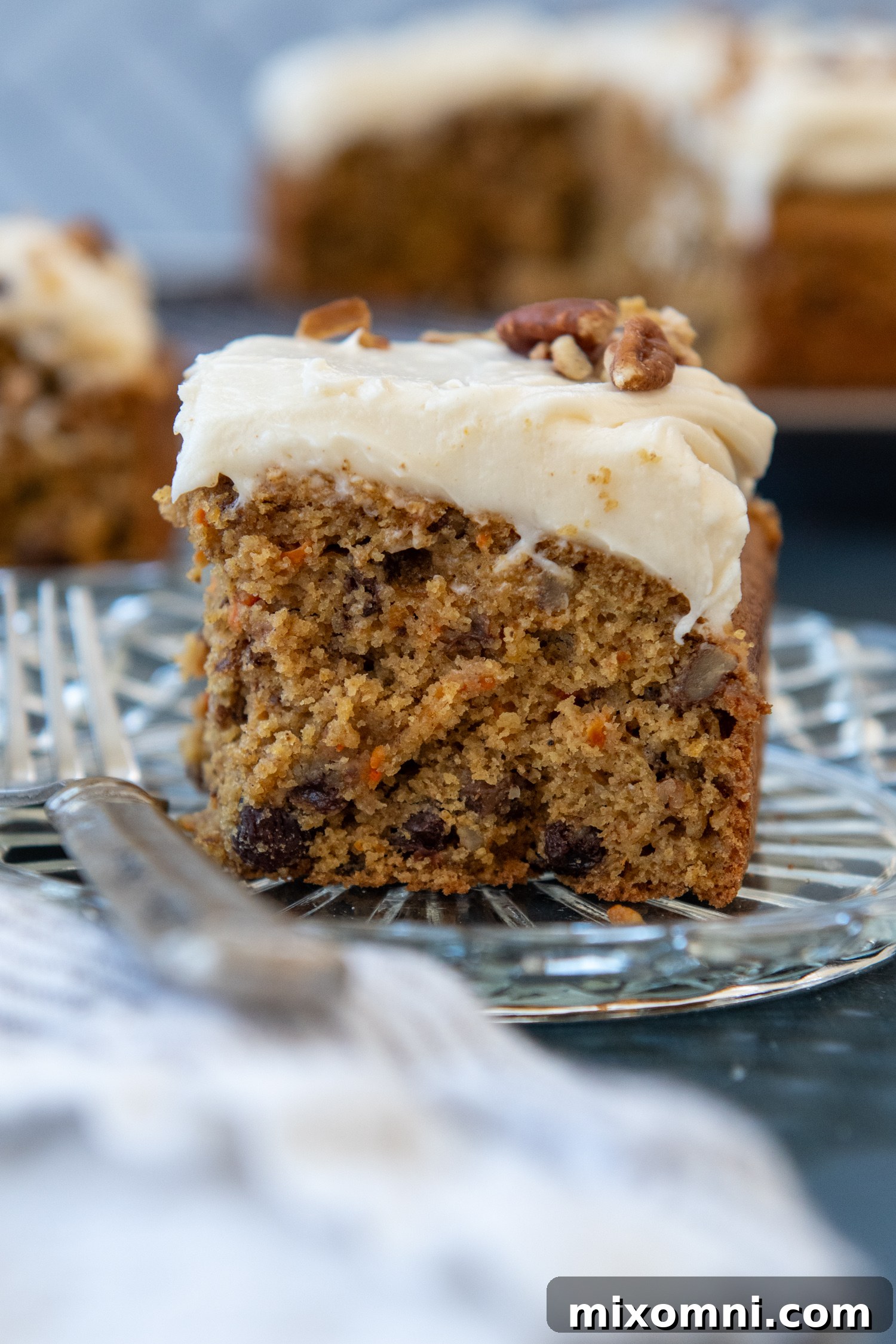
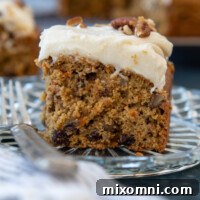
Prepare to transform your baking expectations with a single bite of this extraordinarily moist, incredibly fluffy, and utterly delightful **gluten-free carrot cake**. Crafted with wholesome oat flour, this recipe is destined to become your new gold standard, compelling you to abandon all others. Beyond its richly spiced, comforting old-fashioned flavor and perfectly tender crumb, the crowning glory of nutty browned butter cream cheese frosting provides an irresistible finish that truly seals the deal. Experience the magic for yourself – tasting is believing!
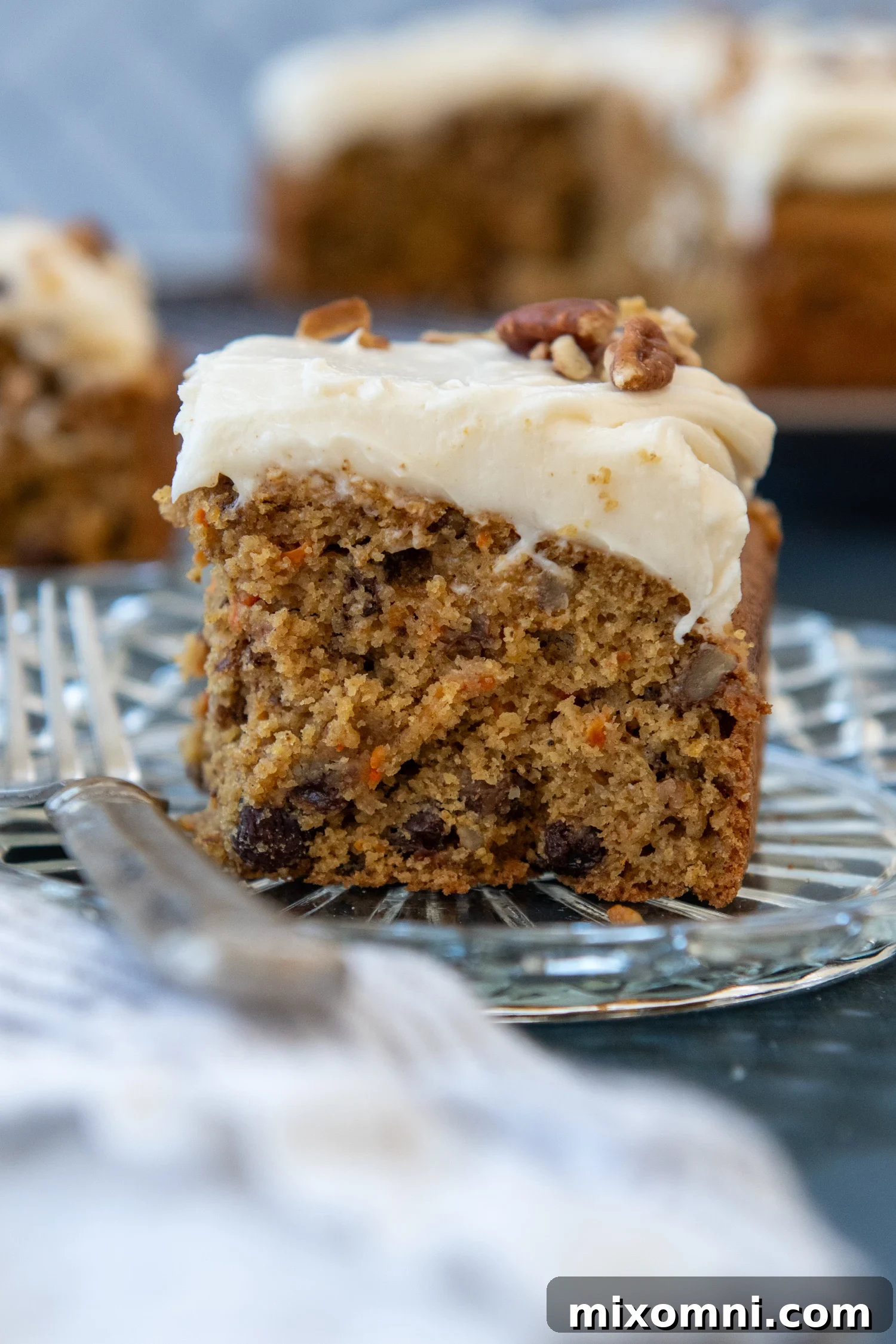
The Ultimate Simple Oat Flour Carrot Cake: Your Go-To Gluten-Free Recipe
Do you yearn for the classic taste of a perfectly moist, vintage-style carrot cake but struggle with gluten-free alternatives? Your search ends here! This incredible recipe is one you’ll want to save, print, bake, and cherish often. From the very first forkful, you’ll understand why it has rapidly ascended to become a celebrated favorite in my collection of all-star gluten-free cakes. What’s even more astonishing is that this marvel is primarily made with humble oat flour. Get ready to be amazed by the simplicity and phenomenal results!
If the thought of baking with oat flour seems daunting or unfamiliar, let’s demystify it. We’re talking about oatmeal – a staple in many pantries, right? Chances are, you already have a bag of rolled oats waiting to be transformed. Much like our popular 5-minute homemade oatmeal bread, this extraordinary carrot cake begins and ends with a quick whiz in your blender. Yes, you read that correctly – an entire oat flour carrot cake recipe that can be largely prepared in a blender! It’s truly that easy.
But don’t fret if a high-speed blender isn’t part of your kitchen arsenal. We also provide straightforward instructions for preparing this cake using pre-made oat flour and a traditional mixing method. Whether you choose to grind your own oats or use store-bought oat flour, the result is consistently a tender, flavorful, and incredibly satisfying cake. Once your oats are magically transformed into flour, the next step is to incorporate all the beloved elements of classic carrot cake: freshly hand-grated carrots, a symphony of warm, inviting spices, and the perfect balance of leavening agents and moisture to ensure a crumb that is both fluffy and intensely moist.
And what’s a carrot cake without a decadent frosting? This recipe features a gooey, thick, and utterly irresistible layer of our signature browned butter cream cheese frosting. The browned butter adds a depth of nutty, caramel-like flavor that elevates the classic cream cheese frosting to new heights. If cream cheese frosting isn’t your preference, feel free to explore other delightful options. You could try the world’s fluffiest buttercream, a simple vanilla glaze, or allow the cake’s inherent deliciousness to shine by simply dusting it with a light layer of powdered sugar. The choice is yours, but we highly recommend the browned butter cream cheese experience!
Once you inevitably fall head over heels for this recipe (and we guarantee you will!), you’ll be eager to try another delightful treat: our uber fluffy chocolate oat cake. It’s just as incredibly delicious and an equally fantastic way to enjoy the benefits of oat flour baking.
Baking Brilliance: Why Oat Flour is Your Gluten-Free Secret Weapon
Oat flour has emerged as a star in gluten-free baking, offering a wonderful texture and distinct nutty flavor that elevates many recipes. Unlike some other gluten-free flours that can result in dense or crumbly baked goods, oat flour creates an incredibly moist and fluffy crumb, mimicking traditional wheat-based cakes beautifully. It’s also a fantastic whole-grain option, adding fiber and nutrients to your dessert without compromising on taste or texture.
Many people are hesitant about baking with alternative flours, but oat flour is remarkably forgiving and accessible. For this carrot cake, using it couldn’t be simpler: you can either buy certified gluten-free oat flour directly, or for the freshest results, make your own at home. All you need are rolled oats and a good blender or food processor. This DIY approach not only ensures freshness but also often saves money and avoids the need for specialized gluten-free flour blends that might contain ingredients you don’t prefer.
When making oat flour from scratch, remember to use certified gluten-free rolled oats to ensure the final product is truly gluten-free. While oats are naturally gluten-free, they are often processed in facilities that also handle wheat, leading to cross-contamination. Opting for certified varieties guarantees purity. The fine grind of homemade oat flour is key to achieving that desirable light and airy cake texture, so a powerful blender is highly recommended for best results. This method integrates perfectly with the “dump and blend” approach of this recipe, making the entire process efficient and mess-free.
Mastering the Moistness and Flavor: Key Ingredients Explained
Every exceptional carrot cake hinges on two core elements: unparalleled moistness and a rich, complex spice profile. This oat flour carrot cake excels in both, thanks to a thoughtful combination of ingredients and techniques.
The Role of Carrots: Freshly Grated for Superior Moisture
While the convenience of pre-grated carrots from the grocery store is tempting, for this recipe, hand-grated carrots are an absolute must. Store-bought pre-shredded carrots tend to be drier and lack the natural moisture that freshly grated carrots contribute to the cake batter. This moisture is crucial for achieving that signature tender, almost melt-in-your-mouth crumb. When you grate carrots at home, they release more of their natural juices directly into the batter, ensuring an exquisitely moist cake without having to add excessive amounts of liquid. If you’re considering using a food processor with a grater disc, be mindful. While it’s faster, it can sometimes produce too much moisture or an inconsistent texture. If you do experiment with a food processor, please share your experience in the comments below – your insights help our baking community!
The Spice Blend: A Warm Embrace of Classic Flavors
A true carrot cake evokes a sense of comfort and nostalgia, largely due to its aromatic spice blend. Our recipe features a harmonious mix of ground cinnamon, cloves, ginger, and nutmeg. Cinnamon provides a warm, sweet base, while cloves add a hint of pungent sweetness. Ginger brings a subtle spicy kick, and nutmeg contributes a delicate, earthy warmth. Together, these spices create a deeply flavorful cake that perfectly complements the sweetness of the carrots and the richness of the frosting. Adjust the amounts to your personal preference, but this blend offers a beautifully balanced, traditional carrot cake taste.
Applesauce and Oil: The Moisture Boosters
To further guarantee an impossibly moist cake, we incorporate unsweetened applesauce and a touch of oil. Applesauce acts as a natural sweetener and moisture provider, helping to keep the cake tender without adding too much fat. It also works as a binder, contributing to the cake’s structure. The oil adds additional richness and ensures a soft, delicate crumb. Together, these liquid ingredients, combined with the natural moisture from hand-grated carrots, create a cake that remains succulent for days.
Let’s Bake This Masterpiece Together!
(Below, you’ll find detailed step-by-step photos and simplified instructions to guide you through the process. For the complete recipe, including precise ingredient amounts and nutritional information, please scroll down to the recipe card at the bottom of the page.)
Step 1: Prepare Your Oat Flour.
If you’re making your own oat flour, begin by placing certified gluten-free rolled oats into a high-speed blender, such as a Vitamix. Process until a very fine, powdery flour is achieved, typically within 30-60 seconds. This step is crucial for the cake’s light texture. If using pre-made oat flour, simply proceed to the next step; instructions for hand-mixing the batter are also provided in the comprehensive recipe card below. Remember to grate your carrots by hand before you start mixing, ensuring they’re ready to be added to the batter without delay. This prevents the flour from sitting too long and potentially drying out.
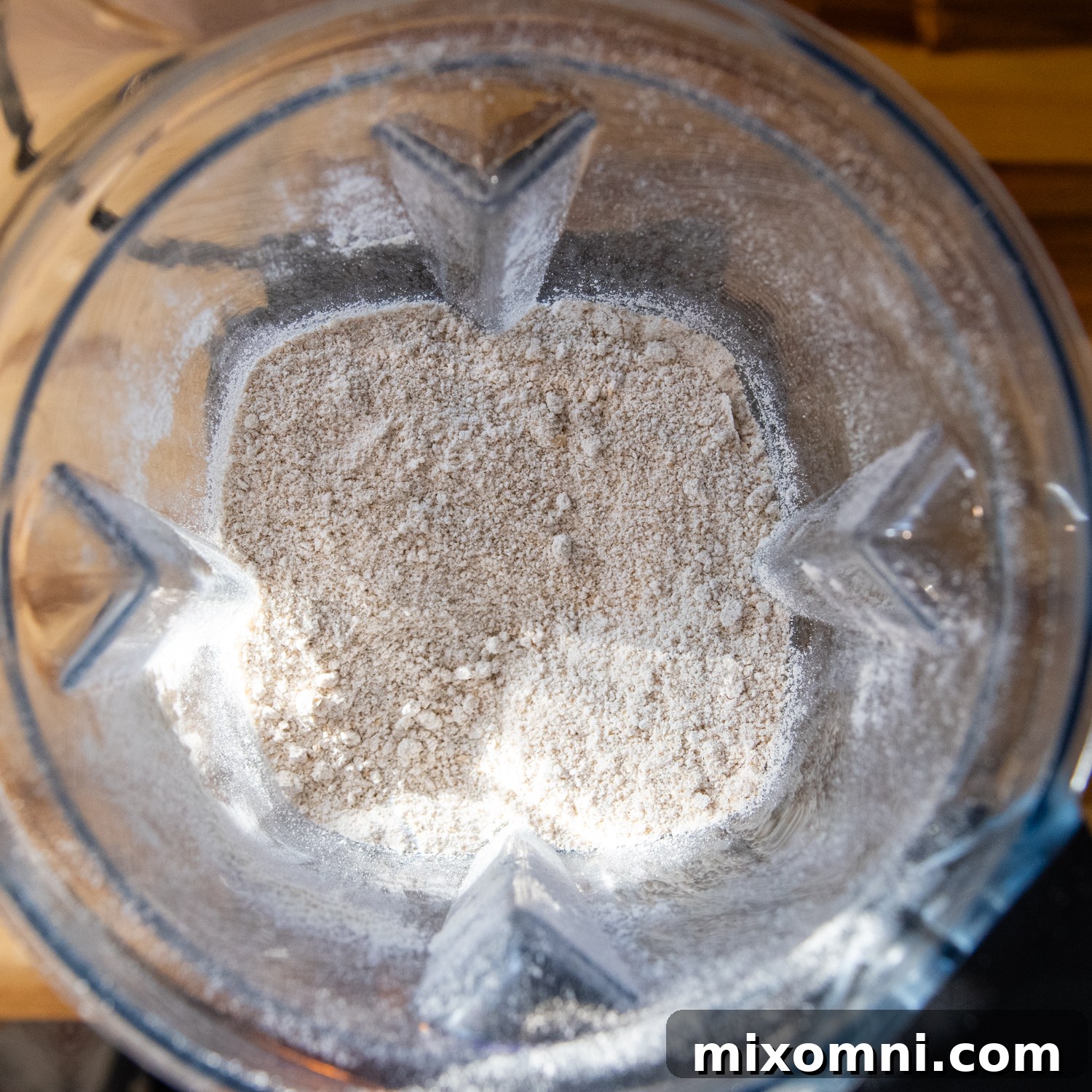
Step 2: Combine the Dry and Wet Ingredients.
This recipe truly showcases its miraculous simplicity in this step. If using the blender method, once your oat flour is prepared, simply add the remaining dry ingredients directly into the blender: granulated sugar, light brown sugar, cornstarch, baking powder, baking soda, and all your wonderful spices (cinnamon, cloves, ginger, nutmeg, and salt). Pulse briefly to combine these dry elements. Next, introduce the wet ingredients: eggs, milk (any preferred type, dairy-free works well), unsweetened applesauce for extra moisture, oil to soften the crumb, and vanilla extract. Blend until the batter is smooth and well-combined, scraping down the sides of the blender if needed. The batter will appear quite thin – this is normal!
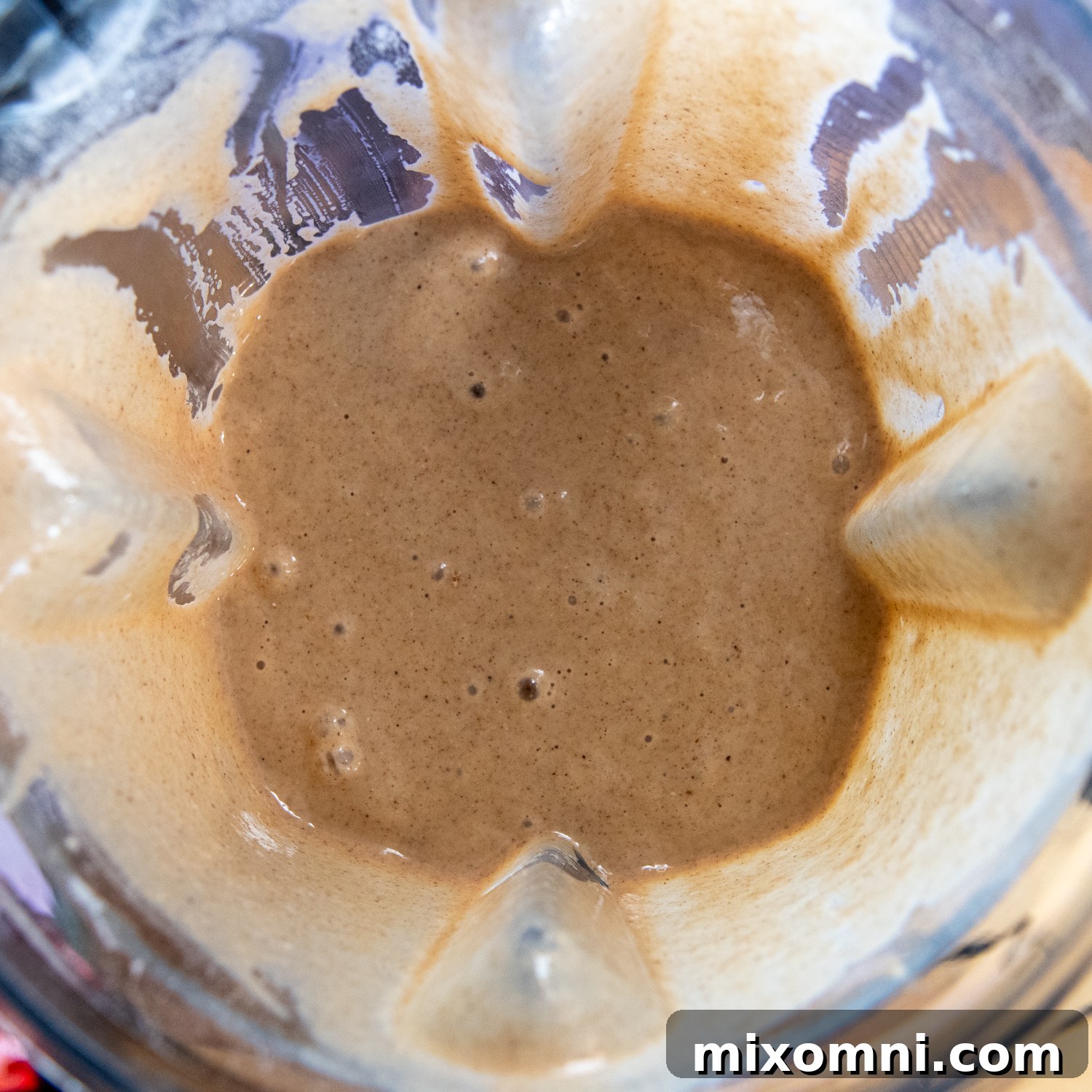
Step 3: Add Carrots, Nuts, and Raisins, Then Bake.
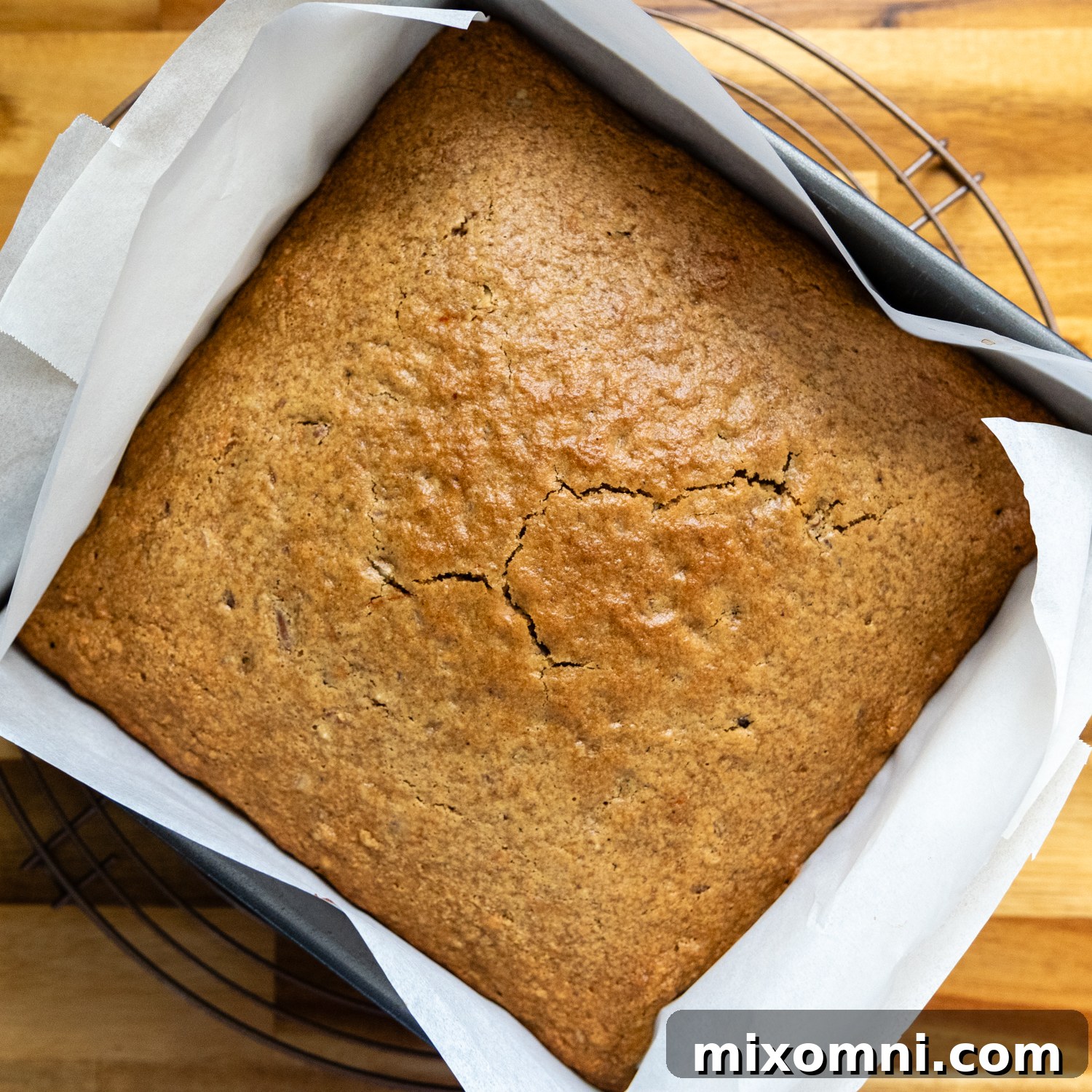
Finally, gently fold in the hand-grated carrots, chopped pecans, and plump raisins. If using a blender, pulse just a couple of times to incorporate them without over-processing. Alternatively, you can stir them in with a wooden spoon. Prepare your baking pan by lightly greasing an 8×8-inch pan (or refer to our alternative cake pan options section) and lining it with parchment paper for easy removal, if desired. Pour the batter evenly into the prepared pan. Bake for 30-35 minutes, or until a toothpick inserted into the center comes out clean and the top of the cake shows slight cracks. Allow the cake to cool completely on a wire rack before even thinking about frosting it. Patience is key for a perfect finish!
Step 4: Prepare the Irresistible Browned Butter Cream Cheese Frosting.
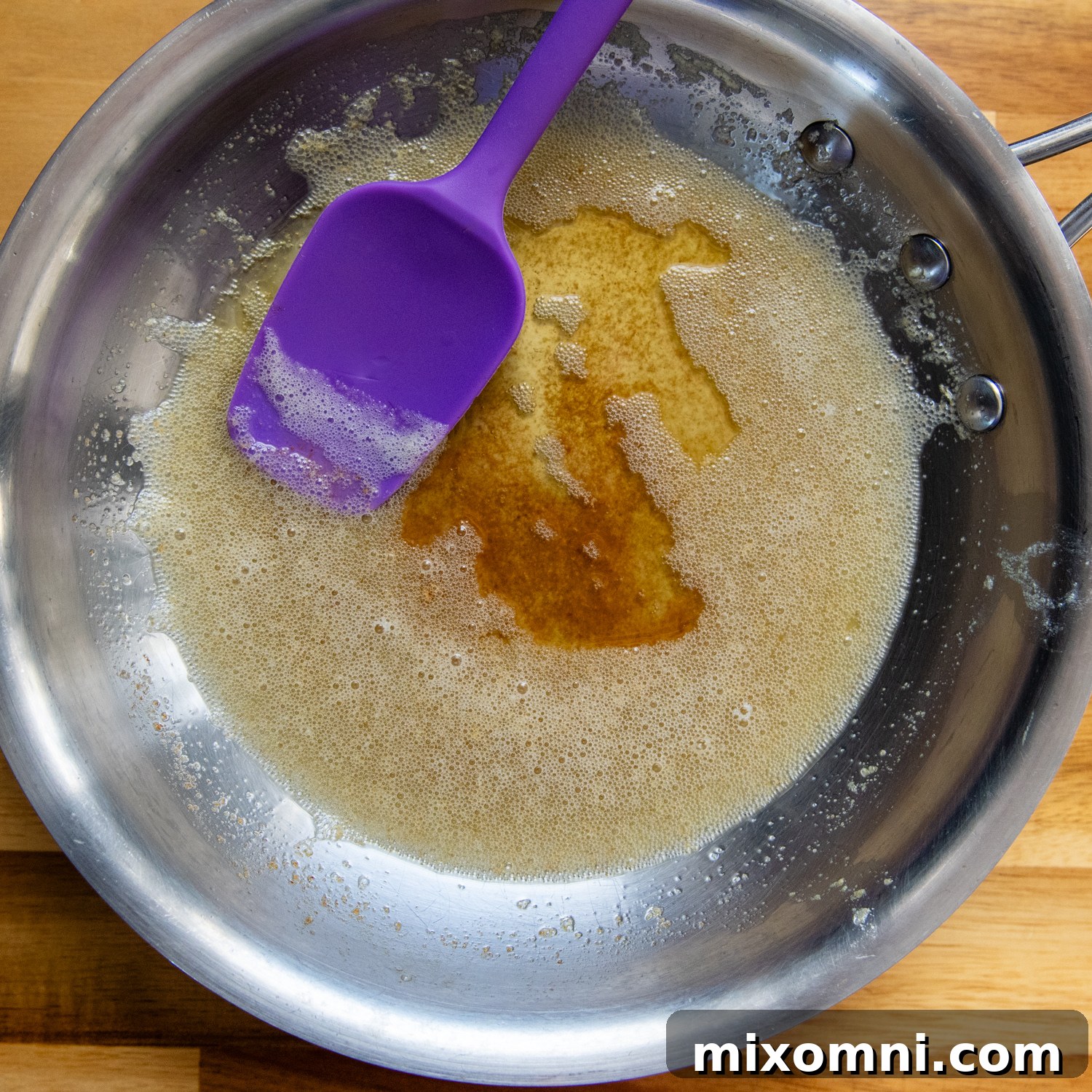
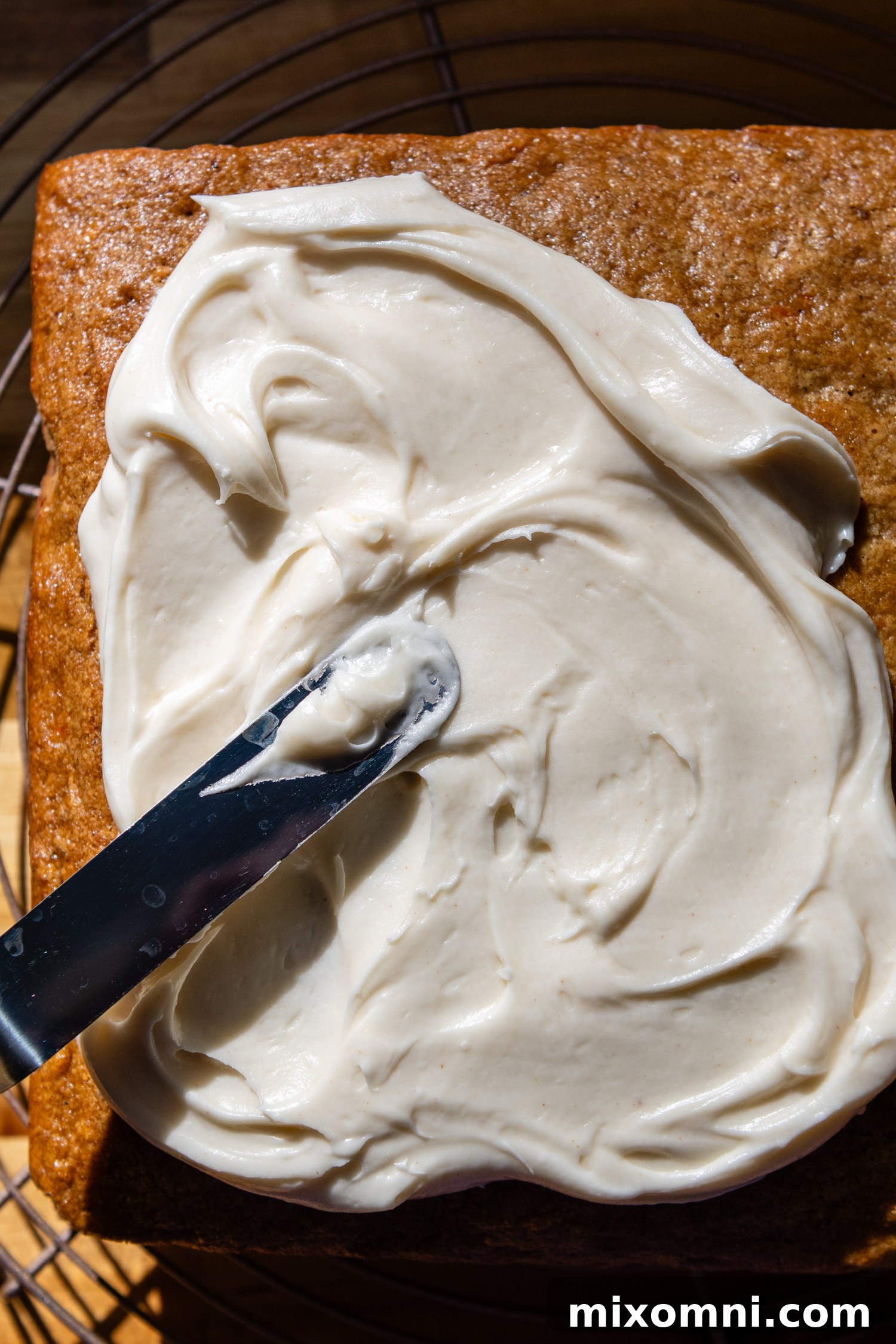
Browned butter cream cheese frosting? Yes, it’s as incredible as it sounds and surprisingly simple to make! Start by browning the butter in a small skillet over medium heat. It will first melt, then begin to foam. Continuously stir and watch closely as the milk solids separate and settle at the bottom. Once these solids transform from white to a beautiful golden brown and release a nutty aroma, immediately remove the skillet from the heat to prevent burning. Pour the browned butter into a large mixing bowl and let it cool completely to room temperature. This cooling step is essential to prevent the butter from melting your cream cheese. Once cooled, add the softened cream cheese, powdered sugar, vanilla, salt, and heavy cream (or milk) to the browned butter. Beat on low speed until smooth and lump-free, then increase to high speed and beat for about 2 minutes until the frosting is light, fluffy, and undeniably sweet. Try your best not to devour it all before it makes its way onto the cake!
Essential Baking Tips for Your Perfect Carrot Cake
Achieving a consistently perfect carrot cake, especially a gluten-free one, can be made easier with a few key tips:
- Room Temperature Ingredients: Ensure your eggs, milk, butter, and cream cheese are at room temperature. This helps them emulsify better, creating a smoother batter and a more consistent, fluffy frosting.
- Don’t Overmix: After combining the wet and dry ingredients, mix just until no dry streaks remain. Overmixing can lead to a tougher cake, even with gluten-free flour. When adding carrots, nuts, and raisins, a few gentle pulses or folds are enough.
- Accurate Measuring: Baking is a science! Use a kitchen scale for dry ingredients like oat flour for the most accurate results. If using measuring cups for flour, spoon the flour into the cup and level it off without packing.
- Pan Preparation: Always grease and flour your baking pan, or line it with parchment paper, especially if you plan to invert the cake for frosting. This prevents sticking and ensures a clean release.
- Cool Completely: Resist the urge to frost a warm cake! A warm cake will melt your beautifully prepared frosting, turning it into a runny mess. Allow the cake to cool completely, preferably on a wire rack, before applying the frosting.
Layer Cake and Alternative Baking Pan Options
I deliberated extensively on whether to design this recipe as a single-layer or a multi-layer cake. Ultimately, the single-layer format triumphed, as my primary goal was to create an easy and approachable recipe for every home baker. However, transforming this into a stunning layer cake is entirely feasible and straightforward.
For a magnificent **two-layer carrot cake**, simply double the entire recipe – both the cake batter and the frosting ingredients. Divide the doubled batter evenly between two greased and floured 9-inch round cake pans. The baking time should remain approximately the same as for the single layer, but always check for doneness with a toothpick. You’ll be rewarded with a show-stopping dessert perfect for special occasions.
If you prefer a **single round layer cake**, you can pour the batter into a 9-inch round pan. This will result in a slightly thinner cake than the 8×8-inch square, but it will still be wonderfully moist and flavorful. Alternatively, an 11×7-inch pan also works well, yielding a thinner cake that might require a slightly reduced baking time, usually by about 5 minutes. Always keep an eye on it and perform the toothpick test to ensure it’s baked through. The versatility of this recipe means you can adapt it to your preferred presentation without compromising on taste.
Storage and Make-Ahead Tips for Your Carrot Cake
This oat flour carrot cake is not only delicious but also holds up beautifully, making it an excellent choice for planning ahead or enjoying leftovers.
Storing Leftovers:
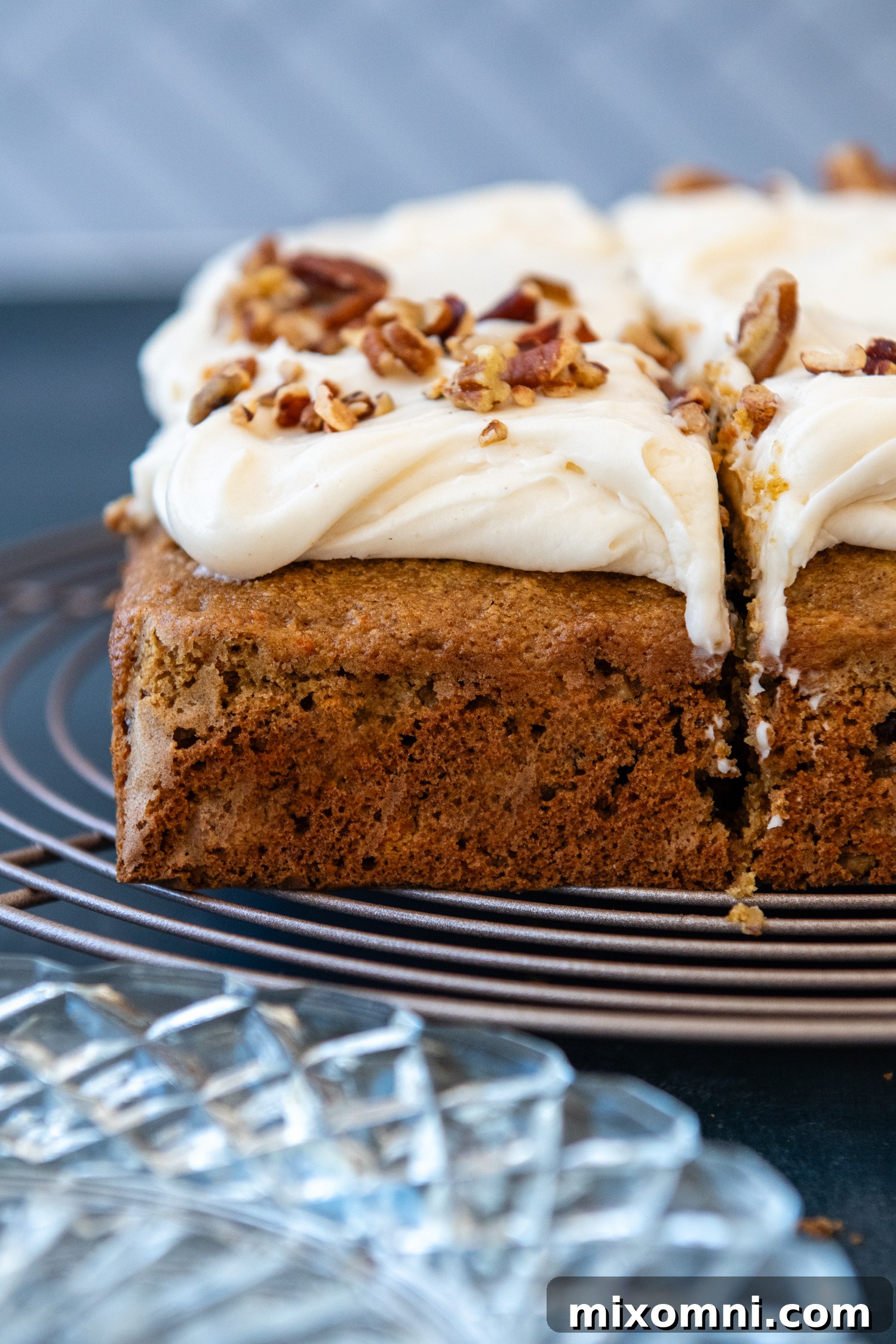
Once frosted, carrot cake should be stored in an airtight container in the refrigerator. The cream cheese frosting requires refrigeration to maintain its freshness and texture. It will remain wonderfully moist and flavorful for up to 3-4 days. For optimal taste and texture, allow slices to come to room temperature for about 15-20 minutes before serving.
Freezing the Cake:
If you wish to make the cake ahead or have leftovers you want to save for later, this carrot cake freezes exceptionally well. You have a couple of options:
- Unfrosted Cake: Bake and cool the cake completely. Wrap it tightly in several layers of plastic wrap, then an additional layer of aluminum foil to prevent freezer burn. It can be frozen for up to 2-3 months. Thaw overnight in the refrigerator, then bring to room temperature before frosting and serving.
- Frosted Cake: If the cake is already frosted, place it uncovered in the freezer for about an hour, or until the frosting is firm. Then, wrap it tightly with plastic wrap and foil. This method prevents the frosting from sticking to the wrap. Freeze for up to 1-2 months. Thaw in the refrigerator, then bring to room temperature before serving.
Frequently Asked Questions (FAQ)
Q: Can I use regular oats instead of certified gluten-free oats?
A: If you are making this recipe for someone with a gluten sensitivity or celiac disease, it is crucial to use certified gluten-free rolled oats. While oats are naturally gluten-free, they are often processed in facilities that also handle wheat, barley, and rye, leading to cross-contamination. Certified gluten-free oats ensure there is no contamination.
Q: Can I substitute the applesauce?
A: Applesauce contributes significantly to the cake’s moisture and natural sweetness. While you might be able to substitute with mashed banana or pumpkin puree, the flavor profile of the cake will change. We recommend sticking with applesauce for the intended classic carrot cake taste and texture.
Q: What kind of oil should I use?
A: Any neutral-flavored oil such as canola oil, vegetable oil, or light olive oil will work perfectly. These oils add moisture without imparting a strong flavor to the cake.
Q: Can I add other mix-ins to the cake?
A: Absolutely! Feel free to customize your carrot cake with your favorite additions. Shredded coconut, chopped walnuts, or even a handful of dried cranberries would make wonderful complements to the pecans and raisins already included.
Q: How do I know if my browned butter is ready?
A: Browning butter requires close attention. Start with room temperature butter in a light-colored skillet (so you can see the color change). It will melt, then foam. Keep stirring gently. The milk solids will separate and sink to the bottom. Once these solids turn a deep golden brown and you smell a rich, nutty aroma, immediately remove it from the heat and transfer it to a separate bowl to cool. Don’t let it get too dark, as it can burn quickly.
Save This Recipe to Your Pinterest Board!
Let’s be friends on Pinterest! I’m always sharing great recipes!
Did you make this recipe? I love hearing from you! Leave a star rating and comment below the recipe card. Your feedback helps others discover amazing recipes, and I truly appreciate hearing from our community. You will always hear back from me! -Melissa
Impossibly Moist, Fluffy Carrot Cake with Oat Flour

Melissa Erdelac
9
10 mins
25 mins
35 mins
One bite of this incredibly moist, fluffy, and absurdly delish gluten-free carrot cake made with oatmeal flour and you will throw out all other recipes! If the richly spiced, old fashioned flavor and moist crumb isn’t enough to convince you, then the nutty browned butter cream cheese frosting will definitely seal the deal. Tasting is believing!
Pin
Rate
Remove Ads
Ingredients
- 1 cup (116 g) grated carrots, hand grated, packed
- 2 cups (208 g) gluten-free certified rolled oats, or 2 cups (208 g) oat flour
- ½ cup (100 g) granulated sugar
- ¼ cup (59 g) packed light brown sugar
- 3 tablespoons (25 g) cornstarch
- 1½ teaspoons baking powder
- ½ teaspoon baking soda
- 1 teaspoon ground cinnamon
- ¼ teaspoon ground cloves
- ¼ teaspoon ground ginger
- ¼ teaspoon ground nutmeg
- ¼ teaspoon salt
- 2 large eggs
- ½ cup (123 g) milk, any preferred
- ½ cup (127 g) unsweetened applesauce
- ¼ cup (53 g) oil, any preferred
- 2 teaspoons vanilla extract
- ½ cup (63 g) chopped pecans
- ½ cup (85 g) raisins
Browned Butter Cream Cheese Frosting
- ¼ cup (57 g) butter, room temperature
- 4 ounces cream cheese, room temperature
- 2 cups powdered sugar
- 1 teaspoon vanilla extract
- ⅛ teaspoon salt
- 2 tablespoons heavy cream, or milk
Equipment
-
Cheese Grater
-
8×8 Baking Dish
-
Vitamix (or similar high-speed blender)
Instructions
-
Preheat the oven to 350ºF (175ºC). Grease an 8×8 inch square pan or a 9-inch round cake pan with nonstick cooking spray. For easy removal, line the bottom with parchment paper, leaving an overhang on two sides. Set aside.
-
Prepare the carrots: Hand grate 1 cup of carrots and measure, packing them lightly. Having them ready ensures the batter doesn’t sit too long while you grate, which could lead to a drier cake.
-
Blender Method: Place the 2 cups of gluten-free certified rolled oats in a powerful high-speed blender. Process into a fine, powdery flour (about 30-60 seconds). Add the remaining dry ingredients: ½ cup granulated sugar, ¼ cup packed light brown sugar, 3 tablespoons cornstarch, 1½ teaspoons baking powder, ½ teaspoon baking soda, 1 teaspoon ground cinnamon, ¼ teaspoon ground cloves, ¼ teaspoon ground ginger, ¼ teaspoon ground nutmeg, and ¼ teaspoon salt. Pulse briefly to combine thoroughly.
Hand Mixer Method: If using pre-made oat flour, combine 2 cups oat flour and all other dry ingredients (sugars, cornstarch, leavening agents, spices, salt) in a large bowl. Mix together on low speed until well combined. -
Blender Method: Add the wet ingredients to the blender: 2 large eggs, ½ cup milk, ½ cup unsweetened applesauce, ¼ cup oil, and 2 teaspoons vanilla extract. Process again until the batter is smooth, scraping down the blender sides if necessary. The batter will be thin.
Hand Mixer Method: In a separate medium bowl, whisk together the wet ingredients (eggs, milk, applesauce, oil, vanilla). Gradually add this mixture to the dry ingredients, stirring with a hand mixer on low speed until just combined. -
Gently add in the ½ cup chopped pecans, ½ cup raisins, and the hand-grated carrots. If using the blender, pulse only a couple of times to mix them in, or stir them into the batter with a wooden spoon or spatula.
-
Pour the batter into the prepared baking pan. Bake for 30-35 minutes, or until a toothpick inserted into the center comes out clean and the top of the cake shows slight cracks. Cool in the pan for 5 minutes before carefully lifting it out onto a wire rack to cool completely. If you plan to frost the cake directly in the pan, simply allow it to cool completely in the pan.
Cream Cheese Frosting
-
In a small, light-colored skillet, brown the ¼ cup room temperature butter over medium heat. The butter will first melt completely, then begin to foam. Stir occasionally and watch carefully to prevent burning. The milk solids will separate and settle at the bottom, turning from white to a nutty, golden brown. Once this color change occurs, immediately remove the skillet from the heat and transfer the browned butter to a large mixing bowl. Allow it to cool completely to room temperature.
-
To the cooled browned butter, add the 4 ounces softened cream cheese, 2 cups powdered sugar, 1 teaspoon vanilla extract, ⅛ teaspoon salt, and 2 tablespoons heavy cream (or milk). Beat all ingredients together on low to medium speed until smooth and free of lumps. Increase the speed to high and beat for approximately 2 minutes until the frosting is light, fluffy, and perfectly sweet.
-
Once the cake is completely cooled, spread the prepared browned butter cream cheese frosting evenly over the top. Refrigerate any leftovers in an airtight container.
Nutrition Information (per serving):
- Calories: 621 kcal
- Carbohydrates: 94 g
- Protein: 11 g
- Fat: 24 g
- Saturated Fat: 7 g
- Polyunsaturated Fat: 5 g
- Monounsaturated Fat: 10 g
- Trans Fat: 0.2 g
- Cholesterol: 62 mg
- Sodium: 282 mg
- Potassium: 488 mg
- Fiber: 7 g
- Sugar: 48 g
- Vitamin A: 2735 IU
- Vitamin C: 2 mg
- Calcium: 121 mg
- Iron: 3 mg
Did you make this recipe? Please leave a star rating and review below. It helps others when searching for recipes and I LOVE feedback!