
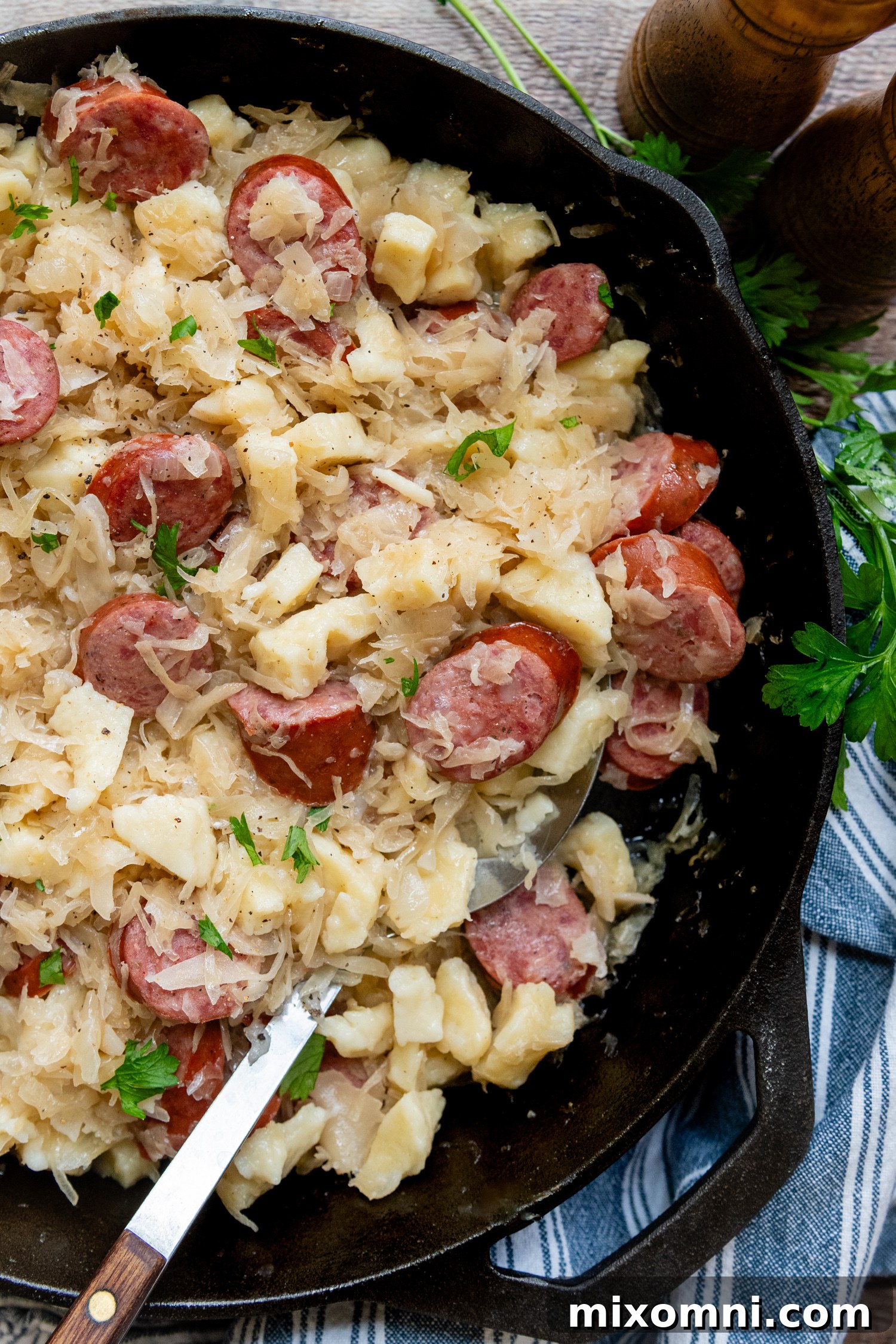
Step into the festive spirit of Oktoberfest with a comforting, German-inspired meal that’s surprisingly simple to prepare, perfect for any weeknight. This wholesome, family-friendly dish features tender, gluten-free dumplings, perfectly paired with savory smoked sausage and tangy sauerkraut. It’s a complete meal that brings the heartiness and warmth of traditional German cuisine right to your table, without the fuss.
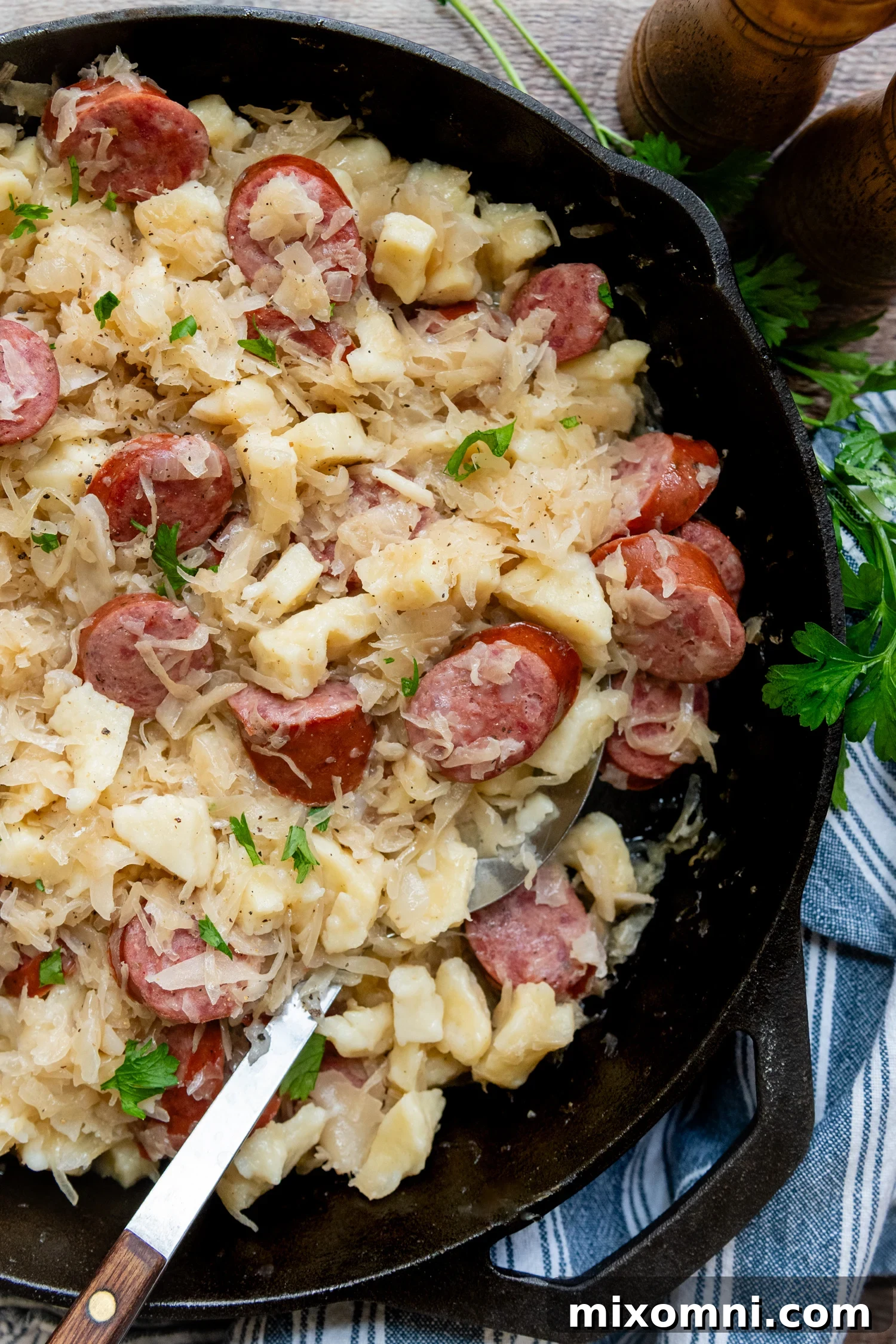
Savoring Oktoberfest at Home: Easy Gluten-Free Dumplings, Sausage & Sauerkraut Skillet Meal
Are you searching for a reliable, gluten-free dinner idea that truly delivers on all fronts? Look no further! This effortless one-pan wonder, featuring gluten-free dumplings, sausage, and sauerkraut, comes with my highest recommendation. It’s an all-in-one skillet dinner radiating pure comfort, appealing to everyone – whether they follow a gluten-free diet or not – and is guaranteed to be kid-approved!
You might raise an eyebrow at that last statement, but allow me to elaborate. Children and carbohydrates? It’s a classic, winning combination every time. The dumplings provide a wonderful, satisfying heartiness that elevates the entire dish. And don’t let the “gluten-free” aspect intimidate you; these dumplings are incredibly easy to make. Simply mix the batter, drop spoonfuls into boiling water, and they’re ready in just a few minutes. The convenience of this preparation method makes it an ideal choice for busy weeknights when you crave something wholesome and homemade.
For the sausage component, I typically opt for smoked Kielbasa. While not strictly German in origin, its rich, smoky flavor and plump texture fit perfectly into the spirit of an Oktoberfest-inspired recipe. Its mild taste is generally a hit with families, and I particularly appreciate that it requires minimal preparation – just a quick slice and a brief spin in the pan to brown and crisp up. The simplicity of using pre-cooked smoked sausage significantly cuts down on overall cooking time, allowing you to get dinner on the table faster.
Now, let’s address the elephant in the room for some: sauerkraut. My answer is a resounding yes! My mother has a secret weapon for holiday meals: her homemade gluten-free dumplings and sauerkraut. Even the most ardent sauerkraut skeptics are consistently won over. Time and again, she proves her point, earning a triumphant “I told you so.” Her method involves boiling the sauerkraut before adding it to the dish, which helps mellow its sometimes intense tang. For this simplified weeknight version, a simple rinse works wonders, achieving a similar effect by reducing the acidity and saltiness without extensive cooking. Of course, if you are a true sauerkraut enthusiast who loves its bold, pungent flavor, feel free to just drain it slightly and add it directly to the skillet, skipping the rinse entirely.
While this hearty combination of homemade dumplings, sausage, and sauerkraut can certainly stand alone as a complete meal, a few simple side dishes can further enhance the experience. We often enjoy it with steamed, buttered corn for a touch of sweetness, or perhaps some roasted carrots and apples, which introduce a delightful hint of sweetness – truly a chef’s kiss! For those looking to fully embrace the themed dinner, crispy potato rösti served with a side of applesauce is an excellent choice, bringing a traditional German flair to your plate.
Crafting Your Perfect German-Style Meal: A Step-by-Step Guide
(Below, you’ll find step-by-step photos and detailed instructions. For precise ingredient quantities, please refer to the complete recipe card further down the page.)
Yes, gluten-free dumplings can be this easy!
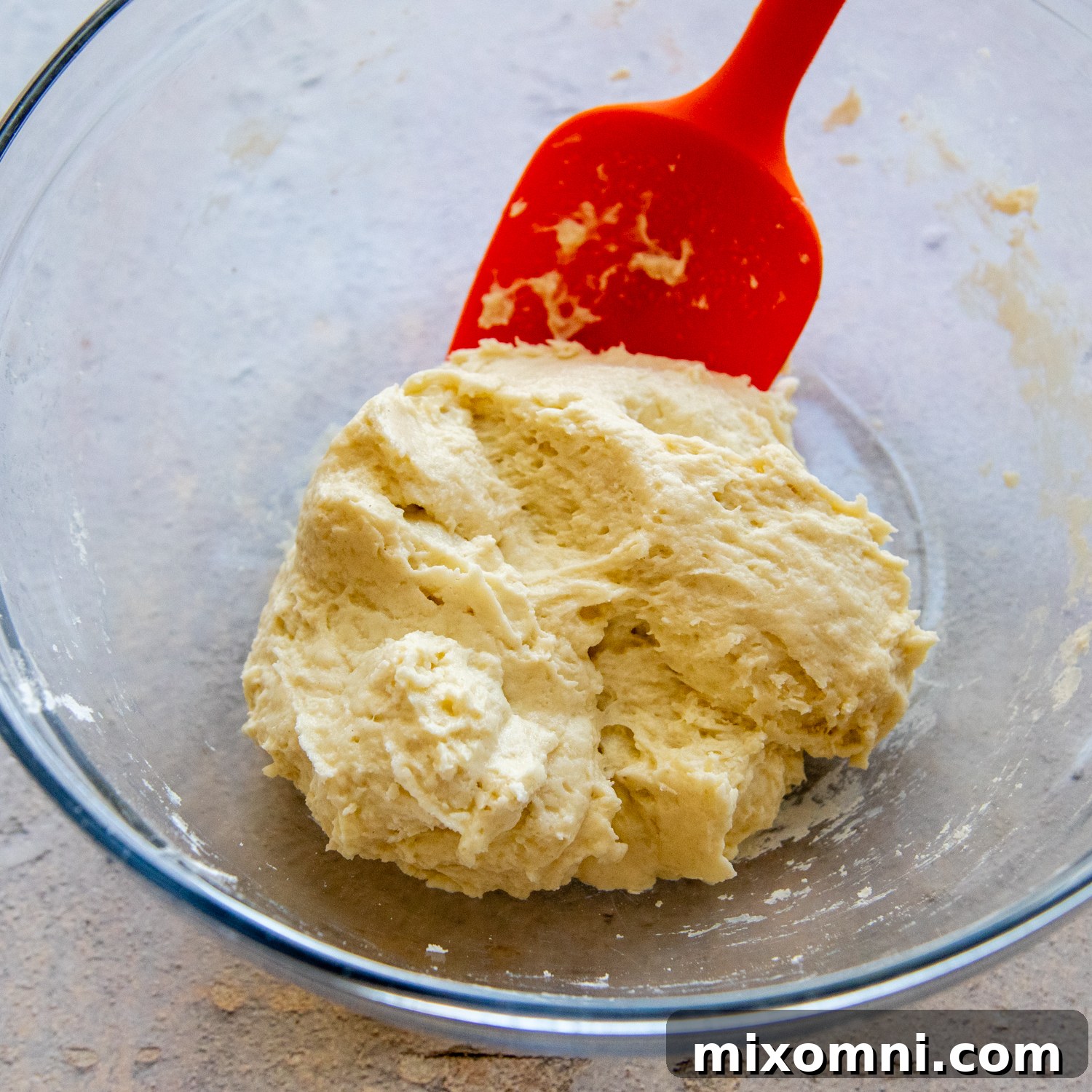
Ready for the simplicity? In a medium bowl, combine your chosen gluten-free flour (I highly recommend Cup4Cup for the best texture and consistency), baking powder, salt, and a pinch of pepper. Give these dry ingredients a good whisk. Then, stir in a large egg, milk, and water until a soft, slightly sticky ball of dough forms. The stickiness is normal for gluten-free dough; if it seems too thick, a tiny splash more liquid can help, or if too sticky, a spoonful of extra flour. The key is to achieve a manageable, but not overly stiff, consistency that’s easy to drop.
The simple “Drop and Cook” method
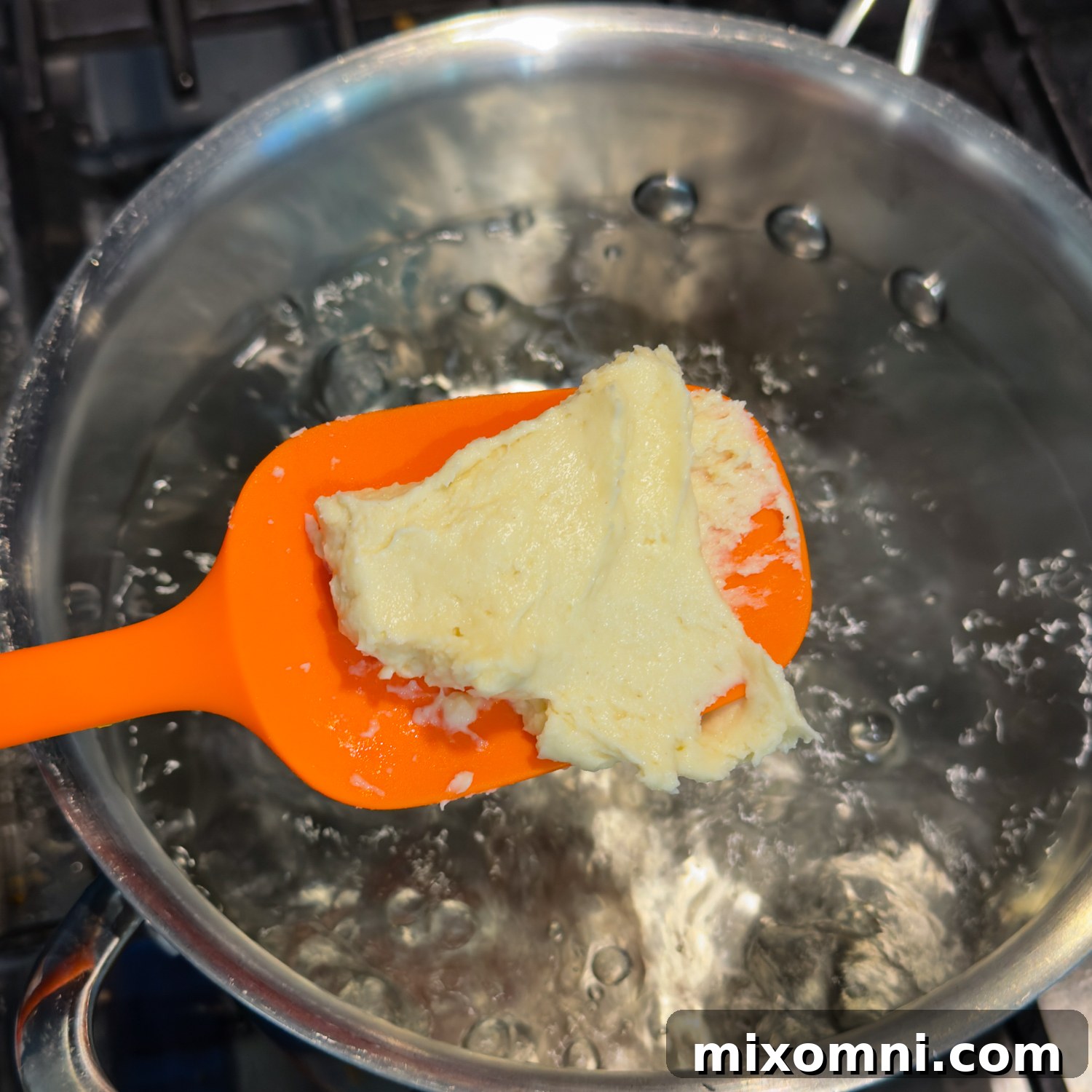
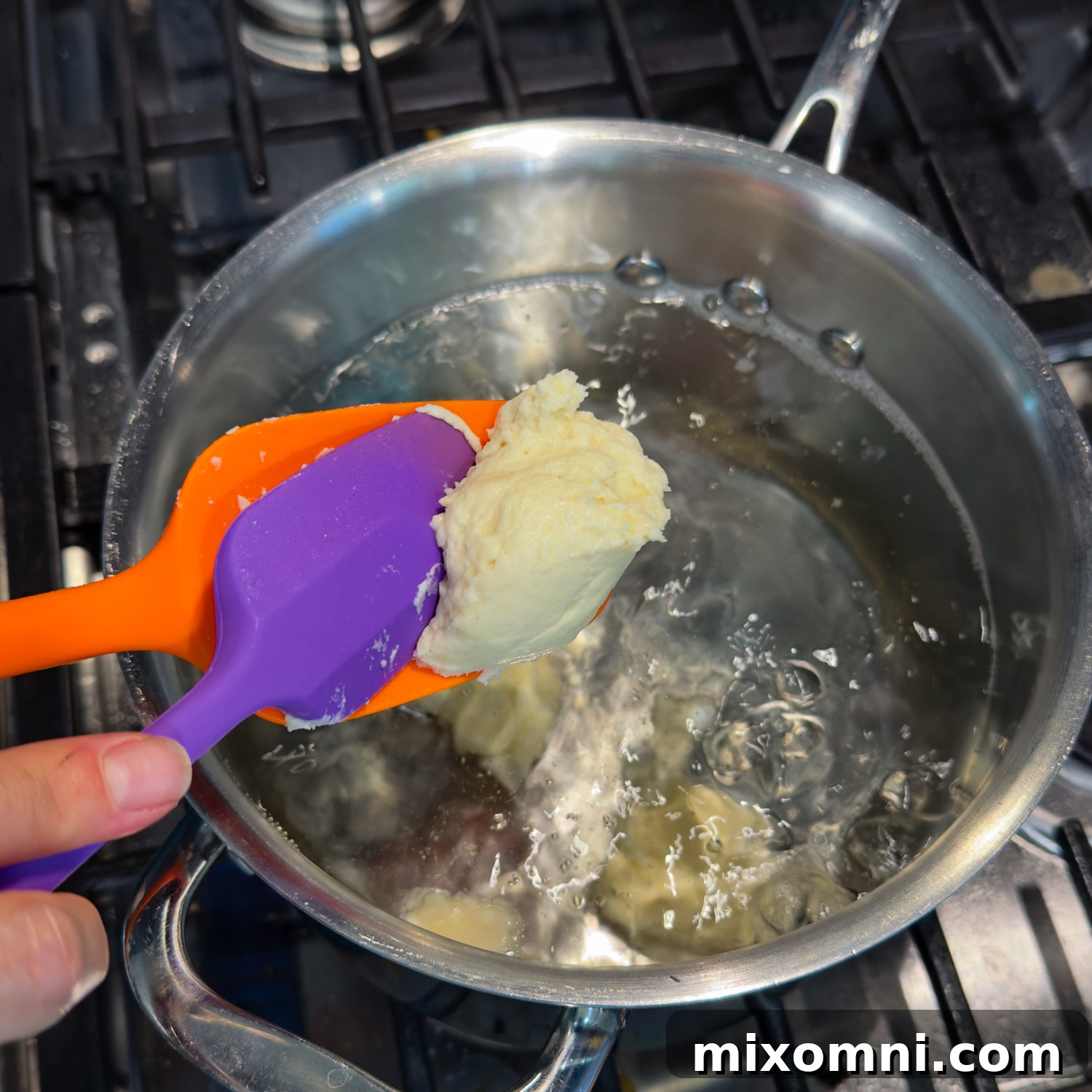
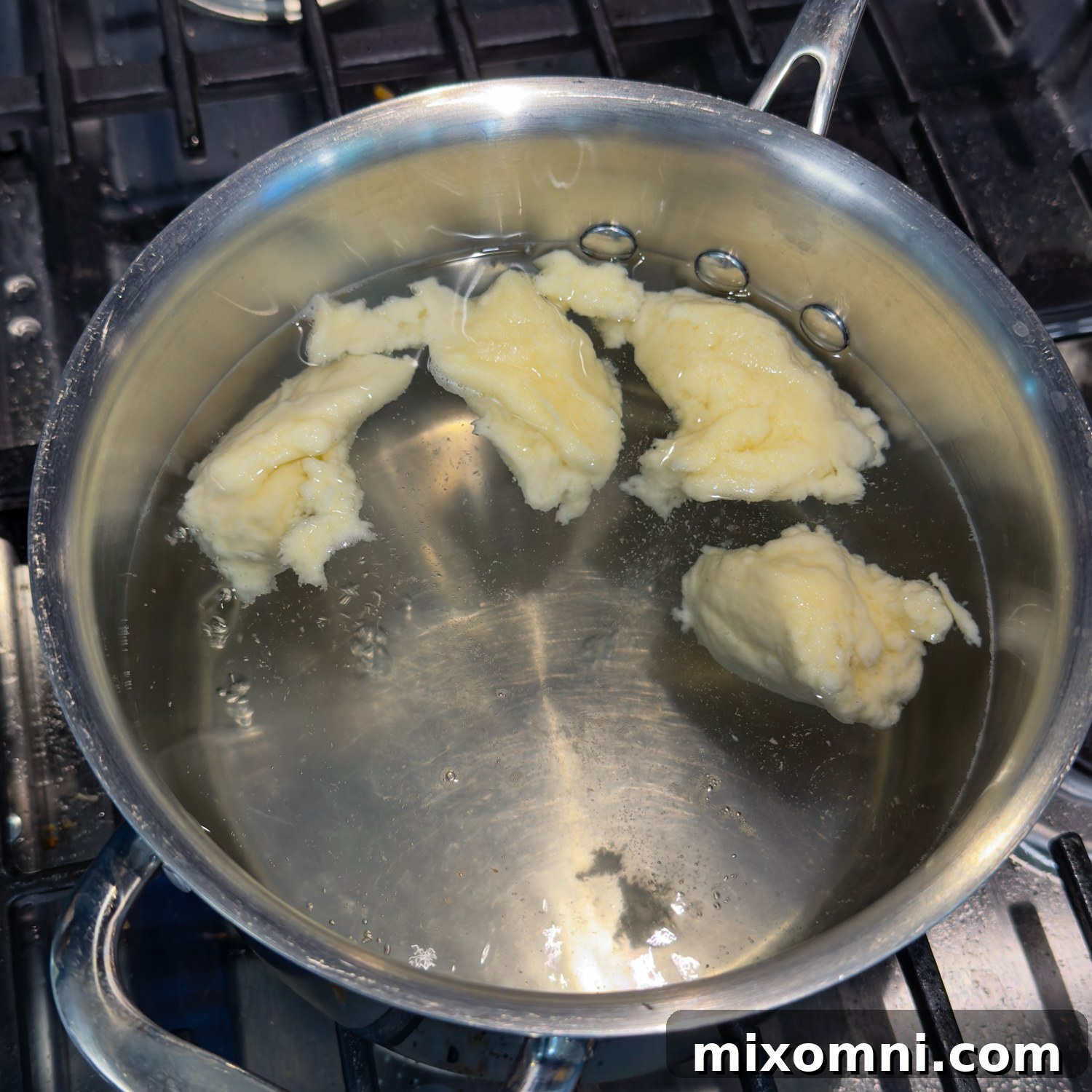
Bring a large pot of salted water to a rolling boil. Using two spoons, scoop a portion of the sticky dumpling dough with one spoon and use the second spoon to gently scrape it into the boiling water. Repeat this process, adding about 4-5 dumplings at a time to avoid overcrowding the pot. As they cook, the dumplings will first sink, then rise to the surface, typically within 2 minutes. Once they float, allow them to boil for an additional 60-90 seconds. Slightly longer cooking times are beneficial for gluten-free dough, ensuring they are cooked through and have a pleasant texture.
Using a slotted spoon, carefully remove the cooked dumplings from the water and transfer them to a colander to cool slightly. Continue with the remaining dough in batches until all your delicious gluten-free dumplings are cooked. Setting them aside to cool briefly helps them firm up, making them easier to handle in the next steps.
Finishing the dumplings, starting the sausage and onions
While your dumplings are cooling, shift your focus to the rest of the meal. In a large, deep skillet, melt the butter over medium heat. Add the chopped onion and sauté it gently until it becomes wonderfully tender and translucent, which usually takes about 4-5 minutes. Once the onions have softened and released their aroma, add the sliced smoked sausage to the pan. Let the sausage brown slightly for about 2-3 minutes, developing a lovely color and enhancing its smoky flavor. This step creates a fantastic flavorful base for the entire dish.
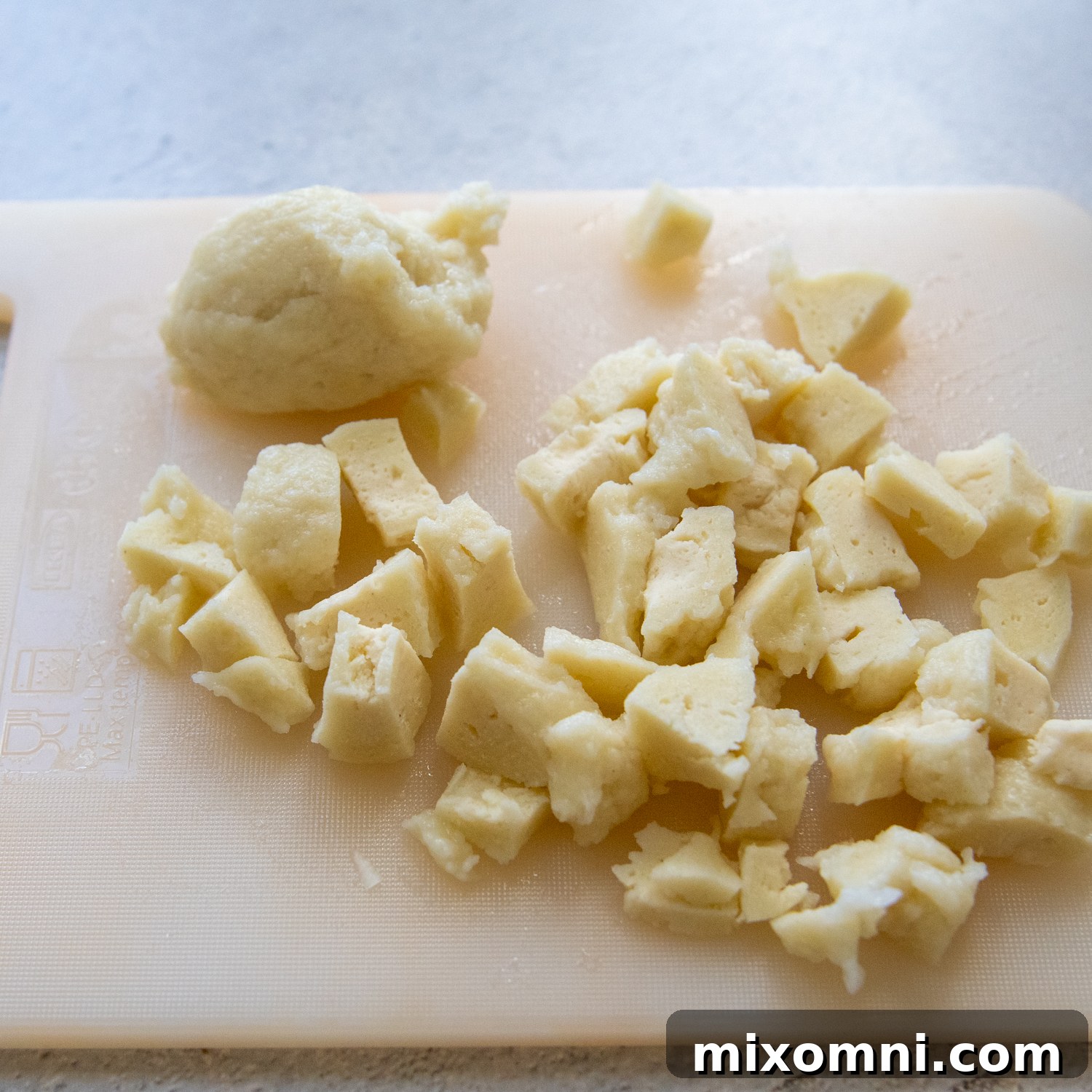
While the onions and sausage are sizzling, transfer the cooled, cooked dumplings to a cutting board. Chop them into smaller, bite-sized pieces. Don’t be too concerned if you notice that some of the larger dumplings aren’t completely cooked through in the very center – this is a common occurrence with gluten-free flour, which can sometimes be denser. The good news is, these will fully cook in the final step when they are added back to the skillet with the sausage and onions. This second cooking phase ensures all the flavors meld beautifully and the dumplings achieve a perfect, uniform texture.
Finishing with the perfect sauerkraut tang
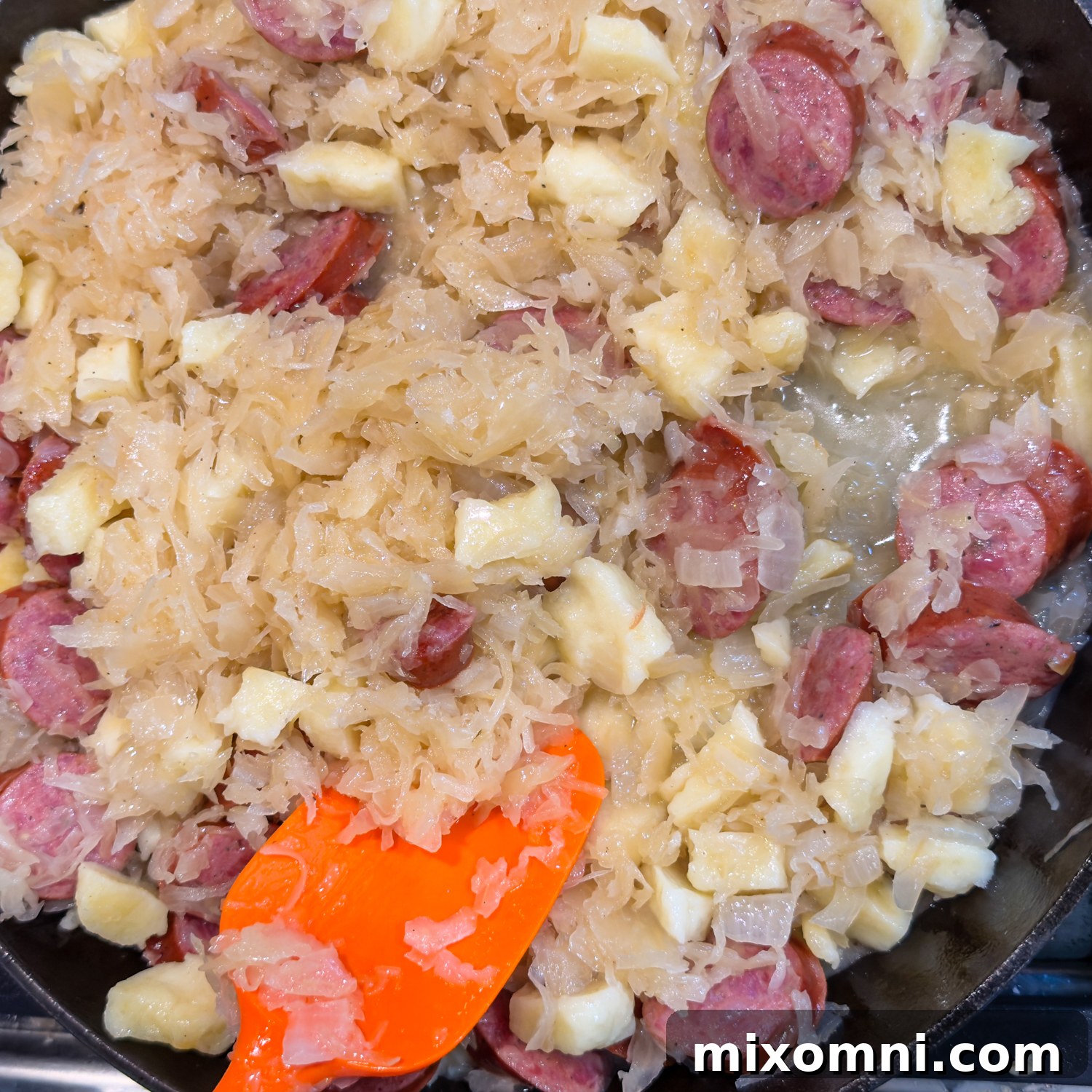
Now, it’s time to bring all the elements together. Add the chopped, pre-cooked dumplings to the skillet with the savory butter, browned onions, and smoked sausages. Sauté this mixture for about 5 minutes, allowing the dumplings to crisp up slightly and absorb the delicious flavors from the pan. This browning step adds an extra layer of texture and depth to the dish. Finally, incorporate the drained and rinsed sauerkraut (or simply drained, if you prefer a stronger tang), along with a teaspoon of granulated sugar, ¾ teaspoon of salt, and ⅛ teaspoon of pepper. The sugar helps to balance the acidity of the sauerkraut, creating a more harmonious flavor profile. Stir everything thoroughly to combine and cook until the sauerkraut is heated through and well incorporated, stirring occasionally. If the sauerkraut releases a significant amount of liquid, let it simmer for an extra 5 minutes or so to reduce and concentrate the flavors, ensuring your dish isn’t watery. Serve hot and enjoy this comforting, hearty meal!
Meal Prep Made Easy: Freezing and Preparing Ahead
This delightful German-style gluten-free dinner is also an excellent candidate for meal prepping and freezing, making your future weeknights even easier. The entire dish can be prepared from start to finish, allowed to cool completely to room temperature, and then transferred to freezer-safe containers. When you’re ready for a quick and satisfying meal, simply thaw the frozen dish in the refrigerator overnight and reheat it gently in a skillet over medium heat until warmed through.
Alternatively, you can prepare just the gluten-free dumplings ahead of time. Once cooked and cooled, chop them into smaller pieces and freeze them in a single layer on a baking sheet before transferring to a freezer bag. This prevents them from sticking together. When dinner time rolls around, simply sauté your onions and sausages as directed, then add the thawed (or even partially thawed) frozen dumplings to the skillet to brown and finish cooking with the other ingredients. This partial prep strategy can save you valuable time on busy evenings, ensuring you still enjoy a homemade meal with minimal effort.
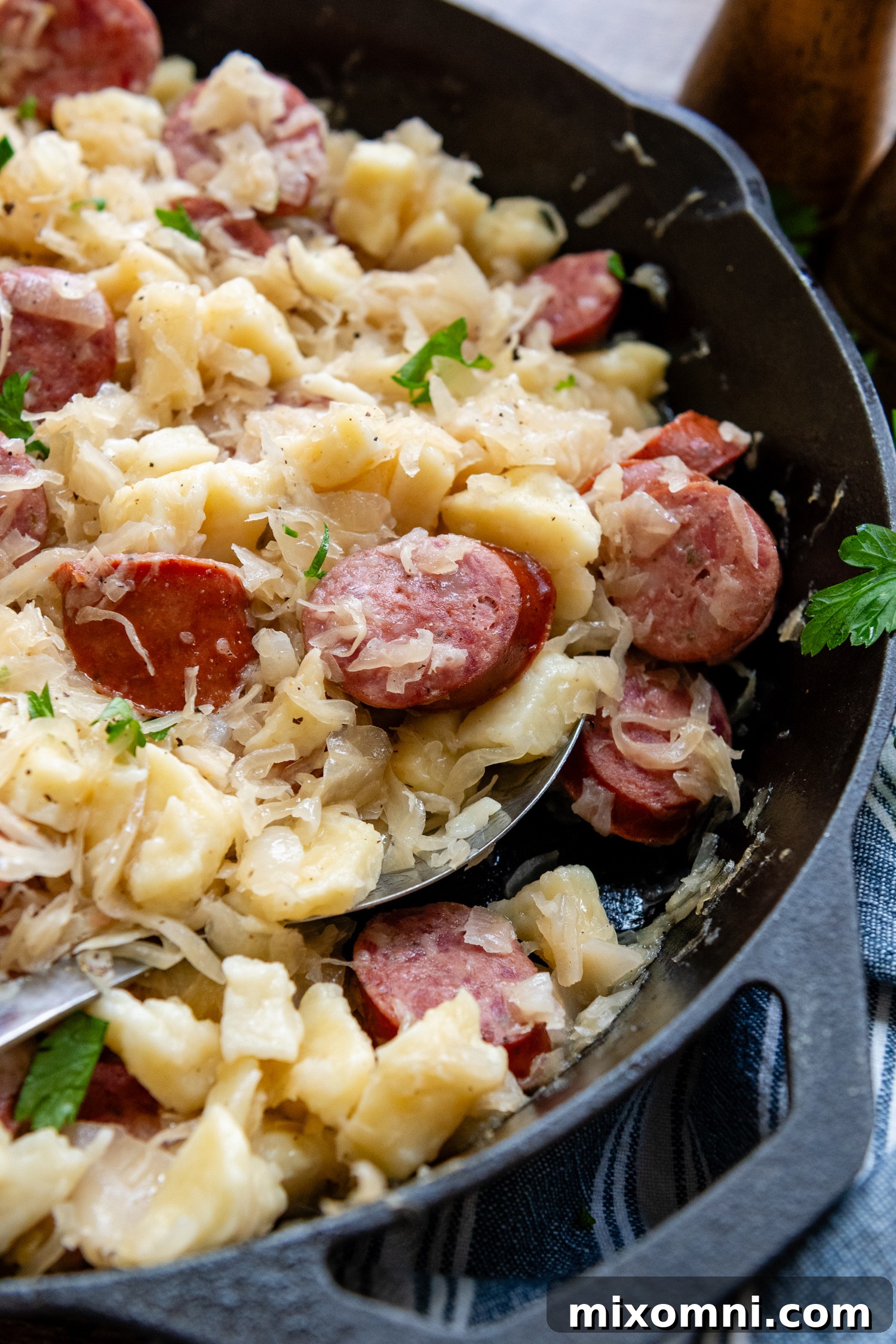
Essential Ingredient Insights & Swapping Suggestions
When it comes to sauerkraut, I’ve noticed a significant difference in flavor profiles among brands – some are pleasantly mild, while others deliver a more assertive tang. My personal favorite is the Bavarian-style sauerkraut often found at Aldi; it strikes a perfect balance. Generally, most sauerkraut brands are naturally gluten-free, as they consist simply of fermented cabbage and salt. However, it’s always wise to check ingredient labels, as some varieties might have beer or other flavorings added, which could contain gluten. Opt for brands with minimal ingredients to ensure gluten-free safety and a pure, authentic taste.
For the sausage, I used a smoked Polish kielbasa in this recipe, appreciating its mild flavor and quick cooking time. However, this dish is wonderfully versatile and can accommodate a wide array of sausages. Consider using traditional German bratwurst or knackwurst (ensure they are gluten-free, if needed), or even a robust Italian sausage for a different twist. If you opt for a raw sausage (like many fresh bratwursts), it’s crucial to cook it through completely before adding the remaining ingredients to the skillet. Always read the ingredient labels carefully, especially for processed meats, to ensure they meet your dietary needs and are free from hidden gluten or unwanted additives. The beauty of this recipe lies in its adaptability, allowing you to customize it with your favorite sausage variety.
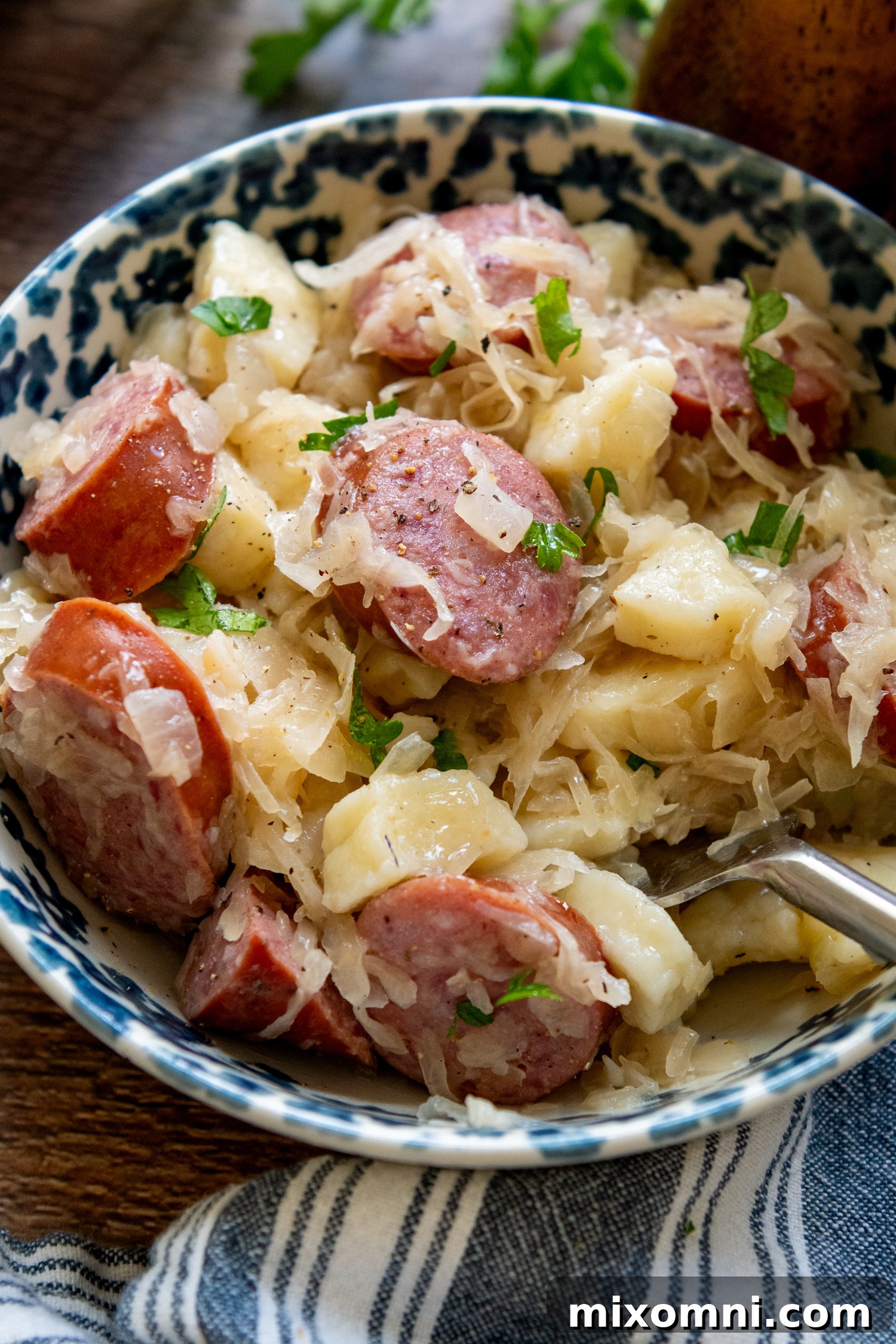
Why Gluten-Free? A Delicious and Accessible Choice
For many, following a gluten-free diet is a necessity due to celiac disease, gluten sensitivity, or other health reasons. This recipe aims to provide a delicious and authentic German-style meal that caters to these dietary needs without compromising on flavor or texture. Using a high-quality gluten-free flour blend, like Cup4Cup, ensures the dumplings are tender and satisfying, mimicking their traditional counterparts beautifully. It allows everyone at the table to enjoy a hearty, comforting meal together, fostering inclusivity and ensuring no one misses out on the rich flavors of this European classic.
Serving Suggestions and Perfect Pairings
While the gluten-free dumplings, sausage, and sauerkraut create a complete and satisfying meal on their own, enhancing the dining experience with thoughtful pairings can elevate it even further. Beyond the side dishes mentioned earlier, consider serving this dish with a crisp green salad dressed with a light vinaigrette to cut through the richness. For beverages, a traditional German beer (if not strictly adhering to GF, or a gluten-free beer option) would be an authentic complement. Alternatively, a dry white wine like Riesling or a crisp sparkling cider would pair wonderfully with the savory and tangy notes. Don’t forget a sprinkle of fresh parsley or chives as a garnish for a pop of color and freshness just before serving. For dessert, a simple apple strudel or even just a warm baked apple would complete the German-inspired feast.
Frequently Asked Questions About Gluten-Free German-Style Dumplings
Here are some common questions about making this delightful gluten-free German-style meal:
- Can I use regular all-purpose flour for the dumplings? Yes, if you are not following a gluten-free diet, you can absolutely substitute regular all-purpose flour for the gluten-free flour blend. The texture might be slightly different, but the method remains the same.
- How do I make the dumplings softer or firmer? The consistency of the dough and cooking time play a big role. For softer dumplings, ensure your dough is a bit looser (add a tiny bit more liquid) and don’t overcook them. For firmer dumplings, a slightly stiffer dough and cooking them a minute longer can help. Remember, gluten-free flours can be tricky, so precise measurements and observation are key.
- What if I don’t like sauerkraut? Are there alternatives? If sauerkraut isn’t your favorite, you can try thinly sliced and sautéed cabbage for a milder flavor. Alternatively, some people enjoy this dish with braised red cabbage, which offers a different tangy-sweet profile. You could also significantly reduce the amount of sauerkraut or rinse it very thoroughly to mellow its taste.
- Can I make this dish vegetarian? Absolutely! Replace the smoked sausage with a plant-based sausage alternative (ensure it’s gluten-free if necessary). For extra flavor, consider adding sautéed mushrooms or bell peppers alongside the onions. The core dumpling and sauerkraut components are easily adaptable.
- What kind of skillet is best? A cast iron skillet is ideal for this recipe as it distributes heat evenly and helps develop a great crust on the sausage and dumplings. However, any large, deep, heavy-bottomed skillet or Dutch oven will work well.
Save this recipe to your Pinterest board!
Let’s be friends on Pinterest! I’m always sharing great recipes!
Did you make this recipe? I love hearing from you! Leave a star rating and comment below the recipe card. Your feedback helps others discover and enjoy our recipes, and I truly appreciate hearing from our community. I always make sure to respond! -Melissa
German-Style Gluten-Free Dumplings and Sausage

Melissa Erdelac
6
10 mins
30 mins
40 mins
Pin
Rate
Remove Ads
Ingredients
Gluten-Free Dumplings
- 1 cup all-purpose gluten-free flour, I recommend Cup4Cup gluten free flour
- ¼ teaspoon salt
- pinch of pepper
- ⅛ teaspoon baking powder
- 1 large egg
- ¼ cup milk
- ¼ cup water
Sauerkraut and Sausage
- ½ cup butter
- 1 large onion, chopped
- 14 ounces smoked kielbasa sausage, ½ inch slices
- 24 ounces sauerkraut, drained and rinsed
- 1 teaspoon granulated sugar
- ¾ teaspoon salt
- ⅛ teaspoon pepper
Equipment
- Deep Skillet
- Strainer Spoon
- Cup 4 Cup Gluten Free Flour
Instructions
- Start by bringing a medium pot of water to a rolling boil. While the water heats, in a separate medium bowl, combine the gluten-free flour, salt, pepper, and baking powder. Whisk these dry ingredients together thoroughly. Next, stir in the large egg, milk, and water until a stiff, yet soft and sticky ball of dough forms. Adjust consistency if needed: add a tiny bit more liquid if too thick, or a little more flour if too sticky.
- Once the water is vigorously boiling, carefully add spoonfuls of the dumpling mixture to the water. Use a second spoon to scrape the dough directly into the pot. Work in batches of about 4-5 dumplings to prevent overcrowding. After approximately 30 seconds, gently stir the water to ensure the dumplings aren’t sticking to the bottom. They will float to the top in about 2 minutes; once floating, continue to boil for another 60-90 seconds to ensure they are fully cooked. Using a slotted spoon, transfer the cooked dumplings to a colander to cool slightly while you cook the remaining dough.
- In a large, deep skillet, melt the butter over medium heat. Add the chopped onion and sauté, stirring occasionally, until it becomes tender and translucent, about 4 minutes. Then, add the sliced smoked kielbasa sausage to the skillet and cook for 2-3 minutes, browning it slightly to enhance its flavor and texture.
- While the onions and sausage are cooking, transfer your cooled, cooked dumplings to a cutting board. Cut them into bite-sized pieces. If any dumplings appear slightly undercooked in the center, do not worry; they will finish cooking in the next step when reintroduced to the skillet.
- Add the chopped dumplings to the onion and sausage mixture in the skillet. Sauté for about 5 minutes, allowing the dumplings to brown lightly and absorb the delicious pan drippings. Finally, stir in the drained and rinsed sauerkraut, granulated sugar, salt, and pepper. Mix all ingredients thoroughly to combine. Continue to cook until the entire dish is heated through, stirring occasionally, for about 3-5 minutes. If the sauerkraut released a lot of liquid, let it simmer for an additional 5 minutes to reduce. Serve immediately.
Carbohydrates: 24g,
Protein: 13g,
Fat: 35g,
Saturated Fat: 16g,
Polyunsaturated Fat: 3g,
Monounsaturated Fat: 13g,
Trans Fat: 1g,
Cholesterol: 115mg,
Sodium: 1835mg,
Potassium: 384mg,
Fiber: 6g,
Sugar: 5g,
Vitamin A: 553IU,
Vitamin C: 18mg,
Calcium: 82mg,
Iron: 3mg
Did you make this recipe?
Please leave a star rating and review below. It helps others when searching for recipes and I LOVE feedback!