
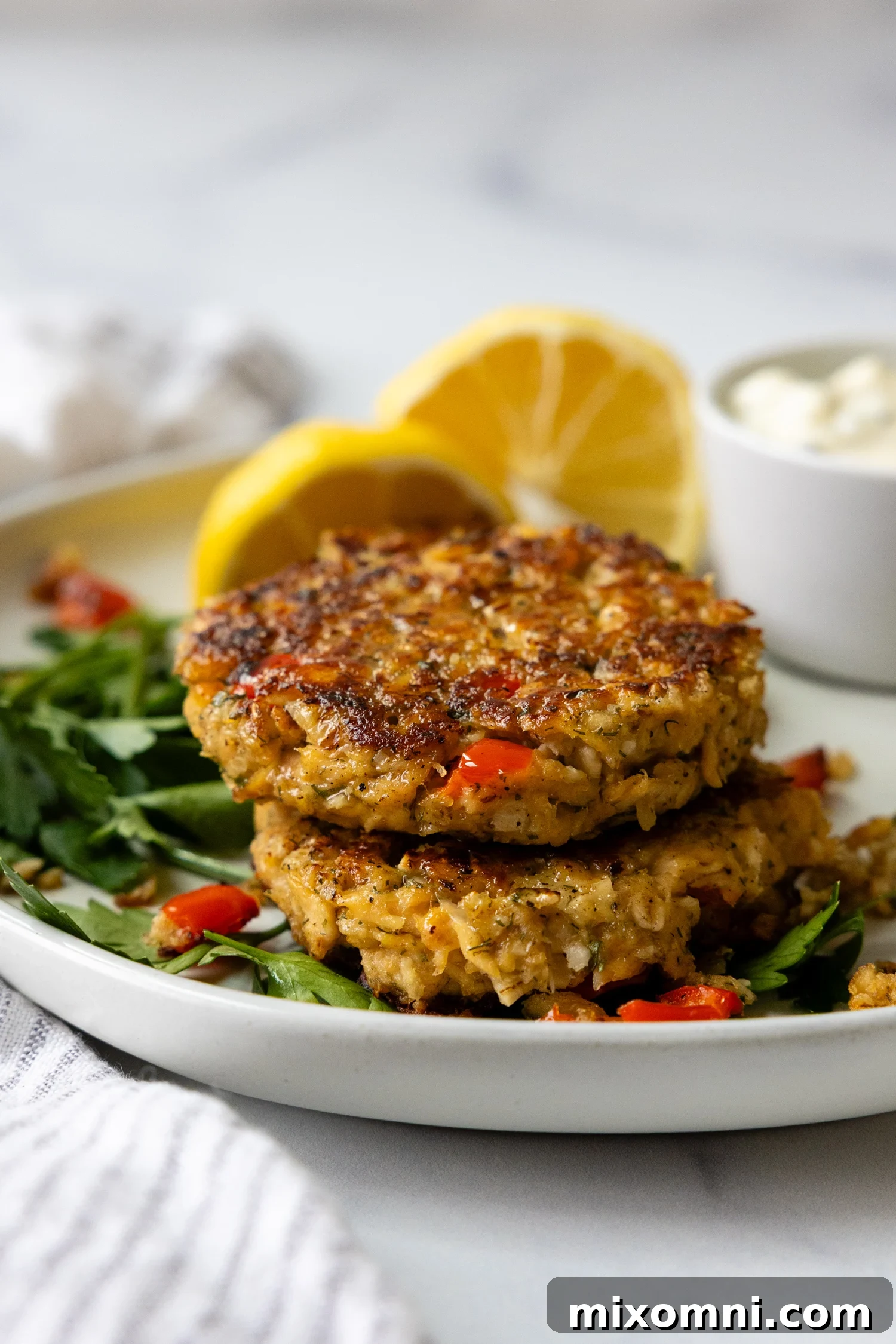
Unlock the secret to perfectly golden, crispy gluten-free salmon patties without needing specialty ingredients. This effortless recipe is a game-changer for busy weeknights, delivering a dish that’s both deeply satisfying and incredibly healthy. We achieve that coveted crunch and tender, flaky texture using a simple almond flour and Parmesan cheese binder, proving that going gluten-free doesn’t mean sacrificing flavor or consistency. Forget bland, crumbly patties; these salmon cakes are seasoned to perfection and cook up beautifully every time.
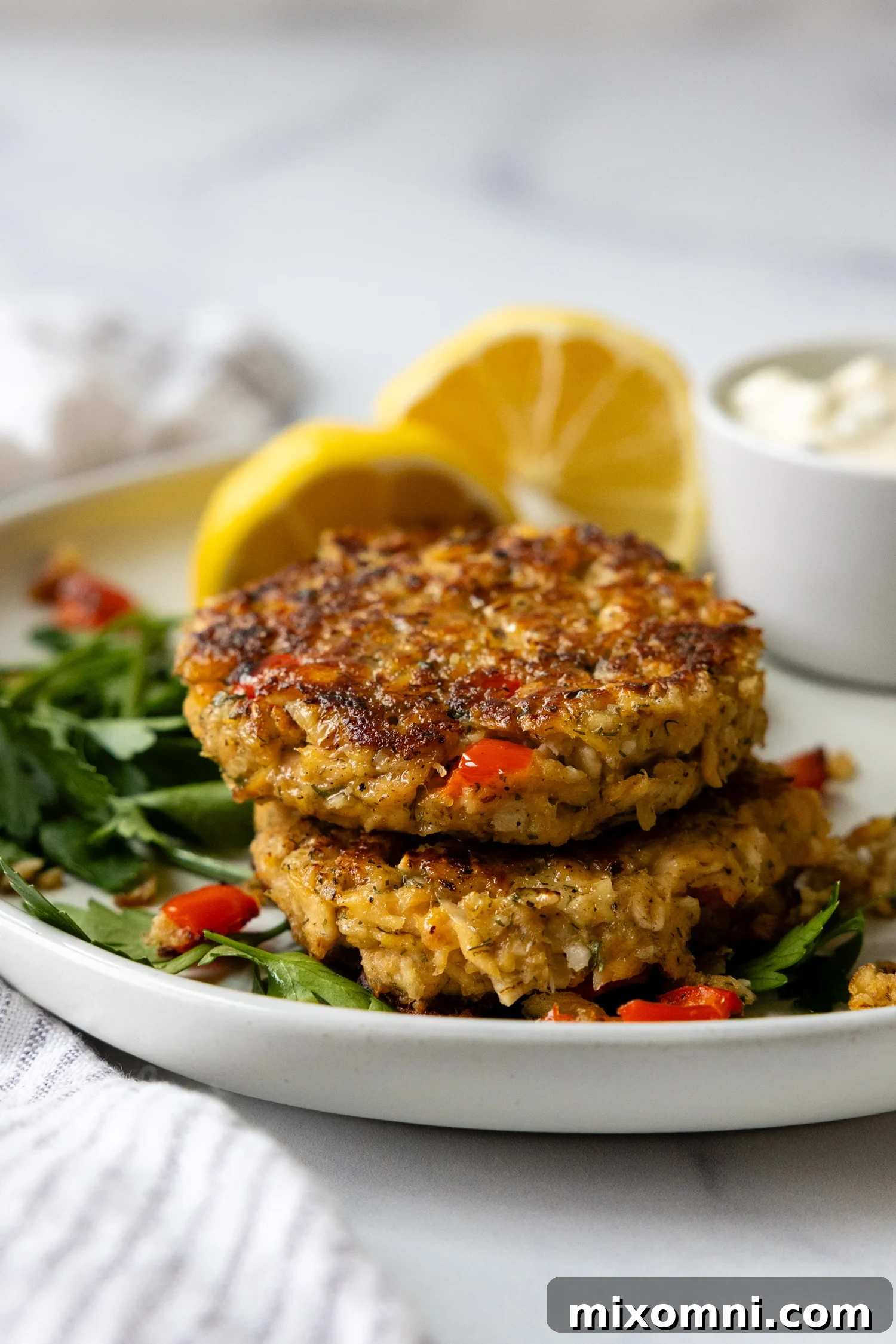
Effortlessly Delicious: The Gluten-Free Salmon Patty Revolution
In the quest for easy, wholesome gluten-free dinner ideas, finding recipes that avoid expensive, hard-to-find ingredients is a priority. That’s precisely where the inspiration for these crispy gluten-free salmon patties, made without traditional breadcrumbs, originated. Many gluten-free recipes rely on specialty flours or binders that can be costly or require a dedicated trip to a health food store. Our aim was to create a recipe that’s accessible, using pantry staples you likely already have on hand, ensuring both convenience and incredible flavor.
Initially, during recipe development, I experimented with gluten-free quick oats as a binder, a method I’ve successfully used in other highly-rated recipes, such as a moist and juicy gluten-free meatloaf. While the oats did contribute to binding, the salmon patties proved a bit delicate during cooking and flipping, leading to some frustration. The goal was robust patties that hold their shape beautifully, delivering a satisfying crunch without falling apart in the pan.
The breakthrough came with almond flour. This simple ingredient, which many gluten-free households keep stocked, proved to be the perfect binder. Making salmon patties with almond flour is a truly winning combination for several reasons. Almond flour’s natural oils contribute to a beautiful golden-brown and crispy exterior when pan-fried. Its finer consistency provides superior binding for the wetter texture of canned salmon, ensuring the patties remain intact. Furthermore, almond flour has a remarkably neutral flavor profile, allowing the vibrant taste of salmon and other seasonings to truly shine through, rather than overpowering them.
The success of almond flour in this recipe was so remarkable that it eliminated the need for a pre-cooking chill or brief freeze, a common step in many salmon patty recipes designed to help bind ingredients. Not only was chilling unnecessary, but the patties actually seemed to hold together better when cooked from room temperature. This unexpected ease is precisely the kind of gluten-free win that makes weeknight cooking a joy!
Ingredient Spotlight: Smart Choices and Simple Swaps
Crafting the perfect gluten-free salmon patty involves selecting the right ingredients and understanding how to adapt them to your dietary needs or preferences. Here’s a closer look at the key components and how you can customize this recipe:
- The Right Salmon: Canned or Fresh? While this recipe is incredibly versatile and works with both, I have a strong preference for boneless, skinless canned salmon. Dealing with bones and skin can be time-consuming and frankly, a bit off-putting for some. Brands like Bumblebee, Chicken of The Sea, Starkist, Wild Planet, and Safe Catch offer excellent boneless, skinless options. Regardless of your choice, thoroughly draining the salmon is crucial. Pressing it gently in a mesh strainer helps remove excess liquid, preventing soggy patties that might fall apart. If using fresh salmon, you’ll need approximately 1½ to 2 cups of flaked, cooked salmon.
- Parmesan Cheese: Flavor & Crunch. Freshly grated Parmesan cheese serves multiple roles here: it helps bind the patties, adds a delightful salty umami flavor, and contributes to that desirable extra crunch on the exterior. However, for a gluten-free and dairy-free (GF/DF) option, Parmesan can be easily omitted or swapped with an equal amount of nutritional yeast for a cheesy, savory note.
- Almond Flour: The Gluten-Free Binder Hero. As highlighted earlier, almond flour is the star binder of this recipe. Its unique properties create the perfect texture and crispness. If almond flour isn’t available, or if you prefer an alternative, an equal amount of gluten-free quick oats can be used. Quick oats offer a similar neutral flavor and good binding capabilities, but you would then need to chill the salmon cakes for at least 30 minutes before cooking. This chilling period allows the oats to absorb moisture, ensuring the patties hold their shape.
- Vibrant Vegetables: Onion and Bell Pepper. Finely diced yellow onion and red bell pepper add essential flavor, moisture, and a subtle sweetness to the patties. Sautéing them beforehand softens their texture and mellows their flavor, integrating them seamlessly into the salmon mixture. This small extra step significantly enhances the overall taste profile.
- Essential Seasonings: Pantry Staples for Punch. I favor using dried pantry spices for convenience, but fresh herbs can elevate the flavor even further. Consider incorporating fresh parsley, dill weed, tarragon, or oregano. For alternative seasoning profiles, a dash of Old Bay seasoning adds a classic seafood flavor, a pinch of cayenne pepper offers a subtle kick, or some fresh lemon zest brightens the entire dish. Don’t forget the classics: garlic salt, regular salt, and freshly ground black pepper form the foundational flavor base.
- Other Binders: Egg, Mayonnaise, and Dijon. A large egg acts as a primary binder, while mayonnaise adds moisture, richness, and helps prevent dryness. Dijon mustard contributes a tangy depth that complements the salmon beautifully.
Let’s Cook These Crispy Salmon Patties Together!
Creating these golden, crispy salmon patties is a straightforward process, designed for efficiency without compromising on flavor. Follow these step-by-step instructions for a perfect batch every time. (For precise ingredient quantities, refer to the full recipe card below.)
1. Prepare Your Salmon “The Right Way”
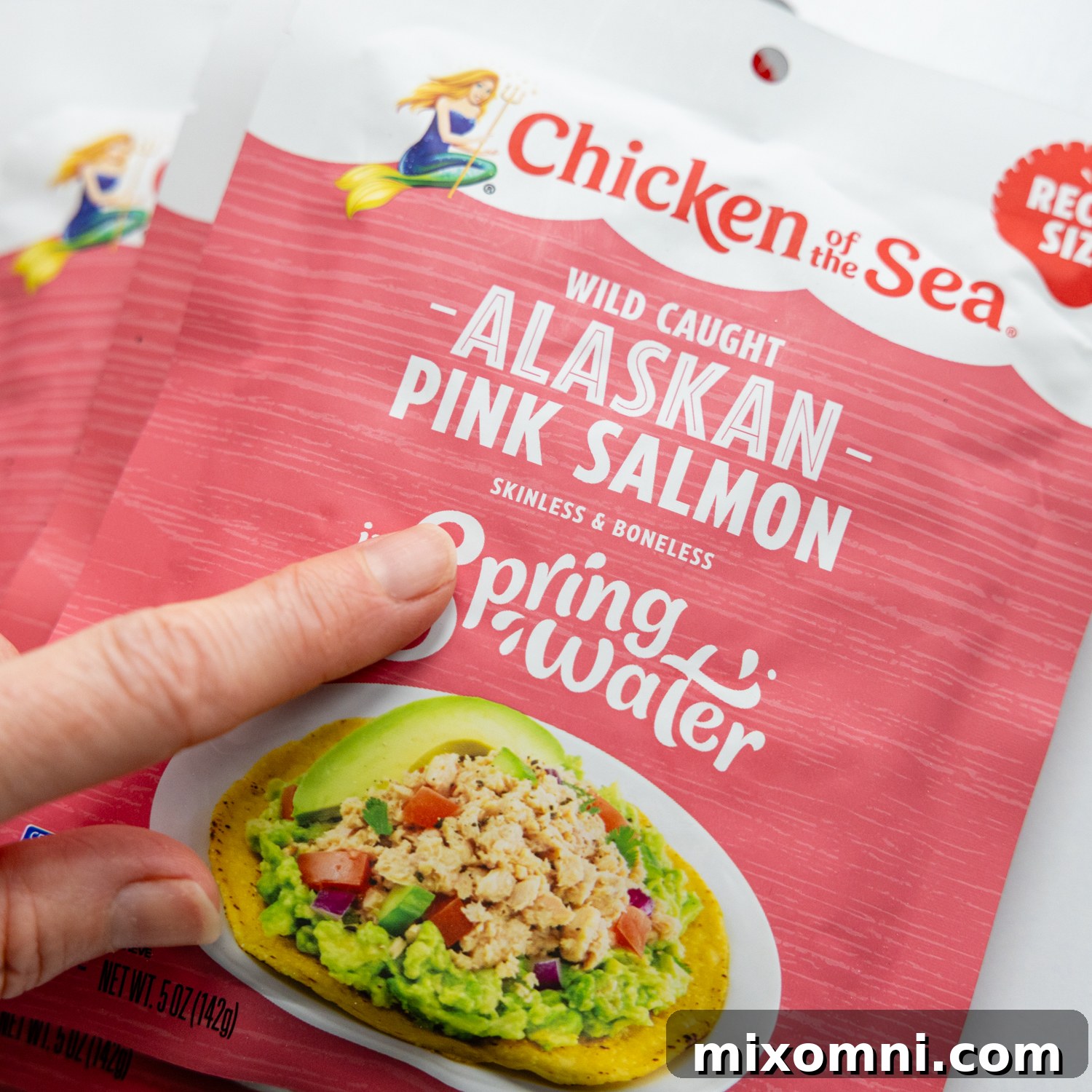
Choosing the right salmon and preparing it correctly is key. I highly recommend using boneless, skinless canned salmon or salmon packets. While some prefer traditional canned salmon, I find that dealing with bones and skin can be quite a hassle. Boneless, skinless options make the process much quicker and more enjoyable. The Alaskan pink salmon shown here is a great example of what to look for. Before mixing, always drain your salmon thoroughly. Pour it into a mesh strainer and gently press down with the back of a spoon to extract any excess liquid. This crucial step prevents your patties from becoming too moist and falling apart during cooking.
2. Start with a Quick Sauté of Aromatics
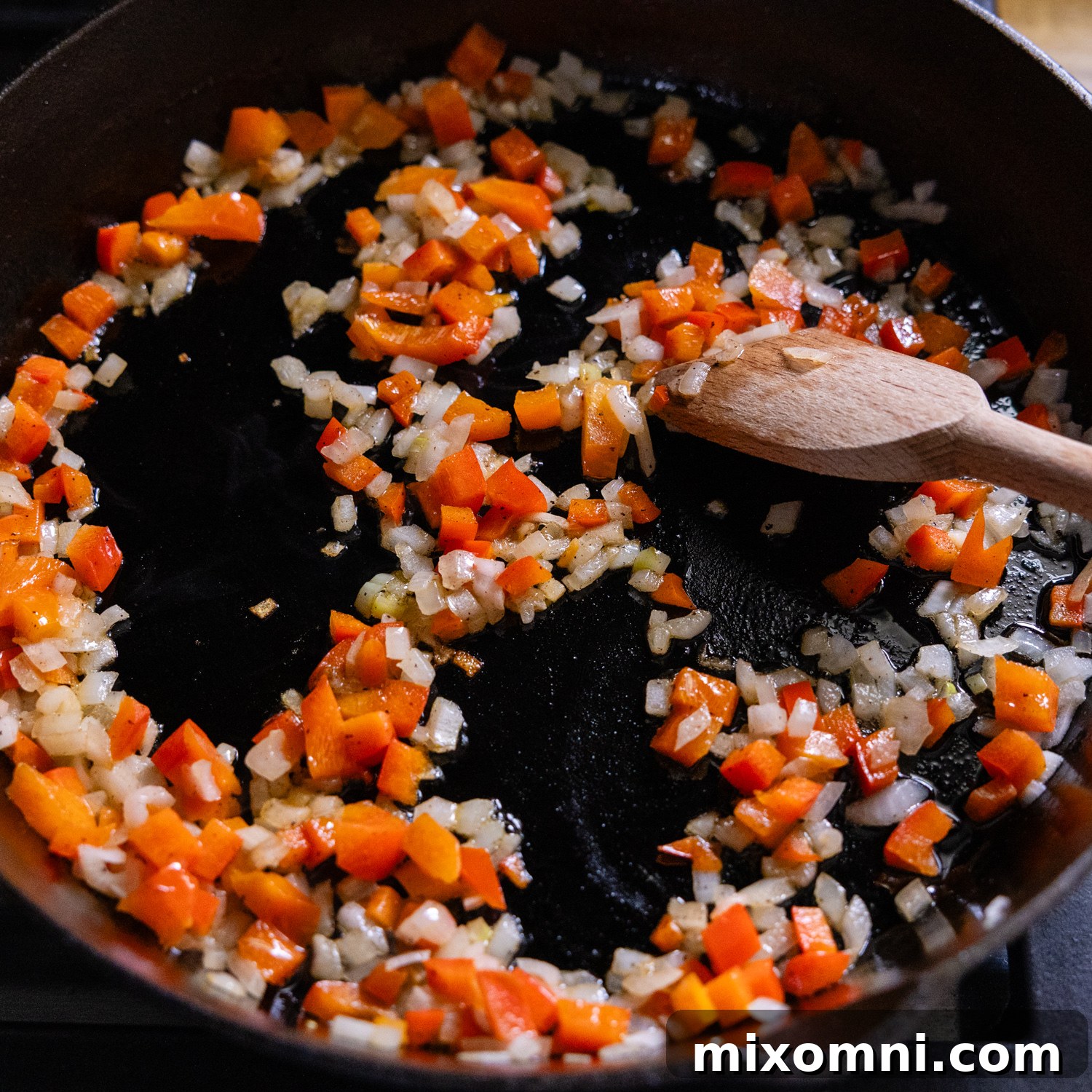
This step, while optional, significantly enhances the flavor and texture of your salmon patties. Sautéing finely diced onion and bell pepper softens them, mellows their flavors, and adds depth to the overall dish. Heat a tablespoon of olive oil and a tablespoon of butter in your skillet over medium heat. Add the diced vegetables and cook until they are tender and translucent, typically 5-7 minutes. This same pan will be used to cook your patties, so there’s no need for extra cleanup! The residual oil and butter also provide an excellent nonstick surface for the patties.
3. Combine, Shape, and Cook to Golden Perfection
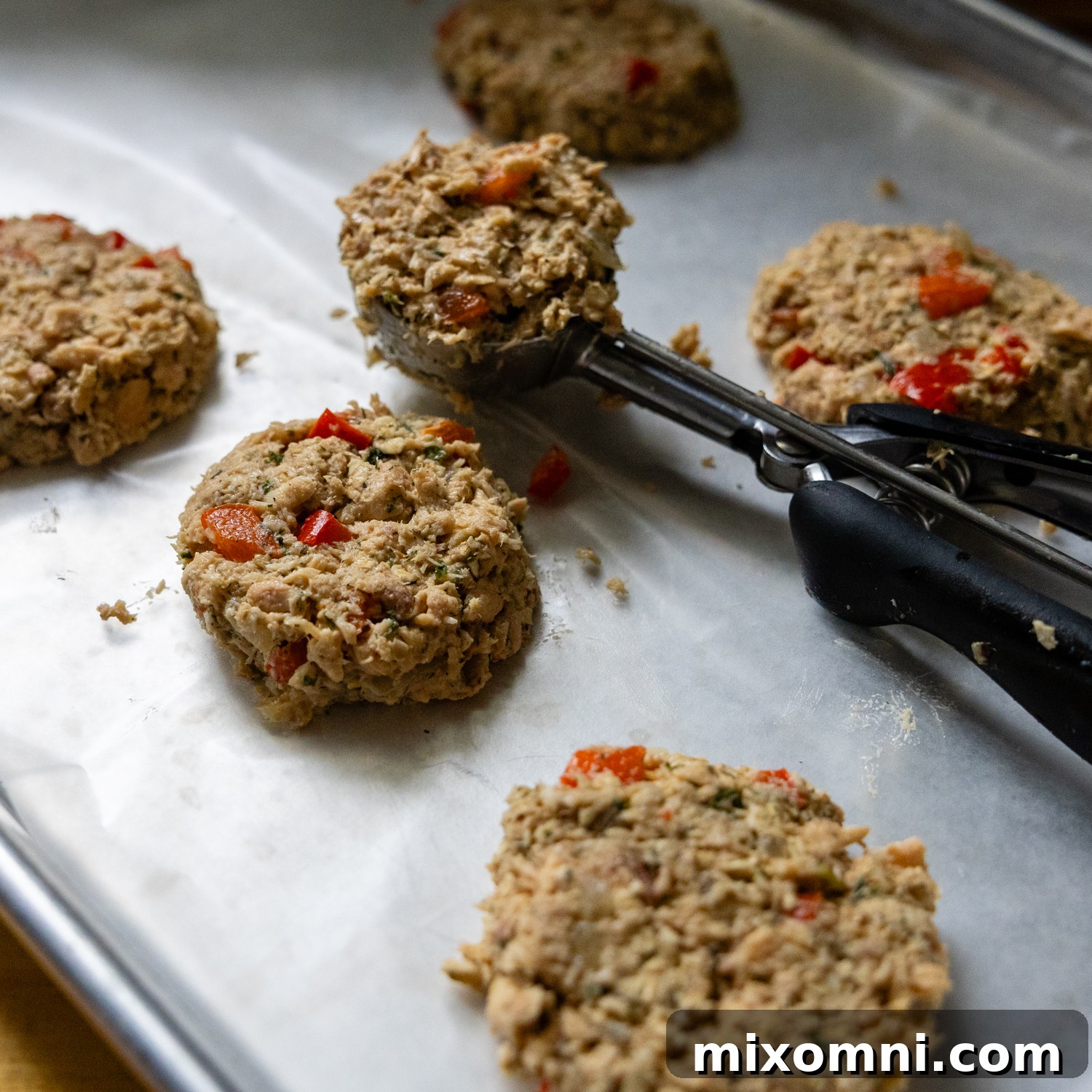
In a large mixing bowl, whisk the egg, then stir in the almond flour, Parmesan cheese, mayonnaise, Dijon mustard, dill weed, parsley, garlic salt, salt, and pepper. Finally, gently fold in the well-drained salmon and the sautéed onion and bell pepper mixture. Mix until just combined to avoid overworking the salmon. Now, it’s time to shape your patties. While you can shape them as you cook, I find it more efficient to prepare them all beforehand. A large 3-tablespoon trigger scoop helps create uniform, ½ to ¾-inch thick patties. Transfer these shaped patties to a lined baking sheet.
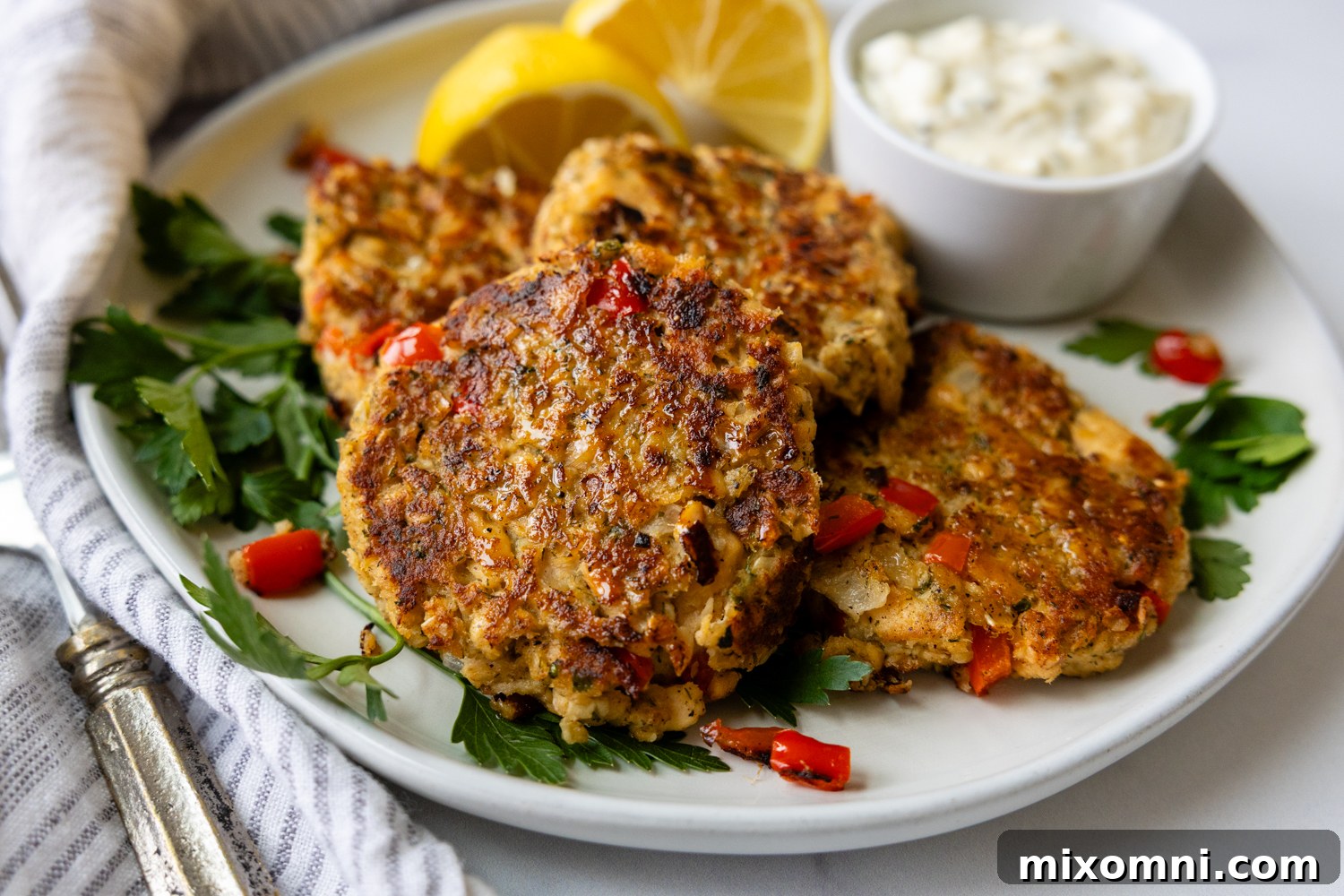
To cook, return the skillet (the one used for sautéing the veggies) to medium heat and add the remaining oil and butter. Once hot, place the patties in a single layer, ensuring not to overcrowd the pan. My 12-inch cast iron skillet typically fits 6 patties, allowing me to cook them in two batches. Fry for about 3-4 minutes per side, or until they achieve a beautiful golden-brown crust and are cooked through. Adjust the heat as needed to prevent them from browning too quickly before the interior is heated. To keep cooked patties warm while you finish the remaining batches, place a baking sheet in a 200°F oven and transfer them there.
Air Fryer Method for Ultimate Crispness
Making Salmon Patties in the Air Fryer
For those who love the convenience and extra crispness of an air fryer, you’re in luck! These gluten-free salmon patties can be perfectly cooked in an air fryer with excellent results. After shaping the patties, preheat your air fryer to 400°F (200°C). Place the patties in a single layer in the air fryer basket, ensuring not to overcrowd. You will likely need to cook them in batches. Air fry for 8-10 minutes, flipping them halfway through, until they are golden brown and thoroughly cooked. For easier cleanup and to prevent sticking, you can line the bottom of your air fryer basket with a small piece of parchment paper. For an even “fried” and crispier crust, lightly spray each side of the patties with olive oil before air frying.
Love the idea of fish cakes? This versatile recipe can easily be adapted! Simply swap the salmon for 15-16 ounces of well-drained canned tuna or any other cooked, flaked fish, and all other ingredients and instructions remain the same. It’s a fantastic way to enjoy a gluten-free fish cake that’s both flavorful and perfectly textured.
Serving Suggestions and Flavor Pairings
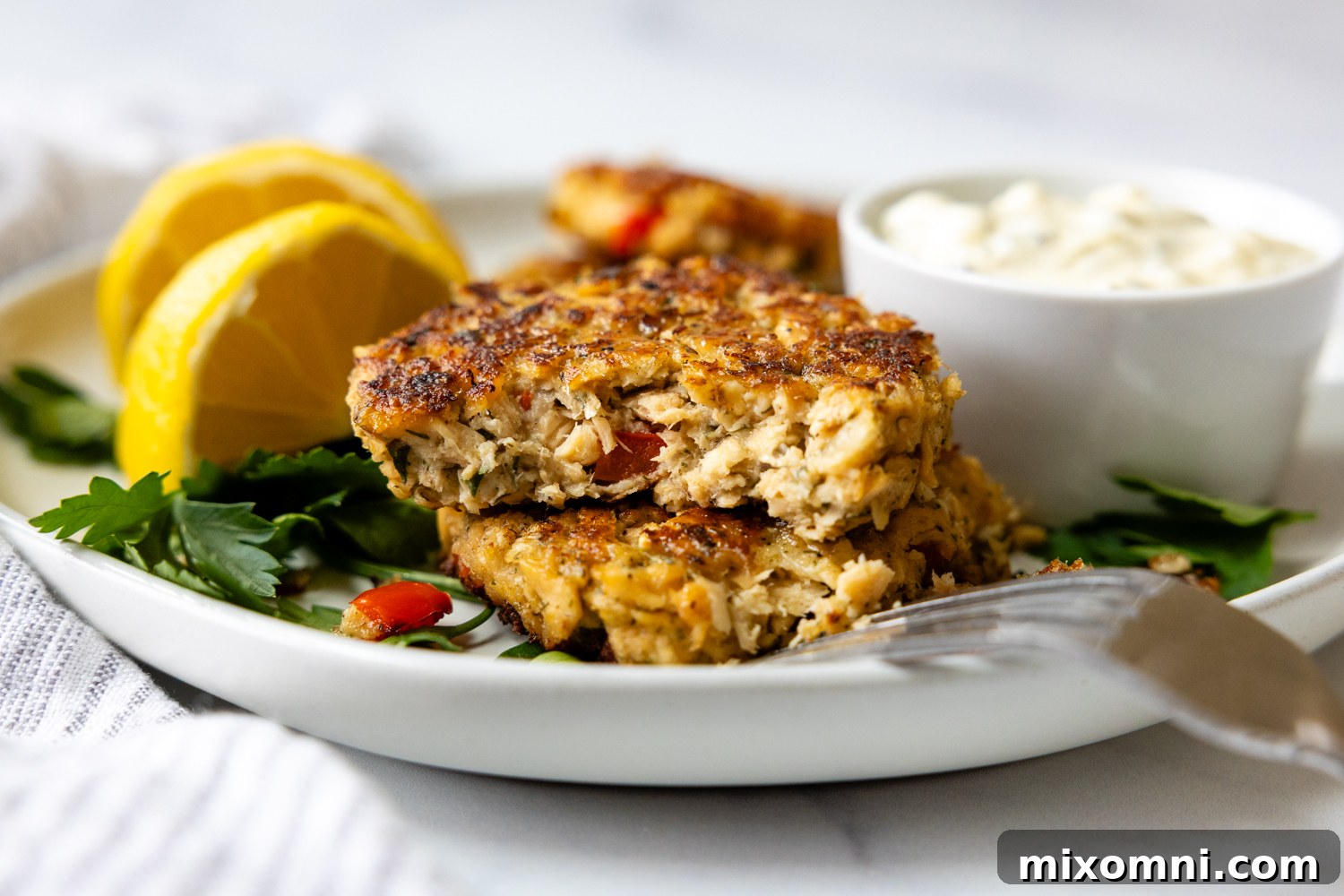
These crispy gluten-free salmon patties are incredibly versatile and pair beautifully with a variety of sides. For a classic experience, serve them with our quick homemade tartar sauce – a simple blend of mayonnaise, sweet relish, and Dijon mustard, seasoned with salt and pepper. The creamy, tangy sauce perfectly complements the rich flavor of the salmon. Beyond tartar sauce, consider these delicious accompaniments:
- Fresh Salads: A simple green garden salad with a light vinaigrette offers a refreshing contrast. For something more substantial, try a creamy coleslaw or a tangy marinated green bean salad.
- Roasted Vegetables: Asparagus, broccoli, or sweet potatoes roasted with a drizzle of olive oil and herbs make a wholesome and flavorful side.
- Lemon Wedges: A squeeze of fresh lemon juice over the hot patties brightens their flavor and adds a zesty finish.
- Dipping Sauces: Experiment with different dipping sauces beyond tartar sauce, such as a lemon-dill aioli, sriracha mayo for a spicy kick, or even a simple Greek yogurt with fresh herbs.
Make Ahead and Storage Tips
These salmon patties are not only delicious but also fantastic for meal prepping and storing:
- Make Ahead: You can prepare the salmon patty mixture up to 24 hours in advance. Shape the patties and store them in an airtight container or on a lined baking sheet, covered with plastic wrap, in the refrigerator. This allows for quick cooking when you’re ready for dinner.
- Leftovers: Cooked salmon patties can be stored in an airtight container in the refrigerator for up to 3-4 days.
- Reheating: To reheat, gently warm them in a skillet over medium-low heat until heated through and re-crisped, or in an oven at 300°F (150°C) for about 10-15 minutes. The air fryer is also excellent for reheating, bringing back that original crispness in just a few minutes at 350°F (175°C).
- Freezing: For longer storage, freeze uncooked patties on a baking sheet until solid, then transfer them to a freezer-safe bag or container. They can be stored for up to 2-3 months. Thaw them in the refrigerator before cooking, or cook from frozen (this may require slightly longer cooking times and careful handling).
Nutritional Benefits of Salmon
Beyond being incredibly delicious and easy to prepare, salmon patties offer a wealth of nutritional benefits. Salmon is a lean protein source, rich in essential omega-3 fatty acids, particularly EPA and DHA, which are known for their anti-inflammatory properties and their role in supporting heart health and brain function. It’s also an excellent source of vitamin D, selenium, and B vitamins, all crucial for overall health and well-being. By opting for gluten-free binders like almond flour, you further enhance the nutritional profile, adding healthy fats and fiber while avoiding common allergens. This recipe truly offers a healthy and satisfying meal for the entire family.
Save This Recipe to Your Pinterest Board!
Let’s be friends on Pinterest! I’m always sharing great recipes!
Did you make this recipe? I love hearing from you! Leave a star rating and comment below the recipe card. It helps others when searching for recipes and I appreciate feedback from our community. You will always hear back from me! -Melissa
Crispy Gluten Free Salmon Patties (No Breadcrumbs)

Melissa Erdelac
6
2 patties
20
mins
20
mins
40
mins
Pin
Rate
Remove Ads
Ingredients
-
2 tablespoons
olive oil, divided -
2 tablespoons
butter, divided -
1 small
yellow onion, finely diced -
½
red bell pepper, seeded and finely diced -
1
large egg -
½ cup
almond flour -
⅓ cup
freshly grated parmesan cheese, omit for dairy-free -
2 tablespoons
mayonnaise -
1 teaspoon
dijon mustard -
1 teaspoon
dried dill weed -
1 teaspoon
dried parsley -
½ teaspoon
garlic salt -
¼ teaspoon
salt -
⅛ teaspoon
freshly ground black pepper -
15 ounces
boneless, skinlesscanned salmon or packets, well drained (see recipe notes)
Quick Tartar Sauce
-
⅓ cup
mayonnaise -
3 tablespoons
sweet relish -
1 teaspoon
dijon mustard - salt and pepper
Equipment
-
12 inch cast iron skillet
-
3 Tbs Trigger Scoop
-
Flexible Metal Spatula
Instructions
-
Combine the ingredients for the quick tartar sauce in a small bowl. Set aside or refrigerate until serving.⅓ cup mayonnaise, 1 teaspoon dijon mustard, salt and pepper, 3 tablespoons sweet relish
-
In a large skillet over medium heat, melt 1 tablespoon butter with 1 tablespoon olive oil. Add the finely diced onion and bell pepper and sauté until softened and translucent, about 5-7 minutes. Remove the skillet from heat and set the sautéed vegetables aside to cool slightly.2 tablespoons olive oil, 2 tablespoons butter, 1 small yellow onion , ½ red bell pepper
-
In a large mixing bowl, whisk the large egg. Then, stir in the almond flour, freshly grated Parmesan cheese, mayonnaise, Dijon mustard, dried dill weed, dried parsley, garlic salt, salt, and freshly ground black pepper. Finally, gently fold in the well-drained salmon and the cooled sautéed pepper and onion mixture until just combined.1 large egg, ½ cup almond flour, ⅓ cup freshly grated parmesan cheese, 2 tablespoons mayonnaise, 1 teaspoon dijon mustard, 1 teaspoon dried dill weed, 1 teaspoon dried parsley, ½ teaspoon garlic salt, ¼ teaspoon salt, ⅛ teaspoon freshly ground black pepper, 15 ounces boneless, skinless canned salmon or packets
-
Shape the salmon mixture into uniform patties. I recommend using a large, 3-tablespoon cookie scoop to measure out the mixture, then gently flatten and shape each into ½ to ¾-inch thick patties. These can be transferred to a baking sheet lined with parchment paper until you are ready to cook. To keep cooked patties warm, preheat an oven to 200°F (95°C) and place a clean baking sheet inside.
-
Return the same skillet to medium heat and add the remaining ½ tablespoon olive oil and ½ tablespoon butter. Once the fat is shimmering, add the shaped patties in a single layer, ensuring not to overcrowd the pan. Depending on your pan size, you may need to cook in batches. Fry for 3 to 4 minutes per side, or until the patties are beautifully golden brown and cooked through. If the patties are browning too quickly, reduce the heat to medium-low.
-
Transfer the finished patties to the warm baking sheet in the oven while you cook the remaining batches. Add another ½ tablespoon oil and ½ tablespoon butter for each subsequent batch. Serve immediately with the prepared tartar sauce.
Notes
Draining Salmon
Even if using salmon in packets with seemingly little liquid, I highly recommend draining the salmon in a mesh strainer and pressing down slightly with the back of a spoon. Excess liquid, even a small amount, can add too much moisture to the mixture and make the patties more prone to falling apart during cooking.
Did you make this recipe?
Please leave a star rating and review below. It helps others when searching for recipes and I LOVE feedback!