
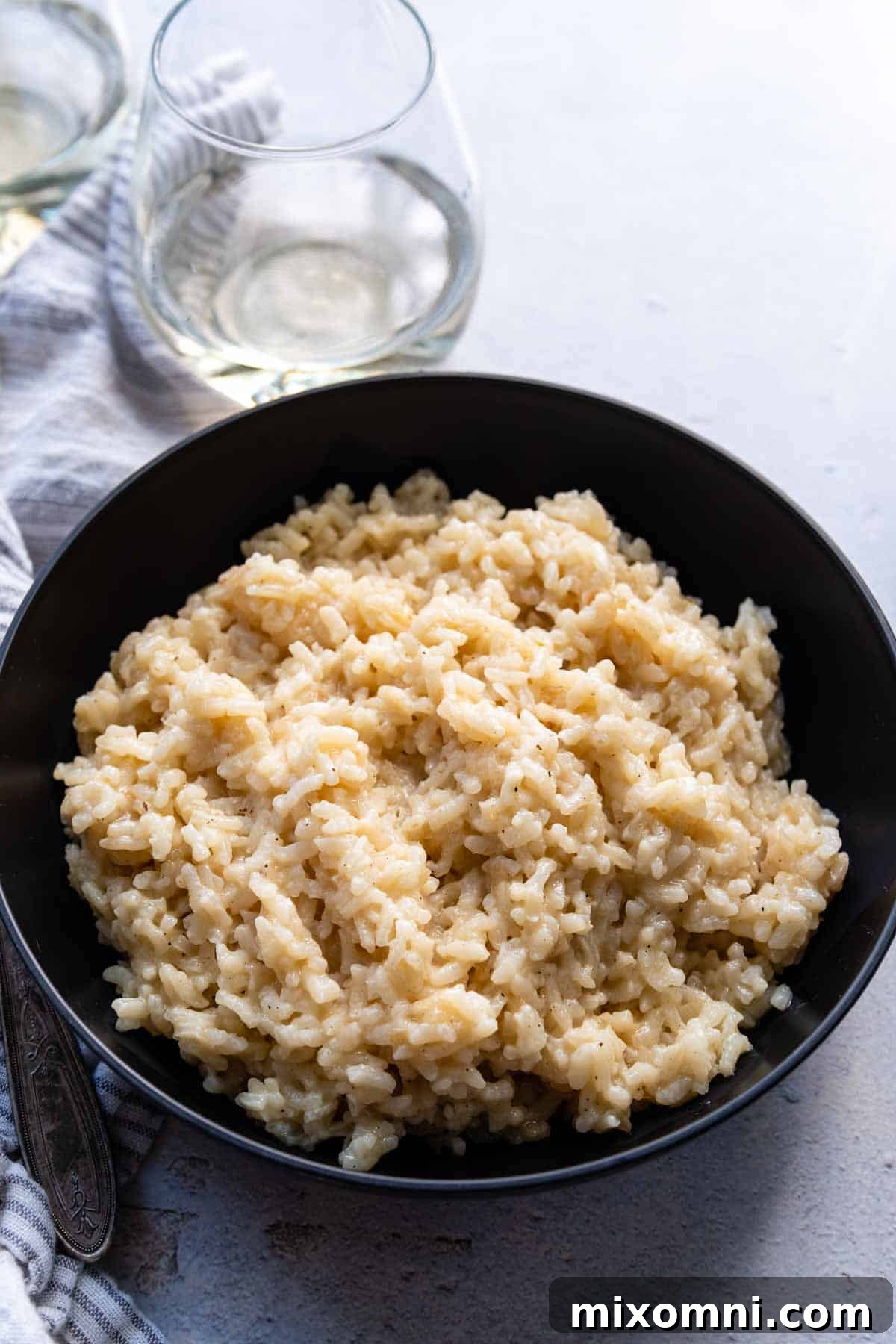
Unlock the secret to the most incredibly creamy, unbelievably easy, and utterly satisfying gluten-free risotto with this revolutionary no-stir, oven-baked recipe! Forget standing over the stove for half an hour; we’re bringing you a hands-off method that delivers exquisite results every single time. This comprehensive guide doesn’t just provide a recipe; it’s a deep dive into mastering gluten-free risotto, offering crucial insights on selecting safe ingredients, identifying potential gluten pitfalls in other recipes, and exploring a myriad of delectable flavor additions and modifications to elevate your culinary creation.
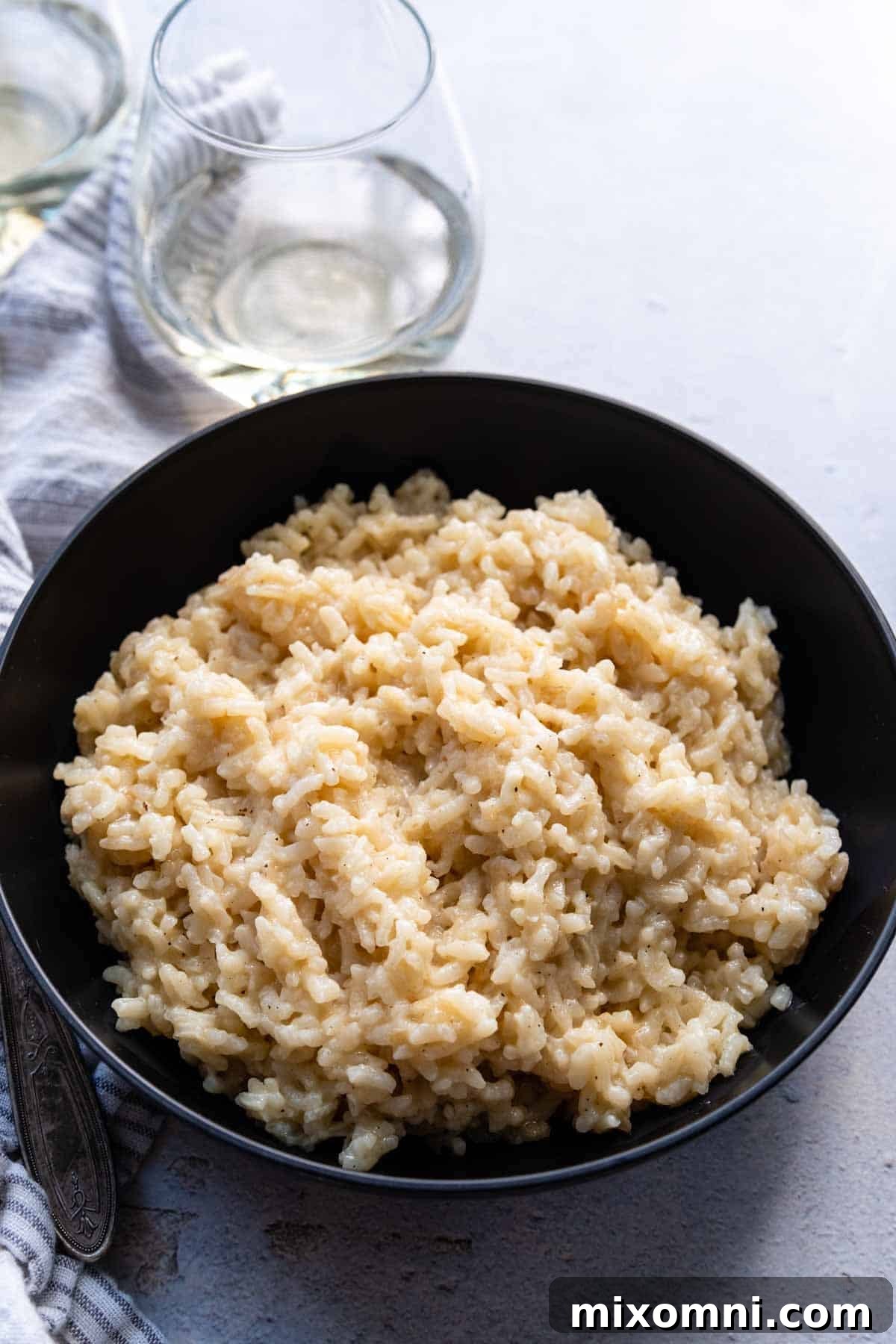
Risotto, a beloved traditional Italian dish, is renowned for its luscious, velvety texture achieved by slowly cooking high-starch Arborio rice in a flavorful broth until perfectly tender. Classically, it’s enhanced with simple yet potent ingredients like Parmesan cheese, rich butter, or a splash of dry white wine, serving as a comforting side dish or a hearty main course. However, traditional risotto preparation is often perceived as labor-intensive, demanding constant attention and gradual additions of broth over a stove for up to 30 minutes, making it a challenging endeavor for busy home cooks.
This innovative gluten-free risotto recipe redefines the experience, delivering the same ultra-creamy, decadent results with remarkably less effort. Our game-changing hands-off, oven-baked method transforms the daunting task into a simple, enjoyable process. After a brief sauté of shallots and rice to build a foundational flavor, the broth is added to the same pan and brought to a boil. The magic happens next: simply cover the pan, transfer it to the oven, and bake. The oven’s consistent heat ensures the rice absorbs the liquid evenly and slowly, cooking to perfection without a single stir from you! This method is not only easier but also guarantees a consistently creamy texture that is nothing short of divine.
Whether you’re looking for an impressive side or a satisfying main, this gluten-free risotto fits the bill. It makes a magnificent accompaniment to other highly-reviewed gluten-free dishes, such as our light and airy gluten-free focaccia or our delightfully soft gluten-free breadsticks. The rich and filling nature of this risotto also makes it substantial enough to stand alone as a main course, much like our foolproof gluten-free lasagna. For those seeking to boost their protein intake, consider serving it alongside pan-seared shrimp or scallops, oven-roasted vegetables, flavorful seitan, or perfectly cooked chicken. The versatility of this dish makes it a staple for any gluten-free kitchen.
Is Risotto Naturally Gluten-Free? Understanding Arborio Rice
Many individuals curious about gluten-free eating often ponder if their favorite Italian dishes are safe. Risotto, made primarily from Arborio or Carnaroli rice, frequently sparks this question due to its unique texture. These short-grain white rice varieties, prized for their high starch content, can develop a creamy consistency similar to pasta when cooked, leading some to mistakenly associate them with gluten-containing grains. So, does risotto contain gluten, and is it safe for individuals with celiac disease or gluten sensitivities?
In its purest, natural form, rice—including Arborio and Carnaroli—is inherently gluten-free. This means that the rice itself does not contain the protein gluten that triggers adverse reactions in those with celiac disease. However, the journey from field to plate can introduce potential issues, making it crucial to be vigilant. Risotto can become unsafe if it has been cross-contaminated with other gluten-containing grains during processing, prepared with unsafe flavorings or sauces, or cooked on equipment that has also processed gluten-containing ingredients.
Essential Considerations for Gluten-Free Risotto: What to Watch Out For
While we’ve established that risotto rice itself is naturally gluten-free, this doesn’t automatically mean every risotto dish or recipe is safe for a strict gluten-free diet. Navigating the world of gluten-free cooking requires careful attention to detail. Here are some critical factors to be aware of if you have celiac disease or gluten sensitivities:
- Cross-Contamination with Rice Products: Although Arborio rice is naturally gluten-free, it is a grain, and some manufacturers may process or package it on shared equipment that also handles gluten-containing grains like wheat, barley, or rye. This can lead to cross-contamination, even if the rice itself is pure. Always look for rice brands that are certified gluten-free, or explicitly labeled “gluten-free” by the manufacturer. These labels indicate that the product has been tested and meets stringent gluten-free standards. Refer to our list of recommended gluten-free risotto brands below for safe options.
- Broth and Stock Choices: Risotto relies heavily on broth for its flavor and creamy consistency. Many store-bought broths or stocks, especially those labeled “regular” or “reduced-sodium,” may contain gluten in the form of wheat-derived thickeners, flavorings, or yeast extracts. Homemade broth or stock is generally the safest option as you control all ingredients. However, if using a store-bought variety, always read labels meticulously. Look for clear “gluten-free” certifications or ingredients lists free from wheat, barley, rye, or malt. Our guide to gluten-free gravy also offers excellent tips for identifying safe broths and stocks.
- Restaurant Practices and Hidden Grains: When dining out, be extra cautious with risotto dishes. Some restaurants, in an attempt to add unique textures or flavors, might incorporate other grains into their risotto recipes. Common culprits include wheatberries, orzo (a pasta shape), or pearled barley, all of which contain gluten. Always communicate clearly with your server and the kitchen staff to ensure that only naturally gluten-free risotto rice has been used and that no other gluten-containing ingredients have been added. Emphasize the severity of your dietary restriction.
- Pre-Packaged Risotto Mixes: The convenience of pre-packaged risotto mixes can be tempting, but they require careful scrutiny. While plain Arborio rice is often safe, these “shortcut” options often include pre-mixed flavorings, seasonings, and sometimes even dried vegetables or meats. These additional components are prime candidates for hidden gluten. Always read the ingredient labels thoroughly to confirm all elements are gluten-free, and ideally, choose mixes that are clearly labeled “certified gluten-free.” When in doubt, it’s always best to stick to preparing risotto from scratch with individually verified gluten-free ingredients.
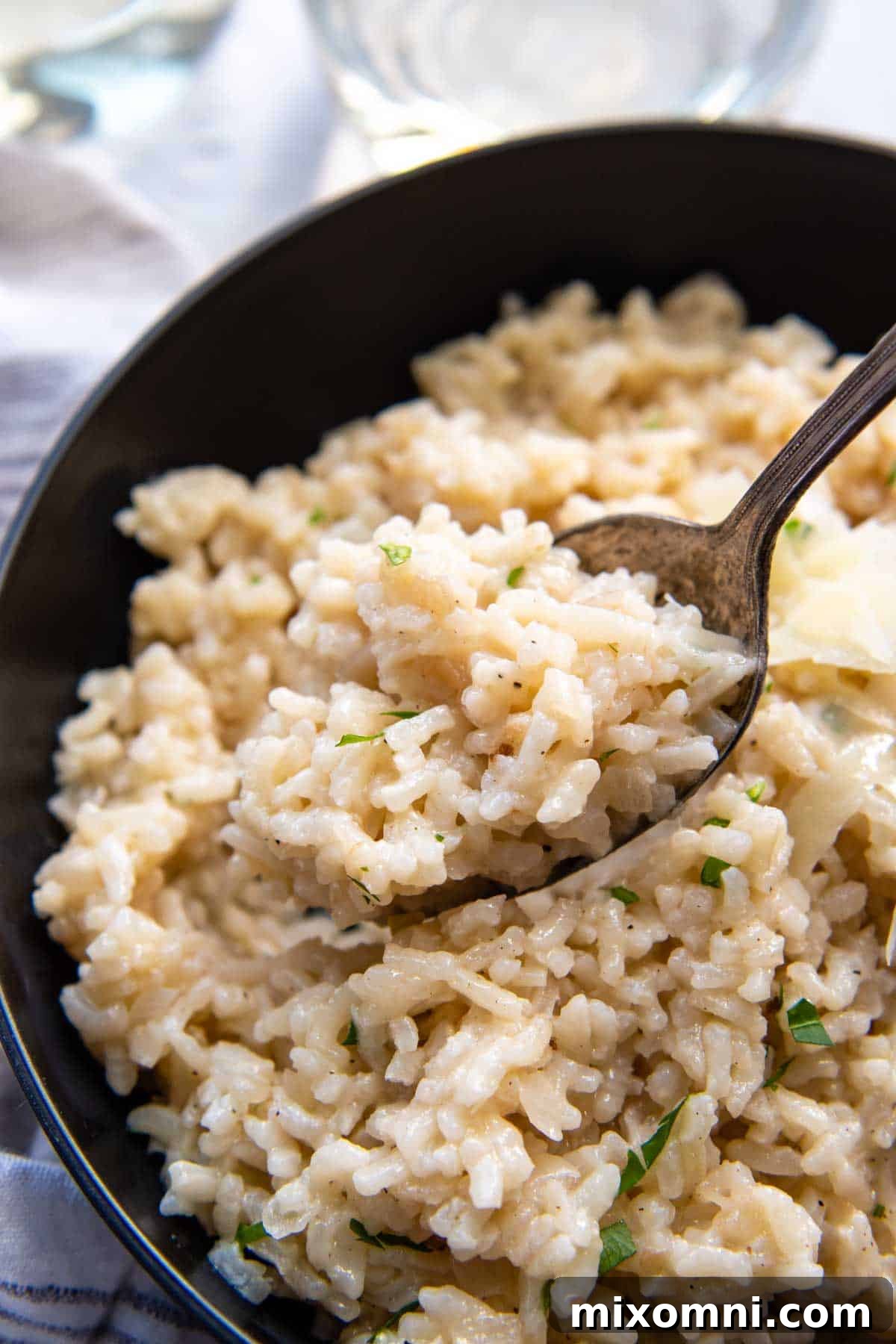
Ingredient Spotlight: Crafting Your Creamy Gluten-Free Risotto
While many of my recipes prioritize affordable and readily available ingredients, risotto rice can sometimes be an exception, often being more expensive than other common rice varieties due to its specific cultivation and characteristics. For those seeking a more budget-friendly approach, my gluten-free cookbook offers a clever alternative, detailing how to achieve a similar creamy texture using brown rice and an adapted cooking method. For this particular recipe, here’s a closer look at the key ingredients:
- Arborio Rice: This is the star of our risotto! Its short, plump grains are exceptionally high in starch, which is released during cooking to create that signature creamy texture. As discussed, vigilance is key. Always check labels to ensure your Arborio rice is explicitly labeled gluten-free, indicating it’s safe from cross-contamination. This is especially important for those with celiac disease. You’ll find a list of common, trusted gluten-free brands further down this page.
- Shallots: Located typically near onions in the produce section, shallots are a culinary gem. They offer a more delicate, sweeter, and less pungent flavor profile compared to yellow or white onions, making them ideal for adding a subtle aromatic depth to the risotto without overpowering its delicate notes. If shallots are unavailable, two minced garlic cloves can serve as an alternative, though the flavor will be more assertive.
- Dry White Wine: A small amount of dry white wine (such as Pinot Grigio or Sauvignon Blanc) adds a layer of sophisticated depth and bright acidity to the risotto. It also helps deglaze the pan, picking up any flavorful bits from sautéing the shallots. The alcohol cooks off during the process, leaving behind a complex flavor. If you prefer to avoid alcohol, an equal amount of gluten-free broth can be substituted without significantly compromising the dish’s creaminess, though the flavor profile will be slightly different.
- Gluten-Free Broth: The foundation of our risotto’s flavor and texture. Whether you opt for chicken or vegetable broth, it is absolutely paramount to ensure it is certified gluten-free, especially if using a store-bought variety. Many commercial broths contain hidden gluten. Homemade broth is always a safe and flavorful option. For store-bought options, always read the labels carefully; look for explicit “gluten-free” declarations. Using low-sodium broth is also a good practice, allowing you to control the overall saltiness of your dish.
- Parmesan Cheese: Freshly grated Parmesan cheese is a non-negotiable for authentic, creamy risotto. It melts beautifully, contributing a salty, umami-rich flavor and enhancing the dish’s luxurious texture. For those following a vegan diet or avoiding dairy, a high-quality dairy-free Parmesan substitute can be used to achieve a similar creamy mouthfeel and savory note.
- Butter: A generous pat of butter stirred in at the very end (a technique known as mantecare) provides an unparalleled richness and glossy finish, bringing the whole dish together. For a dairy-free or vegan version, simply replace traditional butter with a plant-based butter alternative. Olive oil can also be used, though it will impart a slightly different flavor.
How to Make the Easiest Gluten-Free Risotto (Oven-Baked Method)
Get ready for a game-changing risotto experience! This no-stir, oven-baked method ensures perfect creaminess with minimal effort. Follow these step-by-step photos and modified instructions. For the complete recipe, including precise ingredient amounts and nutritional information, please scroll down to the recipe card below.
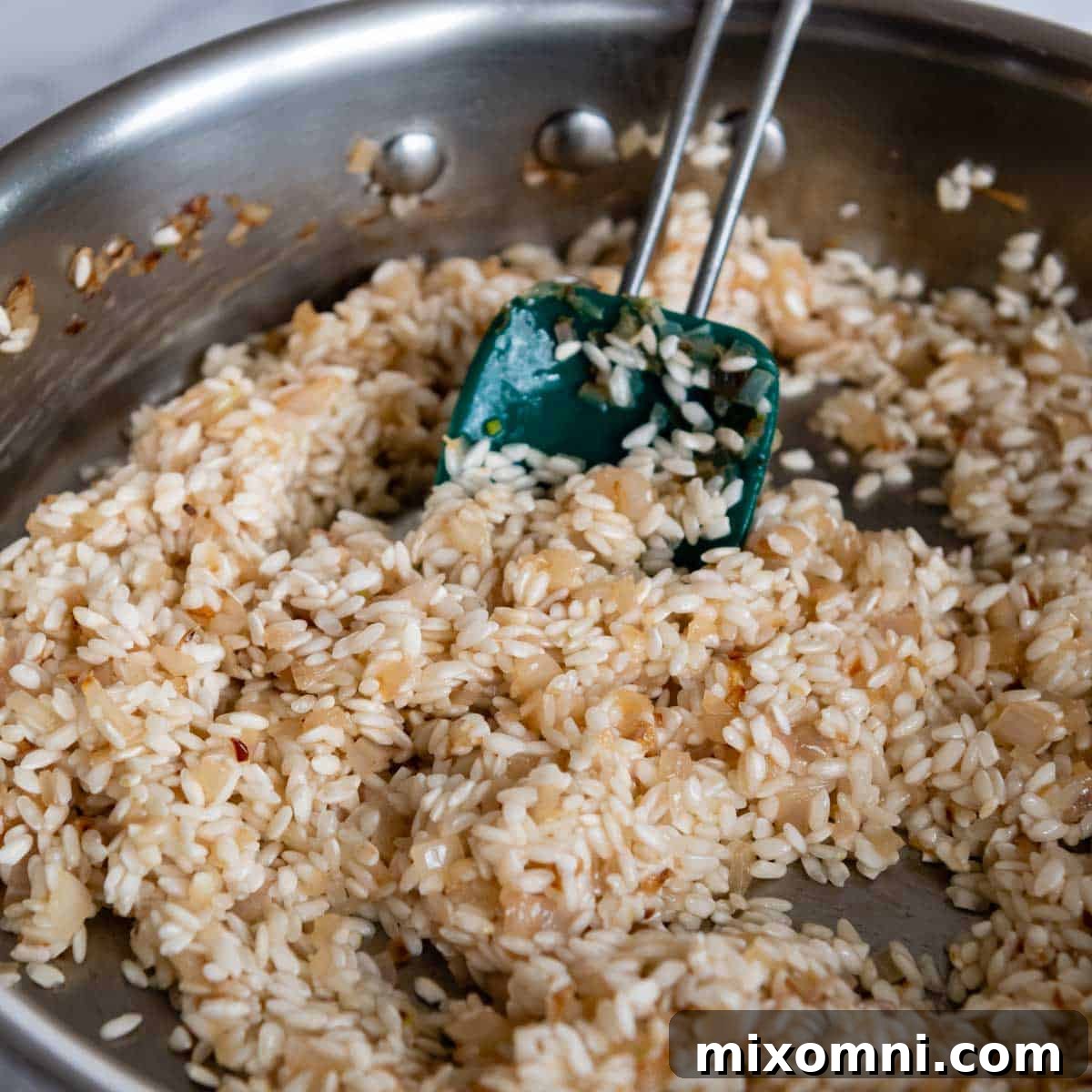
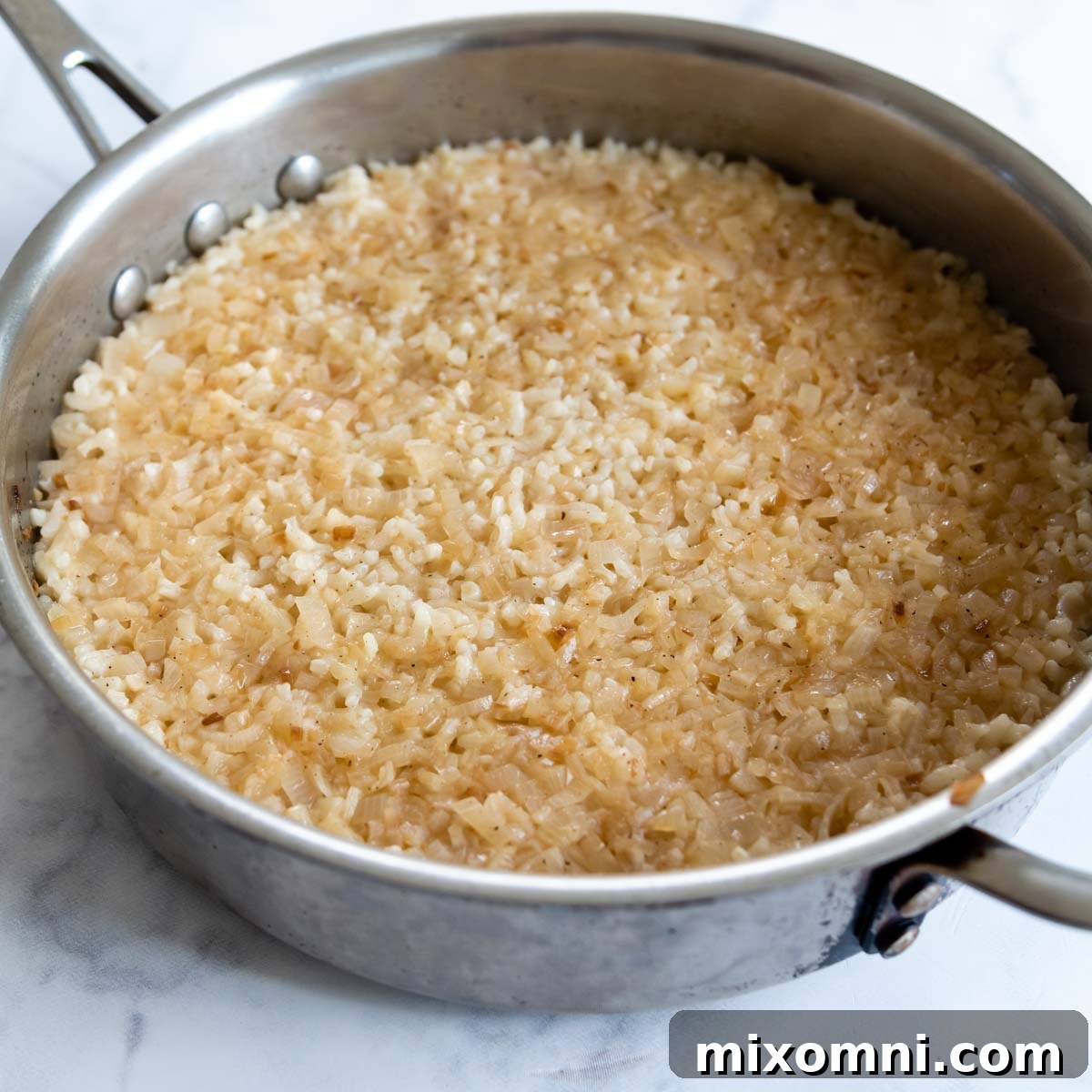
- Prepare for Baking: Preheat your oven to 350ºF (175ºC). Choose an oven-proof deep skillet or saucepan that has a tight-fitting lid and is at least 3 quarts in capacity. If you don’t have an oven-proof pan, simply prepare the risotto on the stovetop as directed, then transfer it into a suitable baking dish before placing it in the oven.
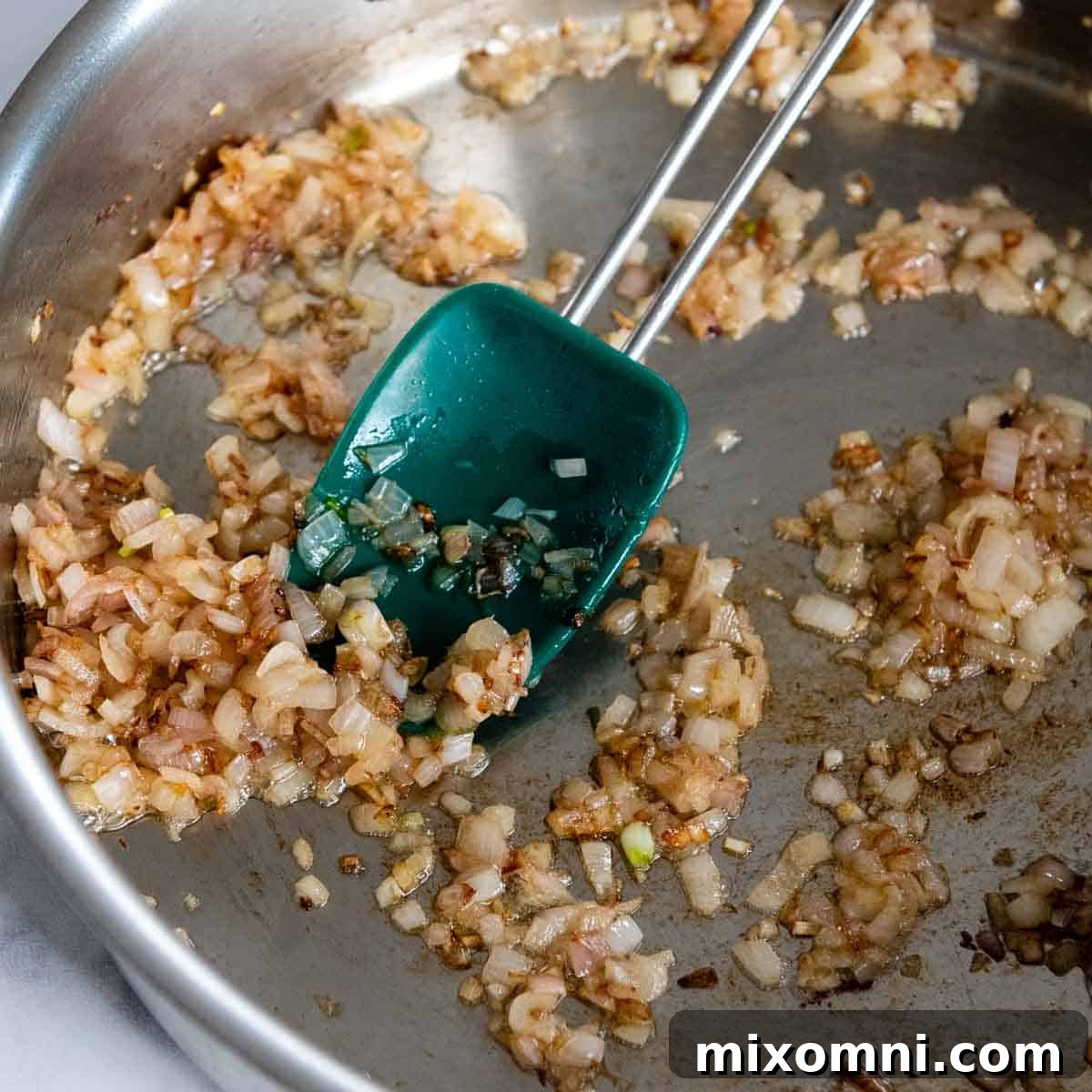
- Sauté the Aromatics: Place your chosen pan over medium-high heat. Add 2 tablespoons of butter (reserving the remaining tablespoon for later). Once melted, stir in the minced shallots. Sauté for about 3 minutes, or until the shallots become tender and fragrant. Be careful not to brown them too much.
- Toast the Rice: Reduce the heat to medium. Add the gluten-free Arborio rice to the pan along with the dry white wine. Cook and stir continuously for 1 minute. This step, called “toasting” or “tostatura,” helps seal the grain, allowing it to absorb liquid slowly and maintain its shape, while the wine adds crucial initial flavor.
- Add Broth and Simmer: Pour in the gluten-free broth, along with salt and black pepper. Increase the heat to bring the mixture to a rolling boil, stirring occasionally to ensure even heating. Once it reaches a vigorous boil, immediately remove the pan from the heat. Securely cover the pan with its lid or a sheet of aluminum foil, making sure it’s tightly sealed to trap the steam.
- Bake to Perfection: Carefully transfer the covered pan to your preheated oven. Bake for exactly 30 minutes. The no-stir method allows the rice to cook gently and absorb the broth evenly. After 30 minutes, remove the pan from the oven. Carefully remove the lid (watch out for steam!). You will notice that most of the liquid has been absorbed, and the rice should appear soft and creamy.
- Finish and Serve: Stir in the remaining 1 tablespoon of butter and the freshly grated Parmesan cheese. This final step, known as mantecare, is essential for achieving the ultimate creamy texture and rich flavor. Taste and adjust seasonings as needed, adding more salt or pepper if desired. Garnish your exquisite risotto with fresh parsley, chopped chives, or other fresh herbs. For more ideas, explore our suggested additions below to customize your dish.
Trusted Gluten-Free Risotto Brands
Ensuring your Arborio rice is truly gluten-free is a critical step for anyone managing celiac disease or gluten sensitivity. While all rice is naturally gluten-free, cross-contamination during processing or packaging can occur. To avoid this, always look for brands that are either certified gluten-free or explicitly labeled as such. These certifications signify that the product has undergone rigorous testing and adheres to strict gluten-free standards, often processed in dedicated facilities or with meticulous cleaning protocols to prevent cross-contact.
Some “ready-made” risotto mixes can also be safe if they carry a clear gluten-free label. However, it’s always advisable to double-check the ingredient list for any hidden gluten. Here are some reliable Arborio rice brands that are commonly recognized for their gluten-free status, making them safe choices for your creamy risotto:
- RiceSelect: Known for their premium quality rice products, RiceSelect often clearly labels their Arborio rice as gluten-free, making it a dependable choice.
- Thrive Market: An online organic and natural food retailer, Thrive Market offers its own brand of Arborio rice that is certified gluten-free, along with many other gluten-free pantry staples.
- RightRice: While RightRice specializes in rice made from vegetables (lentils, chickpeas, peas, and rice), they also offer traditional rice products, often clearly marked gluten-free. Always verify the specific product.
- Riso Scotti: An Italian brand specializing in rice, Riso Scotti frequently offers traditional Arborio rice that is labeled gluten-free, maintaining authenticity while catering to dietary needs.
- Lundberg Family Farms: A well-respected brand in the organic and natural food community, Lundberg offers a variety of rice products, including Arborio, that are typically certified gluten-free and non-GMO.
- Alessi: Another Italian-focused brand, Alessi provides high-quality gourmet ingredients, and their Arborio rice is generally a safe gluten-free option.
When in doubt, prioritizing brands with explicit “certified gluten-free” labels is always the safest approach to guarantee a delicious and worry-free meal.
Elevate Your Dish: Exquisite Flavor Modifications and Additions
While our classic gluten-free risotto is a masterpiece on its own, its inherent versatility makes it an ideal canvas for culinary creativity. It readily accepts a wide array of additions, transforming a simple side dish into a gourmet entrée or a delightful culinary adventure. If you’re looking to infuse your risotto with additional popular flavors and textures, here are some fantastic ideas and tips on how to incorporate them for the best results:
- Sautéed Mushrooms: A classic pairing! Sauté sliced cremini, shiitake, or wild mushrooms in a separate pan with a little butter or olive oil until they are golden brown and tender. Stir them into the risotto during the last few minutes of cooking or just before serving for an earthy, umami-rich boost.
- Peas (Fresh or Frozen): For a burst of color and sweetness, stir in fresh or frozen peas during the last 5 minutes of baking or just after the risotto comes out of the oven. The residual heat will gently cook them, keeping them vibrant and tender-crisp.
- Shrimp or Scallops: Add a touch of seafood elegance. Quickly roast, broil, grill, or sauté shrimp or scallops separately until just cooked through. Stir them into the finished risotto right before serving to prevent overcooking and maintain their delicate texture.
- Asparagus: A springtime delight! Lightly steam or roast chopped asparagus spears until tender-crisp. Fold them into the risotto at the very end of cooking for a fresh, slightly bitter note that complements the creamy rice beautifully.
- Butternut Squash: For a heartier, sweeter, and more vibrant risotto, roast or steam cubes of butternut squash until tender. Mash some of it to create a smoother texture and stir it into the risotto along with the broth, allowing it to melt into the creamy rice. Stir in remaining cubes just before serving.
- Lemon Zest and Freshly Squeezed Lemon Juice: A simple yet powerful addition! Stir in a tablespoon of fresh lemon juice and a teaspoon of lemon zest at the end of cooking to brighten the flavors, adding a wonderful tang that cuts through the richness of the cheese and butter.
- Herbs: Beyond parsley, consider fresh thyme, rosemary, or sage. These can be finely chopped and added during the sautéing of shallots for a deeper infusion of flavor, or as a fresh garnish just before serving.
- Spinach or Arugula: For a touch of green and added nutrients, stir in a handful of fresh baby spinach or arugula leaves right before serving. The heat of the risotto will gently wilt them.
Reheating Your Gluten-Free Risotto for Continued Enjoyment
One of the beauties of this easy gluten-free risotto is that it makes for fantastic leftovers. Properly stored, leftover risotto can be refrigerated in an airtight container for up to 5 days. However, risotto tends to firm up considerably as it cools, and its creamy texture can be lost. The key to successful reheating is to reintroduce moisture, bringing it back to its original luscious state.
It’s highly recommended to have some additional gluten-free broth (chicken or vegetable) on hand for reheating. Using low-sodium broth is a smart choice to ensure the dish doesn’t become overly salted during the rehydration process. If broth isn’t available, water can also be used, though it may slightly dilute the original flavor.
Here are two effective methods for reheating your creamy gluten-free risotto:
Stovetop Method (Recommended for Best Texture):
- For every cup of leftover risotto, add 2-3 tablespoons of gluten-free broth or water to a saucepan.
- Heat the liquid over medium-low heat until it begins to simmer gently.
- Add the cold risotto to the simmering liquid.
- Stir gently and continuously, breaking up any clumps, until the risotto is heated through and has regained its creamy consistency. This usually takes about 5-7 minutes. If it appears too dry, add another splash of broth. Avoid high heat, as this can dry out the rice or cause it to stick to the pan.
Microwave Method (Quick and Convenient):
- Place the leftover risotto in a microwave-safe dish.
- Sprinkle 1-2 tablespoons of gluten-free broth or water over every cup of risotto.
- Cover the dish with a damp paper towel. This helps trap steam and prevents the risotto from drying out.
- Heat at 50% power, stopping to stir every 30-45 seconds, until the risotto is heated through and has returned to a creamy texture. This gentle heating prevents the rice from becoming rubbery or gummy. Adjust stirring and heating time based on your microwave and the amount of risotto.
With these reheating tips, you can enjoy the incredible creaminess of your homemade gluten-free risotto long after it’s first prepared!
Click here to see thestep-by-step web story instructions for this recipe!
Save this recipe for Gluten-Free Risotto to your Pinterest board!
Let’s be friends on Pinterest! I’m always sharing great recipes!
5 stars (3 ratings)
Creamy Gluten-Free Risotto (Easy Baked Recipe)

Melissa Erdelac
Prep Time: 10 mins
Cook Time: 30 mins
Total Time: 40 mins
Learn how to make the creamiest gluten-free risotto with this extra easy, no stir, oven baked recipe! Here you will find important tips for making risotto gluten-free, like which brands are safe, what to watch out for in risotto recipes, and many exquisite flavor additions and modifications!
Pin
Rate
Ingredients
- 3 tablespoons butter, divided
- 2 shallots, minced
- 1 ½ cups gluten-free Arborio rice
- ⅓ cup dry white wine, (see recipe notes for substitution)
- 4 cups gluten-free broth, chicken or vegetable
- ½ teaspoon salt
- ¼ teaspoon pepper
- ⅓ cup freshly grated parmesan cheese
Instructions
- Preheat the oven to 350ºF (175ºC). Heat an oven-proof deep skillet or saucepan (at least 3 quarts) over medium-high heat. If not oven-proof, transfer to a baking dish before oven.
- Add 2 tablespoons butter (reserving the remaining tablespoon) to the pan. Stir in the shallots and sauté for 3 minutes, or until tender.
- Reduce heat to medium. Add risotto and wine to the pan. Cook and stir for 1 minute.
- Stir in broth, salt, and black pepper. Raise heat to boil, stirring occasionally. Once boiling, remove from heat and cover securely with aluminum foil or a lid.
- Bake for 30 minutes. Remove lid; liquid should be mostly evaporated and rice tender. Stir in the remaining 1 tablespoon butter and parmesan cheese. Serve immediately.
- DID YOU MAKE THIS RECIPE?? DON’T FORGET TO LEAVE FEEDBACK AND RATE BELOW!
Notes
Substitution for wine
Adding a small amount of dry white wine gives depth and flavor to the dish. If you would prefer to not use it, substitute 1/3 cup broth.
Reheating Tips
When ready to reheat, it’s best to have some additional broth on hand. Using low-sodium broth will ensure the dish doesn’t become overly salted. Water may also be used.
Stovetop Method: Add 2-3 tablespoons broth or water for every cup of leftover risotto. Heat the liquid in a saucepan. Once it’s simmering, add the risotto, stirring gently until hot and creamy.
Microwave Method: Place leftovers in a microwave-safe dish and sprinkle with 1-2 tablespoons broth or water for every cup of risotto. Cover with a damp paper towel. Heat at 50% power until heated through, stopping to stir every 30-45 seconds.
Carbohydrates: 43g,
Protein: 6g,
Fat: 8g,
Saturated Fat: 5g,
Polyunsaturated Fat: 0.4g,
Monounsaturated Fat: 2g,
Trans Fat: 0.2g,
Cholesterol: 23mg,
Sodium: 919mg,
Potassium: 117mg,
Fiber: 2g,
Sugar: 1g,
Vitamin A: 227IU,
Vitamin C: 1mg,
Calcium: 63mg,
Iron: 2mg
Did you make this recipe?
Please leave a star rating and review below. It helps others when searching for recipes and I LOVE feedback!