

Craving a warm, buttery, and utterly tender scone, but sticking to a gluten-free diet? Look no further! These savory Gluten-Free Cheese Scones are a game-changer, bursting with the irresistible flavors of sharp cheddar cheese and aromatic garlic. Forget dry, crumbly, or gritty gluten-free baked goods; we’re about to unveil the secrets to achieving a perfectly fluffy, flaky texture that rivals any traditional scone. Our unique approach, involving a strategic swap from buttermilk to yogurt and a brief but crucial resting period for the dough, ensures every bite is a delightful experience. Get ready to bake gluten-free success, together!

Unlocking the Best Savory Cheese Scones: A Gluten-Free Masterpiece
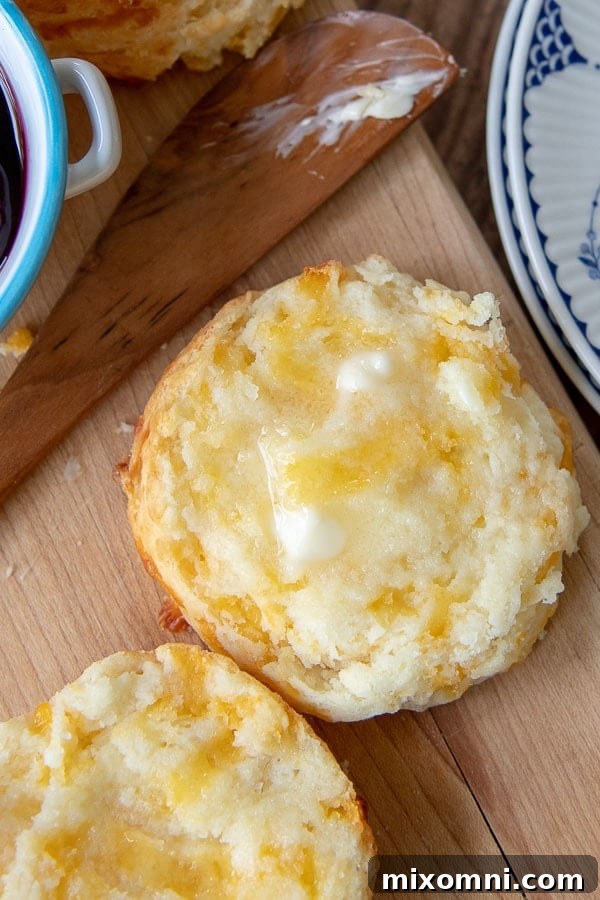
There’s something truly special about homemade bread, and these gluten-free cheddar scones have become a consistent favorite in my kitchen. The beauty of this recipe lies in its simplicity: all ingredients easily combine in a single bowl, the dough is effortlessly dropped onto a baking sheet, and within minutes, you’re rewarded with a batch of incredibly satisfying scones. What truly sets them apart is their superior quality; they don’t taste like an “inferior gluten-free version,” but rather a truly exceptional baked good that just happens to be gluten-free.
This savory cheddar and garlic variant is a delicious evolution of another beloved recipe from our community: our light and fluffy gluten-free biscuits. Given the overwhelmingly positive feedback for that recipe in our extensive gluten-free bread collection, it was a natural choice to use it as the foundation for these absolutely divine cheddar garlic scones. The experiment was a resounding success, creating a scone so good that it’s hard to go back to my original biscuit recipe! These savory marvels are wonderfully versatile, making them ideal alongside breakfast and brunch dishes, as a satisfying afternoon snack, or as the ultimate indulgence when smothered in creamy gluten-free sausage gravy. Imagine the comfort of warm, cheesy goodness – truly a treat for any time of day.
“These were amazing! My celiac son loved them and the rest of us ate our share as well! You’d never know they were GF. I’ll definitely be making them again!”
—Erika
The Science of Softness: Avoiding Dry, Crumbly Gluten-Free Scones
Achieving a tender, moist, and flaky texture in gluten-free baking can be a challenge, but with a few key adjustments, you can consistently produce perfect scones every time. Our recipe incorporates specific techniques that counteract the common pitfalls of gluten-free flours, leading to an extra tender crumb and a delightful mouthfeel. Here’s how we ensure these scones are anything but dry or gritty:
- Embrace Yogurt Instead of Buttermilk: Unlike traditional recipes that often call for buttermilk, we opt for plain whole-milk yogurt. Gluten-free flours tend to absorb liquids differently than wheat flour, and buttermilk can sometimes lead to a dough that spreads too much, resulting in flat, dense scones. Yogurt, with its thicker consistency and rich fat content, provides the perfect amount of moisture and acidity without compromising structure. The lactic acid in yogurt also contributes to a tender crumb by interacting with the leavening agents.
- The Power of Resting the Dough: This step is often overlooked but is absolutely crucial for gluten-free baking. After mixing all ingredients, cover the dough with plastic wrap and chill it for a minimum of 30 minutes. This resting period allows sufficient time for the gluten-free flour starches to fully hydrate. Proper hydration prevents a gritty texture, ensuring a smooth, cohesive dough that bakes up incredibly soft and tender. It’s a simple step that makes a world of difference!
- Strategic Placement for Tenderness: When arranging your scones on the baking sheet, place them fairly close together, about half an inch apart. This seemingly small detail is a clever trick to maximize tenderness. By baking them in close proximity, steam becomes trapped between the scones during the baking process. This trapped steam creates a moist environment, contributing significantly to a softer, fluffier interior and a more delicate crust.
- Invest in a Quality Gluten-Free Flour Blend: The type of gluten-free flour you use can dramatically impact the outcome of your baking. For this recipe, I highly recommend Cup4Cup all-purpose gluten-free flour. Its unique blend, which often includes cornstarch, plays a vital role in softening the texture of gluten-free baked goods. Beyond its textural benefits, Cup4Cup also boasts a neutral and pleasing taste, ensuring your scones are delicious without any off-flavors sometimes associated with certain GF flours. This choice ensures a consistently light, airy, and delightful result.
A Deeper Look at Key Ingredients for Gluten-Free Scones
Understanding the role of each ingredient is key to mastering these gluten-free cheese scones. While the full list is in the recipe card below, here’s a closer look at what makes them so special:
- Gluten-Free All-Purpose Flour Blend: As mentioned, a quality blend like Cup4Cup is paramount. These blends typically contain a mix of different gluten-free flours (rice flour, tapioca flour, potato starch) and often xanthan gum to mimic gluten’s elasticity and structure. The cornstarch in Cup4Cup specifically helps achieve a tender, non-gritty texture.
- Chilled Butter: Cold butter is essential for flaky scones. When cut into small pieces and incorporated into the flour, it creates pockets of butter throughout the dough. As the scones bake, the butter melts, releasing steam and creating those desirable flaky layers. Do not use softened butter; it will result in a cake-like scone rather than a flaky one.
- Plain Whole-Milk Yogurt (or Sour Cream): Our secret weapon! The fat and acidity in whole-milk yogurt contribute immense moisture and tenderness. The acidity reacts with the baking soda, aiding in leavening and creating a lighter texture. Full-fat yogurt provides the best results, but low-fat can be substituted if needed. Sour cream is also an excellent alternative.
- Leavening Agents (Baking Powder & Baking Soda): These work in tandem to give the scones their characteristic rise and fluffiness. Baking powder provides initial lift, while baking soda reacts with the acidic yogurt/lemon juice to produce additional carbon dioxide, resulting in a tender, airy crumb.
- Sharp Cheddar Cheese: For that irresistible savory punch! Freshly grated sharp cheddar offers the best flavor and melt. Pre-shredded cheeses often contain anti-caking agents that can hinder smooth melting and slightly alter the texture of your scones.
- Garlic Powder: Infuses a subtle yet profound savory depth that complements the cheddar beautifully. It’s a staple in many savory baked goods for good reason.
- Lemon Juice (or Vinegar): The acidity acts as a tenderizer and reacts with baking soda to boost the leavening. It also adds a bright note that enhances the overall flavor profile without making the scones taste lemony.
Your Guide to Baking Delicious Gluten-Free Cheese Scones
(The following provides step-by-step photos and detailed instructions. For exact ingredient amounts and a complete printable recipe, please scroll down to the recipe card below.)
Step 1: Combine Dry Ingredients and Cut in Cold Butter
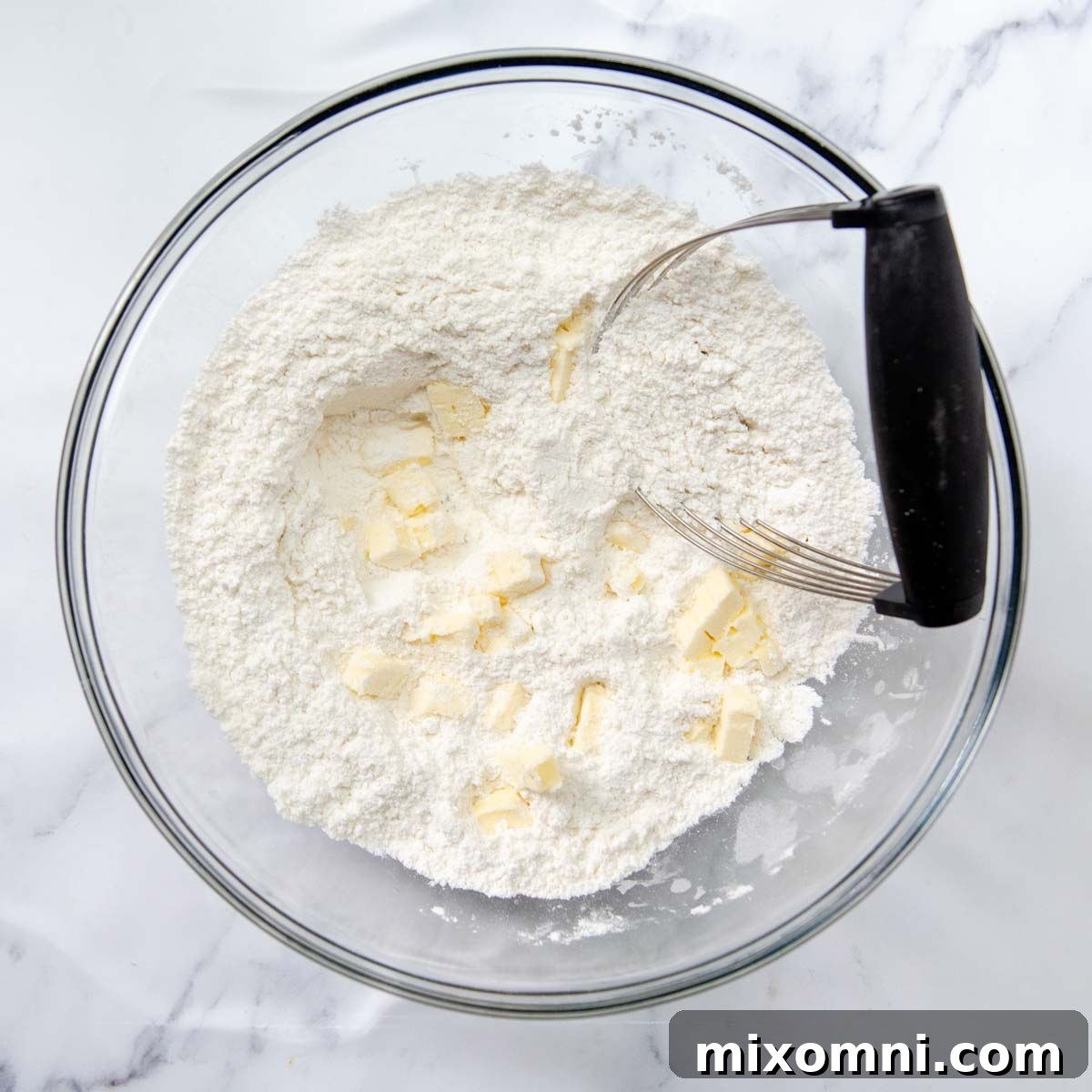
In a generously sized mixing bowl, thoroughly whisk together all the dry ingredients: your chosen gluten-free flour blend, baking powder, garlic powder, sugar, salt, and baking soda. Ensuring these are well combined guarantees even distribution throughout the dough. Next, it’s time to incorporate the chilled butter. Using a pastry blender, a sturdy fork, or even your fingertips, carefully cut the butter into the dry mixture. The goal is to work the butter in until the mixture resembles coarse sand with small, pea-sized pieces of butter remaining. These tiny butter pockets are what create the wonderful flaky texture in your baked scones.
Step 2: Add Wet Ingredients, Cheesy Goodness, and Rest the Dough
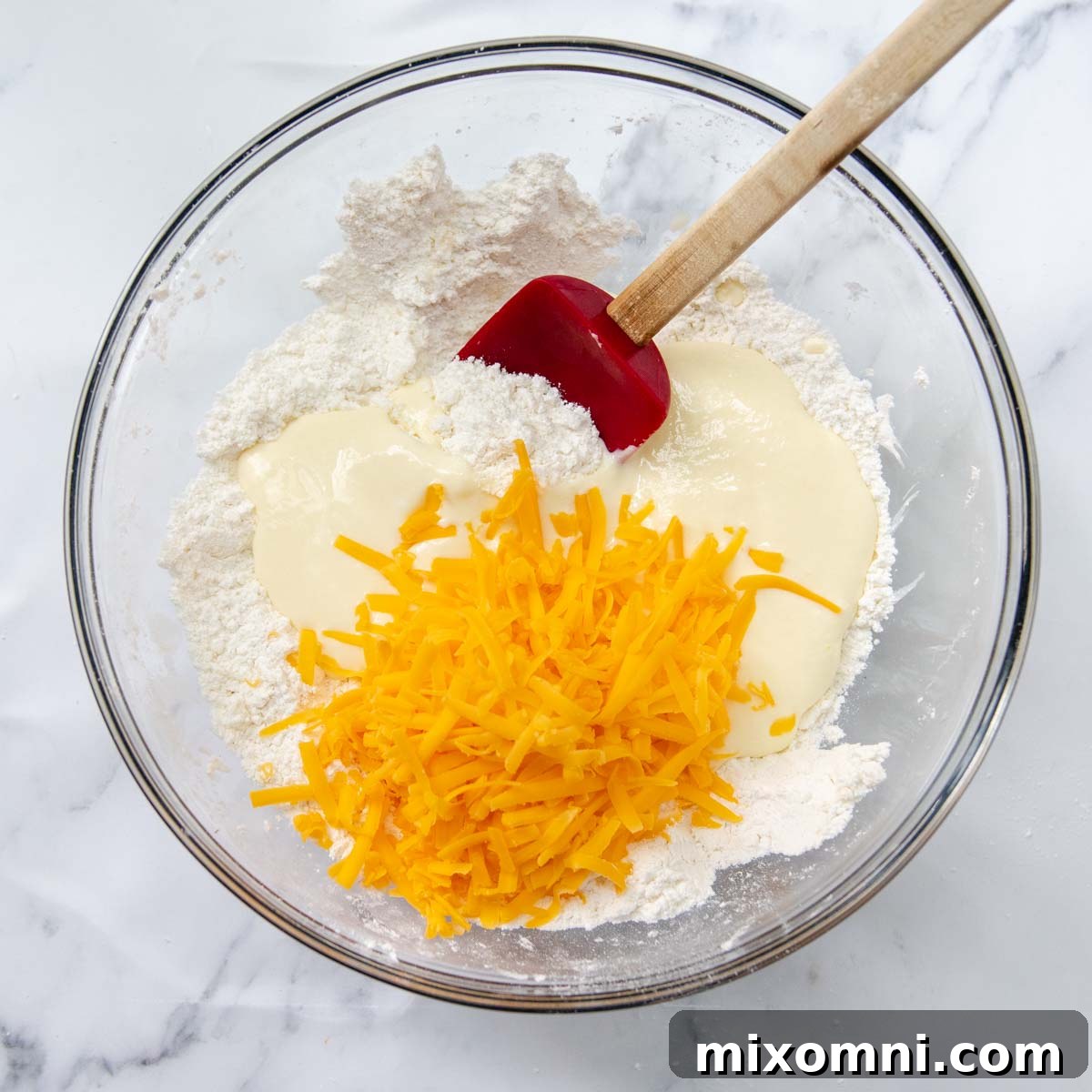
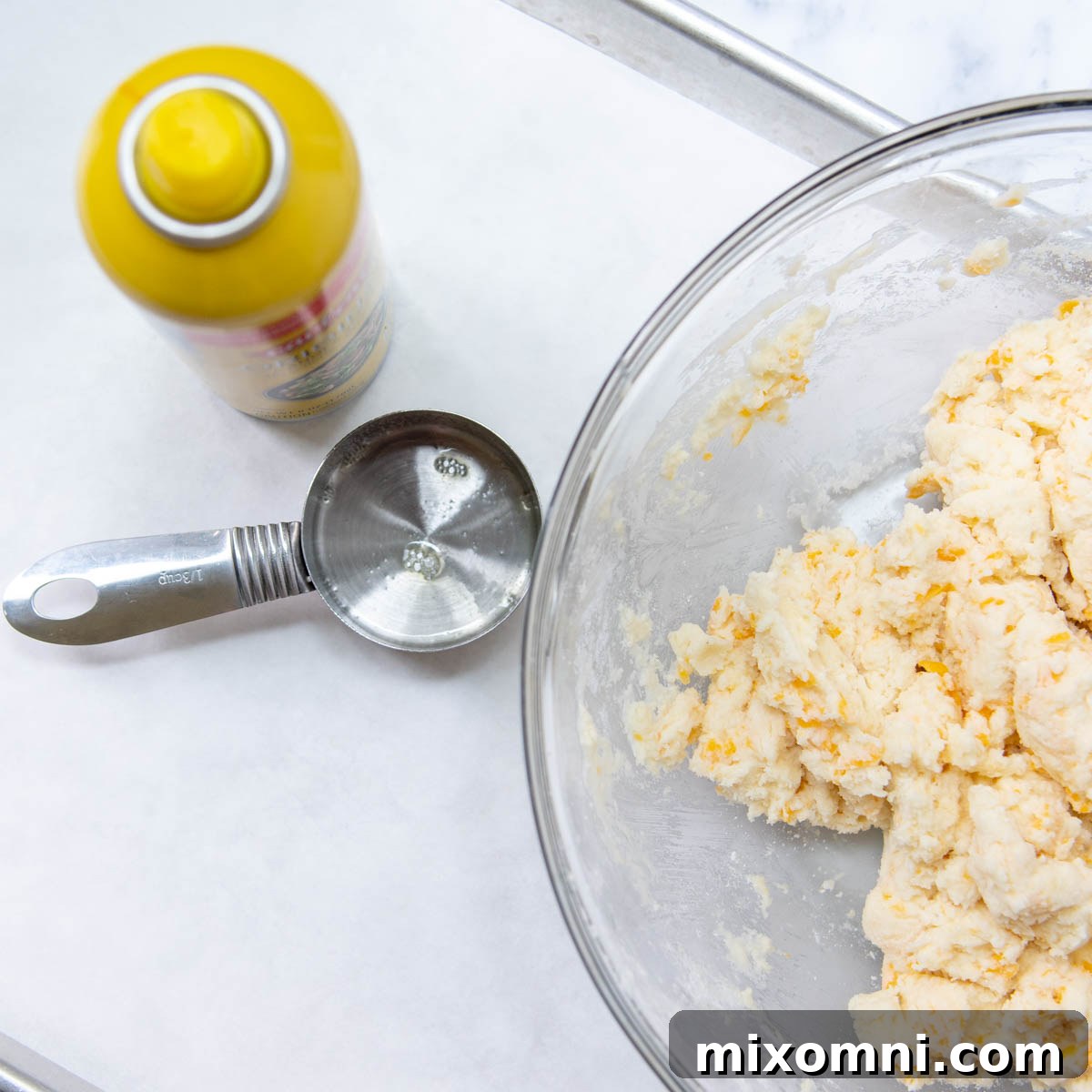
In a separate small bowl, whisk together the wet ingredients until thoroughly combined: the oil, optional milk (if your dough feels dry or you prefer a softer scone, see recipe notes), egg, plain whole-milk yogurt, and lemon juice. Once whisked, pour this liquid mixture into your flour and butter blend. Now, add the star of the show – your freshly grated cheddar cheese – and stir gently until just combined. Be careful not to overmix; overmixing can lead to tough scones. A soft, cohesive dough should form.
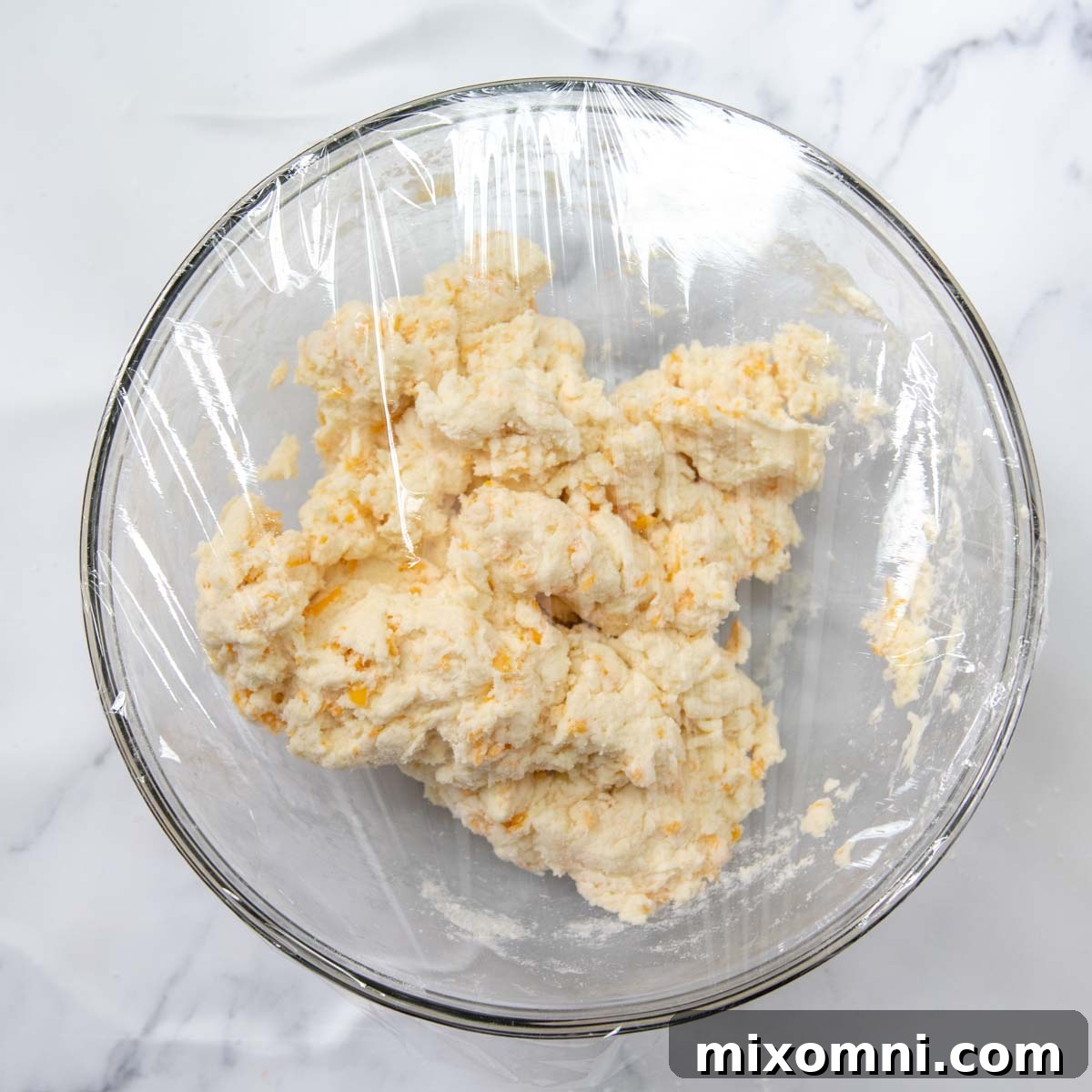
This next step is simple but absolutely critical for gluten-free baking success: chill the dough. Cover the bowl with plastic wrap and refrigerate for at least 30 minutes. This rest period allows the gluten-free starches to fully absorb the moisture and fat, preventing a dry, crumbly, or gritty texture. It ensures your scones will be beautifully soft and tender, making this an essential, non-negotiable step!
Step 3: Effortless Shaping for Perfect Drop Scones
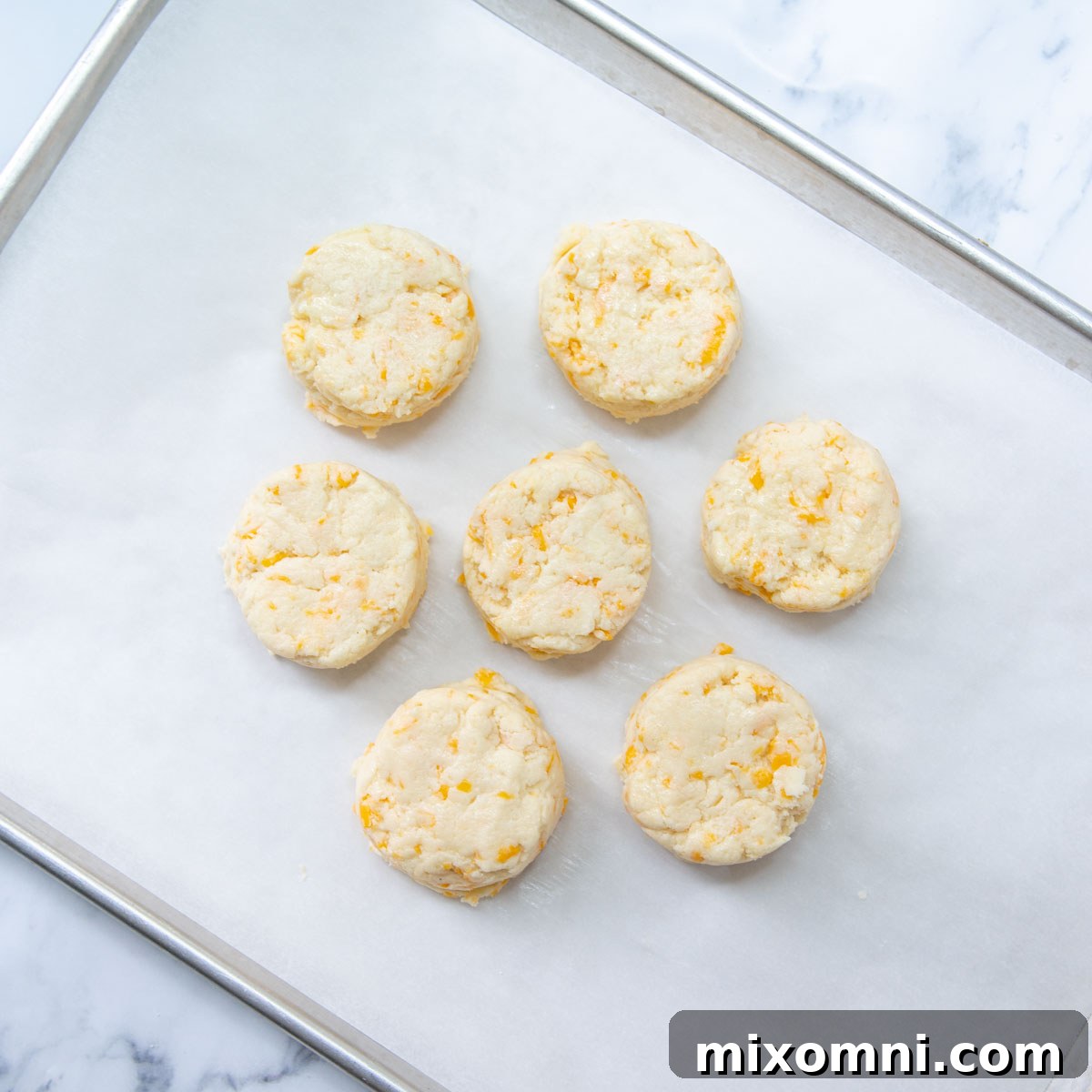
If the thought of shaping traditional scones has ever intimidated you, you’re going to adore the simplicity of these drop scones. Preparing your baking sheet is key: place one baking sheet inside another, creating a double layer, then line the top sheet with parchment paper. This double-layer method helps prevent the bottoms of your scones from burning due to the high baking temperature. Lightly grease a 1/3 measuring cup with cooking spray. Scoop a heaping amount of the chilled dough into the cup, then gently drop it onto the prepared baking sheet.
To ensure maximum tenderness, arrange your scones fairly close together – aim for about 1/2 inch apart – in the center of the baking sheet. This close proximity helps to trap steam during baking, creating a moister, fluffier interior and a softer texture for each scone. This clever trick is a secret to their irresistible melt-in-your-mouth quality!
Elevate Your Scones: Delicious Add-In Ideas
While these savory cheddar garlic scones are absolutely incredible on their own, they also serve as a fantastic canvas for additional flavors. Experiment with these fantastic add-ins to customize your batch. Many of these additions work equally well in our homemade gluten-free cheddar bay biscuits recipe too, allowing for endless culinary creativity!
- Fresh Herbs: Finely chopped scallions or chives add a mild oniony bite and vibrant color. Rosemary, thyme, or dill can introduce an aromatic, earthy dimension.
- Crumbled Cooked Bacon: Crispy bacon bits infuse a smoky, salty flavor that pairs exquisitely with the sharp cheddar.
- Cooked Sausage: Crumbled and cooked sausage (breakfast sausage or Italian sausage) adds a hearty, savory element, making these scones even more substantial.
- A Touch of Heat: A pinch of cayenne pepper or a dash of red pepper flakes will introduce a subtle warmth and zing, perfect for those who enjoy a little spice.
- Sweet & Savory Twist: Surprisingly, peeled and finely chopped apple can add a lovely sweetness and textural contrast, creating a sophisticated sweet and savory scone.
- Cheese Swaps: Don’t limit yourself to cheddar! Experiment with other cheeses like spicy pepper jack for a kick, creamy mozzarella, nutty Swiss, salty Parmesan, or rich Gouda for different flavor profiles. A blend of cheeses can also be delightful.
Expert Baking Tips and Ingredient Swaps for Success
Beyond the core recipe, a few clever tricks and substitutions can further enhance your gluten-free cheese scone baking experience, ensuring consistent perfection every time. These insights come from extensive testing and understanding the nuances of gluten-free ingredients:
- Yogurt vs. Sour Cream: If you don’t have plain whole-milk yogurt on hand, full-fat sour cream is an excellent, direct substitute and will yield equally fantastic results. The fat and acidity profiles are very similar, ensuring the same tender texture and rich flavor. Interestingly, I’ve even had success using vanilla yogurt without it imparting a noticeable sweet flavor to these savory scones, so don’t hesitate if that’s all you have!
- Lemon Juice Alternative: No fresh lemon juice? No problem! White vinegar can be substituted for lemon juice in equal amounts. Both are acidic and will perform the same function in reacting with the baking soda for leavening and contributing to tenderness, without affecting the final taste.
- The Power of Sharp Cheddar: For the most robust and satisfying cheese flavor, opt for sharp cheddar cheese. Its intense, tangy notes truly shine through. However, if you prefer a milder taste or that’s what you have available, mild cheddar can certainly be substituted; just know the cheese flavor will be less pronounced.
- Freshly Grated Cheese is Best: While convenient, pre-shredded bagged cheese often contains anti-caking agents like cellulose or potato starch. These agents can prevent the cheese from melting smoothly and can slightly alter the texture of your baked goods. For the creamiest melt and best flavor integration, I always recommend grating your own cheese from a block.
- Double Up Your Baking Sheets: Since these scones bake at a relatively high temperature (425°F/230°C), there’s a risk of the bottoms browning too quickly or even burning before the interior is fully cooked. To prevent this, place one baking sheet directly on top of another. This creates an insulating layer, distributing the heat more evenly and ensuring the scones cook perfectly from top to bottom without scorched bottoms.
- Close Placement for Tenderness: As highlighted in the instructions, arranging your scones quite close together on the baking sheet (about 1/2 inch apart) is a smart strategy. This proximity traps steam during the baking process, creating a micro-environment that promotes a softer, more tender, and fluffy crumb for each scone. It’s a simple trick that significantly boosts their melt-in-your-mouth quality.

Don’t Forget to Pin This Recipe!
Join our community! Let’s be friends on Pinterest for more great recipes!
Made these incredible scones? We absolutely love hearing from you! Please leave a star rating and comment below the recipe card. Your feedback is invaluable to our community and helps others discover these fantastic recipes. I always make sure to respond! -Melissa

Gluten Free Cheese Scones (Extra Tender)
 Melissa Erdelac
Pin Recipe
Rate Recipe
(Video showcasing the recipe steps would typically be embedded here)
Ingredients
- 2 cups (307 g) all-purpose gluten-free flour blend, I recommend Cup4Cup gluten-free flour
- 4 teaspoons baking powder
- 1 teaspoon garlic powder
- 1 teaspoon sugar
- ½ teaspoon salt
- ¼ teaspoon baking soda
- 3 tablespoons (42 g) butter, chilled and cut into small pieces
- ¾ cup (190 g) plain whole-milk yogurt, low-fat may be substituted
- ¼ cup (61 g) milk, optional, see recipe notes
- 1 large egg
- 2 tablespoons (27 g) vegetable oil
- 2 teaspoons lemon juice, I’ve substituted vinegar for this with good results
- 1 cup (125 g) shredded Sharp cheddar cheese
Equipment
-
Cup4Cup Gluten Free Flour
-
Pastry Cutter
-
Baking Sheets
Instructions
-
In a large bowl, whisk together the flour, baking powder, garlic powder, sugar, salt, and baking soda. Add the chilled butter, cut into small pieces, to the dry mixture. Use a pastry blender, fork, or your fingertips to cut the butter into the flour until the mixture resembles coarse sand with small, pea-sized pieces of butter remaining.
-
In a separate bowl, whisk together the yogurt, optional milk, egg, oil, and lemon juice until well combined. Pour this wet mixture and the shredded cheddar cheese into the flour-butter mixture. Stir gently until just combined and no dry flour pockets remain, forming a soft dough. Cover the bowl with plastic wrap and chill in the refrigerator for at least 30 minutes. This crucial resting period allows the gluten-free starches to hydrate, making the dough easier to handle and ensuring a tender, non-gritty scone. Preheat your oven to 425ºF (230ºC) during the last 10 minutes of chilling.
-
Prepare your baking setup by placing one baking sheet inside another, creating a double layer (this prevents burned bottoms). Line the top baking sheet with parchment paper. Lightly grease a 1/3 cup measuring cup with cooking spray. Scoop a heaping amount of the dough into the measuring cup, then gently drop it onto the prepared baking sheet. Arrange the scones fairly close together, about 1/2 inch apart, in the center of the sheet. This close placement traps steam during baking, contributing to a softer and fluffier texture.
-
Bake the scones in the preheated oven for approximately 15-17 minutes, or until they are beautifully golden brown on top and cooked through. Keep a close eye on them and rotate the pan halfway through baking to ensure even browning.
-
Once baked, transfer the baking sheet to a wire rack and allow the scones to cool for 5-10 minutes before serving. This brief cooling period helps them set and ensures the best texture.
Notes
Optional Milk
Due to recent formula changes in some gluten-free flour blends like Cup4Cup, I’ve noticed the dough can sometimes be drier than before. Therefore, I recommend adding ¼ cup of milk to help the biscuits hold their shape. If the dough still feels excessively dry, or if you simply prefer an even softer scone with a bit more spread, you may add up to ½ cup of milk. Adjust based on your flour blend and desired consistency.
Tips and Tricks Recap
- Sour cream can be perfectly substituted for yogurt with excellent results, maintaining the same rich texture.
- If lemon juice isn’t available, white vinegar makes for a great alternative, providing the necessary acidity for leavening.
- For a truly vibrant cheese flavor, opt for sharp cheddar. However, mild cheddar can be used if preferred, offering a more subdued cheesy note.
- Always choose freshly grated cheese over pre-shredded varieties. Freshly grated cheese melts more smoothly because it lacks the anti-clumping agents found in bagged options.
- Bake with two stacked baking sheets to prevent the bottoms of your scones from burning at the high oven temperature.
- Space scones closely together (about 1/2 inch apart) on the baking sheet to trap steam, resulting in a more tender and fluffy interior.
Adapted from America’s Test Kitchen: The How Can it Be Gluten Free Cookbook
Nutrition Information (per scone)
Carbohydrates: 28g,
Protein: 9g,
Fat: 17g,
Saturated Fat: 10g,
Cholesterol: 57mg,
Sodium: 372mg,
Potassium: 301mg,
Fiber: 4g,
Sugar: 3g,
Vitamin A: 370IU,
Vitamin C: 0.7mg,
Calcium: 275mg,
Iron: 1.7mg
Did you make this recipe?Please leave a star rating and review below. It helps others when searching for recipes and I LOVE feedback!