
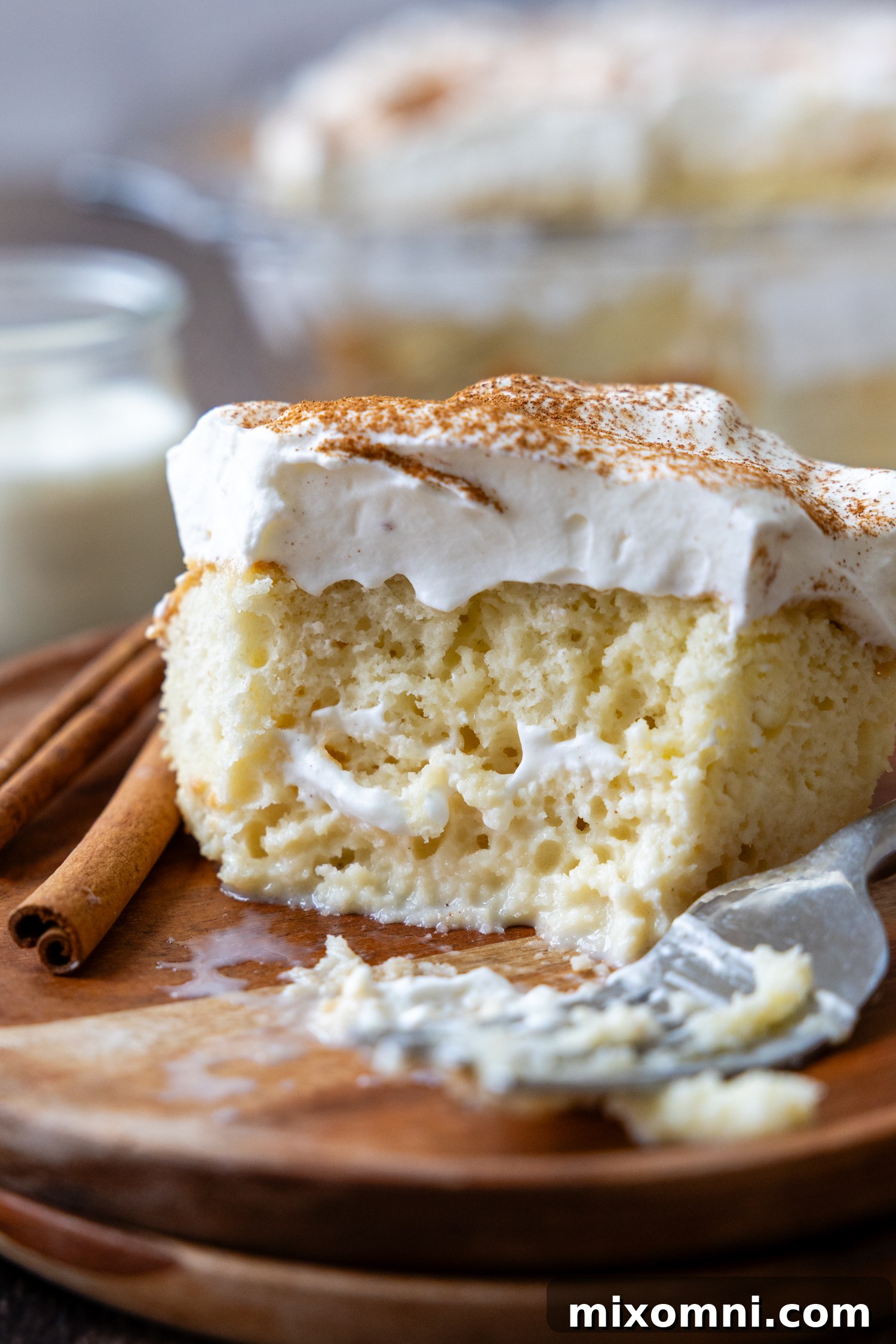
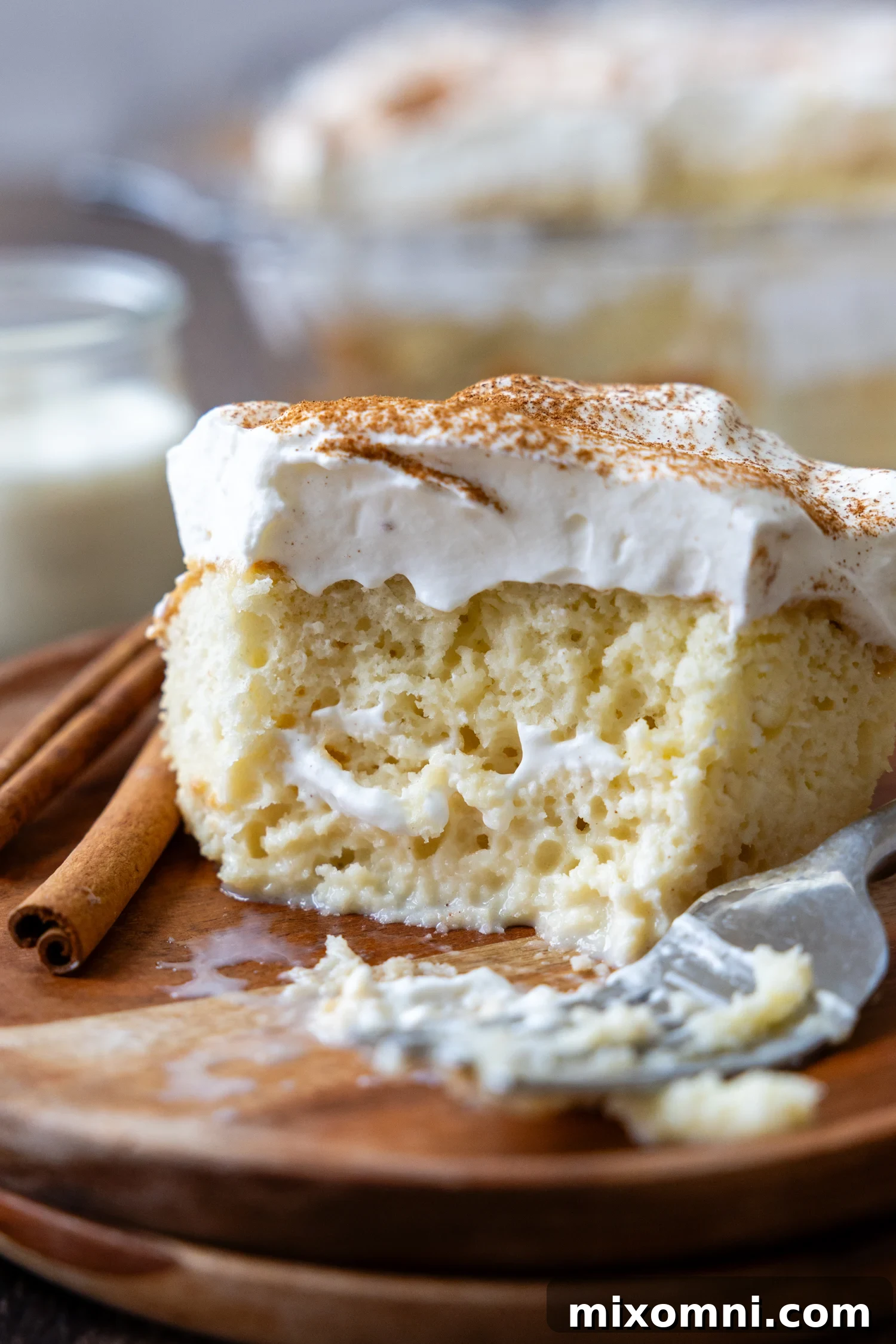
Creating an authentic, incredibly moist, and wonderfully cloud-like gluten-free tres leches cake has never been easier, thanks to this foolproof recipe. What sets this GF milk cake apart from others? It’s a simple yet ingenious trick that ensures the light, airy sponge cake rises beautifully into a tall structure, never resulting in a dense or compressed crumb. This dreamy three-milk soak is perfectly absorbed, yielding slices that are lusciously moist without ever becoming mushy, all crowned with a delicate layer of homemade whipped cream frosting. Prepare to delight your taste buds with a dessert that truly captures the essence of a classic tres leches.
The Ultimate Guide to Making the Best Gluten-Free Tres Leches (Three Milk Cake)
Embarking on the journey to create the perfect gluten-free tres leches cake initially seemed straightforward. My first thought was to adapt my popular light and airy gluten-free white cake recipe, simply drenching it in a rich milk soak and topping it with a cloud of whipped cream. However, after extensive research into traditional tres leches preparations, I quickly realized a different approach was needed to truly honor this beloved dessert.
Crafting a tres leches using a gluten-free base demands a cake crumb with sufficient resilience to endure an overnight soak in three different milks. The goal is a beautifully saturated cake that retains its structural integrity, allowing for clean, elegant slices rather than a gooey, unappetizing mess. This realization led me to develop a unique GF sponge cake recipe, a delightful new addition to my homemade gluten-free cake collection, specifically designed for this purpose.
Traditional sponge cakes, at their core, are built upon eggs, sugar, and flour. For our gluten-free version, we substitute with a high-quality gluten-free all-purpose flour blend. Much like a pillowy, soft gluten-free angel food cake, this recipe intentionally omits butter or oil. This exclusion actually simplifies the gluten-free adaptation process significantly. Fats often present a challenge in gluten-free baking, as they struggle to be adequately absorbed by GF starches, leading to common issues such as dense, oily textures or, conversely, dry and crumbly results. By focusing on a fat-free sponge, we bypass these potential pitfalls entirely.
Consequently, very few ingredient modifications were necessary from a classic tres leches recipe. However, I did incorporate a crucial technique to counteract a common problem encountered with many gluten-free tres leches recipes: cakes that expand during baking only to shrink and become dense upon cooling. This frustrating issue can ruin the delicate balance required for a perfect milk cake.
The solution proved surprisingly simple, yet profoundly effective: allow the prepared cake batter to rest for 15 minutes before it enters the oven. In the absence of fats to coat the starches, this resting period is vital. It provides essential time for the gluten-free starches to properly hydrate, saturate, and plump up, thereby solidifying the cake’s internal structure. This simple, hands-off step guarantees that your cake will emerge from the oven tall, lofty, and perfectly poised to absorb every drop of the gloriously creamy, dreamy milk soak. This ensures a beautifully consistent texture and an authentic tres leches experience.
Mastering the Gluten-Free Tres Leches: A Step-by-Step Visual Guide
(The following sections provide detailed step-by-step instructions and insights into the process. For precise ingredient measurements and the full printable recipe, please scroll down to the dedicated recipe card.)
The Art of Separating and Beating Eggs
To achieve that signature spongy, airy crumb essential for a perfect tres leches, beaten egg whites are carefully folded into the cake batter. The trick to perfect egg separation lies in using cold eggs, as the yolks are less likely to break. However, for optimal volume and stability, egg whites beat best when they are at room temperature. Begin by taking your eggs directly from the fridge, separating them meticulously into two separate bowls – yolks in one, whites in another. Allow them to sit at room temperature for approximately 45 minutes to an hour. This small wait makes a significant difference in the final texture of your cake.
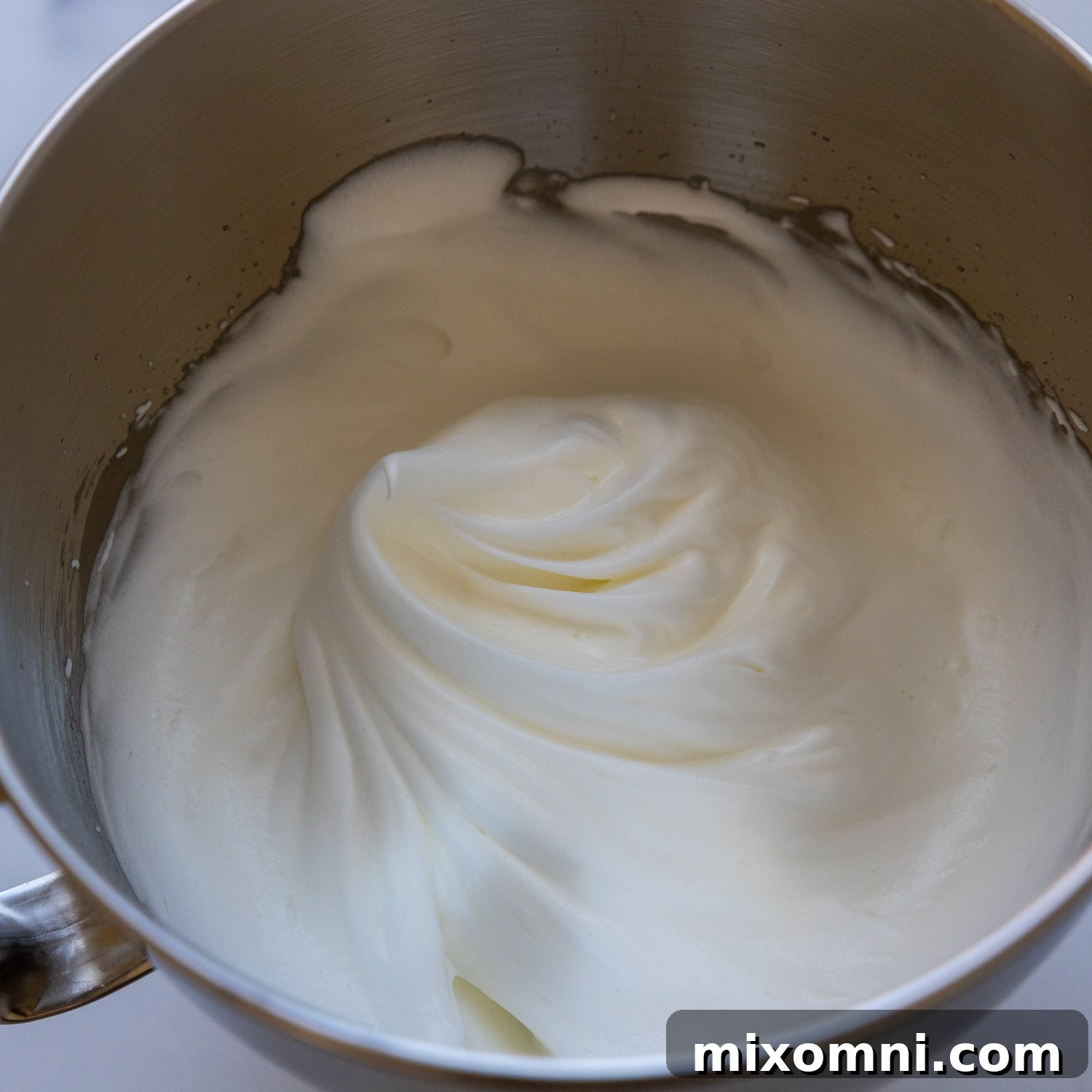
Once at room temperature, beat the egg whites vigorously until they become foamy and light. Gradually, add 1/4 cup of granulated sugar, continuing to beat until you achieve stiff, glossy peaks. These peaks should hold their shape firmly when the whisk is lifted, as shown in the image below. In a separate, clean bowl, beat the egg yolks with the remaining sugar until the mixture transforms into a very pale yellow, significantly expanding in volume and becoming light and airy.
Gently Marrying the Batters
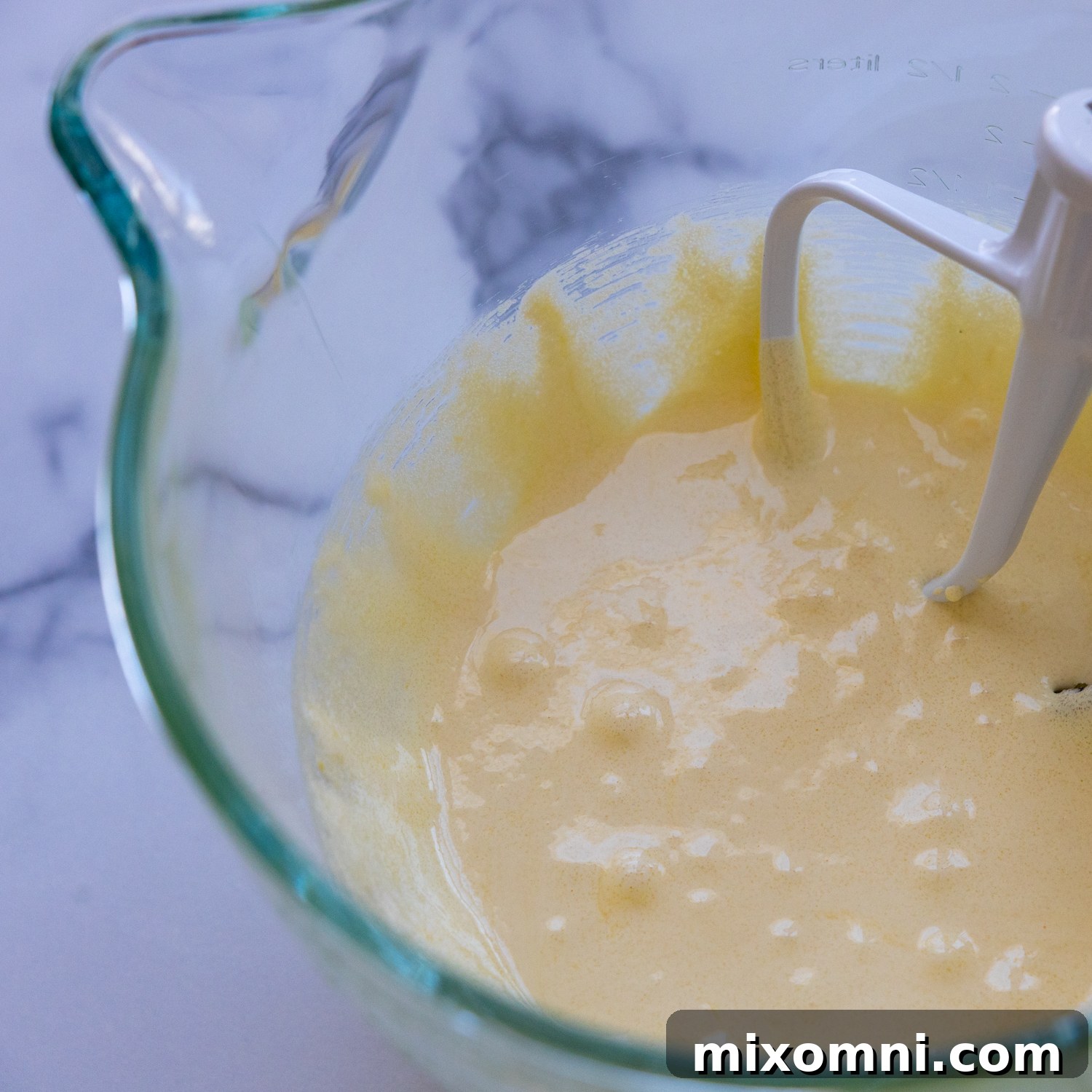
To the beautifully pale egg yolk mixture, incorporate the remaining essential cake ingredients: milk, vanilla extract, your chosen gluten-free all-purpose flour blend (we highly recommend Cup4Cup for its consistent results), baking powder, and a pinch of salt. At this stage, you’ll notice the batter is quite thick and dense. Do not be alarmed; its consistency will dramatically transform once the delicate, airy egg whites are carefully folded back in.
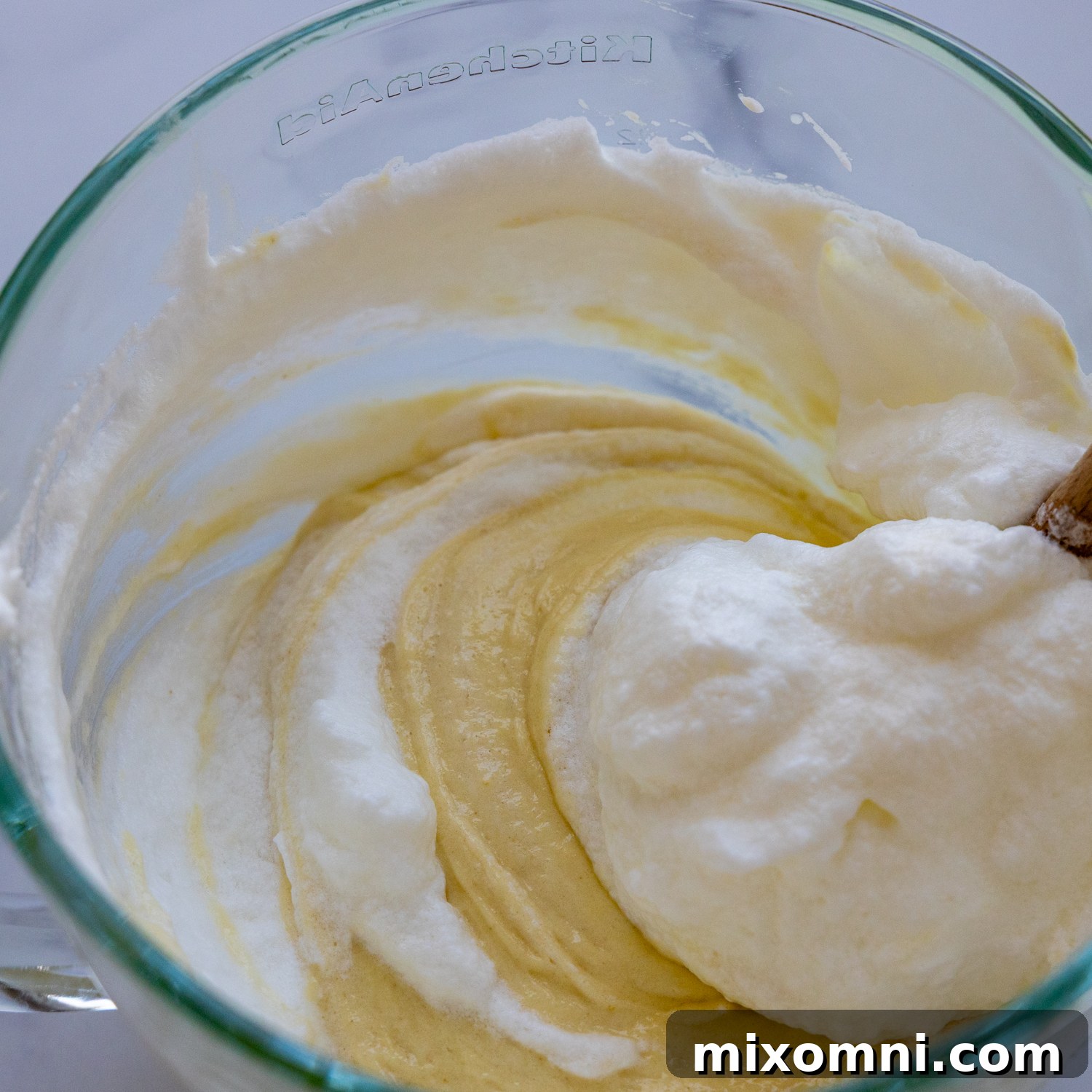
Begin by folding in approximately half of the beaten egg whites. Use a spatula and a gentle hand, employing a cutting and folding motion to preserve as much air as possible. This initial incorporation will help lighten the yolk batter. Once partially combined, gently fold in the remaining egg whites until no visible white streaks remain. The key here is extreme gentleness to maintain the cake’s intended light and airy texture. Your perfect gluten-free sponge cake batter is now complete, ready for the next crucial step.
The Crucial Wait, Bake, Rest, and Pour
This segment includes several easy, mostly hands-off steps that are vital for the success of your gluten-free tres leches. First, prepare your baking pan: butter just the bottom, deliberately leaving the sides ungreased. This simple but effective technique encourages the cake batter to “climb” up the sides of the pan as it bakes, contributing to a taller, more evenly risen cake. Spread the prepared batter evenly into the pan. Now comes the unique trick: let the batter rest for a full 15 minutes before placing it in the oven. This crucial resting period allows the gluten-free starches to fully hydrate and set, fortifying the cake’s structure and preventing it from sinking or shrinking post-baking.
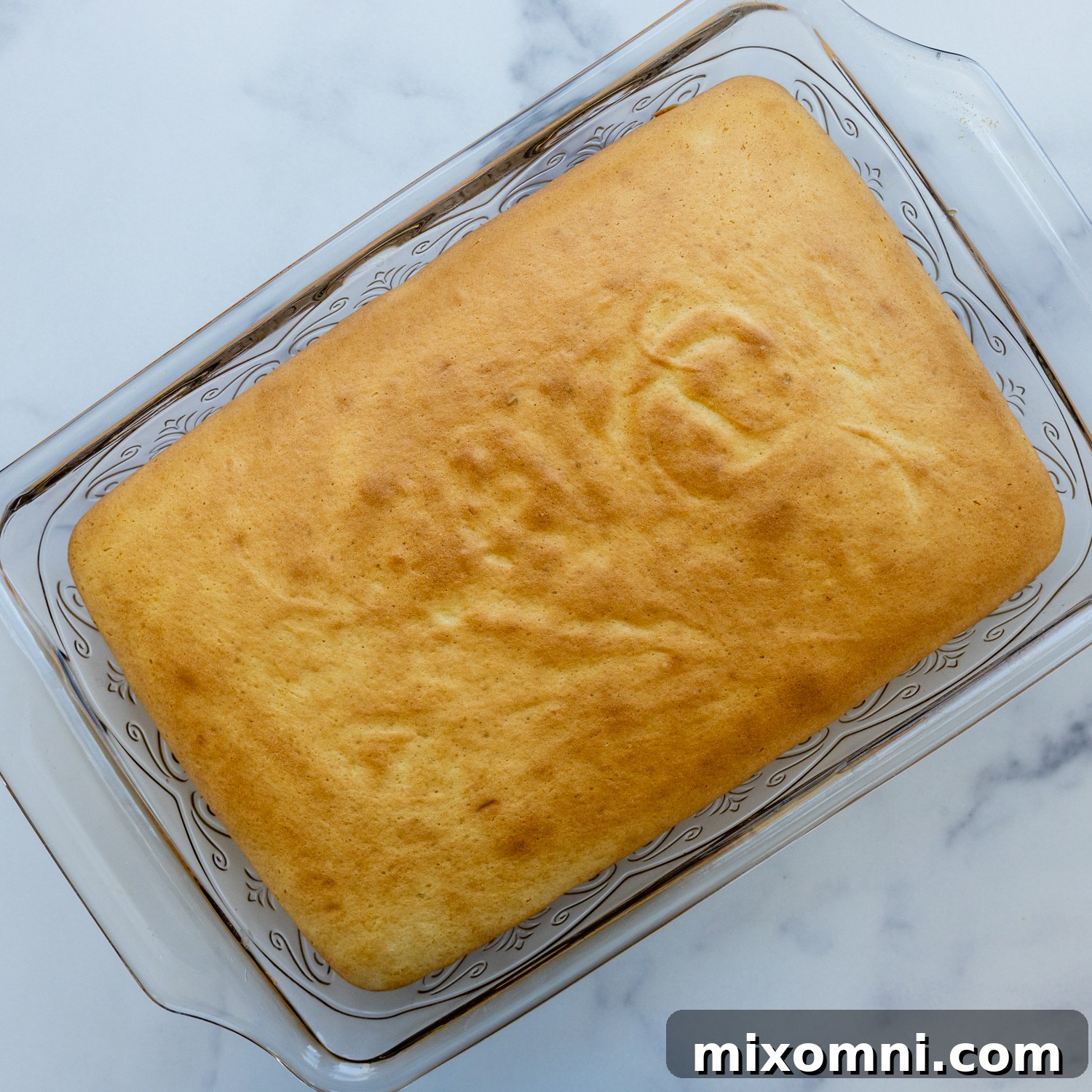
Bake the cake for approximately 30 minutes, or until a cake tester inserted into the center emerges clean. While a toothpick works, a cake tester provides more surface area, giving a more reliable indication of doneness. Once baked, remove the cake from the oven and allow it to cool in the pan for about 30 minutes. During this cooling period, prepare the luscious milk soak. Whisk together the three milks – sweetened condensed milk, evaporated milk, and whole milk – with an extra touch of vanilla extract until thoroughly combined. Once the cake has cooled slightly, use that same cake tester or a fork to poke numerous holes all over the cake’s surface, ensuring they reach the bottom of the pan.
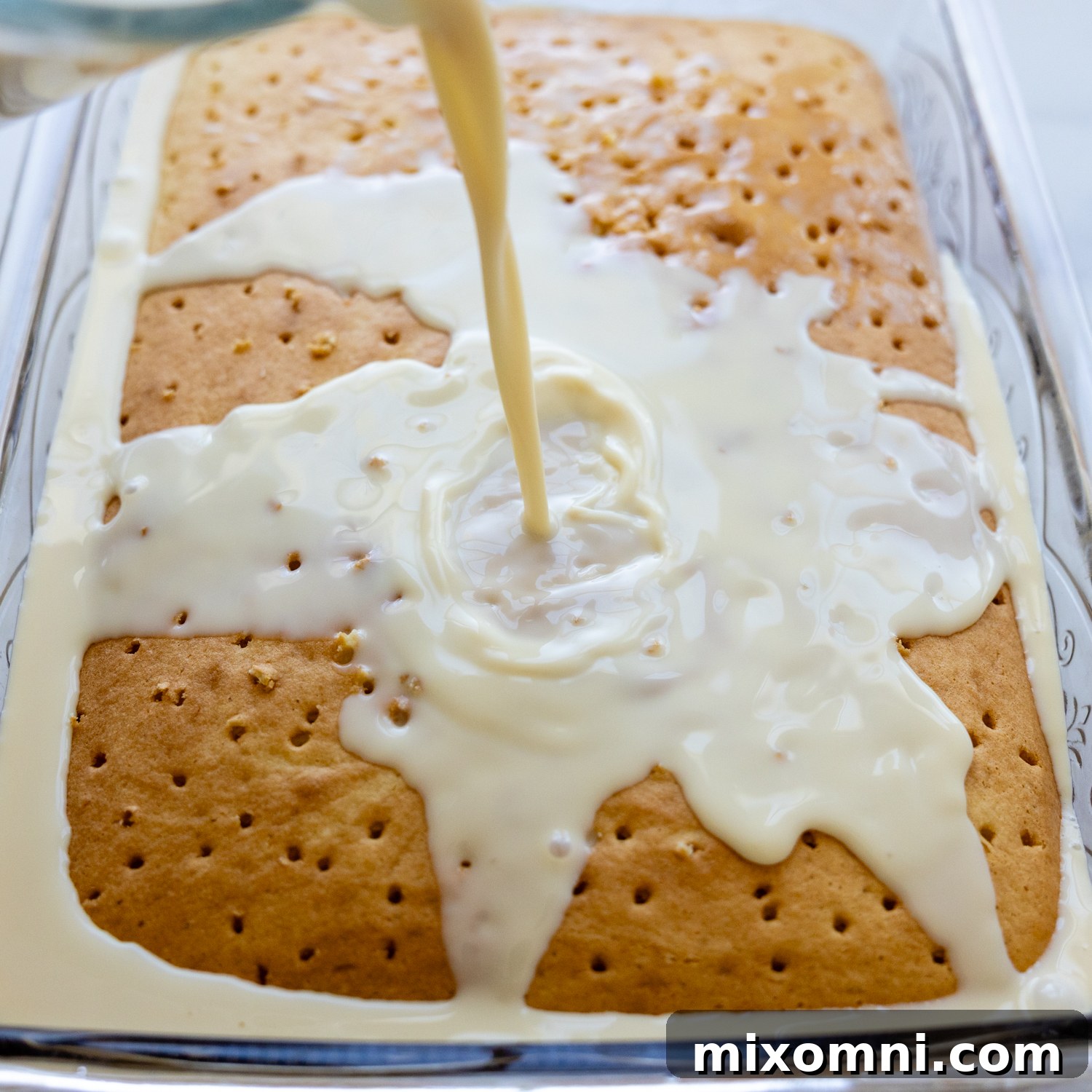
Slowly and deliberately pour the entire milk mixture over the poked cake. Initially, it may seem like a lot of liquid, and some might pool around the edges, but trust the process. Cover the cake tightly and refrigerate it. The ideal soaking time is at least 4 hours, but for the most incredibly moist and flavorful result, letting it chill and absorb all the goodness overnight is highly recommended. Patience here is truly a virtue, transforming a good cake into an unforgettable one.
The Final Flourish: Heavenly Whipped Cream Frosting
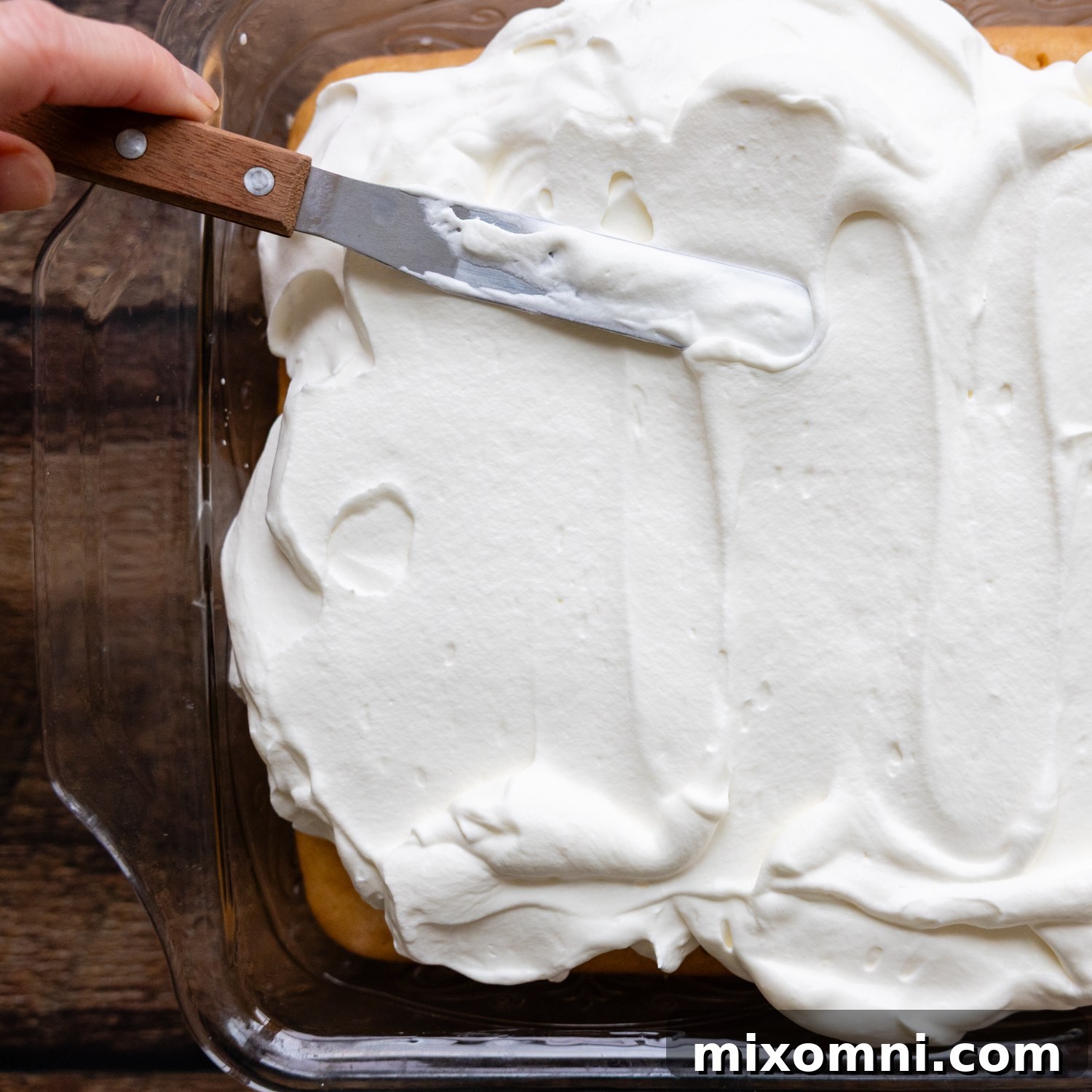
Some might argue that with the addition of the whipped cream, this truly becomes a four milk cake! Regardless, this simple topping is what elevates the tres leches to its iconic status. When you are ready to serve your perfectly soaked cake, or at least on the same day, prepare your whipped cream frosting. In a large mixing bowl, combine chilled heavy cream with powdered sugar. Beat the mixture on medium-high speed until beautiful, soft peaks form. The cream should be thick and spreadable, yet still light and airy.
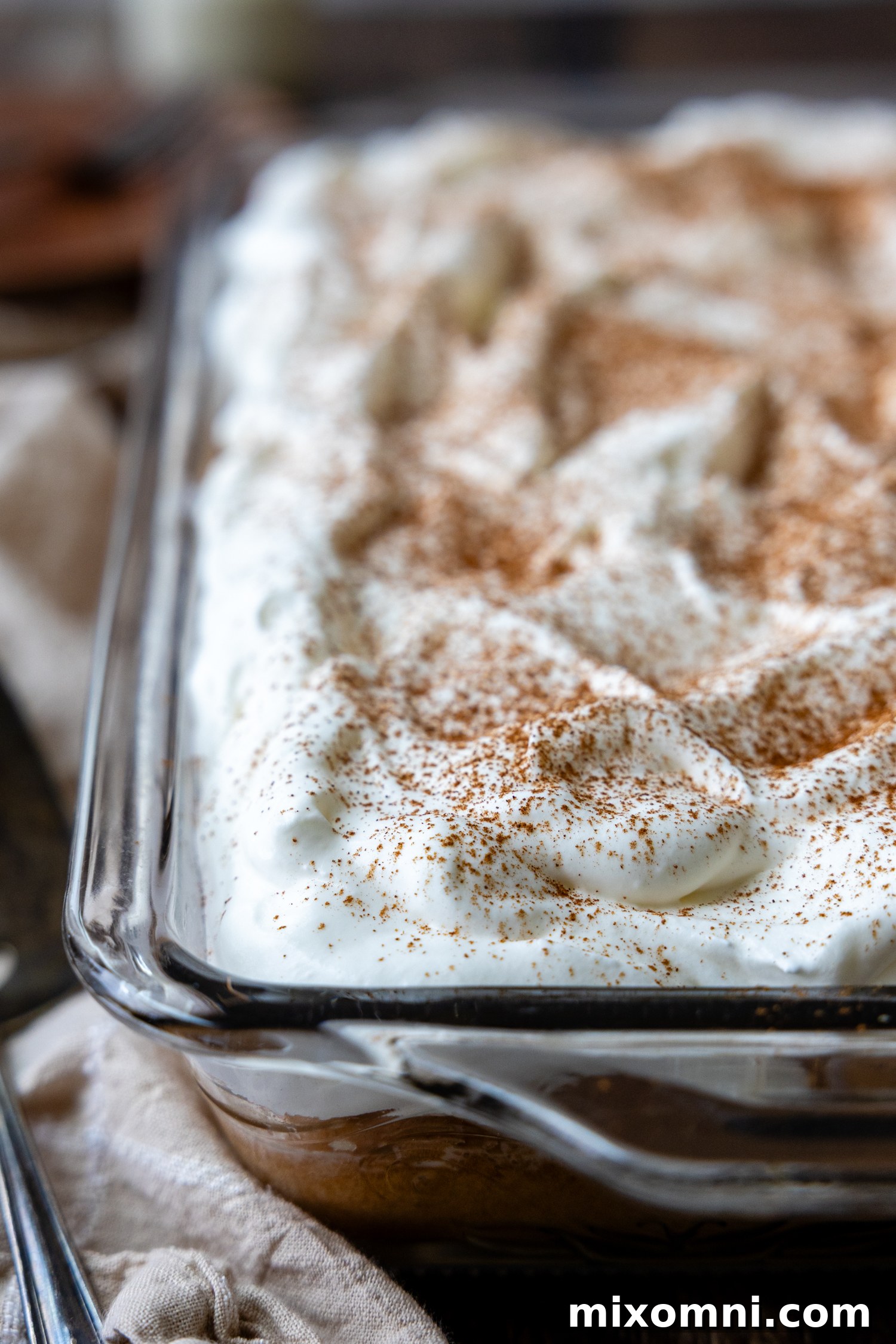
Carefully spread this decadent whipped cream all over the thoroughly soaked tres leches cake, creating a luscious, inviting layer. Once frosted, your masterpiece is ready to be enjoyed! This final touch adds a wonderful contrast in texture and a refreshing sweetness that perfectly complements the rich, milky sponge. Get ready for a taste sensation that will have everyone asking for your secret gluten-free recipe.
Achieving the Perfect Milk Cake Soaked Crumb
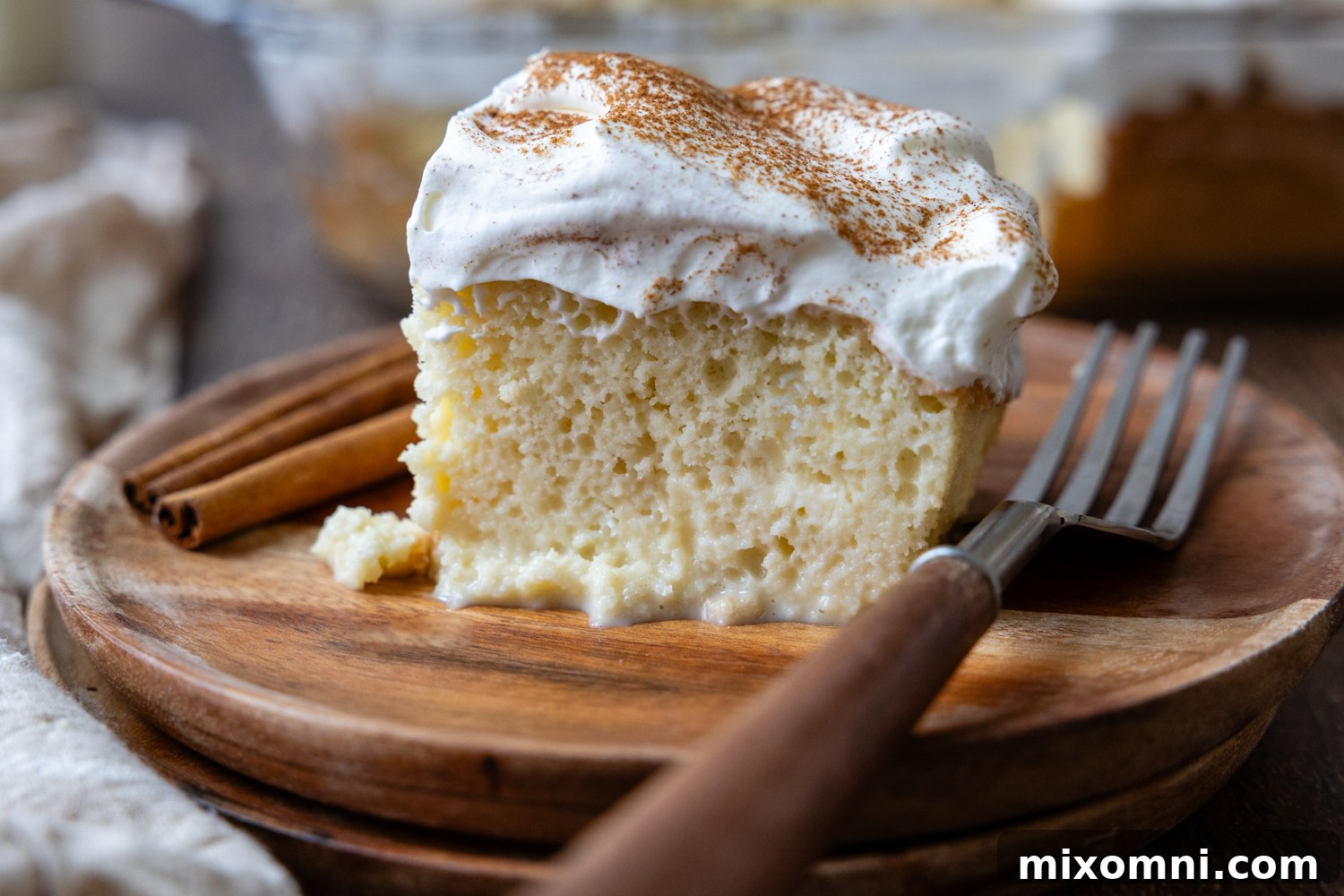
The success of any tres leches cake hinges on achieving an ideally saturated crumb, and our gluten-free version is no exception. There are a couple of critical factors to ensure your cake reaches this state of perfection. First and foremost is the precise quantity of the milk mixture. Too little, and you’ll end up with a disappointingly dry cake. Too much, and the excess liquid will pool around the cake, making it challenging to slice and serve elegantly. The exact recipe amounts provided below have been meticulously balanced to nail this perfect equilibrium, ensuring every bite is moist and flavorful.
When it comes to pouring the milk over the cake, aim for a slow and steady stream. Due to the cake’s natural shape, some liquid might initially run off and collect at the sides of the pan. Don’t be too concerned about this. As the cake continues to sit and chill, it will gradually draw in all that delightful moisture, soaking evenly throughout. This process takes time, and allowing the cake to soak for an extended period, ideally at least 12 hours, guarantees the job is done right, resulting in an exquisitely tender and uniformly moist crumb.
Pro Tips for Your Gluten-Free Tres Leches Success
I’m a firm believer in simplifying life and enjoying delicious desserts without last-minute stress. That’s why a homemade tres leches cake is the ultimate make-ahead dessert. It absolutely requires at least an overnight chill to properly absorb the milk soak, but it can be happily refrigerated for up to several days, with its flavor and texture only improving over time. While some sources claim tres leches doesn’t freeze well, I’ve personally found this not to be the case with this particular recipe. I’ve successfully frozen individual slices, thawed them overnight in the fridge, and enjoyed them with perfect texture and taste. This makes it an ideal treat to prepare in advance for gatherings or to simply have on hand for a spontaneous indulgence.
Save This Recipe for Later!
Let’s be friends on Pinterest! I’m always sharing fantastic recipes!
Did you make this delightful recipe? I genuinely love hearing from you and seeing your culinary creations! Please share your experience by leaving a star rating and a comment below the recipe card. Your feedback is invaluable, helping other home bakers discover and enjoy these recipes. I always make sure to respond to every comment! -Melissa
No ratings yet
Tender, Moist Gluten-Free Tres Leches Cake (No Fail)

Melissa Erdelac
Creating an authentic, incredibly moist, and wonderfully cloud-like gluten-free tres leches cake has never been easier, thanks to this foolproof recipe. What sets this GF milk cake apart from others? It’s a simple yet ingenious trick that ensures the light, airy sponge cake rises beautifully into a tall structure, never resulting in a dense or compressed crumb. This dreamy three-milk soak is perfectly absorbed, yielding slices that are lusciously moist without ever becoming mushy, all crowned with a delicate layer of homemade whipped cream frosting.
Pin Recipe
Rate This Recipe
Ingredients
- 6 large eggs, separate cold into two bowls, then let come to room temp
- 1 ¼ cups (250 g) granulated sugar, divided
- ½ cup (123 g) whole milk
- 1 teaspoon vanilla extract
- 2 cups (292 g) gluten-free all-purpose flour, I highly recommend Cup4Cup gluten-free flour blend
- 2 teaspoons baking powder
- ½ teaspoon salt
Milk Soak
- 14 ounces (397g) can sweetened condensed milk
- 12 ounces (340 g) can evaporated milk
- ⅔ cup (163 g) whole milk
- 1 teaspoon vanilla extract
Whipped Cream Frosting
- 2 cups (480 g) heavy whipping cream
- 3 tablespoons powdered sugar
- cinnamon, for topping
Equipment
- 9X13 Baking Dish
- Cake Tester
- Stand Mixer
Instructions
- Preheat your oven to 350°F (175°C). Prepare a 13-by-9-inch baking pan by buttering only the bottom surface, leaving a ¼-inch border ungreased around the edges and ensuring the sides of the pan remain unbuttered. This strategic preparation encourages the cake to “climb” up the sides as it bakes, resulting in a taller, more evenly structured cake.
- Place the room-temperature egg whites into a large, clean mixing bowl. Using the whisk attachment on a stand mixer or a hand mixer, beat on high speed until the whites become foamy and double in volume, which typically takes about 1 minute. Continue beating while slowly and steadily pouring in ¼ cup of the granulated sugar. Beat until stiff, glossy peaks form. These peaks should hold their shape firmly when the whisk is lifted. Set this bowl aside carefully.
- In a separate large mixing bowl, combine the egg yolks with the remaining 1 cup of granulated sugar. Beat on medium speed, using a paddle attachment on a stand mixer or a hand mixer, until the mixture is very pale yellow, light, and fluffy, a process that usually takes 2-3 minutes. Incorporate the milk and vanilla extract, beating until just combined. Next, add the gluten-free all-purpose flour, baking powder, and salt. Beat thoroughly for about 1 minute until well mixed. At this point, the batter will be noticeably thick.
- With a rubber spatula, gently fold half of the beaten egg whites into the thick flour mixture. Use a careful cutting and folding motion to avoid deflating the whites. Once partially incorporated, add the second half of the egg whites and continue folding gently until no white streaks are visible. It may initially feel a bit resistant, but as the egg whites are worked in, the batter will loosen and become lighter. Spread this batter evenly into your prepared cake pan. Now, allow the batter to rest in the pan for 15 minutes. This vital step helps the moisture hydrate the gluten-free starches, reinforcing the cake’s structure and preventing it from sinking after baking.
- Bake the cake in the preheated oven for 30 minutes, or until a toothpick or cake tester inserted into the center comes out completely clean. Once baked, remove the cake from the oven and let it cool in the pan on a wire rack until it is slightly warm, approximately 30-45 minutes.
Milk Soak and Frosting
- In a medium-sized bowl, whisk together the sweetened condensed milk, evaporated milk, whole milk, and an additional teaspoon of vanilla extract until thoroughly combined. Once the cake has cooled sufficiently, use a fork or a wooden skewer to poke numerous holes across the entire surface of the cake, ensuring the holes reach all the way to the bottom of the pan. Slowly and evenly pour the entire milk mixture over the poked cake. Don’t worry if it doesn’t immediately soak in; the cake will gradually absorb all the liquid. Cover the cake tightly with plastic wrap and chill it in the refrigerator for a minimum of 4 hours, though allowing it to soak overnight yields the most tender and flavorful result.
- Prepare the whipped cream frosting on the same day you plan to serve the cake to ensure maximum freshness and stability. In a large mixing bowl, combine the thoroughly chilled heavy whipping cream and powdered sugar. Using the whisk attachment on a stand mixer or a hand mixer, beat on medium-high speed until medium peaks form. The cream should be thick enough to hold its shape but still light and airy.
- Carefully spread the freshly made whipped cream frosting evenly over the well-soaked cake. For an authentic touch and added flavor, dust the top generously with cinnamon just before serving. Keep the finished cake refrigerated for up to 2 days to maintain its freshness and deliciousness.
Nutrition Information (per serving)
Calories: 482kcal, Carbohydrates: 61g, Protein: 11g, Fat: 23g, Saturated Fat: 13g, Polyunsaturated Fat: 1g, Monounsaturated Fat: 6g, Trans Fat: 0.01g, Cholesterol: 149mg, Sodium: 221mg, Potassium: 381mg, Fiber: 2g, Sugar: 47g, Vitamin A: 896IU, Vitamin C: 2mg, Calcium: 278mg, Iron: 1mg
Did you make this recipe?
Please leave a star rating and review below. It helps others when searching for recipes and I LOVE feedback!