
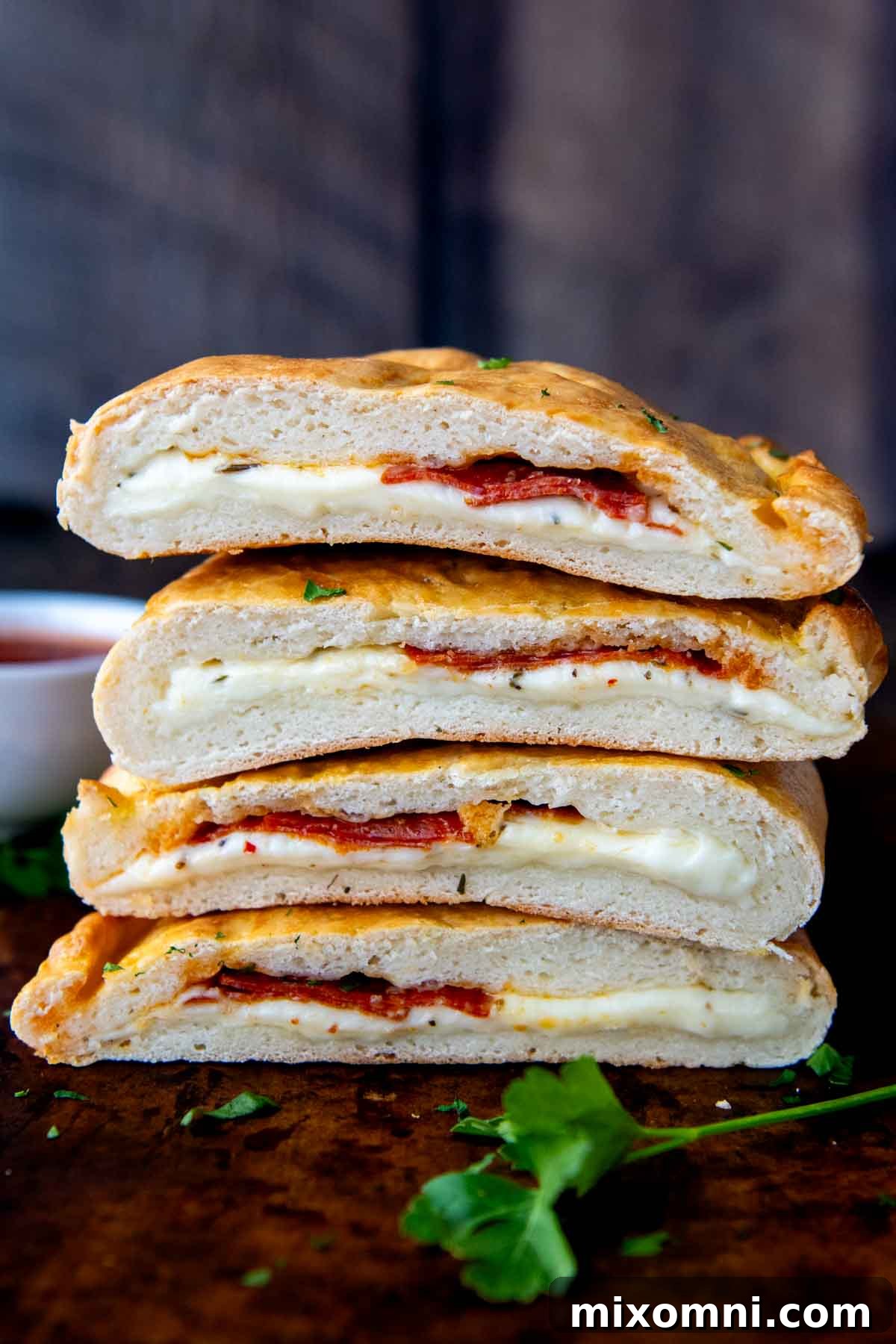
Welcome to the ultimate guide for crafting the most delectable, Italian-style gluten-free calzones right in your own kitchen! Forget everything you thought you knew about challenging gluten-free baking. This simple, no-fuss recipe is meticulously designed so that even a complete beginner can achieve bakery-quality results. Our unique calzone dough comes together effortlessly in a single bowl, making prep a breeze. It’s incredibly easy to pat out and shape, requiring no complex rolling, and bakes into an irresistibly soft, fluffy texture with deliciously chewy edges that will have everyone questioning if it’s truly gluten-free.
I’m thrilled to share my step-by-step method for making these remarkable calzones using carefully selected gluten-free flour and other accessible ingredients. The outcome is so authentically delicious, you’ll be amazed that they are entirely GF!
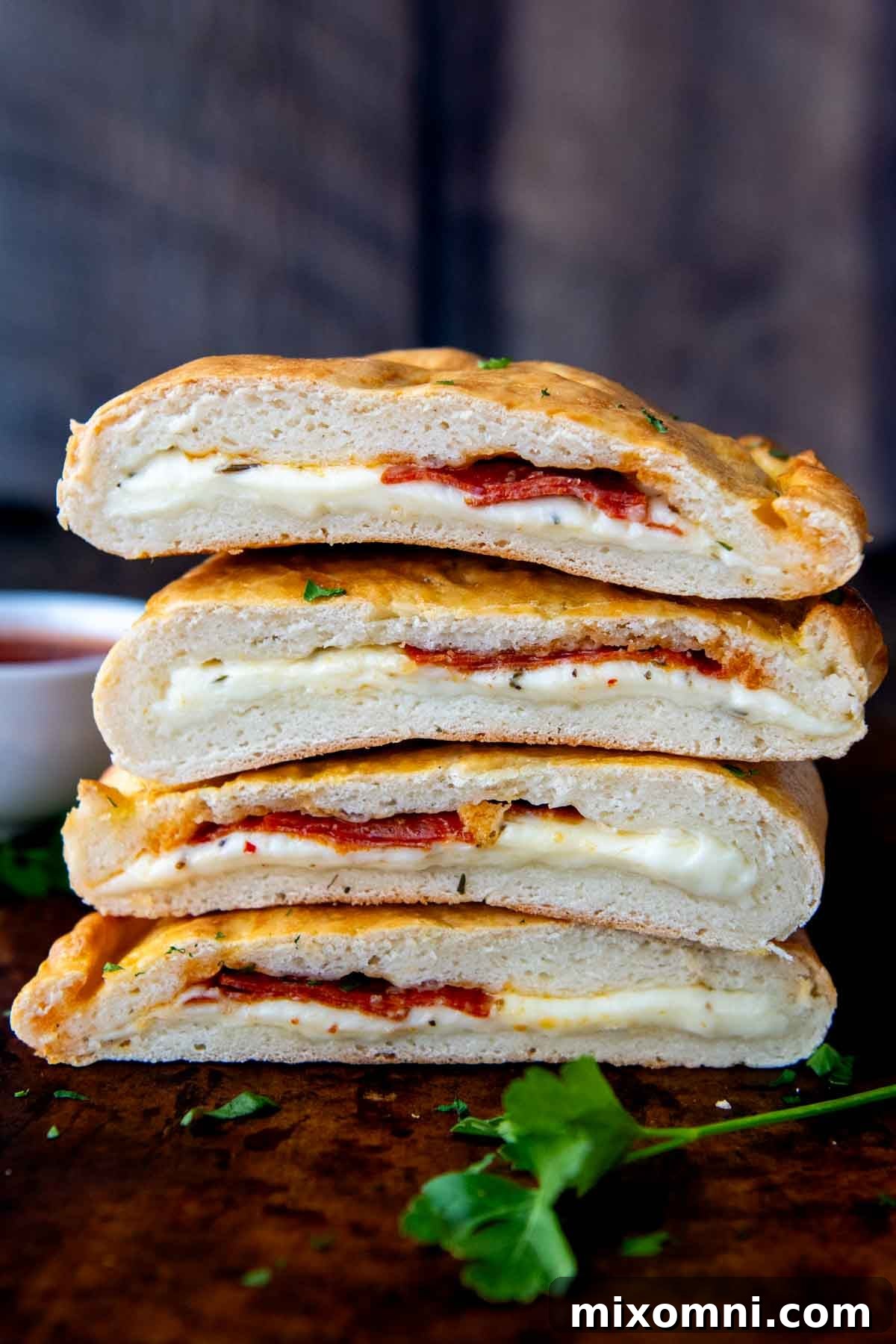
Mastering the Art of Easy Gluten-Free Calzones
For many years, my culinary journey has focused on developing and perfecting gluten-free baking recipes that not only taste incredible but are also surprisingly easy to execute. Through extensive experimentation, I’ve refined a methodology where working with gluten-free dough is often more straightforward and less intimidating than traditional yeast-based recipes. When I set out to create these homemade gluten-free calzones, I drew upon some of my most successful baking innovations to ensure a truly superior experience.
The secret to achieving a wonderfully soft, tender, and fluffy gluten-free calzone crust lies in supplementing the gluten-free flour with specific ingredients that have consistently delivered outstanding results in my most highly-reviewed recipes, such as my soft gluten-free flatbread and easy gluten-free hamburger buns. These powerhouse additions are psyllium husk powder and potato starch.
Let’s delve into why these ingredients are so transformative for gluten-free dough. Psyllium husk powder acts as a crucial binder, brilliantly absorbing moisture and providing the much-needed structure and elasticity that gluten-free flours often lack. This results in a dough that is supple, flexible, and incredibly easy to handle and shape, mimicking the desirable qualities of traditional wheat dough without the gluten. It’s truly a game-changer for achieving a pliable, non-crumbly texture.
Concurrently, the strategic inclusion of potato starch (distinct from potato flour) plays a vital role in preventing the dry, brittle, or crumbly texture commonly associated with many gluten-free baked goods. By swapping out a small portion of the all-purpose gluten-free flour with potato starch, we infuse the dough with a delightful, squishy softness. This ensures your calzone crust is tender and inviting, rather than dense or chalky.
Perhaps one of the most appealing aspects of this particular gluten-free calzone dough is its remarkable ease of handling. Unlike the often finicky nature of traditional pizza dough, this recipe requires no laborious rolling. Instead, much like how my easy homemade gluten-free pizza crust is shaped, you simply pat the dough into a circular form with lightly greased hands. Add your favorite fillings to one half, fold it over, seal the edges, and bake! The result is an ooey-gooey, pizza pocket perfection that will satisfy all your cravings.
Continue reading to uncover more expert tips and tricks for making perfect from-scratch gluten-free calzones. I’ll guide you through sealing the edges properly for a leak-proof experience, recommend the best gluten-free topping combinations, offer valuable make-ahead suggestions, and even share additional versatile uses for this fantastic gluten-free dough.
Essential Ingredients for Your Gluten-Free Calzones
Crafting exceptional gluten-free calzones begins with understanding the role each ingredient plays. Here’s a closer look at the key components that make this recipe a consistent success:
- Gluten-Free All-Purpose Flour: The foundation of our dough. For superior results, invest in a high-quality gluten-free flour blend. I’ve extensively tested this recipe with Cup4Cup gluten-free flour and highly recommend it for its consistent performance across all my baking endeavors. If you opt for an alternative brand, it’s crucial to use the included weight measurements (grams) rather than cup measurements, as gluten-free flours vary significantly in density.
- Potato Starch (not flour): This is truly a secret ingredient for achieving an incredibly soft and fluffy gluten-free dough. Instead of relying solely on more flour to provide structure, substituting a small amount with potato starch dramatically enhances the texture. It contributes to a light, tender crumb that resists dryness and crumbling. While potato starch offers the best results, tapioca starch can be used as a substitute, though it might yield a slightly chewier texture.
- Psyllium Husk Powder: An absolute must-have in gluten-free baking, psyllium husk powder is instrumental in absorbing moisture and imparting a soft, pliable texture to the dough. As I often explain in my guide to psyllium in gluten-free breads, it acts as a binder and helps create elasticity, allowing the dough to be shaped without falling apart or becoming too sticky, all without the need for additional flour.
- Baking Powder: In this recipe, baking powder works in tandem with yeast to provide an extra lift, contributing to a lighter, airier texture. This combination is particularly effective in gluten-free doughs, where achieving a desirable rise and open crumb can be more challenging than in traditional wheat-based baking.
- Instant (Rapid Rise) Yeast: Chosen for its convenience, instant yeast does not require proofing in warm liquids before mixing with dry ingredients, streamlining the process significantly. For best value and extended freshness, I suggest purchasing it in bulk and storing it in your refrigerator. If you only have active dry yeast, simply dissolve it in the warm water and let it sit for about 5 minutes until foamy before adding it to the dry ingredients.
- Oil (Olive Oil): A key component for ensuring a rich, moist crust. The oil helps to coat the gluten-free starches, preventing a gritty or dry mouthfeel and contributing to the overall tenderness and flavor of the calzone.
- Calzone Fillings: The possibilities are endless when it comes to fillings! While we’ll delve into specific recommendations later, remember that smart filling techniques are crucial for keeping your calzones perfectly sealed during baking. Refer to the dedicated calzone fillings section for a wealth of bonus suggestions and tips.
Your Step-by-Step Guide to Crafting Perfect Gluten-Free Calzones
Let’s embark on this delicious journey together! Below, you’ll find detailed, step-by-step instructions accompanied by helpful photos. For precise ingredient amounts and the complete printable recipe, please scroll down to the recipe card.
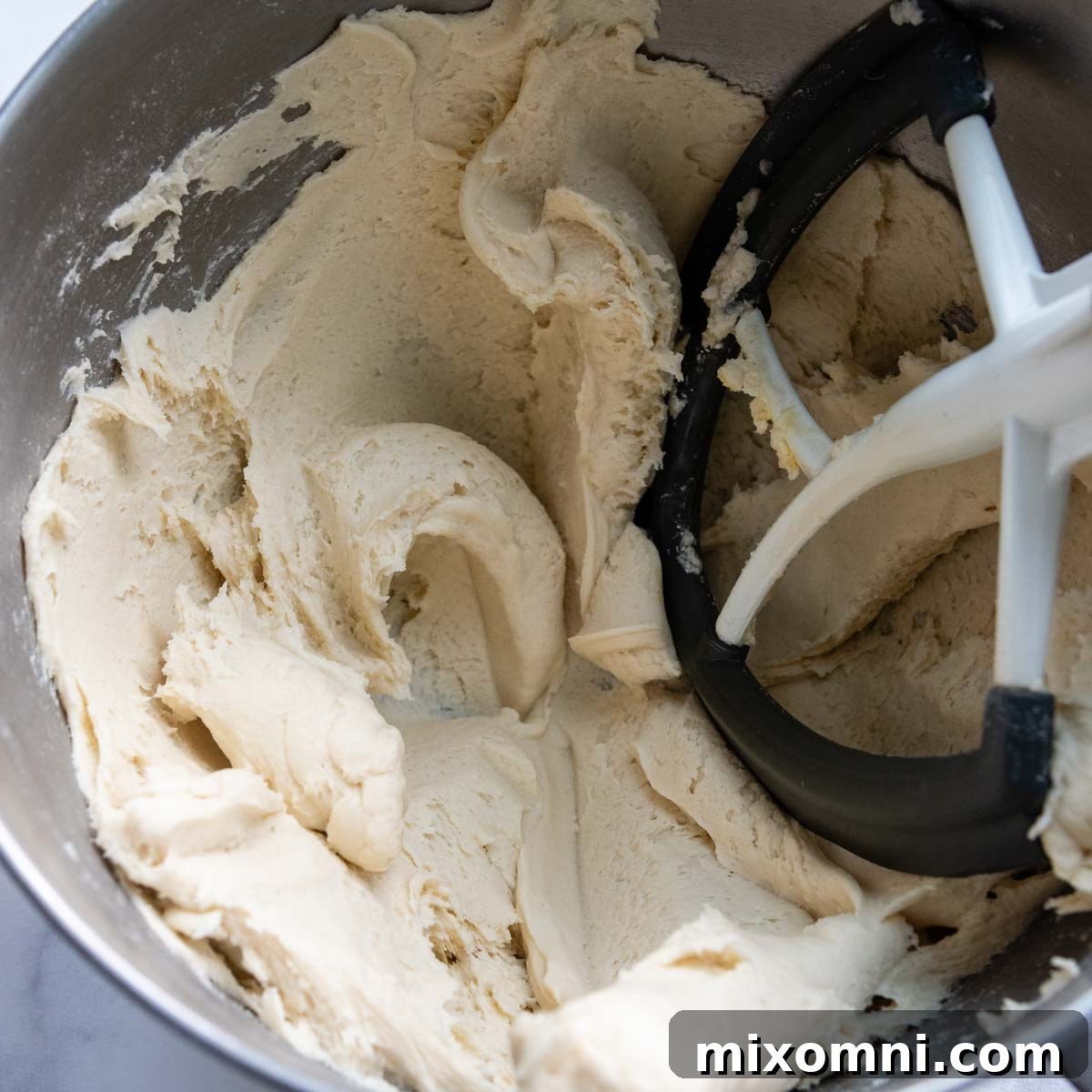
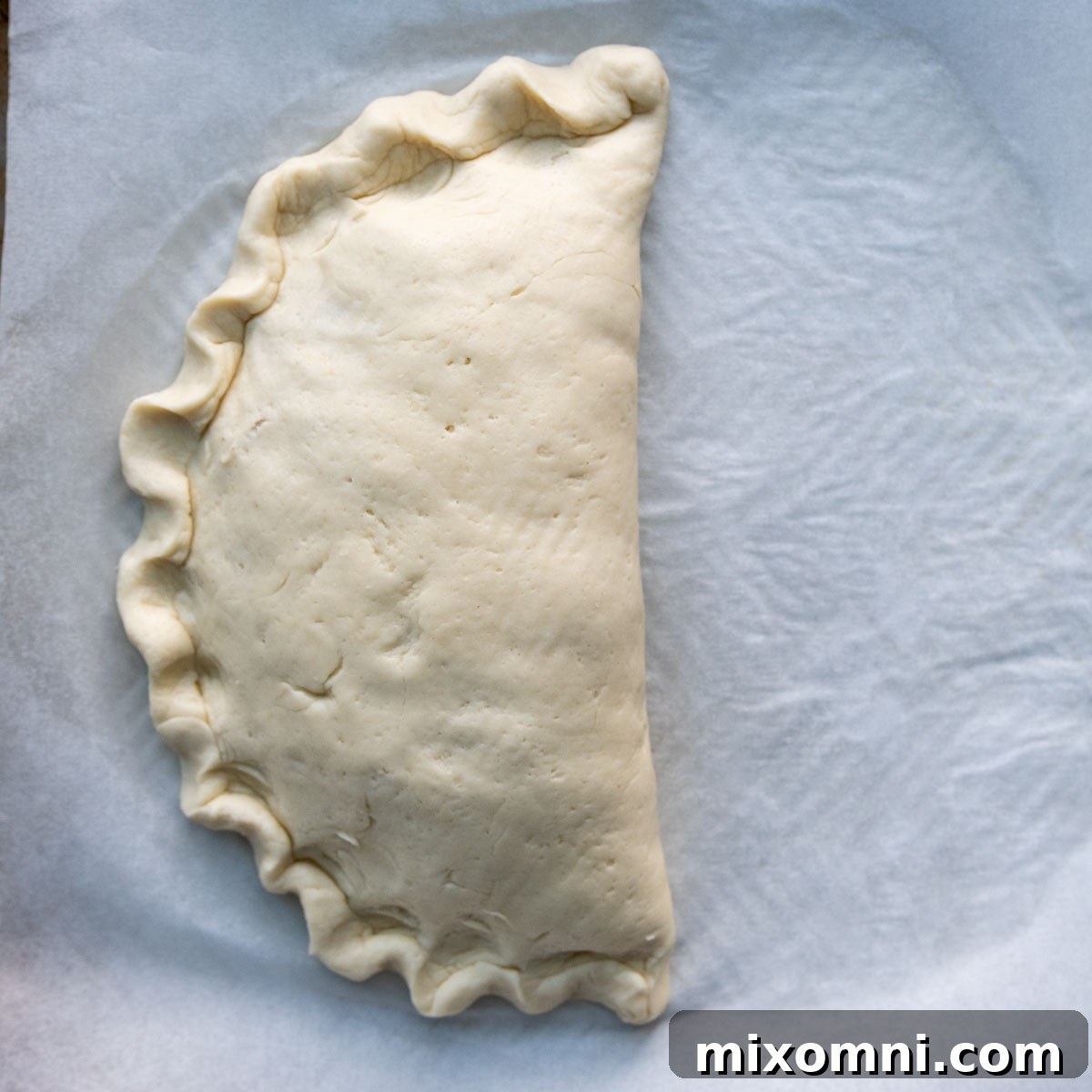
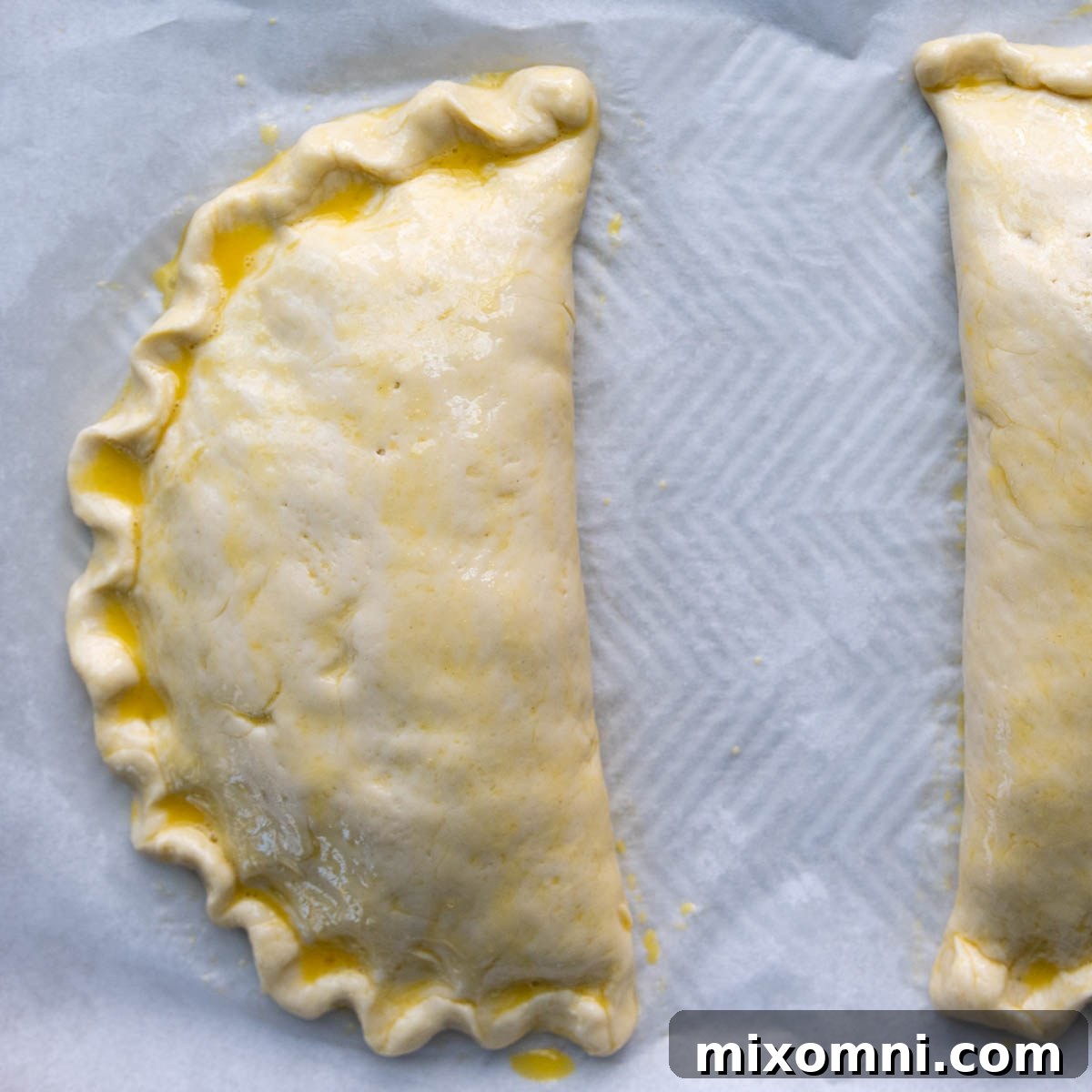
- Prepare the Dough: For optimal mixing, especially with the substantial amount of flour used in this recipe, I highly recommend using a stand mixer fitted with a paddle attachment. In the large mixing bowl, combine the gluten-free all-purpose flour, potato starch, granulated sugar, psyllium husk powder, instant yeast, baking powder, and salt. Mix these dry ingredients on low speed until just combined.
- Add Wet Ingredients: Gradually add the warm water, room temperature egg, and olive oil to the dry mixture. Continue mixing on low speed until all ingredients are thoroughly blended. Increase the speed to medium-low and beat the dough for a full 5 minutes. Remember to stop and scrape down the sides of the bowl once or twice during this process to ensure everything is incorporated. The resulting dough will be quite stiff, yet slightly sticky.
- Prepare Baking Sheets: Line two large baking sheets with separate pieces of parchment paper. On one of these sheets, lightly grease the parchment paper with a small amount of olive oil. This will serve as your primary work surface for shaping the calzones. Set the second, ungreased parchment-lined sheet aside for transferring your shaped calzones.
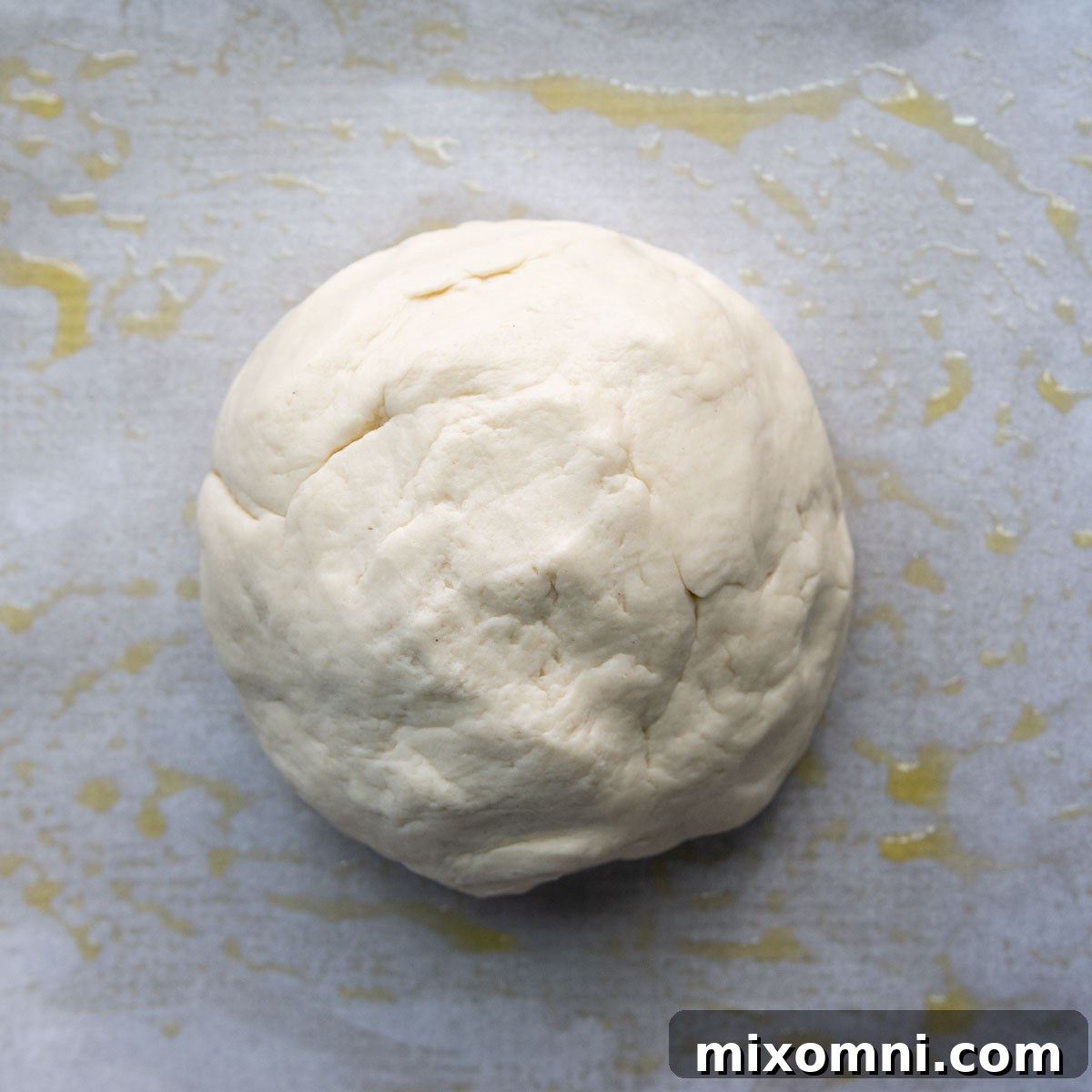
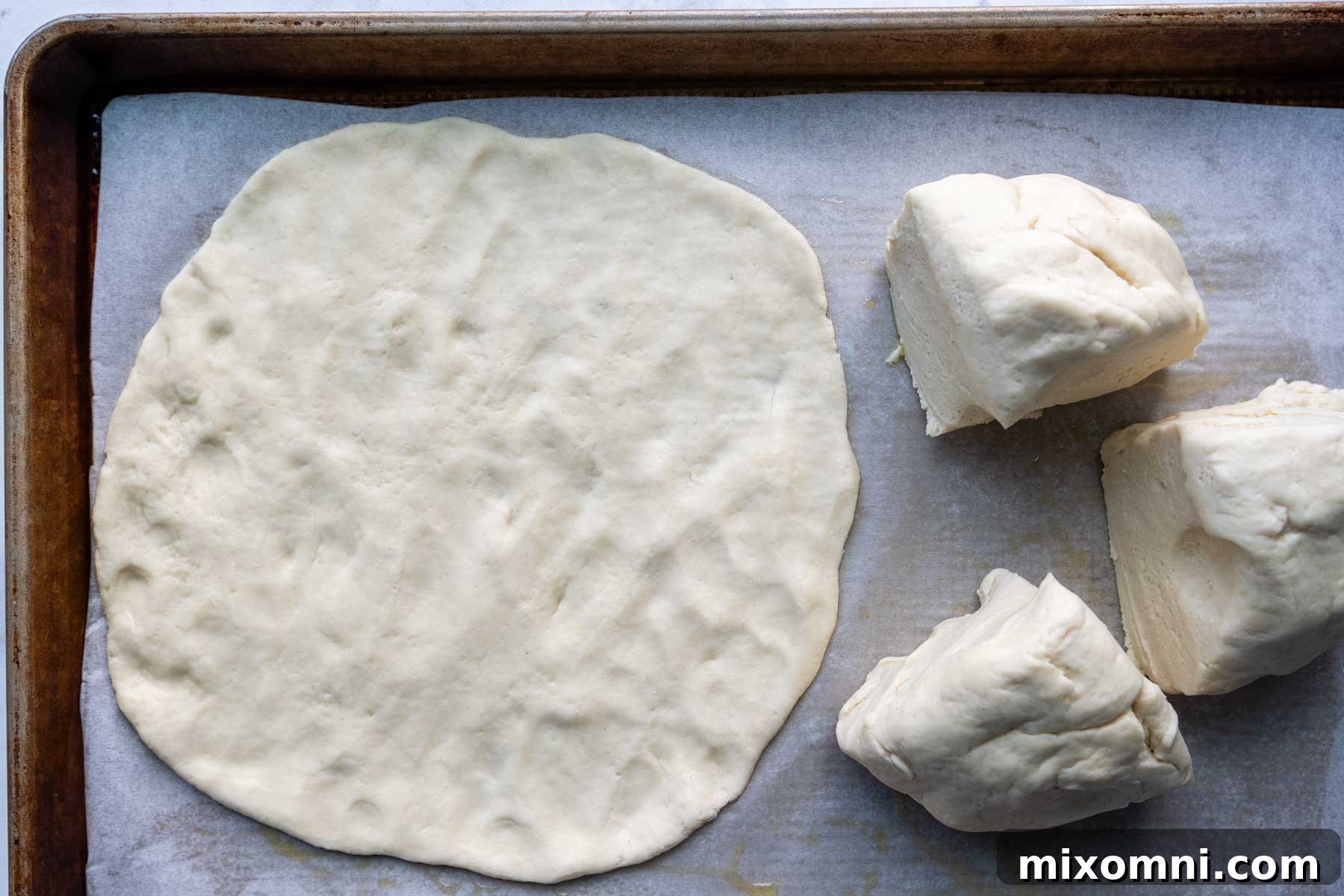
- Divide the Dough: Carefully scrape the stiff dough from the mixing bowl onto the greased parchment paper. Lightly spray your hands with nonstick cooking spray or rub them with a little olive oil to prevent sticking. Gently shape the entire dough into a smooth, cohesive ball. Using a sharp knife, divide this ball into 4 equal sections. Move three of these sections to one side of the greased baking sheet, leaving ample space on the other side to work on your first calzone.
- Shape the First Calzone: Take one portion of the dough and gently flatten it into a thick, round disc. Using your greased hands, carefully press and spread the dough outwards to form an 8-9 inch (20-23 cm) circle. Once shaped, carefully transfer this dough circle to the *ungreased* baking sheet. This ensures the bottom doesn’t get too oily during baking.
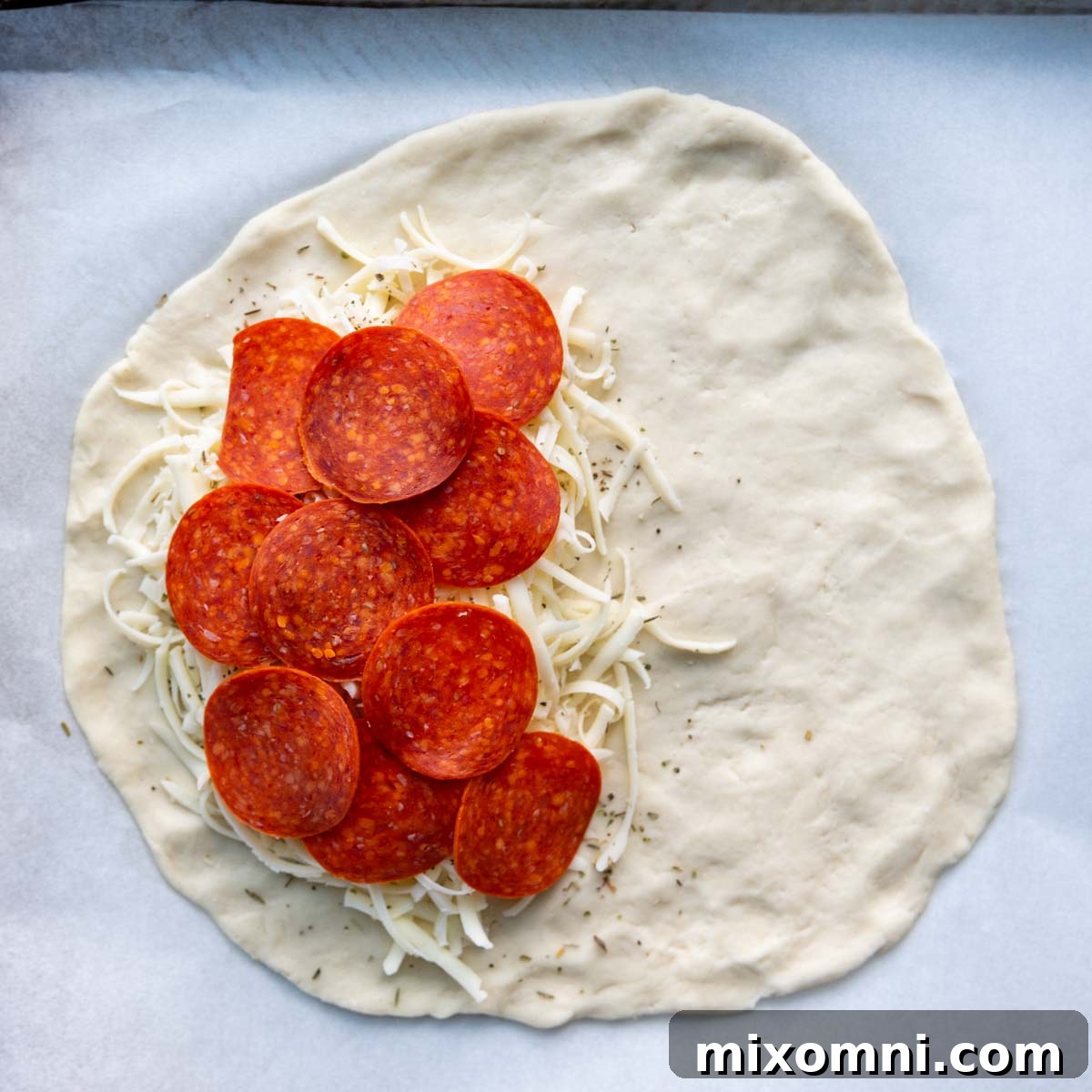
- Fill Your Calzone: On one half of the dough circle, generously sprinkle about 1 cup of freshly grated mozzarella cheese. (PRO TIP: I generally advise against adding pizza sauce inside the calzones, as its moisture tends to cause the seams to seep during baking. Instead, serve sauce on the side for dipping.) Ensure you leave a clear, cheese-free border around the edge of the half circle – approximately a 1-inch (2.5 cm) margin – which is essential for a proper seal. If desired, sprinkle on a pinch of Italian seasoning, oregano, or basil. Then, add your chosen pizza toppings directly on top of the cheese.
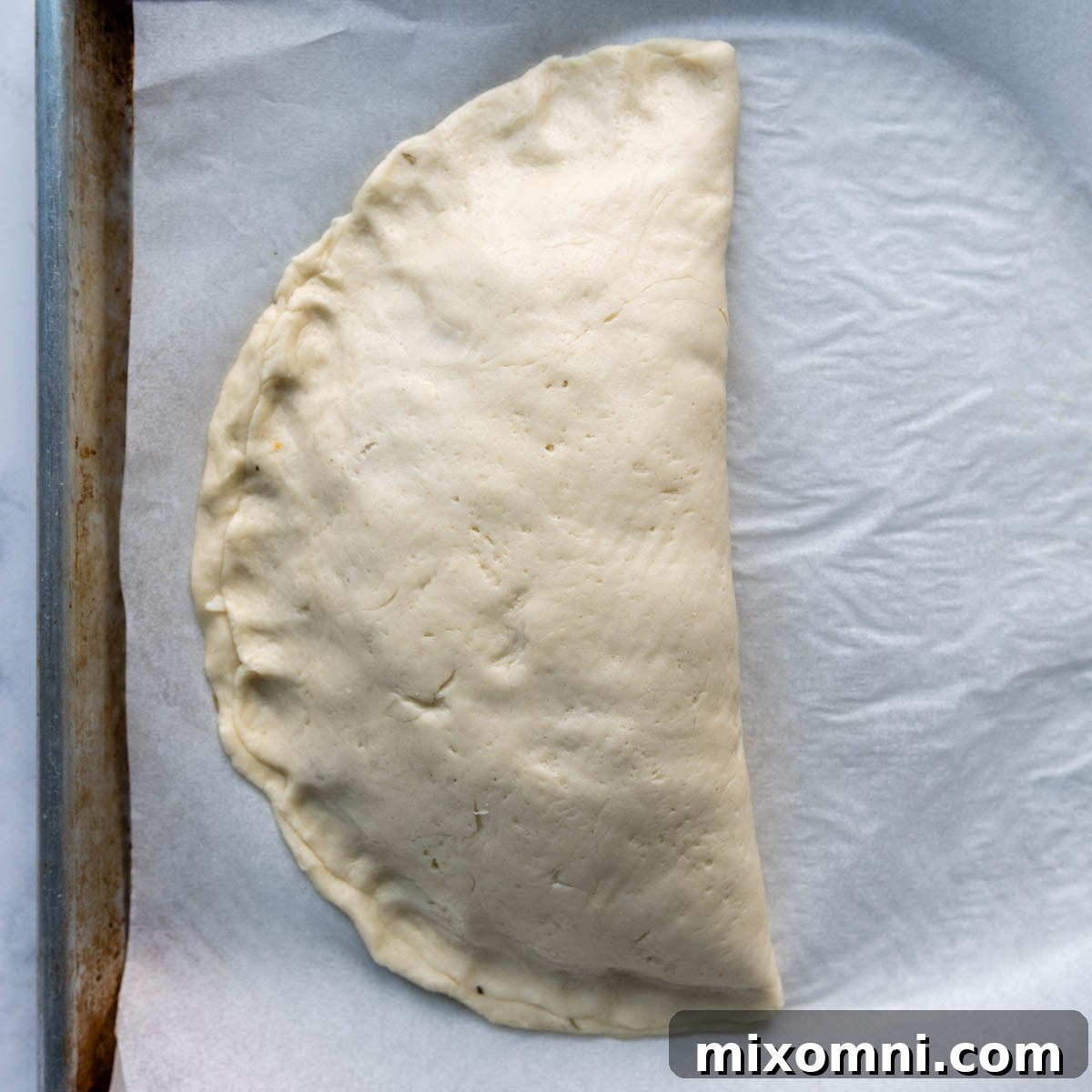
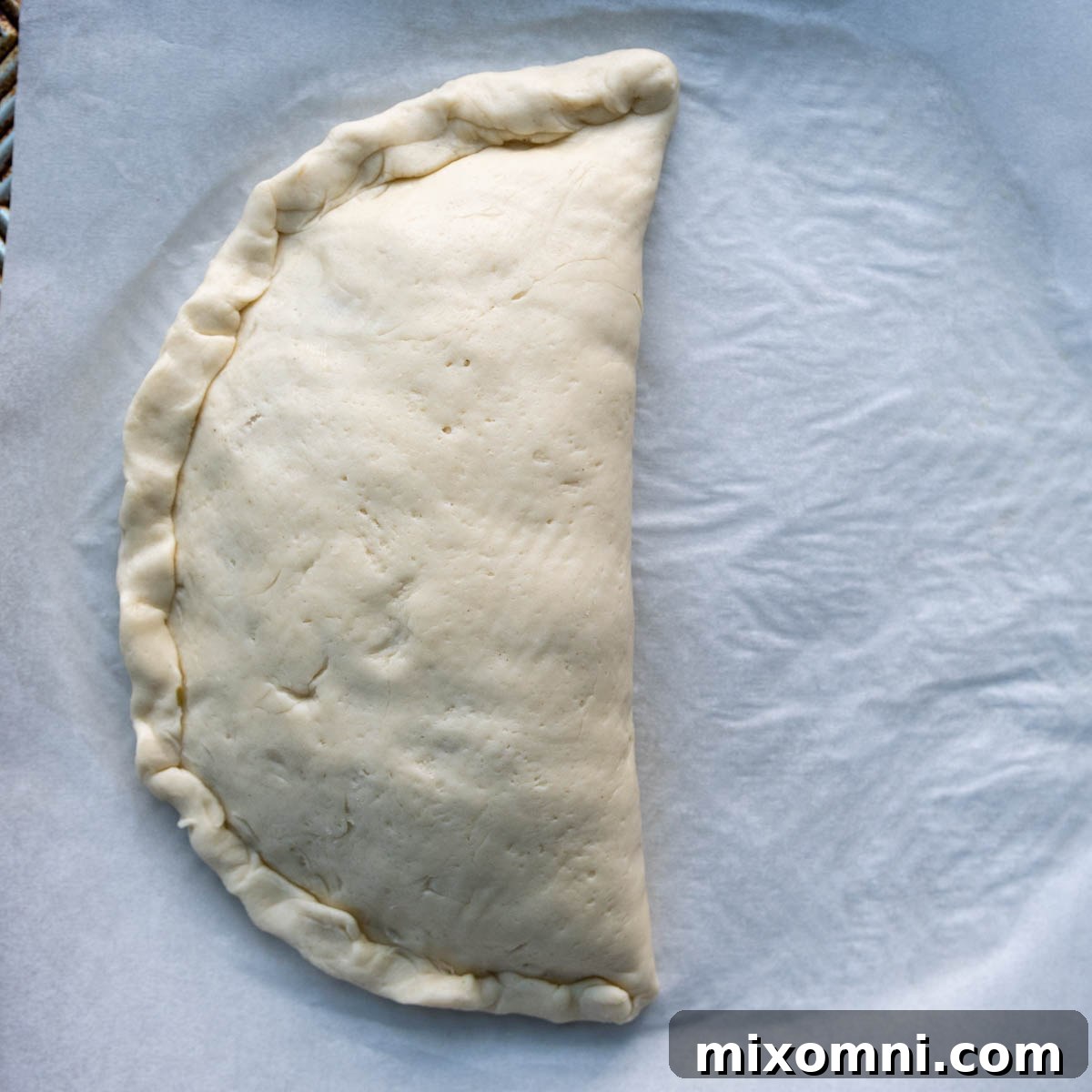
- Seal the Calzone: Carefully fold the empty half of the dough over the cheese and toppings, aligning the edges. To create a secure seal, begin by firmly pressing the two dough edges together with your fingertips. Next, take the pressed seam and gently roll it upwards towards the body of the calzone. Finally, use your forefinger and thumb to crimp or flute this rolled edge, much like you would decorate the rim of a pie crust. This creates a beautiful, tight seal that helps prevent fillings from escaping. (Refer to the images above in the recipe post for visual guidance on this crucial sealing technique.)
- Continue Shaping: Repeat the shaping and filling process with the remaining three dough sections. You will be able to fit 2 calzones comfortably on each baking sheet. The final two dough sections will bake on the initially greased parchment sheet.
- Proof and Preheat: In a small bowl, whisk together the egg and water to create your egg wash. Generously brush the tops and edges of all the unbaked calzones with this wash. Reserve any leftover egg wash. Gently lay a piece of plastic wrap over the calzones to prevent them from drying out and allow them to rise in a warm spot for 20-30 minutes. During this time, preheat your oven to 375ºF (190ºC).
- Bake to Golden Perfection: Remove the plastic wrap from the calzones. Place the baking sheets in the preheated oven and bake for 30 minutes. Halfway through the baking time (around 15 minutes), carefully remove the baking sheets, brush the calzones again with the reserved egg wash for an extra golden sheen, and rotate the sheets for even baking. Discard any remaining egg wash. Return to the oven to finish baking until golden brown and cooked through. Serve immediately with warm pizza or marinara sauce for dipping and enjoy your glorious homemade gluten-free calzones!
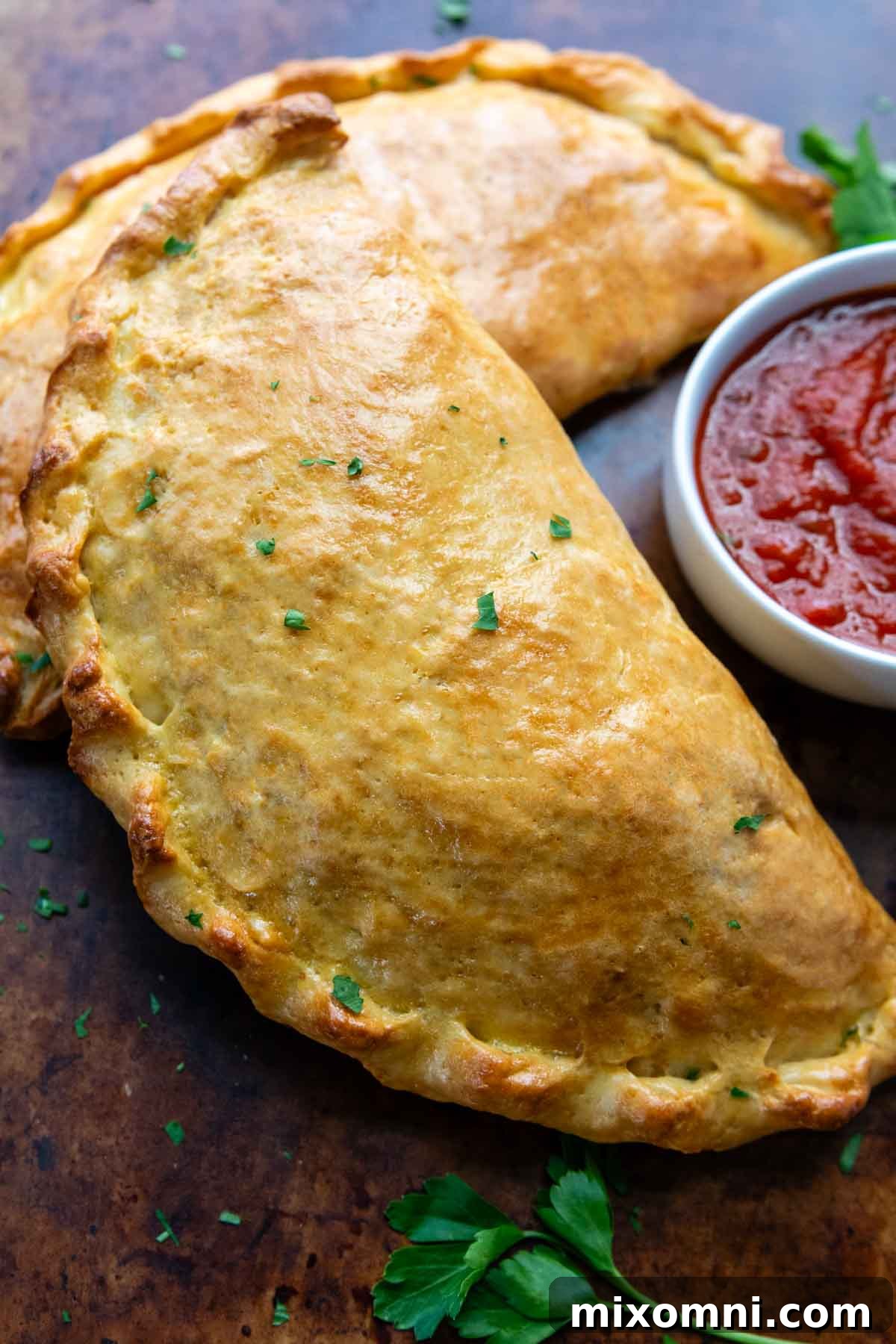
Unleash Your Inner Chef: Creative Gluten-Free Calzone Fillings and Expert Tips
While the dough is the star, the fillings are what bring your gluten-free calzones to life! To achieve those beautiful pizzeria-style calzones with perfectly contained, melty interiors, a few easy tips can make all the difference. Of course, remember that even if your GF calzone isn’t a picture of perfection, it will still taste absolutely incredible!
Optimal Cheese for the Best Melt
For the ultimate gooey, stretchy cheese pull, I highly recommend using freshly grated mozzarella cheese. Pre-shredded cheeses often contain anti-caking agents that can hinder smooth melting and affect texture. Two 8-ounce blocks of mozzarella are the ideal quantity for this recipe, ensuring a rich filling. Each calzone should be filled with approximately one cup of grated cheese; while this might seem like a generous amount before baking, using less will negatively impact the delightful bread-to-cheese ratio that makes calzones so satisfying.
The Sauce Debate: Inside or Out?
You might be tempted to add pizza sauce directly inside your calzone, beneath the cheese. However, through my testing, I’ve found that the extra moisture from the sauce can often cause the dough seams to come apart during baking, leading to messy leaks. While this is primarily an aesthetic consideration, serving your favorite marinara or pizza sauce on the side for dipping ensures a structurally sound calzone and allows for maximum customization with every bite. It’s an optional suggestion, but one that significantly enhances the calzone experience!
Dairy-Free and Diverse Topping Ideas
For those following a dairy-free diet, I haven’t personally tested this specific recipe with dairy-free cheeses, but I see no reason why a high-quality, meltable dairy-free mozzarella substitute wouldn’t work well. The dough itself is naturally dairy-free (if using dairy-free butter or oil in the egg wash, or simply omitting it). As for other gluten-free calzone toppings, the possibilities are endless! Here are some of our family favorites and preparation tips:
- Pepperoni: A classic for a reason. Its savory, slightly spicy flavor is always a hit.
- Mushrooms: Sauté fresh mushrooms beforehand to release their moisture and concentrate their flavor, or use well-drained canned mushrooms.
- Spinach: If using frozen spinach, be sure to thaw it completely and squeeze out as much excess moisture as possible to prevent a soggy interior. For fresh spinach, quickly sauté it until wilted and then squeeze out any liquid.
- Cooked Italian Sausage: Brown and crumble your favorite Italian sausage (mild or spicy) and drain off any excess grease before adding to the calzone.
- Bell Peppers: Finely dice an assortment of bell peppers for a pop of color and fresh flavor. No need to pre-cook, they’ll soften in the oven.
- Chopped Artichoke Hearts: Use canned or jarred artichoke hearts, well-drained and chopped, for a delicious Mediterranean twist.
- Black Olives: Sliced black olives add a briny, savory note that complements the cheese beautifully.
- Ricotta Cheese: For an extra creamy and traditional touch, spread a thin layer of seasoned ricotta cheese (mixed with a pinch of salt, pepper, and perhaps some Parmesan) on the dough before adding the mozzarella.
When adding toppings, ensure they are not piled too high, especially close to the edges, to facilitate easy folding and sealing. Distribute them evenly over the cheese for a balanced bite every time.
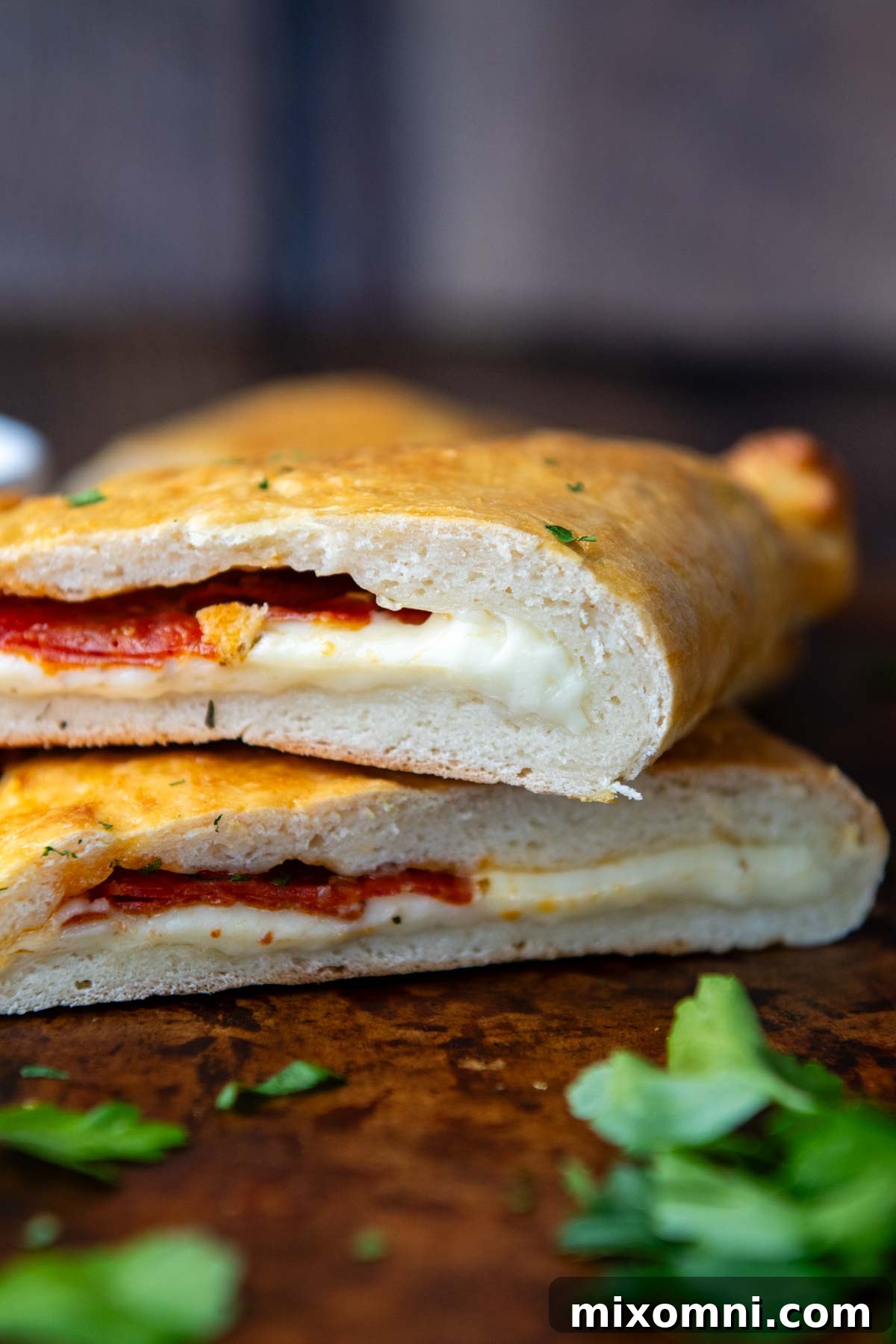
Don’t Forget to Pin This Irresistible Recipe!
Join me on Pinterest for more amazing gluten-free recipes and culinary inspiration!
Have you made these incredible gluten-free calzones? I genuinely love hearing from our community! Please take a moment to leave a star rating and comment below the recipe card. Your feedback helps other home cooks discover and enjoy these recipes, and I always respond! -Melissa

Easy Gluten-Free Calzones (Soft, Tender Texture)
 Melissa Erdelac
Pin
Rate
Remove Ads
Ingredients
- 3 cups (438 g) gluten free all purpose flour, Cup4Cup GF flour highly recommended
- ½ cup (88 g) potato starch, (not potato flour)
- 2 tablespoons (26 g) granulated sugar
- 1 (9 g) packet (2 ¼ tsp) instant rapid rise yeast
- 1 ½ tablespoons (17 g) psyllium husk powder, (What is psyllium husk?)
- 1 teaspoon baking powder
- 1 teaspoon salt
- 1 ½ cups (360 g) warm water (110°F)
- 1 large egg, room temperature
- 3 tablespoons (40 g) olive oil
- (2) 8 ounce blocks mozzarella cheese
- Italian seasoning
- optional toppings: pepperoni slices, cooked Italian sausage, mushrooms, black olives
- egg wash: 1 egg lightly beaten with 1 tablespoon water
- marinara or pizza sauce, for dipping
Equipment
-
Stand Mixer
-
Cup 4 Cup Gluten Free Flour
-
Cheese Grater
Instructions
-
In a large mixing bowl of a stand mixer using a paddle attachment, combine the GF flour, potato starch, sugar, psyllium, yeast, baking powder and salt on low speed.3 cups gluten free all purpose flour, ½ cup potato starch, 2 tablespoons granulated sugar, 1 packet (2 ¼ tsp) instant rapid rise yeast, 1 ½ tablespoons psyllium husk powder, 1 teaspoon baking powder, 1 teaspoon salt
-
Add the warm water, egg, and oil. Combine on low speed until blended. Increase to medium low speed and beat for 5 minutes, stopping to scrape down the bowl once or twice. The dough will be very stiff.1 ½ cups warm water (110°F), 1 large egg, 3 tablespoons olive oil
-
You will need two baking sheets lined with pieces of parchment paper. On one sheet grease the parchment with a little olive oil. This will be your work surface to shape the calzones. Set the other sheet aside.
-
Scrape the dough onto the greased parchment. Spray your hands with nonstick cooking spray (or rub with a little olive oil) and shape the dough into a smooth ball. Use a sharp knife to divide the ball into 4 even sections. Move 3 sections to the side of the greased baking sheet and use the open side to shape the first calzone.
-
Take one portion and flatten into a thick, round disc. Use greased hands to press into a 8-9” circle. Transfer the circle to the other ungreased baking sheet before adding the cheese and toppings.
-
On one half of the circle sprinkle on 1 cup grated mozzarella cheese, leaving the the edge free from cheese so the dough can seal together. (TIP: I don’t add pizza sauce to the inside of calzones, because it has a tendency to seep out). Sprinkle on Italian seasoning and add desired pizza toppings on top of the cheese.
-
Fold the other half over the cheese. To seal, first press the seams together. Next roll the seam up towards the calzone and finally flute it, similar to a pie edge, using your forefinger and thumb. (See recipe post for step-by-step images.)
-
Repeat process with 3 remaining dough sections. You will have 2 calzones per baking sheet, so the remaining 2 dough sections bake on the greased sheet.
-
Brush the egg wash over the top and edges of the calzones. Reserve the extra egg wash for later use. Lay a piece of plastic wrap over the top and let rise for 20-30 minutes while the oven preheats to 375ºF.
-
Remove the plastic wrap and bake for 30 minutes. Halfway through baking remove the baking sheets, brush with the remaining egg wash and rotate the baking sheets. Discard any extra egg wash. Finish baking and enjoy with pizza sauce for dipping.
Notes
Storing and Reheating Calzones
For any delicious leftovers, allow the calzone to cool completely to room temperature. Then, wrap it securely in aluminum foil to maintain freshness and prevent drying. Refrigerate for up to 2 days. To reheat, place the foil-wrapped calzone in a preheated 350ºF (175ºC) oven and bake for 20-30 minutes, or until it is warmed through to the center.
For a quicker reheating method, wrap the cooled calzone in a damp paper towel and microwave it at 50% power until hot. Be mindful not to overheat, as this can cause the crust to become excessively chewy.
Sometimes, a combination of both methods works best for convenience and quality. Partially warm the calzone in the microwave, then wrap it in foil and finish heating in the oven for a crispy exterior.
Can I Make Gluten-Free Calzones Ahead of Time?
During recipe testing, I experimented with freezing unbaked calzones and baking them directly from frozen (for about 40 minutes). While edible, the results weren’t as exceptional as those baked with fresh dough.
For better results with make-ahead dough, I would suggest shaping the calzones, then thawing them in the refrigerator overnight. Allow the thawed calzones to come to room temperature for about an hour before baking as directed.
Another successful make-ahead option is to bake the calzones fully, let them cool completely, and then wrap them securely before freezing. When you’re ready to enjoy them, thaw them overnight in the refrigerator, allow them to come to room temperature for an hour, and then reheat using one of the methods described above.
Recipe adapted from Gluten-Free Pizza Rolls