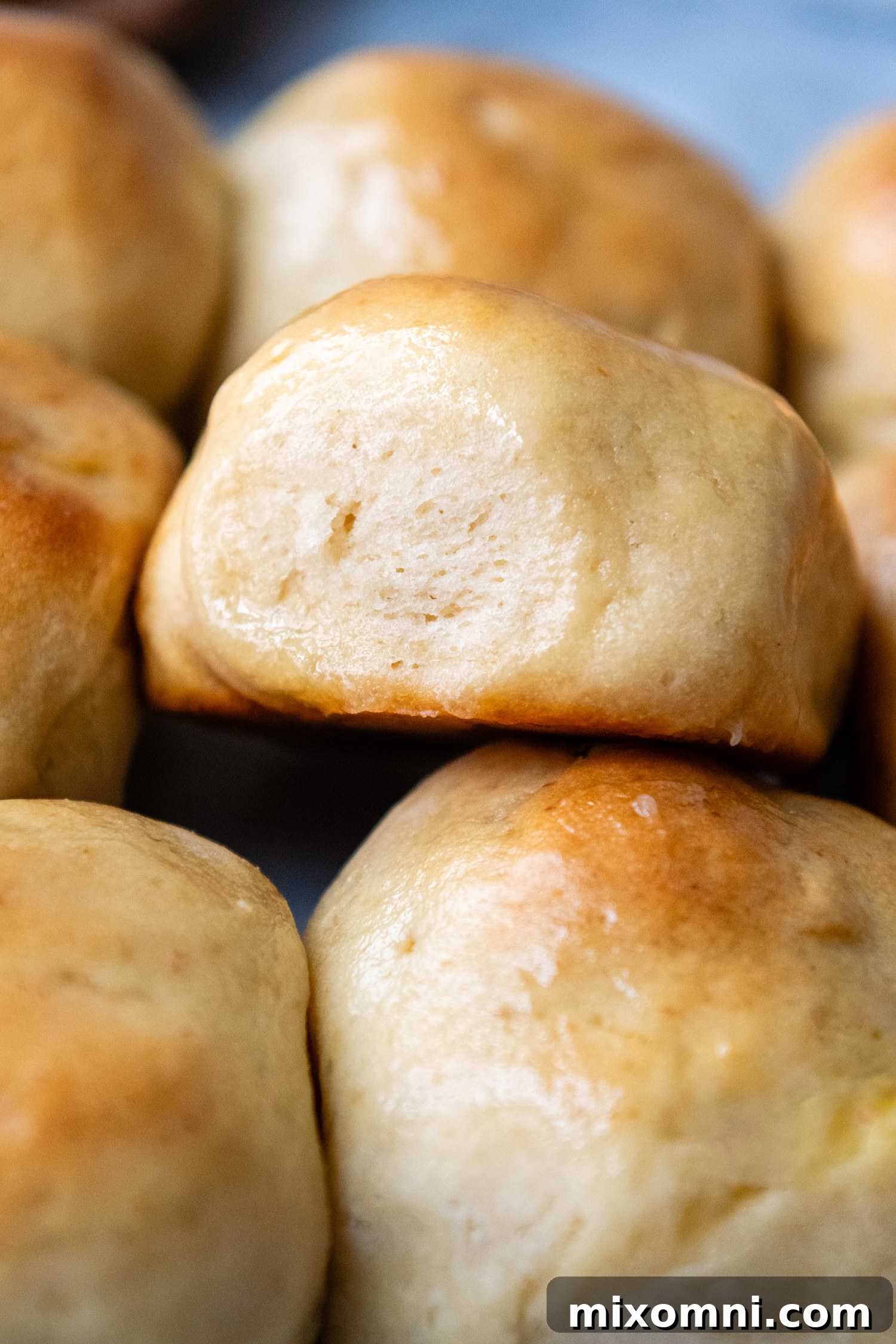
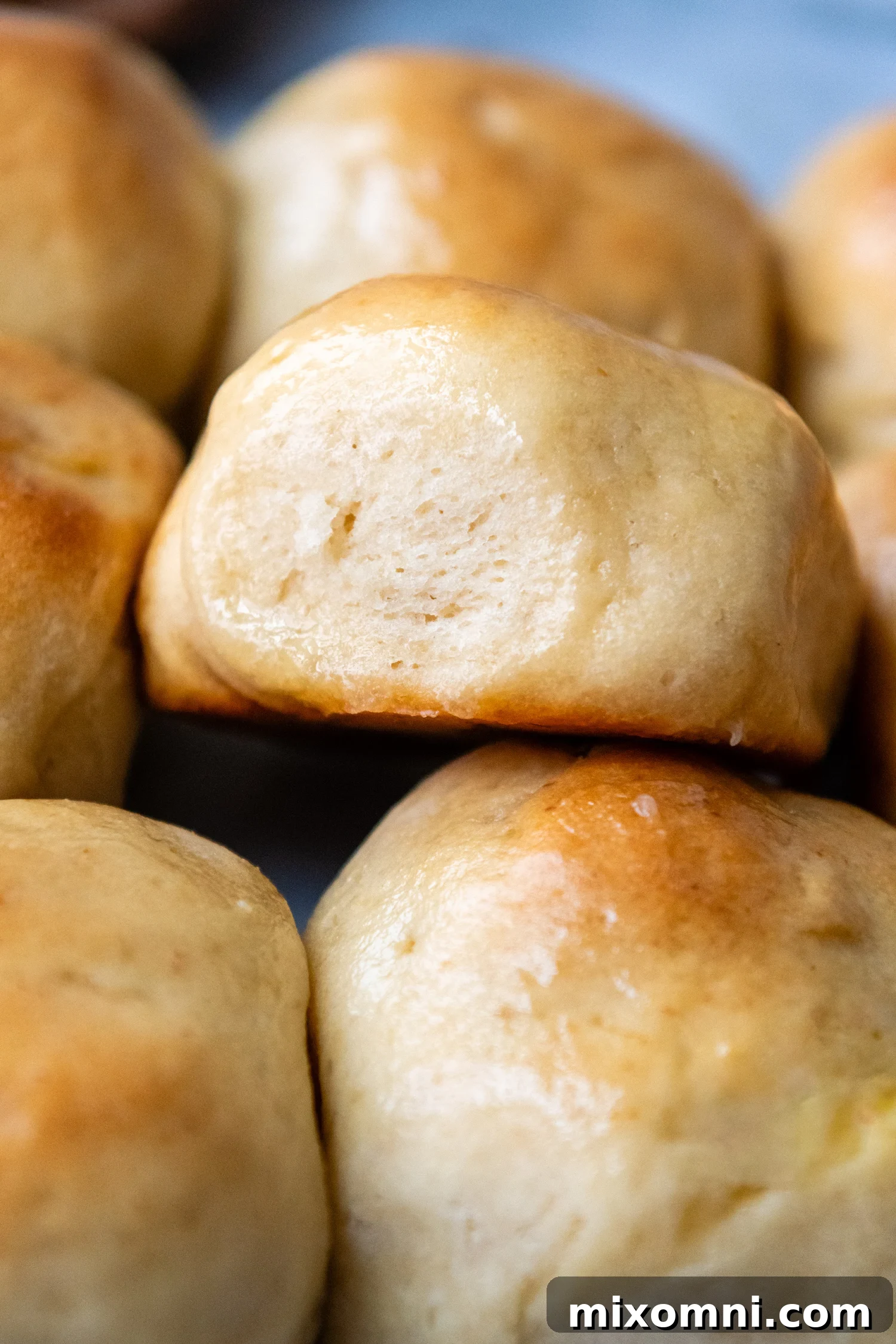
Have you been yearning for the pillowy softness and subtle sweetness of classic Hawaiian slider buns, but thought they were off-limits due to gluten? Your wait is over! Prepare to rediscover that familiar, irresistible taste and incredibly soft texture with this easy-to-follow gluten-free Hawaiian rolls recipe. Whether you’re a seasoned gluten-free baker or just starting your journey, this recipe is designed for success. These homemade sweet yeast buns are remarkably simple, involving just three core steps – mix, shape, and bake – and require only one short rise. I’m here to guide you every step of the way to baking perfection!
Soft, Sweet Gluten-Free Slider Buns – Hawaiian Style: A Culinary Comeback
There’s a special kind of joy in bringing back a beloved food item into your life, especially one you thought you might never enjoy again. For many, King’s Hawaiian rolls represent comfort, celebration, and delicious versatility. Whether you cherished these fluffy, sweet rolls for building miniature sliders, serving them as an essential accompaniment to holiday dinners, or simply as delightful mini buns for your favorite deli meats, it’s time to indulge once more. This copycat gluten-free Hawaiian rolls recipe promises to deliver all the nostalgic flavor and texture you remember, without any gluten.
Recreating the signature light, airy texture and delicate sweetness of traditional Hawaiian bread in a gluten-free format is a nuanced art. My journey began by adapting principles from some of my most successful gluten-free bread recipes, always aiming for a crumb that’s both tender and holds its shape beautifully. Think of the soft, doughy interior of a Cinnabon-style gluten-free cinnamon roll – that’s the kind of irresistible texture we’re aiming for here. Achieving this requires a precise balance of wet and dry ingredients, ensuring the dough remains pliable enough for shaping while maintaining its structural integrity during baking.
Many gluten-free slider bun recipes fall into a common trap: adding excessive amounts of flour to create a stiffer, seemingly easier-to-handle dough. While this might simplify the shaping process, it almost inevitably leads to a disappointing outcome – dry, crumbly buns that lack the characteristic fluffiness. My approach, however, champions a softer, looser dough consistency. The secret lies in using greased hands for shaping, which makes the sticky dough surprisingly manageable. This method is crucial for retaining the higher moisture content needed to achieve that iconic Hawaiian bread softness and chewiness after baking. Below, we’ll dive into the specific ingredients that contribute to the elasticity, moistness, and delightful hint of sweetness that make these rolls truly exceptional.
Decoding the Ingredients: What Makes These Gluten-Free Hawaiian Rolls Shine
The success of any gluten-free baking project often hinges on selecting the right ingredients. For these Hawaiian rolls, each component plays a vital role in mimicking the texture and flavor of their gluten-containing counterparts. Let’s explore the key players:
- Recommended Gluten-Free Flour Blend: This is arguably the most critical ingredient. For optimal taste and an incredibly airy texture, I cannot recommend Cup4Cup gluten-free flour enough. The cornstarch present in this blend is a game-changer, contributing significantly to the light, tender crumb. While other all-purpose gluten-free blends might work, results can vary significantly due to differing starch-to-flour ratios and protein content. If you use a different blend, you might need to adjust the liquid slightly.
- Potato Starch (Not Flour): This is my secret weapon for gluten-free breads that need to be shaped, like my famous GF burger buns. Instead of simply adding more gluten-free flour to stiffen the dough, which can lead to a dense and dry final product, potato starch provides a softer, more pliable structure. It helps create a tender crumb while still allowing the dough to be handled and shaped without crumbling. This distinction between potato starch and potato flour is crucial; they behave very differently in baking.
- Psyllium Husk Powder: An unsung hero in gluten-free baking, psyllium husk powder is indispensable for maintaining moisture and preventing that dreaded crumbly texture often associated with gluten-free breads. More importantly, it acts as a phenomenal gluten mimicker. It forms a gel-like substance when combined with liquid, giving the dough elasticity and stretch, allowing for those beautiful pull-apart rolls. I specifically recommend the linked brand because of its light color; some darker psyllium husk brands can impart an unappealing purple hue to your baked goods.
- Milk Powder: A relatively recent but impactful addition to my yeast bread recipes. With changes in gluten-free flour formulas, I’ve found that incorporating gluten-free milk powder helps to replace lost moisture and contributes to a richer, softer crumb, especially when combined with a quality GF flour blend. It also enhances the browning of the crust. Powdered buttermilk is another excellent alternative if you have it on hand, offering a slightly tangy note.
- Sugars – Brown and Granulated: To achieve the perfect level of sweetness and optimal texture, this recipe calls for a combination of both brown and granulated sugars. Granulated sugar provides a clean sweetness and aids in bfermentation and browning. Brown sugar, with its molasses content, adds a deeper, more complex flavor profile and contributes to the rolls’ moisture and softness. Using only brown sugar can sometimes lead to a slightly heavier texture, while using only granulated sugar might miss that nuanced sweetness. The blend ensures the best of both worlds.
- Yeast and Baking Powder: For a quick yet effective rise, instant rapid rise yeast is recommended. It can be mixed directly with dry ingredients. Baking powder provides an additional lift, ensuring a light and fluffy interior. If using active dry yeast, a slight modification to the mixing process is required (see recipe notes for details).
Let’s Make This Together: Your Journey to Perfect Gluten-Free Hawaiian Rolls
Baking these delightful gluten-free Hawaiian rolls is a rewarding experience, and I’ve broken down each step to ensure your success. (Below shows detailed instructions and process photos. For precise ingredient amounts and the full recipe, please scroll down to the complete recipe card.)
Simple Dump and Mix Dough: The Foundation of Flavor
The first step is incredibly straightforward: combine all your dry ingredients in the large bowl of a stand mixer. This includes your gluten-free flour, potato starch, both sugars, psyllium husk powder, milk powder, yeast, baking powder, and salt. Give them a quick mix on low speed to ensure everything is evenly distributed. This dry blend forms the foundational structure and flavor base of your rolls.
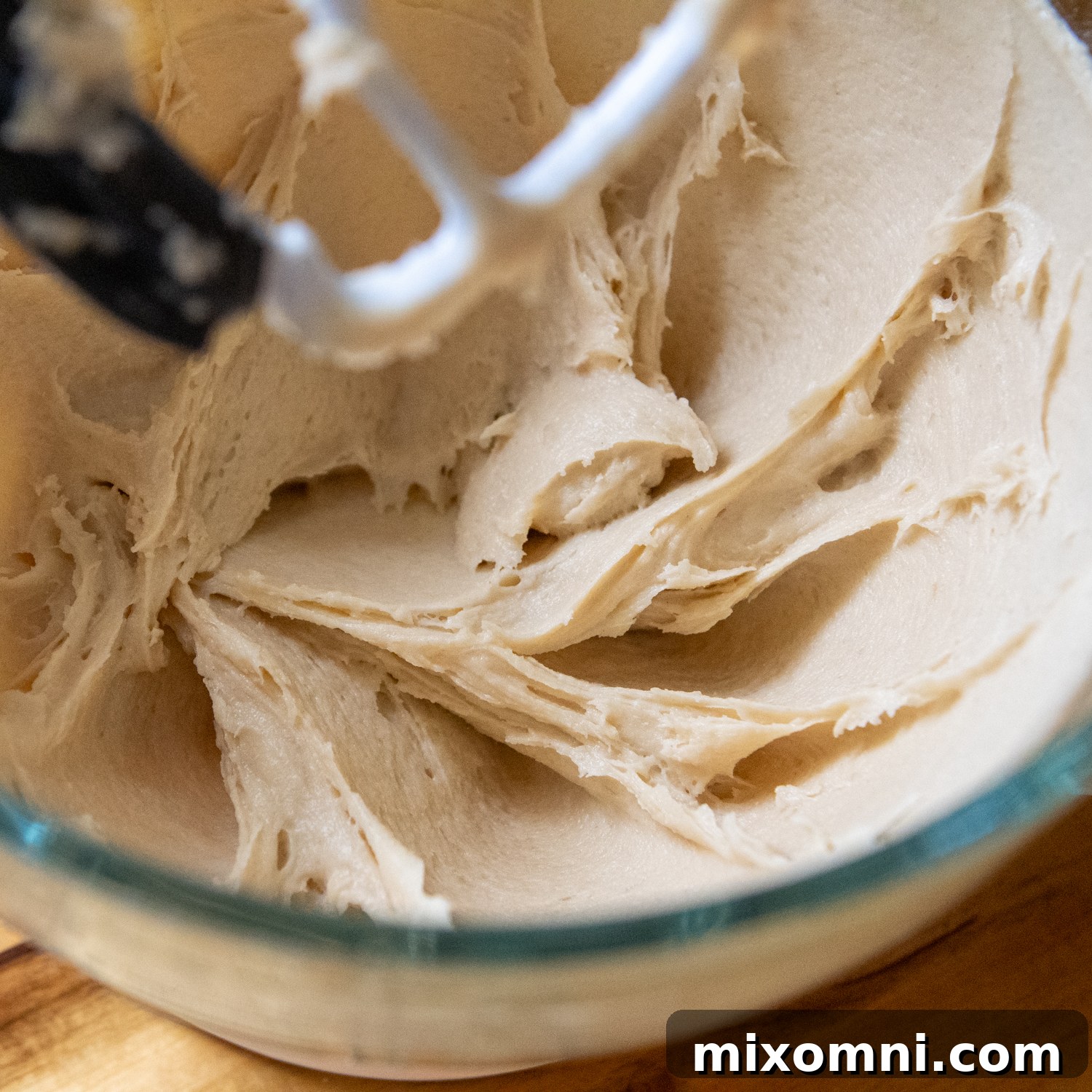
Next, introduce the warm milk, room-temperature egg, and slightly cooled melted butter. Begin mixing on low speed until all the ingredients are well incorporated and the mixture starts to come together. Then, increase the speed to medium-low and beat for a full 5 minutes. During this time, the dough will develop structure and become more cohesive. You’re looking for a dough that is stiff enough to hold its shape but still distinctly sticky to the touch. If, for any reason, your dough seems too stiff or isn’t moving freely around the mixer bowl, add a tiny splash more of warmed milk, one teaspoon at a time, until you reach the desired consistency. Remember, a slightly stickier dough leads to a softer, moister roll!
Shortcut Shaping Method: Sticky Dough, Smooth Rolls
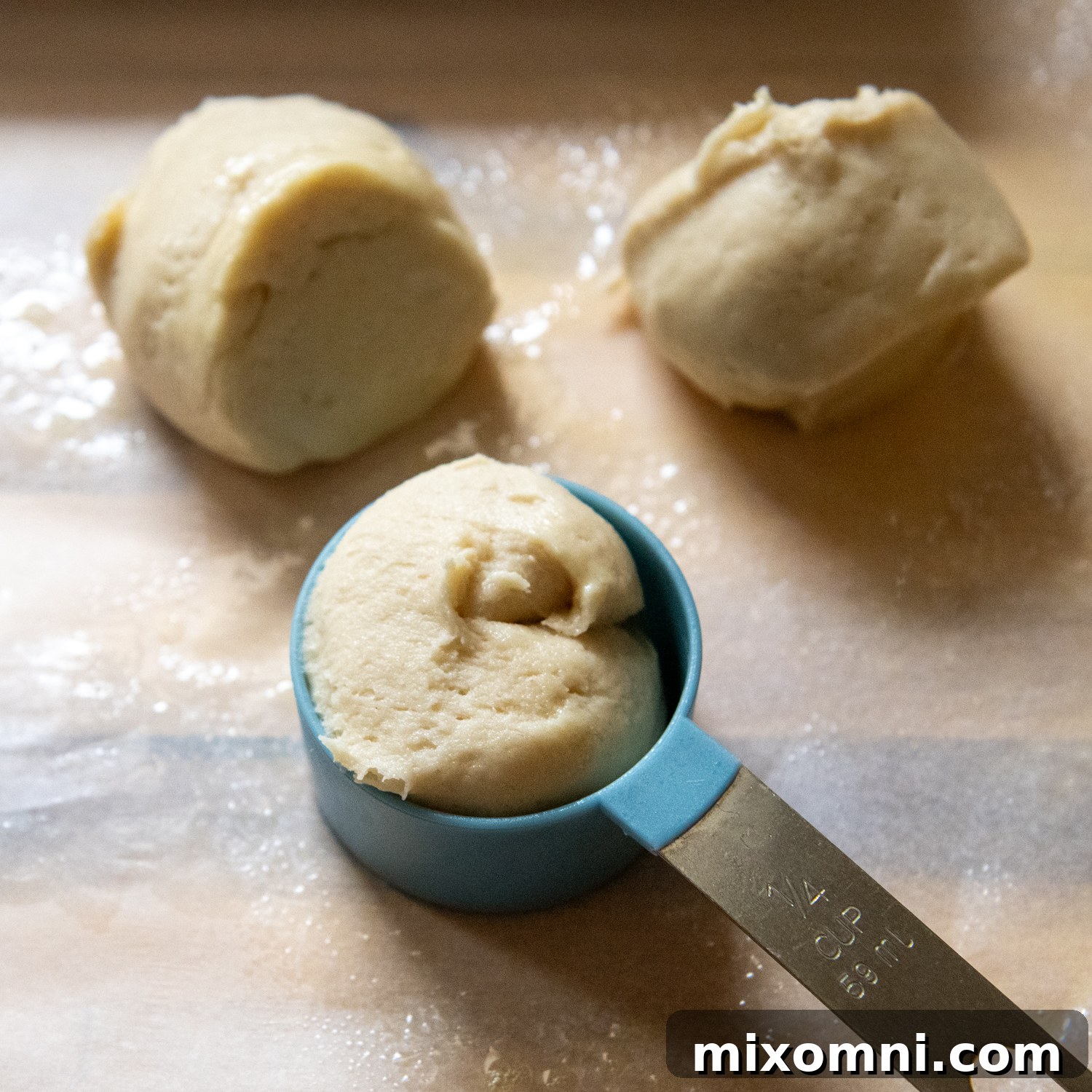
Working with gluten-free yeast dough can sometimes be a bit challenging due to its stickiness. This shortcut method makes shaping a breeze! Lay a piece of parchment paper on your work surface and generously grease it with nonstick cooking spray. Next, lightly grease a ¼ cup measuring cup and, most importantly, your hands. This creates a non-stick barrier that allows you to handle the dough easily.
Scoop out a portion of dough that’s slightly less than ¼ cup, which should yield approximately a 2-ounce portion. I find it most efficient to divide the entire batch of dough into individual portions first, placing them onto the greased parchment paper. This allows for consistent sizing and reduces the overall shaping time. Don’t worry about them being perfectly round at this stage; we’ll refine that next.
Roll and Rise: The Key to Lightness
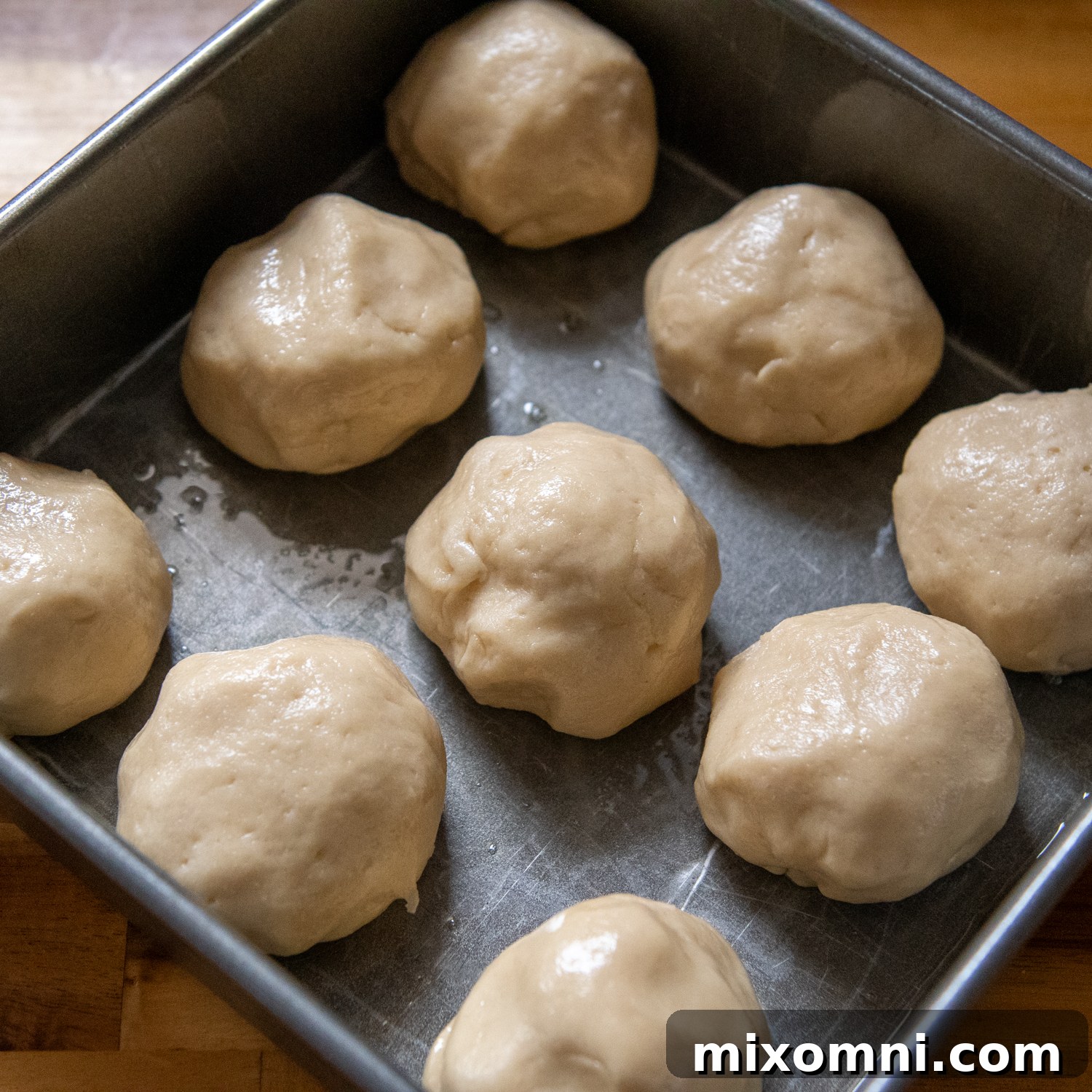
Once your dough is divided, it’s time to roll each portion into a smooth ball. Using your greased hands, gently shape each piece, ensuring you pinch together any seams or cracks at the bottom. This creates a taut surface that helps the rolls rise beautifully. Arrange these beautifully shaped dough balls in a greased 8×8-inch baking pan. I highly recommend using a metal pan over a glass one for yeast breads; metal conducts heat more efficiently, which can contribute to a quicker and more consistent rise during baking.
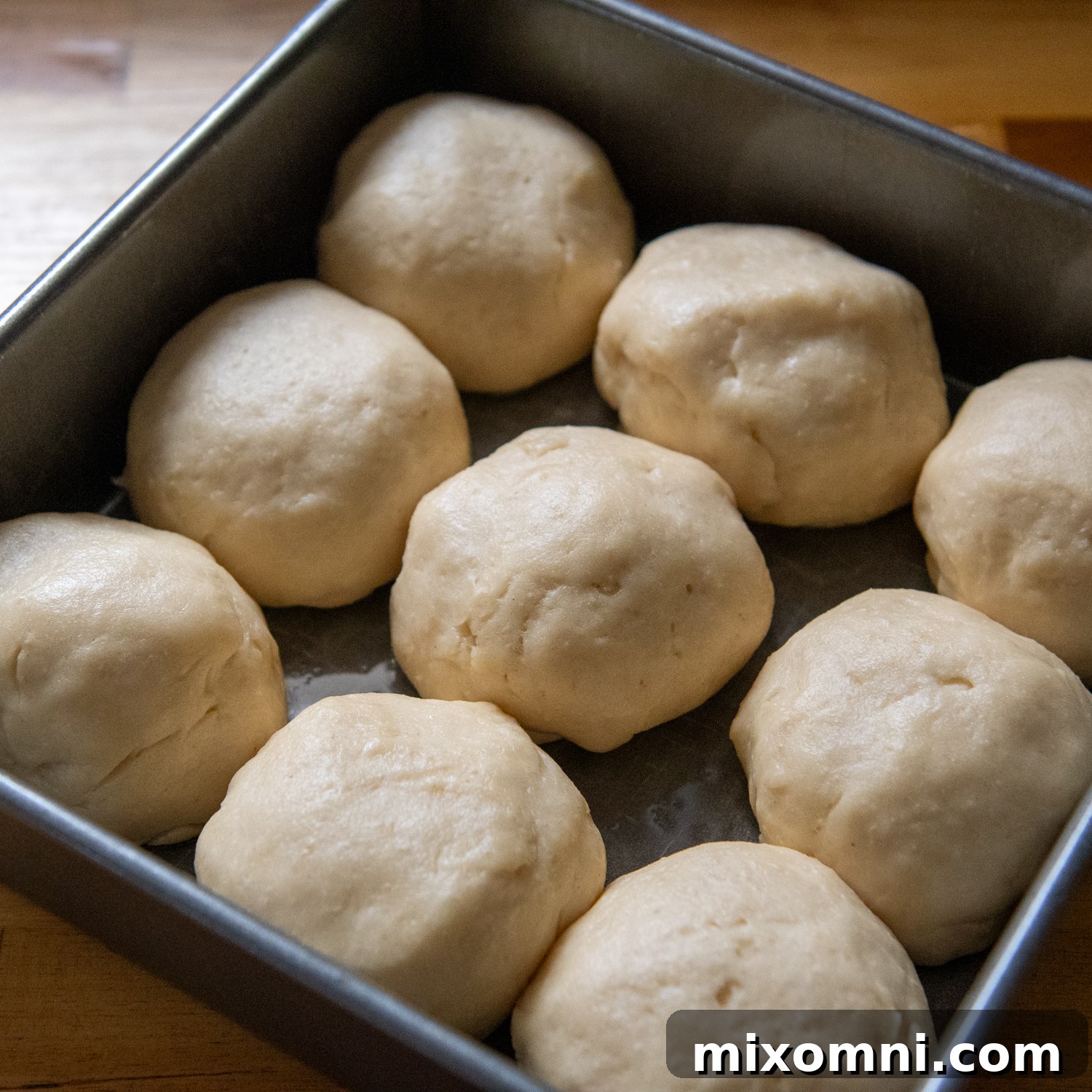
Once all the rolls are nestled in the pan, cover it loosely with plastic wrap. Place the covered pan in a warm, draft-free spot (like a lightly warmed, then turned off, oven) for about 30-40 minutes. The exact rise time will depend on the ambient temperature of your kitchen; a warmer environment will result in a faster rise. During this time, the rolls will significantly increase in size, becoming plump and soft. While they are rising, don’t forget to preheat your oven to 350℉ (175°C) to ensure it’s at the perfect temperature for baking.
Brush and Bake: Achieving That Golden Glow
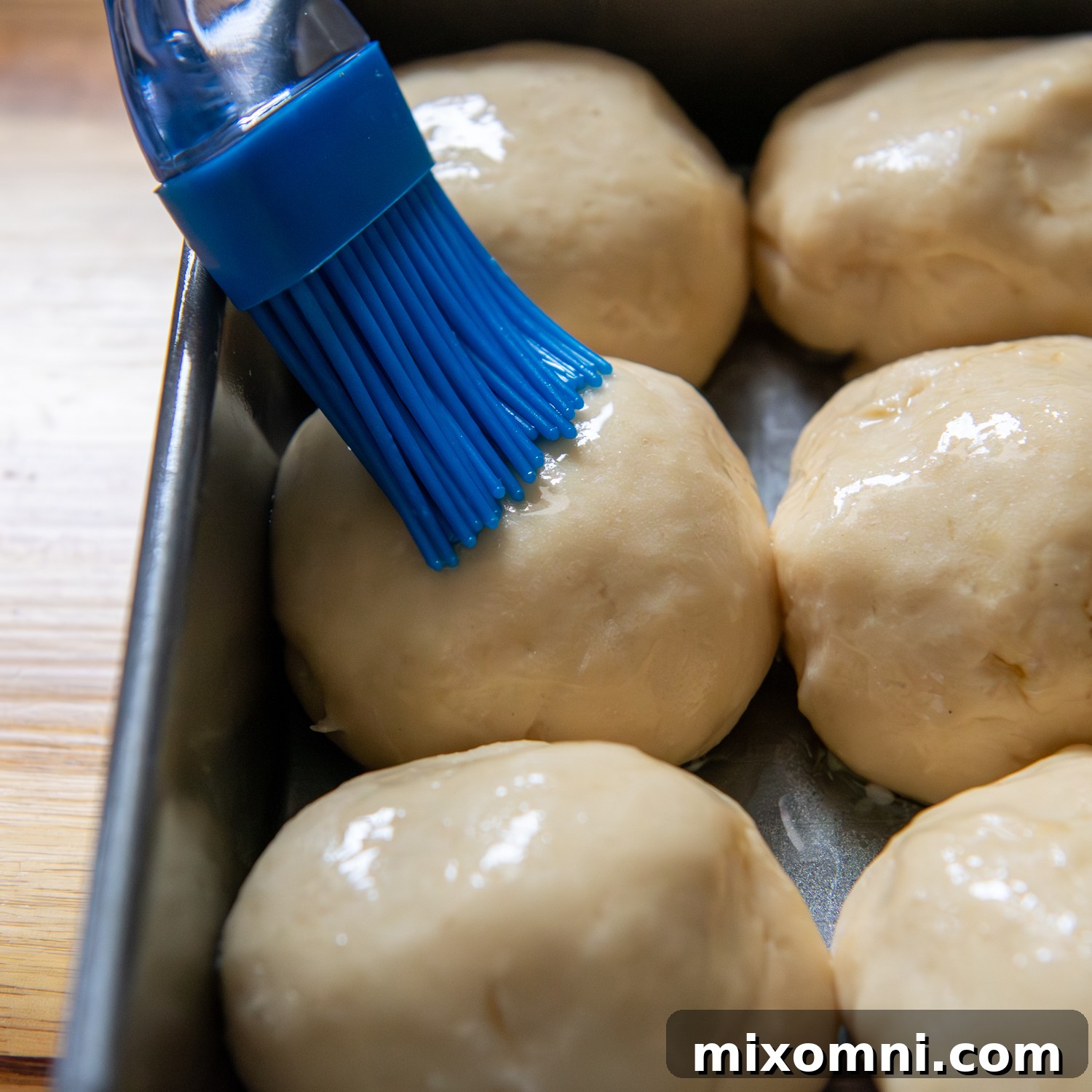
Before baking, melt approximately 1 ½ tablespoons of additional butter. Gently brush this melted butter over the tops of your risen rolls. This not only contributes to a beautiful golden-brown crust but also adds richness and flavor. Set any leftover melted butter aside; you’ll use it again after baking for an extra touch of indulgence. Bake your rolls in the preheated 350℉ (175°C) oven for 20-25 minutes, or until their tops are beautifully golden brown. To ensure they are perfectly baked through and avoid underbaking (which can lead to deflation), I highly recommend using an instant-read thermometer. The internal temperature of the rolls should reach between 195-200ºF (90-93°C). This guarantees a fully cooked interior and the desirable soft, fluffy texture. Serve these irresistible rolls warm, perhaps with a final brush of that reserved melted butter!
What About Making These Gluten-Free Hawaiian Rolls Ahead of Time?
One of the most frequent questions I receive about gluten-free yeast rolls revolves around make-ahead options – specifically, whether they can be frozen before baking or allowed to rise overnight in the refrigerator. While I’ve certainly experimented with these methods, and they are technically possible, I’ve found that the results rarely match the superior taste and texture of freshly baked rolls. Gluten-free doughs, in particular, can be finicky with extended refrigeration or multiple freezing/thawing cycles before their final bake.
However, if your schedule demands a make-ahead solution, there’s a highly effective workaround that I confidently recommend. Bake the rolls completely according to the recipe instructions, then allow them to cool fully on a wire rack. Cooling them promptly on a rack helps prevent a soggy bottom and ensures even cooling. Once cooled, you have a couple of options for freezing: you can wrap the entire batch tightly in plastic wrap and then foil, or pull the rolls apart and wrap them individually. This individual wrapping allows for easy thawing of just a few rolls at a time.
When you’re ready to enjoy them, simply thaw the frozen rolls at room temperature. For optimal warmth and to restore that lovely soft texture, warm them in a 300℉ (150°C) oven for 5-7 minutes. To prevent them from drying out, it’s a good idea to cover the pan loosely with foil during reheating. Alternatively, a quick reheat in the microwave will also soften them up nicely, though the oven method often yields a slightly better crust. This pre-baked freezing method ensures you always have delicious, soft gluten-free Hawaiian rolls ready to enjoy with minimal fuss!
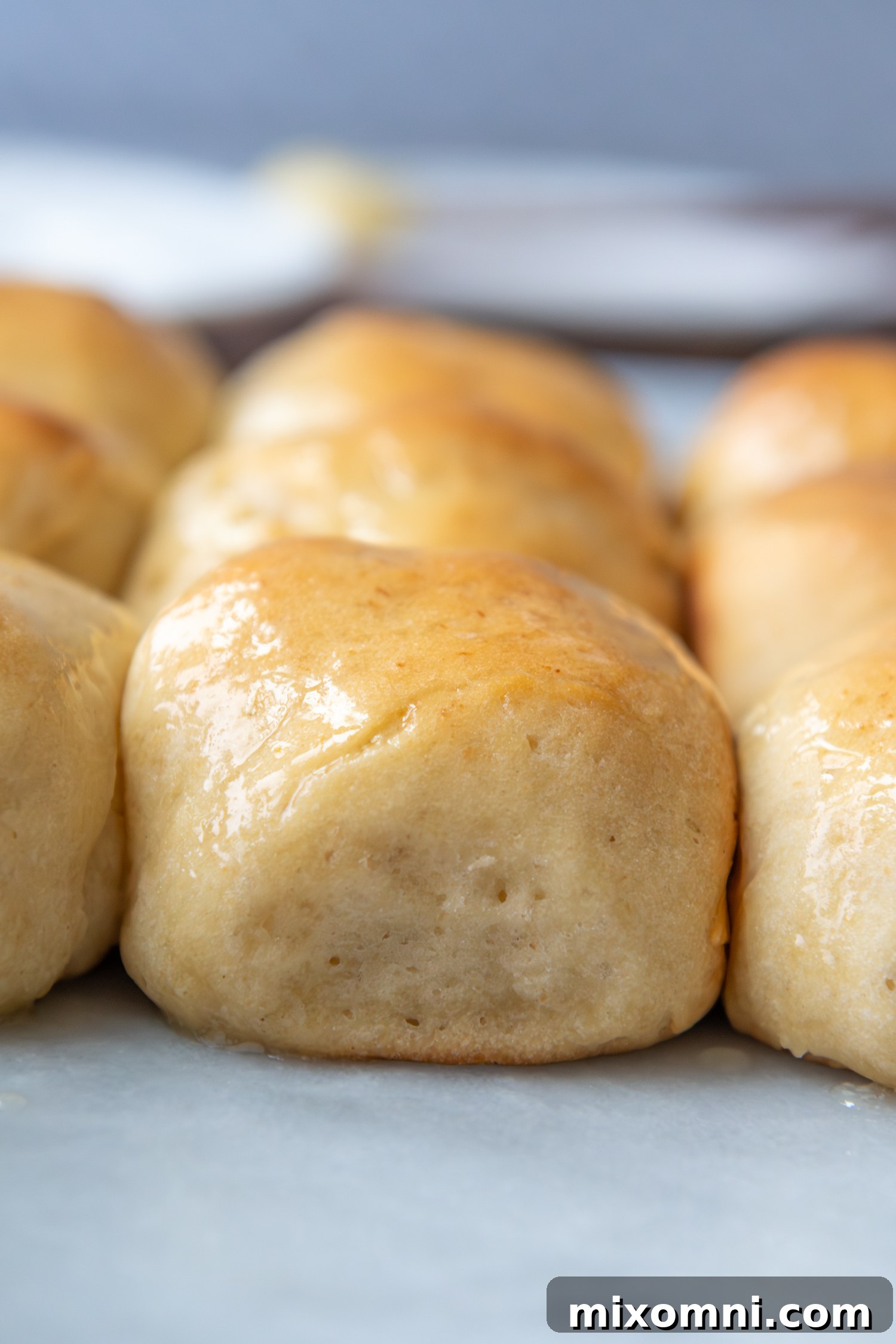
It’s a well-known characteristic of gluten-free breads that they tend to lose moisture and become stale more quickly than their gluten-containing counterparts. To combat this, I strongly advise freezing any leftover rolls if you don’t plan on consuming them within a day or two of baking. Proper freezing preserves their freshness and texture. After removing them from the freezer and allowing them to thaw, gently warm the rolls. This crucial step helps to re-soften the crumb, bringing them back to their original amazing tenderness. You’ll find that they taste just as wonderful as they did on the day you baked them, ready to be enjoyed as a side, for sliders, or simply slathered with butter.
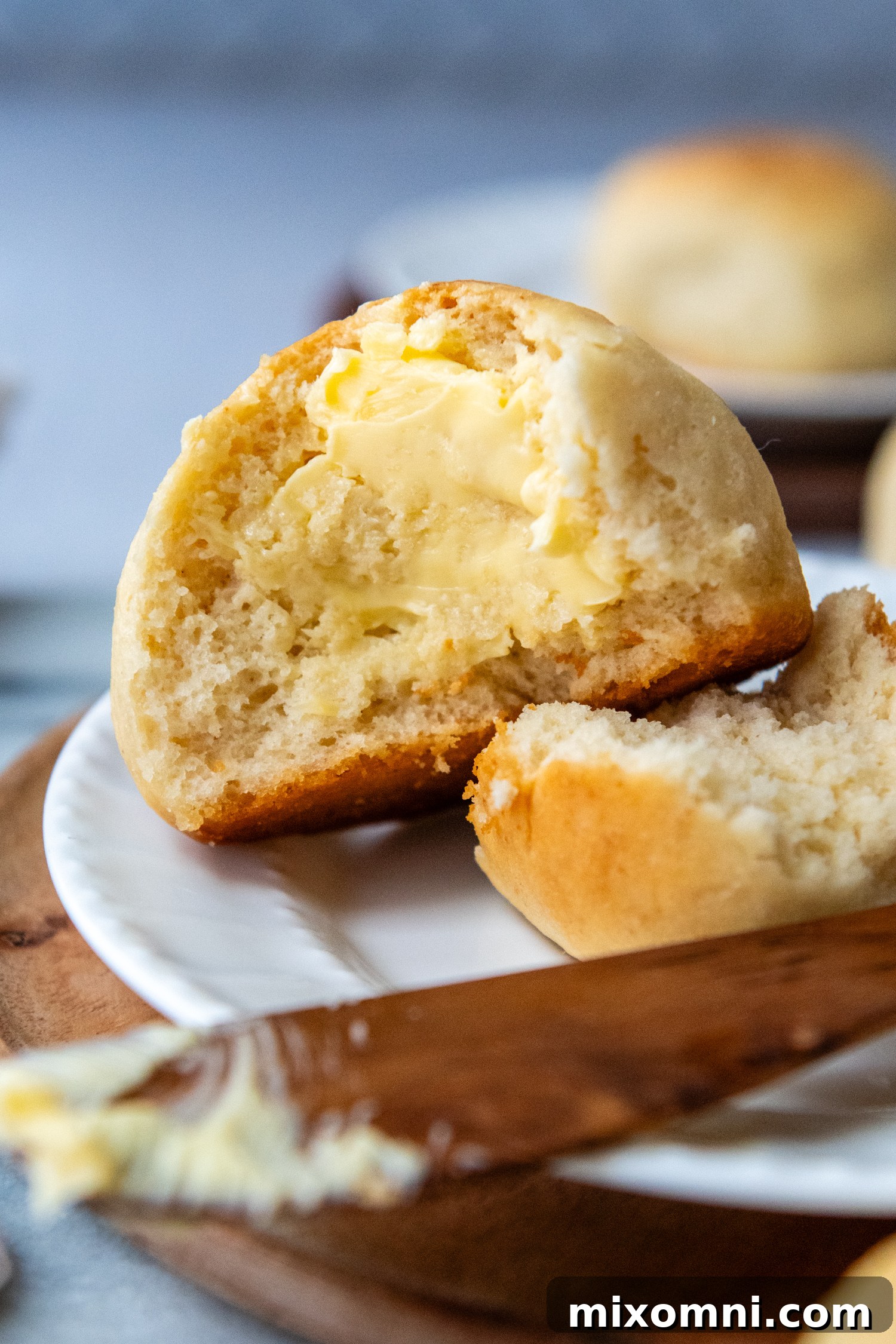
Serving Suggestions: Beyond the Slider
While these gluten-free Hawaiian rolls are absolutely perfect for sliders, their sweet, soft nature makes them incredibly versatile. Don’t limit yourself! Here are a few ideas to inspire you:
- Holiday Feasts: They are a stellar addition to any holiday table, serving as a sweeter alternative to traditional dinner rolls. Their golden appearance and fluffy texture are sure to impress your guests.
- Breakfast Bliss: Split them open and toast lightly, then spread with jam, cream cheese, or a drizzle of honey. They also make an excellent base for a small breakfast sandwich.
- Sweet Snacks: Enjoy them plain with a cup of coffee or tea, or perhaps with a dusting of powdered sugar for a simple dessert.
- Savory Sides: Pair them with hearty stews, chili, or roasted chicken. The slight sweetness beautifully complements savory dishes.
- Mini Sandwiches: Beyond sliders, fill them with deli ham and cheese, shredded chicken salad, or even a light veggie spread for delightful mini sandwiches perfect for picnics or lunchboxes.
Save This Recipe to Your Pinterest Board!
Let’s be friends on Pinterest! I’m always sharing great recipes!
Did you make this recipe? I love hearing from you! Leave a star rating and comment below the recipe card. It helps others when searching for recipes and I appreciate feedback from our community. You will always hear back from me! -Melissa
Squishy Soft Gluten-Free Hawaiian Rolls (1 Hour)
Have you lived without King’s slider buns long enough? Make a batch of these easy gluten-free Hawaiian rolls with a taste and uber soft texture just as good as your remember them. Even if you are new to gluten-free baking, anyone can make this recipe. These homemade sweet yeast buns are as simple as mix, shape and bake, with only 1 short rise. I’ll show you how!
Yield: 9 rolls
Prep Time: 10 mins
Cook Time: 20 mins
Total Time: 1 hr
Pin
Rate
Ingredients
- 1 ½ cups (214 g) gluten free all purpose flour (Cup4Cup gluten free flour highly recommended)
- ¼ cup (43 g) potato starch
- 2 tablespoons (12 g) milk powder
- ¼ cup (57 g) packed light brown sugar
- ¼ cup (50 g) granulated sugar
- 1 tablespoon (11 g) psyllium husk powder (what is psyllium husk?)
- 1 packet (7 g) (2 ¼ tsp) instant rapid rise yeast (see recipe notes for active dry yeast)
- 1 teaspoon baking powder
- ½ teaspoon salt
- ¾ cup (184 g) warm milk (110°F) (microwaved for 30-45 seconds)
- 1 large egg, room temperature
- 2 tablespoons (28 g) melted butter, slightly cooled
- For brushing: 1 ½ tbsp additional melted butter
Equipment
- Cup4Cup Gluten Free Flour
- Instant Read Thermometer
- Stand Mixer
Instructions
- Before you begin, turn your oven to 200ºF (93°C). Once it reaches temperature, turn it OFF. This creates a perfectly warm environment for your rolls to rise. Grease an 8×8-inch baking pan thoroughly (metal is preferred for a quicker rise). Set aside.
- In the large mixing bowl of a stand mixer, combine the gluten-free flour, potato starch, milk powder, brown sugar, granulated sugar, psyllium husk powder, instant rapid rise yeast, baking powder, and salt. Use a paddle attachment on low speed to mix these dry ingredients until well combined.
- Add the warm milk, room-temperature egg, and slightly cooled melted butter to the dry mixture. Combine on low speed until all ingredients are well blended. Increase the speed to medium-low and beat for 5 minutes, stopping to scrape down the bowl once or twice to ensure everything is incorporated. The dough will be stiff but still sticky. If it’s too stiff to move around the bowl, add a few drops of additional warm milk until it loosens slightly.
- Prepare your shaping surface: lay a piece of parchment paper and grease it generously with nonstick cooking spray. Liberally spray a ¼ cup measuring cup and your hands with cooking spray. Scoop out slightly less than ¼ cup of dough per roll (approximately 2 ounces). Divide all the dough portions first and place them on the greased parchment.
- Once all the dough is evenly divided, use your greased hands to roll each portion into a smooth ball. Be sure to pinch together any seams or cracks at the bottom to create a smooth surface. Arrange these smooth dough balls in the prepared baking pan in a grid pattern (3 rows of 3).
- Cover the baking pan loosely with plastic wrap. Place the pan in your pre-warmed, turned-off oven for 15 minutes. After 15 minutes, remove the pan from the oven and let it continue to rise at room temperature for an additional 20-25 minutes while your oven preheats to 350°F (175°C). The rolls should look visibly puffy.
- Melt the additional 1 ½ tablespoons of butter for brushing. Carefully remove the plastic wrap from the risen rolls and gently brush the tops with the melted butter. Reserve any remaining melted butter for after baking.
- Bake the rolls in the preheated 350°F (175°C) oven for 20 minutes (if using a metal pan) or 25 minutes (if using a glass pan), or until the tops are lightly golden brown. To ensure they are fully baked and prevent deflation, use an instant-read thermometer to check the internal temperature, which should reach 195-200ºF (90-93°C). Immediately upon removing them from the oven, brush the tops with the reserved melted butter. Serve warm and enjoy!
Notes
Active Dry Yeast Instructions
If you are using active dry yeast instead of instant rapid rise yeast, you will need to activate it first. Warm the milk to 105-115°F (40-46°C). Add 1 packet (2 ¼ tsp) of active dry yeast to the warm milk, stir gently, and let it sit for 5-10 minutes, or until the mixture becomes frothy. This indicates the yeast is active. Once frothy, proceed to add the activated yeast mixture along with the egg and melted butter to your dry ingredients in step 2 of the instructions.
Serving, Storing, and Reheating
To maintain their optimal freshness and soft texture, I highly recommend cooling and freezing any leftover rolls if you do not plan to eat them within one or two days of baking. When you’re ready to enjoy them again, simply thaw them at room temperature or use your microwave’s defrost setting. For the best experience, warm them slightly before serving. A quick minute or two in the microwave or 5-7 minutes in a 300°F (150°C) oven (covered with foil to prevent drying) will help re-soften the crumb, making them taste almost as good as freshly baked.
Nutrition Information
Calories: 183kcal, Carbohydrates: 33g, Protein: 4g, Fat: 5g, Saturated Fat: 2g, Polyunsaturated Fat: 0.3g, Monounsaturated Fat: 1g, Trans Fat: 0.1g, Cholesterol: 29mg, Sodium: 175mg, Potassium: 165mg, Fiber: 3g, Sugar: 14g, Vitamin A: 153IU, Vitamin C: 0.3mg, Calcium: 85mg, Iron: 1mg