
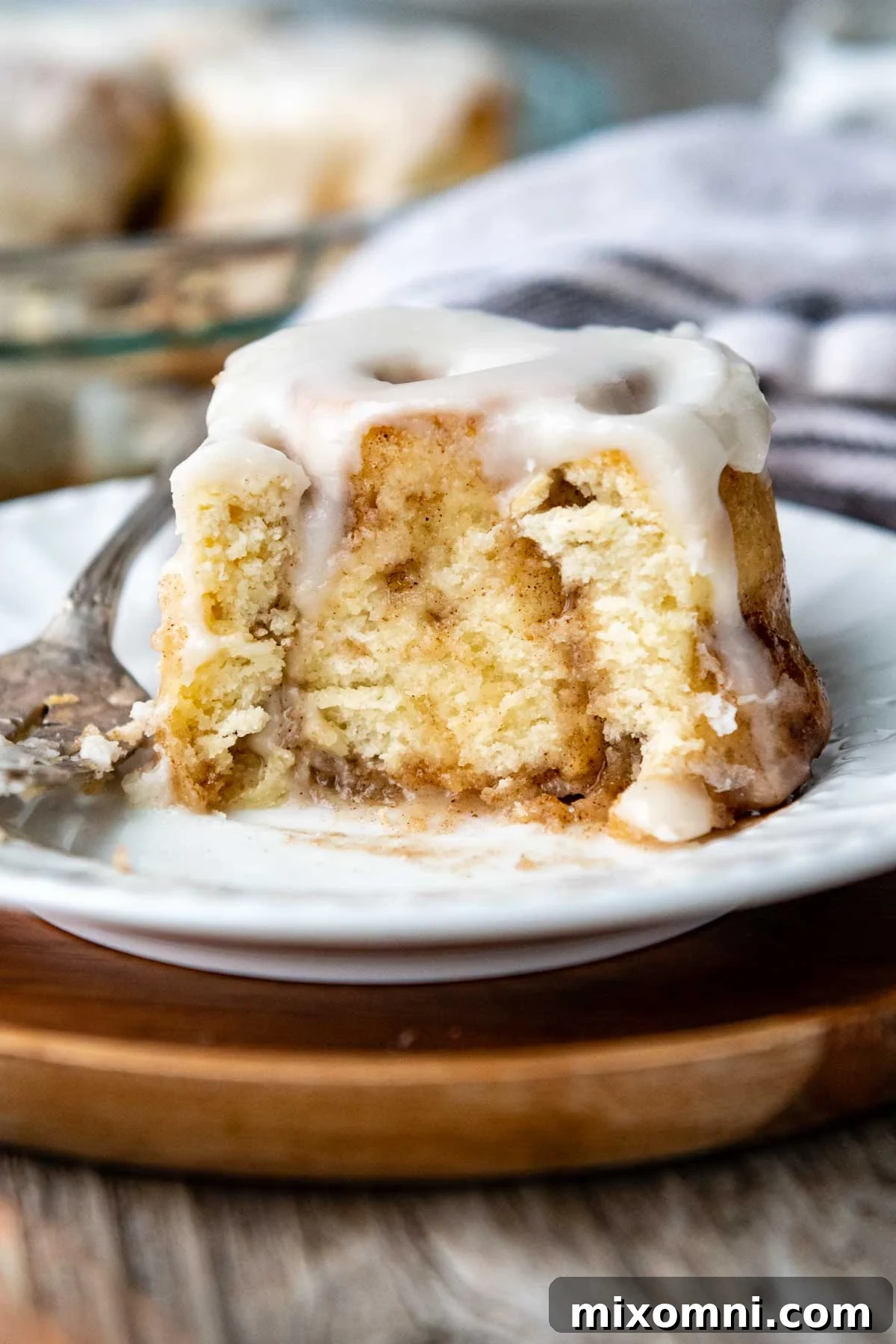
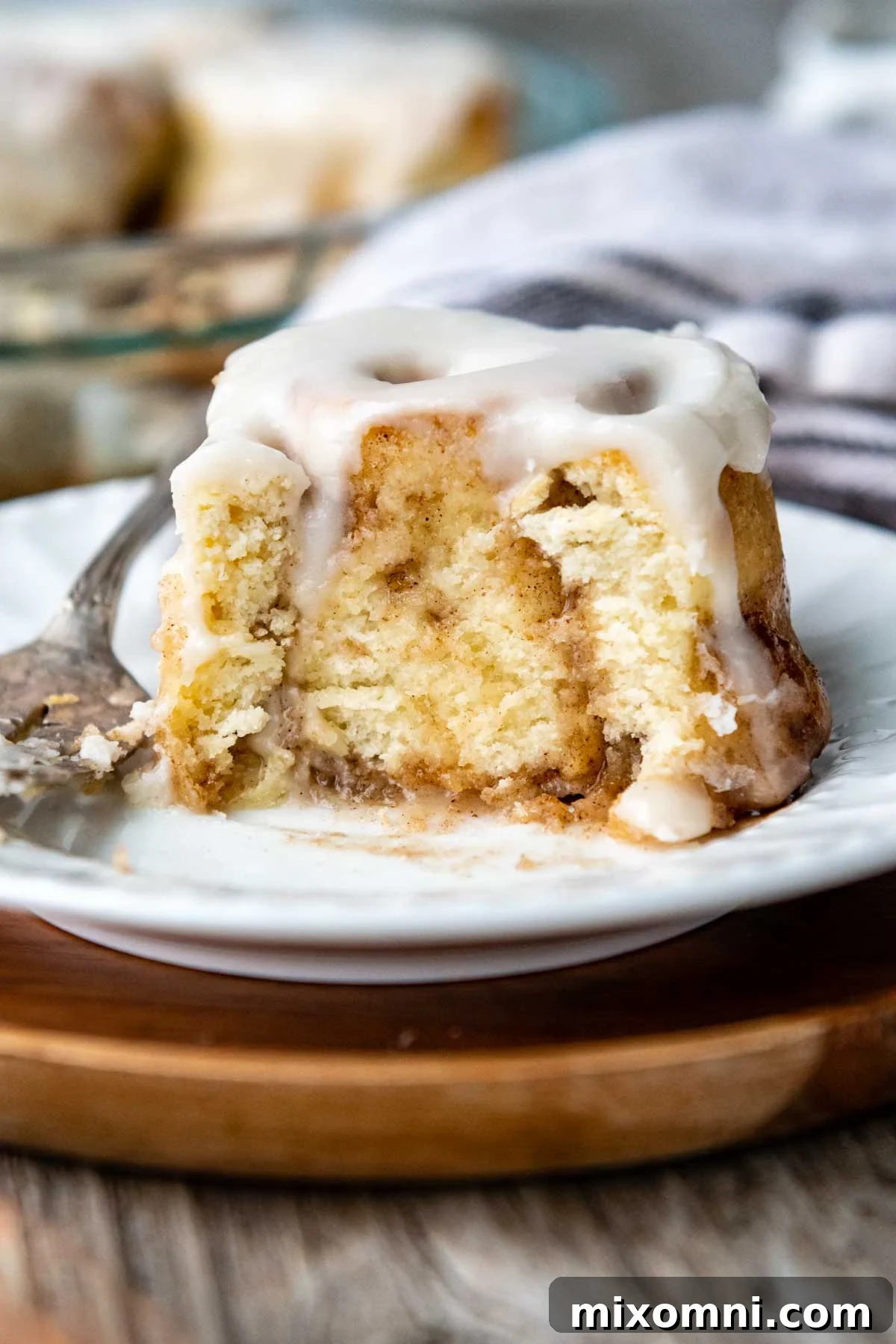
Look no further for the ultimate gluten-free cinnamon roll recipe! If you’ve been dreaming of sinking your teeth into a roll so incredibly soft, so generously fluffy, with a rich, gooey, Cinnabon-inspired filling that utterly melts in your mouth, your search ends here. This meticulously crafted, easy homemade recipe delivers on every promise. Forget tedious kneading, multiple long rises, or needing extensive baking experience. Our foolproof method guarantees bakery-quality cinnamon rolls with just one short rise, making them accessible to every home baker, regardless of skill level. Perfect for festive mornings, a decadent weekend brunch, or simply to satisfy that undeniable craving, these gluten-free delights will impress even the most discerning palates. Prepare to unlock the secret to cinnamon rolls so good, no one will guess they’re gluten-free!
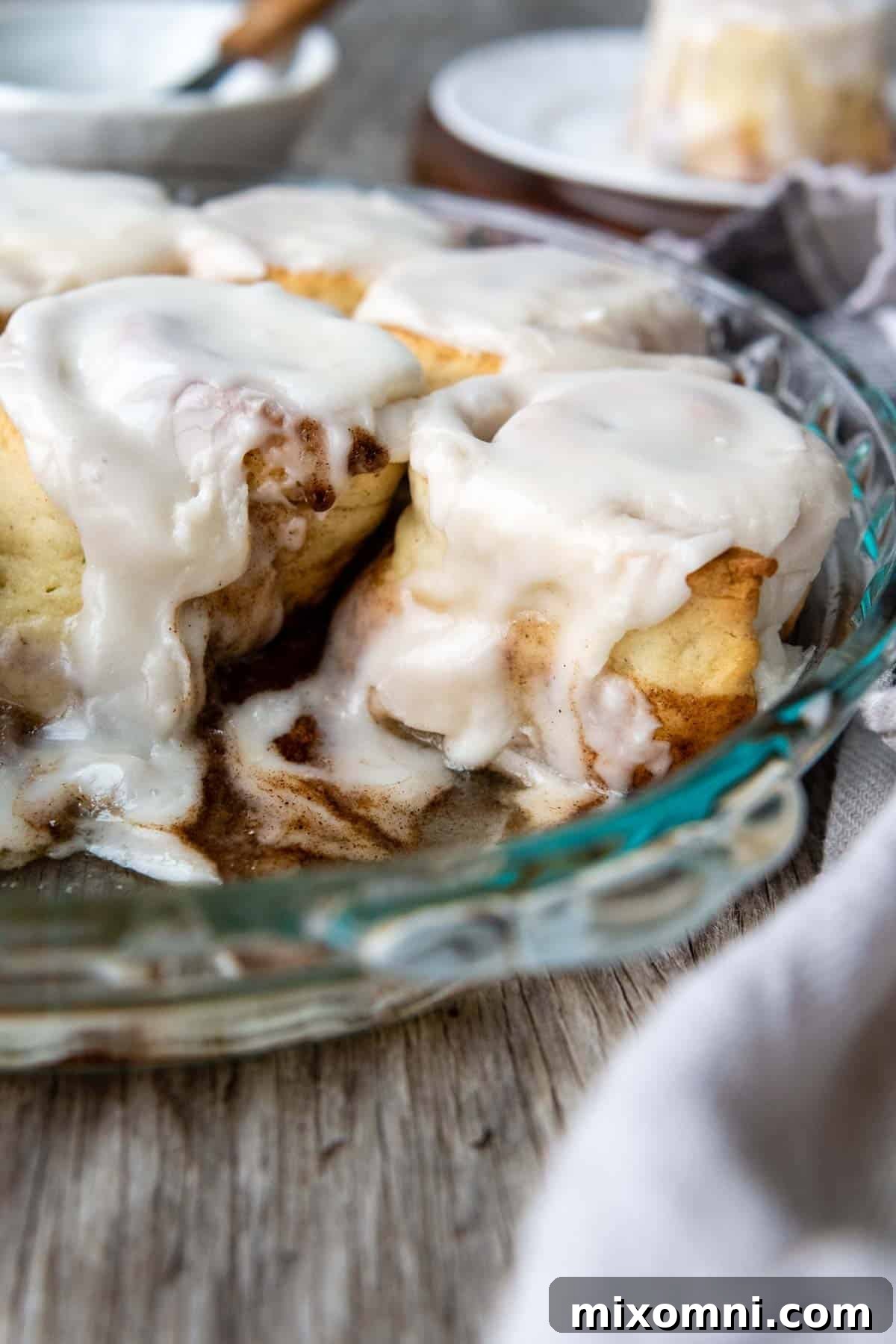
Unveiling the Ultimate Gluten-Free Cinnamon Rolls: A Cinnabon-Style Masterpiece
Whether you’re planning a cozy Christmas morning, a special celebratory brunch, or hosting overnight guests, the aroma and taste of freshly baked cinnamon rolls are always a universally cherished treat. But for those navigating a gluten-free lifestyle, finding a roll that truly delivers on that soft, doughy, and utterly irresistible “ooey gooeyness” can be a significant challenge. Many gluten-free versions fall short, often ending up dry, crumbly, or dense. Not these! Our recipe promises a fluffy cloud of cinnamon-sugar bliss, so delectable that even those without dietary restrictions will be asking for seconds.
My journey to perfect these doughy, soft, and fluffy gluten-free cinnamon rolls began with their initial publication in my cookbook. However, driven by a passion for continuous improvement, I’ve spent countless hours refining and tweaking the recipe ever since. Drawing on innovative techniques discovered through my extensive collection of gluten-free bread recipes, I’ve incorporated new tricks to elevate the texture and flavor to an unparalleled level of softness and tenderness.
While my original recipe was a simpler approach, I was determined to push the boundaries of gluten-free baking. This led me to re-evaluate and retest the cinnamon buns using advanced GF baking strategies. These critical enhancements include:
- **Starting with a roux (tangzhong):** A method proven to drastically improve the moisture and softness of gluten-free dough.
- **Incorporating psyllium husk powder:** An essential ingredient that provides structure and elasticity, expertly mimicking the role of gluten.
- **Adjusting for updated flour formulas:** Specifically, adding milk powder to compensate for recent changes in Cup4Cup’s blend, ensuring optimal dough consistency and a richer flavor.
Let’s explore these revolutionary techniques in more detail:
The Magic of a Roux (Tangzhong): This seemingly “fancy” technique is surprisingly simple yet incredibly impactful. A roux involves cooking a small amount of flour with water and milk until it forms a thick, gelatinous paste. In traditional baking, it helps create exceptionally soft and tender breads by pre-gelatinizing starches, allowing them to absorb and retain significantly more liquid. For gluten-free baking, this effect is even more pronounced. It helps pre-saturate the gluten-free flour, enabling it to hold onto moisture far more effectively than it would otherwise. The result is a wonderfully soft, moist, and doughy texture that is often elusive in gluten-free baked goods, completely eliminating any risk of a dense or gummy crumb. If you’ve ever doubted the power of a roux, just look at the incredible transformation it brought to my gluten-free monkey bread – truly a game-changer!
Unlocking Elasticity with Psyllium Husk: Gluten-free doughs notoriously lack the elasticity and structure that gluten provides, making them challenging to work with and often resulting in crumbly textures. Psyllium husk powder is a natural fiber that acts as a fantastic gluten substitute. When hydrated, it forms a gel-like substance that adds elasticity to the dough, allowing it to be shaped, rolled, and rise beautifully without crumbling. By incorporating psyllium, we can achieve that desirable soft, tender texture with less gluten-free flour, which is key to preventing dryness. Its effectiveness is so profound that it’s earned my go-to classic gluten-free bread recipe hundreds of 5-star reviews, a testament to its magical ability to transform gluten-free yeast baking.
The Role of Milk Powder: With proprietary gluten-free flour blends like Cup4Cup occasionally adjusting their formulas, bakers sometimes need to adapt. After recent formula changes in Cup4Cup, I discovered that adding a small amount of milk powder significantly improved the dough’s texture and overall result. Milk powder contributes proteins and sugars, which aid in browning and further enhance the dough’s softness and moisture retention. It effectively compensates for any slight changes in flour absorbency, ensuring a consistently perfect, tender crumb.
Essential Ingredients for Extraordinary Gluten-Free Cinnamon Rolls
Crafting truly exceptional gluten-free cinnamon rolls begins with understanding the role of each ingredient. Here’s a breakdown of the key components that ensure a soft, fluffy, and flavorful result:
- Gluten-Free Flour Blend: The foundation of your gluten-free baking success lies in the quality of your flour blend. Using an inferior blend can make or break the texture of your baked goods. For consistently outstanding results, I unequivocally recommend Cup4Cup gluten-free flour. This particular blend is my go-to for all my gluten-free baking projects due to its reliable performance and ability to mimic traditional wheat flour remarkably well. While it’s possible to use other gluten-free flour blends, be aware that different brands absorb moisture differently. If you opt for an alternative, carefully observe the dough consistency during mixing and adjust liquid or flour incrementally to match the pictures provided in the step-by-step guide – aiming for a dough that is stiff yet slightly sticky.
- Psyllium Husk Powder: This incredible ingredient is a true game-changer in gluten-free yeast baking. Psyllium husk powder is crucial for several reasons: it significantly helps maintain moisture, preventing the rolls from becoming dry and crumbly; it adds essential elasticity to the dough, allowing it to be shaped and rolled without tearing; and it expertly mimics the structural properties of gluten, providing the necessary framework for a proper rise. For my recommended brand and a comprehensive guide on potential substitutes and its broader uses in gluten-free baking, refer to this psyllium husk GF baking guide.
- Baking Powder: While this recipe relies on yeast for its primary rise, I like to strategically couple baking powder with yeast. This dynamic duo works in harmony to assist the leavening process, contributing to a lighter, more airy, and softer texture – a characteristic that is often challenging to achieve in gluten-free bread doughs. It provides that extra lift and delicate crumb that sets these rolls apart.
- Milk (Whole Milk Recommended): The choice of milk plays a vital role in the final flavor and texture. Using whole milk significantly elevates the taste profile, imparting a rich creaminess that beautifully complements the butter and sugar. Furthermore, the higher fat content in whole milk helps to coat the gluten-free starches, a clever trick employed to prevent dryness and enhance moistness, similar to its use in my homemade GF apple fritters. It’s essential to warm the milk to precisely 110ºF before incorporating the yeast to ensure optimal activation and a strong rise.
- Active Dry Yeast: This is the primary leavening agent that gives the rolls their characteristic fluffy texture. Ensuring the yeast is active is crucial, which is why warming the milk to 110°F is important – too cold and it won’t activate, too hot and it will kill the yeast.
- Granulated Sugar: Beyond sweetness, sugar plays a critical role in yeast activation and browning the crust of your rolls.
- Melted Butter: Adds richness, flavor, and contributes to the dough’s tender crumb. It needs to be slightly cooled to avoid cooking the egg or killing the yeast.
- Large Egg (Room Temperature): Eggs add moisture, richness, and structure to the dough. Using a room temperature egg ensures it incorporates smoothly into the mixture without seizing the fats or chilling the yeast.
- Salt: Balances the sweetness and enhances all the other flavors.
Visualizing Perfection: Watch Our Gluten-Free Cinnamon Roll Recipe
A picture (or in this case, a video!) is worth a thousand words. To ensure your gluten-free cinnamon rolls turn out perfectly, we’ve provided a comprehensive video guide walking you through each step of the process. From preparing the magical roux to mastering the shaping and slicing, this visual aid is designed to make your baking journey effortless and enjoyable. Watch closely to see the ideal dough consistency, shaping techniques, and how to achieve that signature gooey filling and beautiful golden-brown finish. This video is an invaluable resource, especially for those who are visual learners or new to gluten-free baking.
Let’s Bake Together: Your Step-by-Step Guide to Gluten-Free Cinnamon Rolls
(The following section provides detailed, step-by-step photos and instructions. For precise ingredient amounts, please refer to the complete recipe card below.)
Before we dive into the delightful process, prepare your workspace and ingredients. Accuracy is key in gluten-free baking, so having everything measured and ready will ensure a smooth experience.
Step 1: Crafting the Essential Roux (The Secret to Ultimate Softness)
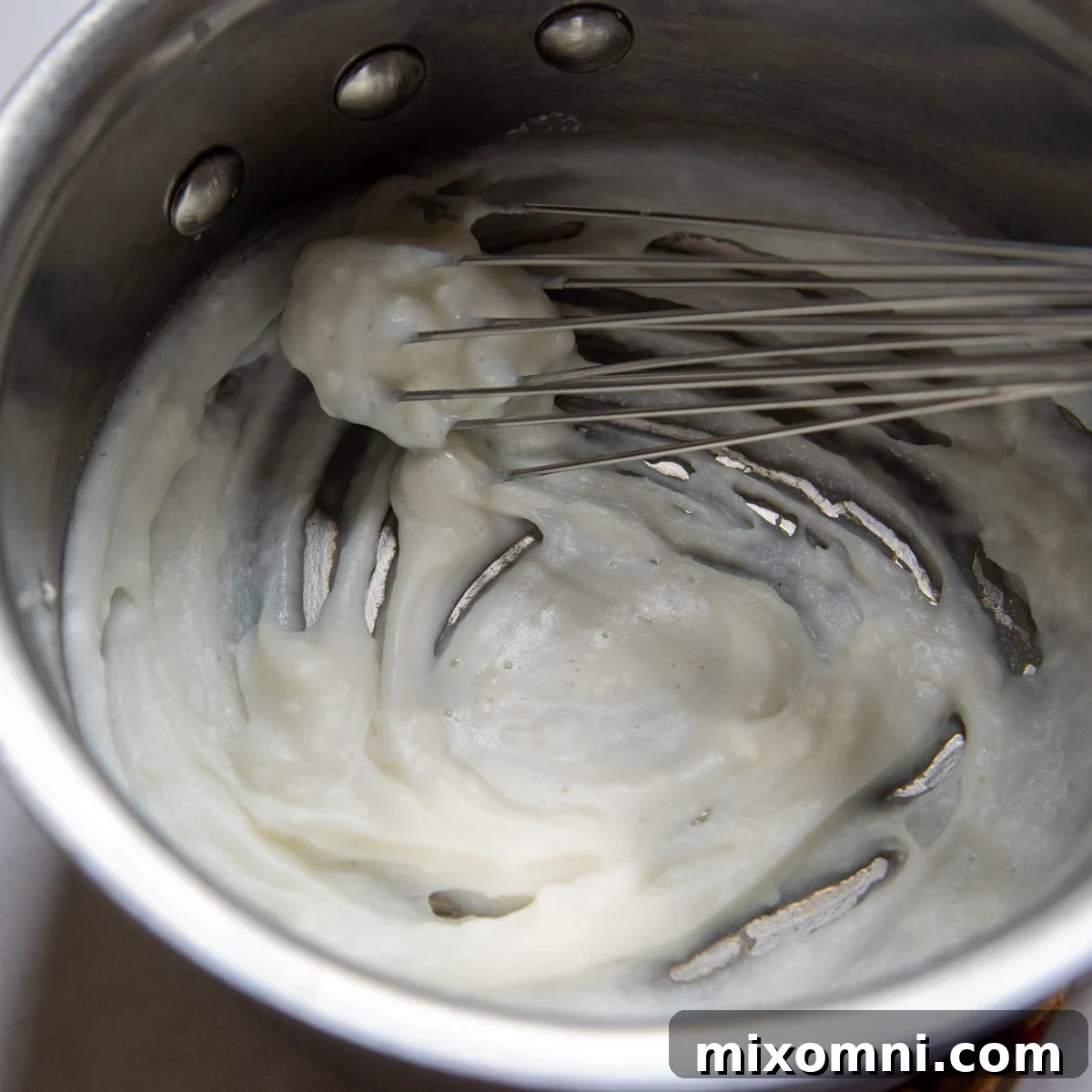
This crucial first step, often referred to as a tangzhong, might sound intimidating but it’s remarkably simple and quick. It involves combining a small amount of gluten-free flour with water and milk, then gently warming the mixture to create a thick, luscious paste. This seemingly extra step is your guarantee for the softest, most tender gluten-free cinnamon rolls you’ve ever tasted!
Why it matters: Gluten-free flours, unlike wheat flour, don’t absorb liquids as efficiently. The roux effectively pre-saturates a portion of the flour, allowing it to absorb and hold significantly more moisture. This pre-gelatinization process is what transforms the dough into a wonderfully soft and fluffy consistency, preventing it from becoming dense, dry, or gummy – common pitfalls in gluten-free baking.
Furthermore, using a roux reduces the need to add excess flour later during shaping, which is vital for keeping yeast breads light and airy. Every bit of flour added beyond what’s necessary can toughen the crumb.
Instructions:
- Preheat your oven to 250ºF (120ºC). Once it reaches temperature, immediately turn it off. This creates a perfectly warm, draft-free environment for the initial rise of your cinnamon rolls.
- Lightly grease an 8×8-inch baking pan (a metal pan is preferred for better heat retention and quicker baking) and set it aside.
- In a small saucepan, combine 2 tablespoons of gluten-free flour with 3 tablespoons of water and 3 tablespoons of milk.
- Whisk constantly over medium heat. Continue whisking until the mixture thickens into a glossy paste, and a distinct trail appears at the bottom of the pan when you drag your whisk through it (this usually takes 2-3 minutes).
- Remove the roux from the heat and transfer it to a separate bowl to cool slightly while you prepare the remaining ingredients. This cooling ensures it doesn’t cook the yeast or egg.
Step 2: Preparing and Mixing the Gluten-Free Dough
This stage brings all the delicious elements of our dough together, transforming them into a pliable base for your cinnamon rolls.
Instructions:
- Combine ¾ cup of milk (heated to precisely 110ºF – typically about 45 seconds in a microwave), 1 teaspoon of granulated sugar, and 1 package (2 ¼ tsp) of active dry yeast in a liquid measuring cup or small bowl. Stir gently and allow the mixture to sit for 5-7 minutes. You’ll know the yeast is active when it becomes foamy and bubbly on the surface. If it doesn’t foam, your yeast may be old or the milk temperature was incorrect; it’s best to start again.
- In the large mixing bowl of a stand mixer fitted with a paddle attachment, combine 2 cups + 2 tablespoons of gluten-free all-purpose flour (preferably Cup4Cup), ⅓ cup granulated sugar, 1 ½ tablespoons of psyllium husk powder, 1 ½ teaspoons of baking powder, ½ teaspoon of salt, and 2 tablespoons of optional milk powder (if using, see notes for details). Mix these dry ingredients on low speed for about 30 seconds to ensure they are well combined.
- Add the activated warm milk and yeast mixture, 4 tablespoons of slightly cooled melted butter, the room temperature large egg, and the prepared roux to the dry ingredients.
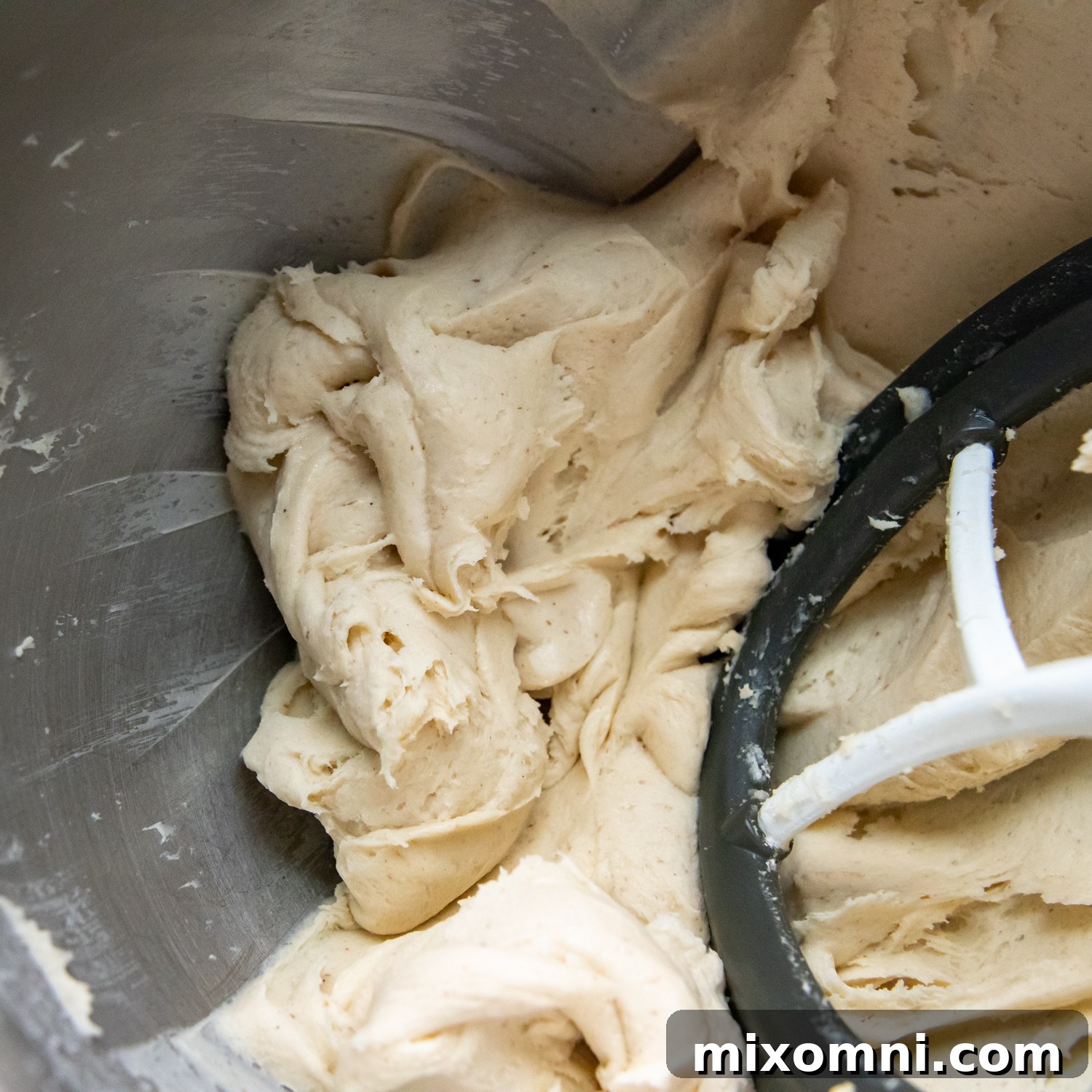
- Combine on low speed until all ingredients are thoroughly blended and no dry streaks of flour remain. Increase the speed to medium and beat the dough for a full 5 minutes. Periodically stop the mixer to scrape down the sides and bottom of the bowl, ensuring everything is incorporated. The dough will appear stiff, but it should still be notably sticky. If it seems too stiff and isn’t moving freely around the mixer bowl, add a tiny splash (1-2 teaspoons) of warmed milk until it loosens slightly and becomes more cohesive. Avoid adding too much liquid, as gluten-free dough benefits from being on the firmer side.
Step 3: Effortlessly Shaping Your Gluten-Free Cinnamon Buns
Shaping gluten-free dough can sometimes be tricky due to its lack of elasticity, but this recipe employs a clever technique to make it incredibly easy, ensuring a fluffy, airy texture.
Why this technique works: Traditional cinnamon roll recipes often require significant flour dusting during rolling, which can lead to a dry, tough crumb in gluten-free versions. By relying on a nonstick surface and spray, we minimize added flour, allowing the dough to retain its moisture and tenderness. This approach is similar to the successful method used in my gluten-free yeast rolls.
Instructions:
- Prepare your work surface by laying a large piece of greased parchment paper or a greased silicone baking mat. Generously spray it with nonstick cooking spray. This creates a non-stick barrier that will make handling the dough effortless.
- Scrape the stiff but sticky dough directly onto the greased mat.
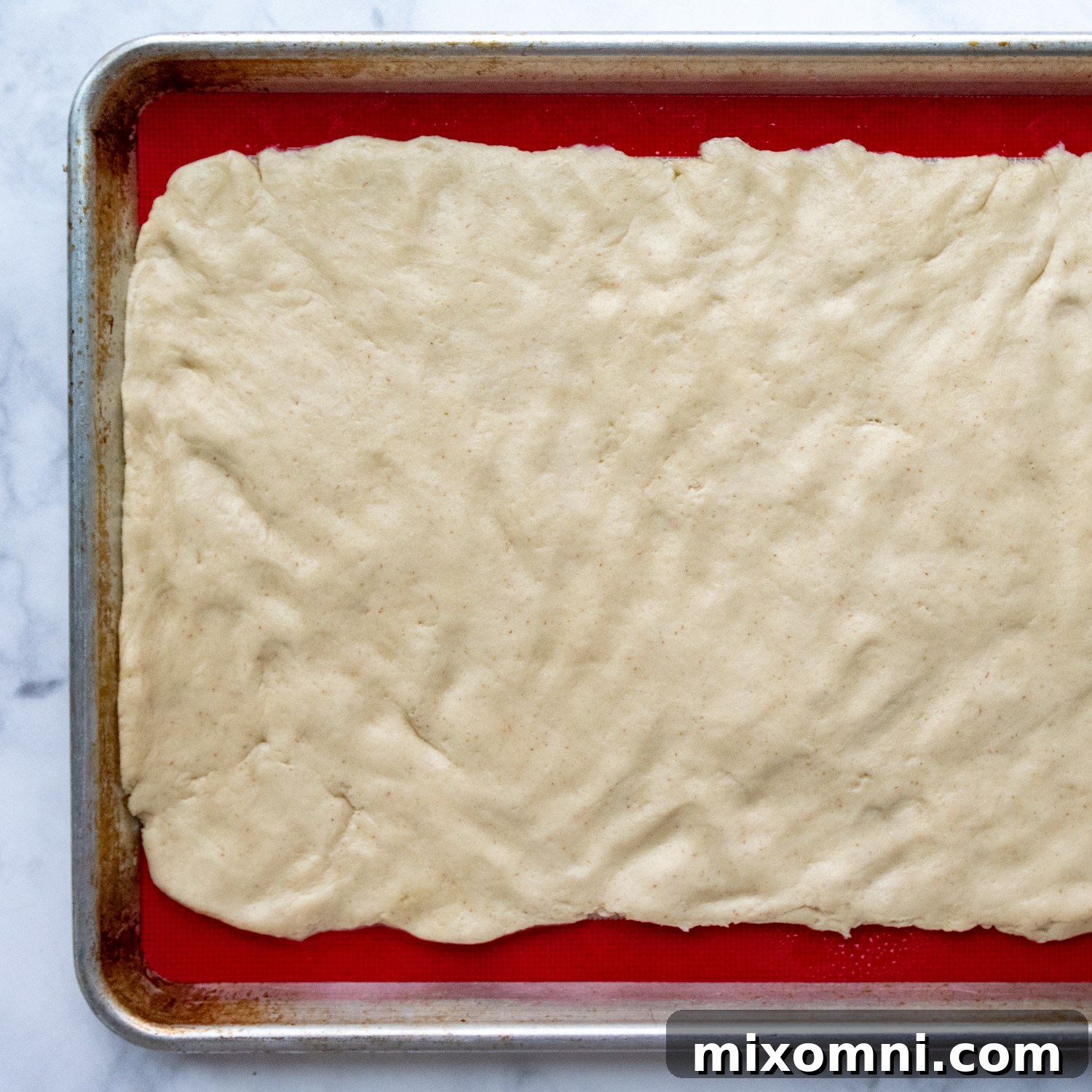
- Lightly grease your hands with nonstick spray as well. Gently pat the dough out into an approximate 10×18-inch rectangle. You’ll find that with this dough’s unique consistency, a rolling pin isn’t even necessary! Just use your hands to evenly spread and flatten it.
Step 4: Rolling and Slicing for Perfect Cinnamon Swirls
This is where the magic of the cinnamon sugar filling comes into play, creating those iconic swirls.
Instructions:
- In a small bowl, combine 4 tablespoons of slightly melted butter (ensure it’s melted enough to spread easily but not hot), ½ cup of light brown sugar, and 1 tablespoon of ground cinnamon. Stir until it forms a uniform, spreadable paste.
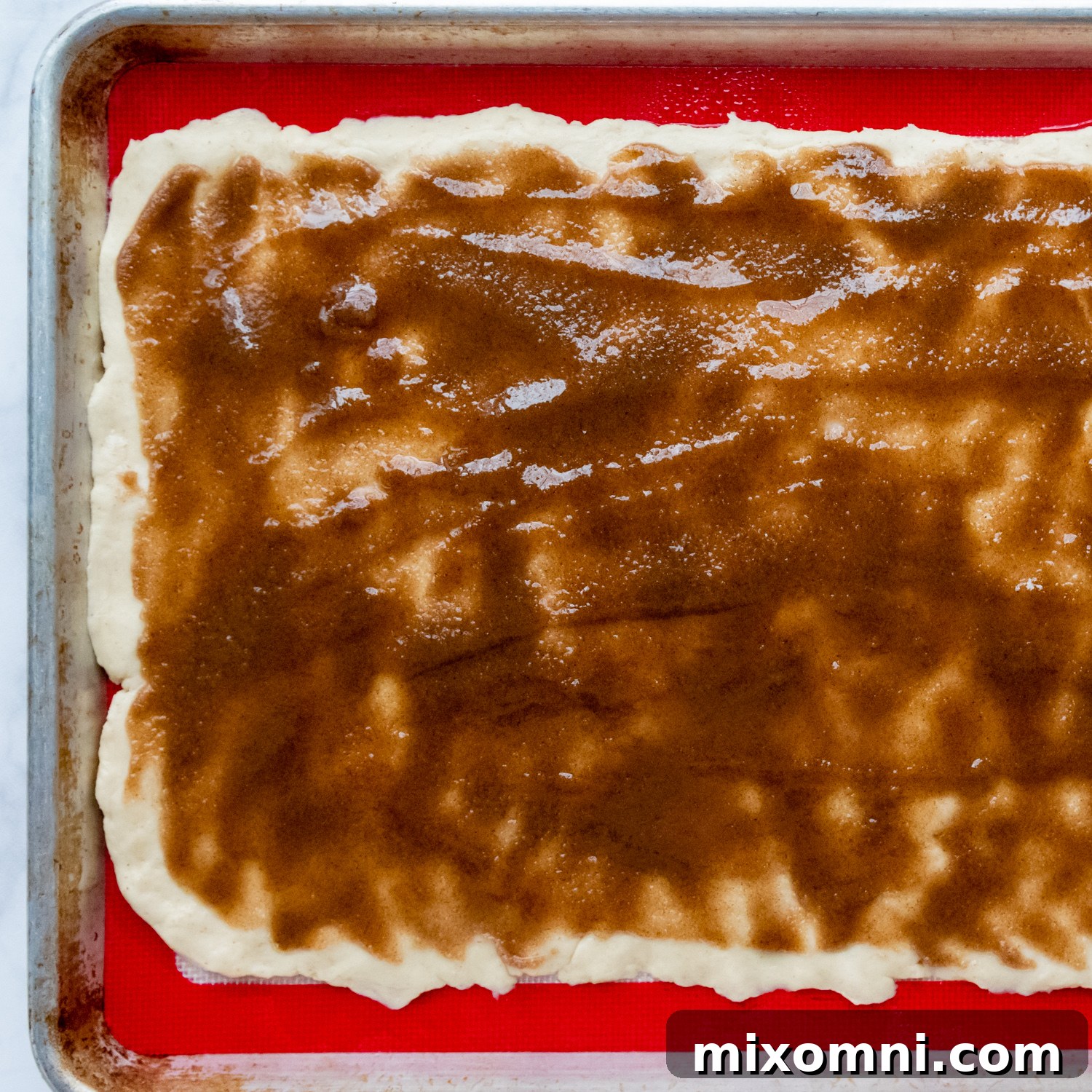
- Using a silicone spatula or the back of a spoon, evenly spread this luscious cinnamon filling across the entire surface of the rectangular dough, leaving a small ½-inch border along one of the long edges (the one closest to you).
- Starting from the long edge furthest from you, carefully and tightly roll the dough towards you, creating a snug log. Roll until you have about a 2-inch unrolled strip remaining.
- Bring the unrolled strip up to meet the log, then firmly pinch the seams together along the entire length of the roll. Smooth the seam with your fingers to seal it completely.
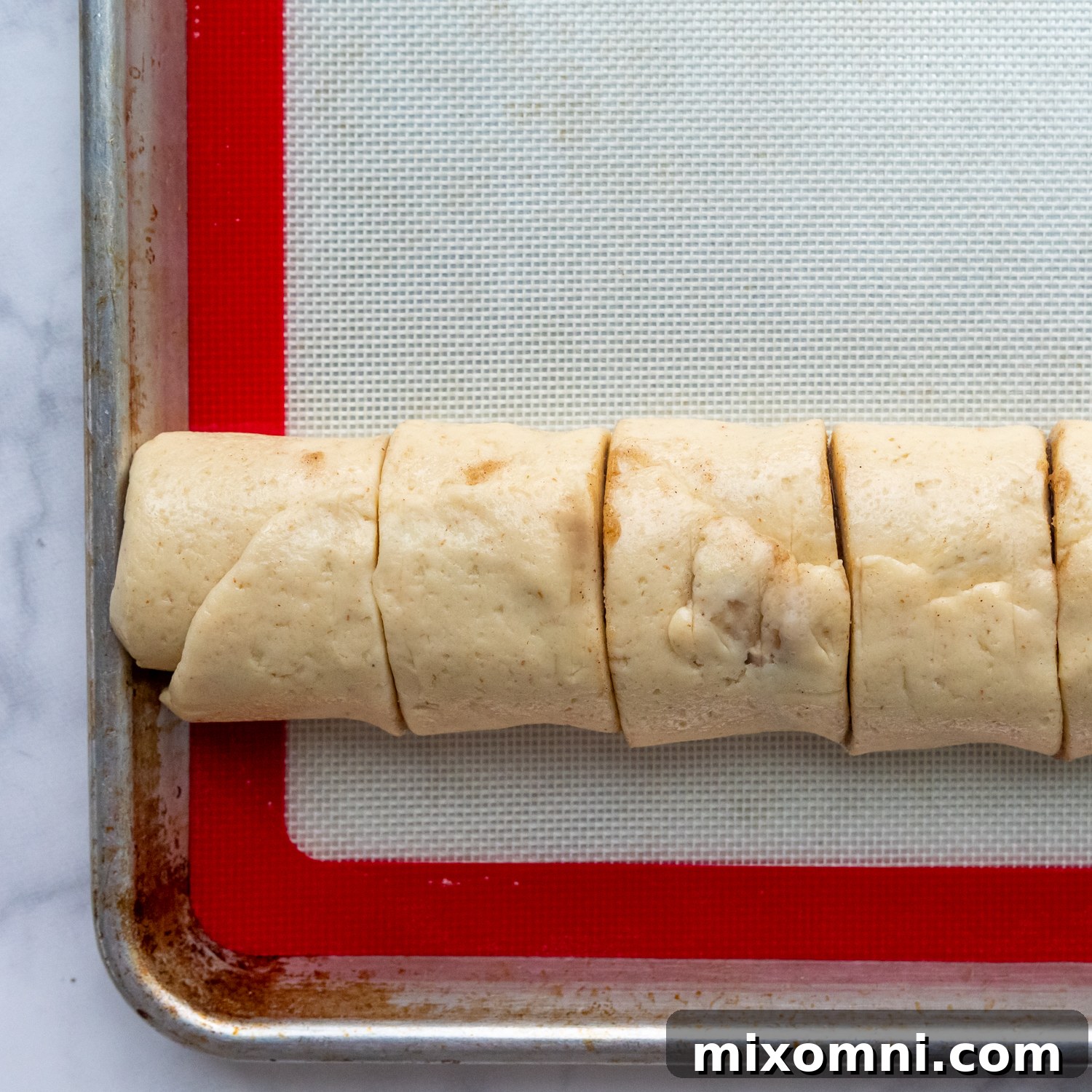
- To ensure even slices and beautiful rolls, use a serrated sharp knife to gently score nine approximate 2-inch sections along the length of the log.
- When cutting, use a gentle sawing motion rather than pressing straight down. This technique is crucial as it prevents squishing and deforming the delicate cinnamon buns, preserving their perfect round shape and distinct layers. (For a visual demonstration of this technique, refer to the recipe video provided above!).
Step 5: The Crucial Rise and Perfect Bake
The final steps before indulging in your homemade gluten-free Cinnabon-style treats.
Instructions:
- Carefully transfer the cut cinnamon rolls into your prepared (greased) 8×8-inch baking pan, arranging them with a little space between each.
- Cover the pan loosely with a clean, lint-free dish towel. Place the pan in the pre-warmed (now turned off) oven to rise for 10 minutes. This initial warm environment encourages a quick and effective rise.
- After 10 minutes, remove the rolls from the oven. Preheat your oven to 350ºF (175ºC). While the oven is preheating, allow the rolls to continue rising at room temperature for an additional 20-30 minutes, or until visibly puffed up.
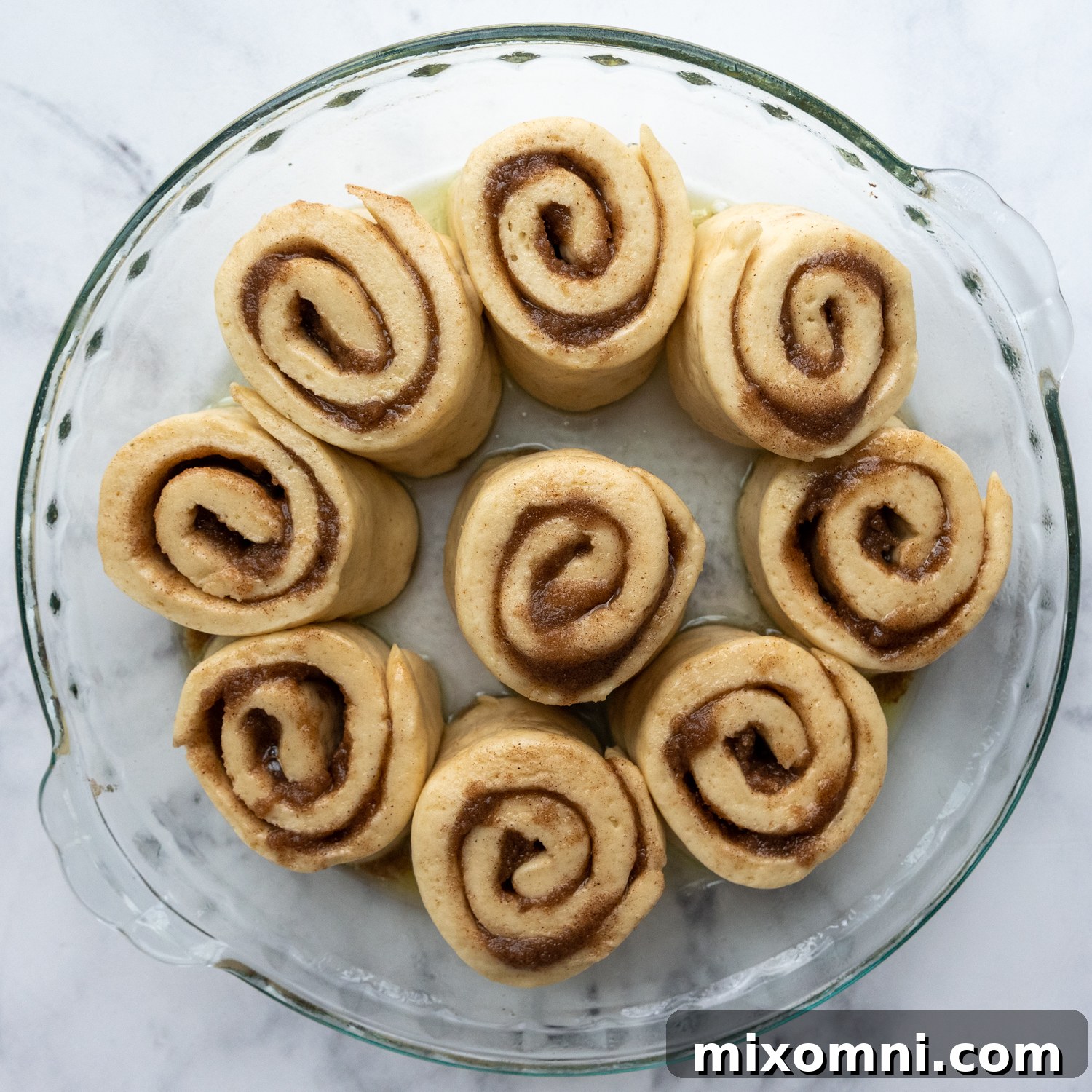
- The Cinnabon Secret: Just before baking, ensure your heavy cream is at room temperature. If it’s cold, warm it briefly in the microwave until it’s no longer chilled but not hot. Gently pour ¼ cup of this room temperature heavy cream evenly over the tops of the risen rolls. This step is a game-changer, creating that incredibly rich, ultra-gooey, and luscious Cinnabon-style filling as it bakes into the cinnamon-sugar mixture.
- Bake for 30-35 minutes. After about 10-15 minutes of baking, if the tops begin to brown too quickly, loosely tent the pan with aluminum foil to prevent over-browning. The rolls are done when their tops are beautifully golden brown and the internal temperature, measured with an instant-read thermometer, reaches 190ºF (88ºC). This ensures they are fully cooked without being dry.
- Remove from the oven and let them cool slightly in the pan while you prepare your chosen frosting. They are best frosted warm!
Elevate Your Experience: Achieve the Ultimate Gooey Filling
A perfect cinnamon roll isn’t just about the dough; it’s about that irresistible, next-level gooey filling that oozes with every bite. I’ve spent years experimenting with various filling recipes, and many have fallen short. Common frustrations included the filling seeping out during baking, becoming too dry and crunchy, or being too liquidy to handle.
Through extensive testing, I’ve cracked the code to the ultimate gooey Cinnabon-style filling, which relies on three critical elements:
- Brown Sugar: Unlike granulated sugar, brown sugar contains molasses, which provides a deeper flavor profile and a more stable, less prone-to-seeping texture. Its inherent moisture content helps create a truly gooey filling that stays put within the swirls as the rolls bake.
- Slightly Melted Butter: The consistency of the butter in your filling is paramount. Using butter that is just slightly melted (softened but not fully liquid) allows it to combine beautifully with the brown sugar and cinnamon, forming a rich, cohesive paste that adheres perfectly to the dough and prevents the mixture from separating or leaking during the baking process.
- Room Temperature Heavy Cream (The Game-Changer!): This is the secret ingredient that truly transforms your filling from good to extraordinary. Pouring room temperature heavy cream over the risen rolls just before baking is the key to replicating that iconic, ultra-gooey Cinnabon texture. As the rolls bake, the cream gently melts and thickens with the butter, brown sugar, and cinnamon mixture, creating a warm, caramelized, and irresistibly luscious glaze that permeates every layer. It’s a simple step that yields a dramatically superior result.
Top-Notch Frosting Options for Your Perfect Rolls
No cinnamon roll is complete without a generous slather of creamy, sweet frosting! This recipe offers two fantastic options, both designed to perfectly complement your warm, tender rolls and enhanced with a delightful hint of vanilla extract. I believe that an ample amount of frosting is absolutely key to a truly great cinnamon roll, so both recipes yield enough to be wonderfully indulgent!
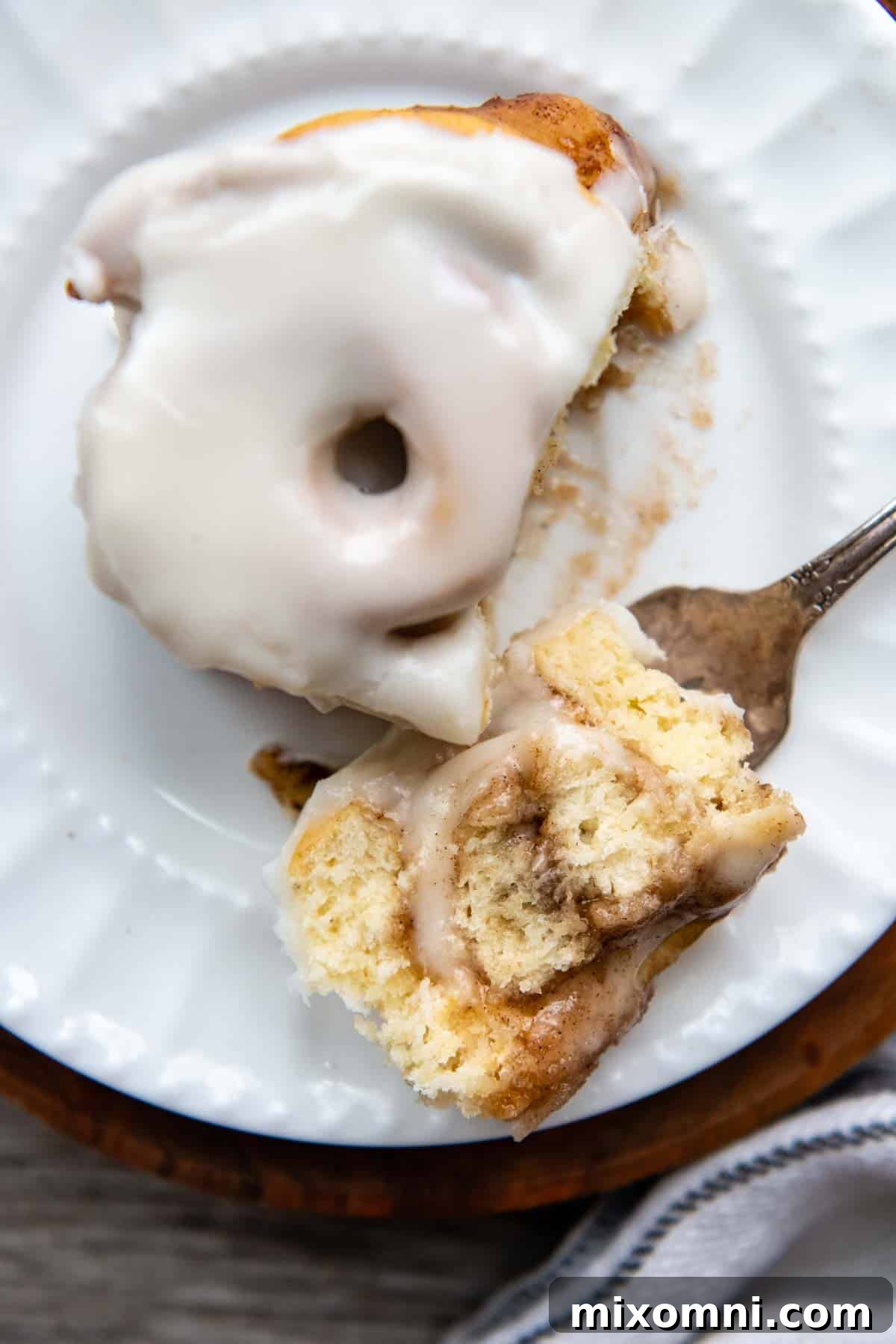
For the ultimate experience, spread your chosen frosting on the buns while they are still warm, ideally about 10 minutes after they’ve come out of the oven. I recommend dividing the frosting evenly among the rolls first. Allow it to sit for a minute or two – the warmth from the rolls will slightly melt the frosting, allowing it to seep down into the crevices and create an even more decadent finish. Then, gently spread it all over the tops. If you desire an extra touch of sweetness or plan to serve them over time, you can reserve a portion of the frosting and add another dollop right before serving.
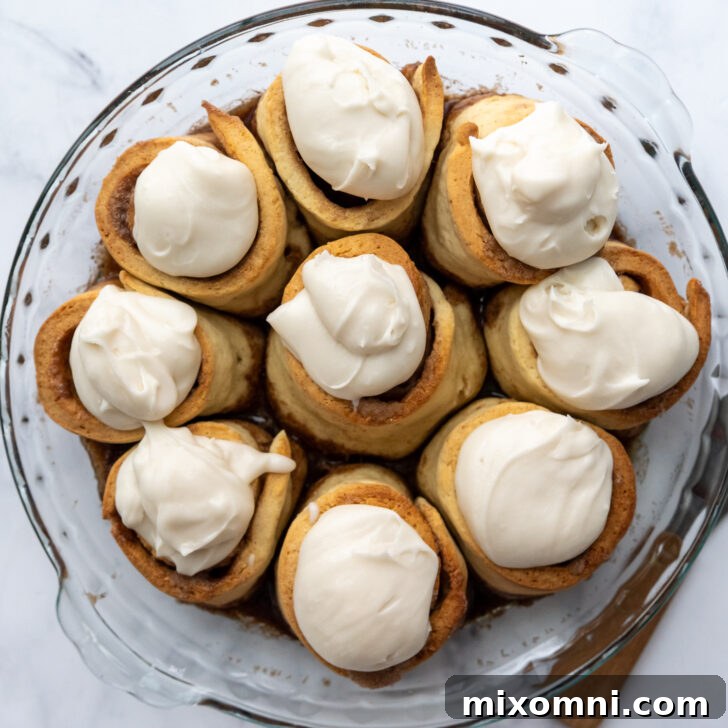
Option 1: Classic Powdered Sugar Glaze
This simple yet decadent glaze is quick to prepare and provides a smooth, sweet finish that beautifully melts into the warm rolls.
Ingredients:
- 2 cups (240 g) powdered sugar
- 2 tablespoons (28 g) melted butter
- 2 teaspoons vanilla extract
- 2-3 tablespoons (30 g) milk
Instructions:
- In a medium bowl, stir together the frosting ingredients until smooth and no lumps remain.
- Dollop the frosting on top of each warm roll. After it has been divided up, spread the frosting evenly over the tops.
Option 2: Rich Cream Cheese Frosting
For those who adore a tangy, creamy counterpoint to the sweet cinnamon filling, this cream cheese frosting is an absolute dream.
Ingredients:
- 5 ounces (140 g) cream cheese, softened
- 3 tablespoons (42 g) butter, softened
- 1 ¼ cup (150 g) powdered sugar
- 1 ½ teaspoon vanilla extract
Instructions:
- In a medium bowl, beat together the cream cheese frosting ingredients until smooth.
- Dollop the frosting on top of each warm roll. After it has been divided up, spread the frosting evenly over the tops.
Expert Tips for Gluten-Free Cinnamon Roll Success
Mastering gluten-free baking involves a few key insights. Here are our top professional tips to ensure your cinnamon rolls are consistently perfect:
- Utilize a Stand Mixer: For the best possible results, I highly recommend using a stand mixer equipped with a paddle attachment. Gluten-free dough can be quite stiff, and a stand mixer provides the necessary power and consistent mixing to properly develop the dough’s structure (from the psyllium husk) and achieve the ideal consistency. While a hand mixer might seem an option, I have not tested this recipe with one, and it’s unlikely to achieve the same thorough mixing required for such a stiff dough.
- Room Temperature Eggs: Forgetting to warm your eggs to room temperature is a common oversight that can impact your dough. Room temperature eggs emulsify better with other ingredients, creating a smoother, more uniform dough. If you’re short on time, simply place the whole egg (still in its shell) in a bowl of hot tap water for 5-7 minutes. This quickly brings it to the ideal temperature without cooking it.
- Doubling the Recipe: Planning a larger batch? This recipe is easily scalable! To make a double batch, simply double all the ingredient quantities. You’ll want to place the increased number of rolls in a larger 9×13-inch baking pan for rising and baking to ensure they have enough space to expand properly.
- The Power of an Instant-Read Thermometer: Take the guesswork out of baking! An instant-read thermometer is an invaluable tool for precision in this recipe. It’s helpful not only for accurately measuring the milk temperature (110ºF is critical for yeast activation) but also for determining when your rolls are perfectly done. The internal temperature of baked cinnamon rolls should read between 190-200ºF (88-93ºC) when they are ready to be pulled from the oven. This ensures they are cooked through but remain wonderfully moist.
- Optimal Gluten-Free Flour Choice & Tweak: For superior texture and consistency, Cup4Cup gluten-free flour mix is my top recommendation. This blend consistently yields excellent results. However, since Cup4Cup has subtly adjusted its formula over time, I’ve discovered a small but significant tweak: removing 2 tablespoons of the specified flour and replacing it with 2 tablespoons of milk powder. This addition (ensure your milk powder is gluten-free safe) helps incorporate additional moisture and protein, contributing to an even softer, more tender, and richer roll. If you choose not to use milk powder, you may need to add 1-2 tablespoons of additional flour during mixing to achieve the desired stiff-but-sticky dough consistency.
- Preparation for Shaping: Always prepare your work surface for shaping. Using a generously greased piece of parchment paper or a silicone baking mat is immensely helpful. The nonstick surface allows you to pat out and roll the dough with ease, preventing sticking and minimizing the need for additional flour, which can dry out gluten-free dough.
- Baking Pan Material: While glass pans are common, for faster heat retention and quicker, more even baking, I now prefer using a metal baking pan. This ensures the bottom of the rolls cooks thoroughly without the tops over-browning.
Common Questions & Troubleshooting Gluten-Free Cinnamon Rolls
Even with the best recipe, questions can arise. Here are answers to some frequently asked questions:
- My dough is too sticky/too dry. What went wrong? Gluten-free flours vary significantly in absorption. If your dough is too sticky after mixing, add gluten-free flour sparingly, one tablespoon at a time, until it reaches a stiff-but-sticky consistency. If it’s too dry, add a teaspoon of warm milk at a time. Always aim for a consistency that allows shaping without being overly floury.
- Why didn’t my rolls rise? The most common culprits are inactive yeast (milk temperature too hot or too cold) or an environment that’s too cold or drafty. Ensure your milk is precisely 110°F and your rising spot is warm (like the turned-off oven trick).
- Can I prepare these rolls ahead of time? Yes! You can prepare the dough, shape the rolls, and place them in the baking pan. Cover tightly with plastic wrap and refrigerate overnight (up to 12-18 hours). In the morning, let them come to room temperature for 60-90 minutes before proceeding with the heavy cream and baking steps. This slow, cold rise enhances flavor.
- How do I prevent the filling from oozing out? Ensure your butter for the filling is only slightly melted, not liquid, and that your brown sugar and cinnamon are well incorporated. Also, firmly pinch the seam of the rolled log after shaping. The heavy cream poured before baking helps to set the filling beautifully.
- My rolls are dense/crumbly. This often happens from too much flour or insufficient moisture. Follow the roux and psyllium husk steps carefully, and avoid adding excessive flour during shaping. The roux is specifically designed to prevent density.
Storing and Enjoying Your Gluten-Free Cinnamon Rolls
While these rolls are best enjoyed fresh and warm from the oven, proper storage can extend their deliciousness.
- Short-Term Storage (Leftovers): Store leftover frosted cinnamon rolls in an airtight container at room temperature for up to 2 days, or in the refrigerator for up to 5 days. For best enjoyment, gently reheat them in the microwave for 15-30 seconds, or in a low oven (250°F / 120°C) for 5-10 minutes.
- Freezing After Baking (Unfrosted): For maximum freshness later, it’s best to freeze the rolls before frosting. Allow the baked (but unfrosted) rolls to cool completely in their pan. Wrap the pan securely in multiple layers of plastic wrap, then cover it with a layer of aluminum foil. Freeze for up to 2 months. To reheat, thaw the frozen rolls at room temperature for about 1 hour. Remove plastic wrap but keep the foil. Warm in a preheated 350ºF (175ºC) oven for 10-15 minutes, or until warmed through. Prepare and apply frosting just before serving.
- Freezing and Rewarming Frosted Leftovers: If you have a few frosted rolls leftover, you can still freeze them! Wrap each cooled, frosted bun individually in plastic wrap, then transfer them to a freezer-safe ziplock bag. Freeze for up to 2 months. To enjoy, thaw at room temperature for about 1 hour. Reheat gently in the microwave at 50% power for 30-60 seconds, or until warmed through. Be careful not to overheat, as the frosting can become too liquidy.
Save This Recipe for Later!
Let’s connect on Pinterest! I’m always sharing delicious recipes and baking tips!
Your Feedback Matters!
I love hearing about your baking successes! Did you try this recipe for the Doughy Soft Gluten-Free Cinnamon Rolls? Please take a moment to leave a star rating and comment below. Your feedback is incredibly valuable, not only for me but also for other home bakers searching for reliable and delicious gluten-free recipes within our community. I always make sure to respond to every comment! – Melissa

Rated 4.90 out of 5 stars by 29 users
Doughy Soft Gluten-Free Cinnamon Rolls
 Melissa Erdelac
Pin Recipe
Rate This Recipe
Ingredients
Roux
- 2 tablespoons (18 g) gluten free all purpose flour, I recommend Cup4Cup brand
- 3 tablespoons (45 g) milk
- 3 tablespoons (45 g) water
Gluten Free Dough
- ¾ cup (180 g) milk, heated to 110ºF
- 1 teaspoon granulated sugar
- 1 package (2 ¼ tsp) active dry yeast
- 2 cups (310 g) + 2 tablespoons gluten free all purpose flour, I recommend Cup4Cup brand
- 2 tablespoons (optional) milk powder, see recipe notes
- ⅓ cup (67 g) granulated sugar
- 1 ½ tablespoons (17 g) psyllium husk powder, what is psyllium husk?
- 1 ½ teaspoons baking powder
- ½ teaspoon salt
- 4 tablespoons (57 g) melted butter, cooled slightly
- 1 large egg, room temperature
Cinnamon Filling
- 4 tablespoons (57 g) slightly melted butter
- ½ cup (60 g) light brown sugar
- 1 tablespoon (8 g) ground cinnamon
- ¼ cup (60 g) room temperature heavy cream, for pouring over risen rolls
Option 1: Powdered Sugar Frosting
- 2 cups (240 g) powdered sugar
- 2 tablespoons (28 g) melted butter
- 2 teaspoons vanilla extract
- 2-3 tablespoons (30 g) milk
Option 2: Cream Cheese Frosting
- 5 ounces (140 g) cream cheese, softened
- 3 tablespoons (42 g) butter, softened
- 1 ¼ cup (150 g) powdered sugar
- 1 ½ teaspoon vanilla extract
Equipment
- Stand Mixer
- Silicone Baking Mats
- Cup4Cup Gluten Free Flour
Instructions
-
Before you begin making the roux, turn oven to 250ºF (120ºC). Start to make the roux, but turn it off once it reaches temperature. This will serve as an extra warm place for the rolls to initially rise. Grease an 8X8-inch baking pan (metal preferred). Set aside.
-
As the oven is preheats, make the roux. Combine 2 tablespoons flour with water and milk in a small saucepan. Whisk constantly over medium heat, until a trail separation appears at the bottom of the pan. Remove from the heat and set aside.
-
Combine 110ºF milk (heated for about 45 seconds in microwave), 1 tsp sugar and yeast in a liquid measuring cup or small bowl. Stir and let sit for 5 minutes for yeast to activate.
-
In a large mixing bowl of a stand mixer, combine the GF flour, sugar, optional milk powder, psyllium, baking powder and salt using a paddle attachment on low speed.
-
Add the warm milk / yeast mixture, melted butter, egg and roux. Combine on low speed until well blended. Increase to medium speed and beat for 5 minutes, stopping to scrape down the bowl once or twice. The dough will be stiff, but still sticky. If the dough is too stiff, and not moving around the bowl, add a touch of warmed milk until it loosens slightly.
-
While the dough mixes, stir together in a small bowl the filling ingredients – butter, brown sugar, and cinnamon.
-
Spray a silicone baking mat or large piece of parchment paper with nonstick cooking spray. Scrape the dough onto the greased mat. Grease your hands with nonstick spray and pat the cinnamon roll dough into a 10X18-inch rectangle.
-
Use a silicone spatula to spread the filling evenly across the dough. Start with the long edge furthest from you and roll the log towards you until you have about a 2-inch unrolled strip remaining. Bring up the unrolled strip to meet the log. Pinch the seams together and then smooth with fingers.
-
Use a serrated sharp knife to score nine 2-inch sections. Cut in a sawing fashion rather than pressing down. This will prevent the cinnamon buns from being squished and misshapen.
-
Transfer to a greased 8X8-inch baking pan. Cover with a lint-free dish towel and let rise for 10 minutes in the pre-warmed oven. Remove to rise for 20-30 more minutes while the oven preheats to 350ºF (175ºC).
-
If the heavy cream is not room temp, warm briefly in the microwave until it is no longer cold, but not hot. Pour the room temperature heavy cream over the top to make an extra gooey filling.
-
Bake for 30-35 minutes, tenting loosely with foil for the last 10-15 minutes. The tops should golden brown and the interior not wet dough. For best results, test the internal temperature with an instant read thermometer, which should read 190ºF (88ºC). Cool slightly while the frosting is prepared.
Powdered Sugar Frosting Instructions
-
In a medium bowl, stir together the frosting ingredients until smooth and no lumps remain. Dollop the frosting on top of each warm roll. After it has been divided up, spread the frosting evenly over the tops.
Cream Cheese Frosting Instructions
-
In a medium bowl, beat together the cream cheese frosting ingredients until smooth. Dollop the frosting on top of each warm roll. After it has been divided up, spread the frosting evenly over the tops.
Notes
Milk Powder
Since Cup4Cup has changed their formula, I’ve found removing some of the flour and replacing it with milk powder (read label for a gluten-free safe brand), helps incorporate moisture and makes a softer roll. If you don’t want to use the milk powder, you can omit it from the recipe. You may have to add 1-2 tablespoons additional flour to achieve a stiff, yet sticky dough consistency.
Dairy Free Modifications
Substitute non-dairy milk, such as almond or soy milk. For the butter, use plant-based vegan butter.
Instead of pouring heavy cream over the risen rolls before baking, use a dairy-free substitute such as coconut milk or non-dairy milk. The higher the fat content, the better, so I recommend using full fat coconut milk.
Freezing After Baking
For best results, save the frosting until ready to serve. Let the unfrosted rolls cool completely then wrap the pan securely in plastic wrap and cover with a layer of aluminum foil. Freeze up to 2 months.
Thaw at room temperature for 1 hour and recover the pan with a layer of foil. Warm in a 350ºF (175ºC) oven for 10 minutes while the frosting is prepared. Remove from oven and cover with frosting.
Freezing and Rewarming Leftovers
If you have a few leftover frosted rolls you may freeze them for later. Wrap the cooled buns individually in plastic wrap and transfer to a ziplock freezer bag. Freeze up to 2 months.
Thaw at room temperature for 1 hour. Reheat at 50% power in the microwave for 30-60 seconds.
Nutrition Information (approximate per serving):
Calories: 449kcal, Carbohydrates: 74g, Protein: 5g, Fat: 17g, Saturated Fat: 10g, Polyunsaturated Fat: 1g, Monounsaturated Fat: 4g, Trans Fat: 1g, Cholesterol: 61mg, Sodium: 254mg, Potassium: 152mg, Fiber: 5g, Sugar: 49g, Vitamin A: 570IU, Vitamin C: 0.1mg, Calcium: 116mg, Iron: 1mg
Did you make this recipe? Please leave a star rating and review below. It helps others when searching for recipes and I LOVE feedback!