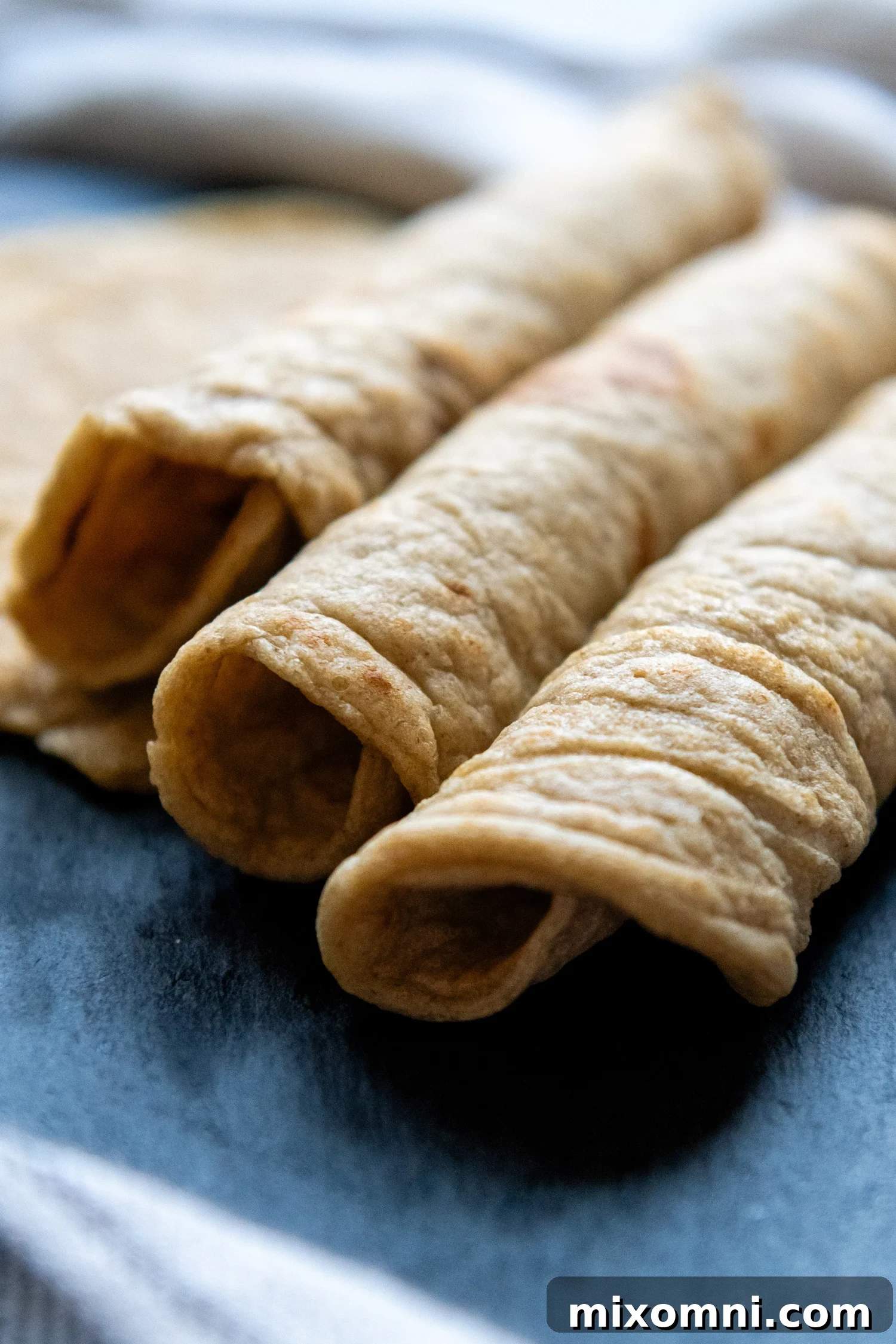
Unlock the secret to effortlessly making your own soft, flexible, and truly delicious gluten-free wraps with this simple oat tortilla recipe. Say goodbye to brittle, store-bought alternatives and embrace the ease of homemade goodness! Our recipe guarantees a tender texture that bends without breaking, perfect for all your favorite fillings. The magic happens in seconds, blending just a few pantry staples: wholesome oat flour (or rolled oats you can mill yourself), water, and a touch of olive oil for ultimate pliability. Forget complex techniques or expensive specialty ingredients – we’re bringing you a straightforward, step-by-step guide to revolutionize your gluten-free kitchen.
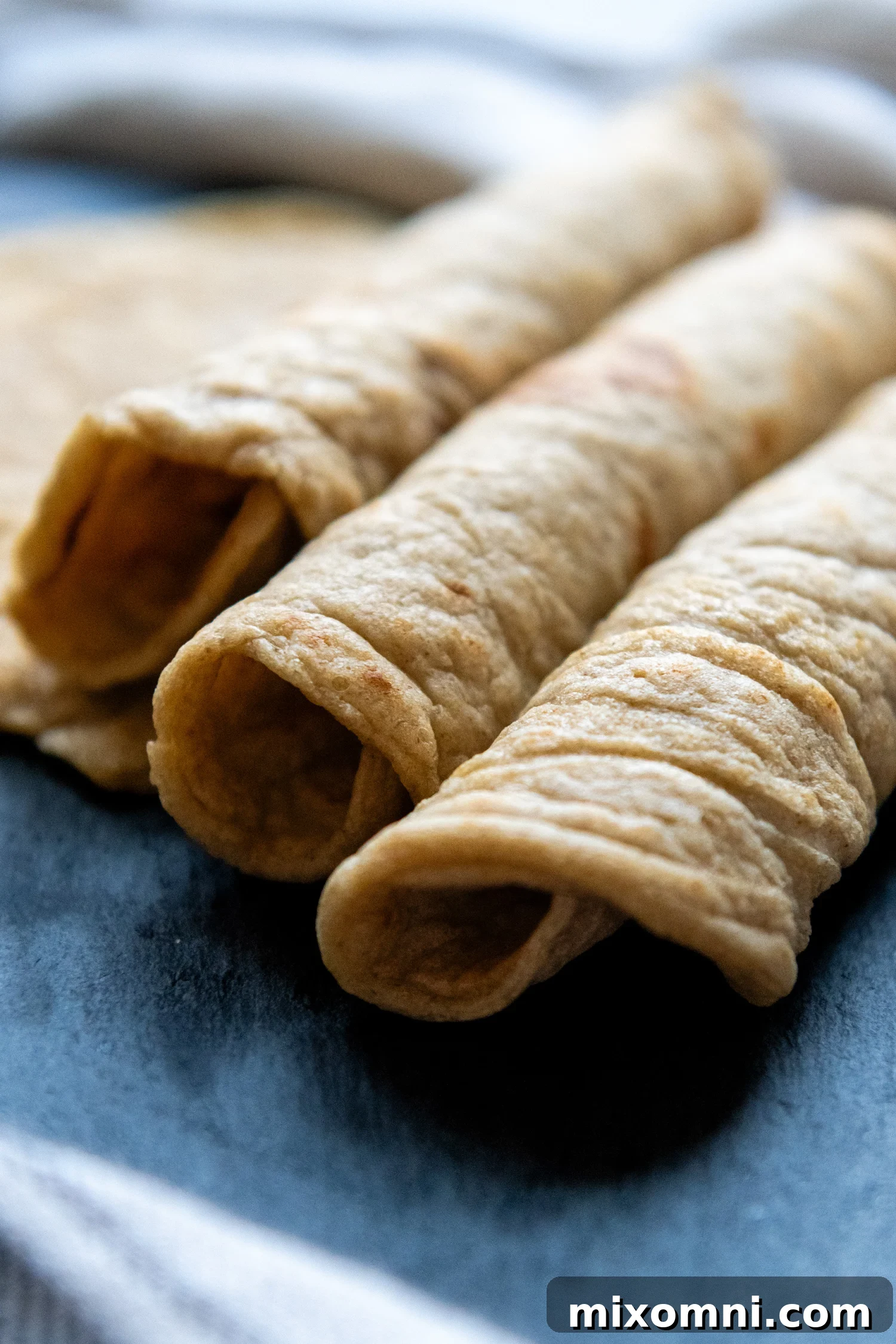
Revolutionize Your Wraps: Discovering the Ultimate Oat Flour Tortillas!
For anyone navigating the world of gluten-free eating, finding genuinely satisfying alternatives to everyday staples can be a quest. That’s why I’ve become such a passionate advocate for the incredible versatility of oat flour. It’s not just a substitute; it’s a star ingredient that consistently delivers amazing results in easy, flavorful, and budget-friendly recipes. And when it comes to tortillas, these homemade oat flour wraps truly shine, offering everything you crave: a soft bite, incredible flexibility, and a delightful taste, all without needing any obscure, hard-to-find ingredients. This recipe embodies the joy of simple, wholesome cooking that doesn’t compromise on quality or enjoyment.
My journey to perfecting these oat tortillas began with curiosity. I’d seen “2-ingredient oat tortilla” recipes circulating and, given the success of my oat flour bread, where oatmeal acts as a fantastic binder for gluten-free baked goods, I was intrigued. Could something so simple truly yield a soft, pliable tortilla? My intuition told me it would require a little more finesse than just two ingredients to achieve the perfect texture and flavor profile necessary for a truly enjoyable wrap.
As it turns out, my intuition was right, but only slightly. The magic ingredient I found to elevate the texture and ensure durability was a modest addition of olive oil. This not only softened the final product but also imparted a subtle richness and, crucially, made the tortillas robust enough to withstand rolling, folding, and filling without tearing. However, the most significant challenge lay in mastering the precise oat flour to water ratio. This proved to be more critical and sensitive than anticipated.
Oat flour has a unique characteristic: it absorbs liquids at an astonishing rate. This rapid absorption can be a real hurdle when you’re aiming for a consistent, pourable batter for tortillas. Initially, adding more water seemed like the obvious solution, but this often led to gummy, unappetizing wraps after cooking. Conversely, too little water resulted in a batter that was thick and difficult to spread thinly, yielding stiff, unyielding tortillas. The balance was delicate, demanding patience and experimentation.
Through countless batches – and yes, there were *many* oat wraps consumed during this process! – I finally pinpointed the ideal ratio. Beyond just the ingredients, I also uncovered invaluable cooking techniques that ensure consistently perfect results every time. This journey of discovery has firmly cemented this oat tortilla recipe as a cherished cornerstone in my extensive gluten-free oat flour recipe collection. I am incredibly excited for you to try it and experience the difference. Please don’t hesitate to share your thoughts and experiences in the comments below!
The Foundation: Crafting Your Oat Flour for Perfect Tortillas
When I develop oat flour recipes, my usual approach involves blending whole oats into flour first, then incorporating the remaining ingredients directly into the blender. This method has proven successful for a wide range of creations, from a light and fluffy oat flour cake to crisp and delightful oat flour waffles. However, I understand that many home cooks prefer the convenience of pre-purchased oat flour and the simplicity of mixing ingredients in a bowl. The good news is, this versatile tortilla recipe accommodates both preferences beautifully.
Regardless of whether you start with whole oats to mill yourself or use store-bought oat flour, achieving consistent results hinges on precise measurement. To ensure accuracy and maintain the perfect texture, I highly recommend weighing your oats if you plan to make your own flour. For this recipe, you’ll need exactly 93 grams of quick-cooking or rolled oats. This measurement is roughly 2 tablespoons shy of a standard 1-cup volume. Once blended to a fine, powdery consistency, these 93 grams of oats will yield approximately 1 cup of fresh oat flour, ready to transform into your amazing homemade tortillas. This careful attention to detail is key to the recipe’s success, providing the ideal balance for a perfectly pliable batter.
Your Step-by-Step Guide: Let’s Make These Incredible Oat Tortillas Together!
(Below, you’ll find detailed step-by-step photos and modified instructions to guide you through the process. For the complete ingredient list with exact measurements and a printable version, please scroll down to the full recipe card.)
Step 1: Prepare Your Oat Flour – Blend Your Own or Use Store-Bought
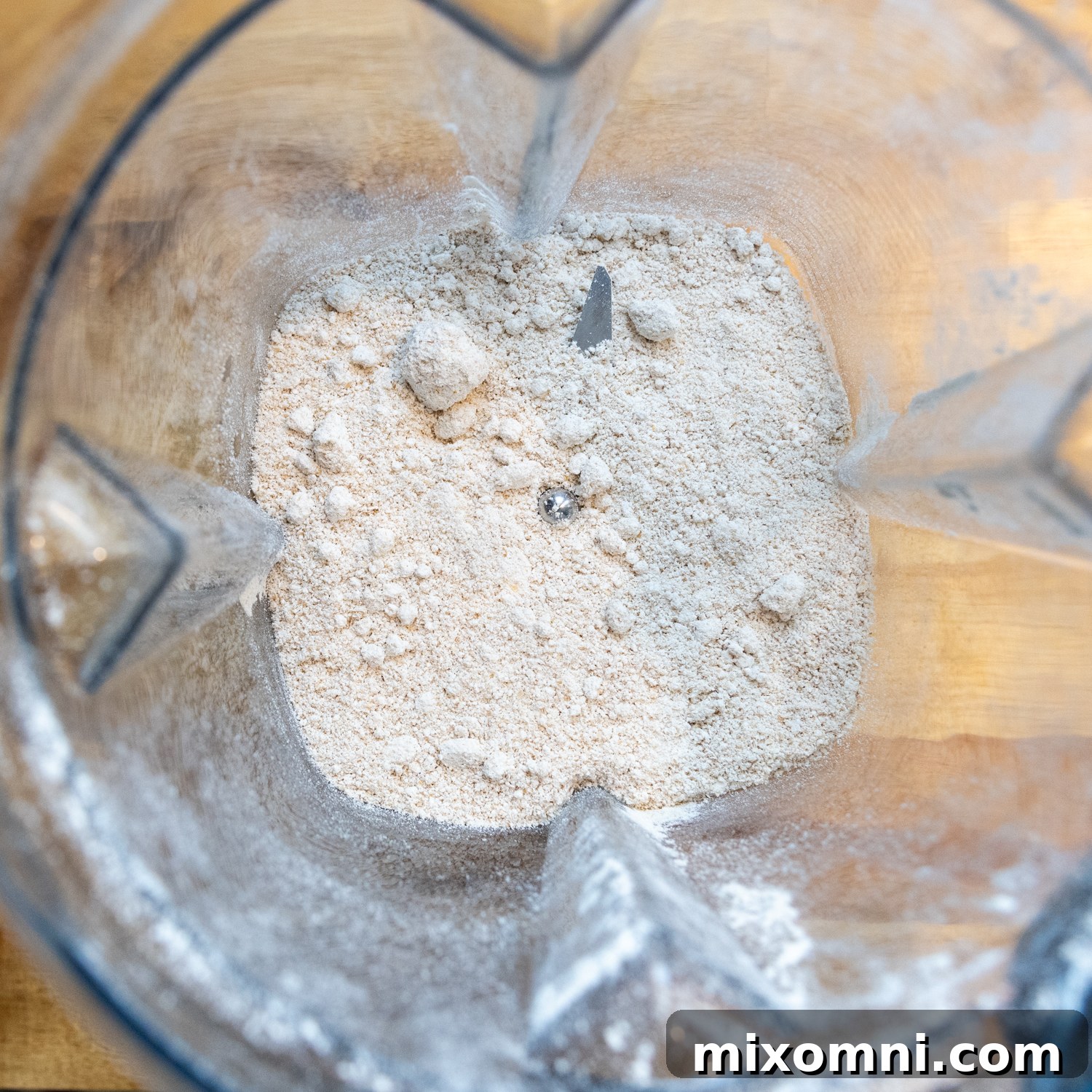
The first crucial step to creating these wonderful oat tortillas is preparing your oat flour. You have two excellent options: you can either begin with 1 cup of commercially purchased oat flour, which offers convenience, or you can easily make your own fresh oat flour. To do so, simply pour 93 grams of either quick-cooking or rolled oats (which measures out to about 2 tablespoons less than a full cup) into your blender. Process the oats for approximately 30 seconds, or until they are ground into a very fine, consistent, and powdery flour. The finer the grind, the smoother and more pliable your tortillas will be, contributing significantly to their soft texture.
Step 2: Combine the Ingredients to Form Your Batter
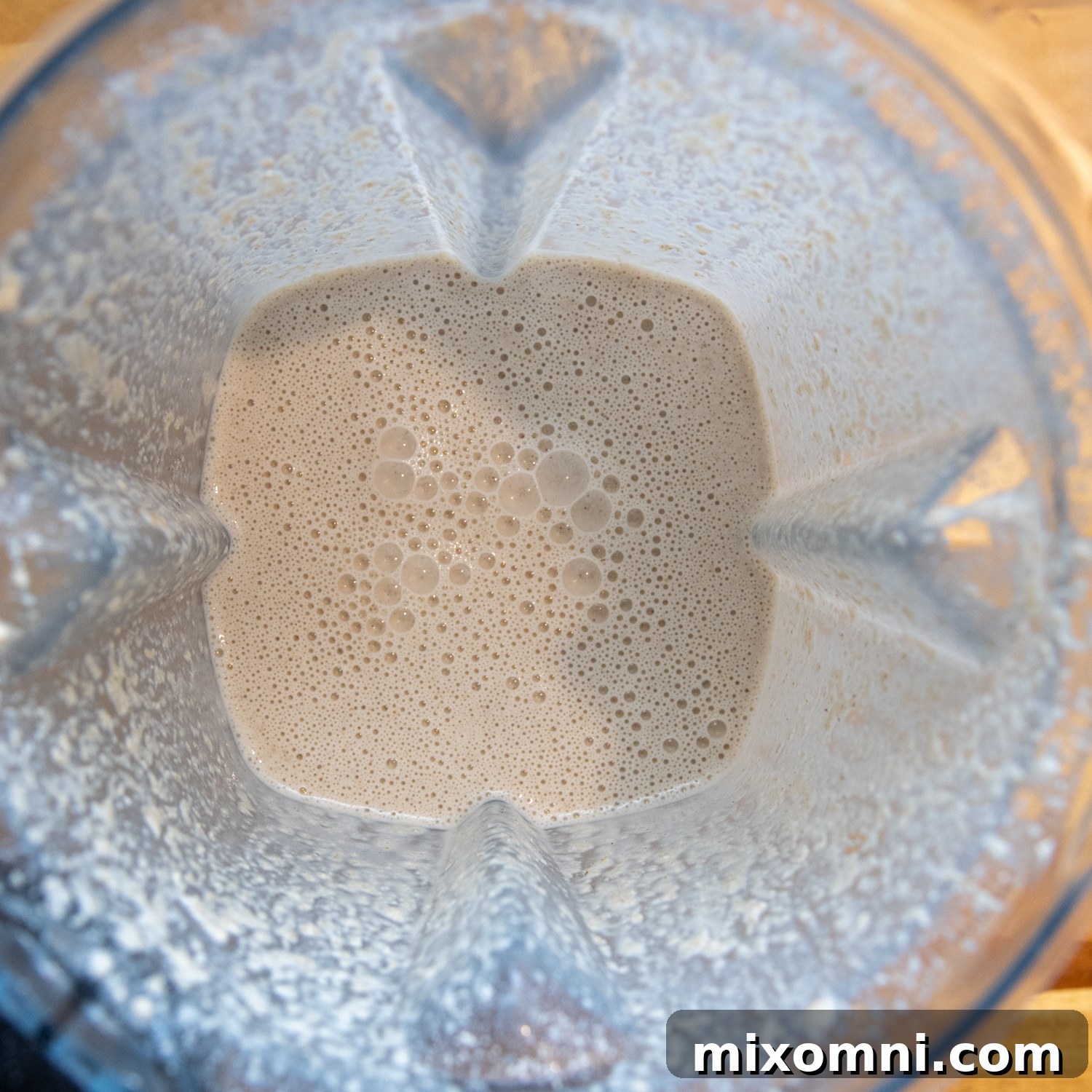
Once your oat flour is ready, it’s time to create the batter. Add the measured hot water, olive oil, and salt directly into the blender with the oat flour. Blend all the ingredients together until the mixture is completely smooth and thoroughly combined. If you’re opting for the bowl method, simply whisk everything together until no lumps remain. At this stage, you’ll notice the batter is quite thin and liquidy – and that’s perfectly normal! Oat flour is a highly absorbent ingredient, and it will begin to thicken rapidly. This rapid absorption is why I strongly advise preheating your skillet or griddle *before* you even add the liquids to the oat flour. You’ll want to be ready to start cooking almost immediately after mixing to prevent the batter from becoming too thick to spread effectively, ensuring optimal pliability for your tortillas.
Step 3: Master the Art of Cooking Your Oat Wraps
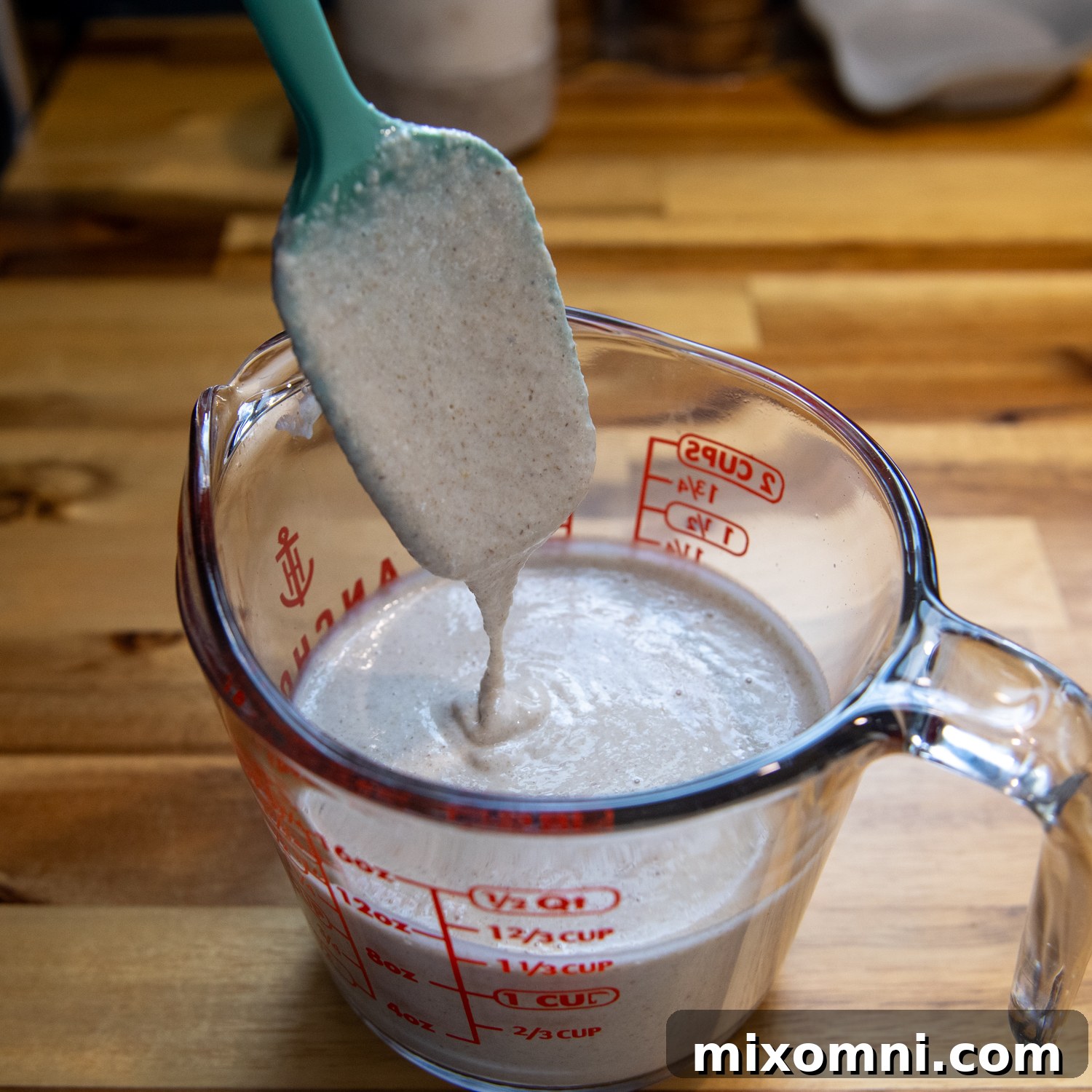
Given the batter’s tendency to thicken quickly, efficiency in cooking is key. My preferred method is to transfer the freshly prepared mixture into a liquid measuring cup. This makes pouring and portioning the batter onto the cooking surface much easier and neater. I highly recommend using a large griddle, if available, as it allows you to cook multiple tortillas simultaneously. This not only speeds up the entire process but also minimizes the time the batter sits, thus reducing the chances of it becoming excessively thick and difficult to spread.
As you can observe from the image below, even a few minutes can lead to a noticeable increase in batter thickness. If you’re working with a smaller skillet and cooking one tortilla at a time, it’s highly probable that you’ll need to periodically add a small amount of hot water (about ½ to 1 tablespoon) to thin the batter back to its original pourable consistency. This ensures that each tortilla you cook is as thin and flexible as the first, preventing any of them from turning out too dense or crumbly.
Step 4: The Flipping Technique for Perfect Pliability
Achieving the ideal soft and flexible texture for these oat tortillas requires a specific cooking rhythm involving several flips. This meticulous approach is essential because the recipe contains a relatively high amount of water, and thorough cooking is necessary to evaporate this moisture. Failing to cook out enough water will result in a gummy, unappetizing tortilla. Here’s the precise technique I’ve perfected to ensure your tortillas are wonderfully pliable and never gummy:
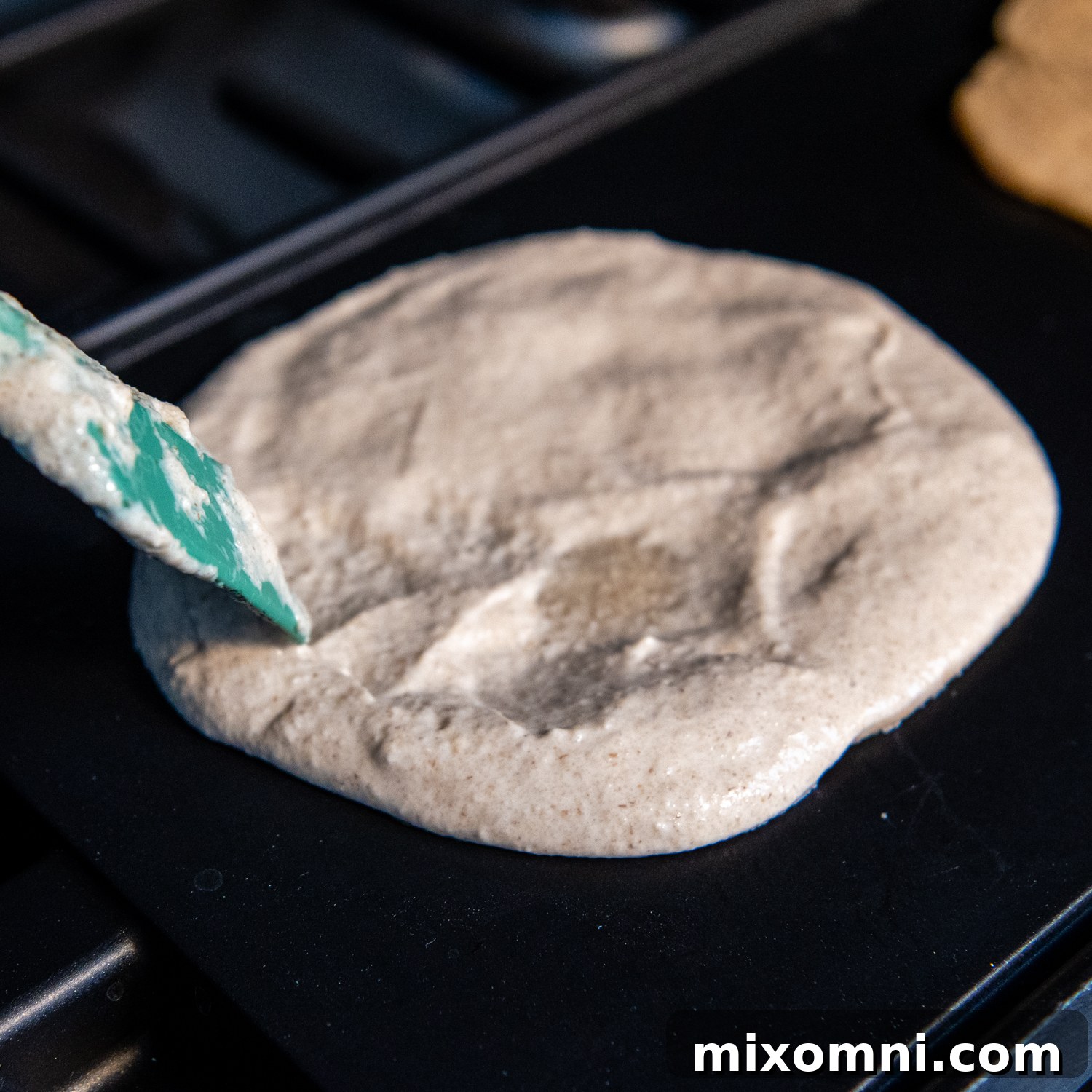
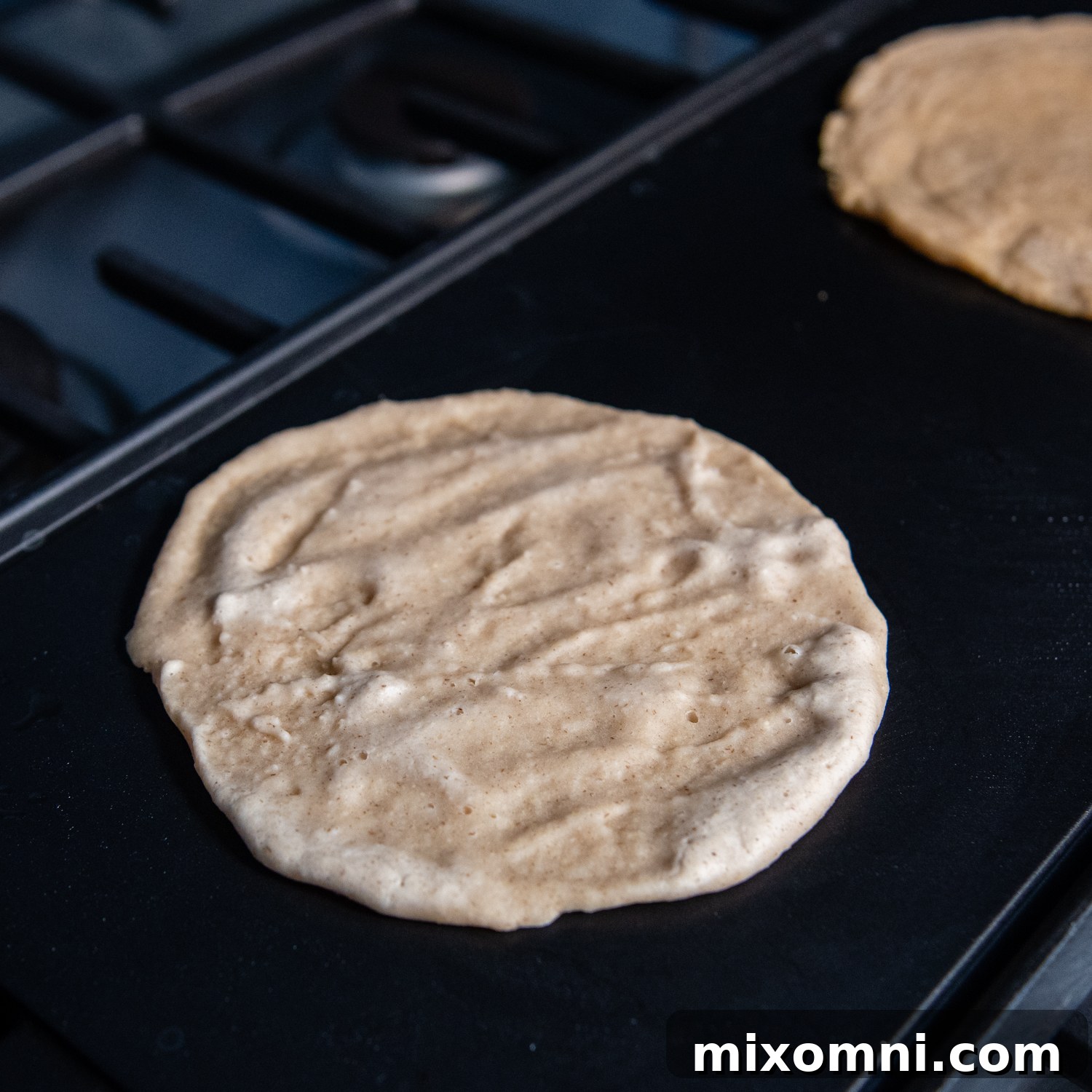
- Initial Pour and Spread: Pour approximately 1/4 cup of batter onto a nonstick griddle, preheated to a medium setting. Immediately use a silicone spoon or a small offset spatula to quickly spread the batter outwards into a very thin, uniform round shape. Ensure you scrape all the “wet” batter to the edges to create a consistent thinness across the entire tortilla. (Refer to Image 1 for visual guidance.)
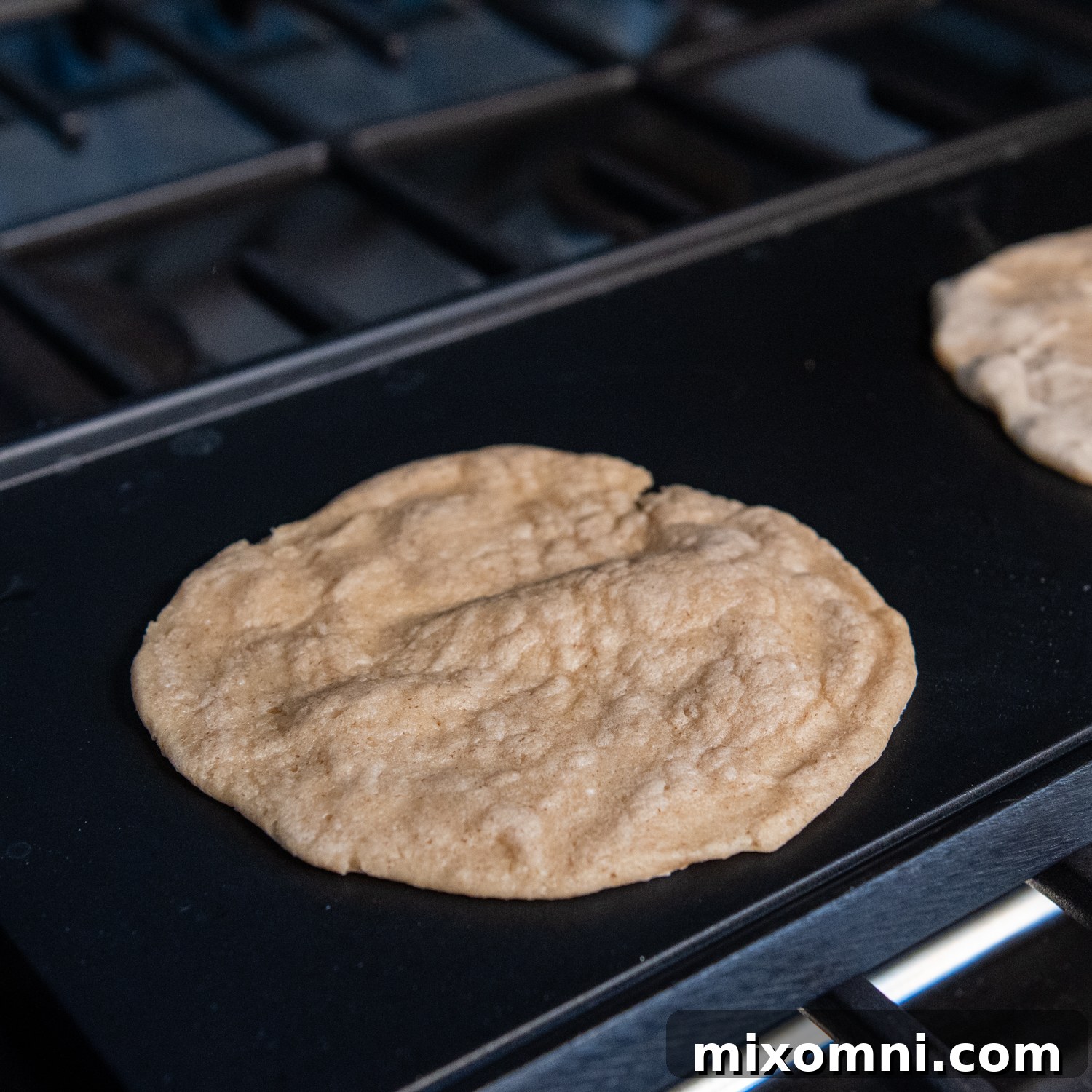
- First Cook: Allow the tortilla to cook undisturbed for about 2 minutes. During this phase, the surface of the tortilla will visibly transform, becoming opaque and almost completely dry to the touch. This indicates the initial setting of the batter. (See Image 2 showcasing this stage.)
- First Flip and Second Cook: Carefully flip the tortilla over and let it cook for another 2 minutes on the second side. At this point, it might appear fully cooked, but resist the urge to remove it. There’s more moisture to cook off for optimal texture.
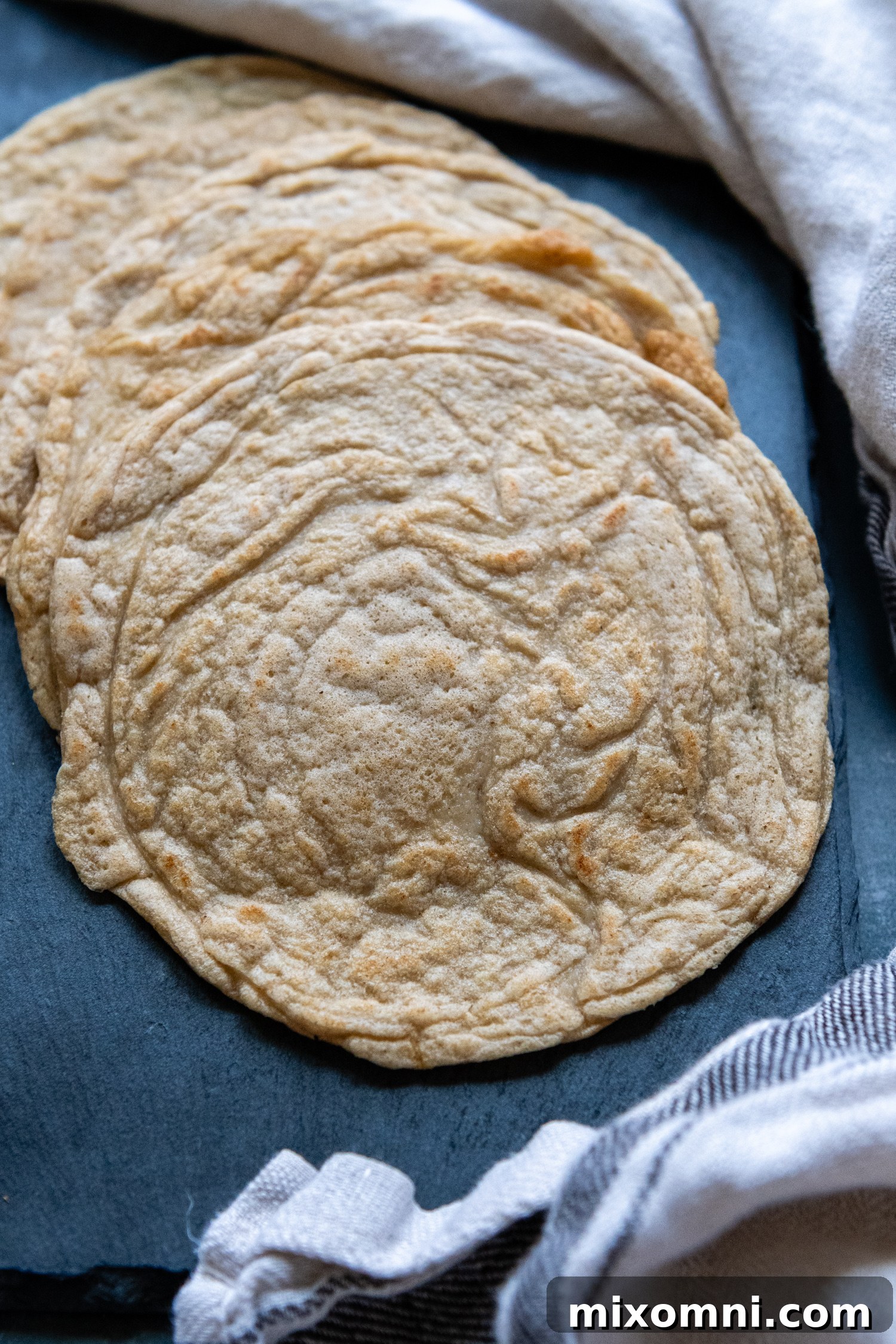
- Subsequent Flips for Perfection: Flip the tortilla again and cook for an additional 1 minute on this side. Then, perform one final flip and cook for another 1 minute. During these last flips, you’ll often notice the tortilla starting to puff up slightly in places. (Observe Image 3 for an example of this light puffing.) This subtle inflation is a fantastic indicator that the moisture has been adequately cooked out, signaling that your tortilla has reached its peak of perfect softness and flexibility. Once this stage is achieved, it’s ready!
Essential Tips for Perfectly Soft and Flexible Oat Tortillas
To ensure every batch of your homemade oat tortillas turns out beautifully soft, pliable, and delicious, keep these crucial cooking tips and tricks in mind. They are the culmination of much experimentation and will help you achieve consistent, high-quality results:
- Act Swiftly with the Batter: The key to working with oat flour batter is speed. Do not allow the batter to sit for an extended period before you begin cooking, as oat flour rapidly absorbs liquid and the mixture will become exceptionally thick. To maximize your cooking window, I highly recommend starting to preheat your griddle or skillet even before you’ve added the liquids to your oat flour. This way, your cooking surface is hot and ready as soon as your batter is mixed.
- Utilize a Large Griddle for Efficiency: If you have access to a large griddle, it will be your best friend for this recipe. Cooking multiple tortillas simultaneously significantly reduces the overall preparation time. More importantly, it ensures that the batter doesn’t sit idle for too long, preventing it from thickening excessively between batches and maintaining its optimal spreading consistency.
- Spread Thin for Best Texture: The goal is a delicate, flexible tortilla, not a thick, heavy pancake. Use a silicone spoon or a small, flexible spatula to spread the batter as thinly and evenly as possible. Work quickly from the center outwards, gently scraping any excess wet batter towards the edges to create a uniform, translucent circle. The thinner you spread it, the softer and more pliable your final tortilla will be.
- Maintain Medium Heat: Temperature control is paramount. Always keep your cooking surface heated to a steady medium. If the skillet or griddle becomes too hot, the tortillas will cook too quickly, resulting in a crispy, brittle texture rather than the desired soft and flexible wrap. A medium heat allows for even cooking and proper moisture evaporation.
- Adjust Batter Consistency as Needed: It’s common for the batter to thicken slightly as you cook, especially if you’re making a larger batch or cooking one at a time. If the batter becomes too thick to spread thinly and smoothly, simply whisk in about 1 tablespoon of hot water at a time until it reaches the desired pourable consistency. Be cautious not to add too much water, as an overly thin batter can lead to gummy tortillas that lack structure.
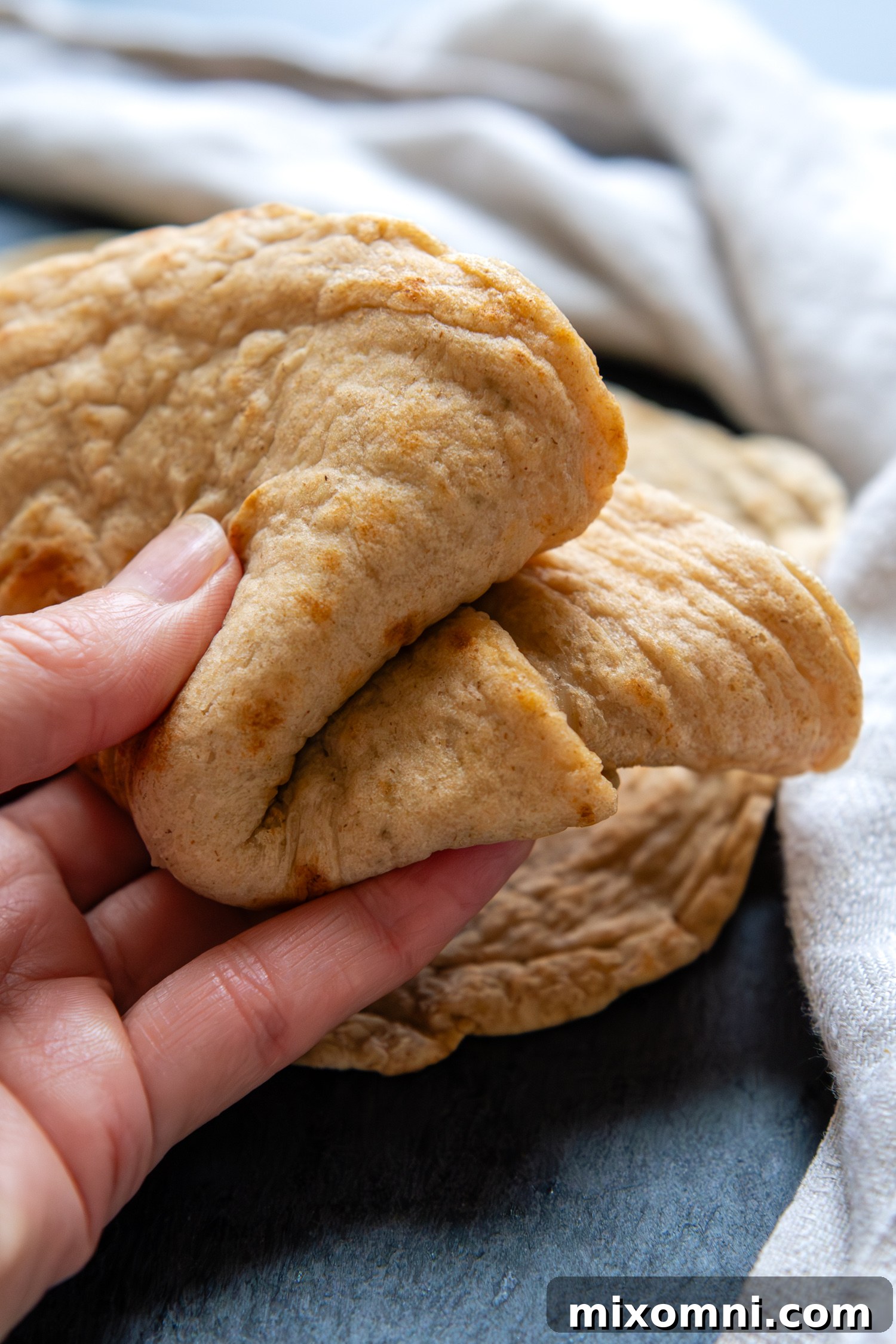
The true beauty of these extra soft and flexible oat tortillas lies in their incredible versatility. Once you’ve mastered making them, the culinary possibilities are endless! My absolute favorite way to enjoy them is as vibrant lunch wraps, generously filled with savory deli meat, creamy cheese, crisp lettuce, juicy tomatoes, and all my preferred condiments. They also make an outstanding base for various dinner options. Imagine them cradling your favorite taco fillings, from spicy shredded chicken to seasoned black beans, or expanding them slightly to create larger-sized tortillas perfect for hearty burritos brimming with rice, beans, and grilled veggies. Beyond these classics, I’ve used them for quick and easy breakfast tacos, layered them into satisfying quesadillas with melty cheese, or even transformed them into open-faced flatbreads, topped with a fried egg and a sprinkle of herbs for a gourmet breakfast. Their neutral flavor profile means they effortlessly adapt to both sweet and savory applications, making them a staple you’ll reach for again and again!
Elevate Your Wraps: Creative Flavor Addition Ideas for Oat Tortillas
One of the fantastic attributes of these homemade oat tortillas is their subtly neutral flavor, which makes them an ideal canvas for a wide array of culinary creations. They won’t overpower your fillings, allowing your chosen ingredients to truly shine. However, if you’re looking to infuse an extra layer of taste and character into your wraps, there are countless ways to amp up their flavor profile directly in the batter. Consider mixing in ½ to 1 teaspoon of any of these aromatic additions:
- Garlic Powder or Onion Powder: For a foundational savory depth that complements almost any dish.
- Italian Seasoning: A versatile blend that adds a Mediterranean flair, perfect for wraps with cheese, tomatoes, or grilled vegetables.
- Crushed Rosemary, Oregano, or Basil: These individual herbs can add distinct, fresh, or earthy notes. Rosemary pairs wonderfully with roasted chicken, while oregano and basil are fantastic for pizza-style wraps or anything Italian-inspired.
- Nutritional Yeast: To impart a cheesy, umami richness without dairy, making it excellent for vegan preparations.
- Parmesan Cheese (grated): For a savory, tangy kick that melts beautifully into the tortilla.
- Chili Powder or Paprika: To introduce a mild warmth and smoky undertone, ideal for Mexican or Southwestern-inspired dishes. A pinch of cayenne pepper can also be added for a bit of heat!
- Everything Bagel Seasoning: For a trendy, savory crunch that works surprisingly well for breakfast wraps or a simple cream cheese spread.
- Cumin: Earthy and warm, perfect for enhancing lentil or bean-based fillings.
- Dried Dill: Adds a fresh, slightly tangy note, great for wraps with seafood or fresh salads.
Experiment with combinations – a mix of garlic powder and Italian seasoning, or chili powder and cumin, can create a truly dynamic base for your meals. These simple additions can transform your plain oat tortilla into a flavorful component of your dish, making every bite even more exciting.
Don’t Forget to Pin This Recipe to Your Pinterest Board!
Let’s be friends on Pinterest! I’m always sharing great recipes and fresh ideas!
Have you made this incredible recipe? Your feedback means the world to me! Please take a moment to leave a star rating and a comment below the recipe card. Your reviews not only help others in our community discover fantastic recipes, but I also genuinely appreciate hearing about your cooking experiences. You can always expect a personal response from me! -Melissa