
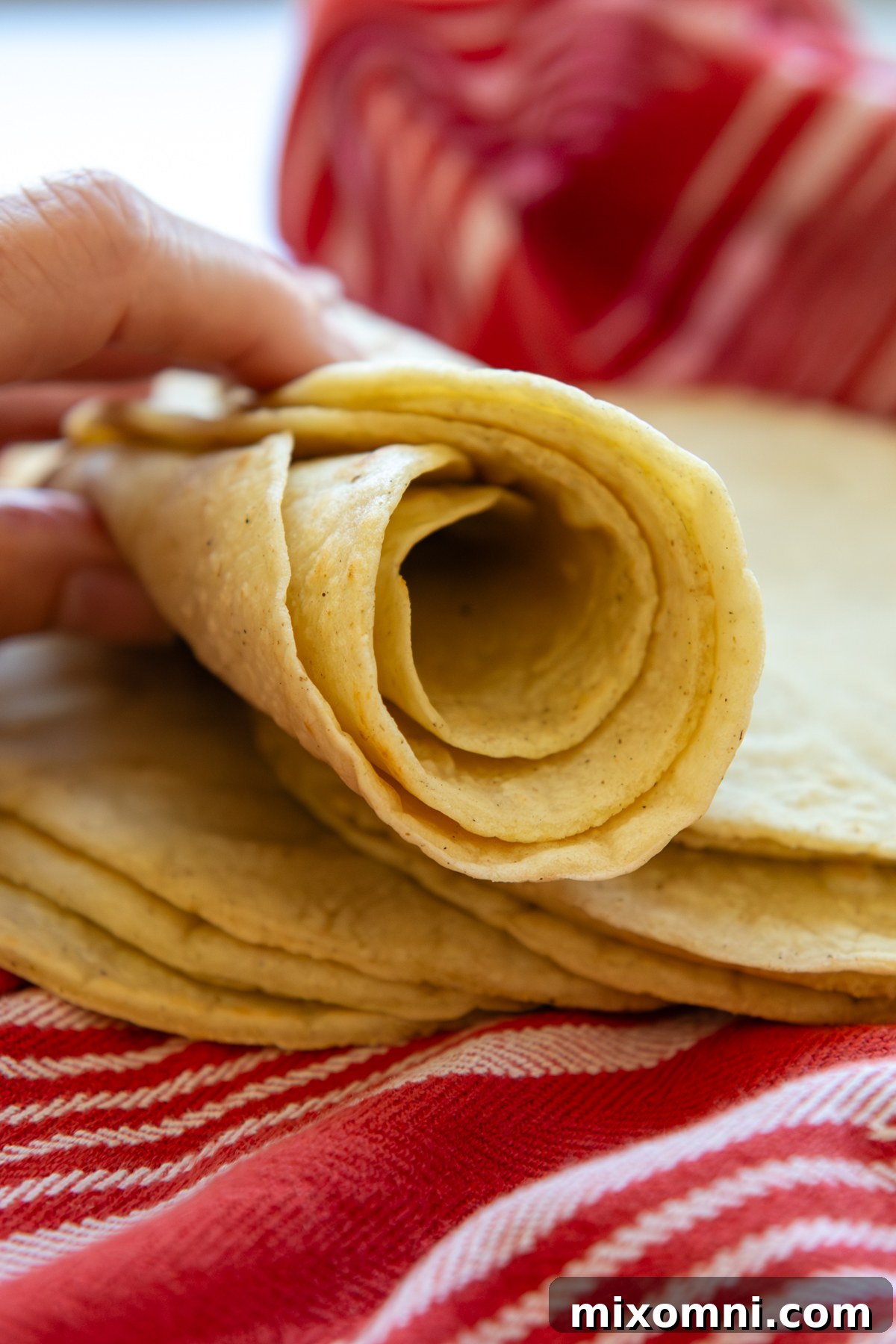
Say goodbye to dry, crumbly, and disappointing gluten-free corn tortillas forever! This comprehensive guide reveals the secrets to crafting truly soft, flexible, and perfectly puffy homemade corn tortillas using authentic masa harina. Prepare for a culinary transformation as we delve into an easy-to-follow recipe, complete with expert tips and step-by-step guidance, ensuring perfect results every single time. Imagine warm, pliable tortillas ready to elevate your favorite Mexican and Tex-Mex dishes to an unforgettable experience.
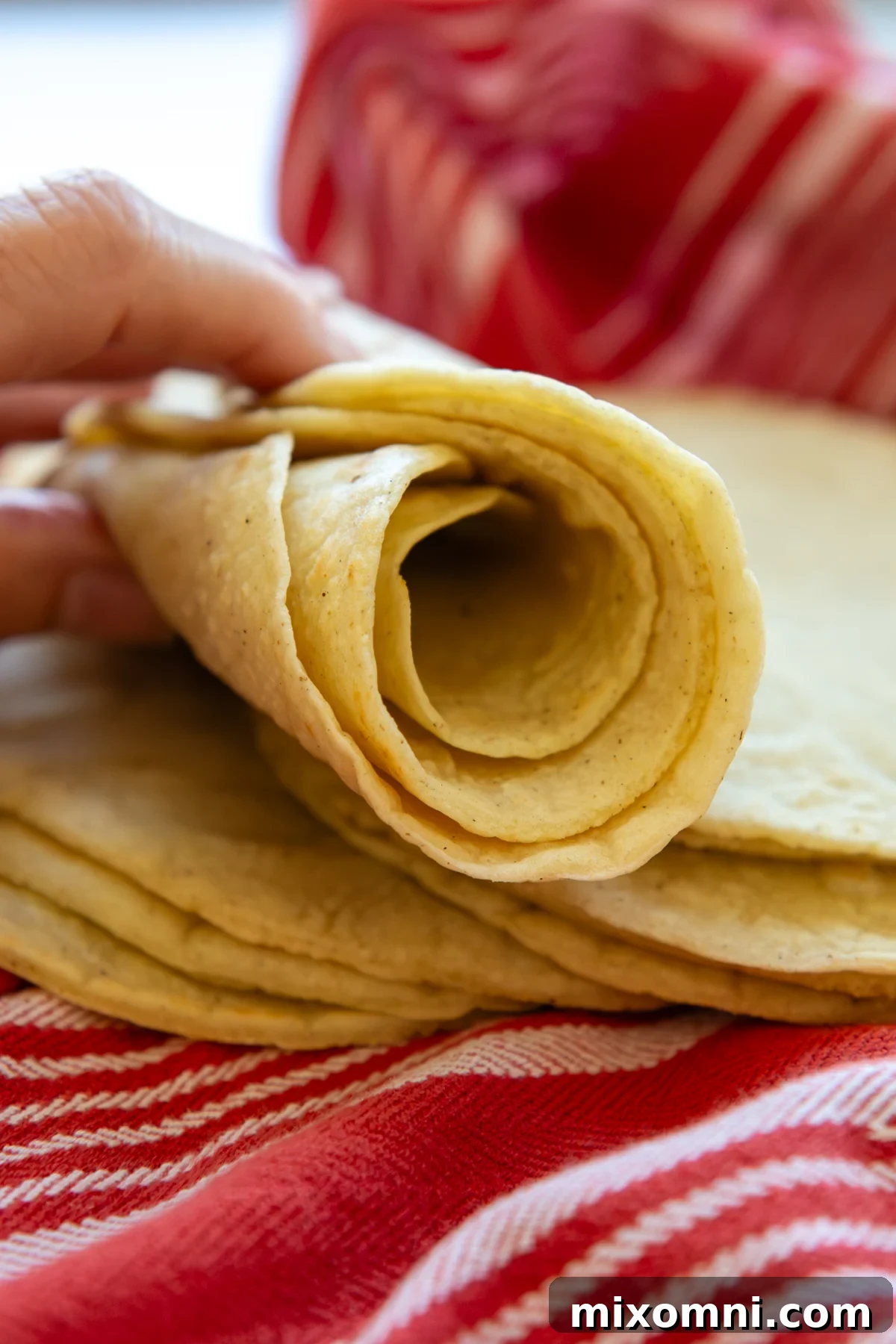
The Quest for Perfect Gluten-Free Corn Tortillas Ends Here!
For too long, the phrase “gluten-free corn tortilla” has conjured images of brittle, flavorless discs that fall apart at the slightest touch. We’ve all been there, struggling to enjoy a mouth-watering dish like tender crockpot carne asada or simple weeknight ground beef tacos, only to have the foundation crumble beneath the delicious fillings. These subpar experiences can leave you longing for the authentic texture and taste that traditional tortillas provide. But what if I told you that achieving perfectly soft, pliable, and even puffy gluten-free corn tortillas at home is not only possible but surprisingly simple?
This homemade gluten-free corn tortilla recipe has become an absolute game-changer in my kitchen, transforming every Mexican and Tex-Mex meal into a celebration of flavor and texture. No more compromise – these tortillas boast incredible strength, effortlessly holding up to generously stuffed tacos, becoming perfectly crispy for tostadas, and even enduring the rolling and shaping required for rich, cheesy beef enchilada casseroles. Their superior elasticity and tenderness mean they won’t crack or tear, ensuring a delightful bite every time.
So, what’s the secret to these culinary marvels? It boils down to a few fundamental principles, which I’m thrilled to share with you through clear explanations and illustrative photos below. Firstly, incorporating a judicious amount of oil into the dough is crucial; it acts as a natural softener, preventing the dreaded dry, crumbly texture. Secondly, and perhaps most critically, it’s about finding the “just right” hydration level for your dough. Below, I’ll demonstrate precisely what your tortilla dough should look and feel like, empowering you to achieve consistent, professional-level results.
My inspiration for perfecting these tortillas stemmed from a memorable family trip to Belize, where I had the privilege of witnessing a live cooking demonstration. Watching local artisans effortlessly craft puffy, authentic corn tortillas ignited a passion within me. Upon returning home, I invested in a highly affordable tortilla press, mirroring the tools used in that captivating demonstration. This simple gadget proved to be an absolute revelation, streamlining the pressing process and making it incredibly easy and enjoyable.
While the traditional method in Belize involved a massive comal, my trusty cast iron skillet performed admirably, yielding equally fantastic results. The key is to use a heavy-bottomed pan that ensures even heat distribution, preventing any hot spots that could burn your tortillas. With the right technique and a little practice, you’ll be creating tortillas that rival those made by experienced hands.
Let’s Craft Culinary Magic *Together*!
Ready to embark on this delicious journey? Follow along with the step-by-step photos and detailed instructions provided. For the complete list of ingredients and precise measurements, simply scroll down to the comprehensive recipe card at the end of this article. Let’s create some unforgettable gluten-free corn tortillas!
Mastering Your Super Simple Tortilla Dough
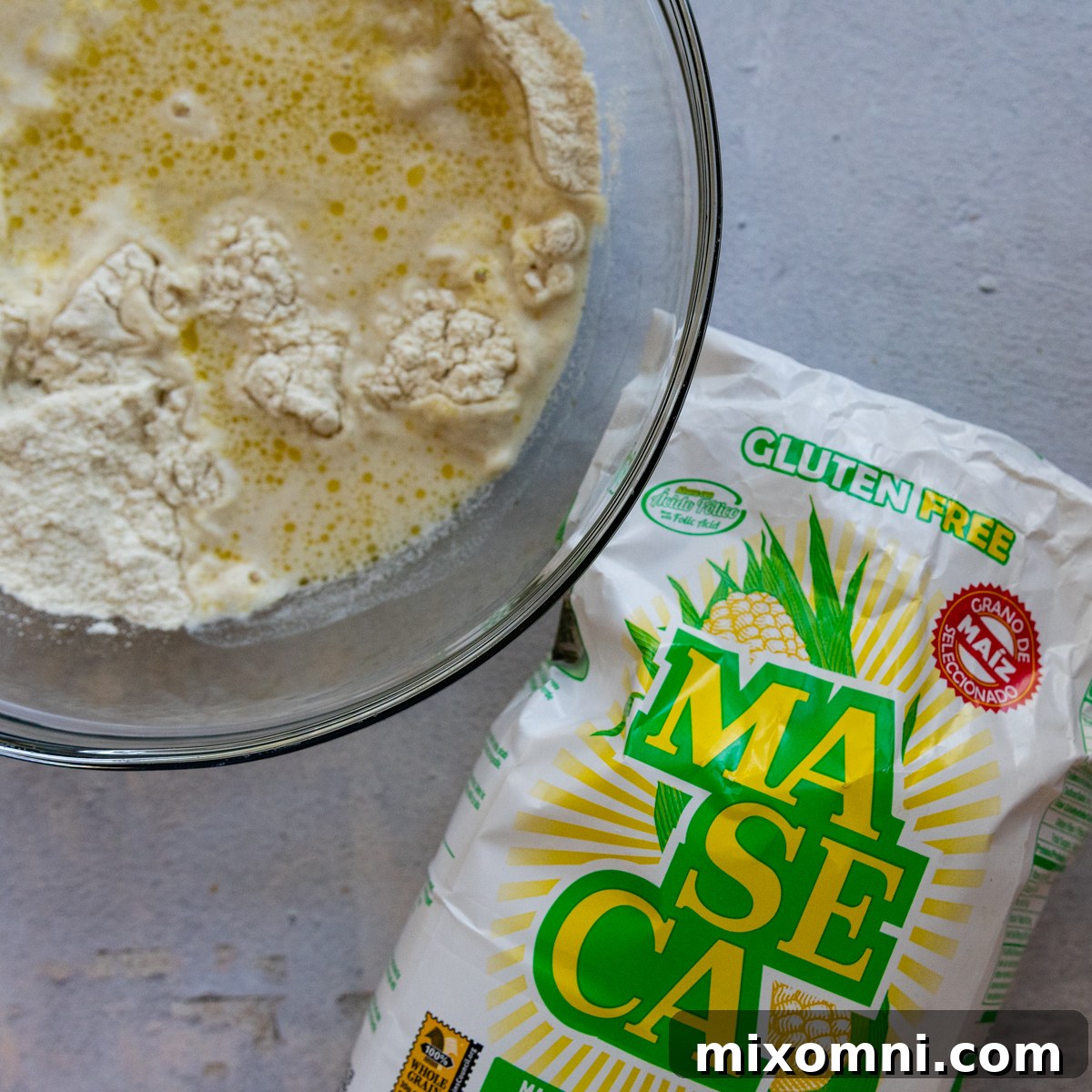
The foundation of truly exceptional corn tortillas lies in quality masa harina. This specialized corn flour, made from dried corn kernels treated with an alkaline solution (a process called nixtamalization), is essential for authentic flavor and texture. You can typically find certified gluten-free masa harina in the international or baking aisle of your local grocery store. It usually comes in a distinctive package, as shown below, clearly labeled for your convenience.
To begin, combine your masa harina and salt in a large mixing bowl, ensuring they are well integrated. Next, add the water and oil. While a spoon might seem convenient, the best tool for this job is your hands. Gently work the mixture, kneading and pressing, until it transforms into a cohesive, soft, and wonderfully pliable ball. It should feel smooth and slightly damp, but critically, it should not be sticky. This hands-on approach allows you to truly feel the dough’s consistency, which is vital for the next crucial step.
The One Crucial Tip: Hydration is Key!
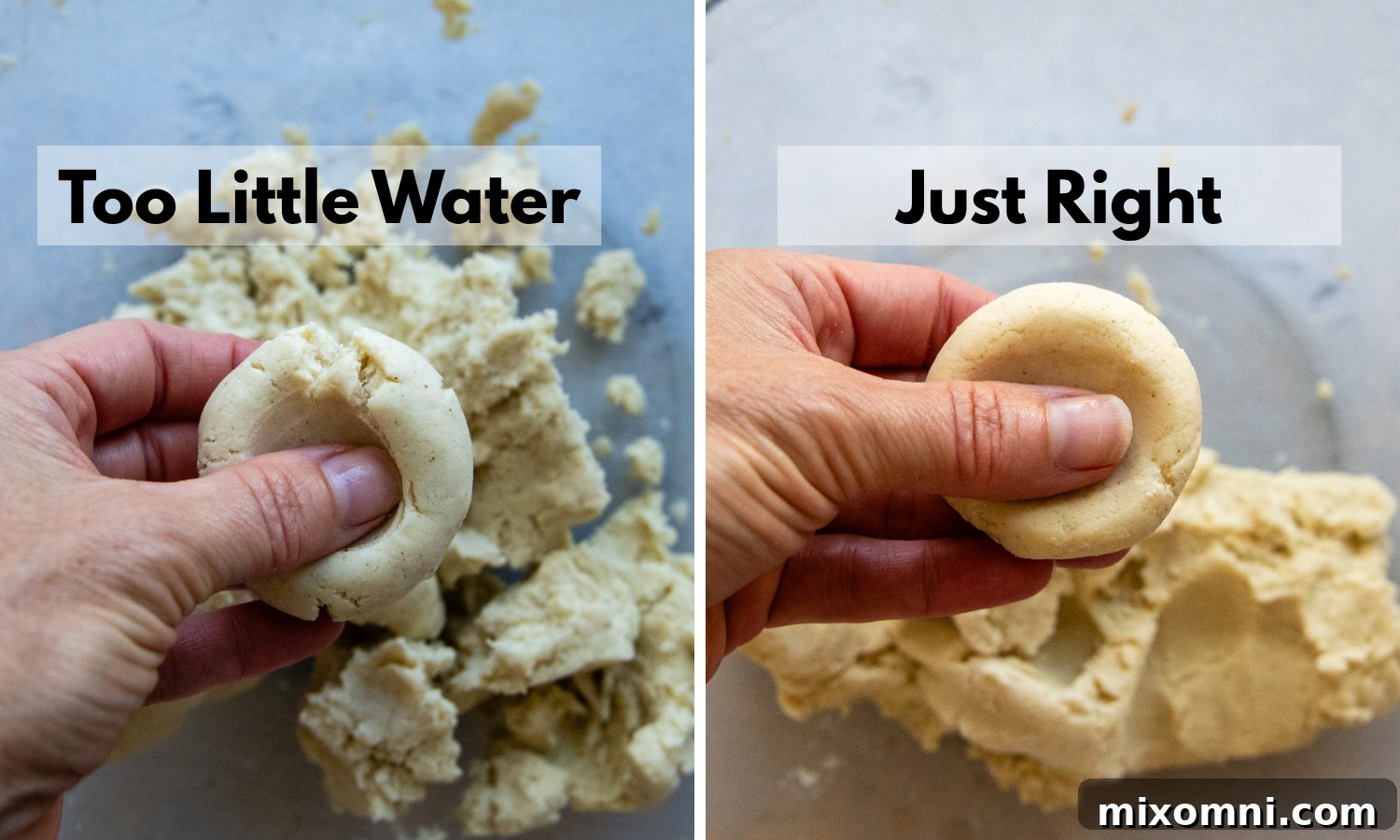
This step is paramount – if you take away nothing else, let it be this. After initially mixing your ingredients, the dough might appear perfectly fine, but its true hydration level can only be confirmed through a simple yet powerful test. Pinch off a small portion of the dough and roll it into a smooth, uniform ball. Then, gently press down into the center of this ball with your thumb. Observe the edges carefully:
If the edges of the dough crack or fray, resembling the image on the left, it indicates that your dough is too dry. Don’t panic! Simply work in a tiny splash more water – literally, just a small dash – and thoroughly mix it in. Repeat the thumb test. You are aiming for a dough where the edges remain completely smooth and intact after being pressed. A well-hydrated dough is the non-negotiable secret to achieving those coveted soft, flexible, and puffy corn tortillas. Smooth edges are your definitive signal that you’ve mastered the ideal moisture balance. 👊 If you accidentally add too much water and the dough feels overly sticky, incorporate a small amount of masa harina until the perfect consistency is restored.
Effortless and Even Dough Dividing
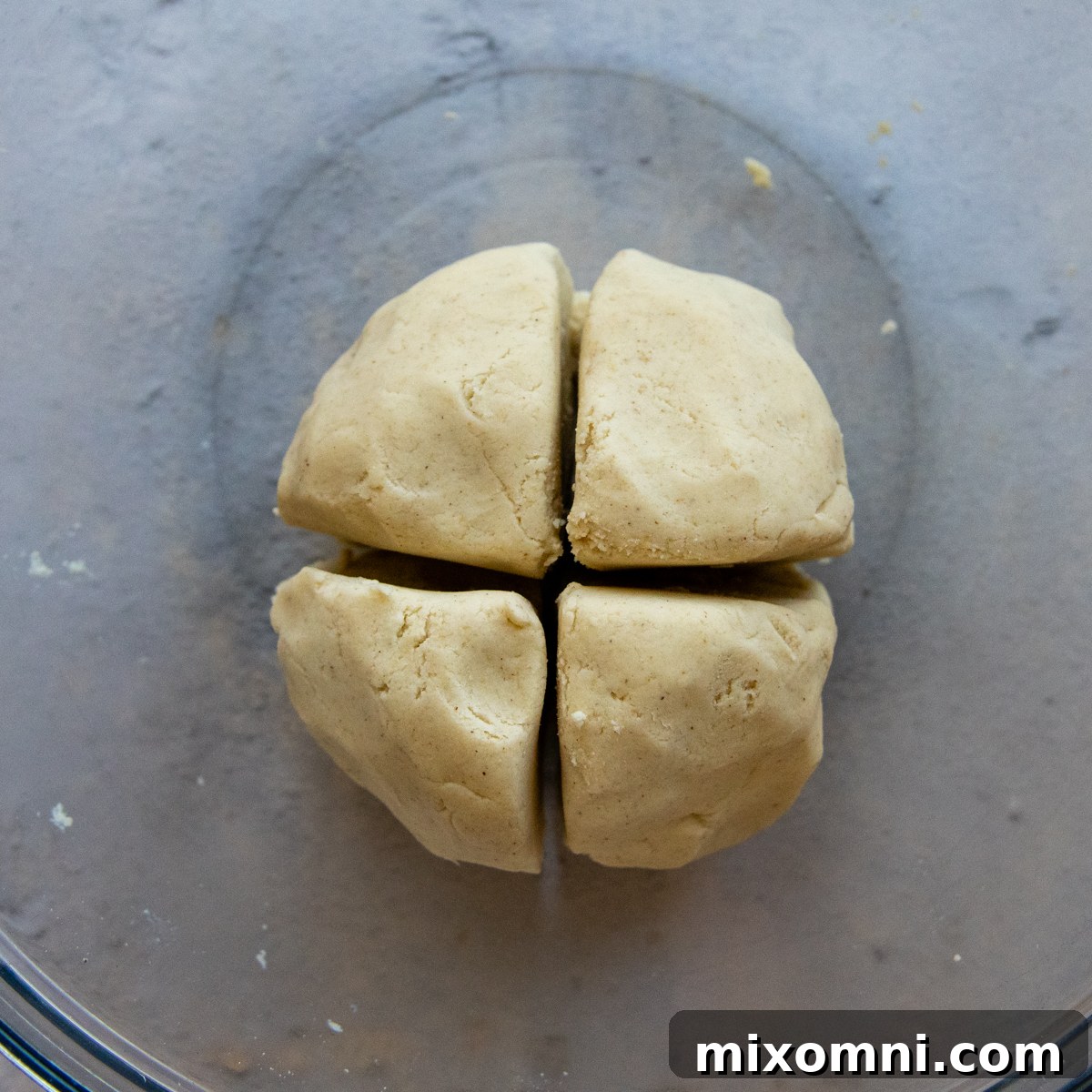
While some recipes advocate for precise measurements using a food scale to ensure each tortilla is identical, there’s a much faster and equally effective method. As your heavy pan preheats, take your prepared dough and roll it into one large, uniform ball. Then, with a knife, carefully cut a cross section through the ball, dividing it into four relatively even quarters. This simple technique provides a great starting point for consistency.
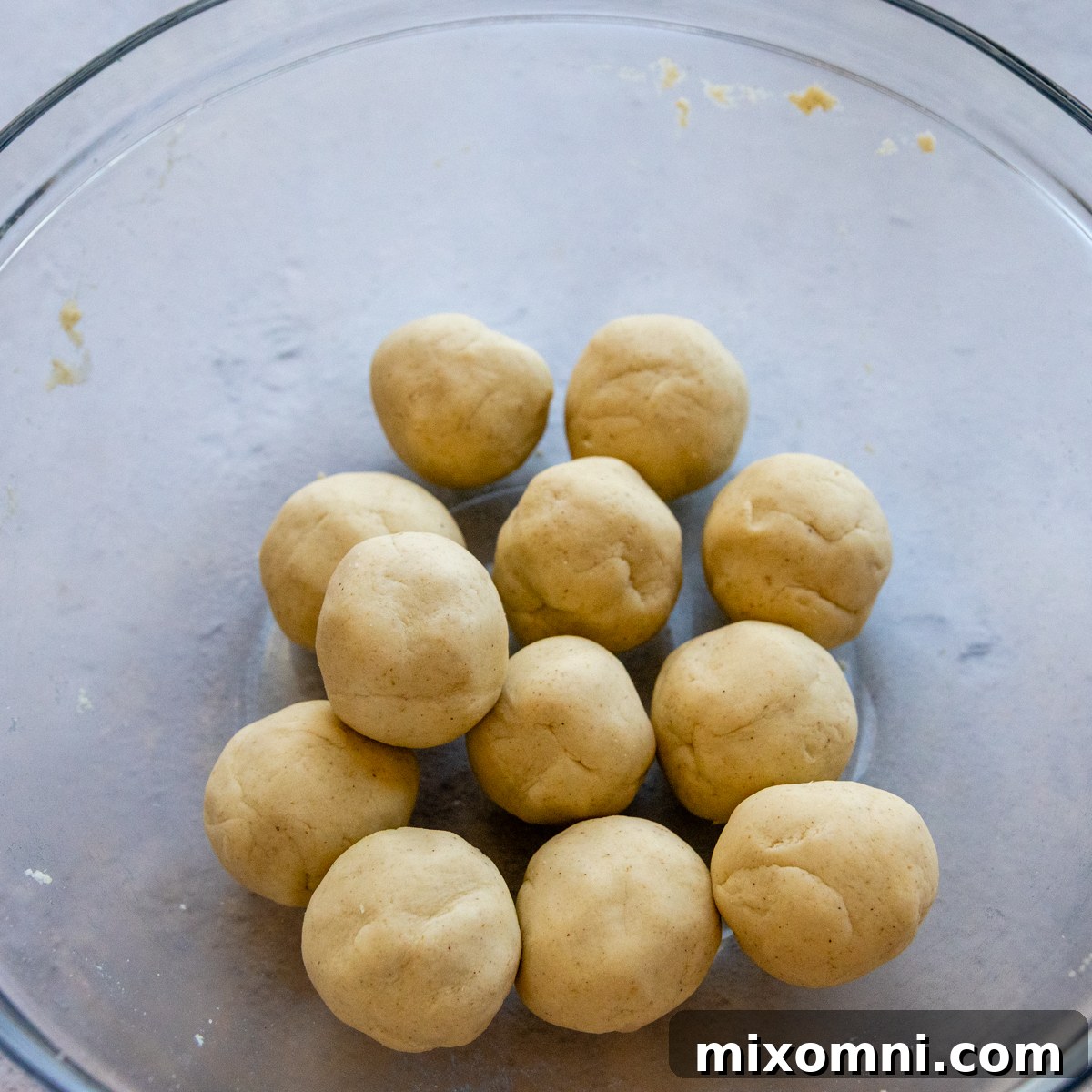
From each of these four sections, further divide them into three equal-sized pieces. Don’t stress over absolute perfection – a good eyeball estimate is perfectly adequate. Once you’re reasonably confident in your divisions, roll each smaller piece into a smooth, tight ball. This method will yield 12 consistently sized tortillas, ensuring they cook evenly. Immediately place these dough balls back into the mixing bowl and cover them securely with plastic wrap. It’s absolutely essential to prevent the dough from drying out while you prepare to cook, as maintaining moisture is critical for flexibility and puffiness.
Press Like a Pro with Your Tortilla Press
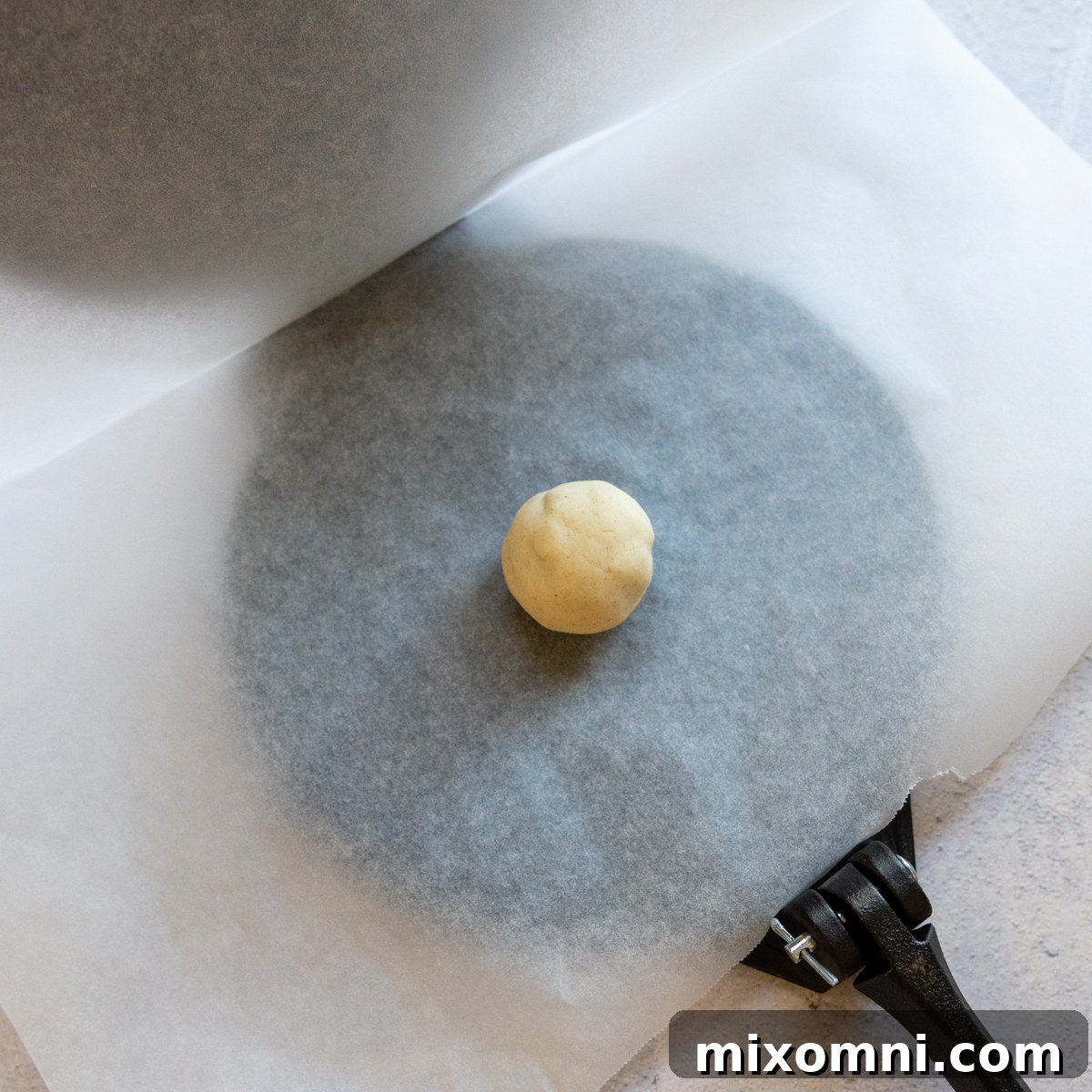
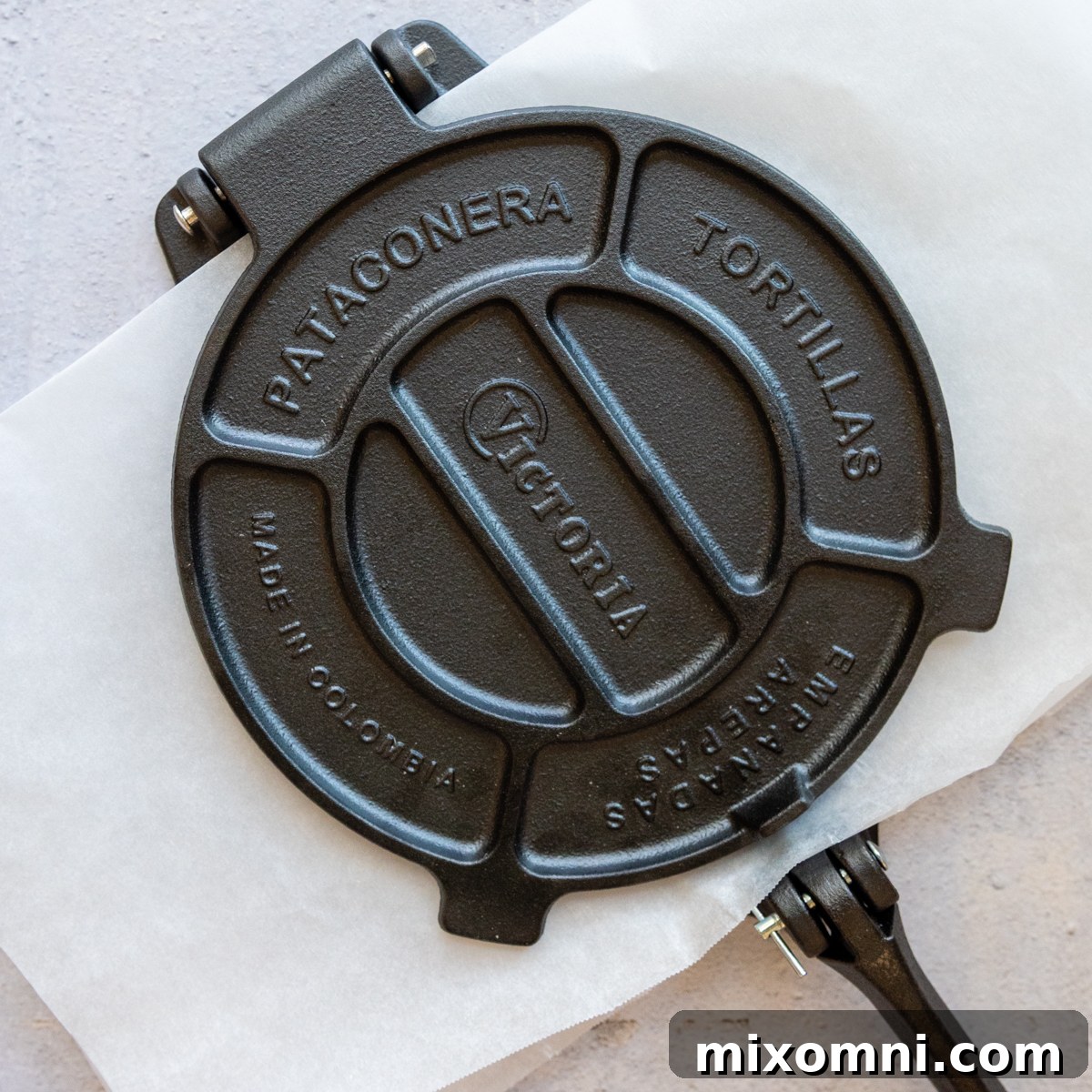
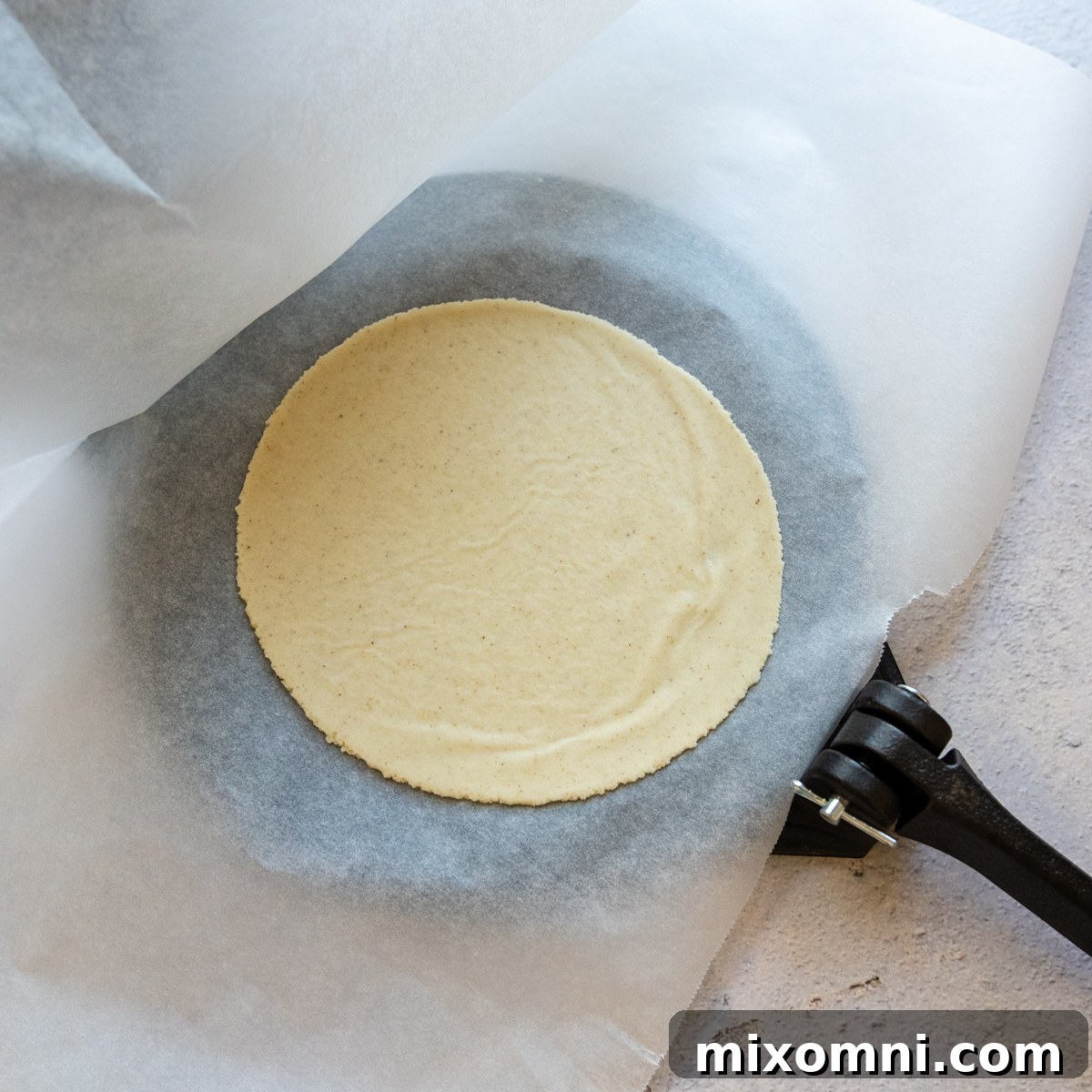
For those lucky enough to own a tortilla press, this step is where the magic truly unfolds. While some recipes suggest using a gallon-sized Ziplock freezer bag, cut along the sides to create a nonstick barrier, I’ve found a simpler and equally effective alternative: a large piece of parchment paper. Fold the parchment paper in half, ensuring it comfortably covers both the top and bottom plates of your tortilla press. This creates a perfect non-stick surface, preventing the delicate dough from adhering to the press.
Place one of your prepared dough balls directly in the center of the folded parchment paper. Close the press and apply firm, even pressure. That’s all there is to it! The dough will flatten into a beautifully thin, round tortilla. I recommend pressing one tortilla at a time, immediately cooking it, rather than pressing all the dough balls at once. This strategy minimizes the risk of the pressed tortillas drying out and losing their essential moisture, which can hinder their puffiness during cooking. Aim for a tortilla that is about 6 inches in diameter and uniformly thin, but not so thin that it tears easily.
The Secret to Puffy Corn Tortillas 🤫
Achieving that beautiful, satisfying puff in your corn tortillas was a personal quest after my Belizean experience. It sent me down an enjoyable rabbit hole of research and experimentation, especially on TikTok! What I discovered can be summarized into a few key actions that, when combined with properly hydrated dough, guarantee success.
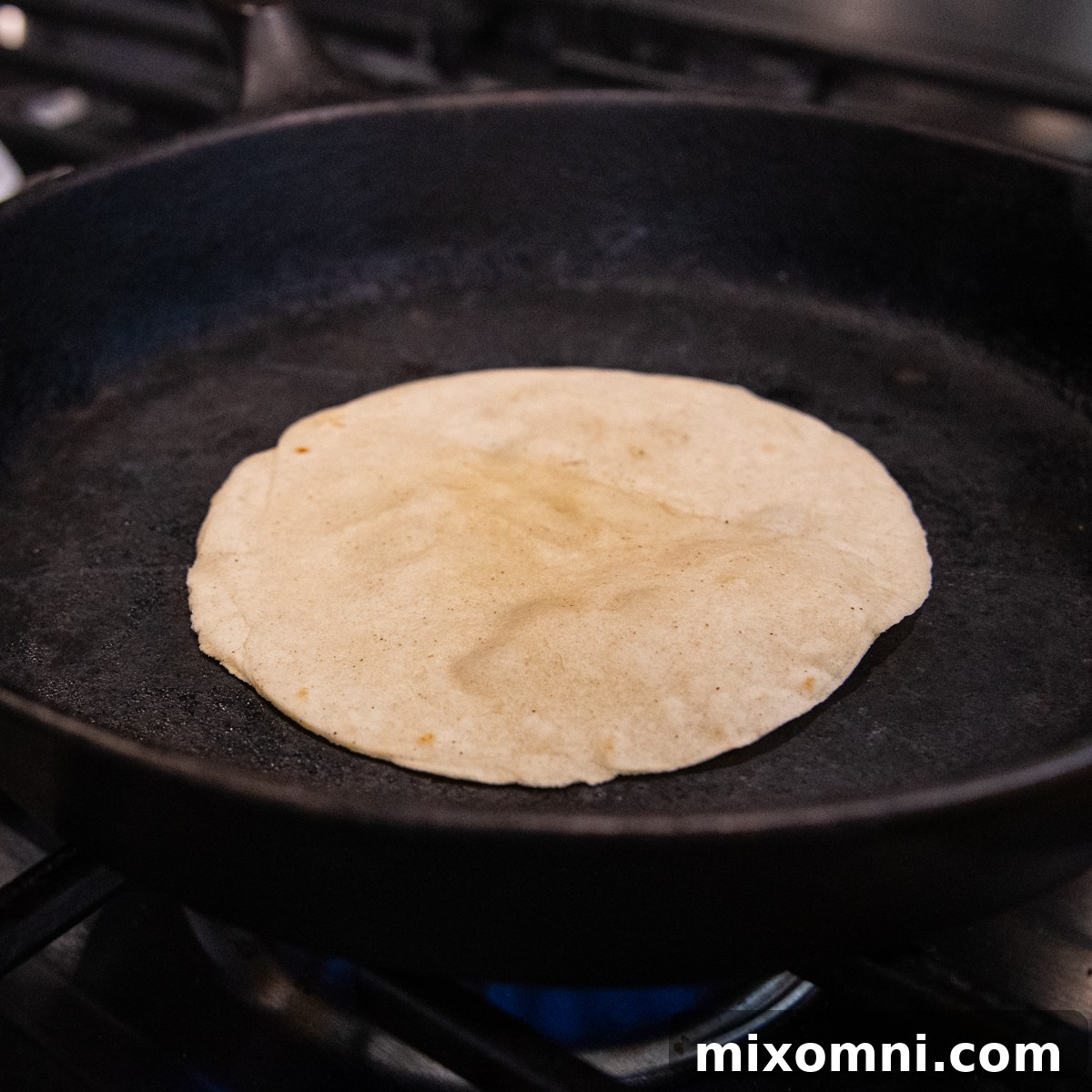
Here’s the distilled wisdom: Place your freshly pressed tortilla onto a hot, ungreased cast iron skillet or comal. Allow it to cook for precisely 20-30 seconds (yes, using a timer helps immensely!). The first side should just begin to show a slight change in color and develop a few darker spots. Flip the tortilla and cook for another 20-30 seconds. This second side will cook a bit more, and you might see the edges firming up. Finally, flip it one last time, cooking for approximately 20 seconds. During this final stage, gently but firmly use your fingers to press down in the center of the tortilla and then a couple of times closer to the edges. This action traps steam within the dough, and if your dough is well-hydrated, you’ll witness the incredibly satisfying moment as your tortilla begins to puff up like a balloon! This visual transformation is truly rewarding. 😎
No Tortilla Press? No Problem! Hand-Rolled Tortillas Are Equally Delicious. For those without a tortilla press, don’t despair – you can still create fantastic homemade corn tortillas, though it will require a bit more manual effort and patience. After dividing your dough into smooth balls, place each ball between two pieces of parchment paper. Using a rolling pin, gently and evenly roll out the dough. While achieving a perfect circle might be challenging at first, remember that the taste and texture will be just as delightful, regardless of shape! Aim for a tortilla that is approximately 6 inches in diameter and has a consistent thickness; this ensures even cooking and the ideal chewiness. Be careful not to roll them too thin, or they may tear when you try to transfer them to the skillet. Once rolled, carefully peel them from the parchment paper and proceed to cook them as described above. Practice makes perfect, and soon you’ll be rolling tortillas like a seasoned pro!
Essential Tips for Your Best Gluten-Free Tortillas!
While the core instructions will guide you to success, these additional tips are designed to troubleshoot common issues and ensure your gluten-free corn tortillas are consistently exceptional. Consider these the “pro-level” insights that truly elevate your homemade tortilla game.
- Maintaining Dough Moisture: As you progress through cooking, especially if you’re making a large batch, the dough balls waiting their turn may naturally begin to dry out. If you notice a particular dough ball becoming less pliable or if your cooked tortillas stop puffing as readily, simply wet your hand very lightly and work a small amount of extra moisture into that specific dough ball before pressing. This quick rejuvenation will restore its flexibility and puffing potential.
- Puffiness Preference: Not everyone prioritizes the puffed-up aesthetic, and that’s perfectly fine! If a flatter, denser tortilla is your preference, feel free to skip the finger-pressing technique during the final cooking stage. Your tortillas will still be wonderfully soft and flavorful.
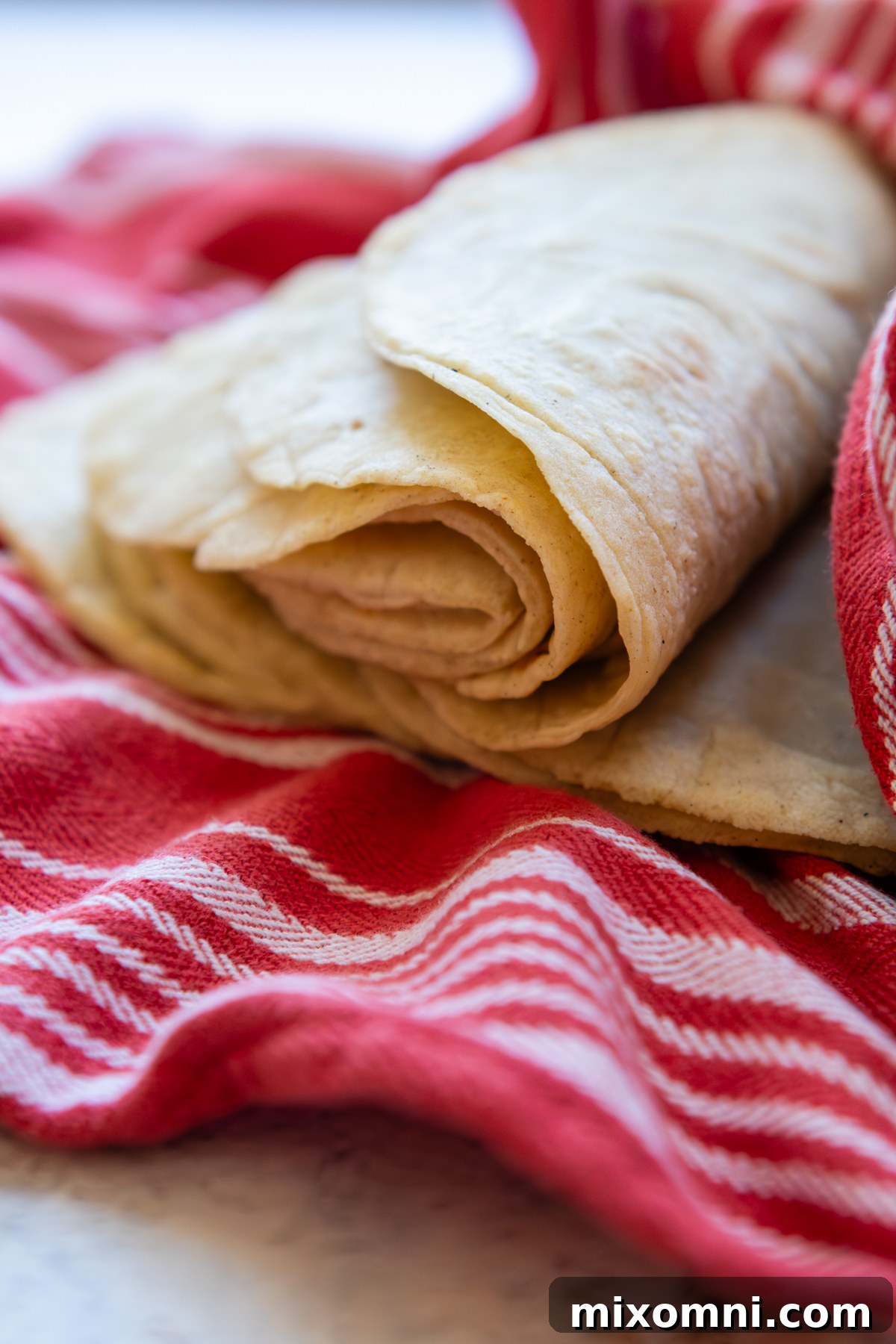
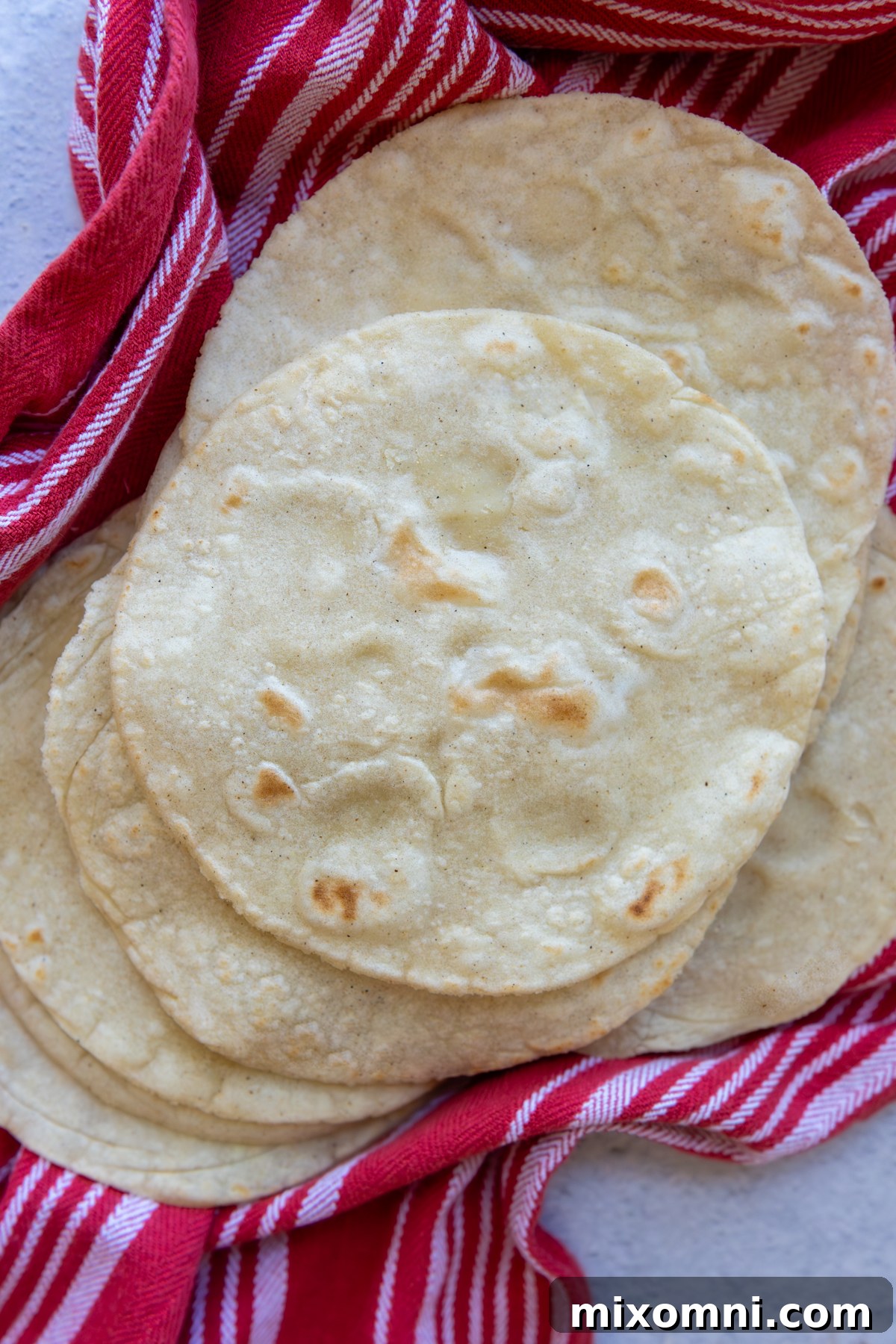
- Keeping Warm & Storage Solutions: Once cooked, tortillas can quickly cool and stiffen. To keep your freshly made tortillas warm and supple until serving, stack them immediately in a clean, lint-free dish towel, a dedicated tortilla warmer, or a tortilla pouch. If you don’t plan to enjoy them right away, arrange them in a single layer on a wire cooling rack. Allow them to cool completely before stacking and storing them according to the detailed instructions in the recipe notes section below. Proper cooling prevents condensation, which can make tortillas soggy.
- Troubleshooting Sticking: If your tortillas are sticking to the parchment paper or the press, ensure your parchment isn’t too moist or crumpled. A light dusting of masa harina on the parchment can sometimes help, but generally, the oil in the dough and the parchment itself should prevent sticking. If using a rolling pin, a tiny bit of flour on the parchment can also assist.
- Pan Temperature Consistency: A consistently hot pan is crucial. If your skillet isn’t hot enough, the tortillas won’t cook quickly enough to puff. If it’s too hot, they’ll burn before they cook through. Medium-high heat is usually ideal, but you might need to adjust based on your stovetop. Look for a pan that’s smoking very lightly when ready.
- Serving Suggestions: These versatile tortillas are perfect for everything from classic tacos and enchiladas to flautas, quesadillas, or even as a simple side with a bowl of chili or soup. Their authentic flavor truly shines.
Save This Recipe to Your Pinterest Board!
Let’s be friends on Pinterest! I’m always sharing great recipes and culinary inspiration!
Did you make this recipe? I absolutely love hearing from you and seeing your culinary creations! Please leave a star rating and comment below the recipe card. Your feedback is incredibly valuable, helping other home cooks discover and enjoy these recipes. I promise you’ll always hear back from me! -Melissa
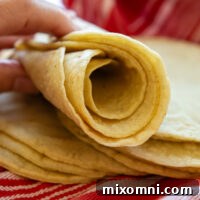
Actually Great Gluten-Free Corn Tortillas (Soft!)
 Melissa Erdelac
Pin
Rate
Remove Ads
Ingredients
- 1 ½ cups masa harina, certified gluten free
- ½ teaspoon salt
- 2 tablespoons vegetable oil or olive oil
- 1 cup hot water , more as needed
Equipment
-
Tortilla Press
-
Cast Iron Skillet
-
Tortilla Pouch
Instructions
-
In a large bowl, combine the masa harina and salt. Add the oil and water, then use your hand to mix the ingredients thoroughly until a soft, pliable, and non-sticky dough ball forms.1 ½ cups masa harina, ½ teaspoon salt, 2 tablespoons vegetable oil or olive oil, 1 cup hot water
-
To test hydration, pinch off a small piece of dough and roll it into a smooth ball. Press down on the center with your thumb. If the edges crack, the dough is too dry; add just a dash of water and mix again. Smooth edges indicate perfect hydration. Refer to the detailed images in the post for visual guidance. If the dough becomes too wet, incorporate a bit more masa harina.
-
Preheat a heavy cast iron skillet or comal over medium-high heat. While the pan heats, begin dividing your dough into uniform balls.
-
For even division, form the dough into one large round ball and cut a cross section to yield four equal quarters. Then, divide each quarter into three equal pieces, rolling each into a smooth ball. This should result in 12 tortillas. Immediately place these balls back into the bowl and cover securely with plastic wrap to prevent them from drying out. It is crucial to maintain the dough’s softness and moisture throughout this process.
-
Fold a sheet of parchment paper in half to cover both sides of your tortilla press. Place a single dough ball in the center and press down firmly and evenly. Gently peel the freshly pressed tortilla from the paper. The same parchment paper can be reused for all dough balls, but replace it if it becomes excessively wrinkled or sticky.
-
Cook the tortillas one or two at a time, depending on your skillet’s size. Place a tortilla on the hot, ungreased skillet and cook for 20-30 seconds. Flip it and cook for another 20-30 seconds. For the final flip, cook for 20 seconds; during this time, if you desire puffy tortillas, use your fingers to gently press down on the center and a couple of spots around the edges.
-
As each tortilla cooks, stack them in a clean, lint-free dish towel to keep them warm and pliable while you finish the rest. Serve immediately for the best experience. For comprehensive instructions on storing, freezing, and reheating, please consult the recipe notes below.
Notes
Storing, Freezing, and Reheating
To store, arrange the cooked tortillas in a single layer on a wire rack to cool completely. Once fully cooled, stack them in a ziplock bag or airtight container and refrigerate for up to 7 days.
To freeze, for easy separation, place a small square of parchment or wax paper between each tortilla. Wrap the stack tightly in plastic wrap, then transfer it to a ziplock freezer bag. They can be frozen for up to 3 months.
To reheat either refrigerated or frozen tortillas, a tortilla pouch is highly recommended for its ability to keep them moist and warm. Alternatively, wrapping them in a slightly damp paper towel and microwaving works wonderfully. They require minimal reheating time, usually around 15-30 seconds, depending on the quantity.