
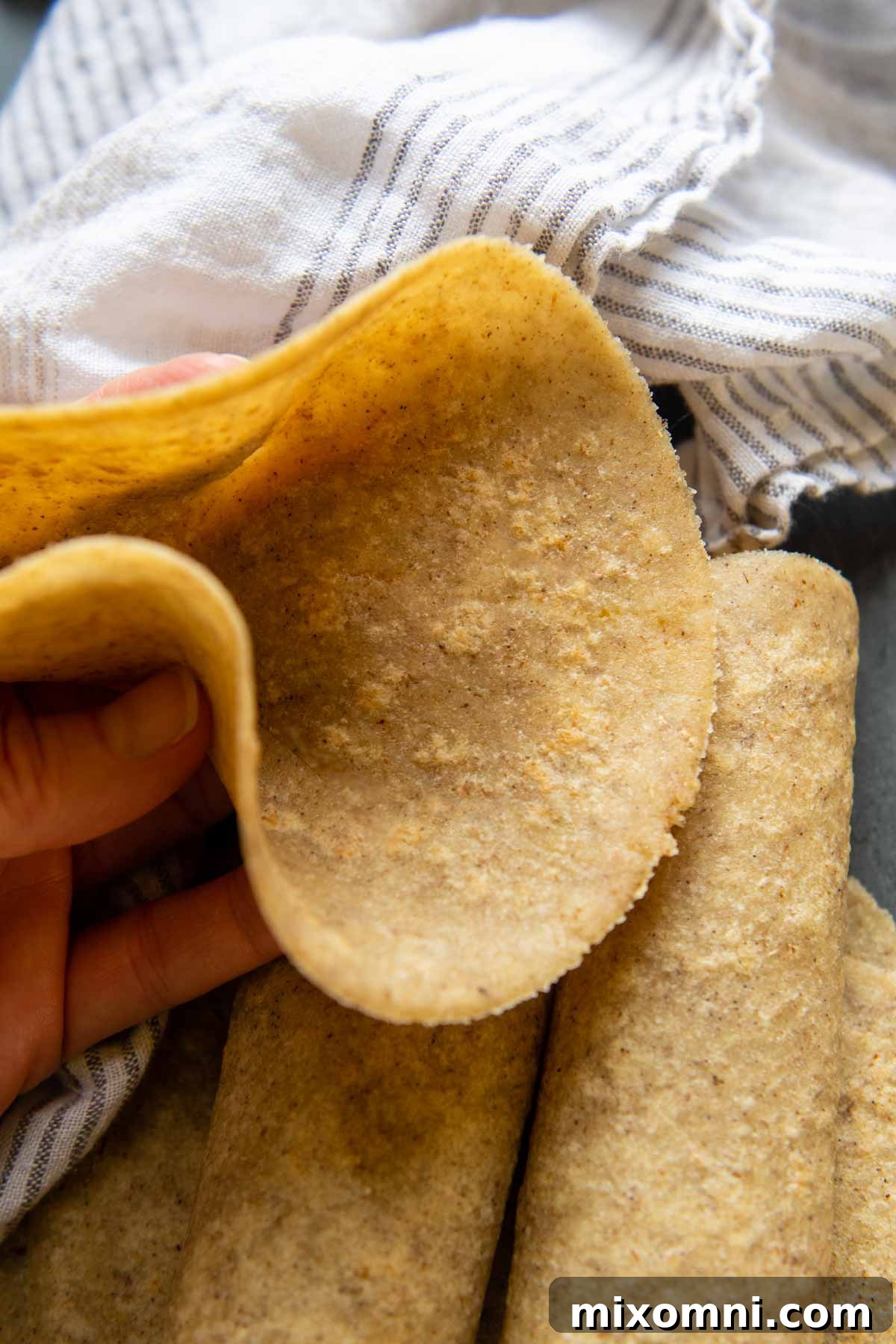
Are you searching for a gluten-free tortilla that’s genuinely soft, flexible, and won’t crack when folded? Look no further! This comprehensive guide reveals the simple secret to crafting perfect **almond flour tortillas** that are not only easy to make but also incredibly versatile. Forget brittle, crumbly, or rubbery alternatives; our recipe promises tender, pliable wraps ideal for all your favorite meals – from tacos and burritos to wraps and quesadillas. Dive in to learn how to create these grain-free, low-carb, and keto-friendly delights using just a handful of staple ingredients!
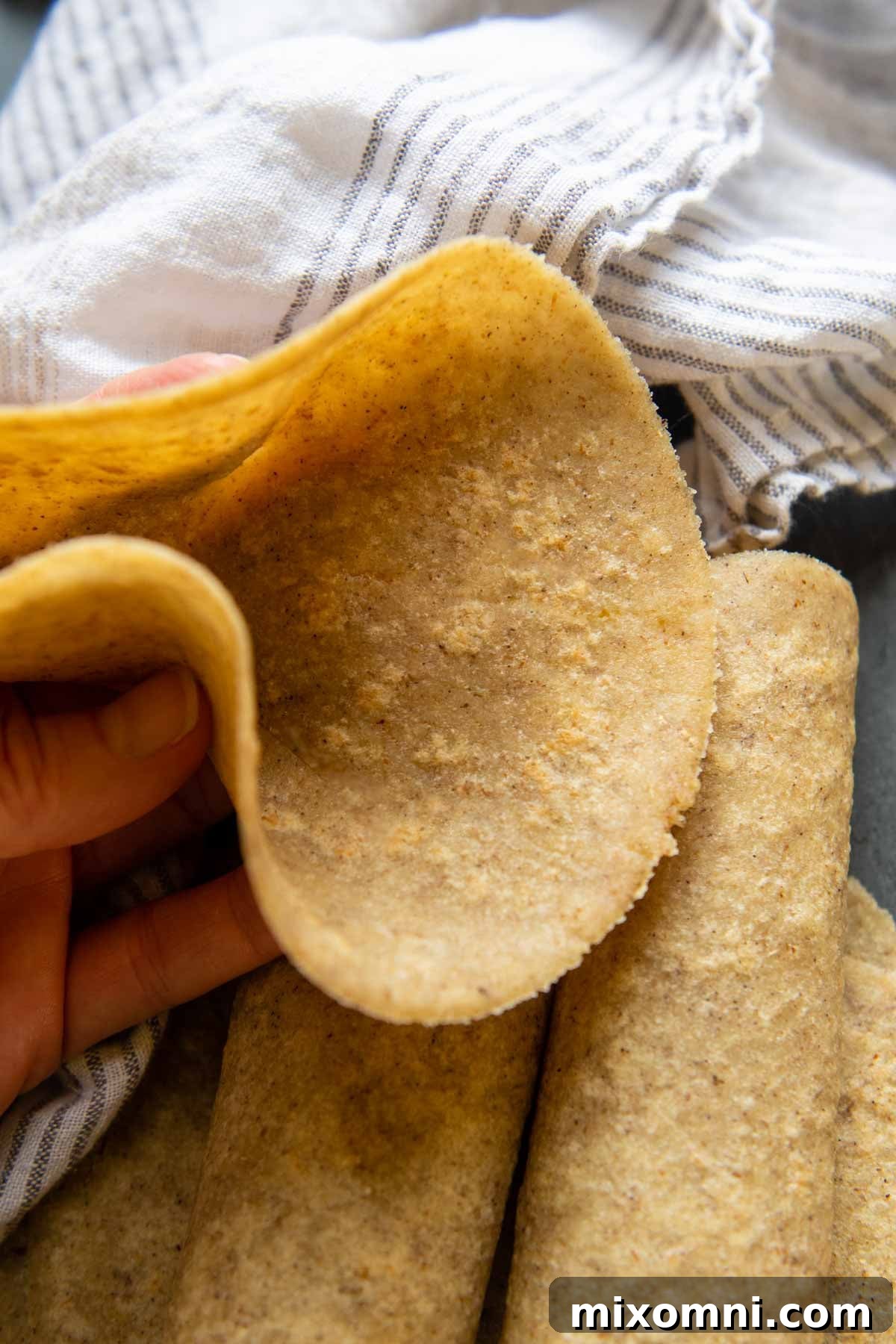
The Ultimate Soft & Flexible Almond Flour Tortillas: Your New Gluten-Free Staple
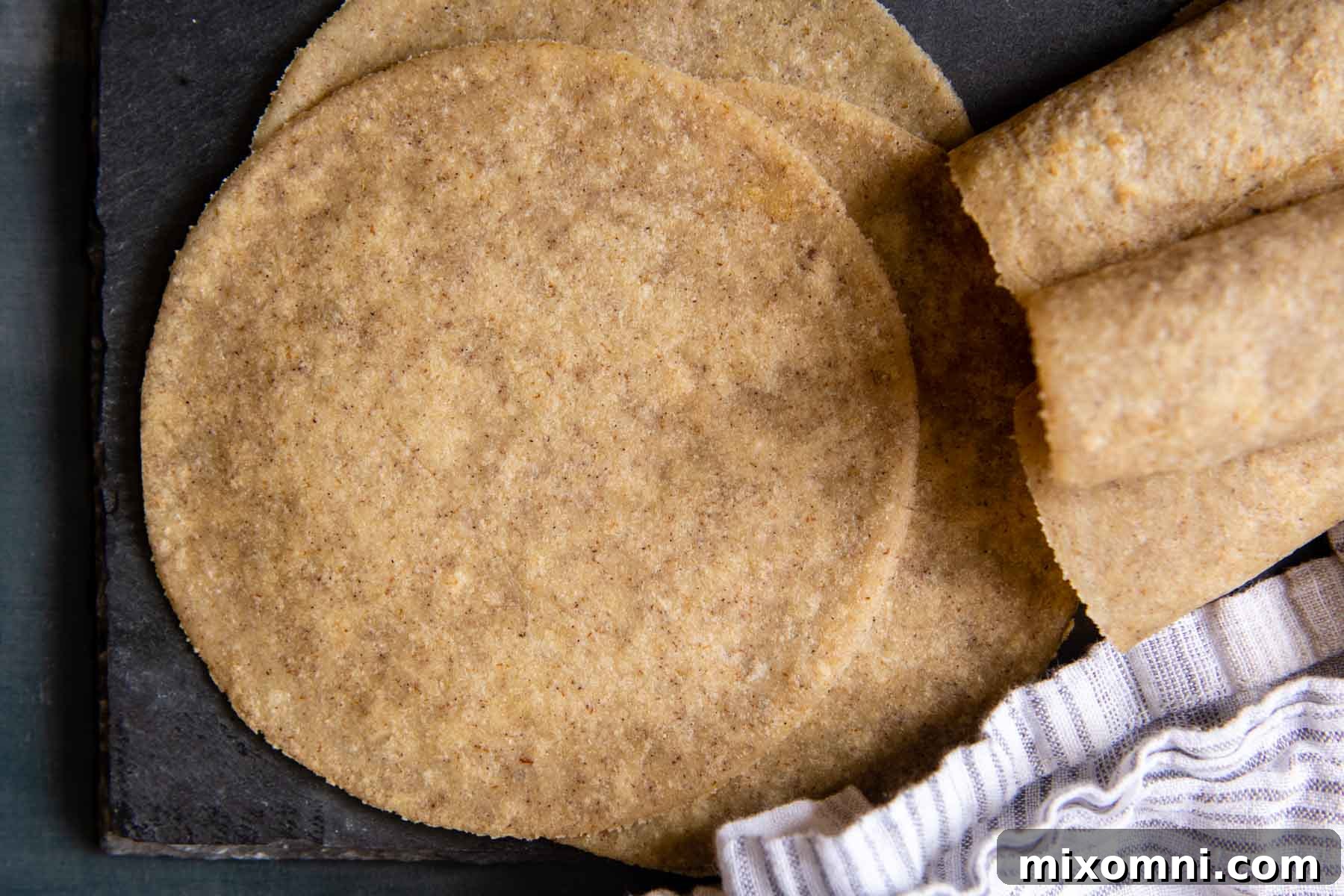
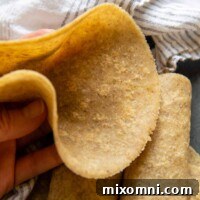
These **almond flour tortilla wraps** have quickly become a staple in my kitchen, revolutionizing my approach to gluten-free eating. Their incredibly soft, pliable, and flexible texture makes them an absolute dream for everything from savory tacos to hearty sandwich wraps. The best part? They taste so good, you’ll forget they’re entirely grain-free and crafted solely from almond flour. Once you try these, you’ll understand why they’re hailed as the easiest and most reliable homemade gluten-free tortillas around.
What makes these tortillas truly exceptional is their simple ingredient list – fine blanched almond flour, psyllium husk powder, baking powder, eggs, and a touch of salt and warm water. Most of these are likely already stocked in your pantry if you follow a gluten-free or low-carb lifestyle. I love making a double batch weekly and freezing them, ensuring a convenient and healthy option is always on hand for quick lunches or dinners. Imagine pairing a warm, soft tortilla with your favorite fillings or serving them alongside a fluffy almond flour pumpkin muffin for a truly satisfying meal.
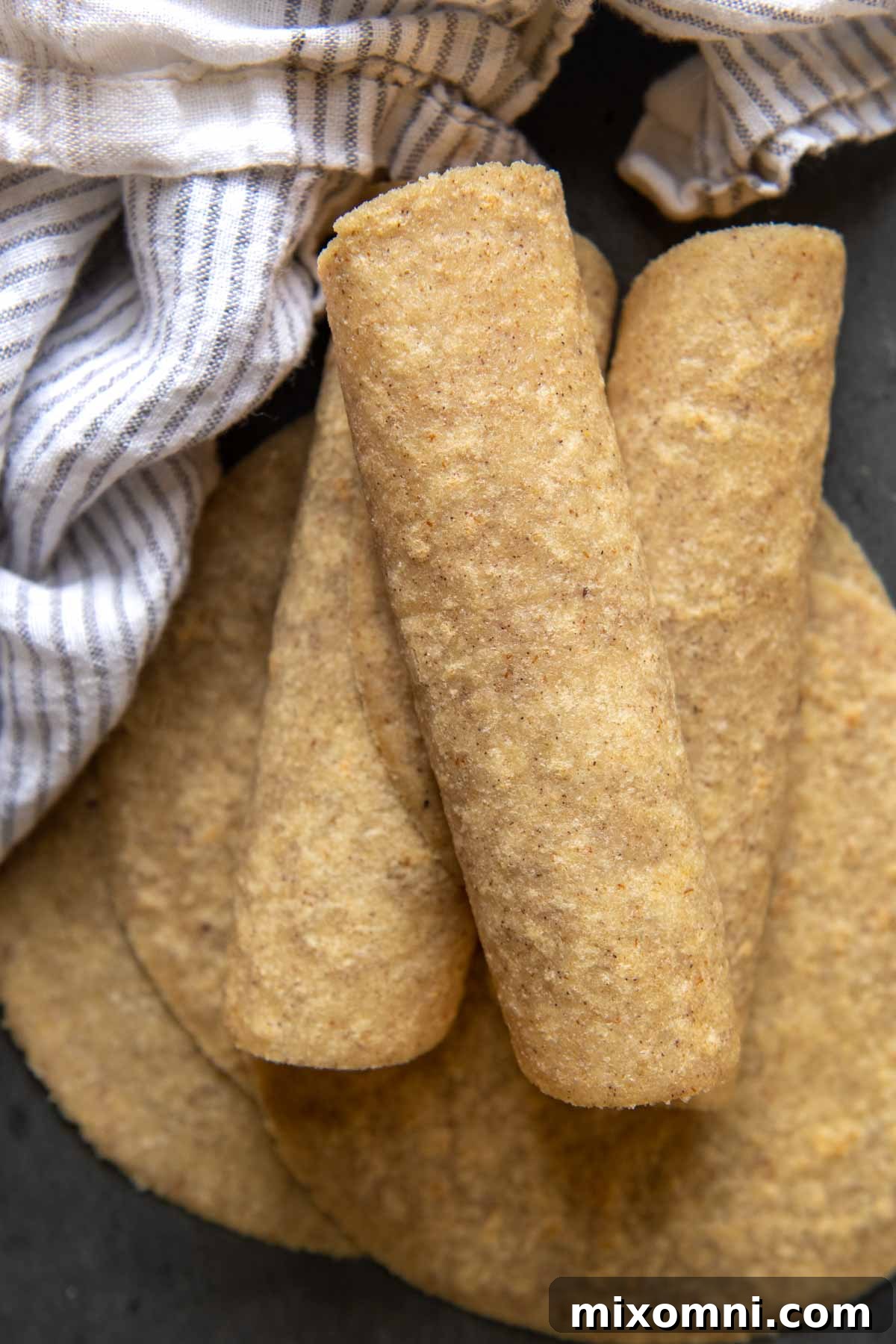
The versatility of these **homemade almond flour wraps** is unmatched. Fill them with classic sandwich fixings for a quick, wholesome gluten-free lunch, or stuff them with scrambled eggs, cheese, and breakfast meats for a satisfying, on-the-go gluten-free breakfast idea. Beyond traditional uses, these tortillas are fantastic for crafting crispy quesadillas, serving as a flexible base for open-face flatbreads topped with chicken or tuna salad, or even frying them into delicious, grain-free tortilla chips. The possibilities are truly endless!
“These turned out perfectly, I’m so glad I doubled the recipe! It made 12. I am going to try making larger burritos next so I can make breakfast burritos with them. They are super flexible and don’t break when you bend them, even completely, which is so hard to find with a gluten-free recipe. And they also aren’t gummy like the cassava flour ones I’ve tried in the past! 5 stars!!!!”
— Kelly, a satisfied reader
Why These Gluten-Free Tortillas Are a Game Changer
Many people struggle to find or make **gluten-free tortillas** that truly mimic the pliability and flavor of their traditional counterparts. Often, alternatives can be dry, stiff, or prone to cracking. What makes *this* almond flour tortilla recipe superior? It boils down to a carefully balanced ingredient ratio and a specific technique that ensures maximum flexibility and a delightful texture. We’ve meticulously crafted this recipe to avoid the common pitfalls of other grain-free options, delivering a result that’s truly soft and foldable every single time.
Unlike many gluten-free flours that can lead to dense or gummy textures, almond flour, when paired with the right binder, creates a tender crumb. Our unique combination means these tortillas are ideal for rolling, wrapping, and holding a generous amount of fillings without tearing or falling apart. They also boast a neutral, slightly nutty flavor that complements both sweet and savory dishes, making them an incredibly versatile component for any meal. Plus, being naturally low in carbohydrates and high in fiber and protein, they are a fantastic choice for those following keto, paleo, or other health-conscious diets.
Key Ingredients for Unbeatable Flexibility
This recipe doesn’t call for an extensive list of specialty items, but understanding the role of each ingredient is key to achieving the softest, most pliable **almond flour tortillas**. Here’s a breakdown of the core components and why they are essential:
- Blanched Almond Flour: This is the foundation of our tortillas. It’s crucial to use *blanched, fine almond flour* rather than almond meal. Blanched almond flour is made from almonds with their skins removed, resulting in a lighter color and a much finer, smoother texture. This fineness is paramount for achieving a soft, non-gritty tortilla that rolls out smoothly and has a delicate mouthfeel. Almond meal, on the other hand, is coarser and would lead to a more rustic, less flexible result.
- Psyllium Husk Powder: This is arguably the *magic ingredient* that transforms almond flour dough into a flexible, pliable wrap. Psyllium husk is a soluble fiber that acts as an incredible binder, absorbing significant amounts of liquid and creating a dough with elasticity and stretch – qualities often missing in gluten-free baking. It mimics the gluten structure, preventing the tortillas from becoming brittle or cracking. Be sure to use **psyllium husk *powder*** (finely ground) and not whole psyllium husks, as the powder integrates more smoothly and provides consistent results. I recommend choosing a brand known for not imparting a dark or purplish hue to your baked goods. While I haven’t extensively tested substitutes, a finely ground flaxseed meal *may* offer some binding properties, though the texture and flexibility might vary.
- Baking Powder: While not strictly mandatory for a grain-free or paleo recipe, baking powder adds a subtle lift and contributes to a lighter, less dense tortilla. It creates tiny air pockets during cooking, enhancing the overall softness. If you omit it, your tortillas will still be delicious but may have a slightly denser texture.
- Eggs: Eggs serve multiple purposes in this recipe. They act as an additional binder, helping to hold the dough together and providing structure. They also add a richness that enhances the flavor and contributes to the tender quality of the tortillas.
- Warm Water: The warm water is essential for properly hydrating the psyllium husk powder and almond flour. It helps the psyllium activate and swell, forming the gel-like consistency needed for a pliable dough. The warmth also aids in creating a cohesive dough that is easy to work with.
- Salt: A touch of salt is included to enhance the overall flavor profile of the tortillas, making them a delicious base for any filling.
Let’s Make Soft Almond Flour Tortillas: A Step-by-Step Guide
Making these **easy almond flour tortillas** is a straightforward process, even for novice bakers. The key lies in precise measurements and a few simple techniques to ensure that perfect soft and foldable texture. Follow these detailed steps to achieve amazing results:
1. Mix, Rest, and Divide the Dough
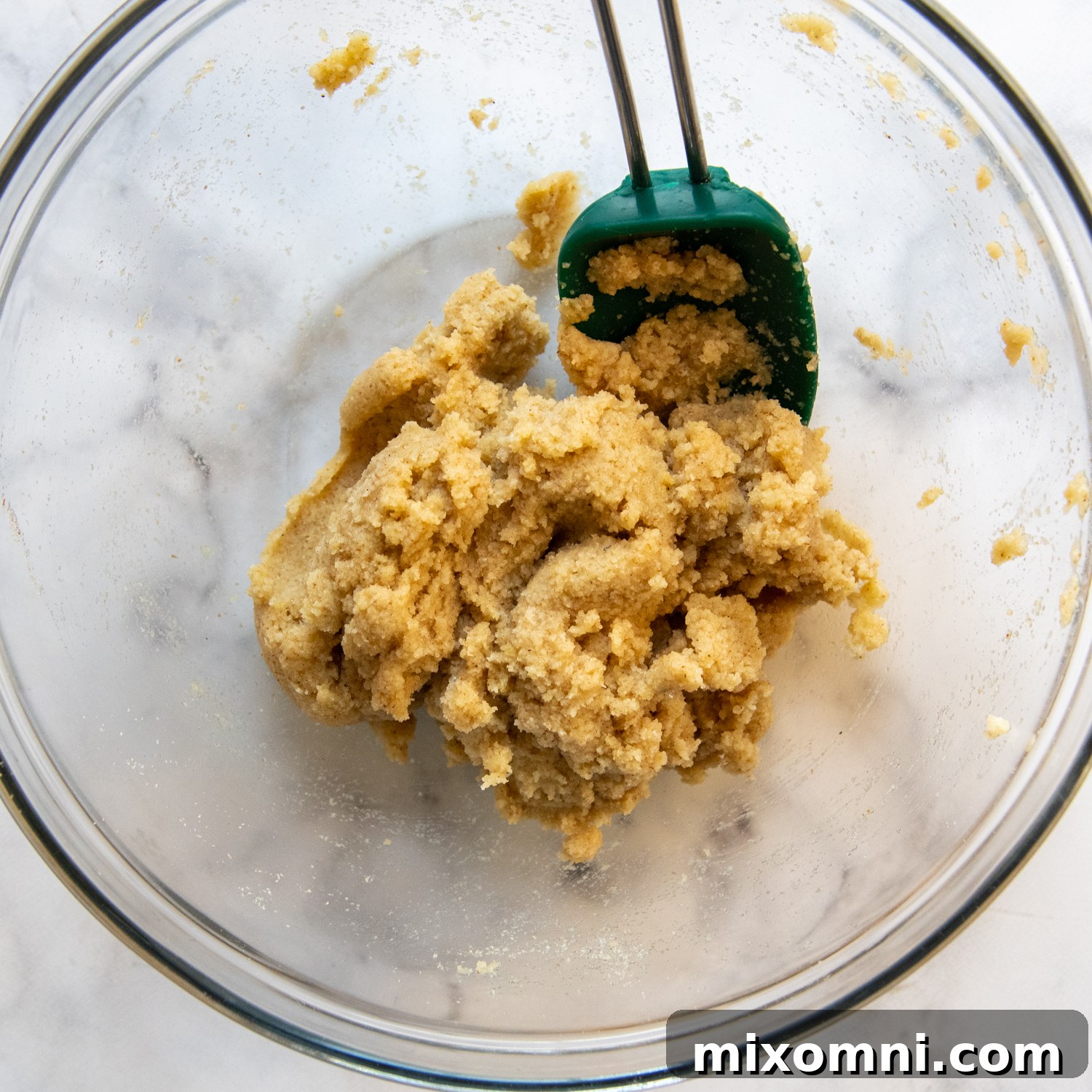
Begin by combining all the dry ingredients – the almond flour, psyllium husk powder, baking powder, and salt – in a large mixing bowl. Whisk them thoroughly to ensure even distribution. Create a small well in the center of the dry mixture, then pour in the eggs and warm water. Start mixing these wet ingredients within the well, gradually incorporating the surrounding dry ingredients until a cohesive dough forms. It will be slightly sticky at first. Cover the bowl with plastic wrap and allow the dough to rest for 10 minutes. This resting period is crucial; it allows the psyllium husk powder to fully hydrate and swell, which is essential for developing the dough’s elasticity and making it pliable.
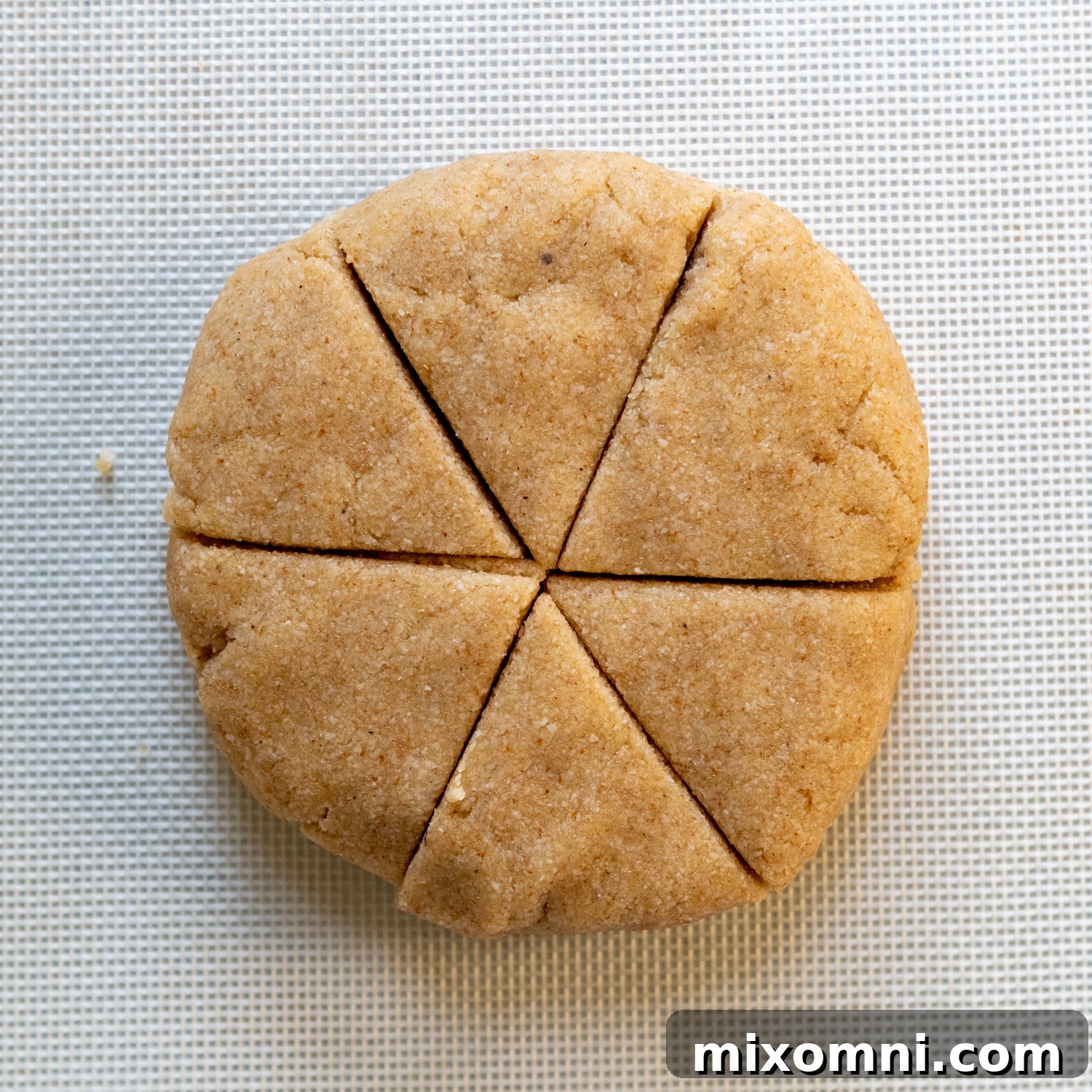
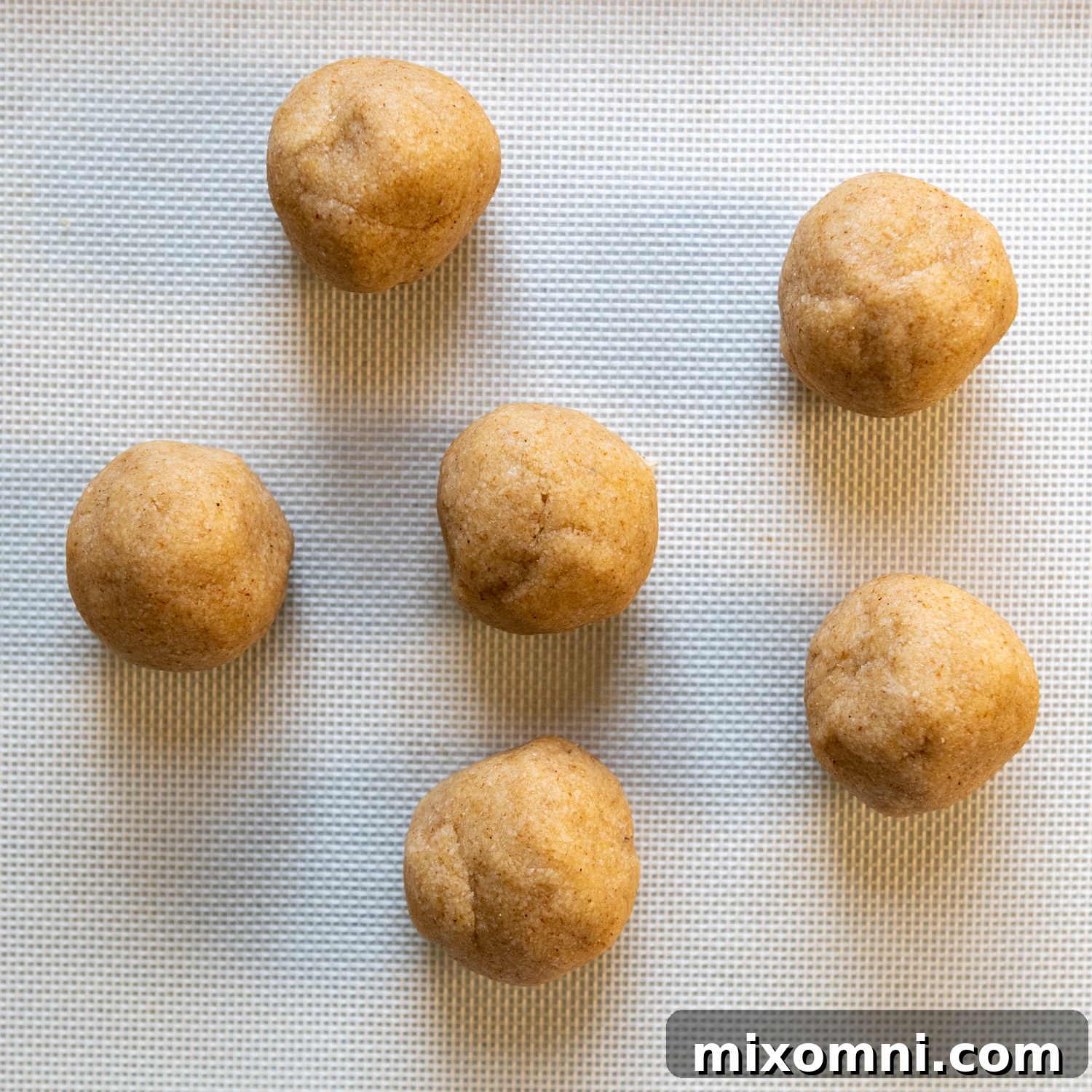
After resting, the dough will be firmer and less sticky. Gently pat the dough into a thick disc shape on a clean surface. Using a sharp knife or a bench scraper, divide the disc into 6 equal wedges. Then, take each wedge and roll it between your palms to form a smooth, uniform ball. Keep any dough balls you’re not immediately rolling covered with plastic wrap to prevent them from drying out.
2. Shaping and Rolling The Dough
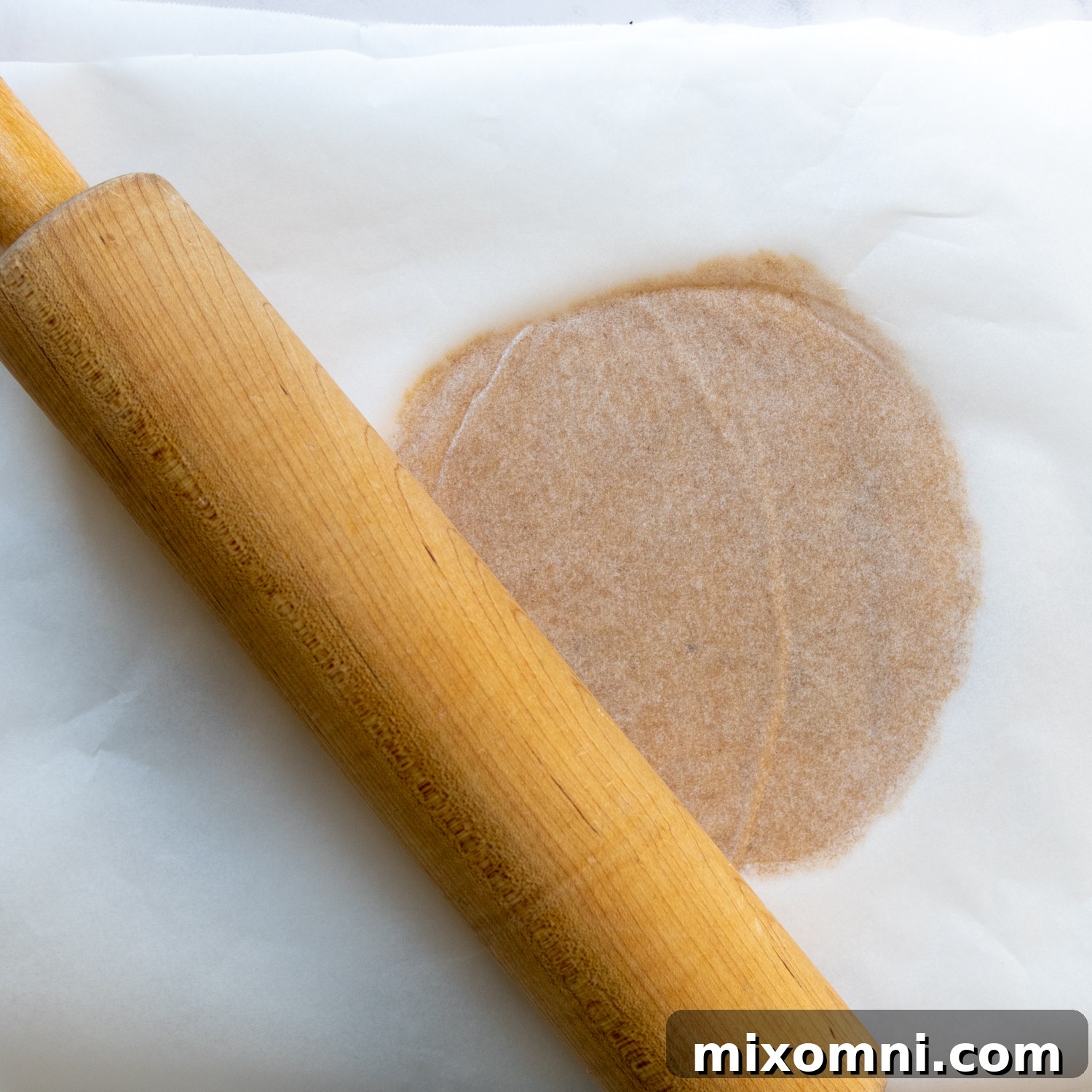
Now comes the fun part: rolling! Take one dough ball and place it between two sheets of parchment paper. The parchment paper is crucial here, as it prevents sticking and allows you to roll the dough incredibly thin without extra flour. Using a rolling pin, gently and evenly flatten the ball into a 6-inch diameter circle. To ensure an even thickness and prevent sticking, rotate the parchment paper a quarter turn after every few rolls. Aim for a consistent, thin texture, similar to a regular flour tortilla.
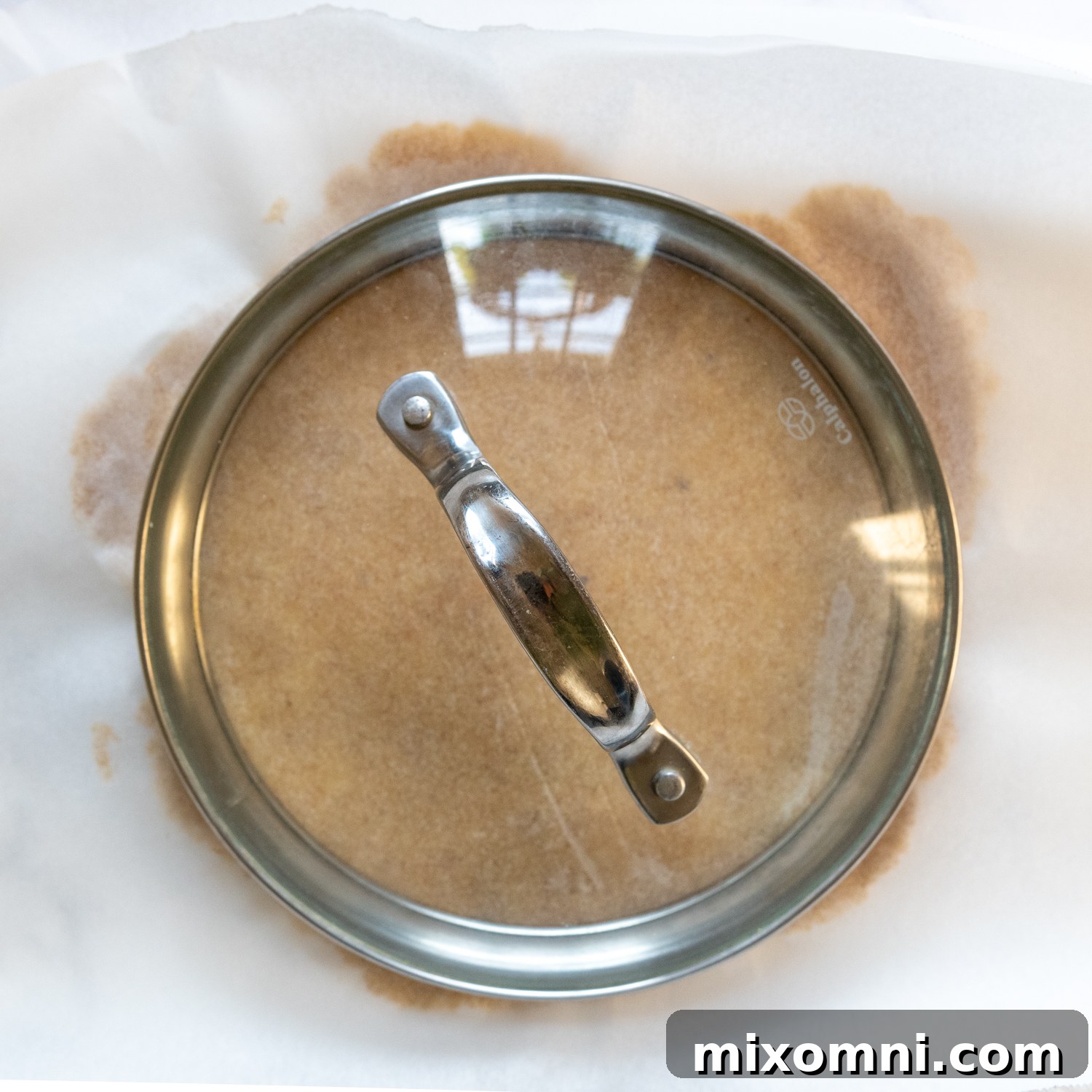
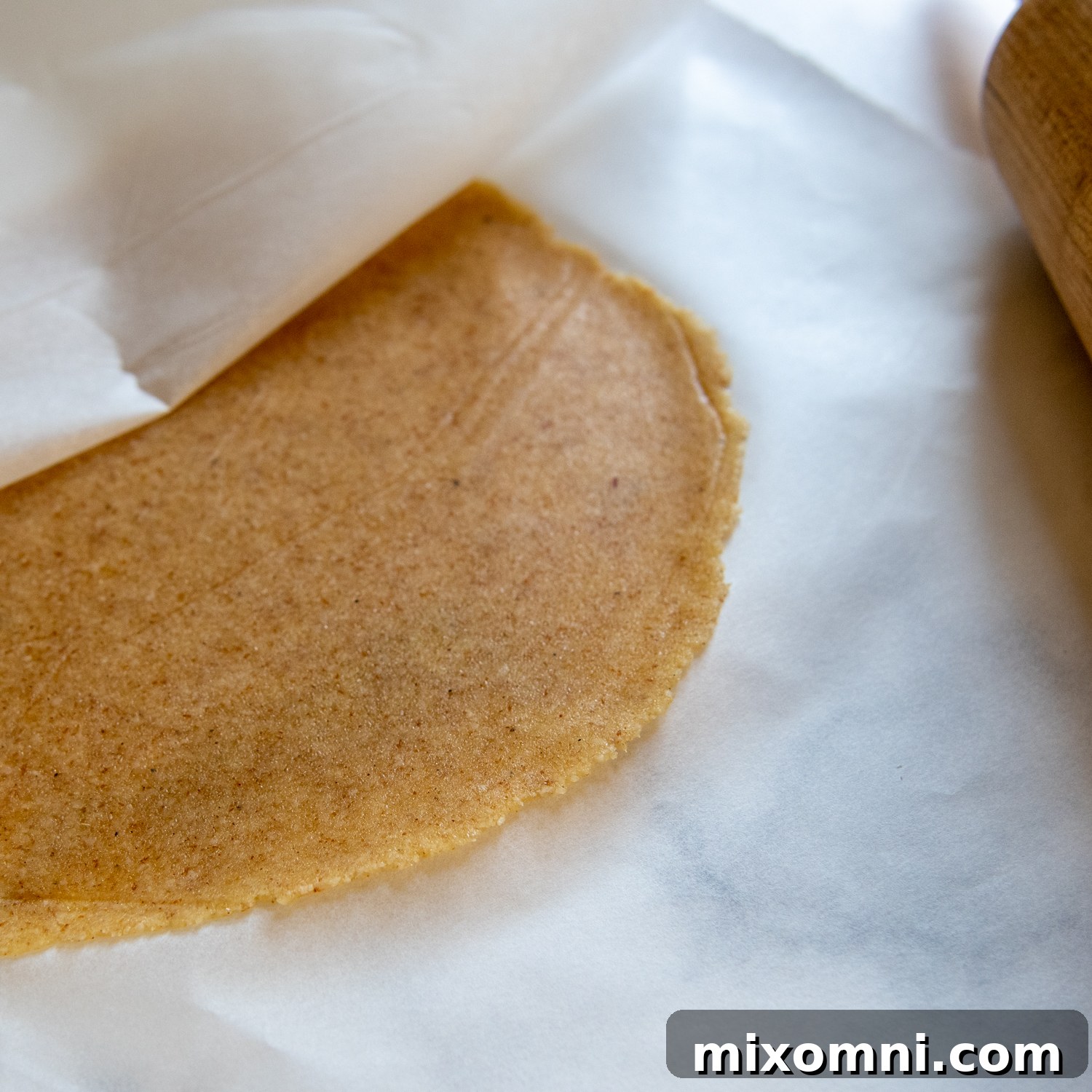
For perfectly round tortillas, you can use a simple trick: place a 6-inch lid (like from a saucepan) on top of the rolled dough (still between the parchment). Press down firmly, then use a sharp knife or a small spatula to carefully scrape away any excess dough along the imprinted lines. Don’t discard these scraps! I typically gather the excess dough, re-cover it with plastic wrap, and am often able to form 1-2 bonus tortillas from the remnants. Once rolled, carefully peel off just one sheet of parchment paper, leaving the delicate tortilla adhered to the other sheet. You can roll out all your tortillas in advance, stacking them with parchment paper in between to prevent them from drying out before cooking.
3. Time To Cook Your Flexible Wraps!
Heat a non-stick pan or a well-seasoned cast iron skillet over medium heat. The key here is consistent, moderate heat; too low and they won’t cook properly, too high and they’ll burn before becoming flexible. If your pan is truly non-stick, you won’t need any oil. Otherwise, drizzle a tiny amount of a high-heat oil like avocado oil and wipe away any excess with a dry paper towel to ensure a minimal, even coating.
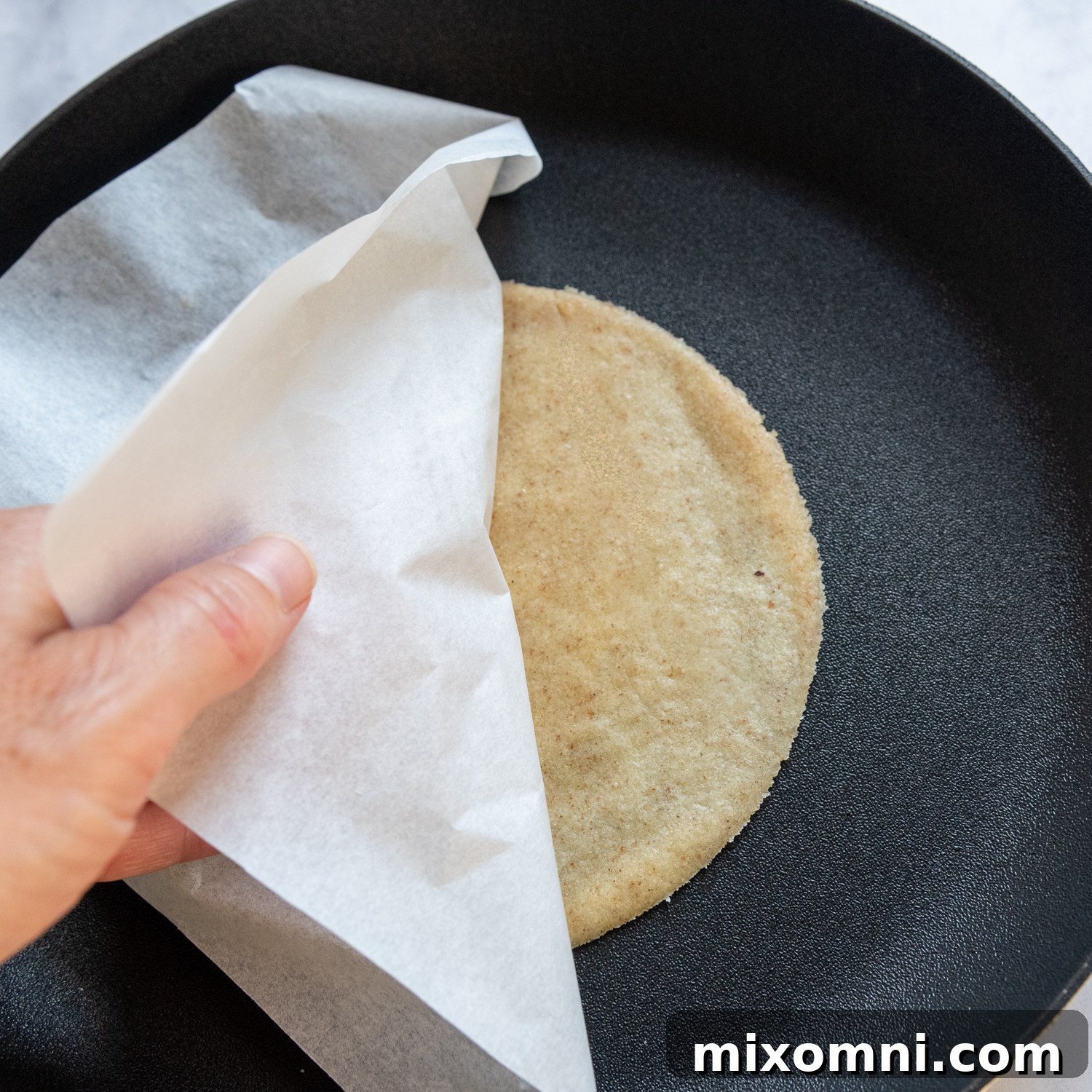
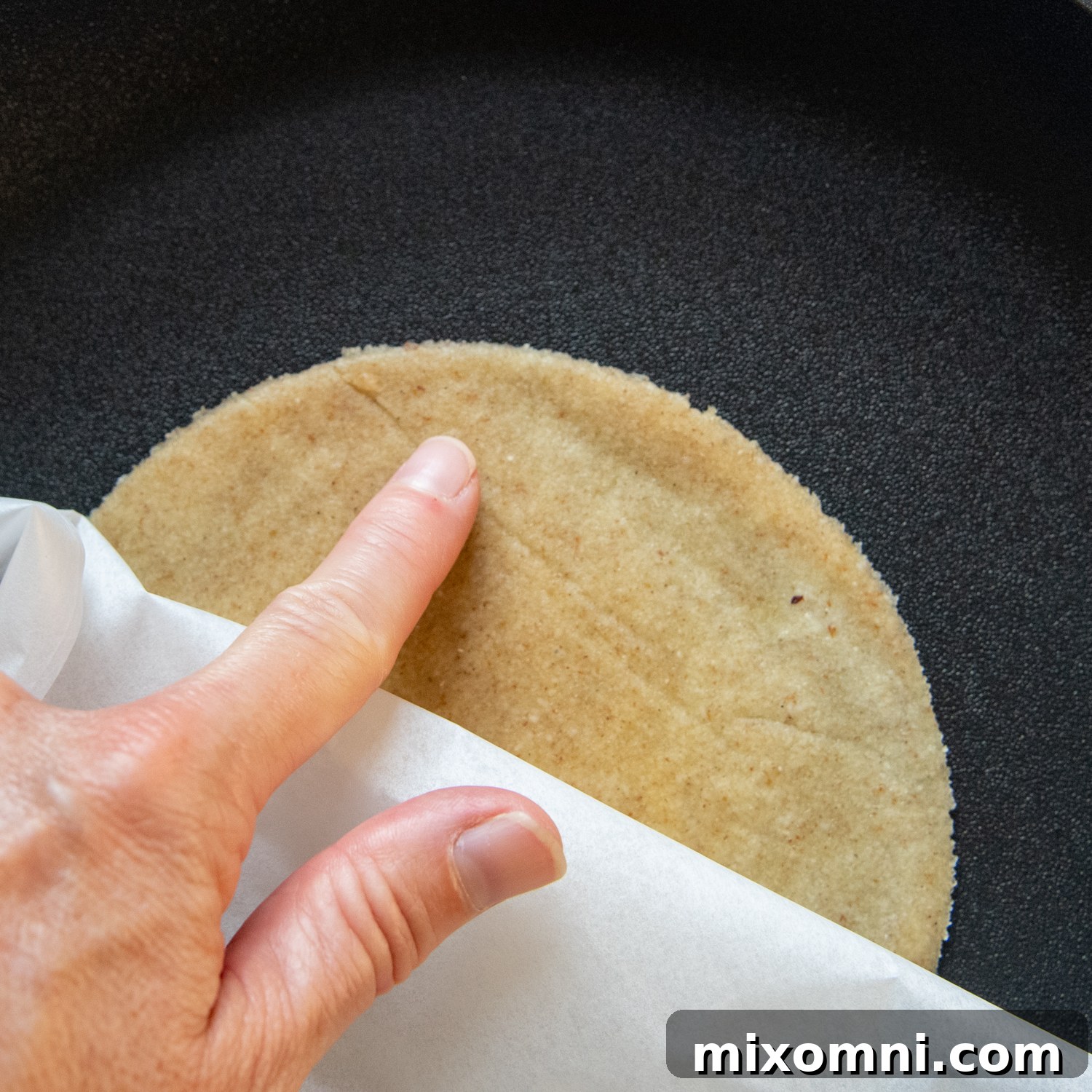
Carefully flip a rolled tortilla (still on its parchment paper) onto the hot pan, with the parchment paper facing upwards. The heat will help release the tortilla. Gently and slowly begin to peel away the parchment paper from around the edges, working your way towards the center until it completely releases. If you notice any creases or wrinkles in the dough, gently use your finger to smooth them out while the tortilla is on the pan. This step is crucial, as any unflattened creases can cause the tortillas to crack later when you try to fold or roll them. Cook each side for approximately 30 seconds, or until light golden brown spots appear. Be careful not to overcook them, as this can make them stiff and less flexible. Transfer cooked tortillas to a wire rack to cool slightly, which prevents them from steaming and becoming soggy.
Pro Tips for Perfect Almond Flour Tortillas
Achieving consistently perfect **low-carb tortillas** is easy with these expert tips:
- Seasoning Variations: For added flavor, consider incorporating a pinch of garlic powder, onion powder, paprika, or Italian seasoning into the dry ingredients. The choice of seasoning can customize your tortillas to perfectly complement your intended filling.
- Patience with Parchment: When transferring to the hot skillet, never force the top layer of parchment paper off. The heat from the pan will gradually loosen its grip, allowing you to gently peel it away without tearing the delicate tortilla. If it’s still sticking, use the tip of a sharp knife or a thin spatula to carefully loosen the edges from the paper.
- Smooth Out Creases: As the tortilla cooks, pay close attention to any creases that may form. Gently press these down with your finger. Unsmoothed creases are a primary culprit for cracks when you bend or roll the **gluten-free wraps**.
- Don’t Overcook: Overcooking is the enemy of flexibility. These tortillas cook quickly, so watch them closely. Cook just long enough for light golden spots to appear and for the dough to set, approximately 30 seconds per side. Overcooked tortillas will become stiff and brittle.
- Pre-Rolling for Efficiency: To streamline the cooking process, you can roll out all the dough balls beforehand. Simply stack the rolled tortillas between sheets of parchment paper to prevent them from drying out or sticking together while you cook them in batches.
Storage and Reheating Instructions
These **almond flour tortillas** are fantastic for meal preparation and can be stored for future use, making your weeknights easier. Proper storage ensures they retain their softness and flavor.
- Refrigeration: Once your tortillas are completely cooled to room temperature, stack them neatly with a piece of parchment paper or paper towel between each one to prevent sticking. Place the stack in an airtight container or a large ziplock bag. They will stay fresh and pliable in the refrigerator for up to 3-4 days.
- Freezing: For longer storage, freeze the cooled tortillas. Stack them with parchment paper in between, then transfer the stack to a freezer-safe ziplock bag or airtight container. They can be frozen for up to 3 months. This is an excellent way to always have healthy, gluten-free wraps ready to go!
- Reheating from Refrigeration: To reheat refrigerated tortillas, simply warm them gently in a microwave for about 10-15 seconds per tortilla, or briefly rewarm them in a dry, hot skillet for 15-20 seconds per side until heated through and softened.
- Reheating from Frozen: For frozen tortillas, you can thaw them at room temperature for an hour or two, or microwave them at 50% power for 45-60 seconds until pliable. Once thawed, reheat as you would refrigerated tortillas for the best soft texture.
Common Troubleshooting Tips for Your Almond Flour Tortillas
While this recipe is designed for success, here are answers to some common questions that might arise:
- Why are my tortillas cracking? This is usually a sign of overcooking. They become stiff and lose moisture. Ensure you cook them just until light golden spots appear, about 30 seconds per side, and don’t let them crisp up. Also, make sure to smooth out any creases while cooking, as these can become weak points.
- Why are my tortillas gummy? If your tortillas feel gummy, it might be due to too much psyllium husk powder, or not enough cooking time for the psyllium to properly set. Always use the specified amount and ensure they are cooked through but not overcooked. The type of psyllium husk powder can also play a role; ensure it’s finely ground.
- Why aren’t my tortillas flexible? Lack of flexibility can stem from several issues: overcooking (the most common reason), not enough psyllium husk powder (which provides the elasticity), or the dough being too dry. Double-check your measurements, especially for the psyllium and warm water, and ensure you don’t cook them for too long.
- Why did my tortillas turn purple? Certain brands of psyllium husk powder can react with other ingredients (or simply contain darker fibers) and cause a purplish tint in baked goods. This is purely aesthetic and doesn’t affect taste or texture. If this is a concern, seek out a psyllium brand specifically known for its light color.
Save This Recipe to Your Pinterest Board!
Let’s be friends on Pinterest! I’m always sharing great recipes!
Did you make this recipe? We love hearing from you! Leave a star rating and comment below the recipe card. Your feedback helps others discover amazing recipes, and I truly appreciate hearing from our community! -Melissa
Soft, Flexible Almond Flour Tortillas (Easy Recipe)

Melissa Erdelac
Soft and foldable almond flour tortillas recipe are not only easy to make, but a gluten-free way to enjoy wraps, tacos, and more. Learn how to make no flour tortillas using only grain-free almond flour with 3 simple ingredients!
Pin
Rate
A video tutorial for making these tortillas is available to guide you through each step.
Ingredients
- 1 cup blanched almond flour
- 3 tablespoons psyllium husk powder (What is psyllium husk?)
- ½ teaspoon salt
- ¼ teaspoon baking powder
- 2 large eggs
- 3 tablespoons hot water
Instructions
- In a large mixing bowl, stir together the almond flour, psyllium, salt, and baking powder.
- Make a well in the middle and pour in eggs and warm water. Mix together, in the well, then gradually incorporate with the dry ingredients. Cover with plastic wrap and let rest for 10 minutes.
- Pat the dough into a thick disc. Use a sharp knife to divide into 6 equal wedges and then shape each section into smooth equal balls. Cover with plastic wrap while rolling each ball.
- Place a ball between pieces of parchment paper. Use a rolling pin to flatten into a 6-inch diameter circle, rotating quarter turns as you roll. For perfectly round circles, place a 6-inch lid on top of the parchment and press down. Use the imprinted lines to scrape away excess dough with a knife. (You can set aside excess dough under plastic wrap to make additional tortillas.) Take off one sheet of parchment, leaving the rolled tortilla still adhered to one side.
- At this point you can roll out all the tortillas, stacking them between parchment so they don’t dry out, until ready to cook.
- Heat a non-stick pan over medium heat until hot. If the pan’s surface is truly non-stick, you will not need any oil. Otherwise, drizzle a tiny bit of preferred oil and wipe up excess with a dry paper towel.
- Flip the tortilla onto the hot pan, so the parchment paper is facing up. Gently and slowly peel away the paper all around the edges until it releases. If there are any creases, use your finger to smooth the dough. Where creases remain will cause the tortillas to crack while folding or rolling.
- Cook about 30 seconds per side, being careful to not overcook so they stay soft. Cool on a wire rack while the other balls are cooked.
Notes
How to Store and Reheat
After they are completely cooled, stack between pieces of parchment or paper towels. Transfer to an airtight container or ziplock bag. Place in the fridge for up to 3-4 days, or in the freezer for up to 3 months. When ready to enjoy, briefly microwave those stored in the refrigerator for 10 seconds or rewarm in a dry, hot skillet. For frozen tortillas, thaw at room temperature or microwave at 50% power for 45-60 seconds.
Expert Tips
- Don’t force off the top layer of parchment paper when transferring to the hot skillet. It will gradually release as it cooks.
- If sticking to the paper, use a sharp knife or spatula to loosen the edges from the paper.
- Be sure to press away any creases as it cooks so the almond flour wraps don’t crack as they bend.
- If you prefer to roll out all the dough before cooking, stack between pieces of parchment.
Nutrition Information (per serving)
Calories: 142kcal, Carbohydrates: 8g, Protein: 6g, Fat: 11g, Saturated Fat: 1g, Polyunsaturated Fat: 0.3g, Monounsaturated Fat: 1g, Trans Fat: 0.01g, Cholesterol: 55mg, Sodium: 215mg, Potassium: 37mg, Fiber: 5g, Sugar: 1g, Vitamin A: 79IU, Calcium: 55mg, Iron: 1mg
Did you make this recipe? Please leave a star rating and review below. It helps others when searching for recipes and I LOVE feedback!