
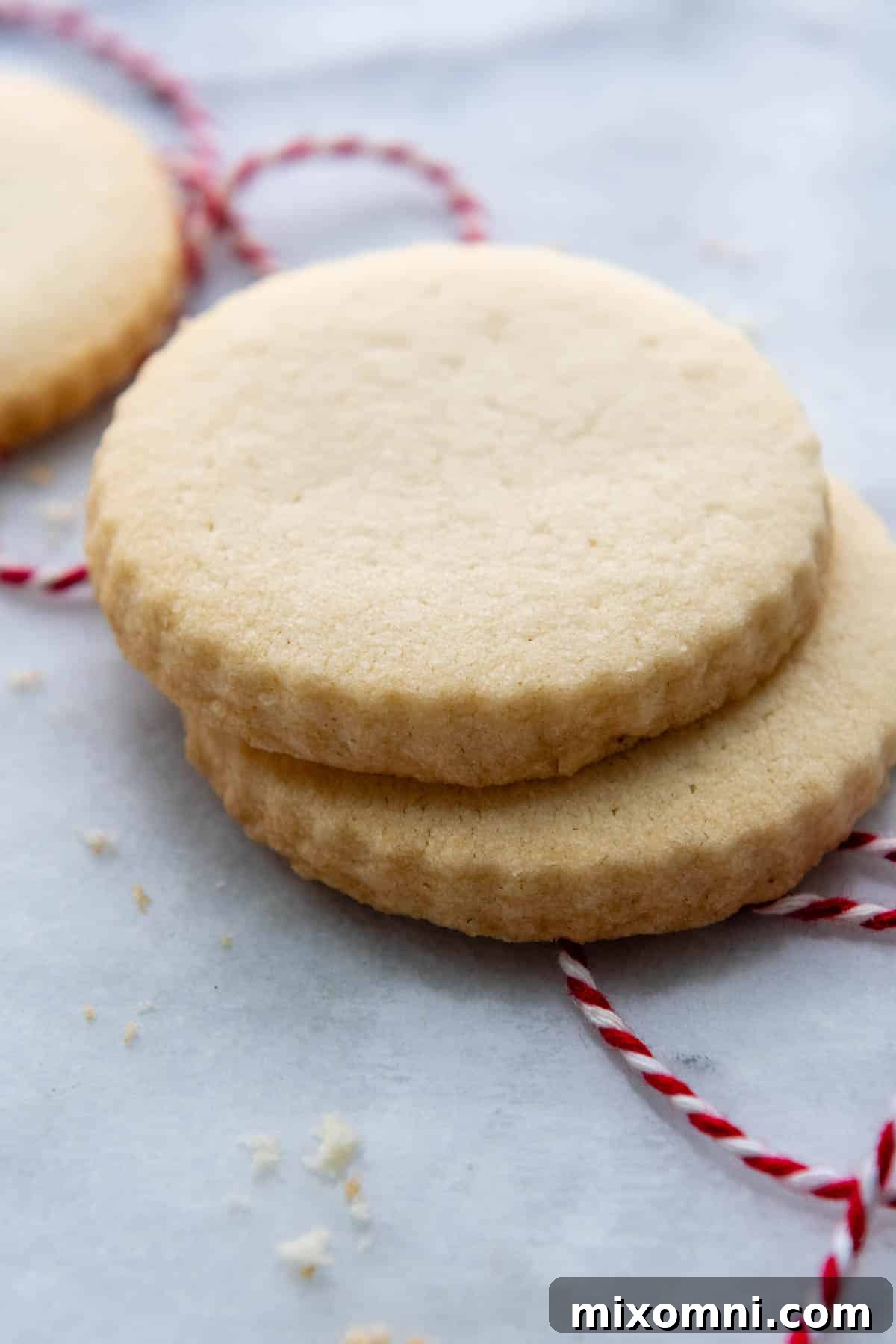
The Ultimate Guide to Tender & Buttery Gluten-Free Shortbread Cookies
Discover the secret to crafting perfect, melt-in-your-mouth gluten-free shortbread cookies with this incredibly easy and foolproof recipe. Say goodbye to dry, gritty textures often associated with gluten-free baking! Our proven method focuses on two key techniques: briefly chilling the dough and baking at a precise, lower oven temperature. These steps are crucial to ensure tender, classic GF shortbread that rivals traditional versions in both taste and texture. Whether you prefer the elegant simplicity of the slice-and-bake method or the charming appeal of cut-out cookies, this minimalist 4-ingredient recipe promises irresistible, melt-in-your-mouth biscuits every time. Get ready to impress your friends and family with these delightful treats that no one will guess are gluten-free!
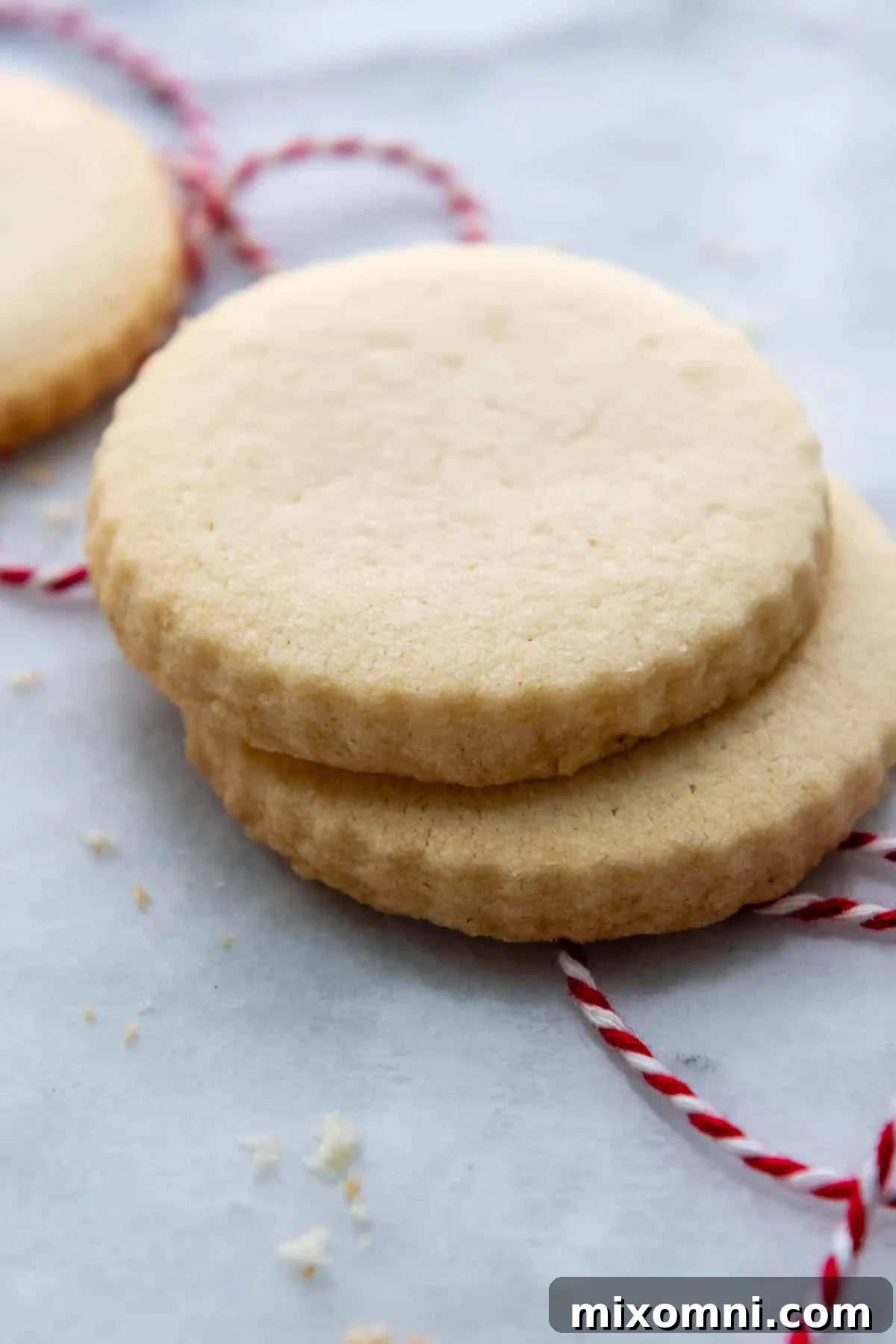
Why This Gluten-Free Shortbread Recipe Stands Out
As the holiday season approaches, or for any occasion that calls for a comforting, classic treat, these gluten-free shortbread cookies are an essential addition to your baking repertoire. Forget the common pitfalls of GF baking; this recipe delivers a rich, buttery flavor with a tender-crisp texture that’s often elusive in gluten-free versions. It’s truly a game-changer for anyone seeking the authentic taste of Scottish shortbread without the gluten.
My journey to perfect this easy gluten-free shortbread recipe involved extensive testing. I experimented with various chilling times, different oven temperatures, and multiple shaping techniques. The goal was simple: a foolproof recipe that consistently yields light, buttery, and smooth shortbread, free from the undesirable gritty or sandy texture that can sometimes plague gluten-free baked goods. The result is a recipe so straightforward that even novice bakers can achieve spectacular results with minimal effort and maximum flavor.
The Secret to Tender GF Shortbread: The Power of Chilling
While many gluten-free shortbread recipes might skip the chilling step for convenience, my tests revealed it to be absolutely crucial for superior texture. Refrigerating the dough for just 20 minutes significantly improves the final mouthfeel. This brief chill serves a vital purpose: it allows the gluten-free starches in the flour blend to properly hydrate and soften from the butterfat. This process prevents the common gritty or sandy sensation that can occur when starches remain unhydrated, leading to an incredibly tender and smooth cookie that truly melts in your mouth.
Optimal Baking Temperature for Golden Perfection
Baking temperature is another critical factor often overlooked. I meticulously tested baking the biscuits at varying oven temperatures, specifically 325ºF and 350ºF. The lower 325ºF oven temperature emerged as the clear winner for two primary reasons. First, it promotes a lighter, more classic cookie color, which is characteristic of traditional Scottish shortbread biscuits. High temperatures can cause rapid browning, diminishing the authentic aesthetic. Secondly, similar to my highly popular homemade gluten-free chocolate chip cookies, a lower baking temperature extends the baking time. This extended period allows the butter to thoroughly meld with the gluten-free flour, deepening the flavor profile and contributing to an overall superior, more uniform texture. It’s a small adjustment that makes a monumental difference in achieving truly exceptional shortbread.
Versatile Shaping Methods: Slice & Bake or Classic Cut-Outs
The versatility of this dough extends beautifully to its shaping methods, offering both efficiency and elegance. You can choose between two popular approaches, both yielding delightful results:
- Slice and Bake: This is an incredibly quick and convenient method. The dough is rolled into a log, chilled to firm up, and then simply sliced into uniform rounds before baking. This approach is ideal when time is short, and while effortlessly easy, achieving a perfectly circular cookie might require a little practice to maintain an even log shape.
- Cut-Out Method: For a more traditional and visually appealing shortbread, you can roll out the chilled dough and use your favorite cookie cutters. This method proved to be quite effortless to execute, and importantly, the cookies maintained their elegant shapes beautifully during baking, resulting in crisp, defined edges—much like our renowned favorite gluten-free sugar cookies recipe.
Beyond these foundational tips, I’ll guide you through exciting recipe variations, detailed make-ahead instructions, practical freezing tips, and provide step-by-step photos to ensure your baking success. Prepare to create biscuits that are guaranteed to rival the most beloved old-fashioned shortbread brands like Walkers, both in exquisite taste and delicate, tender texture!
“Perfect recipe. They were perhaps among the best I’ve ever tasted, including those made with wheat. Delicate, rich texture, buttery flavor, and not too sweet. No one else had a clue that they were gluten free.”
— Maureen, Satisfied Baker
Essential Ingredients for the Best Gluten-Free Shortbread
You’d be hard-pressed to find another homemade cookie recipe that requires so few ingredients yet delivers such an abundance of profound flavor and texture. Each component plays a critical role in achieving the signature shortbread experience. Let’s break down the key players and their contributions:
- Unsalted Butter: This is unequivocally the heart of any shortbread, providing its characteristic richness, tender crumb, and luscious flavor. While some traditional shortbread recipes strictly require cold butter, I’ve found that using slightly softened, yet still chilled, unsalted butter makes the dough significantly easier to work with. This subtle temperature difference ensures a smoother, more uniform texture in the final cookie, promoting even mixing and preventing a crumbly dough. Always opt for high-quality butter; its flavor truly shines through.
- Gluten-Free All-Purpose Flour Blend: The choice of gluten-free flour is paramount to the success of this recipe. I wholeheartedly recommend Cup4Cup gluten-free flour blend. Its specific formulation, which includes cornstarch, is a genuine game-changer. The cornstarch not only makes the cookie dough incredibly easy to handle and roll but also contributes significantly to the cookie’s soft, tender, and non-gritty texture. If you opt for another gluten-free blend, ensure it is an all-purpose GF blend designed for baking, and be aware that results might vary slightly due to different starch compositions and absorbency rates.
- Powdered Sugar (Confectioners’ Sugar): Unlike granulated sugar, powdered sugar (also known as confectioners’ sugar) blends seamlessly and instantly with the butter, creating a lighter, crisper cookie with a supremely delicate crumb. Its fine texture prevents any hint of a grainy mouthfeel, ensuring a truly melt-in-your-mouth experience that is characteristic of premium shortbread.
- Vanilla Extract: A touch of pure vanilla extract adds a lovely hint of creaminess and aromatic depth to the shortbread. It’s a subtle but essential flavor enhancer that complements the butter beautifully without overpowering it. For adventurous bakers, consider experimenting with other extracts like almond extract for a nutty nuance or lemon extract for a bright, zesty twist, as detailed in our Recipe Variations section.
- Salt: While often overlooked or added as an afterthought, a pinch of fine sea salt is absolutely vital for balancing the sweetness and profoundly enhancing the rich, buttery flavor of the shortbread. It acts as a counterpoint, bringing all the flavors together in perfect harmony.
Step-by-Step Guide: Let’s Bake Perfect Gluten-Free Shortbread!
Follow these detailed steps, accompanied by visual cues, to ensure your homemade gluten-free shortbread cookies turn out perfectly every time. Precision and patience are your best friends here! (For exact ingredient quantities and a printable recipe card, please scroll down to the full recipe section below.)
Step 1: Preparing Your Easy Shortbread Dough
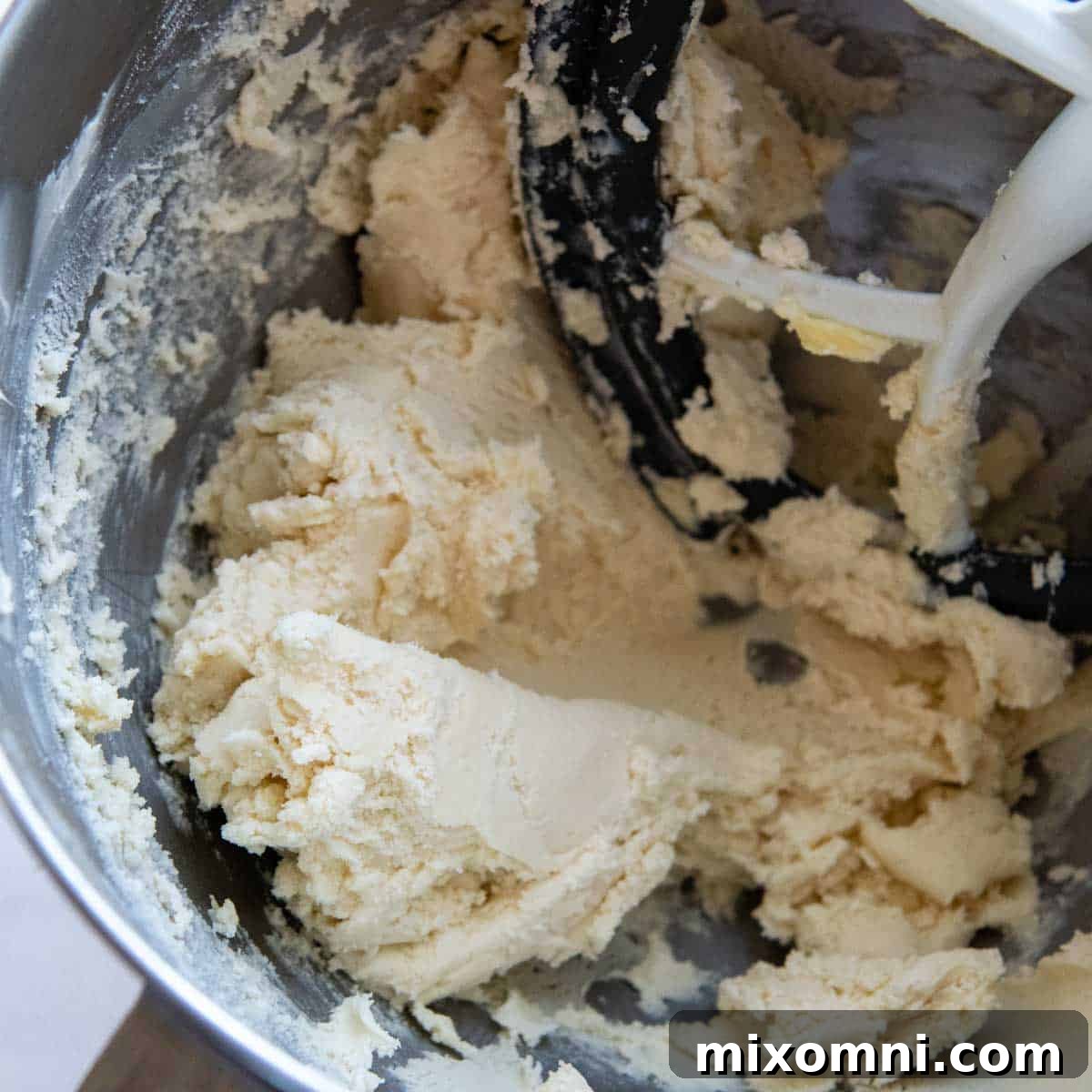
Begin by combining the slightly softened, yet still chilled, unsalted butter with the powdered sugar and salt in a large mixing bowl. If you have a stand mixer, fit it with the paddle attachment; this makes the creaming process effortless and efficient. Beat the mixture on medium speed for approximately 2 minutes until it transforms into a light, fluffy, and perfectly creamy consistency. Remember to scrape down the sides of the bowl as needed to ensure all ingredients are thoroughly incorporated. Next, incorporate the vanilla extract, mixing until it is just combined into the buttery mixture.
Gradually add the gluten-free all-purpose flour blend to the butter mixture, mixing on low speed to combine. At this stage, the dough will initially appear dry and crumbly, which is the expected texture for shortbread. Continue mixing, and with a little patience, the flour will smoothly and completely incorporate with the butter, transforming into a stiff, cohesive dough. It’s important to avoid overmixing once the flour is just combined to prevent toughening the shortbread. If you find the dough is struggling to come together, refer to the “Troubleshooting Tips” section further down for guidance.
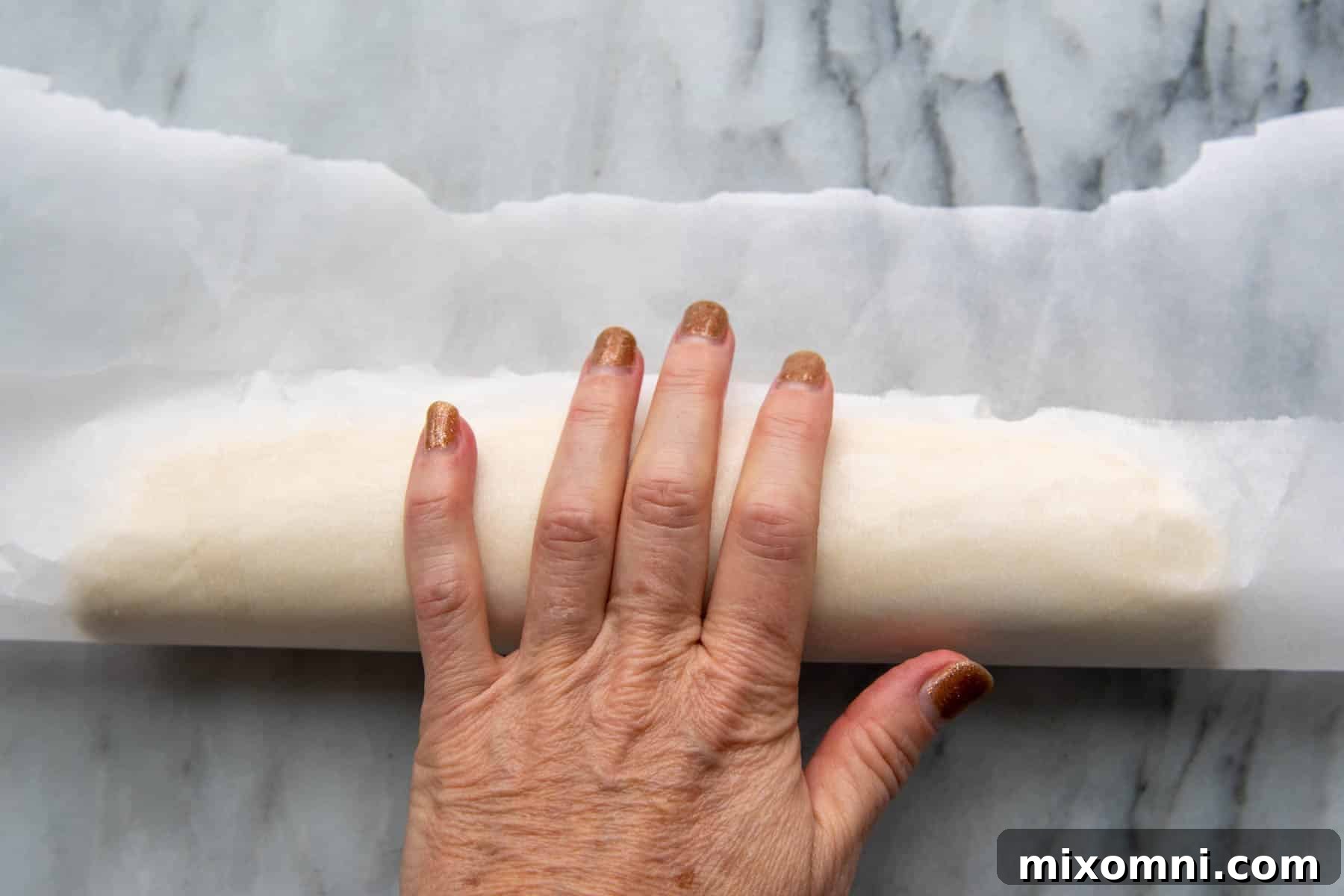
Step 2 (Option 1): Shaping Your Cookies via Roll and Slice
This recipe is wonderfully versatile, allowing for two distinct shaping styles, giving you flexibility. Let’s start with the efficient and convenient roll-and-slice method.
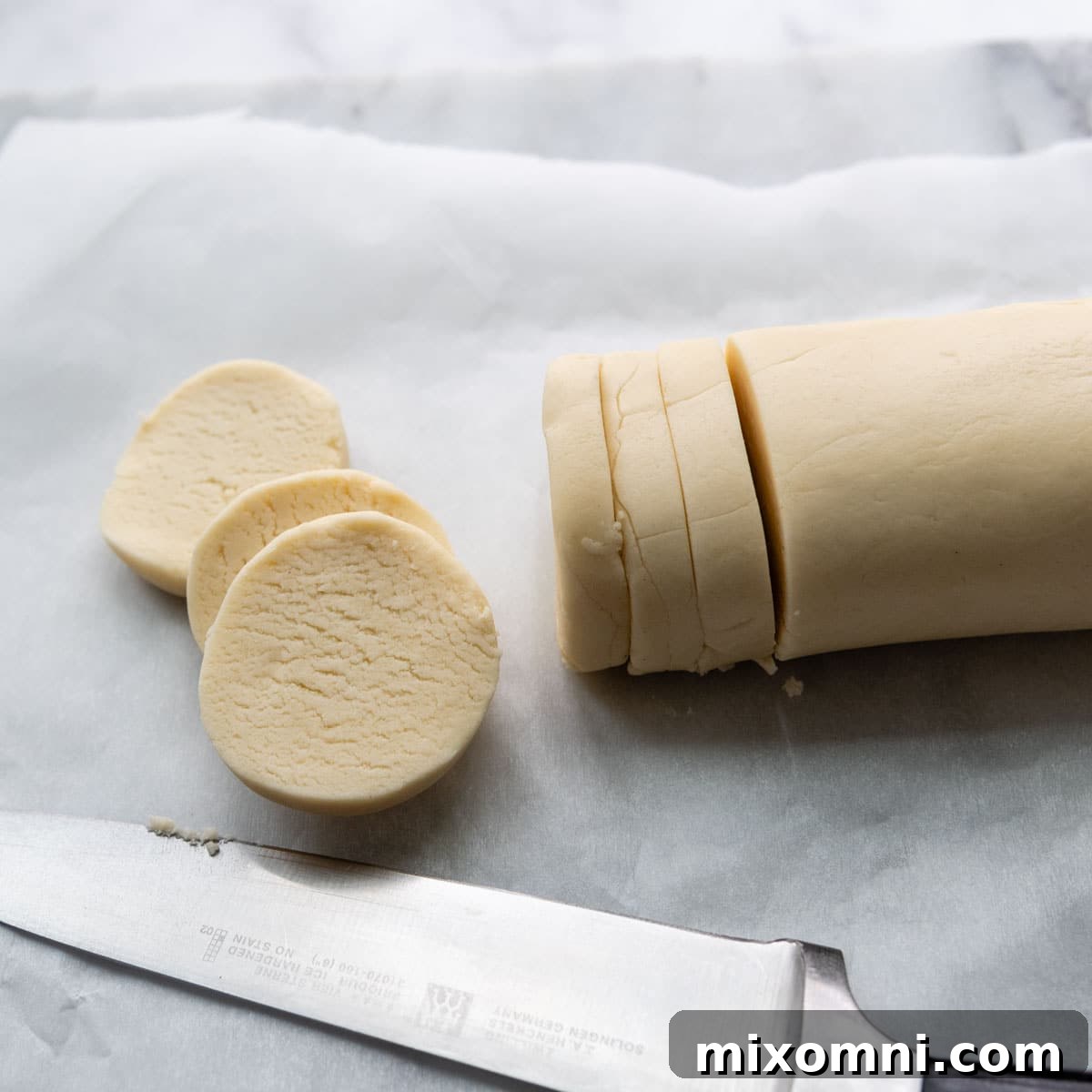
Tear off a strip of parchment paper, approximately 12 inches long. Transfer the prepared shortbread dough onto the center of this parchment. Using your hands, gently but firmly shape the dough into an even log. Roll the log back and forth on the parchment paper, using the paper itself to help compress and smooth the dough into a uniform cylinder. Once the parchment is fully wrapped around the log, secure it tightly and refrigerate for at least 20 minutes. This crucial chilling step is essential for firming up the butter within the dough, which prevents spreading and helps the cookies maintain their shape beautifully during baking.
While the dough chills, preheat your oven to the optimal temperature of 325ºF (160ºC). Once adequately chilled, remove the log from the fridge and unwrap it. If any side of the log has flattened during chilling, gently roll it again on your countertop to restore its perfectly round shape. Using a sharp knife, slice the dough into uniform ½-inch thick rounds. Carefully arrange these rounds on ungreased or parchment-lined baking sheets, ensuring they are spaced about 1 inch apart to allow for slight expansion. If you’re not baking all the cookies at once, keep the remaining unbaked rounds in the refrigerator until you’re ready to bake them.
Step 2 (Option 2): Crafting Elegant Cut-Out Shortbread Cookies
For those who prefer a more decorative and classic presentation, the cut-out method is equally simple and yields beautiful results, allowing for creative shapes.
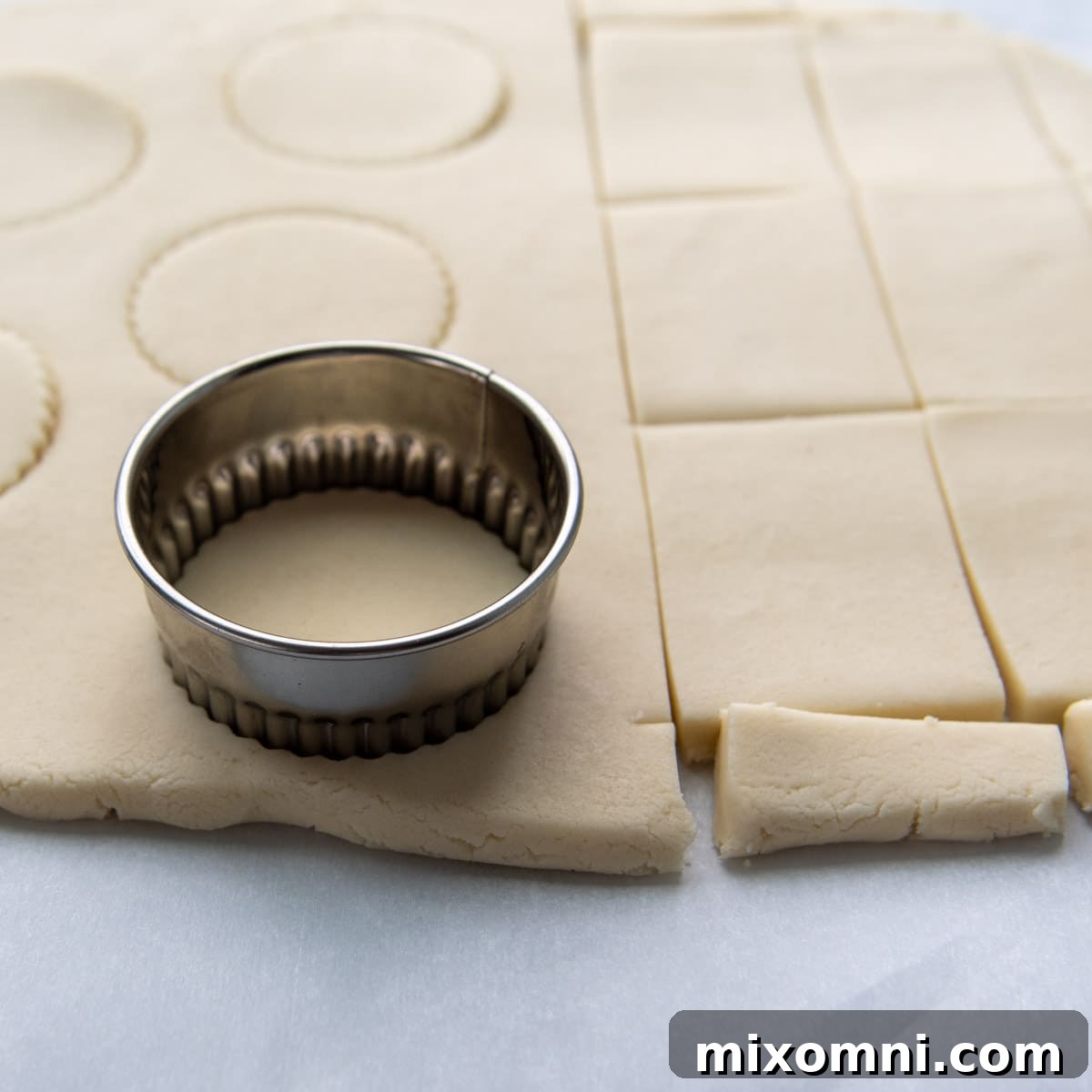
After preparing the cookie dough as described in Step 1, wrap it securely in plastic wrap and refrigerate for a minimum of 20 minutes. This chilling period is absolutely crucial for firming the dough, making it much easier to roll without sticking and ensuring it holds its intricate shapes perfectly during cutting and baking. Once adequately chilled, remove the dough from the fridge and place it on a lightly floured surface. Use a small amount of your chosen gluten-free flour blend for dusting, if needed, to prevent sticking. Roll the dough out evenly to a ½-inch thickness. This specific thickness is ideal for achieving that classic sturdy yet tender shortbread bite that’s so satisfying.
Use your favorite cookie cutters or biscuit cutters to press shapes cleanly into the rolled dough. Alternatively, you can use a knife or pastry wheel to slice the dough into neat 3 x 1-inch rectangles, which is the traditional shortbread finger shape. Carefully transfer your cut-out shapes to ungreased or parchment-lined baking sheets. Gather any leftover dough scraps, gently press them together, re-roll, and cut out more cookies until all the dough is used. Just like with the sliced cookies, if you’re not baking them all immediately, it’s essential to keep the unbaked cut-outs in the refrigerator to maintain their chilled state.
Step 3: Baking to Golden Perfection and Cooling
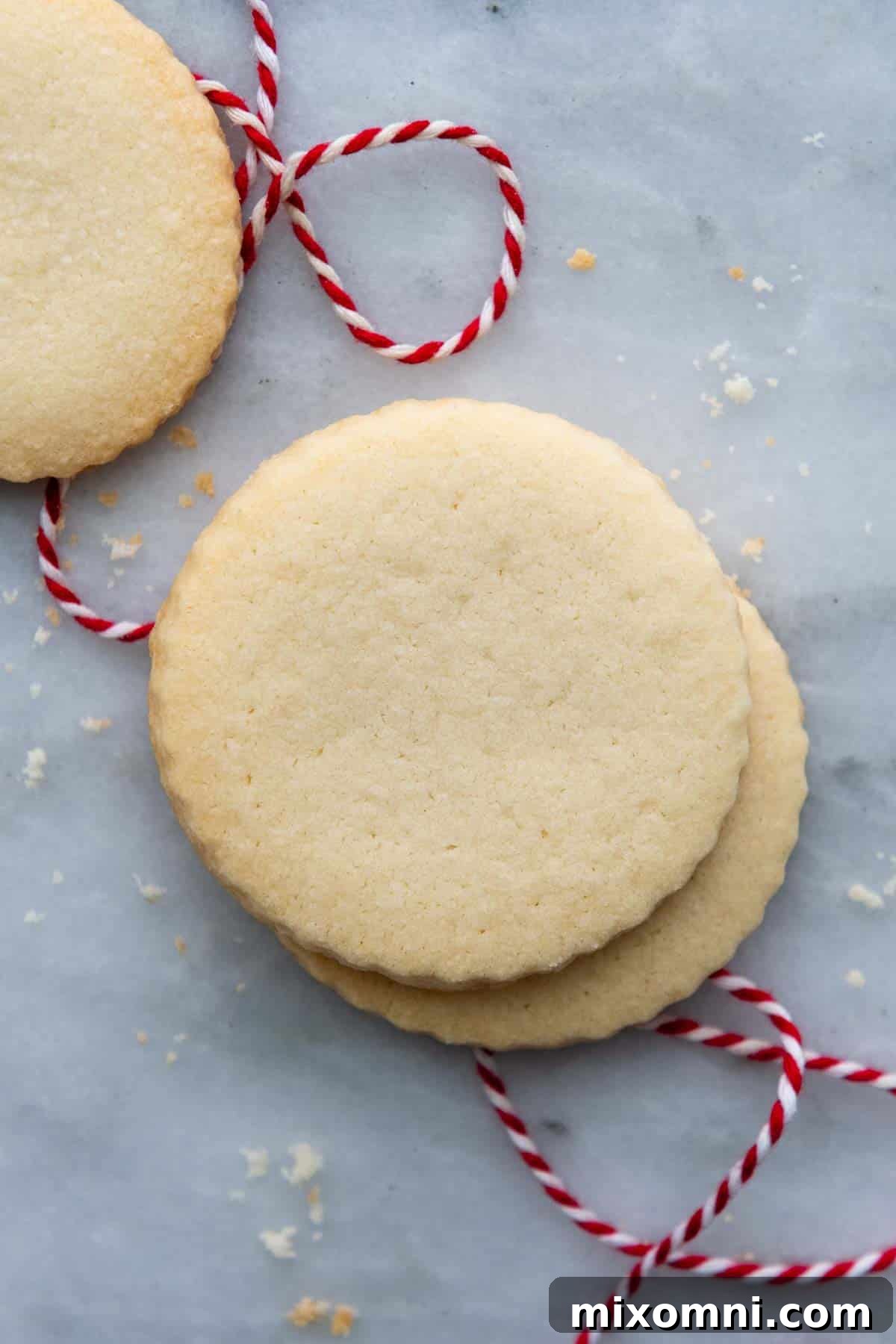
Once your cookies are shaped and meticulously arranged on baking sheets, they are ready for the oven. Bake them in your preheated 325ºF (160ºC) oven for approximately 20-22 minutes. For even baking, especially if you are using multiple trays simultaneously, rotate the pans halfway through the baking time. The cookies should be lightly golden at the edges but still appear pale in the center – this visual cue is absolutely key to achieving their signature tender texture. Avoid the temptation to overbake, as this can lead to a dry, crumbly shortbread, losing that desirable melt-in-your-mouth quality.
After baking, carefully remove the sheets from the oven and allow the cookies to cool undisturbed on the baking sheets for about 10 minutes. This crucial resting period allows them to firm up gently before handling. Then, with care, transfer them to a wire rack to cool completely. The irresistible aroma filling your kitchen during this stage will be an absolutely divine reward for your efforts!
Make Them Your Way! Yummy Recipe Variations
This classic gluten-free shortbread recipe serves as an excellent foundational canvas for a multitude of delicious flavor variations. Don’t hesitate to get creative and customize your batch to suit any taste or occasion:
- Chocolate Dipped or Drizzled Shortbread: Elevate your cooled cookies by melting semi-sweet chocolate chips in a small, microwave-safe bowl or over a double boiler. To achieve a smoother, more fluid consistency perfect for dipping or elegant drizzling, add a dash of neutral oil (like coconut or vegetable oil). Dip one half of each cooled cookie into the melted chocolate, or for a more delicate touch, use a small spoon or fork to artfully drizzle chocolate over the tops. Place on wax or parchment-lined baking sheets until the chocolate sets completely.
- Zesty Lemon Shortbread: For a bright, invigorating citrusy twist, add 1 tablespoon of fresh lemon zest to the dough along with the butter and sugar during the initial creaming step. Replace the vanilla extract with 1 teaspoon of high-quality lemon extract for an intensified lemon flavor. For an extra touch of sunshine, whip up a simple lemon glaze by mixing 1 cup of powdered sugar with 2-3 tablespoons of fresh lemon juice, then drizzle generously over the cooled cookies.
- Warm Spiced Shortbread: Infuse your shortbread with cozy, aromatic spices perfect for cooler months or holiday celebrations. Add up to 1 teaspoon of ground cinnamon, ginger, nutmeg, anise, or cardamom (or a delightful combination!) to the flour mixture before incorporating it into the wet ingredients. Adjust the amount to your preferred spice intensity.
- Cranberry Orange Shortbread: This combination offers a delightful balance of sweet and tart. Incorporate ¼ cup of finely chopped dried cranberries and 1 tablespoon of fresh orange zest into the dough during the final mixing stage. For an even richer orange essence, consider replacing the vanilla extract with orange extract.
- Classic Chocolate Chip Shortbread: Who doesn’t love the timeless appeal of chocolate chips? Fold ½ cup of miniature chocolate chips into the dough just before chilling. The smaller size of the chips works best for shortbread, ensuring they distribute evenly without overpowering the delicate cookie texture.
Troubleshooting Common Gluten-Free Shortbread Issues
Even with a foolproof recipe, baking can sometimes present unexpected challenges. Here are some common issues you might encounter when making gluten-free shortbread and how to easily fix them, ensuring your cookies turn out perfectly every time:
- Dough doesn’t come together during mixing: This is a frequent concern, especially with gluten-free flours. First, try mixing it for another minute or two. Gluten-free flours, particularly those with higher starch content, can take a bit longer to fully absorb the butterfat and moisture. If it still appears excessively dry and crumbly, especially if you’re using a different GF flour blend than the recommended Cup4Cup (as different blends absorb moisture at varying rates), you can carefully add a few drops of water (no more than ½ teaspoon at a time) and continue to mix until the dough just forms a cohesive ball. Be extremely cautious not to add too much water, as excess moisture can cause the shortbread to spread excessively and lose its shape during baking.
- Dough falls apart when slicing or rolling out: Shortbread dough needs to be adequately chilled to be firm enough to handle, but if it is excessively cold, it can become brittle and crumbly, making it difficult to work with. If you find your dough is too stubborn and resistant to shaping, let it sit at room temperature for 10-15 minutes to soften slightly. It should then be much more pliable and cooperative. Alternatively, if you’re rolling it, press firmly with your rolling pin to gently warm and soften the dough as you work.
- Dough is too soft or sticky: Conversely, as the dough warms up from handling or a warm kitchen environment, the butter can soften too much, making the dough sticky, greasy, and hard to manage. If this happens, the best remedy is to briefly chill the dough again for 10-15 minutes to allow the butter to re-solidify. Working on a cool surface, like a marble pastry board, can also significantly help keep the dough chilled and workable. You can also lightly dust your rolling pin or work surface with a tiny bit of gluten-free flour, but use sparingly to avoid altering the delicate texture of the shortbread.
- Cookies spread too much during baking: The primary culprit here is usually dough that isn’t sufficiently chilled before baking, or an oven temperature that is too high. Always ensure your shaped cookies are cold when they go into the oven. The cold butter helps prevent immediate spreading. If you’re baking in batches, it is critical to store the unbaked cookies in the refrigerator until their turn in the oven. Additionally, double-check your oven temperature with a reliable oven thermometer to ensure it is accurate; ovens can often run hotter or colder than their display indicates.
Storing, Make-Ahead, and Freezing Tips for Gluten-Free Shortbread
These exquisite gluten-free shortbread cookies are delightful, and with a little thoughtful planning, you can enjoy them at their freshest or prepare them well in advance for ultimate convenience. Here’s how to store and manage them effectively:
- Storing Baked Cookies: Baked shortbread cookies are undeniably at their absolute best the day they are made, offering optimal crispness and tenderness. This is largely because gluten-free baked goods tend to lose moisture more quickly than their gluten-containing counterparts. However, they will remain wonderfully delicious when stored in an airtight container at room temperature for up to 2 days. For optimal freshness beyond that, especially if you’ve made a large batch, consider freezing them.
- Make-Ahead Dough: The shortbread dough is perfectly suited for preparing in advance, making your baking day much smoother. You can make the dough up to 1 day ahead of time. Simply wrap it securely in plastic wrap, ensuring no air can reach it, and store it in the refrigerator. When you’re ready to bake, remove the dough from the fridge and let it sit at room temperature for 20-30 minutes to soften slightly. This crucial step makes it much easier to roll or slice without cracking.
- Freezing Unbaked Dough: For longer storage solutions, you can successfully freeze the unshaped dough. Wrap the dough tightly in plastic wrap, then place it in an airtight freezer-safe bag or container to protect it from freezer burn. Freeze for up to 2-3 months. When you’re ready to use it, thaw the dough overnight in the refrigerator, then let it sit at room temperature for 20-30 minutes before shaping.
- Freezing Shaped (Unbaked) Cookies: This is an absolutely fantastic option for having ready-to-bake cookies on hand, which is incredibly convenient for holiday parties, unexpected guests, or simply a spontaneous craving. Shape your cookies (whether sliced rounds or elegant cut-outs) and arrange them in a single layer on a parchment-lined baking sheet. Freeze until solid (this usually takes about 30-60 minutes). Once solid, gently transfer the frozen cookie shapes into a ziplock freezer bag or an airtight container, separating layers with parchment paper to prevent sticking. Freeze for up to 6 weeks. When you’re ready to serve, there’s no need to thaw! Simply bake them directly from frozen, adding just 1-2 minutes to the recommended baking time.
Serving Suggestions for Your Delicious Gluten-Free Shortbread
Once your beautiful gluten-free shortbread cookies are cooled to perfection, the possibilities for enjoying and presenting them are truly endless. Here are a few delightful serving suggestions to make them even more special and memorable:
- Classic Tea Time Treat: Shortbread is traditionally and wonderfully enjoyed with a freshly brewed cup of tea or coffee. Its rich, buttery flavor perfectly complements a warm beverage, making it an ideal companion for a relaxed afternoon break or a cozy evening indulgence.
- Elegant Dessert Platter Addition: Arrange a variety of your flavored or plain shortbread cookies on a dessert platter alongside other sweet treats. Their elegant simplicity and universally loved buttery taste will undoubtedly be a highlight, adding a touch of sophistication to any spread.
- With Fresh Fruit: For a refreshing contrast, pair plain shortbread with a generous dollop of freshly whipped cream and an assortment of fresh berries, sliced peaches, or tender roasted fruits. The crispness of the cookie provides a delightful textural counterpoint to the soft, juicy fruit.
- Ice Cream Topping: Elevate a simple scoop of vanilla, caramel, or any complementary flavored ice cream by crumbling cooled shortbread over it. This instantly creates a gourmet dessert with added texture and buttery flavor.
- Thoughtful Gift Giving: Homemade shortbread cookies make incredibly thoughtful and much-appreciated gifts. Package your freshly baked delights in decorative tins, elegant boxes, or charming bags. They are perfect for holiday gifts, hostess tokens, teacher appreciation, or just a sweet gesture for friends and neighbors.
Save This Foolproof Recipe to Your Pinterest Board!
Let’s be friends on Pinterest! I’m always sharing great recipes and baking inspiration!
Did you make this delightful recipe? I genuinely love hearing from you and seeing your creations! Please leave a star rating and a comment below the recipe card. Your valuable feedback helps other bakers in our community discover and enjoy this recipe, and I always make sure to respond personally! – Melissa
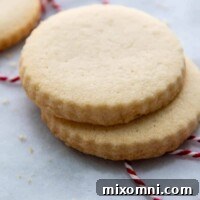
Tender & Buttery Gluten-Free Shortbread Cookies

Melissa Erdelac
Learn how to make gluten-free shortbread cookies with an extra easy, foolproof recipe! The secret to tender, classic GF shortbread, without a gritty, dry texture, is briefly chilling the dough and baking at a lower oven temperature. Choose between the slice and bake or cut-out method to make 4-ingredient, melt-in-your-mouth biscuits.
Pin Recipe
Rate This Recipe
Remove Ads
Ingredients
- 14 tablespoons unsalted butter, softened, but still slightly chilled
- ¾ cup powdered sugar
- ½ teaspoon salt
- 1 teaspoon vanilla extract
- 1 ¾ cup gluten-free all-purpose flour blend (I use and highly recommend Cup4Cup gluten-free flour)
Equipment
- Baking Sheets
- Stand Mixer (or large mixing bowl and hand mixer)
- Cup4Cup Gluten-Free Flour
Instructions
- Prepare the Dough: In a large mixing bowl, or a stand mixer fitted with a paddle attachment, cream together the softened, slightly chilled butter, powdered sugar, and salt until the mixture is smooth, light, and creamy (approximately 2 minutes). Mix in the vanilla extract until just combined.
- Incorporate Flour: Gradually add the gluten-free flour blend to the butter mixture. Mix on low speed to combine. Initially, the dough will appear dry and crumbly, but continue mixing until the flour is fully incorporated and a stiff, cohesive dough forms. (If the dough doesn’t come together, refer to the “Troubleshooting Tips” section above.)
Option 1: Slice and Bake Shortbread
- Shape and Chill the Log: Tear off a 12-inch strip of parchment paper. Place the dough on the paper and shape it into an even log. Roll the dough tightly within the parchment to smooth it further. Wrap completely and chill in the refrigerator for at least 20 minutes to firm up. Meanwhile, preheat your oven to 325℉ (160ºC).
- Slice and Arrange: Unwrap the chilled dough log. If it has a flat side, gently re-roll it to make it perfectly round. Use a sharp knife to slice the log into ½-inch thick rounds. Place these rounds on ungreased or parchment-lined baking sheets, spacing them about 1 inch apart. If baking in batches, keep unbaked cookies in the fridge.
- Bake: Bake for 20-22 minutes, rotating the pans halfway through for even browning. The cookies should be lightly golden at the edges and pale in the center.
Option 2: Cut-Out Shortbread Cookies
- Chill and Roll Dough: Once the dough is made, wrap it securely in plastic wrap and chill for 20 minutes. On a lightly floured surface, roll the chilled dough to an even ½-inch thickness.
- Cut and Arrange: Use cookie or biscuit cutters to press shapes into the dough. Alternatively, slice the dough into 3 x 1-inch rectangles for traditional shortbread fingers. Carefully transfer the shapes to baking sheets. Gather and re-roll any leftover dough. Keep unbaked cookies chilled if baking in batches.
- Bake: Bake for 20-22 minutes at 325℉ (160ºC), rotating pans halfway through. Cookies should be lightly golden on the edges.
Cooling
- Cool Cookies: For both methods, let the baked cookies cool on the baking sheets for 10 minutes before carefully transferring them to a wire rack to cool completely.
Notes
Troubleshooting Tips
- Dough doesn’t come together during mixing: Try mixing longer. If still dry, add a few drops of water at a time until cohesive. Avoid too much water to prevent spreading.
- Dough falls apart when slicing or rolling out: If too cold, let it soften at room temperature for 10-15 minutes.
- Dough is too soft / sticky: Briefly chill the dough to re-solidify the butter. Work on a cool surface or lightly dust with GF flour.
- Cookies spread during baking: Ensure cookies are well chilled before baking. Check oven temperature accuracy with an oven thermometer.
Storing / Make-Ahead / Freezing
Store baked cookies in an airtight container for up to 2 days; they are best fresh. For make-ahead, prepare dough up to 1 day in advance and store in the fridge. For longer storage, freeze unshaped dough for 2-3 months, thawing overnight before use. To freeze shaped cookies, arrange on baking sheets until solid, then transfer to a freezer bag and bake from frozen, adding 1-2 minutes to bake time.
Nutrition Information
Per serving (1 cookie, approximately):
- Calories: 95 kcal
- Carbohydrates: 9g
- Protein: 1g
- Fat: 6g
- Saturated Fat: 4g
- Polyunsaturated Fat: 0.3g
- Monounsaturated Fat: 2g
- Trans Fat: 0.2g
- Cholesterol: 16mg
- Sodium: 93mg
- Potassium: 2mg
- Fiber: 1g
- Sugar: 4g
- Vitamin A: 188 IU
- Calcium: 7mg
- Iron: 0.3mg
*Nutritional values are estimates and may vary based on ingredients, preparation methods, and specific gluten-free flour blends used.
Did you make this recipe? Please leave a star rating and review below. Your feedback is incredibly valuable!