
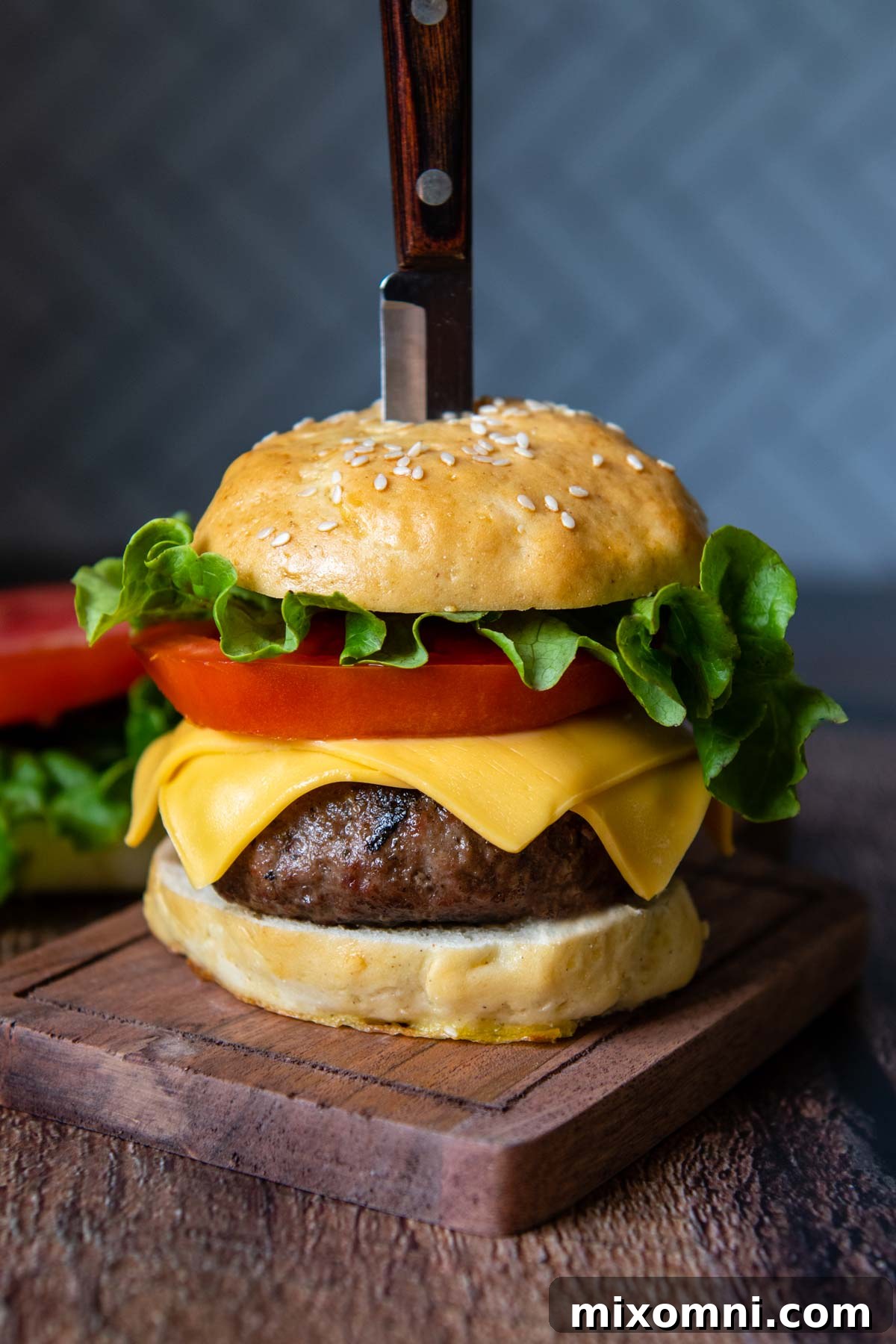
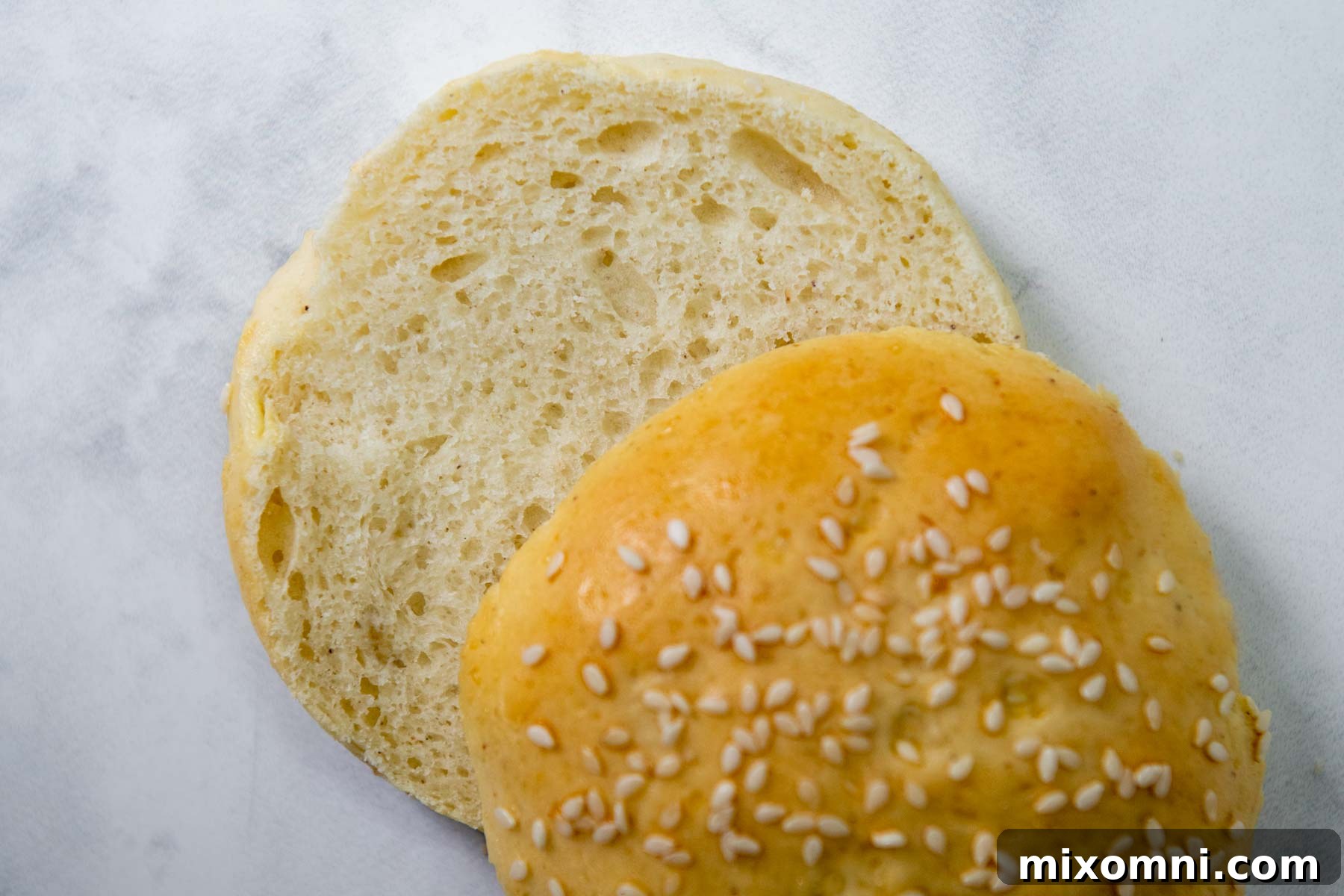
Are you ready to rediscover the joy of a truly delicious burger? Say goodbye to dry, crumbly, and dense gluten-free buns forever! We understand the frustration of finding a gluten-free option that actually tastes good and holds up to a juicy burger. This recipe is meticulously crafted to deliver the softest, fluffiest, and most pillowy gluten-free hamburger buns you’ve ever experienced. They boast a hint of sweet, buttery flavor that will transport you back to your favorite burger memories, tasting even better than you remember. Get ready to elevate your burger game with an easy, step-by-step recipe that even includes a dairy-free option!
Finally, The BEST Gluten-Free Burger Buns You’ve Been Waiting For
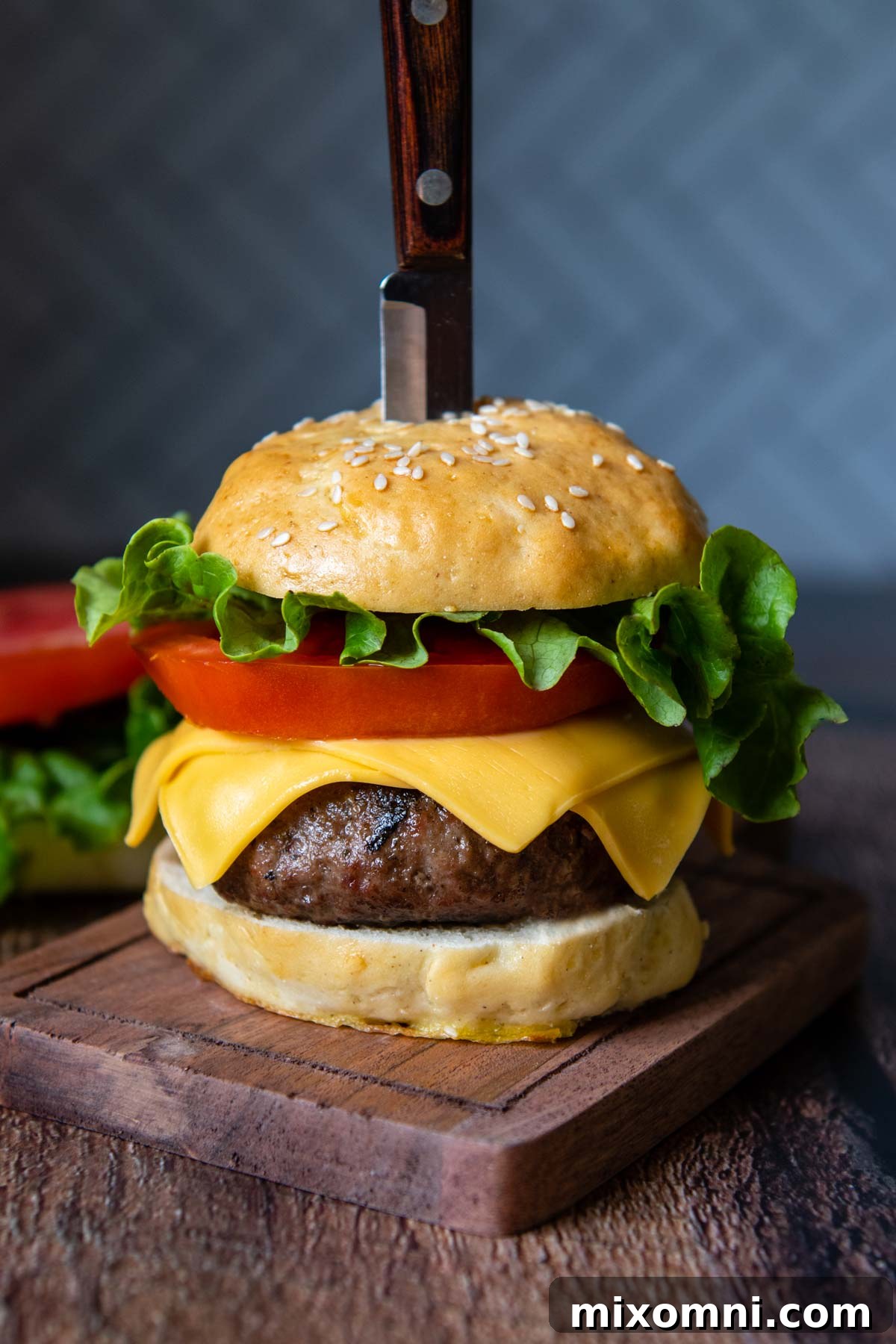
For too long, the phrase “gluten-free bun” has been synonymous with a compromise – a sacrifice of texture, flavor, and overall burger enjoyment. This recipe changes everything. Imagine biting into a burger cradled by a bun that’s not just soft, but incredibly pillowy, holding its shape without crumbling, and brimming with a subtly sweet, buttery taste. That’s precisely what you’ll achieve with these homemade gluten-free burger buns. Many have tried countless disappointing store-bought versions or other recipes that promise much but deliver little. But this recipe is different, validated by hundreds of five-star reviews from delighted home bakers who confirm it rivals, and often surpasses, traditional wheat buns.
Through extensive testing and a deep understanding of gluten-free flours and binders, we’ve cracked the code to creating elasticity and tenderness without the need for gluten. Our philosophy, honed over years of developing successful gluten-free bread recipes, is “less is more” when it comes to flour, paired with the right blend of specific starches and binders. Many gluten-free bun recipes make the common mistake of simply adding more gluten-free flour to achieve shape, which inevitably leads to a dense, heavy, and dry end product. Our method avoids this pitfall entirely, ensuring your buns are light, airy, and moist.
The secret lies in a carefully balanced combination of high-quality gluten-free flour, a touch of psyllium husk for incredible elasticity and moisture absorption, and potato starch to impart that desirable soft, almost “potato bun” like texture. This blend allows the dough to develop structure without becoming tough or heavy. We highly recommend a reliable gluten-free flour blend like Cup4Cup due to its superior performance, often attributed to its cornstarch content which contributes to that signature pillowy softness. You’ll be amazed at how easily these buns come together, requiring only one rise, no strenuous kneading, and a quick 15-minute bake time in your oven. Get ready to banish bunless burgers from your life and welcome the world’s best gluten-free burger buns to your table!
Yum!!! Made these with Cup4cup flour mix. Oh my!! They are like a CLOUD, especially fresh out of the oven with butter!! I’m not normally gluten free and I loved them just as much as my gluten free daughter did. Thank you for sharing this recipe!
—BJ
Unlocking Success: Ingredient Tips and Substitutions
Every ingredient in this recipe plays a crucial role in achieving the perfect soft, fluffy texture of these gluten-free hamburger buns. Understanding their function will empower you to bake with confidence and even experiment with substitutions if needed.
- Gluten-Free Flour Blend: The foundation of our buns. We consistently recommend Cup4Cup Gluten-Free Flour Blend. Why? Because its specific composition, particularly the inclusion of cornstarch, contributes significantly to the signature pillowy soft texture this recipe is known for. Many other blends exist, and while some readers have found success with their favorites, results can vary. If using a different blend, ensure it’s an all-purpose gluten-free blend designed for baking, and be aware that adjustments to liquid might be necessary. Some blends may also contain xanthan gum, which is fine, as this recipe also relies on psyllium husk for its unique binding properties.
- Potato Starch (Not Flour!): This is a true “secret weapon” for creating incredibly soft gluten-free breads and rolls, including these amazing burger buns and our popular homemade gluten-free dinner rolls. Potato starch helps to lighten the crumb, add moisture, and contribute to a pillowy texture, mimicking the desirable qualities of traditional potato buns. It acts as a structural component, allowing us to use less overall flour, thereby avoiding a dense product. While potato starch offers the best results, tapioca starch can be substituted, or in a pinch, an equal amount of additional gluten-free flour, though this may slightly alter the final texture.
- Psyllium Husk Powder: An indispensable binding agent in gluten-free baking. Psyllium husk powder is remarkable because it helps to replicate the elasticity and crumb structure typically provided by gluten in wheat-based baked goods. It absorbs a significant amount of liquid, creating a gel-like consistency that binds the dough together, makes it pliable for shaping, and retains moisture, preventing dryness. For optimal appearance, we highly recommend using a lighter-colored psyllium husk powder. This particular brand is our favorite as it won’t impart a dark or unusual purple hue to your baked goods, a common complaint with some darker varieties.
- Baking Powder and Yeast: Our tried-and-true “two-fold” leavening method ensures a spectacular rise and fluffy texture for gluten-free breads. The active dry yeast initiates the fermentation process, adding flavor and contributing to the initial rise when the dough rests. However, gluten-free dough benefits from an extra boost during baking, which is where the baking powder steps in. It activates with the heat of the oven, providing a secondary lift that results in an exceptionally light and airy bun.
- Eggs (Room Temperature): Eggs add richness, moisture, and help bind the ingredients together, contributing to the dough’s structure and the buns’ tender crumb. Using room temperature eggs is crucial as they emulsify better with other ingredients, creating a smoother, more uniform dough.
- Melted Butter (Slightly Cooled): Butter is key for that irresistible buttery flavor and adds richness and moisture. Ensure it’s melted but cooled slightly before adding to prevent it from “cooking” the eggs or deactivating the yeast. For a dairy-free option, substitute with vegan, plant-based butter sticks (see notes below for salt adjustment).
- Granulated Sugar: A small amount of sugar serves multiple purposes: it feeds the yeast, helping it activate and rise effectively; it adds a subtle sweetness that balances the savory burger; and it promotes beautiful golden-brown crust development during baking.
- Salt: Essential for flavor balance, salt also plays a role in regulating yeast activity, ensuring a controlled rise and enhancing the overall taste of the buns.
Let’s Bake These Masterpiece Buns Together!
Get ready to transform simple ingredients into extraordinary gluten-free burger buns. Below, you’ll find detailed step-by-step instructions with additional tips to ensure your baking success. For precise ingredient amounts and a complete printable recipe, please scroll down to the recipe card.
Step 1: Preparing Your Yeast and Dry Ingredients for an Easy Dough
Our journey to perfect buns begins with activating the yeast. In a small bowl, combine warm water (ensure it’s around 110°F – too hot will kill the yeast, too cold won’t activate it) with a teaspoon of granulated sugar and the active dry yeast. Give it a gentle stir and let it sit for about 5 minutes. You’ll know your yeast is active and ready when a frothy layer forms on the surface, indicating it’s bubbling with life.
While your yeast is proofing, gather your dry ingredients. In the bowl of a stand mixer fitted with a paddle attachment, combine your gluten-free flour blend, the remaining granulated sugar, potato starch, psyllium husk powder, baking powder, and salt. Whisk them together briefly to ensure everything is evenly distributed. Once the yeast is frothy, add the room temperature eggs and slightly cooled melted butter directly to the yeast mixture – no need to stir them together just yet.
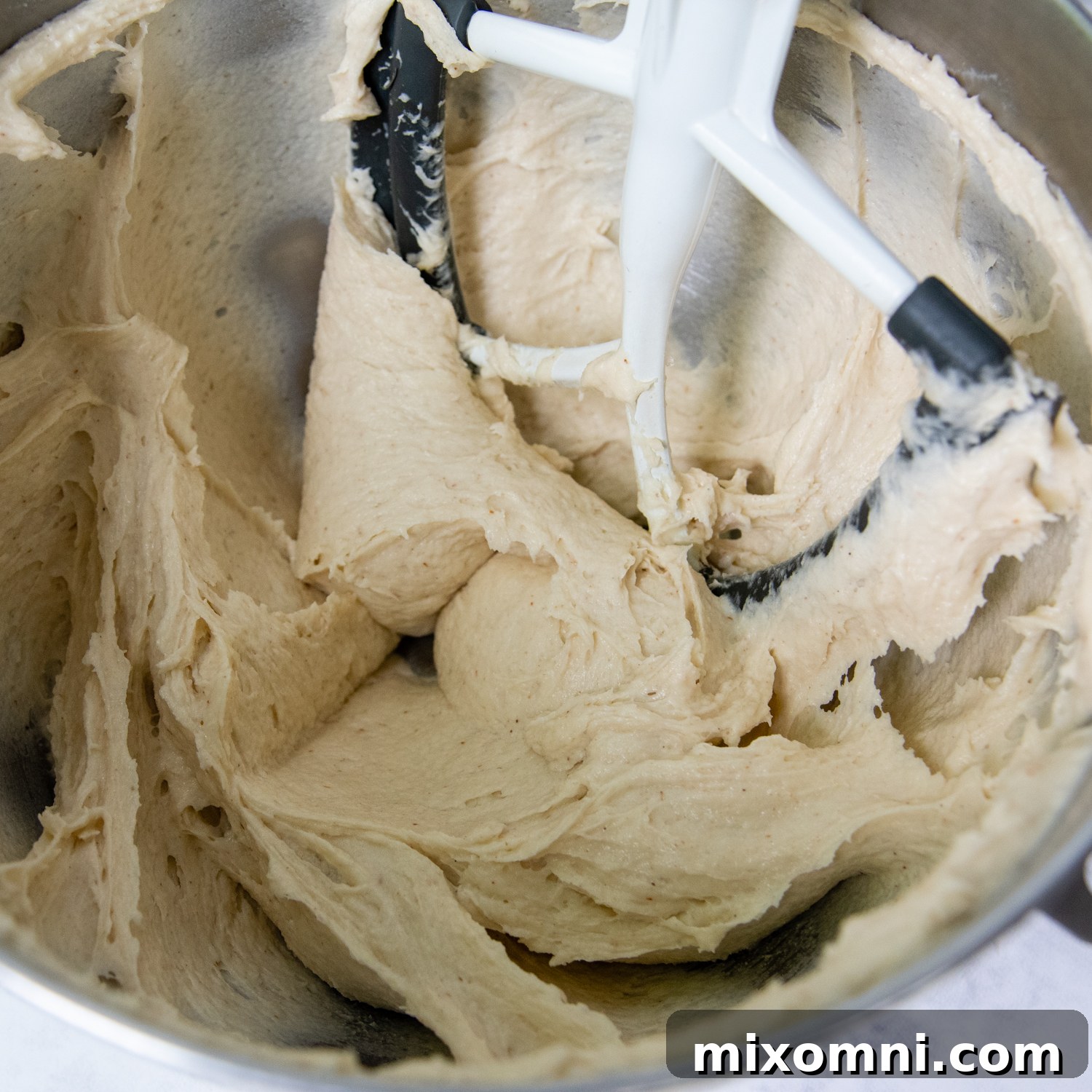
Now, slowly add the wet yeast mixture to the dry ingredients in your stand mixer. Start mixing on low speed, allowing all the ingredients to combine thoroughly. As the dough comes together, it will appear quite stiff but also somewhat sticky – this is perfectly normal for gluten-free bread dough. Increase the mixer speed to medium and beat the dough vigorously for a full 6 minutes. This crucial step develops the necessary structure and incorporates air, resulting in a lighter bun. Don’t be shy about stopping the mixer occasionally to scrape down the sides of the bowl with a spatula, ensuring all ingredients are fully incorporated.
Step 2: Precisely Scoop and Expertly Roll Your Dough Balls
Achieving consistently sized burger buns is key for even baking and a professional appearance. For standard-sized burger buns, aim for approximately 3 ½ ounce portions of dough. If you’re planning on making adorable slider buns, reduce the portion size to 2 ½ ounces. For the utmost precision, we highly recommend using a food scale. Simply place a piece of greased plastic wrap on your scale, then scoop out the dough to the desired weight. An even easier method, especially for those without a scale, is to lightly spray a ⅓ measuring cup with cooking spray and scoop the dough evenly to the top.
Once your dough is portioned, it’s time to shape it. Lightly grease your hands with cooking spray to prevent sticking, then take each portion of dough and roll it into a tight, smooth ball. The smoother you can get the surface of the ball, the better, as this helps prevent cracks from forming on the buns during the baking process. While minor cracks won’t affect the taste, a smooth surface makes for a more appealing bun. Place the shaped dough balls onto two baking sheets that have been lined with greased parchment paper, ensuring they are spaced about 2-3 inches apart to allow for proper expansion during rising and baking. Repeat this process until all your dough is divided and rolled.
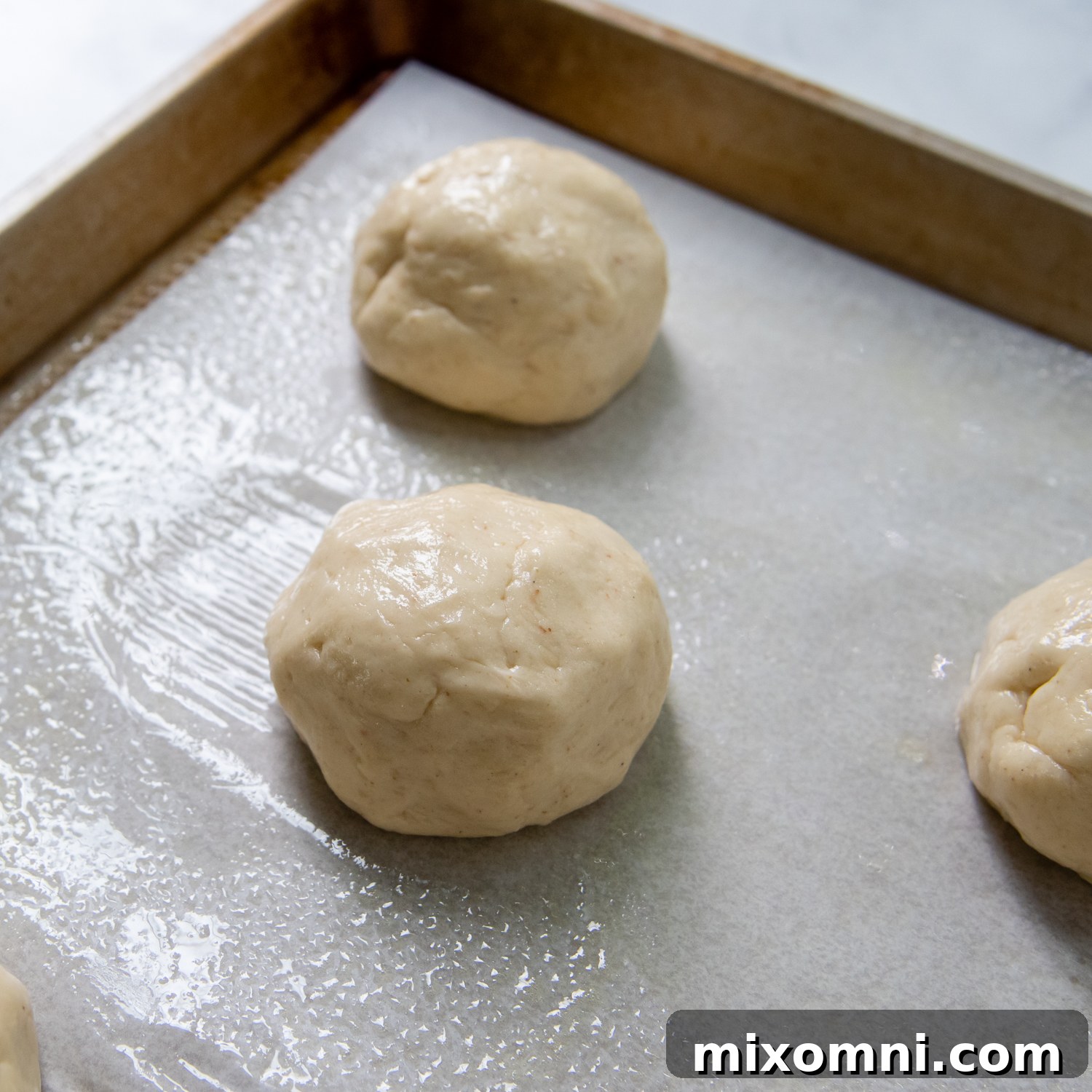
Step 3: Pressing, Rising, and Preheating for Optimal Fluffiness
Now, take each dough ball and gently flatten it into a thick disc, aiming for approximately ¾-inch high. This shaping step is essential; it ensures your buns have the classic burger bun shape rather than simply rising as round balls. Once flattened, loosely cover each baking tray with a large piece of greased plastic wrap. The greased side should face down to prevent sticking to the rising dough. At this point, we employ a clever pro tip for a quick, lofty rise:
Before you even started mixing your dough, you should have preheated your oven to 200°F and then turned it off. This creates a perfectly warm, draft-free environment ideal for gluten-free dough to rise. Place your covered baking sheets into this still-warm, turned-off oven for about 10 minutes. This initial warmth kick-starts the rising process. After 10 minutes, remove the pans from the oven. Let them continue to rise at room temperature for another 20-30 minutes. Meanwhile, preheat your oven to 375°F. This two-stage rising method (warm oven then room temperature) ensures a good, steady rise for your gluten-free buns, leading to an incredibly light and airy texture.
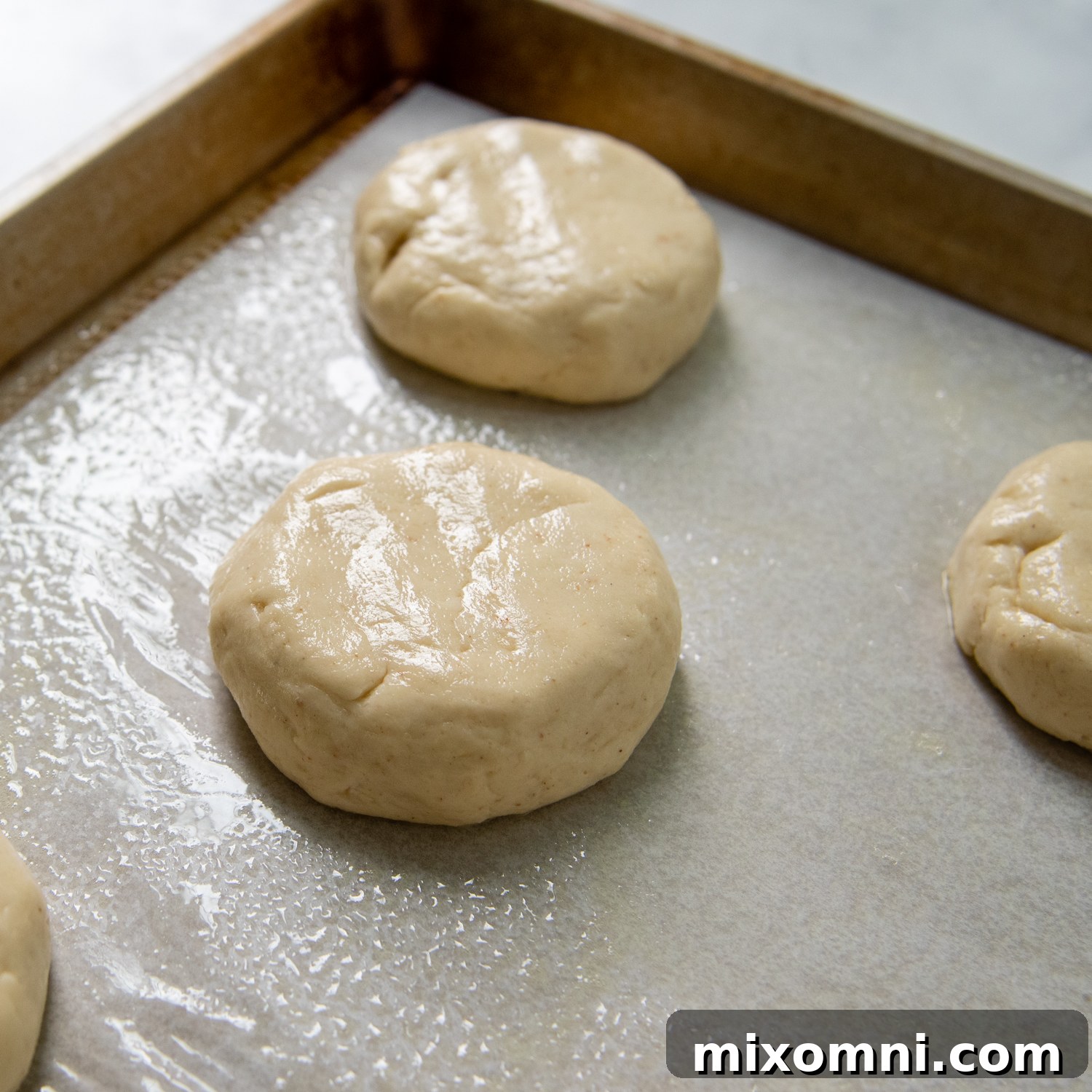
Step 4: The Golden Finish – Egg Wash and Baking
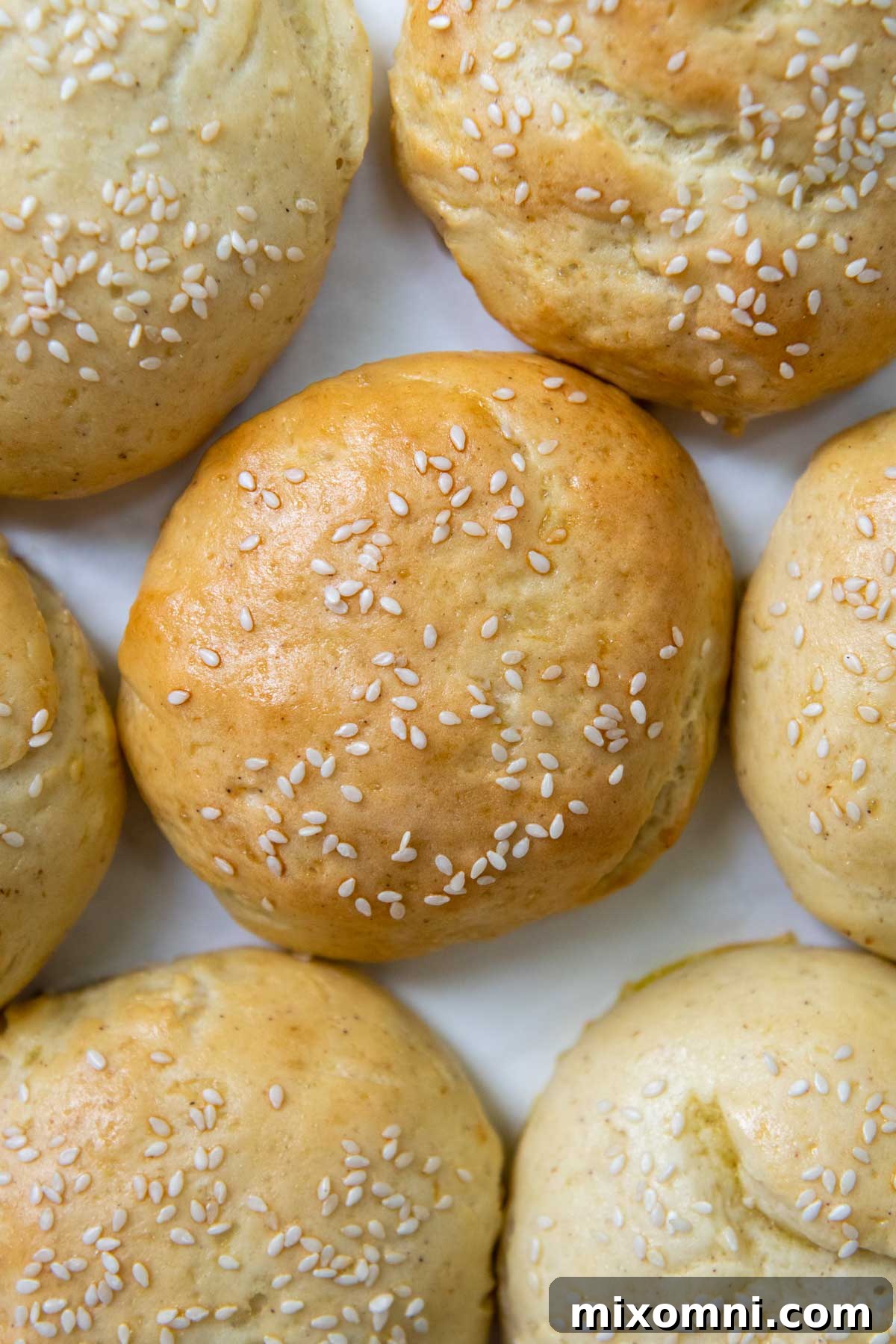
Once your buns have risen beautifully and the oven is preheated, it’s time for the final touch: the egg wash. In a small bowl, whisk one large egg with 1 tablespoon of water until it’s light and frothy. This egg wash is more than just for looks; it gives your buns that gorgeous golden-brown color and a desirable glossy shine, much like traditional bakery buns. Generously brush the egg wash over the tops and sides of each risen bun. This also acts as a perfect adhesive for any toppings you wish to add, such as classic sesame seeds, delicate poppy seeds, or even a sprinkle of flaky sea salt for a gourmet touch.
Carefully transfer your baking sheets to the preheated 375°F oven. Bake for 15-17 minutes, or until the buns are beautifully golden brown on top and the bottoms are a rich, appealing color. For even baking, it’s a good practice to rotate the pans halfway through the baking time. Once baked, remove the buns from the oven and transfer them to a wire rack to cool completely. While it will be incredibly tempting to tear into these warm, fluffy delights immediately, allowing them to cool completely is essential for the best texture and structure. Try to save this goodness for assembling your juicy hamburgers, but don’t be surprised if you sneak a taste of these amazing buns on their own!
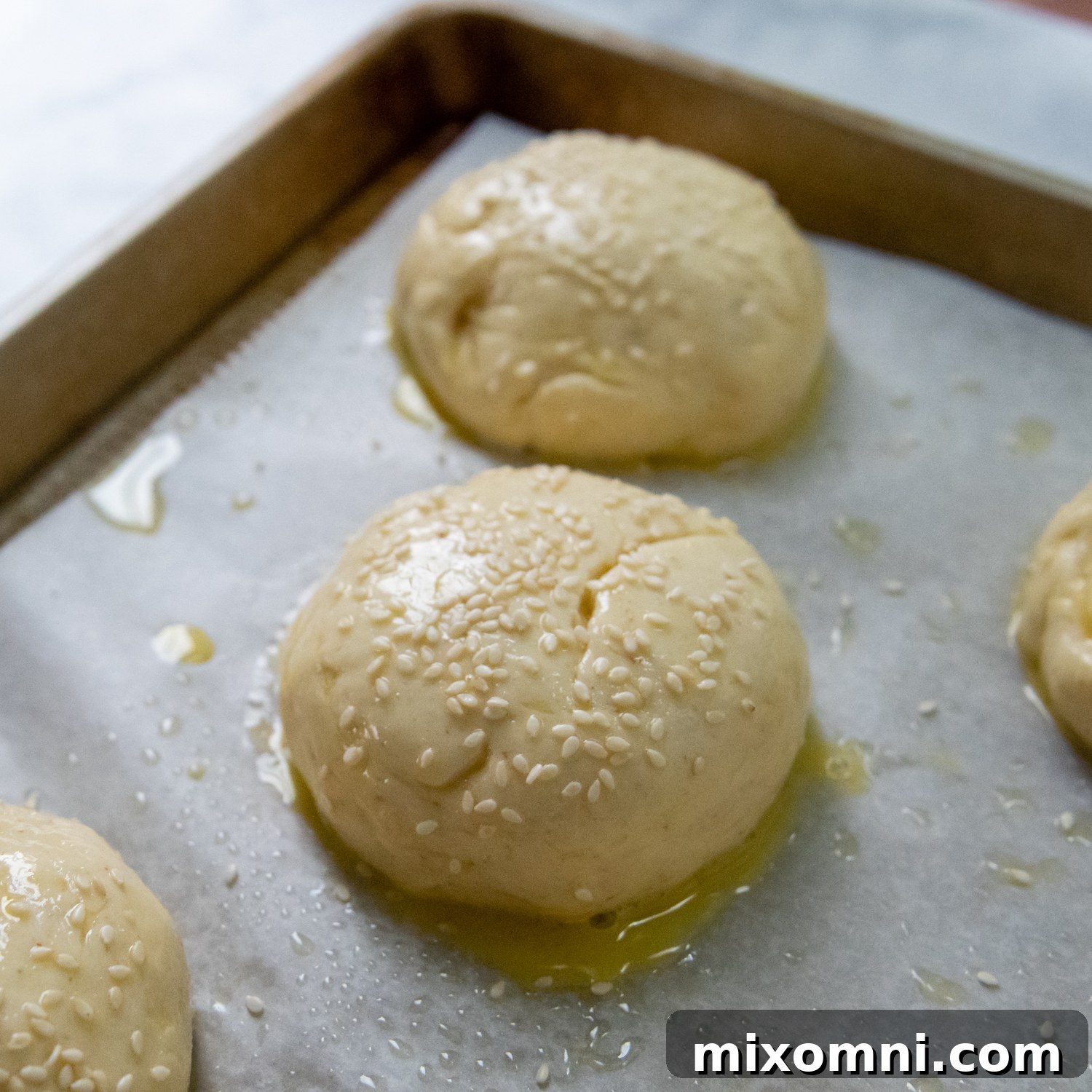
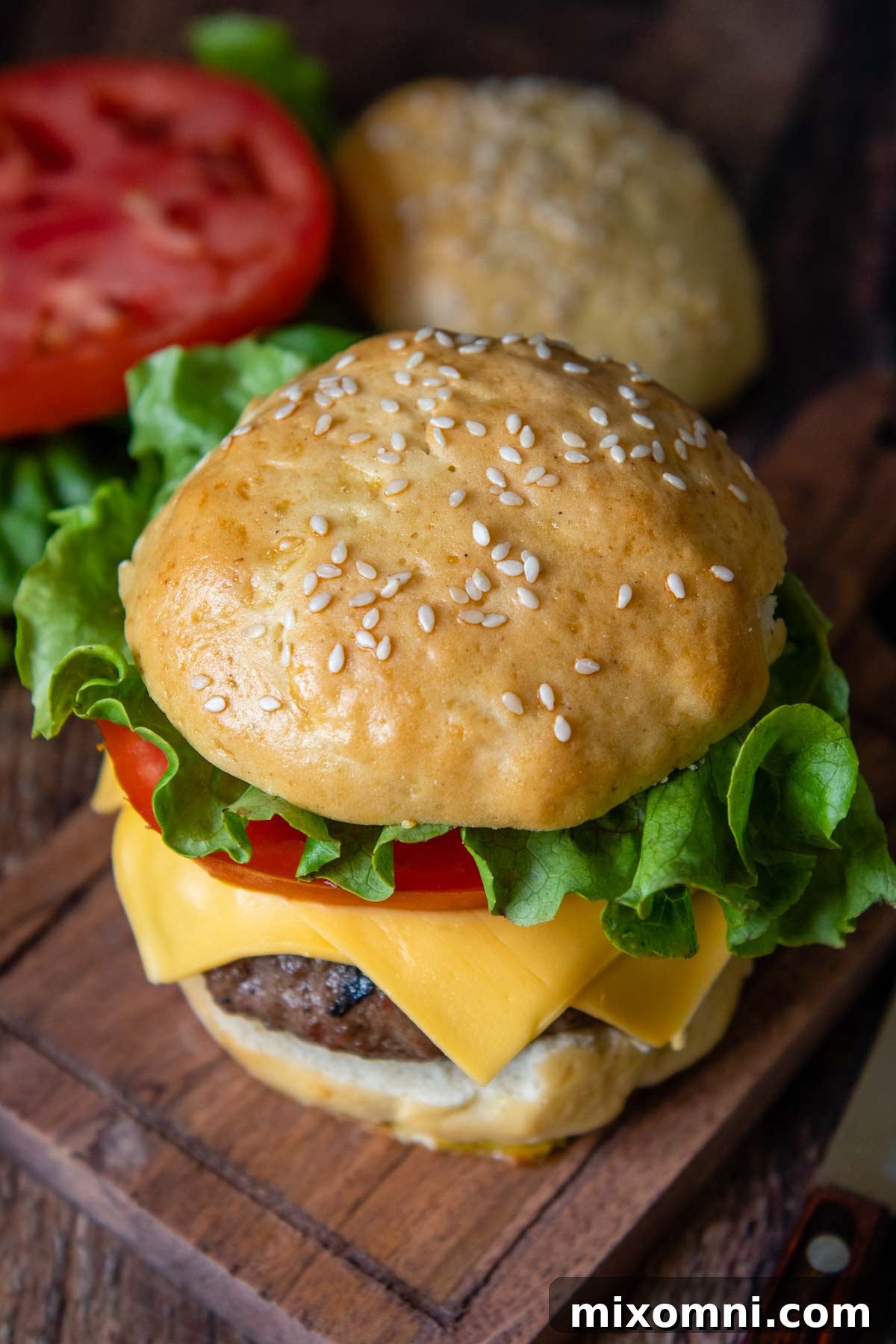
Do I Need a Stand Mixer for This Recipe?
A common question among home bakers is whether a stand mixer is truly necessary for gluten-free bread recipes. For this particular recipe, given the dough’s consistency – it’s quite stiff but still sticky – a stand mixer is highly recommended. The prolonged beating on medium speed (6 minutes) is crucial for developing the proper structure and texture in gluten-free dough, something that is incredibly challenging to achieve by hand. While a hand mixer might seem like an option, it simply won’t have the power or the ability to work the dough effectively for this recipe.
If you don’t own a stand mixer, a bread machine utilizing its dough mixing cycle can be a suitable alternative. This allows the machine to do the heavy lifting of mixing and kneading. However, if you frequently enjoy baking homemade gluten-free bread, we strongly advise investing in a quality stand mixer. It will undoubtedly make your gluten-free baking journey much easier and more consistently successful, opening up a world of soft and delicious gluten-free breads.
Can I Use This Dough For Other Baked Goods?
Absolutely! The beauty of this incredibly versatile gluten-free dough extends far beyond just hamburger buns. Once you master this base recipe, you’ll discover a world of other delicious gluten-free bread possibilities:
- Gluten-Free Hot Dog Buns: The shaping and baking process for hot dog buns requires a slightly different approach to achieve that elongated shape. For a comprehensive, step-by-step guide tailored specifically for hot dog buns, we recommend checking out our easy gluten-free hot dog bun recipe.
- Gluten-Free Slider Buns: To make adorable slider buns, simply adjust the portion size during the scooping and rolling step. Instead of 3 ½ ounce portions, aim for smaller 2 ½ ounce dough balls. Shape and bake them following the same instructions, adjusting baking time slightly if needed for smaller buns.
- Gluten-Free Hawaiian Rolls: For a delightful twist, transform this dough into soft, squishy gluten-free Hawaiian buns. You might want to slightly increase the sugar content and potentially add a touch of pineapple juice or milk powder to achieve that characteristic Hawaiian sweetness and flavor. Our dedicated recipe for soft, squishy gluten-free Hawaiian buns provides specific modifications for this sweet treat.
- Dinner Rolls & Sandwich Buns: This dough also makes fantastic everyday dinner rolls or small sandwich buns. The shaping is similar to the burger buns, just adjusting the size as desired.
Many readers have fallen in love with this recipe and have successfully adapted it for a variety of gluten-free bread ideas. We encourage you to explore the comments below to see how others have experimented, and don’t forget to share your own creative adaptations!
Don’t Forget to Pin This Recipe!
Let’s be friends on Pinterest! I’m always sharing great recipes!
Did you make this recipe? We love hearing from you! Please leave a star rating and comment below the recipe card. Your feedback helps others discover delicious recipes and helps our community grow. We always appreciate hearing about your baking adventures! -Melissa
Softest Gluten-Free Hamburger Buns (Not Crumbly)

Melissa Erdelac
12 buns
30 mins
15 mins
45 mins
Pin
Rate
A video tutorial demonstrating the steps for these gluten-free hamburger buns is available to guide you through the process.
Ingredients
- 1 ½ cup (360 g) warm water (110°F)
- 1 packet (7 g) (2 ¼ tsp) active dry yeast
- 2 large eggs, room temperature
- ¼ cup (57 g) melted butter, cooled slightly (see recipe notes for dairy-free)
- 3 ¼ cup (473 g) gluten free all purpose flour, I recommend Cup4Cup brand
- ⅓ cup (80 g) + 1 tsp granulated sugar, divided
- ½ cup (80 g) potato starch
- 2 tablespoons (22 g) psyllium husk powder, what is psyllium husk?
- 2 teaspoons baking powder
- 1 teaspoon salt
- Egg wash: 1 egg mixed with 1 tbsp water
- (Optional) sesame seeds, poppy seeds, or flaky sea salt, for topping
Equipment
- Stand Mixer
- Cup4Cup Gluten Free Flour (Recommended)
- Food Scale (Optional, for precise portions)
- Two baking sheets
- Parchment paper
Instructions
- Before you begin mixing the dough, preheat your oven to 200ºF (93°C). Once it reaches this temperature, turn the oven OFF. This creates a warm, ideal environment for rising later. Line two baking sheets with parchment paper and lightly grease the parchment.
- In a small bowl, stir the active dry yeast and 1 teaspoon of granulated sugar into the warm water (110°F/43°C). Let this mixture sit for 5 minutes until it becomes frothy, indicating the yeast is active. Add the room temperature large eggs and slightly cooled melted butter to the yeast mixture.
- While the yeast is proofing, use a stand mixer fitted with a paddle attachment to combine the dry ingredients: gluten-free all-purpose flour, the remaining ⅓ cup granulated sugar, potato starch, psyllium husk powder, baking powder, and salt. Mix briefly to combine evenly. Slowly add the wet yeast mixture to the dry ingredients and mix on low speed until everything is incorporated.
- Once the dough comes together, increase the mixer speed to medium and beat for 6 minutes. The dough will be quite stiff but still sticky. Stop the mixer once or twice to scrape down the sides of the bowl, ensuring all ingredients are thoroughly mixed.
- For standard burger buns, portion the dough into approximately 3 ½ ounce (99g) portions. For precise measurement, use a food scale (place greased plastic wrap on top first). Alternatively, spray a ⅓ measuring cup with cooking spray and scoop out the dough evenly to the top.
- Lightly grease your hands with additional cooking spray. Roll each dough portion into a tight, smooth ball. A smooth surface helps prevent cracks during baking. Place the shaped dough balls onto the prepared baking sheets, ensuring they are about 2-3 inches apart.
- Gently flatten each dough ball to about ¾-inch high. Loosely cover each tray with a piece of greased plastic wrap (greased side down). Place the baking sheets in your warmed, turned-off oven for 10 minutes. After 10 minutes, remove the pans from the oven and let them sit at room temperature for an additional 20-30 minutes while your oven preheats to 375°F (190°C).
- In a small bowl, whisk 1 egg with 1 tablespoon of water until frothy to create the egg wash. Brush the tops and sides of the risen buns generously with the egg wash. If desired, sprinkle with sesame seeds, poppy seeds, or flaky sea salt.
- Bake for 15-17 minutes, or until the buns are golden brown on top and the bottoms are firm and golden. Rotate the pans halfway through baking for even browning. Remove from the oven and transfer to a wire rack to cool completely. Cool completely before storing in an airtight container or freezing for best results.
Notes
Dairy-Free Modifications
To make these buns dairy-free, simply replace the melted butter with an equal amount of vegan, plant-based butter sticks. When doing so, reduce the salt in the recipe from 1 teaspoon to ¾ teaspoon to account for the salt content often found in vegan butters.
Storing and Freezing
Gluten-free baked goods can lose moisture more quickly than their wheat counterparts. For the freshest and softest texture, we highly recommend serving these buns the day they are made. If you wish to make them ahead of time, allow the buns to cool completely after baking. Once cool, wrap each bun individually in plastic wrap, then transfer them to a freezer-safe ziplock bag. They can be frozen for up to 2 months.
When you’re ready to enjoy them, it’s crucial to ensure the buns are at room temperature, not chilled, for the best soft texture. If the buns are cold, they will tend to be denser and more crumbly. You can gently warm them in the microwave for a few seconds to remove any lingering “chill” and restore their pillowy softness before serving.
Nutrition Information (per bun)
Calories: 205 kcal,
Carbohydrates: 37g,
Protein: 5g,
Fat: 6g,
Saturated Fat: 3g,
Polyunsaturated Fat: 1g,
Monounsaturated Fat: 1g,
Trans Fat: 1g,
Cholesterol: 37mg,
Sodium: 241mg,
Potassium: 151mg,
Fiber: 5g,
Sugar: 7g,
Vitamin A: 158IU,
Vitamin C: 1mg,
Calcium: 61mg,
Iron: 1mg
Did you make this recipe?
Please leave a star rating and review below. Your feedback helps others discover great recipes and is always appreciated!